10 Myths About Epilepsy You Should Stop Believing
Epilepsy is a neurological disorder that causes recurring seizures due to abnormal electrical activity in the brain. If you are looking for the Best Epilepsy Specialist in Safdarjung, understanding the facts about epilepsy is the first step toward better care. Unfortunately, many myths and misconceptions still surround this condition, leading to unnecessary fear, stigma, and delayed treatment. In this article, we’ll debunk 10 common myths about epilepsy and share the facts to help patients and families make informed healthcare decisions.
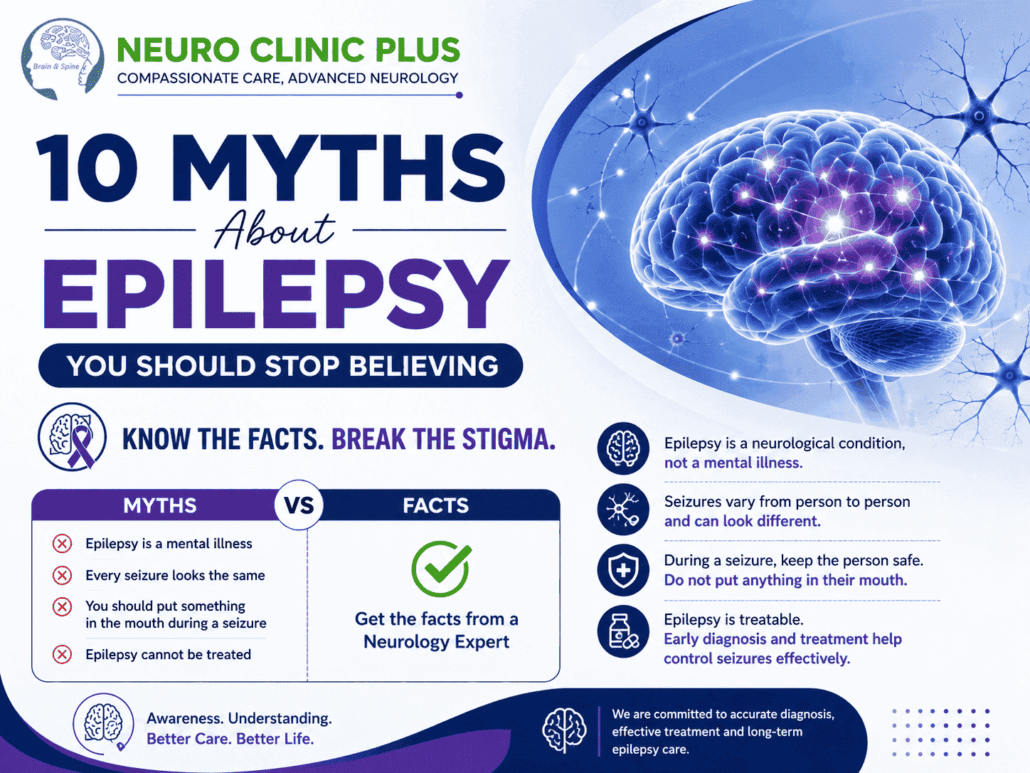
Myth 1: Epilepsy Is a Mental Illness
Fact: Epilepsy is not a mental illness. It is a neurological disorder caused by abnormal electrical activity in the brain. While some people with epilepsy may also experience anxiety or depression, these are separate conditions and not the cause of epilepsy. With an accurate diagnosis, the right medication, and regular follow-ups, many people successfully manage their seizures and lead active, fulfilling lives.
Myth 2: Every Seizure Looks the Same
Fact: Not all seizures are the same. While some people experience convulsions and loss of consciousness, others may only have brief staring spells, sudden muscle jerks, unusual sensations, or temporary confusion. Because seizure symptoms can vary from person to person, an early neurological evaluation is essential for accurate diagnosis and the right treatment plan.
Myth 3: People with Epilepsy Cannot Live a Normal Life
Fact: Most people with epilepsy can lead normal, productive lives. With the right treatment, regular medical follow-ups, and healthy lifestyle habits, many people can study, work, drive (when medically permitted), travel, and participate in daily activities. Proper seizure management helps improve independence, confidence, and overall quality of life.
Myth 4: You Should Put Something in the Person’s Mouth During a Seizure
Fact: Never put anything in a person’s mouth during a seizure. This does not prevent tongue swallowing and can cause choking, dental injuries, or damage to the jaw. Instead, gently turn the person onto their side, remove nearby objects that could cause injury, and allow the seizure to pass naturally. If the seizure lasts more than five minutes or repeats without recovery, seek immediate medical attention.
Myth 5: Epilepsy Is Always Inherited
Fact: Epilepsy is not always inherited. While genetics can play a role in some cases, many people develop epilepsy due to head injuries, stroke, brain infections, developmental disorders, or unknown causes. Having a family history does not necessarily mean a person will develop epilepsy, and many patients have no genetic link at all.
Myth 6: Medication Can Be Stopped Once Seizures Stop
Fact: You should never stop epilepsy medication without medical advice. Even if seizures have been controlled for a long time, stopping medicines suddenly can increase the risk of seizure recurrence and other complications. Any changes to treatment should be made gradually and only under the guidance of a neurologist.
Myth 7: People with Epilepsy Cannot Exercise
Fact: Exercise is generally safe and beneficial for most people with epilepsy. Regular physical activity can improve overall health, reduce stress, and support emotional well-being. However, certain activities such as swimming, rock climbing, or other high-risk sports should be done with proper supervision and after discussing safety precautions with a healthcare professional.
Myth 8: Flashing Lights Trigger Seizures in Everyone
Fact: Flashing lights do not trigger seizures in everyone with epilepsy. Only a small percentage of people have photosensitive epilepsy, where flashing or flickering lights can provoke seizures. For most individuals, common triggers include missed medications, lack of sleep, stress, illness, or excessive alcohol consumption, rather than flashing lights alone.
Myth 9: Epilepsy Cannot Be Treated
Fact: Epilepsy is a treatable condition. Many people achieve good seizure control with the right anti-seizure medications, while others may benefit from dietary therapy, advanced neurological treatments, or surgery when appropriate. Early diagnosis and a personalized treatment plan can significantly improve seizure control and overall quality of life.
Myth 10: Epilepsy Is Rare
Fact: Epilepsy is one of the most common neurological disorders worldwide. It affects millions of people of all ages, including children, adults, and older adults. Despite its prevalence, awareness and understanding remain limited, which is why educating people about epilepsy is essential to reduce stigma, encourage early diagnosis, and promote timely treatment.
Why Choose Neuro Clinic Plus for Epilepsy Care?
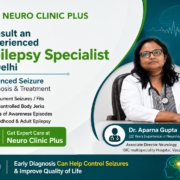
At Neuro Clinic Plus, patients receive comprehensive epilepsy care focused on accurate diagnosis, effective treatment, and long-term seizure management. If you are looking for the Best Epilepsy Specialist in Safdarjung, Dr. Aparna Gupta, a neurologist with 22+ years of experience, offers personalized treatment plans, advanced neurological evaluation, medication management, and patient education to help improve patients’ quality of life.
Why Patients Trust Neuro Clinic Plus
| Feature | What You Can Expect |
| Experienced Neurologist | Consultation with Dr. Aparna Gupta, who has 22+ years of experience in treating neurological disorders. |
| Accurate Diagnosis | Comprehensive evaluation using advanced diagnostic techniques for precise epilepsy assessment. |
| Personalized Treatment | Treatment plans tailored to the patient’s seizure type, medical history, and lifestyle. |
| Long-Term Care | Regular follow-ups, medication monitoring, and seizure management support. |
| Patient-Centered Approach | Clear guidance on seizure first aid, lifestyle modifications, and medication adherence. |
| Comprehensive Neurology Services | Expert care for epilepsy as well as stroke, headaches, vertigo, Parkinson’s disease, and other neurological conditions. |
Meet Dr. Aparna Gupta
Dr. Aparna Gupta is a highly experienced Neurologist dedicated to providing compassionate, evidence-based care for patients with epilepsy and other neurological disorders. Recognized by many patients as the Best Epilepsy Specialist in Safdarjung, her patient-focused approach emphasizes accurate diagnosis, personalized treatment, and long-term neurological care.
Highlights
- 22+ years of experience in Neurology.
- Expertise in the diagnosis and management of epilepsy and seizure disorders.
- Special interest in treating stroke, headaches, vertigo, Parkinson’s disease, dementia, and movement disorders.
- Provides personalized treatment plans based on each patient’s condition and medical history.
- Focuses on early diagnosis, effective seizure control, and improving patients’ quality of life.
- Believes in patient education and guides families on seizure first aid and long-term epilepsy management.
- Practices at Neuro Clinic Plus, offering comprehensive neurological care in a patient-friendly environment.
Frequently Asked Questions (FAQs)
1. What is epilepsy?
Epilepsy is a neurological disorder that causes recurring seizures due to abnormal electrical activity in the brain. It can affect people of all ages.
2. What are the common symptoms of epilepsy?
Common symptoms include convulsions, staring spells, muscle jerks, temporary confusion, loss of awareness, and unusual sensations, depending on the type of seizure.
3. What causes epilepsy?
Epilepsy may be caused by genetic factors, head injuries, stroke, brain infections, developmental disorders, or sometimes the exact cause remains unknown.
4. Can epilepsy be cured?
Some people become seizure-free with treatment, while others require long-term management. Early diagnosis and proper treatment can help control seizures effectively.
5. Is epilepsy hereditary?
Not always. Although genetics can contribute in some cases, many people develop epilepsy without any family history.
6. What should I do if someone has a seizure?
Stay calm, turn the person onto their side, move harmful objects away, and do not put anything in their mouth. Seek emergency care if the seizure lasts longer than five minutes.
7. Can stress trigger epilepsy seizures?
Yes. Stress is a common seizure trigger for some people, along with lack of sleep, missed medications, illness, and alcohol consumption.
8. Can people with epilepsy exercise?
Yes. Most people with epilepsy can safely enjoy regular physical activity, though certain high-risk sports may require extra precautions.
9. How is epilepsy diagnosed?
Doctors diagnose epilepsy using a medical history, neurological examination, EEG (Electroencephalogram), brain imaging such as MRI or CT scans, and other tests when needed.
10. Can epilepsy medications be stopped once seizures are controlled?
No. Epilepsy medications should never be stopped without medical advice, as doing so may increase the risk of seizure recurrence.
11. When should I consult a neurologist for epilepsy?
You should consult a neurologist if you experience recurrent seizures, unexplained loss of consciousness, unusual movements, or episodes of confusion.
12. Why is early epilepsy treatment important?
Early diagnosis and treatment can help reduce seizure frequency, prevent complications, improve daily functioning, and enhance overall quality of life.
Conclusion
Epilepsy is a manageable neurological disorder, but myths and misinformation often prevent people from seeking the care they need. Understanding the facts can help reduce stigma, encourage early diagnosis, and support better seizure management. If you or a loved one experiences recurrent seizures or epilepsy symptoms, consulting the Best Epilepsy Specialist in Safdarjung can help you receive an accurate diagnosis and the most appropriate treatment for long-term neurological health.





Leave a Reply
Want to join the discussion?Feel free to contribute!