
Is Memory Loss a Serious Problem?
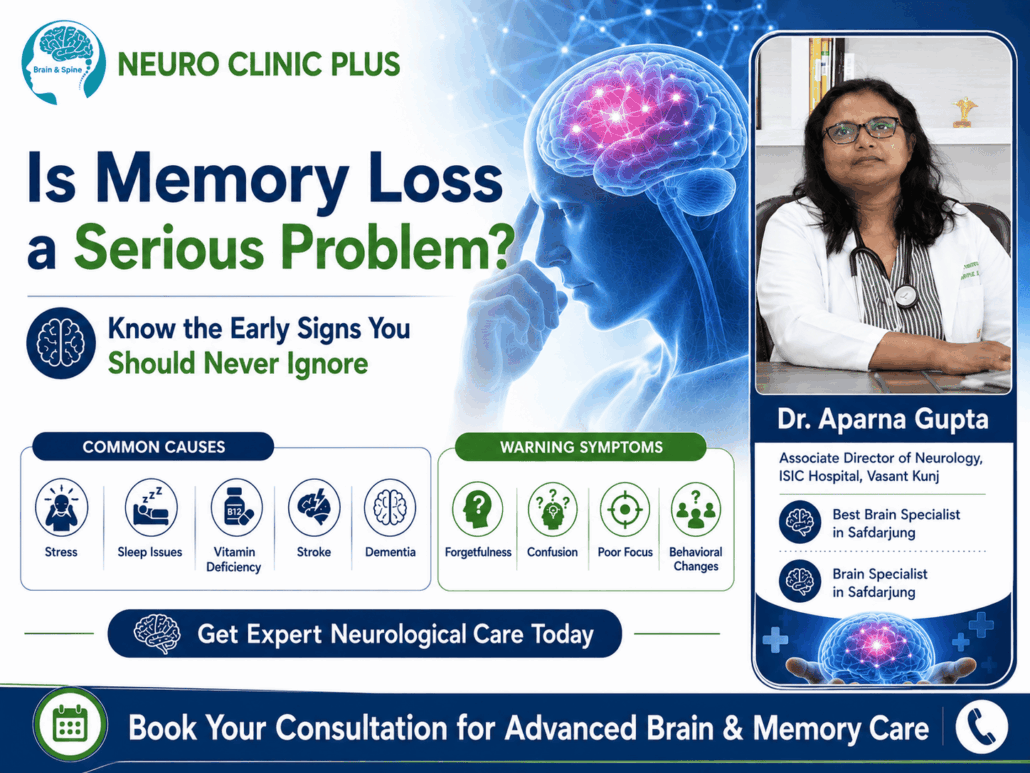
Memory loss is a condition where a person starts forgetting recent events, information, or important daily activities. It can range from mild forgetfulness to more serious problems that affect thinking, communication, and independence. In many cases, occasional memory lapses are normal, but persistent or worsening memory issues may indicate an underlying neurological condition that needs medical attention.
If you are looking for the Best Brain Specialist in Safdarjung or an experienced Brain Specialist in Safdarjung, it is important to understand that early diagnosis plays a key role in preventing complications and managing brain health effectively. Memory problems can be linked to stress, aging, vitamin deficiencies, stroke, or neurological disorders such as dementia or Alzheimer’s disease.
With timely consultation and proper evaluation, many memory-related conditions can be controlled or improved significantly. Understanding the early signs and seeking expert advice helps in protecting long-term brain function and maintaining a better quality of life.
Understanding Memory Loss
What is Memory Loss?
Memory loss is a neurological and cognitive condition in which a person faces difficulty in storing, retaining, or recalling information. It may involve forgetting recent conversations, names, events, or daily tasks, and in more severe cases, it can affect a person’s ability to perform routine activities independently. Memory is a complex function of the brain that involves multiple regions, especially the hippocampus and frontal lobe, which are responsible for learning, organization, and recall.
Memory loss can occur in different patterns. Some people experience sudden memory problems, while others notice a gradual decline over time. In many cases, mild forgetfulness is linked with stress, lack of sleep, anxiety, or aging, but persistent or worsening symptoms may indicate an underlying neurological disorder that requires medical evaluation.
Types of Memory Loss
Memory loss is classified into different types depending on how it affects a person’s thinking and daily functioning:
1. Short-Term Memory Loss
This is the most common form, where a person struggles to remember recent information such as what they just read, recent conversations, or appointments. It often appears in people dealing with stress, depression, fatigue, or sleep deprivation. Although it may seem minor, repeated short-term memory issues should not be ignored.
2. Long-Term Memory Loss
In this type, a person has difficulty recalling past experiences, important life events, or familiar information. This may be linked to conditions like Alzheimer’s disease, dementia, or brain injury. Long-term memory loss can gradually impact identity recognition and emotional connections.
3. Temporary Memory Lapses
Temporary forgetfulness is usually short-lived and reversible. It can occur due to overwork, emotional stress, multitasking, or lack of focus. Once the underlying cause is resolved, memory usually returns to normal. However, frequent episodes may require medical attention.
4. Progressive Memory Decline
This is a serious and long-term condition where memory problems worsen over time. It is often associated with neurological disorders such as dementia, stroke-related brain damage, or degenerative brain diseases. Patients may gradually lose the ability to recognize people, perform tasks, or make decisions.
Understanding these patterns is very important because it helps in identifying whether the condition is temporary or medically serious. If memory problems continue or interfere with daily life, it is advised to consult the Best Brain Specialist in Safdarjung or an experienced Brain Specialist in Safdarjung for proper neurological evaluation and timely treatment.
Is Memory Loss Always Serious?
Normal Forgetfulness vs Medical Concern
Not every case of memory loss indicates a serious brain problem. In many situations, people experience mild forgetfulness due to everyday factors such as stress, multitasking, poor sleep, or mental fatigue. For example, forgetting where you kept your keys or missing an appointment once in a while is usually considered normal.
However, memory issues become a concern when they start to repeat frequently or worsen over time. If a person repeatedly forgets recent conversations, struggles to focus, or depends heavily on others for simple tasks, it may indicate an underlying neurological or cognitive disorder.
When Memory Loss Becomes Serious
Memory loss should not be ignored when it begins to affect daily life, behavior, or independence. Some warning signs include:
- Repeatedly asking the same questions
- Forgetting important dates or events frequently
- Difficulty in recognizing familiar places or people
- Confusion in simple decision-making
- Getting lost in known surroundings
- Noticeable changes in mood or personality
These symptoms may be linked to conditions such as dementia, Alzheimer’s disease, stroke, or other neurological disorders. Early detection is important because timely treatment can help slow progression and improve quality of life.
In such cases, it is strongly recommended to consult the Best Brain Specialist in Safdarjung or an experienced Brain Specialist in Safdarjung for proper neurological evaluation, accurate diagnosis, and advanced treatment planning.
Common Causes of Memory Loss
Lifestyle and Temporary Causes
Many cases of memory loss are linked to everyday lifestyle factors that temporarily affect brain function rather than causing permanent damage. These causes are often reversible if identified early and managed properly:
- Stress and anxiety: High stress levels can reduce concentration and affect the brain’s ability to store and recall information
- Lack of sleep: Poor or insufficient sleep directly impacts memory consolidation, leading to forgetfulness and mental fog
- Depression: Emotional disturbances can slow down thinking, attention, and memory processing
- Overwork and mental fatigue: Excess workload or multitasking reduces focus and increases forgetfulness
- Poor lifestyle habits: Excess screen time, irregular routine, and lack of mental relaxation can weaken cognitive performance
Nutritional and Metabolic Causes
The brain requires proper nutrition and hormonal balance to function effectively. Deficiencies or imbalances can significantly affect memory:
- Vitamin B12 deficiency: One of the most common causes of forgetfulness and confusion
- Thyroid disorders: Both hypothyroidism and hyperthyroidism can impact memory and concentration
- Poor diet: Lack of essential nutrients such as omega-3 fatty acids and antioxidants can weaken brain health
- Dehydration: Even mild dehydration can affect attention and short-term memory
Neurological Causes
Some causes of memory loss are related to underlying brain and nerve conditions, which require medical attention:
- Stroke or mini-stroke (TIA): Reduced blood flow to the brain can damage memory-related areas
- Alzheimer’s disease: A progressive condition leading to severe memory and cognitive decline
- Dementia: A group of disorders affecting thinking, reasoning, and memory
- Brain injury or trauma: Head injuries can disrupt normal brain function
- Epilepsy and seizure disorders: Repeated seizures may affect memory processing over time
Understanding the underlying cause is essential for proper treatment. If memory problems persist or worsen, it is important to consult the Best Brain Specialist in Safdarjung or an experienced Brain Specialist in Safdarjung for accurate diagnosis and personalized neurological care.
Warning Signs You Should Never Ignore
Memory-related issues may start in a mild form, but certain symptoms indicate that the condition could be serious and requires timely medical evaluation. Recognizing these signs early helps in preventing progression of neurological disorders and supports better treatment outcomes.
Frequent Forgetfulness
One of the earliest warning signs is repeated forgetfulness, where a person often forgets recent conversations, names, or important tasks. When this happens regularly and does not improve with time, it may indicate an underlying brain-related issue rather than simple tiredness or distraction.
Confusion in Familiar Places
A concerning symptom is becoming confused in familiar environments, such as getting lost in known locations or feeling disoriented in places that were once very familiar. This may suggest declining cognitive function and should not be ignored.
Difficulty in Communication
Many individuals experience difficulty in expressing thoughts or understanding conversations. They may struggle to find the right words, follow discussions, or respond appropriately, which can affect both personal and professional life.
Poor Judgment and Decision-Making
Another important sign is reduced decision-making ability, where a person finds it difficult to handle routine tasks, solve simple problems, or make appropriate judgments in daily situations.
Personality and Behavioral Changes
Memory-related disorders can also lead to noticeable mood swings, irritability, anxiety, or unusual behavior changes. Family members often notice these changes before the patient does.
Loss of Daily Functioning Ability
As the condition progresses, individuals may struggle with basic daily activities such as managing finances, cooking, maintaining hygiene, or performing routine household tasks independently.
Disorientation in Time and Place
A serious warning sign is confusion about time, date, or location, where the person may not recognize where they are or may forget important temporal information.
These symptoms may be associated with conditions such as dementia, Alzheimer’s disease, stroke, or other neurological disorders. If these signs appear frequently or worsen over time, it is important not to delay medical attention.
In such cases, early consultation with the Best Brain Specialist in Safdarjung or an experienced Brain Specialist in Safdarjung is strongly recommended for accurate diagnosis, advanced testing, and timely neurological care.
When Should You See a Doctor?
Persistent or Worsening Memory Problems
You should consult a doctor when memory issues continue for weeks or months without improvement. Occasional forgetfulness is normal, but when problems become frequent and start affecting daily life, it may indicate an underlying brain or neurological condition that needs evaluation.
Impact on Daily Life and Work
Medical attention is necessary when memory loss begins to interfere with routine activities, such as forgetting important tasks, missing appointments regularly, or struggling to manage work responsibilities. When independence starts getting affected, it is a clear sign that professional assessment is required.
Sudden Memory Loss or Confusion
If memory loss occurs suddenly, especially after an injury, illness, or emotional shock, it should never be ignored. Sudden confusion, disorientation, or inability to recall recent events may indicate serious conditions like stroke or other neurological emergencies.
Memory Loss with Other Neurological Symptoms
You should seek immediate medical help if memory issues are accompanied by symptoms such as headache, dizziness, seizures, speech problems, or weakness in the body. These signs may suggest involvement of the brain and require urgent evaluation.
Family History or Risk Factors
Individuals with a family history of Alzheimer’s disease, dementia, or stroke should be more cautious. Even mild symptoms should be checked early, as genetic and lifestyle factors can increase risk over time.
Timely consultation plays a crucial role in preventing progression and improving outcomes. In such situations, it is strongly recommended to consult the Best Brain Specialist in Safdarjung or an experienced Brain Specialist in Safdarjung for accurate diagnosis, advanced testing, and proper neurological care.
Consultation with a Brain Specialist
Why Neurological Evaluation is Important
When memory loss persists, a proper neurological evaluation is essential to identify the exact cause. It helps determine whether the issue is related to lifestyle factors, aging, or a serious neurological condition such as dementia, stroke, or Alzheimer’s disease. Early assessment ensures that treatment can begin at the right time and prevents further deterioration of brain function.
How the Consultation Process Works
During a neurological consultation, the doctor follows a structured approach to understand the patient’s condition clearly. It usually includes:
- Detailed medical history review, including symptoms, duration, and lifestyle habits
- Assessment of memory, attention, speech, and cognitive function
- Examination of reflexes, coordination, and neurological responses
- Evaluation of associated symptoms like headache, dizziness, or confusion
- Recommendation of tests such as MRI, CT scan, or blood investigations if required
Importance of Early Specialist Care
Early consultation is crucial because it helps in identifying problems at an initial stage, which can significantly improve treatment outcomes. It also helps in managing symptoms effectively and slowing disease progression in many neurological conditions. Delaying medical advice may lead to worsening memory issues and reduced quality of life.
For accurate diagnosis and advanced care, patients often consult the Best Brain Specialist in Safdarjung or an experienced Brain Specialist in Safdarjung, who can provide specialized neurological evaluation, personalized treatment plans, and comprehensive brain health management.
Diagnosis of Memory Loss
Neurological and Brain Imaging Tests
To identify the exact cause of memory problems, doctors may recommend advanced neurological tests. These tests help in understanding brain structure, blood flow, and overall brain activity. Common diagnostic tools include MRI of the brain, which provides detailed images of brain tissues and can detect issues like stroke, tumors, or brain shrinkage. In some cases, a CT scan may also be advised to quickly evaluate brain injuries or structural abnormalities. These imaging tests play a key role in ruling out serious neurological conditions.
Blood and Laboratory Investigations
Memory loss is not always caused by brain diseases; it can also be linked to medical deficiencies or hormonal imbalance. Therefore, blood tests are important to check for conditions such as Vitamin B12 deficiency, thyroid disorders, infections, and metabolic imbalances. Identifying these issues early can help in reversing memory-related symptoms with proper treatment and lifestyle correction.
Cognitive and Memory Assessment
Doctors may also conduct cognitive tests to evaluate a patient’s thinking ability, attention, and memory function. These assessments help in understanding how well a person can recall information, solve problems, and communicate. Tests may include simple tasks, question-based evaluations, and structured memory exercises that measure brain performance in daily life situations.
Importance of Accurate Diagnosis
A correct diagnosis is essential because memory loss can have multiple causes ranging from stress and nutritional deficiencies to serious neurological diseases. Without proper evaluation, treatment may not be effective. Early and accurate diagnosis helps in starting the right treatment plan and improving long-term brain health outcomes.
In such cases, it is highly recommended to consult the Best Brain Specialist in Safdarjung or an experienced Brain Specialist in Safdarjung for advanced diagnostic evaluation, precise testing, and expert neurological care.
Treatment Options for Memory Loss
Medical Treatment Based on Underlying Cause
Treatment for memory loss depends on identifying and managing the root cause. Once diagnosis is confirmed, doctors focus on controlling the condition and improving brain function.
- Medications for Alzheimer’s disease and dementia to slow progression and manage symptoms
- Treatment for stroke-related memory issues to support brain recovery and prevent further damage
- Anti-epileptic medications if memory loss is linked with seizure disorders
- Correction of vitamin deficiencies (especially B12) to restore cognitive function
- Hormonal treatments for conditions like thyroid imbalance affecting memory
Lifestyle and Behavioral Management
Healthy lifestyle changes play a major role in improving memory and supporting long-term brain health.
- Maintaining a regular sleep cycle to support memory consolidation
- Practicing stress management techniques such as meditation or relaxation exercises
- Following a balanced diet rich in omega-3 fatty acids, vitamins, and antioxidants
- Staying physically active with regular exercise or walking
- Reducing screen time and mental overload to improve focus and attention
Cognitive Therapy and Brain Exercises
Cognitive training helps strengthen memory and improves overall mental performance.
- Memory training exercises to improve recall ability
- Puzzles, reading, and problem-solving activities to enhance brain function
- Occupational therapy to support daily living skills in advanced cases
- Speech and language therapy if communication is affected
- Structured mental activities to improve attention and concentration
Importance of Continuous Monitoring
Regular follow-up is important to track improvement and adjust treatment when needed.
- Monitoring changes in memory and cognitive ability over time
- Adjusting medications based on response and progression
- Identifying early signs of worsening neurological conditions
- Ensuring long-term support for better quality of life
For advanced diagnosis and personalized treatment planning, patients are often advised to consult the Best Brain Specialist in Safdarjung or an experienced Brain Specialist in Safdarjung, who can provide expert neurological care and continuous monitoring for better recovery outcomes.
Role of a Neuro Clinic in Brain Health Care
Importance of Specialized Neurological Care
A Neuro Clinic plays a crucial role in diagnosing and managing brain, nerve, and memory-related disorders. Unlike general healthcare settings, a specialized clinic focuses on detailed neurological evaluation, which helps in identifying conditions such as memory loss, stroke, epilepsy, migraines, and dementia at an early stage. This specialized approach ensures more accurate diagnosis and effective treatment planning.
Advanced Diagnostic Facilities
Modern neuro clinics are equipped with advanced diagnostic tools that help in understanding brain function in detail. These facilities allow doctors to detect even subtle abnormalities in brain activity and structure.
- Advanced MRI and CT scan facilities for brain imaging
- EEG testing for assessing electrical brain activity
- Comprehensive blood and metabolic testing for underlying causes
- Specialized cognitive and memory assessment tools
- Quick and accurate reporting for timely treatment decisions
Personalized Treatment Approach
Every patient experiences memory problems differently, so treatment is designed based on individual needs. A neuro clinic focuses on personalized care plans that include medication, lifestyle changes, and rehabilitation support. This ensures better management of symptoms and improved long-term outcomes.
Continuous Monitoring and Follow-Up Care
Neuro clinics also provide ongoing care to track patient progress over time. Regular follow-ups help in adjusting treatment, monitoring improvement, and preventing complications. This long-term support is essential for managing chronic neurological conditions effectively.
Patients experiencing memory issues or other neurological symptoms are often advised to consult the Best Brain Specialist in Safdarjung or an experienced Brain Specialist in Safdarjung, where specialized neuro clinics offer advanced diagnosis, personalized treatment, and comprehensive brain health management.
Expert Care by Dr. Aparna Gupta
Professional Profile and Experience
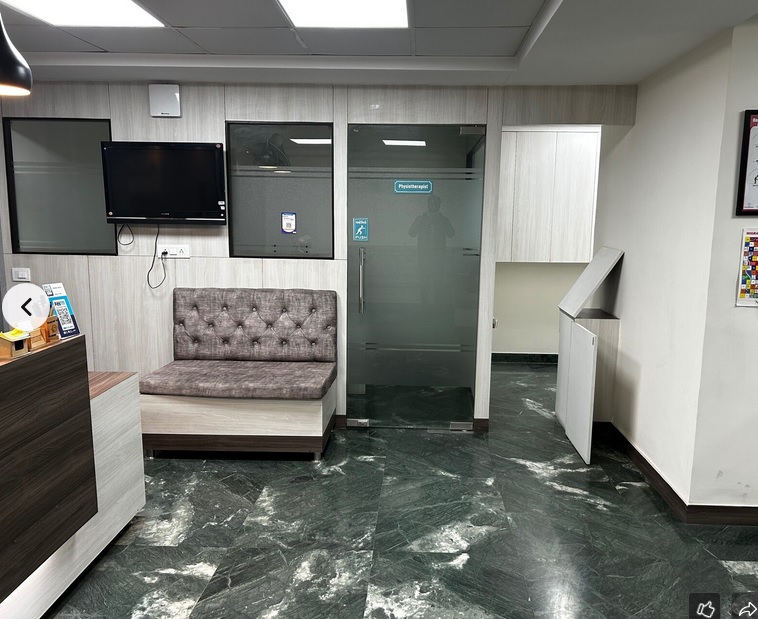
Dr. Aparna Gupta is a highly experienced and respected neurologist with over 22 years of experience in Neurology. She currently serves as the Associate Director of Neurology at ISIC Multispeciality Hospital, Vasant Kunj, New Delhi. Along with her hospital role, she also runs her own specialized clinic, Neuro Clinic Plus, located at B-4/18, Safdarjung Enclave, New Delhi, where she provides advanced care for patients with complex neurological conditions.
Areas of Specialization
She provides diagnosis and treatment for a wide range of neurological and brain-related disorders, including:
- Stroke and cerebrovascular diseases
- Epilepsy and seizure disorders
- Headache and migraine management
- Vertigo and balance disorders
- Movement disorders such as Parkinson’s disease
- Dementia and memory-related conditions
- Peripheral neuropathy and nerve disorders
- Spine-related pain and neurological complications
- Brain infections and autoimmune neurological diseases
Educational Qualifications
Dr. Aparna Gupta has a strong academic background in medicine and neurology:
- MBBS – Netaji Subhash Chandra Bose Medical College, Jabalpur (1998), Rani Durgawati Vishwa Vidyalaya
- MD (General Medicine) – Gandhi Medical College, Bhopal (2003), Barkatulla University
- DNB (Neurology) – National Board of Examination, Sir Ganga Ram Hospital (2010)
- Fellowship in Epilepsy and Sleep Disorders – AIIMS, New Delhi
- Fellowship in Botox Treatment for Neurological Disorders – Seoul, South Korea
Professional Experience
Her professional journey includes working with leading healthcare institutions such as:
- Consultant at Indian Spinal Injury Centre
- Senior Resident in the Department of Cardiology, Sir Ganga Ram Hospital
Awards, Research, and Academic Contributions
Dr. Aparna Gupta has actively contributed to neurological research and medical literature through multiple presentations and publications:
- Presented research on Cryptococcal Meningitis with Cerebral and Spinal Involvement at IANCON
- Study on Early Introduction of Non-Pharmacological Therapy in Failed Back Syndrome (NSI)
- Research on Hyperhomocysteinemia and Ischemic Stroke Subtypes (DNACON)
- Work on Changing Trends in Fungal Infections (DNACON)
- Publication: Pictorial CME – Myotonia Congenita (Becker’s Variant), JAPI
She has also participated in major conferences including the Delhi Neurological Association Conference, International Conference of Nerve and Muscle Disorders, International Conference of Epilepsy, and Stroke Conference at AIIMS, Delhi.
Professional Memberships
She is an active member of several prestigious neurological organizations:
- Indian Academy of Neurology
- Indian Epilepsy Society
- American Academy of Neurology
- Movement Disorder Society of India
With her extensive experience and advanced training, patients often trust her for expert neurological care. Many individuals seeking the Best Brain Specialist in Safdarjung or an experienced Brain Specialist in Safdarjung prefer consultation at Neuro Clinic Plus for accurate diagnosis, advanced treatment, and comprehensive management of brain and nerve disorders.
Prevention Tips for Better Memory Health
Maintain a Healthy Lifestyle
A healthy lifestyle is one of the most important factors in protecting brain function and reducing the risk of memory loss. What we eat, how we sleep, and how active we are directly affect cognitive health. A balanced diet rich in fruits, vegetables, nuts, and omega-3 fatty acids helps nourish the brain and improve memory performance. Regular physical activity such as walking, yoga, or exercise improves blood flow to the brain, which supports better concentration and thinking ability. Maintaining a consistent sleep schedule of 7–8 hours daily is equally important, as sleep plays a key role in memory consolidation and brain recovery. Staying well-hydrated also ensures that the brain functions efficiently throughout the day.
Keep Your Brain Active
Keeping the brain active is essential for maintaining strong memory and cognitive skills. Mental stimulation helps strengthen neural connections and improves overall brain efficiency. Activities such as reading books, newspapers, or informative content on a regular basis can enhance knowledge and focus. Engaging in puzzles, crosswords, or brain games challenges the mind and improves problem-solving ability. Learning new skills, hobbies, or even simple daily routines in different ways helps the brain adapt and stay sharp. Practicing recall-based exercises, such as remembering lists or events, also supports long-term memory improvement.
Manage Stress and Emotional Health
Stress is one of the major factors that negatively affects memory and concentration. Long-term emotional pressure can reduce the brain’s ability to process and store information effectively. Managing stress through meditation, deep breathing exercises, or mindfulness practices can significantly improve mental clarity. Taking regular breaks from work and limiting excessive screen time also helps the brain relax. Engaging in calming activities such as listening to music, spending time in nature, or pursuing hobbies can further support emotional well-being. If feelings of anxiety or depression persist, seeking professional help is important for maintaining both mental and neurological health.
Avoid Risk Factors
Certain lifestyle habits and untreated medical conditions can increase the risk of cognitive decline. Avoiding harmful habits such as excessive alcohol consumption and smoking is essential for protecting brain health. It is also important not to ignore nutritional deficiencies, especially Vitamin B12 deficiency, as it can directly affect memory and focus. Chronic conditions like diabetes, high blood pressure, and thyroid disorders should be properly managed, as they can also impact brain function over time. In addition, maintaining a proper sleep routine and avoiding long-term mental exhaustion can significantly reduce the risk of memory-related problems.
Even with preventive care, if symptoms of memory loss persist or worsen, it is important to consult the Best Brain Specialist in Safdarjung or an experienced Brain Specialist in Safdarjung for accurate evaluation, early diagnosis, and advanced neurological treatment.
FAQs
Is memory loss always a serious problem?
No, memory loss is not always serious. It can occur due to stress, poor sleep, or vitamin deficiency, but persistent symptoms need medical evaluation.
What are the early signs of memory loss?
Early signs include forgetting recent conversations, misplacing items, difficulty focusing, and confusion in daily tasks that gradually become more frequent over time.
Can stress cause memory loss?
Yes, long-term stress affects concentration and brain function, leading to forgetfulness, poor attention, and difficulty recalling information clearly in daily routine life.
When should I worry about memory problems?
You should worry when memory issues become frequent, worsen over time, or affect your ability to perform normal daily activities independently.
Can memory loss be reversed?
Yes, if caused by stress, vitamin deficiency, or lifestyle issues, memory loss can often improve with proper treatment and healthy lifestyle changes.
What are common causes of memory loss?
Common causes include stress, lack of sleep, aging, vitamin deficiencies, thyroid problems, stroke, dementia, and other neurological or brain-related disorders.
Which doctor should I consult for memory issues?
A neurologist or brain specialist should be consulted for proper evaluation, diagnosis, and treatment of memory-related problems and neurological conditions.
What tests diagnose memory loss?
Doctors may recommend MRI, CT scan, blood tests, thyroid profile, vitamin B12 levels, and cognitive assessments to find the exact cause.
Can poor sleep affect memory?
Yes, poor sleep reduces memory consolidation, affects concentration, and leads to forgetfulness, confusion, and reduced mental clarity during daily activities.
Is memory loss related to Alzheimer’s disease?
Yes, progressive memory loss can be a symptom of Alzheimer’s disease, especially when it affects thinking, reasoning, and daily functioning abilities.
Can diet improve memory?
Yes, a healthy diet rich in omega-3 fatty acids, vitamins, and antioxidants supports brain health and improves memory and cognitive function.
When should memory loss become an emergency?
It becomes an emergency if sudden memory loss occurs with confusion, speech problems, dizziness, weakness, or after head injury or stroke symptoms.
Conclusion
Memory loss can range from simple forgetfulness to a sign of a more serious neurological condition, depending on its cause, frequency, and severity. While occasional memory lapses due to stress, lack of sleep, or lifestyle factors are common, persistent or worsening symptoms should never be ignored.
Early identification and timely medical evaluation play a crucial role in preventing complications and improving long-term brain health. With proper diagnosis, many causes of memory loss can be managed effectively or even reversed, especially when treated at an early stage.
Maintaining a healthy lifestyle, balanced diet, good sleep, and mental activity can significantly support memory and cognitive function. However, when symptoms continue or affect daily life, professional guidance becomes essential.
For accurate diagnosis, advanced neurological evaluation, and personalized treatment, it is strongly recommended to consult the Best Brain Specialist in Safdarjung or an experienced Brain Specialist in Safdarjung. Expert care at a specialized Neuro Clinic can help in identifying the root cause and improving overall brain health effectively.











Leave a Reply
Want to join the discussion?Feel free to contribute!