Tag Archive for: Neuro Clinic Plus

best vertigo specialist in safdarjung

Vertigo can turn ordinary moments — standing up, turning your head, climbing stairs — into unsettling experiences filled with spinning, dizziness, and loss of balance. If you’ve been searching for the best vertigo specialist in Safdarjung, you’re likely dealing with recurring episodes that are affecting your daily life, work, or peace of mind. This guide explains what vertigo is, why it happens, and how the right specialist can help you get lasting relief.

What Is Vertigo?

Vertigo is not just “feeling dizzy.” It is a specific sensation where you feel like you or your surroundings are spinning or moving, even when you’re standing still. It’s a symptom of an underlying issue — often related to the inner ear (vestibular system) or the brain’s balance-processing centers — rather than a disease in itself.

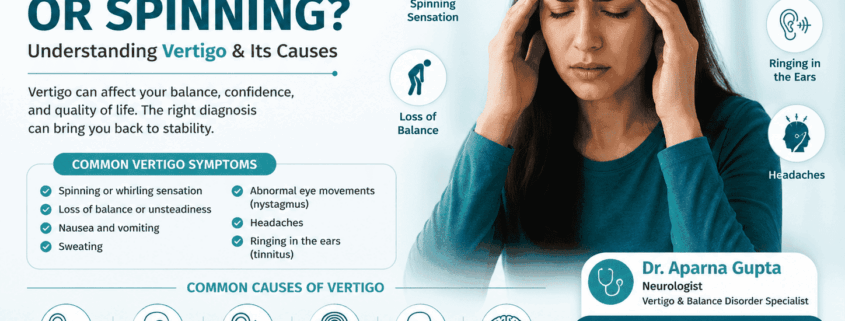
Common symptoms associated with vertigo include:

  • A spinning or whirling sensation
  • Loss of balance or unsteadiness
  • Nausea and vomiting
  • Sweating
  • Abnormal eye movements (nystagmus)
  • Headaches, especially with certain types of vertigo
  • Ringing in the ears (tinnitus) in some cases

Common Causes of Vertigo

Understanding the root cause is essential to effective treatment. Some of the most frequent causes include:

  1. Benign Paroxysmal Positional Vertigo (BPPV) – caused by tiny calcium crystals shifting in the inner ear
  2. Vestibular Neuritis or Labyrinthitis – inflammation of the inner ear or vestibular nerve, often due to infection
  3. Meniere’s Disease – a disorder involving fluid buildup in the inner ear
  4. Migraine-Associated Vertigo – vertigo linked to migraine attacks
  5. Cervicogenic Vertigo – arising from neck problems
  6. Neurological Causes – such as stroke, tumors, or multiple sclerosis, in rarer cases

Because the causes are so varied, an accurate diagnosis from a qualified neurologist is the most important step toward recovery — which is why finding the best vertigo specialist in Safdarjung Delhi matters so much.

Why You Need a Specialist, Not Just a General Physician

Vertigo sits at the intersection of neurology and ENT (ear, nose, and throat) medicine. A general physician may only treat surface symptoms with medication, but a dedicated vertigo specialist will:

  • Conduct a detailed neurological and vestibular examination
  • Use tests like the Dix-Hallpike maneuver, VNG (videonystagmography), or MRI when needed
  • Identify whether the cause is peripheral (inner ear) or central (brain-related)
  • Create a personalized treatment plan, which may include repositioning maneuvers, vestibular rehabilitation therapy, medication, or lifestyle changes
  • Monitor your progress and adjust treatment for long-term relief

This is precisely the kind of specialized, evidence-based care patients receive at Neuro Clinic Plus.

About Dr. Aparna Gupta – Best Vertigo Specialist in Delhi

Dr. Aparna Gupta is a highly regarded neurologist known for her precise diagnostic approach and compassionate patient care. With extensive experience in treating balance disorders, dizziness, and vertigo of all types — from BPPV to migraine-associated vertigo and Meniere’s disease — Dr. Gupta has helped countless patients regain their stability and confidence.

At Neuro Clinic Plus, Dr. Aparna Gupta combines advanced diagnostic tools with a patient-first philosophy. Her treatment plans are tailored to each individual, addressing not just the immediate symptoms but the underlying cause, so patients experience long-term relief rather than temporary fixes. This patient-centered, thorough approach is what makes her one of the most trusted names when people search for the best vertigo specialist in Safdarjung and across Delhi NCR.

Patients choose Neuro Clinic Plus because of:

  • Accurate and timely diagnosis using modern vestibular assessment techniques
  • Customized treatment plans, including canalith repositioning procedures (like the Epley maneuver)
  • Vestibular rehabilitation therapy for long-term balance improvement
  • A calm, supportive clinical environment
  • Convenient location and accessibility for patients across Safdarjung and Delhi

How Vertigo Is Diagnosed at Neuro Clinic Plus

A thorough diagnostic process typically includes:

  1. Detailed medical history – understanding when episodes occur, their duration, and triggers
  2. Physical and neurological examination – checking balance, coordination, and eye movements
  3. Dix-Hallpike test – to identify BPPV
  4. Hearing and balance tests – such as audiometry or VNG, when required
  5. Imaging (MRI/CT) – to rule out central nervous system causes if symptoms suggest it

Treatment Options for Vertigo

Depending on the diagnosis, treatment may include:

  • Canalith Repositioning Maneuvers (like the Epley maneuver) for BPPV
  • Vestibular Rehabilitation Therapy (VRT) – exercises that help the brain compensate for balance issues
  • Medications – to control nausea, dizziness, or underlying conditions like migraine
  • Lifestyle and dietary adjustments – particularly important for Meniere’s disease
  • Treatment of underlying conditions, such as neck issues or migraines

Tips to Manage Vertigo at Home

While professional treatment is essential, these tips can help you manage symptoms between visits:

  • Move slowly when changing positions, especially getting out of bed
  • Avoid sudden head movements
  • Stay hydrated and maintain a balanced diet
  • Reduce salt intake if you have Meniere’s disease
  • Get adequate sleep and manage stress
  • Avoid caffeine and alcohol during active episodes

Why Choose Neuro Clinic Plus for Vertigo Treatment

If you are looking for the best vertigo specialist in Delhi, Neuro Clinic Plus stands out for its combination of clinical expertise, modern diagnostic facilities, and genuine patient care under the guidance of Dr. Aparna Gupta. The clinic focuses on identifying the true root cause of your vertigo rather than simply masking symptoms, ensuring you receive care that lasts.

Frequently Asked Questions (FAQs)

  1. What is the most common cause of vertigo?

The most common cause is Benign Paroxysmal Positional Vertigo (BPPV), caused by displaced calcium crystals in the inner ear. It often triggers brief spinning sensations with head movement and responds well to repositioning maneuvers.

  1. How is vertigo different from regular dizziness?

Vertigo involves a false sensation of spinning or movement, while dizziness is a broader term for lightheadedness or unsteadiness. Vertigo usually points to an inner ear or neurological cause needing specialized evaluation.

  1. Can vertigo be cured completely?

Many vertigo cases, especially BPPV, can be effectively treated and resolved with repositioning maneuvers or therapy. Chronic conditions like Meniere’s disease may require ongoing management for long-term symptom control.

  1. When should I see a vertigo specialist?

See a specialist if episodes are frequent, severe, affect daily activities, or come with hearing loss, headaches, or vision changes. Early diagnosis helps prevent complications and speeds up recovery.

  1. What tests are used to diagnose vertigo?

Common tests include the Dix-Hallpike maneuver, videonystagmography (VNG), hearing tests, and MRI scans when a central neurological cause is suspected. Your specialist chooses tests based on your symptoms.

  1. Is vertigo related to migraines?

Yes, vestibular migraine is a recognized cause of vertigo, often accompanied by headache, light sensitivity, or nausea. Treating the underlying migraine condition typically reduces vertigo episodes significantly.

  1. What is the Epley maneuver?

The Epley maneuver is a series of head and body movements performed by a specialist to reposition displaced inner ear crystals. It’s highly effective for treating BPPV in just one or two sessions.

  1. Can neck problems cause vertigo?

Yes, cervicogenic vertigo arises from neck muscle tension, injury, or joint dysfunction affecting balance signals. Treating the neck issue through physiotherapy often resolves this type of vertigo.

  1. Is vertigo a sign of something serious like a stroke?

While most vertigo cases are benign, sudden vertigo with slurred speech, weakness, or severe headache can signal a stroke. Seek emergency care immediately if these symptoms occur together.

  1. How long does a vertigo episode usually last?

Duration varies by cause: BPPV episodes last seconds to minutes, while Meniere’s disease episodes can last hours. A specialist can determine the exact type based on episode duration and pattern.

  1. What lifestyle changes help reduce vertigo episodes?

Staying hydrated, limiting salt and caffeine, managing stress, sleeping well, and avoiding sudden head movements can reduce episode frequency. Your specialist may suggest additional personalized changes.

  1. Where can I find the best vertigo specialist in Safdarjung?

Neuro Clinic Plus, led by Dr. Aparna Gupta, offers expert vertigo diagnosis and treatment in Safdarjung, Delhi. Their personalized approach helps patients achieve accurate diagnosis and lasting relief.

Conclusion

Living with vertigo can feel overwhelming, but the right diagnosis and treatment can restore your balance and confidence. Whether your vertigo stems from BPPV, migraines, or an inner ear disorder, expert care makes all the difference. Dr. Aparna Gupta at Neuro Clinic Plus offers personalized, evidence-based treatment for patients searching for the best vertigo specialist in Safdarjung and across Delhi. Don’t let vertigo control your life — book a consultation today and take the first step toward lasting relief and better balance.

 

best parkinson's disorder specialist in safdarjung

Parkinson’s disease is a progressive neurological disorder that affects movement, coordination, and overall quality of life. It occurs when nerve cells in the brain that produce dopamine begin to break down, leading to tremors, stiffness, slowness of movement, and balance problems. While there is no permanent cure, early diagnosis and the right treatment plan can help patients manage symptoms effectively and lead a near-normal life.

If you or a loved one is searching for the best Parkinson’s disorder specialist in Safdarjung, you don’t have to look further than Dr. Aparna Gupta at Neuro Clinic Plus. With a patient-first approach and years of clinical expertise, Dr. Gupta has helped countless patients regain control over their movement and daily activities.

Understanding Parkinson’s Disease

Parkinson’s disease usually develops gradually, often starting with a barely noticeable tremor in one hand. Over time, symptoms can include:

  • Tremors or shaking, especially at rest
  • Slowness of movement (bradykinesia)
  • Muscle stiffness and rigidity
  • Balance and coordination difficulties
  • Changes in speech and handwriting
  • Sleep disturbances and mood changes

Since these symptoms often overlap with normal ageing or other conditions, consulting an experienced neurologist for accurate diagnosis is essential.

Why Choose Dr. Aparna Gupta – Best Parkinson’s Disorder Specialist in Safdarjung Delhi

Dr. Aparna Gupta is a highly respected name when it comes to neurological care in the region. As the best Parkinson’s disorder specialist in Safdarjung Delhi, she combines advanced diagnostic techniques with compassionate, personalized treatment plans.

Highlights of Dr. Aparna Gupta’s Practice:

  • 22+ years of experience in neurology and movement disorders
  • Expertise in early diagnosis of Parkinson’s disease and related conditions
  • Individualized treatment plans combining medication, therapy, and lifestyle guidance
  • Advanced management of complex and advanced-stage Parkinson’s cases
  • A calm, patient-centric approach that puts patients and families at ease

Her deep understanding of movement disorders makes her one of the best Parkinson’s disorder specialists in Delhi, trusted by patients not just from Safdarjung but across the NCR region.

About Neuro Clinic Plus

Neuro Clinic Plus is a dedicated neurology center focused on providing comprehensive care for brain and nervous system disorders, including Parkinson’s disease, epilepsy, stroke, migraine, and other movement disorders. The clinic is equipped with modern diagnostic tools and follows a holistic treatment approach that addresses not just physical symptoms but also the emotional and lifestyle challenges patients face.

At Neuro Clinic Plus, every patient receives:

  • A thorough neurological evaluation
  • Customized treatment and medication plans
  • Regular follow-ups to monitor disease progression
  • Guidance on physiotherapy, diet, and lifestyle modifications
  • A supportive environment for patients and caregivers alike

Treatment Approach at Neuro Clinic Plus

Managing Parkinson’s disease requires a multi-pronged strategy. Under Dr. Aparna Gupta’s guidance, treatment typically includes:

  1. Medication Management – Adjusting dosages to control symptoms while minimizing side effects.
  2. Physiotherapy & Exercise Guidance – Improving mobility, balance, and muscle strength.
  3. Speech and Occupational Therapy – Addressing communication and daily-living challenges.
  4. Lifestyle Counseling – Diet, sleep, and stress management tailored to each patient.
  5. Ongoing Monitoring – Regular reviews to adapt treatment as the condition evolves.

Frequently Asked Questions (FAQs)

  1. What is Parkinson’s disease? Parkinson’s disease is a progressive brain disorder caused by the loss of dopamine-producing nerve cells, leading to tremors, stiffness, and slow movement over time.
  2. What are the early signs of Parkinson’s disease? Early signs include mild tremors, slower movements, stiffness, reduced facial expression, softer speech, and small handwriting changes that develop gradually.
  3. Is Parkinson’s disease curable? There is currently no permanent cure, but medications, therapy, and lifestyle changes can significantly manage symptoms and improve quality of life.
  4. At what age does Parkinson’s disease usually occur? Parkinson’s most commonly affects people over 60, though early-onset cases can occur in individuals in their 40s or even younger.
  5. Who is the best Parkinson’s disorder specialist in Safdarjung? Dr. Aparna Gupta at Neuro Clinic Plus is widely regarded as the best Parkinson’s disorder specialist in Safdarjung, known for her expertise and patient care.
  6. How is Parkinson’s disease diagnosed? Diagnosis involves a detailed neurological examination, medical history review, and sometimes imaging tests to rule out other conditions with similar symptoms.
  7. Can Parkinson’s disease be managed without surgery? Yes, most patients manage symptoms effectively with medications, physiotherapy, and lifestyle adjustments; surgery is considered only in select advanced cases.
  8. What lifestyle changes help Parkinson’s patients? Regular exercise, a balanced diet, good sleep habits, stress reduction, and staying socially active can help slow symptom progression and improve wellbeing.
  9. Is Parkinson’s disease hereditary? Genetics can play a role in some cases, but most Parkinson’s cases occur without a clear family history, involving both genetic and environmental factors.
  10. How experienced is Dr. Aparna Gupta in treating Parkinson’s disease? Dr. Aparna Gupta brings over 22 years of experience in neurology, specializing in the diagnosis and long-term management of Parkinson’s disease.
  11. Does Neuro Clinic Plus offer follow-up care for Parkinson’s patients? Yes, Neuro Clinic Plus provides regular follow-ups to monitor progress, adjust medications, and guide patients through every stage of the condition.
  12. When should I consult a specialist for Parkinson’s symptoms? If you notice tremors, stiffness, slowed movement, or balance issues, consult a neurologist promptly for early diagnosis and better symptom management.

Conclusion

Parkinson’s disease can feel overwhelming, but with the right specialist, it becomes manageable. Dr. Aparna Gupta, with her 22+ years of experience, is recognized as the best Parkinson’s disorder specialist in Safdarjung, Safdarjung Delhi, and across Delhi. At Neuro Clinic Plus, patients receive compassionate, personalized care designed to control symptoms and improve daily living. If you or a family member is experiencing signs of Parkinson’s disease, don’t wait — book a consultation with Dr. Aparna Gupta at Neuro Clinic Plus today and take the first step toward better neurological health.


best headache specialist in safdarjung

Migraine isn’t just “a bad headache.” It’s a throbbing, often one-sided pain that can come with nausea, light sensitivity, and days lost to bed rest. If you’ve been searching for the best headache specialist in Safdarjung, you’re already on the right track — the first step to real relief is getting an accurate diagnosis from a qualified neurologist, not just another painkiller.

In this article, we’ll break down what migraine really is, its causes and symptoms, how it’s diagnosed and treated, and why patients across South Delhi trust Dr. Aparna Gupta at Neuro Clinic Plus, Safdarjung Enclave for lasting relief.

What Is Migraine?

Migraine is a neurological condition, not just a symptom. It typically causes intense, throbbing pain on one side of the head, often accompanied by nausea, vomiting, and extreme sensitivity to light and sound. Some people also experience an “aura” — flashing lights, blind spots, or tingling sensations — before the headache begins.

Unlike an ordinary headache caused by stress or dehydration, migraine attacks can last anywhere from a few hours to several days and can seriously disrupt work, sleep, and daily life.

Common Causes and Triggers of Migraine

While the exact cause of migraine isn’t fully understood, doctors believe it involves abnormal brain activity affecting nerve signals, chemicals, and blood vessels. Common triggers include:

  • Hormonal changes (especially in women)
  • Lack of sleep or irregular sleep patterns
  • Stress and anxiety
  • Certain foods (caffeine, alcohol, processed foods)
  • Bright lights, loud noises, or strong smells
  • Skipping meals or dehydration
  • Weather changes

Because triggers vary from person to person, an accurate diagnosis from an experienced migraine specialist in Delhi is essential before starting any treatment.

Symptoms You Shouldn’t Ignore

  • Throbbing or pulsing pain, usually on one side of the head
  • Nausea or vomiting
  • Sensitivity to light, sound, or smell
  • Visual disturbances (aura)
  • Dizziness or blurred vision
  • Fatigue after the attack subsides

If these symptoms are becoming frequent or are interfering with your daily routine, it’s time to consult a specialist rather than relying on over-the-counter medication.

How Migraine Is Diagnosed and Treated

A qualified neurologist evaluates your medical history, headache pattern, and may recommend imaging tests like an MRI or CT scan to rule out other neurological conditions. Treatment is never “one size fits all” — it’s tailored to the type, frequency, and severity of your migraine.

Modern migraine management may include:

  • Preventive medications to reduce attack frequency
  • Acute treatments to stop an attack in progress
  • Botulinum toxin (Botox) injections for chronic migraine
  • Lifestyle and trigger management
  • Stress reduction and biofeedback techniques

This is exactly the kind of personalised, evidence-based care patients receive when they consult the best headache specialist in Safdarjung Delhi.

About Dr. Aparna Gupta – Neuro Clinic Plus, Safdarjung Enclave

If you’re looking for expert, compassionate neurological care, Dr. Aparna Gupta is one of the most trusted names in South Delhi. With over two decades of clinical experience, she holds MBBS, MD, and DNB (Neurology) qualifications and has previously served as a Senior Resident in the Department of Neurology at Sir Ganga Ram Hospital before going on to consult at leading institutions across Delhi.

At Neuro Clinic Plus, located in Safdarjung Enclave, Dr. Gupta specialises in managing migraine, chronic headache, stroke, epilepsy, movement disorders, and a wide range of other neurological conditions. Patients consistently highlight her thorough evaluations, clear explanations, and genuinely compassionate approach to care.

Whether you need a one-time consultation or ongoing management for chronic migraine, Neuro Clinic Plus offers a comfortable, patient-first environment backed by advanced diagnostic and treatment options — making it a trusted destination for anyone searching for the best migraine specialist in Delhi.

Why Choose Neuro Clinic Plus for Migraine Treatment?

  • Experienced, highly qualified neurologist with 20+ years of practice
  • Personalised treatment plans based on individual triggers and symptoms
  • Advanced diagnostic facilities for accurate evaluation
  • Botox and other modern therapies for chronic, treatment-resistant migraine
  • Compassionate, patient-friendly consultations
  • Convenient location in Safdarjung Enclave, South Delhi

Frequently Asked Questions (FAQs)

  1. What is the difference between a migraine and a normal headache? A normal headache usually causes mild, generalised pain, while migraine causes intense, often one-sided throbbing pain, frequently with nausea, light sensitivity, and visual disturbances lasting hours to days.
  2. When should I see a headache specialist? Consult a specialist if headaches occur frequently, worsen over time, disrupt daily activities, or don’t respond to regular painkillers. Early evaluation helps identify triggers and prevents the condition from becoming chronic.
  3. Is migraine a lifelong condition? Migraine can be a long-term condition, but with proper diagnosis, trigger management, and treatment, most patients experience significantly fewer and milder attacks, greatly improving their quality of life.
  4. Can migraine be cured completely? There’s no permanent “cure,” but migraine can be effectively managed. With the right combination of medication, lifestyle changes, and preventive care, many patients achieve long stretches without attacks.
  5. What tests are needed to diagnose migraine? Diagnosis is mainly clinical, based on symptom history. In some cases, an MRI or CT scan is recommended to rule out other neurological causes before confirming a migraine diagnosis.
  6. Are Botox injections effective for migraine? Yes, Botox is an FDA-approved treatment for chronic migraine (15+ headache days a month). It works by blocking pain signals and has helped many patients reduce attack frequency significantly.
  7. Can stress really trigger migraine attacks? Yes, stress is one of the most common migraine triggers. It affects brain chemistry and muscle tension, often leading to attacks. Stress management techniques are an important part of treatment.
  8. Is migraine more common in women than men? Yes, migraine is about three times more common in women, largely due to hormonal fluctuations related to the menstrual cycle, pregnancy, and menopause affecting brain chemistry.
  9. What foods should migraine patients avoid? Common dietary triggers include caffeine, alcohol, aged cheese, processed meats, and artificial sweeteners. Triggers vary by individual, so tracking your diet alongside attacks helps identify personal culprits.
  10. Can children get migraines too? Yes, migraine can affect children and teenagers, though symptoms may differ slightly, such as shorter attack duration. Paediatric migraine should also be evaluated by a qualified neurologist.
  11. How long does a typical migraine attack last? Untreated migraine attacks can last anywhere from 4 hours to 3 days, depending on severity. Prompt treatment at the first sign of symptoms usually shortens the duration significantly.
  12. How do I book a consultation with Dr. Aparna Gupta? You can schedule an appointment at Neuro Clinic Plus, Safdarjung Enclave, by calling the clinic directly or booking online through the clinic’s website to consult with Dr. Aparna Gupta.

Conclusion

Living with untreated migraine can quietly take over your work, relationships, and everyday happiness — but it doesn’t have to. With the right diagnosis and a personalised treatment plan, most patients see real, lasting relief. Dr. Aparna Gupta and the team at Neuro Clinic Plus, Safdarjung Enclave, bring over 20 years of expertise in diagnosing and treating migraine and other neurological conditions with compassion and precision. If frequent headaches are affecting your life, don’t wait — book a consultation with the best headache specialist in Safdarjung Delhi today and take the first step toward a pain-free future.


best brain specialist in safdarjung

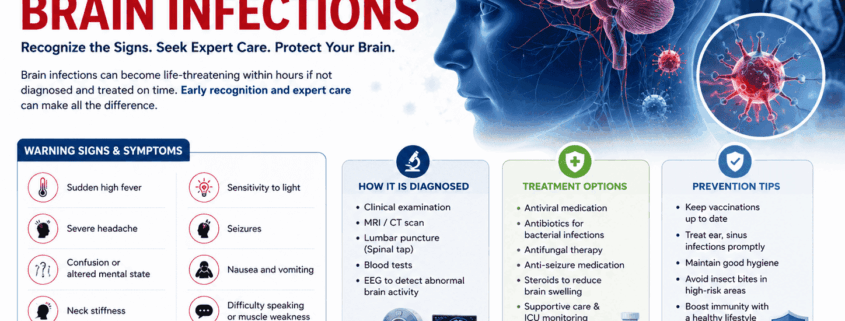
Brain infections are medical emergencies that need fast diagnosis and expert care. Whether caused by bacteria, viruses, fungi, or parasites, an infection in or around the brain can turn serious within hours if it’s not treated properly. If you or a loved one are noticing warning signs like fever, severe headache, confusion, or seizures, consulting the best brain specialist in Safdarjung without delay can make all the difference between full recovery and long-term complications.

In this article, we break down everything you need to know about brain infections — their types, causes, symptoms, diagnosis, and treatment — and explain why timely expert consultation matters.

What Is a Brain Infection?

A brain infection occurs when harmful microorganisms invade brain tissue or the membranes surrounding it. The two most common types are:

  • Encephalitis – inflammation of the brain tissue itself, usually caused by a viral infection.
  • Meningitis – inflammation of the meninges (the protective membranes covering the brain and spinal cord), which can be bacterial, viral, or fungal.

Other, less common forms include brain abscesses (pockets of pus within the brain) and parasitic infections.

Common Causes of Brain Infection

  • Viral infections (herpes simplex virus, enteroviruses, mumps, and others)
  • Bacterial infections that spread from sinuses, ears, or the bloodstream
  • Fungal infections, especially in people with weakened immunity
  • Parasitic infections, though rarer, can also affect the brain
  • Complications following surgery, head injury, or untreated ear/sinus infections

Warning Signs & Symptoms

Recognizing the symptoms early is critical. Common signs include:

  • Sudden high fever
  • Severe, persistent headache
  • Neck stiffness
  • Confusion or altered mental state
  • Sensitivity to light
  • Seizures
  • Nausea and vomiting
  • Muscle weakness or difficulty speaking

If you or someone around you experiences a combination of these symptoms, don’t wait — seek immediate medical attention from a qualified neurologist.

How Is Brain Infection Diagnosed?

Diagnosis typically involves a combination of:

  1. Clinical examination – checking reflexes, mental alertness, and neurological function
  2. MRI or CT scan – to detect inflammation, swelling, or abscess formation
  3. Lumbar puncture (spinal tap) – to analyze cerebrospinal fluid for infection markers
  4. Blood tests – to identify the responsible organism
  5. EEG – to detect abnormal brain activity, especially in encephalitis cases

Getting evaluated by an experienced specialist ensures the right tests are ordered quickly, which is essential in time-sensitive brain infections.

Treatment Options

Treatment depends on the type and severity of infection:

  • Antiviral medication for viral encephalitis
  • Antibiotics (often intravenous) for bacterial meningitis
  • Antifungal therapy for fungal infections
  • Anti-seizure medication to control seizures
  • Steroids to reduce brain swelling
  • Supportive hospital care, including ICU monitoring in severe cases

Early treatment significantly improves recovery outcomes and reduces the risk of lasting neurological damage.

Why Choose an Expert Neurologist for Brain Infection Treatment?

Brain infections require precise, rapid decision-making. Delayed or incorrect treatment can lead to complications such as permanent brain damage, hearing loss, or cognitive difficulties. This is why patients across the city search for the best brain specialist in Safdarjung Delhi — someone with the clinical experience to diagnose quickly and manage treatment with precision.

About Dr. Aparna Gupta

Dr. Aparna Gupta is a highly experienced neurologist known for her patient-centered approach to diagnosing and treating complex neurological conditions, including brain infections, epilepsy, stroke, and headache disorders. With years of clinical expertise, she combines advanced diagnostic tools with compassionate care to ensure every patient receives an accurate diagnosis and an effective treatment plan. Her clear communication and attention to detail have made her one of the most trusted names for patients searching for the best brain specialist in Delhi.

About Neuro Clinic Plus

Neuro Clinic Plus is a dedicated neurology center equipped with modern diagnostic facilities to evaluate and treat a wide range of brain and nervous system disorders. From advanced imaging to specialized neurological testing, the clinic focuses on offering timely, evidence-based care in a comfortable environment. Patients looking for reliable, expert neurological treatment consistently choose Neuro Clinic Plus for its combination of technology, experience, and personalized attention.

Tips for Prevention

  • Keep vaccinations up to date (measles, mumps, meningococcal, etc.)
  • Treat sinus and ear infections promptly
  • Practice good hygiene, especially during infectious disease outbreaks
  • Avoid insect bites in areas with known viral outbreaks (like encephalitis-carrying mosquitoes)
  • Maintain a strong immune system through proper diet, sleep, and regular checkups

Frequently Asked Questions

  1. What is the first sign of a brain infection? The earliest signs are usually a sudden high fever combined with a severe headache. This may be followed by neck stiffness, nausea, or confusion, all of which need prompt medical evaluation.
  2. Is brain infection curable? Yes, many brain infections are treatable, especially when diagnosed early. Viral, bacterial, and fungal infections respond well to targeted medication, though recovery time varies based on severity.
  3. How long does it take to recover from a brain infection? Recovery time ranges from a few weeks to several months, depending on the infection type and how quickly treatment began. Some patients may need rehabilitation support afterward.
  4. Can brain infections cause permanent damage? If left untreated, brain infections can lead to lasting issues like memory loss, weakness, or seizures. Early diagnosis and treatment greatly reduce this risk.
  5. Are brain infections contagious? Some causes, like viral meningitis, can spread between people through respiratory droplets. Others, like brain abscesses, are usually not contagious and result from localized infection spread.
  6. What tests are used to diagnose brain infections? Doctors commonly use MRI or CT scans, blood tests, and a lumbar puncture to check cerebrospinal fluid. An EEG may also be used to assess brain activity.
  7. Can children get brain infections? Yes, children are susceptible to meningitis and encephalitis, sometimes more severely than adults. Vaccination and prompt treatment of infections greatly reduce risk in children.
  8. What is the difference between meningitis and encephalitis? Meningitis affects the membranes surrounding the brain, while encephalitis involves inflammation of brain tissue itself. Both are serious and require urgent medical care.
  9. When should I see a neurologist for a headache? See a specialist if your headache is sudden, severe, accompanied by fever, vomiting, confusion, or vision changes. These symptoms could indicate a more serious underlying issue.
  10. Can stress cause brain infections? No, stress alone does not cause brain infections. However, chronic stress can weaken immunity, potentially making the body more vulnerable to infections in general.
  11. Is surgery required for brain infections? Surgery is sometimes needed for brain abscesses to drain the infected area. Most viral and bacterial infections, however, are managed successfully with medication alone.
  12. How can I book a consultation with Dr. Aparna Gupta? You can schedule a consultation at Neuro Clinic Plus by calling the clinic directly or booking through their website. Early consultation ensures timely diagnosis and treatment.

Conclusion

Brain infections are serious but manageable when identified and treated early. Recognizing symptoms like fever, headache, and confusion, and seeking prompt medical care, can prevent complications and support full recovery. With expert guidance from specialists like Dr. Aparna Gupta at Neuro Clinic Plus, patients receive accurate diagnosis and personalized treatment plans. If you’re searching for the best brain specialist in Safdarjung, don’t wait for symptoms to worsen — timely expert care is the key to protecting your neurological health and overall well-being.


best stroke specialist in safdarjung

A stroke is a medical emergency that happens when blood flow to a part of the brain is cut off or reduced. Within minutes, brain cells begin to die from lack of oxygen. This is why doctors often say “time is brain” — the faster a person gets treatment, the better their chances of recovery.

This guide explains what causes a stroke, how to recognise the warning signs, what treatment looks like, and how to recover — in simple, everyday language.

What Is a Stroke?

A stroke occurs in two main ways:

  1. Ischemic stroke – A blood clot blocks an artery supplying the brain. This is the most common type, making up nearly 87% of all cases.
  2. Hemorrhagic stroke – A blood vessel in the brain bursts and bleeds into surrounding tissue.

There’s also a Transient Ischemic Attack (TIA), sometimes called a “mini-stroke.” Symptoms are similar but temporary — yet a TIA is a serious warning sign that a bigger stroke could follow soon.

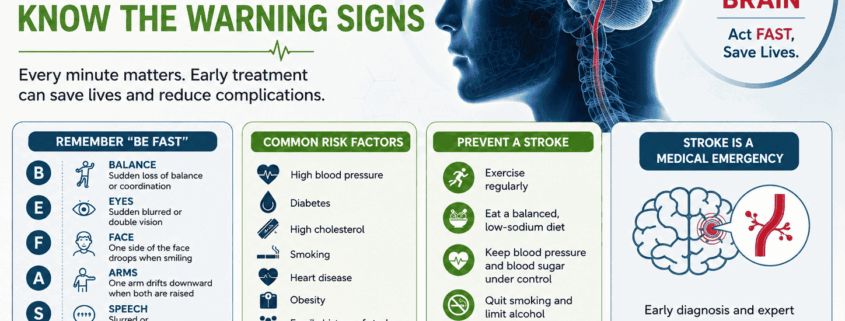
Warning Signs — Remember “BE FAST”

Recognising symptoms early can save a life. Use this simple checklist:

  • B – Balance: Sudden loss of balance or coordination
  • E – Eyes: Sudden blurred or double vision
  • F – Face: One side of the face droops when smiling
  • A – Arms: One arm drifts downward when both are raised
  • S – Speech: Slurred or confused speech
  • T – Time: Time to call emergency services immediately

Other symptoms may include a sudden severe headache, numbness on one side of the body, or sudden confusion. If you notice any of these signs — in yourself or someone else — don’t wait. Every minute matters.

What Causes a Stroke?

Several factors increase stroke risk:

  • High blood pressure (the single biggest risk factor)
  • Diabetes
  • High cholesterol
  • Smoking and excessive alcohol use
  • Heart disease, especially irregular heartbeat (atrial fibrillation)
  • Obesity and physical inactivity
  • Family history of stroke
  • Age above 55 (though strokes can occur at any age)

Many of these risks can be managed with lifestyle changes and regular medical checkups.

How Stroke Is Diagnosed

When a patient arrives at the hospital, doctors act quickly using:

  • CT scan or MRI – to see whether the stroke is ischemic or hemorrhagic
  • Blood tests – to check clotting factors and blood sugar
  • Carotid ultrasound and ECG – to find the underlying cause

An accurate diagnosis within the first hour is critical, since treatment options differ depending on the type of stroke.

Treatment Options

Treatment depends on the type and timing of the stroke:

  • Clot-busting medication (tPA): Effective if given within 4.5 hours of symptom onset for ischemic stroke.
  • Mechanical thrombectomy: A minimally invasive procedure to physically remove a large clot, often possible up to 24 hours after symptoms begin in select cases.
  • Surgery: Used for hemorrhagic strokes to relieve pressure or repair a burst vessel.
  • Medication management: Blood thinners, blood pressure control, and cholesterol-lowering drugs to prevent future strokes.

Because outcomes depend heavily on speed and expertise, consulting an experienced neurologist without delay makes a real difference to recovery.

Recovery and Rehabilitation

Recovery after a stroke is often a gradual process involving:

  • Physiotherapy – to rebuild strength, balance, and mobility
  • Speech therapy – for patients with speech or swallowing difficulties
  • Occupational therapy – to relearn daily activities like dressing or eating
  • Emotional support – since anxiety and depression are common after a stroke

Recovery timelines vary. Some patients regain most function within weeks; others need months of consistent therapy. Family support and a structured rehabilitation plan greatly improve long-term outcomes.

Preventing a Stroke

Prevention is often more effective than treatment. Simple steps include:

  • Keeping blood pressure and blood sugar under control
  • Eating a balanced, low-sodium diet
  • Exercising regularly (at least 30 minutes most days)
  • Quitting smoking and limiting alcohol
  • Getting regular health checkups, especially after age 40

If you’ve already had a TIA or mild stroke, prevention becomes even more important to avoid a second, potentially more severe, episode.

When to Consult a Specialist

If you or a family member has experienced any stroke symptoms — even mild or temporary ones — it’s important to get evaluated promptly. Delayed care increases the risk of permanent brain damage.

For residents looking for the best stroke specialist in Safdarjung Delhi, it helps to choose a neurologist who offers:

  • 24/7 emergency stroke care
  • Access to advanced imaging (CT/MRI) on-site
  • Experience with clot-removal procedures
  • A dedicated rehabilitation team for post-stroke recovery

Delhi has several well-equipped hospitals in and around Safdarjung with neurology departments capable of handling both emergency and long-term stroke care. When choosing a specialist, check their experience with acute stroke cases, hospital emergency response time, and patient reviews for follow-up care.

About Dr. Aparna Gupta — Neurologist in Safdarjung, Delhi

If you’re searching for the best stroke specialist in Safdarjung Delhi, Dr. Aparna Gupta is a well-known consultant neurologist practising in the area. With close to three decades of clinical experience, she currently sees patients at the Indian Spinal Injury Centre in Vasant Kunj and at her own Neuro Clinic in Safdarjung Enclave.

Qualifications and background:

  • MBBS, followed by MD in General Medicine and DNB in Neurology
  • Earlier worked as a Senior Resident in the Department of Cardiology and Neurology at Sir Ganga Ram Hospital
  • Has presented research at national and international forums, including the Stroke Conference at AIIMS Delhi, the International Epilepsy Conference, and conferences on nerve and muscle disorders

Areas of expertise: Dr. Gupta treats a wide range of neurological conditions, with particular focus on:

  • Stroke diagnosis and emergency management
  • Epilepsy and seizure disorders
  • Headache and migraine
  • Movement disorders and Parkinson’s disease
  • Dementia and memory-related conditions
  • Peripheral neuropathy and sleep disorders

Patients and their families often mention her patience, clear explanations, and calm approach during stressful situations like a stroke emergency — qualities that matter as much as clinical skill when a family is navigating a health crisis. Her clinic is easily accessible for residents in and around Safdarjung, making her a practical choice for both urgent consultations and long-term neurological follow-up.

Note: Consultation fees, OPD timings, and appointment availability may change, so it’s best to confirm directly with the clinic before visiting.

Frequently Asked Questions (FAQs)

  1. What is the first sign of a stroke? The earliest signs are often sudden facial drooping, arm weakness, and slurred speech — remembered easily using the BE FAST checklist covered above.
  2. Can a stroke be cured completely? There’s no single “cure,” but with prompt treatment and rehabilitation, many patients recover significant function. Outcomes depend on stroke type, severity, and how quickly treatment begins.
  3. How much time do I have to treat a stroke? Clot-busting medication works best within 4.5 hours of symptom onset, while some clot-removal procedures may help up to 24 hours later in select cases. Still, the sooner you act, the better.
  4. Is stroke only common in older adults? No. While risk increases with age, strokes can occur in younger people too, especially those with uncontrolled blood pressure, diabetes, or heart conditions.
  5. What is the difference between a stroke and a heart attack? A stroke affects blood flow to the brain, while a heart attack affects blood flow to the heart muscle. Both are emergencies but involve different organs and symptoms.
  6. Can a TIA (mini-stroke) be ignored if symptoms go away? No. A TIA is a warning sign, not a one-off event. It significantly raises the risk of a full stroke soon after, so medical evaluation is essential.
  7. What tests are done to confirm a stroke? Doctors typically use a CT scan or MRI to check the brain, along with blood tests and heart monitoring (ECG) to identify the cause.
  8. How long does stroke recovery take? Recovery varies widely — some people regain most function in a few weeks, while others need months of physiotherapy, speech therapy, and occupational therapy.
  9. Can stroke be prevented? Yes, to a large extent. Controlling blood pressure, diabetes, and cholesterol, along with regular exercise and avoiding smoking, significantly lowers stroke risk.
  10. Is stroke treatment available as an emergency service in Delhi? Yes, several hospitals and clinics around Safdarjung and South Delhi offer 24/7 emergency neurology care, including access to a stroke specialist for immediate evaluation.
  11. What should I do if someone near me shows stroke symptoms? Call emergency services immediately, note the time symptoms started, and avoid giving the person food, water, or medication until medical help arrives.
  12. How do I choose the right stroke specialist near me? Look for a neurologist with experience in acute stroke care, access to on-site imaging, a track record with clot-removal procedures, and a good rehabilitation team for follow-up care.

Conclusion

Stroke is a medical emergency where every minute counts. Knowing the warning signs, acting quickly, and getting the right specialist involved can make the difference between full recovery and long-term disability. Managing risk factors like blood pressure, diabetes, and lifestyle habits goes a long way in prevention, while timely treatment and consistent rehabilitation support recovery after a stroke.

If you or a loved one are looking for the best stroke specialist in Safdarjung Delhi, choosing an experienced neurologist like Dr. Aparna Gupta — someone familiar with both emergency stroke care and long-term neurological follow-up — can offer peace of mind during a difficult time. When it comes to stroke, don’t wait and watch. Act fast, and get expert help right away.

Key Takeaways

  • Stroke is a medical emergency — act FAST.
  • Ischemic and hemorrhagic strokes need different treatments.
  • Early treatment within the first few hours greatly improves outcomes.
  • Rehabilitation plays a major role in regaining independence.
  • Managing blood pressure, diabetes, and lifestyle habits lowers stroke risk significantly.
  • Choosing an experienced, well-equipped specialist can make a critical difference in both emergency response and recovery.


best headache specialist in safdarjung delhi

Almost everyone gets a headache once in a while — after a stressful day, poor sleep, or too much screen time. But when headaches start showing up every week, disrupt your work, or come with symptoms like nausea, blurred vision, or dizziness, it’s time to stop treating them as “normal” and consult a specialist.

If you’re searching for the best headache specialist in Safdarjung, Delhi, this guide walks you through the different types of headaches, when self-care isn’t enough, what a proper neurological evaluation involves, and what to expect from treatment — based on our clinical experience treating headache patients at Neuro Clinic Plus, Safdarjung Enclave.

Why Headaches Shouldn’t Always Be Self-Treated

Most people reach for an over-the-counter painkiller the moment a headache starts. Occasionally, that’s fine. But relying on painkillers regularly can actually make headaches worse over time — a condition neurologists call a medication-overuse headache. It creates a cycle where the more you medicate, the more frequently the headache returns.

A headache is also not always “just a headache.” It can be a symptom of an underlying issue — tension buildup, hormonal changes, sleep disorders, sinus problems, vision strain, high blood pressure, or in rarer cases, a more serious neurological condition. This is why persistent or unusual headaches deserve a proper evaluation rather than repeated self-medication.

Common Types of Headaches We See at Our Safdarjung Clinic

Understanding the type of headache is the first step to effective treatment.

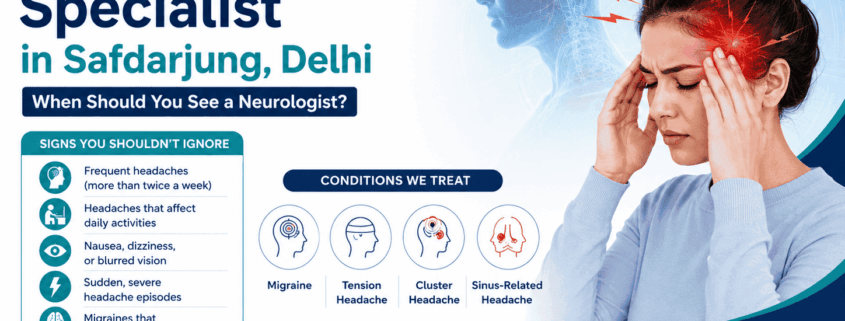
Tension-Type Headache The most common form. Feels like a tight band around the head, often triggered by stress, poor posture, or long working hours at a desk. Usually manageable with lifestyle changes and short-term medication.

Migraine A throbbing, often one-sided headache that can come with nausea, sensitivity to light and sound, and sometimes visual disturbances (aura) before the pain starts. Migraines usually need a structured, sometimes long-term treatment plan rather than a one-time painkiller.

Cluster Headache Less common but far more intense — sharp pain usually around one eye, occurring in clusters over days or weeks. Requires prompt neurological assessment.

Sinus-Related Headache Pain around the forehead and cheeks, often mistaken for a “regular” headache, but linked to sinus congestion or infection.

Secondary Headaches Headaches caused by an underlying issue — high blood pressure, eye strain, dehydration, or in rare cases, a structural problem that needs imaging to rule out.

When You Should See a Headache Specialist in Delhi

Self-care is enough for occasional, mild headaches. But you should book a consultation with a neurologist if you notice any of the following:

  • Headaches occurring more than twice a week
  • Pain that disrupts sleep, work, or daily activities
  • Headaches that don’t improve with usual over-the-counter medication
  • Sudden, severe headache unlike any you’ve had before
  • Headache along with blurred vision, slurred speech, numbness, or weakness
  • Headaches that started or worsened after age 50
  • A change in the pattern, intensity, or frequency of a headache you’ve had for years

If any of these sound familiar, it’s worth getting evaluated by a neurologist near Safdarjung Enclave rather than continuing to manage it on your own.

What Happens During a Headache Consultation

At Neuro Clinic Plus, a headache evaluation typically includes:

  1. Detailed history — frequency, duration, triggers, family history, and how the headache affects daily life.
  2. Neurological examination — checking reflexes, coordination, and other neurological functions to rule out red flags.
  3. Targeted investigations, if needed — this may include blood pressure checks, eye examination referral, or imaging (MRI/CT) only when clinically indicated, not as a routine step for every patient.
  4. Personalized treatment plan — based on the specific type of headache identified, rather than a one-size-fits-all prescription.

Treatment Options for Headache and Migraine

Depending on the diagnosis, treatment may include:

  • Lifestyle and trigger management — identifying and reducing specific triggers such as poor sleep, skipped meals, or screen strain
  • Preventive medication — for those with frequent migraines, to reduce how often attacks occur
  • Acute treatment — targeted medication to manage pain during an active headache episode
  • Botulinum toxin (Botox) therapy — used in select chronic migraine cases
  • Biofeedback and stress management techniques — particularly helpful for tension-type headaches
  • Physiotherapy — when neck or posture-related tension contributes to the headache

The goal is not just pain relief for a single episode, but reducing how often headaches occur and improving day-to-day quality of life.

Why Choose a Neurologist Over a General Physician for Headaches

General physicians are a good first stop for a one-off headache. But for recurring or complex headache patterns, a neurologist brings specialized training in distinguishing between headache types, recognizing warning signs of more serious conditions, and building a longer-term management plan — something general consultations often don’t have the time or specialization to do in depth.

About Dr. Aparna Gupta — Headache Specialist in Safdarjung, South Delhi

Dr. Aparna Gupta is a neurologist (MBBS, MD, DNB Neurology) with over 22 years of clinical experience, currently serving as Associate Director of Neurology at ISIC Multispeciality Hospital. At her clinic, Neuro Clinic Plus in Safdarjung Enclave, South Delhi, she has treated a wide range of headache and migraine cases, along with other neurological conditions such as stroke, epilepsy, vertigo, and Parkinson’s disease — with an approach focused on identifying root causes rather than only managing symptoms.

Frequently Asked Questions

  1. When should I worry about a headache?

Seek immediate care if it’s sudden, severe, or comes with vision changes, confusion, weakness, or slurred speech. For recurring headaches affecting daily life, book a neurologist consultation soon.

  1. Can stress alone cause frequent headaches?

Yes, stress is a common trigger for tension-type headaches. However, if episodes are frequent, severe, or worsening, it’s still worth ruling out other causes with a proper evaluation.

  1. Is a scan (MRI/CT) always required for headache diagnosis?

No. Most headaches are diagnosed through clinical history and neurological examination alone. Imaging is recommended only when specific warning signs appear during the evaluation process.

  1. How long does migraine treatment take to show results?

This varies by person, but with a consistent preventive plan, many patients notice a meaningful reduction in frequency and severity within a few weeks to two months.

  1. Where is Neuro Clinic Plus located?

Neuro Clinic Plus is at B4/18, Basement, opposite Iris Park Hotel, Safdarjung Enclave, New Delhi — easily accessible from other parts of South Delhi.

  1. What is the difference between a headache and a migraine?

A regular headache causes dull, generalized pain, while a migraine is usually throbbing, one-sided, and comes with nausea, light sensitivity, or visual disturbances before the pain starts.

  1. Can eye strain or long screen time cause headaches?

Yes. Prolonged screen use, poor lighting, and uncorrected vision problems commonly trigger tension-type headaches, especially in people working long hours on laptops or phones daily.

  1. Are headaches hereditary?

Migraines tend to run in families. If a parent or sibling has a history of migraines, you may be more likely to experience them too, so mention this during consultation.

  1. Is it safe to take painkillers regularly for headaches?

Frequent, unsupervised painkiller use can cause medication-overuse headaches, where the medicine itself triggers more pain. Needing painkillers more than twice a week means it’s time to see a specialist.

  1. Can children or teenagers get migraines?

Yes, migraines and recurrent headaches occur in children and teenagers too, often linked to stress, irregular sleep, dehydration, or skipped meals. Persistent cases should always be evaluated properly.

  1. What lifestyle changes help reduce headache frequency?

Regular sleep, staying hydrated, timely meals, stress management, limiting screen time, and identifying personal triggers like certain foods or smells can meaningfully reduce how often headaches occur.

  1. How do I book an appointment with a headache specialist in Safdarjung?

Call 9205022311 / 011-35689185 or use the online booking page on the Neuro Clinic Plus website to schedule a consultation with Dr. Aparna Gupta directly.

Conclusion

Frequent or severe headaches shouldn’t simply be pushed through with repeated painkillers. They can signal treatable conditions like migraine or tension-type headache, and sometimes something that needs closer attention. An accurate diagnosis makes a real difference — not just in relieving pain, but in reducing how often it returns. If headaches are becoming a regular part of your week, it’s worth consulting a specialist rather than continuing to self-medicate. Dr. Aparna Gupta at Neuro Clinic Plus, Safdarjung Enclave, offers a thorough, personalized evaluation to help you understand what’s causing your headaches and manage them effectively for the long term.


best neurologist in safdarjung

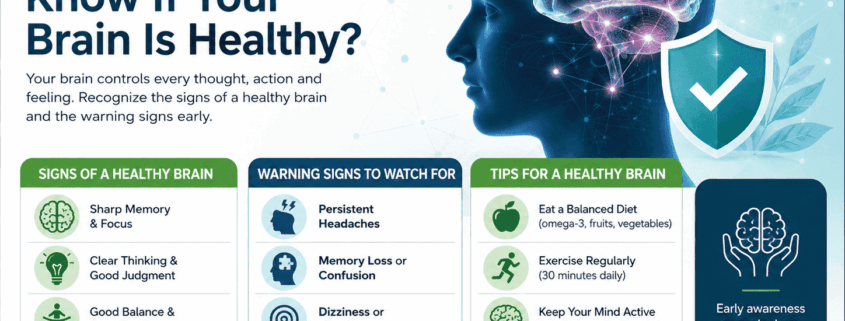
Many people ignore headaches, dizziness, numbness, or memory problems, assuming they are caused by stress or fatigue. However, these symptoms can sometimes indicate an underlying neurological disorder that requires timely medical attention. If you are looking for the Best Neurologist in Safdarjung or a trusted Neurologist in Safdarjung, understanding when to seek expert care is the first step toward protecting your brain and nervous system. In this article, you’ll learn the warning signs you should never ignore, the conditions neurologists treat, and why early diagnosis and treatment can make a significant difference in long-term health outcomes.

What Does a Neurologist Treat?

A neurologist is a medical specialist who diagnoses, treats, and manages conditions affecting the brain, spinal cord, peripheral nerves, and muscles. These conditions range from common disorders such as migraine and vertigo to more complex neurological diseases, including stroke, epilepsy, Parkinson’s disease, dementia, and multiple sclerosis. Seeking timely care from an experienced neurologist in Safdarjung or a brain specialist in Safdarjung can help ensure an accurate diagnosis, identify the underlying cause of your symptoms, and create a personalized treatment plan for better long-term neurological health.

Common Neurological Conditions

Neurologists treat a wide range of disorders, including:

  • Migraine and chronic headaches
  • Stroke and transient ischemic attacks (TIA)
  • Epilepsy and seizures
  • Parkinson’s disease and movement disorders
  • Dementia and memory-related conditions
  • Peripheral neuropathy (nerve damage)
  • Vertigo and balance disorders
  • Multiple sclerosis and other autoimmune neurological disorders

Each condition affects the nervous system differently, making early evaluation essential for effective treatment and improved quality of life.

Why Early Diagnosis Matters

Neurological symptoms often develop gradually and may be mistaken for everyday health issues. Persistent headaches, numbness, muscle weakness, dizziness, tremors, or memory changes should not be ignored, as they may indicate an underlying disorder affecting the nervous system. Consulting an experienced neurology specialist in Safdarjung can help identify the root cause through a detailed clinical evaluation. Depending on your symptoms, the specialist may recommend diagnostic tests such as MRI, CT scan, EEG, or nerve conduction studies to reach an accurate diagnosis. Seeking timely care from a brain specialist in Safdarjung or an experienced neurologist can help prevent complications, improve symptom management, and support better long-term neurological health with personalized, evidence-based treatment.

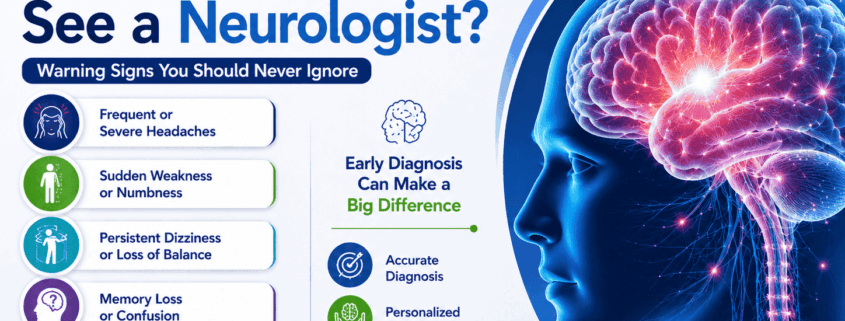
10 Warning Signs You Should Never Ignore

While occasional headaches or dizziness may not always indicate a serious problem, persistent or sudden neurological symptoms should never be overlooked. Recognizing these warning signs early and consulting the Best Neurologist in Safdarjung can help identify the underlying cause and improve treatment outcomes.

1. Frequent or Severe Headaches

Occasional headaches are common, but headaches that become frequent, unusually severe, or different from your usual pattern may require medical evaluation. If headaches are accompanied by vomiting, vision changes, weakness, or difficulty speaking, seek immediate medical attention.

2. Sudden Weakness or Numbness

Weakness or numbness on one side of the body, especially in the face, arm, or leg, can be an early sign of a stroke or other neurological disorder. Immediate evaluation is essential, as early treatment can significantly improve recovery.

3. Persistent Dizziness or Loss of Balance

Feeling dizzy occasionally is common, but recurrent dizziness, vertigo, or difficulty maintaining balance may be linked to disorders affecting the brain, inner ear, or nervous system. A Neurologist in Safdarjung can help determine the exact cause.

4. Memory Loss or Confusion

Frequent forgetfulness, confusion, difficulty concentrating, or noticeable changes in thinking should not be considered a normal part of aging. These symptoms may be associated with dementia, Alzheimer’s disease, or other neurological conditions that benefit from early diagnosis.

5. Seizures or Loss of Consciousness

Even a single unexplained seizure or episode of loss of consciousness should be evaluated by a neurologist. Early diagnosis can help identify conditions such as epilepsy and reduce the risk of future complications.

6. Tremors or Uncontrolled Movements

If you notice shaking hands, involuntary movements, muscle stiffness, or difficulty with coordination, it is important to seek medical advice. These symptoms may be associated with Parkinson’s disease, essential tremor, or other movement disorders. Early evaluation by the Best Neurologist in Safdarjung can help determine the cause and improve symptom management.

7. Difficulty Speaking or Understanding

Sudden slurred speech, difficulty finding words, or trouble understanding conversations should never be ignored. These symptoms can occur due to a stroke or other neurological conditions and require immediate medical attention. Prompt treatment can significantly reduce the risk of long-term complications.

8. Persistent Tingling or Burning Sensation

Occasional tingling may occur after sitting in one position for too long, but persistent numbness, burning sensations, or “pins and needles” in the hands or feet may indicate peripheral neuropathy, nerve compression, or other neurological disorders. A Neurologist in Safdarjung can identify the underlying cause and recommend appropriate treatment.

9. Vision Changes Along with Neurological Symptoms

Blurred vision, double vision, sudden vision loss, or difficulty focusing, especially when accompanied by headache, dizziness, or weakness, may signal a neurological condition. These symptoms should be evaluated promptly to rule out serious causes affecting the brain or optic nerves.

10. Chronic Neck or Back Pain with Numbness

Persistent neck or back pain that radiates to the arms or legs, especially when associated with tingling, numbness, or muscle weakness, may indicate a problem involving the spinal cord or nerves. Consulting the Best Neurologist in Safdarjung can help diagnose the condition early and guide appropriate treatment to prevent further nerve damage.

When Is It an Emergency?

Some neurological symptoms require immediate medical attention because they may indicate a life-threatening condition such as a stroke, brain hemorrhage, or prolonged seizure. Delaying treatment can increase the risk of permanent brain damage and other serious complications. If you or someone around you experiences any of the following symptoms, seek emergency medical care without delay rather than waiting for the symptoms to improve.

Seek Emergency Care If You Experience:

  • Sudden weakness or numbness, especially on one side of the body.
  • Difficulty speaking, understanding speech, or confusion.
  • A sudden, severe headache unlike any headache you’ve had before.
  • Loss of vision or double vision, particularly if it occurs suddenly.
  • Loss of consciousness or fainting without an obvious cause.
  • A seizure lasting more than five minutes or repeated seizures without full recovery.
  • Sudden difficulty walking, loss of balance, or poor coordination.

These symptoms may require urgent evaluation and treatment to reduce the risk of long-term disability. If you notice any persistent neurological symptoms—even if they are not an emergency—consulting the Best Neurologist in Safdarjung or an experienced Neurologist in Safdarjung can help identify the underlying cause and ensure timely, appropriate care. Early diagnosis often leads to better treatment outcomes and improved quality of life.

How a Neurologist Helps Diagnose and Treat Neurological Disorders

A neurologist uses a combination of medical history, neurological examination, and advanced diagnostic tests to identify the cause of brain, spine, nerve, or muscle-related symptoms. Based on the diagnosis, a personalized treatment plan is created to help manage symptoms, slow disease progression where possible, and improve overall quality of life. Consulting the Best Neurologist in Safdarjung ensures that patients receive evidence-based care tailored to their specific neurological condition.

Step What It Involves Why It Matters
Medical History Reviewing symptoms, medical history, medications, and family history. Helps identify possible neurological conditions and risk factors.
Neurological Examination Assessing reflexes, muscle strength, sensation, balance, coordination, speech, and cognitive function. Detects abnormalities in the nervous system.
Diagnostic Tests Tests such as MRI, CT scan, EEG, EMG, nerve conduction studies, or blood tests may be recommended if needed. Confirms the diagnosis and identifies the underlying cause.
Personalized Treatment Plan Treatment may include medications, lifestyle modifications, rehabilitation, or referrals when appropriate. Ensures care is tailored to the patient’s condition and symptoms.
Regular Follow-up Monitoring progress and adjusting treatment based on recovery or symptom changes. Helps achieve better long-term neurological health and prevents complications.

Timely consultation with a qualified Neurologist in Safdarjung can lead to early diagnosis, effective treatment, and better management of neurological disorders. Seeking medical advice as soon as symptoms appear can make a significant difference in recovery and overall well-being.

Expert Neurology Care at Neuro Clinic Plus

Comprehensive Evaluation for Neurological Conditions

At Neuro Clinic Plus, patients receive comprehensive evaluation and management for a wide range of brain, spine, nerve, and muscle disorders. The focus is on identifying the underlying cause of neurological symptoms through detailed clinical assessment, accurate diagnosis, and evidence-based treatment. Whether you are experiencing persistent headaches, dizziness, seizures, numbness, memory problems, or movement disorders, timely medical evaluation can help prevent complications and improve long-term outcomes.

Meet Dr. Aparna Gupta

With 22+ years of experience in neurology, Dr. Aparna Gupta is a highly experienced neurologist specializing in the diagnosis and treatment of migraine, stroke, epilepsy, vertigo, Parkinson’s disease, dementia, peripheral neuropathy, movement disorders, and other neurological conditions. She follows a patient-centered, evidence-based approach, carefully evaluating each patient’s symptoms before creating a personalized treatment plan. Her focus is on delivering accurate diagnoses, effective treatment strategies, and long-term neurological care tailored to each individual’s needs.

Why Timely Consultation Matters

Many neurological disorders respond better when diagnosed in their early stages. If you are looking for an experienced neurologist in Safdarjung or a brain specialist in Safdarjung, seeking expert evaluation at the right time can help achieve an accurate diagnosis and appropriate treatment. At Neuro Clinic Plus, the emphasis is on personalized care, patient education, and long-term neurological health, ensuring that every patient receives the attention and support they need to manage neurological conditions effectively.

Frequently Asked Questions 

1. When should I see a neurologist?

You should consult a neurologist if you experience persistent headaches, seizures, dizziness, numbness, weakness, memory problems, tremors, or balance issues. Early evaluation can help identify neurological disorders before they become more serious.

2. What conditions does a neurologist treat?

A neurologist diagnoses and treats disorders affecting the brain, spinal cord, nerves, and muscles, including migraine, stroke, epilepsy, Parkinson’s disease, dementia, multiple sclerosis, vertigo, and peripheral neuropathy.

3. What are the warning signs of a neurological disorder?

Common warning signs include frequent headaches, sudden weakness, numbness, seizures, memory loss, dizziness, tremors, speech difficulties, vision changes, and problems with balance or coordination.

4. Can a neurologist help with chronic headaches and migraines?

Yes. A Neurologist in Safdarjung can identify the type and cause of chronic headaches or migraines and recommend an individualized treatment plan to reduce their frequency and severity.

5. Is dizziness always a neurological problem?

No. Dizziness can result from inner ear disorders, low blood pressure, dehydration, or neurological conditions. A proper medical evaluation is needed to determine the exact cause.

6. What happens during a neurological examination?

A neurologist will review your medical history and assess muscle strength, reflexes, sensation, balance, coordination, vision, speech, and cognitive function. Additional tests may be recommended if necessary.

7. What tests might a neurologist recommend?

Depending on your symptoms, a neurologist may suggest MRI, CT scan, EEG, EMG, nerve conduction studies, or blood tests to help diagnose neurological conditions accurately.

8. Can neurological disorders be treated successfully?

Many neurological conditions can be effectively managed with medications, lifestyle modifications, rehabilitation, and regular follow-up care. Early diagnosis often leads to better treatment outcomes.

9. When should neurological symptoms be treated as an emergency?

Seek immediate medical attention if you experience sudden weakness, slurred speech, severe headache, seizures lasting more than five minutes, loss of consciousness, or sudden vision loss, as these may indicate a medical emergency.

10. How do I choose the right neurologist?

Look for a neurologist with relevant experience, expertise in your condition, a patient-focused approach, and access to appropriate diagnostic facilities. Reading patient reviews and seeking referrals may also help.

11. Why is early diagnosis important for neurological disorders?

Early diagnosis allows for timely treatment, better symptom control, reduced risk of complications, and improved long-term quality of life. Delaying medical care may allow certain neurological conditions to progress.

12. Where can I consult the Best Neurologist in Safdarjung?

If you are experiencing symptoms related to the brain, nerves, or spine, you can consult Dr. Aparna Gupta at Neuro Clinic Plus for a comprehensive neurological evaluation and an evidence-based treatment plan tailored to your condition.

Conclusion

Ignoring persistent headaches, dizziness, numbness, memory problems, seizures, or sudden weakness can delay the diagnosis of a serious neurological condition. Recognizing these warning signs and seeking medical attention at the right time can significantly improve treatment outcomes and overall quality of life. Whether your symptoms are mild or severe, early neurological evaluation is essential for accurate diagnosis and effective management.

If you are experiencing ongoing symptoms related to the brain, nerves, or spinal cord, consulting an experienced neurologist in Safdarjung can help identify the underlying cause and recommend the most appropriate treatment plan. At Neuro Clinic Plus, Dr. Aparna Gupta offers comprehensive care for a wide range of neurological disorders, focusing on accurate diagnosis, evidence-based treatment, and personalized patient care. If you’re looking for a brain specialist in Safdarjung or a neurology expert for brain and nerve disorders, timely consultation can help you manage your condition effectively and maintain long-term neurological health.


best headache specialist in safdarjung

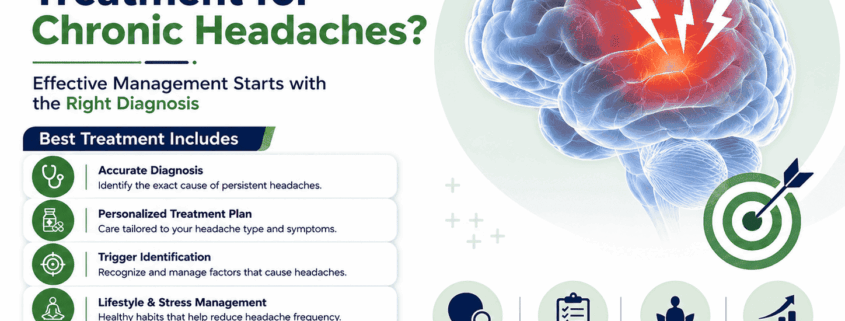
The best treatment for chronic headaches depends on the underlying cause and may include medications, lifestyle changes, trigger management, and stress reduction. If you experience headaches 15 or more days a month, consult a Headache Specialist in Safdarjung for an accurate diagnosis and a personalized treatment plan to achieve long-term relief and improve your quality of life.

What Are Chronic Headaches?

Chronic headaches are headaches that occur on 15 or more days each month for at least three months. Unlike occasional headaches, they can become a long-term condition that affects your daily routine, work performance, sleep, and emotional well-being. While some headaches are mild, others can be severe enough to interfere with normal activities. Seeking timely medical evaluation can help identify the underlying cause and ensure the most appropriate treatment for long-term relief.

Common Types of Chronic Headaches

Chronic Migraine

Chronic migraine is one of the most common forms of persistent headache. It often causes throbbing pain, usually on one side of the head, and may be accompanied by nausea, sensitivity to light, and sensitivity to sound. Many people also experience warning symptoms, known as aura, before the headache begins.

Chronic Tension-Type Headache

This type of headache typically feels like a tight band or constant pressure around the head. Although the pain is usually mild to moderate, frequent episodes can make it difficult to concentrate and perform daily activities.

Cluster Headache

Cluster headaches are intensely painful headaches that usually occur around one eye. They often appear in cycles or “clusters” over several weeks and may be associated with eye redness, excessive tearing, nasal congestion, or restlessness.

Medication-Overuse Headache

Taking pain-relieving medications too frequently can actually trigger chronic headaches. This condition, known as medication-overuse headache, often improves only after the medication pattern is carefully managed under medical supervision.

Identifying the exact type of chronic headache is essential because each condition requires a different treatment approach. A comprehensive medical evaluation helps determine the underlying cause and allows doctors to develop a personalized treatment plan for effective, long-term headache relief.

Comparison: Occasional Headaches vs. Chronic Headaches

Feature Occasional Headaches Chronic Headaches
Frequency Less than 15 days per month 15 or more days per month for at least 3 months
Duration Usually short-term Long-lasting or recurring
Severity Mild to moderate Mild to severe, depending on the type
Common Causes Stress, dehydration, lack of sleep, illness Migraine, tension headache, cluster headache, medication overuse, neurological conditions
Impact on Daily Life Minimal disruption Can affect work, sleep, productivity, and quality of life
Treatment Rest, hydration, and occasional pain relievers Personalized treatment plan, preventive medications, lifestyle changes, and trigger management
Medical Evaluation Usually not required Recommended if headaches are frequent or worsening
Risk of Complications Generally low Higher if the underlying cause is left untreated

Key Message

If your headaches occur 15 or more days a month, become more severe, or interfere with your daily life, seek a professional neurological evaluation. Early diagnosis and appropriate treatment can help reduce headache frequency, improve quality of life, and prevent future complications.


Best Treatment Options for Chronic Headaches

The best treatment for chronic headaches depends on the underlying cause, type of headache, frequency, and severity of symptoms. There is no one-size-fits-all solution, which is why a detailed evaluation by a Headache Specialist in Safdarjung is essential. The goal of treatment is to reduce headache frequency, relieve pain, prevent future attacks, and improve your overall quality of life.

Treatment Options for Chronic Headaches

  • Accurate Diagnosis: A thorough medical history, neurological examination, and, when necessary, imaging tests help identify the exact cause of your headaches and guide the most effective treatment.
  • Prescription Medications: Depending on the diagnosis, your doctor may recommend preventive medications to reduce headache frequency or acute medications to relieve symptoms during an attack.
  • Identify and Avoid Triggers: Common triggers include stress, lack of sleep, dehydration, skipping meals, excessive screen time, certain foods, and hormonal changes. Recognizing these triggers can help prevent future headaches.
  • Lifestyle Modifications: Maintaining a regular sleep schedule, staying hydrated, eating balanced meals, exercising regularly, and limiting caffeine and alcohol can significantly improve headache control.
  • Stress Management: Techniques such as deep breathing, meditation, yoga, and relaxation exercises can reduce stress, which is a common trigger for chronic headaches.
  • Regular Follow-Up: Ongoing monitoring allows your doctor to assess your progress, adjust medications if needed, and ensure that your treatment plan continues to provide effective relief.

With the right diagnosis and a personalized treatment plan, many people experience a significant reduction in headache frequency and severity. If your headaches are becoming more frequent or interfering with your daily life, seeking timely medical care can help identify the underlying cause and ensure you receive the right treatment at the right time.

When Should You See a Headache Specialist?

While many headaches improve with rest or over-the-counter medication, frequent, severe, or unusual headaches should never be ignored. Some headaches may indicate an underlying neurological condition that requires prompt evaluation. Consulting a Headache Specialist in Safdarjung can help identify the cause early and prevent potential complications through timely treatment.

Warning Signs That Need Medical Attention

Symptom Why You Should See a Specialist
Headaches occurring 15 or more days a month May indicate chronic headache or chronic migraine that requires long-term management.
Sudden, severe headache (“thunderclap headache”) Could be a sign of a medical emergency and needs immediate evaluation.
Headache with weakness, numbness, or difficulty speaking May indicate a stroke or another neurological disorder requiring urgent care.
Persistent headaches despite medication Could suggest an underlying condition or medication-overuse headache.
Headache with vision changes or dizziness May be associated with neurological or eye-related conditions that need assessment.
Headaches after a head injury Should always be evaluated to rule out brain injury or internal bleeding.
Headaches accompanied by fever, stiff neck, or confusion These symptoms may indicate a serious infection or inflammation and require immediate medical attention.

Don’t Ignore Persistent Headaches

Ignoring recurrent or worsening headaches can delay the diagnosis of treatable neurological conditions. Seeking timely medical care ensures a comprehensive evaluation, accurate diagnosis, and a personalized treatment plan. Early intervention not only helps reduce headache frequency and severity but also improves your overall health, daily functioning, and quality of life, while lowering the risk of complications associated with underlying neurological disorders.

Why Choose Dr. Aparna Gupta at Neuro Clinic Plus?

Dr. Aparna Gupta is a highly experienced neurologist with 22+ years of expertise in diagnosing and treating chronic headaches, migraines, vertigo, stroke, epilepsy, Parkinson’s disease, dementia, and other neurological disorders. She is the Associate Director of Neurology at ISIC Multispeciality Hospital, Vasant Kunj, and also consults at Neuro Clinic Plus, where she provides personalized, evidence-based neurological care.

Highly Qualified Neurologist

Dr. Aparna Gupta completed her MBBS, MD (General Medicine), and DNB in Neurology, along with advanced fellowships in Epilepsy & Sleep Disorders from AIIMS and Botox Treatment for Neurological Disorders from Seoul, South Korea.

Comprehensive Care at Neuro Clinic Plus

At Neuro Clinic Plus, patients receive thorough neurological evaluation, accurate diagnosis, personalized treatment plans, preventive care, and regular follow-up. With her extensive clinical experience and patient-focused approach, Dr. Aparna Gupta is committed to helping patients achieve long-term relief from chronic headaches and improved neurological health.

Frequently Asked Questions 

1. What is the best treatment for chronic headaches?

The best treatment depends on the underlying cause and type of headache. It may include medications, lifestyle changes, trigger management, stress reduction, and preventive therapies.

2. What causes chronic headaches every day?

Daily headaches can result from chronic migraine, tension-type headache, medication overuse, stress, poor sleep, dehydration, or underlying neurological conditions. A medical evaluation is important to determine the exact cause.

3. When should I worry about a chronic headache?

You should seek medical attention if your headache is sudden and severe, occurs frequently, worsens over time, or is accompanied by vision changes, weakness, numbness, confusion, fever, or difficulty speaking.

4. How do doctors diagnose chronic headaches?

Doctors diagnose chronic headaches through a detailed medical history, neurological examination, and, if necessary, MRI or CT scans to rule out underlying neurological disorders.

5. Can chronic headaches be cured permanently?

Some chronic headaches can be effectively treated, while others require long-term management. With the right treatment plan, many people experience significant improvement and fewer headache episodes.

6. What lifestyle changes help prevent chronic headaches?

Maintaining regular sleep, staying hydrated, eating balanced meals, exercising regularly, managing stress, and avoiding known triggers can help reduce headache frequency.

7. What foods can trigger chronic headaches?

Common triggers include processed foods, aged cheese, chocolate, alcohol, excessive caffeine, artificial sweeteners, and foods containing MSG. Triggers vary from person to person.

8. Can stress and anxiety cause chronic headaches?

Yes. Stress and anxiety are among the most common triggers for tension-type headaches and migraines. Stress management techniques can help reduce headache frequency.

9. Do I need an MRI for chronic headaches?

Not everyone needs an MRI. Your neurologist may recommend imaging if you have unusual symptoms, neurological deficits, or warning signs that require further investigation.

10. What type of doctor should I see for chronic headaches?

If headaches are frequent, severe, or persistent, you should consult a neurologist or Headache Specialist in Safdarjung for an accurate diagnosis and personalized treatment.

11. How can Dr. Aparna Gupta help treat chronic headaches?

Dr. Aparna Gupta provides comprehensive neurological evaluation, accurate diagnosis, personalized treatment plans, and long-term headache management at Neuro Clinic Plus, helping patients achieve lasting relief.

12. How do I know if my headache is a migraine or something more serious?

Migraines often cause throbbing pain, nausea, and sensitivity to light or sound. However, headaches that are sudden, extremely severe, or associated with neurological symptoms should be evaluated immediately by a specialist.

Key Takeaways

  • Chronic headaches occur 15 or more days a month and should not be ignored.
  • The best treatment depends on the type and underlying cause of the headache.
  • Early diagnosis is essential for effective treatment and long-term headache control.
  • Managing triggers, stress, sleep, hydration, and lifestyle habits can significantly reduce headache frequency.
  • Seek immediate medical attention if headaches are sudden, severe, or accompanied by weakness, vision changes, or difficulty speaking.
  • Dr. Aparna Gupta, a trusted Headache Specialist in Safdarjung, provides personalized, evidence-based care at Neuro Clinic Plus to help patients achieve lasting headache relief.

Conclusion

Chronic headaches should never be considered a normal part of life, especially if they occur frequently or interfere with your daily activities. Early diagnosis and the right treatment can help reduce headache frequency, relieve symptoms, and improve your overall quality of life. If you are experiencing persistent or recurring headaches, don’t delay seeking expert care. Consult Dr. Aparna Gupta, a trusted Headache Specialist in Safdarjung, at Neuro Clinic Plus for a comprehensive evaluation and a personalized treatment plan designed to help you achieve long-term headache relief.


best neurologist in safdarjung

Your brain controls every function of your body—from thinking, memory, movement, emotions, speech, and balance to decision-making. While occasional forgetfulness or headaches can be normal, persistent neurological symptoms should never be ignored. Knowing the signs of a healthy brain can help you take timely action and prevent serious conditions. If you are looking for the Best Neurologist in Safdarjung, seeking expert evaluation at the right time is essential. At Neuro Clinic Plus, Dr. Aparna Gupta provides comprehensive diagnosis and personalized treatment for a wide range of brain, spine, and nerve disorders, helping patients achieve better neurological health.

Signs of a Healthy Brain

A healthy brain allows you to think clearly, remember important information, maintain balance, and perform everyday activities without difficulty. While brain health naturally changes with age, these signs generally indicate that your brain and nervous system are functioning well.

1. Good Memory and Learning Ability

A healthy brain helps you remember names, events, appointments, and daily tasks with ease. It also allows you to learn new skills, process information quickly, and retain knowledge without significant difficulty.

2. Clear Thinking and Decision-Making

Being able to focus, solve problems, make decisions, and think logically is a sign of healthy brain function. Good concentration and mental clarity are essential for work, studies, and everyday life.

3. Normal Balance and Coordination

Your brain works closely with your nerves and muscles to maintain balance, coordination, and smooth body movements. Walking steadily, maintaining posture, and performing routine activities comfortably are positive indicators of neurological health.

4. Healthy Sleep and Emotional Well-Being

A healthy brain supports quality sleep, emotional stability, and stress management. Waking up refreshed, maintaining a positive mood, and handling daily challenges without major emotional disturbances reflect good brain function.

5. Effective Communication and Quick Reflexes

Clear speech, language understanding, fast reflexes, and normal vision and hearing coordination are important signs of a healthy nervous system. These functions allow you to communicate effectively and respond quickly to your surroundings.

If you notice persistent memory problems, dizziness, severe headaches, numbness, weakness, balance issues, or changes in speech, it may indicate an underlying neurological condition. Consulting the Best Neurologist in Safdarjung at Neuro Clinic Plus, led by Dr. Aparna Gupta, can help identify the cause early and ensure timely treatment.

Warning Signs Your Brain May Need Attention

While occasional symptoms may not always indicate a serious problem, persistent or recurring neurological symptoms should never be ignored. Early diagnosis can help prevent complications and improve treatment outcomes. If you experience any of the following signs, consider consulting the Best Neurologist in Safdarjung for a comprehensive neurological evaluation.

Warning Signs to Watch For

  • Frequent or Severe Headaches that are persistent, worsening, or different from your usual headaches.
  • Memory Loss or Confusion that interferes with daily activities or makes it difficult to recall recent events.
  • Dizziness or Vertigo causing a spinning sensation, imbalance, or difficulty walking.
  • Numbness or Weakness in the face, arms, or legs, especially if it occurs suddenly.
  • Difficulty Speaking or Understanding Speech, including slurred speech or trouble finding the right words.
  • Poor Balance and Coordination, leading to frequent falls or difficulty performing routine tasks.
  • Vision Changes, such as blurred vision, double vision, or sudden vision loss.
  • Tremors or Uncontrolled Movements that affect your hands, legs, or other parts of the body.
  • Seizures or Loss of Consciousness, even if they occur only once.
  • Persistent Tingling or Burning Sensations in the hands or feet that may indicate nerve damage.

Don’t Ignore These Symptoms

Ignoring these warning signs can delay the diagnosis of conditions such as stroke, epilepsy, Parkinson’s disease, migraine, neuropathy, multiple sclerosis, or brain infections. If you notice any of these symptoms, seek expert care from the Best Neurologist in Safdarjung. At Neuro Clinic Plus, Dr. Aparna Gupta provides advanced neurological evaluation, accurate diagnosis, and personalized treatment plans to help patients protect their brain and nervous system health.

Daily Habits That Keep Your Brain Healthy

Your daily lifestyle plays a major role in maintaining brain function, memory, and overall neurological health. Simple healthy habits can reduce the risk of many neurological disorders and help your brain perform at its best. If you have ongoing neurological symptoms despite following a healthy lifestyle, consult the Best Neurologist in Safdarjung for a detailed evaluation.

Healthy Habits for Better Brain Health

Healthy Habit How It Benefits Your Brain
Eat a Balanced Diet Provides essential vitamins, minerals, and antioxidants that support brain cells and improve memory.
Exercise Regularly Increases blood flow to the brain, improves concentration, and lowers the risk of stroke.
Get 7–9 Hours of Sleep Helps the brain repair, store memories, and remove harmful waste products.
Stay Mentally Active Reading, puzzles, and learning new skills help improve memory and cognitive function.
Manage Stress Reduces the harmful effects of chronic stress on memory, mood, and overall brain health.
Stay Hydrated Proper hydration supports concentration, alertness, and brain performance.
Avoid Smoking & Excessive Alcohol Protects brain cells and reduces the risk of stroke, memory loss, and nerve damage.
Control Blood Pressure & Diabetes Lowers the risk of stroke and other neurological complications.

Small Changes, Big Benefits

Adopting these healthy habits can significantly improve your brain health and lower the risk of neurological disorders. However, if you experience persistent headaches, dizziness, memory loss, numbness, or balance problems, don’t ignore them. Visiting Neuro Clinic Plus allows Dr. Aparna Gupta to identify the underlying cause through a comprehensive neurological evaluation and recommend the most appropriate personalized treatment for long-term neurological well-being.

When Should You See a Neurologist?

Many neurological conditions develop gradually, while others require immediate medical attention. Recognizing the warning signs early can lead to faster diagnosis, timely treatment, and better outcomes. If your symptoms persist or interfere with your daily life, it is advisable to consult an experienced neurologist without delay. Early evaluation can help identify the underlying cause and ensure you receive the most appropriate treatment to protect your brain health and overall well-being.

Persistent or Severe Headaches

Occasional headaches are common, but frequent, severe, or worsening headaches—especially those accompanied by nausea, blurred vision, or sensitivity to light—may indicate an underlying neurological condition that requires expert evaluation.

Memory Problems or Difficulty Concentrating

If you frequently forget important information, struggle to focus, or experience confusion, it could be a sign of cognitive impairment or another neurological disorder. Early assessment can help identify the cause and guide appropriate treatment.

Dizziness, Vertigo, or Balance Issues

Recurring dizziness, spinning sensations, loss of balance, or difficulty walking should not be ignored. These symptoms may be linked to disorders affecting the brain, inner ear, or nervous system.

Numbness, Weakness, or Tingling

Sudden or persistent numbness, weakness, or tingling in the face, arms, or legs can be associated with conditions such as stroke, neuropathy, or multiple sclerosis. Prompt medical attention is essential, especially if symptoms appear suddenly.

Seizures or Changes in Speech and Vision

Experiencing a seizure, slurred speech, difficulty speaking, blurred vision, or sudden vision loss requires immediate neurological evaluation. These symptoms may indicate serious conditions that need urgent diagnosis and treatment.

Get Expert Neurological Care

If you experience any of these symptoms, don’t delay seeking medical advice. At Neuro Clinic Plus, Dr. Aparna Gupta provides comprehensive evaluation and personalized treatment for headaches, migraine, stroke, epilepsy, vertigo, Parkinson’s disease, neuropathy, memory disorders, and other neurological conditions. If you’re searching for the Best Neurologist in Safdarjung, expert care can help protect your brain health and improve your quality of life.

Why Choose Neuro Clinic Plus?

Choosing the right neurology clinic is essential for receiving accurate diagnosis, timely treatment, and long-term neurological care. At Neuro Clinic Plus, patients receive compassionate, evidence-based care for a wide range of brain, spine, and nerve disorders. If you are searching for the Best Neurologist in Safdarjung, the clinic is committed to delivering personalized treatment tailored to each patient’s needs.

Why Patients Trust Neuro Clinic Plus

  • Comprehensive Neurological Care for headaches, migraine, stroke, epilepsy, vertigo, Parkinson’s disease, neuropathy, dementia, and other neurological disorders.
  • Expert Consultation by Dr. Aparna Gupta, an experienced neurologist with expertise in diagnosing and treating complex neurological conditions.
  • Accurate Diagnosis using detailed neurological examinations and advanced diagnostic techniques.
  • Personalized Treatment Plans designed according to each patient’s symptoms, medical history, and health goals.
  • Patient-Centered Approach focused on compassionate care, clear communication, and long-term support.
  • Early Detection & Prevention to identify neurological conditions before they progress and reduce the risk of complications.
  • Holistic Brain Health Management with guidance on lifestyle changes, rehabilitation, and preventive care for better neurological well-being.
  • Trusted Care for All Age Groups, from young adults to senior citizens with neurological concerns.

Expert Care for Better Brain Health

At Neuro Clinic Plus, every patient receives individualized attention with a focus on improving brain health, restoring neurological function, and enhancing quality of life. Whether you are experiencing persistent headaches, dizziness, memory issues, nerve pain, or balance problems, consulting the Best Neurologist in Safdarjung, Dr. Aparna Gupta, can help you receive the right diagnosis and treatment at the right time.

Meet Dr. Aparna Gupta

Dr. Aparna Gupta is a highly experienced neurologist dedicated to providing comprehensive, patient-centered care for individuals with brain, spine, and nerve disorders. With extensive clinical expertise and an evidence-based approach, she focuses on accurate diagnosis, personalized treatment, and long-term neurological wellness. She is committed to delivering compassionate care tailored to each patient’s unique needs, helping them achieve better neurological health and an improved quality of life.

Areas of Expertise

  • Headache & Migraine Management
  • Stroke Prevention and Rehabilitation
  • Epilepsy Diagnosis and Treatment
  • Vertigo and Balance Disorders
  • Parkinson’s Disease Care
  • Peripheral Neuropathy
  • Memory Disorders and Dementia
  • Multiple Sclerosis and Other Neurological Conditions

A Patient-First Approach

At Neuro Clinic Plus, Dr. Aparna Gupta believes in educating patients about their condition and involving them in every step of the treatment process. Her goal is not only to treat symptoms but also to improve overall brain health, enhance quality of life, and prevent future neurological complications. Whether you need a routine neurological evaluation or specialized treatment, she is committed to providing accurate diagnosis, personalized care, and evidence-based treatment to help you achieve better neurological health and long-term well-being.

Frequently Asked Questions 

1. How do I know if my brain is healthy?

A healthy brain supports good memory, clear thinking, normal balance, quality sleep, and emotional stability. If these functions change significantly, a neurological evaluation is recommended.

2. What are the early signs of a neurological disorder?

Common warning signs include persistent headaches, dizziness, memory loss, numbness, weakness, tremors, seizures, balance problems, and changes in speech or vision.

3. When should I see a neurologist?

You should consult a neurologist if your symptoms last for several days, worsen over time, or suddenly appear, especially if they interfere with your daily life.

4. Can stress affect brain health?

Yes. Chronic stress can impact memory, concentration, sleep, and emotional well-being. Managing stress is important for maintaining healthy brain function.

5. Can frequent headaches indicate a neurological problem?

While many headaches are harmless, severe, frequent, or unusual headaches may signal an underlying neurological condition and should be evaluated by a specialist.

6. What causes dizziness or vertigo?

Dizziness and vertigo can result from inner ear disorders, migraines, nerve problems, or neurological conditions. Persistent symptoms require medical assessment.

7. What are the most common neurological disorders?

Common neurological conditions include migraine, stroke, epilepsy, Parkinson’s disease, neuropathy, dementia, multiple sclerosis, and vertigo.

8. How can I keep my brain healthy?

Maintain a healthy lifestyle by eating a balanced diet, exercising regularly, sleeping 7–9 hours, staying mentally active, managing stress, and avoiding smoking and excessive alcohol.

9. What tests does a neurologist perform?

A neurologist may recommend neurological examinations, MRI, CT scan, EEG, EMG, nerve conduction studies, or blood tests, depending on your symptoms.

10. What conditions are treated at Neuro Clinic Plus?

Neuro Clinic Plus provides expert care for headaches, migraine, stroke, epilepsy, vertigo, Parkinson’s disease, neuropathy, dementia, memory disorders, and other neurological conditions.

11. Why should I choose Dr. Aparna Gupta?

Dr. Aparna Gupta is committed to providing accurate diagnosis, evidence-based treatment, personalized care, and long-term neurological management for patients of all ages. If you’re searching for the Best Neurologist in Safdarjung, she offers comprehensive care for a wide range of neurological conditions.

12. How can early diagnosis improve neurological health?

Early diagnosis allows for timely treatment, better symptom management, prevention of complications, and improved long-term outcomes, helping patients maintain a better quality of life.

Conclusion

A healthy brain is the foundation of a healthy and active life. Paying attention to early warning signs, following healthy lifestyle habits, and seeking timely medical care can help prevent serious neurological complications. Symptoms such as persistent headaches, memory loss, dizziness, numbness, seizures, or balance problems should never be ignored. If you are looking for the Best Neurologist in Safdarjung, Neuro Clinic Plus offers comprehensive neurological care under the expert guidance of Dr. Aparna Gupta. Early diagnosis and personalized treatment can make a significant difference in protecting your brain health and improving your overall quality of life.


best nerve specialist in safdarjung

Healthy nerves are essential for movement, sensation, balance, and communication between the brain and the rest of the body. A deficiency of certain essential vitamins can affect nerve function, leading to symptoms such as tingling, numbness, burning pain, muscle weakness, and reduced coordination. Ignoring these signs may increase the risk of long-term nerve damage.

If you are experiencing persistent nerve-related symptoms, consulting the Best Nerve Specialist in Safdarjung can help identify the underlying cause and ensure timely treatment. At Neuro Clinic Plus, Dr. Aparna Gupta provides comprehensive neurological evaluations to diagnose vitamin-related nerve disorders and create personalized treatment plans that support long-term nerve health.

Which Vitamins Are Important for Healthy Nerves?

Several essential vitamins play a crucial role in maintaining healthy nerves and ensuring proper communication between the brain, spinal cord, and peripheral nerves. When the body lacks these nutrients, it may lead to nerve pain, tingling, numbness, muscle weakness, and reduced sensation.

Vitamin B12

Vitamin B12 is one of the most important nutrients for nerve health. It helps maintain the myelin sheath, the protective covering around nerves that allows signals to travel efficiently. A deficiency can cause numbness, tingling, balance problems, and memory changes.

Vitamin B1 (Thiamine)

Vitamin B1 supports the normal functioning of the nervous system and helps convert food into energy for nerve cells. Low levels may result in burning feet, muscle weakness, and nerve pain.

Vitamin B6

Vitamin B6 is essential for healthy nerve function, but both deficiency and excessive intake can damage nerves. It should only be taken in the recommended dosage under medical guidance.

Vitamin D

Known for supporting bone health, Vitamin D also contributes to muscle strength and nerve function. Low levels have been associated with chronic pain, muscle weakness, and certain nerve-related symptoms.

Vitamin E

As a powerful antioxidant, Vitamin E helps protect nerve cells from oxidative damage. A deficiency, although uncommon, can lead to poor coordination, muscle weakness, and nerve dysfunction.

If you experience persistent symptoms despite maintaining a healthy diet, it is important to consult the Best Nerve Specialist in Safdarjung for a thorough evaluation. At Neuro Clinic Plus, Dr. Aparna Gupta carefully assesses the underlying cause of nerve-related symptoms and recommends the most appropriate investigations and treatment based on your individual condition.

Signs of Vitamin-Related Nerve Damage

A vitamin deficiency can affect the normal functioning of your nerves, causing symptoms that may start gradually and worsen over time. Recognizing these early warning signs can help prevent further nerve damage and improve recovery with timely treatment.

Some of the most common symptoms include:

  • Tingling or numbness in the hands, feet, arms, or legs
  • Burning or sharp nerve pain that may worsen at night
  • Muscle weakness or difficulty gripping objects
  • Loss of balance or trouble walking steadily
  • Reduced sensation to touch, temperature, or pain
  • Muscle cramps or twitching
  • Fatigue associated with nerve-related weakness

While these symptoms may be caused by a vitamin deficiency, they can also indicate conditions such as peripheral neuropathy, diabetes, nerve compression, or other neurological disorders. Therefore, self-diagnosis should be avoided.

If you notice persistent tingling, numbness, or unexplained nerve pain, consult the Best Nerve Specialist in Safdarjung for a comprehensive neurological evaluation. At Neuro Clinic Plus, Dr. Aparna Gupta uses a patient-centered approach to identify the root cause of nerve symptoms and develop a personalized treatment plan for lasting relief.

Who Is at Higher Risk of Vitamin Deficiencies That Affect the Nerves?

Although vitamin deficiencies can occur in anyone, certain individuals are more likely to develop nerve-related problems due to nutritional deficiencies or underlying medical conditions. Identifying these risk factors early can help prevent complications.

High-Risk Group Why They Are at Risk
Older Adults Reduced absorption of Vitamin B12 increases the risk of nerve damage.
People with Diabetes Diabetes can contribute to peripheral neuropathy, and vitamin deficiencies may worsen symptoms.
Vegetarians & Vegans Since Vitamin B12 is mainly found in animal-based foods, deficiency is more common without proper supplementation.
People with Digestive Disorders Conditions like Crohn’s disease, celiac disease, or chronic gastritis can reduce vitamin absorption.
Individuals Taking Certain Medications Long-term use of medications such as metformin or acid-reducing medicines may lower Vitamin B12 levels.
People with Poor Nutrition An unbalanced diet can lead to deficiencies of Vitamin B1, B6, B12, Vitamin D, and Vitamin E.

Being in a high-risk group does not necessarily mean you will develop nerve damage, but it does increase the importance of regular health check-ups and maintaining adequate vitamin levels.

If you belong to any of these groups and experience tingling, numbness, burning pain, or muscle weakness, it is advisable to consult the Best Nerve Specialist in Safdarjung. At Neuro Clinic Plus, Dr. Aparna Gupta provides comprehensive neurological assessments to identify the underlying cause of nerve symptoms and recommends personalized treatment based on your condition.

Can Nerve Damage Be Reversed?

The answer depends on the cause, severity, and how early treatment begins. In many cases, vitamin-related nerve damage can improve when the underlying deficiency is identified and treated promptly. However, prolonged or severe deficiencies may lead to permanent nerve damage, making early diagnosis essential.

Early Treatment Offers the Best Chance of Recovery

If a vitamin deficiency is detected early, restoring the missing nutrients through dietary changes, prescribed supplements, or treating the underlying condition can help reduce symptoms and support nerve healing. Many people notice gradual improvement in tingling, numbness, and muscle weakness over time.

Recovery Takes Time

Unlike other tissues, nerves heal slowly. Depending on the extent of the damage, recovery may take weeks or even months. Regular follow-up and adherence to the recommended treatment plan are important for the best outcomes.

Avoid Self-Medicating

Taking high-dose vitamin supplements without medical advice can be harmful. For example, excess Vitamin B6 may itself cause nerve damage. A proper diagnosis helps determine which vitamin is deficient and the correct dosage needed for safe treatment.

When to Seek Medical Attention

You should consult a neurologist if you experience:

  • Persistent tingling or numbness
  • Burning or electric shock-like nerve pain
  • Muscle weakness
  • Difficulty walking or maintaining balance
  • Symptoms that continue to worsen despite lifestyle or dietary changes

If you’re experiencing these symptoms, consulting the Best Nerve Specialist in Safdarjung can help identify the exact cause and prevent further nerve damage. At Neuro Clinic Plus, Dr. Aparna Gupta provides comprehensive neurological evaluations and personalized treatment plans to help patients manage vitamin-related nerve disorders and other neurological conditions effectively.

Expert Neurological Care at Neuro Clinic Plus

When it comes to nerve-related symptoms, an accurate diagnosis is the first step toward effective treatment. At Neuro Clinic Plus, patients receive comprehensive neurological care for a wide range of nerve disorders using an evidence-based and patient-centered approach.

Why Choose Neuro Clinic Plus?

  • Comprehensive evaluation for tingling, numbness, nerve pain, and muscle weakness.
  • Advanced diagnostic approach to identify the underlying cause of nerve-related symptoms.
  • Personalized treatment plans tailored to each patient’s condition and medical history.
  • Long-term management for peripheral neuropathy and other neurological disorders.
  • Compassionate care focused on improving quality of life and preventing complications.

Meet Dr. Aparna Gupta

Dr. Aparna Gupta is a highly experienced Neurologist dedicated to diagnosing and treating nerve disorders, peripheral neuropathy, stroke, epilepsy, headaches, Parkinson’s disease, and other neurological conditions. She believes in providing personalized, evidence-based care to help patients achieve better neurological health and long-term well-being.

If you are experiencing persistent tingling, numbness, burning pain, muscle weakness, or balance problems, don’t ignore these warning signs. Consulting the Best Nerve Specialist in Safdarjung at the right time can help prevent further nerve damage and improve recovery.

At Neuro Clinic Plus, Dr. Aparna Gupta is committed to delivering accurate diagnosis, effective treatment, and compassionate neurological care to help you regain confidence in your daily life.

Frequently Asked Questions (FAQs)

1. Which vitamin deficiency is most commonly associated with nerve damage?

Vitamin B12 deficiency is one of the most common causes of nerve damage. It can lead to tingling, numbness, weakness, balance problems, and difficulty walking if left untreated.

2. Can vitamin deficiencies cause permanent nerve damage?

Yes. If a vitamin deficiency remains untreated for a long time, it may result in permanent nerve damage. Early diagnosis and treatment improve the chances of recovery.

3. How are vitamin-related nerve problems diagnosed?

A neurologist may recommend:

  • Neurological examination
  • Blood tests to check vitamin levels
  • Nerve conduction studies (NCS)
  • Electromyography (EMG), when required

4. Can taking vitamin supplements improve nerve health?

If a confirmed vitamin deficiency is causing your symptoms, doctor-prescribed supplements may help improve nerve function. Avoid taking high-dose supplements without medical advice.

5. When should I consult a neurologist for nerve-related symptoms?

You should seek medical attention if you experience:

  • Persistent tingling or numbness
  • Burning or shooting nerve pain
  • Muscle weakness
  • Difficulty walking or maintaining balance
  • Symptoms that continue to worsen despite lifestyle changes

For an accurate diagnosis and personalized treatment, consult the Best Nerve Specialist in Safdarjung at Neuro Clinic Plus. Dr. Aparna Gupta provides comprehensive care for nerve disorders, peripheral neuropathy, and other neurological conditions using an evidence-based approach.

6. What are the early signs of nerve damage?

The early signs of nerve damage include tingling, numbness, burning sensations, muscle weakness, reduced sensation, and difficulty with balance or coordination. If these symptoms persist, consult the Best Nerve Specialist in Safdarjung for a proper evaluation.

7. Which foods are rich in vitamins that support nerve health?

Foods that support healthy nerves include:

  • Eggs and dairy products
  • Fish and lean meat
  • Whole grains
  • Leafy green vegetables
  • Nuts and seeds
  • Fortified cereals

A balanced diet helps maintain adequate levels of Vitamin B1, B6, B12, D, and E.

8. Can diabetes and vitamin deficiencies both cause nerve damage?

Yes. Diabetes is a leading cause of peripheral neuropathy, and a Vitamin B12 deficiency can further worsen nerve damage, especially in people taking certain diabetes medications.

9. How long does it take for nerves to recover after treating a vitamin deficiency?

Recovery varies depending on the severity of nerve damage. Some people improve within a few weeks, while others may take several months. Early treatment generally leads to better outcomes.

10. Is tingling in the hands and feet always caused by a vitamin deficiency?

No. While vitamin deficiencies can cause tingling, it may also result from diabetes, nerve compression, spinal disorders, autoimmune diseases, or other neurological conditions. A neurological evaluation is essential for an accurate diagnosis.

11. Can too much Vitamin B6 damage the nerves?

Yes. Although Vitamin B6 is essential for nerve health, taking high doses for prolonged periods can cause nerve damage, leading to numbness and tingling. Always take supplements as advised by a healthcare professional.

12. Who is most at risk of developing vitamin-related nerve problems?

People at higher risk include:

  • Older adults
  • People with diabetes
  • Vegetarians and vegans
  • Individuals with digestive disorders
  • People taking long-term medications such as metformin or acid-reducing medicines

Conclusion

Vitamin deficiencies can have a significant impact on nerve health, leading to symptoms such as tingling, numbness, burning pain, muscle weakness, and balance problems. While many cases are treatable, early diagnosis and timely intervention are essential to prevent long-term nerve damage.

Maintaining a balanced diet, addressing nutritional deficiencies, and seeking medical advice when symptoms persist can help protect your nervous system. If you are experiencing ongoing nerve-related symptoms, consult the Best Nerve Specialist in Safdarjung for a comprehensive evaluation.

At Neuro Clinic Plus, Dr. Aparna Gupta offers expert neurological care, personalized treatment plans, and long-term management for patients with vitamin-related nerve disorders and other neurological conditions, helping them achieve better nerve health and an improved quality of life.