Epilepsy is a chronic neurological disorder that affects millions of people worldwide and is characterized by recurrent seizures caused by abnormal electrical activity in the brain. Individuals searching for an Epilepsy Specialist in Safdarjung or the Best Epilepsy Specialist in Safdarjung often have one important question: Can epilepsy be cured permanently?
The answer depends on several factors, including the type of epilepsy, its underlying cause, the patient’s age, and how well the condition responds to treatment. While some individuals achieve long-term seizure freedom and may eventually discontinue medication under medical supervision, others require ongoing treatment to effectively manage their condition.
Advancements in neurological care, diagnostic technologies, anti-seizure medications, and surgical treatments have significantly improved outcomes for epilepsy patients. Early diagnosis and timely intervention play a crucial role in reducing seizure frequency, preventing complications, and improving quality of life.
Understanding the causes, symptoms, treatment options, and long-term outlook of epilepsy can help patients make informed healthcare decisions. This guide explores whether epilepsy can be cured permanently, what factors influence recovery, and when it is important to seek expert neurological care for effective seizure management.
Can Epilepsy Be Cured Permanently?
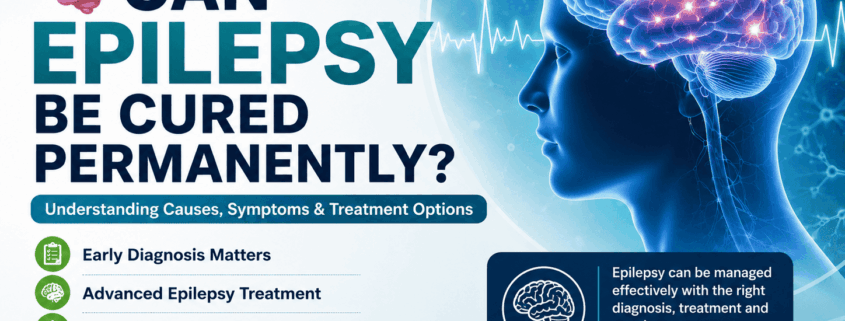
The possibility of a permanent cure for epilepsy depends on the type of epilepsy, its underlying cause, and how well an individual responds to treatment. In some cases, people with epilepsy can become completely seizure-free for many years, while others may require ongoing treatment to keep seizures under control.
It is important to understand that cure and remission are not always the same. A cure implies that epilepsy will never return, whereas remission means a person has remained seizure-free for an extended period, often with or without medication. Some individuals, particularly those with certain childhood epilepsy syndromes or successfully treated underlying conditions, may achieve long-term remission and lead normal lives without experiencing further seizures.
However, not all forms of epilepsy can be permanently cured. Some patients have epilepsy caused by genetic factors, brain injuries, stroke, or other neurological conditions that require lifelong management. Fortunately, modern treatments such as anti-seizure medications, epilepsy surgery, vagus nerve stimulation (VNS), and lifestyle modifications have made it possible for many patients to achieve excellent seizure control.
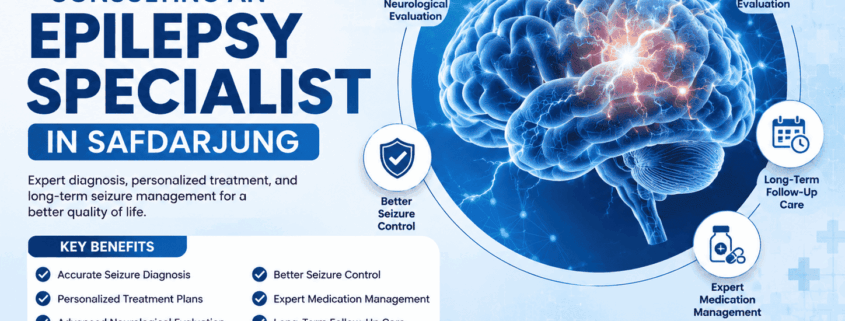
If seizures persist despite treatment, consulting an experienced Epilepsy Specialist in Safdarjung or the Best Epilepsy Specialist in Safdarjung can help identify advanced treatment options and improve long-term outcomes.
What Is Epilepsy?
A Neurological Disorder That Affects Brain Activity
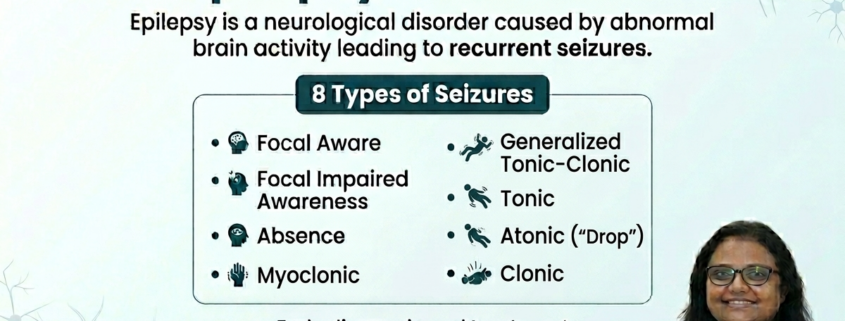
Epilepsy is a neurological disorder that affects the brain’s electrical activity and causes recurrent, unprovoked seizures. A seizure occurs when there is a sudden burst of abnormal electrical signals in the brain, temporarily affecting movement, behavior, awareness, sensation, or consciousness. While a single seizure does not necessarily mean a person has epilepsy, repeated seizures often require comprehensive neurological evaluation and treatment.
How Epilepsy Affects Daily Life
The condition can affect people of all ages, from children to older adults, and its severity varies widely from person to person. Some individuals may experience brief episodes of staring or confusion, while others may have more noticeable seizures involving muscle stiffness, jerking movements, or loss of consciousness. The impact of epilepsy can extend beyond physical symptoms, affecting education, work, driving, and overall quality of life.
Why Early Diagnosis Is Important
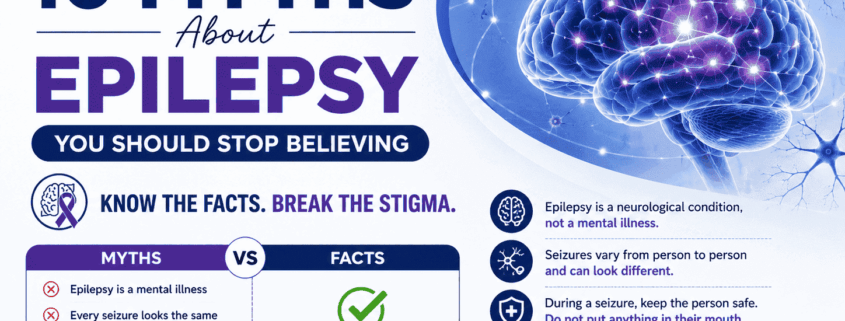
One of the most important facts about epilepsy is that it is not a mental illness and is often manageable with proper medical care. Advances in neurology, brain imaging, and anti-seizure treatments have enabled many patients to achieve excellent seizure control and maintain a high quality of life.
The Importance of Specialist Evaluation
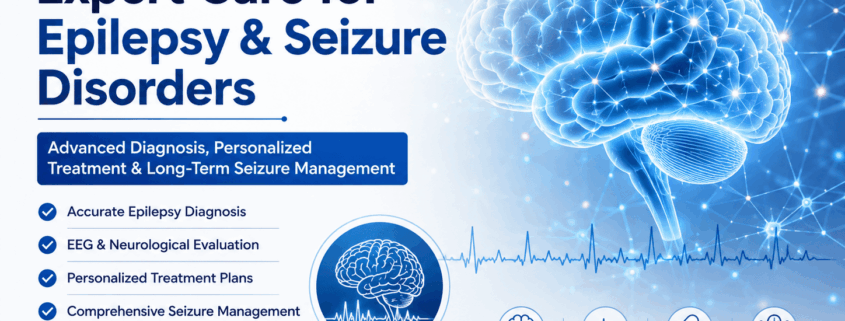
Seeking timely evaluation from an experienced Epilepsy Specialist in Safdarjung can help determine the exact cause of seizures, identify the type of epilepsy, and create a personalized treatment plan. Early diagnosis is often associated with better seizure control, fewer complications, and improved long-term outcomes. Patients searching for the Best Epilepsy Specialist in Safdarjung should prioritize expertise, accurate diagnosis, and comprehensive long-term epilepsy management.
What Causes Epilepsy?
Understanding the cause of epilepsy is important because it helps neurologists determine the most effective treatment approach and predict long-term outcomes. While the exact cause may not always be identified, several factors are known to increase the risk of developing epilepsy and recurrent seizures.
Genetic Factors and Inherited Epilepsy
Some forms of epilepsy are linked to genetic mutations that affect the brain’s electrical activity. Individuals with a family history of epilepsy may have a higher risk of developing certain seizure disorders. However, having a genetic predisposition does not guarantee that a person will develop epilepsy.
Brain Injury and Head Trauma
A traumatic brain injury (TBI) caused by accidents, falls, sports injuries, or road traffic collisions can damage brain tissue and increase the likelihood of seizures. In some cases, epilepsy may develop months or even years after the initial injury.
Stroke and Blood Vessel Disorders
Stroke is one of the leading causes of epilepsy in adults, particularly older individuals. Damage caused by interrupted blood flow to the brain can disrupt normal electrical activity and trigger seizures.
Brain Infections and Inflammation
Serious infections such as meningitis, encephalitis, and certain parasitic infections can affect the brain and increase the risk of epilepsy. Prompt treatment of these conditions may help reduce neurological complications.
Brain Tumors and Structural Abnormalities
Certain brain tumors, developmental abnormalities, and congenital brain conditions can interfere with normal brain function and lead to seizure activity. Advanced imaging tests often help identify these structural causes.
Unknown Causes of Epilepsy
In many patients, no specific cause can be identified despite detailed testing. This condition is often referred to as idiopathic epilepsy. Even when the exact cause remains unknown, modern treatment options can help achieve effective seizure control and improve quality of life.
If you experience recurrent seizures or symptoms suggestive of epilepsy, consulting an experienced Epilepsy Specialist in Safdarjung can help identify potential causes and create a personalized treatment plan. Patients seeking the Best Epilepsy Specialist in Safdarjung should look for expertise in advanced neurological evaluation and long-term seizure management.
What Are the Symptoms of Epilepsy?
The symptoms of epilepsy can vary significantly depending on the type of seizure, the area of the brain involved, and the individual’s overall neurological health. Some seizures are obvious and involve physical movements, while others may be subtle and mistaken for daydreaming, confusion, or temporary lapses in attention. Recognizing the early signs of epilepsy is essential for obtaining timely medical care and preventing complications.
Physical Symptoms of Epilepsy
Many people associate epilepsy with convulsions, but seizures can present in different ways. Common physical symptoms include:
- Uncontrollable jerking movements
- Muscle stiffness
- Loss of balance
- Sudden falls
- Temporary loss of consciousness
- Repeated blinking
- Unusual body movements
- Involuntary muscle contractions
Some individuals may also experience repetitive actions such as lip-smacking, chewing motions, or hand rubbing during a seizure.
Sensory and Awareness Changes
Certain seizures affect the senses and awareness rather than causing noticeable physical movements. Symptoms may include:
- Tingling or numbness
- Unusual smells or tastes
- Blurred or distorted vision
- Hearing sounds that are not present
- A feeling of déjà vu
- Sudden confusion
- Blank staring episodes
- Temporary lack of awareness
These symptoms can last for a few seconds to several minutes depending on the seizure type.
Cognitive and Emotional Symptoms
Epilepsy can also affect thinking, memory, and emotions. Some people experience:
- Difficulty concentrating
- Memory problems
- Confusion after a seizure
- Difficulty speaking
- Sudden fear or anxiety
- Mood changes
- Irritability
- Emotional distress
These symptoms may occur before, during, or after a seizure episode.
Warning Signs Before a Seizure
Some patients experience an aura, which serves as an early warning sign before a seizure occurs. Common aura symptoms include:
- Dizziness
- Headache
- Nausea
- Visual disturbances
- Strange sensations in the body
- Sudden emotional changes
- A feeling that a seizure is about to happen
Recognizing these warning signs can help individuals take safety precautions and seek medical attention when necessary.
When to Consult an Epilepsy Specialist
If you experience recurrent episodes of any of the symptoms mentioned above, it is important to seek professional evaluation. An experienced Epilepsy Specialist in Safdarjung can perform a comprehensive neurological assessment to identify the cause of your symptoms and recommend the most appropriate treatment plan. Patients searching for the Best Epilepsy Specialist in Safdarjung should prioritize timely diagnosis, accurate seizure classification, and personalized long-term epilepsy care.
How Is Epilepsy Diagnosed?
An accurate epilepsy diagnosis is essential for determining the type of seizures, identifying the underlying cause, and selecting the most effective treatment plan. Because many neurological conditions can mimic epilepsy symptoms, a comprehensive evaluation by a qualified neurologist is necessary. Early diagnosis can significantly improve seizure control, reduce complications, and enhance overall quality of life.
Medical History and Symptom Assessment
The diagnostic process usually begins with a detailed review of the patient’s medical history and symptoms. Your neurologist may ask about:
- Frequency and duration of seizures
- Symptoms experienced before, during, and after a seizure
- Family history of epilepsy
- Previous head injuries or neurological conditions
- Current medications and medical history
This information helps identify seizure patterns and possible triggers.
Electroencephalogram (EEG)
An EEG (Electroencephalogram) is one of the most important tests used to diagnose epilepsy. It records the brain’s electrical activity and can detect abnormal patterns associated with seizures.
Benefits of EEG testing include:
- Identifying seizure activity
- Classifying seizure types
- Supporting epilepsy diagnosis
- Guiding treatment decisions
MRI Brain Scan
A Magnetic Resonance Imaging (MRI) scan provides detailed images of the brain and helps identify structural abnormalities that may be causing seizures.
MRI scans can detect:
- Brain tumors
- Stroke-related changes
- Brain injuries
- Developmental abnormalities
- Scar tissue within the brain
CT Scan and Additional Imaging
In certain situations, a CT scan may be recommended, especially during emergency evaluations. Additional imaging studies may be performed when more detailed information is needed.
Blood Tests and Laboratory Investigations
Blood tests help rule out medical conditions that may trigger seizures or mimic epilepsy symptoms.
These tests may evaluate:
- Blood sugar levels
- Electrolyte imbalances
- Infections
- Liver and kidney function
- Metabolic disorders
Advanced Epilepsy Evaluation
For patients with difficult-to-control seizures, advanced diagnostic testing may be required. This can include:
- Video EEG monitoring
- Sleep studies
- Neuropsychological assessments
- Functional brain imaging
These evaluations help specialists develop personalized treatment strategies.
Why Early Diagnosis Matters
Prompt diagnosis allows patients to begin treatment sooner, reducing the risk of recurrent seizures and potential complications. An experienced Epilepsy Specialist in Safdarjung can perform a thorough neurological evaluation and recommend the most appropriate diagnostic tests based on individual symptoms and medical history.
Patients seeking the Best Epilepsy Specialist in Safdarjung should look for comprehensive epilepsy assessment, advanced diagnostic capabilities, and a patient-centered approach to long-term seizure management. Accurate diagnosis is the foundation of effective epilepsy treatment and improved neurological health.
What Are the Best Treatment Options for Epilepsy?
The treatment of epilepsy focuses on controlling seizures, improving daily functioning, and enhancing overall quality of life. The most effective treatment depends on several factors, including the type of epilepsy, the underlying cause, the patient’s age, and how frequently seizures occur. With advances in modern neurology, many individuals with epilepsy can achieve significant seizure reduction and, in some cases, long-term seizure freedom.
Anti-Seizure Medications
Anti-seizure medications are the most commonly prescribed treatment for epilepsy and are often the first step in managing the condition. These medications work by stabilizing abnormal electrical activity in the brain and reducing the likelihood of seizures. Many patients experience excellent seizure control when the correct medication and dosage are identified. Regular follow-up with a neurologist is essential to monitor treatment effectiveness and adjust medications when necessary.
Epilepsy Surgery
For patients whose seizures do not respond adequately to medication, epilepsy surgery may be considered. Surgical treatment is typically recommended when seizures consistently originate from a specific area of the brain that can be safely treated without affecting critical neurological functions. In carefully selected patients, surgery can significantly reduce seizure frequency and may even result in long-term seizure freedom.
Vagus Nerve Stimulation (VNS)
Vagus Nerve Stimulation (VNS) is an advanced treatment option for individuals with drug-resistant epilepsy. This therapy involves implanting a small device that sends controlled electrical signals to the vagus nerve, helping regulate abnormal brain activity. VNS may reduce seizure frequency and improve seizure recovery in patients who are not suitable candidates for surgery.
Ketogenic Diet and Nutritional Therapy
Dietary therapy can play an important role in epilepsy management, particularly for children and individuals with difficult-to-control seizures. The ketogenic diet, a high-fat and low-carbohydrate dietary approach, has shown positive results in reducing seizure frequency in certain patients. Nutritional therapy should always be supervised by healthcare professionals to ensure safety and effectiveness.
Lifestyle Modifications for Better Seizure Control
Lifestyle habits can have a significant impact on seizure management. Maintaining a regular sleep schedule, taking medications consistently, managing stress levels, and avoiding known seizure triggers can help improve treatment outcomes. Healthy lifestyle choices often complement medical treatment and contribute to better long-term seizure control.
The Importance of Personalized Epilepsy Care
Every epilepsy patient has unique medical needs, which is why a personalized treatment plan is essential. An experienced Epilepsy Specialist in Safdarjung can determine the most appropriate treatment strategy based on the patient’s symptoms, seizure type, and overall neurological health. Patients searching for the Best Epilepsy Specialist in Safdarjung should seek comprehensive care that combines accurate diagnosis, advanced treatment options, and ongoing monitoring to achieve the best possible outcomes.
With the right treatment approach and expert neurological guidance, many people with epilepsy can successfully manage their condition and lead active, fulfilling lives.
Can Lifestyle Changes Help Control Epilepsy?
While medical treatment remains the cornerstone of epilepsy management, healthy lifestyle habits can play a significant role in reducing seizure frequency and improving overall neurological health. For many individuals, lifestyle modifications work alongside medications and other treatments to support better seizure control and enhance quality of life. Although lifestyle changes alone may not cure epilepsy, they can help minimize triggers and improve long-term outcomes.
The Importance of Getting Enough Sleep
Sleep deprivation is one of the most common seizure triggers in people with epilepsy. When the brain does not receive adequate rest, abnormal electrical activity may become more likely to occur. Maintaining a consistent sleep schedule and ensuring sufficient sleep each night can help support better seizure management and overall brain function.
Managing Stress and Emotional Well-Being
Chronic stress, anxiety, and emotional strain can increase the risk of seizures in some individuals. Learning healthy stress-management techniques, such as relaxation exercises, mindfulness practices, and regular physical activity, may help reduce seizure triggers. Supporting emotional well-being is an important part of comprehensive epilepsy care.
Identifying and Avoiding Seizure Triggers
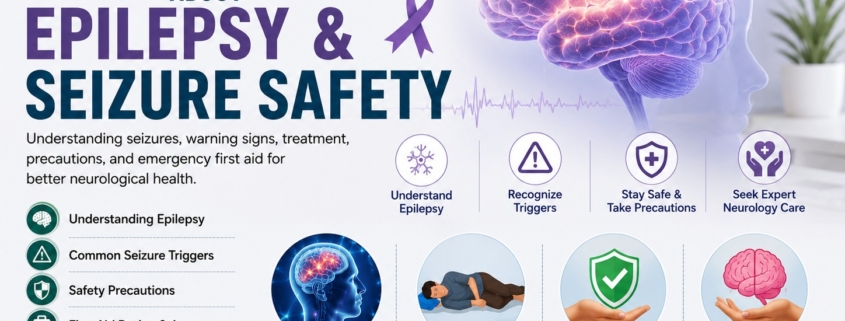
Every epilepsy patient may have different seizure triggers. Common triggers include lack of sleep, missed medications, excessive alcohol consumption, emotional stress, and certain flashing lights. Understanding personal triggers and taking steps to avoid them can contribute to improved seizure control and fewer epilepsy-related complications.
The Role of Physical Activity
Regular physical exercise offers numerous benefits for brain health and overall well-being. Appropriate physical activity may help reduce stress, improve sleep quality, enhance cardiovascular health, and boost mood. Most individuals with epilepsy can safely participate in exercise under the guidance of their healthcare provider.
Maintaining a Healthy and Balanced Diet
A nutritious diet supports overall neurological health and may help improve energy levels and general wellness. In specific cases, specialized dietary approaches such as the ketogenic diet may be recommended as part of epilepsy treatment. Dietary changes should always be discussed with a qualified healthcare professional before implementation.
Why Lifestyle Changes Should Complement Medical Treatment
Although healthy habits can positively influence epilepsy management, they should never replace prescribed medical care. Consistent medication use, regular neurological evaluations, and adherence to treatment recommendations remain essential for long-term seizure control.
An experienced Epilepsy Specialist in Safdarjung can help patients understand which lifestyle modifications may benefit their specific condition. Individuals searching for the Best Epilepsy Specialist in Safdarjung should seek expert guidance that combines advanced medical treatment with practical lifestyle recommendations to support optimal neurological health and effective seizure management.
What Triggers Epileptic Seizures?
Understanding seizure triggers is an important part of epilepsy management. While not every seizure is caused by a specific trigger, certain factors can increase the likelihood of abnormal electrical activity in the brain and provoke seizures in susceptible individuals. Identifying and avoiding these triggers may help improve seizure control and reduce the frequency of episodes.
Sleep Deprivation and Poor Sleep Quality
One of the most common seizure triggers is lack of sleep. The brain requires adequate rest to function properly, and sleep deprivation can make it more vulnerable to abnormal electrical activity.
Common sleep-related triggers include:
- Sleeping fewer hours than usual
- Irregular sleep schedules
- Frequent nighttime awakenings
- Poor sleep quality
- Sleep disorders
Maintaining a consistent sleep routine is an important part of epilepsy management.
Missing or Stopping Medications
Skipping doses of anti-seizure medications is one of the leading causes of breakthrough seizures. These medications help stabilize brain activity, and missing doses can increase seizure risk.
Medication-related triggers include:
- Missing prescribed doses
- Stopping medication without medical advice
- Taking incorrect dosages
- Irregular medication schedules
Patients should always follow their neurologist’s recommendations regarding treatment.
Emotional Stress and Anxiety
High levels of stress, anxiety, and emotional tension may contribute to seizure activity in some individuals. Stress can affect sleep patterns, hormone levels, and overall brain function.
Common emotional triggers include:
- Work-related stress
- Academic pressure
- Family conflicts
- Anxiety disorders
- Emotional trauma
Managing stress effectively may help reduce seizure frequency.
Alcohol and Substance Use
Excessive alcohol consumption and recreational drug use can interfere with normal brain function and increase the risk of seizures.
Potential triggers include:
- Heavy alcohol consumption
- Alcohol withdrawal
- Recreational drug use
- Substance abuse
- Certain stimulant substances
Patients with epilepsy should discuss alcohol use with their healthcare provider.
Flashing Lights and Visual Stimuli
Some individuals have photosensitive epilepsy, where flashing lights or specific visual patterns can trigger seizures.
Examples include:
- Flashing lights
- Video games with rapid visual effects
- Strobe lights
- Rapidly changing screen images
- Certain visual patterns
Although uncommon, photosensitive epilepsy requires specific preventive measures.
Illness, Fever, and Physical Health Changes
Physical illness can place stress on the body and increase seizure susceptibility.
Common health-related triggers include:
- High fever
- Infections
- Dehydration
- Electrolyte imbalances
- Physical exhaustion
Maintaining overall health can help support better seizure control.
Hormonal Changes and Other Individual Triggers
Hormonal fluctuations can influence seizure patterns in some individuals, particularly women.
Additional triggers may include:
- Menstrual cycle changes
- Pregnancy-related hormonal changes
- Menopause
- Skipping meals
- Excessive caffeine intake
- Severe fatigue
Keeping a seizure diary can help identify personal triggers and patterns over time.
Why Recognizing Triggers Is Important
Understanding seizure triggers enables patients to take proactive steps toward better epilepsy management. While avoiding triggers may not completely prevent seizures, it can significantly improve long-term seizure control, reduce complications, and enhance quality of life.
An experienced Epilepsy Specialist in Safdarjung can help identify individual triggers and develop a personalized treatment strategy. Patients seeking the Best Epilepsy Specialist in Safdarjung should look for comprehensive neurological care that includes trigger identification, advanced diagnosis, and long-term seizure management.
When Should You See an Epilepsy Specialist?
Knowing when to consult an Epilepsy Specialist is essential for achieving an accurate diagnosis and receiving timely treatment. While a single seizure may not always indicate epilepsy, recurring seizures or unexplained neurological symptoms should never be ignored. Early evaluation can help prevent complications, improve seizure control, and enhance long-term outcomes.
After a First Unexplained Seizure
A first-time seizure should always be evaluated by a medical professional. Even if the seizure lasts only a few seconds, it may indicate an underlying neurological condition that requires further investigation.
Warning signs that require medical attention include:
- Loss of consciousness
- Uncontrollable body movements
- Sudden confusion
- Memory loss after the event
- Unexplained staring episodes
Prompt assessment can help identify the cause and determine whether additional testing is necessary.
If Seizures Are Recurrent
Repeated seizures are one of the most common signs of epilepsy. Individuals who experience more than one unexplained seizure should seek evaluation from a qualified neurologist.
Recurring seizures may lead to:
- Increased risk of injury
- Difficulty performing daily activities
- Reduced quality of life
- Potential neurological complications
Early intervention often results in better treatment outcomes.
When Current Treatment Is Not Working
Some patients continue to experience seizures despite taking prescribed medications. This condition is often referred to as drug-resistant epilepsy and may require specialized treatment approaches.
Signs that treatment may need adjustment include:
- Frequent breakthrough seizures
- Increasing seizure severity
- Medication side effects
- Changes in seizure patterns
An epilepsy specialist can evaluate alternative treatment options, including advanced therapies and surgical interventions.
If New Neurological Symptoms Develop
Any new neurological symptoms should be taken seriously, especially when they occur alongside seizures.
Symptoms that warrant specialist evaluation include:
- Persistent headaches
- Balance problems
- Speech difficulties
- Vision changes
- Memory issues
- Weakness or numbness
These symptoms may indicate an underlying neurological condition that requires further investigation.
The Benefits of Consulting an Epilepsy Specialist in Safdarjung
An experienced Epilepsy Specialist in Safdarjung can provide comprehensive care, including advanced diagnostic testing, personalized treatment planning, and long-term seizure management. Specialist evaluation helps ensure that patients receive the most appropriate treatment based on their individual needs.
Patients searching for the Best Epilepsy Specialist in Safdarjung often benefit from expert neurological assessment, accurate seizure classification, and access to the latest epilepsy treatment options. Early diagnosis and ongoing specialist care can significantly improve quality of life, reduce seizure frequency, and support better long-term neurological health.
Why Choose an Epilepsy Specialist in Safdarjung for Epilepsy Care?
Choosing the right specialist is one of the most important decisions for individuals living with epilepsy. Since epilepsy is a complex neurological disorder that affects each person differently, specialized care is often necessary to achieve accurate diagnosis, effective treatment, and long-term seizure control. Working with an experienced Epilepsy Specialist in Safdarjung can help patients receive personalized care designed to address their specific symptoms, seizure patterns, and overall neurological health.
Expertise in Accurate Epilepsy Diagnosis
One of the primary advantages of consulting an epilepsy specialist is access to expert diagnostic evaluation. Epilepsy can sometimes be mistaken for other medical or neurological conditions, making an accurate diagnosis essential. A specialist carefully reviews symptoms, medical history, and diagnostic test results to determine the exact type of epilepsy and identify any underlying causes. This detailed approach helps ensure that patients receive the most appropriate treatment from the beginning.
Access to Advanced Diagnostic and Treatment Options
Modern epilepsy care involves more than simply prescribing medication. An experienced specialist utilizes advanced diagnostic tools such as EEG testing, MRI brain imaging, and comprehensive neurological assessments to better understand seizure activity. These evaluations help create a more targeted treatment strategy and improve overall outcomes.
Personalized Treatment for Better Seizure Control
Every epilepsy patient has unique healthcare needs. An effective treatment plan should be tailored to the individual’s seizure type, age, lifestyle, and medical history. A specialist can recommend the most suitable medications, lifestyle modifications, and advanced treatment options when necessary. This personalized approach often leads to improved seizure management and a better quality of life.
Ongoing Monitoring and Long-Term Support
Epilepsy is frequently a long-term condition that requires regular follow-up and treatment adjustments. Continuous monitoring allows specialists to evaluate treatment effectiveness, manage side effects, and respond to any changes in seizure patterns. Long-term neurological care helps patients maintain better seizure control while reducing the risk of complications.
Improving Quality of Life Through Specialized Care
The ultimate goal of epilepsy treatment is not only to reduce seizures but also to improve a patient’s overall well-being and independence. With proper diagnosis, individualized treatment, and ongoing support, many individuals with epilepsy can lead active, productive, and fulfilling lives.
For those searching for the Best Epilepsy Specialist in Safdarjung, choosing a neurologist with extensive experience in epilepsy diagnosis and treatment can significantly impact long-term outcomes. Specialized care provides patients with access to advanced neurological expertise, evidence-based treatment, and comprehensive support throughout their epilepsy journey.
Meet Dr. Aparna Gupta: Experienced Epilepsy Specialist in Safdarjung
When seeking expert care for epilepsy and other neurological conditions, choosing a specialist with extensive clinical experience and advanced training is essential. Dr. Aparna Gupta is the Associate Director of Neurology at ISIC Multispeciality Hospital, Vasant Kunj, New Delhi, and also consults patients at Neuro Clinic Plus, Safdarjung Enclave, New Delhi. With over 22 years of experience in neurology, she has established herself as a trusted name in the diagnosis and treatment of complex neurological disorders.
Expertise in Epilepsy and Neurological Disorders
Dr. Aparna Gupta provides comprehensive treatment for a wide range of neurological conditions, including epilepsy, stroke, headache disorders, vertigo, Parkinson’s disease, movement disorders, dementia, peripheral neuropathy, spine-related pain, brain infections, and autoimmune neurological disorders. Her patient-centered approach focuses on delivering accurate diagnoses and personalized treatment plans tailored to each individual’s needs.
Patients searching for an Epilepsy Specialist in Safdarjung often seek expert guidance for seizure diagnosis, long-term seizure management, and advanced treatment options. Dr. Gupta’s extensive experience allows her to provide evidence-based care for both newly diagnosed and complex epilepsy cases.
Educational Qualifications and Advanced Training
Dr. Aparna Gupta has received advanced medical training from some of India’s most respected institutions.
She completed her MBBS from Netaji Subhash Chandra Bose Medical College, Jabalpur in 1998 under Rani Durgawati Vishwavidyalaya. She later earned her MD in General Medicine from Gandhi Medical College, Bhopal in 2003 under Barkatullah University.
To further specialize in neurology, she completed her DNB in Neurology from Sir Ganga Ram Hospital through the National Board of Examinations in 2010. She also pursued a Fellowship in Epilepsy and Sleep Disorders from AIIMS, strengthening her expertise in managing seizure disorders and sleep-related neurological conditions.
Additionally, Dr. Gupta completed a Fellowship in Botox Treatment for Neurological Disorders in Seoul, South Korea, gaining advanced skills in the treatment of movement disorders and other neurological conditions.
Professional Experience in Neurology
Over the course of her career, Dr. Aparna Gupta has worked in leading healthcare institutions and has gained extensive experience in neurological patient care.
Her professional experience includes serving as a Consultant at the Indian Spinal Injuries Centre (ISIC), where she continues to contribute to advanced neurological care. She has also worked as a Senior Resident in the Department of Cardiology at Sir Ganga Ram Hospital, further strengthening her understanding of complex medical and neurological conditions.
Research, Publications, and Academic Contributions
Dr. Aparna Gupta has actively participated in neurological research and academic presentations at national conferences. Her work has been recognized through multiple paper and poster presentations on important neurological topics.
Her academic contributions include research on Cryptococcal Meningitis with Cerebral and Spinal Involvement, Hyperhomocysteinemia and Ischemic Stroke, Failed Back Syndrome, and Changing Trends in Fungal Infections. She has also published educational medical content, including a publication on Myotonia Congenita (Becker’s Variant) in JAPI.
Active Participation in National and International Conferences
Dr. Gupta regularly participates in leading neurology conferences to stay updated with the latest advancements in neurological care.
Her participation includes:
- Delhi Neurological Association Conference
- International Conference of Nerve and Muscle Disorders
- International Conference of Epilepsy
- Stroke Conference at AIIMS, New Delhi
This ongoing engagement with academic and clinical developments helps ensure that patients receive care based on the latest medical evidence and treatment guidelines.
Membership in Prestigious Neurological Societies
Dr. Aparna Gupta is an active member of several respected professional organizations, reflecting her commitment to excellence in neurological care.
Her memberships include:
- Indian Academy of Neurology
- Indian Epilepsy Society
- American Academy of Neurology
- Movement Disorder Society of India
Why Patients Choose Dr. Aparna Gupta
Patients looking for the Best Epilepsy Specialist in Safdarjung often value a combination of clinical expertise, advanced neurological training, and compassionate patient care. With more than 22 years of experience, specialized fellowship training in epilepsy, and a strong commitment to evidence-based medicine, Dr. Aparna Gupta provides comprehensive neurological care focused on achieving the best possible outcomes for her patients.
Through her work at Neuro Clinic Plus and ISIC Multispeciality Hospital, she continues to help patients manage epilepsy effectively, improve seizure control, and enhance their overall quality of life.
Why Choose Neuro Clinic Plus for Epilepsy Treatment?
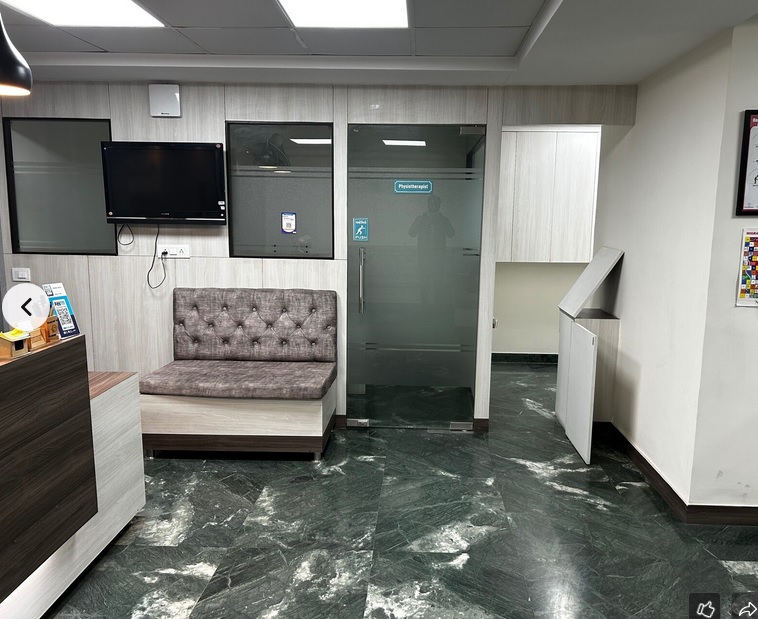
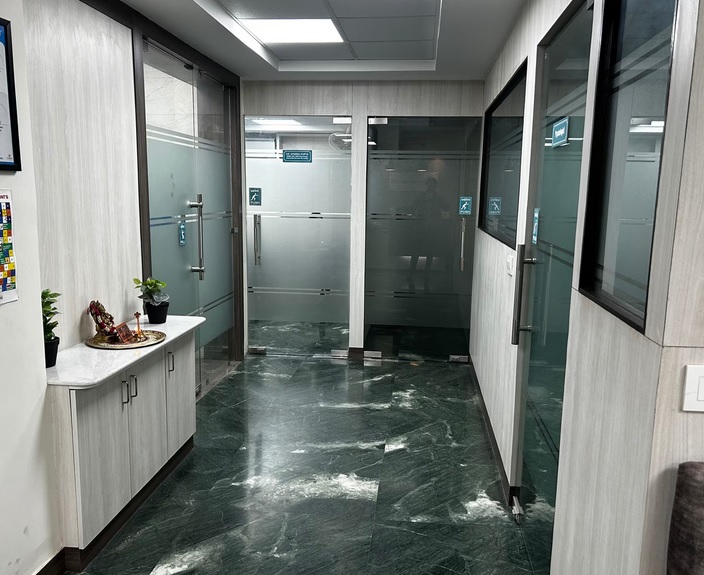
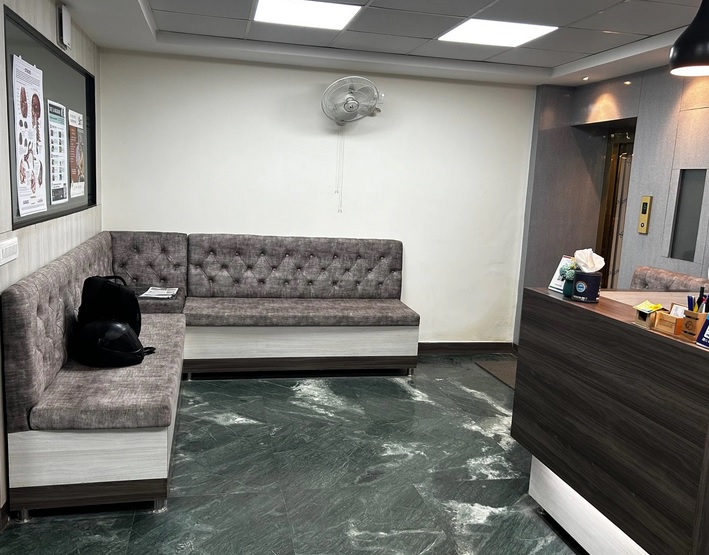
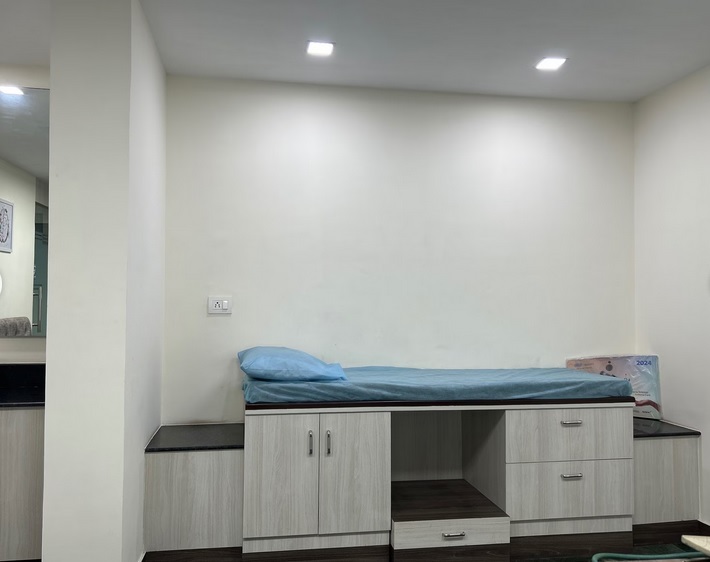
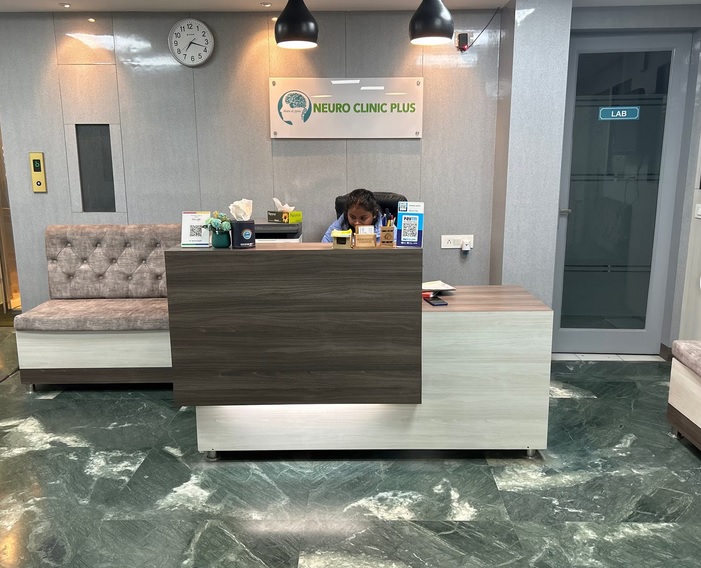
Finding the right healthcare facility is just as important as choosing the right specialist. Neuro Clinic Plus, located in Safdarjung Enclave, New Delhi, is dedicated to providing comprehensive care for patients suffering from epilepsy, seizure disorders, and a wide range of neurological conditions. The clinic focuses on delivering personalized treatment, accurate diagnosis, and long-term neurological care to help patients achieve the best possible outcomes.
Comprehensive Care for Epilepsy and Seizure Disorders
Epilepsy management requires more than simply controlling seizures. At Neuro Clinic Plus, patients receive a thorough evaluation to understand the underlying cause of their condition and develop an individualized treatment plan. The clinic emphasizes a patient-centered approach that addresses both the medical and lifestyle aspects of epilepsy care.
Patients can receive expert guidance for:
Seizure diagnosis and evaluation, long-term epilepsy management, medication optimization, treatment-resistant epilepsy, and ongoing neurological monitoring.
Personalized Treatment Plans for Every Patient
Every epilepsy patient experiences the condition differently. Factors such as seizure type, age, medical history, and overall neurological health influence treatment decisions. At Neuro Clinic Plus, treatment plans are carefully customized to meet each patient’s specific needs, helping improve seizure control and overall quality of life.
This personalized approach allows patients to receive treatment that is both effective and aligned with their long-term health goals.
Focus on Early Diagnosis and Timely Intervention
Early diagnosis plays a crucial role in preventing complications and improving treatment outcomes. The clinic focuses on identifying epilepsy at the earliest possible stage through detailed neurological assessment and appropriate diagnostic evaluation.
Timely intervention can help reduce:
Seizure frequency, risk of injury, hospitalizations, and the long-term impact of uncontrolled epilepsy.
Long-Term Neurological Support
Since epilepsy is often a chronic condition, regular follow-up and continuous monitoring are essential. Neuro Clinic Plus provides ongoing support to help patients manage their condition effectively over time. Treatment plans are reviewed periodically to ensure optimal seizure control and address any changes in symptoms or treatment response.
The clinic’s goal is not only to reduce seizures but also to improve the patient’s overall well-being, independence, and confidence in daily life.
Patient-Focused Neurological Care
One of the defining features of Neuro Clinic Plus is its commitment to patient education and compassionate care. Patients and families are encouraged to actively participate in treatment decisions and gain a better understanding of epilepsy, seizure triggers, medication management, and lifestyle modifications.
This collaborative approach helps patients feel more informed and empowered throughout their treatment journey.
Trusted Choice for Epilepsy Care in Safdarjung
For individuals searching for an Epilepsy Specialist in Safdarjung, Neuro Clinic Plus offers access to expert neurological care under the guidance of Dr. Aparna Gupta. With a strong focus on evidence-based treatment, advanced neurological expertise, and personalized patient care, the clinic has become a trusted destination for epilepsy management and neurological wellness.
Patients looking for the Best Epilepsy Specialist in Safdarjung can benefit from comprehensive epilepsy care designed to support better seizure control, improved quality of life, and long-term neurological health.
Frequently Asked Questions About Epilepsy
Can epilepsy be cured permanently?
The possibility of a permanent cure for epilepsy depends on the underlying cause and type of epilepsy. Some individuals achieve long-term seizure freedom, while others require ongoing treatment and monitoring to effectively manage their condition.
Can a person with epilepsy live a normal life?
Yes. With proper medical treatment, regular follow-up, and lifestyle modifications, many people with epilepsy can live healthy, active, and productive lives. Effective seizure control significantly improves quality of life.
What is the main cause of epilepsy?
Epilepsy can result from genetic factors, brain injuries, stroke, brain infections, developmental abnormalities, or other neurological conditions. In some cases, the exact cause remains unknown despite detailed evaluation.
What are the warning signs of epilepsy?
Common warning signs may include unexplained staring spells, sudden confusion, muscle jerking, loss of awareness, unusual sensations, or an aura before a seizure. Symptoms vary depending on the type of epilepsy.
How is epilepsy diagnosed?
Diagnosis typically involves a detailed medical history, neurological examination, EEG testing, and MRI brain imaging. These evaluations help identify seizure activity and determine the underlying cause.
Can stress trigger epileptic seizures?
Yes. Stress and anxiety can act as seizure triggers in some individuals. Managing stress through healthy coping strategies may help improve seizure control and overall neurological well-being.
Is epilepsy hereditary?
Certain forms of epilepsy have a genetic component, meaning they may run in families. However, not everyone with a family history of epilepsy will develop the condition.
What should I do if someone has a seizure?
During a seizure, ensure the person’s safety, move harmful objects away, place them on their side if possible, and avoid putting anything in their mouth. Seek immediate medical attention if the seizure lasts longer than five minutes.
Can epilepsy develop in adulthood?
Yes. Although epilepsy often begins in childhood, it can develop at any age. Common causes of adult-onset epilepsy include stroke, brain injury, brain tumors, and certain neurological disorders.
When should I consult an Epilepsy Specialist in Safdarjung?
You should seek medical evaluation if you experience recurrent seizures, unexplained loss of consciousness, sudden confusion, or symptoms suggestive of epilepsy. Early diagnosis can improve treatment outcomes and reduce complications.
Who is considered the Best Epilepsy Specialist in Safdarjung?
Patients searching for the Best Epilepsy Specialist in Safdarjung often look for extensive clinical experience, advanced neurological expertise, personalized treatment approaches, and comprehensive epilepsy management. Dr. Aparna Gupta at Neuro Clinic Plus provides specialized care for epilepsy and seizure disorders.
Where can I get expert epilepsy treatment in Safdarjung?
Patients can consult Dr. Aparna Gupta at Neuro Clinic Plus, Safdarjung Enclave, for comprehensive epilepsy evaluation, seizure management, advanced neurological care, and long-term treatment planning.
Conclusion
So, can epilepsy be cured permanently? The answer depends on the type of epilepsy, its underlying cause, and how well an individual responds to treatment. While some people achieve long-term seizure remission and may remain seizure-free for many years, others require ongoing treatment and monitoring to effectively manage their condition. The encouraging news is that modern advances in epilepsy diagnosis, anti-seizure medications, surgical treatments, and neurological care have significantly improved outcomes for patients worldwide.
Recognizing the early symptoms of epilepsy, obtaining an accurate diagnosis, and following a personalized treatment plan are essential steps toward achieving better seizure control and improving overall quality of life. Lifestyle modifications, medication adherence, and regular neurological follow-up can also play a major role in long-term epilepsy management.
If you or a loved one experiences recurrent seizures or symptoms suggestive of epilepsy, seeking timely medical attention is crucial. Consulting an experienced Epilepsy Specialist in Safdarjung can help ensure accurate diagnosis, effective treatment, and comprehensive long-term care.
Under the expert guidance of Dr. Aparna Gupta at Neuro Clinic Plus, patients receive evidence-based neurological care, personalized treatment strategies, and ongoing support for epilepsy management. Individuals searching for the Best Epilepsy Specialist in Safdarjung can benefit from expert evaluation, advanced treatment options, and a patient-centered approach focused on achieving the best possible neurological outcomes.