How to Find the Best Neuro Doctor in Safdarjung?
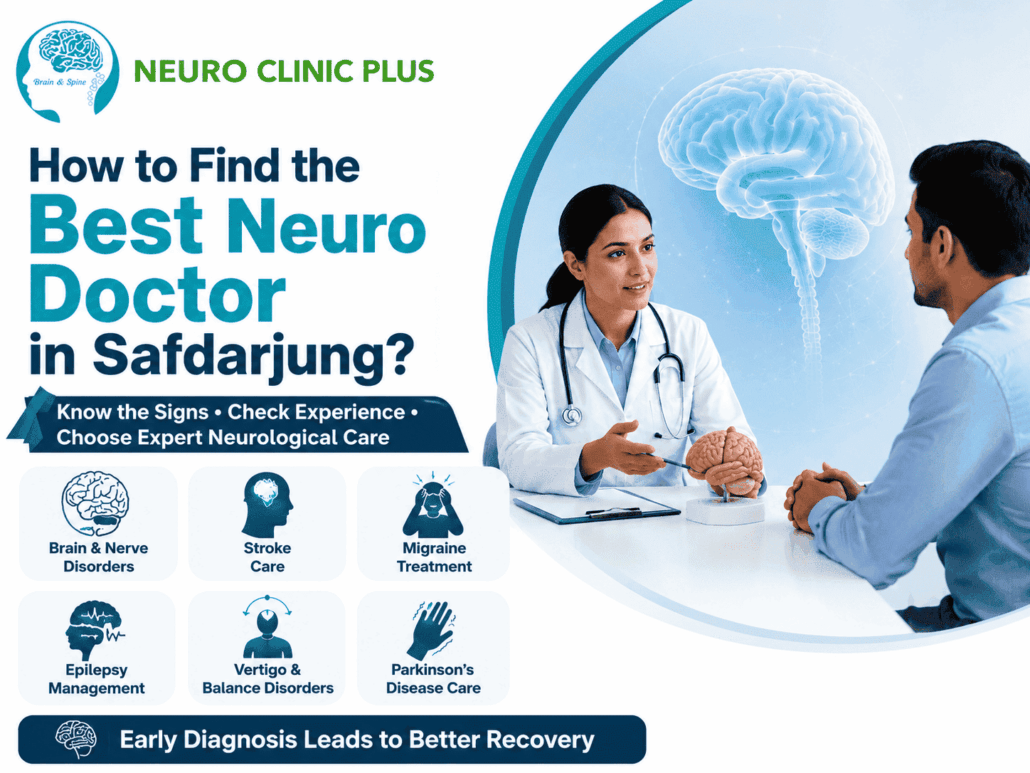
Your brain, spinal cord, and nerves control every movement, sensation, and thought, making neurological health essential for overall well-being. If you experience persistent headaches, dizziness, numbness, memory problems, seizures, or sudden weakness, consulting the Best Neuro Doctor in Safdarjung can help ensure an accurate diagnosis and timely treatment. Early medical attention can prevent complications and improve long-term outcomes.
Finding the right specialist involves more than choosing the nearest clinic. You should consider the doctor’s qualifications, clinical experience, expertise in treating neurological disorders, patient reviews, diagnostic facilities, and approach to personalized care. This guide explains the key factors to help you choose a trusted Neuro Doctor in Safdarjung for comprehensive neurological evaluation and treatment.
What Does a Neuro Doctor Treat?
Brain Disorders
A neuro doctor diagnoses and treats conditions affecting the brain, including stroke, brain infections, brain tumors, traumatic brain injuries, and dementia. These disorders may cause headaches, confusion, memory loss, difficulty speaking, or changes in behavior. Early diagnosis helps reduce complications and improves recovery through timely medical care and personalized treatment plans.
Nerve Disorders
Neurological specialists also manage diseases affecting the peripheral nerves. Common conditions include peripheral neuropathy, facial nerve palsy, trigeminal neuralgia, and nerve compression syndromes. Symptoms such as numbness, tingling, burning pain, muscle weakness, or loss of sensation require careful evaluation to identify the underlying cause and recommend appropriate treatment for long-term relief and improved nerve function.
Spine and Movement Disorders
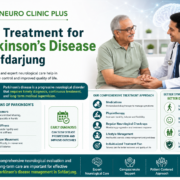
Many neurological conditions involve the spinal cord and movement control. A neuro doctor treats disorders such as Parkinson’s disease, multiple sclerosis, cervical spondylosis, lumbar radiculopathy, and sciatica. These conditions may affect balance, coordination, muscle strength, and mobility. Early intervention helps manage symptoms, slow disease progression, and improve daily activities.
Common Neurological Conditions
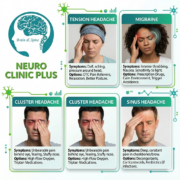
Neurologists frequently care for patients with migraine, epilepsy, vertigo, sleep disorders, chronic headaches, tremors, and memory disorders. They use detailed clinical evaluations, neurological examinations, and advanced diagnostic tests such as MRI, CT scans, EEG, and EMG to identify the exact cause of symptoms. Based on the diagnosis, they create individualized treatment plans that may include medications, rehabilitation, lifestyle modifications, and regular follow-up care to improve quality of life and support long-term neurological health for patients of all ages.
What Symptoms Mean You Should Visit a Neuro Doctor?
Recognizing neurological symptoms early can make a significant difference in diagnosis and treatment outcomes. While occasional discomfort may not always indicate a serious condition, persistent or worsening symptoms should never be ignored. Seeking timely medical attention can help identify underlying neurological disorders before they progress and reduce the risk of long-term complications.
| Symptom | What It May Indicate |
| Persistent or severe headaches | Migraine, brain disorders, or other neurological conditions |
| Dizziness or vertigo | Balance disorders, inner ear problems, or neurological issues |
| Numbness or tingling | Peripheral neuropathy, nerve compression, or multiple sclerosis |
| Muscle weakness | Stroke, nerve damage, or neuromuscular disorders |
| Seizures | Epilepsy or abnormal brain activity |
| Memory loss or confusion | Dementia, Alzheimer’s disease, or other cognitive disorders |
| Tremors or involuntary movements | Parkinson’s disease or movement disorders |
| Difficulty speaking or understanding speech | Stroke or other brain-related conditions |
| Vision changes | Optic nerve disorders, migraine, or neurological diseases |
| Difficulty walking or maintaining balance | Spinal cord disorders, Parkinson’s disease, or cerebellar conditions |
If you experience any of these symptoms, especially if they are sudden, recurrent, or progressively worsening, consult a neurologist without delay. Emergency symptoms such as sudden facial drooping, arm weakness, speech difficulty, or loss of consciousness require immediate medical attention, as they may indicate a stroke or another life-threatening neurological emergency. Early diagnosis and appropriate treatment can improve recovery, prevent complications, and help maintain your overall brain, nerve, and spinal health.
How to Find the Best Neuro Doctor in Safdarjung?
Check Qualifications and Experience
Start by verifying the doctor’s medical qualifications, specialization in neurology, and years of clinical experience. An experienced neurologist is more likely to diagnose complex neurological conditions accurately and recommend evidence-based treatment plans.
Look for Expertise in Neurological Disorders
Choose a specialist who has experience treating a wide range of conditions, including stroke, migraine, epilepsy, Parkinson’s disease, vertigo, dementia, neuropathy, and multiple sclerosis. A doctor with broad expertise can provide comprehensive care tailored to your specific condition.
Read Patient Reviews and Testimonials
Patient feedback offers valuable insights into the doctor’s communication style, treatment approach, waiting time, and overall patient satisfaction. Consistently positive reviews often reflect quality care and a patient-centered approach.
Evaluate Diagnostic and Treatment Facilities
A well-equipped clinic with access to MRI, CT scan, EEG, EMG, and nerve conduction studies ensures faster diagnosis and more effective treatment planning. Modern facilities also contribute to accurate monitoring and long-term neurological care.
Consider Communication and Follow-Up Care
The right neurologist should explain your diagnosis, answer your questions, and involve you in treatment decisions. Regular follow-up appointments help monitor progress, adjust medications when needed, and support long-term recovery.
Compare Overall Quality of Care
Before making your decision, consider the doctor’s experience, clinical expertise, patient reviews, diagnostic support, and commitment to personalized care. Taking these factors into account will help you choose a neurologist who provides accurate diagnosis, effective treatment, and compassionate support for your neurological health.
Qualities of the Best Neuro Doctor in Safdarjung
Choosing the right neurologist is essential for receiving accurate diagnosis, effective treatment, and long-term support. The Best Neuro Doctor in Safdarjung should possess a combination of clinical expertise, experience, and a patient-focused approach to ensure the highest standard of neurological care.
- Strong Clinical Experience: Extensive experience in diagnosing and managing a wide range of neurological disorders improves treatment accuracy and patient outcomes.
- Accurate Diagnostic Skills: A skilled neurologist carefully evaluates symptoms, medical history, neurological examinations, and diagnostic reports before recommending treatment.
- Expertise in Multiple Conditions: The doctor should have experience treating stroke, migraine, epilepsy, Parkinson’s disease, vertigo, dementia, neuropathy, and spinal disorders.
- Evidence-Based Treatment: Modern neurological care should be based on the latest clinical guidelines, advanced diagnostic techniques, and scientifically proven therapies.
- Excellent Communication: A good neurologist explains medical conditions, test results, treatment options, and expected outcomes in a clear and understandable manner.
- Personalized Care Plans: Every patient has unique healthcare needs, so treatment should be tailored according to age, symptoms, medical history, and lifestyle.
- Comprehensive Follow-Up Care: Regular follow-up appointments help monitor recovery, adjust medications when necessary, and prevent complications.
- Compassion and Patient Support: A caring doctor listens to patient concerns, encourages questions, and provides emotional support throughout the treatment journey.
Selecting a neurologist with these qualities increases the likelihood of receiving timely diagnosis, effective treatment, and continuous care, ultimately helping patients achieve better neurological health and an improved quality of life.
Diagnostic Tests a Neuro Doctor May Recommend
Neurologists use advanced diagnostic tests to identify the exact cause of neurological symptoms. These investigations help diagnose brain, spinal cord, nerve, and muscle disorders accurately, allowing doctors to create effective and personalized treatment plans. The choice of test depends on your symptoms, medical history, and clinical examination.
| Diagnostic Test | Purpose |
| MRI (Magnetic Resonance Imaging) | Provides detailed images of the brain and spinal cord to detect stroke, tumors, multiple sclerosis, and other neurological disorders. |
| CT Scan | Quickly identifies brain bleeding, head injuries, fractures, and other emergency neurological conditions. |
| EEG (Electroencephalogram) | Records the brain’s electrical activity to diagnose epilepsy, seizures, and certain sleep disorders. |
| EMG (Electromyography) | Evaluates muscle function and helps diagnose neuromuscular disorders affecting muscles and nerves. |
| Nerve Conduction Study (NCV/NCS) | Measures how well electrical signals travel through nerves to detect nerve damage or peripheral neuropathy. |
| Blood Tests | Identify infections, vitamin deficiencies, autoimmune diseases, metabolic disorders, and other conditions affecting the nervous system. |
| Lumbar Puncture (Spinal Tap) | Examines cerebrospinal fluid to diagnose infections, inflammation, multiple sclerosis, and other neurological diseases when required. |
After reviewing the test results, the neurologist combines them with your symptoms and physical examination findings to reach an accurate diagnosis. This comprehensive approach ensures appropriate treatment, timely intervention, and regular monitoring, helping improve recovery, reduce complications, and support long-term brain, nerve, and spinal health.
Treatment Options Offered by the Best Neuro Doctor in Safdarjung
The Best Neuro Doctor in Safdarjung provides personalized treatment based on the type and severity of the neurological condition. After a detailed evaluation and accurate diagnosis, the treatment plan is designed to relieve symptoms, prevent complications, and improve the patient’s quality of life.
Medication Management
Many neurological disorders can be effectively controlled with medications. Depending on the diagnosis, a neurologist may prescribe medicines for migraine, epilepsy, Parkinson’s disease, neuropathy, multiple sclerosis, or chronic pain. Regular follow-up ensures medications remain safe and effective.
Stroke and Emergency Care
Timely treatment is essential for stroke patients. A neurologist evaluates symptoms quickly and recommends appropriate interventions, including emergency care, medications, rehabilitation, and long-term strategies to reduce the risk of future strokes.
Rehabilitation and Physical Therapy
Patients recovering from stroke, spinal cord disorders, or nerve injuries often benefit from rehabilitation. Physical therapy, occupational therapy, and speech therapy help improve mobility, coordination, balance, communication, and independence in daily activities.
Lifestyle and Preventive Care
Neurologists also emphasize healthy lifestyle changes to support brain and nerve health. Managing blood pressure, diabetes, cholesterol, stress, sleep, and physical activity can reduce the risk of several neurological disorders and improve overall well-being.
Long-Term Follow-Up
Many neurological conditions require continuous monitoring. A Neuro Doctor in Safdarjung schedules regular follow-up visits to assess recovery, adjust treatment plans, monitor disease progression, and provide ongoing guidance. Consistent medical care helps patients manage chronic neurological conditions more effectively while maintaining a better quality of life.
Why Early Neurological Evaluation Is Important
Seeking medical attention at the right time can significantly improve the outcome of many neurological conditions. Visiting the Best Neuro Doctor in Safdarjung as soon as symptoms appear allows for early diagnosis, timely treatment, and better management of brain, spinal cord, and nerve disorders before they become more serious.
- Enables Early Diagnosis: Identifying neurological disorders in their initial stages allows treatment to begin before permanent damage occurs.
- Prevents Disease Progression: Timely medical care can slow the progression of conditions such as Parkinson’s disease, multiple sclerosis, and dementia, helping patients maintain a better quality of life.
- Improves Stroke Outcomes: Immediate evaluation is critical during a stroke. Early treatment within the golden hour can reduce brain damage and improve the chances of recovery.
- Reduces the Risk of Complications: Prompt treatment helps prevent complications such as permanent nerve damage, muscle weakness, seizures, or cognitive decline.
- Supports Faster Recovery: Early intervention combined with medications and rehabilitation often leads to better physical and neurological recovery.
- Provides Personalized Treatment: Every patient receives a treatment plan based on their symptoms, medical history, diagnostic findings, and overall health.
- Encourages Better Long-Term Health: Regular monitoring helps control chronic neurological conditions and reduces the likelihood of future complications.
If you notice persistent headaches, dizziness, memory problems, numbness, tremors, seizures, or sudden weakness, do not delay seeking medical care. Consulting a qualified Neuro Doctor in Safdarjung at the earliest can improve treatment outcomes, protect neurological function, and support long-term brain and nerve health.
Tips to Maintain Brain and Nerve Health
Maintaining good brain and nerve health requires healthy lifestyle habits and regular preventive care. Simple daily practices can reduce the risk of neurological disorders, improve cognitive function, and support the healthy functioning of the brain, spinal cord, and peripheral nerves.
| Healthy Habit | Benefits for Brain and Nerve Health |
| Eat a Balanced Diet | Consume fruits, vegetables, whole grains, lean proteins, and healthy fats to support brain function and nerve health. |
| Exercise Regularly | Physical activity improves blood circulation to the brain, enhances memory, and lowers the risk of stroke and neurological diseases. |
| Get Quality Sleep | Sleeping 7–9 hours each night helps the brain repair itself, strengthens memory, and improves concentration. |
| Manage Blood Pressure and Diabetes | Controlling these conditions reduces the risk of stroke, nerve damage, and other neurological complications. |
| Stay Mentally Active | Reading, solving puzzles, learning new skills, and engaging in creative activities help maintain cognitive function. |
| Reduce Stress | Meditation, yoga, and relaxation techniques can lower stress levels and support overall neurological well-being. |
| Avoid Smoking and Excessive Alcohol | Limiting tobacco and alcohol helps protect brain cells, blood vessels, and peripheral nerves from long-term damage. |
| Schedule Regular Health Check-ups | Routine medical evaluations help detect risk factors early and support timely treatment of neurological conditions. |
Following these healthy habits consistently can improve brain performance, strengthen nerve function, and lower the risk of neurological disorders. Preventive care, combined with regular medical check-ups, plays an important role in maintaining long-term neurological health and overall well-being.
Why Choose Dr. Aparna Gupta for Neurological Care?
Choosing the Best Neuro Doctor in Safdarjung is an important step toward receiving accurate diagnosis and effective treatment for neurological conditions. Dr. Aparna Gupta is committed to providing comprehensive neurological care through a patient-centered approach, combining clinical expertise, modern diagnostic methods, and personalized treatment plans to help patients achieve the best possible outcomes.
Expertise in Neurological Disorders
Dr. Aparna Gupta has experience in diagnosing and managing a wide range of neurological conditions, including stroke, migraine, epilepsy, Parkinson’s disease, vertigo, dementia, peripheral neuropathy, multiple sclerosis, and nerve-related disorders. Every patient undergoes a detailed neurological assessment to identify the underlying cause of symptoms.
Personalized Treatment Approach
Each treatment plan is tailored to the patient’s medical history, symptoms, lifestyle, and diagnostic findings. This individualized approach helps improve treatment effectiveness, enhances recovery, and supports long-term neurological health while ensuring patients understand every stage of their care.
Advanced Diagnosis and Ongoing Care
Comprehensive neurological evaluation, timely diagnosis, and regular follow-up are essential for managing both acute and chronic neurological disorders. Dr. Aparna Gupta emphasizes continuous monitoring, medication management, preventive care, and rehabilitation whenever required to achieve better long-term outcomes.
Whether you are experiencing persistent headaches, dizziness, seizures, memory problems, numbness, or movement disorders, consulting an experienced Neuro Doctor in Safdarjung can help you receive timely diagnosis, appropriate treatment, and compassionate care for improved brain, spine, and nerve health.
Frequently Asked Questions (FAQs)
1. When should I consult a neuro doctor?
You should consult a neuro doctor if you experience persistent headaches, dizziness, seizures, numbness, muscle weakness, memory problems, tremors, balance issues, or sudden changes in vision or speech.
2. What diseases does a neurologist treat?
A neurologist treats conditions affecting the brain, spinal cord, and nerves, including stroke, migraine, epilepsy, Parkinson’s disease, dementia, vertigo, multiple sclerosis, neuropathy, and nerve pain.
3. What is the difference between a neurologist and a neurosurgeon?
A neurologist diagnoses and treats neurological disorders using medications and non-surgical methods, while a neurosurgeon performs surgery for conditions affecting the brain, spine, and nervous system.
4. What tests may a neurologist recommend?
Common tests include MRI, CT scan, EEG, EMG, nerve conduction studies, blood tests, and lumbar puncture, depending on your symptoms.
5. Can a neurologist treat migraine?
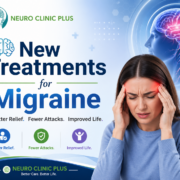
Yes. A neurologist can diagnose different types of migraine and recommend medications, lifestyle changes, and preventive treatments to reduce the frequency and severity of attacks.
6. What are the warning signs of a stroke?
Sudden facial drooping, arm weakness, speech difficulty, vision changes, severe headache, dizziness, or loss of balance are warning signs that require immediate emergency medical care.
7. Can nerve damage be treated?
Many types of nerve damage can be managed with medications, physical therapy, lifestyle modifications, and treatment of the underlying cause. Early diagnosis often improves recovery.
8. How should I prepare for my first neurology appointment?
Bring your medical records, previous test reports, current medications, details of your symptoms, and a list of questions you want to discuss with the neurologist.
9. Are neurological disorders always permanent?
No. Some neurological conditions are temporary and treatable, while others are chronic but can often be effectively managed with ongoing medical care and rehabilitation.
10. Does every headache require a neurologist?
Not every headache requires neurological evaluation. However, frequent, severe, or unusual headaches, especially those accompanied by vision changes, weakness, or vomiting, should be assessed by a neurologist.
11. Can lifestyle changes improve neurological health?
Yes. Regular exercise, a healthy diet, quality sleep, stress management, and controlling blood pressure, diabetes, and cholesterol can support brain and nerve health.
12. How do I choose the right neurologist?
Look for a neurologist with relevant qualifications, clinical experience, expertise in treating neurological disorders, positive patient reviews, advanced diagnostic support, and a patient-centered approach to care.
Conclusion
Choosing the Best Neuro Doctor in Safdarjung is essential for receiving timely diagnosis, effective treatment, and long-term care for neurological disorders. Whether you are experiencing persistent headaches, dizziness, seizures, memory problems, or nerve-related symptoms, early consultation can help prevent complications and improve your quality of life. By considering a neurologist’s qualifications, experience, patient reviews, and treatment approach, you can make an informed decision. If you notice any concerning neurological symptoms, don’t delay seeking medical advice from an experienced Neuro Doctor in Safdarjung for the right care at the right time.




Leave a Reply
Want to join the discussion?Feel free to contribute!