Tag Archive for: stroke treatment

best stroke specialist in safdarjung

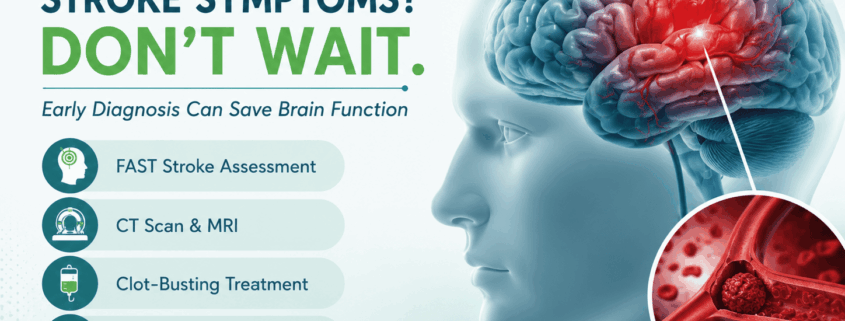
A stroke is a medical emergency that requires immediate treatment. Recognizing the warning signs early and acting quickly can help reduce brain damage, improve recovery, and even save a life. Every minute counts because brain cells begin to die when blood flow to the brain is interrupted.

If you notice sudden weakness, difficulty speaking, vision changes, or loss of balance in yourself or someone else, don’t ignore these symptoms. Seeking prompt medical care from the Best Stroke Specialist in Safdarjung can significantly improve the chances of recovery and reduce the risk of long-term complications.

In this article, you’ll learn how to identify the early signs of a stroke, what to do during a stroke emergency, and why timely consultation with a stroke specialist is essential for effective treatment and recovery.

What Is a Stroke?

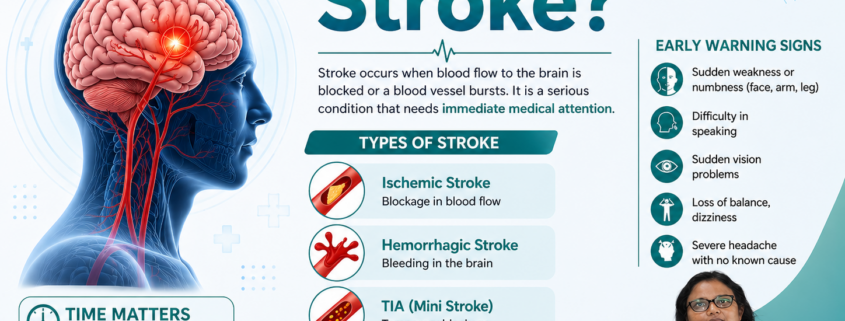
A stroke occurs when the blood supply to a part of the brain is interrupted or when a blood vessel in the brain bursts. Without enough oxygen and nutrients, brain cells begin to die within minutes, making immediate medical attention essential.

There are two main types of stroke:

Ischemic Stroke

This is the most common type of stroke, caused by a blockage in an artery that supplies blood to the brain. Quick treatment can help restore blood flow and reduce brain damage.

Hemorrhagic Stroke

This type occurs when a blood vessel ruptures, causing bleeding in or around the brain. It requires urgent evaluation and specialized neurological care.

Early diagnosis and treatment by the Best Stroke Specialist in Safdarjung can make a significant difference in recovery and help lower the risk of permanent disability.

Common Warning Signs of a Stroke

Recognizing the early warning signs of a stroke can help you seek medical attention before serious brain damage occurs. If you notice any of the following symptoms, treat them as a medical emergency.

  • Sudden weakness or numbness in the face, arm, or leg, especially on one side of the body.
  • Difficulty speaking or understanding speech, such as slurred speech or confusion.
  • Sudden vision problems in one or both eyes, including blurred or double vision.
  • Loss of balance or coordination, making it difficult to walk or stand.
  • A severe headache that appears suddenly without any obvious cause, especially if accompanied by vomiting or dizziness.

Even if these symptoms disappear within a few minutes, do not ignore them. They may be a warning sign of a serious stroke or a transient ischemic attack (TIA). Consulting the Best Stroke Specialist in Safdarjung as soon as possible can help ensure timely diagnosis, treatment, and prevention of future strokes.

Remember the FAST Test

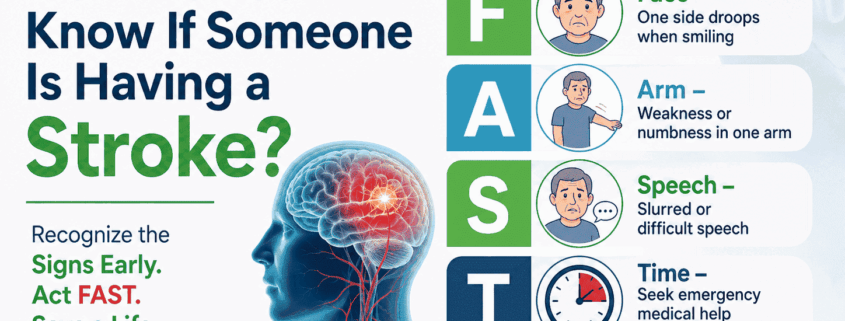
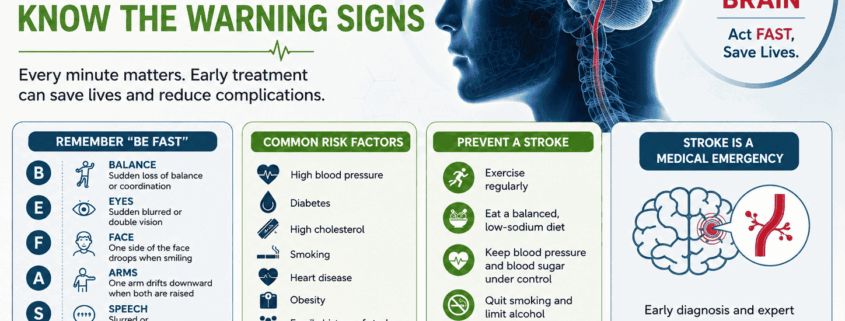
The FAST test is a simple and effective way to recognize the signs of a stroke. If you notice any of these symptoms, seek emergency medical care immediately.

Letter What It Means What to Look For
F – Face Face Drooping Ask the person to smile. Is one side of the face drooping or numb?
A – Arms Arm Weakness Ask them to raise both arms. Does one arm drift downward or feel weak?
S – Speech Speech Difficulty Ask them to repeat a simple sentence. Is their speech slurred or difficult to understand?
T – Time Time to Act Call emergency medical services immediately. Early treatment can significantly improve recovery.

The FAST test helps identify stroke symptoms quickly and encourages immediate action. If you or a loved one experiences any of these signs, don’t wait for the symptoms to improve. Prompt evaluation by the Best Stroke Specialist in Safdarjung can help reduce brain damage and improve the chances of a successful recovery.

What Should You Do If You Suspect a Stroke?

If you think someone is having a stroke, act immediately. Taking the right steps without delay can help protect the brain and improve the chances of recovery.

  1. Call emergency medical services immediately. Do not wait to see if the symptoms go away.
  2. Note the time when the symptoms first started, as this helps doctors decide the most appropriate treatment.
  3. Keep the person calm and comfortable. If they are conscious, help them sit or lie down safely.
  4. Do not give food, water, or medication unless instructed by a healthcare professional, as swallowing may be difficult.
  5. Reach a stroke-ready hospital as quickly as possible for timely diagnosis and treatment.

A stroke is a medical emergency, and every minute matters. Seeking immediate care from the Best Stroke Specialist in Safdarjung can help reduce brain damage, lower the risk of complications, and improve long-term recovery.

Why Early Stroke Treatment Matters

When it comes to a stroke, time is brain. Every minute without proper blood flow can damage millions of brain cells, making early diagnosis and treatment essential for the best possible outcome.

Patients who receive medical care quickly are more likely to:

  • Reduce brain damage and preserve brain function.
  • Improve recovery and regain independence faster.
  • Lower the risk of permanent disability.
  • Reduce the chances of future strokes with proper medical management.

Prompt evaluation by the Best Stroke Specialist in Safdarjung ensures that the right treatment is started as early as possible. Whether it’s emergency stroke care, medication, or a personalized recovery plan, timely intervention can make a significant difference in a patient’s quality of life.

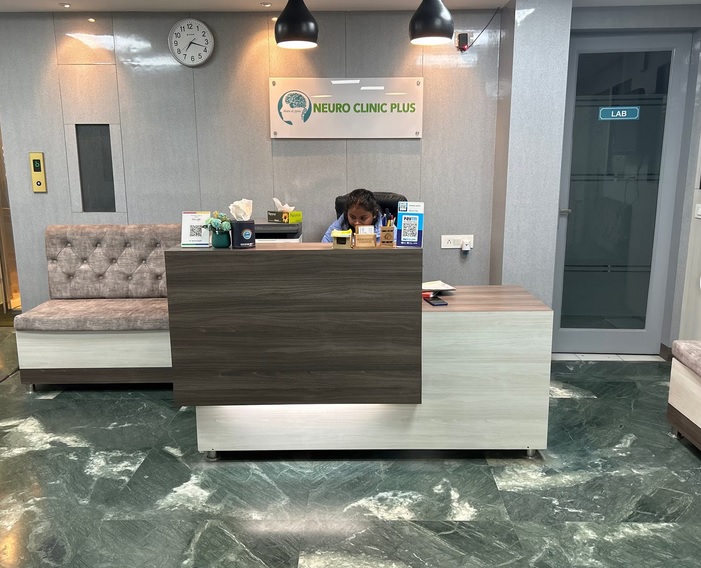
Expert Stroke Care at Neuro Clinic Plus

If you or a loved one experiences symptoms of a stroke, seeking care from an experienced neurologist can make all the difference. At Neuro Clinic Plus, patients receive comprehensive stroke care with a focus on early diagnosis, timely treatment, and long-term recovery.

Why Choose Dr. Aparna Gupta?

  • 22+ years of experience in diagnosing and treating neurological disorders.
  • Expertise in stroke diagnosis, treatment, prevention, and rehabilitation planning.
  • Personalized treatment plans based on each patient’s condition and medical history.
  • Focus on reducing the risk of recurrent strokes through preventive care.

Why Choose Neuro Clinic Plus?

  • Comprehensive neurological evaluation using advanced diagnostic techniques.
  • Expert management of ischemic and hemorrhagic strokes.
  • Guidance on stroke recovery, rehabilitation, and lifestyle modifications.
  • Ongoing follow-up care to support long-term brain health and recovery.

If you’re looking for the Best Stroke Specialist in Safdarjung, Dr. Aparna Gupta at Neuro Clinic Plus is committed to providing compassionate, evidence-based care to help patients achieve the best possible outcomes after a stroke.

Frequently Asked Questions (FAQs)

1. What are the first signs of a stroke?

The most common early signs include face drooping, arm weakness, slurred speech, sudden vision problems, severe headache, and loss of balance. Seek immediate medical attention if these symptoms appear.

2. How can I tell if someone is having a stroke?

Use the FAST test—check for Face drooping, Arm weakness, Speech difficulty, and Time to call emergency services. Quick action can improve recovery.

3. What should I do if I suspect a stroke?

Call emergency medical services immediately, note the time symptoms started, and take the person to a stroke-ready hospital. Do not delay treatment.

4. What are the main causes of a stroke?

A stroke can be caused by a blocked artery (ischemic stroke) or bleeding in the brain (hemorrhagic stroke). High blood pressure is one of the leading risk factors.

5. Who is at a higher risk of stroke?

People with high blood pressure, diabetes, high cholesterol, heart disease, obesity, or a smoking habit have a higher risk of developing a stroke.

6. Can young adults have a stroke?

Yes. Although strokes are more common in older adults, they can also occur in younger people due to genetic conditions, heart disorders, blood clotting problems, or unhealthy lifestyle habits.

7. Can a stroke be prevented?

Many strokes can be prevented by controlling blood pressure, managing diabetes, eating a healthy diet, exercising regularly, quitting smoking, and limiting alcohol consumption.

8. How soon should stroke treatment begin?

Treatment should begin as quickly as possible, ideally within the first few hours after symptoms appear. Early treatment helps reduce brain damage and improves recovery.

9. What is the recovery time after a stroke?

Recovery varies from person to person. Some patients recover within weeks, while others may need months of rehabilitation, including physiotherapy, speech therapy, and occupational therapy.

10. When should I consult the Best Stroke Specialist in Safdarjung?

You should consult the Best Stroke Specialist in Safdarjung immediately if you notice stroke symptoms or if you’ve experienced a transient ischemic attack (TIA) or have multiple stroke risk factors.

11. Why choose Dr. Aparna Gupta for stroke treatment?

Dr. Aparna Gupta has 22+ years of experience in neurology and provides comprehensive stroke diagnosis, treatment, prevention, and rehabilitation at Neuro Clinic Plus.

12. Does Neuro Clinic Plus provide stroke rehabilitation guidance?

Yes. Neuro Clinic Plus offers comprehensive stroke care, including diagnosis, treatment, follow-up consultations, lifestyle guidance, and rehabilitation support to help patients achieve the best possible recovery.

Conclusion

Recognizing the early signs of a stroke and acting quickly can save a life and reduce the risk of permanent brain damage. Symptoms such as facial drooping, arm weakness, slurred speech, or sudden vision changes should never be ignored.

If you or someone you know experiences these warning signs, seek immediate medical attention from the Best Stroke Specialist in Safdarjung. Dr. Aparna Gupta at Neuro Clinic Plus provides expert stroke diagnosis, advanced treatment, and personalized follow-up care to help patients recover and reduce the risk of future strokes.

Remember: The sooner treatment begins, the better the chances of recovery. Don’t wait—timely medical care can make all the difference.


Your brain is the control center of your entire body, managing everything from movement and memory to speech, emotions, and breathing. While occasional headaches or dizziness may not always be serious, some neurological symptoms can signal a life-threatening condition that requires immediate medical attention. Ignoring these warning signs could delay treatment and increase the risk of permanent brain damage or disability.

Many serious neurological conditions, including stroke, brain hemorrhage, epilepsy, brain infections, and brain tumors, begin with subtle symptoms that are easy to overlook. Consulting a qualified brain specialist in Delhi as soon as unusual symptoms appear can lead to an early diagnosis and significantly improve treatment outcomes. Recognizing the difference between common discomfort and a medical emergency is one of the most important steps in protecting your brain health.

If you experience sudden weakness, slurred speech, confusion, vision changes, loss of balance, or an unusually severe headache, seek emergency medical care without delay. An experienced Stroke specialist in Safdarjung can quickly assess these symptoms, perform the necessary neurological evaluations, and begin timely treatment. Early intervention saves brain cells, improves recovery, and can even save lives.

Understanding Brain Symptoms: What Is Your Brain Trying to Tell You?

Your brain constantly communicates with your body through signals that control movement, speech, memory, balance, vision, emotions, and sensation. When something disrupts normal brain function, these signals change, often appearing as noticeable symptoms. While some symptoms may be temporary or caused by minor issues, others can indicate a serious neurological condition that requires prompt medical evaluation. Understanding these warning signs helps you take the right action before complications develop.

In many cases, symptoms such as persistent headaches, numbness, dizziness, memory problems, or difficulty speaking are the body’s way of indicating that something is affecting the nervous system. Consulting a brain specialist in Delhi at the right time can help identify the underlying cause and prevent the condition from worsening. Early diagnosis often leads to faster treatment, fewer complications, and better long-term outcomes.

How Does the Brain Show That Something Is Wrong?

The brain cannot directly express pain like muscles or joints. Instead, it sends warning signals through changes in the way your body functions. These signals may develop suddenly or gradually, depending on the underlying condition. Paying attention to these changes can make a significant difference in protecting your neurological health.

Some of the most common warning signs include:

  • Persistent or severe headaches
  • Sudden weakness or numbness
  • Difficulty speaking or understanding conversations
  • Blurred or double vision
  • Loss of balance or coordination
  • Frequent dizziness or vertigo
  • Memory loss or confusion
  • Unexplained seizures
  • Tremors or involuntary movements
  • Changes in behavior or personality

These symptoms should never be ignored, especially if they appear suddenly or continue to worsen. An experienced Stroke specialist in Safdarjung can determine whether the symptoms are related to a stroke, brain injury, epilepsy, or another neurological disorder and recommend the most appropriate treatment.

Why Early Recognition Matters

Many neurological disorders progress rapidly if left untreated. Conditions such as stroke, brain hemorrhage, meningitis, and seizures require immediate medical attention because every minute without treatment may increase the risk of permanent brain damage. On the other hand, chronic conditions like migraines, Parkinson’s disease, or neuropathy can also benefit greatly from an early diagnosis and personalized care plan.

Seeking expert advice from a brain specialist in Delhi when symptoms first appear can improve recovery, reduce the risk of long-term disability, and help patients maintain a better quality of life. The sooner the cause is identified, the more treatment options are available, making timely neurological evaluation one of the most important steps in protecting your brain health.

Common Brain Disorders That Need Immediate Medical Attention

Some neurological conditions develop gradually, while others appear without warning and require immediate medical care. Recognizing these disorders early can prevent permanent brain damage, disability, or even loss of life. If you notice sudden changes in movement, speech, vision, memory, or consciousness, it is important to seek expert medical evaluation. Consulting a brain specialist in Delhi at the earliest stage can help identify the underlying condition and begin treatment before complications arise.

Stroke

A stroke is one of the most serious neurological emergencies. It occurs when blood flow to the brain is blocked or when a blood vessel ruptures, depriving brain cells of oxygen. Because brain cells begin to die within minutes, rapid diagnosis and treatment are essential. Common signs include sudden weakness on one side of the body, facial drooping, slurred speech, difficulty understanding conversations, loss of balance, vision changes, and a severe headache. Receiving immediate care from an experienced Stroke specialist in Safdarjung can significantly improve recovery and reduce the risk of long-term disability.

Brain Hemorrhage

A brain hemorrhage refers to bleeding within or around the brain, often caused by uncontrolled high blood pressure, aneurysms, head injuries, or vascular abnormalities. The condition can increase pressure inside the skull, affecting normal brain function. Patients may experience a sudden and intense headache, vomiting, confusion, weakness, difficulty speaking, or loss of consciousness. Since symptoms can worsen rapidly, emergency medical treatment is crucial to prevent permanent neurological damage.

Brain Infection

Brain infections such as meningitis and encephalitis are caused by bacteria, viruses, or other microorganisms that inflame the brain or its protective coverings. These infections usually progress quickly and may lead to serious complications if left untreated. High fever, severe headache, neck stiffness, confusion, seizures, excessive sleepiness, and sensitivity to light are common warning signs. Early diagnosis allows doctors to begin appropriate treatment before the infection causes lasting damage.

Brain Tumor

A brain tumor develops when abnormal cells grow inside the brain. Depending on its size and location, symptoms may appear slowly or become noticeable within a short period. Persistent headaches, repeated vomiting, blurred vision, memory problems, personality changes, difficulty speaking, and seizures are some of the symptoms that should never be ignored. Consulting a brain specialist in Delhi can help determine whether advanced imaging and further neurological evaluation are required.

Epilepsy and Seizures

Epilepsy is a chronic neurological disorder characterized by recurrent seizures caused by abnormal electrical activity in the brain. Seizures may involve uncontrolled body movements, temporary loss of awareness, muscle stiffness, confusion, or staring episodes. Although some seizures stop within a few minutes, prolonged or repeated seizures require immediate medical attention to reduce the risk of complications and identify the underlying cause.

Severe Head Injury

A severe head injury can affect brain function by causing swelling, bleeding, or direct damage to brain tissue. Symptoms may not always appear immediately, making careful observation essential after any significant head trauma. Persistent headache, repeated vomiting, drowsiness, slurred speech, weakness, unequal pupil size, confusion, or loss of consciousness are signs that require urgent medical evaluation. Prompt treatment from a qualified Stroke specialist in Safdarjung can help prevent further complications and support better neurological recovery.

Why Early Recognition Matters

Neurological emergencies often progress rapidly, leaving very little time for treatment. Delaying medical care may increase the risk of permanent brain damage and reduce the chances of a full recovery. Recognizing these warning signs and seeking timely neurological evaluation allows doctors to diagnose the condition accurately, begin appropriate treatment, and improve long-term health outcomes.

Warning Signs That Mean You Should Seek Immediate Medical Attention

Many neurological symptoms may seem minor at first, but some can indicate a life-threatening brain condition that requires urgent medical care. Recognizing these warning signs and acting quickly can help prevent permanent brain damage and improve recovery. If any of the following symptoms appear suddenly or become severe, it is important to consult a brain specialist in Delhi without delay.

Sudden Weakness or Numbness

A sudden loss of strength or sensation, especially on one side of the body, is one of the most common signs of a neurological emergency. It may affect the face, arm, or leg and can make everyday movements difficult. This symptom is frequently associated with a stroke and should never be ignored.

Difficulty Speaking or Understanding Speech

If you suddenly struggle to speak clearly, slur your words, or have trouble understanding what others are saying, it may indicate that the brain’s language center has been affected. Even if these symptoms disappear within a few minutes, immediate medical evaluation is essential because they may signal a temporary or major stroke.

Sudden Vision Changes

Blurred vision, double vision, or sudden loss of sight in one or both eyes can occur when the brain or optic nerves are affected. Vision changes that appear without an obvious reason require urgent neurological assessment, particularly when accompanied by dizziness or weakness.

Severe and Unusual Headache

A sudden, intense headache that feels different from your usual headaches may be a warning sign of a serious condition such as a brain hemorrhage or stroke. If the headache is accompanied by vomiting, confusion, neck stiffness, or loss of consciousness, emergency medical care should be sought immediately.

Loss of Balance or Coordination

Difficulty walking, frequent falls, dizziness, or an inability to maintain balance can indicate problems affecting the brain or nervous system. These symptoms often appear suddenly during a stroke or other neurological disorders and should be evaluated as soon as possible by a Stroke specialist in Safdarjung.

Seizures Without a Known Cause

A seizure occurring for the first time, or repeated seizures within a short period, requires immediate medical attention. During a seizure, a person may experience uncontrolled body movements, muscle stiffness, confusion, or temporary loss of consciousness. Identifying the underlying cause is essential for effective treatment.

Sudden Confusion or Memory Loss

Unexpected confusion, disorientation, difficulty recognizing familiar people, or sudden memory problems may indicate reduced brain function. These symptoms can result from stroke, brain infection, or other neurological conditions and should never be ignored.

Loss of Consciousness

Fainting, becoming unresponsive, or losing consciousness without an obvious reason is a medical emergency. It may be caused by reduced blood flow to the brain, severe head injury, seizures, or other critical neurological disorders. Immediate evaluation by a brain specialist in Delhi can help determine the cause and begin appropriate treatment before complications develop.

Why Acting Quickly Is Essential

The brain begins to suffer damage within minutes when its blood supply or normal function is disrupted. Delaying treatment increases the risk of permanent disability, cognitive impairment, and other serious complications. Seeking prompt care from an experienced Stroke specialist in Safdarjung ensures timely diagnosis, appropriate treatment, and the best possible chance of recovery.

Stroke: The Most Time-Critical Brain Emergency

A stroke is one of the most serious medical emergencies because it interrupts the blood supply to the brain. Without enough oxygen and nutrients, brain cells begin to die within minutes, making immediate treatment essential. Recognizing the early signs and reaching the hospital quickly can significantly improve recovery and reduce the risk of permanent disability. Seeking timely care from a brain specialist in Delhi can make a life-saving difference.

What Is a Stroke?

A stroke occurs when the brain does not receive enough blood due to a blocked artery or a ruptured blood vessel. As the affected part of the brain stops functioning properly, the body may lose the ability to move, speak, remember, or maintain balance. The sooner treatment begins, the greater the chance of protecting healthy brain tissue.

Types of Stroke

Ischemic Stroke is the most common type and occurs when a blood clot blocks an artery supplying blood to the brain. Immediate treatment helps restore blood flow and minimizes brain damage.

Hemorrhagic Stroke develops when a weakened blood vessel bursts, causing bleeding inside the brain. This type of stroke requires emergency medical care because the bleeding increases pressure on the brain.

Transient Ischemic Attack (TIA), often called a mini-stroke, causes temporary stroke-like symptoms that usually disappear within a short time. Although the symptoms improve, a TIA is a serious warning sign that a major stroke may occur in the future if left untreated.

Recognize Stroke with the FAST Rule

The FAST method helps identify the most common signs of a stroke:

Face: One side of the face begins to droop or feels numb.

Arms: One arm becomes weak or difficult to lift.

Speech: Speech becomes slurred, unclear, or difficult to understand.

Time: Call emergency medical services immediately. Every minute matters during a stroke.

Why Every Minute Matters

During a stroke, millions of brain cells can be damaged every minute if blood flow is not restored. Early diagnosis allows doctors to begin treatment quickly, reducing the risk of permanent disability and improving recovery. This is why immediate evaluation by a Stroke specialist in Safdarjung is critical when stroke symptoms appear.

Who Is at Higher Risk of Stroke?

Several factors increase the likelihood of experiencing a stroke. High blood pressure, diabetes, high cholesterol, smoking, obesity, heart disease, physical inactivity, and advancing age are among the most common risk factors. However, strokes can also occur in younger adults, making awareness of the warning signs important for everyone.

Can Stroke Be Prevented?

Although not every stroke can be prevented, adopting a healthy lifestyle can significantly reduce the risk. Regular exercise, a balanced diet, controlling blood pressure and blood sugar, avoiding tobacco, limiting alcohol consumption, and attending routine health check-ups all contribute to better brain health. Early medical evaluation of neurological symptoms also plays a key role in preventing severe complications and improving long-term outcomes.

Stroke: The Most Time-Critical Brain Emergency

A stroke is one of the most serious medical emergencies because it interrupts the blood supply to the brain. Without enough oxygen and nutrients, brain cells begin to die within minutes, making immediate treatment essential. Recognizing the early signs and reaching the hospital quickly can significantly improve recovery and reduce the risk of permanent disability. Seeking timely care from a brain specialist in Delhi can make a life-saving difference.

What Is a Stroke?

A stroke occurs when the brain does not receive enough blood due to a blocked artery or a ruptured blood vessel. As the affected part of the brain stops functioning properly, the body may lose the ability to move, speak, remember, or maintain balance. The sooner treatment begins, the greater the chance of protecting healthy brain tissue.

Types of Stroke

Ischemic Stroke is the most common type and occurs when a blood clot blocks an artery supplying blood to the brain. Immediate treatment helps restore blood flow and minimizes brain damage.

Hemorrhagic Stroke develops when a weakened blood vessel bursts, causing bleeding inside the brain. This type of stroke requires emergency medical care because the bleeding increases pressure on the brain.

Transient Ischemic Attack (TIA), often called a mini-stroke, causes temporary stroke-like symptoms that usually disappear within a short time. Although the symptoms improve, a TIA is a serious warning sign that a major stroke may occur in the future if left untreated.

Recognize Stroke with the FAST Rule

The FAST method helps identify the most common signs of a stroke:

Face: One side of the face begins to droop or feels numb.

Arms: One arm becomes weak or difficult to lift.

Speech: Speech becomes slurred, unclear, or difficult to understand.

Time: Call emergency medical services immediately. Every minute matters during a stroke.

Why Every Minute Matters

During a stroke, millions of brain cells can be damaged every minute if blood flow is not restored. Early diagnosis allows doctors to begin treatment quickly, reducing the risk of permanent disability and improving recovery. This is why immediate evaluation by a Stroke specialist in Safdarjung is critical when stroke symptoms appear.

Who Is at Higher Risk of Stroke?

Several factors increase the likelihood of experiencing a stroke. High blood pressure, diabetes, high cholesterol, smoking, obesity, heart disease, physical inactivity, and advancing age are among the most common risk factors. However, strokes can also occur in younger adults, making awareness of the warning signs important for everyone.

Can Stroke Be Prevented?

Although not every stroke can be prevented, adopting a healthy lifestyle can significantly reduce the risk. Regular exercise, a balanced diet, controlling blood pressure and blood sugar, avoiding tobacco, limiting alcohol consumption, and attending routine health check-ups all contribute to better brain health. Early medical evaluation of neurological symptoms also plays a key role in preventing severe complications and improving long-term outcomes.

What Causes Serious Brain Symptoms?

Serious brain symptoms often develop when the brain is not functioning normally due to reduced blood flow, injury, infection, or damage to nerve cells. While some conditions appear suddenly, others progress over time and gradually affect memory, movement, speech, or coordination. Identifying the underlying cause is essential because early diagnosis leads to faster treatment and better recovery. If symptoms persist or worsen, consulting a brain specialist in Delhi is the safest course of action.

Reduced Blood Flow to the Brain

The brain depends on a constant supply of oxygen-rich blood to function properly. When blood flow is blocked or significantly reduced, brain cells begin to die within minutes. This commonly occurs during a stroke and can result in sudden weakness, slurred speech, confusion, vision problems, or difficulty walking. Prompt treatment can restore blood flow and limit brain damage.

Bleeding Inside the Brain

A ruptured blood vessel can cause bleeding within the brain, increasing pressure on surrounding tissues. This condition, known as a brain hemorrhage, may develop because of uncontrolled high blood pressure, head trauma, or a weakened blood vessel. Symptoms often include a sudden severe headache, vomiting, confusion, seizures, or loss of consciousness, all of which require emergency medical care.

Brain Infections

Infections such as meningitis and encephalitis can inflame the brain or its protective coverings. These illnesses may be caused by bacteria, viruses, or other microorganisms and often progress rapidly. High fever, neck stiffness, confusion, sensitivity to light, and seizures are common warning signs that should never be ignored.

Brain Tumors

A brain tumor occurs when abnormal cells grow within the brain. Depending on its location, the tumor may affect speech, vision, balance, memory, or muscle control. Persistent headaches, repeated vomiting, personality changes, or unexplained seizures may indicate increasing pressure inside the brain and require further neurological evaluation.

Nerve Disorders

Neurological disorders affecting the brain and nervous system can interfere with communication between the brain and the rest of the body. Conditions such as epilepsy, Parkinson’s disease, multiple sclerosis, and neuropathy may cause tremors, seizures, muscle weakness, balance problems, or changes in coordination. Early assessment by a Stroke specialist in Safdarjung can help determine the exact cause and guide appropriate treatment.

Head Injuries

A significant head injury can damage brain tissue or cause internal bleeding, even when external injuries appear minor. Symptoms such as persistent headache, dizziness, vomiting, confusion, memory loss, or drowsiness after an accident should always be evaluated promptly to rule out serious complications.

Chronic Health Conditions

Certain medical conditions increase the risk of developing neurological problems over time. High blood pressure, diabetes, high cholesterol, heart disease, obesity, smoking, and chronic stress can damage blood vessels and reduce blood flow to the brain. Managing these risk factors through regular health check-ups and a healthy lifestyle helps protect long-term brain function and lowers the risk of serious neurological disorders.

How Neurologists Diagnose Brain Disorders Early

Early diagnosis is one of the most important steps in treating neurological disorders successfully. Identifying the cause of brain-related symptoms at the right time allows doctors to begin treatment before permanent damage occurs. Whether the symptoms are sudden or gradually worsening, a thorough neurological evaluation helps determine the exact condition and the most effective treatment plan.

Medical History and Symptom Assessment

The diagnostic process begins with a detailed discussion about your symptoms, medical history, family history, and lifestyle. The neurologist will ask when the symptoms started, how often they occur, and whether they have changed over time. This information provides valuable clues about the possible cause of the condition.

Neurological Examination

A neurological examination evaluates how well the brain and nervous system are functioning. The doctor checks muscle strength, reflexes, coordination, balance, sensation, vision, speech, and memory to identify abnormalities that may indicate a neurological disorder.

Brain Imaging Tests

Advanced imaging plays a key role in diagnosing brain conditions. CT scans are commonly used to detect bleeding, stroke, or head injuries, while MRI scans provide detailed images of the brain to identify tumors, infections, inflammation, and other structural abnormalities. These tests help doctors make an accurate diagnosis and plan appropriate treatment.

Electroencephalogram (EEG)

An EEG records the brain’s electrical activity and is commonly recommended for patients experiencing seizures, epilepsy, unexplained blackouts, or episodes of unconsciousness. It helps identify abnormal brain wave patterns that may not be visible on imaging scans.

Blood Tests and Laboratory Investigations

Blood tests help detect infections, vitamin deficiencies, autoimmune disorders, metabolic conditions, and other health issues that may contribute to neurological symptoms. These investigations also help rule out conditions that can mimic brain disorders.

Early Diagnosis Improves Treatment Outcomes

Consulting a brain specialist in Delhi as soon as neurological symptoms appear allows for faster diagnosis and timely treatment. Many conditions, including stroke, epilepsy, brain infections, and tumors, have better outcomes when detected early. Delaying medical evaluation may increase the risk of complications and permanent neurological damage.

Personalized Treatment Planning

After confirming the diagnosis, the neurologist develops a personalized treatment plan based on the patient’s condition, age, medical history, and overall health. Depending on the diagnosis, treatment may include medications, lifestyle modifications, rehabilitation, or advanced neurological procedures. For emergency conditions such as stroke, timely care from a Stroke specialist in Safdarjung can significantly improve recovery and reduce long-term disability.

Why Early Diagnosis Can Save Your Brain

Many neurological disorders begin with mild or temporary symptoms, making them easy to ignore. However, delaying medical attention can allow the condition to progress, increasing the risk of permanent brain damage. Early diagnosis gives doctors the opportunity to identify the problem before it becomes more serious, improving both treatment success and long-term recovery.

Prevents Permanent Brain Damage

Brain cells cannot fully regenerate once they are severely damaged. Conditions such as stroke, brain hemorrhage, and brain infections can permanently affect speech, movement, memory, and vision if treatment is delayed. Identifying these conditions early helps protect healthy brain tissue and limits long-term complications.

Increases Treatment Success

Many neurological disorders respond better when treated in their early stages. Early medical intervention allows doctors to begin the most appropriate treatment before symptoms become severe. Consulting a brain specialist in Delhi at the first sign of neurological symptoms can significantly improve treatment outcomes and reduce the need for more complex procedures later.

Speeds Up Recovery

Patients diagnosed early often experience a faster and smoother recovery because treatment begins before extensive brain damage occurs. Early rehabilitation, medication, and regular follow-up care also help restore normal brain function more effectively.

Reduces the Risk of Disability

Untreated neurological conditions can lead to long-term physical and cognitive disabilities that affect daily life. Prompt diagnosis and treatment reduce the likelihood of complications such as paralysis, speech difficulties, balance problems, memory loss, and reduced independence.

Improves Quality of Life

Receiving timely neurological care allows patients to manage their condition more effectively and continue their daily activities with greater confidence. Appropriate treatment, healthy lifestyle changes, and ongoing monitoring help maintain better brain health and prevent future complications.

Supports Better Long-Term Brain Health

Regular neurological evaluations help detect changes before they become severe, especially in people with risk factors such as high blood pressure, diabetes, heart disease, or a family history of neurological disorders. Seeking guidance from a Stroke specialist in Safdarjung when warning signs appear can reduce the risk of future neurological emergencies and support a healthier, more active life.

When Should You Consult a Brain Specialist?

Many people ignore neurological symptoms because they believe the problem will resolve on its own. However, persistent, recurring, or sudden brain-related symptoms should never be overlooked. Consulting a brain specialist in Delhi at the right time helps identify the underlying cause, prevents complications, and ensures timely treatment before the condition becomes more serious.

Frequent or Severe Headaches

Occasional headaches are common, but frequent, severe, or worsening headaches may indicate an underlying neurological condition. If headaches are accompanied by vomiting, blurred vision, weakness, or confusion, immediate medical evaluation is recommended.

Sudden Weakness or Numbness

Weakness or numbness affecting the face, arm, or leg—especially on one side of the body—can be an early warning sign of a stroke. Prompt medical attention is essential because early treatment greatly improves recovery.

Speech or Communication Problems

Difficulty speaking, slurred speech, or trouble understanding conversations should always be evaluated by a neurologist. These symptoms may develop due to stroke, brain injury, or other neurological disorders and require immediate assessment.

Memory Loss or Confusion

Occasional forgetfulness is normal, but persistent memory problems, confusion, or personality changes should not be ignored. These symptoms may be associated with dementia, brain infections, or other conditions affecting brain function.

Dizziness or Loss of Balance

Repeated dizziness, difficulty walking, poor coordination, or unexplained falls can indicate disorders affecting the brain, inner ear, or nervous system. An experienced Stroke specialist in Safdarjung can determine whether these symptoms are related to a neurological emergency or another medical condition.

Seizures or Loss of Consciousness

A first-time seizure, repeated seizures, or episodes of unexplained unconsciousness always require urgent neurological evaluation. Early diagnosis helps identify the cause and reduces the risk of future complications.

Vision Changes

Sudden blurred vision, double vision, or temporary loss of sight may indicate problems affecting the brain or optic nerves. These symptoms should be evaluated promptly, particularly if they occur with headaches, weakness, or speech difficulties.

Tremors or Uncontrolled Movements

Persistent tremors, muscle stiffness, or involuntary movements may be early signs of neurological disorders such as Parkinson’s disease or other movement disorders. Early treatment can help manage symptoms and improve quality of life.

After a Head Injury

Even if a head injury seems minor, symptoms such as persistent headache, vomiting, drowsiness, confusion, or changes in behavior should never be ignored. A timely neurological examination can help detect hidden brain injuries before they become life-threatening.

About Dr. Aparna Gupta

When it comes to neurological care, choosing an experienced specialist can make a significant difference in diagnosis, treatment, and long-term recovery. Dr. Aparna Gupta is a highly experienced neurologist known for providing evidence-based, patient-centered neurological care for a wide range of brain and nerve disorders. Her focus on accurate diagnosis and personalized treatment has helped many patients achieve better neurological health.

Extensive Clinical Experience

With 22+ years of experience in neurology, Dr. Aparna Gupta has successfully diagnosed and treated patients with both common and complex neurological conditions. Her extensive clinical expertise enables her to manage neurological emergencies as well as chronic disorders with confidence and precision.

Expertise in Neurological Disorders

Dr. Aparna Gupta specializes in the diagnosis and treatment of several neurological conditions, including stroke, epilepsy, migraine, Parkinson’s disease, neuropathy, dementia, multiple sclerosis, vertigo, and other brain and nerve disorders. Patients experiencing persistent neurological symptoms can benefit from her comprehensive evaluation and individualized treatment approach.

Advanced Diagnostic Approach

Accurate diagnosis is the foundation of effective neurological care. Dr. Aparna Gupta carefully evaluates each patient’s symptoms, medical history, and diagnostic reports before recommending a treatment plan. This thorough approach helps identify the root cause of neurological conditions and ensures appropriate management.

Personalized Patient Care

Every patient experiences neurological disorders differently. Dr. Aparna Gupta believes in developing personalized treatment plans based on the patient’s condition, lifestyle, and overall health. Her treatment strategy focuses not only on symptom relief but also on improving long-term neurological function and quality of life.

Trusted Neurological Care

Patients appreciate Dr. Aparna Gupta for her compassionate communication, detailed consultations, and commitment to delivering quality neurological care. Whether treating emergency conditions or long-term neurological disorders, she emphasizes early diagnosis, patient education, and continuous follow-up to achieve the best possible outcomes.

About Neuro Clinic Plus

Neuro Clinic Plus is a dedicated neurology center committed to providing comprehensive care for patients with brain, spine, and nervous system disorders. The clinic combines advanced diagnostic support with personalized treatment plans to help patients receive accurate diagnoses and effective care in a comfortable environment.

Comprehensive Neurological Care

The clinic offers evaluation and treatment for a wide range of neurological conditions, including stroke, migraine, epilepsy, Parkinson’s disease, dementia, vertigo, neuropathy, multiple sclerosis, movement disorders, and chronic headaches. Every patient receives an individualized treatment plan based on their symptoms, medical history, and overall health.

Advanced Diagnostic Support

Neuro Clinic Plus uses modern diagnostic techniques to identify neurological disorders accurately. Comprehensive neurological examinations and advanced investigations help determine the root cause of symptoms, allowing timely and effective treatment.

Patient-Centered Treatment

The clinic follows a patient-first approach, ensuring that every individual receives personalized attention throughout their treatment journey. Doctors take time to explain the diagnosis, discuss treatment options, and guide patients through every stage of recovery.

Focus on Early Diagnosis

Early detection plays a crucial role in managing neurological disorders successfully. The clinic emphasizes prompt evaluation of symptoms such as severe headaches, weakness, dizziness, seizures, memory problems, and speech difficulties, helping patients receive treatment before complications develop.

Why Patients Trust Neuro Clinic Plus

Patients choose Neuro Clinic Plus because of its experienced neurology team, evidence-based treatment, compassionate care, modern diagnostic facilities, and commitment to long-term neurological health. Whether managing chronic neurological conditions or medical emergencies, the clinic focuses on delivering safe, reliable, and high-quality neurological care for every patient.

Patient Reviews and Success Stories

The experiences shared by patients reflect the quality of care they receive throughout their neurological treatment. Many patients appreciate the professional approach, accurate diagnosis, and compassionate care provided during their consultations. From the first visit to follow-up appointments, the focus remains on helping patients understand their condition and achieve the best possible recovery.

Positive Treatment Experience

Many patients mention that they felt comfortable discussing their symptoms because every concern was heard with patience and care. Detailed evaluations and clear explanations helped them better understand their neurological condition and the available treatment options.

Trusted Diagnosis and Personalized Care

Patients often appreciate the clinic’s emphasis on accurate diagnosis and personalized treatment plans. Rather than offering a one-size-fits-all solution, each treatment plan is tailored to the patient’s symptoms, medical history, and overall health, leading to greater confidence throughout the recovery process.

Better Recovery Outcomes

Individuals receiving treatment for stroke, migraines, epilepsy, vertigo, neuropathy, and other neurological disorders frequently report noticeable improvement after following their recommended treatment and follow-up care. Early diagnosis and timely medical intervention have helped many patients return to their normal daily activities.

Compassionate Support Throughout the Journey

Beyond medical treatment, patients value the friendly environment, professional guidance, and continuous support they receive during every stage of care. This patient-focused approach helps reduce anxiety, encourages better treatment adherence, and contributes to improved long-term neurological health.

Building Trust Through Quality Care

Positive patient experiences continue to build confidence among individuals seeking neurological treatment. Consistent medical care, transparent communication, and a commitment to patient well-being have made Neuro Clinic Plus a trusted destination for people looking for expert neurological care and lasting treatment outcomes.

Dr. Aparna Gupta’s Experience and Expertise

Choosing an experienced neurologist is essential because neurological disorders often require accurate diagnosis, timely treatment, and long-term follow-up. With 22+ years of clinical experience, Dr. Aparna Gupta has helped patients manage a wide range of brain and nervous system disorders through evidence-based and personalized neurological care.

22+ Years of Clinical Experience

Over the years, Dr. Aparna Gupta has treated thousands of patients with both common and complex neurological conditions. Her extensive experience enables her to recognize early warning signs, make accurate diagnoses, and recommend effective treatment plans tailored to each patient’s needs.

Expertise Across Multiple Neurological Conditions

Dr. Aparna Gupta has extensive experience in managing stroke, migraine, epilepsy, Parkinson’s disease, dementia, neuropathy, vertigo, multiple sclerosis, movement disorders, and chronic headaches. Her comprehensive understanding of neurological diseases allows patients to receive specialized care under one roof.

Focus on Early Diagnosis and Prevention

One of the key strengths of her practice is the emphasis on early diagnosis. Identifying neurological conditions before they progress helps improve treatment outcomes, reduce complications, and support faster recovery. Patients are encouraged to seek medical evaluation as soon as they notice unusual neurological symptoms.

Evidence-Based Treatment Approach

Every treatment plan is developed using the latest medical guidelines and diagnostic findings. Instead of treating only the symptoms, Dr. Aparna Gupta focuses on identifying the root cause of the condition and providing a treatment strategy that supports both short-term relief and long-term neurological health.

Commitment to Long-Term Patient Care

Neurological disorders often require continuous monitoring and follow-up. Dr. Aparna Gupta believes in building lasting relationships with patients by providing regular assessments, treatment adjustments when needed, and ongoing guidance to help them maintain a better quality of life. Her dedication to compassionate care and clinical excellence has earned the trust of patients seeking expert neurological treatment.

Frequently Asked Questions

1. Which brain symptoms require immediate medical attention?

Sudden weakness, slurred speech, severe headache, vision loss, confusion, seizures, loss of balance, or unconsciousness require immediate medical evaluation because they may indicate a serious neurological emergency.

2. When should I consult a brain specialist?

You should consult a brain specialist in Delhi if you experience persistent headaches, memory loss, dizziness, numbness, seizures, tremors, vision changes, or any sudden neurological symptoms.

3. What are the first signs of a stroke?

The most common early signs include facial drooping, arm weakness, speech difficulty, sudden vision changes, loss of balance, and severe headache. Immediate treatment improves recovery.

4. Can a severe headache be a sign of a brain disorder?

Yes. A sudden, intense, or unusual headache may indicate conditions such as stroke, brain hemorrhage, meningitis, or a brain tumor, especially if accompanied by other neurological symptoms.

5. Are seizures always caused by epilepsy?

No. Seizures can also result from stroke, brain infections, head injuries, brain tumors, high fever, or metabolic disorders. Proper neurological evaluation is necessary to determine the cause.

6. How are brain disorders diagnosed?

Neurologists diagnose brain disorders through a combination of medical history, neurological examination, CT scans, MRI scans, EEG tests, and blood investigations based on the patient’s symptoms.

7. Why is early diagnosis important for neurological disorders?

Early diagnosis allows treatment to begin before significant brain damage occurs, improving recovery, reducing complications, and lowering the risk of permanent disability.

8. Who is at higher risk of developing neurological disorders?

People with high blood pressure, diabetes, heart disease, high cholesterol, obesity, smoking habits, or a family history of neurological diseases have a higher risk of developing brain disorders.

9. Can young adults develop neurological disorders?

Yes. Although age increases the risk, young adults can also experience stroke, epilepsy, migraines, brain infections, multiple sclerosis, and brain tumors.

10. How can I reduce my risk of stroke?

Maintaining healthy blood pressure, controlling diabetes, exercising regularly, eating a balanced diet, avoiding smoking, limiting alcohol, and managing stress can significantly lower stroke risk.

11. When should I visit a Stroke specialist in Safdarjung?

You should seek immediate medical care if you experience sudden weakness, difficulty speaking, facial drooping, severe dizziness, vision loss, or loss of consciousness, as these may be signs of a stroke.

12. Can neurological disorders be treated successfully?

Yes. Many neurological conditions can be effectively managed or treated with early diagnosis, appropriate medication, rehabilitation, lifestyle changes, and regular follow-up with an experienced neurologist.

Conclusion

Your brain controls every aspect of your daily life, so even minor neurological symptoms should never be ignored. Warning signs such as sudden weakness, difficulty speaking, severe headaches, seizures, vision changes, confusion, or loss of balance may indicate a serious neurological condition that requires immediate medical attention. Acting quickly can help prevent permanent brain damage and improve the chances of a full recovery.

Seeking timely evaluation from a brain specialist in Delhi allows neurological conditions to be diagnosed accurately and treated before they become more severe. Whether the symptoms are caused by a stroke, brain infection, epilepsy, or another neurological disorder, early diagnosis remains the key to successful treatment.

If you or a loved one experiences sudden brain-related symptoms, do not wait for them to improve on their own. Consulting an experienced Stroke specialist in Safdarjung at the earliest opportunity can make a significant difference in treatment outcomes, recovery, and long-term brain health. Prioritizing prompt medical care today can help protect your brain for the future.
best stroke specialist in delhi

A Stroke Specialist in Delhi plays an important role in providing timely diagnosis and stroke treatment. Many people believe that surgery is the only treatment option, but this is not true for every patient. The most suitable treatment depends on the type of stroke, the severity of the condition, and how quickly medical care is received.

Many stroke patients recover with medications, rehabilitation, and proper medical management without undergoing surgery. Early treatment can reduce brain damage, improve recovery, and lower the risk of long-term complications. Recognizing the warning signs of stroke and seeking immediate medical attention can make a significant difference in the patient’s outcome.

Is Surgery Necessary for Every Stroke?

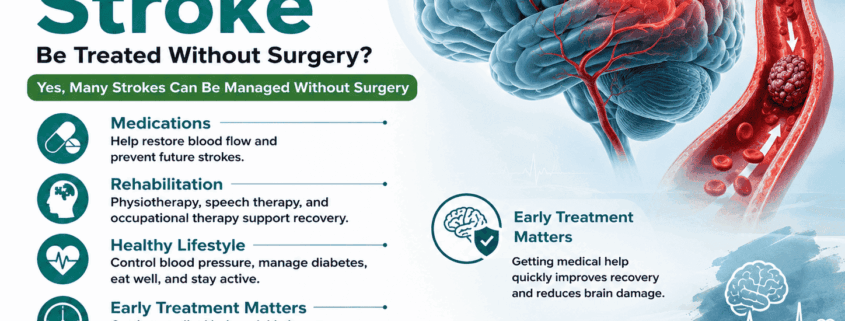
The answer is no. Not every stroke requires surgery. The treatment depends on the type of stroke, the location of the affected area, and how quickly treatment begins. In many cases, patients recover successfully with medications, minimally invasive procedures, and rehabilitation.

There are two main types of stroke:

  • Ischemic Stroke: This is the most common type, caused by a blocked blood vessel that reduces blood flow to the brain. Many patients can be treated with clot-busting medicines or mechanical clot removal, without the need for open surgery.
  • Hemorrhagic Stroke: This occurs when a blood vessel in the brain bursts, causing bleeding. While some patients may require surgery to control the bleeding or relieve pressure, many cases can still be managed with medications and close monitoring.

Consulting an experienced Stroke Specialist in Delhi helps ensure the correct diagnosis and the most appropriate treatment plan. Early medical intervention can improve recovery and reduce the risk of permanent brain damage.

Non-Surgical Stroke Treatment Options

Many stroke patients can recover without surgery when treatment begins as early as possible. A Stroke Specialist in Delhi will recommend the most suitable treatment based on the type of stroke, overall health, and severity of symptoms.

Clot-Busting Medicines

For ischemic stroke, clot-busting medicines may be given within the recommended treatment window to restore blood flow to the brain. Early administration can reduce brain damage and improve recovery.

Blood-Thinning Medications

Blood thinners may be prescribed to prevent new blood clots and reduce the risk of another stroke. These medications should only be taken under the guidance of a stroke specialist.

Rehabilitation Therapy

Recovery often continues after the initial treatment. Rehabilitation helps patients regain strength, speech, balance, and daily living skills. It may include:

  • Physiotherapy
  • Speech therapy
  • Occupational therapy

Lifestyle Changes

Adopting a healthy lifestyle can support recovery and lower the risk of future strokes. Important steps include:

  • Managing blood pressure
  • Controlling diabetes and cholesterol
  • Eating a balanced diet
  • Exercising regularly
  • Quitting smoking and limiting alcohol

With the right combination of medical treatment, rehabilitation, and healthy lifestyle changes, many patients can achieve a better recovery without undergoing surgery.

When Is Surgery Needed for a Stroke?

Although many strokes can be treated without surgery, there are situations where surgical treatment becomes necessary to protect the brain and prevent further complications. The decision depends on the type of stroke, brain damage, and the patient’s overall condition.

A Stroke Specialist in Delhi may recommend surgery in the following cases:

  • Severe brain bleeding caused by a hemorrhagic stroke.
  • Excessive swelling in the brain that increases pressure and threatens brain function.
  • A large blood clot that cannot be removed with medications or minimally invasive procedures.
  • Blocked carotid arteries, where surgery may help restore blood flow and reduce the risk of another stroke.

Surgery is recommended only when the expected benefits outweigh the risks. An experienced neurologist carefully evaluates each patient before deciding on the most appropriate treatment approach. Timely diagnosis and expert medical care remain the key to achieving the best possible outcome.

Why Early Stroke Treatment Matters

Early treatment is one of the most important factors in improving stroke recovery. Brain cells begin to die within minutes after a stroke starts, so every minute counts. Seeking immediate medical attention can reduce brain damage, improve recovery, and lower the risk of permanent disability.

Early Treatment Delayed Treatment
Reduces brain damage Increases the risk of permanent brain injury
Improves the chances of faster recovery Recovery may take longer and be more difficult
Allows access to time-sensitive treatments Some treatments may no longer be effective
Lowers the risk of long-term disability Higher chance of lasting physical and speech problems
Improves overall quality of life Greater risk of complications and future strokes

If you notice symptoms such as sudden weakness on one side of the body, difficulty speaking, loss of balance, vision changes, or facial drooping, seek emergency medical care immediately. Consulting an experienced Stroke Specialist in Delhi without delay can make a significant difference in treatment outcomes and long-term recovery.

Why Choose Dr. Aparna Gupta for Stroke Care?

22+ Years of Neurology Experience

Dr. Aparna Gupta has over 22 years of experience in diagnosing and treating a wide range of neurological disorders, including ischemic stroke, hemorrhagic stroke, TIA (mini stroke), and stroke-related complications.

Accurate Diagnosis and Personalized Treatment

Every stroke is different. Dr. Aparna Gupta carefully evaluates each patient’s condition and creates a personalized treatment plan based on the type of stroke, medical history, and recovery goals.

Comprehensive Stroke Management

From early diagnosis and medical treatment to rehabilitation guidance and stroke prevention, patients receive complete care aimed at improving recovery and reducing the risk of future strokes.

Focus on Long-Term Recovery

Stroke recovery continues even after the initial treatment. Dr. Aparna Gupta provides guidance on lifestyle changes, medication management, and follow-up care to help patients regain independence and maintain better brain health.

Trusted Stroke Specialist in Delhi

Patients looking for an experienced Stroke Specialist in Delhi choose Dr. Aparna Gupta for her patient-centered approach, evidence-based treatment, and commitment to delivering high-quality neurological care.

Stroke Care at Neuro Clinic Plus

At Neuro Clinic Plus, patients receive comprehensive stroke care focused on early diagnosis, effective treatment, and long-term recovery. The clinic is committed to helping patients achieve the best possible outcomes through personalized neurological care.

What You Can Expect at Neuro Clinic Plus

  • Comprehensive neurological evaluation to identify the type and severity of stroke.
  • Personalized treatment plans based on each patient’s condition and medical history.
  • Stroke risk assessment to help prevent future stroke episodes.
  • Medication management and regular follow-up for safe recovery.
  • Guidance on physiotherapy, speech therapy, and rehabilitation to improve mobility and daily functioning.
  • Lifestyle and dietary counseling to support brain health and reduce stroke risk.
  • Compassionate care from Dr. Aparna Gupta, an experienced Stroke Specialist in Delhi, throughout every stage of recovery.

With a patient-first approach, Neuro Clinic Plus focuses on providing timely treatment, continuous monitoring, and ongoing support to help patients regain confidence and improve their quality of life.

Frequently Asked Questions (FAQs)

1. Can a stroke be treated without surgery?

Yes. Many stroke patients recover without surgery through medications, rehabilitation, and lifestyle changes. The treatment depends on the type of stroke and how quickly medical care is received.

2. Which type of stroke usually does not require surgery?

Most ischemic strokes, caused by a blocked blood vessel, can often be treated with clot-busting medications, mechanical clot removal, and supportive medical care without open surgery.

3. When is surgery necessary for a stroke?

Surgery may be required for brain bleeding, severe brain swelling, or when a large blood clot cannot be managed with medications or minimally invasive procedures.

4. How soon should stroke treatment begin?

Stroke treatment should begin immediately. Early medical care helps reduce brain damage, improves recovery, and lowers the risk of long-term disability.

5. What are the early warning signs of a stroke?

Common symptoms include facial drooping, arm weakness, difficulty speaking, vision changes, loss of balance, and sudden severe headache. These symptoms require emergency medical attention.

6. Can young adults have a stroke?

Yes. Although strokes are more common in older adults, young adults can also experience a stroke due to factors such as high blood pressure, heart disease, diabetes, or certain medical conditions.

7. Can stroke patients recover completely?

Many patients recover well with early treatment, rehabilitation, and regular follow-up care. Recovery depends on the severity of the stroke and the patient’s overall health.

8. How long does stroke recovery take?

Recovery varies from person to person. Some patients improve within weeks, while others may need months of rehabilitation to regain strength, speech, and mobility.

9. How can I reduce my risk of having a stroke?

You can lower your risk by controlling blood pressure, managing diabetes and cholesterol, eating a healthy diet, exercising regularly, avoiding smoking, and attending regular health check-ups.

10. Why should I consult a Stroke Specialist in Delhi?

A Stroke Specialist in Delhi can provide accurate diagnosis, recommend the most appropriate treatment, and guide you through recovery while helping reduce the risk of future strokes.

11. Does Neuro Clinic Plus provide stroke treatment?

Yes. Neuro Clinic Plus offers stroke evaluation, medical management, stroke prevention guidance, rehabilitation support, and long-term follow-up under the care of Dr. Aparna Gupta.

12. Why choose Dr. Aparna Gupta for stroke care?

Dr. Aparna Gupta has 22+ years of experience in neurology and provides personalized stroke care, focusing on early diagnosis, effective treatment, and long-term recovery to help patients achieve the best possible outcomes.

Conclusion

Not every stroke requires surgery. Many patients recover successfully with timely medical treatment, medications, rehabilitation, and healthy lifestyle changes. The most appropriate treatment depends on the type of stroke, the severity of the condition, and how quickly treatment begins.

If you or a loved one experiences sudden weakness, difficulty speaking, vision problems, or loss of balance, seek immediate medical attention. Consulting an experienced Stroke Specialist in Delhi like Dr. Aparna Gupta at Neuro Clinic Plus can help ensure an accurate diagnosis, appropriate treatment, and the best possible chance of recovery.


best neuro doctor in safdarjung

Your brain, spinal cord, and nerves control every movement, sensation, and thought, making neurological health essential for overall well-being. If you experience persistent headaches, dizziness, numbness, memory problems, seizures, or sudden weakness, consulting the Best Neuro Doctor in Safdarjung can help ensure an accurate diagnosis and timely treatment. Early medical attention can prevent complications and improve long-term outcomes.

Finding the right specialist involves more than choosing the nearest clinic. You should consider the doctor’s qualifications, clinical experience, expertise in treating neurological disorders, patient reviews, diagnostic facilities, and approach to personalized care. This guide explains the key factors to help you choose a trusted Neuro Doctor in Safdarjung for comprehensive neurological evaluation and treatment.

What Does a Neuro Doctor Treat?

Brain Disorders

A neuro doctor diagnoses and treats conditions affecting the brain, including stroke, brain infections, brain tumors, traumatic brain injuries, and dementia. These disorders may cause headaches, confusion, memory loss, difficulty speaking, or changes in behavior. Early diagnosis helps reduce complications and improves recovery through timely medical care and personalized treatment plans.

Nerve Disorders

Neurological specialists also manage diseases affecting the peripheral nerves. Common conditions include peripheral neuropathy, facial nerve palsy, trigeminal neuralgia, and nerve compression syndromes. Symptoms such as numbness, tingling, burning pain, muscle weakness, or loss of sensation require careful evaluation to identify the underlying cause and recommend appropriate treatment for long-term relief and improved nerve function.

Spine and Movement Disorders

Many neurological conditions involve the spinal cord and movement control. A neuro doctor treats disorders such as Parkinson’s disease, multiple sclerosis, cervical spondylosis, lumbar radiculopathy, and sciatica. These conditions may affect balance, coordination, muscle strength, and mobility. Early intervention helps manage symptoms, slow disease progression, and improve daily activities.

Common Neurological Conditions

Neurologists frequently care for patients with migraine, epilepsy, vertigo, sleep disorders, chronic headaches, tremors, and memory disorders. They use detailed clinical evaluations, neurological examinations, and advanced diagnostic tests such as MRI, CT scans, EEG, and EMG to identify the exact cause of symptoms. Based on the diagnosis, they create individualized treatment plans that may include medications, rehabilitation, lifestyle modifications, and regular follow-up care to improve quality of life and support long-term neurological health for patients of all ages.

What Symptoms Mean You Should Visit a Neuro Doctor?

Recognizing neurological symptoms early can make a significant difference in diagnosis and treatment outcomes. While occasional discomfort may not always indicate a serious condition, persistent or worsening symptoms should never be ignored. Seeking timely medical attention can help identify underlying neurological disorders before they progress and reduce the risk of long-term complications.

Symptom What It May Indicate
Persistent or severe headaches Migraine, brain disorders, or other neurological conditions
Dizziness or vertigo Balance disorders, inner ear problems, or neurological issues
Numbness or tingling Peripheral neuropathy, nerve compression, or multiple sclerosis
Muscle weakness Stroke, nerve damage, or neuromuscular disorders
Seizures Epilepsy or abnormal brain activity
Memory loss or confusion Dementia, Alzheimer’s disease, or other cognitive disorders
Tremors or involuntary movements Parkinson’s disease or movement disorders
Difficulty speaking or understanding speech Stroke or other brain-related conditions
Vision changes Optic nerve disorders, migraine, or neurological diseases
Difficulty walking or maintaining balance Spinal cord disorders, Parkinson’s disease, or cerebellar conditions

If you experience any of these symptoms, especially if they are sudden, recurrent, or progressively worsening, consult a neurologist without delay. Emergency symptoms such as sudden facial drooping, arm weakness, speech difficulty, or loss of consciousness require immediate medical attention, as they may indicate a stroke or another life-threatening neurological emergency. Early diagnosis and appropriate treatment can improve recovery, prevent complications, and help maintain your overall brain, nerve, and spinal health.

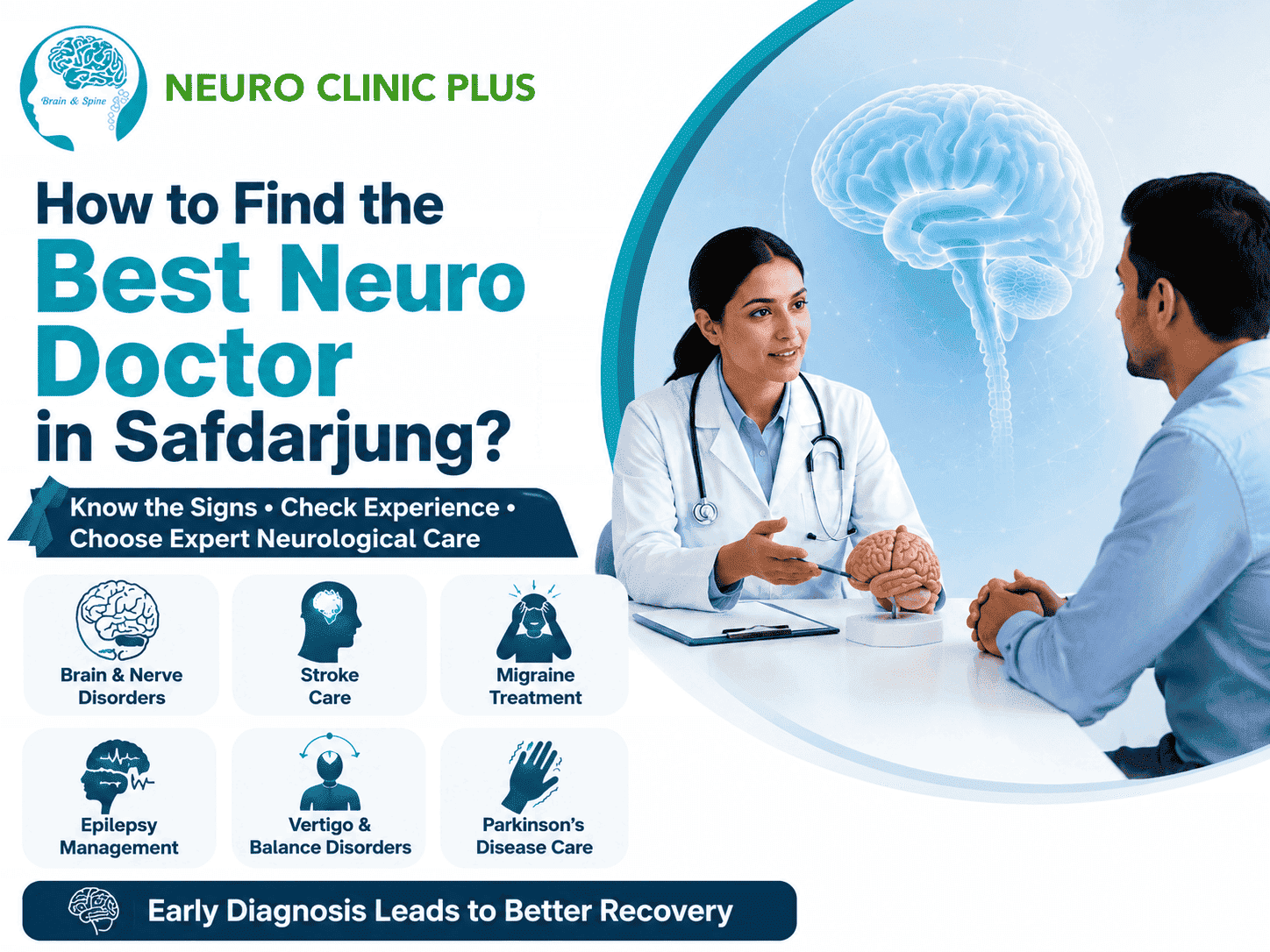
How to Find the Best Neuro Doctor in Safdarjung?

Check Qualifications and Experience

Start by verifying the doctor’s medical qualifications, specialization in neurology, and years of clinical experience. An experienced neurologist is more likely to diagnose complex neurological conditions accurately and recommend evidence-based treatment plans.

Look for Expertise in Neurological Disorders

Choose a specialist who has experience treating a wide range of conditions, including stroke, migraine, epilepsy, Parkinson’s disease, vertigo, dementia, neuropathy, and multiple sclerosis. A doctor with broad expertise can provide comprehensive care tailored to your specific condition.

Read Patient Reviews and Testimonials

Patient feedback offers valuable insights into the doctor’s communication style, treatment approach, waiting time, and overall patient satisfaction. Consistently positive reviews often reflect quality care and a patient-centered approach.

Evaluate Diagnostic and Treatment Facilities

A well-equipped clinic with access to MRI, CT scan, EEG, EMG, and nerve conduction studies ensures faster diagnosis and more effective treatment planning. Modern facilities also contribute to accurate monitoring and long-term neurological care.

Consider Communication and Follow-Up Care

The right neurologist should explain your diagnosis, answer your questions, and involve you in treatment decisions. Regular follow-up appointments help monitor progress, adjust medications when needed, and support long-term recovery.

Compare Overall Quality of Care

Before making your decision, consider the doctor’s experience, clinical expertise, patient reviews, diagnostic support, and commitment to personalized care. Taking these factors into account will help you choose a neurologist who provides accurate diagnosis, effective treatment, and compassionate support for your neurological health.

Qualities of the Best Neuro Doctor in Safdarjung

Choosing the right neurologist is essential for receiving accurate diagnosis, effective treatment, and long-term support. The Best Neuro Doctor in Safdarjung should possess a combination of clinical expertise, experience, and a patient-focused approach to ensure the highest standard of neurological care.

  • Strong Clinical Experience: Extensive experience in diagnosing and managing a wide range of neurological disorders improves treatment accuracy and patient outcomes.
  • Accurate Diagnostic Skills: A skilled neurologist carefully evaluates symptoms, medical history, neurological examinations, and diagnostic reports before recommending treatment.
  • Expertise in Multiple Conditions: The doctor should have experience treating stroke, migraine, epilepsy, Parkinson’s disease, vertigo, dementia, neuropathy, and spinal disorders.
  • Evidence-Based Treatment: Modern neurological care should be based on the latest clinical guidelines, advanced diagnostic techniques, and scientifically proven therapies.
  • Excellent Communication: A good neurologist explains medical conditions, test results, treatment options, and expected outcomes in a clear and understandable manner.
  • Personalized Care Plans: Every patient has unique healthcare needs, so treatment should be tailored according to age, symptoms, medical history, and lifestyle.
  • Comprehensive Follow-Up Care: Regular follow-up appointments help monitor recovery, adjust medications when necessary, and prevent complications.
  • Compassion and Patient Support: A caring doctor listens to patient concerns, encourages questions, and provides emotional support throughout the treatment journey.

Selecting a neurologist with these qualities increases the likelihood of receiving timely diagnosis, effective treatment, and continuous care, ultimately helping patients achieve better neurological health and an improved quality of life.

Diagnostic Tests a Neuro Doctor May Recommend

Neurologists use advanced diagnostic tests to identify the exact cause of neurological symptoms. These investigations help diagnose brain, spinal cord, nerve, and muscle disorders accurately, allowing doctors to create effective and personalized treatment plans. The choice of test depends on your symptoms, medical history, and clinical examination.

Diagnostic Test Purpose
MRI (Magnetic Resonance Imaging) Provides detailed images of the brain and spinal cord to detect stroke, tumors, multiple sclerosis, and other neurological disorders.
CT Scan Quickly identifies brain bleeding, head injuries, fractures, and other emergency neurological conditions.
EEG (Electroencephalogram) Records the brain’s electrical activity to diagnose epilepsy, seizures, and certain sleep disorders.
EMG (Electromyography) Evaluates muscle function and helps diagnose neuromuscular disorders affecting muscles and nerves.
Nerve Conduction Study (NCV/NCS) Measures how well electrical signals travel through nerves to detect nerve damage or peripheral neuropathy.
Blood Tests Identify infections, vitamin deficiencies, autoimmune diseases, metabolic disorders, and other conditions affecting the nervous system.
Lumbar Puncture (Spinal Tap) Examines cerebrospinal fluid to diagnose infections, inflammation, multiple sclerosis, and other neurological diseases when required.

After reviewing the test results, the neurologist combines them with your symptoms and physical examination findings to reach an accurate diagnosis. This comprehensive approach ensures appropriate treatment, timely intervention, and regular monitoring, helping improve recovery, reduce complications, and support long-term brain, nerve, and spinal health.

Treatment Options Offered by the Best Neuro Doctor in Safdarjung

The Best Neuro Doctor in Safdarjung provides personalized treatment based on the type and severity of the neurological condition. After a detailed evaluation and accurate diagnosis, the treatment plan is designed to relieve symptoms, prevent complications, and improve the patient’s quality of life.

Medication Management

Many neurological disorders can be effectively controlled with medications. Depending on the diagnosis, a neurologist may prescribe medicines for migraine, epilepsy, Parkinson’s disease, neuropathy, multiple sclerosis, or chronic pain. Regular follow-up ensures medications remain safe and effective.

Stroke and Emergency Care

Timely treatment is essential for stroke patients. A neurologist evaluates symptoms quickly and recommends appropriate interventions, including emergency care, medications, rehabilitation, and long-term strategies to reduce the risk of future strokes.

Rehabilitation and Physical Therapy

Patients recovering from stroke, spinal cord disorders, or nerve injuries often benefit from rehabilitation. Physical therapy, occupational therapy, and speech therapy help improve mobility, coordination, balance, communication, and independence in daily activities.

Lifestyle and Preventive Care

Neurologists also emphasize healthy lifestyle changes to support brain and nerve health. Managing blood pressure, diabetes, cholesterol, stress, sleep, and physical activity can reduce the risk of several neurological disorders and improve overall well-being.

Long-Term Follow-Up

Many neurological conditions require continuous monitoring. A Neuro Doctor in Safdarjung schedules regular follow-up visits to assess recovery, adjust treatment plans, monitor disease progression, and provide ongoing guidance. Consistent medical care helps patients manage chronic neurological conditions more effectively while maintaining a better quality of life.

Why Early Neurological Evaluation Is Important

Seeking medical attention at the right time can significantly improve the outcome of many neurological conditions. Visiting the Best Neuro Doctor in Safdarjung as soon as symptoms appear allows for early diagnosis, timely treatment, and better management of brain, spinal cord, and nerve disorders before they become more serious.

  • Enables Early Diagnosis: Identifying neurological disorders in their initial stages allows treatment to begin before permanent damage occurs.
  • Prevents Disease Progression: Timely medical care can slow the progression of conditions such as Parkinson’s disease, multiple sclerosis, and dementia, helping patients maintain a better quality of life.
  • Improves Stroke Outcomes: Immediate evaluation is critical during a stroke. Early treatment within the golden hour can reduce brain damage and improve the chances of recovery.
  • Reduces the Risk of Complications: Prompt treatment helps prevent complications such as permanent nerve damage, muscle weakness, seizures, or cognitive decline.
  • Supports Faster Recovery: Early intervention combined with medications and rehabilitation often leads to better physical and neurological recovery.
  • Provides Personalized Treatment: Every patient receives a treatment plan based on their symptoms, medical history, diagnostic findings, and overall health.
  • Encourages Better Long-Term Health: Regular monitoring helps control chronic neurological conditions and reduces the likelihood of future complications.

If you notice persistent headaches, dizziness, memory problems, numbness, tremors, seizures, or sudden weakness, do not delay seeking medical care. Consulting a qualified Neuro Doctor in Safdarjung at the earliest can improve treatment outcomes, protect neurological function, and support long-term brain and nerve health.

Tips to Maintain Brain and Nerve Health

Maintaining good brain and nerve health requires healthy lifestyle habits and regular preventive care. Simple daily practices can reduce the risk of neurological disorders, improve cognitive function, and support the healthy functioning of the brain, spinal cord, and peripheral nerves.

Healthy Habit Benefits for Brain and Nerve Health
Eat a Balanced Diet Consume fruits, vegetables, whole grains, lean proteins, and healthy fats to support brain function and nerve health.
Exercise Regularly Physical activity improves blood circulation to the brain, enhances memory, and lowers the risk of stroke and neurological diseases.
Get Quality Sleep Sleeping 7–9 hours each night helps the brain repair itself, strengthens memory, and improves concentration.
Manage Blood Pressure and Diabetes Controlling these conditions reduces the risk of stroke, nerve damage, and other neurological complications.
Stay Mentally Active Reading, solving puzzles, learning new skills, and engaging in creative activities help maintain cognitive function.
Reduce Stress Meditation, yoga, and relaxation techniques can lower stress levels and support overall neurological well-being.
Avoid Smoking and Excessive Alcohol Limiting tobacco and alcohol helps protect brain cells, blood vessels, and peripheral nerves from long-term damage.
Schedule Regular Health Check-ups Routine medical evaluations help detect risk factors early and support timely treatment of neurological conditions.

Following these healthy habits consistently can improve brain performance, strengthen nerve function, and lower the risk of neurological disorders. Preventive care, combined with regular medical check-ups, plays an important role in maintaining long-term neurological health and overall well-being.

Why Choose Dr. Aparna Gupta for Neurological Care?

Choosing the Best Neuro Doctor in Safdarjung is an important step toward receiving accurate diagnosis and effective treatment for neurological conditions. Dr. Aparna Gupta is committed to providing comprehensive neurological care through a patient-centered approach, combining clinical expertise, modern diagnostic methods, and personalized treatment plans to help patients achieve the best possible outcomes.

Expertise in Neurological Disorders

Dr. Aparna Gupta has experience in diagnosing and managing a wide range of neurological conditions, including stroke, migraine, epilepsy, Parkinson’s disease, vertigo, dementia, peripheral neuropathy, multiple sclerosis, and nerve-related disorders. Every patient undergoes a detailed neurological assessment to identify the underlying cause of symptoms.

Personalized Treatment Approach

Each treatment plan is tailored to the patient’s medical history, symptoms, lifestyle, and diagnostic findings. This individualized approach helps improve treatment effectiveness, enhances recovery, and supports long-term neurological health while ensuring patients understand every stage of their care.

Advanced Diagnosis and Ongoing Care

Comprehensive neurological evaluation, timely diagnosis, and regular follow-up are essential for managing both acute and chronic neurological disorders. Dr. Aparna Gupta emphasizes continuous monitoring, medication management, preventive care, and rehabilitation whenever required to achieve better long-term outcomes.

Whether you are experiencing persistent headaches, dizziness, seizures, memory problems, numbness, or movement disorders, consulting an experienced Neuro Doctor in Safdarjung can help you receive timely diagnosis, appropriate treatment, and compassionate care for improved brain, spine, and nerve health.

Frequently Asked Questions (FAQs)

1. When should I consult a neuro doctor?

You should consult a neuro doctor if you experience persistent headaches, dizziness, seizures, numbness, muscle weakness, memory problems, tremors, balance issues, or sudden changes in vision or speech.

2. What diseases does a neurologist treat?

A neurologist treats conditions affecting the brain, spinal cord, and nerves, including stroke, migraine, epilepsy, Parkinson’s disease, dementia, vertigo, multiple sclerosis, neuropathy, and nerve pain.

3. What is the difference between a neurologist and a neurosurgeon?

A neurologist diagnoses and treats neurological disorders using medications and non-surgical methods, while a neurosurgeon performs surgery for conditions affecting the brain, spine, and nervous system.

4. What tests may a neurologist recommend?

Common tests include MRI, CT scan, EEG, EMG, nerve conduction studies, blood tests, and lumbar puncture, depending on your symptoms.

5. Can a neurologist treat migraine?

Yes. A neurologist can diagnose different types of migraine and recommend medications, lifestyle changes, and preventive treatments to reduce the frequency and severity of attacks.

6. What are the warning signs of a stroke?

Sudden facial drooping, arm weakness, speech difficulty, vision changes, severe headache, dizziness, or loss of balance are warning signs that require immediate emergency medical care.

7. Can nerve damage be treated?

Many types of nerve damage can be managed with medications, physical therapy, lifestyle modifications, and treatment of the underlying cause. Early diagnosis often improves recovery.

8. How should I prepare for my first neurology appointment?

Bring your medical records, previous test reports, current medications, details of your symptoms, and a list of questions you want to discuss with the neurologist.

9. Are neurological disorders always permanent?

No. Some neurological conditions are temporary and treatable, while others are chronic but can often be effectively managed with ongoing medical care and rehabilitation.

10. Does every headache require a neurologist?

Not every headache requires neurological evaluation. However, frequent, severe, or unusual headaches, especially those accompanied by vision changes, weakness, or vomiting, should be assessed by a neurologist.

11. Can lifestyle changes improve neurological health?

Yes. Regular exercise, a healthy diet, quality sleep, stress management, and controlling blood pressure, diabetes, and cholesterol can support brain and nerve health.

12. How do I choose the right neurologist?

Look for a neurologist with relevant qualifications, clinical experience, expertise in treating neurological disorders, positive patient reviews, advanced diagnostic support, and a patient-centered approach to care.

Conclusion

Choosing the Best Neuro Doctor in Safdarjung is essential for receiving timely diagnosis, effective treatment, and long-term care for neurological disorders. Whether you are experiencing persistent headaches, dizziness, seizures, memory problems, or nerve-related symptoms, early consultation can help prevent complications and improve your quality of life. By considering a neurologist’s qualifications, experience, patient reviews, and treatment approach, you can make an informed decision. If you notice any concerning neurological symptoms, don’t delay seeking medical advice from an experienced Neuro Doctor in Safdarjung for the right care at the right time.


What to Expect During Stroke Diagnosis and Treatment

A stroke is a medical emergency that occurs when the blood supply to the brain is interrupted or reduced, preventing brain cells from receiving the oxygen and nutrients they need. Within just a few minutes, these brain cells can begin to die, making early diagnosis and immediate treatment essential for reducing permanent damage. Understanding what happens during stroke diagnosis and treatment can help patients and their families make informed decisions during a critical situation.

Many people delay seeking medical attention because they mistake the symptoms for temporary dizziness or fatigue. However, consulting the best Stroke specialist in Safdarjung as soon as symptoms appear can significantly improve the chances of recovery. An experienced Stroke specialist in Safdarjung can quickly identify the type of stroke, recommend the appropriate diagnostic tests, and begin treatment without unnecessary delays.

This guide explains what to expect during stroke diagnosis and treatment, including the different types of stroke, warning signs, diagnostic procedures, treatment options, recovery process, and preventive measures. Whether you are looking for information for yourself or a loved one, this article provides easy-to-understand, evidence-based guidance to help you recognize symptoms early and understand why every minute truly matters in stroke care.

What Is a Stroke?

A stroke occurs when the blood supply to a part of the brain is either blocked or when a blood vessel bursts, preventing brain cells from receiving enough oxygen and nutrients. Since the brain controls movement, speech, memory, and many other vital functions, even a short interruption in blood flow can lead to permanent brain damage if treatment is delayed. This is why stroke is considered a life-threatening medical emergency that requires immediate attention.

In simple words, a stroke is often called a “brain attack.” Just as a heart attack affects the heart, a stroke affects the brain. Seeking care from the best Stroke specialist in Safdarjung immediately after noticing symptoms can greatly improve the chances of recovery and reduce the risk of long-term disability. A qualified Stroke specialist in Safdarjung will quickly determine the cause of the stroke and recommend the most appropriate treatment plan based on the patient’s condition.

Why Does a Stroke Happen?

A stroke can develop for several reasons, including:

  • Blocked arteries that stop blood from reaching the brain.
  • Bleeding inside the brain due to a ruptured blood vessel.
  • High blood pressure, one of the leading causes of stroke.
  • Heart diseases, such as irregular heartbeat (atrial fibrillation).
  • Diabetes and high cholesterol.
  • Smoking, excessive alcohol consumption, and obesity.
  • A family history of stroke or cardiovascular disease.

Types of Stroke You Should Know

Not all strokes are the same. Understanding the different types of stroke helps doctors choose the most effective treatment and improve recovery outcomes. Each type has a different cause, symptom pattern, and treatment approach. Visiting the best Stroke specialist in Safdarjung at the earliest sign of a stroke ensures that the correct diagnosis is made quickly, allowing treatment to begin without delay. An experienced Stroke specialist in Safdarjung uses advanced diagnostic tests to determine the exact type of stroke before creating a personalized treatment plan.

Ischemic Stroke (Blocked Blood Vessel)

Ischemic stroke is the most common type, accounting for nearly 85% of all stroke cases. It occurs when a blood clot or fatty deposit blocks an artery that supplies blood to the brain. Without enough oxygen, brain cells begin to die within minutes.

Common Causes of Ischemic Stroke

Ischemic stroke may happen because of blood clots forming in the brain’s arteries, cholesterol plaque buildup known as atherosclerosis, heart conditions such as Atrial Fibrillation, diabetes, high blood pressure, or high cholesterol levels.

Symptoms of Ischemic Stroke

People experiencing an ischemic stroke may notice sudden weakness in the face, arm, or leg, difficulty speaking or understanding words, blurred or double vision, loss of balance or coordination, and sudden numbness on one side of the body.

How Is It Treated?

Treatment depends on how quickly the patient reaches the hospital. Doctors may recommend clot-dissolving medications (Thrombolysis) if the patient arrives within the treatment window. In some cases, Mechanical Thrombectomy, a minimally invasive procedure to remove the clot, may be performed. Blood-thinning medications may also be prescribed to prevent future strokes, along with rehabilitation therapies to help regain lost abilities.

Hemorrhagic Stroke (Bleeding in the Brain)

A Hemorrhagic Stroke occurs when a weakened blood vessel in the brain ruptures, causing bleeding into the surrounding brain tissue. The leaked blood creates pressure on nearby brain cells, leading to damage.

Although less common than ischemic stroke, hemorrhagic strokes are often more severe and require immediate emergency care.

Common Causes of Hemorrhagic Stroke

Hemorrhagic stroke may be caused by uncontrolled high blood pressure, a brain aneurysm, head injury, blood vessel abnormalities, blood-thinning medications, or, in rare cases, brain tumors.

Symptoms of Hemorrhagic Stroke

Symptoms usually develop suddenly and may include a severe headache unlike any before, vomiting or nausea, sudden confusion, loss of consciousness, seizures, and weakness or paralysis on one side of the body.

Treatment Options

Depending on the severity, treatment may include controlling the bleeding, lowering dangerously high blood pressure, neurosurgical procedures when required, Intensive Care Unit (ICU) monitoring, and long-term rehabilitation.

Medical Emergency: Never ignore a sudden, severe headache accompanied by weakness or confusion. It could indicate bleeding in the brain.

Transient Ischemic Attack (TIA) – The Mini Stroke

A Transient Ischemic Attack (TIA) is commonly known as a mini stroke. It happens when blood flow to the brain is temporarily blocked for a short period. Unlike other strokes, the blockage resolves on its own, and symptoms usually disappear within minutes or hours.

However, a TIA should never be ignored. It is often a warning sign that a major stroke may occur in the near future.

Common Symptoms of a Mini Stroke

A mini stroke may cause temporary weakness in one arm or leg, difficulty speaking, facial drooping, blurred vision, temporary loss of balance, or sudden numbness. Even if these symptoms disappear quickly, medical attention should be sought immediately.

Why Immediate Evaluation Is Important

After a TIA, doctors may recommend brain imaging such as CT or MRI, blood tests, heart evaluation, blood pressure assessment, lifestyle modifications, and medications to reduce future stroke risk.

Early evaluation by a neurologist can significantly reduce the likelihood of experiencing a full stroke.

Early Warning Signs and Symptoms of Stroke

Recognizing the early signs of a stroke can save a life. Stroke symptoms usually appear suddenly and should never be ignored, even if they disappear after a few minutes. Seeking immediate medical attention from the best Stroke specialist in Safdarjung increases the chances of successful treatment and reduces the risk of permanent brain damage. An experienced Stroke specialist in Safdarjung can quickly evaluate the symptoms, confirm the diagnosis, and begin emergency treatment without delay.

Why Do Stroke Symptoms Appear Suddenly?

A stroke occurs when the brain does not receive enough oxygen-rich blood. Since brain cells begin to die within minutes, the body quickly shows warning signs depending on the part of the brain affected.

Remember: Every minute without treatment can result in the loss of millions of brain cells.

Common Stroke Symptoms You Should Never Ignore

Stroke symptoms often develop without warning. If you or someone around you experiences any of the following symptoms, call emergency medical services immediately.

Sudden Weakness or Numbness

One of the earliest signs is weakness or numbness on one side of the body. It may affect the face, arm, or leg, making simple movements difficult.

Difficulty Speaking or Understanding Speech

A person may suddenly struggle to speak clearly, slur their words, or find it difficult to understand what others are saying.

Facial Drooping

One side of the face may begin to droop or feel numb. A simple smile may appear uneven.

Sudden Vision Problems

Stroke can cause blurred vision, double vision, or even temporary loss of sight in one or both eyes.

Loss of Balance or Coordination

Many stroke patients suddenly experience dizziness, difficulty walking, poor coordination, or frequent falls without any obvious reason.

Severe Headache

A sudden, intense headache, especially when accompanied by vomiting or confusion, may indicate a hemorrhagic stroke and requires immediate medical attention.

Confusion or Difficulty Understanding Others

Some people become suddenly confused, forget familiar information, or have trouble following simple conversations.

Remember the FAST Test

The FAST Test is one of the easiest ways to identify a possible stroke. If you notice any of these signs, do not wait for symptoms to improve.

Letter Meaning What to Check
F Face Drooping Ask the person to smile. Does one side droop?
A Arm Weakness Ask them to raise both arms. Does one arm drift downward?
S Speech Difficulty Ask them to repeat a simple sentence. Is the speech slurred or unusual?
T Time to Act Call emergency medical services immediately. Every minute matters.

Additional Warning Signs

Some patients may also experience:

  • Sudden confusion
  • Difficulty swallowing
  • Loss of consciousness
  • Sudden memory problems
  • Difficulty reading or writing
  • Unexplained fatigue
  • Sudden personality or behavioral changes

Although these symptoms may seem less obvious, they still require urgent neurological evaluation.

What Should You Do If You Notice Stroke Symptoms?

If you suspect that someone is having a stroke:

  1. Call emergency medical services immediately.
  2. Note the exact time when symptoms first appeared.
  3. Keep the person calm and comfortable.
  4. Do not give food, water, or medication unless instructed by a doctor.
  5. Do not allow the person to drive to the hospital alone.
  6. Reach a hospital with stroke emergency services as quickly as possible.

Why Early Recognition Saves Lives

The first 4.5 hours after an ischemic stroke are often considered the most important treatment window for eligible patients. During this period, doctors may be able to use clot-dissolving medications or perform advanced procedures to restore blood flow to the brain. The sooner treatment begins, the better the chances of preserving brain function and reducing long-term disability.

Early Warning Signs and Symptoms of Stroke

Recognizing the early signs of a stroke can save a life. Stroke symptoms usually appear suddenly and should never be ignored, even if they disappear after a few minutes. Seeking immediate medical attention from the best Stroke specialist in Safdarjung increases the chances of successful treatment and reduces the risk of permanent brain damage. An experienced Stroke specialist in Safdarjung can quickly evaluate the symptoms, confirm the diagnosis, and begin emergency treatment without delay.

Why Do Stroke Symptoms Appear Suddenly?

A stroke occurs when the brain does not receive enough oxygen-rich blood. Since brain cells begin to die within minutes, the body quickly shows warning signs depending on the part of the brain affected.

Remember: Every minute without treatment can result in the loss of millions of brain cells.

Common Stroke Symptoms You Should Never Ignore

Stroke symptoms often develop without warning. If you or someone around you experiences any of the following symptoms, call emergency medical services immediately.

Sudden Weakness or Numbness

One of the earliest signs is weakness or numbness on one side of the body. It may affect the face, arm, or leg, making simple movements difficult.

Difficulty Speaking or Understanding Speech

A person may suddenly struggle to speak clearly, slur their words, or find it difficult to understand what others are saying.

Facial Drooping

One side of the face may begin to droop or feel numb. A simple smile may appear uneven.

Sudden Vision Problems

Stroke can cause blurred vision, double vision, or even temporary loss of sight in one or both eyes.

Loss of Balance or Coordination

Many stroke patients suddenly experience dizziness, difficulty walking, poor coordination, or frequent falls without any obvious reason.

Severe Headache

A sudden, intense headache, especially when accompanied by vomiting or confusion, may indicate a hemorrhagic stroke and requires immediate medical attention.

Confusion or Difficulty Understanding Others

Some people become suddenly confused, forget familiar information, or have trouble following simple conversations.

Remember the FAST Test

The FAST Test is one of the easiest ways to identify a possible stroke. If you notice any of these signs, do not wait for symptoms to improve.

  • F – Face Drooping: Ask the person to smile. Does one side droop?
  • A – Arm Weakness: Ask them to raise both arms. Does one arm drift downward?
  • S – Speech Difficulty: Ask them to repeat a simple sentence. Is the speech slurred or unusual?
  • T – Time to Act: Call emergency medical services immediately. Every minute matters.

Additional Warning Signs

Some patients may also experience:

  • Sudden confusion
  • Difficulty swallowing
  • Loss of consciousness
  • Sudden memory problems
  • Difficulty reading or writing
  • Unexplained fatigue
  • Sudden personality or behavioral changes

Although these symptoms may seem less obvious, they still require urgent neurological evaluation.

What Should You Do If You Notice Stroke Symptoms?

If you suspect that someone is having a stroke:

  1. Call emergency medical services immediately.
  2. Note the exact time when symptoms first appeared.
  3. Keep the person calm and comfortable.
  4. Do not give food, water, or medication unless instructed by a doctor.
  5. Do not allow the person to drive to the hospital alone.
  6. Reach a hospital with stroke emergency services as quickly as possible.


How Is Stroke Diagnosed?

A fast and accurate diagnosis is the first step toward successful stroke treatment. Since every minute counts, doctors perform a series of tests to identify the type, cause, and severity of the stroke. Consulting the best Stroke specialist in Safdarjung ensures that the right investigations are performed quickly, helping doctors begin the most effective treatment without delay. An experienced Stroke specialist in Safdarjung combines clinical evaluation with advanced imaging to make an accurate diagnosis.

CT Scan (Computed Tomography)

A CT scan is usually the first imaging test performed in an emergency. It helps doctors determine whether the stroke is caused by a blocked artery or bleeding in the brain, allowing immediate treatment decisions.

MRI Brain

An MRI scan provides detailed images of the brain and can detect early brain damage, even when changes are not clearly visible on a CT scan. It is especially useful for identifying smaller or more complex strokes.

Blood Tests

Blood tests help evaluate blood sugar, cholesterol levels, infection, clotting ability, and overall health. These results also help rule out conditions that may mimic stroke symptoms.

Heart and Blood Vessel Evaluation

Doctors may recommend an ECG, Echocardiography, or Carotid Doppler Ultrasound to check for heart rhythm problems, blood clots, or narrowed arteries that could have caused the stroke.

Why Accurate Diagnosis Matters

A stroke cannot be treated effectively until its exact cause is known. Early diagnosis helps doctors choose the safest and most appropriate treatment, improving recovery while reducing the risk of long-term complications or future strokes.

Why Early Stroke Diagnosis Can Save Your Brain

Early stroke diagnosis can mean the difference between recovery and lasting disability. When blood flow to the brain is blocked or a vessel bursts, brain cells begin to die within minutes. That is why immediate medical attention is critical.

Understanding the Golden Hour

The first few hours after a stroke are called the Golden Hour. During this time, doctors may be able to restore blood flow and limit brain damage. For some ischemic strokes, clot-dissolving medicine or a procedure to remove the clot may be used if the patient arrives quickly.

Benefits of Early Diagnosis

Early diagnosis allows treatment to begin faster, reduces brain damage, improves the chances of recovering speech, movement, and memory, lowers the risk of complications, and helps patients regain greater independence after recovery.

What Happens If Treatment Is Delayed?

Delays can lead to permanent weakness, speech problems, memory loss, swallowing difficulty, or even death. The longer treatment is postponed, the fewer options remain.

Never wait for symptoms to improve on their own. Even a short delay can affect recovery. Quick diagnosis helps doctors start the right treatment, protect brain function, and improve the chance of a good outcome. Call emergency services immediately if sudden weakness, speech trouble, facial drooping, or vision loss appears.

Stroke Treatment Options Explained

The treatment for a stroke depends on the type of stroke, its severity, and how quickly the patient reaches the hospital. There is no single treatment that works for everyone. After confirming the diagnosis, the best Stroke specialist in Safdarjung will create a personalized treatment plan based on the patient’s condition. An experienced Stroke specialist in Safdarjung focuses on restoring brain function, preventing complications, and reducing the risk of future strokes.

Emergency Treatment for Ischemic Stroke

If the stroke is caused by a blocked blood vessel (ischemic stroke), doctors aim to restore blood flow as quickly as possible. Patients who arrive within the recommended treatment window may receive intravenous thrombolysis (clot-dissolving medication). In selected cases, doctors may perform mechanical thrombectomy, a minimally invasive procedure that removes the blood clot from the affected artery.

Treatment for Hemorrhagic Stroke

A hemorrhagic stroke requires a different approach because it is caused by bleeding in the brain. Treatment focuses on controlling the bleeding, reducing pressure inside the brain, managing blood pressure, and preventing further damage. Some patients may require neurosurgical intervention depending on the severity and location of the bleeding.

Rehabilitation After Stroke

Recovery continues even after emergency treatment. Most patients benefit from a structured rehabilitation program that may include physiotherapy to improve strength and mobility, speech therapy for communication and swallowing difficulties, occupational therapy to regain independence in daily activities, cognitive rehabilitation for memory and concentration, and lifestyle changes along with medications to reduce the risk of another stroke.

What Is the Stroke Recovery Timeline?

Stroke recovery is different for every patient. The speed of recovery depends on the type of stroke, the severity of brain damage, the patient’s overall health, and how quickly treatment begins. Timely medical care can improve recovery outcomes and help patients regain independence sooner. A personalized rehabilitation plan also supports long-term recovery.

First 24 Hours

The first day is focused on stabilizing the patient’s condition. Doctors closely monitor brain function, blood pressure, heart rate, oxygen levels, and neurological status. Additional tests may be performed to assess progress and prevent complications.

First Week

During the first week, treatment continues while rehabilitation begins. Patients may start physiotherapy, speech therapy, or occupational therapy, depending on the symptoms. Doctors also prescribe medications to prevent another stroke.

First Month

Most patients notice gradual improvements in movement, speech, and daily activities during the first month. Regular follow-up appointments help doctors monitor recovery and adjust treatment when needed.

Three to Six Months

This period is often considered the most active phase of recovery. Consistent rehabilitation, healthy lifestyle changes, and family support can significantly improve mobility, communication, and overall quality of life.

Long-Term Recovery

Some patients recover almost completely, while others may continue rehabilitation for several months or years. Maintaining regular neurological follow-ups, taking prescribed medications, controlling blood pressure and diabetes, exercising regularly, and following a healthy diet are essential for preventing another stroke.

Can Stroke Be Prevented?

Although not every stroke can be prevented, many risk factors can be controlled. Healthy habits and proper treatment of medical conditions can greatly lower your risk. Regular check-ups with the best Stroke specialist in Safdarjung are especially important if you have high blood pressure, diabetes, or heart disease. A skilled Stroke specialist in Safdarjung can assess your risk and guide prevention.

Control High Blood Pressure

High blood pressure is the leading cause of stroke. Monitor it regularly, take prescribed medicines, reduce salt intake, and stay active to keep it under control.

Manage Diabetes and Cholesterol

High blood sugar and cholesterol can damage blood vessels and increase stroke risk. Follow your treatment plan, eat a healthy diet, and exercise regularly to keep both levels in check.

Follow a Heart-Healthy Lifestyle

Simple daily habits can help protect your brain. Eating a balanced diet that includes fruits, vegetables, whole grains, and lean protein supports better vascular health. Regular exercise for at least 30 minutes on most days can improve circulation and reduce risk. Maintaining a healthy weight, sleeping well, and staying hydrated are also important parts of stroke prevention.

Avoid Smoking and Limit Alcohol

Smoking harms blood vessels and raises clot risk. Excess alcohol can increase blood pressure. Quitting smoking and limiting alcohol are powerful steps toward stroke prevention.

Schedule Regular Health Check-ups

Routine medical visits can detect high blood pressure, diabetes, irregular heartbeat, and high cholesterol early, before they cause serious problems.

Why Choose Dr. Aparna Gupta for Stroke Care?

Choosing the right neurologist is one of the most important decisions after a stroke. Timely diagnosis, accurate treatment, and long-term follow-up can have a significant impact on recovery. If you are looking for the best Stroke specialist in Safdarjung, Dr. Aparna Gupta offers comprehensive stroke care with a patient-centered approach. As a trusted Stroke specialist in Safdarjung, she focuses on early diagnosis, evidence-based treatment, and personalized recovery plans for every patient.

Extensive Experience in Neurology

Dr. Aparna Gupta has extensive experience in diagnosing and treating a wide range of neurological disorders, including ischemic stroke, hemorrhagic stroke, transient ischemic attack (TIA), migraine, epilepsy, Parkinson’s disease, and neuropathy. Her expertise enables patients to receive timely and accurate neurological care.

Personalized Treatment Plans

Every stroke patient has unique medical needs. Rather than following a one-size-fits-all approach, Dr. Aparna Gupta develops individualized treatment plans based on the patient’s medical history, imaging results, risk factors, and recovery goals.

Focus on Early Diagnosis

Early diagnosis is critical in stroke management. Dr. Aparna Gupta emphasizes rapid neurological assessment, advanced diagnostic evaluation, and prompt treatment to improve recovery while minimizing the risk of permanent disability.

Comprehensive Stroke Rehabilitation

Stroke recovery extends beyond emergency treatment. Patients receive guidance on rehabilitation, medication management, lifestyle modifications, risk factor control, and long-term follow-up, helping them regain independence and reduce the likelihood of another stroke.

Compassionate and Patient-Centered Care

Dr. Aparna Gupta believes in educating patients and their families about stroke, treatment options, and recovery expectations. She takes the time to answer questions, explain medical conditions clearly, and involve patients in every stage of their treatment journey.

Why Patients Trust Neuro Clinic Plus

Choosing the right neurology clinic is just as important as choosing the right specialist. Neuro Clinic Plus is dedicated to providing comprehensive neurological care with a strong focus on accurate diagnosis, personalized treatment, and long-term patient support. Patients looking for the best Stroke specialist in Safdarjung often choose Neuro Clinic Plus because of its patient-first approach and commitment to quality neurological care. Under the guidance of an experienced Stroke specialist in Safdarjung with 22 years of experience, every patient receives individualized attention throughout diagnosis, treatment, and recovery.

Comprehensive Neurological Care

Neuro Clinic Plus offers evaluation and treatment for a wide range of neurological conditions, including stroke and transient ischemic attack (TIA), migraine and chronic headaches, epilepsy and seizure disorders, Parkinson’s disease, neuropathy and nerve disorders, and memory-related neurological conditions.

Personalized Patient Care

Every patient is different. The clinic focuses on understanding each patient’s symptoms, medical history, and lifestyle before developing a customized treatment plan. This personalized approach helps improve treatment outcomes and supports long-term recovery.

Modern Diagnostic Approach

Early and accurate diagnosis is essential in neurology. Neuro Clinic Plus uses advanced neurological evaluation and evidence-based clinical practices to identify neurological disorders and recommend appropriate treatment at the earliest stage possible.

Long-Term Recovery and Follow-up

Stroke recovery does not end after hospital treatment. Neuro Clinic Plus emphasizes regular follow-up consultations, medication management, rehabilitation guidance, and lifestyle counseling to help patients recover safely and reduce the risk of future neurological complications.

Patient Education and Support

The clinic believes that informed patients make better healthcare decisions. Patients and their families receive clear explanations about their condition, treatment options, recovery expectations, and preventive measures, helping them feel confident throughout the treatment journey.


Patient Reviews and Success Stories

Choosing a neurologist often depends on patient reviews, trust, clinical expertise, and successful treatment outcomes. Many patients value compassionate care, clear communication, and personalized treatment throughout their recovery journey. If you are searching for the best Stroke specialist in Safdarjung, patient feedback can offer helpful insight into the quality of care, treatment approach, and overall experience you can expect. A trusted Stroke specialist in Safdarjung not only focuses on accurate diagnosis and advanced stroke treatment but also supports patients and their families at every stage of recovery.

What Patients Appreciate Most

Patients frequently value accurate and timely stroke diagnosis, personalized treatment plans based on individual needs, clear explanations of medical conditions and treatment options, compassionate and patient-friendly consultations, comprehensive follow-up care after stroke treatment, professional guidance for rehabilitation and lifestyle changes, and supportive clinic staff along with a comfortable consultation experience.

Why Patient Experience Matters

Positive patient experiences reflect more than successful treatment. They also show a doctor’s commitment to listening carefully, answering questions, and providing evidence-based neurological care. A neurologist who takes time to educate patients helps reduce anxiety, build confidence, and support better treatment decisions throughout the stroke recovery process.

Commitment to Better Outcomes

Every stroke patient has a unique recovery journey. The goal is not only to provide emergency stroke treatment but also to help patients regain independence, improve their quality of life, and reduce the risk of future strokes through continuous monitoring, rehabilitation, and preventive care.

Patient trust is built through expertise, compassionate care, and consistent follow-up. Choosing an experienced neurologist who prioritizes personalized treatment and long-term recovery can make a meaningful difference in achieving the best possible outcomes after a stroke.

Frequently Asked Questions (FAQs)

1. What is the first test done to diagnose a stroke?

A CT scan is usually the first test because it quickly detects bleeding or blockage in the brain. Doctors may then order an MRI or other imaging tests for confirmation and to guide treatment.

2. How quickly should stroke treatment begin?

Stroke treatment should begin immediately because every minute matters. Early treatment protects brain cells, limits damage, improves recovery chances, and reduces the risk of permanent disability in many patients.

3. What are the early warning signs of a stroke?

Common warning signs include sudden weakness, facial drooping, slurred speech, blurred vision, dizziness, severe headache, and trouble walking. If these symptoms appear, seek emergency medical care immediately.

4. Can a stroke be completely cured?

Recovery depends on the stroke type, severity, and how quickly treatment begins. Some patients recover fully, while others need rehabilitation to improve movement, speech, and daily living skills over time.

5. What happens after a patient reaches the hospital with stroke symptoms?

Doctors assess the patient immediately, perform a neurological examination, order CT or MRI scans, run blood tests, identify the stroke type, and start treatment without delay to protect brain function.

6. How long does stroke recovery usually take?

Recovery varies widely. Some patients improve within weeks, while others need months of rehabilitation. Following the treatment plan, therapy sessions, and follow-up visits can improve outcomes significantly for many people.

7. Who should consult a Stroke specialist in Safdarjung?

Anyone with sudden weakness, speech problems, facial drooping, vision changes, balance issues, or unexplained severe headaches should see a Stroke specialist in Safdarjung immediately for evaluation and treatment planning.

8. Can young adults also have a stroke?

Yes. Young adults can also have strokes because of high blood pressure, heart disease, diabetes, smoking, clotting disorders, or unhealthy lifestyle habits that damage blood vessels over time.

9. Can stroke be prevented?

Many strokes can be prevented by controlling blood pressure, managing diabetes and cholesterol, exercising regularly, eating healthy foods, avoiding smoking, limiting alcohol, and attending regular check-ups with medical guidance.

10. Why is early diagnosis important in stroke treatment?

Early diagnosis helps doctors identify the stroke type quickly and begin the right treatment. Prompt care reduces brain damage, improves recovery, and lowers the long-term risk of disability for patients.

11. How do I choose the best Stroke specialist in Safdarjung?

Choose the best Stroke specialist in Safdarjung with strong stroke experience, advanced diagnostic access, positive patient feedback, and a personalized approach. Timely diagnosis, clear communication, and follow-up care are essential for better outcomes.

12. When should I visit the best Stroke specialist in Safdarjung?

Visit the best Stroke specialist in Safdarjung immediately if you notice stroke symptoms or have risk factors like high blood pressure, diabetes, heart disease, high cholesterol, or a prior stroke history.

Conclusion

A stroke is a medical emergency that requires immediate attention. Recognizing warning signs early, getting a fast diagnosis, and starting treatment without delay can greatly improve recovery and reduce long-term disability. If you notice facial drooping, sudden weakness, slurred speech, vision changes, confusion, or balance problems, seek emergency care right away. Consulting the best Stroke specialist in Safdarjung ensures expert evaluation, timely treatment, and a personalized recovery plan tailored to the patient’s condition. An experienced Stroke specialist in Safdarjung can also recommend rehabilitation, monitor progress, and help prevent future strokes through ongoing care and lifestyle guidance. Remember, every minute matters during a stroke. Quick action can protect brain cells, save lives, and improve the chances of a better recovery and long-term quality of life. Following medical advice, controlling blood pressure, managing diabetes, and attending regular follow-ups can further lower risk and support lasting neurological health after recovery for many patients.


best stroke specialist in safdarjung

A stroke is a serious medical emergency that occurs when the blood supply to a part of the brain is interrupted or when a blood vessel in the brain ruptures. Consulting a Stroke specialist in Safdarjung as soon as symptoms appear can significantly improve treatment outcomes and reduce the risk of long-term complications.

Every minute during a stroke matters because brain cells begin to die within minutes of losing oxygen and nutrients. Early recognition of symptoms such as sudden weakness, facial drooping, speech difficulties, vision changes, and loss of balance can help patients receive timely medical attention. Rapid diagnosis allows doctors to determine the type of stroke and begin appropriate treatment without delay.

Modern advances in neurological care have improved the diagnosis and treatment of both ischemic stroke and hemorrhagic stroke, helping many patients recover and regain independence. Whether it involves emergency clot-removal procedures, medications, or rehabilitation therapies, prompt intervention plays a crucial role in recovery. Seeking care from the best Stroke specialist in Safdarjung ensures access to comprehensive evaluation, advanced treatment options, and long-term stroke prevention strategies tailored to each patient’s needs.

What Is a Stroke?

A stroke occurs when the brain’s blood supply is either blocked or interrupted, preventing brain cells from receiving the oxygen and nutrients they need to function properly. A Stroke specialist in Safdarjung can help identify the type of stroke and initiate timely treatment to minimize brain damage and improve recovery outcomes.

The brain controls essential functions such as movement, speech, memory, vision, and coordination. When blood flow is disrupted, brain cells begin to die within minutes, making stroke a life-threatening condition that requires immediate medical attention. Depending on the affected area of the brain, patients may experience symptoms such as sudden weakness, facial drooping, difficulty speaking, confusion, dizziness, or loss of balance.

There are three main types of stroke: ischemic stroke, which is caused by a blood clot blocking an artery; hemorrhagic stroke, which results from bleeding in the brain; and transient ischemic attack (TIA), often called a mini-stroke, which serves as an important warning sign of a future stroke. Consulting the best Stroke specialist in Safdarjung at the earliest signs of stroke can significantly improve treatment success and reduce the risk of long-term disability.

Key Facts About Stroke

  • Ischemic strokes account for nearly 85% of all stroke cases.
  • Stroke is one of the leading causes of disability and death worldwide.
  • Early diagnosis and treatment can save brain function and lives.
  • TIAs should never be ignored as they may precede a major stroke.

What Are the Warning Signs of a Stroke?

Recognizing the warning signs of a stroke and seeking immediate medical attention can make the difference between recovery and permanent disability. A Stroke specialist in Safdarjung can quickly evaluate symptoms, confirm the diagnosis, and initiate treatment during the critical early stages of a stroke. Since stroke is a time-sensitive medical emergency, every minute of delay can result in the loss of millions of brain cells.

One of the most effective ways to identify a stroke is by using the FAST method, a globally recognized stroke awareness tool. F stands for Face Drooping, where one side of the face may appear uneven or numb. A refers to Arm Weakness, making it difficult to lift one or both arms. S indicates Speech Difficulty, which may include slurred speech, confusion, or inability to speak clearly. T stands for Time, emphasizing the need to seek emergency medical help immediately if any of these symptoms occur.

However, not all strokes present with classic FAST symptoms. Some patients may experience sudden vision loss, double vision, severe headache, dizziness, loss of balance, difficulty walking, or sudden confusion. In some cases, symptoms may appear briefly and then disappear. These episodes may indicate a Transient Ischemic Attack (TIA), often called a mini-stroke, which is a serious warning sign of a future major stroke.

Certain individuals face a higher risk of stroke, including those with high blood pressure, diabetes, heart disease, high cholesterol, obesity, or a history of smoking. Understanding these risk factors can help individuals seek preventive care before a stroke occurs. Consulting the best Stroke specialist in Safdarjung is especially important for high-risk patients who require regular neurological evaluation and stroke prevention strategies.

FAST Stroke Test

F – Face Drooping

  • One side of the face appears uneven.
  • Difficulty smiling normally.
  • Facial numbness may occur.

A – Arm Weakness

  • Sudden weakness in one arm.
  • Difficulty lifting or holding the arm up.
  • Loss of coordination.

S – Speech Difficulty

  • Slurred speech.
  • Trouble understanding words.
  • Inability to communicate clearly.

T – Time to Act

  • Call emergency medical services immediately.
  • Do not wait for symptoms to improve.
  • Early treatment significantly improves outcomes.

Additional Stroke Symptoms You Should Never Ignore

  • Sudden numbness or weakness on one side of the body
  • Loss of vision in one or both eyes
  • Severe headache without a known cause
  • Difficulty walking or maintaining balance
  • Sudden confusion or memory problems
  • Trouble swallowing
  • Loss of consciousness in severe cases

Understanding these warning signs and acting quickly can help reduce brain damage and improve recovery. Immediate evaluation by a qualified stroke expert is essential for accurate diagnosis, emergency treatment, and long-term prevention of future strokes.

Why Early Stroke Diagnosis Is Critical

Early diagnosis is one of the most important factors in determining a patient’s outcome after a stroke. Seeking immediate medical attention from a Stroke specialist in Safdarjung can significantly increase the chances of recovery and reduce the risk of permanent brain damage. Stroke is often described as a “brain attack” because, similar to a heart attack, the affected area is deprived of oxygen and nutrients, causing brain cells to die rapidly.

Medical experts often use the phrase “Time is Brain” to emphasize the urgency of stroke treatment. Research shows that millions of brain cells can be lost every minute during an untreated stroke. The sooner a patient receives an accurate diagnosis, the faster doctors can determine whether the stroke is ischemic (caused by a blood clot) or hemorrhagic (caused by bleeding in the brain). This distinction is crucial because the treatment approach differs significantly for each type.

Understanding the Golden Hour in Stroke Treatment

The Golden Hour refers to the critical period immediately after stroke symptoms begin. During this time, emergency interventions can dramatically improve outcomes and reduce disability. For patients with ischemic stroke, clot-busting medications such as tPA (tissue plasminogen activator) may be administered within a specific treatment window to restore blood flow to the brain. In some cases, advanced procedures like mechanical thrombectomy can remove large blood clots and save threatened brain tissue.

Prompt diagnosis during the Golden Hour offers several benefits:

  • Reduces brain cell death
  • Improves chances of full recovery
  • Decreases the risk of long-term disability
  • Enhances treatment effectiveness
  • Lowers the risk of complications and mortality

Consequences of Delayed Stroke Diagnosis

When stroke treatment is delayed, the damage to the brain can become irreversible. Depending on the affected brain region, patients may experience paralysis, speech impairment, memory problems, difficulty swallowing, vision loss, or permanent cognitive decline. Delayed treatment can also increase the likelihood of recurrent strokes and prolonged rehabilitation.

In some cases, patients ignore temporary symptoms such as sudden weakness or speech difficulty because they improve within a few minutes. However, these symptoms may indicate a Transient Ischemic Attack (TIA), which serves as a warning sign for a future major stroke. Immediate evaluation is essential even when symptoms disappear.

Why Rapid Evaluation Matters

A stroke emergency requires specialized neurological expertise and advanced diagnostic tools. Early assessment allows doctors to perform brain imaging, identify the cause of the stroke, evaluate blood vessel health, and initiate targeted treatment without delay. Consulting the best Stroke specialist in Safdarjung at the earliest signs of stroke can help preserve brain function, improve recovery outcomes, and reduce the risk of life-altering complications.

Key Takeaways

  • Stroke is a medical emergency that requires immediate attention.
  • Time is Brain—every minute of delay increases brain damage.
  • The Golden Hour offers the best opportunity for effective treatment.
  • Early diagnosis helps differentiate ischemic and hemorrhagic stroke.
  • Prompt intervention can save lives and reduce disability.
  • TIAs should never be ignored, even if symptoms disappear quickly.

How Is a Stroke Diagnosed?

Accurate and timely diagnosis is the foundation of effective stroke treatment. When a patient experiences symptoms such as sudden weakness, facial drooping, speech difficulties, or vision problems, immediate evaluation is essential. Consulting a Stroke specialist in Safdarjung can help ensure that the condition is diagnosed quickly and that the most appropriate treatment plan is started without delay.

The primary goal of stroke diagnosis is to determine whether the patient is experiencing an ischemic stroke, a hemorrhagic stroke, or a Transient Ischemic Attack (TIA). Since each condition requires a different treatment approach, doctors use a combination of clinical assessments, neurological examinations, imaging studies, and laboratory tests to identify the underlying cause.

Medical History and Initial Assessment

The diagnostic process begins with a detailed review of the patient’s symptoms and medical history. Doctors will ask when the symptoms started, how they progressed, and whether the patient has any known stroke risk factors.

Important factors assessed include:

  • High blood pressure (hypertension)
  • Diabetes
  • Heart disease
  • High cholesterol
  • Smoking history
  • Previous stroke or TIA
  • Family history of stroke

Understanding the exact time symptoms began is particularly important because certain treatments, such as clot-busting medications (tPA), are only effective within specific treatment windows.

Neurological Examination

A comprehensive neurological examination helps doctors evaluate brain function and identify the affected region of the brain.

During the examination, specialists assess:

Speech and Language Function

  • Ability to speak clearly
  • Understanding of language
  • Word recall and comprehension

Muscle Strength and Coordination

  • Arm and leg weakness
  • Balance problems
  • Coordination difficulties

Sensory Function

  • Ability to feel touch
  • Response to pain and temperature

Reflexes and Cognitive Function

  • Memory assessment
  • Attention and concentration
  • Reflex testing

These findings provide valuable clues about the severity and location of brain injury.

Brain Imaging Tests

Brain imaging is one of the most critical steps in stroke diagnosis because it allows doctors to visualize the brain and identify the exact cause of symptoms.

CT Scan (Computed Tomography)

A CT scan is usually the first imaging test performed in emergency stroke cases.

It helps doctors:

  • Detect bleeding in the brain
  • Differentiate between ischemic and hemorrhagic stroke
  • Identify large areas of brain damage
  • Rule out other neurological conditions

CT scans are fast, widely available, and essential during the initial stages of stroke evaluation.

MRI Scan (Magnetic Resonance Imaging)

An MRI scan provides more detailed images of brain tissue and can detect stroke-related changes that may not be visible on a CT scan.

MRI is particularly useful for:

  • Detecting early ischemic stroke
  • Identifying small areas of brain damage
  • Evaluating the extent of injury
  • Assessing long-term neurological impact

A detailed MRI evaluation can help guide treatment decisions and rehabilitation planning.

Blood Vessel Imaging

To identify blocked or narrowed arteries, doctors may perform specialized vascular imaging studies.

CT Angiography (CTA)

This test provides detailed images of blood vessels in the brain and neck.

Benefits include:

  • Detecting arterial blockages
  • Identifying aneurysms
  • Evaluating blood flow patterns
  • Planning thrombectomy procedures

MR Angiography (MRA)

MRA offers a non-invasive way to assess blood vessels and detect abnormalities that may contribute to stroke.

These tests are especially important for patients who may require advanced interventions.

Blood Tests and Cardiac Evaluation

Stroke can sometimes originate from heart conditions or blood clotting disorders. Therefore, doctors often perform additional tests to identify contributing factors.

Common Blood Tests

  • Blood sugar levels
  • Cholesterol profile
  • Complete blood count
  • Clotting function tests
  • Kidney and liver function tests

Heart Evaluation

Doctors may also recommend:

Electrocardiogram (ECG)

Used to detect abnormal heart rhythms such as atrial fibrillation, a major cause of ischemic stroke.

Echocardiogram

Provides detailed images of the heart and helps identify blood clots or structural abnormalities that could lead to stroke.

Carotid Doppler Ultrasound

Evaluates the carotid arteries in the neck for narrowing or plaque buildup that may restrict blood flow to the brain.

A thorough diagnostic workup allows specialists to identify the exact cause of stroke and develop a personalized treatment strategy. Receiving prompt evaluation from the best Stroke specialist in Safdarjung can improve treatment outcomes, reduce complications, and help patients begin the recovery process as early as possible.

How Is a Stroke Treated?

The treatment of a stroke depends on its type, severity, underlying cause, and the time elapsed since symptoms began. Early intervention is crucial because prompt treatment can restore blood flow, minimize brain damage, and improve long-term recovery. Seeking immediate care from a Stroke specialist in Safdarjung can significantly increase the chances of successful treatment and reduce the risk of permanent neurological disability.

The first step in stroke treatment is determining whether the patient has an ischemic stroke or a hemorrhagic stroke, as the treatment approaches for these conditions are entirely different. Once the diagnosis is confirmed through imaging and clinical evaluation, doctors create a personalized treatment plan to stabilize the patient and protect brain function.

Treatment for Ischemic Stroke

An ischemic stroke occurs when a blood clot blocks an artery supplying blood to the brain. This is the most common type of stroke and accounts for approximately 85% of all stroke cases.

Intravenous Thrombolysis (tPA)

One of the most effective treatments for ischemic stroke is Intravenous Thrombolysis, commonly known as tPA (Tissue Plasminogen Activator).

This medication works by:

  • Dissolving the blood clot
  • Restoring blood flow to the brain
  • Reducing brain damage
  • Improving recovery outcomes

However, tPA must be administered within a specific treatment window after symptom onset. This is why recognizing stroke symptoms and reaching medical care quickly is critical.

Mechanical Thrombectomy

For patients with large artery blockages, doctors may recommend a Mechanical Thrombectomy.

This advanced procedure involves:

  • Inserting a catheter through a blood vessel
  • Navigating it to the blocked artery
  • Physically removing the clot
  • Restoring circulation to the affected brain region

Mechanical thrombectomy has revolutionized stroke care and can significantly improve outcomes when performed in eligible patients.

Antiplatelet and Anticoagulant Medications

After emergency treatment, doctors may prescribe medications to prevent future strokes.

These may include:

  • Aspirin
  • Clopidogrel
  • Blood thinners for atrial fibrillation
  • Cholesterol-lowering medications

These treatments help reduce the risk of recurrent strokes and improve long-term vascular health.

Treatment for Hemorrhagic Stroke

A hemorrhagic stroke occurs when a blood vessel in the brain ruptures, causing bleeding within or around the brain tissue.

Because bleeding is the primary problem, treatment focuses on controlling the hemorrhage and reducing pressure inside the skull.

Emergency Blood Pressure Management

High blood pressure is one of the leading causes of hemorrhagic stroke.

Doctors work to:

  • Stabilize blood pressure
  • Reduce ongoing bleeding
  • Prevent further vessel damage
  • Protect surrounding brain tissue

Careful blood pressure control is often a critical component of treatment.

Surgical Treatment

Some patients may require emergency neurosurgical intervention.

Procedures may include:

Hematoma Evacuation

Removal of accumulated blood that is compressing brain tissue.

Aneurysm Repair

Treatment of weakened blood vessels to prevent recurrent bleeding.

Arteriovenous Malformation (AVM) Treatment

Correction of abnormal blood vessel connections that increase bleeding risk.

Surgery can be life-saving in severe hemorrhagic stroke cases.

Intensive Care Monitoring

Patients with hemorrhagic stroke often require close monitoring in specialized neurological intensive care units.

Doctors monitor:

  • Brain swelling
  • Blood pressure
  • Oxygen levels
  • Neurological status
  • Risk of complications

Early detection of complications can improve survival and recovery outcomes.

Supportive Care During Stroke Treatment

In addition to emergency interventions, supportive medical care plays a vital role in stroke management.

Important aspects include:

Airway and Breathing Support

Ensuring adequate oxygen delivery to the brain.

Blood Sugar Control

Preventing complications caused by high or low glucose levels.

Prevention of Secondary Complications

Reducing the risk of infections, blood clots, and pressure ulcers.

Nutritional Support

Maintaining adequate nutrition during recovery.

These measures help stabilize patients and support the healing process.

Why Timely Treatment Matters

Stroke treatment is most effective when initiated quickly. Delayed treatment can result in permanent loss of brain function, affecting speech, movement, memory, vision, and daily activities. The goal of modern stroke treatment is not only to save lives but also to preserve quality of life and maximize independence.

Receiving treatment from the best Stroke specialist in Safdarjung ensures access to evidence-based therapies, advanced diagnostic tools, personalized treatment plans, and comprehensive follow-up care. Early diagnosis and prompt treatment remain the most important factors in achieving the best possible outcome after a stroke.

Key Takeaways

  • Stroke treatment depends on whether the stroke is ischemic or hemorrhagic.
  • tPA and mechanical thrombectomy are major treatments for ischemic stroke.
  • Hemorrhagic stroke treatment focuses on controlling bleeding and reducing brain pressure.
  • Rapid intervention can significantly reduce disability and improve recovery.
  • Long-term medications help prevent recurrent strokes.
  • Early consultation with a stroke expert can save brain function and lives.

Stroke Rehabilitation and Recovery

Recovery after a stroke is a gradual process that requires comprehensive medical care, rehabilitation, and continuous monitoring. While emergency treatment focuses on saving brain tissue and stabilizing the patient, rehabilitation helps individuals regain independence and improve their quality of life. Working closely with a Stroke specialist in Safdarjung during the recovery phase can help patients achieve the best possible outcomes and reduce the risk of long-term complications.

The extent of recovery depends on several factors, including the type of stroke, the area of the brain affected, the severity of damage, the patient’s age, and how quickly treatment was received. Some patients recover within weeks, while others may require months of rehabilitation and ongoing neurological support.

Why Stroke Rehabilitation Is Important

A stroke can affect many essential functions controlled by the brain, including:

  • Movement and mobility
  • Speech and communication
  • Memory and cognitive abilities
  • Balance and coordination
  • Swallowing function
  • Emotional and mental well-being

Rehabilitation aims to help patients relearn lost skills, adapt to physical limitations, and regain confidence in daily activities.

Benefits of Early Rehabilitation

Research shows that beginning rehabilitation as early as medically possible can improve recovery outcomes.

Benefits include:

  • Improved mobility and muscle strength
  • Better speech and communication abilities
  • Enhanced balance and coordination
  • Reduced risk of long-term disability
  • Greater independence in daily life
  • Improved emotional well-being

Early intervention can significantly increase the chances of meaningful recovery.

Physical Therapy After Stroke

Physical therapy is often one of the most important aspects of stroke rehabilitation.

The goals of physical therapy include:

Restoring Muscle Strength

Many stroke survivors experience weakness or paralysis on one side of the body.

Therapists use targeted exercises to:

  • Improve strength
  • Enhance flexibility
  • Restore movement
  • Increase endurance

Improving Balance and Coordination

Stroke can affect a person’s ability to stand, walk, and maintain balance.

Therapy helps patients:

  • Reduce fall risk
  • Improve posture
  • Regain walking ability
  • Increase overall mobility

Consistent physical therapy can greatly improve independence and confidence.

Occupational Therapy

Occupational therapy focuses on helping patients perform everyday tasks safely and effectively.

Therapists assist patients with:

  • Dressing and grooming
  • Bathing independently
  • Cooking and household activities
  • Writing and fine motor skills
  • Returning to work when possible

These interventions help patients regain control over their daily routines and improve overall quality of life.

Speech and Language Therapy

Many stroke survivors experience difficulties with communication and swallowing.

Speech Rehabilitation

Speech therapists help improve:

  • Speech clarity
  • Language comprehension
  • Word recall
  • Conversation skills

Swallowing Therapy

Stroke can weaken muscles involved in swallowing, increasing the risk of choking and aspiration.

Therapists teach:

  • Safe swallowing techniques
  • Dietary modifications
  • Exercises to strengthen swallowing muscles

Early intervention can significantly improve communication and nutritional health.

Cognitive and Memory Rehabilitation

Some patients experience problems with:

  • Memory
  • Concentration
  • Problem-solving
  • Decision-making
  • Attention span

Cognitive rehabilitation programs use structured exercises to strengthen brain function and help patients adapt to changes caused by stroke.

Neurological follow-up is essential for monitoring progress and adjusting treatment plans when necessary.

Emotional Recovery After Stroke

The emotional impact of stroke is often overlooked but can significantly affect recovery.

Common challenges include:

  • Depression
  • Anxiety
  • Mood swings
  • Frustration
  • Loss of confidence

Support from healthcare professionals, family members, and counselors can help patients cope with emotional challenges and stay motivated throughout rehabilitation.

Preventing Future Strokes During Recovery

Recovery is also an opportunity to reduce the risk of another stroke.

Important preventive measures include:

Managing Medical Conditions

  • High blood pressure control
  • Diabetes management
  • Cholesterol reduction
  • Heart disease treatment

Healthy Lifestyle Habits

  • Regular physical activity
  • Balanced diet
  • Smoking cessation
  • Limiting alcohol consumption
  • Maintaining a healthy weight

Following medical advice and attending regular follow-up appointments can significantly lower the risk of recurrent stroke.

Long-Term Follow-Up and Recovery Monitoring

Stroke recovery does not end after leaving the hospital. Ongoing neurological care is essential for monitoring progress, preventing complications, and optimizing recovery outcomes.

Regular assessments help:

  • Track rehabilitation progress
  • Adjust medications
  • Manage new symptoms
  • Prevent future strokes
  • Improve long-term brain health

Consulting the best Stroke specialist in Safdarjung throughout the recovery journey ensures that patients receive comprehensive support, personalized rehabilitation strategies, and evidence-based preventive care tailored to their individual needs.

Key Takeaways

  • Stroke rehabilitation is essential for restoring function and independence.
  • Physical, occupational, and speech therapy play critical roles in recovery.
  • Early rehabilitation improves long-term outcomes.
  • Emotional and cognitive support are important aspects of stroke recovery.
  • Lifestyle changes and medical management help prevent future strokes.
  • Continuous follow-up with a stroke expert can maximize recovery and quality of life.

How to Prevent Another Stroke

Experiencing a stroke significantly increases the risk of having another one, especially during the first few months after recovery. Fortunately, many recurrent strokes can be prevented through a combination of medical management, lifestyle modifications, and regular neurological follow-up. Consulting a Stroke specialist in Safdarjung can help patients identify their individual risk factors and develop a personalized stroke prevention plan.

Secondary stroke prevention is a critical part of long-term care because recurrent strokes are often more severe and may result in greater disability. Prevention strategies focus on controlling underlying conditions, improving cardiovascular health, and reducing factors that contribute to blood vessel damage and clot formation.

Control High Blood Pressure

High blood pressure (hypertension) is the single most important risk factor for stroke.

Persistently elevated blood pressure can:

  • Damage blood vessel walls
  • Increase the risk of blood clots
  • Cause brain hemorrhage
  • Accelerate vascular disease

To maintain healthy blood pressure levels:

  • Take prescribed medications regularly
  • Monitor blood pressure at home
  • Reduce salt intake
  • Exercise consistently
  • Maintain a healthy weight

Effective blood pressure control can significantly lower the risk of future strokes.

Manage Diabetes Effectively

People with diabetes have a higher risk of stroke because elevated blood sugar levels can damage blood vessels and increase atherosclerosis.

Key diabetes management strategies include:

  • Monitoring blood sugar levels regularly
  • Following a balanced diet
  • Taking prescribed medications
  • Maintaining a healthy body weight
  • Attending regular medical checkups

Proper diabetes control supports both brain and heart health.

Lower Cholesterol Levels

High levels of LDL cholesterol can lead to plaque buildup inside arteries, restricting blood flow to the brain.

Stroke prevention often includes:

Heart-Healthy Nutrition

  • Fruits and vegetables
  • Whole grains
  • Lean proteins
  • Healthy fats

Cholesterol-Lowering Medications

Doctors may prescribe statins to reduce cholesterol levels and stabilize existing arterial plaques.

Lower cholesterol levels contribute to better vascular health and reduced stroke risk.

Quit Smoking and Avoid Tobacco

Smoking is a major contributor to stroke because it damages blood vessels and increases blood clot formation.

Benefits of quitting smoking include:

  • Improved circulation
  • Better oxygen delivery
  • Reduced blood pressure
  • Lower risk of recurrent stroke
  • Improved overall cardiovascular health

Even long-term smokers can experience substantial health improvements after quitting.

Maintain a Healthy Diet

A nutritious diet plays an essential role in stroke prevention.

Foods to Include

  • Fresh vegetables
  • Fruits
  • Legumes
  • Whole grains
  • Fish rich in omega-3 fatty acids
  • Nuts and seeds

Foods to Limit

  • Processed foods
  • Excess salt
  • Sugary beverages
  • Saturated fats
  • Trans fats

A balanced diet helps manage blood pressure, cholesterol, and body weight.

Stay Physically Active

Regular exercise improves blood circulation and supports overall cardiovascular health.

Recommended activities include:

  • Walking
  • Cycling
  • Swimming
  • Light strength training
  • Yoga and stretching exercises

Benefits of physical activity include:

  • Better blood pressure control
  • Improved cholesterol levels
  • Weight management
  • Reduced stress
  • Enhanced recovery after stroke

Patients should follow exercise recommendations based on their physical abilities and medical condition.

Maintain a Healthy Weight

Obesity increases the risk of hypertension, diabetes, and heart disease, all of which are linked to stroke.

Achieving and maintaining a healthy weight can:

  • Improve blood vessel health
  • Reduce inflammation
  • Lower blood pressure
  • Improve glucose control

A combination of proper nutrition and regular exercise is the most effective approach.

Manage Heart Conditions

Certain heart conditions significantly increase stroke risk.

Common conditions include:

Atrial Fibrillation (AFib)

This irregular heart rhythm can lead to blood clot formation that may travel to the brain.

Treatment may involve:

  • Blood-thinning medications
  • Heart rhythm control
  • Lifestyle modifications

Other Cardiac Conditions

  • Heart valve disease
  • Heart failure
  • Coronary artery disease

Proper cardiac management is an essential component of stroke prevention.

Take Prescribed Medications Consistently

Many patients require long-term medications after a stroke.

These may include:

  • Antiplatelet medications
  • Anticoagulants
  • Blood pressure medications
  • Cholesterol-lowering drugs
  • Diabetes medications

Stopping medications without medical supervision can increase the risk of another stroke.

Importance of Regular Neurological Follow-Up

Stroke prevention is an ongoing process that requires regular monitoring and adjustment of treatment plans.

Follow-up appointments help:

  • Evaluate recovery progress
  • Monitor risk factors
  • Adjust medications
  • Detect early warning signs
  • Prevent recurrent strokes

Working with the best Stroke specialist in Safdarjung allows patients to receive comprehensive preventive care and evidence-based guidance for long-term brain health.

Warning Signs That Require Immediate Medical Attention

Even after recovery, patients should remain alert for symptoms that may indicate another stroke.

Seek emergency care if you experience:

  • Sudden weakness or numbness
  • Facial drooping
  • Difficulty speaking
  • Vision changes
  • Severe headache
  • Loss of balance or coordination

Prompt treatment can prevent serious complications and improve outcomes.

Key Takeaways

  • Controlling blood pressure is the most effective stroke prevention strategy.
  • Managing diabetes, cholesterol, and heart disease reduces stroke risk.
  • A healthy diet and regular exercise support long-term vascular health.
  • Smoking cessation significantly lowers the chance of recurrent stroke.
  • Medication adherence is essential for secondary stroke prevention.
  • Regular follow-up with a stroke expert helps prevent future neurological events.

Why Choose Dr. Aparna Gupta for Stroke Diagnosis and Treatment?

Choosing the right neurologist can make a significant difference in the diagnosis, treatment, recovery, and prevention of stroke. A Stroke specialist in Safdarjung plays a critical role in identifying stroke symptoms early, determining the underlying cause, and developing an effective treatment strategy tailored to each patient. With the growing burden of neurological disorders, patients need access to specialized care that combines clinical expertise, advanced diagnostics, and long-term support.

Expertise in Comprehensive Stroke Care

Dr. Aparna Gupta is dedicated to providing evidence-based neurological care for patients experiencing stroke-related symptoms and complications. Stroke management requires a detailed understanding of brain function, blood vessel disorders, risk factors, and rehabilitation strategies. Early diagnosis and timely intervention can help reduce brain damage and improve recovery outcomes.

Stroke care involves much more than emergency treatment. Patients often require:

  • Accurate neurological evaluation
  • Advanced diagnostic testing
  • Risk factor assessment
  • Personalized treatment planning
  • Long-term stroke prevention
  • Recovery and rehabilitation guidance

A comprehensive approach helps ensure that every stage of stroke care is addressed effectively.

Focus on Early Diagnosis and Timely Intervention

One of the most important aspects of stroke management is recognizing symptoms and acting quickly. Early diagnosis can help identify whether a patient is experiencing an ischemic stroke, hemorrhagic stroke, or Transient Ischemic Attack (TIA).

Prompt evaluation allows for:

  • Faster treatment decisions
  • Reduced brain damage
  • Improved neurological outcomes
  • Lower risk of disability
  • Better long-term recovery

Because stroke treatment is highly time-sensitive, immediate medical attention remains essential for achieving the best possible results.

Personalized Stroke Treatment Plans

Every stroke patient presents with unique symptoms, risk factors, and recovery goals. Effective stroke care requires individualized treatment rather than a one-size-fits-all approach.

A personalized management plan may include:

Medical Treatment

  • Stroke-specific medications
  • Blood pressure management
  • Cholesterol control
  • Diabetes management

Diagnostic Monitoring

  • Brain imaging evaluations
  • Vascular assessments
  • Cardiac investigations

Preventive Strategies

  • Lifestyle modifications
  • Risk factor reduction
  • Long-term follow-up care

This individualized approach helps optimize recovery while reducing the risk of future strokes.

Support for Stroke Recovery and Rehabilitation

Recovery after stroke often requires ongoing medical supervision and rehabilitation support. Many patients experience challenges related to:

  • Mobility
  • Speech
  • Memory
  • Balance
  • Daily functioning

Comprehensive neurological care includes monitoring recovery progress and coordinating appropriate rehabilitation strategies to maximize independence and quality of life.

Patient-Centered Neurological Care

Stroke can be physically and emotionally overwhelming for both patients and their families. Effective neurological care focuses not only on treatment but also on patient education and long-term support.

Important aspects of patient-centered care include:

  • Clear communication
  • Detailed treatment explanations
  • Family counseling and guidance
  • Regular follow-up assessments
  • Preventive care planning

Educated patients are often better equipped to recognize warning signs, manage risk factors, and actively participate in their recovery.

Advanced Stroke Prevention Strategies

Preventing a second stroke is one of the primary goals of long-term neurological care. Identifying and managing risk factors such as hypertension, diabetes, high cholesterol, heart disease, and smoking can significantly reduce the likelihood of recurrence.

Preventive care may involve:

  • Regular health monitoring
  • Medication management
  • Dietary recommendations
  • Exercise guidance
  • Lifestyle counseling

These measures contribute to better brain health and improved long-term outcomes.

Why Patients Trust the Best Stroke Specialist in Safdarjung

Patients seeking specialized neurological care often look for a combination of expertise, personalized attention, and comprehensive treatment planning. The goal is not only to treat the immediate stroke but also to support recovery, prevent complications, and promote long-term neurological wellness.

Key benefits of specialized stroke care include:

  • Early and accurate diagnosis
  • Evidence-based treatment approaches
  • Comprehensive risk assessment
  • Personalized recovery plans
  • Ongoing preventive care
  • Long-term neurological monitoring

For individuals experiencing stroke symptoms or recovering from a previous stroke, consulting the best Stroke specialist in Safdarjung can help ensure timely intervention, effective management, and a structured path toward recovery and stroke prevention.

Neuro Clinic Plus: Advanced Stroke Care in Safdarjung

For patients seeking specialized neurological care, Neuro Clinic Plus offers comprehensive evaluation, diagnosis, treatment, and long-term management of stroke and other neurological disorders. Located in Safdarjung Enclave, New Delhi, the clinic is led by Dr. Aparna Gupta, a highly experienced neurologist with more than 22 years of clinical experience in diagnosing and treating complex neurological conditions. Patients looking for a trusted Stroke specialist in Safdarjung often seek expert care that combines advanced neurological knowledge with a patient-centered approach.

Meet Dr. Aparna Gupta: Experienced Neurologist and Stroke Expert

Dr. Aparna Gupta currently serves as Associate Director of Neurology at ISIC Multispeciality Hospital, Vasant Kunj, New Delhi, while also providing personalized neurological care at Neuro Clinic Plus, Safdarjung Enclave. Over the years, she has managed a wide spectrum of neurological disorders, including:

  • Stroke and Transient Ischemic Attack (TIA)
  • Epilepsy and Seizure Disorders
  • Headache and Migraine
  • Vertigo and Balance Disorders
  • Parkinson’s Disease
  • Dementia and Memory Disorders
  • Peripheral Neuropathy
  • Spine Pain and Nerve Disorders
  • Brain Infections
  • Autoimmune Neurological Conditions
  • Movement Disorders

Her extensive experience allows her to provide evidence-based care for both acute neurological emergencies and chronic neurological diseases.

Strong Academic and Clinical Background

Dr. Aparna Gupta’s training reflects her commitment to excellence in neurological care.

Educational Qualifications

  • MBBS – Netaji Subhash Chandra Bose Medical College, Jabalpur (1998)
  • MD (General Medicine) – Gandhi Medical College, Bhopal (2003)
  • DNB (Neurology) – Sir Ganga Ram Hospital, New Delhi (2010)
  • Fellowship in Epilepsy and Sleep Disorders – AIIMS, New Delhi
  • Fellowship in Botox Treatment for Neurological Disorders – Seoul, South Korea

This advanced training enables her to manage complex neurological conditions using modern diagnostic and treatment approaches.

Extensive Experience in Neurology

Before her current role, Dr. Aparna Gupta gained valuable experience working at some of India’s leading healthcare institutions.

Her professional experience includes:

Indian Spinal Injury Centre

  • Consultant Neurologist
  • Management of neurological and spinal disorders
  • Stroke rehabilitation and neurological recovery support

Sir Ganga Ram Hospital

  • Senior Resident, Department of Cardiology
  • Exposure to cardiovascular conditions closely linked to stroke risk

This multidisciplinary background provides a deeper understanding of the relationship between heart disease, vascular disorders, and stroke.

Contributions to Neurological Research and Medical Education

A strong commitment to academic excellence is an important indicator of medical expertise. Dr. Aparna Gupta has actively contributed to neurological research through presentations and publications.

Research Presentations

  • Cryptococcal Meningitis with Cerebral and Spinal Involvement
  • Early Introduction of Non-Pharmacological Therapy in Failed Back Syndrome
  • Association of Hyperhomocysteinemia with Ischemic Stroke
  • Changing Trends in Fungal Infections

Published Medical Work

  • Pictorial CME – Myotonia Congenita (Becker’s Variant) published in JAPI

Her involvement in research helps ensure that patients benefit from current medical knowledge and evolving treatment practices.

Active Participation in National and International Neurology Conferences

Continuous learning is essential in a rapidly advancing field like neurology.

Dr. Aparna Gupta has participated in:

  • Delhi Neurological Association Conference
  • International Conference of Nerve and Muscle Disorders
  • International Conference of Epilepsy
  • Stroke Conference, AIIMS New Delhi

These academic engagements help maintain up-to-date knowledge of modern stroke diagnosis, treatment, and prevention strategies.

Professional Memberships

Dr. Aparna Gupta is associated with several respected neurological organizations, including:

  • Indian Academy of Neurology
  • Indian Epilepsy Society
  • American Academy of Neurology
  • Movement Disorder Society of India

These memberships reflect her commitment to professional excellence and evidence-based patient care.

Why Patients Choose Neuro Clinic Plus for Stroke Care

Stroke management requires much more than emergency treatment. Patients need accurate diagnosis, personalized treatment, rehabilitation guidance, and long-term prevention strategies.

At Neuro Clinic Plus, patients benefit from:

  • Comprehensive neurological evaluation
  • Early stroke diagnosis
  • Individualized treatment planning
  • Stroke risk assessment
  • Long-term prevention strategies
  • Recovery and rehabilitation support
  • Regular neurological follow-up

Patients seeking the best Stroke specialist in Safdarjung often prioritize experience, clinical expertise, accessibility, and a comprehensive approach to care. Through Neuro Clinic Plus and her extensive hospital experience, Dr. Aparna Gupta provides specialized neurological care focused on improving patient outcomes, supporting recovery, and helping prevent future strokes.

Clinic Details

Neuro Clinic Plus
B-4/18, Safdarjung Enclave, New Delhi

For individuals experiencing stroke symptoms, recovering from a previous stroke, or seeking preventive neurological care, timely consultation with an experienced neurologist can play a crucial role in protecting long-term brain health and overall quality of life.

When Should You Consult a Stroke Specialist?

A stroke is a medical emergency that requires immediate attention. Many patients delay seeking medical care because they assume symptoms will disappear on their own or mistake them for temporary health issues. However, early evaluation by a Stroke specialist in Safdarjung can significantly improve treatment outcomes and reduce the risk of permanent brain damage. Recognizing when to seek expert neurological care is essential for protecting brain health and preventing life-threatening complications.

Seek Immediate Medical Attention for Stroke Symptoms

You should never ignore sudden neurological symptoms, even if they appear mild or improve after a short period. Stroke symptoms can develop within minutes and may worsen rapidly if treatment is delayed.

Common Stroke Warning Signs

Seek emergency medical care if you experience:

  • Sudden weakness or numbness in the face, arm, or leg
  • Facial drooping on one side
  • Difficulty speaking or understanding speech
  • Sudden confusion
  • Blurred or loss of vision
  • Severe headache without a known cause
  • Dizziness or loss of balance
  • Difficulty walking or coordinating movements

These symptoms may indicate an ischemic stroke, hemorrhagic stroke, or Transient Ischemic Attack (TIA) and should be evaluated immediately.

Do Not Ignore a Mini-Stroke (TIA)

A Transient Ischemic Attack (TIA) is often called a mini-stroke because the symptoms usually resolve within minutes or hours. However, a TIA is a serious warning sign that a major stroke could occur in the near future.

Common TIA symptoms include:

  • Temporary weakness
  • Short-term speech difficulty
  • Brief vision loss
  • Sudden dizziness
  • Temporary numbness

Many patients mistakenly believe that symptoms disappearing means the problem is gone. In reality, a TIA requires urgent neurological evaluation and preventive treatment.

High-Risk Individuals Should Consider Early Consultation

Even without a history of stroke, certain individuals have a significantly higher risk of developing stroke-related complications.

Risk Factors That Increase Stroke Risk

  • High blood pressure (Hypertension)
  • Diabetes
  • High cholesterol
  • Heart disease
  • Atrial fibrillation
  • Obesity
  • Smoking
  • Excessive alcohol consumption
  • Family history of stroke

People with these risk factors can benefit from preventive neurological assessments and stroke risk evaluation.

When Recovery Is Not Progressing as Expected

Patients recovering from stroke may require specialized follow-up care if they continue to experience:

Persistent Neurological Problems

  • Weakness or paralysis
  • Speech difficulties
  • Memory impairment
  • Balance disorders
  • Vision changes
  • Difficulty swallowing

Regular neurological reviews help monitor recovery progress and identify opportunities for additional treatment or rehabilitation.

Importance of Long-Term Stroke Prevention

Many patients focus on recovery but overlook the importance of preventing future strokes. Long-term follow-up with a neurologist helps ensure that risk factors are properly managed.

Preventive care may include:

  • Blood pressure monitoring
  • Cholesterol management
  • Diabetes control
  • Medication adjustments
  • Lifestyle counseling
  • Regular neurological evaluations

These measures can substantially reduce the likelihood of recurrent stroke.

Why Early Consultation Makes a Difference

Early consultation allows specialists to:

  • Identify stroke symptoms quickly
  • Perform timely diagnostic testing
  • Initiate emergency treatment when needed
  • Prevent further neurological damage
  • Develop individualized treatment plans
  • Reduce the risk of future strokes

The sooner a stroke is diagnosed, the greater the opportunity to preserve brain function and improve recovery outcomes.

Why Patients Choose the Best Stroke Specialist in Safdarjung

Stroke care requires specialized expertise, rapid decision-making, and ongoing support. Patients often seek expert neurological care to ensure accurate diagnosis, effective treatment, and comprehensive prevention strategies.

Benefits of specialized stroke care include:

  • Early and accurate diagnosis
  • Personalized treatment plans
  • Advanced stroke prevention strategies
  • Comprehensive rehabilitation support
  • Long-term neurological monitoring
  • Improved recovery outcomes

Consulting the best Stroke specialist in Safdarjung at the first sign of symptoms can be one of the most important decisions for protecting brain health, preventing disability, and improving quality of life after stroke.

Key Takeaway

If you experience any sudden neurological symptoms—or if you have risk factors that increase your chances of stroke—do not wait for symptoms to worsen. Early diagnosis, timely treatment, and regular follow-up with a qualified stroke expert can significantly improve both short-term and long-term outcomes.

Frequently Asked Questions (FAQs)

1. What is the first test used to diagnose a stroke?

The first diagnostic test performed in most stroke emergencies is a CT scan of the brain. A Stroke specialist in Safdarjung may recommend additional imaging such as MRI, CT angiography, or blood vessel studies to determine the type and cause of the stroke.

2. How quickly should stroke treatment begin?

Stroke treatment should begin as soon as possible. The Golden Hour is extremely important because early treatment can reduce brain damage, improve recovery, and lower the risk of long-term disability.

3. What is the difference between ischemic and hemorrhagic stroke?

An ischemic stroke occurs when a blood clot blocks blood flow to the brain, while a hemorrhagic stroke occurs when a blood vessel ruptures and causes bleeding within the brain. Both conditions require immediate medical attention.

4. Can a stroke be completely cured?

Recovery varies depending on the severity of the stroke, the affected brain region, and how quickly treatment is received. Many patients achieve significant improvement through early treatment, rehabilitation, and ongoing neurological care.

5. What are the warning signs of a stroke?

Common warning signs include facial drooping, arm weakness, speech difficulty, vision changes, sudden numbness, severe headache, and loss of balance. Immediate evaluation is essential if these symptoms occur.

6. What is a mini-stroke or TIA?

A Transient Ischemic Attack (TIA) is a temporary interruption of blood flow to the brain. Although symptoms may disappear quickly, a TIA is a serious warning sign of a future stroke and requires urgent medical evaluation.

7. Who is at the highest risk of stroke?

Individuals with high blood pressure, diabetes, high cholesterol, heart disease, atrial fibrillation, obesity, and a history of smoking have a higher risk of developing stroke.

8. Can young adults suffer from a stroke?

Yes. Although stroke is more common in older adults, younger individuals can also develop stroke due to factors such as genetic disorders, heart conditions, blood clotting abnormalities, and unhealthy lifestyle habits.

9. How long does stroke recovery take?

Recovery timelines vary from person to person. Some patients improve within weeks, while others may require months of rehabilitation involving physical therapy, speech therapy, and ongoing neurological follow-up.

10. Can a second stroke be prevented?

Yes. Managing blood pressure, diabetes, cholesterol, and other risk factors can significantly reduce the likelihood of another stroke. Regular follow-up with the best Stroke specialist in Safdarjung is important for long-term prevention.

11. What treatments are available for ischemic stroke?

Treatment options may include clot-busting medications (tPA), mechanical thrombectomy, antiplatelet medications, blood thinners, and lifestyle modifications to prevent future strokes.

12. When should I consult a stroke specialist?

You should seek immediate medical attention if you experience any symptoms of stroke or TIA. Early consultation with a Stroke specialist in Safdarjung can improve treatment outcomes and help prevent permanent neurological damage.


Conclusion

A stroke is a medical emergency that requires rapid diagnosis, immediate treatment, and comprehensive rehabilitation to achieve the best possible outcome. Whether the stroke is ischemic, hemorrhagic, or a Transient Ischemic Attack (TIA), early intervention can significantly reduce brain damage and improve recovery. Consulting a Stroke specialist in Safdarjung at the first sign of symptoms can help ensure timely evaluation, accurate diagnosis, and access to advanced treatment options during the critical treatment window.

Modern stroke care extends beyond emergency management and includes long-term rehabilitation, risk factor control, and stroke prevention strategies. Managing conditions such as high blood pressure, diabetes, high cholesterol, and heart disease plays an important role in reducing the risk of future strokes and maintaining overall brain health.

For patients seeking expert neurological care, Dr. Aparna Gupta at Neuro Clinic Plus, Safdarjung Enclave, provides comprehensive assessment and management for stroke and other neurological disorders. With extensive experience in neurology and a patient-focused approach, she helps patients navigate every stage of stroke care—from diagnosis and treatment to recovery and prevention. If you or a loved one experiences stroke symptoms, consulting the best Stroke specialist in Safdarjung without delay can make a life-changing difference in recovery and long-term quality of life.


stroke and its types

A Stroke is a serious health problem that affects the brain. It happens suddenly and can make it difficult for a person to speak, move, or even understand things properly. Stroke is a medical emergency, which means a person needs immediate medical help to prevent serious damage.

Nowadays, the risk of stroke is increasing because of unhealthy lifestyle habits like eating junk food, not exercising, too much stress, and health issues like high blood pressure or diabetes. Many people do not know much about stroke, so they fail to recognize it on time.

It is very important to be aware of stroke because early treatment can save a person’s life and reduce long-term problems. By understanding what stroke is and its types, people can act quickly in an emergency and take better care of their health.

2. What is Stroke?

A Stroke happens when the blood supply to a part of the brain is suddenly stopped or reduced. The brain needs a constant flow of oxygen and nutrients through the blood to work properly. When this supply is interrupted, brain cells start getting damaged within minutes, and if not treated quickly, the damage can become permanent.

The brain controls important body functions like movement, speech, memory, and thinking. Because of this, a stroke can affect different parts of the body depending on which area of the brain is damaged. For example, a person may suddenly feel weakness or numbness on one side of the body, have difficulty speaking, blurred vision, or trouble understanding simple things.

Stroke can happen to anyone, but the risk is higher in people with conditions like high blood pressure, diabetes, high cholesterol, or unhealthy lifestyle habits such as smoking and lack of exercise.

Stroke is a medical emergency, and immediate treatment is very important. Quick action can save life, reduce brain damage, and improve recovery chances.

3. Types of Stroke

There are mainly three types of Stroke, and each type is different based on how the blood flow to the brain is affected. Knowing these types can help in understanding the condition better and taking the right action at the right time.

Ischemic Stroke
This is the most common type of stroke. It happens when a blood clot blocks a blood vessel that carries blood to the brain. Because of this blockage, the brain does not receive enough oxygen and nutrients. Over time, this lack of blood supply starts damaging brain cells. This type is often linked to conditions like high cholesterol, obesity, and unhealthy lifestyle habits.

Hemorrhagic Stroke
This type occurs when a blood vessel in the brain bursts and causes bleeding. The bleeding increases pressure inside the brain and damages nearby cells. It is commonly associated with high blood pressure, head injury, or weak blood vessels. This type can be more severe and needs immediate medical attention.

Transient Ischemic Attack (TIA)
TIA is also known as a mini-stroke. It happens when the blood flow to the brain is blocked for a short time. The symptoms are temporary and may go away within minutes or hours. However, it should not be ignored, as it is a warning sign that a major stroke may happen in the future.

Understanding these types helps people recognize symptoms early and seek timely treatment.

4. Key Difference Between Stroke Types

All types of Stroke affect the brain, but the main difference is how the blood flow is disturbed. Understanding these differences makes it easier to identify the condition quickly and get the right treatment.

Ischemic Stroke (Blockage)

  • Caused by a blood clot blocking a blood vessel
  • Stops oxygen and nutrients from reaching the brain
  • Most common type of stroke
  • Often linked to high cholesterol and unhealthy lifestyle

Hemorrhagic Stroke (Bleeding)

  • Caused by a burst blood vessel in the brain
  • Leads to bleeding in or around the brain
  • Creates pressure on brain tissues
  • Commonly related to high blood pressure or injury

Transient Ischemic Attack (TIA) (Temporary)

  • Caused by a short-term blockage
  • Symptoms last for a few minutes to hours
  • No permanent damage in most cases
  • Acts as a warning sign for future stroke

Simple Comparison

  • Ischemic Stroke → Blockage of blood flow
  • Hemorrhagic Stroke → Bleeding in the brain
  • TIA → Temporary interruption of blood flow

These differences are important to understand because each type needs different treatment and care.

5. FAQ (Frequently Asked Questions)

What is the main cause of stroke?

The main cause of stroke is a problem in blood flow to the brain. It can happen either due to a blockage (blood clot) or because a blood vessel bursts. Conditions like high blood pressure, diabetes, and high cholesterol increase the risk.

Can stroke be prevented?

Yes, stroke can often be prevented by maintaining a healthy lifestyle. Eating a balanced diet, exercising regularly, avoiding smoking, and controlling blood pressure and sugar levels can reduce the risk.

What are early warning signs of stroke?

Common warning signs include sudden weakness on one side of the body, difficulty speaking, loss of balance, and blurred vision. These symptoms appear suddenly and should not be ignored.

Is stroke life-threatening?

Yes, stroke can be life-threatening if not treated quickly. Immediate medical attention is very important to save life and prevent serious complications.

What should you do if someone has a stroke?

If you notice stroke symptoms, seek medical help immediately. Do not delay, as early treatment can save the person’s life and improve recovery chances.

6. Conclusion

A Stroke is a serious condition that affects the brain and can lead to severe health problems if not treated on time. It happens when the blood supply to the brain is either blocked or disrupted, causing damage to brain cells.

There are different types of stroke, mainly ischemic stroke, hemorrhagic stroke, and transient ischemic attack (TIA). Each type has a different cause, but all of them require quick medical attention. Understanding these types helps in identifying the condition early and taking the right steps.

Being aware of stroke is very important because early action can save lives and reduce long-term damage. By recognizing the signs and understanding the basics, people can respond quickly in an emergency and take better care of their health.