Experiencing headaches every day can be frustrating and may affect your work, sleep, mood, and overall quality of life. While occasional headaches are common, recurring or daily headaches may indicate an underlying issue that requires proper attention from a Headache Specialist in Safdarjung. Understanding the cause is the first step toward finding long-term relief.
Daily headaches can occur due to many reasons, including stress, dehydration, poor sleep, migraine, excessive screen time, medication overuse, or certain neurological conditions. In some cases, persistent headaches may be a warning sign of a more serious health problem that should not be ignored. The good news is that most headache disorders can be effectively managed when diagnosed early and treated correctly.
If you have been wondering, “Why am I getting headaches every day?” this guide will help you understand the common causes, warning signs, diagnostic methods, treatment options, and prevention strategies. Consulting the best Headache Specialist in Safdarjung can help identify the root cause of your symptoms and create a personalized treatment plan for lasting relief and improved well-being.
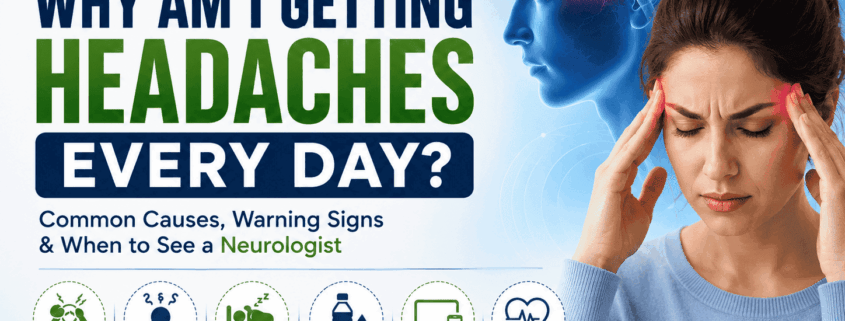
Why Am I Getting Headaches Every Day?
If you are experiencing headaches every day, the cause may range from simple lifestyle factors to more complex medical conditions. Common reasons include stress, lack of sleep, dehydration, excessive screen time, migraine, tension headaches, medication overuse, hormonal changes, and high blood pressure. In some cases, daily headaches may also be linked to neurological disorders that require specialist evaluation.
Many people try to manage recurring headaches with over-the-counter painkillers. While this may provide temporary relief, it does not always address the root cause of the problem. Frequent use of pain medications can even lead to medication overuse headaches, making symptoms worse over time.
The severity, location, duration, and associated symptoms of a headache can provide important clues about its underlying cause. For example, throbbing pain with nausea may indicate migraine, while a tight band-like pressure around the head is often associated with tension headaches.
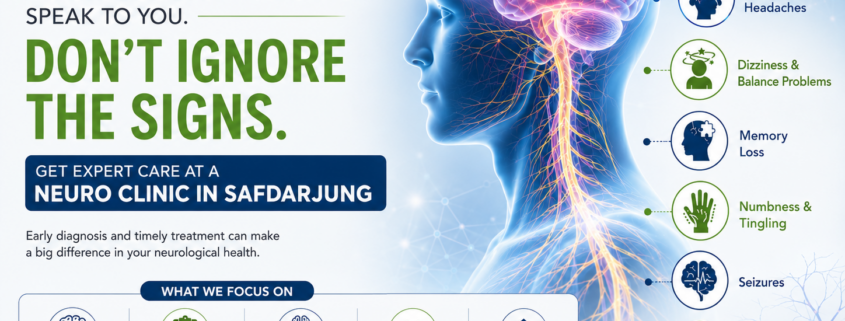
If your headaches are becoming more frequent, affecting your daily activities, or occurring alongside symptoms such as vision problems, weakness, dizziness, or difficulty speaking, it is important to seek medical advice. A qualified Headache Specialist in Safdarjung can help determine the exact cause and recommend the most appropriate treatment plan for long-term relief.
Common Causes of Daily Headaches
- Stress and anxiety
- Migraine disorders
- Tension headaches
- Poor sleep quality
- Dehydration
- Eye strain and excessive screen exposure
- Medication overuse
- Hormonal fluctuations
- High blood pressure
- Neurological conditions
Understanding the underlying cause is the key to effective treatment. Early diagnosis can help prevent headaches from becoming a chronic problem and improve your overall quality of life.
What Are Chronic Daily Headaches?
Many people experience headaches occasionally, but when headaches occur on most days of the month, they may be classified as chronic daily headaches. Understanding this condition is important because frequent headaches can significantly affect your physical health, emotional well-being, work performance, and quality of life.
Understanding Chronic Daily Headaches
Chronic daily headache is not a single disease. Instead, it is a term used for headache disorders that occur 15 or more days per month for at least three months. These headaches can vary in severity, duration, and underlying cause.
Some headaches may last for a few hours, while others can continue throughout the day. The pain may feel like a tight pressure, dull ache, throbbing sensation, or severe migraine attack. Identifying the specific type of headache is essential for choosing the most effective treatment.
How Common Are Chronic Daily Headaches?
Chronic headaches affect millions of people worldwide. They are more common among individuals who experience:
- Frequent stress
- Poor sleep habits
- Migraine disorders
- Excessive use of pain medications
- Anxiety and depression
Many people ignore recurring headaches and rely on temporary pain relief. However, untreated chronic headaches may gradually become more frequent and difficult to manage.
Why Identifying the Cause Is Important
Not all daily headaches have the same cause. While some are linked to lifestyle habits, others may be associated with underlying neurological conditions, vascular disorders, or other medical problems.
A proper diagnosis can help:
- Identify the root cause
- Prevent headaches from worsening
- Reduce the need for frequent painkillers
- Improve daily functioning
- Enhance long-term quality of life
If headaches are occurring regularly and interfering with normal activities, consulting the best Headache Specialist in Safdarjung can help determine whether the condition is related to migraine, tension headaches, medication overuse, or a more serious neurological issue.
Key Signs Your Headaches May Be Chronic
You may have chronic daily headaches if you:
- Experience headaches 15 or more days each month
- Depend on pain medications frequently
- Notice headaches affecting work or daily activities
- Wake up with headaches regularly
- Experience recurring migraine symptoms
- Have headaches that continue for several weeks or months
Recognizing these signs early allows for timely evaluation and treatment, reducing the risk of long-term complications and helping you regain better control over your health.
Common Causes of Daily Headaches
Daily headaches can develop for many different reasons. While some causes are relatively harmless and related to lifestyle habits, others may require medical evaluation and treatment. Understanding the underlying cause is the first step toward finding effective relief and preventing headaches from becoming a long-term problem.
Tension Headaches
What Are Tension Headaches?
Tension headaches are the most common type of headache. They often occur due to stress, anxiety, mental fatigue, poor posture, or muscle tension in the neck and shoulders.
Unlike migraines, tension headaches usually cause a constant dull ache or pressure rather than severe throbbing pain.
Common Symptoms of Tension Headaches
- Tight band-like pressure around the head
- Pain on both sides of the head
- Tenderness in the neck and shoulder muscles
- Mild to moderate headache intensity
- Feeling of heaviness in the forehead
Common Triggers
Several factors can contribute to tension headaches, including:
- Emotional stress
- Long working hours
- Poor sitting posture
- Lack of sleep
- Eye strain from digital screens
- Skipping meals
Why Do Tension Headaches Become Daily?
When stress and muscle tension continue for a long time, headaches may start occurring more frequently. Many people unknowingly develop a cycle where stress causes headaches, and headaches create additional stress, leading to chronic symptoms.
How Can Tension Headaches Be Managed?
Simple lifestyle changes can often reduce tension headaches, such as:
- Improving posture
- Taking regular breaks from screens
- Managing stress effectively
- Getting adequate sleep
- Staying physically active
- Practicing relaxation techniques
However, if headaches occur frequently or begin affecting your daily life, it is important to seek professional evaluation. A qualified Headache Specialist in Safdarjung can determine whether your symptoms are truly caused by tension headaches or if another underlying condition is responsible.
Migraine Headaches
Understanding Migraine Headaches
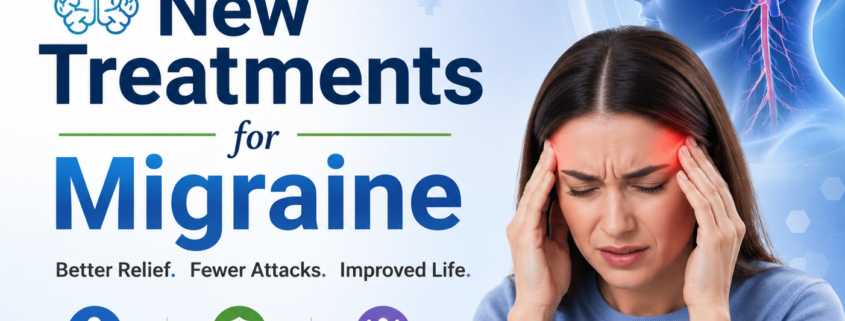
A migraine is more than just a headache. It is a neurological condition that can cause recurring episodes of moderate to severe head pain along with several other symptoms. Migraines can significantly affect daily activities, work performance, and overall quality of life.
Many people who experience headaches every day may actually be suffering from chronic migraine, a condition in which migraine symptoms occur frequently throughout the month. Unlike tension headaches, migraines often involve additional symptoms that can make routine tasks difficult.
Common Symptoms of Migraine
Migraine symptoms can vary from person to person, but common signs include:
- Throbbing or pulsating pain
- Pain on one side of the head
- Nausea and vomiting
- Sensitivity to light (photophobia)
- Sensitivity to sound (phonophobia)
- Blurred vision
- Dizziness
- Difficulty concentrating
Some individuals may experience symptoms for several hours, while others may suffer for days if the migraine is not properly managed.
What Is Migraine Aura?
Some people experience a warning phase known as migraine aura before the headache begins. Aura symptoms may include:
- Flashing lights
- Blind spots
- Tingling sensations
- Temporary vision disturbances
- Difficulty speaking
These symptoms usually develop gradually and may last for several minutes before the headache starts.
Common Migraine Triggers
Several factors can trigger migraine attacks, including:
- Stress and anxiety
- Lack of sleep
- Skipping meals
- Dehydration
- Hormonal changes
- Bright lights
- Strong smells
- Weather changes
- Excessive screen time
- Certain foods and beverages
Identifying personal triggers is an important part of long-term migraine management.
Can Migraines Cause Daily Headaches?
Yes. People who experience migraines frequently may develop chronic migraine, which is defined as headaches occurring on 15 or more days per month, with migraine features present on many of those days.
Chronic migraine can have a major impact on physical and emotional health. Without proper treatment, symptoms may become more frequent and harder to control over time.
When Should You Seek Medical Help?
You should consult a healthcare professional if:
- Migraines are becoming more frequent
- Pain is affecting daily activities
- Over-the-counter medications are not working
- You experience new or unusual symptoms
- Headaches are occurring almost every day
Seeking timely evaluation from the best Headache Specialist in Safdarjung can help identify migraine triggers, rule out other neurological conditions, and create a personalized treatment plan.
Medication Overuse Headaches
What Are Medication Overuse Headaches?
Many people take pain-relieving medicines to manage headaches. While these medications can provide temporary relief, using them too often may lead to a condition known as medication overuse headache (MOH) or rebound headache.
This type of headache occurs when headache medications are used frequently over a long period. Instead of improving symptoms, the medications can make headaches occur more often, creating a cycle of recurring pain.
How Do Medication Overuse Headaches Develop?
When a person experiences frequent headaches, they may start taking painkillers regularly. Over time, the brain can become dependent on these medications, causing headaches to return as the medication wears off.
As a result, many people find themselves taking more medication, which further worsens the problem.
Common Medications Associated With Rebound Headaches
Medication overuse headaches may be linked to:
- Over-the-counter pain relievers
- Migraine medications
- Combination pain medications
- Certain prescription headache treatments
The risk generally increases when these medications are taken frequently without medical supervision.
Symptoms of Medication Overuse Headaches
Common signs include:
- Daily or near-daily headaches
- Headaches that improve temporarily after medication
- Pain returning once the medication wears off
- Difficulty concentrating
- Irritability
- Restlessness
- Fatigue
- Sleep disturbances
These symptoms can often be mistaken for worsening migraine or chronic headache disorders.
Who Is at Higher Risk?
You may have a higher risk of developing medication overuse headaches if you:
- Experience frequent migraines
- Use pain medications several times each week
- Self-medicate without identifying the underlying cause
- Have a history of chronic headache disorders
- Rely on painkillers to continue daily activities
Why Proper Diagnosis Is Important
Medication overuse headaches can be difficult to recognize because the symptoms often resemble other headache conditions. Many patients believe their original headache disorder is worsening when the actual cause may be excessive medication use.
A thorough evaluation by a Headache Specialist in Safdarjung can help determine whether medication overuse is contributing to your symptoms and identify safer long-term treatment options.
How Are Medication Overuse Headaches Treated?
Treatment typically focuses on:
- Reducing unnecessary medication use
- Managing withdrawal symptoms
- Identifying the original headache disorder
- Developing a personalized treatment plan
- Preventing future headache recurrence
Lifestyle modifications, trigger management, and preventive therapies may also play an important role in recovery.
Sleep Disorders and Daily Headaches
Can Poor Sleep Cause Headaches Every Day?
Yes, poor sleep quality is one of the most common yet often overlooked causes of daily headaches. Your brain needs adequate rest to function properly. When sleep is disrupted, the body’s natural processes can be affected, increasing the risk of frequent headaches, migraines, fatigue, and difficulty concentrating.
People who regularly experience sleep problems are more likely to develop recurring headaches compared to those who maintain healthy sleep habits.
How Sleep Affects Brain Health
During sleep, the brain performs several important functions, including:
- Repairing and restoring brain cells
- Regulating pain signals
- Balancing hormones
- Reducing stress levels
- Supporting cognitive function
When sleep is insufficient or interrupted, these processes may not work effectively, making headaches more likely.
Common Sleep Problems Linked to Headaches
Sleep Deprivation
Getting too little sleep can increase sensitivity to pain and trigger headaches.
Common causes include:
- Late-night screen use
- Work-related stress
- Irregular sleep schedules
- Lifestyle habits
People who consistently sleep less than recommended may experience morning headaches and reduced productivity throughout the day.
Sleep Apnea
Sleep apnea is a condition in which breathing repeatedly stops and starts during sleep. This can reduce oxygen levels and interfere with restful sleep.
Common symptoms include:
- Loud snoring
- Morning headaches
- Daytime sleepiness
- Difficulty concentrating
- Fatigue
Many people with sleep apnea are unaware they have the condition until symptoms become severe.
Insomnia
Insomnia makes it difficult to fall asleep, stay asleep, or achieve restorative sleep.
Over time, chronic insomnia can contribute to:
- Frequent headaches
- Increased stress
- Anxiety
- Reduced energy levels
Signs Your Headaches May Be Related to Sleep Problems
Your headaches may be linked to sleep issues if you:
- Wake up with headaches regularly
- Feel tired despite sleeping
- Snore heavily during sleep
- Experience daytime fatigue
- Notice headaches after poor sleep
- Struggle with concentration and memory
How to Improve Sleep and Reduce Headaches
Simple lifestyle changes can help improve sleep quality and reduce headache frequency:
- Maintain a consistent sleep schedule
- Limit screen time before bed
- Avoid excessive caffeine in the evening
- Create a comfortable sleep environment
- Manage stress effectively
- Exercise regularly
When Should You Seek Medical Advice?
If headaches continue despite improving your sleep habits, it may indicate an underlying headache disorder or neurological condition. A comprehensive evaluation by the best Headache Specialist in Safdarjung can help determine whether sleep disturbances are contributing to your symptoms and identify the most appropriate treatment approach.
Stress, Anxiety, and Mental Health Factors
Can Stress Cause Headaches Every Day?
Yes, stress is one of the leading causes of frequent and chronic headaches. When the body is under constant physical or emotional pressure, it responds by releasing stress hormones that can affect blood vessels, muscles, and pain pathways in the brain. As a result, many people begin to experience recurring headaches that may gradually become a daily problem.
Modern lifestyles often involve work pressure, financial concerns, family responsibilities, and excessive screen exposure. Over time, these factors can create a state of chronic stress, making the body more sensitive to pain and increasing the likelihood of both tension headaches and migraines.
How Anxiety Affects Headaches
Anxiety can have a direct impact on headache frequency and intensity. When a person feels anxious, the muscles in the neck, shoulders, and scalp often become tense. This muscle tension can contribute to persistent headaches and discomfort. Anxiety may also interfere with sleep quality, which further increases the risk of headaches.
Many individuals find themselves trapped in a cycle where headaches create stress and worry, while stress and worry trigger more headaches. Breaking this cycle is often an important part of long-term headache management.
The Connection Between Depression and Headaches
Research has shown that depression and chronic headaches frequently occur together. Changes in brain chemicals involved in mood regulation can also influence how pain signals are processed. People living with depression may notice that headaches become more frequent, last longer, or feel more difficult to manage.
In addition to physical pain, chronic headaches can affect emotional well-being, social interactions, and daily productivity. This is why healthcare professionals often evaluate both physical and psychological factors when investigating persistent headaches.
Signs That Stress May Be Contributing to Your Headaches
If headaches tend to worsen during busy periods, emotional challenges, lack of sleep, or major life changes, stress may be playing a significant role. Some people notice that their symptoms improve during vacations, weekends, or periods of relaxation, which can provide important clues about the underlying cause.
Why Professional Evaluation Is Important
Although stress-related headaches are common, it is important not to assume that stress is the only cause. Frequent headaches can sometimes be associated with migraine disorders, sleep problems, medication overuse, or neurological conditions. Seeking guidance from a qualified Headache Specialist in Safdarjung can help identify whether stress is the primary trigger or if another medical condition requires attention.
Dehydration and Daily Headaches
Can Dehydration Cause Headaches Every Day?
Yes, dehydration is a common but often overlooked cause of recurring headaches. The brain depends on an adequate supply of water to function properly. When the body does not receive enough fluids, changes can occur in blood circulation and brain function, which may trigger headaches.
Many people do not realize they are mildly dehydrated throughout the day. Busy schedules, hot weather, excessive caffeine intake, and inadequate water consumption can all contribute to fluid loss. Over time, this may lead to frequent headaches, fatigue, and difficulty concentrating.
How Does Dehydration Trigger Headaches?
When the body loses more fluids than it takes in, the brain may temporarily shrink away from the skull due to reduced hydration levels. This can place pressure on pain-sensitive structures surrounding the brain and lead to headache symptoms.
Dehydration can also reduce blood flow and oxygen delivery to the brain, making headaches more likely, especially in individuals who are already prone to migraines or tension headaches.
Common Signs of Dehydration
A headache caused by dehydration is often accompanied by other symptoms. Many people experience dry mouth, excessive thirst, dizziness, fatigue, dark-colored urine, and reduced energy levels. Some individuals may also notice difficulty focusing or increased irritability.
If headaches improve after drinking water and resting, dehydration may be contributing to the problem.
Who Is Most at Risk?
Certain individuals are more likely to experience dehydration-related headaches. People who spend long hours outdoors, exercise intensely, consume large amounts of caffeine, skip fluids during the day, or live in hot climates may face a higher risk.
Children and older adults can also be more vulnerable because they may not always recognize the early signs of dehydration.
How to Prevent Dehydration-Related Headaches
Maintaining proper hydration throughout the day is one of the simplest ways to reduce headache frequency. Drinking adequate water, limiting excessive caffeine consumption, and replacing fluids lost through sweating can help support normal brain function and overall health.
It is also important to pay attention to early signs of dehydration rather than waiting until symptoms become severe.
When Should You Seek Medical Advice?
Although dehydration is a common cause of headaches, persistent or severe headaches should not automatically be attributed to low fluid intake. If headaches continue despite proper hydration or are accompanied by vision changes, weakness, numbness, dizziness, or other neurological symptoms, a medical evaluation may be necessary.
Consulting the best Headache Specialist in Safdarjung can help determine whether dehydration is the primary trigger or if another underlying condition requires treatment.
Excessive Screen Time and Eye Strain
Can Too Much Screen Time Cause Daily Headaches?
In today’s digital world, many people spend several hours each day using smartphones, laptops, tablets, and computers. While technology has become an essential part of daily life, excessive screen time can contribute to frequent headaches, eye strain, and mental fatigue.
People who work on computers for long hours or frequently use digital devices often experience headaches that become more noticeable toward the end of the day. In some cases, continued exposure to screens may contribute to recurring or daily headaches.
How Screen Time Affects Your Eyes and Brain
When looking at a screen, people tend to blink less often than normal. This can lead to dry eyes, eye fatigue, and visual discomfort. At the same time, prolonged focus on digital screens places additional stress on the eye muscles, which may trigger headaches.
Extended screen exposure can also increase mental fatigue and contribute to poor posture. Sitting for long periods with the neck bent forward may place strain on the muscles of the neck and shoulders, increasing the risk of tension-related headaches.
What Is Digital Eye Strain?
Digital eye strain, sometimes called computer vision syndrome, refers to a group of symptoms caused by prolonged use of digital devices. These symptoms can affect both vision and overall comfort.
Many individuals with digital eye strain report recurring headaches, particularly after long work sessions or extended periods of screen use.
Common Symptoms Associated With Screen-Related Headaches
People experiencing screen-related headaches may notice eye fatigue, blurred vision, dry eyes, neck pain, shoulder stiffness, difficulty focusing, and discomfort around the forehead or temples. Symptoms often improve after resting the eyes or reducing screen exposure.
Why Screen Time May Trigger Migraines
For some individuals, bright screens, flashing images, and prolonged visual stimulation can act as migraine triggers. Those who already have a history of migraine headaches may find that excessive screen use increases both the frequency and severity of attacks.
Blue light exposure, visual overload, and mental stress associated with long hours of work can further contribute to migraine symptoms.
How to Reduce Screen-Related Headaches
Taking regular breaks, maintaining proper posture, adjusting screen brightness, and ensuring adequate lighting can help reduce the strain placed on the eyes and neck muscles. Following healthy screen habits can significantly decrease the likelihood of recurring headaches.
Individuals who wear glasses should also ensure that their vision prescription is up to date, as uncorrected vision problems can worsen eye strain and headache symptoms.
When Should You See a Specialist?
Although screen-related headaches are common, headaches that occur frequently or continue despite reducing screen time may indicate another underlying cause. Conditions such as migraine, chronic tension headaches, sleep disorders, or neurological problems may require professional evaluation.
A consultation with a qualified Headache Specialist in Safdarjung can help determine whether digital eye strain is contributing to your symptoms or if additional testing is needed.
Hormonal Changes and Daily Headaches
Can Hormonal Changes Cause Frequent Headaches?
Yes, hormonal fluctuations are a common cause of recurring headaches, especially in women. Changes in hormone levels can affect the brain’s pain pathways and blood vessels, making some individuals more vulnerable to headaches and migraines. For many people, headaches become more noticeable during periods when hormone levels change significantly.
The Link Between Hormones and Headaches
One of the hormones most closely linked to headaches is estrogen. Fluctuations in estrogen levels can influence the brain chemicals responsible for regulating pain and may trigger headache episodes.
Hormonal changes can lead to:
- Increased headache frequency
- More severe migraine attacks
- Greater sensitivity to pain
- Changes in blood vessel function
- Worsening of existing headache disorders
Menstrual Headaches and Migraines
Many women experience headaches before, during, or shortly after their menstrual cycle. These headaches are often referred to as menstrual migraines.
Common symptoms include:
- Throbbing headache pain
- Nausea and vomiting
- Sensitivity to light
- Sensitivity to sound
- Fatigue and weakness
The drop in estrogen levels before menstruation is considered one of the most common triggers.
Pregnancy and Headaches
Pregnancy causes significant hormonal changes that can affect headache patterns.
During pregnancy, some women may experience:
- More frequent headaches in the first trimester
- Improvement in migraine symptoms later in pregnancy
- Headaches related to fatigue and sleep changes
- Increased sensitivity to certain triggers
Persistent or severe headaches during pregnancy should always be evaluated by a healthcare professional.
Menopause and Hormonal Headaches
The transition to menopause can also influence headache frequency and severity.
Hormonal changes during menopause may cause:
- More frequent migraines
- Changes in headache patterns
- Sleep disturbances
- Mood-related headache triggers
- Increased stress sensitivity
For some women, headaches improve after menopause, while others may continue to experience symptoms.
When Should Hormonal Headaches Be Evaluated?
You should consider medical evaluation if:
- Headaches are becoming more frequent
- Pain is affecting daily activities
- Symptoms are worsening over time
- Over-the-counter medications provide little relief
- New neurological symptoms develop
A consultation with the Headache Specialist in Safdarjung can help determine whether hormonal fluctuations are contributing to your symptoms and whether additional treatment is needed.
Why Accurate Diagnosis Matters
Although hormones can trigger headaches, they are not always the only cause.
Other contributing factors may include:
- Migraine disorders
- Stress and anxiety
- Sleep problems
- Medication overuse
- Dehydration
- Underlying neurological conditions
Identifying all possible triggers helps create a more effective treatment plan.
High Blood Pressure and Daily Headaches
Can High Blood Pressure Cause Headaches?
Many people wonder whether high blood pressure (hypertension) can cause daily headaches. While mild to moderate hypertension often does not produce noticeable symptoms, severely elevated blood pressure levels can sometimes lead to headaches and other health concerns.
Because high blood pressure is often called the “silent killer,” many individuals may not realize they have it until complications develop. This is why regular blood pressure monitoring is important, especially for people experiencing persistent headaches.
How High Blood Pressure May Trigger Headaches
When blood pressure rises significantly, it can place extra strain on blood vessels throughout the body, including those supplying the brain. This increased pressure may contribute to headache symptoms in some individuals.
Headaches associated with severe hypertension are often described as a dull, throbbing pain and may occur alongside other symptoms that require prompt medical attention.
Symptoms That May Occur Alongside High Blood Pressure Headaches
If headaches are related to significantly elevated blood pressure, additional symptoms may include:
- Dizziness
- Blurred vision
- Shortness of breath
- Chest discomfort
- Fatigue
- Confusion
- Nosebleeds in some cases
These symptoms should never be ignored, particularly if they appear suddenly or become severe.
When Is a Headache a Sign of a Blood Pressure Emergency?
A sudden severe headache accompanied by very high blood pressure may indicate a hypertensive crisis, which is considered a medical emergency.
Seek immediate medical care if a headache occurs with:
- Sudden vision changes
- Difficulty speaking
- Weakness or numbness
- Severe chest pain
- Shortness of breath
- Confusion or altered consciousness
These symptoms may indicate a serious condition requiring urgent evaluation.
Other Conditions That May Mimic High Blood Pressure Headaches
Not every headache experienced by a person with hypertension is caused by blood pressure itself. Other conditions can produce similar symptoms, including:
- Migraine headaches
- Tension headaches
- Stress-related headaches
- Sleep disorders
- Medication overuse headaches
- Neurological conditions
This is why a comprehensive assessment is often necessary when headaches occur frequently.
How Are High Blood Pressure-Related Headaches Managed?
The primary goal is to control blood pressure levels and address underlying risk factors. This may involve lifestyle changes, dietary modifications, regular exercise, stress management, and prescribed medications when necessary.
Proper management not only helps reduce headache symptoms but also lowers the risk of serious complications such as stroke, heart disease, and kidney damage.
When Should You See a Specialist?
If you experience recurring headaches along with elevated blood pressure readings, it is important to seek medical advice. Persistent headaches should always be evaluated to determine whether they are related to hypertension or another underlying condition.
A consultation with the best Headache Specialist in Safdarjung can help identify the exact cause of your symptoms and ensure that appropriate investigations and treatment are provided.
Neurological Conditions That May Cause Daily Headaches
While most daily headaches are related to conditions such as migraine, tension headaches, stress, dehydration, or sleep problems, persistent headaches can sometimes be linked to underlying neurological disorders. Although these causes are less common, they are important to identify because some may require urgent medical attention and specialized treatment.
Understanding the warning signs of neurological headaches can help ensure timely diagnosis and prevent potential complications.
Brain Tumors
Can a Brain Tumor Cause Daily Headaches?
One of the most common concerns among people with persistent headaches is whether a brain tumor could be the cause. While brain tumors are a relatively uncommon cause of headaches, they can sometimes produce symptoms when they increase pressure inside the skull or affect surrounding brain tissue.
Headaches associated with brain tumors often become more noticeable over time and may gradually worsen.
Symptoms That May Occur Alongside Headaches
A headache caused by a brain tumor may be accompanied by:
- Persistent or worsening headache
- Vision changes
- Balance problems
- Unexplained nausea or vomiting
- Difficulty speaking
- Memory problems
- Seizures
- Weakness or numbness in part of the body
Experiencing one or more of these symptoms does not necessarily mean a brain tumor is present, but medical evaluation is important to determine the cause.
Stroke and Severe Headaches
Can a Headache Be a Sign of Stroke?
In some cases, a sudden and extremely severe headache can be associated with a stroke or bleeding within the brain. This type of headache often develops suddenly and may feel different from any headache previously experienced.
Because stroke is a medical emergency, recognizing the warning signs is critical.
Remember the FAST Warning Signs
The FAST method can help identify possible stroke symptoms:
- F – Face Drooping
- A – Arm Weakness
- S – Speech Difficulty
- T – Time to Seek Emergency Care
If these symptoms occur alongside a severe headache, immediate medical attention is essential.
The Importance of the Golden Hour
When stroke symptoms appear, receiving treatment as quickly as possible can significantly improve outcomes. Early diagnosis may allow access to treatments such as thrombolytic therapy (tPA) or mechanical thrombectomy in appropriate cases of ischemic stroke.
Brain Aneurysm
What Is a Brain Aneurysm?
A brain aneurysm is a weakened area in a blood vessel that can bulge outward. If an aneurysm leaks or ruptures, it can cause a sudden, severe headache often described as the worst headache of one’s life.
Warning Signs of a Ruptured Aneurysm
Symptoms may include:
- Sudden explosive headache
- Neck stiffness
- Blurred or double vision
- Nausea and vomiting
- Sensitivity to light
- Loss of consciousness
A ruptured aneurysm requires immediate emergency treatment.
Increased Intracranial Pressure
What Is Intracranial Pressure?
The brain is enclosed within the skull, which means there is limited space available. Conditions that increase pressure inside the skull can sometimes lead to recurring headaches.
Possible Symptoms
Increased intracranial pressure may cause:
- Morning headaches
- Blurred vision
- Vomiting
- Balance problems
- Difficulty concentrating
- Changes in consciousness
These symptoms should be evaluated promptly to identify the underlying cause.
Other Neurological Conditions
Several other neurological disorders may contribute to chronic headaches. These include certain nerve disorders, inflammatory conditions, vascular abnormalities, and infections affecting the nervous system.
Although these conditions are less common than migraine or tension headaches, they can produce significant symptoms and often require specialized neurological assessment.
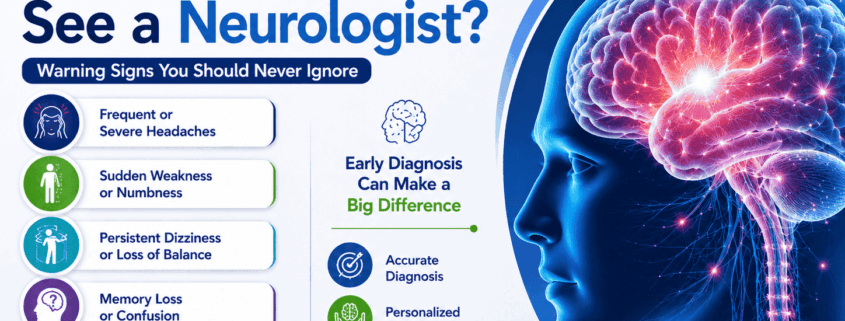
When Should You See a Neurologist?
You should seek medical evaluation if your headaches:
- Occur almost every day
- Are becoming progressively worse
- Wake you from sleep
- Are accompanied by weakness or numbness
- Cause vision or speech problems
- Occur after a head injury
- Feel different from previous headaches
A thorough evaluation by a Headache Specialist in Safdarjung can help determine whether your symptoms are related to a primary headache disorder or an underlying neurological condition.
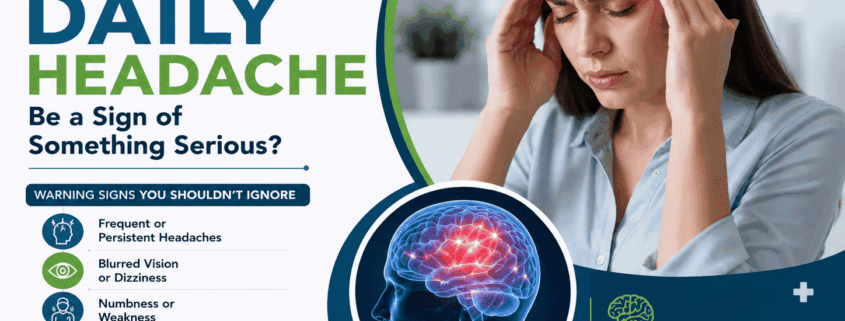
Symptoms That Should Never Be Ignored
Most headaches are not caused by serious medical conditions and often improve with rest, hydration, or appropriate treatment. However, some headaches may be a warning sign of a neurological emergency that requires immediate medical attention. Recognizing these warning signs can help prevent serious complications and ensure timely treatment.
If a headache feels different from your usual headaches, becomes suddenly severe, or occurs alongside other concerning symptoms, it should never be ignored.
Sudden Severe Headache
A headache that develops suddenly and reaches maximum intensity within seconds or minutes is often referred to as a thunderclap headache. Many people describe it as the worst headache of their life.
This type of headache may be associated with serious conditions such as:
- Brain hemorrhage
- Ruptured aneurysm
- Stroke
- Severe vascular disorders
Immediate emergency evaluation is essential.
Weakness or Numbness
A headache accompanied by weakness, numbness, or tingling on one side of the body may indicate a neurological problem affecting the brain.
These symptoms should be treated as urgent, particularly if they develop suddenly.
Difficulty Speaking
If you experience a headache along with:
- Slurred speech
- Difficulty finding words
- Inability to understand conversations
it may be a warning sign of a stroke or another neurological condition requiring immediate medical attention.
Vision Changes
Sudden visual disturbances should never be ignored.
Seek urgent medical care if a headache occurs with:
- Blurred vision
- Double vision
- Partial vision loss
- Complete vision loss
- Flashing lights accompanied by unusual symptoms
Vision changes may indicate serious neurological or vascular problems.
Loss of Balance or Coordination
A headache associated with difficulty walking, dizziness, poor coordination, or balance problems may suggest involvement of areas of the brain responsible for movement and stability.
Prompt evaluation is recommended, especially if symptoms develop suddenly.
Confusion or Changes in Mental Status
Headaches accompanied by confusion can indicate a serious underlying condition.
Warning signs include:
- Disorientation
- Memory problems
- Difficulty concentrating
- Unusual behavior
- Reduced alertness
These symptoms should be assessed without delay.
Seizures
Experiencing a seizure alongside a headache is never considered normal and requires immediate medical evaluation.
Seizures may be associated with:
- Brain tumors
- Brain infections
- Stroke
- Other neurological disorders
Emergency care is essential to identify the cause.
Loss of Consciousness
A headache followed by fainting or loss of consciousness may indicate a serious medical emergency.
This symptom can be associated with:
- Brain bleeding
- Severe stroke
- Aneurysm rupture
- Other life-threatening conditions
Immediate medical attention should be sought.
Headache With Fever and Neck Stiffness
A severe headache accompanied by fever, neck stiffness, nausea, or sensitivity to light may indicate an infection involving the brain or surrounding tissues.
Because these conditions can progress rapidly, urgent medical evaluation is necessary.
When Should You Seek Emergency Medical Care?
You should seek immediate medical attention if your headache:
- Appears suddenly and is extremely severe
- Occurs with weakness or numbness
- Causes difficulty speaking
- Leads to vision loss or major visual changes
- Is accompanied by seizures
- Causes confusion or loss of consciousness
- Develops after a head injury
- Occurs with fever and neck stiffness
When Should You See a Neurologist for Daily Headaches?
While occasional headaches are common, frequent or persistent headaches may indicate an underlying condition that requires medical attention. Many people continue to rely on pain medications for temporary relief, but recurring headaches often need a more comprehensive evaluation to identify the root cause.
Headaches That Occur Frequently
If you experience headaches several times a week or almost every day, it may be time to consult a neurologist. Frequent headaches can significantly affect your work performance, sleep quality, mental well-being, and overall quality of life. Early diagnosis can help prevent symptoms from becoming chronic and more difficult to treat.
Headaches That Are Getting Worse
A change in headache pattern should never be ignored. If your headaches are becoming more severe, lasting longer, or occurring more often than before, a neurological evaluation may be necessary. Progressive symptoms can sometimes indicate an underlying medical condition that requires specialized care.
Headaches That Do Not Improve With Treatment
Many people take over-the-counter pain relievers for headache relief. However, if headaches continue despite medications, lifestyle modifications, or home remedies, professional assessment becomes important. Persistent symptoms may require a different treatment approach based on the underlying cause.
Headaches That Affect Daily Life
When headaches begin interfering with daily activities, work responsibilities, social interactions, or sleep, they should not be considered normal. Chronic headaches can reduce productivity and have a significant impact on emotional and physical health.
Headaches Accompanied by Neurological Symptoms
Certain symptoms may suggest that a headache is related to a neurological condition rather than a simple headache disorder.
These symptoms include:
- Vision changes
- Weakness or numbness
- Difficulty speaking
- Loss of balance
- Memory problems
- Dizziness
- Confusion
If any of these symptoms occur alongside headaches, prompt medical evaluation is recommended.
Headaches That Wake You From Sleep
Headaches that regularly wake you during the night or are present immediately after waking up should be investigated. In some cases, these headaches may be associated with sleep disorders, increased intracranial pressure, or other neurological conditions.
Frequent Migraine Attacks
People who experience recurring migraine attacks may benefit from specialist care. A neurologist can help identify triggers, develop preventive strategies, and recommend treatments designed to reduce the frequency and severity of migraine episodes.
How a Neurologist Evaluates Daily Headaches
A neurologist may perform a detailed assessment that includes reviewing your medical history, understanding headache patterns, conducting a neurological examination, and recommending imaging studies such as MRI or CT scans when necessary.
These evaluations help determine whether headaches are caused by migraine, tension headaches, medication overuse, vascular conditions, or other neurological disorders.
Why Early Diagnosis Matters
Early diagnosis allows treatment to begin before symptoms become more severe. It can also help identify serious conditions at an early stage, reducing the risk of complications and improving long-term outcomes.
Consulting a Headache Specialist in Safdarjung ensures that recurring headaches receive the attention they deserve and that treatment is tailored to the specific needs of each patient.
How Daily Headaches Are Diagnosed
Identifying the exact cause of daily headaches is one of the most important steps in achieving long-term relief. Since headaches can result from a wide range of conditions, including migraine, tension headaches, sleep disorders, medication overuse, hormonal changes, high blood pressure, and neurological disorders, a proper diagnosis is essential for effective treatment.
A thorough evaluation helps determine whether headaches are caused by a primary headache disorder or an underlying medical condition that requires specialized care.
Detailed Medical History
The diagnostic process usually begins with a detailed discussion about your symptoms. Your doctor will ask questions about when the headaches started, how often they occur, how long they last, and what the pain feels like.
Important information may include:
- Headache frequency
- Pain intensity
- Location of the pain
- Associated symptoms
- Potential triggers
- Family history of migraines or neurological disorders
Keeping a headache diary can often help identify patterns and triggers that may contribute to recurring symptoms.
Physical Examination
A comprehensive physical examination can provide valuable clues about the cause of headaches. During this assessment, your doctor may evaluate your overall health, blood pressure, vision, and other factors that could be contributing to your symptoms.
This step helps identify potential medical conditions that may be associated with chronic headaches.
Neurological Examination
A neurological examination is particularly important for individuals experiencing persistent, severe, or unusual headaches.
During this evaluation, a neurologist may assess:
- Reflexes
- Muscle strength
- Balance and coordination
- Sensory function
- Speech and language abilities
- Vision and eye movements
These tests help detect signs of neurological disorders that may require further investigation.
MRI Scan
An MRI (Magnetic Resonance Imaging) scan provides detailed images of the brain and surrounding structures. MRI is often recommended when headaches are accompanied by neurological symptoms or when the cause remains unclear after an initial evaluation.
MRI can help identify conditions such as:
- Brain tumors
- Stroke-related changes
- Multiple sclerosis
- Structural abnormalities
- Inflammatory conditions
CT Scan
A CT (Computed Tomography) scan may be used in certain situations, particularly when urgent evaluation is required.
CT scans are commonly used to assess:
- Brain bleeding
- Head injuries
- Stroke
- Emergency neurological conditions
Because CT imaging can be performed quickly, it is often used in emergency settings.
Blood Tests
In some cases, blood tests may be recommended to identify underlying medical conditions that could contribute to headaches.
These tests may help detect:
- Infections
- Inflammation
- Hormonal imbalances
- Nutritional deficiencies
- Metabolic disorders
Blood tests provide important information that can support an accurate diagnosis.
Additional Diagnostic Tests
Depending on your symptoms, additional investigations may be necessary. These tests are selected based on individual needs and clinical findings.
Additional evaluations may include:
- Blood pressure monitoring
- Sleep studies
- Vision assessments
- Specialized neurological testing
The goal is to identify all contributing factors and develop a personalized treatment plan.
Why Accurate Diagnosis Matters
Many headache disorders share similar symptoms, making self-diagnosis difficult. Treating headaches without understanding their cause may provide only temporary relief while allowing the underlying condition to persist.
An accurate diagnosis helps:
- Identify the root cause
- Guide effective treatment
- Prevent unnecessary medication use
- Reduce headache frequency
- Improve long-term quality of life
Expert Evaluation for Persistent Headaches
If headaches occur frequently, worsen over time, or interfere with daily activities, professional assessment is essential. A qualified Headache Specialist in Safdarjung can perform a comprehensive evaluation, recommend appropriate diagnostic tests, and develop a treatment plan tailored to your specific needs.
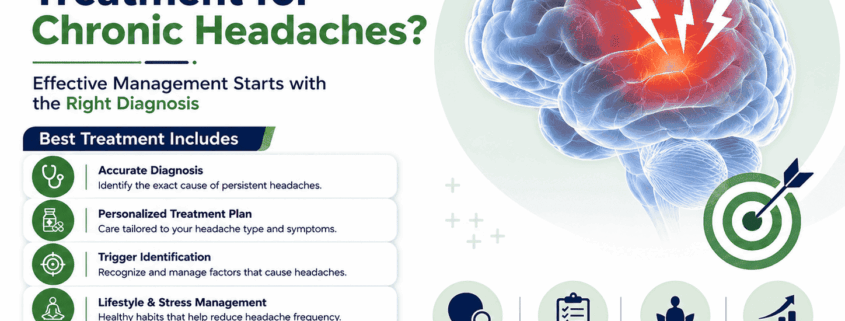
Effective Treatment Options for Daily Headaches
The treatment for daily headaches depends on the underlying cause, severity of symptoms, headache type, and overall health condition of the patient. Since headaches can develop due to multiple factors, there is no single treatment that works for everyone. The most effective approach focuses on identifying the root cause and creating a personalized management plan.
With proper diagnosis and treatment, many people experience significant improvement in headache frequency, intensity, and overall quality of life.
Lifestyle Modifications
For many individuals, simple lifestyle changes can play an important role in reducing headache frequency. Healthy daily habits support brain function and help minimize common headache triggers.
Maintain Proper Hydration
Dehydration is a common cause of headaches. Drinking enough water throughout the day helps maintain normal brain function and may reduce the risk of recurring headaches.
Prioritize Quality Sleep
Poor sleep is closely linked to both migraines and tension headaches. Maintaining a consistent sleep schedule and getting adequate rest can help prevent headache episodes.
Manage Stress Effectively
Chronic stress can trigger or worsen headaches. Stress management techniques such as relaxation exercises, meditation, deep breathing, and regular physical activity may help reduce symptoms.
Follow a Healthy Diet
Skipping meals and consuming certain trigger foods can contribute to headaches. Eating balanced meals at regular intervals helps stabilize energy levels and reduce headache risk.
Medications for Headache Management
Medications are often used to relieve symptoms and prevent future headache episodes. The type of medication recommended depends on the specific headache disorder and the frequency of symptoms.
Acute Treatment
Acute treatments are designed to relieve headache symptoms when they occur. These medications are intended to reduce pain and help individuals return to their normal activities more quickly.
Preventive Treatment
People who experience frequent headaches may benefit from preventive therapies. These treatments aim to reduce the number of headache days each month and improve long-term symptom control.
A healthcare professional will determine whether preventive treatment is appropriate based on headache frequency and severity.
Migraine-Specific Treatment Approaches
Migraine management often involves a combination of lifestyle modifications, trigger identification, and targeted therapies.
Effective migraine treatment may focus on:
- Reducing attack frequency
- Managing symptoms early
- Avoiding known triggers
- Improving overall quality of life
- Preventing chronic migraine development
Because migraine is a neurological disorder, individualized treatment is often necessary for optimal results.
Advanced Neurological Treatments
In some cases, chronic headaches require specialized neurological care. Advanced treatment options may be recommended when symptoms persist despite conventional management.
These approaches are designed to address complex headache disorders and improve long-term outcomes for patients with chronic or severe symptoms.
Treating the Underlying Cause
One of the most important aspects of headache treatment is identifying and addressing the underlying cause. For example, headaches related to sleep disorders, high blood pressure, medication overuse, hormonal changes, or neurological conditions often improve when the primary issue is properly treated.
Rather than focusing only on symptom relief, comprehensive care aims to correct the factors contributing to headache development.
Why Personalized Treatment Matters
Every patient experiences headaches differently. Factors such as age, medical history, lifestyle, triggers, and headache type all influence treatment decisions.
A personalized treatment plan can help:
- Reduce headache frequency
- Improve symptom control
- Minimize medication dependence
- Enhance daily functioning
- Improve long-term quality of life
Expert Care for Persistent Headaches
If headaches continue despite lifestyle changes or become increasingly frequent, seeking specialist care is important. A qualified Headache Specialist in Safdarjung can identify the underlying cause, recommend appropriate treatment options, and monitor your progress over time.
Early intervention often leads to better outcomes and helps prevent headaches from becoming a chronic condition.
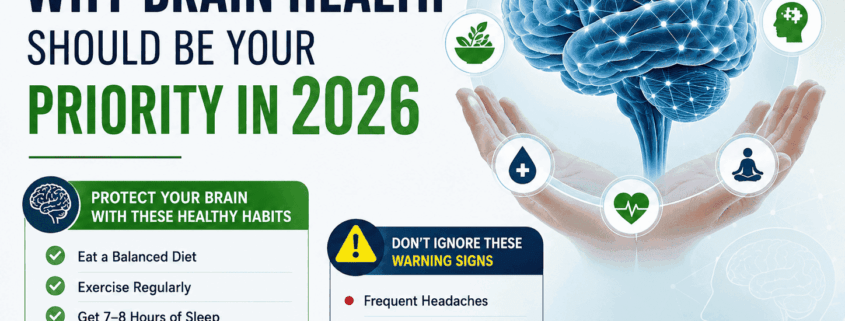
How to Prevent Daily Headaches
Preventing headaches is often easier than treating them after they occur. While not every headache can be avoided, adopting healthy habits and identifying personal triggers can significantly reduce the frequency and severity of headache episodes. Prevention is especially important for individuals who experience chronic headaches, migraines, or recurring tension headaches.
A proactive approach can improve overall well-being and help reduce dependence on medications.
Stay Properly Hydrated
One of the simplest ways to prevent headaches is maintaining adequate hydration. Even mild dehydration can trigger headaches in some individuals.
Drinking enough water throughout the day helps support:
- Healthy brain function
- Proper blood circulation
- Improved concentration
- Reduced risk of dehydration-related headaches
People who exercise regularly or spend time outdoors in hot weather may require additional fluid intake.
Maintain a Consistent Sleep Schedule
Sleep plays a critical role in neurological health. Both insufficient sleep and excessive sleep can trigger headaches.
To improve sleep quality:
- Go to bed at the same time each day
- Wake up on a regular schedule
- Limit screen exposure before bedtime
- Create a comfortable sleeping environment
Consistent sleep habits can help reduce the risk of both migraines and tension headaches.
Manage Stress Effectively
Because stress is one of the most common headache triggers, learning effective stress-management techniques can make a significant difference.
Helpful strategies may include:
- Meditation
- Deep breathing exercises
- Regular physical activity
- Yoga
- Relaxation techniques
Reducing stress levels can help lower headache frequency and improve overall mental health.
Avoid Skipping Meals
Skipping meals can cause blood sugar levels to fluctuate, which may trigger headaches in some individuals.
Maintaining regular eating habits helps:
- Stabilize energy levels
- Support brain function
- Reduce headache triggers
- Improve overall health
A balanced diet rich in nutrients is beneficial for long-term headache prevention.
Limit Excessive Screen Time
Prolonged screen exposure can contribute to digital eye strain, muscle tension, and headaches.
To reduce screen-related headaches:
- Take regular breaks
- Adjust screen brightness
- Maintain proper posture
- Use adequate lighting
Healthy screen habits are particularly important for students and professionals who spend long hours on digital devices.
Identify and Avoid Personal Triggers
Headache triggers vary from person to person. Understanding your individual triggers can help prevent future episodes.
Common triggers include:
- Stress
- Sleep deprivation
- Dehydration
- Certain foods
- Hormonal fluctuations
- Bright lights
- Strong odors
Keeping a headache diary can help identify patterns and recurring triggers.
Exercise Regularly
Regular physical activity promotes better circulation, reduces stress, and supports overall neurological health.
Moderate exercise may help:
- Reduce headache frequency
- Improve sleep quality
- Enhance mood
- Lower stress levels
However, individuals with exercise-triggered headaches should consult a healthcare professional for guidance.
Avoid Overusing Pain Medications
Frequent use of pain relievers can sometimes lead to medication overuse headaches, which may worsen symptoms over time.
Using medications only as directed and seeking medical advice for recurring headaches can help prevent this cycle.
Schedule Regular Medical Checkups
Some headaches may be related to underlying conditions such as high blood pressure, sleep disorders, hormonal imbalances, or neurological diseases. Regular health checkups can help detect these issues early and reduce the risk of chronic headaches.
Why Prevention Matters
Preventive strategies not only reduce headache frequency but also improve overall quality of life. By addressing common triggers and maintaining healthy habits, many people can significantly decrease the impact headaches have on their daily routine.
For individuals with persistent symptoms, professional guidance can help develop a personalized prevention plan.
Why Choose Dr. Aparna Gupta for Headache Treatment?
Finding the right specialist is one of the most important steps when dealing with frequent, severe, or chronic headaches. Because headaches can have multiple causes, including migraine, tension headaches, neurological disorders, sleep-related issues, and vascular conditions, expert evaluation is essential for accurate diagnosis and effective treatment.
Dr. Aparna Gupta is known for her patient-focused approach and expertise in diagnosing and managing a wide range of neurological conditions. She carefully evaluates each patient’s symptoms, medical history, headache patterns, and potential triggers to identify the underlying cause of recurring headaches.
Comprehensive Headache Evaluation
One of the key advantages of consulting Dr. Aparna Gupta is the emphasis on comprehensive neurological assessment. Rather than simply treating symptoms, the goal is to identify the root cause of the headache and develop a personalized treatment strategy.
The evaluation process may include:
- Detailed medical history review
- Neurological examination
- Assessment of headache triggers
- Review of lifestyle and sleep habits
- Advanced diagnostic investigations when necessary
This thorough approach helps ensure accurate diagnosis and effective long-term management.
Expertise in Migraine and Chronic Headaches
Many patients seek medical care after struggling with headaches for months or even years. Dr. Aparna Gupta has experience managing various headache disorders, including:
- Migraine headaches
- Chronic daily headaches
- Tension headaches
- Medication overuse headaches
- Neurological headache disorders
Early diagnosis and targeted treatment can often reduce headache frequency and improve quality of life.
Personalized Treatment Plans
Every patient’s headache pattern is unique. Factors such as age, lifestyle, medical history, stress levels, sleep quality, and underlying health conditions can influence treatment decisions.
Dr. Aparna Gupta focuses on creating individualized treatment plans designed to:
- Reduce headache frequency
- Control pain effectively
- Improve daily functioning
- Address underlying causes
- Prevent future headache episodes
This personalized approach helps patients achieve better long-term outcomes.
Advanced Neurological Care
Persistent headaches sometimes require specialized neurological evaluation. Dr. Aparna Gupta utilizes a structured diagnostic approach to identify whether symptoms are related to primary headache disorders or more complex neurological conditions.
When necessary, advanced investigations and evidence-based treatment strategies are recommended to ensure comprehensive patient care.
Patient-Centered Approach
Successful headache management involves more than prescribing medications. Patient education, trigger identification, lifestyle modification, and ongoing monitoring all play important roles in achieving lasting relief.
Dr. Aparna Gupta works closely with patients to help them understand their condition and make informed decisions regarding treatment and prevention.
Consultation at Neuro Clinic Plus
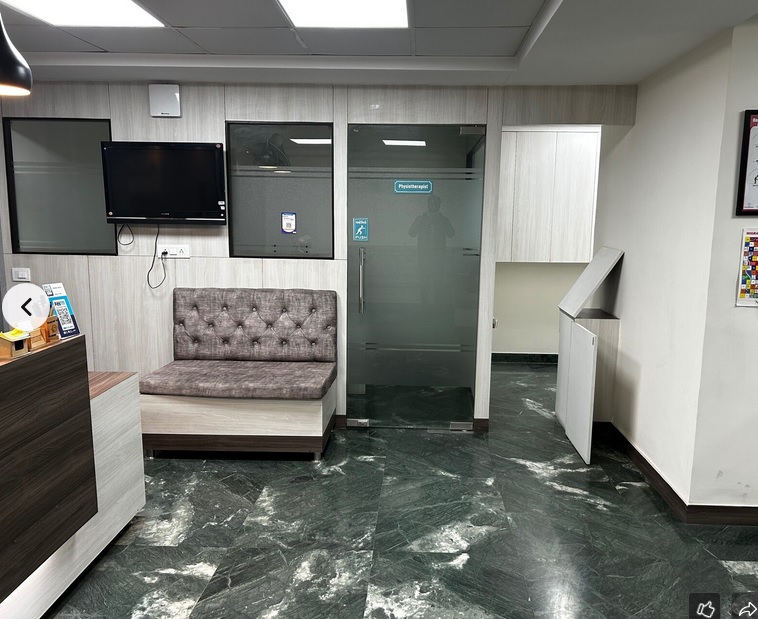
Patients seeking expert neurological care can consult Dr. Aparna Gupta at Neuro Clinic Plus, where comprehensive evaluation and management of headache disorders are available. The clinic focuses on providing individualized care using modern diagnostic and treatment approaches.
Whether you are experiencing occasional migraines or chronic daily headaches, timely medical evaluation can help identify the underlying cause and improve long-term outcomes.
About Dr. Aparna Gupta – Experienced Neurologist in Safdarjung
When dealing with persistent headaches, choosing an experienced neurologist is essential for accurate diagnosis and effective treatment. Dr. Aparna Gupta is a highly respected neurologist with 22+ years of experience in Neurology and expertise in diagnosing and managing a wide range of neurological disorders.
She currently serves as Associate Director of Neurology at ISIC Multispeciality Hospital, Vasant Kunj, New Delhi, and also consults patients at Neuro Clinic Plus, Safdarjung Enclave (B-4/18), New Delhi.
Expertise in Neurological Disorders
Dr. Aparna Gupta provides comprehensive evaluation and treatment for various neurological conditions, including:
- Headaches and Migraines
- Stroke and TIA (Mini Stroke)
- Epilepsy and Seizure Disorders
- Vertigo and Balance Disorders
- Parkinson’s Disease
- Movement Disorders
- Dementia and Memory Disorders
- Peripheral Neuropathy
- Spine and Nerve Pain
- Brain Infections
- Autoimmune Neurological Disorders
Patients looking for a Headache Specialist in Safdarjung often consult Dr. Aparna Gupta for personalized headache management and long-term neurological care.
Educational Qualifications
Dr. Aparna Gupta has received advanced medical training from some of India’s most prestigious institutions.
MBBS
- Netaji Subhash Chandra Bose Medical College, Jabalpur
- Rani Durgawati Vishwavidyalaya
- Completed in 1998
MD (General Medicine)
- Gandhi Medical College, Bhopal
- Barkatullah University
- Completed in 2003
DNB (Neurology)
- Sir Ganga Ram Hospital, New Delhi
- National Board of Examination
- Completed in 2010
Specialized Fellowships
To further enhance her expertise, Dr. Aparna Gupta completed:
- Fellowship in Epilepsy and Sleep Disorders from AIIMS, New Delhi
- Fellowship in Botox Treatment for Neurological Disorders from Seoul, South Korea
These advanced fellowships enable her to provide specialized care for complex neurological conditions.
Professional Experience
Over the years, Dr. Aparna Gupta has worked with renowned healthcare institutions and has gained extensive experience in neurological diagnosis and treatment.
Her key professional roles include:
Associate Director – Neurology
- ISIC Multispeciality Hospital, Vasant Kunj, New Delhi
Consultant Neurologist
- Indian Spinal Injuries Centre (ISIC)
Senior Resident
- Department of Cardiology, Sir Ganga Ram Hospital, New Delhi
Her diverse clinical experience allows her to manage both common and complex neurological disorders effectively.
Research, Publications, and Academic Contributions
Dr. Aparna Gupta has actively contributed to neurological research through scientific papers, poster presentations, and publications.
Some of her notable academic contributions include:
- Cryptococcal Meningitis with Cerebral and Spinal Involvement
- Early Introduction of Non-Pharmacological Therapy in Failed Back Syndrome
- Association of Hyperhomocysteinemia with Ischemic Stroke and Stroke Subtypes
- Changing Trends in Fungal Infections
- Publication: Myotonia Congenita (Becker’s Variant) – JAPI
Her involvement in research reflects her commitment to evidence-based neurological care.
Conferences and Scientific Participation
Dr. Aparna Gupta regularly participates in national and international neurology conferences to stay updated with the latest advances in neurological science.
She has attended:
- Delhi Neurological Association Conference
- International Conference of Nerve and Muscle Disorders
- International Conference of Epilepsy
- Stroke Conference, AIIMS New Delhi
This continuous academic involvement helps her deliver modern and evidence-based treatments to patients.
Professional Memberships
Dr. Aparna Gupta is an active member of several prestigious neurological organizations, including:
- Indian Academy of Neurology
- Indian Epilepsy Society
- American Academy of Neurology
- Movement Disorder Society of India
These memberships reflect her dedication to maintaining the highest standards of neurological care.
Why Patients Choose Dr. Aparna Gupta
Patients trust Dr. Aparna Gupta because of her:
- 22+ years of neurological experience
- Expertise in headache and migraine treatment
- Comprehensive diagnostic approach
- Patient-centered care
- Advanced neurological training
- Evidence-based treatment strategies
For individuals searching for the best Headache Specialist in Safdarjung, Dr. Aparna Gupta offers expert neurological evaluation, personalized treatment plans, and long-term management for headache disorders and other neurological conditions.
Why Early Diagnosis of Daily Headaches Matters
Many people ignore recurring headaches and assume they are caused by stress, lack of sleep, or a busy lifestyle. While these factors can certainly contribute to headaches, persistent or daily headaches should never be considered normal. Identifying the underlying cause early can make a significant difference in treatment success and long-term health outcomes.
The longer a headache disorder remains untreated, the greater the risk of symptoms becoming more frequent, severe, and difficult to manage.
Preventing Headaches From Becoming Chronic
One of the biggest benefits of early diagnosis is the ability to prevent occasional headaches from progressing into chronic daily headaches. Conditions such as migraine, tension headaches, medication overuse headaches, and sleep-related headaches often respond better when treated in their early stages.
Early intervention can help reduce headache frequency and minimize the impact on daily life.
Detecting Serious Neurological Conditions
Although most headaches are not caused by serious illnesses, some may be linked to stroke, brain tumors, aneurysms, infections, or other neurological disorders.
Early diagnosis allows healthcare professionals to identify these conditions before complications develop. Prompt treatment can improve outcomes and, in some situations, may even be life-saving.
Improving Quality of Life
Frequent headaches can affect nearly every aspect of life. Many individuals struggle with reduced productivity, poor concentration, disrupted sleep, mood changes, and difficulty performing routine activities.
Receiving the correct diagnosis allows patients to begin targeted treatment, leading to:
- Better symptom control
- Improved sleep quality
- Enhanced daily functioning
- Reduced stress and anxiety
- Greater overall well-being
Reducing Dependence on Pain Medications
People who experience recurring headaches often rely heavily on pain-relieving medications. While these medications may provide temporary relief, excessive use can increase the risk of medication overuse headaches.
An accurate diagnosis helps address the root cause of headaches rather than simply masking symptoms, reducing the need for frequent medication use.
Creating a Personalized Treatment Plan
No two headache patients are exactly alike. Factors such as age, lifestyle, medical history, triggers, and headache type all influence treatment decisions.
Early diagnosis enables healthcare providers to develop a personalized treatment strategy that targets the specific cause of symptoms and supports long-term relief.
Protecting Long-Term Brain Health
Some neurological conditions become more challenging to treat when diagnosis is delayed. Identifying problems early allows for appropriate monitoring, timely intervention, and better protection of overall neurological health.
This is particularly important for individuals experiencing headaches alongside symptoms such as vision changes, dizziness, weakness, numbness, memory issues, or balance problems.
The Importance of Specialist Evaluation
If headaches occur frequently or continue despite lifestyle changes, professional assessment is essential. A qualified Headache Specialist in Safdarjung can perform a detailed evaluation, identify potential triggers, and recommend the most effective treatment options.
Seeking expert care early often leads to faster symptom relief and improved long-term outcomes.
Frequently Asked Questions:
1. Why am I getting headaches every day?
Daily headaches can result from migraine, stress, sleep deprivation, dehydration, medication overuse, hormonal changes, or neurological conditions. A proper evaluation helps identify the exact cause.
2. Are daily headaches a sign of a serious problem?
Not always, but persistent headaches can sometimes indicate underlying neurological disorders, high blood pressure, or other medical conditions that require professional assessment.
3. Can stress cause headaches every day?
Yes, chronic stress and anxiety are among the most common triggers for recurring headaches, particularly tension headaches and migraine attacks.
4. When should I see a doctor for daily headaches?
You should seek medical advice if headaches become frequent, worsen over time, affect daily life, or occur with vision changes, weakness, or speech difficulties.
5. Can dehydration lead to frequent headaches?
Yes, inadequate fluid intake can affect brain function and blood circulation, leading to dehydration-related headaches that may recur if hydration is not maintained.
6. What is the difference between a migraine and a regular headache?
Migraines often cause throbbing pain, nausea, and sensitivity to light or sound, while regular headaches are usually less severe and lack these associated symptoms.
7. Can excessive screen time cause headaches?
Yes, prolonged screen exposure can lead to digital eye strain, neck tension, and headaches, especially in people who spend many hours using electronic devices.
8. Are daily headaches treatable?
In most cases, yes. Effective treatment depends on identifying the underlying cause and may include lifestyle changes, medications, and preventive therapies.
9. Can poor sleep trigger headaches?
Yes, sleep deprivation, insomnia, and sleep apnea can increase headache frequency and may contribute to chronic daily headache disorders.
10. What tests are used to diagnose chronic headaches?
Doctors may recommend a neurological examination, MRI scan, CT scan, blood tests, or sleep studies depending on symptoms and suspected causes.
11. Can taking painkillers too often worsen headaches?
Yes, frequent use of pain medications may cause medication overuse headaches, also known as rebound headaches, leading to more frequent symptoms.
12. Who is the best Headache Specialist in Safdarjung?
If you experience persistent headaches, consulting Dr. Aparna Gupta at Neuro Clinic Plus can help with accurate diagnosis, personalized treatment, and long-term headache management.
Conclusion
If you are asking yourself, “Why am I getting headaches every day?”, it is important to understand that frequent headaches are not something that should be ignored. While common factors such as stress, dehydration, lack of sleep, excessive screen time, hormonal changes, and migraines are often responsible, persistent headaches can sometimes be linked to more serious neurological conditions that require professional attention.
The most effective way to manage daily headaches is through early diagnosis and proper treatment. Identifying the underlying cause helps ensure that treatment is targeted and effective rather than simply masking symptoms with temporary pain relief. Making healthy lifestyle changes, staying hydrated, maintaining a regular sleep schedule, and managing stress can also play a significant role in reducing headache frequency.
However, if your headaches are becoming more frequent, more severe, or are affecting your daily life, seeking expert medical care is essential. Consulting a qualified Headache Specialist in Safdarjung can help determine the exact cause of your symptoms and create a personalized treatment plan.
With 22+ years of neurological expertise, Dr. Aparna Gupta at Neuro Clinic Plus provides comprehensive evaluation and advanced headache management. If you are looking for the best Headache Specialist in Safdarjung, timely consultation can help you achieve lasting relief and improve your overall neurological health.