Latest Updates for Neuro treatment

Tingling or numbness

Tingling or numbness in your hands or feet is something many people feel at some time. It may feel like “pins and needles,” slight burning, or loss of sensation. Sometimes, it happens when you sit or sleep in one position for too long, and it usually goes away quickly. But if this feeling happens again and again or lasts for a long time, you should not ignore it.

These symptoms can be early signs of Neuropathy, a condition where the nerves are damaged and cannot send signals properly to the brain. Neuropathy often starts slowly, so many people don’t notice it in the beginning. Over time, it can cause pain, weakness, or difficulty in walking and balance.

There can be many reasons behind it, such as diabetes, lack of vitamins, or nerve injury. Understanding these signs early can help you take the right steps for treatment. If you often feel tingling or numbness, it’s important to pay attention and consult a doctor before the problem gets worse.

What is Neuropathy?

Neuropathy is a condition where the nerves in your body get damaged. These nerves are responsible for sending messages between your brain and different parts of your body like your hands, feet, and muscles. When the nerves are not working properly, these messages don’t travel correctly, which leads to unusual sensations.

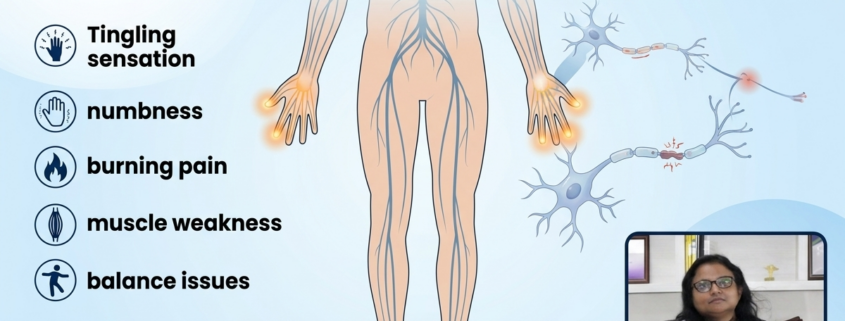
People with neuropathy may feel tingling, numbness, burning pain, or even weakness in their body. It usually starts in the hands or feet and can slowly spread if not treated on time.

There are different types of neuropathy:

  • Peripheral neuropathy – affects hands and feet
  • Diabetic neuropathy – caused by high blood sugar levels
  • Autonomic neuropathy – affects internal organs like heart, digestion, etc.
  • Focal neuropathy – affects a specific nerve or area

Neuropathy can develop slowly, so many people ignore the early signs. But understanding it early can help in proper treatment and prevent further damage.

Common Symptoms You Shouldn’t Ignore

The symptoms of Neuropathy often begin mildly and may not seem serious at first. However, over time, they can worsen and start affecting your daily life. Understanding each symptom in detail can help you identify the condition early.

1. Tingling Sensation

This is usually the first sign people notice. It feels like “pins and needles” in the hands or feet. In the beginning, it may come and go, so many people ignore it. However, this sensation often starts in the toes or fingertips and can slowly spread upward if the condition progresses.

2. Numbness

Numbness means a reduced ability to feel sensations properly. You may not clearly feel pain, temperature, or touch in certain areas. This can become dangerous over time, as injuries or burns may go unnoticed, especially in the feet.

3. Burning or Sharp Pain

Some people experience a burning feeling or sudden sharp pain that can be quite uncomfortable. This pain is often described as stabbing or electric shock-like and may become worse at night, making it difficult to sleep or relax.

4. Muscle Weakness

When nerves are damaged, they may not send proper signals to the muscles. This can lead to weakness, making it harder to hold objects, walk properly, or perform daily tasks. In more advanced cases, muscles may start losing strength and size.

5. Balance Problems

Nerves play an important role in maintaining balance and coordination. When they are affected, you may feel unsteady while walking or standing. This can increase the risk of falls and make simple movements more difficult.

6. Sensitivity to Touch

In some cases, the nerves become overly sensitive. Even a light touch, such as clothing or bedsheets, may feel uncomfortable or painful. This unusual sensitivity can make daily life uncomfortable and stressful.

Causes of Neuropathy

Neuropathy can develop due to several underlying health conditions and lifestyle factors. In many cases, it does not happen suddenly but builds up over time as nerves become damaged.

Diabetes

Diabetes is the most common cause of neuropathy. High blood sugar levels over a long period can damage the nerves, especially in the hands and feet. This is why people with uncontrolled diabetes often experience tingling, numbness, or pain.

Vitamin Deficiency

Lack of essential vitamins, especially Vitamin B12, can affect nerve health. These vitamins are important for proper nerve function, and their deficiency can lead to weakness, tingling, and nerve damage.

Infections and Autoimmune Conditions

Certain infections and autoimmune diseases can attack the nerves. In these conditions, the body’s immune system mistakenly damages healthy nerve tissues, leading to various neurological symptoms.

Injury or Trauma

Physical injuries, accidents, or repeated pressure on nerves can lead to neuropathy. For example, nerve compression in the spine or wrist can cause long-term nerve problems if not treated.

Medications and Toxins

Some medicines, especially those used in chemotherapy, can cause nerve damage as a side effect. Exposure to harmful chemicals or excessive alcohol consumption can also negatively affect nerve health.

Who is at Risk of Neuropathy?

Neuropathy can affect anyone, but certain people have a higher risk due to their health conditions and lifestyle habits. Individuals with diabetes are at the highest risk, as long-term high blood sugar levels can slowly damage the nerves, especially in the hands and feet. Older adults are also more vulnerable because the body’s ability to repair nerves decreases with age.

People with poor nutrition, particularly those lacking essential vitamins like B12, may develop nerve-related problems over time. Similarly, individuals suffering from chronic illnesses such as kidney disease, thyroid disorders, or autoimmune conditions are more likely to experience nerve damage.

In addition, those who have had injuries, surgeries, or repeated pressure on certain nerves may develop neuropathy. Excessive alcohol consumption is another major risk factor, as it can directly harm nerves and also lead to nutritional deficiencies.

Understanding these risk factors is important for early prevention. If you fall into any of these categories and start noticing symptoms like tingling or numbness, it is important to seek medical advice before the condition worsens.

When Should You See a Doctor?

Sometimes tingling or numbness is normal, especially if you sit or sleep in one position for too long. But if it happens again and again or does not go away, it could be a sign of Neuropathy. Many people ignore these early signs, but doing so can make the condition worse over time.

You should see a doctor if the feeling keeps coming back, starts spreading to other areas, or is followed by burning or sharp pain. If you notice weakness in your hands or legs, have trouble holding things, or feel unsteady while walking, it is important to get it checked.

In serious cases, sudden numbness, complete loss of feeling, or strong pain that disturbs your sleep should not be ignored. These may be signs of a bigger problem. Seeing a doctor early can help find the cause and start the right treatment, which can prevent further damage and help you feel better.

Diagnosis of Neuropathy

Medical History and Symptoms

To find out if you have neuropathy, a doctor will first understand your symptoms and medical history. They may ask when the tingling or numbness started, how often it occurs, and whether you have conditions like diabetes or vitamin deficiency. This helps in identifying the possible cause.

Physical and Neurological Examination

The doctor will then perform a physical and neurological check-up. They may test your reflexes, muscle strength, balance, and your ability to feel touch, temperature, or pain. These tests help in understanding how well your nerves are functioning.

Diagnostic Tests

In some cases, additional tests are required to confirm the condition. These may include blood tests to check blood sugar levels or vitamin deficiencies, and nerve conduction studies to measure how fast signals travel through your nerves. Early diagnosis plays an important role in starting the right treatment and preventing further nerve damage.

Treatment Options for Neuropathy

Medications for Nerve Pain

Doctors may prescribe medicines to reduce nerve pain and discomfort. These help control symptoms like burning, tingling, and sharp pain, making daily life more comfortable.

Treating the Underlying Cause

The most important step is to treat the root cause of neuropathy. For example, controlling blood sugar in diabetes or correcting vitamin deficiencies can help slow down or even improve nerve damage.

Lifestyle Changes

Simple lifestyle changes can make a big difference. Eating a healthy diet, staying physically active, and avoiding alcohol or smoking can support nerve health and reduce symptoms over time.

Vitamin Supplements

If neuropathy is caused by a lack of essential vitamins like B12, doctors may recommend supplements. These help in improving nerve function and preventing further damage.

Physiotherapy and Rehabilitation

Physiotherapy can help improve strength, balance, and coordination. It is especially useful for people who have difficulty walking or performing daily activities due to nerve damage.

Pain Management Techniques

In some cases, additional therapies like relaxation techniques or nerve stimulation may be suggested to manage long-term pain effectively.

Prevention Tips for Neuropathy

Maintain Healthy Blood Sugar Levels

Keeping your blood sugar under control is one of the most important ways to prevent nerve damage, especially for people with diabetes. Regular monitoring and proper medication can help protect your nerves.

Follow a Balanced Diet

Eating a healthy diet rich in vitamins and nutrients supports nerve health. Foods high in Vitamin B12, fruits, vegetables, and whole grains play an important role in preventing deficiencies.

Stay Physically Active

Regular exercise improves blood circulation and helps keep your nerves healthy. Simple activities like walking, stretching, or yoga can make a big difference over time.

Avoid Alcohol and Smoking

Excessive alcohol and smoking can damage nerves and worsen symptoms. Reducing or avoiding these habits can help in preventing neuropathy.

Take Care of Your Feet

Since neuropathy often affects the feet, it is important to check them regularly for cuts, injuries, or infections. Proper foot care can prevent complications.

Regular Health Check-ups

Routine medical check-ups can help detect early signs of nerve damage. Early diagnosis allows timely treatment and better management.

FAQs 

Q1. Is tingling or numbness always a sign of neuropathy?
Not always. Sometimes it can happen due to temporary pressure on nerves, like sitting in one position for too long. But if it happens frequently or does not go away, it may be a sign of neuropathy.

Q2. Can neuropathy be cured?
In some cases, especially when caused by vitamin deficiency or early-stage conditions, it can be improved or even reversed. However, in many cases, treatment focuses on managing symptoms and preventing further damage.

Q3. What is the most common cause of neuropathy?
Diabetes is the most common cause. High blood sugar levels over time can damage the nerves.

Q4. How do I know if my symptoms are serious?
If you have continuous tingling, numbness, burning pain, weakness, or balance problems, it is important to consult a doctor. Sudden or severe symptoms should not be ignored.

Q5. Can neuropathy go away on its own?
Mild cases may improve if the cause is temporary, but most cases need proper medical care and lifestyle changes.

Q6. How can I prevent neuropathy?
You can reduce the risk by maintaining healthy blood sugar levels, eating a balanced diet, avoiding alcohol and smoking, and staying physically active.

Conclusion

Tingling or numbness may seem like a small problem, but it can sometimes be an early sign of Neuropathy. Ignoring these symptoms can lead to more serious issues over time, including pain, weakness, and difficulty in daily activities. Understanding the warning signs and causes is the first step toward protecting your nerve health.

Early diagnosis and the right treatment can make a big difference. With proper care, lifestyle changes, and medical support, it is possible to manage symptoms and prevent further nerve damage. Small steps like maintaining a healthy diet, staying active, and managing underlying conditions can go a long way.

If you notice frequent tingling, numbness, or any unusual sensations, it is always better to consult a doctor. Taking action at the right time can help you avoid complications and improve your overall quality of life.

vertigo causes , symptoms and treatment

Dizziness is a common health concern that can affect people of all ages. It may feel like lightheadedness, unsteadiness, or a sensation that the surroundings are spinning. While occasional dizziness is usually harmless, frequent or severe episodes can interfere with daily activities and may indicate an underlying medical condition.

One of the most common causes of dizziness is vertigo, a condition that creates a false sense of movement or spinning. It is often linked to problems in the inner ear or the balance centers of the brain. Many people ignore early symptoms, assuming they are minor, but understanding the root cause is essential for proper treatment.

2. Understanding Dizziness 

Dizziness is a common feeling that many people experience at some point. It can make you feel lightheaded, weak, unsteady, or like you might faint. It is not a disease but a symptom that something in your body may not be working properly.

Many people get confused between dizziness and vertigo. Dizziness is a general feeling of imbalance, while vertigo is a specific type of dizziness where you feel like you or your surroundings are spinning.

There are different types of dizziness:

  • Vertigo: Feeling like the room is spinning
  • Imbalance: Trouble maintaining balance while standing or walking
  • Faint feeling: Feeling like you might pass out

These symptoms can make daily activities like walking, standing, or even focusing difficult. Understanding what kind of dizziness you are experiencing can help in finding the right cause and treatment.

3. What Is Vertigo? 

Vertigo is a type of dizziness where you feel like everything around you is spinning or moving, even when you are standing still. It can be mild for some people, but for others, it can be very uncomfortable and disturbing.

Vertigo usually happens due to problems in the inner ear or the brain, which are responsible for maintaining balance. The inner ear helps your body understand movement and position. When there is a disturbance in this system, it can send wrong signals to the brain, causing a spinning sensation.

Some people experience vertigo for a few seconds, while others may have it for minutes or even hours. It can affect daily activities like walking, standing, or turning your head. Understanding vertigo is important so that you can identify the symptoms early and seek the right treatment.

4. Common Causes of Dizziness

Dizziness can happen due to many simple and common reasons. In most cases, it is not serious and can be managed easily once you understand the cause.

1. Dehydration

Not drinking enough water can reduce the amount of blood reaching your brain, which may make you feel dizzy or weak. This is more common in hot weather or after physical activity. Signs like dry mouth, tiredness, and dark urine can also indicate dehydration.

2. Low Blood Pressure

A sudden drop in blood pressure, especially when you stand up quickly, can cause a brief feeling of lightheadedness. This usually lasts for a few seconds but can be uncomfortable. It is more common in older adults or people who are not eating or drinking properly.

3. Stress and Anxiety

When you are stressed or anxious, your breathing pattern changes and your body becomes tense. This can lead to dizziness or a floating feeling. Panic attacks may also cause sudden dizziness along with a fast heartbeat.

4. Medication Side Effects

Some medicines can affect your balance or blood pressure, leading to dizziness. This may happen when you start a new medicine or change the dose. It is important to consult a doctor if dizziness continues.

5. Low Blood Sugar

If you skip meals or eat very little, your blood sugar levels can drop. This can make you feel weak, shaky, sweaty, and dizzy. Eating regular and balanced meals helps maintain stable energy levels.

6. Unhealthy Lifestyle Habits

Poor sleep, irregular routine, excessive caffeine, or long screen time can also cause dizziness. Maintaining a healthy lifestyle plays an important role in preventing such symptoms.

5. Major Causes of Vertigo 

Vertigo happens when there is a problem in the inner ear or brain, which helps control your balance. It makes you feel like you or everything around you is spinning, even when you are still.

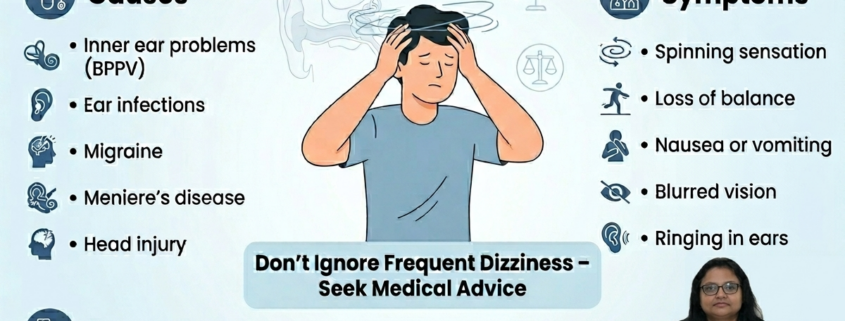
1. BPPV (Benign Paroxysmal Positional Vertigo)

This is one of the most common causes of vertigo. It happens when small calcium particles in the inner ear move out of their normal place. These particles disturb the balance signals sent to the brain. BPPV usually causes short but repeated episodes of spinning sensation. It often starts when you change your head position, such as turning in bed, bending down, or looking upward. Even simple movements can trigger dizziness, but the episodes usually last only a few seconds to minutes.

2. Inner Ear Infections

Inner ear infections like labyrinthitis and vestibular neuritis can affect the balance system. These are mostly caused by viral infections and sometimes after a cold or flu. They can lead to sudden and strong vertigo that may last for days. Along with dizziness, a person may feel nausea, vomiting, and difficulty walking straight. In some cases, hearing may also be temporarily affected.

3. Meniere’s Disease

Meniere’s disease is a long-term condition where fluid builds up inside the inner ear. This extra pressure disturbs balance and hearing signals. It causes repeated vertigo attacks that can last from minutes to hours. During an episode, a person may also experience ringing in the ears, a blocked feeling in the ear, and hearing loss that may come and go. The attacks can happen suddenly and affect daily life.

4. Migraine-Related Vertigo

Some people who suffer from migraines also experience vertigo. This is called vestibular migraine. It may happen even without a headache. During these episodes, a person may feel spinning dizziness, sensitivity to light or sound, and difficulty focusing. Triggers like stress, lack of sleep, certain foods, or hormonal changes can make it worse.

5. Head Injury

A fall, accident, or blow to the head can affect the inner ear or brain areas that control balance. This can lead to vertigo either immediately after the injury or after a few days. In some cases, dizziness may come and go, especially when moving the head or changing position.

6. Brain-Related Problems

In rare cases, vertigo can be caused by serious brain conditions like stroke or other neurological disorders. These conditions may also show other symptoms such as weakness in the body, difficulty speaking, double vision, or loss of coordination. Such cases are serious and need immediate medical attention.

6. Symptoms of Vertigo 

Vertigo symptoms can vary from person to person, but most people describe it as a disturbing spinning or moving feeling. These symptoms can appear suddenly and may last for a few seconds, minutes, or sometimes longer.

1. Spinning Sensation

The main symptom of vertigo is a spinning feeling. You may feel like you are moving or the room around you is rotating, even when you are completely still. This sensation often becomes stronger when you change your head position, such as turning, bending, or getting up quickly.

2. Loss of Balance

Vertigo can affect your body’s balance system. You may feel unsteady while standing or walking, and it may feel like you could fall at any moment. Because of this, simple activities like walking in a straight line or climbing stairs can become difficult and unsafe.

3. Nausea and Vomiting

The strong spinning sensation can affect the stomach and brain connection, leading to nausea. In many cases, people also feel like vomiting or may actually vomit during a severe vertigo attack. This can make the episode more uncomfortable and exhausting.

4. Headache or Pressure in Head

Some people may feel a dull headache or heaviness in the head during vertigo. Others may experience a feeling of pressure or tightness, especially when the episode lasts longer.

5. Blurred or Unstable Vision

Vertigo can disturb your vision and make it hard to focus. Objects may look blurry, shaky, or moving. This happens because the brain is confused by mixed signals from the balance system.

6. Ringing or Noise in Ears (Tinnitus)

Many people with vertigo also hear ringing, buzzing, or humming sounds in one or both ears. This is more common in inner ear-related conditions like Meniere’s disease.

7. Sweating, Weakness, and Fatigue

During a vertigo attack, the body may react with sweating, weakness, and tiredness. You may feel drained even after the episode ends, as the body takes time to recover from the imbalance.

7. When to Seek Medical Help

Dizziness or vertigo is often harmless, but in some cases, it can indicate a more serious underlying condition. If symptoms are sudden, severe, or recurring, medical evaluation should not be delayed. Early diagnosis helps in identifying the exact cause and prevents complications.

Immediate medical attention is required if any of the following warning signs are present:

  • Sudden and intense dizziness that makes standing or walking difficult
  • Loss of balance with frequent stumbling or falls
  • Difficulty in speaking clearly or understanding speech
  • Blurred vision, double vision, or sudden visual disturbances
  • Persistent nausea or vomiting that does not improve
  • Weakness, numbness, or tingling in the face, arms, or legs
  • Confusion, disorientation, or difficulty concentrating

Frequent or long-lasting episodes of dizziness or vertigo should also be evaluated, even if symptoms appear mild. Repeated attacks may indicate an underlying ear, brain, or neurological condition that requires proper treatment.

Timely consultation with a healthcare professional ensures accurate diagnosis and appropriate management, improving overall safety and quality of life.

8. Diagnosis of Vertigo

Diagnosing vertigo involves understanding the patient’s symptoms in detail and identifying the underlying cause. Since vertigo can be related to the inner ear, brain, or other health conditions, a proper medical evaluation is important for accurate treatment.

The process usually begins with a detailed medical history, where the doctor asks about the nature of dizziness, how often it occurs, how long it lasts, and what triggers it. This helps in understanding whether the issue is related to the ear, brain, or lifestyle factors.

After this, a physical examination is done to check balance, eye movement, and coordination. In many cases, specific bedside tests are performed to observe how the body reacts to head movements.

Depending on the symptoms, additional tests may be recommended, such as:

  • Hearing tests to check inner ear function
  • Balance tests to evaluate coordination and stability
  • Blood tests to rule out infections or other medical conditions
  • MRI or CT scans to examine brain structure in more complex cases

Accurate diagnosis is essential because treatment depends entirely on the underlying cause. Identifying the root problem helps in selecting the most effective therapy and preventing future episodes of vertigo.

9. Treatment Options for Vertigo

Treatment for vertigo depends on its underlying cause and severity. In many cases, symptoms can be managed effectively with a combination of medicines, therapies, and lifestyle changes. Proper treatment helps reduce episodes and improve balance.

1. Medications

Doctors may prescribe medicines to control dizziness, nausea, and vomiting during vertigo attacks. In some cases, drugs are also given to treat inner ear inflammation or infections. These medicines help in reducing symptoms and providing quick relief during severe episodes.

2. Vestibular Rehabilitation Therapy (VRT)

This is a special type of exercise-based therapy that helps improve balance. It trains the brain to adjust to abnormal signals coming from the inner ear. Over time, it reduces dizziness and helps patients regain stability during movement.

3. Canal Repositioning Maneuvers

In conditions like BPPV, specific head movements such as the Epley maneuver are used. These movements help shift the displaced calcium particles in the inner ear back to their correct position, reducing spinning sensations.

4. Treating Underlying Conditions

If vertigo is caused by infections, migraines, or other health issues, treating the root cause is essential. Managing conditions like high blood pressure, diabetes, or ear infections can significantly reduce vertigo episodes.

5. Lifestyle Modifications

Simple lifestyle changes such as staying hydrated, avoiding sudden head movements, managing stress, and getting enough sleep can help prevent recurring episodes.

10. Home Remedies & Prevention Tips

Vertigo and dizziness can often be reduced by making small but consistent changes in daily habits. Along with medical treatment, home care plays an important role in preventing frequent episodes and improving overall balance.

It is important to maintain proper hydration and nutrition throughout the day, as even mild dehydration or skipped meals can trigger dizziness. A stable routine helps the body maintain steady energy levels and reduces sudden imbalance.

  • Drink enough water throughout the day to avoid dehydration
  • Eat regular, balanced meals to maintain stable blood sugar levels
  • Avoid sudden head or body movements, especially when getting up from bed
  • Get proper sleep every night to support brain and body recovery
  • Reduce stress through relaxation techniques like deep breathing or meditation
  • Limit caffeine, alcohol, and smoking as they can worsen symptoms
  • Avoid bright lights and loud environments during active vertigo episodes

In addition to these tips, it is helpful to take rest during dizziness episodes and avoid activities that require focus, such as driving or operating machinery. Keeping the environment safe and clutter-free can also reduce the risk of falls.

Consistent lifestyle management can significantly reduce the frequency and intensity of vertigo attacks over time.

11. Living with Vertigo

Living with vertigo can be challenging, especially when episodes occur suddenly and affect daily routine. However, with proper care, awareness, and small lifestyle adjustments, it is possible to manage symptoms effectively and maintain a normal life.

1. Understanding Daily Challenges

Vertigo can interfere with simple activities like walking, working, or even turning the head. Many people feel anxious about sudden episodes, which can further increase discomfort. Understanding the condition helps in handling it better.

2. Managing Routine Activities

Daily activities should be done slowly and carefully to avoid sudden dizziness. Rushing or quick movements can trigger symptoms, so maintaining a steady pace is important.

  • Move slowly when changing positions (lying to sitting or standing)
  • Take short breaks during work or physical activity
  • Avoid sudden head movements

3. Safety Precautions at Home

Creating a safe environment reduces the risk of falls and injuries during vertigo episodes.

  • Use support like handrails on stairs
  • Keep rooms well-lit and clutter-free
  • Sit or lie down immediately during dizziness

4. Lifestyle Adjustments

Healthy habits can help reduce the frequency and severity of vertigo attacks.

  • Maintain regular sleep patterns
  • Stay hydrated and eat balanced meals
  • Reduce stress through relaxation techniques
  • Avoid alcohol and excessive caffeine

5. Emotional Well-being

Living with repeated episodes can sometimes cause anxiety or fear. Staying calm and following medical advice can improve confidence and quality of life over time.

12. FAQs

1. Is vertigo a serious condition?

Vertigo itself is not always serious, but it can be a symptom of underlying problems related to the inner ear or brain. In some cases, it may indicate conditions that need medical attention, so it should not be ignored if it is frequent or severe.

2. How long does vertigo last?

The duration of vertigo varies depending on the cause. It may last for a few seconds in some cases, while in others it can continue for minutes, hours, or even days. Conditions like BPPV usually cause short episodes, while infections may last longer.

3. Can vertigo go away on its own?

Yes, mild vertigo can sometimes improve without treatment. However, if the symptoms keep returning or become worse, medical evaluation is important to find the exact cause and prevent recurrence.

4. What triggers vertigo attacks?

Common triggers include sudden head movements, stress, lack of sleep, dehydration, inner ear infections, and certain medical conditions. Identifying triggers can help in managing and preventing episodes.

13. Conclusion

Dizziness and vertigo are common health concerns that can affect balance, daily activities, and overall quality of life. While dizziness can occur due to simple reasons like dehydration, low blood pressure, or stress, vertigo is often linked to inner ear or neurological issues that require proper attention.

Understanding the symptoms and identifying the exact cause is very important for effective treatment. In many cases, vertigo can be managed successfully with medications, therapy, lifestyle changes, and preventive care. Early diagnosis plays a key role in avoiding complications and reducing recurring episodes.

If dizziness or vertigo occurs frequently, becomes severe, or affects normal activities, it is important to consult a healthcare professional for proper evaluation and guidance. With timely care and healthy lifestyle habits, most people can manage symptoms and lead a stable, comfortable life.


Autoimmune neurological disorders

The immune system plays a crucial role in protecting the body from harmful invaders such as bacteria, viruses, and toxins. However, in autoimmune diseases with neurological involvement, this protective system can become misdirected and begin attacking the body’s own nervous system. When this happens, it can affect the brain, spinal cord, and peripheral nerves, leading to conditions that require expert neurological care.

Imagine your body’s defense system mistakenly targeting the very network that controls movement, sensation, and coordination. This is what can happen in autoimmune neurological disorders. These conditions may affect the brain, nerves, or spinal cord, leading to symptoms such as weakness, numbness, balance issues, memory problems, or chronic fatigue. In many cases, the early signs are subtle and may be overlooked, making timely diagnosis difficult but very important.

With the rising awareness of autoimmune neurological conditions, it has become essential to recognize early warning signs and seek specialist consultation. Understanding how the immune system can affect the nervous system helps in early intervention, better management, and improved long-term outcomes under proper neurological care.

What Are Autoimmune Neurological Disorders?

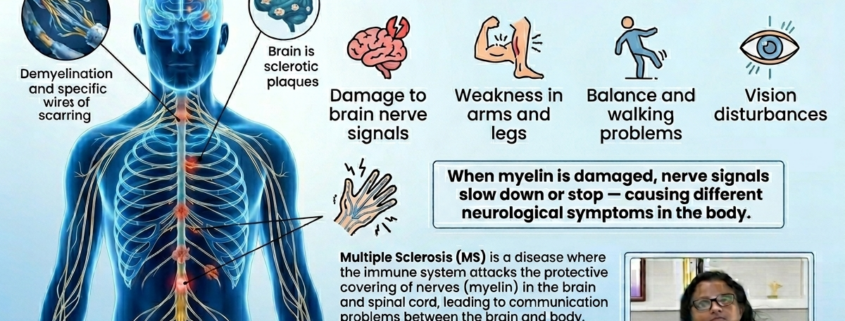
Autoimmune neurological disorders are conditions in which the body’s immune system mistakenly attacks healthy tissues of the nervous system, including the brain, spinal cord, and peripheral nerves. Normally, the immune system protects the body from infections and harmful substances. However, in these conditions, this defense mechanism becomes misdirected and targets nerve cells and neural pathways, leading to inflammation and neurological damage.

  • The immune system attacks the brain, spinal cord, or nerves instead of protecting them
  • Leads to inflammation that affects neurological function
  • Can interfere with communication between the brain and body

These disorders can present in different ways depending on which part of the nervous system is affected. Some conditions may primarily impact movement and coordination, while others may affect sensation, vision, memory, or cognitive function. Symptoms often develop gradually and may vary in intensity, which can make early diagnosis challenging.

  • Some conditions affect motor function, others affect sensation or cognition
  • Symptoms may fluctuate or progress over time
  • Early neurological signs are often subtle and overlooked

Unlike typical immune responses that resolve after eliminating a threat, autoimmune attacks on the nervous system can become chronic. This ongoing inflammation can disrupt normal neurological function and may require long-term specialist care and management under a neurologist for better outcomes.

Common Types of Autoimmune Neurological Disorders

Autoimmune neurological disorders are conditions in which the immune system mistakenly attacks the nervous system, including the brain, spinal cord, and peripheral nerves. These disorders can affect movement, sensation, cognition, and overall neurological function. Understanding the most common types helps in early recognition and timely neurological consultation.

Multiple Sclerosis & Neuromyelitis Optica

One of the most well-known autoimmune neurological conditions is Multiple Sclerosis (MS), where the immune system attacks the protective covering of nerve fibers in the brain and spinal cord. This leads to problems with vision, balance, coordination, and muscle strength. Neuromyelitis Optica (NMO) is a related condition that primarily affects the optic nerves and spinal cord, often causing vision loss and severe weakness or paralysis in some cases.

Myasthenia Gravis & Guillain-Barré Syndrome

Myasthenia Gravis is an autoimmune disorder that affects the communication between nerves and muscles, leading to muscle weakness that often worsens with activity. Guillain-Barré Syndrome (GBS) is another serious condition where the immune system attacks peripheral nerves, causing sudden weakness, tingling, and in severe cases, paralysis that requires urgent medical care.

Autoimmune Encephalitis and Other Conditions

Autoimmune Encephalitis is a condition in which the immune system attacks the brain, leading to symptoms such as memory loss, seizures, confusion, and behavioral changes. Other neurological autoimmune disorders may affect different parts of the nervous system, resulting in a wide range of symptoms depending on the area involved.

Neurological Signs Your Immune System May Be Attacking You

Autoimmune neurological disorders often develop slowly, and early symptoms can be subtle or mistaken for stress, fatigue, or other common conditions. Because the immune system may attack the brain, spinal cord, or nerves, the signs can vary widely. Recognizing these early neurological warning signals is important for timely diagnosis and treatment by a neurologist.

Persistent Fatigue and Brain Fog

One of the earliest signs can be ongoing fatigue that does not improve with rest. Along with physical tiredness, many individuals also experience brain fog, difficulty concentrating, memory issues, or reduced mental clarity. These symptoms can affect work performance and daily functioning.

Weakness, Numbness, and Tingling

When the immune system affects the nerves, it can lead to unusual sensations such as tingling, numbness, or weakness in different parts of the body. These symptoms may start mildly in the hands or feet and gradually spread, sometimes affecting balance and coordination.

Vision and Balance Problems

Some autoimmune neurological conditions can impact the optic nerves or brain pathways, leading to blurred vision, double vision, or even temporary vision loss. Patients may also experience dizziness, loss of balance, or difficulty walking steadily.

Headaches, Seizures, and Cognitive Changes

In more serious cases, inflammation in the brain can lead to frequent headaches, seizures, confusion, or sudden changes in behavior and cognition. These symptoms should never be ignored, as they may indicate significant neurological involvement requiring urgent medical attention.


What Causes Autoimmune Neurological Disorders?

The exact cause of autoimmune neurological disorders is not always fully understood, but they are believed to result from a combination of genetic, environmental, and immune-related factors. In these conditions, the immune system becomes misdirected and mistakenly attacks the nervous system, including the brain, spinal cord, or peripheral nerves, leading to inflammation and neurological dysfunction.

Genetic Susceptibility

Genetics can play an important role in increasing the risk of autoimmune neurological diseases. Individuals with a family history of autoimmune or neurological conditions may have a higher susceptibility due to inherited immune system variations. However, genetics alone are not enough to cause the disease; they mainly increase vulnerability when combined with other triggers.

Environmental Triggers

Environmental factors can activate abnormal immune responses in genetically predisposed individuals. Exposure to infections, toxins, pollutants, or certain chemicals may disturb immune regulation and trigger attacks on nervous system tissues. In some cases, even previous infections can act as a starting point for neurological autoimmune reactions.

Infections and Immune Misfiring

Certain viral or bacterial infections are strongly linked to autoimmune neurological conditions. During infection, the immune system may mistakenly identify nerve tissues as harmful due to similarities in structure, a process known as molecular mimicry. This can lead to ongoing immune attacks even after the infection has been cleared.

Stress and Lifestyle Influences

Chronic stress, lack of sleep, poor nutrition, and unhealthy lifestyle habits can weaken immune balance and increase inflammation in the body. Over time, these factors may contribute to immune dysregulation, making the nervous system more vulnerable to autoimmune attacks or worsening existing neurological symptoms.

Hormonal and Immune System Imbalance

Hormonal changes, particularly in women, may influence immune activity and contribute to autoimmune neurological disorders. Fluctuations during puberty, pregnancy, or menopause can affect immune regulation and may increase the risk of developing or worsening neurological symptoms in susceptible individuals.

Risk Factors for Autoimmune Neurological Disorders

Autoimmune neurological disorders can affect anyone, but certain factors may increase the risk of developing conditions that impact the brain, spinal cord, or peripheral nerves. Understanding these risk factors is important for early awareness, timely neurological evaluation, and better disease management. While not all risks can be avoided, identifying them can support earlier diagnosis and improved outcomes under a neurologist’s care.

General Risk Awareness

Autoimmune neurological conditions often develop due to a combination of factors rather than a single cause. Being aware of early neurological symptoms and risk factors can help in seeking timely medical attention before significant nerve damage occurs.

  • Risk is usually due to multiple combined factors
  • Early recognition improves treatment outcomes
  • Neurological evaluation is important in suspected cases

Gender Differences

Women are generally more prone to autoimmune neurological disorders compared to men. Hormonal influences, especially estrogen, may affect immune system regulation and increase susceptibility to conditions that impact the nervous system.

  • Higher incidence in females than males
  • Hormonal changes may influence immune activity
  • More common during reproductive years

Family History and Genetic Susceptibility

A family history of autoimmune or neurological disorders can increase the likelihood of developing similar conditions. Genetic factors may influence how the immune system responds, making some individuals more vulnerable to nerve and brain inflammation.

  • Family history increases risk of autoimmune neurological diseases
  • Genetic predisposition affects immune response regulation
  • Not guaranteed but increases susceptibility

Age and Immune System Changes

Autoimmune neurological disorders can occur at any age but are often seen in young to middle-aged adults. In some cases, symptoms may begin subtly and progress slowly, making early detection important for preventing long-term neurological complications.

  • Common in young and middle-aged individuals
  • Can also affect children and older adults
  • Symptoms may progress gradually over time

Lifestyle and Environmental Triggers

Environmental exposures and lifestyle habits can influence immune system balance and potentially trigger neurological autoimmune responses. Infections, stress, poor sleep, smoking, and exposure to toxins may all contribute to disease development or worsening of symptoms.

  • Infections may trigger immune misfiring in nerves
  • Chronic stress can worsen neurological inflammation
  • Poor lifestyle habits may increase disease severity 

Diagnosis: How Are Autoimmune Neurological Disorders Detected?

Diagnosing autoimmune neurological disorders can be complex because their symptoms often overlap with other neurological or general health conditions. These disorders may affect the brain, spinal cord, or peripheral nerves, and symptoms can develop slowly or fluctuate over time. This makes early identification challenging, so a detailed neurological evaluation is essential for accurate diagnosis and timely treatment.

  • Symptoms may mimic other neurological or systemic diseases
  • Early detection helps prevent long-term nerve damage
  • Multiple tests and evaluations are often required

Neurological History and Clinical Evaluation

A neurologist usually begins the diagnosis by taking a detailed medical and neurological history. This includes understanding symptoms such as weakness, numbness, vision changes, memory issues, or balance problems. The doctor may also evaluate symptom patterns, progression, and any family history of autoimmune or neurological disorders.

  • Detailed symptom history helps identify neurological patterns
  • Family history may indicate genetic susceptibility
  • Clinical examination assesses brain and nerve function

Blood Tests and Immune Marker Analysis

Blood tests are commonly used to detect abnormal antibodies that may be attacking the nervous system. These tests also help measure inflammation levels and identify immune system activity that could be affecting neurological tissues.

  • Detects autoimmune antibodies linked to nerve damage
  • Measures inflammation in the body
  • Helps assess overall immune system activity

Brain and Nerve Diagnostic Tests

In many cases, advanced neurological tests are required to confirm the diagnosis. MRI scans, CT scans, nerve conduction studies, and sometimes lumbar puncture (spinal fluid analysis) help identify inflammation, nerve damage, or abnormal brain activity.

  • MRI helps detect brain and spinal cord inflammation
  • Nerve conduction studies assess nerve function
  • Spinal fluid tests can reveal immune activity in the CNS

Why Diagnosis Can Be Challenging

Autoimmune neurological disorders are often difficult to diagnose because symptoms vary widely from person to person and may resemble other conditions. In some cases, it may take multiple consultations and repeated testing before a clear diagnosis is confirmed.

  • Symptoms may fluctuate or progress slowly
  • Similar signs appear in multiple neurological conditions
  • Diagnosis often requires specialist evaluation and time

Treatment Options for Autoimmune Neurological Disorders

While autoimmune neurological disorders cannot usually be completely cured, they can be effectively managed with timely diagnosis and the right treatment approach under a neurologist’s care. The main goals of treatment are to reduce inflammation in the nervous system, control the overactive immune response, prevent further nerve damage, and improve overall neurological function and quality of life.

Immunotherapy and Immune System Control

Treatment often involves medications that regulate or suppress the immune system to prevent it from attacking the brain, spinal cord, or peripheral nerves. Depending on the condition and severity, neurologists may prescribe corticosteroids, immunosuppressants, or disease-modifying therapies to control disease activity and reduce neurological damage.

Managing Neurological Symptoms

Symptom management is an important part of treatment, especially in conditions that affect movement, sensation, or cognition. Medications may be used to control muscle weakness, nerve pain, seizures, stiffness, or coordination problems, helping patients maintain daily functioning and independence.

Rehabilitation and Supportive Therapy

In many cases, rehabilitation therapies such as physiotherapy, occupational therapy, or speech therapy are recommended to improve mobility, strength, balance, and communication skills. These therapies help patients recover lost function and adapt to neurological challenges more effectively.

Lifestyle Support and Long-Term Care

Healthy lifestyle habits also support neurological health and recovery. Adequate rest, balanced nutrition, stress management, and avoiding triggers such as infections or excessive fatigue can help reduce symptom flare-ups and improve overall stability.

Regular Neurological Monitoring

Ongoing follow-up with a neurologist is essential for long-term management. Regular assessments help track disease progression, adjust medications, and identify any new neurological changes early. This ensures better control of symptoms and reduces the risk of long-term complications.

Living with Autoimmune Neurological Disorders

Living with autoimmune neurological disorders can be challenging, as these conditions often require long-term care and continuous management under a neurologist’s guidance. Since the nervous system is involved, symptoms may affect movement, balance, memory, vision, or daily functioning. With proper treatment, lifestyle adjustments, and support, many individuals can still maintain a stable and meaningful quality of life.

Managing Daily Neurological Symptoms

One of the most important aspects of living with these conditions is learning how to manage daily neurological symptoms effectively. Patients may experience fatigue, muscle weakness, numbness, coordination problems, or cognitive difficulties. Creating a structured daily routine, taking prescribed medications regularly, and pacing activities can help reduce symptom impact and improve daily functioning.

Emotional and Mental Well-Being

Chronic neurological conditions can also affect emotional health, leading to stress, anxiety, or mood changes. These emotional challenges are common when dealing with long-term symptoms that affect independence and lifestyle. Stress management techniques, relaxation exercises, and psychological support can play an important role in overall recovery and stability.

Healthy Lifestyle for Neurological Support

Maintaining a healthy lifestyle is essential for supporting brain and nerve health. A balanced diet, proper hydration, regular light physical activity, and adequate sleep can help improve energy levels and reduce symptom flare-ups. Avoiding triggers such as stress, infections, and extreme fatigue is also important in long-term management.

Support System and Long-Term Care

A strong support system involving family, caregivers, and healthcare professionals can significantly improve coping ability. Regular follow-ups with a neurologist ensure proper monitoring of disease progression and timely adjustments in treatment. Being informed about the condition also helps patients make better decisions and actively participate in their care journey.

When Should You See a Neurologist?

Recognizing the right time to seek medical help is very important in autoimmune neurological disorders. Since symptoms often develop slowly and may resemble stress, fatigue, or other common conditions, they are frequently ignored in the early stages. However, delaying neurological evaluation can lead to progression of nerve, brain, or spinal cord involvement and more serious complications over time.

Persistent and Unexplained Neurological Symptoms

If you experience ongoing symptoms such as unexplained weakness, numbness, tingling, balance problems, vision changes, or persistent fatigue that does not improve, it may indicate a neurological autoimmune condition. Symptoms that continue for weeks or repeatedly return should be evaluated by a neurologist without delay.

Symptoms Affecting Daily Functioning

When neurological symptoms begin to interfere with daily life—such as difficulty walking, performing routine tasks, concentrating, or maintaining coordination—it is important to seek medical attention. These signs often suggest that the nervous system may be involved and requires specialist care.

Progressive or Recurring Symptoms

If symptoms gradually worsen over time or keep coming back in episodes, it may point toward an underlying autoimmune process affecting the nervous system. Early neurological consultation can help slow disease progression and prevent long-term damage.

Importance of Early Neurological Diagnosis

Timely consultation with a neurologist is crucial for accurate diagnosis and effective management. Early detection helps control inflammation, protect nerve function, and improve long-term outcomes. Prompt treatment can significantly reduce complications and support better recovery and quality of life.

Frequently Asked Questions (FAQs)

What are autoimmune neurological disorders?

Autoimmune neurological disorders occur when the immune system mistakenly attacks the nervous system, including the brain, spinal cord, or peripheral nerves. This leads to inflammation and disruption of normal nerve function, which can affect movement, sensation, vision, memory, and overall coordination.

What are the common symptoms of autoimmune neurological diseases?

Common symptoms include persistent fatigue, numbness, tingling, muscle weakness, balance problems, vision disturbances, memory issues, and difficulty concentrating. These symptoms may develop gradually and can vary depending on which part of the nervous system is affected, often making early detection challenging.

What causes autoimmune neurological disorders?

These conditions are usually caused by a combination of genetic susceptibility, environmental triggers, infections, and immune system imbalance. In some cases, viral or bacterial infections may confuse the immune system, leading it to attack healthy nerve tissues, brain cells, or spinal cord structures.

Can autoimmune neurological disorders be cured?

Most autoimmune neurological disorders cannot be completely cured, but they can be effectively managed. Treatment focuses on controlling inflammation, regulating the immune response, and preventing further nerve damage. With timely medical care and long-term management, many patients can improve their symptoms and quality of life.

When should I see a neurologist?

You should consult a neurologist if you experience persistent neurological symptoms such as unexplained weakness, numbness, balance issues, vision problems, seizures, or memory changes. Early evaluation is important for accurate diagnosis, timely treatment, and preventing long-term neurological complications.

Conclusion

Autoimmune neurological disorders are complex conditions in which the immune system mistakenly attacks the nervous system, including the brain, spinal cord, or peripheral nerves. This can lead to a wide range of neurological symptoms such as weakness, numbness, balance issues, vision problems, and cognitive changes. These conditions often develop gradually, making early recognition and diagnosis challenging but extremely important.

Understanding the causes, risk factors, symptoms, and treatment options can help patients and caregivers take timely action and seek proper neurological care. While most autoimmune neurological disorders may not have a complete cure, they can be effectively managed with medications, rehabilitation, and long-term monitoring under a neurologist’s supervision.

Most importantly, paying attention to early neurological signs and not ignoring persistent or unusual symptoms can make a significant difference in outcomes. Early diagnosis, consistent treatment, and a strong support system can help protect neurological function, improve quality of life, and support long-term stability.

 

brain infection

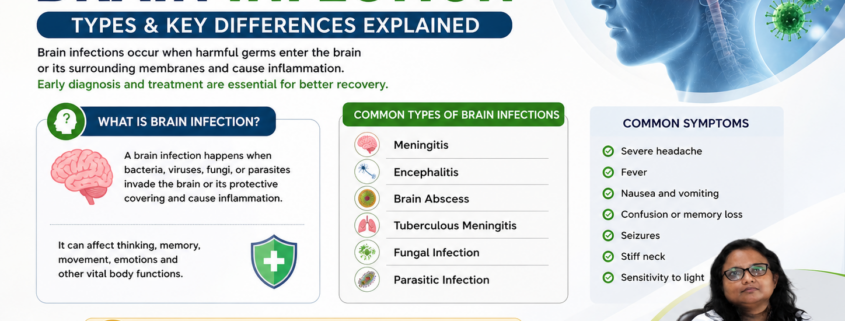
A brain infection is a serious medical condition that affects the brain and its surrounding tissues. It can be caused by bacteria, viruses, fungi, or parasites entering the brain, leading to inflammation and damage. While some infections may start with mild symptoms, they can quickly become severe if not treated on time.

One of the biggest concerns people have is whether a brain infection can be life-threatening. The answer is yes — in many cases, it can be dangerous and even fatal if proper medical care is delayed. Brain infections can interfere with vital functions such as breathing, movement, memory, and consciousness.

However, the good news is that with early diagnosis and the right treatment, many brain infections can be managed effectively. Recognizing the warning signs and seeking immediate medical attention plays a crucial role in recovery.

In this article, we will explain the causes, symptoms, risks, and treatment options for brain infections in simple language, so you can understand when to act and how to protect yourself and your loved ones.

What is a Brain Infection?

A brain infection occurs when harmful microorganisms such as bacteria, viruses, fungi, or parasites enter the brain or its surrounding protective layers, leading to inflammation and damage. This inflammation can disrupt normal brain function, affecting memory, thinking ability, movement, speech, and even basic life functions like breathing and consciousness. Because the brain is such a sensitive and vital organ, even a small infection can become serious if not treated early.

Brain infections can develop either suddenly (acute) or gradually over time, depending on the cause. In some cases, the infection spreads to the brain from other parts of the body, such as the ears, sinuses, throat, or lungs. It can also enter through the bloodstream or after a head injury or surgery. People with weak immune systems are at a higher risk, but brain infections can affect anyone.

There are different types of brain infections, based on the area affected:

  • Meningitis: This infection affects the protective layers (meninges) surrounding the brain and spinal cord. It is often caused by bacteria or viruses and can lead to symptoms like high fever, severe headache, and neck stiffness.
  • Encephalitis: This involves inflammation of the brain tissue itself, most commonly due to viral infections. It may cause confusion, seizures, personality changes, or difficulty speaking.
  • Brain Abscess: This is a pocket of pus formed due to bacterial or fungal infection. It increases pressure inside the skull and can damage nearby brain tissue if not treated quickly.

In simple terms, a brain infection is a serious condition that requires immediate medical attention. Early diagnosis and treatment can help prevent complications and improve recovery outcomes.

Causes of Brain Infection

Brain infections can occur when harmful microorganisms enter the brain or its surrounding tissues. These infections may either start in the brain or spread from other parts of the body through the bloodstream or nearby structures. Below are the major causes explained in more detail:

1. Bacterial Infections

Bacterial infections are one of the most dangerous causes of brain infections and can lead to conditions like meningitis and brain abscess. Common bacteria can enter the body through respiratory infections or untreated infections in the ear, nose, or throat. Once in the bloodstream, they can travel to the brain and cause rapid inflammation.

These infections often progress quickly and may lead to severe complications if not treated immediately. High fever, severe headache, and neck stiffness are common warning signs. Immediate use of antibiotics is usually required to control the infection.

2. Viral Infections

Viral infections are a common cause of brain inflammation, especially encephalitis. Viruses can enter the body through contaminated food, water, insect bites (like mosquitoes), or close contact with an infected person.

Some viral infections may begin with mild flu-like symptoms but can later affect the brain, causing confusion, seizures, or behavioral changes. While some viral infections resolve on their own, others may require antiviral medications and hospital care.

3. Fungal Infections

Fungal infections of the brain are rare but serious. They usually affect people with weakened immune systems, such as those undergoing chemotherapy, organ transplant patients, or individuals with chronic illnesses.

Fungi can enter the body through the lungs or bloodstream and slowly spread to the brain. These infections develop gradually but can become life-threatening if not diagnosed early. Treatment often requires long-term antifungal medications.

4. Parasitic Infections

Parasitic infections can affect the brain when parasites enter the body through contaminated food, water, or poor hygiene. In some cases, parasites can form cysts in the brain, leading to seizures and neurological problems.

These infections are more common in areas with poor sanitation but can affect anyone if proper hygiene is not maintained. Early diagnosis and treatment are important to prevent long-term damage.

5. Spread from Other Infections

In many cases, brain infections do not start in the brain itself. Instead, they spread from nearby or distant infections in the body. Common sources include:

  • Chronic ear infections
  • Untreated sinus infections
  • Lung infections such as pneumonia
  • Dental infections or gum disease

If these infections are ignored, bacteria or other microorganisms can travel to the brain and cause serious complications.

6. Head Injury or Surgery

A head injury, skull fracture, or brain surgery can create a direct pathway for microorganisms to enter the brain. Even minor injuries, if not properly treated, can increase the risk of infection.

Post-surgical infections may also occur if proper care and hygiene are not maintained. That’s why doctors closely monitor patients after brain-related procedures.

7. Weak Immune System

A weak immune system makes it harder for the body to fight infections, increasing the risk of brain infections. People at higher risk include:

  • Infants and elderly individuals
  • Patients with chronic illnesses like diabetes
  • People undergoing chemotherapy or long-term medication
  • Individuals with poor nutrition or weakened immunity

In such cases, even a minor infection can become serious and spread to the brain more easily.

Overall, brain infections can have multiple causes, but most of them are preventable with proper hygiene, timely treatment of infections, and a strong immune system.

Common Symptoms to Watch

The symptoms of a brain infection can vary depending on the type, cause, and severity of the condition. In many cases, early symptoms may seem mild or similar to common illnesses, but they can rapidly worsen as the infection spreads. That’s why understanding each symptom in detail is very important for early detection and treatment.

1. Severe Headache

A severe and persistent headache is one of the earliest and most noticeable symptoms. This type of headache is usually different from regular headaches—it may feel constant, throbbing, and worsen over time. It often does not improve with usual painkillers.

The headache may be caused by inflammation in the brain or increased pressure inside the skull. It can become more intense when lying down, coughing, or moving the head.

2. Fever

Fever is a common sign that the body is fighting an infection. In brain infections, the fever is often high and may come with chills, sweating, and body weakness.

In bacterial infections, fever tends to rise quickly, while in viral infections, it may develop more gradually. Persistent fever along with neurological symptoms should never be ignored.

3. Nausea and Vomiting

Nausea and repeated vomiting are often seen in brain infections due to increased intracranial pressure (pressure inside the skull).

Unlike normal stomach-related vomiting, this may occur suddenly and without any clear digestive cause. It is often associated with headache and dizziness, making the person feel extremely uncomfortable.

4. Seizures (Fits)

Seizures are one of the most serious symptoms and may occur even in individuals with no previous history of epilepsy. These can range from mild episodes (such as brief confusion or staring spells) to severe convulsions with loss of consciousness.

Seizures occur because the infection disrupts normal brain activity. Repeated seizures can increase the risk of brain damage and require immediate medical attention.

5. Confusion and Difficulty Thinking

Brain infections directly affect mental function. A person may feel confused, have trouble concentrating, or struggle to understand simple things.

They may also experience memory problems, mood changes, irritability, or unusual behavior. In severe cases, the person may not recognize familiar people or surroundings, which can be very alarming.

6. Neck Stiffness

Neck stiffness is a classic symptom, especially in meningitis. The person may find it difficult or painful to bend the neck forward.

This happens due to inflammation of the protective layers around the brain and spinal cord. It is often accompanied by headache and fever, forming a key warning sign.

7. Sensitivity to Light (Photophobia)

Many patients experience discomfort or pain in the eyes when exposed to bright light. This is known as photophobia.

It occurs because the infection irritates the brain and its surrounding tissues, making the eyes more sensitive. Patients may prefer to stay in dark rooms and avoid light exposure.

8. Difficulty Speaking or Moving

As the infection affects different parts of the brain, it can interfere with speech and movement. A person may have slurred speech, difficulty forming words, or trouble understanding language.

They may also experience weakness or numbness in the arms or legs, poor coordination, or difficulty walking. These symptoms can sometimes resemble a stroke and should be treated as an emergency.

9. Loss of Consciousness

In advanced stages, the infection can severely affect brain function, leading to drowsiness, extreme fatigue, or complete loss of consciousness.

The person may become unresponsive or slip into a coma. This indicates a critical condition and requires immediate hospitalization and intensive care.

10. Other Possible Symptoms

In addition to the major symptoms, some other signs may include:

  • Sensitivity to noise
  • Blurred or double vision
  • Loss of balance and coordination
  • Difficulty hearing
  • Sudden personality or behavioral changes
  • Sleepiness or difficulty staying awake

These symptoms may vary from person to person, but any unusual neurological change should be taken seriously.

Important Note

Brain infection symptoms can worsen very quickly—sometimes within hours. Ignoring early signs can lead to severe complications. If someone experiences a combination of symptoms like high fever, severe headache, confusion, or seizures, it is important to seek emergency medical care immediately.

Can a Brain Infection Be Life-Threatening?

Yes, a brain infection can be life-threatening, especially if it is not diagnosed and treated at the right time. The brain is one of the most important organs in the body, controlling breathing, heartbeat, movement, and thinking. Any infection that affects the brain can disrupt these vital functions and quickly become dangerous.

1. Why Brain Infections Are Dangerous

Brain infections cause inflammation and swelling inside the skull. Since there is very limited space in the skull, this swelling increases pressure on the brain, which can damage brain cells.

As the infection spreads, it can interfere with essential functions like consciousness, breathing, and blood circulation. In severe cases, this can lead to life-threatening complications.

2. Rapid Progression of the Infection

Some brain infections, especially bacterial meningitis, can worsen very quickly—sometimes within hours. What may start as a simple fever or headache can rapidly turn into confusion, seizures, or unconsciousness.

Delayed medical care increases the risk of serious outcomes, making early diagnosis extremely important.

3. Possible Life-Threatening Complications

If left untreated, brain infections can lead to several serious complications, such as:

  • Brain damage due to prolonged inflammation
  • Seizure disorders (epilepsy)
  • Hearing or vision loss
  • Memory problems and difficulty concentrating
  • Coma (loss of consciousness for a long time)
  • Death in severe cases

The severity depends on the type of infection, overall health of the patient, and how quickly treatment is started.

4. Higher Risk in Certain Individuals

Some people are at greater risk of severe or life-threatening complications, including:

  • Infants and elderly individuals
  • People with weak immune systems
  • Patients with chronic diseases
  • Individuals who delay treatment

In these groups, even a mild infection can become serious very quickly.

5. Importance of Early Treatment

The good news is that many brain infections can be treated successfully if diagnosed early. Timely use of antibiotics, antiviral drugs, or other treatments can control the infection and reduce complications.

Early hospitalization and proper medical care greatly improve the chances of recovery and survival.

6. When Does It Become an Emergency?

A brain infection becomes a medical emergency when symptoms such as high fever, severe headache, confusion, seizures, or loss of consciousness appear.

Ignoring these warning signs can lead to rapid deterioration of the patient’s condition. Immediate medical attention can save lives.

Who is at Higher Risk?

1. Infants and Young Children

Infants and young children are at higher risk because their immune systems are still developing and not strong enough to fight infections effectively. Their protective brain barrier is also not fully mature, making it easier for infections to spread. Symptoms in children may not be very clear, and instead of headache, they may show signs like continuous crying, irritability, poor feeding, or vomiting. Because infections can worsen quickly in this age group, early medical attention is very important.

2. Elderly Individuals

Elderly people are more vulnerable to brain infections due to a naturally weakened immune system with age. They are also more likely to have other health conditions such as diabetes or heart disease, which further increase their risk. In older adults, symptoms may not appear typical—they may experience confusion, drowsiness, or sudden behavioral changes instead of clear signs like fever, which can delay diagnosis and treatment.

3. People with Weak Immune Systems

Individuals with weakened immunity are at a significantly higher risk because their bodies cannot effectively fight infections. This includes patients undergoing chemotherapy, organ transplant recipients, people taking long-term steroids, or those with chronic illnesses. In such cases, infections can develop more easily, spread faster, and become more severe, increasing the chances of complications.

4. Patients with Chronic Diseases

People suffering from chronic conditions like diabetes, kidney disease, liver problems, or lung disorders have a reduced ability to fight infections. For example, uncontrolled diabetes weakens the immune response, making it easier for bacteria or viruses to grow and spread. These patients may also take longer to recover and are at a higher risk of severe complications.

5. People with Untreated or Recurrent Infections

Untreated infections in other parts of the body, such as the ears, sinuses, lungs, or teeth, can spread to the brain over time. Chronic or repeated infections increase this risk significantly, especially if proper treatment is not taken. Bacteria can travel through nearby tissues or the bloodstream and lead to serious conditions like brain abscess.

6. Individuals with Head Injury or Recent Surgery

People who have experienced a head injury, skull fracture, or recent brain surgery are at increased risk because infections can directly enter the brain. Even minor injuries, if not properly treated, can become a source of infection. After surgery, poor hygiene or improper wound care can further increase the risk, making regular medical follow-up essential.

7. People Living in Poor Hygiene Conditions

Poor hygiene, unsafe drinking water, and lack of sanitation increase the risk of infections that may spread to the brain. Consuming contaminated food or water can introduce harmful microorganisms into the body. These conditions are especially risky in areas where parasitic and bacterial infections are more common.

8. Unvaccinated Individuals

People who are not vaccinated are at a higher risk of developing certain brain infections, especially meningitis caused by bacteria or viruses. Vaccines help protect against serious infections and reduce their severity. Lack of vaccination increases both the chances of infection and the risk of complications.

9. Individuals with Poor Nutrition and Lifestyle

Poor nutrition, lack of essential vitamins, inadequate sleep, and unhealthy lifestyle habits can weaken the immune system over time. People who are malnourished or constantly stressed may have lower immunity, making it easier for infections to develop and spread, including those that can affect the brain.

How is a Brain Infection Diagnosed?

Diagnosing a brain infection involves a detailed evaluation of symptoms along with several medical tests to confirm the exact cause and severity. The process usually starts with a thorough discussion of the patient’s medical history, including symptoms like fever, headache, seizures, or confusion, followed by a physical and neurological examination to check reflexes, coordination, speech, and mental status.

Doctors then use advanced imaging techniques such as MRI or CT scans to get a clear view of the brain and identify any swelling, inflammation, or abscess. Blood tests are also performed to detect signs of infection, including an increased white blood cell count, and to identify the type of microorganism involved.

One of the most important tests is a lumbar puncture (spinal tap), where a small sample of cerebrospinal fluid is collected and analyzed to determine whether the infection is bacterial, viral, or fungal. In some cases, an EEG may be used to monitor brain activity, especially if the patient is experiencing seizures or confusion.

The diagnosis process may include:

  • Detailed medical history and neurological examination
  • MRI or CT scan for brain imaging
  • Blood tests and blood cultures
  • Lumbar puncture (spinal fluid test)
  • EEG to check brain activity
  • Biopsy in rare or complex cases

Early and accurate diagnosis is very important because brain infections can worsen rapidly. Identifying the cause at the right time helps doctors begin appropriate treatment and reduces the risk of serious complications.

Treatment Options for Brain Infection

Treatment of a brain infection depends on the type of infection, its severity, and the overall health of the patient. Since brain infections can become serious very quickly, treatment is usually started immediately, often even before the exact cause is confirmed. Most patients require hospitalization so they can be closely monitored and treated properly.

Doctors use different types of medications to control the infection and reduce inflammation in the brain. Antibiotics are given in cases of bacterial infections, while antiviral medicines are used for viral causes. Antifungal drugs may be required for fungal infections, especially in patients with weak immunity. In addition to these, medications may also be given to reduce brain swelling, control fever, and prevent seizures.

In more serious cases, supportive care is also very important. Patients may need fluids, oxygen support, or intensive care if their condition is critical. If there is a brain abscess (collection of pus), a surgical procedure may be required to drain it and reduce pressure on the brain.

The treatment process may include:

  • Antibiotics for bacterial infections
  • Antiviral medications for viral infections
  • Antifungal treatment in rare cases
  • Medicines to reduce brain swelling and inflammation
  • Anti-seizure medications if seizures occur
  • Hospitalization and close monitoring
  • Surgery in case of brain abscess or complications

Early treatment plays a key role in recovery. With timely medical care and proper management, many patients can recover well and avoid serious complications.

Prevention Tips

Importance of Prevention

Preventing a brain infection mainly involves protecting your body from infections and maintaining a strong immune system. While not all brain infections can be avoided, many can be prevented with simple precautions and healthy habits. Taking early action against minor infections and following proper hygiene can significantly reduce the risk.

Role of Vaccination and Hygiene

Vaccination plays an important role in preventing certain serious infections like meningitis. Maintaining good personal hygiene, such as regular handwashing and consuming clean food and safe drinking water, helps prevent the spread of harmful microorganisms. It is also important to treat infections in areas like the ears, sinuses, throat, or teeth without delay, as these can spread to the brain if ignored.

Healthy Lifestyle and Immunity

A healthy lifestyle supports the immune system, making it easier for the body to fight infections. This includes eating a balanced diet, getting enough sleep, and managing stress. People with chronic illnesses should keep their condition under control and follow their doctor’s advice regularly.

Key Prevention Steps

The prevention steps may include:

  • Getting recommended vaccinations on time
  • Maintaining proper hygiene and cleanliness
  • Drinking clean and safe water
  • Treating infections (ear, sinus, dental) early
  • Avoiding close contact with infected individuals
  • Eating a healthy and balanced diet
  • Strengthening immunity through proper sleep and lifestyle
  • Regular medical check-ups, especially for high-risk individuals 

When to See a Doctor

Do Not Ignore Early Warning Signs

It is very important to seek medical help as soon as you notice any unusual symptoms related to a brain infection. Early signs like mild fever, headache, body weakness, or fatigue may seem common, but if they persist for more than a day or worsen gradually, they should not be ignored. A headache that becomes severe, continuous, or different from your usual pattern is especially concerning. Early consultation with a doctor can help identify the problem at an initial stage and prevent complications.

Symptoms That Need Immediate Attention

You should consult a doctor immediately if symptoms start becoming more intense or appear together. Warning signs include high fever, severe headache, repeated vomiting, confusion, difficulty concentrating, sensitivity to light, or neck stiffness. These symptoms may indicate that the infection is affecting the brain or its surrounding tissues. Difficulty in speaking, understanding, or sudden behavioral changes are also important signs that require urgent medical evaluation.

Emergency Situations

A brain infection can quickly become life-threatening in certain situations and requires emergency medical care. If a person experiences seizures (fits), loss of consciousness, extreme drowsiness, inability to wake up, or sudden weakness or numbness in the face, arms, or legs, immediate hospitalization is necessary. In some cases, breathing difficulty or loss of control over body movements may also occur. Delaying treatment in such conditions can lead to permanent brain damage or even death.

Special Care for High-Risk Individuals

People who are at higher risk—such as infants, elderly individuals, and those with weak immune systems—should be extra cautious. Even mild symptoms like low-grade fever, irritability, poor feeding (in children), confusion, or unusual tiredness (in elderly) should not be ignored. In these individuals, brain infections can develop rapidly and may not show typical symptoms, making early medical attention very important.

Follow-Up and Monitoring

After diagnosis and starting treatment, regular follow-up is essential to ensure proper recovery. Doctors may monitor symptoms, repeat tests if needed, and adjust medications based on the patient’s condition. Patients and caregivers should watch for any new symptoms such as worsening headache, seizures, or changes in behavior. Completing the full course of treatment and attending all follow-up visits helps prevent relapse and long-term complications.

Frequently Asked Questions (FAQs)

1. Can a brain infection be cured?

Yes, many brain infections can be cured if diagnosed early and treated properly. The treatment depends on the cause, such as antibiotics for bacterial infections or antiviral medicines for viral infections. Early medical care reduces complications and improves recovery chances, while delayed treatment can make the condition more serious and harder to manage.

2. How long does it take to recover from a brain infection?

Recovery time varies depending on the type and severity of the infection. Mild cases may improve within a few weeks, while severe infections can take several months. Some patients may need rehabilitation if complications occur. Regular follow-up, proper medication, and rest are important for complete and faster recovery.

3. Are brain infections contagious?

Some brain infections, especially those caused by bacteria or viruses like meningitis, can spread from person to person through close contact, coughing, or sneezing. However, not all brain infections are contagious. The risk of spreading depends on the specific cause, and proper hygiene can help reduce transmission.

4. Can a brain infection cause permanent damage?

Yes, a brain infection can cause permanent damage if not treated on time. It may lead to memory problems, difficulty speaking, seizures, or weakness in the body. Early diagnosis and proper treatment significantly reduce the risk of long-term complications and help in better recovery outcomes.

5. Can brain infections be prevented?

Many brain infections can be prevented by maintaining good hygiene, getting vaccinated, and treating infections early. Drinking clean water, eating healthy food, and strengthening the immune system also help reduce risk. Avoiding contact with infected individuals and following medical advice can further protect against serious infections.

Conclusion

A brain infection is a serious medical condition that can become life-threatening if not treated on time. It can affect vital brain functions such as memory, movement, and consciousness, leading to severe complications if ignored. However, with early diagnosis, proper medical care, and timely treatment, many brain infections can be managed effectively.

Understanding the symptoms, causes, and risk factors plays a crucial role in identifying the condition early. Simple steps like maintaining hygiene, treating infections on time, and strengthening immunity can help reduce the risk. Most importantly, never ignore warning signs such as severe headache, fever, confusion, or seizures. Seeking immediate medical attention can make a life-saving difference.

In short, awareness and quick action are the key to preventing serious outcomes and ensuring better recovery.

headache specialist in delhi

Headaches are one of the most common health concerns experienced by people of all ages. While many headaches are temporary and harmless, some can be frequent, severe, and disruptive to daily life. From mild discomfort to intense pain, headaches can affect productivity, mood, and overall well-being.

Understanding the type of headache you are experiencing is crucial for choosing the right treatment. Not all headaches are the same—some are caused by stress and lifestyle factors, while others may be linked to underlying medical conditions. Identifying the root cause helps in managing symptoms more effectively and preventing future episodes.

In today’s fast-paced lifestyle, factors such as stress, lack of sleep, dehydration, and excessive screen time have made headaches increasingly common. This article will help you understand the different types of headaches, their causes, symptoms, and the most effective treatment options available.

What is a Headache?

A headache is a pain or discomfort in the head, scalp, or neck region. It can vary in intensity, duration, and frequency, depending on its type and underlying cause. While the brain itself does not feel pain, the surrounding structures—such as blood vessels, nerves, and muscles—send pain signals that result in a headache.

Headaches can be broadly classified into two categories: primary and secondary. Primary headaches are not caused by another medical condition and include types like tension headaches, migraines, and cluster headaches. Secondary headaches, on the other hand, occur as a symptom of an underlying issue such as sinus infections, injuries, or other health problems.

Several factors can trigger headaches. Common causes include stress, dehydration, lack of sleep, eye strain, hormonal changes, and certain foods or beverages. Environmental factors like bright lights, loud noises, and strong smells can also contribute.

Understanding how headaches occur and what triggers them is the first step toward effective management and treatment.

Major Types of Headaches

Headaches can occur in different forms, each with its own set of symptoms, causes, and treatment approaches. Understanding these types helps in identifying the right way to manage them.

a) Tension Headaches

Tension headaches are the most common type. They usually cause a dull, aching pain with a feeling of tightness or pressure around the forehead or the back of the head and neck. Stress, anxiety, poor posture, and long hours of screen time are common triggers. The pain is typically mild to moderate and can last for hours or even days.

b) Migraine

Migraines are more intense and can significantly affect daily life. They often cause throbbing or pulsating pain, usually on one side of the head. Symptoms may include nausea, vomiting, and sensitivity to light and sound. Migraines can last from a few hours to several days and are often triggered by hormonal changes, certain foods, stress, or lack of sleep.

c) Cluster Headaches

Cluster headaches are severe but less common. They occur in cycles or “clusters,” with frequent attacks over weeks or months, followed by periods of relief. The pain is extremely intense and usually felt around one eye. Other symptoms may include redness in the eye, tearing, and nasal congestion.

d) Sinus Headaches

Sinus headaches are associated with sinus infections. They cause deep, constant pain in the cheekbones, forehead, or bridge of the nose. The pain often worsens with sudden head movement or strain. Other symptoms may include nasal congestion, facial swelling, and fever.

e) Chronic Daily Headaches

These headaches occur frequently, often 15 or more days a month. They can include a combination of tension headaches and migraines. Chronic headaches can significantly impact quality of life and may require long-term management and medical attention.

Common Causes and Triggers

Headaches can be triggered by a variety of factors, and in many cases, they are linked to daily habits and lifestyle choices. Identifying these triggers is essential for preventing recurring headaches and managing symptoms effectively.

One of the most common causes is stress and anxiety. Mental tension can lead to muscle tightness in the head, neck, and shoulders, resulting in headache pain. Emotional factors often play a significant role, especially in tension headaches and migraines.

Dehydration is another major trigger. When the body lacks sufficient fluids, it can lead to reduced blood flow and oxygen to the brain, causing headaches. Similarly, lack of sleep or poor sleep quality can disrupt normal brain function and increase the likelihood of headaches.

Diet also plays an important role. Certain foods and beverages, such as caffeine, processed foods, and sugary items, may trigger headaches in some individuals. Skipping meals or irregular eating patterns can also contribute.

In today’s digital world, excessive screen time and eye strain have become common causes. Prolonged use of computers and mobile devices can lead to discomfort and headaches.

Other triggers may include hormonal changes, strong smells, loud noises, and environmental factors like bright lights or weather changes. Understanding these causes can help in making lifestyle adjustments to reduce the frequency and severity of headaches.

Diagnosis of Headaches

Diagnosing a headache involves a careful evaluation of symptoms, medical history, and possible underlying causes. Since many types of headaches share similar features, a detailed assessment is essential to ensure accurate diagnosis and effective treatment.

The process usually begins with a comprehensive medical history. This includes understanding how often the headaches occur, how long they last, their intensity, and the exact location of pain. Doctors may also ask about associated symptoms such as nausea, vomiting, dizziness, blurred vision, or sensitivity to light and sound. Information about lifestyle habits, stress levels, sleep patterns, and diet also plays an important role in identifying possible triggers.

A physical and neurological examination is often conducted to check reflexes, balance, coordination, muscle strength, and sensory responses. This helps rule out neurological disorders or other serious conditions that may be causing the headache.

In certain cases, especially when headaches are severe, sudden, or different from usual patterns, doctors may suggest advanced diagnostic tests. These can include CT scans or MRI to detect issues such as brain injuries, infections, tumors, or structural abnormalities. Blood tests may also be recommended if an infection or metabolic issue is suspected.

Another important tool is maintaining a headache diary. Tracking details such as the time of onset, duration, severity, possible triggers, and relief methods can help identify patterns over time. This information is extremely useful for both diagnosis and treatment planning.

It is also important to recognize warning signs that require immediate medical attention. These include sudden, severe headaches (often described as the “worst headache ever”), headaches accompanied by fever, confusion, difficulty speaking, vision problems, or weakness in any part of the body.

Accurate diagnosis not only helps in identifying the type of headache but also ensures that any serious underlying condition is detected early. This ultimately leads to better management, targeted treatment, and improved quality of life.

Treatment Options for Headaches

The treatment of headaches depends on their type, severity, and underlying cause. A combination of medications, lifestyle changes, and supportive therapies is often the most effective approach for long-term relief.

a) Medications

Medications are commonly used to relieve headache pain and prevent future episodes. Over-the-counter pain relievers can help manage mild to moderate headaches. For more severe conditions like migraines, doctors may prescribe specific medications to reduce pain and control symptoms such as nausea. In cases of frequent headaches, preventive medicines may be recommended to reduce their occurrence and intensity.

b) Lifestyle Changes

Simple lifestyle modifications can make a significant difference in managing headaches. Maintaining a regular sleep schedule, staying hydrated, and eating balanced meals at proper intervals are essential. Reducing stress through activities like yoga, meditation, or deep breathing exercises can also help prevent headaches. Limiting screen time and maintaining proper posture are especially important for those experiencing frequent tension headaches.

c) Home Remedies

Several home remedies can provide quick relief from headaches. Applying a cold or warm compress to the head or neck can help ease pain. Resting in a quiet, dark room may be beneficial, especially for migraines. Gentle head massages, relaxation techniques, and herbal drinks like ginger or peppermint tea may also help reduce discomfort.

d) Advanced Treatments

For chronic or severe headaches, advanced treatment options may be required. These can include therapies for long-term migraine management, nerve-related treatments, or other medical procedures as advised by a healthcare professional. In some cases, counseling or behavioral therapy may also be recommended to manage stress-related triggers.

The key to effective treatment is identifying the right combination of methods that work best for each individual. Consistency in following treatment plans and lifestyle adjustments can greatly improve overall outcomes.

When to Seek Medical Help

While most headaches are not serious and can be managed with simple remedies, there are certain situations where medical attention becomes necessary. Recognizing these warning signs is important to prevent complications and ensure timely treatment.

You should consider seeking medical help if headaches become frequent, severe, or persistent over time. Headaches that do not improve with usual medications or keep returning regularly may indicate an underlying issue that needs proper evaluation.

Immediate medical attention is required if you experience a sudden, severe headache that feels different from any headache you have had before. This could be a sign of a serious condition and should not be ignored.

Headaches accompanied by other symptoms such as fever, confusion, difficulty speaking, vision problems, dizziness, or weakness in any part of the body also require urgent medical care. These signs may indicate neurological or systemic issues.

If a headache occurs after a head injury, or if it worsens over time, it is important to consult a doctor. Similarly, headaches that interfere with daily activities, sleep, or overall quality of life should be evaluated by a healthcare professional.

People with existing health conditions or those experiencing new types of headaches after the age of 50 should also seek medical advice for proper diagnosis and treatment.

Timely consultation helps in identifying the cause early, avoiding complications, and ensuring the right treatment approach for long-term relief.

Prevention Tips

Maintain a Regular Sleep Routine

Getting enough sleep and following a consistent sleep schedule is essential for preventing headaches. Irregular sleep patterns can disturb brain activity and trigger both tension headaches and migraines. Aim for 7–8 hours of quality sleep each night, and try to go to bed and wake up at the same time daily—even on weekends. Creating a calm bedtime routine, avoiding screens before sleep, and keeping your room dark and quiet can improve sleep quality.

Stay Hydrated

One frequent but frequently disregarded cause of headaches is dehydration. When your body lacks fluids, it can lead to reduced oxygen flow to the brain, resulting in pain and fatigue. Make it a habit to drink water regularly throughout the day, especially in hot weather or after physical activity. Including hydrating foods like fruits and vegetables can also support proper hydration levels.

Follow a Balanced Diet

Eating healthy and timely meals plays a crucial role in headache prevention. Skipping meals can cause a drop in blood sugar levels, leading to headaches.Prioritize eating a diet high in fruits, vegetables, whole grains, and proteins. It is also important to identify and limit foods that may trigger headaches, such as caffeine, chocolate, processed foods, and artificial sweeteners.

Manage Stress Effectively

Stress is one of the leading triggers for headaches, especially tension headaches. Managing stress through relaxation techniques can significantly reduce the frequency of headaches. Activities like meditation, yoga, deep breathing exercises, and even hobbies can help relax the mind. Taking short breaks during work and maintaining a healthy work-life balance are also important.

Limit Screen Time and Avoid Eye Strain

Excessive screen time from computers, phones, or televisions can strain the eyes and lead to headaches. To prevent this, follow the 20-20-20 rule—every 20 minutes, look at something 20 feet away for 20 seconds. Adjust screen brightness, maintain proper distance, and ensure good lighting while working. Wearing anti-glare glasses, if needed, can also help reduce eye strain.

Engage in Regular Physical Activity

Regular exercise helps improve blood circulation, reduce stress, and maintain overall health—all of which contribute to fewer headaches. Activities like walking, jogging, stretching, or light workouts can be very effective. However, it is important to start gradually, as sudden intense exercise may sometimes trigger headaches in certain individuals.

Identify and Avoid Personal Triggers

Every individual may have different headache triggers. Keeping a record of your daily activities, food intake, sleep patterns, and headache occurrences can help identify these triggers. Once identified, avoiding or managing them becomes easier. Common triggers include strong smells, loud noises, weather changes, and hormonal fluctuations.

Frequently Asked Questions (FAQs)

Which kinds of headaches are the most prevalent?

Tension headaches, migraines, cluster headaches, and sinus headaches are the most prevalent kinds. Each type has different symptoms and requires a specific approach to treatment.

What causes frequent headaches?

Frequent headaches are often caused by stress, dehydration, lack of sleep, poor posture, irregular meals, or excessive screen time. Identifying triggers can help in managing them effectively.

How can I relieve a headache quickly?

You can try simple remedies like resting in a quiet room, applying a cold or warm compress, drinking water, and practicing relaxation techniques to ease the pain.

When should I consult a doctor for headaches?

Medical help is needed if headaches are severe, sudden, frequent, or accompanied by symptoms like dizziness, vision problems, or weakness.

Can lifestyle changes help prevent headaches?

Yes, maintaining proper sleep, staying hydrated, eating a balanced diet, managing stress, and limiting screen time can significantly reduce the chances of headaches.

Conclusion

Headaches are a common health concern that can affect daily life, but understanding their types, causes, and triggers makes them easier to manage. From tension headaches to migraines and cluster headaches, each type requires a different approach to treatment and care.

Early identification of symptoms, along with proper diagnosis by a headache specialist, plays a crucial role in choosing the right treatment method. Simple lifestyle changes such as maintaining a healthy sleep routine, staying hydrated, managing stress, and following a balanced diet can significantly reduce the frequency and intensity of headaches.

While most headaches are not serious, it is important to pay attention to warning signs and seek advice from a headache specialist when needed. Timely care not only helps in effective treatment but also prevents complications in the long run.

By combining medical guidance from a headache specialist with healthy habits and awareness of your body’s signals, you can take better control of headaches and improve your overall quality of life.

Depression and Anxiety

Depression and anxiety are very common mental health problems that affect people of all ages. They are more than just feeling sad or worried for a short time. These conditions can stay for a long period and make daily life difficult.

Depression makes a person feel low, tired, and lose interest in things they once enjoyed. A person may feel hopeless or lack energy even for simple tasks. Anxiety, on the other hand, causes too much worry, fear, or nervousness, even when there is no clear reason. Many people experience both depression and anxiety together.

These conditions do not only affect the mind but also the body. People may face problems like headaches, tiredness, poor sleep, stomach issues, or changes in appetite. This shows that our mind and body are closely connected.

Understanding how depression and anxiety affect your mind and body is important. It helps in identifying the symptoms early and getting the right treatment. With proper care, support, and lifestyle changes, these conditions can be managed effectively.

What Are Depression and Anxiety Disorders?

Understanding Depression

Depression is a mental health condition where a person feels sad, empty, or hopeless most of the time. It is not just a temporary feeling—it can last for weeks or even months. People with depression often lose interest in activities they once enjoyed. They may feel tired, have low energy, and find it difficult to focus on daily tasks.

Understanding Anxiety Disorders

Anxiety disorders involve excessive fear, worry, or nervousness. While it is normal to feel anxious sometimes, anxiety disorders are more intense and long-lasting. A person may feel restless, tense, or constantly worried, even without a clear reason. This can affect daily life and make it hard to relax.

Key Differences and Similarities

Depression mainly causes sadness and low mood, while anxiety is linked to fear and worry. However, both conditions share some common symptoms like sleep problems, low energy, and difficulty concentrating. Many people experience both conditions together.

Understanding these disorders helps in early identification and proper treatment.

Causes of Depression and Anxiety

Biological Causes

Depression and anxiety are often linked to changes in brain chemicals like serotonin, dopamine, and cortisol, which control mood, sleep, and stress levels. When these chemicals are not balanced, it can lead to feelings of sadness, fear, or constant worry. In some cases, these conditions run in families, which means genetics can increase the risk. Hormonal changes during puberty, pregnancy, or thyroid problems can also affect mental health.

Psychological Causes

A person’s thoughts and past experiences play a big role. Traumatic events such as abuse, loss of a loved one, or major life changes can trigger depression and anxiety. People who think negatively, overthink situations, or have low self-esteem are more likely to experience these conditions. Long-term stress can also weaken a person’s ability to cope.

Lifestyle and Environmental Factors

Unhealthy lifestyle habits like lack of sleep, poor diet, and no physical activity can increase the risk. Work pressure, relationship problems, financial stress, and social isolation also contribute to mental health issues. Excessive use of social media and lack of real-life connection can further worsen symptoms.

Understanding these causes helps in early prevention and better management of depression and anxiety.

Common Symptoms of Depression and Anxiety

Emotional Symptoms

Depression and anxiety mainly affect how a person feels. In depression, a person may feel sad, empty, or hopeless most of the time. They may lose interest in things they once enjoyed, like hobbies or spending time with family. In anxiety, a person feels constant worry, fear, or nervousness, even about small things. They may feel restless, irritated, or unable to relax. Mood swings and feeling overwhelmed are also common.

Cognitive Symptoms (Thinking Problems)

These conditions also affect thinking patterns. People may start overthinking or focusing only on negative thoughts. It becomes difficult to concentrate on work or studies. Decision-making feels confusing and stressful. Many people with depression feel worthless or guilty without any strong reason. In anxiety, the mind often imagines worst-case situations, which increases fear and stress.

Physical Symptoms

Depression and anxiety can cause real physical problems in the body. A person may feel tired all the time, even after resting. Common symptoms include headaches, body pain, and muscle tension. Sleep problems are very common—some people cannot sleep, while others sleep too much. Anxiety may also cause fast heartbeat, sweating, shortness of breath, and stomach issues like acidity or nausea. Appetite may increase or decrease, leading to weight changes.

Behavioral Symptoms

These conditions also change daily behavior. A person may avoid social situations, stop talking to friends, or prefer staying alone. They may lose motivation to do daily tasks like work, studies, or household activities. Productivity decreases, and even simple tasks can feel difficult. Some people may also develop unhealthy habits like overeating, smoking, or avoiding responsibilities.

When Symptoms Become Serious

If these symptoms last for weeks and start affecting daily life, it is important to take them seriously. Ignoring them can make the condition worse over time. Early identification and proper care can help in better recovery and improved quality of life.

How Depression Affects Your Mind and Body

Impact on Mental Health

Depression deeply affects how a person thinks and feels. It can cause constant sadness, hopelessness, and a lack of interest in life. A person may feel emotionally numb, meaning they don’t feel happiness, excitement, or even sadness properly. Negative thoughts become common, and a person may start thinking they are not good enough or that nothing will improve. Concentration becomes weak, and even simple decisions can feel stressful.

Impact on Physical Health

Depression is not just a mental condition—it also affects the body. People often feel tired all the time, even without doing much work. There can be body pain, headaches, and a feeling of heaviness. Sleep problems are very common—some people struggle to sleep, while others sleep too much but still feel tired. Appetite also changes, which can lead to weight gain or weight loss.

Effect on Energy and Daily Activities

Depression reduces energy levels and motivation. Daily tasks like getting out of bed, going to work, or doing household chores can feel very difficult. A person may move slowly, speak less, and avoid responsibilities. This can affect productivity and overall lifestyle.

Social and Emotional Withdrawal

People with depression often avoid social interaction. They may stop meeting friends or talking to family members. This isolation can make the condition worse, as lack of support increases feelings of loneliness.

Long-Term Impact

If depression is not treated, it can affect every part of life, including health, relationships, and career. That is why early recognition and treatment are very important.

How Anxiety Affects Your Mind and Body

Impact on Mental Health

Anxiety mainly affects the way a person thinks and reacts to situations. A person may feel constant worry, fear, or nervousness, even when there is no real danger. The mind stays overactive, thinking about worst-case situations. It becomes hard to relax or stay calm. Many people feel restless, easily irritated, or unable to focus on their work or daily tasks.

Impact on Physical Health

Anxiety also causes many physical symptoms in the body. A person may experience a fast heartbeat, sweating, shaking, or shortness of breath. Muscle tension and body pain are also common. Some people feel dizziness or lightheadedness. Anxiety can also affect the digestive system, causing problems like stomach pain, acidity, or nausea.

Effect on Daily Life

Anxiety can make simple daily activities feel difficult. A person may avoid situations that make them nervous, such as social gatherings, public speaking, or traveling. This avoidance can limit personal and professional growth. Sleep problems are also common, as the mind keeps thinking even at night.

Panic Attacks

In some cases, anxiety can lead to panic attacks. These are sudden episodes of intense fear where a person may feel like they cannot breathe, their heart is racing, or something bad is about to happen. These attacks can be very frightening but are manageable with proper treatment.

Long-Term Impact

If anxiety is not treated, it can affect overall health, confidence, and quality of life. Early care and support can help in managing symptoms effectively.

The Mind-Body Connection in Depression and Anxiety

How Mental Health Affects Physical Health

Our mind and body are closely connected. When a person is dealing with depression or anxiety, it does not only affect thoughts and emotions but also the body. For example, constant stress or sadness can lead to tiredness, headaches, and body pain. This happens because the brain sends signals to the body that affect how it functions.

How Physical Symptoms Affect Mental Health

The connection also works the other way. Physical problems like lack of sleep, low energy, or body pain can make a person feel more stressed, irritated, or emotionally low. This creates a cycle where mental and physical symptoms keep affecting each other.

The Stress Response Cycle

When a person feels anxious or stressed, the body goes into a “fight or flight” mode. This increases heart rate, breathing, and muscle tension. If this continues for a long time, it can lead to health problems like fatigue, weak immunity, and constant discomfort.

Psychosomatic Symptoms Explained

Sometimes, emotional stress shows up as physical symptoms without any clear medical reason. These are called psychosomatic symptoms. For example, a person may feel chest pain, stomach issues, or headaches due to stress or anxiety.

Why This Connection Matters

Understanding the mind-body connection helps in treating both mental and physical symptoms together. Taking care of mental health can also improve physical health and overall well-being.

Long-Term Effects of Depression and Anxiety

Impact on Physical Health

If depression and anxiety continue for a long time without treatment, they can affect overall physical health. Constant stress can weaken the immune system, making a person more likely to fall sick. It may also increase the risk of health problems like high blood pressure, heart issues, and chronic fatigue. Sleep problems and poor eating habits can further worsen physical health.

Effect on Mental Well-Being

Long-term depression and anxiety can make negative thoughts stronger and harder to control. A person may feel hopeless, helpless, or emotionally drained. Confidence and self-esteem may decrease over time. In severe cases, it can lead to serious mental health complications if not treated properly.

Impact on Relationships

These conditions can affect relationships with family, friends, and colleagues. A person may avoid social interaction, become easily irritated, or struggle to express emotions. This can create misunderstandings and distance in relationships, leading to feelings of loneliness.

Effect on Work and Daily Life

Depression and anxiety can reduce focus, productivity, and decision-making ability. Simple tasks may feel overwhelming, and work performance may suffer. This can also affect academic performance in students and overall daily routine.

Risk of Unhealthy Coping Habits

Some people may turn to unhealthy habits like overeating, smoking, or avoiding responsibilities to cope with their feelings. These habits can worsen both mental and physical health.

Why Early Treatment is Important

Ignoring these conditions can make them worse over time. Early diagnosis and proper treatment can help prevent long-term complications and improve quality of life.

Diagnosis of Depression and Anxiety Disorders

How Doctors Identify These Conditions

Depression and anxiety are diagnosed by understanding a person’s emotions, thoughts, and daily behavior. There is no single test to confirm these conditions. Doctors usually ask detailed questions about how a person feels, how long the symptoms have been present, and how they are affecting daily life like work, sleep, and relationships.

Detailed Clinical Evaluation

A mental health professional will have a proper discussion with the patient. This may include questions about past medical history, family history of mental health issues, recent life events, stress levels, and lifestyle habits. Doctors also check if symptoms are linked to any physical illness or medications.

Screening Tools and Questionnaires

To better understand the condition, doctors may use simple questionnaires. These help measure the severity of depression symptoms and anxiety symptoms. The answers give a clearer picture of how serious the condition is and help in planning the right treatment.

Physical Examination

Sometimes, doctors may suggest basic tests like blood tests to rule out other health problems such as thyroid issues, vitamin deficiencies, or hormonal imbalance, which can cause similar symptoms.

When to Seek Medical Help

A person should see a doctor if symptoms last more than two weeks, become intense, or start affecting daily activities. Signs like constant sadness, panic, sleep problems, or loss of interest should not be ignored.

Importance of Early Diagnosis

Early diagnosis is very important because it helps in starting treatment at the right time. It can prevent the condition from becoming severe and improve recovery. With proper diagnosis and care, most people can manage depression and anxiety effectively and lead a normal life.

Treatment for Depression and Anxiety

Medications for Depression and Anxiety

Doctors may prescribe medicines to help manage symptoms of depression and anxiety. These medicines work by balancing brain chemicals that affect mood and emotions. Common types include antidepressants and anti-anxiety medications. Some medicines may take a few weeks to show results, so patience is important. It is very important to take medicines regularly as advised by the doctor and not stop them suddenly, as this can worsen symptoms or cause side effects.

Psychotherapy (Talk Therapy)

Psychotherapy is a very effective treatment for both conditions. In therapy, a person talks to a trained mental health professional about their thoughts, feelings, and problems. Cognitive Behavioral Therapy (CBT) is one of the most commonly used methods. It helps people identify negative thinking patterns and replace them with more positive and realistic thoughts. Therapy also teaches coping skills to handle stress, fear, and emotional challenges.

Lifestyle Changes

Healthy lifestyle habits play a big role in recovery. Regular physical activity like walking, yoga, or exercise helps release “feel-good” hormones and reduce stress. A balanced diet, proper sleep, and a fixed daily routine improve both mental and physical health. Reducing screen time and avoiding alcohol, smoking, and excess caffeine can also help.

Stress Management Techniques

Practices like meditation, deep breathing exercises, and relaxation techniques help calm the mind. These methods reduce anxiety, improve focus, and help control emotional reactions. Even spending time in nature or doing hobbies can reduce stress levels.

Support System

Emotional support from family, friends, or support groups is very important. Talking openly about feelings can reduce loneliness and make a person feel understood. Support from loved ones can motivate a person to continue treatment and stay positive.

Combination and Long-Term Care

In many cases, a combination of medication, therapy, and lifestyle changes gives the best results. Treatment may take time, and recovery is a gradual process. Regular follow-ups with a doctor are important to track progress and make necessary changes.

With proper treatment, care, and support, people can successfully manage depression and anxiety and live a healthy, balanced life.

Tips to Manage Depression and Anxiety Naturally

Follow a Healthy Daily Routine

Having a proper routine helps your mind feel more stable and in control. When your day is unplanned, it can increase stress and confusion. Try to wake up early, take meals on time, and sleep at a fixed schedule. Start your day with small tasks like stretching, bathing, or organizing your space. These simple habits create a sense of discipline and improve focus. Over time, a routine can reduce overthinking and help you feel more productive.

Stay Physically Active

Exercise is very powerful for improving mental health. When you move your body, it releases chemicals like endorphins that make you feel happier and relaxed. You don’t need heavy workouts—simple activities like walking, yoga, cycling, or dancing are enough. Regular exercise also improves sleep, boosts energy levels, and reduces stress hormones in the body.

Practice Relaxation Techniques

Relaxation techniques help calm both your mind and body. Deep breathing slows down your heart rate and reduces anxiety instantly. Meditation and mindfulness help you stay in the present moment instead of worrying about the future. Practicing these daily, even for 10–15 minutes, can reduce negative thoughts and improve emotional balance.

Maintain a Balanced Diet

Food plays an important role in mental health. Eating healthy meals regularly keeps your energy stable and supports brain function. Include fruits, vegetables, whole grains, nuts, and protein-rich foods. Avoid skipping meals, as it can make you feel weak and irritated. Also, reduce caffeine, sugar, and junk food, as they can increase anxiety and mood swings.

Stay Connected with Others

Human connection is very important for emotional well-being. Talking to someone you trust can make you feel lighter and less alone. Even simple conversations with friends or family can improve your mood. If you feel comfortable, share your feelings openly. Support from others can help you stay strong during difficult times.

Limit Negative Triggers

Some things in daily life can increase stress and anxiety. This may include too much social media, negative news, or being around negative people. Try to identify what affects your mood and reduce exposure to it. Instead, focus on positive content, peaceful environments, and activities that make you feel calm.

Get Enough Sleep

Sleep is essential for both mental and physical health. Poor sleep can increase stress, anxiety, and negative thinking. Try to get 7–8 hours of sleep every night. Avoid using mobile phones before bedtime and create a calm, dark environment for sleep. Good sleep helps your brain relax and improves mood.

Engage in Hobbies and Positive Activities

Doing activities you enjoy can help distract your mind from stress. Hobbies like music, reading, painting, or gardening give a sense of happiness and relaxation. These activities also improve creativity and reduce negative thinking.

Practice Self-Care and Positive Thinking

Be kind to yourself and avoid blaming yourself for everything. Try to replace negative thoughts with positive and realistic ones. Self-care can include taking rest, enjoying small moments, or doing something you love. Remember, healing takes time, and it’s okay to move slowly.

Seek Help When Needed

Natural methods are helpful, but if symptoms are severe or long-lasting, professional help is important. A doctor or therapist can guide you with proper treatment. Asking for help is a sign of strength, not weakness.

When to See a Doctor for Depression and Anxiety

Symptoms Last for a Long Time

If you feel sad, worried, or stressed almost every day for more than two weeks, it should not be ignored. Normal stress usually goes away after some time, but depression and anxiety stay longer and may slowly get worse. If your mood is not improving even after rest or positive changes, it is a sign that you may need professional help.

Difficulty in Daily Life

When mental health problems start affecting your daily routine, it is time to see a doctor. You may find it hard to focus on work or studies, complete simple tasks, or manage responsibilities at home. Even getting out of bed or doing basic activities can feel difficult. This shows that the condition is impacting your normal functioning.

Severe Emotional Distress

If you feel constantly overwhelmed, helpless, or emotionally drained, it is important to seek help. Frequent crying, panic attacks, extreme fear, or feeling out of control are serious signs. You may feel like you cannot handle situations that were once easy. These feelings can affect your confidence and overall well-being.

Physical Symptoms Without Clear Reason

Depression and anxiety can cause physical problems like headaches, body pain, chest tightness, fast heartbeat, or stomach issues. If medical tests do not show any clear reason for these symptoms, they may be linked to mental health. Ignoring these signs can make both physical and emotional health worse.

Changes in Behavior

Behavioral changes are important warning signs. You may start avoiding people, losing interest in hobbies, or isolating yourself from family and friends. Some people may become more irritable or angry, while others may become very quiet. These changes affect relationships and should be addressed early.

Negative or Harmful Thoughts

If you often feel worthless, hopeless, or think that life has no meaning, it is important to seek immediate help. Thoughts of harming yourself or giving up should never be ignored. Talking to a doctor, counselor, or a trusted person can help you get the support you need.

Not Improving with Self-Help

If you have tried lifestyle changes like exercise, meditation, or talking to friends but still do not feel better, professional help is necessary. Sometimes, these conditions need medical treatment or therapy for proper recovery.

Importance of Early Help

Getting help early can prevent the condition from becoming severe. Treatment works better when started on time. A doctor can guide you with the right treatment plan and support you throughout recovery. Taking this step can improve your quality of life and help you feel better faster.

Frequently Asked Questions (FAQs)

What are the early symptoms of depression and anxiety?

Early symptoms include feeling sad, low energy, loss of interest in activities, constant worry, restlessness, and difficulty concentrating. Sleep problems and changes in appetite are also common.

Can depression and anxiety affect physical health?

Yes, both conditions can affect the body. They may cause headaches, fatigue, muscle pain, stomach issues, fast heartbeat, and sleep disturbances. This happens because the mind and body are closely connected.

What causes depression and anxiety?

These conditions can be caused by many factors like stress, trauma, genetic history, hormonal imbalance, and unhealthy lifestyle habits. Sometimes, multiple factors together lead to these problems.

How are depression and anxiety treated?

Treatment usually includes medication, therapy (like CBT), and lifestyle changes such as exercise, healthy diet, and stress management. The treatment depends on the severity of the condition.

When should I see a doctor for depression and anxiety?

You should see a doctor if symptoms last more than two weeks, become severe, or affect your daily life. Immediate help is needed if you have negative or harmful thoughts.

Can depression and anxiety be cured?

These conditions can be managed effectively with proper treatment and support. Many people recover and live normal, healthy lives with the right care.

Conclusion: 

Depression and anxiety are more than just temporary feelings—they are real health conditions that affect both the mind and the body. They can impact your thoughts, emotions, physical health, and daily life. However, the good news is that these conditions are manageable with the right approach.

Understanding the symptoms and causes is the first step toward recovery. When you recognize what you are going through, it becomes easier to take the right action. Ignoring the signs can make things worse, so it is important to seek help at the right time.

With proper treatment like therapy, medication, and healthy lifestyle changes, many people are able to improve their mental health. Simple habits like regular exercise, good sleep, and staying connected with loved ones can make a big difference.

Remember, recovery takes time and patience. It is okay to have ups and downs, but with support and care, things can get better. Taking care of your mental health is just as important as taking care of your physical health.


epilepsy

Seizures can happen suddenly and without warning, leaving patients and families feeling anxious, confused, and unsure about what to do next. For many people, the first seizure raises important questions about health, safety, and long-term care. Epilepsy is a neurological condition that affects the brain and causes repeated seizures due to unusual electrical activity. While the experience can be frightening, gaining the right knowledge about epilepsy can make a significant difference in managing the condition effectively.

This guide is created to support patients and their families by explaining epilepsy in simple and easy-to-understand language. From recognizing early symptoms to learning about treatment options and daily safety tips, this blog will help you feel more informed, prepared, and confident in handling life with epilepsy.

What is Epilepsy?

Epilepsy is a chronic neurological disorder that affects the brain’s electrical activity, leading to sudden and unpredictable seizures. These seizures occur when there is a temporary disruption in the normal communication between brain cells. While some people may experience brief lapses in attention, unusual sensations, or muscle twitching, others might have more intense convulsions.

Epilepsy is not a single condition—there are different types of seizures, including generalized seizures, which affect the whole brain, and focal seizures, which impact only a specific area. It can develop at any age, and its severity varies widely from person to person.

Understanding what epilepsy is helps patients and families recognize symptoms early, seek proper treatment, and manage the condition effectively. With the right care, most people with epilepsy can lead safe, active, and fulfilling lives.

Common Causes and Risk Factors of Epilepsy

While epilepsy can affect anyone, understanding its causes and risk factors can help patients and families take proactive steps toward management and care. Some common causes and triggers include:

  • Genetic Factors: A family history of epilepsy can increase the likelihood of developing the condition.
  • Brain Injuries: Serious blows or injuries to the head may disrupt normal brain activity and lead to seizures.
  • Neurological Conditions: Stroke, brain tumors, or infections like meningitis may lead to epilepsy.
  • Developmental Disorders: Conditions such as autism or neurodevelopmental delays may be linked to epilepsy.
  • Prenatal Factors: Complications during pregnancy or birth can increase the risk.
  • Seizure Triggers: Stress, sleep deprivation, flashing lights, or certain medications can sometimes provoke seizures in susceptible individuals.

Recognizing these causes and risk factors is important for both patients and caregivers. Early awareness helps in seeking timely medical advice, creating a safer environment, and managing epilepsy effectively.

Symptoms of Epilepsy

Recognizing the symptoms of epilepsy early is crucial for timely diagnosis and treatment. Seizures can vary widely depending on the type of epilepsy and the individual. Common symptoms include:

  • Uncontrolled Convulsions: Sudden shaking or jerking movements of the body or limbs.
  • Loss of Consciousness: Brief blackouts or unresponsiveness during a seizure.
  • Staring Spells: Episodes of zoning out, where the person seems disconnected from their surroundings.
  • Muscle Stiffness or Weakness: Sudden rigidity or limpness in certain body parts.
  • Sensory Changes: Unusual sensations such as tingling, visual disturbances, or a sudden smell or taste.
  • Confusion or Memory Gaps: Difficulty speaking, understanding, or recalling events immediately after a seizure.
  • Emotional Symptoms: Sudden fear, anxiety, or déjà vu before or during a seizure.

It’s important for patients and families to track symptoms and share them with a healthcare provider. Recognizing patterns can help in accurate diagnosis and effective treatment planning.

Diagnosis of Epilepsy

Diagnosing epilepsy begins with a thorough medical history and a detailed description of the seizures. Doctors will ask about the frequency, duration, and type of episodes, as well as any triggers or family history of epilepsy. A physical and neurological examination helps rule out other conditions that may cause similar symptoms.

To confirm the diagnosis, medical professionals often use specialized tests. An EEG (electroencephalogram) records the brain’s electrical activity and can detect abnormal patterns associated with seizures. Imaging tests like MRI or CT scans are used to look for structural problems in the brain, such as tumors or lesions. Blood tests may also be performed to check for infections, metabolic issues, or other underlying causes.

Early and accurate diagnosis is essential. It allows patients and families to begin proper treatment, manage seizures effectively, and make informed lifestyle adjustments for safety and well-being.

Treatment Options for Epilepsy

Managing epilepsy effectively involves a combination of medical treatments, lifestyle changes, and ongoing support. Common treatment options include:

  • Medications (Anti-Epileptic Drugs – AEDs):
    • Most patients are treated with AEDs to prevent or reduce the frequency of seizures.
    • Dosage and type of medication are tailored to the individual’s condition.
  • Surgical Options:
    • In severe cases where medications are not effective, surgery may be considered.
    • Surgery aims to remove the part of the brain causing seizures or interrupt nerve pathways.
  • Lifestyle Adjustments:
    • Maintaining good sleep habits, keeping stress levels under control, and identifying personal seizure triggers are essential for better seizure management.
    • Maintaining a healthy diet and regular exercise can improve overall well-being.
  • Therapies and Emerging Treatments:
    • Vagus nerve stimulation (VNS), responsive neurostimulation (RNS), and other modern therapies.
    • Complementary approaches, such as relaxation techniques, may support conventional treatment.
  • Regular Medical Follow-Up:
    • Monitoring the condition helps adjust treatment and track progress.
    • Open communication with healthcare providers ensures safety and better seizure management.

By combining these approaches, patients can achieve better seizure control and lead an active, fulfilling life.

Living with Epilepsy: Tips for Patients and Families

Living with epilepsy can be challenging, but adopting certain strategies can make daily life safer and more manageable. Here are practical tips for patients and their families:

  • Create a Safe Environment:
    • Remove sharp objects and hazards at home.
    • Use safety measures in the kitchen and bathroom, and avoid high-risk activities alone.
  • Track Seizures and Symptoms:
    • Keep a diary of seizure frequency, triggers, and duration.
    • Helps doctors adjust treatment and identify patterns.
  • Medication Adherence:
    • Take prescribed anti-epileptic drugs on time.
    • Never stop or change dosage without consulting a doctor.
  • Educate Family and Friends:
    • Teach loved ones how to respond during a seizure.
    • Encourage understanding and reduce stigma.
  • Prioritize Mental Health:
    • Manage stress through mindfulness, meditation, or counseling.
    • Address anxiety or depression, which are common among patients with epilepsy.
  • Maintain a Healthy Lifestyle:
    • Regular exercise, balanced diet, and adequate sleep can reduce seizure triggers.
    • Avoid excessive alcohol or recreational drugs.

By following these tips, patients and families can feel more confident, empowered, and supported while living with epilepsy.

Myths and Facts About Epilepsy

There are many misconceptions about epilepsy that can create fear and stigma, making life more difficult for patients and their families. One common myth is that epilepsy is contagious, which is entirely false—epilepsy cannot be spread from one person to another. Another misconception is that people with epilepsy cannot lead normal, productive lives. In reality, with proper treatment and support, most patients can work, study, and engage in everyday activities just like anyone else.

Some believe that all seizures involve dramatic convulsions, but seizures can be subtle, such as brief staring spells or unusual sensations. Awareness and education are key to understanding epilepsy and responding appropriately when someone experiences a seizure. By separating myths from facts, patients and families can reduce fear, build confidence, and foster a more supportive environment for managing the condition.

Conclusion

Living with epilepsy can feel challenging, but with the right knowledge, support, and treatment, patients and families can lead safe, fulfilling lives. Understanding the causes, recognizing the symptoms, and following proper treatment plans are key steps in managing this condition effectively. Education, awareness, and lifestyle adjustments play a vital role in reducing seizure risks and improving overall well-being.

For expert guidance and personalized care, patients can consult Dr. Aparna Gupta, Neurologist and Epilepsy Specialist at NEURO CLINIC PLUS. With her extensive experience, Dr. Gupta provides comprehensive evaluation, advanced treatment options, and ongoing support tailored to each patient’s needs. By seeking professional care and staying informed, you can confidently manage epilepsy and create a supportive environment for yourself or your loved ones.

📞 Contact NEURO CLINIC PLUS: +91-92050 22311
🌐 Visit the website: www.draparnagupta.com

Parkinson's disease

Parkinson’s Disease is a condition that affects the brain and nerves, causing problems with movement, balance, and coordination. People with Parkinson’s may notice symptoms like shaking, stiffness, slow movement, or difficulty with daily tasks. While the exact cause of Parkinson’s Disease is not fully understood, research shows that a combination of genetics, environment, and lifestyle factors can play a role. Understanding what causes Parkinson’s Disease is important because it can help in early detection, prevention, and better management of symptoms. By knowing the risk factors and warning signs, patients and families can take steps to maintain a healthier life and seek timely medical advice. Parkinson’s Disease affects millions worldwide, but learning about its causes can give hope and control to those at risk, making a big difference in their quality of life.

What is Parkinson’s Disease?

Parkinson’s Disease is a neurological disorder, which means it affects the brain and the nervous system. It mainly impacts the part of the brain that controls movement, making it harder for people to move normally.

The main symptoms of Parkinson’s Disease include:

  • Tremors: Shaking in the hands, fingers, or sometimes other parts of the body.
  • Stiffness: Muscles feel tight, making it harder to move or bend.
  • Slow movement (bradykinesia): Everyday tasks, like walking, writing, or buttoning a shirt, may take more time and effort.

Other signs can include balance problems, changes in speech, or difficulty with facial expressions. While symptoms usually start gradually, they can become more noticeable over time. Recognizing these signs early can help in getting proper care and treatment.

Genetic Factors

Genes are like instructions in our body that decide how we grow and function. Some people may inherit certain genes that increase the risk of Parkinson’s Disease from their family. This means that if someone in your family has Parkinson’s, your chances may be slightly higher.

Researchers have found specific gene mutations linked to Parkinson’s, including LRRK2, PARK7, and SNCA. These mutations can affect how brain cells work and may make someone more likely to develop the disease.

However, it’s important to know that having these genes does not guarantee you will get Parkinson’s Disease. Many people with these gene mutations never develop the condition. Genetics is just one part of the puzzle, and other factors like lifestyle and environment also play a big role.

Environmental Factors

Our surroundings can sometimes play a role in increasing the risk of Parkinson’s Disease. Exposure to certain chemicals like pesticides, herbicides, and other toxins may harm the brain over time and make Parkinson’s more likely.

Some studies also suggest that heavy metals or industrial chemicals, such as those found in factories or polluted areas, can affect brain health and contribute to the disease.

Living in rural areas or using well water has also been linked in some research to a slightly higher risk, possibly because of exposure to chemicals used in farming.

It’s important to remember that environmental factors alone don’t cause Parkinson’s Disease, but combined with genetics or other risks, they can increase the chances. Taking simple precautions, like avoiding harmful chemicals when possible, can help protect your health.

Lifestyle Factors

The way we live our daily lives can also affect the risk of developing Parkinson’s Disease. Smoking, diet, and exercise habits are some of the lifestyle factors that researchers study.

Regular physical activity is especially important. Exercises like walking, stretching, and balance training can help keep the muscles strong and may even reduce the risk of Parkinson’s or slow its progression.

Eating a healthy diet with plenty of fruits, vegetables, and foods rich in antioxidants may support brain health. Avoiding too much processed food and harmful chemicals can also be beneficial.

While lifestyle choices alone cannot completely prevent Parkinson’s Disease, healthy habits can make a real difference in overall well-being and may help manage or delay the symptoms if someone is at risk.

Age and Gender

Age is one of the biggest risk factors for Parkinson’s Disease. Most people start noticing symptoms after the age of 60, although it can sometimes appear earlier. As we get older, the brain cells that control movement become more vulnerable, which can increase the chances of developing the condition.

Gender can also play a role. Studies show that men are slightly more likely to develop Parkinson’s Disease than women. The reasons are not fully understood, but researchers believe it may be related to hormones and genetic differences.

While age and gender cannot be changed, being aware of these risk factors can help people stay alert to early signs and seek timely medical advice if needed.

Preventive Tips & Risk Reduction

While Parkinson’s Disease cannot always be prevented, there are steps you can take to reduce your risk and support brain health. Small daily habits can make a big difference:

  • Eat a healthy diet: Include plenty of fruits, vegetables, and foods rich in omega-3s. These antioxidants help protect your brain cells.
  • Stay active: Do daily exercise like walking, stretching, or balance and strength training. Regular movement keeps your muscles strong and supports brain function.
  • Avoid harmful toxins: Limit exposure to pesticides, chemicals, and industrial toxins whenever possible.
  • Manage stress and mental health: Practices like meditation, yoga, or spending time on hobbies can reduce stress and improve overall well-being.

By following these simple steps, you can take an active role in protecting your brain and supporting a healthier life, even if you have some risk factors for Parkinson’s Disease.

Conclusion

Parkinson’s Disease is influenced by genetics, environment, lifestyle habits, age, and gender. While some risks cannot be changed, being aware of them and adopting healthy habits—like a balanced diet, regular exercise, and stress management—can help support brain health and may reduce the chances of developing the condition.

Paying attention to early signs such as tremors, stiffness, or slow movements is very important. Early detection can make a big difference in managing Parkinson’s effectively and improving quality of life.

If you notice any symptoms or have a family history of Parkinson’s Disease, it’s a good idea to consult a specialist for guidance. Experts like Dr. Aparna Gupta at NEURO CLINIC PLUS can provide personalized advice, early diagnosis, and proper care to help you or your loved ones stay healthy.

stroke specialist

A stroke is a serious medical condition that happens when the blood supply to the brain is suddenly blocked or when a blood vessel in the brain bursts. When this happens, brain cells do not get enough oxygen and can start to die within minutes. That is why getting quick medical help is very important. Early treatment can reduce brain damage, improve recovery, and even save lives.

Many people ignore early warning signs or delay treatment, which can lead to serious complications. Consulting a Stroke Specialist at the right time helps in getting accurate diagnosis and the best treatment without delay.

At Neuro Clinic Plus, patients receive timely care and expert guidance for stroke symptoms and treatment. Our goal is to help patients recover faster and reduce the risk of long-term complications through early medical support.

What is a Stroke?

A stroke happens when the blood supply to a part of the brain is suddenly interrupted. The brain needs a constant supply of oxygen and nutrients through the blood to work properly. During a stroke, this blood flow is either blocked or a blood vessel bursts. When this happens, brain cells start to get damaged within minutes because they do not receive enough oxygen. This can affect important body functions such as speaking, moving, thinking, or seeing. That is why a stroke is considered a medical emergency and needs immediate treatment.

Types of Stroke

There are three main types of stroke. Understanding them can help you recognize the seriousness of the condition.

1️ Ischemic Stroke
This is the most common type of stroke. It happens when a blood clot blocks a blood vessel that carries blood to the brain. Because of the blockage, blood cannot reach that part of the brain, which leads to damage. This type of stroke is often linked to conditions like high blood pressure, diabetes, and high cholesterol.

2️ Hemorrhagic Stroke
This type of stroke happens when a blood vessel in the brain bursts and causes bleeding inside or around the brain. The bleeding puts pressure on brain cells and damages them. Hemorrhagic strokes are usually caused by very high blood pressure, weak blood vessels, or head injury.

3️ Transient Ischemic Attack (TIA) – Mini Stroke
A Transient Ischemic Attack, also called a mini stroke, happens when blood flow to the brain is blocked for a short time. The symptoms are similar to a stroke but usually last only a few minutes to a few hours and then go away. Even though symptoms disappear, a TIA is a serious warning sign that a major stroke may happen in the future, so medical attention is very important.

Common Symptoms of Stroke You Should Not Ignore

Stroke symptoms usually appear suddenly and can become serious very quickly. Recognizing these warning signs early is very important because early recognition and quick medical help can save lives and reduce long-term damage. If you or someone around you notices any of the following symptoms, do not ignore them and seek medical help immediately.

Here are some common symptoms of stroke you should watch for:

  • Sudden numbness or weakness (especially on one side of the body)
    You may feel weakness in the face, arm, or leg, usually on one side. For example, one arm may feel heavy, or one side of the face may droop.
  • Difficulty speaking or understanding speech
    A person may have trouble speaking clearly, slur their words, or find it hard to understand what others are saying.
  • Vision problems
    Sudden blurred vision, double vision, or loss of vision in one or both eyes can be a warning sign of stroke.
  • Severe headache
    A sudden, very severe headache without any known reason can be a sign of stroke, especially if it happens along with other symptoms.
  • Loss of balance or coordination
    Difficulty walking, loss of balance, or trouble controlling body movements may occur suddenly.
  • Confusion or dizziness
    Feeling confused, disoriented, or dizzy without any clear reason can also be a sign of stroke.

Remember: Stroke symptoms often come without warning. Recognizing these signs early and getting medical help quickly can make a big difference in recovery and can even save a life.

Major Causes and Risk Factors of Stroke

A stroke does not usually happen without a reason. There are certain health conditions and lifestyle habits that increase the risk of having a stroke. These are called risk factors. Understanding these causes can help you take steps to protect your health and reduce your chances of stroke.

Here are some of the major causes and risk factors of stroke:

  • High Blood Pressure
    High blood pressure is one of the most common causes of stroke. When blood pressure stays high for a long time, it can damage blood vessels in the brain and increase the risk of blockage or bleeding.
  • Diabetes
    People with diabetes have higher chances of stroke because high sugar levels in the blood can damage blood vessels over time. Proper control of diabetes is very important to reduce stroke risk.
  • Smoking
    Smoking is harmful to blood vessels and reduces the amount of oxygen in the blood. It also increases the chances of forming blood clots, which can block blood flow to the brain.
  • High Cholesterol
    High cholesterol can lead to the buildup of fatty deposits inside blood vessels. These deposits can block the flow of blood to the brain and cause a stroke.
  • Heart Disease
    Certain heart conditions, such as irregular heartbeat or heart valve problems, can increase the risk of blood clots forming and traveling to the brain.
  • Obesity
    Being overweight or obese increases the chances of developing other risk factors like high blood pressure, diabetes, and heart disease, which can lead to stroke.
  • Family History of Stroke
    If someone in your family has had a stroke, your risk may be higher. This can be due to genetic factors or shared lifestyle habits.

Understanding these causes and risk factors is very important. With proper medical care, healthy lifestyle changes, and regular health checkups, many of these risks can be controlled and managed to reduce the chances of stroke.

Stroke Treatment Options Provided by a Stroke Specialist

Stroke treatment depends on the type of stroke and how quickly the patient receives medical care. A Stroke Specialist carefully examines the patient and decides the best treatment to reduce brain damage and improve recovery. Early treatment plays a very important role in saving lives and preventing long-term disability.

Here are some common treatment options provided by a Stroke Specialist:

  • Emergency Stroke Care
    Stroke is a medical emergency, so the first step is to provide immediate care. The patient is quickly examined using tests like brain scans to understand the type of stroke. Fast medical action helps reduce damage to the brain and improves the chances of recovery.
  • Medication to Dissolve Clots
    In many cases of ischemic stroke, special medicines are given to dissolve blood clots that block blood flow to the brain. These medicines are most effective when given within the first few hours after symptoms begin. That is why reaching a hospital quickly is very important.
  • Surgical Procedures (If Needed)
    Sometimes surgery may be required, especially if there is bleeding in the brain or a large clot that cannot be treated with medicine alone. Surgery helps remove the clot or repair damaged blood vessels to restore proper blood flow.
  • Rehabilitation Therapy
    After emergency treatment, many patients need rehabilitation to regain their strength and abilities. This may include physical therapy, speech therapy, and occupational therapy to help improve movement, speech, and daily activities.
  • Long-Term Stroke Management
    Stroke care does not end after initial treatment. Long-term management includes regular checkups, medicines to control blood pressure or cholesterol, and lifestyle changes to prevent another stroke. A Stroke Specialist guides patients on how to manage their health and reduce future risks.

When to Consult a Stroke Specialist Immediately

Knowing when to seek medical help is very important during a stroke. Stroke symptoms often appear suddenly and can become serious within minutes. Do not delay medical attention if you notice any warning signs, even if they seem mild at first. Getting help from a Stroke Specialist quickly can reduce brain damage and improve the chances of recovery.

You should consult a Stroke Specialist immediately if you notice any of the following symptoms:

  • Sudden weakness or numbness
    If you feel weakness or numbness in the face, arm, or leg, especially on one side of the body, it can be an early sign of stroke.
  • Difficulty speaking
    If speech becomes slurred, unclear, or you find it hard to understand simple words, seek medical help right away.
  • Sudden vision loss
    Blurred vision, double vision, or sudden loss of sight in one or both eyes should never be ignored.
  • Severe headache
    A sudden and very severe headache without any known reason can be a warning sign of stroke.
  • Loss of balance
    If you suddenly feel dizzy, lose balance, or have trouble walking, it may be related to a stroke.
  • Any sudden neurological symptoms
    Symptoms like confusion, difficulty thinking, sudden memory problems, or unusual body movements should be checked immediately.

Remember: Stroke is a medical emergency. Do not delay medical attention if you notice any of these signs. Quick action and timely treatment from a Stroke Specialist can save lives and prevent serious complications.

How to Prevent Stroke – Simple Daily Tips

While stroke can be serious, the good news is that many strokes can be prevented by making simple changes in daily life. Taking care of your health and managing risk factors can greatly reduce your chances of having a stroke. Small healthy habits followed every day can make a big difference in protecting your brain and overall health.

Here are some simple daily tips to help prevent stroke:

  • Maintain Healthy Blood Pressure
    Keeping your blood pressure under control is one of the most important steps to prevent stroke. Check your blood pressure regularly and follow your doctor’s advice if it is high.
  • Eat a Balanced Diet
    Eating healthy foods like fruits, vegetables, whole grains, and low-fat meals helps keep your heart and blood vessels healthy. Try to avoid too much salt, fried food, and junk food.
  • Exercise Regularly
    Regular physical activity helps improve blood circulation and keeps your body fit. Even simple activities like walking for 30 minutes a day can help reduce the risk of stroke.
  • Quit Smoking
    Smoking damages blood vessels and increases the risk of blood clots. Quitting smoking can quickly improve your health and lower your chances of stroke.
  • Control Diabetes
    If you have diabetes, it is important to keep your blood sugar levels under control. Follow your doctor’s advice, take medicines on time, and maintain a healthy lifestyle.
  • Reduce Stress
    Too much stress can affect your blood pressure and heart health. Try relaxation techniques like deep breathing, meditation, or spending time doing activities you enjoy.
  • Regular Health Checkups
    Regular medical checkups help detect health problems early. Checking blood pressure, sugar levels, and cholesterol can help prevent stroke and other serious conditions.

Following these simple daily tips can greatly reduce the risk of stroke. Prevention is always better than treatment, and taking care of your health today can help you live a longer and healthier life.

Expert Stroke Care at Neuro Clinic Plus

At Neuro Clinic Plus, patients receive trusted and expert care for stroke and other neurological conditions. Dr. Aparna Gupta, an experienced stroke specialist doctor, is dedicated to providing the right diagnosis and treatment for patients who show signs of stroke. With years of experience in treating neurological disorders, she focuses on early detection and proper management to help patients recover better.

As a skilled stroke specialist, Dr. Aparna Gupta provides specialized stroke treatment based on each patient’s condition. The clinic is equipped with modern diagnostic facilities that help in identifying stroke symptoms quickly and accurately. Early diagnosis plays an important role in reducing complications and improving recovery.

At Neuro Clinic Plus, every patient receives personalized patient care and proper guidance throughout the treatment process. The clinic is conveniently located in South Delhi, making it easier for patients to access timely medical support. If you or your loved ones notice stroke symptoms, consulting a trusted stroke specialist doctor at Neuro Clinic Plus can help ensure safe and effective treatment.

Why Early Stroke Treatment is Critical

Stroke is a serious medical emergency that needs quick attention. When a stroke happens, the brain does not get enough oxygen, and this can cause permanent damage to brain cells within minutes. If treatment is delayed, it can lead to long-term problems such as weakness, speech difficulty, memory issues, or even paralysis.

Getting early treatment can make a big difference in recovery. When medical help is given quickly, doctors can reduce the damage to the brain and help the patient recover faster. Early care also reduces the risk of disability, allowing patients to return to their daily activities more easily.

Most importantly, timely stroke treatment saves lives. Recognizing the symptoms early and reaching a hospital without delay gives patients the best chance of survival and recovery. Quick action during a stroke can truly make the difference between life and death.

Conclusion

Stroke is a serious condition, but early diagnosis and timely treatment can make a big difference. Ignoring early symptoms can lead to severe complications, long-term disability, or even life-threatening situations. That is why it is very important to take any warning signs seriously and seek medical help without delay.

At Neuro Clinic Plus, patients receive trusted and compassionate care from Dr. Aparna Gupta, an experienced Stroke Specialist who focuses on accurate diagnosis and effective treatment. With proper guidance and modern care, many stroke-related complications can be prevented or reduced.

If you or your loved one notice any symptoms of stroke, do not wait. Early medical attention can save lives and improve recovery. Take the first step toward better health by consulting a trusted specialist.

 Book your appointment today at Neuro Clinic Plus with Dr. Aparna Gupta 

www.draparnagupta.com

headache specialist

Headaches are one of the most common health problems that people experience in their daily lives. Many people get headaches occasionally and treat them with rest or simple medicines. However, frequent headaches are often ignored, even when they start affecting daily activities, work, or sleep. While some headaches are mild and temporary, others may be a sign of an underlying health issue that needs proper medical attention.

This is where a Headache specialist plays an important role. A headache specialist is trained to understand different types of headaches and find the exact cause behind them. Instead of only treating the pain, they focus on identifying what is triggering the headaches and providing the right treatment. Understanding the causes of headaches is very important because early diagnosis can help prevent serious problems and improve quality of life. If headaches keep coming back, it is important not to ignore them.

What is a Headache Specialist?

A Headache specialist is a doctor who focuses on diagnosing and treating different types of headaches. They have special knowledge and training to understand why headaches happen and how to treat them in the right way. Instead of just giving pain relief, they work to find the real cause of the headache.

In most cases, a headache specialist is a neurologist, which means a doctor who treats conditions related to the brain and nerves. Because headaches are often linked to the brain and nervous system, these doctors are trained to diagnose headache disorders such as migraines, tension headaches, and cluster headaches.

One of the main roles of a headache specialist is to identify the root cause of headaches. They carefully study your symptoms, medical history, and lifestyle to understand what is triggering the pain. This helps them provide the right treatment that is suitable for each person.

A headache specialist is also trained to treat complex and chronic headaches, especially when headaches happen very often or do not improve with common medicines. Unlike general treatment, which may only focus on temporary relief, specialist care focuses on long-term solutions, proper diagnosis, and preventing headaches from coming back frequently.

Common Types of Headaches Treated by a Headache Specialist

A Headache specialist treats many different types of headaches. Each type has different symptoms, causes, and treatment methods. Understanding the type of headache you have is important because the right treatment depends on the correct diagnosis. Below are some of the most common types of headaches that a headache specialist treats.

Migraine Headaches

Migraine headaches are one of the most common and painful types of headaches. They usually cause severe throbbing pain, often on one side of the head. People with migraines may also feel sensitivity to light and sound, making it hard to stay in bright or noisy places. In many cases, migraines can also cause nausea or vomiting, which makes daily activities difficult.

Migraines can be triggered by different factors such as stress, lack of sleep, certain foods, or hormonal changes. Because migraine symptoms can be strong and long-lasting, proper diagnosis and treatment from a specialist can help reduce their frequency and severity.

Tension-Type Headaches

Tension-type headaches are the most common type of headache experienced by many people. These headaches usually feel like a tight pressure or band around the head. The pain is often mild to moderate but can last for several hours.

They are commonly caused by stress, anxiety, poor posture, or muscle tension in the neck and shoulders. Although they are usually not dangerous, frequent tension headaches can affect comfort and daily life. A headache specialist can help identify triggers and suggest ways to manage and prevent them.

Cluster Headaches

Cluster headaches are extremely painful headaches that occur in repeated patterns known as cycles or clusters. These headaches usually happen at the same time each day and can last for weeks or months before stopping for a period of time.

Cluster headaches often affect one side of the head, especially around the eye area. The pain is usually very intense and sudden. Because of their severity, cluster headaches require proper medical care and treatment from a specialist.

Chronic Daily Headaches

Chronic daily headaches are headaches that occur frequently, sometimes almost every day. These headaches can seriously affect daily activities, work, and sleep. Over time, frequent headaches can reduce quality of life and cause stress or fatigue.

Managing chronic daily headaches often requires long-term treatment and regular follow-up. A headache specialist can create a treatment plan that helps control pain, reduce headache frequency, and improve overall comfort.

Common Causes of Headaches

Headaches can happen for many different reasons. Sometimes the cause is simple, like stress or not drinking enough water, while other times it may be related to an underlying health condition. Understanding the common causes of headaches can help you take the right steps to manage them. A Headache specialist carefully studies these causes to find out what is triggering the pain.

Some of the most common causes of headaches include:

  • Stress and anxiety: Mental stress is one of the biggest causes of headaches. Worry, tension, and emotional pressure can lead to tight muscles and headache pain.
  • Lack of sleep: Not getting enough sleep or having an irregular sleep schedule can often lead to frequent headaches.
  • Dehydration: Drinking less water can cause dehydration, which is a common reason for headaches, especially during hot weather.
  • Skipping meals: Missing meals or eating at irregular times can lower blood sugar levels and trigger headaches.
  • Hormonal changes: Hormonal changes, especially in women, can cause headaches during certain times such as menstrual cycles.
  • Eye strain: Spending long hours on mobile phones, computers, or reading without proper breaks can strain the eyes and cause headaches.
  • High blood pressure: Uncontrolled blood pressure can sometimes lead to headaches and other serious health problems.
  • Neurological conditions: In some cases, headaches may be linked to problems related to the brain or nerves.
  • Lifestyle factors: Poor posture, lack of physical activity, excessive screen time, and unhealthy habits can also increase the chances of headaches.

Identifying the exact cause of headaches is very important for proper treatment. When the root cause is found, it becomes easier to choose the right treatment and prevent headaches from happening again. Ignoring the cause and only treating the pain may give temporary relief, but understanding the reason behind headaches helps in long-term management and better health.

Warning Signs That You Should See a Headache Specialist

Many headaches are mild and go away with rest or simple medicines. However, some headaches can be a sign of a serious problem and should not be ignored. Knowing the warning signs can help you understand when it is time to consult a Headache specialist. Early medical advice can help prevent complications and provide proper treatment.

Here are some important warning signs that mean you should see a headache specialist:

  • Frequent headaches: If you are getting headaches again and again, especially several times a week, it may be a sign of an underlying problem that needs medical attention.
  • Sudden severe headache: A headache that starts suddenly and feels very intense, sometimes called the worst headache of your life, should be checked immediately.
  • Headache with fever or stiff neck: If your headache is combined with fever or stiffness in the neck, it may indicate an infection or other serious condition.
  • Headache with vision problems: Blurred vision, double vision, or loss of vision along with a headache is an important warning sign.
  • Headache with vomiting: Frequent vomiting with headache, especially without nausea before, should not be ignored.
  • Weakness or numbness: If you feel weakness, numbness, or difficulty moving parts of your body along with a headache, seek medical help as soon as possible.
  • Headache after injury: Any headache that starts after a fall, accident, or head injury needs proper medical evaluation.
  • Change in headache pattern: If your usual headache suddenly becomes more severe, lasts longer, or feels different than before, it is important to consult a specialist.

Paying attention to these warning signs can help you take timely action. Seeing a headache specialist at the right time can help identify the cause and ensure that you receive the correct treatment.

How a Headache Specialist Diagnoses Headache Disorders

Diagnosing headache disorders is an important step in finding the right treatment. A Headache specialist does not just treat the pain but carefully studies the symptoms to understand the exact cause. This process helps in creating a treatment plan that works best for each person.

Here are the common steps used to diagnose headache disorders:

  • Detailed medical history: The specialist will ask about your past health problems, family history, lifestyle habits, and how often your headaches occur. They may also ask when the headache started, how long it lasts, and what makes it better or worse.
  • Symptom discussion: You will be asked to describe your headache symptoms clearly. This includes the type of pain, the location of the headache, and any other symptoms like nausea, dizziness, or vision problems. This discussion helps the specialist understand the pattern of your headaches.
  • Neurological examination: A physical and neurological check-up is usually done to test your balance, muscle strength, reflexes, and coordination. This helps identify any problems related to the brain and nerves.
  • Imaging tests if needed: In some cases, imaging tests such as scans may be recommended to get a clear view of the brain. These tests help rule out serious conditions if certain warning signs are present.
  • Lab tests in certain cases: Blood tests or other lab tests may be advised if the specialist suspects infection, inflammation, or other medical conditions that could be causing headaches.

An accurate diagnosis process is very important because it helps identify the real cause of headaches. Once the cause is known, the specialist can suggest the most suitable treatment to reduce pain and prevent headaches from happening again.

Treatment Options Offered by a Headache Specialist

A Headache specialist offers different treatment options depending on the type and cause of the headache. The main goal of treatment is not only to reduce pain but also to prevent headaches from happening again. Treatment plans are usually personalized, meaning they are designed according to each person’s symptoms and needs.

Medication Management

Medicines are one of the most common ways to treat headaches. A headache specialist may prescribe pain relief medicines to reduce headache pain and provide quick comfort. These medicines help control symptoms when a headache occurs.

In some cases, preventive medications are also recommended. These medicines are taken regularly to reduce how often headaches happen and to make them less severe. Preventive medicines are especially helpful for people who suffer from frequent or chronic headaches.

Lifestyle Modifications

Lifestyle changes can play a big role in reducing headaches. A headache specialist may suggest sleep improvement, such as maintaining a regular sleep schedule and getting enough rest each night.

Stress management techniques, like relaxation exercises, yoga, or meditation, can also help lower headache triggers. In addition, diet recommendations may be given, such as eating meals on time, drinking enough water, and avoiding foods that may trigger headaches.

Advanced Treatment Options

For people with severe or long-lasting headaches, advanced treatment options may be required. This may include preventive therapy designed to control headache triggers and reduce frequency over time.

Chronic headache management focuses on long-term care for people who experience headaches regularly. With proper monitoring and treatment, these advanced methods can help improve daily comfort and reduce the impact of headaches on everyday life.

Benefits of Consulting a Headache Specialist

Consulting a Headache specialist can make a big difference for people who suffer from frequent or severe headaches. Instead of only treating the pain, a specialist focuses on finding the real cause and providing the right treatment. This helps in managing headaches more effectively and improving daily life.

Here are some important benefits of consulting a headache specialist:

  • Accurate diagnosis: A headache specialist carefully studies your symptoms and medical history to find the exact cause of your headaches. Knowing the correct cause helps in choosing the right treatment.
  • Effective treatment: With proper diagnosis, the specialist can provide treatments that are more effective than general pain relief methods. This helps control headache symptoms better.
  • Reduced headache frequency: Regular treatment and proper guidance can help reduce how often headaches occur. Over time, many people notice fewer and less severe headaches.
  • Prevention of complications: Some headaches can be linked to serious health problems. Seeing a specialist early can help prevent complications and ensure timely medical care.
  • Better quality of life: Frequent headaches can affect work, sleep, and daily activities. Proper treatment helps people feel more comfortable and improves their overall quality of life.
  • Long-term headache management: A headache specialist provides ongoing care and support, helping manage headaches in the long run and preventing them from becoming a regular problem.

Tips to Prevent Frequent Headaches

Preventing headaches is possible by making a few simple changes in your daily routine. Adopting healthy daily habits can help decrease the chances of headaches and improve overall well-being. While not all headaches can be prevented, following these tips can make a big difference in controlling frequent headaches.

Here are some easy tips to help prevent frequent headaches:

  • Drink enough water: Dehydration is a common cause of headaches. Make sure to drink enough water throughout the day, especially during hot weather or when you are physically active.
  • Maintain regular sleep: Getting proper sleep every night is very important. Try to sleep and wake up at the same time each day, and aim for 7–8 hours of good-quality sleep.
  • Avoid skipping meals: Missing meals can lower your energy levels and trigger headaches. Eat meals on time and include healthy snacks if needed to keep your body energized.
  • Manage stress: Stress is one of the most common headache triggers. Practice relaxation techniques such as deep breathing, meditation, or light activities that help you feel calm.
  • Reduce screen time: Spending long hours on mobile phones, computers, or television can strain your eyes and lead to headaches. Take short breaks and rest your eyes regularly.
  • Exercise regularly: Regular physical activity improves blood circulation and helps reduce stress. Simple exercises like walking, stretching, or yoga can help prevent headaches.
  • Avoid known headache triggers: Some people notice headaches after certain foods, strong smells, or lack of sleep. Pay attention to your triggers and try to avoid them whenever possible.

Following these simple tips can help reduce the frequency of headaches and support better daily health.

When to Seek Emergency Medical Help for Headaches

Most headaches are not dangerous and can be managed with rest or simple treatment. However, some headaches can be a sign of a serious medical problem and need immediate medical attention. Knowing when to seek emergency help is very important because quick action can prevent serious complications.

You should seek emergency medical help if you experience any of the following symptoms:

  • Worst headache of life: If you suddenly feel the most severe headache you have ever had, it should not be ignored. This type of headache may be a sign of a serious condition.
  • Sudden severe headache: A headache that starts suddenly and becomes very intense within seconds or minutes needs urgent medical care.
  • Headache with confusion: If a headache is accompanied by confusion, difficulty thinking clearly, or unusual behavior, it may indicate a serious problem that requires emergency treatment.
  • Headache with seizures: If seizures occur along with a headache, it is important to get medical help immediately, as this can be a medical emergency.
  • Headache after head injury: Any headache that develops after a fall, accident, or injury to the head should be checked by a medical professional as soon as possible.
  • Headache with weakness or speech problems: If you notice weakness in the arms or legs, numbness, difficulty speaking, or trouble understanding words along with a headache, seek emergency help right away.

Recognizing these warning signs and taking quick action can help protect your health and ensure that serious conditions are treated without delay.

When to Seek Emergency Medical Help for Headaches

Most headaches are mild and go away with rest or simple medicine. But in some situations, a headache can be a sign of a serious health problem. In such cases, it is very important to seek emergency medical help immediately. Ignoring these warning signs can be dangerous, so it is always better to act quickly.

Here are some situations when you should get emergency medical help for headaches:

  • Worst headache of life: If you suddenly experience the worst headache you have ever had, do not ignore it. This type of headache may be a sign of a serious condition and needs urgent attention.
  • Sudden severe headache: A headache that starts suddenly and becomes very strong within a short time should be checked immediately by a medical professional.
  • Headache with confusion: If you feel confused, have trouble thinking clearly, or behave unusually along with a headache, it could be a sign of a serious issue that needs quick treatment.
  • Headache with seizures: If seizures happen along with a headache, it is considered a medical emergency. Immediate medical care is necessary in this situation.
  • Headache after head injury: If you get a headache after falling, hitting your head, or being involved in an accident, it is important to seek medical help to rule out any internal injury.
  • Headache with weakness or speech problems: If a headache is followed by weakness in the arms or legs, numbness, slurred speech, or difficulty speaking, seek emergency help right away, as these may be signs of a serious neurological problem.

Knowing these warning signs can help you take fast action and protect your health. Early medical care can prevent complications and ensure proper treatment when it is needed most.

Conclusion

Frequent headaches should never be ignored, especially when they start affecting your daily life, sleep, or work. Taking early action and consulting a specialist can help find the real cause of your headaches and start the right treatment at the right time. Early consultation is very important because it can prevent headaches from becoming more severe and reduce the risk of serious complications.

Getting care from an experienced headache specialist in Delhi ensures that you receive the correct diagnosis and proper treatment. Dr. Aparna Gupta, known as a trusted headache specialist in Delhi, focuses on understanding the root cause of headaches and providing the right care for long-term relief. At NEURO CLINIC PLUS, patients receive careful evaluation and personalized treatment designed to improve comfort and daily life.

If your headaches are frequent or not improving with simple remedies, do not delay seeking medical advice. Early diagnosis and expert care from a headache specialist can help you live a more comfortable and pain-free life.

Book an Appointment with Dr. Aparna Gupta at NEURO CLINIC PLUS Today
www.draparnagupta.com/book-appointment/