
Why Do Brain Infections Occur and What Are Their Types?
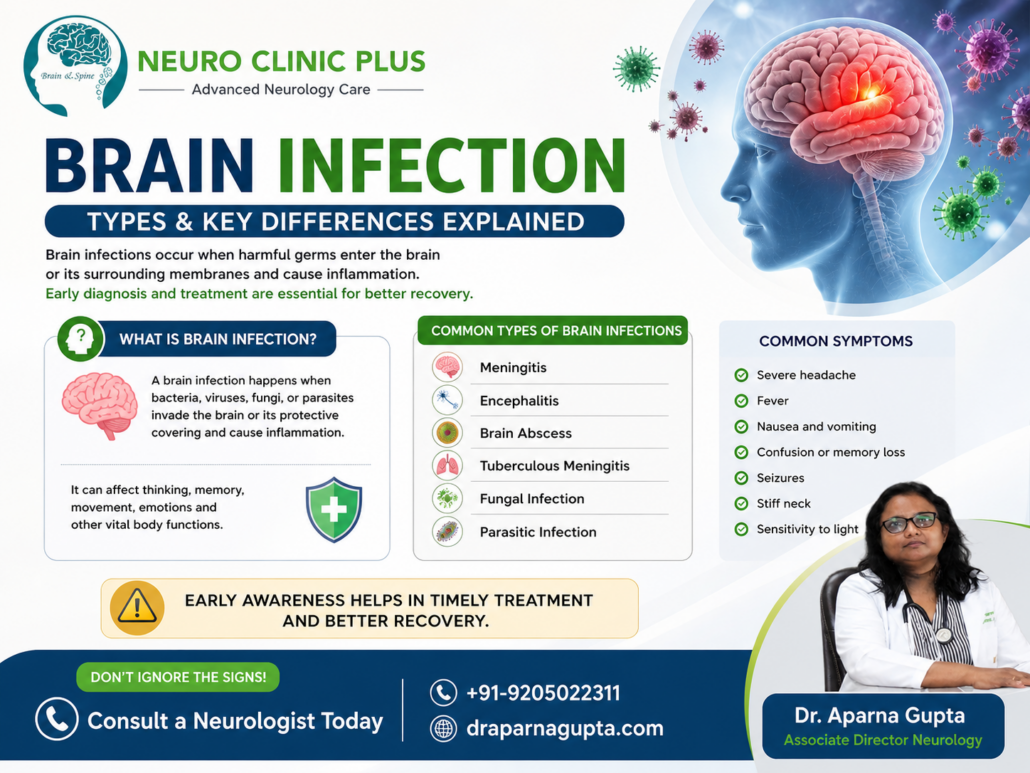
Brain infections are serious health problems that affect the brain or the layers covering it. The brain is one of the most important parts of our body because it controls everything we do—like thinking, moving, speaking, and even breathing. When an infection reaches the brain, it can disturb these functions and may become dangerous if not treated on time.
These infections are usually caused by germs such as bacteria, viruses, fungi, or parasites. Sometimes, the infection spreads to the brain from other parts of the body like the ears, sinuses, or lungs. In some cases, it can also spread through the bloodstream.
Common signs of a brain infection may include fever, headache, confusion, or feeling very weak. These symptoms can become serious quickly, so it is important to pay attention to them.
Understanding brain infections in simple terms can help people recognize the problem early. With timely medical care and proper treatment, many brain infections can be managed effectively, reducing the risk of serious complications.
What is a Brain Infection?
A brain infection happens when harmful germs enter the brain or the layers that cover it and cause inflammation (swelling). These germs can be bacteria, viruses, fungi, or parasites. When they reach the brain, they disturb its normal working and can affect important body functions like thinking, movement, and coordination.
Brain infections can affect different parts, such as the brain tissue itself or the protective layers around the brain (called meninges). Depending on the area affected, the condition may vary in severity and symptoms.
These infections usually spread in a few common ways. They may travel through the bloodstream from another infected part of the body, such as the lungs, ears, or sinuses. In some cases, they can also enter the brain due to a head injury or after surgery.
A brain infection is considered a serious condition because the brain is very sensitive. Even a small problem can lead to major health issues. That’s why early detection and proper medical care are very important to prevent complications.
3. Types of Brain Infections
There are different types of brain infections, and each one affects the brain in a different way. The type depends on which part of the brain is affected and what kind of germ is causing the infection.
3.1 Meningitis
Meningitis is an infection of the protective layers (meninges) that cover the brain and spinal cord. It is usually caused by bacteria or viruses. This condition can start suddenly and may become serious very quickly. Common symptoms include high fever, severe headache, vomiting, and stiffness in the neck. Some people may also feel sensitive to light or have difficulty concentrating.
Meningitis needs urgent medical attention because it can affect brain function within a short time. Early treatment can help prevent serious complications.
3.2 Encephalitis
Encephalitis means inflammation (swelling) of the brain tissue itself. It is mostly caused by viral infections. This type of infection directly affects how the brain works, which can change a person’s behavior and thinking.
People with encephalitis may feel confused, drowsy, or have seizures. In some cases, they may also have trouble speaking or moving properly. It can be mild in some people, but in others, it can become serious and require hospital care.
3.3 Brain Abscess
A brain abscess is a condition where pus collects inside the brain due to an infection. It usually happens when an infection from nearby areas like the ears, teeth, or sinuses spreads to the brain.
This can cause pressure inside the brain, leading to symptoms like constant headache, fever, nausea, and weakness in certain parts of the body. A brain abscess is a serious condition and may sometimes require surgery to remove the pus along with medicines.
3.4 Tuberculous Meningitis
Tuberculous meningitis is caused by the bacteria that also cause tuberculosis (TB). This infection develops slowly compared to other types. At first, symptoms may be mild, like low fever, tiredness, and headache, but they can become worse over time.
If not treated, it can affect brain function and cause confusion or unconsciousness. Early diagnosis is very important to control this infection and avoid complications.
3.5 Fungal Brain Infections
Fungal brain infections are less common but can occur in people with weak immune systems, such as those with chronic illnesses. These infections are caused by fungi that enter the body and slowly affect the brain.
Symptoms may develop gradually and include headache, fever, and confusion. Because they progress slowly, they are sometimes difficult to detect early, but proper treatment can help manage the condition.
3.6 Parasitic Brain Infections
Parasitic infections happen when parasites enter the body through contaminated food or water and reach the brain. These infections are more common in areas with poor hygiene and sanitation.
They can cause symptoms like seizures, headaches, and swelling in the brain. In some cases, they may lead to long-term neurological problems if not treated on time.
4. Difference Between Types of Brain Infections
Different types of brain infections are not the same. They differ in where they affect the brain, what causes them, how fast they spread, and how serious they can become. Understanding these differences in simple terms helps people recognize symptoms early and seek the right treatment.
4.1 Based on Area Affected
Brain infections can affect different parts of the brain, and this changes how a person feels. For example, meningitis affects the outer covering of the brain (meninges), so it often causes headache, fever, and neck stiffness. Encephalitis affects the brain tissue itself, which can lead to confusion, memory problems, or unusual behavior. A brain abscess affects a specific area where pus collects, which can press on the brain and cause pain or weakness in certain body parts. So, the location of the infection plays a big role in symptoms.
4.2 Based on Cause of Infection
Different germs cause different types of brain infections. Bacterial infections are usually more severe and need immediate treatment with antibiotics. Viral infections are more common and may sometimes be mild, but they can still become serious. Fungal infections usually affect people with weak immunity and develop slowly. Parasitic infections often occur due to contaminated food or water. Since each germ acts differently, doctors choose treatment based on the exact cause.
4.3 Based on Speed of Development
Some brain infections develop very quickly, while others take time. For example, bacterial meningitis can worsen within hours or a day, making it an emergency. On the other hand, infections like tuberculous meningitis or fungal infections grow slowly and symptoms may appear gradually over days or weeks. Because of this difference, some infections need urgent care, while others may be detected over time.
4.4 Based on Severity
The seriousness of brain infections can vary a lot. Some infections may be mild and improve with proper treatment, while others can be life-threatening if not treated quickly. Severe infections can lead to complications like brain damage, seizures, or even coma. The severity depends on the type of infection, how early it is treated, and the overall health of the person.
4.5 Based on Symptoms
Symptoms of brain infections are not the same for everyone. Some infections mainly cause fever, headache, and vomiting. Others may affect brain function more strongly, leading to confusion, difficulty in speaking, seizures, or trouble in movement. In some cases, symptoms may start mild and become worse over time. Paying attention to these differences can help in early diagnosis and better treatment.
5. Frequently Asked Questions (FAQs)
Q1. What is a brain infection?
A brain infection occurs when germs like bacteria, viruses, fungi, or parasites enter the brain and cause swelling. This affects brain functions like thinking, movement, and memory. If not treated early, it can become serious and lead to complications.
Q2. What are the main types of brain infections?
The main types include meningitis, encephalitis, brain abscess, tuberculous meningitis, fungal infections, and parasitic infections. Each type affects different parts of the brain and may develop quickly or slowly depending on the cause.
Q3. Are brain infections dangerous?
Yes, brain infections are dangerous because they affect the brain, which controls the body. Without timely treatment, they can cause seizures, confusion, unconsciousness, or even life-threatening complications. Early medical care can help prevent serious outcomes.
Q4. Can brain infections be cured?
Many brain infections can be cured if diagnosed early. Treatment depends on the cause and may include medicines like antibiotics or antivirals. In some cases, surgery is needed. Early treatment increases the chances of full recovery.
Q5. Can brain infections cause long-term problems?
Yes, untreated brain infections can lead to long-term problems like memory issues, speech difficulty, weakness, or seizures. However, with early diagnosis and proper treatment, the risk of permanent damage can be reduced significantly.
6. Conclusion
Brain infections are serious medical conditions that can affect the brain and disturb its normal functioning. They can be caused by different germs such as bacteria, viruses, fungi, or parasites, and each type affects the brain in a different way. Conditions like meningitis, encephalitis, and brain abscess may vary in severity, but all require proper medical attention.
Understanding the different types of brain infections and how they differ is important for awareness. Some infections develop suddenly, while others progress slowly over time. Knowing these differences can help in recognizing the condition early.
Although brain infections can be dangerous, early diagnosis and timely treatment can help manage them effectively and reduce complications. Staying informed about these conditions is the first step toward better brain health and quick action when needed.













Leave a Reply
Want to join the discussion?Feel free to contribute!