Latest Updates for Neuro treatment

Stroke specialist in delhi

A stroke is a serious medical emergency that occurs when blood flow to a part of the brain is interrupted, preventing brain cells from receiving oxygen and nutrients. Consulting a Stroke specialist in delhi at the earliest signs of stroke can help reduce brain damage and improve recovery outcomes. Early diagnosis and timely medical attention play a critical role in preventing long-term complications such as paralysis, speech difficulties, memory loss, and mobility problems.

Stroke cases are increasing rapidly due to lifestyle-related conditions such as hypertension, diabetes, obesity, stress, smoking, and heart disease. In many cases, people ignore early warning signs like sudden weakness, facial drooping, difficulty speaking, or dizziness, which can delay treatment during the most critical period known as the “golden hour.” Immediate neurological evaluation helps determine whether the stroke is ischemic, caused by a blood clot, or hemorrhagic, caused by bleeding in the brain.

Dr. Aparna Gupta is known for providing comprehensive neurological care and stroke management with a patient-focused approach. At Neuro Clinic Plus, patients receive expert evaluation, timely diagnosis, and personalized treatment plans for stroke recovery and prevention.

Seeking treatment from the best neurologist in delhi ncr can ensure access to advanced stroke diagnosis, emergency management, rehabilitation planning, and long-term preventive care. Timely intervention can save millions of brain cells and significantly improve a patient’s quality of life.

What is a Stroke?

A stroke occurs when the blood supply to a part of the brain is suddenly blocked or when a blood vessel in the brain ruptures, leading to damage or death of brain cells. Since the brain controls important body functions such as movement, speech, memory, and coordination, a stroke can cause severe neurological complications if not treated quickly. Consulting a Stroke specialist in delhi at the earliest symptoms is essential for timely diagnosis and treatment.

There are different types of stroke, and each requires immediate medical attention:

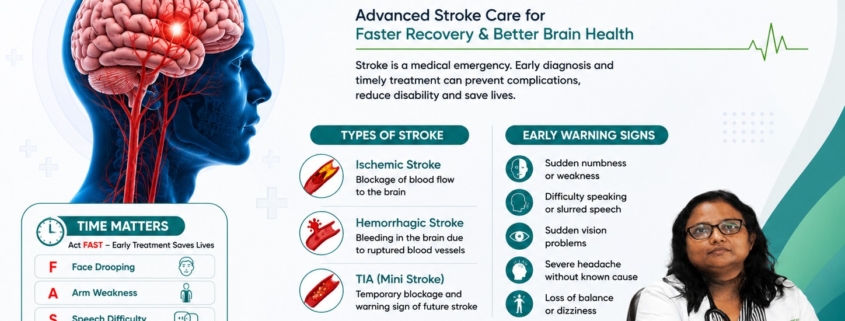
  • Ischemic Stroke: The most common type, caused by a blood clot blocking blood flow to the brain. Nearly 85% of stroke cases fall under this category.
  • Hemorrhagic Stroke: Occurs when a blood vessel bursts and causes bleeding in the brain, increasing pressure on brain tissues.
  • Transient Ischemic Attack (TIA): Also known as a mini-stroke, where symptoms last for a short time but act as a major warning sign for a future stroke.

Stroke symptoms can appear suddenly and may include facial drooping, weakness in the arms or legs, speech difficulties, dizziness, confusion, or vision problems. Quick neurological evaluation helps determine the type and severity of the stroke so that proper treatment can begin during the critical “golden hour.”

Dr. Aparna Gupta offers advanced stroke evaluation and neurological care at Neuro Clinic Plus to help patients receive accurate diagnosis, emergency care, rehabilitation guidance, and long-term stroke prevention support from the best neurologist in delhi ncr.

Why Immediate Medical Attention is Important

Stroke is a medical emergency that requires immediate treatment because every minute of delay can lead to permanent brain damage. When blood flow to the brain is interrupted, brain cells begin to die rapidly due to lack of oxygen. This is why doctors often refer to the first few hours after a stroke as the “golden hour,” where fast diagnosis and treatment can significantly improve recovery and reduce complications. Seeking help from a Stroke specialist in delhi during this critical period can save brain function and improve long-term outcomes.

Ignoring early symptoms or delaying medical care may increase the risk of severe disability, speech problems, memory loss, paralysis, or even life-threatening complications. Immediate neurological assessment helps doctors quickly identify the type of stroke and begin the appropriate treatment.

Some major reasons why urgent stroke care is necessary include:

  • Early detection of ischemic or hemorrhagic stroke
  • Faster brain imaging and diagnosis
  • Timely administration of clot-busting treatments like tPA
  • Reduced risk of permanent neurological damage
  • Better chances of recovery and rehabilitation

Dr. Aparna Gupta provides comprehensive stroke evaluation and emergency neurological care at Neuro Clinic Plus to ensure patients receive timely diagnosis, treatment planning, and recovery support. Consulting the best neurologist in delhi ncr at the right time can make a significant difference in stroke survival and recovery.

Top Signs You Need a Stroke Specialist in Delhi Immediately

Stroke symptoms can appear suddenly and should never be ignored, even if they last for only a few minutes. Delayed treatment may increase the risk of permanent brain damage, paralysis, speech problems, or memory loss. Consulting a Stroke specialist in delhi immediately after noticing any warning signs can help improve recovery outcomes and reduce complications. Early medical attention during the “golden hour” is critical for protecting brain function and saving lives.

Face Drooping

One of the most common early signs of stroke is sudden weakness or numbness on one side of the face. A person may have difficulty smiling properly, and one side of the face may appear uneven or droopy.

Arm Weakness

Sudden weakness or numbness in one arm or leg can indicate reduced blood flow to the brain. Patients may struggle to lift both arms evenly or may experience difficulty walking and maintaining balance.

Speech Difficulties

Stroke can affect the brain areas responsible for communication. Symptoms may include slurred speech, confusion, difficulty understanding words, or trouble speaking clearly.

Vision Problems

Many stroke patients experience sudden blurred vision, double vision, or loss of vision in one or both eyes. These symptoms require immediate neurological evaluation.

Severe Headache

A sudden and severe headache with no known cause may indicate a hemorrhagic stroke caused by bleeding in the brain. It may also be accompanied by nausea, vomiting, or dizziness.

Loss of Balance and Coordination

Sudden dizziness, difficulty walking, poor coordination, or loss of balance are serious neurological symptoms that should never be ignored.

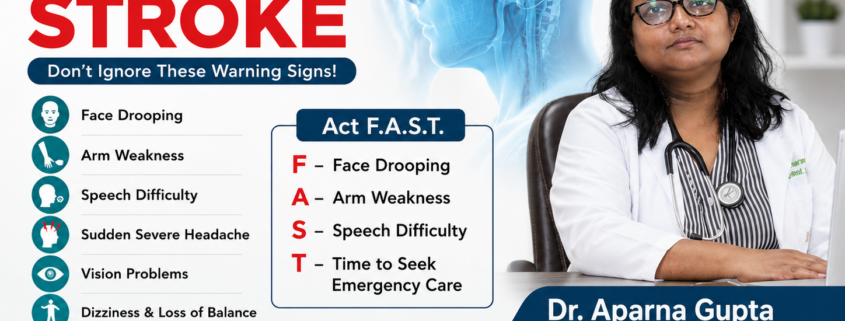
Remember the FAST Warning Signs

Doctors recommend using the FAST method for early stroke recognition:

  • F – Face: Check if one side of the face droops
  • A – Arm: See if one arm drifts downward
  • S – Speech: Notice slurred or unclear speech
  • T – Time: Seek emergency medical care immediately

Dr. Aparna Gupta provides advanced stroke evaluation and neurological care at Neuro Clinic Plus to help patients receive timely treatment and recovery support from the best neurologist in delhi ncr.

Common Risk Factors for Stroke

Stroke can affect people of all ages, but certain medical conditions and lifestyle habits can significantly increase the risk. Understanding these risk factors is important because early prevention and regular neurological checkups can reduce the chances of severe complications. Consulting a Stroke specialist in delhi can help identify underlying health issues and create a personalized prevention plan for high-risk individuals.

Several health conditions are strongly linked to stroke risk, especially when left untreated for a long time. Poor lifestyle choices can also damage blood vessels and affect blood circulation to the brain.

High Blood Pressure

High blood pressure is one of the leading causes of stroke. It can weaken or damage blood vessels in the brain, increasing the risk of both ischemic and hemorrhagic stroke.

Diabetes and High Cholesterol

Uncontrolled diabetes and high cholesterol levels can damage arteries and increase the formation of blood clots, reducing blood supply to the brain.

Smoking and Alcohol Consumption

Smoking narrows blood vessels and reduces oxygen supply, while excessive alcohol intake can raise blood pressure and increase stroke risk.

Obesity and Physical Inactivity

Lack of exercise and unhealthy eating habits may lead to obesity, heart disease, and poor circulation, all of which contribute to stroke.

Stress and Heart Disease

Chronic stress, irregular heartbeat, and heart-related conditions can increase the chances of clot formation and brain stroke.

Dr. Aparna Gupta provides comprehensive neurological evaluation and preventive stroke care at Neuro Clinic Plus to help patients manage risk factors under the guidance of the best neurologist in delhi ncr.

When Should You Visit a Stroke Specialist in Delhi?

Many people ignore early neurological symptoms, assuming they are temporary or caused by stress and fatigue. However, even mild or short-lasting symptoms can be warning signs of a serious stroke or transient ischemic attack (TIA). Consulting a Stroke specialist in delhi at the right time is essential for early diagnosis, emergency treatment, and long-term prevention of future strokes.

You should never delay medical attention if you experience sudden neurological symptoms, especially those related to speech, movement, balance, or vision. Early neurological evaluation can help doctors identify the underlying cause and begin treatment before permanent brain damage occurs.

Sudden Stroke Symptoms

Immediate consultation is necessary if you notice:

  • Facial drooping or numbness
  • Weakness in the arms or legs
  • Difficulty speaking or understanding speech
  • Sudden severe headache
  • Dizziness or loss of coordination
  • Blurred or loss of vision

After a Mini-Stroke or TIA

Transient ischemic attacks (TIAs) are temporary stroke-like episodes that often last only a few minutes or hours. Even if symptoms disappear, TIAs are major warning signs of a future stroke and require urgent medical evaluation.

High-Risk Health Conditions

People with high blood pressure, diabetes, heart disease, obesity, high cholesterol, or a family history of stroke should undergo regular neurological checkups to reduce stroke risk.

Dr. Aparna Gupta offers advanced stroke consultation and preventive neurological care at Neuro Clinic Plus, helping patients receive timely treatment and guidance from the best neurologist in delhi ncr.

How Dr. Aparna Gupta Helps in Stroke Care

Stroke treatment requires quick diagnosis, expert neurological evaluation, and a personalized recovery plan to reduce complications and improve long-term outcomes. Consulting a Stroke specialist in delhi at the earliest stage of symptoms can help patients receive immediate medical attention during the critical “golden hour.” Early treatment plays a major role in protecting brain function and preventing permanent disability.

With over 22 years of experience in neurology and stroke management, Dr. Aparna Gupta provides comprehensive neurological care for patients experiencing stroke symptoms, mini-strokes (TIAs), headaches, speech difficulties, weakness, balance issues, and other neurological concerns. At Neuro Clinic Plus, patients receive detailed neurological assessment and treatment planning based on the type and severity of stroke.

Advanced Stroke Evaluation

Stroke diagnosis often involves neurological examination and brain imaging to identify whether the condition is ischemic or hemorrhagic. Early evaluation helps begin the correct treatment without delay.

Emergency Stroke Management

Timely stroke management may include clot-dissolving medications like tPA, blood pressure control, supportive care, and rehabilitation planning to reduce brain damage and improve recovery outcomes.

Rehabilitation and Preventive Care

Long-term stroke care focuses on improving mobility, speech, coordination, and overall quality of life while reducing the risk of future strokes through lifestyle management, medications, and regular neurological follow-up care.

Patients seeking treatment from the best neurologist in delhi ncr can benefit from personalized stroke management, preventive guidance, and ongoing neurological support for better recovery and long-term brain health.

Why Choose Neuro Clinic Plus for Stroke Care in Delhi?

Choosing the right neurological center is extremely important for accurate diagnosis, emergency stroke management, rehabilitation, and long-term recovery. Stroke treatment often requires immediate medical attention, advanced neurological evaluation, and continuous follow-up care to reduce complications and improve quality of life. Consulting a Stroke specialist in delhi at a trusted neurology clinic can help patients receive timely and comprehensive treatment during every stage of recovery.

Neuro Clinic Plus is known for providing patient-focused neurological care with advanced consultation and stroke management services. Under the guidance of Dr. Aparna Gupta, who has over 22 years of experience in neurology, patients receive personalized treatment plans based on their symptoms, medical history, and stroke risk factors.

Comprehensive Neurological Evaluation

The clinic focuses on early stroke detection through detailed neurological examinations and timely assessment of symptoms such as weakness, speech difficulties, dizziness, headaches, and vision problems.

Personalized Stroke Management

Each patient receives individualized treatment and recovery guidance that may include emergency stroke care, rehabilitation planning, medication management, and preventive strategies.

Long-Term Preventive Care

Regular follow-up care helps patients manage conditions like hypertension, diabetes, cholesterol, and heart disease, which are major contributors to stroke risk.

Patients looking for treatment from the best neurologist in delhi ncr can benefit from expert neurological support, compassionate patient care, and advanced stroke management at Neuro Clinic Plus.

Tips to Reduce Stroke Risk

Although stroke is a serious medical emergency, many cases can be prevented through healthy lifestyle changes, regular medical checkups, and proper management of underlying health conditions. Understanding the risk factors and taking preventive measures can significantly lower the chances of brain stroke and long-term neurological complications. Consulting a Stroke specialist in delhi for preventive neurological care is important, especially for individuals with high blood pressure, diabetes, heart disease, or a family history of stroke.

Simple lifestyle modifications can help improve brain and heart health while reducing the risk of blood clots, blocked arteries, and bleeding in the brain.

Maintain Healthy Blood Pressure

High blood pressure is one of the biggest causes of stroke. Regular monitoring and proper treatment can help protect blood vessels in the brain.

Follow a Healthy Diet

Eating a balanced diet rich in fruits, vegetables, whole grains, and low-fat foods helps maintain healthy cholesterol and blood sugar levels.

Exercise Regularly

Physical activity improves blood circulation, controls weight, and reduces stress, all of which help lower stroke risk.

Avoid Smoking and Excessive Alcohol

Smoking damages blood vessels and increases clot formation, while excessive alcohol intake can raise blood pressure and increase stroke chances.

Get Regular Neurological Checkups

Routine neurological evaluations can help detect early warning signs and reduce future stroke complications.

Dr. Aparna Gupta at Neuro Clinic Plus provides preventive neurological care and stroke risk assessment to help patients maintain better brain health under the guidance of the best neurologist in delhi ncr.

FAQs

What are the first warning signs of a stroke?

  • Face drooping
  • Arm weakness
  • Speech difficulty
  • Vision problems
  • Severe headache
  • Dizziness or confusion

Consult a Stroke specialist in delhi immediately if these symptoms appear suddenly.

How quickly should stroke treatment begin?

Stroke treatment should begin within the “golden hour” because early medical care helps reduce brain damage, improve recovery, and lower the risk of permanent disability.

Can a mini-stroke be dangerous?

Yes, a mini-stroke or TIA is a warning sign of a future stroke and requires immediate neurological evaluation and preventive treatment.

How can stroke risk be reduced?

Stroke risk can be reduced through healthy eating, regular exercise, blood pressure control, diabetes management, avoiding smoking, and routine neurological checkups.

Why choose Dr. Aparna Gupta for stroke care?

Dr. Aparna Gupta provides advanced stroke care with 22+ years of experience at Neuro Clinic Plus for personalized neurological treatment and recovery support.

Conclusion

Stroke is a life-threatening neurological emergency that requires immediate medical attention to prevent permanent brain damage and serious complications. Recognizing the early warning signs such as facial drooping, arm weakness, speech difficulties, dizziness, severe headache, and vision problems can help patients receive timely treatment during the critical “golden hour.” Quick diagnosis and emergency care can significantly improve recovery outcomes and reduce the risk of long-term disability.

Both ischemic and hemorrhagic strokes require specialized neurological management, supportive care, rehabilitation, and long-term preventive treatment. Even temporary symptoms caused by a transient ischemic attack (TIA) should never be ignored, as they may indicate a high risk of future stroke. Consulting a Stroke specialist in delhi at the earliest symptoms is essential for proper evaluation and personalized treatment planning.

With over 22 years of neurological experience, Dr. Aparna Gupta provides advanced stroke evaluation, emergency neurological care, rehabilitation guidance, and preventive support at Neuro Clinic Plus. Patients seeking care from the best neurologist in delhi ncr can benefit from comprehensive stroke management focused on faster recovery, improved brain health, and long-term prevention of future neurological complications.

Headache specialist in delhi

Headaches are a very common problem that can affect people of all ages. If you are experiencing frequent or severe headaches, consulting an experienced Headache specialist in Delhi can help you find the right treatment at the right time.

Sometimes, a headache happens because of stress, lack of sleep, dehydration, or long screen time. But in some cases, repeated headaches may actually be migraines or another neurological condition. That is why it is important to understand the difference between a normal headache and a migraine.

Many people ignore headaches until the pain starts affecting their daily routine, work, sleep, or overall health. Migraines can cause severe throbbing pain, nausea, sensitivity to light, and difficulty concentrating. Getting treatment from the best neurologist in Delhi NCR can help control symptoms and improve quality of life.

At Neuro Clinic Plus, Dr. Aparna Gupta provides expert care for migraines, chronic headaches, and other neurological problems with proper diagnosis and personalized treatment plans.

What is a Normal Headache?

A normal headache is one of the most common types of head pain and is usually not serious. It can happen because of stress, tiredness, lack of sleep, dehydration, long working hours, or skipping meals. In most cases, the pain improves with rest, hydration, or basic medication.

Many people experience occasional headaches, especially after a busy or stressful day. However, if headaches start happening frequently or become severe, it is important to consult a Headache specialist in Delhi to understand the actual cause.

Common Causes of Normal Headaches

Several everyday habits and lifestyle factors can trigger a normal headache, such as:

  • Stress and anxiety
  • Lack of sleep
  • Dehydration
  • Eye strain from mobile or laptop screens
  • Skipping meals
  • Poor posture
  • Fatigue and overwork

These headaches are usually temporary and may go away after proper rest and relaxation.

Symptoms of a Normal Headache

A normal headache usually has mild to moderate symptoms, including:

  • Dull or pressure-like pain
  • Pain on both sides of the head
  • Tightness around the forehead
  • Discomfort in the scalp or neck area
  • Pain that improves with rest or medication

Unlike migraines, normal headaches generally do not cause nausea, vomiting, or sensitivity to light and sound.

When Should You See a Headache Specialist in Delhi?

Even a normal headache should not be ignored if it becomes frequent or starts affecting daily life. You should seek medical advice if:

  • Headaches happen regularly
  • Pain becomes severe over time
  • Headaches disturb sleep or work
  • Medication stops giving relief
  • Headaches are associated with dizziness or vision problems

Consulting the best neurologist in Delhi NCR can help identify whether the headache is caused by stress, migraine, nerve-related problems, or another neurological condition.

What is Migraine?

Migraine is a neurological condition that causes intense and recurring headaches. Unlike a normal headache, migraine pain can be severe and may affect a person’s daily activities, sleep, and concentration. Many people with migraines also experience nausea, vomiting, and sensitivity to light or loud sounds.

If migraine attacks happen frequently, it is important to consult a qualified Headache specialist in Delhi for proper diagnosis and treatment. Early medical care can help reduce the severity and frequency of migraine episodes.

Common Symptoms of Migraine

Migraine symptoms can vary from person to person, but some of the most common signs include:

  • Throbbing or pulsating pain
  • Pain on one side of the head
  • Sensitivity to light and sound
  • Nausea or vomiting
  • Blurred vision
  • Dizziness or weakness
  • Difficulty concentrating

Migraine attacks can last for a few hours or even several days in some cases.

Common Migraine Triggers

Certain factors can increase the chances of migraine attacks, including:

  • Stress and anxiety
  • Lack of sleep
  • Hormonal changes
  • Bright lights or loud noises
  • Long screen time
  • Skipping meals
  • Certain foods and beverages
  • Weather changes

Identifying triggers is an important part of migraine management and can help prevent future attacks.

How Migraine Affects Daily Life

Migraines can make routine activities difficult and may affect work performance, sleep quality, and mental well-being. Some people experience migraines so frequently that it impacts their social and professional life.

Seeking treatment from the best neurologist in Delhi NCR can help patients manage symptoms effectively through lifestyle changes, medications, and advanced neurological care.

When to Visit a Headache Specialist in Delhi for Migraine

You should seek medical help if:

  • Migraine attacks become frequent
  • Pain is severe and difficult to manage
  • Headaches interfere with daily life
  • You experience vision problems or dizziness
  • Over-the-counter medicines stop working

At Neuro Clinic Plus, Dr. Aparna Gupta provides personalized migraine treatment plans to help patients achieve long-term relief and better quality of life.

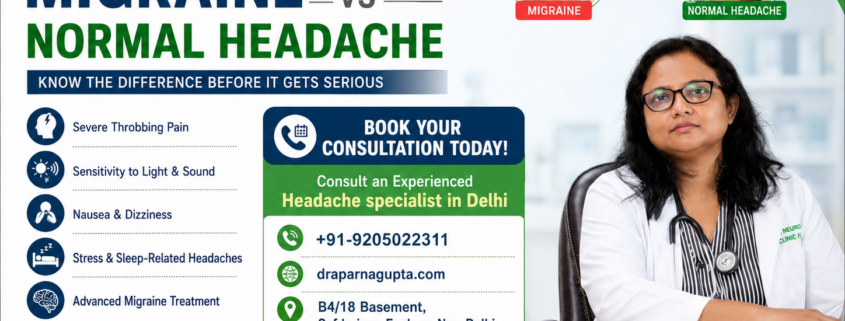
Migraine vs Normal Headache – Key Differences

Many people think every severe headache is a migraine, but that is not always true. A normal headache and a migraine are different conditions with different symptoms, causes, and treatment approaches. Understanding these differences is important because frequent migraines may require proper neurological evaluation and long-term management from an experienced Headache specialist in Delhi.

While a normal headache is usually temporary and manageable, migraines can seriously affect a person’s physical and mental well-being. Ignoring repeated migraine attacks may impact work performance, sleep quality, and daily activities. Seeking timely care from the best neurologist in Delhi NCR can help patients receive the right diagnosis and effective treatment.

Difference in Pain Intensity

One of the biggest differences between a migraine and a normal headache is the intensity of pain.

A normal headache generally causes mild to moderate discomfort. The pain may feel like pressure, heaviness, or tightness around the forehead or scalp. Most people can continue their routine activities even with the headache.

Migraine pain is usually much stronger and more disturbing. It often feels like throbbing or pulsating pain, especially on one side of the head. During a migraine attack, even small activities such as walking, working, or talking may feel difficult.

Patients who regularly experience severe headaches should consult a Headache specialist in Delhi to determine whether the condition is migraine-related or caused by another neurological issue.

Difference in Duration

Normal headaches are usually short-term and may improve within a few hours after rest, hydration, or medication.

Migraines often last much longer. A migraine attack may continue for several hours or even up to three days if not treated properly. Some people also experience warning symptoms before the migraine starts, known as aura symptoms.

Recurring long-duration headaches should never be ignored. Visiting the best neurologist in Delhi NCR can help identify the root cause and prevent headaches from becoming chronic.

Difference in Symptoms

A normal headache mainly causes pain in the head without many additional symptoms.

Migraines are more complex and often involve several neurological symptoms, including:

  • Nausea or vomiting
  • Sensitivity to light
  • Sensitivity to loud sounds
  • Blurred vision
  • Dizziness
  • Fatigue
  • Difficulty concentrating

Some migraine patients may also experience flashing lights, numbness, or temporary visual disturbances before the headache begins.

These symptoms are important warning signs that should be evaluated by a qualified Headache specialist in Delhi for proper migraine management.

Difference in Daily Life Impact

A regular headache may cause temporary discomfort, but it usually does not completely stop a person from carrying out normal tasks.

Migraines can significantly affect daily life. Many patients are unable to work, study, travel, or even tolerate bright light and noise during an attack. Severe migraines may also affect emotional health and increase stress levels.

Long-term migraine problems can reduce overall quality of life if not treated properly. This is why many patients seek treatment from the best neurologist in Delhi NCR for advanced migraine care and long-term relief.

Difference in Triggers

Normal headaches are commonly triggered by everyday factors such as:

  • Stress
  • Lack of sleep
  • Dehydration
  • Eye strain
  • Hunger
  • Fatigue

Migraine triggers are often more specific and may vary from person to person. Common migraine triggers include:

  • Hormonal changes
  • Bright lights
  • Strong smells
  • Excessive screen time
  • Certain foods and beverages
  • Anxiety and emotional stress
  • Weather changes

Understanding personal migraine triggers is an important step in preventing future attacks and reducing headache frequency.

Difference in Treatment

Normal headaches often improve with:

  • Proper rest
  • Hydration
  • Healthy sleep routine
  • Stress management
  • Basic pain relief medication

Migraine treatment usually requires a more personalized approach. Depending on the severity and frequency of attacks, treatment may include:

  • Preventive medications
  • Lifestyle modifications
  • Trigger management
  • Neurological evaluation
  • Advanced migraine therapies

A skilled Headache specialist in Delhi can help create an individualized treatment plan based on the patient’s symptoms and medical history.

When Should You See the Best Neurologist in Delhi NCR?

You should not ignore headaches if you experience:

  • Frequent migraine attacks
  • Severe head pain
  • Vision disturbances
  • Vomiting with headaches
  • Dizziness or weakness
  • Headaches affecting sleep and daily life
  • Sudden increase in headache intensity

These symptoms may indicate an underlying neurological condition that requires expert care.

At Neuro Clinic Plus, Dr. Aparna Gupta provides advanced diagnosis and treatment for migraines, chronic headaches, and other neurological disorders. With a patient-centered approach and comprehensive neurological care, she helps patients manage headache conditions effectively and improve their quality of life.

Warning Signs You Should Never Ignore

Occasional headaches are common and usually improve with rest or medication. However, some headaches can be a warning sign of a serious neurological condition and should never be ignored. If headaches become severe, frequent, or unusual, it is important to seek medical attention from an experienced Headache specialist in Delhi.

Many people delay treatment and continue taking painkillers without understanding the real cause of their headaches. In some cases, untreated migraines or neurological disorders can worsen over time and affect overall health. Consulting the best neurologist in Delhi NCR can help detect underlying conditions early and provide proper treatment.

Sudden Severe Headache

A sudden and extremely painful headache should always be taken seriously. If the pain appears suddenly and feels different from previous headaches, it may indicate a serious medical condition.

This type of headache may require immediate neurological evaluation by a Headache specialist in Delhi to rule out serious complications.

Frequent or Recurring Headaches

Headaches that occur regularly are not normal and should not be ignored. Frequent headaches may be linked to:

  • Chronic migraine
  • Stress-related disorders
  • Nerve-related conditions
  • Sleep problems
  • Neurological disorders

If headaches are becoming more common or severe over time, consulting the best neurologist in Delhi NCR can help identify the exact cause.

Headache with Vision Problems

If a headache is accompanied by blurred vision, flashing lights, double vision, or temporary loss of vision, it may be related to migraine or another neurological issue.

Vision-related symptoms should always be evaluated by a qualified Headache specialist in Delhi to prevent complications and ensure timely treatment.

Headache with Nausea or Vomiting

Migraines often cause nausea and vomiting, especially during severe attacks. However, persistent vomiting with headaches may also indicate increased pressure inside the brain or another neurological condition.

Medical evaluation becomes important if these symptoms happen repeatedly.

Headache After a Head Injury

Any headache that starts after a fall, accident, or head injury should be taken seriously. Even if the injury seems minor, internal complications can sometimes develop later.

It is advisable to seek immediate consultation from the best neurologist in Delhi NCR if headaches appear after trauma or injury.

Headache with Dizziness or Weakness

If headaches are associated with dizziness, numbness, weakness, difficulty speaking, or balance problems, immediate medical attention is necessary. These symptoms may be linked to serious neurological conditions such as stroke or nerve-related disorders.

Early diagnosis by a Headache specialist in Delhi can help prevent complications and improve recovery outcomes.

Headaches That Disturb Daily Life

Headaches should not interfere with normal daily activities. If you are unable to work, sleep properly, concentrate, or perform routine tasks because of recurring headaches, professional neurological care may be needed.

Ignoring long-term migraine symptoms can affect both physical and mental well-being over time.

When Should You Seek Emergency Medical Help?

Immediate medical attention is important if you experience:

  • Sudden unbearable headache
  • Headache with fever
  • Loss of consciousness
  • Difficulty speaking
  • Weakness on one side of the body
  • Seizures with headache
  • Confusion or memory problems

These symptoms may indicate a serious neurological emergency and should not be ignored.

At Neuro Clinic Plus, Dr. Aparna Gupta provides expert diagnosis and treatment for migraines, chronic headaches, nerve disorders, and other neurological conditions. Patients looking for personalized care from the best neurologist in Delhi NCR can benefit from advanced neurological evaluation and comprehensive headache management.

Diagnosis and Evaluation of Migraine and Headaches

Proper diagnosis is one of the most important steps in treating migraines and recurring headaches. Many people continue taking painkillers without understanding the real reason behind their symptoms. Consulting an experienced Headache specialist in Delhi can help identify whether the headache is caused by migraine, stress, nerve-related conditions, or another neurological disorder.

Every headache is different, and the right treatment depends on accurate diagnosis. At Neuro Clinic Plus, Dr. Aparna Gupta focuses on detailed neurological evaluation to understand the exact cause of headaches and create personalized treatment plans for long-term relief.

Why Proper Diagnosis is Important

Headaches can occur for many reasons, including lifestyle habits, migraines, sinus problems, hormonal changes, or neurological conditions. Without proper diagnosis, symptoms may continue to worsen over time.

Early evaluation by the best neurologist in Delhi NCR can help:

  • Identify the type of headache
  • Detect migraine triggers
  • Rule out serious neurological conditions
  • Prevent chronic headache problems
  • Improve overall quality of life

Timely diagnosis also helps patients avoid unnecessary medications and repeated headache attacks.

Medical History and Symptom Evaluation

The first step in diagnosis usually involves understanding the patient’s medical history and symptoms in detail.

A Headache specialist in Delhi may ask questions such as:

  • How often do headaches occur?
  • How long does the pain last?
  • Is the pain mild, moderate, or severe?
  • Are there symptoms like nausea or dizziness?
  • Do bright lights or loud sounds worsen the headache?
  • Is there any family history of migraines?

Understanding these patterns helps neurologists identify whether the condition is migraine, tension headache, cluster headache, or another neurological issue.

Neurological Examination

A neurological examination helps assess brain and nerve function. During the evaluation, the doctor may check:

  • Reflexes
  • Muscle strength
  • Balance and coordination
  • Vision and eye movement
  • Sensory responses

This examination helps the best neurologist in Delhi NCR detect signs of nerve-related or brain-related conditions that may be causing headaches.

Imaging Tests for Headaches

In some cases, additional tests may be required to rule out serious conditions.

These tests may include:

  • MRI scan
  • CT scan
  • Blood tests
  • Vision assessment

Imaging tests are usually recommended if headaches are severe, sudden, associated with neurological symptoms, or not responding to treatment.

Identifying Migraine Triggers

Migraine triggers vary from person to person. Identifying these triggers is an important part of diagnosis and treatment.

Common migraine triggers include:

  • Stress and anxiety
  • Lack of sleep
  • Hormonal changes
  • Certain foods and drinks
  • Excessive screen time
  • Bright lights or loud sounds

A qualified Headache specialist in Delhi may advise patients to maintain a headache diary to track patterns and identify possible triggers.

Personalized Treatment Planning

Once the diagnosis is complete, treatment is planned according to the patient’s symptoms, headache frequency, lifestyle, and overall health condition.

Treatment plans may include:

  • Lifestyle modifications
  • Stress management
  • Preventive medications
  • Migraine therapies
  • Sleep and dietary guidance

Personalized care is important because every patient experiences headaches differently.

Why Choose Dr. Aparna Gupta at Neuro Clinic Plus?

Dr. Aparna Gupta is known for providing comprehensive neurological care for migraines, chronic headaches, epilepsy, stroke, and other neurological conditions. Patients seeking treatment from the best neurologist in Delhi NCR benefit from her patient-focused approach and detailed neurological assessment.

At Neuro Clinic Plus, advanced diagnostic evaluation and individualized treatment plans help patients manage headaches effectively and improve their daily quality of life.

Treatment Options for Migraine and Normal Headaches

The treatment for migraines and normal headaches depends on the cause, severity, frequency, and overall health of the patient. While some headaches improve with rest and lifestyle changes, migraines often require proper medical care and long-term management. Consulting an experienced Headache specialist in Delhi can help patients receive the right treatment and prevent headaches from becoming chronic.

At Neuro Clinic Plus, Dr. Aparna Gupta provides personalized treatment plans for migraines, recurring headaches, and other neurological conditions to help patients achieve long-term relief and better quality of life.

Treatment for Normal Headaches

Most normal headaches can be managed with simple lifestyle improvements and basic care. These headaches are often linked to stress, dehydration, lack of sleep, or fatigue.

Common treatment options include:

  • Proper hydration
  • Adequate sleep
  • Stress management
  • Healthy eating habits
  • Limiting screen time
  • Regular physical activity
  • Pain relief medications when required

In many cases, making healthy lifestyle changes can reduce the frequency of normal headaches.

Migraine Treatment Options

Migraine treatment is usually more advanced because migraines can significantly affect daily life. The goal of treatment is to reduce pain, prevent future attacks, and improve overall well-being.

A qualified Headache specialist in Delhi may recommend:

Medications for Migraine Relief

Certain medicines help reduce migraine pain and manage symptoms such as nausea and sensitivity to light.

Preventive Migraine Treatment

Patients with frequent migraine attacks may require preventive medications to reduce the number and severity of episodes.

Lifestyle and Trigger Management

Identifying and avoiding migraine triggers is an important part of long-term treatment. Patients are often advised to:

  • Maintain regular sleep schedules
  • Avoid stress as much as possible
  • Stay hydrated
  • Avoid trigger foods
  • Reduce excessive screen exposure

Stress Management Techniques

Stress is one of the most common migraine triggers. Relaxation techniques such as meditation, breathing exercises, and yoga may help reduce headache frequency.

Advanced Neurological Care for Chronic Headaches

Patients who experience severe or recurring headaches should seek proper neurological evaluation. Chronic headaches can sometimes be linked to underlying neurological conditions that require specialized care.

Consulting the best neurologist in Delhi NCR can help patients receive:

  • Accurate diagnosis
  • Long-term migraine management
  • Advanced neurological treatment
  • Personalized headache care
  • Monitoring of recurring symptoms

Early treatment often prevents headaches from becoming more severe over time.

Importance of Lifestyle Changes in Headache Management

Lifestyle habits play a major role in controlling both migraines and normal headaches. Small daily changes can make a significant difference in reducing headache frequency.

Helpful lifestyle practices include:

  • Drinking enough water
  • Following a balanced diet
  • Exercising regularly
  • Maintaining proper sleep patterns
  • Avoiding excessive caffeine
  • Taking regular breaks from screens

These habits support overall neurological health and may help prevent frequent headaches.

When Should You Visit a Headache Specialist in Delhi?

You should seek medical help if:

  • Headaches occur frequently
  • Migraine attacks become severe
  • Painkillers stop working
  • Headaches affect sleep or work
  • Symptoms like dizziness or vision problems appear

Ignoring recurring headaches can lead to worsening symptoms and reduced quality of life.

Expert Migraine and Headache Care at Neuro Clinic Plus

At Neuro Clinic Plus, Dr. Aparna Gupta provides advanced treatment for migraines, chronic headaches, nerve disorders, epilepsy, and other neurological conditions. Patients looking for expert care from the best neurologist in Delhi NCR receive comprehensive evaluation, personalized treatment plans, and long-term headache management support.

With proper diagnosis and timely treatment, most patients can successfully manage migraines and improve their daily life.

Tips to Prevent Migraines and Frequent Headaches

Preventing migraines and frequent headaches is possible with healthy lifestyle habits and proper medical guidance. Many headaches are triggered by daily factors such as stress, dehydration, poor sleep, and long screen time. Following preventive measures and consulting an experienced Headache specialist in Delhi can help reduce the frequency and severity of headaches.

Simple changes in routine can make a big difference in maintaining neurological health and improving overall quality of life.

Maintain a Proper Sleep Schedule

Lack of sleep is one of the most common causes of headaches and migraines. Sleeping too little or having an irregular sleep routine can trigger severe head pain in many people.

To reduce headaches:

  • Sleep for 7–8 hours daily
  • Maintain a fixed sleeping schedule
  • Avoid excessive screen use before bedtime

Patients experiencing sleep-related migraines should consult the best neurologist in Delhi NCR for proper evaluation and treatment guidance.

Stay Hydrated Throughout the Day

Dehydration can often lead to headaches, weakness, and dizziness. Many people do not drink enough water during busy work schedules, which may increase the chances of headaches.

Helpful hydration tips include:

  • Drink enough water daily
  • Limit excessive caffeine intake
  • Avoid skipping meals

Proper hydration supports brain function and may help prevent frequent headaches.

Manage Stress Effectively

Stress is one of the biggest migraine triggers. Mental pressure, anxiety, and emotional stress can increase headache frequency and intensity.

Stress management techniques may include:

  • Meditation
  • Deep breathing exercises
  • Yoga
  • Regular physical activity
  • Taking breaks during work

A qualified Headache specialist in Delhi may also suggest additional migraine management strategies for stress-related headaches.

Reduce Excessive Screen Time

Long hours on mobile phones, laptops, and television screens can strain the eyes and trigger headaches.

To reduce screen-related headaches:

  • Take regular breaks while working
  • Use proper lighting
  • Maintain correct posture
  • Avoid continuous screen exposure for long periods

Eye strain and poor posture are common causes of tension headaches and migraines.

Identify and Avoid Migraine Triggers

Every migraine patient may have different triggers. Identifying these triggers can help prevent future attacks.

Common migraine triggers include:

  • Bright lights
  • Loud sounds
  • Certain foods and beverages
  • Hormonal changes
  • Lack of sleep
  • Stress and anxiety

Keeping a headache diary can help track symptoms and identify patterns.

Follow a Healthy Diet

Skipping meals or eating unhealthy foods can sometimes trigger headaches. Maintaining a balanced diet is important for overall neurological health.

Helpful dietary habits include:

  • Eating meals on time
  • Avoiding processed foods
  • Limiting excessive caffeine
  • Including fruits and vegetables in the diet

A healthy lifestyle can support long-term headache management.

Exercise Regularly

Regular physical activity improves blood circulation, reduces stress, and supports brain health. Moderate exercise may also help reduce the frequency of migraines and tension headaches.

Simple activities such as walking, stretching, or yoga can be beneficial when done consistently.

When to Seek Help from the Best Neurologist in Delhi NCR

Preventive measures are helpful, but medical evaluation becomes necessary if:

  • Headaches become frequent
  • Migraine attacks worsen
  • Daily life is affected
  • Symptoms include dizziness or vision problems
  • Over-the-counter medicines stop working

Consulting the best neurologist in Delhi NCR can help patients receive proper diagnosis, preventive treatment, and personalized headache management.

Expert Headache Care at Neuro Clinic Plus

At Neuro Clinic Plus, Dr. Aparna Gupta provides advanced care for migraines, chronic headaches, and neurological disorders. Patients looking for treatment from a trusted Headache specialist in Delhi receive comprehensive evaluation, personalized treatment plans, and guidance for long-term headache prevention.

With the right lifestyle changes and expert neurological care, many patients can successfully manage migraines and improve their quality of life.

Why Choose Dr. Aparna Gupta for Migraine and Headache Treatment?

Choosing the right neurologist is important for accurate diagnosis and effective treatment of migraines and recurring headaches. Many patients continue to suffer from frequent headaches because the underlying cause is not properly identified. Consulting an experienced Headache specialist in Delhi can help patients receive the right treatment and long-term relief.

Dr. Aparna Gupta is known for her expertise in diagnosing and treating migraines, chronic headaches, nerve-related disorders, epilepsy, stroke, and other neurological conditions. Her patient-focused approach and detailed neurological evaluation help patients understand the root cause of their symptoms and receive personalized care.

Experienced Headache Specialist in Delhi

Dr. Aparna Gupta has extensive experience in managing different types of headaches and neurological disorders. She carefully evaluates each patient’s symptoms, medical history, and lifestyle factors before creating a treatment plan.

Patients experiencing:

  • Frequent migraines
  • Chronic headaches
  • Severe head pain
  • Dizziness and neurological symptoms
  • Stress-related headaches

can benefit from expert neurological consultation and advanced headache management.

Personalized Migraine Treatment Plans

Every migraine patient experiences different symptoms and triggers. Some patients may suffer from occasional migraines, while others may experience chronic attacks affecting daily life.

As a trusted Headache specialist in Delhi, Dr. Aparna Gupta provides personalized treatment plans based on:

  • Headache frequency
  • Pain severity
  • Lifestyle factors
  • Migraine triggers
  • Overall neurological health

This individualized approach helps improve long-term treatment outcomes and quality of life.

Advanced Neurological Evaluation

Proper diagnosis is essential for effective migraine and headache treatment. Dr. Aparna Gupta focuses on detailed neurological assessment to identify the exact cause of recurring headaches.

The evaluation may include:

  • Neurological examination
  • Migraine trigger assessment
  • Medical history analysis
  • Imaging tests when required
  • Lifestyle evaluation

Patients looking for treatment from the best neurologist in Delhi NCR benefit from comprehensive neurological care and accurate diagnosis.

Comprehensive Care for Neurological Disorders

In addition to migraines and headaches, Dr. Aparna Gupta also provides treatment for:

  • Stroke
  • Epilepsy
  • Nerve disorders
  • Parkinson’s disease
  • Neuropathy
  • Autoimmune neurological disorders

This comprehensive approach ensures that patients receive complete neurological care under expert supervision.

Patient-Centered Approach at Neuro Clinic Plus

At Neuro Clinic Plus, patient comfort and long-term well-being are given top priority. The clinic focuses on advanced neurological care with personalized attention and modern treatment approaches.

Patients choose Neuro Clinic Plus because of:

  • Expert neurological consultation
  • Personalized treatment plans
  • Advanced diagnostic support
  • Compassionate patient care
  • Long-term headache management

Why Patients Trust the Best Neurologist in Delhi NCR

Many patients trust Dr. Aparna Gupta because of her accurate diagnosis, patient-friendly approach, and commitment to long-term neurological health. She focuses not only on treating symptoms but also on identifying the root cause of migraines and recurring headaches.

Patients struggling with severe headaches or migraines can receive professional care, proper guidance, and advanced treatment solutions for better symptom management and improved quality of life.

Book Consultation for Migraine and Headache Treatment

If you are experiencing frequent headaches, severe migraines, dizziness, or neurological symptoms, early consultation can help prevent complications and improve recovery.

At Neuro Clinic Plus, Dr. Aparna Gupta provides expert care for patients seeking treatment from a trusted Headache specialist in Delhi and the best neurologist in Delhi NCR for migraine and headache management.

About Neuro Clinic Plus

Neuro Clinic Plus is a dedicated center for advanced neurological care, offering diagnosis and treatment for migraines, chronic headaches, stroke, epilepsy, nerve disorders, and other neurological conditions. Patients looking for an experienced Headache specialist in Delhi can receive personalized care and comprehensive neurological evaluation at the clinic.

The clinic focuses on identifying the root cause of neurological symptoms and providing treatment plans tailored to each patient’s condition and lifestyle. With a patient-centered approach and modern treatment methods, Neuro Clinic Plus aims to improve long-term neurological health and quality of life.

Specialized Care for Migraine and Headaches

Recurring headaches and migraines can affect work, sleep, mental health, and daily activities. At Neuro Clinic Plus, patients receive detailed evaluation and advanced treatment for different types of headaches.

The clinic provides care for:

  • Migraine headaches
  • Chronic headaches
  • Tension headaches
  • Nerve-related headaches
  • Stress-related headaches

Patients experiencing severe or frequent headaches can benefit from expert consultation with the best neurologist in Delhi NCR for proper diagnosis and long-term management.

Advanced Neurological Evaluation

Proper diagnosis is an important part of neurological treatment. Neuro Clinic Plus focuses on comprehensive assessment to understand the exact cause of symptoms.

Neurological evaluation may include:

  • Detailed medical history analysis
  • Neurological examination
  • Migraine trigger identification
  • Imaging tests if required
  • Lifestyle assessment

This approach helps create personalized treatment plans for effective headache and migraine management.

Patient-Focused Treatment Approach

Every patient experiences headaches and neurological symptoms differently. Neuro Clinic Plus follows an individualized treatment approach based on the patient’s symptoms, health condition, and lifestyle factors.

Treatment plans may include:

  • Lifestyle modification guidance
  • Migraine prevention strategies
  • Medication management
  • Stress management techniques
  • Long-term neurological care

Patients consulting a trusted Headache specialist in Delhi can receive complete support for both diagnosis and recovery.

Modern Care for Neurological Disorders

Along with migraines and headaches, Neuro Clinic Plus also provides treatment for several neurological conditions, including:

  • Stroke
  • Epilepsy
  • Neuropathy
  • Parkinson’s disease
  • Nerve disorders
  • Autoimmune neurological conditions

Patients looking for advanced neurological treatment from the best neurologist in Delhi NCR can benefit from comprehensive care and modern treatment solutions.

Why Patients Choose Neuro Clinic Plus

Patients trust Neuro Clinic Plus because of:

  • Experienced neurological care
  • Personalized treatment plans
  • Detailed patient evaluation
  • Advanced migraine management
  • Compassionate patient support
  • Focus on long-term neurological wellness

The clinic is committed to helping patients manage headaches, migraines, and neurological disorders effectively through proper diagnosis and expert care.

Expert Care by Dr. Aparna Gupta

Dr. Aparna Gupta is known for her expertise in treating migraines, chronic headaches, and neurological disorders with a patient-friendly and evidence-based approach. Her focus on accurate diagnosis and individualized care helps patients achieve better symptom control and improved quality of life.

Patients searching for the best neurologist in Delhi NCR or an experienced Headache specialist in Delhi can receive advanced neurological care and long-term treatment support at Neuro Clinic Plus.

Frequently Asked Questions 

What is the difference between a migraine and a normal headache?

A normal headache usually causes mild to moderate pain and may happen due to stress, dehydration, or lack of sleep. A migraine is more severe and may include throbbing pain, nausea, dizziness, and sensitivity to light or sound. Consulting a qualified Headache specialist in Delhi can help identify the exact type of headache.

When should I visit a Headache specialist in Delhi?

You should seek medical help if headaches become frequent, severe, or start affecting your daily life. Symptoms like dizziness, blurred vision, nausea, or recurring migraines should not be ignored.

What are the common symptoms of migraine?

Common migraine symptoms include:

  • Severe throbbing head pain
  • Sensitivity to light and sound
  • Nausea or vomiting
  • Dizziness
  • Blurred vision

Patients experiencing these symptoms should consult the best neurologist in Delhi NCR for proper evaluation and treatment.

Can stress and lack of sleep trigger migraines?

Yes, stress, anxiety, poor sleep, dehydration, and excessive screen time are common migraine triggers. Maintaining a healthy lifestyle may help reduce migraine frequency.

Why choose Dr. Aparna Gupta for migraine treatment?

Dr. Aparna Gupta provides expert care for migraines, chronic headaches, and neurological disorders at Neuro Clinic Plus. Patients searching for the best neurologist in Delhi NCR can benefit from personalized treatment plans, detailed neurological evaluation, and long-term headache management.

Conclusion

Understanding the difference between a migraine and a normal headache is important for getting the right treatment at the right time. While occasional headaches may happen because of stress, dehydration, or lack of sleep, frequent or severe migraines should never be ignored. Symptoms such as throbbing pain, nausea, dizziness, and sensitivity to light may indicate a neurological condition that requires expert medical attention.

Seeking timely consultation from an experienced Headache specialist in Delhi can help identify the root cause of headaches and prevent long-term complications. Proper diagnosis, lifestyle changes, and personalized treatment can significantly improve quality of life and reduce the frequency of migraine attacks.

At Neuro Clinic Plus, Dr. Aparna Gupta provides advanced care for migraines, chronic headaches, and various neurological disorders with a patient-focused approach. Patients looking for the best neurologist in Delhi NCR can benefit from comprehensive neurological evaluation, accurate diagnosis, and long-term headache management support.

 

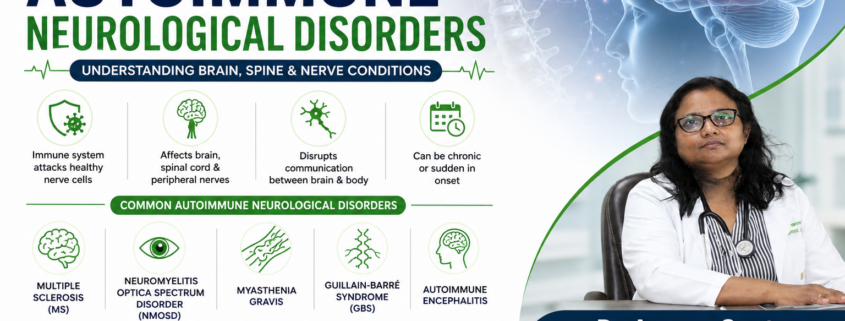
Autoimmune Disorder

Autoimmune diseases happen when the body’s immune system, which normally protects us from infections, starts attacking healthy cells by mistake. When this problem affects the nervous system, it can impact the brain, spinal cord, and nerves. These conditions are called autoimmune neurological disorders.

In simple terms, the brain sends signals to the body to control movement, thinking, and daily activities. But in conditions like Multiple Sclerosis and Myasthenia Gravis, this communication gets disturbed. This can lead to problems like weakness, poor balance, or difficulty in normal body functions.

Some autoimmune neurological diseases develop slowly over time, while others can appear suddenly and become serious if not treated early. These conditions can affect people of any age, but they are often seen more in young adults and women.

Understanding these disorders is important because early awareness can help people seek medical care on time. With proper diagnosis and treatment, many of these conditions can be managed effectively, improving quality of life.

What Are Autoimmune Neurological Disorders?

Autoimmune neurological disorders are conditions where the body’s immune system mistakenly attacks parts of the nervous system. This includes the brain, spinal cord, and nerves. Instead of protecting the body, the immune system starts damaging important structures that help in movement, thinking, and coordination.

In these disorders, the body produces harmful antibodies that target nerve cells or their protective covering. For example, in Multiple Sclerosis, the immune system damages the myelin (protective layer of nerves), which slows down or blocks signals between the brain and body. In Myasthenia Gravis, the communication between nerves and muscles gets affected, leading to muscle weakness.

These conditions can affect different parts of the nervous system. Some mainly affect the brain, some the spinal cord, and others the peripheral nerves. Because of this, symptoms and severity can vary from person to person.

Understanding how these disorders work helps in identifying them early and managing them better. Early care can prevent complications and improve daily life.

Common Autoimmune Neurological Disorders

There are several types of autoimmune disorders that affect the nervous system. Each condition targets a different part of the body and affects how the brain, spinal cord, or nerves work. Below are the most common disorders explained in simple language with a bit more detail:

1. Multiple Sclerosis (MS)

This condition affects the brain and spinal cord. The immune system attacks the myelin sheath, which is the protective covering around nerve fibers. When this layer gets damaged, the signals between the brain and body become slow or blocked.

People with MS may face problems with balance, coordination, and movement. The condition usually develops slowly and can come in phases, where symptoms improve and then return again. Over time, it can affect daily activities if not managed properly.

2. Neuromyelitis Optica Spectrum Disorder (NMOSD)

NMOSD mainly affects the optic nerves (which control vision) and the spinal cord. It can lead to vision loss, pain in the eyes, and weakness or stiffness in the body.

This condition is often linked with AQP4-IgG antibodies, which attack specific cells in the nervous system. Unlike MS, NMOSD usually occurs in sudden attacks that can be more severe and may cause long-term damage if not treated early.

3. Myasthenia Gravis

In this disorder, the immune system blocks or destroys acetylcholine receptors, which are needed for communication between nerves and muscles. Because of this, muscles do not get proper signals and become weak.

It commonly affects muscles of the eyes, face, and throat, leading to drooping eyelids, difficulty in speaking, chewing, or swallowing. Muscle weakness usually gets worse with activity and improves with rest.

4. Guillain-Barré Syndrome

This condition affects the peripheral nerves, which connect the brain and spinal cord to the rest of the body. The immune system attacks these nerves, leading to weakness that usually starts in the legs and spreads upward.

It often develops quickly, sometimes after a viral or bacterial infection. In severe cases, it can affect breathing muscles, making it a medical emergency. However, with timely treatment, many people recover well.

5. Autoimmune Encephalitis

Autoimmune encephalitis causes inflammation of the brain due to antibodies attacking brain cells. This affects how the brain functions and can lead to confusion, memory problems, and unusual behavior.

Some people may also experience seizures or changes in personality. This condition can progress rapidly, so early diagnosis and treatment are very important to prevent serious complications.

Difference Between Common Autoimmune Disorders

Understanding the differences between these conditions is important because each one affects a different part of the nervous system and behaves in its own way. This also helps in recognizing how serious each condition can be and why early care matters.

  1. Multiple Sclerosis (MS)

MS mainly affects the brain and spinal cord (central nervous system). The immune system damages the myelin sheath, which helps nerve signals travel smoothly. When this layer is damaged, signals slow down or get blocked.

It is usually a chronic condition, meaning it lasts for a long time. Symptoms may come and go (relapses and remissions). Over time, it can gradually affect movement, balance, and coordination. The progression is generally slower compared to some other disorders.

  1. Neuromyelitis Optica Spectrum Disorder (NMOSD)

NMOSD also affects the central nervous system but mainly targets the optic nerves and spinal cord. This makes vision problems and weakness more prominent.

It is strongly linked with AQP4-IgG antibodies, which attack specific cells. Unlike MS, NMOSD usually occurs in sudden and severe attacks rather than gradual progression. These attacks can cause more serious damage in a shorter time if not treated properly.

  1. Myasthenia Gravis

This condition is different from MS and NMOSD because it does not damage the brain or nerves directly. Instead, it affects the communication between nerves and muscles.

The immune system blocks acetylcholine receptors, which are needed for muscle movement. As a result, muscles become weak, especially after repeated use. Weakness often improves with rest. It mainly affects muscles of the eyes, face, and throat, making daily activities like speaking or chewing difficult.

  1. Guillain-Barré Syndrome

GBS affects the peripheral nervous system, which includes nerves outside the brain and spinal cord. The immune system attacks these nerves, leading to weakness that usually starts in the legs and moves upward.

It is usually an acute condition, meaning it develops quickly over days or weeks. In severe cases, it can affect breathing muscles, making it a medical emergency. Unlike MS, many people recover with proper treatment, but early care is very important.

  1. Autoimmune Encephalitis

This condition directly affects the brain, causing inflammation due to harmful antibodies. It mainly impacts brain function, including thinking, memory, and behavior.

Symptoms can appear quickly and may include confusion, personality changes, or seizures. It is considered a serious and urgent condition that requires immediate medical attention. Early treatment can significantly improve outcomes.

Key Difference Summary (Simple View)

  • MS & NMOSD → Affect brain and spinal cord, but NMOSD is more severe and attack-based
  • Myasthenia Gravis → Affects muscle communication, not nerves directly
  • Guillain-Barré Syndrome → Affects peripheral nerves and develops rapidly
  • Autoimmune Encephalitis → Directly affects brain function and behavior

Importance of Early Awareness

Understanding autoimmune neurological disorders at an early stage is very important. These conditions can affect the brain, spinal cord, and nerves, which control almost every function in the body. If they are not recognized on time, they can lead to serious complications and long-term problems.

Many disorders like Multiple Sclerosis or Guillain-Barré Syndrome may start with mild symptoms, but they can gradually worsen or suddenly become severe. Early awareness helps people notice unusual changes in the body and seek medical help before the condition progresses.

Timely medical attention can help in controlling the disease, reducing complications, and improving quality of life. It also allows doctors to start the right treatment at the right time, which can prevent permanent damage in many cases.

Being aware of these conditions also helps individuals and families make better health decisions. Simple steps like not ignoring symptoms, regular check-ups, and consulting a neurologist when needed can make a big difference.

In short, early awareness plays a key role in managing autoimmune neurological disorders and maintaining overall health.

Frequently Asked Questions (FAQs)

1. What causes autoimmune neurological disorders?

Autoimmune neurological disorders happen when the immune system mistakenly attacks healthy nerve cells. This can be due to a mix of genetic factors, infections, and environmental triggers. In many cases, the exact cause is not fully known.

  1. Are autoimmune neurological diseases curable?

Most conditions like Multiple Sclerosis are not completely curable, but they can be managed with proper treatment and care. Early diagnosis helps in controlling the disease and reducing complications.

  1. Which autoimmune disorder affects the brain directly?

Autoimmune Encephalitis directly affects the brain. It causes inflammation and can impact memory, behavior, and thinking ability.

  1. What is the difference between MS and NMOSD?

Multiple Sclerosis affects different parts of the brain and spinal cord, while Neuromyelitis Optica Spectrum Disorder mainly targets the optic nerves and spinal cord and is often more severe.

  1. Is Guillain-Barré Syndrome serious?

Guillain-Barré Syndrome can be serious because it may affect breathing muscles in severe cases. However, with early treatment, many people recover well.

Conclusion

Autoimmune neurological disorders are conditions where the immune system mistakenly attacks parts of the nervous system, including the brain, spinal cord, and nerves. Each disorder—like Multiple Sclerosis, Neuromyelitis Optica Spectrum Disorder, and Myasthenia Gravis—affects the body in a different way, which is why understanding their differences is important.

Some conditions develop slowly over time, while others may appear suddenly and become serious if not treated early. Even though these disorders can be complex, many of them can be managed effectively with the right medical care and timely attention.

Being aware of early signs, understanding how these diseases work, and consulting a neurologist when needed can make a big difference in managing the condition. With proper care and guidance, individuals can maintain a better quality of life and prevent complications.

In simple words, awareness and early action are the key to better outcomes in autoimmune neurological disorders.


brain infection

Brain infections are serious health problems that affect the brain or the layers covering it. The brain is one of the most important parts of our body because it controls everything we do—like thinking, moving, speaking, and even breathing. When an infection reaches the brain, it can disturb these functions and may become dangerous if not treated on time.

These infections are usually caused by germs such as bacteria, viruses, fungi, or parasites. Sometimes, the infection spreads to the brain from other parts of the body like the ears, sinuses, or lungs. In some cases, it can also spread through the bloodstream.

Common signs of a brain infection may include fever, headache, confusion, or feeling very weak. These symptoms can become serious quickly, so it is important to pay attention to them.

Understanding brain infections in simple terms can help people recognize the problem early. With timely medical care and proper treatment, many brain infections can be managed effectively, reducing the risk of serious complications.

What is a Brain Infection?

A brain infection happens when harmful germs enter the brain or the layers that cover it and cause inflammation (swelling). These germs can be bacteria, viruses, fungi, or parasites. When they reach the brain, they disturb its normal working and can affect important body functions like thinking, movement, and coordination.

Brain infections can affect different parts, such as the brain tissue itself or the protective layers around the brain (called meninges). Depending on the area affected, the condition may vary in severity and symptoms.

These infections usually spread in a few common ways. They may travel through the bloodstream from another infected part of the body, such as the lungs, ears, or sinuses. In some cases, they can also enter the brain due to a head injury or after surgery.

A brain infection is considered a serious condition because the brain is very sensitive. Even a small problem can lead to major health issues. That’s why early detection and proper medical care are very important to prevent complications.

3. Types of Brain Infections

There are different types of brain infections, and each one affects the brain in a different way. The type depends on which part of the brain is affected and what kind of germ is causing the infection.

3.1 Meningitis

Meningitis is an infection of the protective layers (meninges) that cover the brain and spinal cord. It is usually caused by bacteria or viruses. This condition can start suddenly and may become serious very quickly. Common symptoms include high fever, severe headache, vomiting, and stiffness in the neck. Some people may also feel sensitive to light or have difficulty concentrating.

Meningitis needs urgent medical attention because it can affect brain function within a short time. Early treatment can help prevent serious complications.

3.2 Encephalitis

Encephalitis means inflammation (swelling) of the brain tissue itself. It is mostly caused by viral infections. This type of infection directly affects how the brain works, which can change a person’s behavior and thinking.

People with encephalitis may feel confused, drowsy, or have seizures. In some cases, they may also have trouble speaking or moving properly. It can be mild in some people, but in others, it can become serious and require hospital care.

3.3 Brain Abscess

A brain abscess is a condition where pus collects inside the brain due to an infection. It usually happens when an infection from nearby areas like the ears, teeth, or sinuses spreads to the brain.

This can cause pressure inside the brain, leading to symptoms like constant headache, fever, nausea, and weakness in certain parts of the body. A brain abscess is a serious condition and may sometimes require surgery to remove the pus along with medicines.

3.4 Tuberculous Meningitis

Tuberculous meningitis is caused by the bacteria that also cause tuberculosis (TB). This infection develops slowly compared to other types. At first, symptoms may be mild, like low fever, tiredness, and headache, but they can become worse over time.

If not treated, it can affect brain function and cause confusion or unconsciousness. Early diagnosis is very important to control this infection and avoid complications.

3.5 Fungal Brain Infections

Fungal brain infections are less common but can occur in people with weak immune systems, such as those with chronic illnesses. These infections are caused by fungi that enter the body and slowly affect the brain.

Symptoms may develop gradually and include headache, fever, and confusion. Because they progress slowly, they are sometimes difficult to detect early, but proper treatment can help manage the condition.

3.6 Parasitic Brain Infections

Parasitic infections happen when parasites enter the body through contaminated food or water and reach the brain. These infections are more common in areas with poor hygiene and sanitation.

They can cause symptoms like seizures, headaches, and swelling in the brain. In some cases, they may lead to long-term neurological problems if not treated on time.

4. Difference Between Types of Brain Infections

Different types of brain infections are not the same. They differ in where they affect the brain, what causes them, how fast they spread, and how serious they can become. Understanding these differences in simple terms helps people recognize symptoms early and seek the right treatment.

4.1 Based on Area Affected

Brain infections can affect different parts of the brain, and this changes how a person feels. For example, meningitis affects the outer covering of the brain (meninges), so it often causes headache, fever, and neck stiffness. Encephalitis affects the brain tissue itself, which can lead to confusion, memory problems, or unusual behavior. A brain abscess affects a specific area where pus collects, which can press on the brain and cause pain or weakness in certain body parts. So, the location of the infection plays a big role in symptoms.

4.2 Based on Cause of Infection

Different germs cause different types of brain infections. Bacterial infections are usually more severe and need immediate treatment with antibiotics. Viral infections are more common and may sometimes be mild, but they can still become serious. Fungal infections usually affect people with weak immunity and develop slowly. Parasitic infections often occur due to contaminated food or water. Since each germ acts differently, doctors choose treatment based on the exact cause.

4.3 Based on Speed of Development

Some brain infections develop very quickly, while others take time. For example, bacterial meningitis can worsen within hours or a day, making it an emergency. On the other hand, infections like tuberculous meningitis or fungal infections grow slowly and symptoms may appear gradually over days or weeks. Because of this difference, some infections need urgent care, while others may be detected over time.

4.4 Based on Severity

The seriousness of brain infections can vary a lot. Some infections may be mild and improve with proper treatment, while others can be life-threatening if not treated quickly. Severe infections can lead to complications like brain damage, seizures, or even coma. The severity depends on the type of infection, how early it is treated, and the overall health of the person.

4.5 Based on Symptoms

Symptoms of brain infections are not the same for everyone. Some infections mainly cause fever, headache, and vomiting. Others may affect brain function more strongly, leading to confusion, difficulty in speaking, seizures, or trouble in movement. In some cases, symptoms may start mild and become worse over time. Paying attention to these differences can help in early diagnosis and better treatment.

5. Frequently Asked Questions (FAQs)

Q1. What is a brain infection?

A brain infection occurs when germs like bacteria, viruses, fungi, or parasites enter the brain and cause swelling. This affects brain functions like thinking, movement, and memory. If not treated early, it can become serious and lead to complications.

Q2. What are the main types of brain infections?

The main types include meningitis, encephalitis, brain abscess, tuberculous meningitis, fungal infections, and parasitic infections. Each type affects different parts of the brain and may develop quickly or slowly depending on the cause.

Q3. Are brain infections dangerous?

Yes, brain infections are dangerous because they affect the brain, which controls the body. Without timely treatment, they can cause seizures, confusion, unconsciousness, or even life-threatening complications. Early medical care can help prevent serious outcomes.

Q4. Can brain infections be cured?

Many brain infections can be cured if diagnosed early. Treatment depends on the cause and may include medicines like antibiotics or antivirals. In some cases, surgery is needed. Early treatment increases the chances of full recovery.

Q5. Can brain infections cause long-term problems?

Yes, untreated brain infections can lead to long-term problems like memory issues, speech difficulty, weakness, or seizures. However, with early diagnosis and proper treatment, the risk of permanent damage can be reduced significantly.

6. Conclusion

Brain infections are serious medical conditions that can affect the brain and disturb its normal functioning. They can be caused by different germs such as bacteria, viruses, fungi, or parasites, and each type affects the brain in a different way. Conditions like meningitis, encephalitis, and brain abscess may vary in severity, but all require proper medical attention.

Understanding the different types of brain infections and how they differ is important for awareness. Some infections develop suddenly, while others progress slowly over time. Knowing these differences can help in recognizing the condition early.

Although brain infections can be dangerous, early diagnosis and timely treatment can help manage them effectively and reduce complications. Staying informed about these conditions is the first step toward better brain health and quick action when needed.


Depression vs Anxiety

Mental health is just as important as physical health, but many people feel confused about conditions like depression and anxiety. These two are very common, and people often think they are the same—but they are actually different.

Depression is mainly about feeling very sad, empty, or losing interest in things you once enjoyed. A person may feel low most of the time and find it hard to stay motivated. On the other hand, anxiety is about constant worry, fear, and overthinking. A person may feel nervous, restless, or always think something bad might happen.

Even though they are different, depression and anxiety can sometimes happen together. This can make it harder to understand what someone is going through. That’s why it is important to know the basic difference between them.

When we understand these conditions better, it becomes easier to recognize the symptoms and seek the right help at the right time.

What is Depression? 

Depression is a mental health condition where a person feels sad, low, or empty for a long time. It is not just a bad mood that goes away quickly—it can last for weeks or even months and affect daily life.

People with depression often lose interest in things they once enjoyed, like hobbies, socializing, or work. They may feel tired all the time, even without doing much. Simple tasks can start to feel difficult. Some people may also have trouble sleeping, while others may sleep too much.

Depression can also affect how a person thinks. They may feel hopeless, worthless, or guilty without a clear reason. In some cases, it can even lead to thoughts of giving up or feeling like life has no purpose.

It’s important to understand that depression is not a sign of weakness. It is a real health condition that needs attention and care. With the right support, treatment, and lifestyle changes, people can manage depression and start feeling better over time.

What is Anxiety?

Anxiety is a mental health condition where a person feels constant worry, fear, or nervousness, even when there is no real danger. It is more than normal stress—it can stay for a long time and affect daily life.

People with anxiety often overthink situations and expect the worst to happen. They may find it hard to relax or control their thoughts. Even small problems can feel very big and overwhelming.

Anxiety can also cause physical symptoms. A person may experience a fast heartbeat, sweating, shaking, or shortness of breath. Some people feel restless, unable to sit still, or have trouble sleeping because their mind is always active.

In some cases, anxiety can lead to panic attacks, where a person suddenly feels intense fear along with strong physical symptoms. These episodes can be scary but are treatable.

Like depression, anxiety is a real condition—not just overthinking. With proper care, therapy, and healthy habits, it can be managed effectively.

Key Differences 

Emotional Difference

Depression is mainly about deep sadness, emptiness, and feeling low most of the time. A person may lose interest in things they once enjoyed. Anxiety, on the other hand, is about constant worry, fear, and nervousness, even without a clear reason.

Thinking Pattern

In depression, people often have negative thoughts like feeling hopeless or thinking nothing will get better. In anxiety, the mind is full of “what if” thoughts and overthinking about future problems.

Physical Symptoms

Depression usually causes low energy, tiredness, and slow movement. A person may feel exhausted even after resting. Anxiety often shows physical signs like a fast heartbeat, sweating, shaking, and difficulty relaxing.

Overall Feeling

Depression makes a person feel heavy and pulled down, while anxiety makes a person feel tense and on edge.

Understanding these differences helps in recognizing what someone is going through and finding the right kind of help.

Can They Occur Together? 

Yes, It Is Possible

Depression and anxiety can happen at the same time, and this is quite common. Many people experience symptoms of both conditions together.

Mixed Symptoms

A person may feel very sad and low like in depression, while also feeling worried and restless like in anxiety. For example, someone might lose interest in daily activities but still keep overthinking or fearing the future.

Stronger Impact on Life

When both conditions occur together, the symptoms can feel more intense. It may affect sleep, work, relationships, and daily routine more seriously.

Need for Proper Diagnosis

Because symptoms overlap, it can be confusing to understand the problem. Consulting a professional helps in identifying both conditions correctly and choosing the right treatment.

Treatment and Support

With the right support, therapy, healthy habits, and sometimes medication, both depression and anxiety can be managed together effectively.

When to Seek Help 

Persistent Symptoms

If feelings of sadness, worry, or fear last for weeks and do not go away, it may be a sign to seek help. These are not just temporary emotions and should not be ignored.

Difficulty in Daily Life

When depression or anxiety starts affecting your daily routine—like work, studies, sleep, or relationships—it is important to take it seriously and consult a professional.

Physical and Emotional Changes

Signs like constant tiredness, lack of energy, panic attacks, trouble sleeping, or loss of interest in activities can indicate that you need support.

Feeling Overwhelmed

If thoughts feel too heavy, or you feel unable to cope with stress and emotions, reaching out for help can make a big difference.

Importance of Early Support

Getting help early can prevent the condition from becoming more serious. Talking to a doctor, therapist, or counselor can guide you towards the right treatment and support.

FAQs 

Is anxiety worse than depression?

Both conditions are serious in their own way. Anxiety involves constant worry and fear, while depression brings deep sadness and low mood. Neither is “worse”—both need proper care and attention.

Can depression and anxiety happen together?

Yes, it is very common for a person to experience both at the same time. This can make symptoms feel more intense and confusing.

What are the main differences in symptoms?

Depression mainly causes sadness, low energy, and loss of interest. Anxiety causes worry, fear, restlessness, and physical symptoms like a fast heartbeat.

When should I consult a doctor?

If your symptoms last for weeks, affect your daily life, or feel difficult to handle, it is important to seek professional help.

Conclusion

Depression and anxiety are both common mental health conditions, but they are different in how they affect a person. Depression is mainly about feeling sad, low, and losing interest in life, while anxiety is about constant worry, fear, and overthinking. Understanding this difference helps in recognizing the symptoms more clearly.

At the same time, it is important to remember that both conditions can occur together and may affect daily life in many ways. Ignoring these signs can make things more difficult over time. That’s why early awareness and support are very important.

If you or someone around you is facing such symptoms, it is always better to talk to a professional and seek guidance. With the right treatment, support, and healthy lifestyle changes, both depression and anxiety can be managed effectively.

Taking care of your mental health is just as important as taking care of your physical health. Small steps towards understanding and seeking help can make a big difference in leading a healthier and happier life.

Epilepsy

Epilepsy is a chronic neurological disorder that affects the brain and causes repeated seizures. These seizures occur due to sudden, abnormal electrical activity in the brain, which temporarily disrupts normal brain functions. Depending on the area affected, a seizure can influence a person’s movement, awareness, behavior, or sensations.

Epilepsy is one of the most common neurological conditions worldwide and can affect people of all ages, including children, adults, and the elderly. In many cases, it begins either in early childhood or later in life due to brain injury, stroke, infection, or genetic factors. However, in some individuals, the exact cause may remain unknown.

It is important to understand that epilepsy is not a mental illness or a contagious disease. People with epilepsy can live normal, productive lives with proper diagnosis, treatment, and lifestyle management. Anti-seizure medications and regular medical care help in controlling seizures effectively in most patients.

Raising awareness about epilepsy is essential because early recognition and treatment can significantly improve quality of life and reduce complications. Understanding the condition is the first step toward better care and support for individuals living with epilepsy.

2. What is Epilepsy?

Definition of Epilepsy

Epilepsy is a neurological disorder of the brain in which a person experiences repeated, unprovoked seizures. These seizures occur due to sudden bursts of abnormal electrical activity in brain cells, which temporarily disrupt normal brain function. This can affect a person’s movement, behavior, sensations, or level of awareness depending on which part of the brain is involved.

How the Brain is Affected

The brain normally works through a balanced system of electrical signals that control thinking, memory, emotions, and body movements. In epilepsy, this balance is disturbed, leading to excessive or irregular electrical discharges. These abnormal signals result in seizures that may last for a few seconds or several minutes and can vary in intensity from mild staring spells to severe convulsions.

Causes of Epilepsy

Epilepsy can develop due to several reasons, including brain injury, genetic factors, infections affecting the brain, stroke, or developmental disorders. In some cases, the exact cause remains unknown. It is important to understand that epilepsy is a medical condition, not a mental illness, and it can affect anyone regardless of age or gender.

Key Fact About Epilepsy

Epilepsy is not contagious and cannot spread from one person to another. With proper medical care, many individuals are able to control seizures effectively and live a normal, healthy life.

  1. Overview of Epileptic Seizures

Understanding Seizures in Epilepsy

Seizures are the main feature of epilepsy and occur when there is a sudden surge of abnormal electrical activity in the brain. This electrical disturbance temporarily affects how the brain works, leading to changes in movement, awareness, behavior, or sensations. Each seizure episode can look different depending on the area of the brain involved and the intensity of the electrical activity.

Why Seizures Vary in Epilepsy

Not all seizures are the same. Some are very mild and may only last a few seconds, while others can be severe and involve loss of consciousness or full-body convulsions. The variation depends on whether the seizure starts in one part of the brain or spreads across both hemispheres. This is why epilepsy is classified into different types of seizures for better understanding and treatment.

Importance of Classification

Classifying seizures is important because it helps doctors diagnose the condition accurately and choose the right treatment. Different seizure types respond differently to medications, so identifying the exact type is essential for effective control.

General Impact on the Body

During a seizure, a person may experience confusion, muscle stiffness, jerking movements, or temporary loss of awareness. After the seizure ends, some individuals may feel tired, weak, or disoriented for a short time.

  1. 8 Types of Epileptic Seizures

Epileptic seizures are classified based on where they start in the brain and how they affect the body and awareness. Each type shows different symptoms, duration, and severity. Understanding these types is essential for accurate diagnosis and effective treatment.

Focal Aware Seizures

Focal aware seizures begin in a small, specific area of the brain. The key feature is that the person remains fully conscious and aware throughout the episode. However, they may experience unusual sensations such as tingling in one part of the body, sudden fear or anxiety, changes in taste or smell, or visual disturbances like flashing lights. Some people may also experience a feeling of déjà vu. These seizures are usually brief, lasting from a few seconds to a couple of minutes, but they can be alarming because the person is aware of what is happening.

Focal Impaired Awareness Seizures

In this type, the seizure also starts in one part of the brain but affects awareness and consciousness. The person may appear confused, stare blankly, or not respond to surroundings. They often perform automatic repetitive actions such as lip-smacking, chewing, hand rubbing, or walking in circles. After the seizure, the person usually has no memory of the event and may feel tired or disoriented. These seizures can last longer than focal aware seizures.

Absence Seizures

Absence seizures are brief episodes where the person suddenly stops responding and stares into space. They usually last only a few seconds and are most common in children. The child may suddenly stop speaking or moving and then resume normal activity as if nothing happened. Because they are so short, they are often mistaken for daydreaming. However, they can occur many times a day and may affect learning and attention if untreated.

Tonic Seizures

Tonic seizures cause a sudden stiffening of the muscles. This stiffness can affect the arms, legs, or entire body, often causing the person to lose balance or fall. These seizures usually occur during sleep or wakefulness and last for a short duration. Breathing may also become difficult for a brief moment due to muscle stiffness in the chest.

Clonic Seizures

Clonic seizures are characterized by repeated, rhythmic jerking movements. These jerks usually affect both sides of the body or specific muscle groups such as the arms, face, or neck. Unlike tonic seizures, clonic seizures do not involve initial stiffness but focus mainly on repetitive muscle contractions. They may vary in intensity and duration depending on the severity of brain activity.

Myoclonic Seizures

Myoclonic seizures involve sudden, quick muscle jerks that last only a fraction of a second. These jerks can affect a single muscle group or multiple parts of the body at once, such as the arms or shoulders. They often occur shortly after waking up and may come in clusters. Although brief, they can cause dropping of objects or sudden body movements.

Atonic Seizures

Atonic seizures lead to a sudden loss of muscle tone, making the person go limp. This can cause unexpected falls or head drops, which may result in injury. Because of their sudden nature, protective measures such as helmets may sometimes be recommended in severe cases. These seizures are also called “drop attacks.”

Tonic-Clonic Seizures

Tonic-clonic seizures are the most well-known and severe type of seizure. They occur in two phases: the tonic phase, where the body becomes stiff and consciousness is lost, followed by the clonic phase, where rhythmic jerking movements occur. The person may also bite their tongue, lose bladder control, and feel extremely tired or confused after the seizure (postictal state). These seizures require immediate medical attention if they last too long.

FAQs

Q1. What is the main cause of epilepsy?

Epilepsy can be caused by brain injury, stroke, infections, genetic factors, or developmental brain problems. In some cases, the exact cause is unknown. It occurs due to abnormal electrical activity in the brain that triggers repeated seizures.

Q2. Can epilepsy be cured permanently?

Epilepsy is usually a manageable condition rather than completely curable. With proper medication and treatment, many people achieve full seizure control. Some children may outgrow epilepsy, but long-term medical supervision is often needed to prevent recurrence.

Q3. Are all seizures the same?

No, seizures are not the same. There are 8 main types of epileptic seizures ranging from mild absence seizures to severe tonic-clonic seizures. Each type affects the brain and body differently, with varying symptoms, duration, and severity.

Q4. Is epilepsy a mental illness?

No, epilepsy is not a mental illness. It is a neurological disorder caused by abnormal electrical activity in the brain. However, emotional stress or psychological effects may occur due to living with the condition, but they are not the cause of epilepsy.

Q5. What can trigger seizures?

Common seizure triggers include lack of sleep, stress, flashing lights, alcohol, fever, hormonal changes, or missed medication. Triggers vary from person to person, and identifying them helps in better seizure control and management.

6. Conclusion

Epilepsy is a chronic neurological disorder that occurs due to abnormal electrical activity in the brain, leading to repeated seizures. These seizures can vary greatly in intensity and type, which is why epilepsy is classified into 8 main seizure types, including focal aware, focal impaired awareness, absence, tonic, clonic, myoclonic, atonic, and tonic-clonic seizures. Each type affects the brain and body differently, ranging from brief staring spells to severe convulsions and loss of consciousness.

Although epilepsy can appear frightening, it is important to understand that it is a manageable medical condition, not a mental illness or contagious disease. With early diagnosis, proper medical evaluation, and consistent treatment such as anti-epileptic medications, many individuals are able to achieve good seizure control. In some cases, lifestyle changes, trigger management, and advanced treatments like surgery can also help improve outcomes.

Awareness and timely intervention play a crucial role in reducing complications and improving quality of life. People living with epilepsy can lead healthy, independent, and productive lives with the right medical care and support system. Education, understanding, and regular follow-ups with a neurologist are essential for effective long-term management of this condition.


Parkinson’s Disease

Parkinson’s disease is a long-term condition that affects the brain and gradually changes the way a person moves and controls their body. It is one of the most common neurological disorders seen in adults, especially in older age groups. The disease develops slowly over time, which means the changes in the body are not sudden but happen gradually.

Understanding Parkinson’s disease is important because it helps people recognize what is happening in the brain when movement and coordination begin to change. It is not just a movement disorder but a condition that is linked to changes inside the nervous system.

In simple terms, Parkinson’s disease affects the brain’s ability to send proper signals to the muscles. This results in difficulty in controlling normal body movements over time. Since it progresses slowly, many people may not notice the early changes immediately.

Learning about Parkinson’s disease helps in building awareness and understanding of how the brain works and how certain conditions can affect daily life.

2. Definition of Parkinson’s Disease

Parkinson’s disease is a progressive neurological disorder that affects the central nervous system, especially the parts of the brain responsible for controlling movement. It develops when nerve cells in a specific area of the brain, known as the substantia nigra, gradually become damaged or stop functioning properly. These nerve cells are responsible for producing dopamine, a chemical that plays a key role in coordinating smooth and controlled muscle movements.

As the level of dopamine decreases in the brain, the communication between the brain and the body becomes less efficient. This leads to increasing difficulty in controlling voluntary movements. Because of this gradual loss of brain function, Parkinson’s disease is classified as a progressive condition, meaning it worsens over time.

The disease is not a sudden illness but develops slowly, often over many years. It mainly affects movement control, but its origin lies in changes happening inside the brain’s nervous system.

3. Role of the Brain in Parkinson’s Disease

Dopamine and Its Function

The brain controls all body movements through a complex communication system, and dopamine is one of the most important chemicals involved in this process. In a healthy brain, dopamine acts as a messenger that helps different regions of the brain communicate smoothly. It is especially important for controlling coordinated and controlled muscle movements, allowing the body to perform everyday actions with ease.

Substantia Nigra and Nerve Cells

A specific part of the brain called the substantia nigra is responsible for producing dopamine. This area contains specialized nerve cells that continuously release dopamine to maintain proper movement control. These cells play a crucial role in ensuring that the brain can send accurate signals to the muscles.

Effect of Cell Damage in Parkinson’s Disease

In Parkinson’s disease, the dopamine-producing nerve cells in the substantia nigra gradually become damaged or die. As these cells are lost, dopamine levels in the brain decrease. This disrupts the communication between the brain and the body, making it harder for the brain to control movements smoothly and efficiently over time.

4. How Parkinson’s Disease Develops

Gradual Loss of Nerve Cells

Parkinson’s disease develops when certain nerve cells in the brain slowly begin to deteriorate over time. These cells are responsible for producing dopamine, a chemical that helps control movement. As more of these nerve cells become damaged or die, the brain’s ability to produce enough dopamine gradually decreases.

Slow Progression Over Time

The condition does not appear suddenly. Instead, it progresses very slowly, often over many years. In the early stages, the changes inside the brain are mild and may not be easily noticeable. However, as time passes, the loss of dopamine becomes more significant, and the brain’s movement control system becomes increasingly affected.

Impact on Brain Function

As Parkinson’s disease develops, the communication between the brain and the muscles becomes weaker. The brain finds it harder to send smooth and accurate signals for movement. This ongoing decline in brain function is what makes Parkinson’s disease a progressive neurological disorder, meaning it continues to worsen gradually over time.

5. Who is Affected

Age Factor

Parkinson’s disease is most commonly seen in older adults, especially people above the age of 60. The risk of developing this condition increases with age, as the brain naturally undergoes gradual changes over time. However, it is important to note that Parkinson’s disease is not limited only to elderly individuals.

Younger Individuals

In rare cases, Parkinson’s disease can also affect younger people. When it appears before the age of 50, it is often referred to as early-onset Parkinson’s disease. Although this form is less common, it shows that the condition is not strictly restricted to a particular age group.

General Risk Pattern

While age is one of the biggest risk factors, Parkinson’s disease can affect both men and women. The exact reason why some people develop the condition and others do not is still not fully understood. This makes it a complex neurological disorder that can vary from person to person.

6. Nature of the Disease

Long-Term Condition

Parkinson’s disease is a chronic condition, which means it lasts for a long period of time and continues throughout a person’s life. It does not develop suddenly or resolve quickly, but instead progresses slowly over many years. Because of its long-term nature, it requires continuous attention and care.

Progressive in Nature

The disease is also progressive, meaning its effects on the brain and body gradually increase over time. As more dopamine-producing nerve cells are lost, the condition becomes more noticeable and can increasingly affect a person’s ability to carry out normal activities.

Non-Contagious Disease

Parkinson’s disease is not contagious. It cannot spread from one person to another through physical contact, air, or any form of interaction. It develops due to changes inside the brain rather than external infection.

Impact on Movement System

The main area affected by Parkinson’s disease is the movement control system of the body. Since the brain struggles to send proper signals to the muscles, overall coordination and smoothness of movement are gradually affected over time.

7. Medical Understanding

Exact Cause is Not Fully Known

The exact cause of Parkinson’s disease is still not completely understood. Medical researchers have not identified a single clear reason why dopamine-producing nerve cells in the brain begin to deteriorate. Instead, it is believed to be a combination of different factors that contribute to its development.

Possible Contributing Factors

Although the exact cause is unknown, studies suggest that both genetic and environmental factors may play a role. In some cases, a family history of Parkinson’s disease may slightly increase the risk. Environmental exposure to certain toxins or long-term changes in brain chemistry are also being studied as possible contributing factors.

Ongoing Research

Medical science is continuously researching Parkinson’s disease to better understand how and why it develops. The focus is on identifying the biological changes in the brain that lead to dopamine loss. This research is important for improving diagnosis, treatment options, and future possibilities for prevention.

Complex Neurological Condition

Because the exact cause is unclear and varies from person to person, Parkinson’s disease is considered a complex neurological disorder that involves multiple interacting factors within the brain.

9. Frequently Asked Questions (FAQ)

1. What is Parkinson’s disease in simple words?

Parkinson’s disease is a brain disorder that affects movement. It happens when certain brain cells stop working properly and reduce the production of dopamine, a chemical that helps control body movements.

2. Is Parkinson’s disease a brain disease?

Yes, Parkinson’s disease is a neurological (brain-related) disorder. It mainly affects the part of the brain responsible for controlling movement and coordination.

3. Is Parkinson’s disease curable?

Currently, Parkinson’s disease has no permanent cure. However, it can be managed with medications, therapy, and medical care to improve quality of life.

4. Does Parkinson’s disease get worse over time?

Yes, it is a progressive condition, which means it gradually worsens over time as more brain cells are affected.

5. Who is more likely to get Parkinson’s disease?

It is more common in older adults, especially people above 60 years of age, but in rare cases, it can also occur in younger individuals.

8. Conclusion

Parkinson’s disease is a long-term neurological disorder that affects the brain’s ability to control movement. It develops when dopamine-producing nerve cells in a part of the brain called the substantia nigra gradually become damaged or die. Dopamine is an important chemical that helps ensure smooth and coordinated body movements, so its reduction directly impacts movement control.

As the disease progresses slowly over time, the brain becomes less effective at sending proper signals to the muscles. This leads to increasing difficulty in performing normal physical activities. Parkinson’s disease is not a sudden condition but a gradual process that continues to develop over many years.

It is most commonly seen in older adults, although it can also occur in younger individuals in rare cases. The exact cause is still not fully known, but it is believed to involve a combination of genetic and environmental factors.

Overall, Parkinson’s disease is a complex condition of the nervous system that primarily affects movement, and understanding its basic nature helps in building awareness about how it impacts the brain and body over time.


stroke and its types

A Stroke is a serious health problem that affects the brain. It happens suddenly and can make it difficult for a person to speak, move, or even understand things properly. Stroke is a medical emergency, which means a person needs immediate medical help to prevent serious damage.

Nowadays, the risk of stroke is increasing because of unhealthy lifestyle habits like eating junk food, not exercising, too much stress, and health issues like high blood pressure or diabetes. Many people do not know much about stroke, so they fail to recognize it on time.

It is very important to be aware of stroke because early treatment can save a person’s life and reduce long-term problems. By understanding what stroke is and its types, people can act quickly in an emergency and take better care of their health.

2. What is Stroke?

A Stroke happens when the blood supply to a part of the brain is suddenly stopped or reduced. The brain needs a constant flow of oxygen and nutrients through the blood to work properly. When this supply is interrupted, brain cells start getting damaged within minutes, and if not treated quickly, the damage can become permanent.

The brain controls important body functions like movement, speech, memory, and thinking. Because of this, a stroke can affect different parts of the body depending on which area of the brain is damaged. For example, a person may suddenly feel weakness or numbness on one side of the body, have difficulty speaking, blurred vision, or trouble understanding simple things.

Stroke can happen to anyone, but the risk is higher in people with conditions like high blood pressure, diabetes, high cholesterol, or unhealthy lifestyle habits such as smoking and lack of exercise.

Stroke is a medical emergency, and immediate treatment is very important. Quick action can save life, reduce brain damage, and improve recovery chances.

3. Types of Stroke

There are mainly three types of Stroke, and each type is different based on how the blood flow to the brain is affected. Knowing these types can help in understanding the condition better and taking the right action at the right time.

Ischemic Stroke
This is the most common type of stroke. It happens when a blood clot blocks a blood vessel that carries blood to the brain. Because of this blockage, the brain does not receive enough oxygen and nutrients. Over time, this lack of blood supply starts damaging brain cells. This type is often linked to conditions like high cholesterol, obesity, and unhealthy lifestyle habits.

Hemorrhagic Stroke
This type occurs when a blood vessel in the brain bursts and causes bleeding. The bleeding increases pressure inside the brain and damages nearby cells. It is commonly associated with high blood pressure, head injury, or weak blood vessels. This type can be more severe and needs immediate medical attention.

Transient Ischemic Attack (TIA)
TIA is also known as a mini-stroke. It happens when the blood flow to the brain is blocked for a short time. The symptoms are temporary and may go away within minutes or hours. However, it should not be ignored, as it is a warning sign that a major stroke may happen in the future.

Understanding these types helps people recognize symptoms early and seek timely treatment.

4. Key Difference Between Stroke Types

All types of Stroke affect the brain, but the main difference is how the blood flow is disturbed. Understanding these differences makes it easier to identify the condition quickly and get the right treatment.

Ischemic Stroke (Blockage)

  • Caused by a blood clot blocking a blood vessel
  • Stops oxygen and nutrients from reaching the brain
  • Most common type of stroke
  • Often linked to high cholesterol and unhealthy lifestyle

Hemorrhagic Stroke (Bleeding)

  • Caused by a burst blood vessel in the brain
  • Leads to bleeding in or around the brain
  • Creates pressure on brain tissues
  • Commonly related to high blood pressure or injury

Transient Ischemic Attack (TIA) (Temporary)

  • Caused by a short-term blockage
  • Symptoms last for a few minutes to hours
  • No permanent damage in most cases
  • Acts as a warning sign for future stroke

Simple Comparison

  • Ischemic Stroke → Blockage of blood flow
  • Hemorrhagic Stroke → Bleeding in the brain
  • TIA → Temporary interruption of blood flow

These differences are important to understand because each type needs different treatment and care.

5. FAQ (Frequently Asked Questions)

What is the main cause of stroke?

The main cause of stroke is a problem in blood flow to the brain. It can happen either due to a blockage (blood clot) or because a blood vessel bursts. Conditions like high blood pressure, diabetes, and high cholesterol increase the risk.

Can stroke be prevented?

Yes, stroke can often be prevented by maintaining a healthy lifestyle. Eating a balanced diet, exercising regularly, avoiding smoking, and controlling blood pressure and sugar levels can reduce the risk.

What are early warning signs of stroke?

Common warning signs include sudden weakness on one side of the body, difficulty speaking, loss of balance, and blurred vision. These symptoms appear suddenly and should not be ignored.

Is stroke life-threatening?

Yes, stroke can be life-threatening if not treated quickly. Immediate medical attention is very important to save life and prevent serious complications.

What should you do if someone has a stroke?

If you notice stroke symptoms, seek medical help immediately. Do not delay, as early treatment can save the person’s life and improve recovery chances.

6. Conclusion

A Stroke is a serious condition that affects the brain and can lead to severe health problems if not treated on time. It happens when the blood supply to the brain is either blocked or disrupted, causing damage to brain cells.

There are different types of stroke, mainly ischemic stroke, hemorrhagic stroke, and transient ischemic attack (TIA). Each type has a different cause, but all of them require quick medical attention. Understanding these types helps in identifying the condition early and taking the right steps.

Being aware of stroke is very important because early action can save lives and reduce long-term damage. By recognizing the signs and understanding the basics, people can respond quickly in an emergency and take better care of their health.

New Treatments in Migraine

Migraine is more than just a headache—it is a neurological condition that can affect daily life, work, and overall well-being. People with migraine often experience intense, throbbing pain along with symptoms like nausea, vomiting, and sensitivity to light and sound. For many, these attacks can last for hours or even days, making it difficult to carry out normal activities.

In the past, migraine treatment mainly depended on painkillers and a few preventive medicines. While these options helped some people, they did not work for everyone and often came with side effects or temporary relief. This created a strong need for better and more targeted treatments.

Today, medical science has introduced newer and more advanced therapies that focus on the root cause of migraine rather than just managing pain. These treatments are designed to work faster, last longer, and improve quality of life. From modern medications to non-drug options, migraine care is evolving quickly—giving new hope to those who struggle with frequent headaches.

New migraine treatments vs old ones: How much better?

Short answer: 20–40% better for prevention, and faster plus fewer side effects for acute attacks. But “better” depends on which medications you’re comparing.

3. New Medicines for Quick Relief

Better and Faster Relief

New migraine medicines are designed to give faster and more effective relief compared to older treatments. They work by targeting the root cause of migraine, not just the pain. This helps reduce symptoms like headache, nausea, and sensitivity more efficiently.

Gepants – A New Option

A newer group of medicines called CGRP receptor blockers (also known as gepants) has shown very good results. Examples include Ubrogepant and Rimegepant.
These medicines help stop migraine attacks without causing major side effects. They are also a good option for people who cannot take older medicines like triptans.

Safer for Many Patients

Unlike traditional treatments, these newer medicines are considered safer for people with heart-related conditions. This makes them suitable for a wider group of patients.

Improved Comfort

Overall, these new treatments provide better comfort, quicker action, and fewer side effects—making migraine attacks easier to manage and less stressful.

4. New Medicines to Prevent Migraine

Focus on Prevention

New treatments are not just for relief—they also help prevent migraine attacks before they start. This is especially helpful for people who get frequent or severe migraines.

CGRP Injections

A new group of medicines targets a chemical in the body called CGRP, which plays a key role in causing migraines. Medicines like Erenumab are given as monthly injections. They help reduce the number of migraine days and make attacks less severe.

Easy to Use

These preventive treatments are simple and convenient. Instead of taking daily medicines, patients may only need one injection per month or every few months, making it easier to follow the treatment.

Better Quality of Life

With fewer migraine attacks, people can enjoy a more normal routine, better sleep, and less stress. These new options are giving long-term relief and improving overall quality of life.

5. Non-Medicine Treatments

Drug-Free Options

Not all migraine treatments involve medicines. New non-drug options are becoming popular, especially for people who prefer natural or low-side-effect treatments.

Neuromodulation Devices

These are small devices that work by stimulating certain nerves involved in migraine. They help reduce pain signals in the brain. Common types include devices for vagus nerve stimulation and magnetic stimulation.

Safe and Easy to Use

These devices are generally safe and easy to use at home. They do not have major side effects, making them a good option for people who cannot take medicines or want to avoid them.

Helpful for Many Patients

Non-medicine treatments can be used alone or along with medicines for better results. They are especially useful for people with frequent migraines or those who do not get enough relief from drugs.

6. Botox Treatment

What is Botox for Migraine?

Botulinum toxin (commonly known as Botox) is not just for cosmetic use—it is also an effective treatment for chronic migraine. It is specially used for people who have headaches on 15 or more days in a month.

How it Works

Botox works by blocking pain signals and relaxing certain muscles around the head and neck. This helps in reducing the frequency and severity of migraine attacks over time.

Treatment Process

The treatment is given by a doctor through small injections in specific areas like the forehead, temples, and neck. It is usually done once every 3 months and takes only a short time.

Benefits

Many patients experience fewer migraine days and less intense pain after regular sessions. It is considered a safe and effective option for long-term migraine management, especially when other treatments do not work.

7. Lifestyle Tips

Maintain Good Sleep

Getting enough sleep is very important for migraine control. Try to sleep and wake up at the same time every day. Poor or irregular sleep can trigger migraine attacks.

Manage Stress

Stress is one of the most common migraine triggers. Simple activities like yoga, meditation, or deep breathing can help calm the mind and reduce the chances of a headache.

Healthy Eating Habits

Skipping meals or eating unhealthy food can lead to migraines. Try to eat on time and include a balanced diet. Also, identify and avoid foods that trigger your migraine, such as caffeine, chocolate, or processed food.

Stay Active

Regular physical activity like walking or light exercise helps improve blood flow and reduce stress. It can also lower the frequency of migraine attacks over time.

Track Your Triggers

Keeping a migraine diary can help you understand what triggers your headaches. Once you know the cause, it becomes easier to avoid it and manage your condition better.

FAQs: 

1. What are the latest treatments for migraine?

New treatments include CGRP-targeting medicines, newer tablets like Ubrogepant and Rimegepant, Botox injections, and non-drug devices for pain relief.

2. Are new migraine medicines better than old ones?

Yes, newer medicines are more targeted, work faster, and usually have fewer side effects compared to older treatments like painkillers and triptans.

3. Can migraine be prevented with new treatments?

Yes, preventive options like CGRP injections (e.g., Erenumab) help reduce the number and severity of migraine attacks.

4. Is Botox safe for migraine treatment?

Yes, Botulinum toxin is considered safe when given by a trained doctor. It is mainly used for chronic migraine patients.

5. Are there any side effects of new treatments?

Most new treatments have fewer side effects, but some people may experience mild symptoms like nausea or dizziness. It’s always best to consult a doctor.

8. Conclusion

Migraine can be difficult to manage, but new treatments are making it easier to control. From advanced medicines to non-drug options and lifestyle changes, there are now many ways to reduce pain and prevent attacks.

New therapies focus on the root cause of migraine, offering faster relief and long-term benefits. Treatments like CGRP inhibitors, newer tablets, and options like Botulinum toxin have improved the lives of many patients.

However, not every treatment works the same for everyone. It is important to consult a doctor to find the right option based on your condition and needs. A combination of proper treatment and healthy lifestyle habits can make a big difference.

With the right care, migraine can be managed effectively, helping you live a more comfortable and active life.

Multiple Sclerosis

Multiple Sclerosis (MS) is a chronic neurological disorder that affects the central nervous system, mainly the brain and spinal cord. It occurs when the body’s immune system mistakenly attacks the protective covering of nerve fibers called myelin.

Myelin acts like an insulating layer that helps electrical signals travel smoothly between the brain and the rest of the body. When it gets damaged, communication between the brain and body becomes disrupted, leading to a wide range of neurological symptoms.

Understanding how Multiple Sclerosis affects the brain and spinal cord is important because these two vital organs control almost every function of the human body, including movement, sensation, thinking, and coordination.

2. What Happens in Multiple Sclerosis

2.1 Immune System Malfunction

In Multiple Sclerosis, the immune system mistakenly starts attacking the body’s own central nervous system. Instead of protecting the body, it targets healthy nerve tissues in the brain and spinal cord.

2.2 Damage to Myelin Sheath

The immune attack mainly damages myelin, the protective covering around nerve fibers. Myelin is essential for smooth and fast transmission of nerve signals. When it gets damaged, communication between the brain and body becomes disturbed.

2.3 Formation of Scar Tissue (Sclerosis)

As the myelin is destroyed, the body tries to repair the damage, but this leads to the formation of hardened scar tissue called sclerosis. These scars can develop in multiple areas of the brain and spinal cord.

2.4 Disrupted Nerve Communication

Due to damage and scarring, nerve signals become slow, weak, or completely blocked. This disruption is the main cause of various neurological symptoms seen in Multiple Sclerosis patients.

3. Impact on the Brain

3.1 Damage to Brain Nerve Pathways

Multiple Sclerosis affects the brain by damaging the myelin sheath around nerve fibers. This disrupts the normal flow of signals within different parts of the brain, making communication less efficient.

3.2 Cognitive and Memory Problems

When the brain is affected, a person may experience difficulties with memory, concentration, and thinking speed. Simple tasks may take longer to process, and mental clarity can be reduced.

3.3 Emotional and Mood Changes

MS can also impact emotional health. Patients may experience mood swings, anxiety, irritability, or depression due to changes in brain activity and the stress of living with a chronic condition.

3.4 Fatigue and Mental Exhaustion

One of the most common brain-related symptoms is severe fatigue. This is not just physical tiredness but also mental exhaustion that can interfere with daily activities and focus.

4. Impact on the Spinal Cord

Multiple Sclerosis affects the spinal cord, which carries signals between the brain and the rest of the body. When these signals get disturbed, a person may feel weakness in the arms or legs, making it hard to walk, hold things, or do daily activities.

It can also affect balance and coordination, so the person may feel unsteady while walking or may fall easily. Many patients also feel unusual sensations like numbness, tingling, or a burning feeling in different parts of the body. In some cases, muscles can become stiff or may have sudden spasms, which can cause discomfort and make movement difficult.

5. Common Symptoms of Multiple Sclerosis

Multiple Sclerosis can cause a wide range of symptoms because it affects the brain and spinal cord, which control almost all body functions. One of the most common symptoms is severe fatigue, where a person feels extremely tired even after proper rest. This tiredness can affect both physical strength and mental focus, making daily tasks more challenging.

  • Severe fatigue: Extreme tiredness that does not improve easily with rest
  • Muscle weakness: Difficulty in movement, especially in arms and legs
  • Vision problems: Blurred vision, double vision, or eye pain
  • Balance and coordination issues: Trouble walking steadily or maintaining body balance
  • Numbness and tingling: Unusual sensations like pins and needles in the body
  • Bladder and bowel problems: Frequent urge to urinate or loss of control
  • Muscle stiffness and spasms: Tight or painful muscles that restrict movement

These symptoms may come and go or gradually worsen over time depending on the progression of the disease.

6. Disease Progression

Multiple Sclerosis affects each person differently, and its progress is not the same in everyone. In many cases, the disease comes in episodes. Sometimes symptoms suddenly get worse, and after some time they may improve or even disappear for a while. This pattern is called the relapsing-remitting type of MS.

In some people, the symptoms slowly get worse over time without clear improvement. This is known as a progressive form of Multiple Sclerosis. In this condition, problems like weakness, walking difficulty, and balance issues may gradually increase.

The speed of progression can vary from person to person. Some people may live for many years with mild symptoms, while others may experience faster changes. Early diagnosis, proper treatment, and regular care can help slow down the disease and improve daily life.

7. Diagnosis and Neurological Evaluation

7.1 Medical History and Symptom Check

Multiple Sclerosis is first suspected when a patient reports symptoms like weakness, vision problems, or balance issues. A neurologist carefully studies the medical history and understands how and when the symptoms started.

7.2 Neurological Examination

Doctors perform a physical and neurological check to test balance, coordination, reflexes, vision, and muscle strength. This helps in understanding how much the nervous system is affected.

7.3 MRI Scan

An MRI scan is one of the most important tests for MS. It helps doctors see damaged areas or scars in the brain and spinal cord where myelin has been affected.

7.4 Other Tests

In some cases, additional tests are done to confirm Multiple Sclerosis and rule out other diseases that may have similar symptoms. Along with blood tests and spinal fluid analysis, doctors may also recommend specific neurological tests.

Cerebrospinal fluid (CSF) test is used to check for oligoclonal bands, which indicate abnormal immune activity in the central nervous system. This helps support the diagnosis of MS.

Other important tests include VEP (Visual Evoked Potential), which checks how the brain responds to visual signals and helps detect problems in the optic nerve. BAER (Brainstem Auditory Evoked Response) is another test that evaluates how sound signals travel through the brainstem, helping to identify nerve pathway damage.

These tests together provide a clearer picture of nervous system function and help doctors make an accurate diagnosis.

7.5 Importance of Early Diagnosis

Early detection of Multiple Sclerosis is very important. It helps in starting treatment early, slowing down the disease, and improving the patient’s quality of life.

8. Treatment and Management

8.1 Medicines for MS

Multiple Sclerosis is managed with medicines that help control the immune system and reduce inflammation in the brain and spinal cord. These medicines can also help reduce the number and intensity of symptoms.

8.2 Physiotherapy and Exercise

Physiotherapy and regular exercise are important to improve muscle strength, balance, and movement. Simple physical activities can help patients stay active and independent in daily life.

8.3 Lifestyle Changes

Healthy lifestyle habits like a balanced diet, proper sleep, stress control, and avoiding fatigue play an important role in managing MS symptoms and improving overall health.

8.4 Supportive Therapies

In some cases, counseling, occupational therapy, and emotional support are helpful. These therapies help patients deal with daily challenges and improve their quality of life.

9. Frequently Asked Questions (FAQ)

Q1. What is Multiple Sclerosis in simple words?

Multiple Sclerosis is a long-term neurological disease where the body’s immune system mistakenly attacks the protective covering of nerves in the brain and spinal cord. This damage affects how signals travel between the brain and the body, leading to problems with movement, vision, balance, and other body functions.

Q2. What causes Multiple Sclerosis?

The exact cause of Multiple Sclerosis is still not fully known. However, it is believed to develop due to a combination of immune system malfunction, genetic factors, and environmental triggers. In this condition, the immune system attacks healthy nerve tissues by mistake, which leads to inflammation and damage in the central nervous system.

Q3. Is Multiple Sclerosis a serious disease?

Yes, Multiple Sclerosis is considered a serious neurological condition because it affects the brain and spinal cord. However, its severity varies from person to person. With early diagnosis, regular treatment, and proper care, many people are able to manage symptoms and continue living an active and meaningful life.

Q4. Can Multiple Sclerosis be cured?

At present, there is no permanent cure for Multiple Sclerosis. But there are many treatment options available that help control the immune system, reduce inflammation, slow disease progression, and manage symptoms. With proper medical support, patients can significantly improve their quality of life.

Q5. Who is more likely to get MS?

Multiple Sclerosis is more commonly seen in young adults, especially between the ages of 20 and 40. It is also more common in women compared to men. People with a family history of autoimmune diseases may have a slightly higher risk of developing MS.

Q6. How is MS treated?

Treatment of Multiple Sclerosis includes medications to control the immune system and reduce relapses. Along with this, physiotherapy, regular exercise, a healthy diet, stress management, and lifestyle changes are very important. In some cases, additional supportive therapies like counseling and occupational therapy are also recommended to help patients cope better with daily challenges.

10. Conclusion

Multiple Sclerosis is a long-term neurological condition that mainly affects the brain and spinal cord. It disturbs the normal communication between the brain and the body, which leads to symptoms like weakness, vision problems, balance issues, and fatigue. Although the disease can vary from mild to severe, its impact depends on how much the nervous system is affected.

There is currently no permanent cure for Multiple Sclerosis, but it can be effectively managed with proper medical treatment, regular follow-ups, and a healthy lifestyle. Early diagnosis plays a very important role in slowing down the progression of the disease and improving daily functioning.

With the right care, support, and awareness, many people with MS are able to lead a better and more comfortable life. Regular neurological consultation and timely treatment are key to managing this condition in a positive way.