Can a Stroke Be Treated Without Surgery?
A Stroke Specialist in Delhi plays an important role in providing timely diagnosis and stroke treatment. Many people believe that surgery is the only treatment option, but this is not true for every patient. The most suitable treatment depends on the type of stroke, the severity of the condition, and how quickly medical care is received.
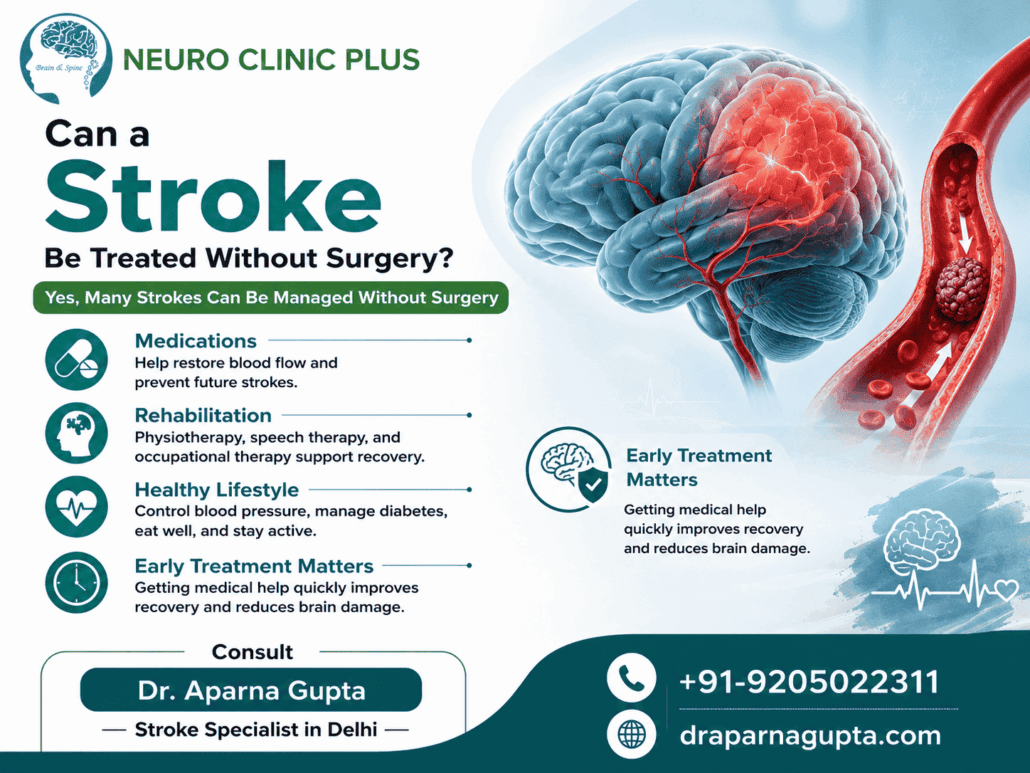
Many stroke patients recover with medications, rehabilitation, and proper medical management without undergoing surgery. Early treatment can reduce brain damage, improve recovery, and lower the risk of long-term complications. Recognizing the warning signs of stroke and seeking immediate medical attention can make a significant difference in the patient’s outcome.
Is Surgery Necessary for Every Stroke?
The answer is no. Not every stroke requires surgery. The treatment depends on the type of stroke, the location of the affected area, and how quickly treatment begins. In many cases, patients recover successfully with medications, minimally invasive procedures, and rehabilitation.
There are two main types of stroke:
- Ischemic Stroke: This is the most common type, caused by a blocked blood vessel that reduces blood flow to the brain. Many patients can be treated with clot-busting medicines or mechanical clot removal, without the need for open surgery.
- Hemorrhagic Stroke: This occurs when a blood vessel in the brain bursts, causing bleeding. While some patients may require surgery to control the bleeding or relieve pressure, many cases can still be managed with medications and close monitoring.
Consulting an experienced Stroke Specialist in Delhi helps ensure the correct diagnosis and the most appropriate treatment plan. Early medical intervention can improve recovery and reduce the risk of permanent brain damage.
Non-Surgical Stroke Treatment Options
Many stroke patients can recover without surgery when treatment begins as early as possible. A Stroke Specialist in Delhi will recommend the most suitable treatment based on the type of stroke, overall health, and severity of symptoms.
Clot-Busting Medicines
For ischemic stroke, clot-busting medicines may be given within the recommended treatment window to restore blood flow to the brain. Early administration can reduce brain damage and improve recovery.
Blood-Thinning Medications
Blood thinners may be prescribed to prevent new blood clots and reduce the risk of another stroke. These medications should only be taken under the guidance of a stroke specialist.
Rehabilitation Therapy
Recovery often continues after the initial treatment. Rehabilitation helps patients regain strength, speech, balance, and daily living skills. It may include:
- Physiotherapy
- Speech therapy
- Occupational therapy
Lifestyle Changes
Adopting a healthy lifestyle can support recovery and lower the risk of future strokes. Important steps include:
- Managing blood pressure
- Controlling diabetes and cholesterol
- Eating a balanced diet
- Exercising regularly
- Quitting smoking and limiting alcohol
With the right combination of medical treatment, rehabilitation, and healthy lifestyle changes, many patients can achieve a better recovery without undergoing surgery.
When Is Surgery Needed for a Stroke?
Although many strokes can be treated without surgery, there are situations where surgical treatment becomes necessary to protect the brain and prevent further complications. The decision depends on the type of stroke, brain damage, and the patient’s overall condition.
A Stroke Specialist in Delhi may recommend surgery in the following cases:
- Severe brain bleeding caused by a hemorrhagic stroke.
- Excessive swelling in the brain that increases pressure and threatens brain function.
- A large blood clot that cannot be removed with medications or minimally invasive procedures.
- Blocked carotid arteries, where surgery may help restore blood flow and reduce the risk of another stroke.
Surgery is recommended only when the expected benefits outweigh the risks. An experienced neurologist carefully evaluates each patient before deciding on the most appropriate treatment approach. Timely diagnosis and expert medical care remain the key to achieving the best possible outcome.
Why Early Stroke Treatment Matters
Early treatment is one of the most important factors in improving stroke recovery. Brain cells begin to die within minutes after a stroke starts, so every minute counts. Seeking immediate medical attention can reduce brain damage, improve recovery, and lower the risk of permanent disability.
| Early Treatment | Delayed Treatment |
| Reduces brain damage | Increases the risk of permanent brain injury |
| Improves the chances of faster recovery | Recovery may take longer and be more difficult |
| Allows access to time-sensitive treatments | Some treatments may no longer be effective |
| Lowers the risk of long-term disability | Higher chance of lasting physical and speech problems |
| Improves overall quality of life | Greater risk of complications and future strokes |
If you notice symptoms such as sudden weakness on one side of the body, difficulty speaking, loss of balance, vision changes, or facial drooping, seek emergency medical care immediately. Consulting an experienced Stroke Specialist in Delhi without delay can make a significant difference in treatment outcomes and long-term recovery.
Why Choose Dr. Aparna Gupta for Stroke Care?
22+ Years of Neurology Experience
Dr. Aparna Gupta has over 22 years of experience in diagnosing and treating a wide range of neurological disorders, including ischemic stroke, hemorrhagic stroke, TIA (mini stroke), and stroke-related complications.
Accurate Diagnosis and Personalized Treatment
Every stroke is different. Dr. Aparna Gupta carefully evaluates each patient’s condition and creates a personalized treatment plan based on the type of stroke, medical history, and recovery goals.
Comprehensive Stroke Management
From early diagnosis and medical treatment to rehabilitation guidance and stroke prevention, patients receive complete care aimed at improving recovery and reducing the risk of future strokes.
Focus on Long-Term Recovery
Stroke recovery continues even after the initial treatment. Dr. Aparna Gupta provides guidance on lifestyle changes, medication management, and follow-up care to help patients regain independence and maintain better brain health.
Trusted Stroke Specialist in Delhi
Patients looking for an experienced Stroke Specialist in Delhi choose Dr. Aparna Gupta for her patient-centered approach, evidence-based treatment, and commitment to delivering high-quality neurological care.
Stroke Care at Neuro Clinic Plus
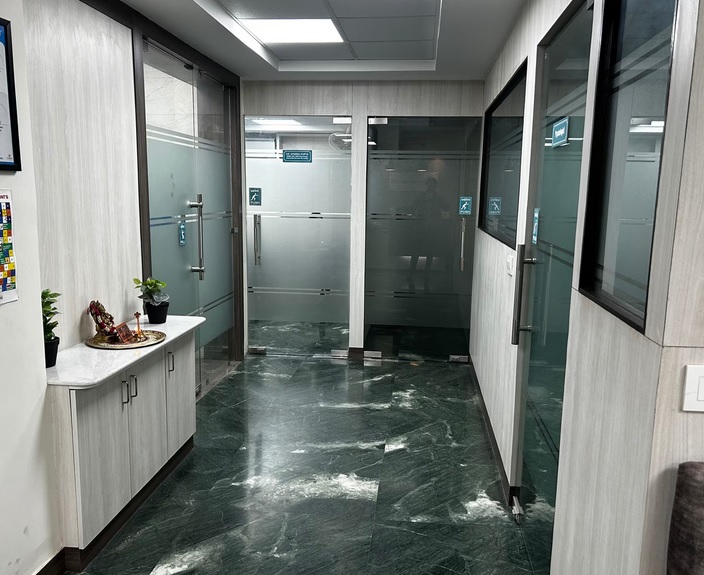
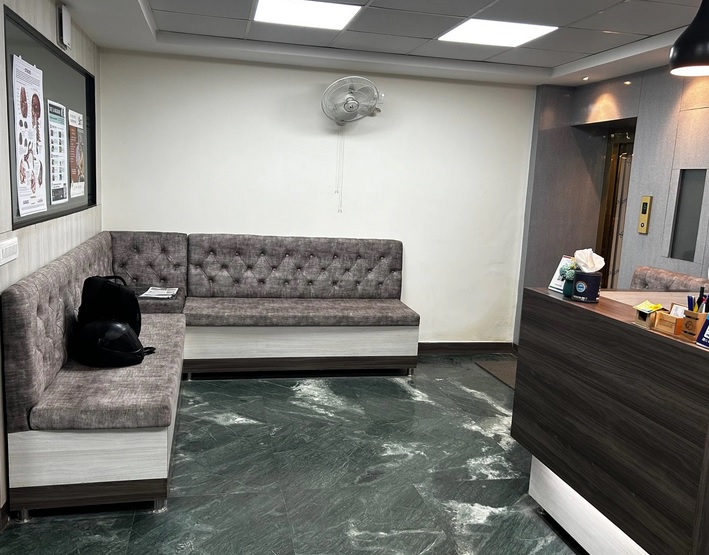
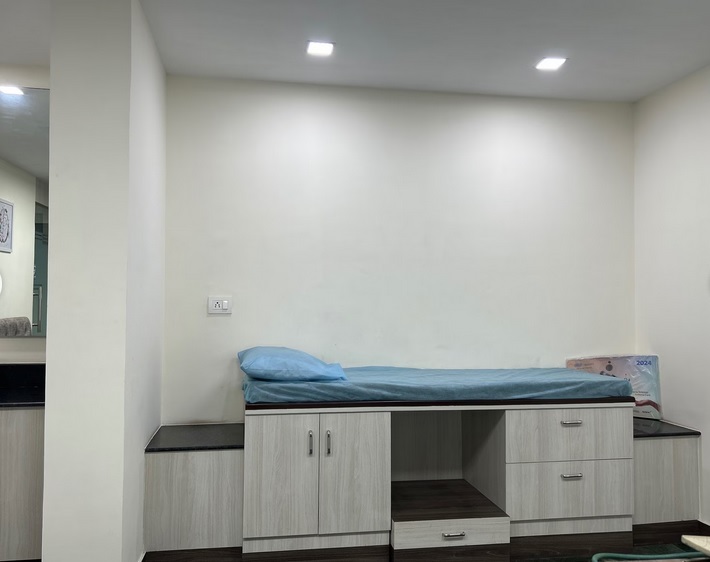
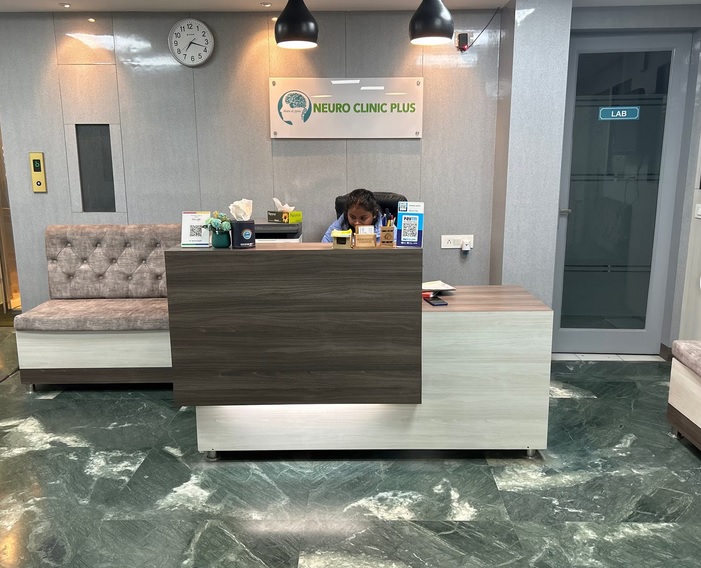
At Neuro Clinic Plus, patients receive comprehensive stroke care focused on early diagnosis, effective treatment, and long-term recovery. The clinic is committed to helping patients achieve the best possible outcomes through personalized neurological care.
What You Can Expect at Neuro Clinic Plus
- Comprehensive neurological evaluation to identify the type and severity of stroke.
- Personalized treatment plans based on each patient’s condition and medical history.
- Stroke risk assessment to help prevent future stroke episodes.
- Medication management and regular follow-up for safe recovery.
- Guidance on physiotherapy, speech therapy, and rehabilitation to improve mobility and daily functioning.
- Lifestyle and dietary counseling to support brain health and reduce stroke risk.
- Compassionate care from Dr. Aparna Gupta, an experienced Stroke Specialist in Delhi, throughout every stage of recovery.
With a patient-first approach, Neuro Clinic Plus focuses on providing timely treatment, continuous monitoring, and ongoing support to help patients regain confidence and improve their quality of life.
Frequently Asked Questions (FAQs)
1. Can a stroke be treated without surgery?
Yes. Many stroke patients recover without surgery through medications, rehabilitation, and lifestyle changes. The treatment depends on the type of stroke and how quickly medical care is received.
2. Which type of stroke usually does not require surgery?
Most ischemic strokes, caused by a blocked blood vessel, can often be treated with clot-busting medications, mechanical clot removal, and supportive medical care without open surgery.
3. When is surgery necessary for a stroke?
Surgery may be required for brain bleeding, severe brain swelling, or when a large blood clot cannot be managed with medications or minimally invasive procedures.
4. How soon should stroke treatment begin?
Stroke treatment should begin immediately. Early medical care helps reduce brain damage, improves recovery, and lowers the risk of long-term disability.
5. What are the early warning signs of a stroke?
Common symptoms include facial drooping, arm weakness, difficulty speaking, vision changes, loss of balance, and sudden severe headache. These symptoms require emergency medical attention.
6. Can young adults have a stroke?
Yes. Although strokes are more common in older adults, young adults can also experience a stroke due to factors such as high blood pressure, heart disease, diabetes, or certain medical conditions.
7. Can stroke patients recover completely?
Many patients recover well with early treatment, rehabilitation, and regular follow-up care. Recovery depends on the severity of the stroke and the patient’s overall health.
8. How long does stroke recovery take?
Recovery varies from person to person. Some patients improve within weeks, while others may need months of rehabilitation to regain strength, speech, and mobility.
9. How can I reduce my risk of having a stroke?
You can lower your risk by controlling blood pressure, managing diabetes and cholesterol, eating a healthy diet, exercising regularly, avoiding smoking, and attending regular health check-ups.
10. Why should I consult a Stroke Specialist in Delhi?
A Stroke Specialist in Delhi can provide accurate diagnosis, recommend the most appropriate treatment, and guide you through recovery while helping reduce the risk of future strokes.
11. Does Neuro Clinic Plus provide stroke treatment?
Yes. Neuro Clinic Plus offers stroke evaluation, medical management, stroke prevention guidance, rehabilitation support, and long-term follow-up under the care of Dr. Aparna Gupta.
12. Why choose Dr. Aparna Gupta for stroke care?
Dr. Aparna Gupta has 22+ years of experience in neurology and provides personalized stroke care, focusing on early diagnosis, effective treatment, and long-term recovery to help patients achieve the best possible outcomes.
Conclusion
Not every stroke requires surgery. Many patients recover successfully with timely medical treatment, medications, rehabilitation, and healthy lifestyle changes. The most appropriate treatment depends on the type of stroke, the severity of the condition, and how quickly treatment begins.
If you or a loved one experiences sudden weakness, difficulty speaking, vision problems, or loss of balance, seek immediate medical attention. Consulting an experienced Stroke Specialist in Delhi like Dr. Aparna Gupta at Neuro Clinic Plus can help ensure an accurate diagnosis, appropriate treatment, and the best possible chance of recovery.


Leave a Reply
Want to join the discussion?Feel free to contribute!