
Understanding What Causes Parkinson’s Disease: Genetics, Environment & Lifestyle Factors
Parkinson’s Disease is a condition that affects the brain and nerves, causing problems with movement, balance, and coordination. People with Parkinson’s may notice symptoms like shaking, stiffness, slow movement, or difficulty with daily tasks. While the exact cause of Parkinson’s Disease is not fully understood, research shows that a combination of genetics, environment, and lifestyle factors can play a role. Understanding what causes Parkinson’s Disease is important because it can help in early detection, prevention, and better management of symptoms. By knowing the risk factors and warning signs, patients and families can take steps to maintain a healthier life and seek timely medical advice. Parkinson’s Disease affects millions worldwide, but learning about its causes can give hope and control to those at risk, making a big difference in their quality of life.
What is Parkinson’s Disease?
Parkinson’s Disease is a neurological disorder, which means it affects the brain and the nervous system. It mainly impacts the part of the brain that controls movement, making it harder for people to move normally.
The main symptoms of Parkinson’s Disease include:
- Tremors: Shaking in the hands, fingers, or sometimes other parts of the body.
- Stiffness: Muscles feel tight, making it harder to move or bend.
- Slow movement (bradykinesia): Everyday tasks, like walking, writing, or buttoning a shirt, may take more time and effort.
Other signs can include balance problems, changes in speech, or difficulty with facial expressions. While symptoms usually start gradually, they can become more noticeable over time. Recognizing these signs early can help in getting proper care and treatment.
Genetic Factors
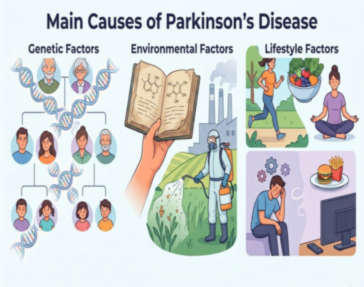
Genes are like instructions in our body that decide how we grow and function. Some people may inherit certain genes that increase the risk of Parkinson’s Disease from their family. This means that if someone in your family has Parkinson’s, your chances may be slightly higher.
Researchers have found specific gene mutations linked to Parkinson’s, including LRRK2, PARK7, and SNCA. These mutations can affect how brain cells work and may make someone more likely to develop the disease.
However, it’s important to know that having these genes does not guarantee you will get Parkinson’s Disease. Many people with these gene mutations never develop the condition. Genetics is just one part of the puzzle, and other factors like lifestyle and environment also play a big role.
Environmental Factors
Our surroundings can sometimes play a role in increasing the risk of Parkinson’s Disease. Exposure to certain chemicals like pesticides, herbicides, and other toxins may harm the brain over time and make Parkinson’s more likely.
Some studies also suggest that heavy metals or industrial chemicals, such as those found in factories or polluted areas, can affect brain health and contribute to the disease.
Living in rural areas or using well water has also been linked in some research to a slightly higher risk, possibly because of exposure to chemicals used in farming.
It’s important to remember that environmental factors alone don’t cause Parkinson’s Disease, but combined with genetics or other risks, they can increase the chances. Taking simple precautions, like avoiding harmful chemicals when possible, can help protect your health.
Lifestyle Factors
The way we live our daily lives can also affect the risk of developing Parkinson’s Disease. Smoking, diet, and exercise habits are some of the lifestyle factors that researchers study.
Regular physical activity is especially important. Exercises like walking, stretching, and balance training can help keep the muscles strong and may even reduce the risk of Parkinson’s or slow its progression.
Eating a healthy diet with plenty of fruits, vegetables, and foods rich in antioxidants may support brain health. Avoiding too much processed food and harmful chemicals can also be beneficial.
While lifestyle choices alone cannot completely prevent Parkinson’s Disease, healthy habits can make a real difference in overall well-being and may help manage or delay the symptoms if someone is at risk.
Age and Gender
Age is one of the biggest risk factors for Parkinson’s Disease. Most people start noticing symptoms after the age of 60, although it can sometimes appear earlier. As we get older, the brain cells that control movement become more vulnerable, which can increase the chances of developing the condition.
Gender can also play a role. Studies show that men are slightly more likely to develop Parkinson’s Disease than women. The reasons are not fully understood, but researchers believe it may be related to hormones and genetic differences.
While age and gender cannot be changed, being aware of these risk factors can help people stay alert to early signs and seek timely medical advice if needed.
Preventive Tips & Risk Reduction
While Parkinson’s Disease cannot always be prevented, there are steps you can take to reduce your risk and support brain health. Small daily habits can make a big difference:
- Eat a healthy diet: Include plenty of fruits, vegetables, and foods rich in omega-3s. These antioxidants help protect your brain cells.
- Stay active: Do daily exercise like walking, stretching, or balance and strength training. Regular movement keeps your muscles strong and supports brain function.
- Avoid harmful toxins: Limit exposure to pesticides, chemicals, and industrial toxins whenever possible.
- Manage stress and mental health: Practices like meditation, yoga, or spending time on hobbies can reduce stress and improve overall well-being.
By following these simple steps, you can take an active role in protecting your brain and supporting a healthier life, even if you have some risk factors for Parkinson’s Disease.
Conclusion
Parkinson’s Disease is influenced by genetics, environment, lifestyle habits, age, and gender. While some risks cannot be changed, being aware of them and adopting healthy habits—like a balanced diet, regular exercise, and stress management—can help support brain health and may reduce the chances of developing the condition.
Paying attention to early signs such as tremors, stiffness, or slow movements is very important. Early detection can make a big difference in managing Parkinson’s effectively and improving quality of life.
If you notice any symptoms or have a family history of Parkinson’s Disease, it’s a good idea to consult a specialist for guidance. Experts like Dr. Aparna Gupta at NEURO CLINIC PLUS can provide personalized advice, early diagnosis, and proper care to help you or your loved ones stay healthy.






Leave a Reply
Want to join the discussion?Feel free to contribute!