Early Signs of Stroke: Causes, Treatment & When to Visit a Stroke Specialist
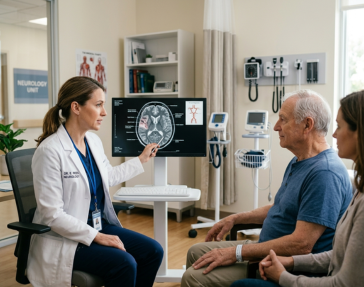
A stroke is a serious medical condition that happens when the blood supply to the brain is suddenly blocked or when a blood vessel in the brain bursts. When this happens, brain cells do not get enough oxygen and can start to die within minutes. That is why getting quick medical help is very important. Early treatment can reduce brain damage, improve recovery, and even save lives.
Many people ignore early warning signs or delay treatment, which can lead to serious complications. Consulting a Stroke Specialist at the right time helps in getting accurate diagnosis and the best treatment without delay.
At Neuro Clinic Plus, patients receive timely care and expert guidance for stroke symptoms and treatment. Our goal is to help patients recover faster and reduce the risk of long-term complications through early medical support.
What is a Stroke?
A stroke happens when the blood supply to a part of the brain is suddenly interrupted. The brain needs a constant supply of oxygen and nutrients through the blood to work properly. During a stroke, this blood flow is either blocked or a blood vessel bursts. When this happens, brain cells start to get damaged within minutes because they do not receive enough oxygen. This can affect important body functions such as speaking, moving, thinking, or seeing. That is why a stroke is considered a medical emergency and needs immediate treatment.
Types of Stroke
There are three main types of stroke. Understanding them can help you recognize the seriousness of the condition.
1️ Ischemic Stroke
This is the most common type of stroke. It happens when a blood clot blocks a blood vessel that carries blood to the brain. Because of the blockage, blood cannot reach that part of the brain, which leads to damage. This type of stroke is often linked to conditions like high blood pressure, diabetes, and high cholesterol.
2️ Hemorrhagic Stroke
This type of stroke happens when a blood vessel in the brain bursts and causes bleeding inside or around the brain. The bleeding puts pressure on brain cells and damages them. Hemorrhagic strokes are usually caused by very high blood pressure, weak blood vessels, or head injury.
3️ Transient Ischemic Attack (TIA) – Mini Stroke
A Transient Ischemic Attack, also called a mini stroke, happens when blood flow to the brain is blocked for a short time. The symptoms are similar to a stroke but usually last only a few minutes to a few hours and then go away. Even though symptoms disappear, a TIA is a serious warning sign that a major stroke may happen in the future, so medical attention is very important.
Common Symptoms of Stroke You Should Not Ignore
Stroke symptoms usually appear suddenly and can become serious very quickly. Recognizing these warning signs early is very important because early recognition and quick medical help can save lives and reduce long-term damage. If you or someone around you notices any of the following symptoms, do not ignore them and seek medical help immediately.
Here are some common symptoms of stroke you should watch for:
- Sudden numbness or weakness (especially on one side of the body)
You may feel weakness in the face, arm, or leg, usually on one side. For example, one arm may feel heavy, or one side of the face may droop. - Difficulty speaking or understanding speech
A person may have trouble speaking clearly, slur their words, or find it hard to understand what others are saying. - Vision problems
Sudden blurred vision, double vision, or loss of vision in one or both eyes can be a warning sign of stroke. - Severe headache
A sudden, very severe headache without any known reason can be a sign of stroke, especially if it happens along with other symptoms. - Loss of balance or coordination
Difficulty walking, loss of balance, or trouble controlling body movements may occur suddenly. - Confusion or dizziness
Feeling confused, disoriented, or dizzy without any clear reason can also be a sign of stroke.
Remember: Stroke symptoms often come without warning. Recognizing these signs early and getting medical help quickly can make a big difference in recovery and can even save a life.
Major Causes and Risk Factors of Stroke
A stroke does not usually happen without a reason. There are certain health conditions and lifestyle habits that increase the risk of having a stroke. These are called risk factors. Understanding these causes can help you take steps to protect your health and reduce your chances of stroke.
Here are some of the major causes and risk factors of stroke:
- High Blood Pressure
High blood pressure is one of the most common causes of stroke. When blood pressure stays high for a long time, it can damage blood vessels in the brain and increase the risk of blockage or bleeding. - Diabetes
People with diabetes have higher chances of stroke because high sugar levels in the blood can damage blood vessels over time. Proper control of diabetes is very important to reduce stroke risk. - Smoking
Smoking is harmful to blood vessels and reduces the amount of oxygen in the blood. It also increases the chances of forming blood clots, which can block blood flow to the brain. - High Cholesterol
High cholesterol can lead to the buildup of fatty deposits inside blood vessels. These deposits can block the flow of blood to the brain and cause a stroke. - Heart Disease
Certain heart conditions, such as irregular heartbeat or heart valve problems, can increase the risk of blood clots forming and traveling to the brain. - Obesity
Being overweight or obese increases the chances of developing other risk factors like high blood pressure, diabetes, and heart disease, which can lead to stroke. - Family History of Stroke
If someone in your family has had a stroke, your risk may be higher. This can be due to genetic factors or shared lifestyle habits.
Understanding these causes and risk factors is very important. With proper medical care, healthy lifestyle changes, and regular health checkups, many of these risks can be controlled and managed to reduce the chances of stroke.
Stroke Treatment Options Provided by a Stroke Specialist
Stroke treatment depends on the type of stroke and how quickly the patient receives medical care. A Stroke Specialist carefully examines the patient and decides the best treatment to reduce brain damage and improve recovery. Early treatment plays a very important role in saving lives and preventing long-term disability.
Here are some common treatment options provided by a Stroke Specialist:
- Emergency Stroke Care
Stroke is a medical emergency, so the first step is to provide immediate care. The patient is quickly examined using tests like brain scans to understand the type of stroke. Fast medical action helps reduce damage to the brain and improves the chances of recovery. - Medication to Dissolve Clots
In many cases of ischemic stroke, special medicines are given to dissolve blood clots that block blood flow to the brain. These medicines are most effective when given within the first few hours after symptoms begin. That is why reaching a hospital quickly is very important. - Surgical Procedures (If Needed)
Sometimes surgery may be required, especially if there is bleeding in the brain or a large clot that cannot be treated with medicine alone. Surgery helps remove the clot or repair damaged blood vessels to restore proper blood flow. - Rehabilitation Therapy
After emergency treatment, many patients need rehabilitation to regain their strength and abilities. This may include physical therapy, speech therapy, and occupational therapy to help improve movement, speech, and daily activities. - Long-Term Stroke Management
Stroke care does not end after initial treatment. Long-term management includes regular checkups, medicines to control blood pressure or cholesterol, and lifestyle changes to prevent another stroke. A Stroke Specialist guides patients on how to manage their health and reduce future risks.
When to Consult a Stroke Specialist Immediately
Knowing when to seek medical help is very important during a stroke. Stroke symptoms often appear suddenly and can become serious within minutes. Do not delay medical attention if you notice any warning signs, even if they seem mild at first. Getting help from a Stroke Specialist quickly can reduce brain damage and improve the chances of recovery.
You should consult a Stroke Specialist immediately if you notice any of the following symptoms:
- Sudden weakness or numbness
If you feel weakness or numbness in the face, arm, or leg, especially on one side of the body, it can be an early sign of stroke. - Difficulty speaking
If speech becomes slurred, unclear, or you find it hard to understand simple words, seek medical help right away. - Sudden vision loss
Blurred vision, double vision, or sudden loss of sight in one or both eyes should never be ignored. - Severe headache
A sudden and very severe headache without any known reason can be a warning sign of stroke. - Loss of balance
If you suddenly feel dizzy, lose balance, or have trouble walking, it may be related to a stroke. - Any sudden neurological symptoms
Symptoms like confusion, difficulty thinking, sudden memory problems, or unusual body movements should be checked immediately.
Remember: Stroke is a medical emergency. Do not delay medical attention if you notice any of these signs. Quick action and timely treatment from a Stroke Specialist can save lives and prevent serious complications.
How to Prevent Stroke – Simple Daily Tips
While stroke can be serious, the good news is that many strokes can be prevented by making simple changes in daily life. Taking care of your health and managing risk factors can greatly reduce your chances of having a stroke. Small healthy habits followed every day can make a big difference in protecting your brain and overall health.
Here are some simple daily tips to help prevent stroke:
- Maintain Healthy Blood Pressure
Keeping your blood pressure under control is one of the most important steps to prevent stroke. Check your blood pressure regularly and follow your doctor’s advice if it is high. - Eat a Balanced Diet
Eating healthy foods like fruits, vegetables, whole grains, and low-fat meals helps keep your heart and blood vessels healthy. Try to avoid too much salt, fried food, and junk food. - Exercise Regularly
Regular physical activity helps improve blood circulation and keeps your body fit. Even simple activities like walking for 30 minutes a day can help reduce the risk of stroke. - Quit Smoking
Smoking damages blood vessels and increases the risk of blood clots. Quitting smoking can quickly improve your health and lower your chances of stroke. - Control Diabetes
If you have diabetes, it is important to keep your blood sugar levels under control. Follow your doctor’s advice, take medicines on time, and maintain a healthy lifestyle. - Reduce Stress
Too much stress can affect your blood pressure and heart health. Try relaxation techniques like deep breathing, meditation, or spending time doing activities you enjoy. - Regular Health Checkups
Regular medical checkups help detect health problems early. Checking blood pressure, sugar levels, and cholesterol can help prevent stroke and other serious conditions.
Following these simple daily tips can greatly reduce the risk of stroke. Prevention is always better than treatment, and taking care of your health today can help you live a longer and healthier life.
Expert Stroke Care at Neuro Clinic Plus
At Neuro Clinic Plus, patients receive trusted and expert care for stroke and other neurological conditions. Dr. Aparna Gupta, an experienced stroke specialist doctor, is dedicated to providing the right diagnosis and treatment for patients who show signs of stroke. With years of experience in treating neurological disorders, she focuses on early detection and proper management to help patients recover better.
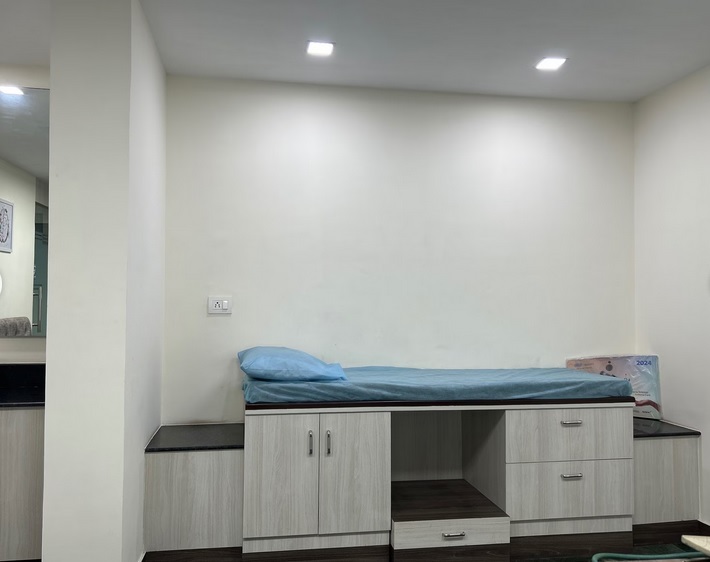
As a skilled stroke specialist, Dr. Aparna Gupta provides specialized stroke treatment based on each patient’s condition. The clinic is equipped with modern diagnostic facilities that help in identifying stroke symptoms quickly and accurately. Early diagnosis plays an important role in reducing complications and improving recovery.
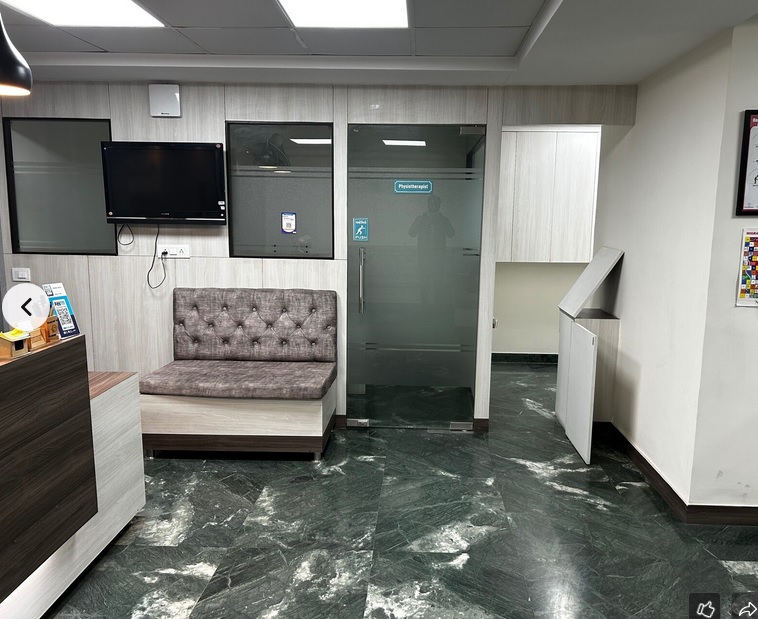
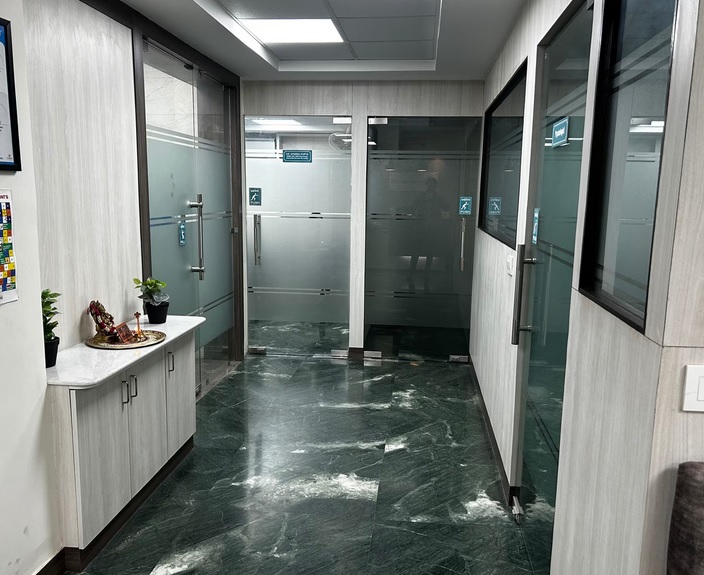
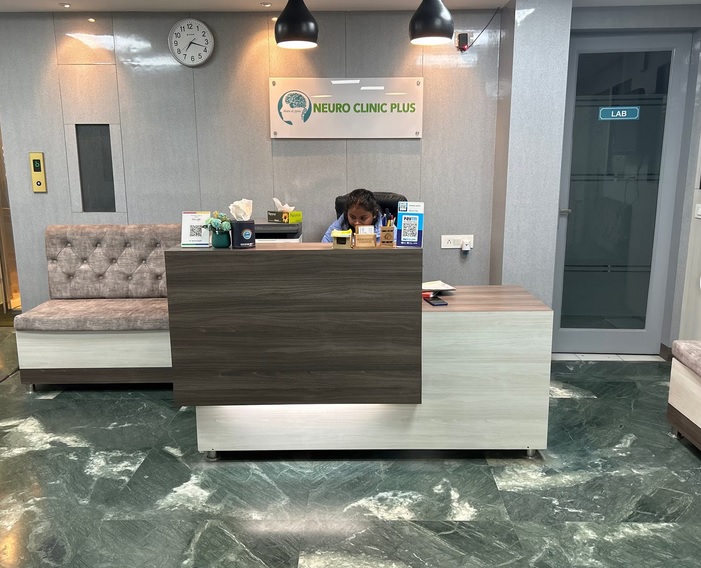
At Neuro Clinic Plus, every patient receives personalized patient care and proper guidance throughout the treatment process. The clinic is conveniently located in South Delhi, making it easier for patients to access timely medical support. If you or your loved ones notice stroke symptoms, consulting a trusted stroke specialist doctor at Neuro Clinic Plus can help ensure safe and effective treatment.
Why Early Stroke Treatment is Critical
Stroke is a serious medical emergency that needs quick attention. When a stroke happens, the brain does not get enough oxygen, and this can cause permanent damage to brain cells within minutes. If treatment is delayed, it can lead to long-term problems such as weakness, speech difficulty, memory issues, or even paralysis.
Getting early treatment can make a big difference in recovery. When medical help is given quickly, doctors can reduce the damage to the brain and help the patient recover faster. Early care also reduces the risk of disability, allowing patients to return to their daily activities more easily.
Most importantly, timely stroke treatment saves lives. Recognizing the symptoms early and reaching a hospital without delay gives patients the best chance of survival and recovery. Quick action during a stroke can truly make the difference between life and death.
Conclusion
Stroke is a serious condition, but early diagnosis and timely treatment can make a big difference. Ignoring early symptoms can lead to severe complications, long-term disability, or even life-threatening situations. That is why it is very important to take any warning signs seriously and seek medical help without delay.
At Neuro Clinic Plus, patients receive trusted and compassionate care from Dr. Aparna Gupta, an experienced Stroke Specialist who focuses on accurate diagnosis and effective treatment. With proper guidance and modern care, many stroke-related complications can be prevented or reduced.
If you or your loved one notice any symptoms of stroke, do not wait. Early medical attention can save lives and improve recovery. Take the first step toward better health by consulting a trusted specialist.
Book your appointment today at Neuro Clinic Plus with Dr. Aparna Gupta



Leave a Reply
Want to join the discussion?Feel free to contribute!