
Frequent Headaches? Here’s When to Consult a Headache Specialist

Headaches are one of the most common health problems that people experience in their daily lives. Many people get headaches occasionally and treat them with rest or simple medicines. However, frequent headaches are often ignored, even when they start affecting daily activities, work, or sleep. While some headaches are mild and temporary, others may be a sign of an underlying health issue that needs proper medical attention.
This is where a Headache specialist plays an important role. A headache specialist is trained to understand different types of headaches and find the exact cause behind them. Instead of only treating the pain, they focus on identifying what is triggering the headaches and providing the right treatment. Understanding the causes of headaches is very important because early diagnosis can help prevent serious problems and improve quality of life. If headaches keep coming back, it is important not to ignore them.
What is a Headache Specialist?
A Headache specialist is a doctor who focuses on diagnosing and treating different types of headaches. They have special knowledge and training to understand why headaches happen and how to treat them in the right way. Instead of just giving pain relief, they work to find the real cause of the headache.
In most cases, a headache specialist is a neurologist, which means a doctor who treats conditions related to the brain and nerves. Because headaches are often linked to the brain and nervous system, these doctors are trained to diagnose headache disorders such as migraines, tension headaches, and cluster headaches.
One of the main roles of a headache specialist is to identify the root cause of headaches. They carefully study your symptoms, medical history, and lifestyle to understand what is triggering the pain. This helps them provide the right treatment that is suitable for each person.
A headache specialist is also trained to treat complex and chronic headaches, especially when headaches happen very often or do not improve with common medicines. Unlike general treatment, which may only focus on temporary relief, specialist care focuses on long-term solutions, proper diagnosis, and preventing headaches from coming back frequently.
Common Types of Headaches Treated by a Headache Specialist
A Headache specialist treats many different types of headaches. Each type has different symptoms, causes, and treatment methods. Understanding the type of headache you have is important because the right treatment depends on the correct diagnosis. Below are some of the most common types of headaches that a headache specialist treats.
Migraine Headaches
Migraine headaches are one of the most common and painful types of headaches. They usually cause severe throbbing pain, often on one side of the head. People with migraines may also feel sensitivity to light and sound, making it hard to stay in bright or noisy places. In many cases, migraines can also cause nausea or vomiting, which makes daily activities difficult.
Migraines can be triggered by different factors such as stress, lack of sleep, certain foods, or hormonal changes. Because migraine symptoms can be strong and long-lasting, proper diagnosis and treatment from a specialist can help reduce their frequency and severity.
Tension-Type Headaches
Tension-type headaches are the most common type of headache experienced by many people. These headaches usually feel like a tight pressure or band around the head. The pain is often mild to moderate but can last for several hours.
They are commonly caused by stress, anxiety, poor posture, or muscle tension in the neck and shoulders. Although they are usually not dangerous, frequent tension headaches can affect comfort and daily life. A headache specialist can help identify triggers and suggest ways to manage and prevent them.
Cluster Headaches
Cluster headaches are extremely painful headaches that occur in repeated patterns known as cycles or clusters. These headaches usually happen at the same time each day and can last for weeks or months before stopping for a period of time.
Cluster headaches often affect one side of the head, especially around the eye area. The pain is usually very intense and sudden. Because of their severity, cluster headaches require proper medical care and treatment from a specialist.
Chronic Daily Headaches
Chronic daily headaches are headaches that occur frequently, sometimes almost every day. These headaches can seriously affect daily activities, work, and sleep. Over time, frequent headaches can reduce quality of life and cause stress or fatigue.
Managing chronic daily headaches often requires long-term treatment and regular follow-up. A headache specialist can create a treatment plan that helps control pain, reduce headache frequency, and improve overall comfort.
Common Causes of Headaches
Headaches can happen for many different reasons. Sometimes the cause is simple, like stress or not drinking enough water, while other times it may be related to an underlying health condition. Understanding the common causes of headaches can help you take the right steps to manage them. A Headache specialist carefully studies these causes to find out what is triggering the pain.
Some of the most common causes of headaches include:
- Stress and anxiety: Mental stress is one of the biggest causes of headaches. Worry, tension, and emotional pressure can lead to tight muscles and headache pain.
- Lack of sleep: Not getting enough sleep or having an irregular sleep schedule can often lead to frequent headaches.
- Dehydration: Drinking less water can cause dehydration, which is a common reason for headaches, especially during hot weather.
- Skipping meals: Missing meals or eating at irregular times can lower blood sugar levels and trigger headaches.
- Hormonal changes: Hormonal changes, especially in women, can cause headaches during certain times such as menstrual cycles.
- Eye strain: Spending long hours on mobile phones, computers, or reading without proper breaks can strain the eyes and cause headaches.
- High blood pressure: Uncontrolled blood pressure can sometimes lead to headaches and other serious health problems.
- Neurological conditions: In some cases, headaches may be linked to problems related to the brain or nerves.
- Lifestyle factors: Poor posture, lack of physical activity, excessive screen time, and unhealthy habits can also increase the chances of headaches.
Identifying the exact cause of headaches is very important for proper treatment. When the root cause is found, it becomes easier to choose the right treatment and prevent headaches from happening again. Ignoring the cause and only treating the pain may give temporary relief, but understanding the reason behind headaches helps in long-term management and better health.
Warning Signs That You Should See a Headache Specialist
Many headaches are mild and go away with rest or simple medicines. However, some headaches can be a sign of a serious problem and should not be ignored. Knowing the warning signs can help you understand when it is time to consult a Headache specialist. Early medical advice can help prevent complications and provide proper treatment.
Here are some important warning signs that mean you should see a headache specialist:
- Frequent headaches: If you are getting headaches again and again, especially several times a week, it may be a sign of an underlying problem that needs medical attention.
- Sudden severe headache: A headache that starts suddenly and feels very intense, sometimes called the worst headache of your life, should be checked immediately.
- Headache with fever or stiff neck: If your headache is combined with fever or stiffness in the neck, it may indicate an infection or other serious condition.
- Headache with vision problems: Blurred vision, double vision, or loss of vision along with a headache is an important warning sign.
- Headache with vomiting: Frequent vomiting with headache, especially without nausea before, should not be ignored.
- Weakness or numbness: If you feel weakness, numbness, or difficulty moving parts of your body along with a headache, seek medical help as soon as possible.
- Headache after injury: Any headache that starts after a fall, accident, or head injury needs proper medical evaluation.
- Change in headache pattern: If your usual headache suddenly becomes more severe, lasts longer, or feels different than before, it is important to consult a specialist.
Paying attention to these warning signs can help you take timely action. Seeing a headache specialist at the right time can help identify the cause and ensure that you receive the correct treatment.
How a Headache Specialist Diagnoses Headache Disorders
Diagnosing headache disorders is an important step in finding the right treatment. A Headache specialist does not just treat the pain but carefully studies the symptoms to understand the exact cause. This process helps in creating a treatment plan that works best for each person.
Here are the common steps used to diagnose headache disorders:
- Detailed medical history: The specialist will ask about your past health problems, family history, lifestyle habits, and how often your headaches occur. They may also ask when the headache started, how long it lasts, and what makes it better or worse.
- Symptom discussion: You will be asked to describe your headache symptoms clearly. This includes the type of pain, the location of the headache, and any other symptoms like nausea, dizziness, or vision problems. This discussion helps the specialist understand the pattern of your headaches.
- Neurological examination: A physical and neurological check-up is usually done to test your balance, muscle strength, reflexes, and coordination. This helps identify any problems related to the brain and nerves.
- Imaging tests if needed: In some cases, imaging tests such as scans may be recommended to get a clear view of the brain. These tests help rule out serious conditions if certain warning signs are present.
- Lab tests in certain cases: Blood tests or other lab tests may be advised if the specialist suspects infection, inflammation, or other medical conditions that could be causing headaches.
An accurate diagnosis process is very important because it helps identify the real cause of headaches. Once the cause is known, the specialist can suggest the most suitable treatment to reduce pain and prevent headaches from happening again.
Treatment Options Offered by a Headache Specialist
A Headache specialist offers different treatment options depending on the type and cause of the headache. The main goal of treatment is not only to reduce pain but also to prevent headaches from happening again. Treatment plans are usually personalized, meaning they are designed according to each person’s symptoms and needs.
Medication Management
Medicines are one of the most common ways to treat headaches. A headache specialist may prescribe pain relief medicines to reduce headache pain and provide quick comfort. These medicines help control symptoms when a headache occurs.
In some cases, preventive medications are also recommended. These medicines are taken regularly to reduce how often headaches happen and to make them less severe. Preventive medicines are especially helpful for people who suffer from frequent or chronic headaches.
Lifestyle Modifications
Lifestyle changes can play a big role in reducing headaches. A headache specialist may suggest sleep improvement, such as maintaining a regular sleep schedule and getting enough rest each night.
Stress management techniques, like relaxation exercises, yoga, or meditation, can also help lower headache triggers. In addition, diet recommendations may be given, such as eating meals on time, drinking enough water, and avoiding foods that may trigger headaches.
Advanced Treatment Options
For people with severe or long-lasting headaches, advanced treatment options may be required. This may include preventive therapy designed to control headache triggers and reduce frequency over time.
Chronic headache management focuses on long-term care for people who experience headaches regularly. With proper monitoring and treatment, these advanced methods can help improve daily comfort and reduce the impact of headaches on everyday life.
Benefits of Consulting a Headache Specialist
Consulting a Headache specialist can make a big difference for people who suffer from frequent or severe headaches. Instead of only treating the pain, a specialist focuses on finding the real cause and providing the right treatment. This helps in managing headaches more effectively and improving daily life.
Here are some important benefits of consulting a headache specialist:
- Accurate diagnosis: A headache specialist carefully studies your symptoms and medical history to find the exact cause of your headaches. Knowing the correct cause helps in choosing the right treatment.
- Effective treatment: With proper diagnosis, the specialist can provide treatments that are more effective than general pain relief methods. This helps control headache symptoms better.
- Reduced headache frequency: Regular treatment and proper guidance can help reduce how often headaches occur. Over time, many people notice fewer and less severe headaches.
- Prevention of complications: Some headaches can be linked to serious health problems. Seeing a specialist early can help prevent complications and ensure timely medical care.
- Better quality of life: Frequent headaches can affect work, sleep, and daily activities. Proper treatment helps people feel more comfortable and improves their overall quality of life.
- Long-term headache management: A headache specialist provides ongoing care and support, helping manage headaches in the long run and preventing them from becoming a regular problem.
Tips to Prevent Frequent Headaches
Preventing headaches is possible by making a few simple changes in your daily routine. Adopting healthy daily habits can help decrease the chances of headaches and improve overall well-being. While not all headaches can be prevented, following these tips can make a big difference in controlling frequent headaches.
Here are some easy tips to help prevent frequent headaches:
- Drink enough water: Dehydration is a common cause of headaches. Make sure to drink enough water throughout the day, especially during hot weather or when you are physically active.
- Maintain regular sleep: Getting proper sleep every night is very important. Try to sleep and wake up at the same time each day, and aim for 7–8 hours of good-quality sleep.
- Avoid skipping meals: Missing meals can lower your energy levels and trigger headaches. Eat meals on time and include healthy snacks if needed to keep your body energized.
- Manage stress: Stress is one of the most common headache triggers. Practice relaxation techniques such as deep breathing, meditation, or light activities that help you feel calm.
- Reduce screen time: Spending long hours on mobile phones, computers, or television can strain your eyes and lead to headaches. Take short breaks and rest your eyes regularly.
- Exercise regularly: Regular physical activity improves blood circulation and helps reduce stress. Simple exercises like walking, stretching, or yoga can help prevent headaches.
- Avoid known headache triggers: Some people notice headaches after certain foods, strong smells, or lack of sleep. Pay attention to your triggers and try to avoid them whenever possible.
Following these simple tips can help reduce the frequency of headaches and support better daily health.
When to Seek Emergency Medical Help for Headaches
Most headaches are not dangerous and can be managed with rest or simple treatment. However, some headaches can be a sign of a serious medical problem and need immediate medical attention. Knowing when to seek emergency help is very important because quick action can prevent serious complications.
You should seek emergency medical help if you experience any of the following symptoms:
- Worst headache of life: If you suddenly feel the most severe headache you have ever had, it should not be ignored. This type of headache may be a sign of a serious condition.
- Sudden severe headache: A headache that starts suddenly and becomes very intense within seconds or minutes needs urgent medical care.
- Headache with confusion: If a headache is accompanied by confusion, difficulty thinking clearly, or unusual behavior, it may indicate a serious problem that requires emergency treatment.
- Headache with seizures: If seizures occur along with a headache, it is important to get medical help immediately, as this can be a medical emergency.
- Headache after head injury: Any headache that develops after a fall, accident, or injury to the head should be checked by a medical professional as soon as possible.
- Headache with weakness or speech problems: If you notice weakness in the arms or legs, numbness, difficulty speaking, or trouble understanding words along with a headache, seek emergency help right away.
Recognizing these warning signs and taking quick action can help protect your health and ensure that serious conditions are treated without delay.
When to Seek Emergency Medical Help for Headaches
Most headaches are mild and go away with rest or simple medicine. But in some situations, a headache can be a sign of a serious health problem. In such cases, it is very important to seek emergency medical help immediately. Ignoring these warning signs can be dangerous, so it is always better to act quickly.
Here are some situations when you should get emergency medical help for headaches:
- Worst headache of life: If you suddenly experience the worst headache you have ever had, do not ignore it. This type of headache may be a sign of a serious condition and needs urgent attention.
- Sudden severe headache: A headache that starts suddenly and becomes very strong within a short time should be checked immediately by a medical professional.
- Headache with confusion: If you feel confused, have trouble thinking clearly, or behave unusually along with a headache, it could be a sign of a serious issue that needs quick treatment.
- Headache with seizures: If seizures happen along with a headache, it is considered a medical emergency. Immediate medical care is necessary in this situation.
- Headache after head injury: If you get a headache after falling, hitting your head, or being involved in an accident, it is important to seek medical help to rule out any internal injury.
- Headache with weakness or speech problems: If a headache is followed by weakness in the arms or legs, numbness, slurred speech, or difficulty speaking, seek emergency help right away, as these may be signs of a serious neurological problem.
Knowing these warning signs can help you take fast action and protect your health. Early medical care can prevent complications and ensure proper treatment when it is needed most.
Conclusion
Frequent headaches should never be ignored, especially when they start affecting your daily life, sleep, or work. Taking early action and consulting a specialist can help find the real cause of your headaches and start the right treatment at the right time. Early consultation is very important because it can prevent headaches from becoming more severe and reduce the risk of serious complications.
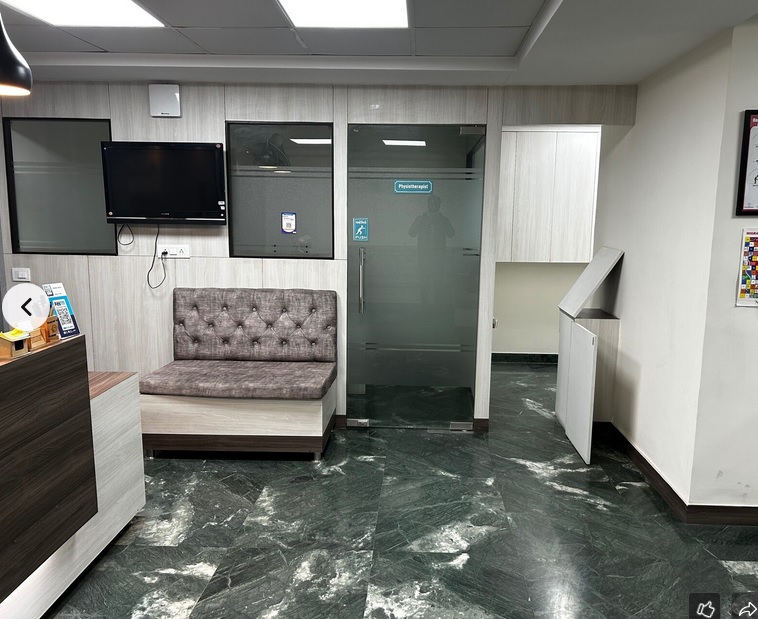
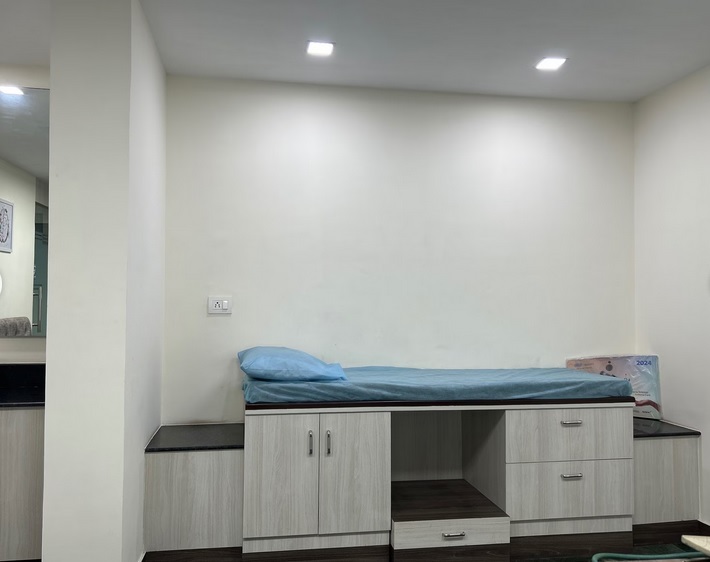
Getting care from an experienced headache specialist in Delhi ensures that you receive the correct diagnosis and proper treatment. Dr. Aparna Gupta, known as a trusted headache specialist in Delhi, focuses on understanding the root cause of headaches and providing the right care for long-term relief. At NEURO CLINIC PLUS, patients receive careful evaluation and personalized treatment designed to improve comfort and daily life.
If your headaches are frequent or not improving with simple remedies, do not delay seeking medical advice. Early diagnosis and expert care from a headache specialist can help you live a more comfortable and pain-free life.
Book an Appointment with Dr. Aparna Gupta at NEURO CLINIC PLUS Today
www.draparnagupta.com/book-appointment/





Leave a Reply
Want to join the discussion?Feel free to contribute!