
Living with Epilepsy: A Simple Guide for Patients and Families
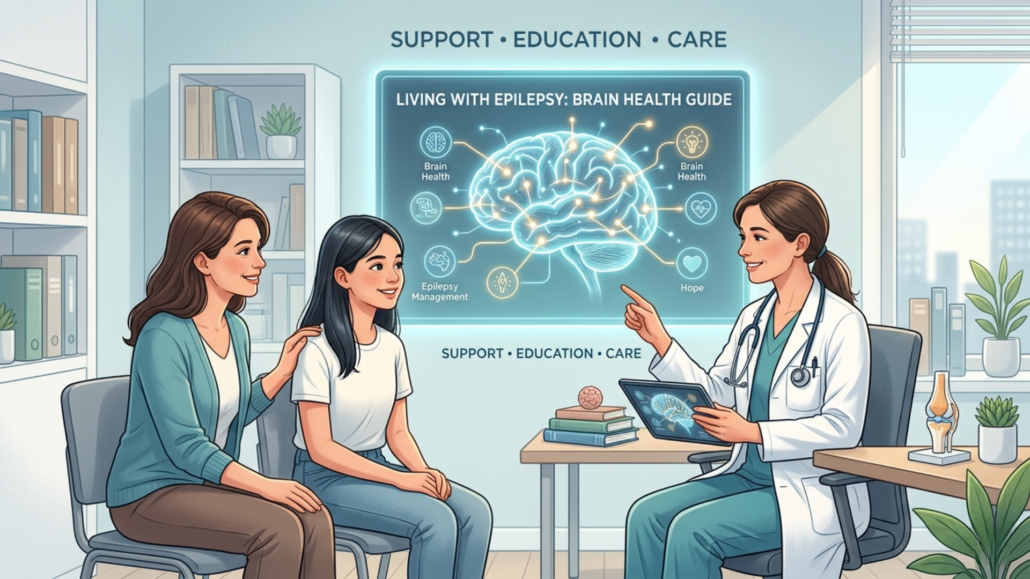
Seizures can happen suddenly and without warning, leaving patients and families feeling anxious, confused, and unsure about what to do next. For many people, the first seizure raises important questions about health, safety, and long-term care. Epilepsy is a neurological condition that affects the brain and causes repeated seizures due to unusual electrical activity. While the experience can be frightening, gaining the right knowledge about epilepsy can make a significant difference in managing the condition effectively.
This guide is created to support patients and their families by explaining epilepsy in simple and easy-to-understand language. From recognizing early symptoms to learning about treatment options and daily safety tips, this blog will help you feel more informed, prepared, and confident in handling life with epilepsy.
What is Epilepsy?
Epilepsy is a chronic neurological disorder that affects the brain’s electrical activity, leading to sudden and unpredictable seizures. These seizures occur when there is a temporary disruption in the normal communication between brain cells. While some people may experience brief lapses in attention, unusual sensations, or muscle twitching, others might have more intense convulsions.
Epilepsy is not a single condition—there are different types of seizures, including generalized seizures, which affect the whole brain, and focal seizures, which impact only a specific area. It can develop at any age, and its severity varies widely from person to person.
Understanding what epilepsy is helps patients and families recognize symptoms early, seek proper treatment, and manage the condition effectively. With the right care, most people with epilepsy can lead safe, active, and fulfilling lives.
Common Causes and Risk Factors of Epilepsy
While epilepsy can affect anyone, understanding its causes and risk factors can help patients and families take proactive steps toward management and care. Some common causes and triggers include:
- Genetic Factors: A family history of epilepsy can increase the likelihood of developing the condition.
- Brain Injuries: Serious blows or injuries to the head may disrupt normal brain activity and lead to seizures.
- Neurological Conditions: Stroke, brain tumors, or infections like meningitis may lead to epilepsy.
- Developmental Disorders: Conditions such as autism or neurodevelopmental delays may be linked to epilepsy.
- Prenatal Factors: Complications during pregnancy or birth can increase the risk.
- Seizure Triggers: Stress, sleep deprivation, flashing lights, or certain medications can sometimes provoke seizures in susceptible individuals.
Recognizing these causes and risk factors is important for both patients and caregivers. Early awareness helps in seeking timely medical advice, creating a safer environment, and managing epilepsy effectively.
Symptoms of Epilepsy
Recognizing the symptoms of epilepsy early is crucial for timely diagnosis and treatment. Seizures can vary widely depending on the type of epilepsy and the individual. Common symptoms include:
- Uncontrolled Convulsions: Sudden shaking or jerking movements of the body or limbs.
- Loss of Consciousness: Brief blackouts or unresponsiveness during a seizure.
- Staring Spells: Episodes of zoning out, where the person seems disconnected from their surroundings.
- Muscle Stiffness or Weakness: Sudden rigidity or limpness in certain body parts.
- Sensory Changes: Unusual sensations such as tingling, visual disturbances, or a sudden smell or taste.
- Confusion or Memory Gaps: Difficulty speaking, understanding, or recalling events immediately after a seizure.
- Emotional Symptoms: Sudden fear, anxiety, or déjà vu before or during a seizure.
It’s important for patients and families to track symptoms and share them with a healthcare provider. Recognizing patterns can help in accurate diagnosis and effective treatment planning.
Diagnosis of Epilepsy
Diagnosing epilepsy begins with a thorough medical history and a detailed description of the seizures. Doctors will ask about the frequency, duration, and type of episodes, as well as any triggers or family history of epilepsy. A physical and neurological examination helps rule out other conditions that may cause similar symptoms.
To confirm the diagnosis, medical professionals often use specialized tests. An EEG (electroencephalogram) records the brain’s electrical activity and can detect abnormal patterns associated with seizures. Imaging tests like MRI or CT scans are used to look for structural problems in the brain, such as tumors or lesions. Blood tests may also be performed to check for infections, metabolic issues, or other underlying causes.
Early and accurate diagnosis is essential. It allows patients and families to begin proper treatment, manage seizures effectively, and make informed lifestyle adjustments for safety and well-being.
Treatment Options for Epilepsy
Managing epilepsy effectively involves a combination of medical treatments, lifestyle changes, and ongoing support. Common treatment options include:
- Medications (Anti-Epileptic Drugs – AEDs):
- Most patients are treated with AEDs to prevent or reduce the frequency of seizures.
- Dosage and type of medication are tailored to the individual’s condition.
- Surgical Options:
- In severe cases where medications are not effective, surgery may be considered.
- Surgery aims to remove the part of the brain causing seizures or interrupt nerve pathways.
- Lifestyle Adjustments:
- Maintaining good sleep habits, keeping stress levels under control, and identifying personal seizure triggers are essential for better seizure management.
- Maintaining a healthy diet and regular exercise can improve overall well-being.
- Therapies and Emerging Treatments:
- Vagus nerve stimulation (VNS), responsive neurostimulation (RNS), and other modern therapies.
- Complementary approaches, such as relaxation techniques, may support conventional treatment.
- Regular Medical Follow-Up:
- Monitoring the condition helps adjust treatment and track progress.
- Open communication with healthcare providers ensures safety and better seizure management.
By combining these approaches, patients can achieve better seizure control and lead an active, fulfilling life.
Living with Epilepsy: Tips for Patients and Families
Living with epilepsy can be challenging, but adopting certain strategies can make daily life safer and more manageable. Here are practical tips for patients and their families:
- Create a Safe Environment:
- Remove sharp objects and hazards at home.
- Use safety measures in the kitchen and bathroom, and avoid high-risk activities alone.
- Track Seizures and Symptoms:
- Keep a diary of seizure frequency, triggers, and duration.
- Helps doctors adjust treatment and identify patterns.
- Medication Adherence:
- Take prescribed anti-epileptic drugs on time.
- Never stop or change dosage without consulting a doctor.
- Educate Family and Friends:
- Teach loved ones how to respond during a seizure.
- Encourage understanding and reduce stigma.
- Prioritize Mental Health:
- Manage stress through mindfulness, meditation, or counseling.
- Address anxiety or depression, which are common among patients with epilepsy.
- Maintain a Healthy Lifestyle:
- Regular exercise, balanced diet, and adequate sleep can reduce seizure triggers.
- Avoid excessive alcohol or recreational drugs.
By following these tips, patients and families can feel more confident, empowered, and supported while living with epilepsy.
Myths and Facts About Epilepsy
There are many misconceptions about epilepsy that can create fear and stigma, making life more difficult for patients and their families. One common myth is that epilepsy is contagious, which is entirely false—epilepsy cannot be spread from one person to another. Another misconception is that people with epilepsy cannot lead normal, productive lives. In reality, with proper treatment and support, most patients can work, study, and engage in everyday activities just like anyone else.
Some believe that all seizures involve dramatic convulsions, but seizures can be subtle, such as brief staring spells or unusual sensations. Awareness and education are key to understanding epilepsy and responding appropriately when someone experiences a seizure. By separating myths from facts, patients and families can reduce fear, build confidence, and foster a more supportive environment for managing the condition.
Conclusion
Living with epilepsy can feel challenging, but with the right knowledge, support, and treatment, patients and families can lead safe, fulfilling lives. Understanding the causes, recognizing the symptoms, and following proper treatment plans are key steps in managing this condition effectively. Education, awareness, and lifestyle adjustments play a vital role in reducing seizure risks and improving overall well-being.
For expert guidance and personalized care, patients can consult Dr. Aparna Gupta, Neurologist and Epilepsy Specialist at NEURO CLINIC PLUS. With her extensive experience, Dr. Gupta provides comprehensive evaluation, advanced treatment options, and ongoing support tailored to each patient’s needs. By seeking professional care and staying informed, you can confidently manage epilepsy and create a supportive environment for yourself or your loved ones.
📞 Contact NEURO CLINIC PLUS: +91-92050 22311
🌐 Visit the website: www.draparnagupta.com







Leave a Reply
Want to join the discussion?Feel free to contribute!