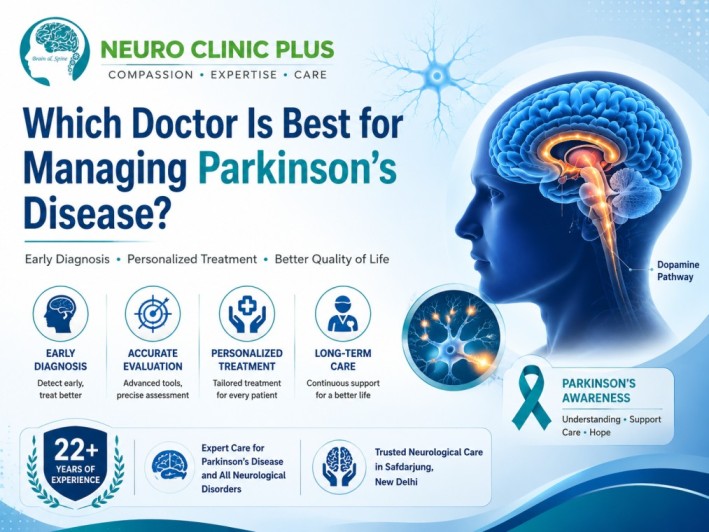
Have you or a loved one recently noticed hand tremors, slow movement, muscle stiffness, or balance problems? These symptoms may seem minor at first, but they can sometimes be early signs of Parkinson’s disease, a progressive neurological condition that affects movement and daily life. One of the most common questions people ask is, “Which doctor is best for managing Parkinson’s disease?”
The answer is simple: an experienced neurologist is the right specialist to diagnose, treat, and monitor Parkinson’s disease. Seeking medical advice early can help manage symptoms more effectively and improve long-term quality of life. If you’re searching for the best Parkinson’s specialist in Safdarjung, it’s important to choose a doctor with expertise in movement disorders, personalized treatment planning, and long-term neurological care. Patients who also require care from a Stroke specialist in Safdarjung often benefit from consulting a neurologist experienced in managing a wide range of neurological conditions.
In this guide, you’ll learn what Parkinson’s disease is, its symptoms, causes, diagnosis, treatment options, and how to choose the right neurologist. We’ll also introduce Dr. Aparna Gupta, discuss Neuro Clinic Plus, and answer the most frequently asked questions to help you make informed healthcare decisions.
What Is Parkinson’s Disease?
Understanding Parkinson’s Disease in Simple Words
Parkinson’s disease is a progressive neurological disorder that mainly affects the way your body moves. It develops when certain nerve cells in the brain gradually become damaged or die, leading to a drop in dopamine, a chemical messenger responsible for controlling smooth and coordinated movements. As dopamine levels decrease, everyday activities such as walking, writing, speaking, and maintaining balance can become more difficult.
Although Parkinson’s disease is commonly associated with older adults, it can also occur in younger individuals. The condition progresses slowly, and its symptoms may vary from person to person. This is why an early diagnosis and a personalized treatment plan are essential for maintaining independence and improving quality of life. If you are looking for the best Parkinson’s specialist in Safdarjung, consulting an experienced neurologist can help you receive an accurate diagnosis and evidence-based treatment tailored to your needs. Many neurologists who are recognized as a Stroke specialist in Safdarjung also have expertise in diagnosing and managing complex neurological disorders, including Parkinson’s disease.
Unlike temporary movement problems, Parkinson’s disease is a long-term condition that requires regular monitoring and ongoing medical care. While there is currently no cure, modern treatments, medications, physiotherapy, lifestyle modifications, and rehabilitation can significantly reduce symptoms and help patients lead active, fulfilling lives.
How Does Parkinson’s Disease Affect the Brain?
The brain contains a small region called the substantia nigra, which produces dopamine. This neurotransmitter helps different parts of the brain communicate and coordinate body movements.
In Parkinson’s disease:
- Dopamine-producing brain cells gradually degenerate.
- Movement becomes slower and less coordinated.
- Muscles may become stiff or rigid.
- Balance and posture can be affected over time.
- Non-motor symptoms, such as sleep disturbances, constipation, mood changes, and reduced sense of smell, may also appear.
Because these symptoms often develop gradually, many people overlook the early warning signs. Consulting a neurologist as soon as symptoms appear can help identify the condition in its early stages and improve long-term outcomes.
Quick Facts About Parkinson’s Disease
| Fact | Details |
| Disease Type | Progressive neurological disorder |
| Primary Cause | Loss of dopamine-producing nerve cells |
| Most Common Symptoms | Tremors, stiffness, slow movement, balance problems |
| Can It Be Cured? | No, but symptoms can be effectively managed |
| Who Is at Risk? | Most common after age 60, but younger adults can also develop it |
| Best Doctor to Consult | Neurologist with experience in movement disorders |
| Importance of Early Diagnosis | Helps improve symptom control, treatment planning, and quality of life |
Why Choosing the Right Doctor Matters
Can Every Doctor Treat Parkinson’s Disease?
Many people visit a general physician when they first notice symptoms such as hand tremors, muscle stiffness, slow walking, or balance problems. While this is a good first step, Parkinson’s disease requires specialized neurological evaluation. Since its symptoms can resemble those of other movement disorders, an accurate diagnosis is essential before starting treatment.
An experienced neurologist understands how Parkinson’s disease progresses and can identify subtle signs that may be missed during a routine medical examination. If you are searching for the best Parkinson’s specialist in Safdarjung, choosing a neurologist with experience in movement disorders can help ensure that you receive the right diagnosis, effective treatment, and long-term follow-up care. Likewise, many patients who consult a Stroke specialist in Safdarjung benefit from comprehensive neurological expertise, as stroke and Parkinson’s disease can both affect movement, coordination, and overall brain health.
Why a Neurologist Is the Right Choice
A neurologist specializes in diagnosing and treating disorders of the brain, spinal cord, and nervous system. Parkinson’s disease is one of the most common neurological conditions managed by these specialists.
An experienced neurologist can:
- Confirm whether symptoms are caused by Parkinson’s disease or another condition.
- Identify the stage and severity of the disease.
- Prescribe medications based on individual symptoms and lifestyle.
- Adjust treatment plans as the disease progresses.
- Recommend physiotherapy, speech therapy, and occupational therapy when needed.
- Monitor for medication side effects and complications.
- Provide long-term support to improve mobility and quality of life.
Because Parkinson’s disease changes over time, regular follow-up appointments are just as important as the initial diagnosis.
General Physician vs Neurologist vs Movement Disorder Specialist
Choosing the right healthcare professional depends on your symptoms and diagnosis. The table below explains the difference.
| Doctor | Role | When to Consult |
| General Physician | Performs initial health assessment and may recognize early neurological symptoms. | When symptoms first appear or for a general medical evaluation. |
| Neurologist | Diagnoses and treats disorders affecting the brain and nervous system, including Parkinson’s disease. | If you have persistent tremors, stiffness, slow movement, or balance issues. |
| Movement Disorder Specialist | A neurologist with advanced expertise in Parkinson’s disease and other movement disorders. | For complex cases, advanced therapies, or when symptoms become difficult to manage. |
Benefits of Choosing the Right Specialist Early
Receiving the right care at the right time can have a lasting impact on your health. Early consultation with a qualified neurologist offers several advantages:
- Accurate diagnosis before symptoms worsen.
- Early treatment to improve symptom control.
- A personalized medication and rehabilitation plan.
- Regular monitoring to adjust treatment as needed.
- Better mobility, independence, and quality of life.
- Guidance for family members and caregivers.
Many people delay seeking medical attention because they assume their symptoms are part of normal aging. However, persistent tremors, stiffness, or difficulty with movement should never be ignored. Early evaluation by a neurologist can help distinguish Parkinson’s disease from other neurological conditions and ensure timely treatment.
Who Is the Best Doctor for Managing Parkinson’s Disease?
Parkinson’s disease is a progressive neurological disorder that affects the brain, nervous system, and body movements. Since the condition requires specialized evaluation and long-term management, many people wonder which medical professional they should consult first. The answer is an experienced neurologist who understands movement disorders and can provide comprehensive care from diagnosis to ongoing treatment.
If you are searching for the best Parkinson’s specialist in Safdarjung, choosing a neurologist with expertise in Parkinson’s disease can help ensure an accurate diagnosis, personalized treatment, and regular follow-up care. Many patients also consult a Stroke specialist in Safdarjung because experienced neurologists often manage a wide range of neurological conditions, allowing them to evaluate symptoms comprehensively.
Why Is a Neurologist the Right Choice?
A neurologist specializes in diagnosing and treating disorders of the brain, spinal cord, and nervous system. Because Parkinson’s disease develops due to the gradual loss of dopamine-producing brain cells, it requires a doctor who understands how neurological disorders affect movement, balance, coordination, and overall brain function.
An experienced neurologist performs a detailed clinical evaluation, reviews your medical history, and assesses your symptoms before confirming a diagnosis. They can also distinguish Parkinson’s disease from other neurological conditions that may present with similar symptoms, ensuring that patients receive the most appropriate treatment from the beginning.
How Does a Neurologist Manage Parkinson’s Disease?
Managing Parkinson’s disease involves much more than prescribing medication. Every patient experiences the condition differently, which is why treatment plans must be tailored to individual needs. A neurologist carefully evaluates the severity of symptoms, monitors disease progression, and adjusts treatment whenever necessary.
During treatment, the neurologist focuses on improving mobility, reducing tremors, controlling muscle stiffness, enhancing balance, and maintaining independence in daily life. Depending on the patient’s condition, the doctor may also recommend physiotherapy, speech therapy, occupational therapy, lifestyle modifications, and regular exercise to improve long-term outcomes.
Patients looking for the best Parkinson’s specialist in Safdarjung often benefit from a personalized treatment approach that combines medical expertise with continuous monitoring. Likewise, consulting a Stroke specialist in Safdarjung can be valuable for individuals who require expert neurological care for multiple conditions affecting the brain and nervous system.
Why Does Experience Matter in Parkinson’s Treatment?
Parkinson’s disease is a lifelong condition that changes gradually over time. As symptoms evolve, medications may need adjustment, and additional therapies may become necessary. This is why clinical experience plays a crucial role in successful Parkinson’s management.
An experienced neurologist can recognize subtle changes in symptoms before they significantly impact daily life. They also understand how to balance medications, minimize side effects, and recommend advanced treatment options when appropriate. Regular follow-up appointments allow the doctor to monitor progress and make timely changes that help patients maintain a better quality of life.
When Should You Consult a Neurologist?
Many people ignore the early symptoms of Parkinson’s disease because they believe they are simply signs of aging. However, persistent tremors, muscle stiffness, slower movements, balance problems, reduced facial expressions, or noticeable changes in handwriting should always be evaluated by a neurologist.
Seeking medical advice early allows the condition to be diagnosed before symptoms become more severe. Early intervention also gives patients access to treatments that can effectively control symptoms, improve mobility, and help maintain independence for a longer period.
Can Parkinson’s Disease Be Managed Successfully?
Although Parkinson’s disease cannot currently be cured, it can often be managed effectively with the right medical care. Early diagnosis, personalized medications, rehabilitation therapies, regular exercise, and ongoing neurological follow-up all contribute to better symptom control and improved quality of life.
Patients who receive timely care from an experienced neurologist are more likely to maintain their daily activities and independence while slowing the impact of the disease on their overall well-being.
What Are the Early Signs of Parkinson’s Disease?
Parkinson’s disease usually develops gradually, and the earliest symptoms are often so mild that they are mistaken for normal aging or temporary fatigue. In many cases, people ignore these warning signs until they begin to interfere with everyday activities. Recognizing the symptoms early and consulting a neurologist can lead to timely diagnosis and better long-term management.
If you notice persistent changes in movement or coordination, it is advisable to seek medical evaluation. People searching for the best Parkinson’s specialist in Safdarjung should look for an experienced neurologist who can accurately assess these early symptoms and recommend an appropriate treatment plan. Similarly, a Stroke specialist in Safdarjung can evaluate neurological symptoms that may overlap with other brain-related conditions.
Hand Tremors at Rest
One of the most recognizable early symptoms of Parkinson’s disease is a slight tremor, usually beginning in one hand or a few fingers. The shaking often occurs while the hand is resting and may decrease during movement. Over time, the tremor may become more noticeable and gradually affect other parts of the body.
Although not every person with Parkinson’s disease experiences tremors, persistent shaking without an obvious cause should never be ignored.
Slower Body Movements
Another common early sign is slowness of movement, medically known as bradykinesia. Daily activities that once felt effortless—such as walking, getting dressed, writing, or standing up from a chair—may begin to take longer than usual.
Many patients also notice that their steps become shorter, and they may find it difficult to initiate movement. These subtle changes often become more apparent to family members before the individual recognizes them.
Muscle Stiffness and Rigidity
Parkinson’s disease can cause muscle stiffness, making it difficult to move joints comfortably. This stiffness may occur in the arms, legs, neck, or shoulders and can sometimes be accompanied by pain or reduced flexibility.
Unlike stiffness caused by exercise or aging, Parkinson’s-related rigidity often persists throughout the day and may limit the range of motion during routine activities.
Changes in Balance and Walking
As Parkinson’s disease progresses, maintaining balance may become increasingly challenging. Some people begin walking with short, shuffling steps, while others notice difficulty turning around or standing up after sitting for long periods.
Because balance problems increase the risk of falls, early medical assessment is essential to reduce complications and improve mobility through appropriate treatment and rehabilitation.
Smaller Handwriting
A noticeable change in handwriting, known as micrographia, is another early indicator of Parkinson’s disease. Letters may become smaller, crowded, and harder to read, even though the person’s vision remains normal.
This symptom often develops gradually and may be one of the earliest clues that neurological evaluation is needed.
Reduced Facial Expressions and Softer Voice
People with Parkinson’s disease may develop a reduced facial expression, sometimes referred to as a “masked face.” Friends and family may notice that the person smiles less frequently or appears emotionally distant despite feeling normal.
In addition, the voice may become softer, quieter, or more monotonous, making communication more difficult over time.
Non-Motor Symptoms You Shouldn’t Ignore
Parkinson’s disease affects more than just movement. Several non-motor symptoms may appear months or even years before noticeable tremors develop.
These symptoms can include loss of smell, constipation, sleep disturbances, anxiety, depression, fatigue, and difficulty concentrating. While these issues may seem unrelated, they can be important early indicators when combined with movement-related symptoms.
When Should You See a Neurologist?
You should consult a neurologist if you experience persistent tremors, slow movements, muscle stiffness, balance problems, changes in handwriting, or unexplained neurological symptoms that continue for several weeks. Early evaluation helps rule out other neurological conditions and allows treatment to begin before symptoms significantly affect daily life.
If you’re looking for the best Parkinson’s specialist in Safdarjung, scheduling an early consultation with an experienced neurologist can lead to a more accurate diagnosis and a personalized care plan. Patients who also require care from a Stroke specialist in Safdarjung may benefit from comprehensive neurological expertise, especially when symptoms need detailed evaluation.
What Causes Parkinson’s Disease?
Parkinson’s disease develops when dopamine-producing nerve cells in a specific part of the brain, called the substantia nigra, gradually become damaged or die. Dopamine is a chemical messenger that helps control smooth, coordinated body movements. As dopamine levels decrease, communication between the brain and muscles becomes less efficient, leading to the movement-related symptoms commonly seen in Parkinson’s disease.
Researchers are still working to understand the exact cause of Parkinson’s disease. In most cases, the condition develops due to a combination of genetic, environmental, and age-related factors, rather than a single identifiable cause. If you are experiencing persistent neurological symptoms, consulting the best Parkinson’s specialist in Safdarjung can help determine whether your symptoms are related to Parkinson’s disease or another neurological condition. Patients who also need evaluation from a Stroke specialist in Safdarjung can benefit from a comprehensive neurological assessment.
Age Is the Biggest Risk Factor
One of the most significant risk factors for Parkinson’s disease is increasing age. The condition is most commonly diagnosed in people over the age of 60, although younger adults can also develop it.
As people age, natural changes occur in the brain. While aging alone does not cause Parkinson’s disease, it increases the likelihood of dopamine-producing nerve cells becoming vulnerable to damage. This is why regular neurological check-ups become increasingly important, especially if early symptoms begin to appear.
Genetics May Play a Role
Although most cases of Parkinson’s disease are not inherited, genetics can contribute to the condition in some individuals. Certain genetic mutations have been associated with an increased risk of developing Parkinson’s disease, particularly in families where multiple members have been affected.
Having a family history does not necessarily mean that someone will develop Parkinson’s disease. Instead, it indicates a higher risk that should be discussed with a neurologist, especially if early symptoms are present.
Environmental Factors
Researchers believe that long-term exposure to certain environmental toxins may increase the risk of Parkinson’s disease in some people. These may include certain pesticides, industrial chemicals, and heavy metals.
However, environmental exposure alone is rarely enough to cause Parkinson’s disease. It is generally thought to interact with other risk factors, such as age and genetic susceptibility.
Changes Inside the Brain
Another important feature of Parkinson’s disease is the accumulation of abnormal protein deposits called Lewy bodies inside brain cells. These protein clumps interfere with normal cell function and are considered one of the hallmarks of Parkinson’s disease.
Scientists continue to study how Lewy bodies contribute to the progression of the disease and whether they can be targeted through future treatments.
Other Risk Factors
Several additional factors may slightly increase the likelihood of developing Parkinson’s disease. These include being male, having a history of repeated head injuries, and prolonged exposure to environmental toxins. While these factors do not directly cause Parkinson’s disease, they may contribute to an individual’s overall risk when combined with other underlying causes.
It is important to remember that many people with Parkinson’s disease have no known risk factors, while others with multiple risk factors may never develop the condition.
Can Parkinson’s Disease Be Prevented?
At present, there is no proven way to prevent Parkinson’s disease. However, maintaining a healthy lifestyle may help support overall brain health and reduce the risk of neurological disorders.
Regular physical activity, a balanced diet rich in fruits and vegetables, adequate sleep, stress management, and routine medical check-ups can contribute to better long-term neurological health. More importantly, recognizing symptoms early and seeking prompt medical evaluation allows treatment to begin sooner, helping patients manage symptoms more effectively.
When Should You Consult a Neurologist?
If you notice persistent tremors, muscle stiffness, slower movements, balance problems, or other unexplained neurological symptoms, you should schedule an appointment with a neurologist without delay. Early diagnosis helps distinguish Parkinson’s disease from other neurological conditions and allows a personalized treatment plan to be developed.
Choosing the best Parkinson’s specialist in Safdarjung ensures access to specialized neurological care, while patients with broader neurological concerns may also benefit from consulting a Stroke specialist in Safdarjung for comprehensive evaluation.
What Are the Different Types of Parkinson’s Disease?
Parkinson’s disease is not the same for every patient. Although many people experience similar symptoms such as tremors, muscle stiffness, slow movements, and balance problems, the condition can present in different forms. Understanding these types helps neurologists provide a more accurate diagnosis and develop a personalized treatment plan.
If you are looking for the best Parkinson’s specialist in Safdarjung, consulting an experienced neurologist is essential because identifying the correct type of Parkinson’s disease can significantly influence treatment decisions and long-term outcomes. Patients seeking care from a Stroke specialist in Safdarjung may also undergo a comprehensive neurological evaluation to rule out other conditions affecting movement.
Idiopathic Parkinson’s Disease
Idiopathic Parkinson’s disease is the most common type of Parkinson’s disease. The word idiopathic means that the exact cause is unknown. In this form, dopamine-producing nerve cells gradually deteriorate, leading to symptoms such as resting tremors, muscle rigidity, slow movements, and postural instability.
Symptoms usually begin on one side of the body and gradually progress over time. With early diagnosis and appropriate treatment, many patients can effectively manage their symptoms and maintain an active lifestyle.
Secondary Parkinsonism
Secondary Parkinsonism develops when Parkinson-like symptoms occur due to another underlying condition rather than the natural degeneration of brain cells.
Possible causes include certain medications, head injuries, brain infections, exposure to toxins, or stroke-related brain damage. In some cases, treating the underlying cause may improve or reduce symptoms. Because the symptoms closely resemble Parkinson’s disease, a detailed neurological assessment is necessary to establish the correct diagnosis.
Atypical Parkinsonism
Atypical Parkinsonism refers to a group of neurological disorders that share symptoms with Parkinson’s disease but behave differently. These conditions often progress more rapidly and may not respond as well to standard Parkinson’s medications.
Patients may experience early balance difficulties, speech problems, swallowing issues, or cognitive changes alongside movement-related symptoms. Accurate diagnosis is important because treatment strategies differ from those used for classic Parkinson’s disease.
Drug-Induced Parkinsonism
Some medications can cause symptoms that resemble Parkinson’s disease. This condition is known as drug-induced Parkinsonism and is usually associated with medications that affect dopamine activity in the brain.
Unlike idiopathic Parkinson’s disease, symptoms may improve after the responsible medication is adjusted or discontinued under the supervision of a healthcare professional. Patients should never stop taking prescribed medicines without consulting their doctor.
Vascular Parkinsonism
Vascular Parkinsonism occurs when reduced blood flow or multiple small strokes affect areas of the brain responsible for movement. People with this condition often experience walking difficulties, lower-body stiffness, poor balance, and frequent falls.
Managing vascular Parkinsonism involves treating both the movement symptoms and the underlying vascular risk factors, such as high blood pressure, diabetes, and high cholesterol.
Why Is Identifying the Correct Type Important?
Although these conditions may appear similar, their causes, progression, and treatment options are different. An accurate diagnosis allows the neurologist to recommend the most appropriate medications, rehabilitation therapies, and long-term management plan.
Consulting the best Parkinson’s specialist in Safdarjung at an early stage can help ensure timely diagnosis, effective symptom control, and improved quality of life. Likewise, patients with complex neurological symptoms may also benefit from the expertise of a Stroke specialist in Safdarjung, particularly when stroke-related conditions need to be ruled out.
How Is Parkinson’s Disease Diagnosed?
Diagnosing Parkinson’s disease involves a detailed evaluation of your symptoms, medical history, and neurological function. There is no single blood test or imaging scan that can confirm Parkinson’s disease. Instead, neurologists use a combination of clinical expertise, physical examination, and diagnostic tests to determine whether your symptoms are caused by Parkinson’s disease or another neurological condition.
If you notice persistent tremors, muscle stiffness, slower movements, or balance problems, consulting the best Parkinson’s specialist in Safdarjung can help you receive an accurate diagnosis and begin treatment as early as possible. Patients with complex neurological symptoms may also benefit from consulting a Stroke specialist in Safdarjung, as several neurological disorders can produce symptoms similar to Parkinson’s disease.
Medical History and Symptom Assessment
The diagnosis begins with a detailed discussion about your symptoms and overall health. Your neurologist will ask when the symptoms first appeared, whether they started on one side of the body, and how they have changed over time.
The doctor will also review your family history, current medications, previous illnesses, history of head injuries or stroke, exposure to environmental toxins, and any changes in sleep, smell, mood, or bowel habits. This information helps identify patterns that are commonly associated with Parkinson’s disease while ruling out other possible causes.
Neurological Examination
A neurological examination is the most important step in diagnosing Parkinson’s disease. During this examination, the neurologist carefully observes how your brain and nervous system control movement.
The doctor evaluates resting tremors, muscle rigidity, slowness of movement (bradykinesia), posture, balance, walking pattern, facial expressions, speech, and coordination. These clinical findings help determine whether your symptoms match the typical characteristics of Parkinson’s disease.
Because Parkinson’s disease develops gradually, an experienced neurologist can often recognize subtle signs that may not be noticeable during a routine medical examination.
Imaging Tests
Although imaging tests cannot directly confirm Parkinson’s disease, they are sometimes recommended to rule out other neurological conditions that may produce similar symptoms.
An MRI Brain may be advised to identify structural abnormalities such as brain tumors, stroke, multiple sclerosis, or other neurological disorders. In certain situations, a CT scan may also be recommended, particularly when a recent stroke or brain injury is suspected.
These imaging studies help ensure that symptoms are not being caused by another underlying condition.
DaT Scan
In selected cases, your neurologist may recommend a DaT (Dopamine Transporter) Scan. This specialized imaging test evaluates dopamine activity within the brain and can provide additional information when the diagnosis is uncertain.
However, a DaT Scan is not necessary for every patient. Most people are diagnosed based on their medical history, symptoms, and neurological examination alone.
Blood Tests
Many people ask whether a blood test can diagnose Parkinson’s disease. The answer is no.
Currently, there is no blood test that confirms Parkinson’s disease. Blood investigations are primarily performed to exclude other medical conditions such as thyroid disorders, vitamin deficiencies, infections, or metabolic diseases that may cause symptoms similar to Parkinson’s disease.
Why Is Early Diagnosis Important?
Receiving an early diagnosis gives patients the opportunity to begin treatment before symptoms significantly affect their daily lives. Although Parkinson’s disease cannot currently be cured, early treatment can effectively control symptoms, improve mobility, preserve independence, and enhance overall quality of life.
People who are diagnosed in the early stages often benefit from a personalized treatment plan that includes medications, lifestyle modifications, rehabilitation therapies, and regular neurological follow-up. If you are looking for the best Parkinson’s specialist in Safdarjung, seeking expert care without delay can help improve long-term outcomes. Patients requiring broader neurological evaluation may also find value in consulting a Stroke specialist in Safdarjung.
Can Parkinson’s Disease Be Misdiagnosed?
Yes. During the early stages, Parkinson’s disease can resemble several other neurological conditions, including essential tremor, atypical Parkinsonism, vascular Parkinsonism, medication-induced movement disorders, and certain stroke-related conditions.
For this reason, an accurate diagnosis should always be made by an experienced neurologist. A comprehensive clinical evaluation helps distinguish Parkinson’s disease from other disorders and ensures that patients receive the most appropriate treatment from the beginning.
Why Is Early Diagnosis of Parkinson’s Disease Important?
Receiving an early diagnosis of Parkinson’s disease can make a significant difference in how effectively the condition is managed over time. Although there is currently no cure for Parkinson’s disease, starting treatment in the early stages helps control symptoms, maintain independence, and improve overall quality of life. Many people dismiss early signs such as mild tremors, slower movements, or muscle stiffness as a normal part of aging, which can delay treatment.
If you notice persistent neurological symptoms, consulting the best Parkinson’s specialist in Safdarjung can help identify the condition before it progresses. Patients with other neurological concerns may also benefit from evaluation by a Stroke specialist in Safdarjung, especially when symptoms need a comprehensive neurological assessment.
Better Symptom Control
One of the biggest advantages of an early diagnosis is that treatment can begin before symptoms become more severe. Medications are often more effective during the early stages of Parkinson’s disease and can help reduce tremors, muscle stiffness, slow movements, and balance problems.
Starting treatment at the right time allows patients to remain active and continue performing everyday activities with greater ease. Regular follow-up appointments also allow neurologists to adjust medications as symptoms change over time.
Improved Quality of Life
Parkinson’s disease affects more than movement. It can also influence sleep, mood, energy levels, speech, and emotional well-being. Early medical care helps patients manage these symptoms before they begin to interfere with work, social activities, and daily routines.
With a personalized treatment plan that includes medication, exercise, physiotherapy, and lifestyle modifications, many individuals continue to lead productive and independent lives for years after diagnosis.
Slower Functional Decline
Although current treatments cannot stop the progression of Parkinson’s disease, early intervention can help slow the decline in physical function by managing symptoms more effectively.
Maintaining mobility, flexibility, balance, and muscle strength through regular exercise and rehabilitation reduces the risk of falls and helps patients stay independent for longer. Early guidance from a neurologist also encourages healthy habits that support long-term brain health.
Access to Personalized Treatment
Every patient experiences Parkinson’s disease differently. Some people develop tremors first, while others notice stiffness, slower movements, or balance difficulties. An early diagnosis allows the neurologist to design a personalized treatment plan based on the patient’s symptoms, age, lifestyle, and overall health.
If you are searching for the best Parkinson’s specialist in Safdarjung, choosing an experienced neurologist ensures that treatment is tailored to your individual needs rather than following a one-size-fits-all approach.
Preventing Complications
As Parkinson’s disease progresses, untreated symptoms may increase the risk of falls, mobility issues, swallowing difficulties, speech problems, and reduced independence. Early medical management helps minimize these complications and enables patients to adapt to changes before they significantly affect daily life.
Regular neurological monitoring also helps identify new symptoms early, allowing timely adjustments to medications and rehabilitation therapies.
Supporting Patients and Families
An early diagnosis benefits not only the patient but also family members and caregivers. Understanding the condition from the beginning allows everyone involved to prepare for future healthcare needs and participate actively in treatment decisions.
Neurologists also provide education about medication schedules, exercise, nutrition, safety measures, and lifestyle changes that help patients maintain their quality of life throughout the course of the disease.
When Should You Seek Medical Advice?
You should consult a neurologist if symptoms such as persistent hand tremors, muscle stiffness, slow movements, balance problems, changes in handwriting, or reduced facial expressions continue for several weeks. Early evaluation helps determine whether these symptoms are caused by Parkinson’s disease or another neurological condition.
Consulting the best Parkinson’s specialist in Safdarjung at the earliest opportunity can lead to faster diagnosis, better symptom control, and a more effective long-term treatment plan. Patients who require evaluation for multiple neurological disorders may also benefit from consulting a Stroke specialist in Safdarjung.
What Are the Treatment Options for Parkinson’s Disease?
Although Parkinson’s disease cannot be cured, it can be managed effectively with the right combination of medications, rehabilitation therapies, lifestyle modifications, and regular neurological care. The goal of treatment is to reduce symptoms, improve mobility, maintain independence, and enhance overall quality of life.
Every patient experiences Parkinson’s disease differently, which is why treatment is always personalized. Factors such as age, symptom severity, overall health, and daily activities are considered before creating a treatment plan. If you are looking for the best Parkinson’s specialist in Safdarjung, choosing an experienced neurologist ensures that your treatment is tailored to your specific needs. Patients with other neurological conditions may also benefit from consulting a Stroke specialist in Safdarjung for comprehensive neurological care.
Medications
Medication is usually the first line of treatment for Parkinson’s disease. Most medicines work by increasing dopamine levels in the brain or improving the way dopamine functions. These medications help reduce symptoms such as tremors, muscle stiffness, slow movements, and walking difficulties.
Since Parkinson’s disease changes over time, medication doses may need to be adjusted during regular follow-up visits. Your neurologist will carefully monitor your response to treatment and make changes whenever necessary to achieve the best possible symptom control while minimizing side effects.
Physiotherapy
Physiotherapy plays an important role in helping people with Parkinson’s disease maintain strength, flexibility, balance, and mobility. A structured exercise program can improve walking, posture, coordination, and muscle function while reducing the risk of falls.
Regular physiotherapy also helps patients remain active and confident in performing daily activities, making it an essential part of long-term Parkinson’s care.
Speech and Occupational Therapy
As Parkinson’s disease progresses, some individuals may develop speech, swallowing, or communication difficulties. Speech therapy helps improve voice clarity, breathing techniques, and swallowing function, allowing patients to communicate more comfortably.
Occupational therapy focuses on helping patients perform everyday tasks such as dressing, eating, writing, and personal care more independently. Therapists may also recommend simple home modifications that improve safety and reduce the risk of falls.
Lifestyle Modifications
Healthy lifestyle habits can significantly support medical treatment and improve overall well-being. Regular physical activity, a balanced diet, adequate sleep, stress management, and staying socially active all contribute to better symptom management.
Simple activities such as walking, stretching, yoga, balance exercises, and light strength training can help maintain flexibility and reduce stiffness. Patients should always discuss exercise plans with their neurologist to ensure they are appropriate for their condition.
Advanced Treatment Options
When symptoms become more difficult to control with medications alone, neurologists may consider advanced treatment options. These therapies are generally recommended for selected patients after a thorough neurological evaluation.
One of the most well-known advanced treatments is Deep Brain Stimulation (DBS), a surgical procedure that can help reduce tremors, stiffness, and movement fluctuations in suitable candidates. Not every patient requires DBS, and the decision depends on several medical factors assessed by a movement disorder specialist.
Regular Follow-Up Is Essential
Parkinson’s disease is a long-term condition, so treatment does not end after the initial diagnosis. Regular follow-up appointments allow the neurologist to monitor disease progression, adjust medications, address new symptoms, and recommend additional therapies when needed.
Patients who continue regular neurological care often experience better symptom management and improved quality of life compared to those who delay follow-up visits.
Personalized Care Makes a Difference
No two people experience Parkinson’s disease in exactly the same way. A personalized treatment plan considers each patient’s symptoms, lifestyle, work responsibilities, and overall health to provide the most effective care.
Choosing the best Parkinson’s specialist in Safdarjung ensures that treatment is continuously adapted as the condition changes over time. Patients who also require evaluation for other neurological disorders may benefit from the expertise of a Stroke specialist in Safdarjung, providing comprehensive care under one neurological team.
Why Choose Dr. Aparna Gupta for Parkinson’s Disease Treatment?
Choosing the right neurologist is one of the most important decisions after a Parkinson’s disease diagnosis. Since Parkinson’s is a progressive neurological disorder, patients benefit from a doctor who combines clinical expertise, accurate diagnosis, personalized treatment planning, and long-term follow-up care.
With 22+ years of clinical experience, Dr. Aparna Gupta has been dedicated to diagnosing and managing a wide range of neurological disorders, including Parkinson disease, stroke, epilepsy, headaches, neuropathy, dementia, and movement disorders. Her patient-centered approach focuses on understanding each individual’s symptoms, lifestyle, and medical history before creating a personalized treatment plan.
For individuals searching for the best Parkinson’s specialist in Safdarjung, Dr. Aparna Gupta provides comprehensive neurological care using evidence-based medical practices. Patients who also require consultation with a Stroke specialist in Safdarjung can benefit from her extensive experience in managing both acute and chronic neurological conditions.
22+ Years of Experience in Neurology
Experience plays a vital role in diagnosing neurological disorders because many conditions share similar symptoms during their early stages. With more than 22 years of experience, Dr. Aparna Gupta has evaluated and treated thousands of patients presenting with movement disorders and other neurological concerns.
Her extensive clinical experience helps in recognizing subtle neurological signs, distinguishing Parkinson’s disease from other movement disorders, and recommending appropriate treatment strategies at every stage of the disease.
Personalized Treatment for Every Patient
No two patients experience Parkinson’s disease in exactly the same way. Some individuals develop tremors first, while others may experience stiffness, slow movements, or balance problems. Dr. Aparna Gupta believes that every patient deserves a treatment plan designed around their specific symptoms, health condition, age, and daily lifestyle.
Treatment focuses not only on controlling symptoms but also on improving mobility, maintaining independence, and enhancing overall quality of life through long-term neurological care.
Comprehensive Neurological Expertise
In addition to Parkinson’s disease, Dr. Aparna Gupta has extensive experience in diagnosing and treating several neurological conditions, including stroke, epilepsy, migraine, neuropathy, dementia, vertigo, multiple sclerosis, and other movement disorders.
This broad neurological expertise allows for a comprehensive evaluation, especially when symptoms overlap with other conditions that may resemble Parkinson’s disease.
Patient-Centered and Compassionate Care
Every consultation is focused on helping patients understand their condition and treatment options in a clear and supportive manner. Dr. Aparna Gupta believes that informed patients make better healthcare decisions, which is why she encourages open communication and addresses questions throughout the treatment journey.
Regular follow-up appointments ensure that medications, rehabilitation plans, and lifestyle recommendations are adjusted according to the patient’s progress.
Advanced Diagnosis and Long-Term Care
Parkinson’s disease requires ongoing monitoring as symptoms change over time. Dr. Aparna Gupta emphasizes early diagnosis, accurate clinical evaluation, personalized treatment planning, and continuous follow-up to help patients manage their condition effectively.
Patients searching for the best Parkinson’s specialist in Safdarjung often value a long-term care approach that supports both symptom management and overall well-being. Those requiring broader neurological evaluation can also benefit from consulting a Stroke specialist in Safdarjung, ensuring comprehensive neurological care under one experienced specialist.
Quick Answer (Featured Snippet)
- Why choose Dr. Aparna Gupta for Parkinson’s disease treatment?
Answer: With 22+ years of experience in neurology, Dr. Aparna Gupta provides comprehensive care for Parkinson’s disease through accurate diagnosis, personalized treatment plans, evidence-based neurological care, and long-term follow-up. Her expertise in managing movement disorders and other neurological conditions helps patients receive individualized care aimed at improving their quality of life.
Neuro Clinic Plus – Comprehensive Neurological Care in Safdarjung
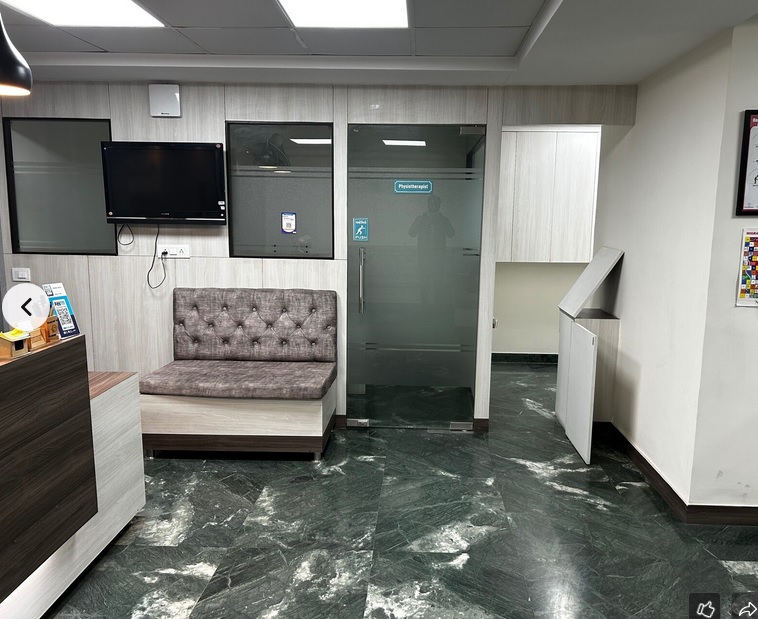
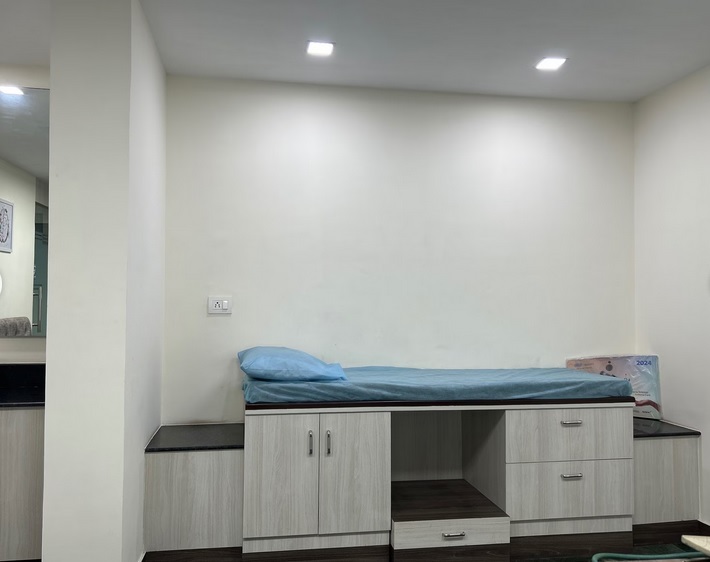
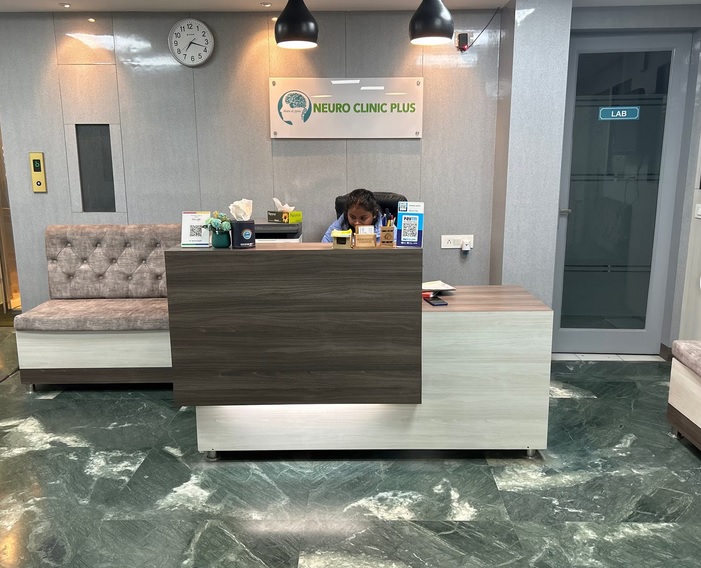
Managing Parkinson’s disease requires more than just medication. It involves accurate diagnosis, continuous monitoring, rehabilitation guidance, and long-term follow-up. At Neuro Clinic Plus, patients receive comprehensive neurological care in a supportive and patient-focused environment designed to address both early and advanced stages of neurological disorders.
Under the guidance of Dr. Aparna Gupta, who has 22+ years of experience in neurology, the clinic provides evidence-based evaluation and treatment for Parkinson’s disease, stroke, epilepsy, migraine, neuropathy, dementia, and other neurological conditions. If you are looking for the best Parkinson’s specialist in Safdarjung, Neuro Clinic Plus offers personalized care that focuses on improving both neurological health and quality of life. Patients seeking a Stroke specialist in Safdarjung can also receive expert evaluation and long-term neurological management at the same clinic.
22+ Years of Trusted Neurological Experience
With more than 22 years of clinical experience, Dr. Aparna Gupta has helped patients with a wide range of neurological disorders through accurate diagnosis, personalized treatment plans, and compassionate care.
Her clinical approach focuses on:
- Early and accurate neurological diagnosis
- Evidence-based treatment planning
- Patient education and clear communication
- Regular follow-up and long-term disease management
- Improving mobility, independence, and quality of life
This extensive experience allows patients and families to receive care that is tailored to their individual neurological needs.
What Patients Appreciate About Their Experience
Patients often value more than medical expertise—they also appreciate clear communication, empathy, and personalized attention during every consultation.
Common themes shared in patient feedback include:
- Thorough neurological evaluation before recommending treatment
- Clear explanation of symptoms, diagnosis, and treatment options
- Friendly, compassionate, and patient-focused consultations
- Adequate time given to answer patient and family questions
- Well-planned follow-up care and continuous monitoring
- Personalized treatment rather than a one-size-fits-all approach
These consistent experiences help build trust and confidence throughout the treatment journey.
Note: Individual experiences may vary, and treatment outcomes depend on each patient’s medical condition and response to therapy.
A Patient-First Approach to Parkinson’s Care
Every person living with Parkinson’s disease experiences different symptoms and challenges. At Neuro Clinic Plus, the focus is on developing individualized treatment plans that consider each patient’s age, lifestyle, medical history, and stage of the disease.
This patient-centered approach helps ensure that treatment is practical, personalized, and aligned with long-term health goals.
Why Patients Choose Neuro Clinic Plus
Patients searching for the best Parkinson’s specialist in Safdarjung often choose Neuro Clinic Plus because of its commitment to expert neurological care, personalized consultations, comprehensive evaluations, and long-term support. In addition to Parkinson’s disease, patients looking for a Stroke specialist in Safdarjung can also access specialized care for a wide range of neurological disorders under one roof.
1. Which doctor is best for managing Parkinson’s disease?
A neurologist is the best doctor to diagnose and manage Parkinson’s disease. Neurologists specialize in disorders of the brain and nervous system and can provide personalized treatment, medication management, and long-term follow-up. If you are looking for the best Parkinson’s specialist in Safdarjung, consulting an experienced neurologist can help you receive comprehensive care.
2. What are the first signs of Parkinson’s disease?
The earliest symptoms often include hand tremors, muscle stiffness, slow body movements, balance problems, reduced facial expressions, softer speech, and changes in handwriting. These symptoms usually develop gradually, so early neurological evaluation is recommended.
3. Can Parkinson’s disease be cured?
No. There is currently no cure for Parkinson’s disease. However, early diagnosis, appropriate medications, rehabilitation therapies, and regular neurological care can effectively manage symptoms and improve quality of life.
4. At what age does Parkinson’s disease usually begin?
Parkinson’s disease most commonly affects people over the age of 60. However, some individuals may develop early-onset Parkinson’s disease before the age of 50.
5. How is Parkinson’s disease diagnosed?
Parkinson’s disease is diagnosed through a medical history, neurological examination, and clinical assessment of symptoms. In some cases, tests such as an MRI Brain or DaT Scan may be recommended to rule out other neurological conditions.
6. What causes Parkinson’s disease?
The exact cause is still unknown. Researchers believe Parkinson’s disease develops due to a combination of aging, genetic factors, environmental exposures, and the gradual loss of dopamine-producing nerve cells in the brain.
7. Is Parkinson’s disease hereditary?
Most people with Parkinson’s disease do not inherit the condition. However, certain genetic changes may increase the risk in some families. Having a family history does not necessarily mean you will develop Parkinson’s disease.
8. What treatments are available for Parkinson’s disease?
Treatment may include medications, physiotherapy, speech therapy, occupational therapy, regular exercise, lifestyle modifications, and ongoing neurological follow-up. In selected cases, advanced treatments such as Deep Brain Stimulation (DBS) may also be considered.
9. Does exercise help people with Parkinson’s disease?
Yes. Regular exercise can improve balance, flexibility, muscle strength, posture, and mobility. It also helps reduce stiffness and supports overall physical and mental well-being. Your neurologist can recommend an exercise program suitable for your condition.
10. When should I consult a neurologist?
You should consult a neurologist if you experience persistent tremors, muscle stiffness, slow movements, difficulty walking, balance problems, or other neurological symptoms that continue for several weeks. Early diagnosis often leads to better symptom management.
11. Can Parkinson’s disease affect memory?
Yes. Some people may develop memory problems, difficulty concentrating, or cognitive changes, especially during the later stages of the disease. Regular neurological follow-up helps monitor these symptoms and provides appropriate management.
12. Why choose Dr. Aparna Gupta for Parkinson’s disease treatment?
With 22+ years of experience in neurology, Dr. Aparna Gupta provides evidence-based diagnosis and personalized treatment for Parkinson’s disease and other neurological disorders. Patients searching for the best Parkinson’s specialist in Safdarjung appreciate her patient-focused approach, comprehensive neurological evaluations, and long-term care. She is also recognized by many patients seeking a Stroke specialist in Safdarjung for her expertise in managing a wide range of neurological conditions.
Conclusion
Parkinson’s disease is a progressive neurological disorder, but early diagnosis and the right treatment can significantly improve symptom management and quality of life. Recognizing warning signs such as hand tremors, muscle stiffness, slow movements, and balance problems and consulting a neurologist without delay can make a meaningful difference.
If you’re searching for the best Parkinson’s specialist in Safdarjung, choosing an experienced neurologist ensures accurate diagnosis, personalized treatment, and long-term follow-up. Patients seeking a Stroke specialist in Safdarjung can also receive comprehensive neurological care for a wide range of brain and nervous system conditions.
With 22+ years of experience, Dr. Aparna Gupta offers evidence-based, patient-centered care at Neuro Clinic Plus, helping patients manage Parkinson’s disease with confidence. Schedule your consultation today to receive expert neurological care and take the first step toward better brain health.