Tag Archive for: Neurologist in Safdarjung

best stroke specialist in safdarjung

A stroke is a serious medical emergency that occurs when the blood supply to a part of the brain is interrupted or when a blood vessel in the brain ruptures. Consulting a Stroke specialist in Safdarjung as soon as symptoms appear can significantly improve treatment outcomes and reduce the risk of long-term complications.

Every minute during a stroke matters because brain cells begin to die within minutes of losing oxygen and nutrients. Early recognition of symptoms such as sudden weakness, facial drooping, speech difficulties, vision changes, and loss of balance can help patients receive timely medical attention. Rapid diagnosis allows doctors to determine the type of stroke and begin appropriate treatment without delay.

Modern advances in neurological care have improved the diagnosis and treatment of both ischemic stroke and hemorrhagic stroke, helping many patients recover and regain independence. Whether it involves emergency clot-removal procedures, medications, or rehabilitation therapies, prompt intervention plays a crucial role in recovery. Seeking care from the best Stroke specialist in Safdarjung ensures access to comprehensive evaluation, advanced treatment options, and long-term stroke prevention strategies tailored to each patient’s needs.

What Is a Stroke?

A stroke occurs when the brain’s blood supply is either blocked or interrupted, preventing brain cells from receiving the oxygen and nutrients they need to function properly. A Stroke specialist in Safdarjung can help identify the type of stroke and initiate timely treatment to minimize brain damage and improve recovery outcomes.

The brain controls essential functions such as movement, speech, memory, vision, and coordination. When blood flow is disrupted, brain cells begin to die within minutes, making stroke a life-threatening condition that requires immediate medical attention. Depending on the affected area of the brain, patients may experience symptoms such as sudden weakness, facial drooping, difficulty speaking, confusion, dizziness, or loss of balance.

There are three main types of stroke: ischemic stroke, which is caused by a blood clot blocking an artery; hemorrhagic stroke, which results from bleeding in the brain; and transient ischemic attack (TIA), often called a mini-stroke, which serves as an important warning sign of a future stroke. Consulting the best Stroke specialist in Safdarjung at the earliest signs of stroke can significantly improve treatment success and reduce the risk of long-term disability.

Key Facts About Stroke

  • Ischemic strokes account for nearly 85% of all stroke cases.
  • Stroke is one of the leading causes of disability and death worldwide.
  • Early diagnosis and treatment can save brain function and lives.
  • TIAs should never be ignored as they may precede a major stroke.

What Are the Warning Signs of a Stroke?

Recognizing the warning signs of a stroke and seeking immediate medical attention can make the difference between recovery and permanent disability. A Stroke specialist in Safdarjung can quickly evaluate symptoms, confirm the diagnosis, and initiate treatment during the critical early stages of a stroke. Since stroke is a time-sensitive medical emergency, every minute of delay can result in the loss of millions of brain cells.

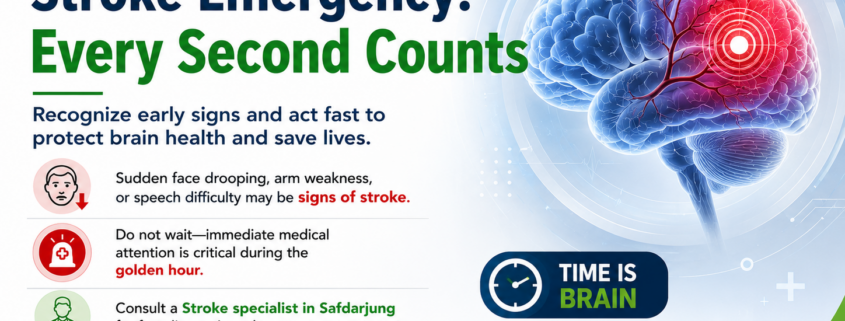
One of the most effective ways to identify a stroke is by using the FAST method, a globally recognized stroke awareness tool. F stands for Face Drooping, where one side of the face may appear uneven or numb. A refers to Arm Weakness, making it difficult to lift one or both arms. S indicates Speech Difficulty, which may include slurred speech, confusion, or inability to speak clearly. T stands for Time, emphasizing the need to seek emergency medical help immediately if any of these symptoms occur.

However, not all strokes present with classic FAST symptoms. Some patients may experience sudden vision loss, double vision, severe headache, dizziness, loss of balance, difficulty walking, or sudden confusion. In some cases, symptoms may appear briefly and then disappear. These episodes may indicate a Transient Ischemic Attack (TIA), often called a mini-stroke, which is a serious warning sign of a future major stroke.

Certain individuals face a higher risk of stroke, including those with high blood pressure, diabetes, heart disease, high cholesterol, obesity, or a history of smoking. Understanding these risk factors can help individuals seek preventive care before a stroke occurs. Consulting the best Stroke specialist in Safdarjung is especially important for high-risk patients who require regular neurological evaluation and stroke prevention strategies.

FAST Stroke Test

F – Face Drooping

  • One side of the face appears uneven.
  • Difficulty smiling normally.
  • Facial numbness may occur.

A – Arm Weakness

  • Sudden weakness in one arm.
  • Difficulty lifting or holding the arm up.
  • Loss of coordination.

S – Speech Difficulty

  • Slurred speech.
  • Trouble understanding words.
  • Inability to communicate clearly.

T – Time to Act

  • Call emergency medical services immediately.
  • Do not wait for symptoms to improve.
  • Early treatment significantly improves outcomes.

Additional Stroke Symptoms You Should Never Ignore

  • Sudden numbness or weakness on one side of the body
  • Loss of vision in one or both eyes
  • Severe headache without a known cause
  • Difficulty walking or maintaining balance
  • Sudden confusion or memory problems
  • Trouble swallowing
  • Loss of consciousness in severe cases

Understanding these warning signs and acting quickly can help reduce brain damage and improve recovery. Immediate evaluation by a qualified stroke expert is essential for accurate diagnosis, emergency treatment, and long-term prevention of future strokes.

Why Early Stroke Diagnosis Is Critical

Early diagnosis is one of the most important factors in determining a patient’s outcome after a stroke. Seeking immediate medical attention from a Stroke specialist in Safdarjung can significantly increase the chances of recovery and reduce the risk of permanent brain damage. Stroke is often described as a “brain attack” because, similar to a heart attack, the affected area is deprived of oxygen and nutrients, causing brain cells to die rapidly.

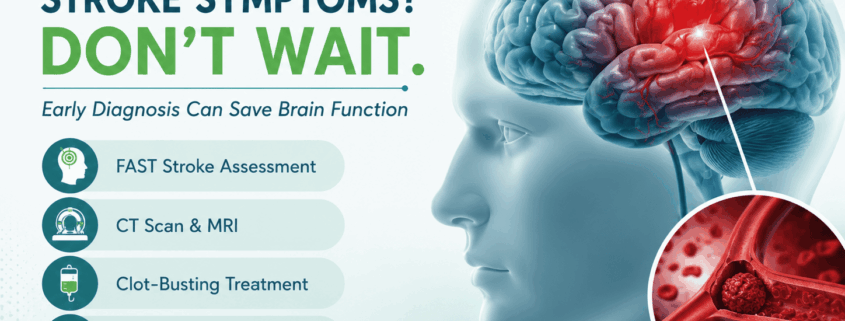
Medical experts often use the phrase “Time is Brain” to emphasize the urgency of stroke treatment. Research shows that millions of brain cells can be lost every minute during an untreated stroke. The sooner a patient receives an accurate diagnosis, the faster doctors can determine whether the stroke is ischemic (caused by a blood clot) or hemorrhagic (caused by bleeding in the brain). This distinction is crucial because the treatment approach differs significantly for each type.

Understanding the Golden Hour in Stroke Treatment

The Golden Hour refers to the critical period immediately after stroke symptoms begin. During this time, emergency interventions can dramatically improve outcomes and reduce disability. For patients with ischemic stroke, clot-busting medications such as tPA (tissue plasminogen activator) may be administered within a specific treatment window to restore blood flow to the brain. In some cases, advanced procedures like mechanical thrombectomy can remove large blood clots and save threatened brain tissue.

Prompt diagnosis during the Golden Hour offers several benefits:

  • Reduces brain cell death
  • Improves chances of full recovery
  • Decreases the risk of long-term disability
  • Enhances treatment effectiveness
  • Lowers the risk of complications and mortality

Consequences of Delayed Stroke Diagnosis

When stroke treatment is delayed, the damage to the brain can become irreversible. Depending on the affected brain region, patients may experience paralysis, speech impairment, memory problems, difficulty swallowing, vision loss, or permanent cognitive decline. Delayed treatment can also increase the likelihood of recurrent strokes and prolonged rehabilitation.

In some cases, patients ignore temporary symptoms such as sudden weakness or speech difficulty because they improve within a few minutes. However, these symptoms may indicate a Transient Ischemic Attack (TIA), which serves as a warning sign for a future major stroke. Immediate evaluation is essential even when symptoms disappear.

Why Rapid Evaluation Matters

A stroke emergency requires specialized neurological expertise and advanced diagnostic tools. Early assessment allows doctors to perform brain imaging, identify the cause of the stroke, evaluate blood vessel health, and initiate targeted treatment without delay. Consulting the best Stroke specialist in Safdarjung at the earliest signs of stroke can help preserve brain function, improve recovery outcomes, and reduce the risk of life-altering complications.

Key Takeaways

  • Stroke is a medical emergency that requires immediate attention.
  • Time is Brain—every minute of delay increases brain damage.
  • The Golden Hour offers the best opportunity for effective treatment.
  • Early diagnosis helps differentiate ischemic and hemorrhagic stroke.
  • Prompt intervention can save lives and reduce disability.
  • TIAs should never be ignored, even if symptoms disappear quickly.

How Is a Stroke Diagnosed?

Accurate and timely diagnosis is the foundation of effective stroke treatment. When a patient experiences symptoms such as sudden weakness, facial drooping, speech difficulties, or vision problems, immediate evaluation is essential. Consulting a Stroke specialist in Safdarjung can help ensure that the condition is diagnosed quickly and that the most appropriate treatment plan is started without delay.

The primary goal of stroke diagnosis is to determine whether the patient is experiencing an ischemic stroke, a hemorrhagic stroke, or a Transient Ischemic Attack (TIA). Since each condition requires a different treatment approach, doctors use a combination of clinical assessments, neurological examinations, imaging studies, and laboratory tests to identify the underlying cause.

Medical History and Initial Assessment

The diagnostic process begins with a detailed review of the patient’s symptoms and medical history. Doctors will ask when the symptoms started, how they progressed, and whether the patient has any known stroke risk factors.

Important factors assessed include:

  • High blood pressure (hypertension)
  • Diabetes
  • Heart disease
  • High cholesterol
  • Smoking history
  • Previous stroke or TIA
  • Family history of stroke

Understanding the exact time symptoms began is particularly important because certain treatments, such as clot-busting medications (tPA), are only effective within specific treatment windows.

Neurological Examination

A comprehensive neurological examination helps doctors evaluate brain function and identify the affected region of the brain.

During the examination, specialists assess:

Speech and Language Function

  • Ability to speak clearly
  • Understanding of language
  • Word recall and comprehension

Muscle Strength and Coordination

  • Arm and leg weakness
  • Balance problems
  • Coordination difficulties

Sensory Function

  • Ability to feel touch
  • Response to pain and temperature

Reflexes and Cognitive Function

  • Memory assessment
  • Attention and concentration
  • Reflex testing

These findings provide valuable clues about the severity and location of brain injury.

Brain Imaging Tests

Brain imaging is one of the most critical steps in stroke diagnosis because it allows doctors to visualize the brain and identify the exact cause of symptoms.

CT Scan (Computed Tomography)

A CT scan is usually the first imaging test performed in emergency stroke cases.

It helps doctors:

  • Detect bleeding in the brain
  • Differentiate between ischemic and hemorrhagic stroke
  • Identify large areas of brain damage
  • Rule out other neurological conditions

CT scans are fast, widely available, and essential during the initial stages of stroke evaluation.

MRI Scan (Magnetic Resonance Imaging)

An MRI scan provides more detailed images of brain tissue and can detect stroke-related changes that may not be visible on a CT scan.

MRI is particularly useful for:

  • Detecting early ischemic stroke
  • Identifying small areas of brain damage
  • Evaluating the extent of injury
  • Assessing long-term neurological impact

A detailed MRI evaluation can help guide treatment decisions and rehabilitation planning.

Blood Vessel Imaging

To identify blocked or narrowed arteries, doctors may perform specialized vascular imaging studies.

CT Angiography (CTA)

This test provides detailed images of blood vessels in the brain and neck.

Benefits include:

  • Detecting arterial blockages
  • Identifying aneurysms
  • Evaluating blood flow patterns
  • Planning thrombectomy procedures

MR Angiography (MRA)

MRA offers a non-invasive way to assess blood vessels and detect abnormalities that may contribute to stroke.

These tests are especially important for patients who may require advanced interventions.

Blood Tests and Cardiac Evaluation

Stroke can sometimes originate from heart conditions or blood clotting disorders. Therefore, doctors often perform additional tests to identify contributing factors.

Common Blood Tests

  • Blood sugar levels
  • Cholesterol profile
  • Complete blood count
  • Clotting function tests
  • Kidney and liver function tests

Heart Evaluation

Doctors may also recommend:

Electrocardiogram (ECG)

Used to detect abnormal heart rhythms such as atrial fibrillation, a major cause of ischemic stroke.

Echocardiogram

Provides detailed images of the heart and helps identify blood clots or structural abnormalities that could lead to stroke.

Carotid Doppler Ultrasound

Evaluates the carotid arteries in the neck for narrowing or plaque buildup that may restrict blood flow to the brain.

A thorough diagnostic workup allows specialists to identify the exact cause of stroke and develop a personalized treatment strategy. Receiving prompt evaluation from the best Stroke specialist in Safdarjung can improve treatment outcomes, reduce complications, and help patients begin the recovery process as early as possible.

How Is a Stroke Treated?

The treatment of a stroke depends on its type, severity, underlying cause, and the time elapsed since symptoms began. Early intervention is crucial because prompt treatment can restore blood flow, minimize brain damage, and improve long-term recovery. Seeking immediate care from a Stroke specialist in Safdarjung can significantly increase the chances of successful treatment and reduce the risk of permanent neurological disability.

The first step in stroke treatment is determining whether the patient has an ischemic stroke or a hemorrhagic stroke, as the treatment approaches for these conditions are entirely different. Once the diagnosis is confirmed through imaging and clinical evaluation, doctors create a personalized treatment plan to stabilize the patient and protect brain function.

Treatment for Ischemic Stroke

An ischemic stroke occurs when a blood clot blocks an artery supplying blood to the brain. This is the most common type of stroke and accounts for approximately 85% of all stroke cases.

Intravenous Thrombolysis (tPA)

One of the most effective treatments for ischemic stroke is Intravenous Thrombolysis, commonly known as tPA (Tissue Plasminogen Activator).

This medication works by:

  • Dissolving the blood clot
  • Restoring blood flow to the brain
  • Reducing brain damage
  • Improving recovery outcomes

However, tPA must be administered within a specific treatment window after symptom onset. This is why recognizing stroke symptoms and reaching medical care quickly is critical.

Mechanical Thrombectomy

For patients with large artery blockages, doctors may recommend a Mechanical Thrombectomy.

This advanced procedure involves:

  • Inserting a catheter through a blood vessel
  • Navigating it to the blocked artery
  • Physically removing the clot
  • Restoring circulation to the affected brain region

Mechanical thrombectomy has revolutionized stroke care and can significantly improve outcomes when performed in eligible patients.

Antiplatelet and Anticoagulant Medications

After emergency treatment, doctors may prescribe medications to prevent future strokes.

These may include:

  • Aspirin
  • Clopidogrel
  • Blood thinners for atrial fibrillation
  • Cholesterol-lowering medications

These treatments help reduce the risk of recurrent strokes and improve long-term vascular health.

Treatment for Hemorrhagic Stroke

A hemorrhagic stroke occurs when a blood vessel in the brain ruptures, causing bleeding within or around the brain tissue.

Because bleeding is the primary problem, treatment focuses on controlling the hemorrhage and reducing pressure inside the skull.

Emergency Blood Pressure Management

High blood pressure is one of the leading causes of hemorrhagic stroke.

Doctors work to:

  • Stabilize blood pressure
  • Reduce ongoing bleeding
  • Prevent further vessel damage
  • Protect surrounding brain tissue

Careful blood pressure control is often a critical component of treatment.

Surgical Treatment

Some patients may require emergency neurosurgical intervention.

Procedures may include:

Hematoma Evacuation

Removal of accumulated blood that is compressing brain tissue.

Aneurysm Repair

Treatment of weakened blood vessels to prevent recurrent bleeding.

Arteriovenous Malformation (AVM) Treatment

Correction of abnormal blood vessel connections that increase bleeding risk.

Surgery can be life-saving in severe hemorrhagic stroke cases.

Intensive Care Monitoring

Patients with hemorrhagic stroke often require close monitoring in specialized neurological intensive care units.

Doctors monitor:

  • Brain swelling
  • Blood pressure
  • Oxygen levels
  • Neurological status
  • Risk of complications

Early detection of complications can improve survival and recovery outcomes.

Supportive Care During Stroke Treatment

In addition to emergency interventions, supportive medical care plays a vital role in stroke management.

Important aspects include:

Airway and Breathing Support

Ensuring adequate oxygen delivery to the brain.

Blood Sugar Control

Preventing complications caused by high or low glucose levels.

Prevention of Secondary Complications

Reducing the risk of infections, blood clots, and pressure ulcers.

Nutritional Support

Maintaining adequate nutrition during recovery.

These measures help stabilize patients and support the healing process.

Why Timely Treatment Matters

Stroke treatment is most effective when initiated quickly. Delayed treatment can result in permanent loss of brain function, affecting speech, movement, memory, vision, and daily activities. The goal of modern stroke treatment is not only to save lives but also to preserve quality of life and maximize independence.

Receiving treatment from the best Stroke specialist in Safdarjung ensures access to evidence-based therapies, advanced diagnostic tools, personalized treatment plans, and comprehensive follow-up care. Early diagnosis and prompt treatment remain the most important factors in achieving the best possible outcome after a stroke.

Key Takeaways

  • Stroke treatment depends on whether the stroke is ischemic or hemorrhagic.
  • tPA and mechanical thrombectomy are major treatments for ischemic stroke.
  • Hemorrhagic stroke treatment focuses on controlling bleeding and reducing brain pressure.
  • Rapid intervention can significantly reduce disability and improve recovery.
  • Long-term medications help prevent recurrent strokes.
  • Early consultation with a stroke expert can save brain function and lives.

Stroke Rehabilitation and Recovery

Recovery after a stroke is a gradual process that requires comprehensive medical care, rehabilitation, and continuous monitoring. While emergency treatment focuses on saving brain tissue and stabilizing the patient, rehabilitation helps individuals regain independence and improve their quality of life. Working closely with a Stroke specialist in Safdarjung during the recovery phase can help patients achieve the best possible outcomes and reduce the risk of long-term complications.

The extent of recovery depends on several factors, including the type of stroke, the area of the brain affected, the severity of damage, the patient’s age, and how quickly treatment was received. Some patients recover within weeks, while others may require months of rehabilitation and ongoing neurological support.

Why Stroke Rehabilitation Is Important

A stroke can affect many essential functions controlled by the brain, including:

  • Movement and mobility
  • Speech and communication
  • Memory and cognitive abilities
  • Balance and coordination
  • Swallowing function
  • Emotional and mental well-being

Rehabilitation aims to help patients relearn lost skills, adapt to physical limitations, and regain confidence in daily activities.

Benefits of Early Rehabilitation

Research shows that beginning rehabilitation as early as medically possible can improve recovery outcomes.

Benefits include:

  • Improved mobility and muscle strength
  • Better speech and communication abilities
  • Enhanced balance and coordination
  • Reduced risk of long-term disability
  • Greater independence in daily life
  • Improved emotional well-being

Early intervention can significantly increase the chances of meaningful recovery.

Physical Therapy After Stroke

Physical therapy is often one of the most important aspects of stroke rehabilitation.

The goals of physical therapy include:

Restoring Muscle Strength

Many stroke survivors experience weakness or paralysis on one side of the body.

Therapists use targeted exercises to:

  • Improve strength
  • Enhance flexibility
  • Restore movement
  • Increase endurance

Improving Balance and Coordination

Stroke can affect a person’s ability to stand, walk, and maintain balance.

Therapy helps patients:

  • Reduce fall risk
  • Improve posture
  • Regain walking ability
  • Increase overall mobility

Consistent physical therapy can greatly improve independence and confidence.

Occupational Therapy

Occupational therapy focuses on helping patients perform everyday tasks safely and effectively.

Therapists assist patients with:

  • Dressing and grooming
  • Bathing independently
  • Cooking and household activities
  • Writing and fine motor skills
  • Returning to work when possible

These interventions help patients regain control over their daily routines and improve overall quality of life.

Speech and Language Therapy

Many stroke survivors experience difficulties with communication and swallowing.

Speech Rehabilitation

Speech therapists help improve:

  • Speech clarity
  • Language comprehension
  • Word recall
  • Conversation skills

Swallowing Therapy

Stroke can weaken muscles involved in swallowing, increasing the risk of choking and aspiration.

Therapists teach:

  • Safe swallowing techniques
  • Dietary modifications
  • Exercises to strengthen swallowing muscles

Early intervention can significantly improve communication and nutritional health.

Cognitive and Memory Rehabilitation

Some patients experience problems with:

  • Memory
  • Concentration
  • Problem-solving
  • Decision-making
  • Attention span

Cognitive rehabilitation programs use structured exercises to strengthen brain function and help patients adapt to changes caused by stroke.

Neurological follow-up is essential for monitoring progress and adjusting treatment plans when necessary.

Emotional Recovery After Stroke

The emotional impact of stroke is often overlooked but can significantly affect recovery.

Common challenges include:

  • Depression
  • Anxiety
  • Mood swings
  • Frustration
  • Loss of confidence

Support from healthcare professionals, family members, and counselors can help patients cope with emotional challenges and stay motivated throughout rehabilitation.

Preventing Future Strokes During Recovery

Recovery is also an opportunity to reduce the risk of another stroke.

Important preventive measures include:

Managing Medical Conditions

  • High blood pressure control
  • Diabetes management
  • Cholesterol reduction
  • Heart disease treatment

Healthy Lifestyle Habits

  • Regular physical activity
  • Balanced diet
  • Smoking cessation
  • Limiting alcohol consumption
  • Maintaining a healthy weight

Following medical advice and attending regular follow-up appointments can significantly lower the risk of recurrent stroke.

Long-Term Follow-Up and Recovery Monitoring

Stroke recovery does not end after leaving the hospital. Ongoing neurological care is essential for monitoring progress, preventing complications, and optimizing recovery outcomes.

Regular assessments help:

  • Track rehabilitation progress
  • Adjust medications
  • Manage new symptoms
  • Prevent future strokes
  • Improve long-term brain health

Consulting the best Stroke specialist in Safdarjung throughout the recovery journey ensures that patients receive comprehensive support, personalized rehabilitation strategies, and evidence-based preventive care tailored to their individual needs.

Key Takeaways

  • Stroke rehabilitation is essential for restoring function and independence.
  • Physical, occupational, and speech therapy play critical roles in recovery.
  • Early rehabilitation improves long-term outcomes.
  • Emotional and cognitive support are important aspects of stroke recovery.
  • Lifestyle changes and medical management help prevent future strokes.
  • Continuous follow-up with a stroke expert can maximize recovery and quality of life.

How to Prevent Another Stroke

Experiencing a stroke significantly increases the risk of having another one, especially during the first few months after recovery. Fortunately, many recurrent strokes can be prevented through a combination of medical management, lifestyle modifications, and regular neurological follow-up. Consulting a Stroke specialist in Safdarjung can help patients identify their individual risk factors and develop a personalized stroke prevention plan.

Secondary stroke prevention is a critical part of long-term care because recurrent strokes are often more severe and may result in greater disability. Prevention strategies focus on controlling underlying conditions, improving cardiovascular health, and reducing factors that contribute to blood vessel damage and clot formation.

Control High Blood Pressure

High blood pressure (hypertension) is the single most important risk factor for stroke.

Persistently elevated blood pressure can:

  • Damage blood vessel walls
  • Increase the risk of blood clots
  • Cause brain hemorrhage
  • Accelerate vascular disease

To maintain healthy blood pressure levels:

  • Take prescribed medications regularly
  • Monitor blood pressure at home
  • Reduce salt intake
  • Exercise consistently
  • Maintain a healthy weight

Effective blood pressure control can significantly lower the risk of future strokes.

Manage Diabetes Effectively

People with diabetes have a higher risk of stroke because elevated blood sugar levels can damage blood vessels and increase atherosclerosis.

Key diabetes management strategies include:

  • Monitoring blood sugar levels regularly
  • Following a balanced diet
  • Taking prescribed medications
  • Maintaining a healthy body weight
  • Attending regular medical checkups

Proper diabetes control supports both brain and heart health.

Lower Cholesterol Levels

High levels of LDL cholesterol can lead to plaque buildup inside arteries, restricting blood flow to the brain.

Stroke prevention often includes:

Heart-Healthy Nutrition

  • Fruits and vegetables
  • Whole grains
  • Lean proteins
  • Healthy fats

Cholesterol-Lowering Medications

Doctors may prescribe statins to reduce cholesterol levels and stabilize existing arterial plaques.

Lower cholesterol levels contribute to better vascular health and reduced stroke risk.

Quit Smoking and Avoid Tobacco

Smoking is a major contributor to stroke because it damages blood vessels and increases blood clot formation.

Benefits of quitting smoking include:

  • Improved circulation
  • Better oxygen delivery
  • Reduced blood pressure
  • Lower risk of recurrent stroke
  • Improved overall cardiovascular health

Even long-term smokers can experience substantial health improvements after quitting.

Maintain a Healthy Diet

A nutritious diet plays an essential role in stroke prevention.

Foods to Include

  • Fresh vegetables
  • Fruits
  • Legumes
  • Whole grains
  • Fish rich in omega-3 fatty acids
  • Nuts and seeds

Foods to Limit

  • Processed foods
  • Excess salt
  • Sugary beverages
  • Saturated fats
  • Trans fats

A balanced diet helps manage blood pressure, cholesterol, and body weight.

Stay Physically Active

Regular exercise improves blood circulation and supports overall cardiovascular health.

Recommended activities include:

  • Walking
  • Cycling
  • Swimming
  • Light strength training
  • Yoga and stretching exercises

Benefits of physical activity include:

  • Better blood pressure control
  • Improved cholesterol levels
  • Weight management
  • Reduced stress
  • Enhanced recovery after stroke

Patients should follow exercise recommendations based on their physical abilities and medical condition.

Maintain a Healthy Weight

Obesity increases the risk of hypertension, diabetes, and heart disease, all of which are linked to stroke.

Achieving and maintaining a healthy weight can:

  • Improve blood vessel health
  • Reduce inflammation
  • Lower blood pressure
  • Improve glucose control

A combination of proper nutrition and regular exercise is the most effective approach.

Manage Heart Conditions

Certain heart conditions significantly increase stroke risk.

Common conditions include:

Atrial Fibrillation (AFib)

This irregular heart rhythm can lead to blood clot formation that may travel to the brain.

Treatment may involve:

  • Blood-thinning medications
  • Heart rhythm control
  • Lifestyle modifications

Other Cardiac Conditions

  • Heart valve disease
  • Heart failure
  • Coronary artery disease

Proper cardiac management is an essential component of stroke prevention.

Take Prescribed Medications Consistently

Many patients require long-term medications after a stroke.

These may include:

  • Antiplatelet medications
  • Anticoagulants
  • Blood pressure medications
  • Cholesterol-lowering drugs
  • Diabetes medications

Stopping medications without medical supervision can increase the risk of another stroke.

Importance of Regular Neurological Follow-Up

Stroke prevention is an ongoing process that requires regular monitoring and adjustment of treatment plans.

Follow-up appointments help:

  • Evaluate recovery progress
  • Monitor risk factors
  • Adjust medications
  • Detect early warning signs
  • Prevent recurrent strokes

Working with the best Stroke specialist in Safdarjung allows patients to receive comprehensive preventive care and evidence-based guidance for long-term brain health.

Warning Signs That Require Immediate Medical Attention

Even after recovery, patients should remain alert for symptoms that may indicate another stroke.

Seek emergency care if you experience:

  • Sudden weakness or numbness
  • Facial drooping
  • Difficulty speaking
  • Vision changes
  • Severe headache
  • Loss of balance or coordination

Prompt treatment can prevent serious complications and improve outcomes.

Key Takeaways

  • Controlling blood pressure is the most effective stroke prevention strategy.
  • Managing diabetes, cholesterol, and heart disease reduces stroke risk.
  • A healthy diet and regular exercise support long-term vascular health.
  • Smoking cessation significantly lowers the chance of recurrent stroke.
  • Medication adherence is essential for secondary stroke prevention.
  • Regular follow-up with a stroke expert helps prevent future neurological events.

Why Choose Dr. Aparna Gupta for Stroke Diagnosis and Treatment?

Choosing the right neurologist can make a significant difference in the diagnosis, treatment, recovery, and prevention of stroke. A Stroke specialist in Safdarjung plays a critical role in identifying stroke symptoms early, determining the underlying cause, and developing an effective treatment strategy tailored to each patient. With the growing burden of neurological disorders, patients need access to specialized care that combines clinical expertise, advanced diagnostics, and long-term support.

Expertise in Comprehensive Stroke Care

Dr. Aparna Gupta is dedicated to providing evidence-based neurological care for patients experiencing stroke-related symptoms and complications. Stroke management requires a detailed understanding of brain function, blood vessel disorders, risk factors, and rehabilitation strategies. Early diagnosis and timely intervention can help reduce brain damage and improve recovery outcomes.

Stroke care involves much more than emergency treatment. Patients often require:

  • Accurate neurological evaluation
  • Advanced diagnostic testing
  • Risk factor assessment
  • Personalized treatment planning
  • Long-term stroke prevention
  • Recovery and rehabilitation guidance

A comprehensive approach helps ensure that every stage of stroke care is addressed effectively.

Focus on Early Diagnosis and Timely Intervention

One of the most important aspects of stroke management is recognizing symptoms and acting quickly. Early diagnosis can help identify whether a patient is experiencing an ischemic stroke, hemorrhagic stroke, or Transient Ischemic Attack (TIA).

Prompt evaluation allows for:

  • Faster treatment decisions
  • Reduced brain damage
  • Improved neurological outcomes
  • Lower risk of disability
  • Better long-term recovery

Because stroke treatment is highly time-sensitive, immediate medical attention remains essential for achieving the best possible results.

Personalized Stroke Treatment Plans

Every stroke patient presents with unique symptoms, risk factors, and recovery goals. Effective stroke care requires individualized treatment rather than a one-size-fits-all approach.

A personalized management plan may include:

Medical Treatment

  • Stroke-specific medications
  • Blood pressure management
  • Cholesterol control
  • Diabetes management

Diagnostic Monitoring

  • Brain imaging evaluations
  • Vascular assessments
  • Cardiac investigations

Preventive Strategies

  • Lifestyle modifications
  • Risk factor reduction
  • Long-term follow-up care

This individualized approach helps optimize recovery while reducing the risk of future strokes.

Support for Stroke Recovery and Rehabilitation

Recovery after stroke often requires ongoing medical supervision and rehabilitation support. Many patients experience challenges related to:

  • Mobility
  • Speech
  • Memory
  • Balance
  • Daily functioning

Comprehensive neurological care includes monitoring recovery progress and coordinating appropriate rehabilitation strategies to maximize independence and quality of life.

Patient-Centered Neurological Care

Stroke can be physically and emotionally overwhelming for both patients and their families. Effective neurological care focuses not only on treatment but also on patient education and long-term support.

Important aspects of patient-centered care include:

  • Clear communication
  • Detailed treatment explanations
  • Family counseling and guidance
  • Regular follow-up assessments
  • Preventive care planning

Educated patients are often better equipped to recognize warning signs, manage risk factors, and actively participate in their recovery.

Advanced Stroke Prevention Strategies

Preventing a second stroke is one of the primary goals of long-term neurological care. Identifying and managing risk factors such as hypertension, diabetes, high cholesterol, heart disease, and smoking can significantly reduce the likelihood of recurrence.

Preventive care may involve:

  • Regular health monitoring
  • Medication management
  • Dietary recommendations
  • Exercise guidance
  • Lifestyle counseling

These measures contribute to better brain health and improved long-term outcomes.

Why Patients Trust the Best Stroke Specialist in Safdarjung

Patients seeking specialized neurological care often look for a combination of expertise, personalized attention, and comprehensive treatment planning. The goal is not only to treat the immediate stroke but also to support recovery, prevent complications, and promote long-term neurological wellness.

Key benefits of specialized stroke care include:

  • Early and accurate diagnosis
  • Evidence-based treatment approaches
  • Comprehensive risk assessment
  • Personalized recovery plans
  • Ongoing preventive care
  • Long-term neurological monitoring

For individuals experiencing stroke symptoms or recovering from a previous stroke, consulting the best Stroke specialist in Safdarjung can help ensure timely intervention, effective management, and a structured path toward recovery and stroke prevention.

Neuro Clinic Plus: Advanced Stroke Care in Safdarjung

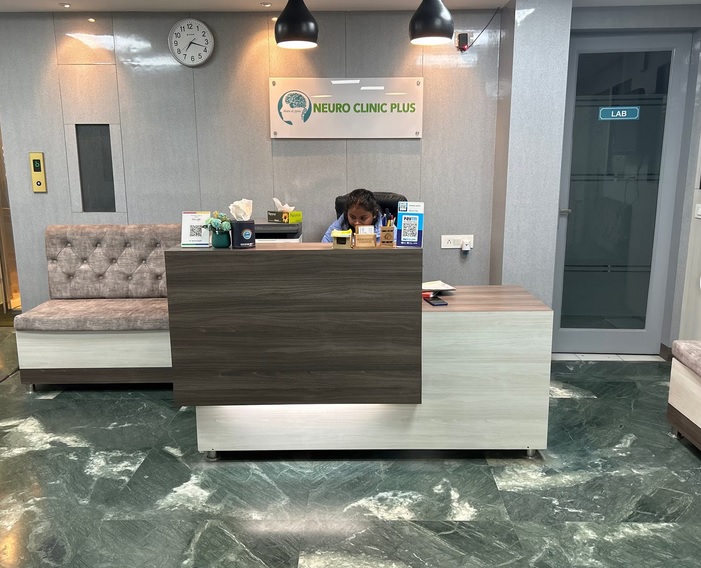
For patients seeking specialized neurological care, Neuro Clinic Plus offers comprehensive evaluation, diagnosis, treatment, and long-term management of stroke and other neurological disorders. Located in Safdarjung Enclave, New Delhi, the clinic is led by Dr. Aparna Gupta, a highly experienced neurologist with more than 22 years of clinical experience in diagnosing and treating complex neurological conditions. Patients looking for a trusted Stroke specialist in Safdarjung often seek expert care that combines advanced neurological knowledge with a patient-centered approach.

Meet Dr. Aparna Gupta: Experienced Neurologist and Stroke Expert

Dr. Aparna Gupta currently serves as Associate Director of Neurology at ISIC Multispeciality Hospital, Vasant Kunj, New Delhi, while also providing personalized neurological care at Neuro Clinic Plus, Safdarjung Enclave. Over the years, she has managed a wide spectrum of neurological disorders, including:

  • Stroke and Transient Ischemic Attack (TIA)
  • Epilepsy and Seizure Disorders
  • Headache and Migraine
  • Vertigo and Balance Disorders
  • Parkinson’s Disease
  • Dementia and Memory Disorders
  • Peripheral Neuropathy
  • Spine Pain and Nerve Disorders
  • Brain Infections
  • Autoimmune Neurological Conditions
  • Movement Disorders

Her extensive experience allows her to provide evidence-based care for both acute neurological emergencies and chronic neurological diseases.

Strong Academic and Clinical Background

Dr. Aparna Gupta’s training reflects her commitment to excellence in neurological care.

Educational Qualifications

  • MBBS – Netaji Subhash Chandra Bose Medical College, Jabalpur (1998)
  • MD (General Medicine) – Gandhi Medical College, Bhopal (2003)
  • DNB (Neurology) – Sir Ganga Ram Hospital, New Delhi (2010)
  • Fellowship in Epilepsy and Sleep Disorders – AIIMS, New Delhi
  • Fellowship in Botox Treatment for Neurological Disorders – Seoul, South Korea

This advanced training enables her to manage complex neurological conditions using modern diagnostic and treatment approaches.

Extensive Experience in Neurology

Before her current role, Dr. Aparna Gupta gained valuable experience working at some of India’s leading healthcare institutions.

Her professional experience includes:

Indian Spinal Injury Centre

  • Consultant Neurologist
  • Management of neurological and spinal disorders
  • Stroke rehabilitation and neurological recovery support

Sir Ganga Ram Hospital

  • Senior Resident, Department of Cardiology
  • Exposure to cardiovascular conditions closely linked to stroke risk

This multidisciplinary background provides a deeper understanding of the relationship between heart disease, vascular disorders, and stroke.

Contributions to Neurological Research and Medical Education

A strong commitment to academic excellence is an important indicator of medical expertise. Dr. Aparna Gupta has actively contributed to neurological research through presentations and publications.

Research Presentations

  • Cryptococcal Meningitis with Cerebral and Spinal Involvement
  • Early Introduction of Non-Pharmacological Therapy in Failed Back Syndrome
  • Association of Hyperhomocysteinemia with Ischemic Stroke
  • Changing Trends in Fungal Infections

Published Medical Work

  • Pictorial CME – Myotonia Congenita (Becker’s Variant) published in JAPI

Her involvement in research helps ensure that patients benefit from current medical knowledge and evolving treatment practices.

Active Participation in National and International Neurology Conferences

Continuous learning is essential in a rapidly advancing field like neurology.

Dr. Aparna Gupta has participated in:

  • Delhi Neurological Association Conference
  • International Conference of Nerve and Muscle Disorders
  • International Conference of Epilepsy
  • Stroke Conference, AIIMS New Delhi

These academic engagements help maintain up-to-date knowledge of modern stroke diagnosis, treatment, and prevention strategies.

Professional Memberships

Dr. Aparna Gupta is associated with several respected neurological organizations, including:

  • Indian Academy of Neurology
  • Indian Epilepsy Society
  • American Academy of Neurology
  • Movement Disorder Society of India

These memberships reflect her commitment to professional excellence and evidence-based patient care.

Why Patients Choose Neuro Clinic Plus for Stroke Care

Stroke management requires much more than emergency treatment. Patients need accurate diagnosis, personalized treatment, rehabilitation guidance, and long-term prevention strategies.

At Neuro Clinic Plus, patients benefit from:

  • Comprehensive neurological evaluation
  • Early stroke diagnosis
  • Individualized treatment planning
  • Stroke risk assessment
  • Long-term prevention strategies
  • Recovery and rehabilitation support
  • Regular neurological follow-up

Patients seeking the best Stroke specialist in Safdarjung often prioritize experience, clinical expertise, accessibility, and a comprehensive approach to care. Through Neuro Clinic Plus and her extensive hospital experience, Dr. Aparna Gupta provides specialized neurological care focused on improving patient outcomes, supporting recovery, and helping prevent future strokes.

Clinic Details

Neuro Clinic Plus
B-4/18, Safdarjung Enclave, New Delhi

For individuals experiencing stroke symptoms, recovering from a previous stroke, or seeking preventive neurological care, timely consultation with an experienced neurologist can play a crucial role in protecting long-term brain health and overall quality of life.

When Should You Consult a Stroke Specialist?

A stroke is a medical emergency that requires immediate attention. Many patients delay seeking medical care because they assume symptoms will disappear on their own or mistake them for temporary health issues. However, early evaluation by a Stroke specialist in Safdarjung can significantly improve treatment outcomes and reduce the risk of permanent brain damage. Recognizing when to seek expert neurological care is essential for protecting brain health and preventing life-threatening complications.

Seek Immediate Medical Attention for Stroke Symptoms

You should never ignore sudden neurological symptoms, even if they appear mild or improve after a short period. Stroke symptoms can develop within minutes and may worsen rapidly if treatment is delayed.

Common Stroke Warning Signs

Seek emergency medical care if you experience:

  • Sudden weakness or numbness in the face, arm, or leg
  • Facial drooping on one side
  • Difficulty speaking or understanding speech
  • Sudden confusion
  • Blurred or loss of vision
  • Severe headache without a known cause
  • Dizziness or loss of balance
  • Difficulty walking or coordinating movements

These symptoms may indicate an ischemic stroke, hemorrhagic stroke, or Transient Ischemic Attack (TIA) and should be evaluated immediately.

Do Not Ignore a Mini-Stroke (TIA)

A Transient Ischemic Attack (TIA) is often called a mini-stroke because the symptoms usually resolve within minutes or hours. However, a TIA is a serious warning sign that a major stroke could occur in the near future.

Common TIA symptoms include:

  • Temporary weakness
  • Short-term speech difficulty
  • Brief vision loss
  • Sudden dizziness
  • Temporary numbness

Many patients mistakenly believe that symptoms disappearing means the problem is gone. In reality, a TIA requires urgent neurological evaluation and preventive treatment.

High-Risk Individuals Should Consider Early Consultation

Even without a history of stroke, certain individuals have a significantly higher risk of developing stroke-related complications.

Risk Factors That Increase Stroke Risk

  • High blood pressure (Hypertension)
  • Diabetes
  • High cholesterol
  • Heart disease
  • Atrial fibrillation
  • Obesity
  • Smoking
  • Excessive alcohol consumption
  • Family history of stroke

People with these risk factors can benefit from preventive neurological assessments and stroke risk evaluation.

When Recovery Is Not Progressing as Expected

Patients recovering from stroke may require specialized follow-up care if they continue to experience:

Persistent Neurological Problems

  • Weakness or paralysis
  • Speech difficulties
  • Memory impairment
  • Balance disorders
  • Vision changes
  • Difficulty swallowing

Regular neurological reviews help monitor recovery progress and identify opportunities for additional treatment or rehabilitation.

Importance of Long-Term Stroke Prevention

Many patients focus on recovery but overlook the importance of preventing future strokes. Long-term follow-up with a neurologist helps ensure that risk factors are properly managed.

Preventive care may include:

  • Blood pressure monitoring
  • Cholesterol management
  • Diabetes control
  • Medication adjustments
  • Lifestyle counseling
  • Regular neurological evaluations

These measures can substantially reduce the likelihood of recurrent stroke.

Why Early Consultation Makes a Difference

Early consultation allows specialists to:

  • Identify stroke symptoms quickly
  • Perform timely diagnostic testing
  • Initiate emergency treatment when needed
  • Prevent further neurological damage
  • Develop individualized treatment plans
  • Reduce the risk of future strokes

The sooner a stroke is diagnosed, the greater the opportunity to preserve brain function and improve recovery outcomes.

Why Patients Choose the Best Stroke Specialist in Safdarjung

Stroke care requires specialized expertise, rapid decision-making, and ongoing support. Patients often seek expert neurological care to ensure accurate diagnosis, effective treatment, and comprehensive prevention strategies.

Benefits of specialized stroke care include:

  • Early and accurate diagnosis
  • Personalized treatment plans
  • Advanced stroke prevention strategies
  • Comprehensive rehabilitation support
  • Long-term neurological monitoring
  • Improved recovery outcomes

Consulting the best Stroke specialist in Safdarjung at the first sign of symptoms can be one of the most important decisions for protecting brain health, preventing disability, and improving quality of life after stroke.

Key Takeaway

If you experience any sudden neurological symptoms—or if you have risk factors that increase your chances of stroke—do not wait for symptoms to worsen. Early diagnosis, timely treatment, and regular follow-up with a qualified stroke expert can significantly improve both short-term and long-term outcomes.

Frequently Asked Questions (FAQs)

1. What is the first test used to diagnose a stroke?

The first diagnostic test performed in most stroke emergencies is a CT scan of the brain. A Stroke specialist in Safdarjung may recommend additional imaging such as MRI, CT angiography, or blood vessel studies to determine the type and cause of the stroke.

2. How quickly should stroke treatment begin?

Stroke treatment should begin as soon as possible. The Golden Hour is extremely important because early treatment can reduce brain damage, improve recovery, and lower the risk of long-term disability.

3. What is the difference between ischemic and hemorrhagic stroke?

An ischemic stroke occurs when a blood clot blocks blood flow to the brain, while a hemorrhagic stroke occurs when a blood vessel ruptures and causes bleeding within the brain. Both conditions require immediate medical attention.

4. Can a stroke be completely cured?

Recovery varies depending on the severity of the stroke, the affected brain region, and how quickly treatment is received. Many patients achieve significant improvement through early treatment, rehabilitation, and ongoing neurological care.

5. What are the warning signs of a stroke?

Common warning signs include facial drooping, arm weakness, speech difficulty, vision changes, sudden numbness, severe headache, and loss of balance. Immediate evaluation is essential if these symptoms occur.

6. What is a mini-stroke or TIA?

A Transient Ischemic Attack (TIA) is a temporary interruption of blood flow to the brain. Although symptoms may disappear quickly, a TIA is a serious warning sign of a future stroke and requires urgent medical evaluation.

7. Who is at the highest risk of stroke?

Individuals with high blood pressure, diabetes, high cholesterol, heart disease, atrial fibrillation, obesity, and a history of smoking have a higher risk of developing stroke.

8. Can young adults suffer from a stroke?

Yes. Although stroke is more common in older adults, younger individuals can also develop stroke due to factors such as genetic disorders, heart conditions, blood clotting abnormalities, and unhealthy lifestyle habits.

9. How long does stroke recovery take?

Recovery timelines vary from person to person. Some patients improve within weeks, while others may require months of rehabilitation involving physical therapy, speech therapy, and ongoing neurological follow-up.

10. Can a second stroke be prevented?

Yes. Managing blood pressure, diabetes, cholesterol, and other risk factors can significantly reduce the likelihood of another stroke. Regular follow-up with the best Stroke specialist in Safdarjung is important for long-term prevention.

11. What treatments are available for ischemic stroke?

Treatment options may include clot-busting medications (tPA), mechanical thrombectomy, antiplatelet medications, blood thinners, and lifestyle modifications to prevent future strokes.

12. When should I consult a stroke specialist?

You should seek immediate medical attention if you experience any symptoms of stroke or TIA. Early consultation with a Stroke specialist in Safdarjung can improve treatment outcomes and help prevent permanent neurological damage.


Conclusion

A stroke is a medical emergency that requires rapid diagnosis, immediate treatment, and comprehensive rehabilitation to achieve the best possible outcome. Whether the stroke is ischemic, hemorrhagic, or a Transient Ischemic Attack (TIA), early intervention can significantly reduce brain damage and improve recovery. Consulting a Stroke specialist in Safdarjung at the first sign of symptoms can help ensure timely evaluation, accurate diagnosis, and access to advanced treatment options during the critical treatment window.

Modern stroke care extends beyond emergency management and includes long-term rehabilitation, risk factor control, and stroke prevention strategies. Managing conditions such as high blood pressure, diabetes, high cholesterol, and heart disease plays an important role in reducing the risk of future strokes and maintaining overall brain health.

For patients seeking expert neurological care, Dr. Aparna Gupta at Neuro Clinic Plus, Safdarjung Enclave, provides comprehensive assessment and management for stroke and other neurological disorders. With extensive experience in neurology and a patient-focused approach, she helps patients navigate every stage of stroke care—from diagnosis and treatment to recovery and prevention. If you or a loved one experiences stroke symptoms, consulting the best Stroke specialist in Safdarjung without delay can make a life-changing difference in recovery and long-term quality of life.
 

Best Neuro Clinic in Safdarjung

Neurological disorders can affect the brain, spinal cord, and nerves, impacting a person’s daily life and overall well-being. Symptoms such as frequent headaches, migraines, dizziness, numbness, memory problems, or sudden weakness should never be ignored, as they may indicate an underlying neurological condition that requires expert evaluation.

Choosing the Best Neuro Clinic in Safdarjung is important for receiving accurate diagnosis and timely treatment. Early medical intervention can help manage symptoms effectively and reduce the risk of serious complications. Whether you are experiencing chronic headaches, recurring migraine attacks, stroke-related symptoms, or other neurological concerns, specialized care can make a significant difference in your recovery and quality of life.

At a trusted Neuro Clinic in Safdarjung, patients can access comprehensive neurological evaluations, advanced diagnostic support, and personalized treatment plans. Neuro Clinic Plus is dedicated to providing expert care for a wide range of neurological disorders, helping patients achieve better brain health through evidence-based treatment and compassionate medical support.

What is Neurology?

Neurology is the branch of medicine that focuses on the diagnosis, treatment, and management of disorders affecting the brain, spinal cord, nerves, and muscles. If you are looking for the Best Neuro Clinic in Safdarjung, understanding neurology can help you know when to seek expert care. The nervous system controls essential body functions such as movement, memory, sensation, speech, balance, and coordination. When any part of this system is affected, it can lead to various neurological conditions that require specialized medical attention.

Conditions Treated by a Neurologist

A neurologist is trained to diagnose and manage a wide range of neurological disorders, including:

  • Migraine and chronic headaches
  • Stroke and transient ischemic attacks (TIA)
  • Epilepsy and seizure disorders
  • Parkinson’s disease
  • Vertigo and balance disorders
  • Neuropathy and nerve pain
  • Memory and cognitive disorders
  • Multiple sclerosis and other neurological conditions

Why Specialized Neurological Care Matters

Neurological symptoms can sometimes be complex and difficult to identify in the early stages. Visiting a trusted Neuro Clinic in Safdarjung ensures access to expert evaluation, advanced diagnostic tools, and personalized treatment plans. A specialized clinic can help detect neurological disorders early, manage symptoms effectively, and improve long-term health outcomes. Timely consultation with a neurologist plays a vital role in preventing complications and maintaining overall brain and nerve health.

When Should You Visit a Neurologist?

Many people ignore neurological symptoms, thinking they are caused by stress, tiredness, or aging. However, if these symptoms keep coming back or do not go away, they may be a sign of a neurological condition that needs expert care. Visiting the Best Neuro Clinic in Safdarjung at the right time can help with early diagnosis, timely treatment, and better recovery.

Common Warning Signs

You should consult a neurologist if you have frequent or severe headaches, repeated migraine attacks, dizziness or vertigo, seizures or unexplained fainting, numbness or tingling in the hands or feet, weakness in the arms, legs, or face, memory loss or trouble concentrating, tremors or shaking, balance or walking problems, or sudden changes in speech or vision. These symptoms may seem small at first, but they should not be ignored.

Importance of Early Medical Attention

Early medical care is very important because it can help detect problems like migraine, epilepsy, stroke, Parkinson’s disease, and nerve disorders before they become more serious. A trusted Neuro Clinic in Safdarjung can provide a detailed neurological check-up, accurate diagnosis, and a treatment plan based on your symptoms and health condition. Getting help early can improve results, lower the risk of complications, and support a better quality of life.

What is a Headache?

A headache is one of the most common health complaints and can affect people of all ages. It is characterized by pain or discomfort in the head, scalp, or neck region. While occasional headaches are usually not a cause for concern, frequent or severe headaches may indicate an underlying medical condition that requires professional evaluation. Consulting the Best Neuro Clinic in Safdarjung can help identify the cause and provide appropriate treatment.

Occasional vs. Chronic Headaches

Occasional headaches may occur due to stress, lack of sleep, dehydration, eye strain, or temporary illness. These headaches often improve with rest, hydration, or simple lifestyle changes.

Chronic headaches, on the other hand, occur repeatedly and may interfere with daily activities. They can be associated with neurological conditions such as migraine, cluster headaches, or other disorders affecting the nervous system. Persistent headaches should not be ignored, especially if they become more frequent or severe over time.

Why Proper Diagnosis Matters

A trusted Neuro Clinic in Safdarjung can help determine whether a headache is a simple condition or a symptom of an underlying neurological disorder. Early diagnosis and treatment can reduce discomfort, prevent complications, and improve overall quality of life.

Types of Headaches

Headaches can occur for many reasons, and understanding the type of headache is important for effective treatment. Different headaches have different causes, symptoms, and treatment approaches. At the Best Neuro Clinic in Safdarjung, neurologists carefully evaluate headache patterns to identify the exact type and recommend the most suitable treatment plan.

Tension Headache

Tension headaches are the most common type of headache. They usually cause a dull, aching pain or a feeling of tightness around the forehead or back of the head. Stress, anxiety, poor posture, and lack of sleep are common triggers for tension headaches.

Migraine Headache

Migraine is a neurological condition that causes moderate to severe throbbing pain, usually on one side of the head. It may be accompanied by nausea, vomiting, and sensitivity to light and sound. Many patients visit a Neuro Clinic in Safdarjung for expert migraine diagnosis and long-term management.

Cluster Headache

Cluster headaches are extremely painful headaches that occur in groups or cycles. The pain is often felt around one eye and may be associated with redness, tearing, or nasal congestion. These headaches require specialized neurological care.

Sinus Headache

Sinus headaches are caused by inflammation or infection of the sinuses. They often produce pain around the eyes, cheeks, forehead, and nose and may worsen when bending forward.

Common Symptoms of Headaches

Headaches can present differently from person to person. Some headaches cause mild discomfort, while others can significantly affect daily activities, work performance, and overall quality of life. Understanding the symptoms can help determine when it is time to seek professional care from the Best Neuro Clinic in Safdarjung.

Common Signs and Symptoms

People experiencing headaches may notice one or more of the following symptoms:

  • Dull, aching, or throbbing head pain
  • Pressure or tightness around the forehead
  • Pain on one or both sides of the head
  • Sensitivity to light (photophobia)
  • Sensitivity to sound (phonophobia)
  • Nausea or vomiting
  • Neck pain or stiffness
  • Difficulty concentrating
  • Blurred vision in some cases
  • Increased pain during physical activity

When Should You Be Concerned?

While many headaches are harmless, certain symptoms require medical attention. Visit a Neuro Clinic in Safdarjung if headaches become frequent, severe, or are accompanied by neurological symptoms.

Seek Immediate Medical Care If You Experience:

  • Sudden and severe headache
  • Weakness or numbness on one side of the body
  • Difficulty speaking or understanding speech
  • Loss of consciousness
  • Vision changes
  • Seizures along with headache

Early evaluation can help identify underlying neurological conditions and ensure timely treatment.

Diagnosis of Headaches

Accurate diagnosis is the first step toward effective headache treatment. Since headaches can result from various causes, including stress, migraine, nerve disorders, or more serious neurological conditions, a detailed evaluation is essential. At the Best Neuro Clinic in Safdarjung, neurologists use a comprehensive approach to identify the underlying cause and develop a personalized treatment plan.

Medical History Assessment

The doctor will begin by discussing your symptoms and medical history, including:

  • Frequency and duration of headaches
  • Location and intensity of pain
  • Associated symptoms such as nausea or dizziness
  • Family history of migraine or neurological disorders
  • Lifestyle factors and possible triggers

Neurological Examination

A detailed neurological examination helps assess brain and nerve function. The evaluation may include:

  • Reflex testing
  • Muscle strength assessment
  • Balance and coordination checks
  • Vision and speech evaluation
  • Sensory function testing

Advanced Diagnostic Tests

When necessary, a Neuro Clinic in Safdarjung may recommend advanced tests to rule out underlying conditions:

    • MRI (Magnetic Resonance Imaging)
  • CT Scan
  • Blood tests
  • Nerve function studies
  • Other specialized neurological investigations

Why Early Diagnosis Matters

Early and accurate diagnosis helps identify the exact cause of headaches, allowing timely treatment and preventing potential complications. It also improves long-term management and overall quality of life.

Treatment Options for Headaches

The treatment of headaches depends on their type, severity, frequency, and underlying cause. While some headaches can be managed with simple lifestyle changes, others may require specialized neurological care. At the Best Neuro Clinic in Safdarjung, treatment plans are tailored to each patient’s symptoms, medical history, and overall health condition.

Lifestyle Modifications

Many headaches can be reduced by making healthy lifestyle changes. Maintaining a regular sleep schedule, staying hydrated, eating balanced meals, managing stress, and engaging in regular physical activity can help prevent headache episodes. Avoiding known triggers such as excessive screen time, skipped meals, or certain foods may also provide relief.

Medications

Depending on the diagnosis, medications may be prescribed to relieve pain and control symptoms. Some medicines are used during headache attacks, while others are taken regularly to reduce the frequency and severity of recurring headaches. The choice of medication depends on the specific type of headache and the patient’s individual needs.

Preventive Therapies

For people who experience frequent or chronic headaches, preventive treatment may be recommended. This approach focuses on reducing the number of headache episodes and improving daily functioning. A trusted Neuro Clinic in Safdarjung can create a personalized treatment strategy that combines medication, lifestyle guidance, and ongoing monitoring for long-term headache management.

Importance of Professional Care

Seeking timely medical attention ensures proper diagnosis and effective treatment, helping patients achieve lasting relief and a better quality of life.

What is Migraine?

Migraine is more than just a headache. It is a neurological disorder that can cause intense, recurring headaches along with a variety of other symptoms that affect daily life. Migraine attacks can last for several hours or even days, making it difficult to work, study, or perform routine activities. Seeking care from the Best Neuro Clinic in Safdarjung can help patients receive an accurate diagnosis and effective long-term management.

How Migraine Differs from a Regular Headache

Unlike a common headache, migraine often causes throbbing or pulsating pain, usually on one side of the head. The pain may be moderate to severe and is often accompanied by symptoms such as nausea, vomiting, and sensitivity to light, sound, or strong smells. Some people may also experience visual disturbances before the headache begins.

Impact of Migraine on Daily Life

Migraine can affect physical, emotional, and social well-being. Frequent migraine attacks may interfere with work performance, sleep quality, and personal relationships. In some cases, individuals may need to rest in a dark, quiet room until symptoms improve.

Why Early Diagnosis is Important

A trusted Neuro Clinic in Safdarjung can help identify migraine triggers, evaluate symptom patterns, and develop a personalized treatment plan. Early diagnosis and proper management can reduce the frequency and severity of migraine attacks and improve overall quality of life.

Types of Migraine

Migraine can affect people in different ways, and not all migraine attacks present the same symptoms. Understanding the different types of migraine helps doctors provide accurate diagnosis and targeted treatment. At the Best Neuro Clinic in Safdarjung, neurologists carefully assess symptoms to determine the specific type of migraine and recommend the most effective management approach.

Migraine with Aura

Migraine with aura occurs when a person experiences warning signs before the headache begins. These symptoms may include flashing lights, blurred vision, blind spots, tingling sensations, or difficulty speaking. The aura usually lasts for a short period before the headache starts.

Migraine without Aura

This is the most common type of migraine. Patients experience moderate to severe headache pain without any warning signs. The headache is often accompanied by nausea, vomiting, and sensitivity to light and sound.

Chronic Migraine

Chronic migraine is diagnosed when a person experiences headaches on 15 or more days per month, with migraine symptoms occurring on several of those days. This condition can significantly affect daily life and often requires long-term management.

Vestibular Migraine

Vestibular migraine mainly affects balance and spatial orientation. Patients may experience dizziness, vertigo, unsteadiness, and motion sensitivity, sometimes even without a severe headache. A trusted Neuro Clinic in Safdarjung can help diagnose and manage this complex condition effectively.

Symptoms of Migraine

Migraine symptoms can vary from person to person, but they are often much more intense than a regular headache. Some individuals experience only a few symptoms, while others may develop a combination of physical, sensory, and neurological changes during an attack. Visiting the Best Neuro Clinic in Safdarjung can help identify migraine symptoms early and ensure proper treatment.

Common Symptoms of Migraine

The most common symptom of migraine is a throbbing or pulsating headache, often affecting one side of the head. The pain may gradually increase in intensity and can worsen with physical activity. Many patients also experience nausea and, in some cases, vomiting during an attack.

Sensitivity to light, loud sounds, and strong odors is another hallmark symptom of migraine. Some individuals prefer to rest in a dark and quiet room until the symptoms improve. Visual disturbances such as flashing lights, zigzag lines, blurred vision, or temporary blind spots may occur before or during a migraine attack.

Other Possible Symptoms

Migraine may also cause dizziness, difficulty concentrating, fatigue, neck stiffness, and tingling sensations in the face or limbs. A trusted Neuro Clinic in Safdarjung can evaluate these symptoms, identify potential triggers, and develop a personalized treatment plan to reduce the frequency and severity of migraine attacks.

Common Migraine Triggers

Migraine attacks are often triggered by specific factors that vary from person to person. Identifying and avoiding these triggers can play an important role in reducing the frequency and severity of migraine episodes. At the Best Neuro Clinic in Safdarjung, neurologists help patients recognize their individual triggers and develop effective strategies for long-term migraine management.

Stress and Emotional Factors

Stress is one of the most common migraine triggers. Emotional pressure, anxiety, and sudden changes in routine can increase the likelihood of a migraine attack. Learning stress-management techniques may help reduce the risk of recurring episodes.

Sleep Disturbances

Both lack of sleep and excessive sleep can trigger migraines in some individuals. Maintaining a consistent sleep schedule and getting adequate rest are essential for migraine prevention.

Hormonal Changes

Many women notice that migraine attacks become more frequent during hormonal fluctuations, such as menstruation, pregnancy, or menopause. These hormonal changes can influence the severity and timing of migraine symptoms.

Dietary and Environmental Triggers

Certain foods and beverages may trigger migraines in susceptible individuals. Skipping meals, dehydration, excessive caffeine intake, and exposure to bright lights, loud noises, or strong smells can also contribute to migraine attacks. A trusted Neuro Clinic in Safdarjung can help patients identify their specific triggers and create a personalized plan to manage migraine symptoms more effectively.

Diagnosis and Management of Migraine

Migraine can sometimes be confused with other types of headaches, making an accurate diagnosis essential. At the Best Neuro Clinic in Safdarjung, neurologists carefully evaluate symptoms, headache patterns, and medical history to determine the exact cause of the problem and rule out other neurological conditions.

How Migraine is Diagnosed

The diagnosis of migraine usually involves:

  • Detailed discussion of symptoms and headache history
  • Assessment of migraine triggers and lifestyle factors
  • Neurological examination
  • Review of family history of migraine
  • MRI or CT scan if additional evaluation is required

Migraine Management and Treatment

Effective migraine management focuses on reducing the frequency, severity, and impact of attacks. Treatment plans are personalized according to each patient’s condition and symptoms.

Common management strategies include:

    • Lifestyle modifications and stress management
    • Identifying and avoiding migraine triggers
    • Medications for symptom relief
  • Preventive medications for frequent migraines
  • Regular follow-up and monitoring

A trusted Neuro Clinic in Safdarjung can provide comprehensive migraine care, helping patients achieve better symptom control and an improved quality of life through a personalized treatment approach.

What is a Stroke?

A stroke is a serious medical emergency that occurs when the blood supply to a part of the brain is interrupted or reduced. Without adequate oxygen and nutrients, brain cells begin to die within minutes, which can lead to permanent brain damage, disability, or even death if not treated quickly. Seeking immediate medical attention is critical for improving recovery outcomes.

How a Stroke Affects the Brain

The brain controls movement, speech, memory, vision, and many other vital functions. When a stroke occurs, the affected area of the brain may no longer function properly. As a result, a person may experience weakness, difficulty speaking, vision problems, loss of balance, or other neurological symptoms.

Why Early Treatment Matters

Stroke treatment is most effective when provided as early as possible. Quick diagnosis and medical intervention can help reduce brain damage and improve the chances of recovery. The Best Neuro Clinic in Safdarjung plays an important role in recognizing stroke symptoms, providing neurological evaluation, and guiding patients through recovery and long-term care.

Key Facts About Stroke

  • Stroke requires immediate medical attention.
  • Brain cells can be damaged within minutes.
  • Early treatment improves recovery outcomes.
  • Many stroke-related complications can be prevented with timely care.

A trusted Neuro Clinic in Safdarjung can help patients manage stroke risk factors and support rehabilitation after a stroke.

Types of Stroke

Stroke is not a single condition. There are different types of stroke, and each requires a specific approach to diagnosis and treatment. Understanding these types can help patients recognize the seriousness of the condition and seek timely medical care. At the Best Neuro Clinic in Safdarjung, patients receive expert evaluation and guidance for stroke prevention, treatment, and recovery.

Ischemic Stroke

Ischemic stroke is the most common type of stroke and occurs when a blood vessel supplying the brain becomes blocked by a blood clot or fatty deposits. This blockage prevents oxygen-rich blood from reaching brain tissue, causing brain cells to become damaged. Conditions such as high blood pressure, diabetes, and high cholesterol can increase the risk of ischemic stroke.

Hemorrhagic Stroke

A hemorrhagic stroke occurs when a blood vessel in the brain ruptures and causes bleeding within or around the brain. This bleeding increases pressure on brain tissue and can lead to severe neurological damage. Uncontrolled high blood pressure is one of the leading causes of hemorrhagic stroke.

Transient Ischemic Attack (TIA)

A Transient Ischemic Attack, often called a “mini-stroke,” occurs when blood flow to the brain is temporarily blocked. Symptoms may last only a few minutes or hours and then disappear. However, a TIA is an important warning sign that a major stroke could occur in the future. A trusted Neuro Clinic in Safdarjung can help identify risk factors and provide preventive care to reduce future stroke risk.

Types of Stroke

Stroke is not a single condition. There are different types of stroke, and each requires a specific approach to diagnosis and treatment. Understanding these types can help patients recognize the seriousness of the condition and seek timely medical care. At the Best Neuro Clinic in Safdarjung, patients receive expert evaluation and guidance for stroke prevention, treatment, and recovery.

Ischemic Stroke

Ischemic stroke is the most common type of stroke and occurs when a blood vessel supplying the brain becomes blocked by a blood clot or fatty deposits. This blockage prevents oxygen-rich blood from reaching brain tissue, causing brain cells to become damaged. Conditions such as high blood pressure, diabetes, and high cholesterol can increase the risk of ischemic stroke.

Hemorrhagic Stroke

A hemorrhagic stroke occurs when a blood vessel in the brain ruptures and causes bleeding within or around the brain. This bleeding increases pressure on brain tissue and can lead to severe neurological damage. Uncontrolled high blood pressure is one of the leading causes of hemorrhagic stroke.

Transient Ischemic Attack (TIA)

A Transient Ischemic Attack, often called a “mini-stroke,” occurs when blood flow to the brain is temporarily blocked. Symptoms may last only a few minutes or hours and then disappear. However, a TIA is an important warning sign that a major stroke could occur in the future. A trusted Neuro Clinic in Safdarjung can help identify risk factors and provide preventive care to reduce future stroke risk.

Risk Factors for Stroke

A stroke can affect anyone, but certain health conditions and lifestyle habits can significantly increase the risk. Understanding these risk factors is important because many of them can be managed or controlled through timely medical care and healthy lifestyle changes. The Best Neuro Clinic in Safdarjung focuses on identifying stroke risk factors early to help prevent serious complications.

High Blood Pressure

High blood pressure is one of the leading causes of stroke. When blood pressure remains uncontrolled for a long time, it can damage blood vessels and increase the risk of both ischemic and hemorrhagic stroke.

Diabetes

Diabetes can damage blood vessels throughout the body, including those supplying the brain. Poorly controlled blood sugar levels may increase the likelihood of stroke and other cardiovascular problems.

Smoking and Tobacco Use

Smoking damages blood vessels, reduces oxygen levels in the blood, and promotes clot formation. People who smoke have a significantly higher risk of stroke compared to non-smokers.

Other Common Risk Factors

  • High cholesterol levels
  • Heart disease and irregular heartbeat
  • Obesity and physical inactivity
  • Excessive alcohol consumption
  • Chronic stress
  • Family history of stroke
  • Increasing age

A trusted Neuro Clinic in Safdarjung can assess individual risk factors, recommend preventive strategies, and help patients maintain better neurological and overall health.

Stroke Diagnosis and Treatment

Early diagnosis and prompt treatment are essential for minimizing brain damage and improving recovery after a stroke. Since every minute matters, medical evaluation should begin as soon as stroke symptoms appear. At the Best Neuro Clinic in Safdarjung, patients receive comprehensive neurological assessments to identify the type of stroke and determine the most effective treatment approach.

Stroke Diagnosis

Diagnosing a stroke involves a detailed review of symptoms, medical history, and neurological function. Neurologists assess speech, movement, coordination, vision, and reflexes to understand how the brain has been affected. Advanced imaging tests such as MRI and CT scans are often used to identify the location and severity of the stroke and to determine whether it is caused by a blockage or bleeding in the brain.

Stroke Treatment

Treatment depends on the type of stroke and how quickly medical care is received. For ischemic stroke, the primary goal is to restore blood flow to the brain as soon as possible. In cases of hemorrhagic stroke, treatment focuses on controlling bleeding and reducing pressure on the brain. Continuous monitoring and supportive medical care are also important parts of treatment.

Rehabilitation and Recovery

Recovery after a stroke may involve physical therapy, speech therapy, and lifestyle modifications. A trusted Neuro Clinic in Safdarjung can provide long-term follow-up care, helping patients regain independence, improve function, and reduce the risk of future strokes.

Other Neurological Conditions Treated at Neuro Clinic Plus

In addition to headache, migraine, and stroke care, the Best Neuro Clinic in Safdarjung provides diagnosis and treatment for a wide range of neurological disorders. These conditions can affect the brain, spinal cord, nerves, and muscles, often impacting daily activities and overall quality of life. Early evaluation and proper treatment can help manage symptoms effectively and improve long-term outcomes.

Epilepsy and Seizure Disorders

Epilepsy is a neurological condition characterized by recurrent seizures caused by abnormal electrical activity in the brain. Proper diagnosis and treatment can help patients achieve better seizure control and lead active lives.

Parkinson’s Disease

Parkinson’s disease is a progressive neurological disorder that affects movement. Common symptoms include tremors, muscle stiffness, slow movements, and balance difficulties. Early treatment can help manage symptoms and improve daily functioning.

Vertigo and Balance Disorders

Vertigo causes a sensation of spinning or dizziness and may affect balance and coordination. These symptoms can result from neurological or inner ear conditions and require careful evaluation.

Neuropathy and Memory Disorders

A trusted Neuro Clinic in Safdarjung also treats neuropathy, nerve pain, numbness, tingling sensations, dementia, memory problems, muscle weakness, and other neurological conditions. Comprehensive neurological care helps patients receive accurate diagnosis, effective treatment, and ongoing support for better brain and nerve health.

Advanced Diagnosis for Neurological Conditions

Accurate diagnosis is the foundation of effective neurological care. Many neurological disorders share similar symptoms, making a detailed evaluation essential for identifying the exact cause of the problem. At the Best Neuro Clinic in Safdarjung, advanced diagnostic methods are used to assess brain, nerve, and spinal cord health, allowing neurologists to create personalized treatment plans.

Comprehensive Neurological Evaluation

The diagnostic process begins with a thorough neurological assessment. This helps the neurologist understand the patient’s symptoms, medical history, and overall neurological function.

The evaluation may include:

  • Review of medical history
  • Assessment of symptoms and their duration
  • Reflex testing
  • Muscle strength evaluation
  • Balance and coordination assessment
  • Speech and cognitive function testing

Brain Imaging Tests

Advanced imaging plays an important role in diagnosing neurological conditions.

MRI (Magnetic Resonance Imaging)

MRI provides detailed images of the brain and spinal cord, helping identify conditions such as stroke, tumors, multiple sclerosis, and nerve disorders.

CT Scan (Computed Tomography)

CT scans are commonly used for emergency neurological evaluations, especially in cases of stroke, head injury, or sudden neurological symptoms.

Nerve Function Tests

To evaluate nerve and muscle health, neurologists may recommend:

  • Nerve Conduction Studies (NCS)
  • Electromyography (EMG)

A trusted Neuro Clinic in Safdarjung uses these advanced diagnostic tools to ensure accurate diagnosis, early intervention, and effective treatment planning.

Why Choose Neuro Clinic Plus in Safdarjung?

Choosing the right neurological care center is essential for accurate diagnosis, effective treatment, and long-term management of neurological disorders. Neuro Clinic Plus is recognized by many patients as the Best Neuro Clinic in Safdarjung because of its patient-focused approach, advanced neurological care, and commitment to improving brain and nerve health.

22+ Years of Neurological Experience

Neuro Clinic Plus is led by experienced neurology specialists with more than 22 years of clinical experience in diagnosing and treating a wide range of neurological conditions. From common disorders such as headaches and migraines to complex conditions like stroke, epilepsy, Parkinson’s disease, and neuropathy, patients receive expert care backed by extensive medical knowledge and experience.

Comprehensive Neurological Care

The clinic provides evaluation, diagnosis, treatment, and long-term management for various neurological disorders under one roof. Personalized treatment plans are designed according to each patient’s symptoms, medical history, and healthcare needs.

Advanced Diagnostic Support

Patients have access to comprehensive neurological assessments and advanced diagnostic investigations that help ensure accurate diagnosis and timely treatment.

Positive Patient Reviews and Trust

Many patients appreciate the clinic for its professional approach, clear communication, accurate diagnosis, and compassionate care. Positive patient reviews reflect the trust and confidence people place in the clinic for managing neurological conditions effectively.

Patient-Centered Approach

A trusted Neuro Clinic in Safdarjung focuses on providing individualized care, continuous follow-up, and support throughout the treatment journey, helping patients achieve better neurological health and improved quality of life.

Meet Dr. Aparna Gupta – Experienced Neurologist in Safdarjung

When it comes to neurological care, experience and expertise play a crucial role in achieving accurate diagnosis and effective treatment. Dr. Aparna Gupta is a highly respected neurologist known for her commitment to patient care and excellence in neurology. Patients seeking treatment at the Best Neuro Clinic in Safdarjung trust her expertise for managing a wide range of neurological conditions.

Qualifications and Expertise

Dr. Aparna Gupta holds MBBS, MD (General Medicine), and DNB (Neurology) qualifications. She specializes in diagnosing and treating neurological disorders such as migraine, chronic headaches, stroke, epilepsy, Parkinson’s disease, vertigo, neuropathy, memory disorders, and other brain and nerve-related conditions.

22+ Years of Clinical Experience

With more than 22 years of experience in the field of neurology, Dr. Aparna Gupta has successfully treated thousands of patients with diverse neurological concerns. Her extensive clinical experience helps in identifying complex neurological conditions and creating personalized treatment plans that focus on long-term health outcomes.

Trusted by Patients

Many patients appreciate Dr. Aparna Gupta for her detailed consultations, patient-friendly approach, and clear explanations of neurological conditions. Positive patient reviews often highlight her compassionate care, thorough evaluations, and dedication to helping patients understand and manage their health effectively.

Personalized and Evidence-Based Care

At a trusted Neuro Clinic in Safdarjung, Dr. Aparna Gupta focuses on evidence-based treatments, accurate diagnosis, and individualized care plans. Her goal is to help patients achieve better neurological health, symptom control, and an improved quality of life.

Frequently Asked Questions (FAQs)

1. When should I visit the Best Neuro Clinic in Safdarjung?

Visit if you experience frequent headaches, migraines, dizziness, seizures, numbness, memory issues, or sudden weakness. Early neurological care is important.

2. What conditions are treated at a Neuro Clinic in Safdarjung?

Neurologists treat migraine, stroke, epilepsy, Parkinson’s disease, neuropathy, vertigo, memory disorders, and other nerve-related conditions.

3. Can migraines be permanently cured?

Migraine may not always be cured, but proper migraine treatment can significantly reduce attack frequency and severity.

4. What are the early warning signs of a stroke?

Common signs include facial drooping, arm weakness, speech difficulty, dizziness, and sudden vision changes. Seek emergency stroke care immediately.

5. How is a stroke diagnosed?

Stroke diagnosis may involve neurological examinations, MRI scans, CT scans, and a detailed assessment of symptoms.

6. Do all headaches require neurological evaluation?

Occasional headaches may not, but persistent, severe, or recurring headaches should be evaluated by a neurologist at a Neuro Clinic in Safdarjung.

7. What causes frequent migraines?

Stress, sleep disturbances, hormonal changes, dehydration, and certain foods can trigger migraine attacks.

8. Does the Best Neuro Clinic in Safdarjung treat epilepsy?

Yes, epilepsy diagnosis, seizure management, and long-term treatment plans are commonly provided for better neurological health.

9. How can I reduce my stroke risk?

Managing blood pressure, diabetes, cholesterol, and maintaining a healthy lifestyle can reduce stroke risk.

10. Why is early neurological diagnosis important?

Early diagnosis helps prevent complications, improves treatment outcomes, and supports better long-term neurological health.

11. Why choose Dr. Aparna Gupta for neurological care?

Dr. Aparna Gupta has 22+ years of experience treating migraine, stroke, epilepsy, and various neurological disorders.

12. What makes Neuro Clinic Plus a trusted Neuro Clinic in Safdarjung?

Expert care, advanced diagnostics, personalized treatment plans, and positive patient experiences make it a trusted choice for neurological care.

Conclusion

Neurological issues such as headaches, migraines, stroke, epilepsy, Parkinson’s disease, and nerve disorders can disrupt daily life. Early diagnosis and timely treatment improve recovery and long-term health. At the Best Neuro Clinic in Safdarjung, Neuro Clinic Plus offers advanced diagnosis and personalized care for brain and nerve conditions. With 22+ years of experience, Dr. Aparna Gupta provides accurate diagnosis, evidence-based treatment, and compassionate support. If you need a trusted Neuro Clinic in Safdarjung, consulting Dr. Aparna Gupta is a wise first step.


best headache specialist in safdarjung

Experiencing headaches every day can be frustrating and may affect your work, sleep, mood, and overall quality of life. While occasional headaches are common, recurring or daily headaches may indicate an underlying issue that requires proper attention from a Headache Specialist in Safdarjung. Understanding the cause is the first step toward finding long-term relief.

Daily headaches can occur due to many reasons, including stress, dehydration, poor sleep, migraine, excessive screen time, medication overuse, or certain neurological conditions. In some cases, persistent headaches may be a warning sign of a more serious health problem that should not be ignored. The good news is that most headache disorders can be effectively managed when diagnosed early and treated correctly.

If you have been wondering, “Why am I getting headaches every day?” this guide will help you understand the common causes, warning signs, diagnostic methods, treatment options, and prevention strategies. Consulting the best Headache Specialist in Safdarjung can help identify the root cause of your symptoms and create a personalized treatment plan for lasting relief and improved well-being.

Why Am I Getting Headaches Every Day?

If you are experiencing headaches every day, the cause may range from simple lifestyle factors to more complex medical conditions. Common reasons include stress, lack of sleep, dehydration, excessive screen time, migraine, tension headaches, medication overuse, hormonal changes, and high blood pressure. In some cases, daily headaches may also be linked to neurological disorders that require specialist evaluation.

Many people try to manage recurring headaches with over-the-counter painkillers. While this may provide temporary relief, it does not always address the root cause of the problem. Frequent use of pain medications can even lead to medication overuse headaches, making symptoms worse over time.

The severity, location, duration, and associated symptoms of a headache can provide important clues about its underlying cause. For example, throbbing pain with nausea may indicate migraine, while a tight band-like pressure around the head is often associated with tension headaches.

If your headaches are becoming more frequent, affecting your daily activities, or occurring alongside symptoms such as vision problems, weakness, dizziness, or difficulty speaking, it is important to seek medical advice. A qualified Headache Specialist in Safdarjung can help determine the exact cause and recommend the most appropriate treatment plan for long-term relief.

Common Causes of Daily Headaches

  • Stress and anxiety
  • Migraine disorders
  • Tension headaches
  • Poor sleep quality
  • Dehydration
  • Eye strain and excessive screen exposure
  • Medication overuse
  • Hormonal fluctuations
  • High blood pressure
  • Neurological conditions

Understanding the underlying cause is the key to effective treatment. Early diagnosis can help prevent headaches from becoming a chronic problem and improve your overall quality of life.

What Are Chronic Daily Headaches?

Many people experience headaches occasionally, but when headaches occur on most days of the month, they may be classified as chronic daily headaches. Understanding this condition is important because frequent headaches can significantly affect your physical health, emotional well-being, work performance, and quality of life.

Understanding Chronic Daily Headaches

Chronic daily headache is not a single disease. Instead, it is a term used for headache disorders that occur 15 or more days per month for at least three months. These headaches can vary in severity, duration, and underlying cause.

Some headaches may last for a few hours, while others can continue throughout the day. The pain may feel like a tight pressure, dull ache, throbbing sensation, or severe migraine attack. Identifying the specific type of headache is essential for choosing the most effective treatment.

How Common Are Chronic Daily Headaches?

Chronic headaches affect millions of people worldwide. They are more common among individuals who experience:

  • Frequent stress
  • Poor sleep habits
  • Migraine disorders
  • Excessive use of pain medications
  • Anxiety and depression

Many people ignore recurring headaches and rely on temporary pain relief. However, untreated chronic headaches may gradually become more frequent and difficult to manage.

Why Identifying the Cause Is Important

Not all daily headaches have the same cause. While some are linked to lifestyle habits, others may be associated with underlying neurological conditions, vascular disorders, or other medical problems.

A proper diagnosis can help:

  • Identify the root cause
  • Prevent headaches from worsening
  • Reduce the need for frequent painkillers
  • Improve daily functioning
  • Enhance long-term quality of life

If headaches are occurring regularly and interfering with normal activities, consulting the best Headache Specialist in Safdarjung can help determine whether the condition is related to migraine, tension headaches, medication overuse, or a more serious neurological issue.

Key Signs Your Headaches May Be Chronic

You may have chronic daily headaches if you:

  • Experience headaches 15 or more days each month
  • Depend on pain medications frequently
  • Notice headaches affecting work or daily activities
  • Wake up with headaches regularly
  • Experience recurring migraine symptoms
  • Have headaches that continue for several weeks or months

Recognizing these signs early allows for timely evaluation and treatment, reducing the risk of long-term complications and helping you regain better control over your health.

Common Causes of Daily Headaches

Daily headaches can develop for many different reasons. While some causes are relatively harmless and related to lifestyle habits, others may require medical evaluation and treatment. Understanding the underlying cause is the first step toward finding effective relief and preventing headaches from becoming a long-term problem.

Tension Headaches

What Are Tension Headaches?

Tension headaches are the most common type of headache. They often occur due to stress, anxiety, mental fatigue, poor posture, or muscle tension in the neck and shoulders.

Unlike migraines, tension headaches usually cause a constant dull ache or pressure rather than severe throbbing pain.

Common Symptoms of Tension Headaches

  • Tight band-like pressure around the head
  • Pain on both sides of the head
  • Tenderness in the neck and shoulder muscles
  • Mild to moderate headache intensity
  • Feeling of heaviness in the forehead

Common Triggers

Several factors can contribute to tension headaches, including:

  • Emotional stress
  • Long working hours
  • Poor sitting posture
  • Lack of sleep
  • Eye strain from digital screens
  • Skipping meals

Why Do Tension Headaches Become Daily?

When stress and muscle tension continue for a long time, headaches may start occurring more frequently. Many people unknowingly develop a cycle where stress causes headaches, and headaches create additional stress, leading to chronic symptoms.

How Can Tension Headaches Be Managed?

Simple lifestyle changes can often reduce tension headaches, such as:

  • Improving posture
  • Taking regular breaks from screens
  • Managing stress effectively
  • Getting adequate sleep
  • Staying physically active
  • Practicing relaxation techniques

However, if headaches occur frequently or begin affecting your daily life, it is important to seek professional evaluation. A qualified Headache Specialist in Safdarjung can determine whether your symptoms are truly caused by tension headaches or if another underlying condition is responsible.

Migraine Headaches

Understanding Migraine Headaches

A migraine is more than just a headache. It is a neurological condition that can cause recurring episodes of moderate to severe head pain along with several other symptoms. Migraines can significantly affect daily activities, work performance, and overall quality of life.

Many people who experience headaches every day may actually be suffering from chronic migraine, a condition in which migraine symptoms occur frequently throughout the month. Unlike tension headaches, migraines often involve additional symptoms that can make routine tasks difficult.

Common Symptoms of Migraine

Migraine symptoms can vary from person to person, but common signs include:

  • Throbbing or pulsating pain
  • Pain on one side of the head
  • Nausea and vomiting
  • Sensitivity to light (photophobia)
  • Sensitivity to sound (phonophobia)
  • Blurred vision
  • Dizziness
  • Difficulty concentrating

Some individuals may experience symptoms for several hours, while others may suffer for days if the migraine is not properly managed.

What Is Migraine Aura?

Some people experience a warning phase known as migraine aura before the headache begins. Aura symptoms may include:

  • Flashing lights
  • Blind spots
  • Tingling sensations
  • Temporary vision disturbances
  • Difficulty speaking

These symptoms usually develop gradually and may last for several minutes before the headache starts.

Common Migraine Triggers

Several factors can trigger migraine attacks, including:

  • Stress and anxiety
  • Lack of sleep
  • Skipping meals
  • Dehydration
  • Hormonal changes
  • Bright lights
  • Strong smells
  • Weather changes
  • Excessive screen time
  • Certain foods and beverages

Identifying personal triggers is an important part of long-term migraine management.

Can Migraines Cause Daily Headaches?

Yes. People who experience migraines frequently may develop chronic migraine, which is defined as headaches occurring on 15 or more days per month, with migraine features present on many of those days.

Chronic migraine can have a major impact on physical and emotional health. Without proper treatment, symptoms may become more frequent and harder to control over time.

When Should You Seek Medical Help?

You should consult a healthcare professional if:

  • Migraines are becoming more frequent
  • Pain is affecting daily activities
  • Over-the-counter medications are not working
  • You experience new or unusual symptoms
  • Headaches are occurring almost every day

Seeking timely evaluation from the best Headache Specialist in Safdarjung can help identify migraine triggers, rule out other neurological conditions, and create a personalized treatment plan.

Medication Overuse Headaches

What Are Medication Overuse Headaches?

Many people take pain-relieving medicines to manage headaches. While these medications can provide temporary relief, using them too often may lead to a condition known as medication overuse headache (MOH) or rebound headache.

This type of headache occurs when headache medications are used frequently over a long period. Instead of improving symptoms, the medications can make headaches occur more often, creating a cycle of recurring pain.

How Do Medication Overuse Headaches Develop?

When a person experiences frequent headaches, they may start taking painkillers regularly. Over time, the brain can become dependent on these medications, causing headaches to return as the medication wears off.

As a result, many people find themselves taking more medication, which further worsens the problem.

Common Medications Associated With Rebound Headaches

Medication overuse headaches may be linked to:

  • Over-the-counter pain relievers
  • Migraine medications
  • Combination pain medications
  • Certain prescription headache treatments

The risk generally increases when these medications are taken frequently without medical supervision.

Symptoms of Medication Overuse Headaches

Common signs include:

  • Daily or near-daily headaches
  • Headaches that improve temporarily after medication
  • Pain returning once the medication wears off
  • Difficulty concentrating
  • Irritability
  • Restlessness
  • Fatigue
  • Sleep disturbances

These symptoms can often be mistaken for worsening migraine or chronic headache disorders.

Who Is at Higher Risk?

You may have a higher risk of developing medication overuse headaches if you:

  • Experience frequent migraines
  • Use pain medications several times each week
  • Self-medicate without identifying the underlying cause
  • Have a history of chronic headache disorders
  • Rely on painkillers to continue daily activities

Why Proper Diagnosis Is Important

Medication overuse headaches can be difficult to recognize because the symptoms often resemble other headache conditions. Many patients believe their original headache disorder is worsening when the actual cause may be excessive medication use.

A thorough evaluation by a Headache Specialist in Safdarjung can help determine whether medication overuse is contributing to your symptoms and identify safer long-term treatment options.

How Are Medication Overuse Headaches Treated?

Treatment typically focuses on:

  • Reducing unnecessary medication use
  • Managing withdrawal symptoms
  • Identifying the original headache disorder
  • Developing a personalized treatment plan
  • Preventing future headache recurrence

Lifestyle modifications, trigger management, and preventive therapies may also play an important role in recovery.

Sleep Disorders and Daily Headaches

Can Poor Sleep Cause Headaches Every Day?

Yes, poor sleep quality is one of the most common yet often overlooked causes of daily headaches. Your brain needs adequate rest to function properly. When sleep is disrupted, the body’s natural processes can be affected, increasing the risk of frequent headaches, migraines, fatigue, and difficulty concentrating.

People who regularly experience sleep problems are more likely to develop recurring headaches compared to those who maintain healthy sleep habits.

How Sleep Affects Brain Health

During sleep, the brain performs several important functions, including:

  • Repairing and restoring brain cells
  • Regulating pain signals
  • Balancing hormones
  • Reducing stress levels
  • Supporting cognitive function

When sleep is insufficient or interrupted, these processes may not work effectively, making headaches more likely.

Common Sleep Problems Linked to Headaches

Sleep Deprivation

Getting too little sleep can increase sensitivity to pain and trigger headaches.

Common causes include:

  • Late-night screen use
  • Work-related stress
  • Irregular sleep schedules
  • Lifestyle habits

People who consistently sleep less than recommended may experience morning headaches and reduced productivity throughout the day.

Sleep Apnea

Sleep apnea is a condition in which breathing repeatedly stops and starts during sleep. This can reduce oxygen levels and interfere with restful sleep.

Common symptoms include:

  • Loud snoring
  • Morning headaches
  • Daytime sleepiness
  • Difficulty concentrating
  • Fatigue

Many people with sleep apnea are unaware they have the condition until symptoms become severe.

Insomnia

Insomnia makes it difficult to fall asleep, stay asleep, or achieve restorative sleep.

Over time, chronic insomnia can contribute to:

  • Frequent headaches
  • Increased stress
  • Anxiety
  • Reduced energy levels

Signs Your Headaches May Be Related to Sleep Problems

Your headaches may be linked to sleep issues if you:

  • Wake up with headaches regularly
  • Feel tired despite sleeping
  • Snore heavily during sleep
  • Experience daytime fatigue
  • Notice headaches after poor sleep
  • Struggle with concentration and memory

How to Improve Sleep and Reduce Headaches

Simple lifestyle changes can help improve sleep quality and reduce headache frequency:

  • Maintain a consistent sleep schedule
  • Limit screen time before bed
  • Avoid excessive caffeine in the evening
  • Create a comfortable sleep environment
  • Manage stress effectively
  • Exercise regularly

When Should You Seek Medical Advice?

If headaches continue despite improving your sleep habits, it may indicate an underlying headache disorder or neurological condition. A comprehensive evaluation by the best Headache Specialist in Safdarjung can help determine whether sleep disturbances are contributing to your symptoms and identify the most appropriate treatment approach.

Stress, Anxiety, and Mental Health Factors

Can Stress Cause Headaches Every Day?

Yes, stress is one of the leading causes of frequent and chronic headaches. When the body is under constant physical or emotional pressure, it responds by releasing stress hormones that can affect blood vessels, muscles, and pain pathways in the brain. As a result, many people begin to experience recurring headaches that may gradually become a daily problem.

Modern lifestyles often involve work pressure, financial concerns, family responsibilities, and excessive screen exposure. Over time, these factors can create a state of chronic stress, making the body more sensitive to pain and increasing the likelihood of both tension headaches and migraines.

How Anxiety Affects Headaches

Anxiety can have a direct impact on headache frequency and intensity. When a person feels anxious, the muscles in the neck, shoulders, and scalp often become tense. This muscle tension can contribute to persistent headaches and discomfort. Anxiety may also interfere with sleep quality, which further increases the risk of headaches.

Many individuals find themselves trapped in a cycle where headaches create stress and worry, while stress and worry trigger more headaches. Breaking this cycle is often an important part of long-term headache management.

The Connection Between Depression and Headaches

Research has shown that depression and chronic headaches frequently occur together. Changes in brain chemicals involved in mood regulation can also influence how pain signals are processed. People living with depression may notice that headaches become more frequent, last longer, or feel more difficult to manage.

In addition to physical pain, chronic headaches can affect emotional well-being, social interactions, and daily productivity. This is why healthcare professionals often evaluate both physical and psychological factors when investigating persistent headaches.

Signs That Stress May Be Contributing to Your Headaches

If headaches tend to worsen during busy periods, emotional challenges, lack of sleep, or major life changes, stress may be playing a significant role. Some people notice that their symptoms improve during vacations, weekends, or periods of relaxation, which can provide important clues about the underlying cause.

Why Professional Evaluation Is Important

Although stress-related headaches are common, it is important not to assume that stress is the only cause. Frequent headaches can sometimes be associated with migraine disorders, sleep problems, medication overuse, or neurological conditions. Seeking guidance from a qualified Headache Specialist in Safdarjung can help identify whether stress is the primary trigger or if another medical condition requires attention.

Dehydration and Daily Headaches

Can Dehydration Cause Headaches Every Day?

Yes, dehydration is a common but often overlooked cause of recurring headaches. The brain depends on an adequate supply of water to function properly. When the body does not receive enough fluids, changes can occur in blood circulation and brain function, which may trigger headaches.

Many people do not realize they are mildly dehydrated throughout the day. Busy schedules, hot weather, excessive caffeine intake, and inadequate water consumption can all contribute to fluid loss. Over time, this may lead to frequent headaches, fatigue, and difficulty concentrating.

How Does Dehydration Trigger Headaches?

When the body loses more fluids than it takes in, the brain may temporarily shrink away from the skull due to reduced hydration levels. This can place pressure on pain-sensitive structures surrounding the brain and lead to headache symptoms.

Dehydration can also reduce blood flow and oxygen delivery to the brain, making headaches more likely, especially in individuals who are already prone to migraines or tension headaches.

Common Signs of Dehydration

A headache caused by dehydration is often accompanied by other symptoms. Many people experience dry mouth, excessive thirst, dizziness, fatigue, dark-colored urine, and reduced energy levels. Some individuals may also notice difficulty focusing or increased irritability.

If headaches improve after drinking water and resting, dehydration may be contributing to the problem.

Who Is Most at Risk?

Certain individuals are more likely to experience dehydration-related headaches. People who spend long hours outdoors, exercise intensely, consume large amounts of caffeine, skip fluids during the day, or live in hot climates may face a higher risk.

Children and older adults can also be more vulnerable because they may not always recognize the early signs of dehydration.

How to Prevent Dehydration-Related Headaches

Maintaining proper hydration throughout the day is one of the simplest ways to reduce headache frequency. Drinking adequate water, limiting excessive caffeine consumption, and replacing fluids lost through sweating can help support normal brain function and overall health.

It is also important to pay attention to early signs of dehydration rather than waiting until symptoms become severe.

When Should You Seek Medical Advice?

Although dehydration is a common cause of headaches, persistent or severe headaches should not automatically be attributed to low fluid intake. If headaches continue despite proper hydration or are accompanied by vision changes, weakness, numbness, dizziness, or other neurological symptoms, a medical evaluation may be necessary.

Consulting the best Headache Specialist in Safdarjung can help determine whether dehydration is the primary trigger or if another underlying condition requires treatment.

Excessive Screen Time and Eye Strain

Can Too Much Screen Time Cause Daily Headaches?

In today’s digital world, many people spend several hours each day using smartphones, laptops, tablets, and computers. While technology has become an essential part of daily life, excessive screen time can contribute to frequent headaches, eye strain, and mental fatigue.

People who work on computers for long hours or frequently use digital devices often experience headaches that become more noticeable toward the end of the day. In some cases, continued exposure to screens may contribute to recurring or daily headaches.

How Screen Time Affects Your Eyes and Brain

When looking at a screen, people tend to blink less often than normal. This can lead to dry eyes, eye fatigue, and visual discomfort. At the same time, prolonged focus on digital screens places additional stress on the eye muscles, which may trigger headaches.

Extended screen exposure can also increase mental fatigue and contribute to poor posture. Sitting for long periods with the neck bent forward may place strain on the muscles of the neck and shoulders, increasing the risk of tension-related headaches.

What Is Digital Eye Strain?

Digital eye strain, sometimes called computer vision syndrome, refers to a group of symptoms caused by prolonged use of digital devices. These symptoms can affect both vision and overall comfort.

Many individuals with digital eye strain report recurring headaches, particularly after long work sessions or extended periods of screen use.

Common Symptoms Associated With Screen-Related Headaches

People experiencing screen-related headaches may notice eye fatigue, blurred vision, dry eyes, neck pain, shoulder stiffness, difficulty focusing, and discomfort around the forehead or temples. Symptoms often improve after resting the eyes or reducing screen exposure.

Why Screen Time May Trigger Migraines

For some individuals, bright screens, flashing images, and prolonged visual stimulation can act as migraine triggers. Those who already have a history of migraine headaches may find that excessive screen use increases both the frequency and severity of attacks.

Blue light exposure, visual overload, and mental stress associated with long hours of work can further contribute to migraine symptoms.

How to Reduce Screen-Related Headaches

Taking regular breaks, maintaining proper posture, adjusting screen brightness, and ensuring adequate lighting can help reduce the strain placed on the eyes and neck muscles. Following healthy screen habits can significantly decrease the likelihood of recurring headaches.

Individuals who wear glasses should also ensure that their vision prescription is up to date, as uncorrected vision problems can worsen eye strain and headache symptoms.

When Should You See a Specialist?

Although screen-related headaches are common, headaches that occur frequently or continue despite reducing screen time may indicate another underlying cause. Conditions such as migraine, chronic tension headaches, sleep disorders, or neurological problems may require professional evaluation.

A consultation with a qualified Headache Specialist in Safdarjung can help determine whether digital eye strain is contributing to your symptoms or if additional testing is needed.

Hormonal Changes and Daily Headaches

Can Hormonal Changes Cause Frequent Headaches?

Yes, hormonal fluctuations are a common cause of recurring headaches, especially in women. Changes in hormone levels can affect the brain’s pain pathways and blood vessels, making some individuals more vulnerable to headaches and migraines. For many people, headaches become more noticeable during periods when hormone levels change significantly.

The Link Between Hormones and Headaches

One of the hormones most closely linked to headaches is estrogen. Fluctuations in estrogen levels can influence the brain chemicals responsible for regulating pain and may trigger headache episodes.

Hormonal changes can lead to:

  • Increased headache frequency
  • More severe migraine attacks
  • Greater sensitivity to pain
  • Changes in blood vessel function
  • Worsening of existing headache disorders

Menstrual Headaches and Migraines

Many women experience headaches before, during, or shortly after their menstrual cycle. These headaches are often referred to as menstrual migraines.

Common symptoms include:

  • Throbbing headache pain
  • Nausea and vomiting
  • Sensitivity to light
  • Sensitivity to sound
  • Fatigue and weakness

The drop in estrogen levels before menstruation is considered one of the most common triggers.

Pregnancy and Headaches

Pregnancy causes significant hormonal changes that can affect headache patterns.

During pregnancy, some women may experience:

  • More frequent headaches in the first trimester
  • Improvement in migraine symptoms later in pregnancy
  • Headaches related to fatigue and sleep changes
  • Increased sensitivity to certain triggers

Persistent or severe headaches during pregnancy should always be evaluated by a healthcare professional.

Menopause and Hormonal Headaches

The transition to menopause can also influence headache frequency and severity.

Hormonal changes during menopause may cause:

  • More frequent migraines
  • Changes in headache patterns
  • Sleep disturbances
  • Mood-related headache triggers
  • Increased stress sensitivity

For some women, headaches improve after menopause, while others may continue to experience symptoms.

When Should Hormonal Headaches Be Evaluated?

You should consider medical evaluation if:

  • Headaches are becoming more frequent
  • Pain is affecting daily activities
  • Symptoms are worsening over time
  • Over-the-counter medications provide little relief
  • New neurological symptoms develop

A consultation with the Headache Specialist in Safdarjung can help determine whether hormonal fluctuations are contributing to your symptoms and whether additional treatment is needed.

Why Accurate Diagnosis Matters

Although hormones can trigger headaches, they are not always the only cause.

Other contributing factors may include:

  • Migraine disorders
  • Stress and anxiety
  • Sleep problems
  • Medication overuse
  • Dehydration
  • Underlying neurological conditions

Identifying all possible triggers helps create a more effective treatment plan.

High Blood Pressure and Daily Headaches

Can High Blood Pressure Cause Headaches?

Many people wonder whether high blood pressure (hypertension) can cause daily headaches. While mild to moderate hypertension often does not produce noticeable symptoms, severely elevated blood pressure levels can sometimes lead to headaches and other health concerns.

Because high blood pressure is often called the “silent killer,” many individuals may not realize they have it until complications develop. This is why regular blood pressure monitoring is important, especially for people experiencing persistent headaches.

How High Blood Pressure May Trigger Headaches

When blood pressure rises significantly, it can place extra strain on blood vessels throughout the body, including those supplying the brain. This increased pressure may contribute to headache symptoms in some individuals.

Headaches associated with severe hypertension are often described as a dull, throbbing pain and may occur alongside other symptoms that require prompt medical attention.

Symptoms That May Occur Alongside High Blood Pressure Headaches

If headaches are related to significantly elevated blood pressure, additional symptoms may include:

  • Dizziness
  • Blurred vision
  • Shortness of breath
  • Chest discomfort
  • Fatigue
  • Confusion
  • Nosebleeds in some cases

These symptoms should never be ignored, particularly if they appear suddenly or become severe.

When Is a Headache a Sign of a Blood Pressure Emergency?

A sudden severe headache accompanied by very high blood pressure may indicate a hypertensive crisis, which is considered a medical emergency.

Seek immediate medical care if a headache occurs with:

  • Sudden vision changes
  • Difficulty speaking
  • Weakness or numbness
  • Severe chest pain
  • Shortness of breath
  • Confusion or altered consciousness

These symptoms may indicate a serious condition requiring urgent evaluation.

Other Conditions That May Mimic High Blood Pressure Headaches

Not every headache experienced by a person with hypertension is caused by blood pressure itself. Other conditions can produce similar symptoms, including:

  • Migraine headaches
  • Tension headaches
  • Stress-related headaches
  • Sleep disorders
  • Medication overuse headaches
  • Neurological conditions

This is why a comprehensive assessment is often necessary when headaches occur frequently.

How Are High Blood Pressure-Related Headaches Managed?

The primary goal is to control blood pressure levels and address underlying risk factors. This may involve lifestyle changes, dietary modifications, regular exercise, stress management, and prescribed medications when necessary.

Proper management not only helps reduce headache symptoms but also lowers the risk of serious complications such as stroke, heart disease, and kidney damage.

When Should You See a Specialist?

If you experience recurring headaches along with elevated blood pressure readings, it is important to seek medical advice. Persistent headaches should always be evaluated to determine whether they are related to hypertension or another underlying condition.

A consultation with the best Headache Specialist in Safdarjung can help identify the exact cause of your symptoms and ensure that appropriate investigations and treatment are provided.

Neurological Conditions That May Cause Daily Headaches

While most daily headaches are related to conditions such as migraine, tension headaches, stress, dehydration, or sleep problems, persistent headaches can sometimes be linked to underlying neurological disorders. Although these causes are less common, they are important to identify because some may require urgent medical attention and specialized treatment.

Understanding the warning signs of neurological headaches can help ensure timely diagnosis and prevent potential complications.

Brain Tumors

Can a Brain Tumor Cause Daily Headaches?

One of the most common concerns among people with persistent headaches is whether a brain tumor could be the cause. While brain tumors are a relatively uncommon cause of headaches, they can sometimes produce symptoms when they increase pressure inside the skull or affect surrounding brain tissue.

Headaches associated with brain tumors often become more noticeable over time and may gradually worsen.

Symptoms That May Occur Alongside Headaches

A headache caused by a brain tumor may be accompanied by:

  • Persistent or worsening headache
  • Vision changes
  • Balance problems
  • Unexplained nausea or vomiting
  • Difficulty speaking
  • Memory problems
  • Seizures
  • Weakness or numbness in part of the body

Experiencing one or more of these symptoms does not necessarily mean a brain tumor is present, but medical evaluation is important to determine the cause.

Stroke and Severe Headaches

Can a Headache Be a Sign of Stroke?

In some cases, a sudden and extremely severe headache can be associated with a stroke or bleeding within the brain. This type of headache often develops suddenly and may feel different from any headache previously experienced.

Because stroke is a medical emergency, recognizing the warning signs is critical.

Remember the FAST Warning Signs

The FAST method can help identify possible stroke symptoms:

  • F – Face Drooping
  • A – Arm Weakness
  • S – Speech Difficulty
  • T – Time to Seek Emergency Care

If these symptoms occur alongside a severe headache, immediate medical attention is essential.

The Importance of the Golden Hour

When stroke symptoms appear, receiving treatment as quickly as possible can significantly improve outcomes. Early diagnosis may allow access to treatments such as thrombolytic therapy (tPA) or mechanical thrombectomy in appropriate cases of ischemic stroke.

Brain Aneurysm

What Is a Brain Aneurysm?

A brain aneurysm is a weakened area in a blood vessel that can bulge outward. If an aneurysm leaks or ruptures, it can cause a sudden, severe headache often described as the worst headache of one’s life.

Warning Signs of a Ruptured Aneurysm

Symptoms may include:

  • Sudden explosive headache
  • Neck stiffness
  • Blurred or double vision
  • Nausea and vomiting
  • Sensitivity to light
  • Loss of consciousness

A ruptured aneurysm requires immediate emergency treatment.

Increased Intracranial Pressure

What Is Intracranial Pressure?

The brain is enclosed within the skull, which means there is limited space available. Conditions that increase pressure inside the skull can sometimes lead to recurring headaches.

Possible Symptoms

Increased intracranial pressure may cause:

  • Morning headaches
  • Blurred vision
  • Vomiting
  • Balance problems
  • Difficulty concentrating
  • Changes in consciousness

These symptoms should be evaluated promptly to identify the underlying cause.

Other Neurological Conditions

Several other neurological disorders may contribute to chronic headaches. These include certain nerve disorders, inflammatory conditions, vascular abnormalities, and infections affecting the nervous system.

Although these conditions are less common than migraine or tension headaches, they can produce significant symptoms and often require specialized neurological assessment.

When Should You See a Neurologist?

You should seek medical evaluation if your headaches:

  • Occur almost every day
  • Are becoming progressively worse
  • Wake you from sleep
  • Are accompanied by weakness or numbness
  • Cause vision or speech problems
  • Occur after a head injury
  • Feel different from previous headaches

A thorough evaluation by a Headache Specialist in Safdarjung can help determine whether your symptoms are related to a primary headache disorder or an underlying neurological condition.

Symptoms That Should Never Be Ignored

Most headaches are not caused by serious medical conditions and often improve with rest, hydration, or appropriate treatment. However, some headaches may be a warning sign of a neurological emergency that requires immediate medical attention. Recognizing these warning signs can help prevent serious complications and ensure timely treatment.

If a headache feels different from your usual headaches, becomes suddenly severe, or occurs alongside other concerning symptoms, it should never be ignored.

Sudden Severe Headache

A headache that develops suddenly and reaches maximum intensity within seconds or minutes is often referred to as a thunderclap headache. Many people describe it as the worst headache of their life.

This type of headache may be associated with serious conditions such as:

  • Brain hemorrhage
  • Ruptured aneurysm
  • Stroke
  • Severe vascular disorders

Immediate emergency evaluation is essential.

Weakness or Numbness

A headache accompanied by weakness, numbness, or tingling on one side of the body may indicate a neurological problem affecting the brain.

These symptoms should be treated as urgent, particularly if they develop suddenly.

Difficulty Speaking

If you experience a headache along with:

  • Slurred speech
  • Difficulty finding words
  • Inability to understand conversations

it may be a warning sign of a stroke or another neurological condition requiring immediate medical attention.

Vision Changes

Sudden visual disturbances should never be ignored.

Seek urgent medical care if a headache occurs with:

  • Blurred vision
  • Double vision
  • Partial vision loss
  • Complete vision loss
  • Flashing lights accompanied by unusual symptoms

Vision changes may indicate serious neurological or vascular problems.

Loss of Balance or Coordination

A headache associated with difficulty walking, dizziness, poor coordination, or balance problems may suggest involvement of areas of the brain responsible for movement and stability.

Prompt evaluation is recommended, especially if symptoms develop suddenly.

Confusion or Changes in Mental Status

Headaches accompanied by confusion can indicate a serious underlying condition.

Warning signs include:

  • Disorientation
  • Memory problems
  • Difficulty concentrating
  • Unusual behavior
  • Reduced alertness

These symptoms should be assessed without delay.

Seizures

Experiencing a seizure alongside a headache is never considered normal and requires immediate medical evaluation.

Seizures may be associated with:

  • Brain tumors
  • Brain infections
  • Stroke
  • Other neurological disorders

Emergency care is essential to identify the cause.

Loss of Consciousness

A headache followed by fainting or loss of consciousness may indicate a serious medical emergency.

This symptom can be associated with:

  • Brain bleeding
  • Severe stroke
  • Aneurysm rupture
  • Other life-threatening conditions

Immediate medical attention should be sought.

Headache With Fever and Neck Stiffness

A severe headache accompanied by fever, neck stiffness, nausea, or sensitivity to light may indicate an infection involving the brain or surrounding tissues.

Because these conditions can progress rapidly, urgent medical evaluation is necessary.

When Should You Seek Emergency Medical Care?

You should seek immediate medical attention if your headache:

  • Appears suddenly and is extremely severe
  • Occurs with weakness or numbness
  • Causes difficulty speaking
  • Leads to vision loss or major visual changes
  • Is accompanied by seizures
  • Causes confusion or loss of consciousness
  • Develops after a head injury
  • Occurs with fever and neck stiffness

When Should You See a Neurologist for Daily Headaches?

While occasional headaches are common, frequent or persistent headaches may indicate an underlying condition that requires medical attention. Many people continue to rely on pain medications for temporary relief, but recurring headaches often need a more comprehensive evaluation to identify the root cause.

Headaches That Occur Frequently

If you experience headaches several times a week or almost every day, it may be time to consult a neurologist. Frequent headaches can significantly affect your work performance, sleep quality, mental well-being, and overall quality of life. Early diagnosis can help prevent symptoms from becoming chronic and more difficult to treat.

Headaches That Are Getting Worse

A change in headache pattern should never be ignored. If your headaches are becoming more severe, lasting longer, or occurring more often than before, a neurological evaluation may be necessary. Progressive symptoms can sometimes indicate an underlying medical condition that requires specialized care.

Headaches That Do Not Improve With Treatment

Many people take over-the-counter pain relievers for headache relief. However, if headaches continue despite medications, lifestyle modifications, or home remedies, professional assessment becomes important. Persistent symptoms may require a different treatment approach based on the underlying cause.

Headaches That Affect Daily Life

When headaches begin interfering with daily activities, work responsibilities, social interactions, or sleep, they should not be considered normal. Chronic headaches can reduce productivity and have a significant impact on emotional and physical health.

Headaches Accompanied by Neurological Symptoms

Certain symptoms may suggest that a headache is related to a neurological condition rather than a simple headache disorder.

These symptoms include:

  • Vision changes
  • Weakness or numbness
  • Difficulty speaking
  • Loss of balance
  • Memory problems
  • Dizziness
  • Confusion

If any of these symptoms occur alongside headaches, prompt medical evaluation is recommended.

Headaches That Wake You From Sleep

Headaches that regularly wake you during the night or are present immediately after waking up should be investigated. In some cases, these headaches may be associated with sleep disorders, increased intracranial pressure, or other neurological conditions.

Frequent Migraine Attacks

People who experience recurring migraine attacks may benefit from specialist care. A neurologist can help identify triggers, develop preventive strategies, and recommend treatments designed to reduce the frequency and severity of migraine episodes.

How a Neurologist Evaluates Daily Headaches

A neurologist may perform a detailed assessment that includes reviewing your medical history, understanding headache patterns, conducting a neurological examination, and recommending imaging studies such as MRI or CT scans when necessary.

These evaluations help determine whether headaches are caused by migraine, tension headaches, medication overuse, vascular conditions, or other neurological disorders.

Why Early Diagnosis Matters

Early diagnosis allows treatment to begin before symptoms become more severe. It can also help identify serious conditions at an early stage, reducing the risk of complications and improving long-term outcomes.

Consulting a Headache Specialist in Safdarjung ensures that recurring headaches receive the attention they deserve and that treatment is tailored to the specific needs of each patient.

How Daily Headaches Are Diagnosed

Identifying the exact cause of daily headaches is one of the most important steps in achieving long-term relief. Since headaches can result from a wide range of conditions, including migraine, tension headaches, sleep disorders, medication overuse, hormonal changes, high blood pressure, and neurological disorders, a proper diagnosis is essential for effective treatment.

A thorough evaluation helps determine whether headaches are caused by a primary headache disorder or an underlying medical condition that requires specialized care.

Detailed Medical History

The diagnostic process usually begins with a detailed discussion about your symptoms. Your doctor will ask questions about when the headaches started, how often they occur, how long they last, and what the pain feels like.

Important information may include:

  • Headache frequency
  • Pain intensity
  • Location of the pain
  • Associated symptoms
  • Potential triggers
  • Family history of migraines or neurological disorders

Keeping a headache diary can often help identify patterns and triggers that may contribute to recurring symptoms.

Physical Examination

A comprehensive physical examination can provide valuable clues about the cause of headaches. During this assessment, your doctor may evaluate your overall health, blood pressure, vision, and other factors that could be contributing to your symptoms.

This step helps identify potential medical conditions that may be associated with chronic headaches.

Neurological Examination

A neurological examination is particularly important for individuals experiencing persistent, severe, or unusual headaches.

During this evaluation, a neurologist may assess:

  • Reflexes
  • Muscle strength
  • Balance and coordination
  • Sensory function
  • Speech and language abilities
  • Vision and eye movements

These tests help detect signs of neurological disorders that may require further investigation.

MRI Scan

An MRI (Magnetic Resonance Imaging) scan provides detailed images of the brain and surrounding structures. MRI is often recommended when headaches are accompanied by neurological symptoms or when the cause remains unclear after an initial evaluation.

MRI can help identify conditions such as:

  • Brain tumors
  • Stroke-related changes
  • Multiple sclerosis
  • Structural abnormalities
  • Inflammatory conditions

CT Scan

A CT (Computed Tomography) scan may be used in certain situations, particularly when urgent evaluation is required.

CT scans are commonly used to assess:

  • Brain bleeding
  • Head injuries
  • Stroke
  • Emergency neurological conditions

Because CT imaging can be performed quickly, it is often used in emergency settings.

Blood Tests

In some cases, blood tests may be recommended to identify underlying medical conditions that could contribute to headaches.

These tests may help detect:

  • Infections
  • Inflammation
  • Hormonal imbalances
  • Nutritional deficiencies
  • Metabolic disorders

Blood tests provide important information that can support an accurate diagnosis.

Additional Diagnostic Tests

Depending on your symptoms, additional investigations may be necessary. These tests are selected based on individual needs and clinical findings.

Additional evaluations may include:

  • Blood pressure monitoring
  • Sleep studies
  • Vision assessments
  • Specialized neurological testing

The goal is to identify all contributing factors and develop a personalized treatment plan.

Why Accurate Diagnosis Matters

Many headache disorders share similar symptoms, making self-diagnosis difficult. Treating headaches without understanding their cause may provide only temporary relief while allowing the underlying condition to persist.

An accurate diagnosis helps:

  • Identify the root cause
  • Guide effective treatment
  • Prevent unnecessary medication use
  • Reduce headache frequency
  • Improve long-term quality of life

Expert Evaluation for Persistent Headaches

If headaches occur frequently, worsen over time, or interfere with daily activities, professional assessment is essential. A qualified Headache Specialist in Safdarjung can perform a comprehensive evaluation, recommend appropriate diagnostic tests, and develop a treatment plan tailored to your specific needs.

Effective Treatment Options for Daily Headaches

The treatment for daily headaches depends on the underlying cause, severity of symptoms, headache type, and overall health condition of the patient. Since headaches can develop due to multiple factors, there is no single treatment that works for everyone. The most effective approach focuses on identifying the root cause and creating a personalized management plan.

With proper diagnosis and treatment, many people experience significant improvement in headache frequency, intensity, and overall quality of life.

Lifestyle Modifications

For many individuals, simple lifestyle changes can play an important role in reducing headache frequency. Healthy daily habits support brain function and help minimize common headache triggers.

Maintain Proper Hydration

Dehydration is a common cause of headaches. Drinking enough water throughout the day helps maintain normal brain function and may reduce the risk of recurring headaches.

Prioritize Quality Sleep

Poor sleep is closely linked to both migraines and tension headaches. Maintaining a consistent sleep schedule and getting adequate rest can help prevent headache episodes.

Manage Stress Effectively

Chronic stress can trigger or worsen headaches. Stress management techniques such as relaxation exercises, meditation, deep breathing, and regular physical activity may help reduce symptoms.

Follow a Healthy Diet

Skipping meals and consuming certain trigger foods can contribute to headaches. Eating balanced meals at regular intervals helps stabilize energy levels and reduce headache risk.

Medications for Headache Management

Medications are often used to relieve symptoms and prevent future headache episodes. The type of medication recommended depends on the specific headache disorder and the frequency of symptoms.

Acute Treatment

Acute treatments are designed to relieve headache symptoms when they occur. These medications are intended to reduce pain and help individuals return to their normal activities more quickly.

Preventive Treatment

People who experience frequent headaches may benefit from preventive therapies. These treatments aim to reduce the number of headache days each month and improve long-term symptom control.

A healthcare professional will determine whether preventive treatment is appropriate based on headache frequency and severity.

Migraine-Specific Treatment Approaches

Migraine management often involves a combination of lifestyle modifications, trigger identification, and targeted therapies.

Effective migraine treatment may focus on:

  • Reducing attack frequency
  • Managing symptoms early
  • Avoiding known triggers
  • Improving overall quality of life
  • Preventing chronic migraine development

Because migraine is a neurological disorder, individualized treatment is often necessary for optimal results.

Advanced Neurological Treatments

In some cases, chronic headaches require specialized neurological care. Advanced treatment options may be recommended when symptoms persist despite conventional management.

These approaches are designed to address complex headache disorders and improve long-term outcomes for patients with chronic or severe symptoms.

Treating the Underlying Cause

One of the most important aspects of headache treatment is identifying and addressing the underlying cause. For example, headaches related to sleep disorders, high blood pressure, medication overuse, hormonal changes, or neurological conditions often improve when the primary issue is properly treated.

Rather than focusing only on symptom relief, comprehensive care aims to correct the factors contributing to headache development.

Why Personalized Treatment Matters

Every patient experiences headaches differently. Factors such as age, medical history, lifestyle, triggers, and headache type all influence treatment decisions.

A personalized treatment plan can help:

  • Reduce headache frequency
  • Improve symptom control
  • Minimize medication dependence
  • Enhance daily functioning
  • Improve long-term quality of life

Expert Care for Persistent Headaches

If headaches continue despite lifestyle changes or become increasingly frequent, seeking specialist care is important. A qualified Headache Specialist in Safdarjung can identify the underlying cause, recommend appropriate treatment options, and monitor your progress over time.

Early intervention often leads to better outcomes and helps prevent headaches from becoming a chronic condition.

How to Prevent Daily Headaches

Preventing headaches is often easier than treating them after they occur. While not every headache can be avoided, adopting healthy habits and identifying personal triggers can significantly reduce the frequency and severity of headache episodes. Prevention is especially important for individuals who experience chronic headaches, migraines, or recurring tension headaches.

A proactive approach can improve overall well-being and help reduce dependence on medications.

Stay Properly Hydrated

One of the simplest ways to prevent headaches is maintaining adequate hydration. Even mild dehydration can trigger headaches in some individuals.

Drinking enough water throughout the day helps support:

  • Healthy brain function
  • Proper blood circulation
  • Improved concentration
  • Reduced risk of dehydration-related headaches

People who exercise regularly or spend time outdoors in hot weather may require additional fluid intake.

Maintain a Consistent Sleep Schedule

Sleep plays a critical role in neurological health. Both insufficient sleep and excessive sleep can trigger headaches.

To improve sleep quality:

  • Go to bed at the same time each day
  • Wake up on a regular schedule
  • Limit screen exposure before bedtime
  • Create a comfortable sleeping environment

Consistent sleep habits can help reduce the risk of both migraines and tension headaches.

Manage Stress Effectively

Because stress is one of the most common headache triggers, learning effective stress-management techniques can make a significant difference.

Helpful strategies may include:

  • Meditation
  • Deep breathing exercises
  • Regular physical activity
  • Yoga
  • Relaxation techniques

Reducing stress levels can help lower headache frequency and improve overall mental health.

Avoid Skipping Meals

Skipping meals can cause blood sugar levels to fluctuate, which may trigger headaches in some individuals.

Maintaining regular eating habits helps:

  • Stabilize energy levels
  • Support brain function
  • Reduce headache triggers
  • Improve overall health

A balanced diet rich in nutrients is beneficial for long-term headache prevention.

Limit Excessive Screen Time

Prolonged screen exposure can contribute to digital eye strain, muscle tension, and headaches.

To reduce screen-related headaches:

  • Take regular breaks
  • Adjust screen brightness
  • Maintain proper posture
  • Use adequate lighting

Healthy screen habits are particularly important for students and professionals who spend long hours on digital devices.

Identify and Avoid Personal Triggers

Headache triggers vary from person to person. Understanding your individual triggers can help prevent future episodes.

Common triggers include:

  • Stress
  • Sleep deprivation
  • Dehydration
  • Certain foods
  • Hormonal fluctuations
  • Bright lights
  • Strong odors

Keeping a headache diary can help identify patterns and recurring triggers.

Exercise Regularly

Regular physical activity promotes better circulation, reduces stress, and supports overall neurological health.

Moderate exercise may help:

  • Reduce headache frequency
  • Improve sleep quality
  • Enhance mood
  • Lower stress levels

However, individuals with exercise-triggered headaches should consult a healthcare professional for guidance.

Avoid Overusing Pain Medications

Frequent use of pain relievers can sometimes lead to medication overuse headaches, which may worsen symptoms over time.

Using medications only as directed and seeking medical advice for recurring headaches can help prevent this cycle.

Schedule Regular Medical Checkups

Some headaches may be related to underlying conditions such as high blood pressure, sleep disorders, hormonal imbalances, or neurological diseases. Regular health checkups can help detect these issues early and reduce the risk of chronic headaches.

Why Prevention Matters

Preventive strategies not only reduce headache frequency but also improve overall quality of life. By addressing common triggers and maintaining healthy habits, many people can significantly decrease the impact headaches have on their daily routine.

For individuals with persistent symptoms, professional guidance can help develop a personalized prevention plan.

Why Choose Dr. Aparna Gupta for Headache Treatment?

Finding the right specialist is one of the most important steps when dealing with frequent, severe, or chronic headaches. Because headaches can have multiple causes, including migraine, tension headaches, neurological disorders, sleep-related issues, and vascular conditions, expert evaluation is essential for accurate diagnosis and effective treatment.

Dr. Aparna Gupta is known for her patient-focused approach and expertise in diagnosing and managing a wide range of neurological conditions. She carefully evaluates each patient’s symptoms, medical history, headache patterns, and potential triggers to identify the underlying cause of recurring headaches.

Comprehensive Headache Evaluation

One of the key advantages of consulting Dr. Aparna Gupta is the emphasis on comprehensive neurological assessment. Rather than simply treating symptoms, the goal is to identify the root cause of the headache and develop a personalized treatment strategy.

The evaluation process may include:

  • Detailed medical history review
  • Neurological examination
  • Assessment of headache triggers
  • Review of lifestyle and sleep habits
  • Advanced diagnostic investigations when necessary

This thorough approach helps ensure accurate diagnosis and effective long-term management.

Expertise in Migraine and Chronic Headaches

Many patients seek medical care after struggling with headaches for months or even years. Dr. Aparna Gupta has experience managing various headache disorders, including:

  • Migraine headaches
  • Chronic daily headaches
  • Tension headaches
  • Medication overuse headaches
  • Neurological headache disorders

Early diagnosis and targeted treatment can often reduce headache frequency and improve quality of life.

Personalized Treatment Plans

Every patient’s headache pattern is unique. Factors such as age, lifestyle, medical history, stress levels, sleep quality, and underlying health conditions can influence treatment decisions.

Dr. Aparna Gupta focuses on creating individualized treatment plans designed to:

  • Reduce headache frequency
  • Control pain effectively
  • Improve daily functioning
  • Address underlying causes
  • Prevent future headache episodes

This personalized approach helps patients achieve better long-term outcomes.

Advanced Neurological Care

Persistent headaches sometimes require specialized neurological evaluation. Dr. Aparna Gupta utilizes a structured diagnostic approach to identify whether symptoms are related to primary headache disorders or more complex neurological conditions.

When necessary, advanced investigations and evidence-based treatment strategies are recommended to ensure comprehensive patient care.

Patient-Centered Approach

Successful headache management involves more than prescribing medications. Patient education, trigger identification, lifestyle modification, and ongoing monitoring all play important roles in achieving lasting relief.

Dr. Aparna Gupta works closely with patients to help them understand their condition and make informed decisions regarding treatment and prevention.

Consultation at Neuro Clinic Plus

Patients seeking expert neurological care can consult Dr. Aparna Gupta at Neuro Clinic Plus, where comprehensive evaluation and management of headache disorders are available. The clinic focuses on providing individualized care using modern diagnostic and treatment approaches.

Whether you are experiencing occasional migraines or chronic daily headaches, timely medical evaluation can help identify the underlying cause and improve long-term outcomes.

About Dr. Aparna Gupta – Experienced Neurologist in Safdarjung

When dealing with persistent headaches, choosing an experienced neurologist is essential for accurate diagnosis and effective treatment. Dr. Aparna Gupta is a highly respected neurologist with 22+ years of experience in Neurology and expertise in diagnosing and managing a wide range of neurological disorders.

She currently serves as Associate Director of Neurology at ISIC Multispeciality Hospital, Vasant Kunj, New Delhi, and also consults patients at Neuro Clinic Plus, Safdarjung Enclave (B-4/18), New Delhi.

Expertise in Neurological Disorders

Dr. Aparna Gupta provides comprehensive evaluation and treatment for various neurological conditions, including:

  • Headaches and Migraines
  • Stroke and TIA (Mini Stroke)
  • Epilepsy and Seizure Disorders
  • Vertigo and Balance Disorders
  • Parkinson’s Disease
  • Movement Disorders
  • Dementia and Memory Disorders
  • Peripheral Neuropathy
  • Spine and Nerve Pain
  • Brain Infections
  • Autoimmune Neurological Disorders

Patients looking for a Headache Specialist in Safdarjung often consult Dr. Aparna Gupta for personalized headache management and long-term neurological care.

Educational Qualifications

Dr. Aparna Gupta has received advanced medical training from some of India’s most prestigious institutions.

MBBS

  • Netaji Subhash Chandra Bose Medical College, Jabalpur
  • Rani Durgawati Vishwavidyalaya
  • Completed in 1998

MD (General Medicine)

  • Gandhi Medical College, Bhopal
  • Barkatullah University
  • Completed in 2003

DNB (Neurology)

  • Sir Ganga Ram Hospital, New Delhi
  • National Board of Examination
  • Completed in 2010

Specialized Fellowships

To further enhance her expertise, Dr. Aparna Gupta completed:

  • Fellowship in Epilepsy and Sleep Disorders from AIIMS, New Delhi
  • Fellowship in Botox Treatment for Neurological Disorders from Seoul, South Korea

These advanced fellowships enable her to provide specialized care for complex neurological conditions.

Professional Experience

Over the years, Dr. Aparna Gupta has worked with renowned healthcare institutions and has gained extensive experience in neurological diagnosis and treatment.

Her key professional roles include:

Associate Director – Neurology

  • ISIC Multispeciality Hospital, Vasant Kunj, New Delhi

Consultant Neurologist

  • Indian Spinal Injuries Centre (ISIC)

Senior Resident

  • Department of Cardiology, Sir Ganga Ram Hospital, New Delhi

Her diverse clinical experience allows her to manage both common and complex neurological disorders effectively.

Research, Publications, and Academic Contributions

Dr. Aparna Gupta has actively contributed to neurological research through scientific papers, poster presentations, and publications.

Some of her notable academic contributions include:

  • Cryptococcal Meningitis with Cerebral and Spinal Involvement
  • Early Introduction of Non-Pharmacological Therapy in Failed Back Syndrome
  • Association of Hyperhomocysteinemia with Ischemic Stroke and Stroke Subtypes
  • Changing Trends in Fungal Infections
  • Publication: Myotonia Congenita (Becker’s Variant) – JAPI

Her involvement in research reflects her commitment to evidence-based neurological care.

Conferences and Scientific Participation

Dr. Aparna Gupta regularly participates in national and international neurology conferences to stay updated with the latest advances in neurological science.

She has attended:

  • Delhi Neurological Association Conference
  • International Conference of Nerve and Muscle Disorders
  • International Conference of Epilepsy
  • Stroke Conference, AIIMS New Delhi

This continuous academic involvement helps her deliver modern and evidence-based treatments to patients.

Professional Memberships

Dr. Aparna Gupta is an active member of several prestigious neurological organizations, including:

  • Indian Academy of Neurology
  • Indian Epilepsy Society
  • American Academy of Neurology
  • Movement Disorder Society of India

These memberships reflect her dedication to maintaining the highest standards of neurological care.

Why Patients Choose Dr. Aparna Gupta

Patients trust Dr. Aparna Gupta because of her:

  • 22+ years of neurological experience
  • Expertise in headache and migraine treatment
  • Comprehensive diagnostic approach
  • Patient-centered care
  • Advanced neurological training
  • Evidence-based treatment strategies

For individuals searching for the best Headache Specialist in Safdarjung, Dr. Aparna Gupta offers expert neurological evaluation, personalized treatment plans, and long-term management for headache disorders and other neurological conditions.

Why Early Diagnosis of Daily Headaches Matters

Many people ignore recurring headaches and assume they are caused by stress, lack of sleep, or a busy lifestyle. While these factors can certainly contribute to headaches, persistent or daily headaches should never be considered normal. Identifying the underlying cause early can make a significant difference in treatment success and long-term health outcomes.

The longer a headache disorder remains untreated, the greater the risk of symptoms becoming more frequent, severe, and difficult to manage.

Preventing Headaches From Becoming Chronic

One of the biggest benefits of early diagnosis is the ability to prevent occasional headaches from progressing into chronic daily headaches. Conditions such as migraine, tension headaches, medication overuse headaches, and sleep-related headaches often respond better when treated in their early stages.

Early intervention can help reduce headache frequency and minimize the impact on daily life.

Detecting Serious Neurological Conditions

Although most headaches are not caused by serious illnesses, some may be linked to stroke, brain tumors, aneurysms, infections, or other neurological disorders.

Early diagnosis allows healthcare professionals to identify these conditions before complications develop. Prompt treatment can improve outcomes and, in some situations, may even be life-saving.

Improving Quality of Life

Frequent headaches can affect nearly every aspect of life. Many individuals struggle with reduced productivity, poor concentration, disrupted sleep, mood changes, and difficulty performing routine activities.

Receiving the correct diagnosis allows patients to begin targeted treatment, leading to:

  • Better symptom control
  • Improved sleep quality
  • Enhanced daily functioning
  • Reduced stress and anxiety
  • Greater overall well-being

Reducing Dependence on Pain Medications

People who experience recurring headaches often rely heavily on pain-relieving medications. While these medications may provide temporary relief, excessive use can increase the risk of medication overuse headaches.

An accurate diagnosis helps address the root cause of headaches rather than simply masking symptoms, reducing the need for frequent medication use.

Creating a Personalized Treatment Plan

No two headache patients are exactly alike. Factors such as age, lifestyle, medical history, triggers, and headache type all influence treatment decisions.

Early diagnosis enables healthcare providers to develop a personalized treatment strategy that targets the specific cause of symptoms and supports long-term relief.

Protecting Long-Term Brain Health

Some neurological conditions become more challenging to treat when diagnosis is delayed. Identifying problems early allows for appropriate monitoring, timely intervention, and better protection of overall neurological health.

This is particularly important for individuals experiencing headaches alongside symptoms such as vision changes, dizziness, weakness, numbness, memory issues, or balance problems.

The Importance of Specialist Evaluation

If headaches occur frequently or continue despite lifestyle changes, professional assessment is essential. A qualified Headache Specialist in Safdarjung can perform a detailed evaluation, identify potential triggers, and recommend the most effective treatment options.

Seeking expert care early often leads to faster symptom relief and improved long-term outcomes.

Frequently Asked Questions:

1. Why am I getting headaches every day?

Daily headaches can result from migraine, stress, sleep deprivation, dehydration, medication overuse, hormonal changes, or neurological conditions. A proper evaluation helps identify the exact cause.

2. Are daily headaches a sign of a serious problem?

Not always, but persistent headaches can sometimes indicate underlying neurological disorders, high blood pressure, or other medical conditions that require professional assessment.

3. Can stress cause headaches every day?

Yes, chronic stress and anxiety are among the most common triggers for recurring headaches, particularly tension headaches and migraine attacks.

4. When should I see a doctor for daily headaches?

You should seek medical advice if headaches become frequent, worsen over time, affect daily life, or occur with vision changes, weakness, or speech difficulties.

5. Can dehydration lead to frequent headaches?

Yes, inadequate fluid intake can affect brain function and blood circulation, leading to dehydration-related headaches that may recur if hydration is not maintained.

6. What is the difference between a migraine and a regular headache?

Migraines often cause throbbing pain, nausea, and sensitivity to light or sound, while regular headaches are usually less severe and lack these associated symptoms.

7. Can excessive screen time cause headaches?

Yes, prolonged screen exposure can lead to digital eye strain, neck tension, and headaches, especially in people who spend many hours using electronic devices.

8. Are daily headaches treatable?

In most cases, yes. Effective treatment depends on identifying the underlying cause and may include lifestyle changes, medications, and preventive therapies.

9. Can poor sleep trigger headaches?

Yes, sleep deprivation, insomnia, and sleep apnea can increase headache frequency and may contribute to chronic daily headache disorders.

10. What tests are used to diagnose chronic headaches?

Doctors may recommend a neurological examination, MRI scan, CT scan, blood tests, or sleep studies depending on symptoms and suspected causes.

11. Can taking painkillers too often worsen headaches?

Yes, frequent use of pain medications may cause medication overuse headaches, also known as rebound headaches, leading to more frequent symptoms.

12. Who is the best Headache Specialist in Safdarjung?

If you experience persistent headaches, consulting Dr. Aparna Gupta at Neuro Clinic Plus can help with accurate diagnosis, personalized treatment, and long-term headache management.

Conclusion

If you are asking yourself, “Why am I getting headaches every day?”, it is important to understand that frequent headaches are not something that should be ignored. While common factors such as stress, dehydration, lack of sleep, excessive screen time, hormonal changes, and migraines are often responsible, persistent headaches can sometimes be linked to more serious neurological conditions that require professional attention.

The most effective way to manage daily headaches is through early diagnosis and proper treatment. Identifying the underlying cause helps ensure that treatment is targeted and effective rather than simply masking symptoms with temporary pain relief. Making healthy lifestyle changes, staying hydrated, maintaining a regular sleep schedule, and managing stress can also play a significant role in reducing headache frequency.

However, if your headaches are becoming more frequent, more severe, or are affecting your daily life, seeking expert medical care is essential. Consulting a qualified Headache Specialist in Safdarjung can help determine the exact cause of your symptoms and create a personalized treatment plan.

With 22+ years of neurological expertise, Dr. Aparna Gupta at Neuro Clinic Plus provides comprehensive evaluation and advanced headache management. If you are looking for the best Headache Specialist in Safdarjung, timely consultation can help you achieve lasting relief and improve your overall neurological health.


epilepsy specialist in safdarjung

Epilepsy is a chronic neurological disorder that affects millions of people worldwide and is characterized by recurrent seizures caused by abnormal electrical activity in the brain. Individuals searching for an Epilepsy Specialist in Safdarjung or the Best Epilepsy Specialist in Safdarjung often have one important question: Can epilepsy be cured permanently?

The answer depends on several factors, including the type of epilepsy, its underlying cause, the patient’s age, and how well the condition responds to treatment. While some individuals achieve long-term seizure freedom and may eventually discontinue medication under medical supervision, others require ongoing treatment to effectively manage their condition.

Advancements in neurological care, diagnostic technologies, anti-seizure medications, and surgical treatments have significantly improved outcomes for epilepsy patients. Early diagnosis and timely intervention play a crucial role in reducing seizure frequency, preventing complications, and improving quality of life.

Understanding the causes, symptoms, treatment options, and long-term outlook of epilepsy can help patients make informed healthcare decisions. This guide explores whether epilepsy can be cured permanently, what factors influence recovery, and when it is important to seek expert neurological care for effective seizure management.

Can Epilepsy Be Cured Permanently?

The possibility of a permanent cure for epilepsy depends on the type of epilepsy, its underlying cause, and how well an individual responds to treatment. In some cases, people with epilepsy can become completely seizure-free for many years, while others may require ongoing treatment to keep seizures under control.

It is important to understand that cure and remission are not always the same. A cure implies that epilepsy will never return, whereas remission means a person has remained seizure-free for an extended period, often with or without medication. Some individuals, particularly those with certain childhood epilepsy syndromes or successfully treated underlying conditions, may achieve long-term remission and lead normal lives without experiencing further seizures.

However, not all forms of epilepsy can be permanently cured. Some patients have epilepsy caused by genetic factors, brain injuries, stroke, or other neurological conditions that require lifelong management. Fortunately, modern treatments such as anti-seizure medications, epilepsy surgery, vagus nerve stimulation (VNS), and lifestyle modifications have made it possible for many patients to achieve excellent seizure control.

If seizures persist despite treatment, consulting an experienced Epilepsy Specialist in Safdarjung or the Best Epilepsy Specialist in Safdarjung can help identify advanced treatment options and improve long-term outcomes.

What Is Epilepsy?

A Neurological Disorder That Affects Brain Activity

Epilepsy is a neurological disorder that affects the brain’s electrical activity and causes recurrent, unprovoked seizures. A seizure occurs when there is a sudden burst of abnormal electrical signals in the brain, temporarily affecting movement, behavior, awareness, sensation, or consciousness. While a single seizure does not necessarily mean a person has epilepsy, repeated seizures often require comprehensive neurological evaluation and treatment.

How Epilepsy Affects Daily Life

The condition can affect people of all ages, from children to older adults, and its severity varies widely from person to person. Some individuals may experience brief episodes of staring or confusion, while others may have more noticeable seizures involving muscle stiffness, jerking movements, or loss of consciousness. The impact of epilepsy can extend beyond physical symptoms, affecting education, work, driving, and overall quality of life.

Why Early Diagnosis Is Important

One of the most important facts about epilepsy is that it is not a mental illness and is often manageable with proper medical care. Advances in neurology, brain imaging, and anti-seizure treatments have enabled many patients to achieve excellent seizure control and maintain a high quality of life.

The Importance of Specialist Evaluation

Seeking timely evaluation from an experienced Epilepsy Specialist in Safdarjung can help determine the exact cause of seizures, identify the type of epilepsy, and create a personalized treatment plan. Early diagnosis is often associated with better seizure control, fewer complications, and improved long-term outcomes. Patients searching for the Best Epilepsy Specialist in Safdarjung should prioritize expertise, accurate diagnosis, and comprehensive long-term epilepsy management.

What Causes Epilepsy?

Understanding the cause of epilepsy is important because it helps neurologists determine the most effective treatment approach and predict long-term outcomes. While the exact cause may not always be identified, several factors are known to increase the risk of developing epilepsy and recurrent seizures.

Genetic Factors and Inherited Epilepsy

Some forms of epilepsy are linked to genetic mutations that affect the brain’s electrical activity. Individuals with a family history of epilepsy may have a higher risk of developing certain seizure disorders. However, having a genetic predisposition does not guarantee that a person will develop epilepsy.

Brain Injury and Head Trauma

A traumatic brain injury (TBI) caused by accidents, falls, sports injuries, or road traffic collisions can damage brain tissue and increase the likelihood of seizures. In some cases, epilepsy may develop months or even years after the initial injury.

Stroke and Blood Vessel Disorders

Stroke is one of the leading causes of epilepsy in adults, particularly older individuals. Damage caused by interrupted blood flow to the brain can disrupt normal electrical activity and trigger seizures.

Brain Infections and Inflammation

Serious infections such as meningitis, encephalitis, and certain parasitic infections can affect the brain and increase the risk of epilepsy. Prompt treatment of these conditions may help reduce neurological complications.

Brain Tumors and Structural Abnormalities

Certain brain tumors, developmental abnormalities, and congenital brain conditions can interfere with normal brain function and lead to seizure activity. Advanced imaging tests often help identify these structural causes.

Unknown Causes of Epilepsy

In many patients, no specific cause can be identified despite detailed testing. This condition is often referred to as idiopathic epilepsy. Even when the exact cause remains unknown, modern treatment options can help achieve effective seizure control and improve quality of life.

If you experience recurrent seizures or symptoms suggestive of epilepsy, consulting an experienced Epilepsy Specialist in Safdarjung can help identify potential causes and create a personalized treatment plan. Patients seeking the Best Epilepsy Specialist in Safdarjung should look for expertise in advanced neurological evaluation and long-term seizure management.

What Are the Symptoms of Epilepsy?

The symptoms of epilepsy can vary significantly depending on the type of seizure, the area of the brain involved, and the individual’s overall neurological health. Some seizures are obvious and involve physical movements, while others may be subtle and mistaken for daydreaming, confusion, or temporary lapses in attention. Recognizing the early signs of epilepsy is essential for obtaining timely medical care and preventing complications.

Physical Symptoms of Epilepsy

Many people associate epilepsy with convulsions, but seizures can present in different ways. Common physical symptoms include:

  • Uncontrollable jerking movements
  • Muscle stiffness
  • Loss of balance
  • Sudden falls
  • Temporary loss of consciousness
  • Repeated blinking
  • Unusual body movements
  • Involuntary muscle contractions

Some individuals may also experience repetitive actions such as lip-smacking, chewing motions, or hand rubbing during a seizure.

Sensory and Awareness Changes

Certain seizures affect the senses and awareness rather than causing noticeable physical movements. Symptoms may include:

  • Tingling or numbness
  • Unusual smells or tastes
  • Blurred or distorted vision
  • Hearing sounds that are not present
  • A feeling of déjà vu
  • Sudden confusion
  • Blank staring episodes
  • Temporary lack of awareness

These symptoms can last for a few seconds to several minutes depending on the seizure type.

Cognitive and Emotional Symptoms

Epilepsy can also affect thinking, memory, and emotions. Some people experience:

  • Difficulty concentrating
  • Memory problems
  • Confusion after a seizure
  • Difficulty speaking
  • Sudden fear or anxiety
  • Mood changes
  • Irritability
  • Emotional distress

These symptoms may occur before, during, or after a seizure episode.

Warning Signs Before a Seizure

Some patients experience an aura, which serves as an early warning sign before a seizure occurs. Common aura symptoms include:

  • Dizziness
  • Headache
  • Nausea
  • Visual disturbances
  • Strange sensations in the body
  • Sudden emotional changes
  • A feeling that a seizure is about to happen

Recognizing these warning signs can help individuals take safety precautions and seek medical attention when necessary.

When to Consult an Epilepsy Specialist

If you experience recurrent episodes of any of the symptoms mentioned above, it is important to seek professional evaluation. An experienced Epilepsy Specialist in Safdarjung can perform a comprehensive neurological assessment to identify the cause of your symptoms and recommend the most appropriate treatment plan. Patients searching for the Best Epilepsy Specialist in Safdarjung should prioritize timely diagnosis, accurate seizure classification, and personalized long-term epilepsy care.

How Is Epilepsy Diagnosed?

An accurate epilepsy diagnosis is essential for determining the type of seizures, identifying the underlying cause, and selecting the most effective treatment plan. Because many neurological conditions can mimic epilepsy symptoms, a comprehensive evaluation by a qualified neurologist is necessary. Early diagnosis can significantly improve seizure control, reduce complications, and enhance overall quality of life.

Medical History and Symptom Assessment

The diagnostic process usually begins with a detailed review of the patient’s medical history and symptoms. Your neurologist may ask about:

  • Frequency and duration of seizures
  • Symptoms experienced before, during, and after a seizure
  • Family history of epilepsy
  • Previous head injuries or neurological conditions
  • Current medications and medical history

This information helps identify seizure patterns and possible triggers.

Electroencephalogram (EEG)

An EEG (Electroencephalogram) is one of the most important tests used to diagnose epilepsy. It records the brain’s electrical activity and can detect abnormal patterns associated with seizures.

Benefits of EEG testing include:

  • Identifying seizure activity
  • Classifying seizure types
  • Supporting epilepsy diagnosis
  • Guiding treatment decisions

MRI Brain Scan

A Magnetic Resonance Imaging (MRI) scan provides detailed images of the brain and helps identify structural abnormalities that may be causing seizures.

MRI scans can detect:

  • Brain tumors
  • Stroke-related changes
  • Brain injuries
  • Developmental abnormalities
  • Scar tissue within the brain

CT Scan and Additional Imaging

In certain situations, a CT scan may be recommended, especially during emergency evaluations. Additional imaging studies may be performed when more detailed information is needed.

Blood Tests and Laboratory Investigations

Blood tests help rule out medical conditions that may trigger seizures or mimic epilepsy symptoms.

These tests may evaluate:

  • Blood sugar levels
  • Electrolyte imbalances
  • Infections
  • Liver and kidney function
  • Metabolic disorders

Advanced Epilepsy Evaluation

For patients with difficult-to-control seizures, advanced diagnostic testing may be required. This can include:

  • Video EEG monitoring
  • Sleep studies
  • Neuropsychological assessments
  • Functional brain imaging

These evaluations help specialists develop personalized treatment strategies.

Why Early Diagnosis Matters

Prompt diagnosis allows patients to begin treatment sooner, reducing the risk of recurrent seizures and potential complications. An experienced Epilepsy Specialist in Safdarjung can perform a thorough neurological evaluation and recommend the most appropriate diagnostic tests based on individual symptoms and medical history.

Patients seeking the Best Epilepsy Specialist in Safdarjung should look for comprehensive epilepsy assessment, advanced diagnostic capabilities, and a patient-centered approach to long-term seizure management. Accurate diagnosis is the foundation of effective epilepsy treatment and improved neurological health.

What Are the Best Treatment Options for Epilepsy?

The treatment of epilepsy focuses on controlling seizures, improving daily functioning, and enhancing overall quality of life. The most effective treatment depends on several factors, including the type of epilepsy, the underlying cause, the patient’s age, and how frequently seizures occur. With advances in modern neurology, many individuals with epilepsy can achieve significant seizure reduction and, in some cases, long-term seizure freedom.

Anti-Seizure Medications

Anti-seizure medications are the most commonly prescribed treatment for epilepsy and are often the first step in managing the condition. These medications work by stabilizing abnormal electrical activity in the brain and reducing the likelihood of seizures. Many patients experience excellent seizure control when the correct medication and dosage are identified. Regular follow-up with a neurologist is essential to monitor treatment effectiveness and adjust medications when necessary.

Epilepsy Surgery

For patients whose seizures do not respond adequately to medication, epilepsy surgery may be considered. Surgical treatment is typically recommended when seizures consistently originate from a specific area of the brain that can be safely treated without affecting critical neurological functions. In carefully selected patients, surgery can significantly reduce seizure frequency and may even result in long-term seizure freedom.

Vagus Nerve Stimulation (VNS)

Vagus Nerve Stimulation (VNS) is an advanced treatment option for individuals with drug-resistant epilepsy. This therapy involves implanting a small device that sends controlled electrical signals to the vagus nerve, helping regulate abnormal brain activity. VNS may reduce seizure frequency and improve seizure recovery in patients who are not suitable candidates for surgery.

Ketogenic Diet and Nutritional Therapy

Dietary therapy can play an important role in epilepsy management, particularly for children and individuals with difficult-to-control seizures. The ketogenic diet, a high-fat and low-carbohydrate dietary approach, has shown positive results in reducing seizure frequency in certain patients. Nutritional therapy should always be supervised by healthcare professionals to ensure safety and effectiveness.

Lifestyle Modifications for Better Seizure Control

Lifestyle habits can have a significant impact on seizure management. Maintaining a regular sleep schedule, taking medications consistently, managing stress levels, and avoiding known seizure triggers can help improve treatment outcomes. Healthy lifestyle choices often complement medical treatment and contribute to better long-term seizure control.

The Importance of Personalized Epilepsy Care

Every epilepsy patient has unique medical needs, which is why a personalized treatment plan is essential. An experienced Epilepsy Specialist in Safdarjung can determine the most appropriate treatment strategy based on the patient’s symptoms, seizure type, and overall neurological health. Patients searching for the Best Epilepsy Specialist in Safdarjung should seek comprehensive care that combines accurate diagnosis, advanced treatment options, and ongoing monitoring to achieve the best possible outcomes.

With the right treatment approach and expert neurological guidance, many people with epilepsy can successfully manage their condition and lead active, fulfilling lives.

Can Lifestyle Changes Help Control Epilepsy?

While medical treatment remains the cornerstone of epilepsy management, healthy lifestyle habits can play a significant role in reducing seizure frequency and improving overall neurological health. For many individuals, lifestyle modifications work alongside medications and other treatments to support better seizure control and enhance quality of life. Although lifestyle changes alone may not cure epilepsy, they can help minimize triggers and improve long-term outcomes.

The Importance of Getting Enough Sleep

Sleep deprivation is one of the most common seizure triggers in people with epilepsy. When the brain does not receive adequate rest, abnormal electrical activity may become more likely to occur. Maintaining a consistent sleep schedule and ensuring sufficient sleep each night can help support better seizure management and overall brain function.

Managing Stress and Emotional Well-Being

Chronic stress, anxiety, and emotional strain can increase the risk of seizures in some individuals. Learning healthy stress-management techniques, such as relaxation exercises, mindfulness practices, and regular physical activity, may help reduce seizure triggers. Supporting emotional well-being is an important part of comprehensive epilepsy care.

Identifying and Avoiding Seizure Triggers

Every epilepsy patient may have different seizure triggers. Common triggers include lack of sleep, missed medications, excessive alcohol consumption, emotional stress, and certain flashing lights. Understanding personal triggers and taking steps to avoid them can contribute to improved seizure control and fewer epilepsy-related complications.

The Role of Physical Activity

Regular physical exercise offers numerous benefits for brain health and overall well-being. Appropriate physical activity may help reduce stress, improve sleep quality, enhance cardiovascular health, and boost mood. Most individuals with epilepsy can safely participate in exercise under the guidance of their healthcare provider.

Maintaining a Healthy and Balanced Diet

A nutritious diet supports overall neurological health and may help improve energy levels and general wellness. In specific cases, specialized dietary approaches such as the ketogenic diet may be recommended as part of epilepsy treatment. Dietary changes should always be discussed with a qualified healthcare professional before implementation.

Why Lifestyle Changes Should Complement Medical Treatment

Although healthy habits can positively influence epilepsy management, they should never replace prescribed medical care. Consistent medication use, regular neurological evaluations, and adherence to treatment recommendations remain essential for long-term seizure control.

An experienced Epilepsy Specialist in Safdarjung can help patients understand which lifestyle modifications may benefit their specific condition. Individuals searching for the Best Epilepsy Specialist in Safdarjung should seek expert guidance that combines advanced medical treatment with practical lifestyle recommendations to support optimal neurological health and effective seizure management.

What Triggers Epileptic Seizures?

Understanding seizure triggers is an important part of epilepsy management. While not every seizure is caused by a specific trigger, certain factors can increase the likelihood of abnormal electrical activity in the brain and provoke seizures in susceptible individuals. Identifying and avoiding these triggers may help improve seizure control and reduce the frequency of episodes.

Sleep Deprivation and Poor Sleep Quality

One of the most common seizure triggers is lack of sleep. The brain requires adequate rest to function properly, and sleep deprivation can make it more vulnerable to abnormal electrical activity.

Common sleep-related triggers include:

  • Sleeping fewer hours than usual
  • Irregular sleep schedules
  • Frequent nighttime awakenings
  • Poor sleep quality
  • Sleep disorders

Maintaining a consistent sleep routine is an important part of epilepsy management.

Missing or Stopping Medications

Skipping doses of anti-seizure medications is one of the leading causes of breakthrough seizures. These medications help stabilize brain activity, and missing doses can increase seizure risk.

Medication-related triggers include:

  • Missing prescribed doses
  • Stopping medication without medical advice
  • Taking incorrect dosages
  • Irregular medication schedules

Patients should always follow their neurologist’s recommendations regarding treatment.

Emotional Stress and Anxiety

High levels of stress, anxiety, and emotional tension may contribute to seizure activity in some individuals. Stress can affect sleep patterns, hormone levels, and overall brain function.

Common emotional triggers include:

  • Work-related stress
  • Academic pressure
  • Family conflicts
  • Anxiety disorders
  • Emotional trauma

Managing stress effectively may help reduce seizure frequency.

Alcohol and Substance Use

Excessive alcohol consumption and recreational drug use can interfere with normal brain function and increase the risk of seizures.

Potential triggers include:

  • Heavy alcohol consumption
  • Alcohol withdrawal
  • Recreational drug use
  • Substance abuse
  • Certain stimulant substances

Patients with epilepsy should discuss alcohol use with their healthcare provider.

Flashing Lights and Visual Stimuli

Some individuals have photosensitive epilepsy, where flashing lights or specific visual patterns can trigger seizures.

Examples include:

  • Flashing lights
  • Video games with rapid visual effects
  • Strobe lights
  • Rapidly changing screen images
  • Certain visual patterns

Although uncommon, photosensitive epilepsy requires specific preventive measures.

Illness, Fever, and Physical Health Changes

Physical illness can place stress on the body and increase seizure susceptibility.

Common health-related triggers include:

  • High fever
  • Infections
  • Dehydration
  • Electrolyte imbalances
  • Physical exhaustion

Maintaining overall health can help support better seizure control.

Hormonal Changes and Other Individual Triggers

Hormonal fluctuations can influence seizure patterns in some individuals, particularly women.

Additional triggers may include:

  • Menstrual cycle changes
  • Pregnancy-related hormonal changes
  • Menopause
  • Skipping meals
  • Excessive caffeine intake
  • Severe fatigue

Keeping a seizure diary can help identify personal triggers and patterns over time.

Why Recognizing Triggers Is Important

Understanding seizure triggers enables patients to take proactive steps toward better epilepsy management. While avoiding triggers may not completely prevent seizures, it can significantly improve long-term seizure control, reduce complications, and enhance quality of life.

An experienced Epilepsy Specialist in Safdarjung can help identify individual triggers and develop a personalized treatment strategy. Patients seeking the Best Epilepsy Specialist in Safdarjung should look for comprehensive neurological care that includes trigger identification, advanced diagnosis, and long-term seizure management.

When Should You See an Epilepsy Specialist?

Knowing when to consult an Epilepsy Specialist is essential for achieving an accurate diagnosis and receiving timely treatment. While a single seizure may not always indicate epilepsy, recurring seizures or unexplained neurological symptoms should never be ignored. Early evaluation can help prevent complications, improve seizure control, and enhance long-term outcomes.

After a First Unexplained Seizure

A first-time seizure should always be evaluated by a medical professional. Even if the seizure lasts only a few seconds, it may indicate an underlying neurological condition that requires further investigation.

Warning signs that require medical attention include:

  • Loss of consciousness
  • Uncontrollable body movements
  • Sudden confusion
  • Memory loss after the event
  • Unexplained staring episodes

Prompt assessment can help identify the cause and determine whether additional testing is necessary.

If Seizures Are Recurrent

Repeated seizures are one of the most common signs of epilepsy. Individuals who experience more than one unexplained seizure should seek evaluation from a qualified neurologist.

Recurring seizures may lead to:

  • Increased risk of injury
  • Difficulty performing daily activities
  • Reduced quality of life
  • Potential neurological complications

Early intervention often results in better treatment outcomes.

When Current Treatment Is Not Working

Some patients continue to experience seizures despite taking prescribed medications. This condition is often referred to as drug-resistant epilepsy and may require specialized treatment approaches.

Signs that treatment may need adjustment include:

  • Frequent breakthrough seizures
  • Increasing seizure severity
  • Medication side effects
  • Changes in seizure patterns

An epilepsy specialist can evaluate alternative treatment options, including advanced therapies and surgical interventions.

If New Neurological Symptoms Develop

Any new neurological symptoms should be taken seriously, especially when they occur alongside seizures.

Symptoms that warrant specialist evaluation include:

  • Persistent headaches
  • Balance problems
  • Speech difficulties
  • Vision changes
  • Memory issues
  • Weakness or numbness

These symptoms may indicate an underlying neurological condition that requires further investigation.

The Benefits of Consulting an Epilepsy Specialist in Safdarjung

An experienced Epilepsy Specialist in Safdarjung can provide comprehensive care, including advanced diagnostic testing, personalized treatment planning, and long-term seizure management. Specialist evaluation helps ensure that patients receive the most appropriate treatment based on their individual needs.

Patients searching for the Best Epilepsy Specialist in Safdarjung often benefit from expert neurological assessment, accurate seizure classification, and access to the latest epilepsy treatment options. Early diagnosis and ongoing specialist care can significantly improve quality of life, reduce seizure frequency, and support better long-term neurological health.

Why Choose an Epilepsy Specialist in Safdarjung for Epilepsy Care?

Choosing the right specialist is one of the most important decisions for individuals living with epilepsy. Since epilepsy is a complex neurological disorder that affects each person differently, specialized care is often necessary to achieve accurate diagnosis, effective treatment, and long-term seizure control. Working with an experienced Epilepsy Specialist in Safdarjung can help patients receive personalized care designed to address their specific symptoms, seizure patterns, and overall neurological health.

Expertise in Accurate Epilepsy Diagnosis

One of the primary advantages of consulting an epilepsy specialist is access to expert diagnostic evaluation. Epilepsy can sometimes be mistaken for other medical or neurological conditions, making an accurate diagnosis essential. A specialist carefully reviews symptoms, medical history, and diagnostic test results to determine the exact type of epilepsy and identify any underlying causes. This detailed approach helps ensure that patients receive the most appropriate treatment from the beginning.

Access to Advanced Diagnostic and Treatment Options

Modern epilepsy care involves more than simply prescribing medication. An experienced specialist utilizes advanced diagnostic tools such as EEG testing, MRI brain imaging, and comprehensive neurological assessments to better understand seizure activity. These evaluations help create a more targeted treatment strategy and improve overall outcomes.

Personalized Treatment for Better Seizure Control

Every epilepsy patient has unique healthcare needs. An effective treatment plan should be tailored to the individual’s seizure type, age, lifestyle, and medical history. A specialist can recommend the most suitable medications, lifestyle modifications, and advanced treatment options when necessary. This personalized approach often leads to improved seizure management and a better quality of life.

Ongoing Monitoring and Long-Term Support

Epilepsy is frequently a long-term condition that requires regular follow-up and treatment adjustments. Continuous monitoring allows specialists to evaluate treatment effectiveness, manage side effects, and respond to any changes in seizure patterns. Long-term neurological care helps patients maintain better seizure control while reducing the risk of complications.

Improving Quality of Life Through Specialized Care

The ultimate goal of epilepsy treatment is not only to reduce seizures but also to improve a patient’s overall well-being and independence. With proper diagnosis, individualized treatment, and ongoing support, many individuals with epilepsy can lead active, productive, and fulfilling lives.

For those searching for the Best Epilepsy Specialist in Safdarjung, choosing a neurologist with extensive experience in epilepsy diagnosis and treatment can significantly impact long-term outcomes. Specialized care provides patients with access to advanced neurological expertise, evidence-based treatment, and comprehensive support throughout their epilepsy journey.

Meet Dr. Aparna Gupta: Experienced Epilepsy Specialist in Safdarjung

When seeking expert care for epilepsy and other neurological conditions, choosing a specialist with extensive clinical experience and advanced training is essential. Dr. Aparna Gupta is the Associate Director of Neurology at ISIC Multispeciality Hospital, Vasant Kunj, New Delhi, and also consults patients at Neuro Clinic Plus, Safdarjung Enclave, New Delhi. With over 22 years of experience in neurology, she has established herself as a trusted name in the diagnosis and treatment of complex neurological disorders.

Expertise in Epilepsy and Neurological Disorders

Dr. Aparna Gupta provides comprehensive treatment for a wide range of neurological conditions, including epilepsy, stroke, headache disorders, vertigo, Parkinson’s disease, movement disorders, dementia, peripheral neuropathy, spine-related pain, brain infections, and autoimmune neurological disorders. Her patient-centered approach focuses on delivering accurate diagnoses and personalized treatment plans tailored to each individual’s needs.

Patients searching for an Epilepsy Specialist in Safdarjung often seek expert guidance for seizure diagnosis, long-term seizure management, and advanced treatment options. Dr. Gupta’s extensive experience allows her to provide evidence-based care for both newly diagnosed and complex epilepsy cases.

Educational Qualifications and Advanced Training

Dr. Aparna Gupta has received advanced medical training from some of India’s most respected institutions.

She completed her MBBS from Netaji Subhash Chandra Bose Medical College, Jabalpur in 1998 under Rani Durgawati Vishwavidyalaya. She later earned her MD in General Medicine from Gandhi Medical College, Bhopal in 2003 under Barkatullah University.

To further specialize in neurology, she completed her DNB in Neurology from Sir Ganga Ram Hospital through the National Board of Examinations in 2010. She also pursued a Fellowship in Epilepsy and Sleep Disorders from AIIMS, strengthening her expertise in managing seizure disorders and sleep-related neurological conditions.

Additionally, Dr. Gupta completed a Fellowship in Botox Treatment for Neurological Disorders in Seoul, South Korea, gaining advanced skills in the treatment of movement disorders and other neurological conditions.

Professional Experience in Neurology

Over the course of her career, Dr. Aparna Gupta has worked in leading healthcare institutions and has gained extensive experience in neurological patient care.

Her professional experience includes serving as a Consultant at the Indian Spinal Injuries Centre (ISIC), where she continues to contribute to advanced neurological care. She has also worked as a Senior Resident in the Department of Cardiology at Sir Ganga Ram Hospital, further strengthening her understanding of complex medical and neurological conditions.

Research, Publications, and Academic Contributions

Dr. Aparna Gupta has actively participated in neurological research and academic presentations at national conferences. Her work has been recognized through multiple paper and poster presentations on important neurological topics.

Her academic contributions include research on Cryptococcal Meningitis with Cerebral and Spinal Involvement, Hyperhomocysteinemia and Ischemic Stroke, Failed Back Syndrome, and Changing Trends in Fungal Infections. She has also published educational medical content, including a publication on Myotonia Congenita (Becker’s Variant) in JAPI.

Active Participation in National and International Conferences

Dr. Gupta regularly participates in leading neurology conferences to stay updated with the latest advancements in neurological care.

Her participation includes:

  • Delhi Neurological Association Conference
  • International Conference of Nerve and Muscle Disorders
  • International Conference of Epilepsy
  • Stroke Conference at AIIMS, New Delhi

This ongoing engagement with academic and clinical developments helps ensure that patients receive care based on the latest medical evidence and treatment guidelines.

Membership in Prestigious Neurological Societies

Dr. Aparna Gupta is an active member of several respected professional organizations, reflecting her commitment to excellence in neurological care.

Her memberships include:

  • Indian Academy of Neurology
  • Indian Epilepsy Society
  • American Academy of Neurology
  • Movement Disorder Society of India

Why Patients Choose Dr. Aparna Gupta

Patients looking for the Best Epilepsy Specialist in Safdarjung often value a combination of clinical expertise, advanced neurological training, and compassionate patient care. With more than 22 years of experience, specialized fellowship training in epilepsy, and a strong commitment to evidence-based medicine, Dr. Aparna Gupta provides comprehensive neurological care focused on achieving the best possible outcomes for her patients.

Through her work at Neuro Clinic Plus and ISIC Multispeciality Hospital, she continues to help patients manage epilepsy effectively, improve seizure control, and enhance their overall quality of life.

Why Choose Neuro Clinic Plus for Epilepsy Treatment?

Finding the right healthcare facility is just as important as choosing the right specialist. Neuro Clinic Plus, located in Safdarjung Enclave, New Delhi, is dedicated to providing comprehensive care for patients suffering from epilepsy, seizure disorders, and a wide range of neurological conditions. The clinic focuses on delivering personalized treatment, accurate diagnosis, and long-term neurological care to help patients achieve the best possible outcomes.

Comprehensive Care for Epilepsy and Seizure Disorders

Epilepsy management requires more than simply controlling seizures. At Neuro Clinic Plus, patients receive a thorough evaluation to understand the underlying cause of their condition and develop an individualized treatment plan. The clinic emphasizes a patient-centered approach that addresses both the medical and lifestyle aspects of epilepsy care.

Patients can receive expert guidance for:

Seizure diagnosis and evaluation, long-term epilepsy management, medication optimization, treatment-resistant epilepsy, and ongoing neurological monitoring.

Personalized Treatment Plans for Every Patient

Every epilepsy patient experiences the condition differently. Factors such as seizure type, age, medical history, and overall neurological health influence treatment decisions. At Neuro Clinic Plus, treatment plans are carefully customized to meet each patient’s specific needs, helping improve seizure control and overall quality of life.

This personalized approach allows patients to receive treatment that is both effective and aligned with their long-term health goals.

Focus on Early Diagnosis and Timely Intervention

Early diagnosis plays a crucial role in preventing complications and improving treatment outcomes. The clinic focuses on identifying epilepsy at the earliest possible stage through detailed neurological assessment and appropriate diagnostic evaluation.

Timely intervention can help reduce:

Seizure frequency, risk of injury, hospitalizations, and the long-term impact of uncontrolled epilepsy.

Long-Term Neurological Support

Since epilepsy is often a chronic condition, regular follow-up and continuous monitoring are essential. Neuro Clinic Plus provides ongoing support to help patients manage their condition effectively over time. Treatment plans are reviewed periodically to ensure optimal seizure control and address any changes in symptoms or treatment response.

The clinic’s goal is not only to reduce seizures but also to improve the patient’s overall well-being, independence, and confidence in daily life.

Patient-Focused Neurological Care

One of the defining features of Neuro Clinic Plus is its commitment to patient education and compassionate care. Patients and families are encouraged to actively participate in treatment decisions and gain a better understanding of epilepsy, seizure triggers, medication management, and lifestyle modifications.

This collaborative approach helps patients feel more informed and empowered throughout their treatment journey.

Trusted Choice for Epilepsy Care in Safdarjung

For individuals searching for an Epilepsy Specialist in Safdarjung, Neuro Clinic Plus offers access to expert neurological care under the guidance of Dr. Aparna Gupta. With a strong focus on evidence-based treatment, advanced neurological expertise, and personalized patient care, the clinic has become a trusted destination for epilepsy management and neurological wellness.

Patients looking for the Best Epilepsy Specialist in Safdarjung can benefit from comprehensive epilepsy care designed to support better seizure control, improved quality of life, and long-term neurological health.

Frequently Asked Questions About Epilepsy

Can epilepsy be cured permanently?

The possibility of a permanent cure for epilepsy depends on the underlying cause and type of epilepsy. Some individuals achieve long-term seizure freedom, while others require ongoing treatment and monitoring to effectively manage their condition.

Can a person with epilepsy live a normal life?

Yes. With proper medical treatment, regular follow-up, and lifestyle modifications, many people with epilepsy can live healthy, active, and productive lives. Effective seizure control significantly improves quality of life.

What is the main cause of epilepsy?

Epilepsy can result from genetic factors, brain injuries, stroke, brain infections, developmental abnormalities, or other neurological conditions. In some cases, the exact cause remains unknown despite detailed evaluation.

What are the warning signs of epilepsy?

Common warning signs may include unexplained staring spells, sudden confusion, muscle jerking, loss of awareness, unusual sensations, or an aura before a seizure. Symptoms vary depending on the type of epilepsy.

How is epilepsy diagnosed?

Diagnosis typically involves a detailed medical history, neurological examination, EEG testing, and MRI brain imaging. These evaluations help identify seizure activity and determine the underlying cause.

Can stress trigger epileptic seizures?

Yes. Stress and anxiety can act as seizure triggers in some individuals. Managing stress through healthy coping strategies may help improve seizure control and overall neurological well-being.

Is epilepsy hereditary?

Certain forms of epilepsy have a genetic component, meaning they may run in families. However, not everyone with a family history of epilepsy will develop the condition.

What should I do if someone has a seizure?

During a seizure, ensure the person’s safety, move harmful objects away, place them on their side if possible, and avoid putting anything in their mouth. Seek immediate medical attention if the seizure lasts longer than five minutes.

Can epilepsy develop in adulthood?

Yes. Although epilepsy often begins in childhood, it can develop at any age. Common causes of adult-onset epilepsy include stroke, brain injury, brain tumors, and certain neurological disorders.

When should I consult an Epilepsy Specialist in Safdarjung?

You should seek medical evaluation if you experience recurrent seizures, unexplained loss of consciousness, sudden confusion, or symptoms suggestive of epilepsy. Early diagnosis can improve treatment outcomes and reduce complications.

Who is considered the Best Epilepsy Specialist in Safdarjung?

Patients searching for the Best Epilepsy Specialist in Safdarjung often look for extensive clinical experience, advanced neurological expertise, personalized treatment approaches, and comprehensive epilepsy management. Dr. Aparna Gupta at Neuro Clinic Plus provides specialized care for epilepsy and seizure disorders.

Where can I get expert epilepsy treatment in Safdarjung?

Patients can consult Dr. Aparna Gupta at Neuro Clinic Plus, Safdarjung Enclave, for comprehensive epilepsy evaluation, seizure management, advanced neurological care, and long-term treatment planning.

Conclusion

So, can epilepsy be cured permanently? The answer depends on the type of epilepsy, its underlying cause, and how well an individual responds to treatment. While some people achieve long-term seizure remission and may remain seizure-free for many years, others require ongoing treatment and monitoring to effectively manage their condition. The encouraging news is that modern advances in epilepsy diagnosis, anti-seizure medications, surgical treatments, and neurological care have significantly improved outcomes for patients worldwide.

Recognizing the early symptoms of epilepsy, obtaining an accurate diagnosis, and following a personalized treatment plan are essential steps toward achieving better seizure control and improving overall quality of life. Lifestyle modifications, medication adherence, and regular neurological follow-up can also play a major role in long-term epilepsy management.

If you or a loved one experiences recurrent seizures or symptoms suggestive of epilepsy, seeking timely medical attention is crucial. Consulting an experienced Epilepsy Specialist in Safdarjung can help ensure accurate diagnosis, effective treatment, and comprehensive long-term care.

Under the expert guidance of Dr. Aparna Gupta at Neuro Clinic Plus, patients receive evidence-based neurological care, personalized treatment strategies, and ongoing support for epilepsy management. Individuals searching for the Best Epilepsy Specialist in Safdarjung can benefit from expert evaluation, advanced treatment options, and a patient-centered approach focused on achieving the best possible neurological outcomes.

best neuro doctor in safdarjung

Neurological disorders can affect the brain, spinal cord, nerves, and muscles, significantly impacting a person’s daily life, mobility, memory, and overall well-being. Finding the best neuro doctor in Safdarjung is one of the most important steps toward receiving an accurate diagnosis and effective treatment for neurological conditions.

Whether you are experiencing frequent headaches, migraines, dizziness, numbness, seizures, tremors, memory problems, or symptoms of stroke, consulting an experienced neuro doctor in Safdarjung can help identify the underlying cause and prevent potential complications. Early diagnosis and timely medical intervention often lead to better treatment outcomes and improved quality of life.

Neurological conditions can range from common disorders such as migraine and vertigo to more complex conditions like Parkinson’s disease, epilepsy, neuropathy, dementia, and stroke. These conditions require specialized evaluation and personalized treatment plans from a qualified neurology specialist.

At Neuro Clinic Plus, patients receive comprehensive neurological care under the guidance of Dr. Aparna Gupta, an experienced neurologist dedicated to diagnosing and managing a wide range of brain and nerve disorders. This guide explains what neurological disorders are, when to seek medical attention, and how to choose the right specialist for your neurological health needs.

Understanding Neurological Disorders

Neurological disorders are medical conditions that affect the nervous system, including the brain, spinal cord, and peripheral nerves. These disorders can interfere with how the body communicates, moves, thinks, feels, and functions. The symptoms may develop gradually over time or appear suddenly, depending on the underlying condition.

Many people searching for the best neuro doctor in Safdarjung are experiencing symptoms such as chronic headaches, dizziness, numbness, weakness, memory issues, tremors, or balance problems. Since these symptoms can be associated with various neurological conditions, obtaining an accurate diagnosis from an experienced neuro doctor in Safdarjung is essential.

What Are Brain Disorders?

Brain disorders affect the structure or function of the brain and can significantly impact daily activities. Some of the most common neurological conditions involving the brain include:

  • Stroke
  • Migraine and chronic headaches
  • Epilepsy and seizure disorders
  • Parkinson’s disease
  • Dementia and memory disorders
  • Brain infections and inflammatory conditions

These conditions may cause symptoms such as severe headaches, speech difficulties, confusion, memory loss, weakness, tremors, or changes in behavior. Early evaluation can help prevent disease progression and improve long-term outcomes.

What Are Nerve Disorders?

Peripheral nerves carry signals between the brain, spinal cord, and the rest of the body. When these nerves become damaged or compressed, patients may experience:

  • Tingling sensations
  • Burning pain
  • Numbness
  • Muscle weakness
  • Loss of coordination

Common nerve-related conditions include peripheral neuropathy, trigeminal neuralgia, and nerve compression syndromes. Identifying the root cause is important because nerve symptoms can sometimes indicate underlying medical conditions that require specialized treatment.

What Are Spine-Related Neurological Conditions?

The spinal cord plays a vital role in transmitting signals between the brain and body. Conditions affecting the spine can place pressure on nerves and disrupt normal neurological function.

Common spine-related neurological disorders include:

  • Cervical spondylosis
  • Sciatica
  • Herniated discs
  • Spinal cord compression
  • Degenerative spine disorders

Symptoms may include neck pain, back pain, radiating leg pain, weakness, numbness, or difficulty walking. Timely assessment by a neurology specialist can help determine the cause and guide appropriate treatment.

Understanding the different types of neurological disorders is the first step toward seeking the right care. Recognizing symptoms early and consulting a qualified specialist can help patients receive prompt diagnosis, effective treatment, and better long-term neurological health.

What Symptoms Indicate You Should See a Neuro Doctor?

Neurological symptoms can affect the brain, spinal cord, nerves, and muscles, often interfering with daily activities and overall quality of life. While some symptoms may seem minor initially, persistent or worsening neurological issues should not be ignored. Consulting the best neuro doctor in Safdarjung at the right time can help identify the cause of symptoms and ensure timely treatment before complications develop.

Persistent Headaches and Migraines

Headaches are common, but recurring or severe headaches may indicate an underlying neurological condition. If headaches become more frequent, increase in intensity, or are accompanied by nausea, dizziness, vision changes, or sensitivity to light and sound, a neurological evaluation may be necessary. Chronic migraines often require specialized diagnosis and long-term management to reduce their impact on daily life.

Dizziness and Vertigo

Experiencing occasional dizziness may not always be a cause for concern, but frequent episodes of vertigo, balance problems, or a spinning sensation should be evaluated by a specialist. These symptoms can be associated with disorders affecting the brain, inner ear, or nervous system. An experienced neuro doctor in Safdarjung can determine the underlying cause and recommend appropriate treatment.

Sudden Weakness or Numbness

Sudden weakness, numbness, or tingling sensations, especially on one side of the body, can be warning signs of a serious neurological emergency such as a stroke. Difficulty speaking, facial drooping, and loss of coordination should never be ignored. Immediate medical attention is crucial because early treatment can significantly improve recovery outcomes.

Seizures and Loss of Consciousness

Seizures can occur for various reasons, including epilepsy, brain infections, head injuries, or metabolic disorders. Even a single unexplained seizure warrants medical evaluation. Episodes of loss of consciousness, unusual body movements, or sudden confusion should be assessed by a neurology specialist to determine the cause and develop an effective treatment plan.

Memory and Cognitive Problems

Persistent forgetfulness, difficulty concentrating, confusion, or changes in behavior may indicate underlying neurological conditions affecting cognitive function. Early assessment is particularly important because some memory-related disorders can progress over time if left untreated.

Tremors and Movement Difficulties

Tremors, stiffness, slowed movements, and balance problems can interfere with everyday activities and may be early signs of movement disorders such as Parkinson’s disease. Seeking expert neurological care can help achieve an accurate diagnosis and improve symptom management.

Recognizing these warning signs and seeking timely medical care can play a vital role in protecting neurological health. Whether symptoms are mild or severe, consulting the best neuro doctor in Safdarjung can help ensure an accurate diagnosis and a personalized treatment approach tailored to your needs.

Why Choosing the Right Neuro Doctor Matters

Neurological conditions often involve complex symptoms that can affect multiple aspects of a person’s health, including movement, memory, sensation, speech, and coordination. Because many neurological disorders share similar symptoms, obtaining an accurate diagnosis from an experienced specialist is essential. Choosing the best neuro doctor in Safdarjung can make a significant difference in both treatment outcomes and long-term quality of life.
Accurate Diagnosis Is the Foundation of Effective Treatment

Many neurological symptoms, such as headaches, dizziness, numbness, seizures, and memory problems, can have various underlying causes. What appears to be a simple headache may actually be a migraine disorder, while numbness and weakness could indicate nerve damage or even an early sign of stroke. A qualified neuro doctor in Safdarjung uses detailed clinical evaluation and appropriate diagnostic investigations to identify the root cause of symptoms and develop a targeted treatment plan.

Personalized Treatment for Every Patient

No two neurological patients are exactly alike. Factors such as age, medical history, symptom severity, and lifestyle all influence treatment decisions. An experienced neurologist develops individualized care plans that address each patient’s specific needs rather than relying on a one-size-fits-all approach. Personalized treatment often leads to better symptom control and improved long-term outcomes.

Long-Term Management of Chronic Neurological Conditions

Many neurological disorders, including Parkinson’s disease, epilepsy, migraine, neuropathy, and dementia, require ongoing monitoring and follow-up care. Regular evaluations help track disease progression, assess treatment effectiveness, and make necessary adjustments to medications or management strategies. Consistent neurological care can help patients maintain independence and improve their quality of life.

Timely Care During Neurological Emergencies

Certain neurological conditions require immediate medical attention. Stroke, sudden seizures, loss of consciousness, and acute neurological deficits can quickly become life-threatening if not treated promptly. Early diagnosis and intervention can significantly reduce complications and improve recovery. This is why access to an experienced neurology specialist is so important when urgent neurological symptoms occur.

Better Patient Education and Support

A good neurologist does more than prescribe treatment. Patient education plays a crucial role in managing neurological disorders successfully. Understanding the condition, recognizing warning signs, following medication schedules, and adopting healthy lifestyle habits can all contribute to better outcomes. Patients who are well-informed are often better equipped to manage their condition and participate actively in their care.

Choosing the right specialist is one of the most important decisions for anyone experiencing neurological symptoms. The best neuro doctor in Safdarjung will focus not only on diagnosing and treating neurological conditions but also on providing comprehensive, patient-centered care that supports long-term neurological health and well-being.

Qualities of the Best Neuro Doctor in Safdarjung

Choosing the best neuro doctor in Safdarjung is an important decision for anyone dealing with brain, spine, or nerve-related conditions. A qualified neurologist should possess a combination of medical expertise, clinical experience, and a patient-focused approach to ensure accurate diagnosis and effective treatment.

Extensive Clinical Experience

Experience plays a crucial role in managing neurological disorders, as many conditions can present with similar symptoms.

Key benefits of an experienced neurologist include:

  • Accurate diagnosis of complex neurological conditions
  • Better understanding of disease progression
  • Ability to manage both common and rare neurological disorders
  • Improved treatment planning based on clinical expertise

Expertise in Managing Neurological Disorders

A skilled neuro doctor in Safdarjung should have experience treating a wide range of conditions affecting the nervous system.

These commonly include:

  • Stroke and transient ischemic attacks (TIAs)
  • Migraine and chronic headaches
  • Epilepsy and seizure disorders
  • Parkinson’s disease
  • Vertigo and balance disorders
  • Peripheral neuropathy
  • Memory disorders and dementia
  • Movement disorders

Patient-Centered Approach

The best neurological care is personalized and focused on the individual needs of each patient.

A patient-centered neurologist typically:

  • Listens carefully to symptoms and concerns
  • Conducts thorough evaluations
  • Explains diagnoses in simple language
  • Involves patients in treatment decisions
  • Provides compassionate and supportive care

Evidence-Based Treatment Strategies

Modern neurological care should be based on the latest scientific research and clinical guidelines.

This approach helps ensure:

  • Accurate diagnoses
  • Effective treatment plans
  • Safer medication management
  • Better long-term outcomes
  • Access to advanced treatment options when needed

Focus on Early Diagnosis and Prevention

Early detection can significantly improve outcomes in many neurological conditions.

An experienced neurologist emphasizes:

  • Identifying symptoms at an early stage
  • Preventing disease progression
  • Reducing the risk of complications
  • Promoting long-term neurological health

Strong Communication and Follow-Up Care

Neurological disorders often require ongoing management and regular monitoring.

Quality follow-up care includes:

  • Monitoring treatment response
  • Adjusting medications when necessary
  • Tracking symptom progression
  • Providing lifestyle recommendations
  • Supporting long-term recovery and wellness

Positive Patient Trust and Satisfaction

Patient confidence is often built through consistent, high-quality care.

Characteristics that patients commonly look for include:

  • Professional expertise
  • Clear communication
  • Personalized attention
  • Comprehensive treatment plans
  • Long-term commitment to patient well-being

When searching for the best neuro doctor in Safdarjung, it is important to consider not only qualifications and experience but also the ability to provide compassionate, evidence-based, and patient-focused neurological care. These qualities can make a meaningful difference in diagnosis, treatment outcomes, and overall quality of life.

Meet Dr. Aparna Gupta – Experienced Neurology Specialist

If you are searching for the best neuro doctor in Safdarjung, choosing a neurologist with extensive clinical experience and specialized training is essential. Dr. Aparna Gupta is a highly experienced neurologist with over 22 years of experience in neurology, providing comprehensive care for patients with brain, spine, and nerve disorders.

She currently serves as the Associate Director of Neurology at ISIC Multispeciality Hospital, Vasant Kunj, New Delhi, and also consults patients at Neuro Clinic Plus, Safdarjung Enclave, where she offers personalized neurological care and long-term disease management.

Professional Qualifications

Dr. Aparna Gupta has received advanced medical training from some of India’s leading medical institutions.

Her educational qualifications include:

  • MBBS – Netaji Subhash Chandra Bose Medical College, Jabalpur (1998), Rani Durgawati Vishwa Vidyalaya
  • MD (General Medicine) – Gandhi Medical College, Bhopal (2003), Barkatulla University
  • DNB (Neurology) – National Board of Examination, Sir Ganga Ram Hospital (2010)
  • Fellowship in Epilepsy and Sleep Disorders – AIIMS, New Delhi
  • Fellowship in Botox Treatment for Neurological Disorders – Seoul, South Korea

Areas of Expertise

As an experienced neuro doctor in Safdarjung, Dr. Aparna Gupta specializes in diagnosing and treating a wide range of neurological conditions, including:

  • Stroke and Transient Ischemic Attacks (TIAs)
  • Epilepsy and Seizure Disorders
  • Migraine and Chronic Headaches
  • Vertigo and Balance Disorders
  • Parkinson’s Disease
  • Movement Disorders
  • Dementia and Memory Disorders
  • Peripheral Neuropathy
  • Spine-Related Pain and Nerve Compression Disorders
  • Brain Infections
  • Autoimmune Neurological Disorders

Professional Experience

Throughout her career, Dr. Aparna Gupta has worked with reputed healthcare institutions and gained extensive experience in managing complex neurological conditions.

Her previous roles include:

  • Consultant at Indian Spinal Injuries Centre (ISIC)
  • Senior Resident, Department of Cardiology, Sir Ganga Ram Hospital

This multidisciplinary experience enables her to provide comprehensive neurological care for patients with both neurological and associated medical conditions.

Research, Publications, and Academic Contributions

Dr. Aparna Gupta has actively contributed to neurological research and medical education through presentations, publications, and conference participation.

Notable academic contributions include:

  • Cryptococcal Meningitis with Cerebral and Spinal Involvement – Presented at IANCON
  • Early Introduction of Non-Pharmacological Therapy in Failed Back Syndrome – NSI
  • Association of Hyperhomocysteinemia with Ischemic Stroke and Stroke Subtypes – DNACON
  • Changing Trends in Fungal Infections – DNACON
  • Publication: Pictorial CME – Myotonia Congenita (Becker’s Variant), JAPI

Professional Memberships

Dr. Aparna Gupta remains actively involved in leading national and international neurological organizations.

She is a member of:

  • Indian Academy of Neurology
  • Indian Epilepsy Society
  • American Academy of Neurology
  • Movement Disorder Society of India

Why Patients Choose Dr. Aparna Gupta

Patients looking for the best neuro doctor in Safdarjung often seek expertise, trust, and personalized care. Dr. Aparna Gupta is known for her thorough neurological evaluations, evidence-based treatment plans, and commitment to helping patients achieve better neurological health.

Key reasons patients consult Dr. Aparna Gupta include:

  • More than 22 years of neurological experience
  • Expertise in stroke, epilepsy, Parkinson’s disease, and migraine management
  • Advanced fellowship training from prestigious institutions
  • Personalized treatment and long-term follow-up care
  • Comprehensive neurological services at Neuro Clinic Plus
  • Patient-focused and evidence-based approach

Through her extensive experience, advanced neurological expertise, and commitment to clinical excellence, Dr. Aparna Gupta continues to provide specialized care for patients seeking expert diagnosis and treatment for brain, spine, and nerve disorders.

Why Neuro Clinic Plus Is a Preferred Choice for Neurological Care

When looking for the best neuro doctor in Safdarjung, patients often seek a healthcare facility that combines medical expertise, personalized treatment, and long-term neurological support. Neuro Clinic Plus has established itself as a trusted center for the diagnosis and management of neurological disorders, offering comprehensive care for patients dealing with brain, spine, and nerve-related conditions.

Under the guidance of Dr. Aparna Gupta, Neuro Clinic Plus provides specialized neurological care tailored to each patient’s unique needs. The clinic focuses on accurate diagnosis, evidence-based treatment, and continuous monitoring to help patients achieve better neurological health and quality of life.

Comprehensive Neurological Care

Neurological disorders can affect different areas of the nervous system and often require a detailed evaluation to identify the underlying cause. Neuro Clinic Plus offers care for a broad spectrum of neurological conditions, including stroke, epilepsy, migraine, vertigo, Parkinson’s disease, dementia, peripheral neuropathy, movement disorders, spine-related nerve problems, brain infections, and autoimmune neurological disorders.

By providing comprehensive neurological services in one place, the clinic ensures that patients receive coordinated and specialized care throughout their treatment journey.

Personalized Treatment Approach

Every patient experiences neurological symptoms differently, which is why treatment should never follow a one-size-fits-all model. At Neuro Clinic Plus, each treatment plan is carefully developed after evaluating the patient’s symptoms, medical history, lifestyle factors, and overall health condition.

This personalized approach allows treatment strategies to be tailored according to individual needs, helping improve symptom control and long-term outcomes.

Focus on Early Diagnosis and Prevention

Early diagnosis is one of the most important factors in successful neurological treatment. Conditions such as stroke, Parkinson’s disease, dementia, epilepsy, and neuropathy often respond better when identified and managed in their early stages.

Neuro Clinic Plus emphasizes timely neurological evaluation and preventive care, helping patients reduce the risk of complications and improve their chances of achieving better treatment outcomes. This proactive approach plays an important role in preserving neurological function and enhancing quality of life.

Evidence-Based Neurological Care

Modern neurological treatment relies on scientific research, advanced diagnostic methods, and proven clinical practices. Neuro Clinic Plus follows an evidence-based approach to ensure that every patient receives care aligned with current neurological standards and treatment guidelines.

From initial assessment to long-term follow-up, clinical decisions are guided by thorough evaluation and the latest developments in neurological medicine.

Convenient Access to Expert Neurological Care

Located in Safdarjung Enclave, Neuro Clinic Plus is easily accessible for patients residing in Safdarjung and various parts of South Delhi. The convenient location allows patients to attend consultations, diagnostic evaluations, and follow-up appointments without unnecessary travel challenges, making continuity of care more manageable.

Commitment to Long-Term Neurological Wellness

Managing neurological disorders often requires ongoing support and regular monitoring. Neuro Clinic Plus is committed to helping patients not only manage symptoms but also maintain independence, daily functioning, and long-term neurological wellness.

Through detailed consultations, patient education, individualized treatment plans, and consistent follow-up care, the clinic strives to support patients at every stage of their healthcare journey.

For individuals searching for a trusted neuro doctor in Safdarjung, Neuro Clinic Plus offers a combination of clinical expertise, patient-focused care, and comprehensive neurological services. With a strong emphasis on accurate diagnosis, personalized treatment, and long-term wellness, the clinic continues to be a preferred choice for neurological care in South Delhi.

Conditions Treated at Neuro Clinic Plus

Neurological disorders can affect the brain, spinal cord, nerves, and muscles, leading to symptoms that impact daily activities, mobility, memory, and overall quality of life. At Neuro Clinic Plus, patients receive comprehensive neurological care from Dr. Aparna Gupta, an experienced neurologist with expertise in diagnosing and managing a wide range of neurological conditions.

Patients searching for the best neuro doctor in Safdarjung often seek expert care for symptoms such as headaches, dizziness, seizures, tremors, memory problems, numbness, or weakness. At Neuro Clinic Plus, treatment is focused on accurate diagnosis, evidence-based care, and long-term neurological wellness.

Neurological Conditions Treated at Neuro Clinic Plus

The clinic provides evaluation and treatment for various neurological disorders, including:

  • Stroke and Transient Ischemic Attacks (TIAs) – Early diagnosis, treatment planning, rehabilitation guidance, and stroke prevention.
  • Migraine and Chronic Headaches – Management of migraine, tension headaches, cluster headaches, and recurrent headache disorders.
  • Epilepsy and Seizure Disorders – Diagnosis, seizure control, medication management, and long-term monitoring.
  • Parkinson’s Disease – Evaluation and treatment of tremors, stiffness, slow movements, and other Parkinson’s symptoms.
  • Movement Disorders – Management of conditions affecting coordination, muscle control, and body movements.
  • Vertigo and Balance Disorders – Diagnosis and treatment of dizziness, imbalance, and vestibular-related symptoms.
  • Peripheral Neuropathy – Care for nerve damage causing numbness, tingling, burning sensations, and weakness.
  • Dementia and Memory Disorders – Assessment and management of memory loss, cognitive decline, and dementia-related conditions.
  • Spine Pain and Nerve Compression Disorders – Evaluation of nerve-related neck pain, back pain, sciatica, and spinal nerve compression.
  • Brain Infections – Diagnosis and management of neurological infections affecting brain function.
  • Autoimmune Neurological Disorders – Treatment of conditions where the immune system affects the nervous system.
  • Sleep-Related Neurological Disorders – Evaluation of neurological conditions impacting sleep quality and sleep patterns.

Why Specialized Neurological Care Matters

Many neurological symptoms may appear similar despite having different underlying causes. For example, dizziness may result from vertigo, migraine, nerve disorders, or neurological conditions. Likewise, numbness and weakness may be associated with neuropathy, spinal problems, or even stroke.

A comprehensive neurological evaluation helps:

  • Identify the root cause of symptoms
  • Prevent disease progression
  • Improve treatment outcomes
  • Reduce the risk of complications
  • Support long-term neurological health

Personalized Care for Every Patient

At Neuro Clinic Plus, treatment plans are developed according to each patient’s:

  • Medical history
  • Symptoms and severity
  • Diagnostic findings
  • Lifestyle factors
  • Long-term health goals

This individualized approach ensures that patients receive care tailored to their specific neurological condition and healthcare needs.

Whether you are experiencing headaches, seizures, tremors, memory concerns, dizziness, nerve pain, or symptoms suggestive of stroke, consulting the best neuro doctor in Safdarjung can help you receive an accurate diagnosis and appropriate treatment. Neuro Clinic Plus is committed to providing comprehensive neurological care that focuses on improving both neurological function and overall quality of life.

Stroke and Transient Ischemic Attacks (TIAs)

Stroke is one of the leading causes of disability and neurological emergencies worldwide. It occurs when the blood supply to a part of the brain is interrupted, preventing brain cells from receiving the oxygen and nutrients they need to function properly. Without prompt treatment, brain cells can begin to die within minutes, making early medical intervention critical.

Patients looking for the best neuro doctor in Safdarjung often seek expert evaluation for stroke symptoms, stroke prevention, and long-term recovery. At Neuro Clinic Plus, Dr. Aparna Gupta provides comprehensive stroke care, focusing on early diagnosis, treatment, rehabilitation guidance, and prevention of future strokes.

What Is a Stroke?

A stroke occurs when the brain’s blood flow is disrupted, causing damage to brain tissue. The severity of a stroke depends on the affected area of the brain and how quickly treatment is initiated.

A stroke can impact:

  • Speech and communication
  • Movement and coordination
  • Memory and cognition
  • Vision
  • Balance and daily functioning

Because stroke is a medical emergency, recognizing symptoms and seeking immediate care can significantly improve recovery outcomes.

Types of Stroke

There are two major types of stroke:

Ischemic Stroke

Ischemic stroke is the most common type of stroke and occurs when a blood vessel supplying the brain becomes blocked by a clot. Reduced blood flow deprives brain tissue of oxygen, resulting in brain cell damage.

Hemorrhagic Stroke

Hemorrhagic stroke occurs when a blood vessel in the brain ruptures, causing bleeding within or around the brain. This type of stroke requires urgent medical management to control bleeding and reduce pressure on brain tissue.

What Is a Transient Ischemic Attack (TIA)?

A Transient Ischemic Attack (TIA), commonly known as a mini-stroke, occurs when blood flow to the brain is temporarily interrupted. Although symptoms often resolve within a short period, a TIA should never be ignored.

A TIA may be an important warning sign that a major stroke could occur in the future. Early neurological evaluation can help identify risk factors and prevent serious complications.

Warning Signs of Stroke

Recognizing stroke symptoms quickly can save lives and reduce the risk of permanent disability. The FAST method is widely used to identify common warning signs:

  • F – Face Drooping: One side of the face may appear uneven or droop.
  • A – Arm Weakness: Sudden weakness or numbness in one arm.
  • S – Speech Difficulty: Slurred speech or difficulty speaking clearly.
  • T – Time to Act: Seek emergency medical attention immediately.

Other stroke symptoms may include:

  • Sudden vision problems
  • Severe headache without a known cause
  • Loss of balance or coordination
  • Sudden confusion
  • Difficulty understanding speech

The Importance of the Golden Hour

The first few hours after stroke symptoms begin are often referred to as the “golden hour.” During this critical period, prompt medical treatment can help reduce brain damage and improve recovery outcomes.

Early intervention may:

  • Preserve brain function
  • Reduce long-term disability
  • Improve recovery potential
  • Lower the risk of complications

Delaying treatment can significantly affect the effectiveness of available therapies.

Stroke Treatment Options

Treatment depends on the type of stroke, severity of symptoms, and how quickly the patient receives medical care.

Common treatment approaches may include:

  • Clot-dissolving medications (tPA) for eligible ischemic stroke patients
  • Mechanical thrombectomy to remove large blood clots
  • Blood pressure management
  • Management of underlying risk factors
  • Surgical intervention in selected hemorrhagic stroke cases
  • Rehabilitation and recovery support

A thorough neurological assessment helps determine the most appropriate treatment strategy for each patient.

Stroke Rehabilitation and Recovery

Recovery after stroke often involves a multidisciplinary approach focused on restoring independence and improving daily functioning. Rehabilitation may help patients regain strength, mobility, communication skills, and cognitive abilities.

Recovery plans are individualized based on:

  • Stroke severity
  • Areas of the brain affected
  • Physical limitations
  • Cognitive function
  • Long-term health goals

Early rehabilitation often contributes to better functional outcomes.

Preventing Future Strokes

Stroke prevention is a crucial part of long-term neurological care. Identifying and managing risk factors can significantly reduce the likelihood of recurrent stroke.

Important preventive measures include:

  • Controlling high blood pressure
  • Managing diabetes
  • Maintaining healthy cholesterol levels
  • Regular physical activity
  • Avoiding tobacco use
  • Following prescribed medications
  • Regular neurological follow-up

For individuals experiencing stroke symptoms, transient ischemic attacks (TIAs), or concerns about stroke risk, consulting an experienced neuro doctor in Safdarjung is essential. Early diagnosis, timely treatment, and ongoing preventive care can play a vital role in protecting brain health and improving long-term outcomes.

Migraine and Chronic Headaches

Headaches are one of the most common neurological complaints and can affect people of all ages. While an occasional headache is usually not a cause for concern, frequent or severe headaches may indicate an underlying neurological condition that requires medical attention. Persistent headaches can impact productivity, sleep quality, emotional well-being, and overall quality of life. This is why many individuals search for the best neuro doctor in Safdarjung when headaches become recurrent or difficult to manage.

Understanding Migraine

Migraine is a neurological disorder that causes recurring episodes of moderate to severe headache pain. Unlike a typical headache, migraine often presents with additional symptoms such as nausea, sensitivity to light, sensitivity to sound, and dizziness. Some individuals may also experience visual disturbances (aura) before the headache begins.

Migraine attacks can last for several hours or even days, making it difficult for patients to perform routine activities. The frequency and severity of migraines vary from person to person, which is why a personalized treatment approach is essential.

Common Migraine Triggers

Migraine attacks can be triggered by a variety of factors. Stress, inadequate sleep, dehydration, hormonal fluctuations, certain foods, and environmental changes are among the most commonly reported triggers. However, triggers can differ significantly between individuals.

Understanding personal migraine triggers is an important part of effective management. Keeping track of symptoms and potential triggers can help identify patterns and reduce the likelihood of future attacks.

Types of Headaches

Not every headache is a migraine. Several headache disorders can produce similar symptoms, making proper diagnosis important. Tension headaches are often associated with stress and muscle tension, while cluster headaches cause severe pain that typically occurs in cycles. Some headaches may also arise from neck problems, medication overuse, or underlying medical conditions.

An experienced neuro doctor in Safdarjung can differentiate between various headache disorders and determine the most appropriate treatment strategy based on the patient’s symptoms and medical history.

When Should You Consult a Neurologist?

While occasional headaches are common, certain situations warrant neurological evaluation. Headaches that occur frequently, become progressively worse, disrupt daily activities, or are accompanied by neurological symptoms should not be ignored.

Symptoms such as:

  • Vision changes
  • Weakness
  • Numbness
  • Difficulty speaking
  • Persistent dizziness

may indicate a more serious underlying condition that requires prompt medical attention.

Seeking expert care at an early stage can help identify the cause of headaches and prevent unnecessary complications.

Diagnosis of Migraine and Chronic Headaches

Accurate diagnosis begins with a detailed medical history and neurological examination. During the evaluation, factors such as headache frequency, duration, severity, associated symptoms, and potential triggers are carefully assessed.

In some cases, additional investigations may be recommended to rule out other neurological conditions. The primary goal is to determine the exact cause of symptoms and develop an individualized treatment plan.

Treatment Options for Migraine and Chronic Headaches

The treatment of migraine and chronic headaches depends on the type of headache, its severity, and its impact on daily life. Management may include medications to relieve acute symptoms, preventive therapies to reduce attack frequency, and lifestyle modifications aimed at minimizing triggers.

Stress management, adequate sleep, proper hydration, and healthy lifestyle habits often play an important role in long-term headache control. Treatment plans are customized to each patient to achieve the best possible outcomes.

Long-Term Migraine Management

Migraine is often a chronic condition that requires ongoing management rather than a one-time treatment. Regular follow-up with a neurologist helps monitor symptom progression, evaluate treatment effectiveness, and make adjustments when necessary.

With appropriate medical care and preventive strategies, many patients can achieve significant improvement in both the frequency and severity of migraine attacks.

Expert Headache Care at Neuro Clinic Plus

At Neuro Clinic Plus, Dr. Aparna Gupta provides comprehensive evaluation and treatment for migraine and chronic headache disorders. Her approach focuses on identifying the root cause of symptoms, developing personalized treatment plans, and helping patients achieve long-term relief.

If you are experiencing frequent headaches, recurring migraines, or unexplained neurological symptoms, consulting the best neuro doctor in Safdarjung can help you receive an accurate diagnosis and effective treatment. Early intervention and expert neurological care can make a meaningful difference in improving both symptom control and quality of life.

Epilepsy and Seizure Disorders

Epilepsy is a chronic neurological disorder that affects the brain’s electrical activity and can lead to recurrent seizures. A seizure occurs when there is a sudden burst of abnormal electrical signals in the brain, temporarily affecting movement, behavior, awareness, or consciousness. While a single seizure does not necessarily mean a person has epilepsy, repeated seizures require proper neurological evaluation and management.

Many patients searching for the best neuro doctor in Safdarjung seek expert care for unexplained seizures, blackouts, or episodes of altered consciousness. Early diagnosis and appropriate treatment are essential because uncontrolled seizures can affect daily activities, education, employment, and overall quality of life.

What Is Epilepsy?

Epilepsy is a neurological condition characterized by a tendency to experience recurrent seizures. The severity and frequency of seizures can vary significantly from one individual to another. Some people may experience brief episodes of staring or confusion, while others may have noticeable body movements and loss of consciousness.

The condition can affect individuals of all ages and may develop due to various underlying causes. In some cases, the exact cause remains unknown despite detailed evaluation.

Common Symptoms of Seizures

Seizures can present in different ways depending on the area of the brain involved. Some seizures may last only a few seconds, while others can continue for several minutes.

Common symptoms may include:

  • Sudden loss of awareness
  • Staring spells
  • Involuntary movements of the arms or legs
  • Muscle stiffness
  • Confusion
  • Unusual sensations
  • Temporary loss of consciousness

Following a seizure, some individuals may experience fatigue, memory difficulties, or confusion for a short period.

Because seizure symptoms can sometimes resemble other medical conditions, professional neurological assessment is important for an accurate diagnosis.

Causes of Epilepsy and Seizure Disorders

Several factors can contribute to epilepsy and seizure disorders. Brain injuries, stroke, infections affecting the brain, genetic conditions, developmental abnormalities, and neurological diseases are among the recognized causes. However, in many patients, no clear cause can be identified.

Determining the underlying cause helps guide treatment decisions and allows for a more personalized management approach.

How Is Epilepsy Diagnosed?

Diagnosing epilepsy requires a detailed review of symptoms, medical history, and neurological examination. Patients are often asked to describe seizure episodes, including how they begin, how long they last, and what symptoms occur before or after the event.

Depending on the clinical findings, additional investigations may be recommended to evaluate brain function and identify possible causes. Accurate diagnosis is essential because treatment plans vary according to seizure type and individual patient needs.

Treatment for Epilepsy and Seizure Disorders

The primary goal of epilepsy treatment is to control seizures and help patients maintain a normal and active lifestyle. Treatment plans are tailored according to the type of seizure, frequency of episodes, age, overall health, and underlying cause.

Many patients achieve good seizure control with appropriate medication and regular follow-up. Ongoing monitoring is important to assess treatment effectiveness and make adjustments when necessary.

Successful epilepsy management often involves:

  • Consistent use of prescribed medications
  • Regular neurological follow-up
  • Monitoring seizure patterns
  • Addressing potential triggers
  • Educating patients and families about seizure safety

Living With Epilepsy

Although epilepsy is a long-term condition, many individuals can lead healthy and productive lives with proper treatment and support. Understanding seizure triggers, maintaining medication adherence, managing stress, and following medical advice can help reduce seizure frequency and improve overall well-being.

Patient education also plays a key role in helping individuals recognize warning signs, respond appropriately during seizure episodes, and maintain confidence in daily activities.

Comprehensive Epilepsy Care at Neuro Clinic Plus

At Neuro Clinic Plus, Dr. Aparna Gupta provides comprehensive evaluation and management for epilepsy and seizure disorders. With specialized training in Epilepsy and Sleep Disorders from AIIMS, she focuses on accurate diagnosis, individualized treatment plans, and long-term seizure management.

If you or a loved one experiences recurrent seizures, unexplained blackouts, or episodes of altered consciousness, consulting the best neuro doctor in Safdarjung can help ensure timely diagnosis and effective treatment. Early intervention can significantly improve seizure control, reduce complications, and enhance quality of life.

Parkinson’s Disease and Movement Disorders

Parkinson’s disease is a progressive neurological disorder that primarily affects movement, balance, and muscle control. It develops when certain nerve cells in the brain responsible for producing dopamine gradually become damaged or lost. Since dopamine plays a crucial role in coordinating movement, reduced levels can lead to a variety of motor and non-motor symptoms that may worsen over time.

Many individuals searching for the best neuro doctor in Safdarjung seek medical attention for symptoms such as tremors, stiffness, slowed movements, or balance difficulties. Early diagnosis and proper management can significantly improve symptom control and help patients maintain their independence and quality of life.

Understanding Parkinson’s Disease

Parkinson’s disease is one of the most common movement disorders affecting adults, particularly those over the age of 60. However, it can occasionally occur in younger individuals as well. The condition progresses gradually, and symptoms may initially be mild enough to go unnoticed.

Because Parkinson’s disease affects each person differently, symptoms and disease progression can vary considerably from patient to patient. This makes individualized neurological care especially important.

Common Symptoms of Parkinson’s Disease

The symptoms of Parkinson’s disease often develop slowly and may worsen over time. One of the earliest signs is a tremor, usually beginning in one hand or finger. However, not all patients experience tremors during the initial stages.

Common symptoms may include:

  • Tremors or shaking
  • Muscle stiffness and rigidity
  • Slowed movements (bradykinesia)
  • Difficulty maintaining balance
  • Changes in posture
  • Reduced facial expressions
  • Smaller handwriting
  • Walking difficulties

In addition to movement-related symptoms, some patients may also experience sleep disturbances, mood changes, fatigue, memory concerns, or cognitive difficulties.

What Causes Parkinson’s Disease?

The exact cause of Parkinson’s disease remains unclear, but researchers believe that a combination of genetic and environmental factors may contribute to its development. Age is considered one of the most significant risk factors, although family history and certain environmental exposures may also play a role.

While Parkinson’s disease cannot currently be cured, early diagnosis and appropriate treatment can help manage symptoms effectively and improve long-term outcomes.

Diagnosing Parkinson’s Disease

Diagnosing Parkinson’s disease requires a detailed neurological evaluation. Since there is no single test that definitively confirms Parkinson’s disease, diagnosis is primarily based on clinical assessment, symptom history, and neurological examination.

An experienced neuro doctor in Safdarjung can differentiate Parkinson’s disease from other conditions that may cause similar symptoms, ensuring that patients receive the most appropriate treatment plan.

Treatment and Management

The goal of Parkinson’s disease treatment is to improve symptom control, maintain mobility, and enhance quality of life. Treatment plans are individualized according to symptom severity, age, lifestyle, and overall health status.

Management often focuses on:

  • Improving movement and coordination
  • Reducing tremors and stiffness
  • Maintaining independence in daily activities
  • Addressing non-motor symptoms
  • Supporting long-term neurological health

Regular follow-up care is important because treatment needs may change as the condition progresses.

Other Movement Disorders

In addition to Parkinson’s disease, several other neurological conditions can affect movement and coordination. These disorders may cause involuntary movements, muscle contractions, tremors, or difficulty controlling body movements.

Examples of movement disorders include essential tremor, dystonia, chorea, and other conditions affecting motor function. Accurate diagnosis is essential because treatment approaches differ depending on the underlying disorder.

Importance of Early Intervention

Many movement disorders respond more effectively when identified and treated early. Timely neurological evaluation allows patients to begin appropriate management strategies before symptoms significantly impact daily functioning.

Early intervention can help:

  • Improve symptom control
  • Maintain physical independence
  • Reduce complications
  • Enhance overall quality of life
  • Support long-term neurological wellness

Expert Parkinson’s Disease Care at Neuro Clinic Plus

At Neuro Clinic Plus, Dr. Aparna Gupta provides comprehensive evaluation and treatment for Parkinson’s disease and other movement disorders. With extensive experience in neurology, she focuses on accurate diagnosis, personalized treatment plans, and long-term patient support.

If you are experiencing tremors, stiffness, balance problems, or other movement-related symptoms, consulting the best neuro doctor in Safdarjung can help ensure early diagnosis and effective management. With timely care and ongoing monitoring, many patients can continue to lead active and fulfilling lives despite living with Parkinson’s disease or other movement disorders.

Vertigo and Balance Disorders

Vertigo and balance disorders are common neurological complaints that can significantly affect daily life, mobility, and confidence. Many people describe vertigo as a sensation that they or their surroundings are spinning, even when they are standing still. While occasional dizziness may not always indicate a serious problem, recurrent or persistent episodes should be evaluated by a specialist.

Patients often search for the best neuro doctor in Safdarjung when dizziness, imbalance, or vertigo begins interfering with routine activities. Because these symptoms can arise from various neurological and vestibular conditions, identifying the underlying cause is essential for effective treatment.

What Is Vertigo?

Vertigo is not a disease itself but a symptom of an underlying condition affecting the balance system. It occurs when the brain receives conflicting signals about body position and movement. This can create a false sensation of spinning, tilting, or movement even when no actual motion is occurring.

Vertigo episodes may last for a few seconds, several minutes, or even longer depending on the cause. Some individuals experience occasional attacks, while others may struggle with frequent episodes that affect their quality of life.

Common Symptoms of Vertigo

Vertigo often presents with more than just dizziness. Many patients experience symptoms that can interfere with walking, driving, working, or performing daily activities.

Common symptoms include:

  • A spinning sensation
  • Loss of balance
  • Unsteadiness while walking
  • Nausea and vomiting
  • Difficulty focusing visually
  • Sensation of floating or swaying
  • Increased symptoms with head movements

The severity of symptoms can vary considerably from person to person.

Causes of Vertigo and Balance Disorders

Vertigo can develop due to several conditions affecting the inner ear, brain, or nervous system. While some causes are relatively harmless, others may require urgent medical attention.

Neurological causes of vertigo may include migraine-related vertigo, stroke, vestibular disorders, brain infections, multiple sclerosis, or other conditions affecting the balance centers of the brain. Because symptoms can overlap among different disorders, a thorough neurological assessment is often necessary.

When Should You Seek Medical Attention?

Occasional mild dizziness may not always require urgent evaluation. However, persistent or recurrent vertigo should never be ignored, particularly when accompanied by other neurological symptoms.

Medical evaluation is recommended if vertigo occurs along with:

  • Difficulty speaking
  • Weakness or numbness
  • Double vision
  • Severe headaches
  • Sudden hearing changes
  • Difficulty walking
  • Loss of consciousness

These symptoms may indicate an underlying neurological condition that requires prompt attention.

Diagnosing Vertigo

Accurate diagnosis begins with understanding the patient’s symptoms, medical history, and pattern of dizziness episodes. During a neurological evaluation, the specialist assesses balance, coordination, eye movements, reflexes, and other neurological functions.

The goal is to determine whether vertigo originates from the inner ear, the nervous system, or another medical condition. Identifying the exact cause is crucial for selecting the most effective treatment strategy.

Treatment for Vertigo and Balance Disorders

Treatment depends on the underlying cause of symptoms. Some patients respond well to medications and lifestyle modifications, while others may benefit from specific balance rehabilitation exercises or treatment directed at the underlying neurological condition.

The primary objectives of treatment include:

  • Reducing dizziness episodes
  • Improving balance and stability
  • Preventing falls
  • Managing underlying neurological disorders
  • Restoring confidence in daily activities

Early treatment can often prevent symptoms from becoming more severe and disruptive.

How Neurological Evaluation Helps

Because vertigo can sometimes be a symptom of serious neurological conditions such as stroke or certain brain disorders, professional evaluation plays an important role in patient care. A neurologist can identify warning signs, rule out serious causes, and develop a treatment plan tailored to the patient’s specific condition.

This is particularly important for individuals who experience recurrent vertigo, balance difficulties, or unexplained dizziness.

Expert Vertigo Treatment at Neuro Clinic Plus

At Neuro Clinic Plus, Dr. Aparna Gupta provides comprehensive assessment and management of vertigo and balance disorders. Her approach focuses on identifying the root cause of symptoms, providing accurate diagnosis, and creating individualized treatment plans that help patients regain stability and confidence.

If you are experiencing persistent dizziness, balance problems, or recurring vertigo episodes, consulting the best neuro doctor in Safdarjung can help ensure timely diagnosis and effective treatment. Early intervention can improve symptom control, reduce complications, and enhance overall quality of life.

Peripheral Neuropathy and Nerve Disorders

Peripheral neuropathy is a neurological condition that occurs when the peripheral nerves become damaged or dysfunctional. These nerves are responsible for carrying signals between the brain, spinal cord, and the rest of the body. When nerve function is affected, patients may experience a variety of symptoms that can interfere with movement, sensation, and daily activities.

Many individuals searching for the best neuro doctor in Safdarjung seek medical attention for symptoms such as numbness, tingling, burning sensations, weakness, or unexplained nerve pain. Early diagnosis is important because untreated nerve disorders can gradually worsen and significantly impact quality of life.

What Is Peripheral Neuropathy?

Peripheral neuropathy refers to damage affecting one or more peripheral nerves. Depending on the nerves involved, symptoms may affect sensation, muscle strength, coordination, or automatic body functions.

The condition can develop gradually over time or appear suddenly depending on the underlying cause. Some patients experience mild discomfort, while others may face significant limitations in mobility and daily functioning.

Common Symptoms of Peripheral Neuropathy

The symptoms of peripheral neuropathy vary depending on the type and extent of nerve damage. In many cases, symptoms begin in the hands or feet and gradually progress.

Common symptoms include:

  • Numbness in the hands or feet
  • Tingling or “pins and needles” sensations
  • Burning or sharp nerve pain
  • Muscle weakness
  • Loss of balance and coordination
  • Increased sensitivity to touch
  • Difficulty walking
  • Reduced ability to feel temperature changes

Symptoms may worsen over time if the underlying cause is not properly addressed.

What Causes Peripheral Neuropathy?

Peripheral neuropathy can develop due to a variety of medical conditions and neurological disorders. Identifying the underlying cause is one of the most important steps in developing an effective treatment plan.

Some common causes include diabetes, vitamin deficiencies, autoimmune disorders, infections, medication-related nerve damage, inherited neurological conditions, and prolonged nerve compression. In certain cases, the exact cause may remain unknown despite extensive evaluation.

How Are Nerve Disorders Diagnosed?

Diagnosing peripheral neuropathy requires a detailed neurological assessment. A neurologist evaluates symptoms, medical history, reflexes, muscle strength, sensation, and coordination to determine the extent of nerve involvement.

Additional investigations may sometimes be recommended to identify the cause of nerve damage and assess the severity of the condition. Accurate diagnosis helps ensure that treatment is directed toward the underlying problem rather than simply managing symptoms.

Treatment for Peripheral Neuropathy

Treatment depends on the cause of nerve damage, the severity of symptoms, and the patient’s overall health condition. The primary goal is to slow disease progression, relieve symptoms, and improve daily functioning.

Management strategies often focus on:

  • Treating the underlying cause
  • Reducing nerve pain and discomfort
  • Improving mobility and balance
  • Preventing further nerve damage
  • Enhancing quality of life

Early intervention can significantly improve long-term outcomes and reduce the risk of complications.

Other Common Nerve Disorders

In addition to peripheral neuropathy, several other neurological conditions can affect the nerves and cause pain, weakness, or abnormal sensations.

These conditions include trigeminal neuralgia, nerve compression syndromes, carpal tunnel syndrome, radiculopathy, and other disorders affecting nerve function. Because symptoms often overlap, expert neurological evaluation is essential for accurate diagnosis and treatment.

Why Early Diagnosis Matters

Nerve disorders often progress gradually, making it easy for patients to ignore early symptoms. However, delaying medical care can lead to worsening nerve damage and reduced treatment effectiveness.

Early neurological evaluation can help:

  • Identify the cause of symptoms
  • Prevent further nerve deterioration
  • Improve treatment outcomes
  • Reduce chronic pain and disability
  • Support long-term nerve health

Recognizing symptoms early allows patients to receive timely treatment and improve their chances of maintaining normal function.

Expert Nerve Disorder Care at Neuro Clinic Plus

At Neuro Clinic Plus, Dr. Aparna Gupta provides comprehensive diagnosis and management of peripheral neuropathy and other nerve disorders. Her approach focuses on identifying the root cause of symptoms, developing individualized treatment plans, and helping patients achieve better neurological health.

If you are experiencing persistent numbness, tingling, weakness, burning sensations, or unexplained nerve pain, consulting the best neuro doctor in Safdarjung can help ensure accurate diagnosis and effective treatment. Early intervention and specialized neurological care can make a significant difference in symptom control and long-term quality of life.
Memory Disorders and Dementia

Memory plays a vital role in everyday life, helping us learn, communicate, make decisions, and maintain independence. While occasional forgetfulness is a normal part of aging, persistent memory problems should not be ignored. In some cases, memory loss may be an early sign of an underlying neurological condition that requires medical evaluation and treatment.

Many individuals searching for the best neuro doctor in Safdarjung seek expert guidance for concerns related to memory decline, confusion, or changes in cognitive function. Early diagnosis is important because certain memory disorders can be managed more effectively when identified at an early stage.

Understanding Memory Disorders

Memory disorders are conditions that affect a person’s ability to store, retain, or recall information. These disorders can range from mild cognitive impairment to more serious conditions that interfere with daily functioning.

Memory-related problems may affect:

  • Short-term memory
  • Long-term memory
  • Concentration and attention
  • Problem-solving abilities
  • Language and communication skills
  • Decision-making capacity

Not every memory issue is caused by dementia. Various medical, neurological, and psychological factors can contribute to cognitive symptoms.

What Is Dementia?

Dementia is a broad term used to describe a group of conditions that cause a decline in memory, thinking, reasoning, and other cognitive abilities. It is not a normal part of aging and often progresses gradually over time.

As dementia advances, it can affect a person’s ability to perform routine tasks, manage daily responsibilities, and maintain independence. Early recognition allows patients and families to plan appropriate care and treatment strategies.

Common Symptoms of Memory Disorders and Dementia

The symptoms of cognitive decline often develop gradually and may initially be mistaken for normal aging. However, persistent or worsening symptoms should be evaluated by a neurologist.

Common warning signs include:

  • Frequent forgetfulness
  • Difficulty remembering recent events
  • Repeating questions or conversations
  • Misplacing everyday items
  • Trouble finding words during conversations
  • Difficulty concentrating
  • Confusion regarding time or place
  • Changes in mood, personality, or behavior

When these symptoms begin affecting daily life, professional neurological assessment becomes especially important.

Causes of Memory Problems

Memory difficulties can occur for many different reasons. Some causes are reversible and treatable, while others may require long-term management.

Potential causes include neurological disorders, dementia-related conditions, stroke, brain infections, sleep disturbances, vitamin deficiencies, medication side effects, depression, anxiety, and certain medical illnesses. Identifying the underlying cause is essential for developing an effective treatment plan.

How Are Memory Disorders Diagnosed?

Diagnosing memory disorders involves a detailed evaluation of cognitive function, medical history, and neurological health. A neurologist assesses memory performance, attention, language skills, reasoning abilities, and other aspects of brain function.

The evaluation aims to determine:

  • The severity of cognitive symptoms
  • Possible underlying causes
  • Whether symptoms are progressing
  • Appropriate treatment and management strategies

Early diagnosis often provides more opportunities for intervention and long-term planning.

Treatment and Management

The treatment approach depends on the underlying cause of memory impairment. Some conditions may improve when contributing factors are addressed, while progressive disorders may require long-term management and support.

Treatment goals typically focus on:

  • Preserving cognitive function
  • Managing symptoms
  • Supporting daily independence
  • Improving quality of life
  • Assisting caregivers and family members

Regular follow-up is important to monitor changes in cognitive health and adjust treatment plans as needed.

The Importance of Early Evaluation

Many people delay seeking medical attention because they assume memory problems are simply a part of aging. However, early neurological assessment can help distinguish normal age-related changes from more serious conditions.

Early intervention may help:

  • Identify treatable causes of memory loss
  • Slow progression of certain disorders
  • Improve symptom management
  • Support long-term planning
  • Enhance overall quality of life

Seeking timely medical care can make a meaningful difference for both patients and their families.

Expert Memory Care at Neuro Clinic Plus

At Neuro Clinic Plus, Dr. Aparna Gupta provides comprehensive evaluation and management of memory disorders and dementia-related conditions. Her patient-centered approach focuses on accurate diagnosis, individualized treatment planning, and long-term cognitive health.

If you or a loved one is experiencing persistent memory problems, confusion, or changes in thinking abilities, consulting the best neuro doctor in Safdarjung can help ensure early diagnosis and appropriate care. Timely neurological evaluation can play a crucial role in protecting cognitive function and maintaining independence for as long as possible.

What to Expect During Your First Visit to a Neuro Doctor

Visiting a neurologist for the first time can feel overwhelming, especially if you are experiencing symptoms such as headaches, dizziness, seizures, memory problems, tremors, numbness, or weakness. Understanding what happens during a neurology consultation can help you feel more prepared and confident about your appointment.

Many patients searching for the best neuro doctor in Safdarjung want to know what to expect before scheduling a consultation. At Neuro Clinic Plus, Dr. Aparna Gupta follows a comprehensive and patient-centered approach to accurately diagnose neurological conditions and develop personalized treatment plans.

Detailed Medical History

The consultation usually begins with a detailed discussion about your symptoms and medical history. This step is extremely important because many neurological disorders can present with similar symptoms.

During the discussion, your neurologist may ask about the onset of symptoms, their frequency and severity, factors that worsen or improve them, current medications, previous medical conditions, and family history of neurological disorders. Providing accurate information helps guide the diagnostic process and ensures a more precise evaluation.

Comprehensive Neurological Examination

A neurological examination helps assess how well the nervous system is functioning. The examination is painless and provides valuable information about brain, spinal cord, nerve, and muscle health.

The assessment may include evaluation of muscle strength, reflexes, coordination, balance, sensation, vision, speech, memory, and cognitive function. These findings help identify areas that may require further investigation.

Diagnostic Investigations When Needed

Not every patient requires extensive testing. However, depending on the symptoms and examination findings, additional investigations may be recommended to confirm a diagnosis or rule out specific neurological conditions.

Common diagnostic tests may include:

  • MRI scans to evaluate the brain and spinal cord
  • CT scans for detailed imaging
  • EEG for seizure and epilepsy assessment
  • Nerve conduction studies for nerve disorders
  • Blood tests to identify underlying medical causes

The decision to perform these tests is based on individual clinical needs rather than a routine approach.

Discussion of Diagnosis and Findings

After reviewing your symptoms, examination results, and any available reports, the neurologist will discuss the likely diagnosis and explain the condition in understandable language.

This discussion helps patients gain a clearer understanding of:

  • The cause of their symptoms
  • Potential treatment options
  • Expected outcomes
  • Necessary lifestyle modifications
  • Follow-up requirements

Patient education is an important part of effective neurological care because informed patients are better equipped to participate in treatment decisions.

Personalized Treatment Plan

Neurological conditions often require individualized management. Once a diagnosis is established, a treatment plan is created according to the patient’s specific condition, overall health status, and treatment goals.

Depending on the diagnosis, the plan may involve medications, lifestyle modifications, preventive strategies, rehabilitation recommendations, or long-term monitoring. The objective is to improve symptoms, slow disease progression when possible, and enhance overall quality of life.

Importance of Follow-Up Care

Many neurological disorders require ongoing observation and management. Regular follow-up appointments allow the neurologist to monitor progress, evaluate treatment effectiveness, and make adjustments when necessary.

Consistent follow-up is particularly important for conditions such as:

  • Stroke
  • Epilepsy
  • Parkinson’s disease
  • Migraine
  • Dementia
  • Peripheral neuropathy

Long-term neurological care often plays a crucial role in achieving the best possible outcomes.

Preparing for Your Appointment

To make the most of your consultation, it is helpful to bring previous medical records, imaging reports, laboratory results, medication lists, and notes regarding your symptoms. Being prepared can help ensure a more efficient and productive consultation.

Neurological Care at Neuro Clinic Plus

At Neuro Clinic Plus, every consultation is designed to provide a thorough understanding of the patient’s condition and healthcare needs. Dr. Aparna Gupta takes a comprehensive approach to neurological evaluation, focusing on accurate diagnosis, personalized treatment, and long-term patient support.

If you are experiencing neurological symptoms and looking for the best neuro doctor in Safdarjung, scheduling a consultation can be the first step toward understanding your condition and receiving appropriate care. Early evaluation often leads to better treatment outcomes and improved neurological health.

Benefits of Early Neurological Consultation

Many neurological disorders develop gradually and may initially present with mild symptoms that are easy to overlook. Headaches, dizziness, numbness, tremors, memory problems, or occasional balance issues are often dismissed as temporary concerns. However, these symptoms can sometimes be early indicators of underlying neurological conditions that require professional evaluation.

Seeking timely medical attention from the best neuro doctor in Safdarjung can play a crucial role in identifying neurological disorders at an early stage and preventing complications. Early consultation not only helps establish an accurate diagnosis but also improves the effectiveness of treatment and long-term disease management.

Early Diagnosis Leads to Better Treatment Outcomes

One of the biggest advantages of early neurological consultation is the opportunity for prompt diagnosis. Many neurological conditions, including stroke, Parkinson’s disease, epilepsy, dementia, and peripheral neuropathy, respond more effectively when detected early.

When symptoms are evaluated promptly, treatment can begin before significant neurological damage occurs. Early intervention often allows patients to maintain better physical function, cognitive abilities, and overall quality of life.

Prevention of Disease Progression

Several neurological disorders are progressive, meaning symptoms may worsen over time if left untreated. Delaying medical care can increase the risk of complications and make management more challenging.

An early neurological assessment helps identify warning signs before the condition advances significantly. Appropriate treatment and regular monitoring can often slow disease progression and help patients maintain independence for a longer period.

Reduced Risk of Serious Complications

Certain neurological conditions require immediate attention because delays in treatment can have serious consequences. Stroke is one of the most important examples, where timely medical intervention can significantly reduce disability and improve recovery.

Similarly, early treatment of epilepsy can help reduce seizure frequency, while prompt management of neurological infections and autoimmune disorders may prevent long-term neurological damage.

Improved Quality of Life

Neurological symptoms can affect daily activities, professional responsibilities, relationships, and emotional well-being. Persistent headaches, chronic dizziness, nerve pain, memory issues, or movement disorders can gradually reduce a person’s confidence and independence.

Early consultation allows patients to receive appropriate treatment before symptoms become severe. Effective symptom management often leads to improved mobility, better cognitive function, enhanced productivity, and a higher quality of life.

Accurate Identification of Underlying Causes

Many neurological symptoms can have multiple potential causes. For example, dizziness may be related to vertigo, migraine, stroke, or other neurological conditions. Likewise, numbness and weakness can result from neuropathy, spinal disorders, or brain-related conditions.

A comprehensive neurological evaluation helps identify the exact cause of symptoms rather than simply treating them temporarily. Accurate diagnosis is the foundation of effective and long-lasting treatment.

Better Long-Term Disease Management

For chronic neurological conditions, ongoing care is just as important as initial treatment. Early consultation establishes a structured management plan that includes monitoring, preventive strategies, and regular follow-up care.

Patients diagnosed early often have greater opportunities to:

  • Manage symptoms effectively
  • Reduce disease-related complications
  • Maintain independence
  • Improve treatment adherence
  • Achieve better long-term outcomes

This proactive approach helps patients take control of their neurological health before symptoms significantly affect their daily lives.

Greater Awareness and Patient Education

An early neurological consultation also provides patients with valuable information about their condition. Understanding symptoms, treatment options, risk factors, and lifestyle modifications empowers individuals to participate actively in their healthcare decisions.

Patient education plays an important role in preventing complications and improving treatment success, particularly for chronic neurological disorders that require long-term management.

Why Timely Neurological Care Matters

Ignoring neurological symptoms can lead to delayed diagnosis and missed opportunities for effective treatment. Whether the concern involves headaches, seizures, tremors, memory changes, vertigo, or nerve-related symptoms, seeking expert medical advice at the right time can make a significant difference.

At Neuro Clinic Plus, Dr. Aparna Gupta emphasizes the importance of early diagnosis, preventive care, and personalized treatment planning. Patients looking for the best neuro doctor in Safdarjung can benefit from comprehensive neurological evaluation and evidence-based care designed to support long-term neurological health and well-being.

Why Patients Trust Dr. Aparna Gupta for Neurological Care

Choosing the right neurologist is an important decision, especially when dealing with conditions that affect the brain, spine, nerves, and overall quality of life. Patients often look for a specialist who combines extensive experience, advanced medical knowledge, accurate diagnosis, and compassionate care. These factors are essential when managing both common and complex neurological disorders.

For individuals searching for the best neuro doctor in Safdarjung, Dr. Aparna Gupta has earned the trust of many patients through her commitment to providing comprehensive neurological care and personalized treatment solutions.

More Than Two Decades of Neurological Experience

With over 22 years of experience in neurology, Dr. Aparna Gupta has successfully managed a wide range of neurological conditions affecting patients across different age groups. Her extensive clinical exposure allows her to evaluate symptoms thoroughly, identify underlying causes, and develop effective treatment strategies tailored to individual needs.

Years of experience also enable her to recognize complex neurological conditions that may require specialized investigation and long-term management.

Strong Academic and Professional Background

Dr. Aparna Gupta has received advanced training from some of India’s leading medical institutions. Her qualifications include MBBS, MD in General Medicine, and DNB in Neurology. She has further enhanced her expertise through specialized fellowships in Epilepsy and Sleep Disorders from AIIMS and Botox Treatment for Neurological Disorders from Seoul, South Korea.

Her strong academic foundation supports evidence-based decision-making and ensures that patients receive care aligned with modern neurological standards.

Expertise in Treating a Wide Range of Neurological Conditions

Patients visit Dr. Aparna Gupta for the diagnosis and management of various neurological disorders, including stroke, epilepsy, migraine, vertigo, Parkinson’s disease, dementia, peripheral neuropathy, movement disorders, spine-related nerve conditions, brain infections, and autoimmune neurological disorders.

This broad clinical expertise allows patients to receive comprehensive neurological care under the guidance of a single specialist.

Personalized and Patient-Centered Care

Every neurological condition affects patients differently. Dr. Aparna Gupta believes in understanding the complete clinical picture before recommending treatment. She carefully evaluates symptoms, medical history, lifestyle factors, and patient concerns to create individualized treatment plans.

This personalized approach helps ensure that patients receive care specifically tailored to their condition, goals, and long-term health needs.

Focus on Accurate Diagnosis

Many neurological symptoms can overlap, making diagnosis challenging. Symptoms such as dizziness, headaches, numbness, memory problems, and weakness may be associated with multiple neurological conditions.

Dr. Aparna Gupta emphasizes thorough neurological evaluation and detailed assessment to identify the root cause of symptoms. Accurate diagnosis is critical because effective treatment begins with understanding the underlying condition.

Commitment to Long-Term Neurological Wellness

Neurological care often extends beyond symptom management. Many conditions require ongoing monitoring, treatment adjustments, and preventive strategies to maintain long-term health.

Dr. Aparna Gupta focuses on helping patients:

  • Manage symptoms effectively
  • Prevent disease progression
  • Reduce complications
  • Improve daily functioning
  • Maintain independence and quality of life

Her commitment to long-term patient care makes her a trusted choice for individuals seeking ongoing neurological support.

Accessible Care at Neuro Clinic Plus

In addition to her role as Associate Director of Neurology at ISIC Multispeciality Hospital, Dr. Aparna Gupta consults at Neuro Clinic Plus in Safdarjung Enclave. This allows patients to access specialized neurological care in a convenient and patient-friendly setting.

The clinic provides comprehensive consultations, neurological evaluations, treatment planning, and follow-up care for a variety of neurological disorders.

A Trusted Choice for Neurological Care in Safdarjung

Patients searching for a reliable neuro doctor in Safdarjung often prioritize experience, expertise, trust, and personalized attention. Dr. Aparna Gupta combines all of these qualities through her extensive clinical experience, advanced training, patient-focused approach, and dedication to neurological excellence.

Whether managing migraines, epilepsy, Parkinson’s disease, stroke recovery, memory disorders, vertigo, or nerve-related conditions, her goal remains the same: providing high-quality neurological care that helps patients achieve better health outcomes and an improved quality of life.

Frequently Asked Questions (FAQs)

1. Who is the best neuro doctor in Safdarjung?

Dr. Aparna Gupta is a highly experienced neurologist with over 22 years of expertise in treating stroke, epilepsy, migraine, Parkinson’s disease, vertigo, and nerve disorders.

2. When should I visit a neuro doctor in Safdarjung?

You should consult a neurologist if you experience persistent headaches, seizures, dizziness, memory problems, tremors, numbness, weakness, or balance-related issues.

3. What conditions does Dr. Aparna Gupta treat?

Dr. Aparna Gupta treats stroke, epilepsy, migraine, vertigo, Parkinson’s disease, dementia, neuropathy, movement disorders, spine pain, brain infections, and autoimmune neurological disorders.

4. Does Neuro Clinic Plus provide stroke treatment?

Yes, Neuro Clinic Plus offers stroke evaluation, risk assessment, rehabilitation guidance, preventive care, and long-term management for stroke patients.

5. Can a neurologist help with migraine headaches?

Yes, neurologists diagnose migraine triggers, provide personalized treatment plans, prescribe preventive therapies, and help reduce the frequency and severity of headaches.

6. What are the common symptoms of neurological disorders?

Common symptoms include headaches, dizziness, seizures, tremors, memory loss, numbness, weakness, balance problems, nerve pain, and difficulty speaking or walking.

7. Is memory loss always a sign of dementia?

No, memory loss can result from stress, sleep disorders, vitamin deficiencies, medications, or neurological conditions. Proper evaluation helps identify the actual cause.

8. How is epilepsy diagnosed by a neurologist?

Epilepsy is diagnosed through symptom assessment, neurological examination, medical history review, and specialized investigations to determine seizure type and cause.

9. Can Parkinson’s disease be managed effectively?

Although Parkinson’s disease has no cure, early diagnosis and proper treatment can help manage symptoms and improve daily functioning and quality of life.

10. Do I need a neurologist for vertigo and dizziness?

Yes, recurrent vertigo or dizziness may indicate neurological or balance disorders. A neurologist can identify the underlying cause and recommend treatment.

11. Where is Neuro Clinic Plus located?

Neuro Clinic Plus is located at B-4/18, Safdarjung Enclave, New Delhi, providing specialized neurological care for patients across South Delhi.

12. Why choose Dr. Aparna Gupta for neurological care?

Dr. Aparna Gupta combines 22+ years of experience, advanced neurological training, evidence-based treatment, and personalized patient care for comprehensive neurological management.

Conclusion

Neurological disorders can affect every aspect of a person’s life, from physical movement and memory to balance, communication, and overall well-being. Symptoms such as persistent headaches, seizures, dizziness, tremors, memory problems, numbness, or weakness should never be ignored, as early diagnosis often plays a crucial role in achieving better treatment outcomes.

If you are searching for the best neuro doctor in Safdarjung, it is important to choose a specialist with extensive experience, advanced training, and a patient-focused approach. Dr. Aparna Gupta brings more than 22+ years of neurological expertise and provides comprehensive care for a wide range of conditions, including stroke, epilepsy, migraine, Parkinson’s disease, vertigo, dementia, peripheral neuropathy, and movement disorders.

At Neuro Clinic Plus, patients receive personalized neurological evaluations, evidence-based treatment plans, and long-term support tailored to their individual healthcare needs. The clinic focuses on accurate diagnosis, timely intervention, preventive care, and ongoing management to help patients achieve better neurological health and improved quality of life.

Whether you are experiencing new neurological symptoms or seeking expert management for an existing condition, consulting a trusted neuro doctor in Safdarjung can help you take the right steps toward effective treatment and long-term wellness. Early medical attention, proper diagnosis, and specialized neurological care can make a significant difference in protecting brain and nerve health for years to come.

epilepsy specialist in safdarjung

Epilepsy is a neurological condition that affects millions of people worldwide and can significantly impact daily life if not managed properly. It causes recurring seizures that occur due to sudden abnormal electrical activity in the brain. While some seizures may last only a few seconds, others can be more severe and require immediate medical attention. Early diagnosis and appropriate treatment are essential for controlling seizures and preventing complications.

Consulting an experienced Epilepsy specialist in Safdarjung can help patients receive an accurate diagnosis, identify seizure triggers, and develop a personalized treatment plan. Specialized neurological care is particularly important because epilepsy symptoms can vary greatly from person to person. What works for one patient may not be effective for another.

A qualified Epilepsy specialist in Safdarjung can evaluate the underlying cause of seizures, recommend advanced diagnostic tests, and provide long-term management strategies. With expert care, many patients can achieve better seizure control, improve their quality of life, and continue their daily activities with greater confidence. Understanding epilepsy and seeking timely treatment are the first steps toward effective seizure management.

What Is Epilepsy?

Epilepsy is a chronic neurological disorder that causes recurrent and unprovoked seizures. These seizures occur when there is a sudden burst of abnormal electrical activity in the brain. The condition can affect people of all ages, from children to older adults, and its severity can vary significantly from one person to another. Seeking timely care from an experienced Epilepsy specialist in Safdarjung is important for accurate diagnosis and effective treatment.

How Does Epilepsy Affect the Brain?

The brain communicates through electrical signals sent between nerve cells. In people with epilepsy, these signals can become disrupted, leading to seizures. Depending on the area of the brain involved, seizures may cause temporary changes in movement, behavior, awareness, sensation, or consciousness. A qualified Epilepsy specialist in Safdarjung can identify the affected brain regions and recommend the most appropriate treatment approach.

Who Can Develop Epilepsy?

Epilepsy can develop at any stage of life. Some people are born with conditions that increase their risk, while others may develop epilepsy due to head injuries, brain infections, stroke, tumors, or genetic factors. In many cases, the exact cause remains unknown. Regardless of the cause, early intervention by an Epilepsy specialist in Safdarjung can help improve seizure control and reduce the risk of complications.

Is Epilepsy Treatable?

Yes, epilepsy is often manageable with proper medical care. Many patients achieve good seizure control through medication, lifestyle modifications, and regular neurological follow-ups. Early diagnosis and a personalized treatment plan play a crucial role in improving long-term outcomes and quality of life.

What Are the Common Symptoms of Epilepsy?

Epilepsy symptoms can vary depending on the type of seizure and the area of the brain involved. Some people experience noticeable convulsions, while others may have brief episodes of staring, confusion, or unusual sensations. Recognizing these symptoms early and consulting an experienced Epilepsy specialist in Safdarjung can help ensure timely diagnosis and treatment.

Warning Signs Before a Seizure

Some individuals experience an “aura” before a seizure begins. These warning signs may occur seconds or minutes before the seizure.

Common warning signs include:

  • Sudden feelings of fear or anxiety
  • Unusual smells, tastes, or sounds
  • Dizziness or lightheadedness
  • Blurred vision
  • Tingling sensations in the body
  • Feeling disconnected from surroundings

Symptoms During a Seizure

Seizure symptoms can differ from person to person. Some seizures affect awareness, while others cause physical movements.

Common symptoms include:

  • Uncontrollable jerking movements of the arms and legs
  • Temporary loss of consciousness
  • Blank staring episodes
  • Muscle stiffness
  • Sudden falls without warning
  • Repetitive movements such as lip-smacking or hand rubbing
  • Difficulty speaking or responding

A skilled Epilepsy specialist in Safdarjung can determine the specific seizure type based on these symptoms and recommend targeted treatment.

Symptoms After a Seizure

Following a seizure, many patients experience what is known as the post-seizure or recovery phase.

Common post-seizure symptoms include:

  • Confusion or disorientation
  • Extreme tiredness
  • Headache
  • Memory difficulties
  • Temporary weakness
  • Difficulty concentrating

When Should You Seek Medical Help?

You should consult an Epilepsy specialist in Safdarjung if you experience:

  • A first-time seizure
  • Repeated seizure episodes
  • Unexplained blackouts or loss of awareness
  • Seizures lasting longer than five minutes
  • Seizures despite ongoing treatment

Early evaluation can help identify the cause of seizures, prevent complications, and improve long-term seizure management.

What Are the Different Types of Epilepsy and Seizures?

Not all seizures are the same. The symptoms, severity, and treatment can vary depending on the type of epilepsy. Understanding the different types of seizures helps patients and families recognize symptoms early and seek the right care from an experienced Epilepsy specialist in Safdarjung.

Focal Seizures

Focal seizures begin in one specific area of the brain. Some people remain fully aware during the seizure, while others may feel confused or unable to respond.

Common symptoms include:

  • Sudden emotional changes
  • Tingling sensations
  • Unusual smells or tastes
  • Repetitive movements
  • Brief confusion

Generalized Seizures

Generalized seizures affect both sides of the brain at the same time. These seizures often cause loss of awareness and may affect the entire body.

Symptoms may include:

  • Sudden loss of consciousness
  • Muscle stiffness
  • Body jerking movements
  • Falling to the ground

Absence Seizures

Absence seizures are more common in children. They may look like simple daydreaming but are actually brief seizures.

Signs include:

  • Staring blankly for a few seconds
  • Lack of response during the episode
  • Quick return to normal activity

Tonic-Clonic Seizures

This is one of the most recognized seizure types. It usually involves loss of consciousness and strong muscle movements.

Common features include:

  • Body stiffening
  • Rhythmic jerking of arms and legs
  • Temporary loss of consciousness
  • Confusion after the seizure

Myoclonic Seizures

These seizures cause sudden, brief muscle jerks. They often occur shortly after waking up and can affect one part of the body or the whole body.

Why Does Identifying the Seizure Type Matter?

Different seizure types require different treatment approaches. An experienced Epilepsy specialist in Safdarjung can accurately identify the seizure type through clinical evaluation and diagnostic tests. Correct diagnosis helps create a personalized treatment plan, improves seizure control, and reduces the risk of future complications.

What Causes Epilepsy?

Epilepsy can develop for many different reasons. In some cases, doctors can identify the exact cause, while in others, the cause remains unknown. Understanding the underlying reason for seizures is important because it helps determine the most effective treatment plan. An experienced Epilepsy specialist in Safdarjung can perform detailed evaluations to identify possible causes and recommend appropriate care.

Genetic Factors

Some forms of epilepsy are linked to genetic changes that affect how brain cells communicate. A person may have a family history of epilepsy, which can increase the likelihood of developing the condition. However, not everyone with a genetic risk will experience seizures.

Head Injuries

A serious head injury caused by a road accident, sports injury, or fall can damage brain tissue and increase the risk of epilepsy. Seizures may develop immediately after the injury or even years later. Early assessment by an Epilepsy specialist in Safdarjung can help reduce long-term complications.

Stroke and Brain Disorders

Stroke is one of the leading causes of epilepsy in older adults. Conditions that affect the structure or function of the brain, such as brain tumors or developmental disorders, may also trigger seizures. Proper neurological evaluation is essential for identifying these conditions.

Brain Infections

Certain infections, including meningitis and encephalitis, can cause inflammation in the brain and lead to epilepsy. Prompt treatment of these infections can help reduce the risk of future seizures.

Unknown Causes of Epilepsy

In many patients, no clear cause can be found despite thorough testing. This is known as idiopathic epilepsy. Even when the cause is unknown, modern treatment options can effectively control seizures. A qualified Epilepsy specialist in Safdarjung can create a personalized treatment plan to help patients manage their condition and improve their quality of life.

Why Is It Important to Consult an Epilepsy Specialist Instead of General Treatment?

Epilepsy is a complex neurological condition that requires specialized care. While general physicians can provide initial medical support, managing epilepsy often requires advanced knowledge of seizure disorders, brain function, and neurological treatments. Consulting an experienced Epilepsy specialist in Safdarjung can help patients receive accurate diagnosis, effective treatment, and long-term care.

Accurate Diagnosis of Seizure Disorders

Not every seizure-like episode is caused by epilepsy. Conditions such as fainting, migraines, sleep disorders, or certain heart problems can sometimes produce similar symptoms. An Epilepsy specialist in Safdarjung has the expertise to distinguish epilepsy from other conditions and ensure the correct diagnosis.

Identifying the Root Cause

Successful treatment begins with understanding why seizures are occurring. A specialist can evaluate medical history, symptoms, and diagnostic test results to identify possible causes. Determining the underlying cause helps create a more targeted and effective treatment plan.

Personalized Treatment Plans

Every epilepsy patient is different. The type of seizure, age, overall health, and lifestyle all influence treatment decisions. A specialist develops a customized approach rather than using a one-size-fits-all treatment strategy. This personalized care often leads to better seizure control and improved quality of life.

Advanced Monitoring and Long-Term Care

Epilepsy management does not end after diagnosis. Regular follow-up visits help track treatment progress, adjust medications when needed, and address any new symptoms. An experienced Epilepsy specialist in Safdarjung can provide continuous monitoring to ensure patients receive the best possible care over time.

Better Quality of Life

With the right treatment and guidance, many people with epilepsy can live active and independent lives. Specialized care helps reduce seizure frequency, improve daily functioning, and give patients greater confidence in managing their condition. Early consultation with an epilepsy specialist can make a significant difference in long-term health outcomes.

What Are the Benefits of Consulting an Epilepsy Specialist in Safdarjung?

Seeking care from an experienced Epilepsy specialist in Safdarjung can make a significant difference in how epilepsy is diagnosed, treated, and managed. Specialized neurological care helps patients receive the right treatment at the right time, reducing the impact of seizures on daily life.

Early and Accurate Diagnosis

One of the biggest benefits of consulting an Epilepsy specialist in Safdarjung is accurate diagnosis. Specialists can identify the exact type of seizure and determine whether the symptoms are truly related to epilepsy.

Access to Advanced Neurological Evaluation

An epilepsy specialist may recommend advanced diagnostic tests to understand the condition better. These evaluations help identify seizure triggers, affected brain areas, and possible underlying causes.

Personalized Treatment Plans

Every patient experiences epilepsy differently. A specialist creates a treatment plan based on:

    • Type of seizure
    • Age and overall health
  • Medical history
  • Lifestyle requirements
  • Treatment goals

Better Seizure Control

Proper treatment can help reduce the frequency and severity of seizures. Effective seizure management may lead to:

  • Fewer seizure episodes
  • Improved daily functioning
  • Better concentration and memory
  • Increased independence

Expert Medication Management

Anti-epileptic medications require careful monitoring. An Epilepsy specialist in Safdarjung can:

  • Select the most suitable medication
  • Adjust dosages when necessary
  • Monitor side effects
  • Improve treatment effectiveness

Reduced Risk of Complications

Specialized care helps lower the risk of epilepsy-related complications, including:

  • Seizure-related injuries
  • Emergency hospital visits
  • Medication-related problems
  • Uncontrolled seizure progression

Long-Term Support and Follow-Up Care

Epilepsy often requires ongoing management. Regular consultations help ensure that treatment continues to work effectively over time.

Benefits of follow-up care include:

  • Monitoring treatment progress
  • Updating medications when needed
  • Managing new symptoms
  • Providing lifestyle guidance

Improved Quality of Life

The ultimate goal of epilepsy treatment is to help patients live a safer and more confident life. By consulting an experienced Epilepsy specialist in Safdarjung, patients can receive expert guidance, achieve better seizure control, and enjoy greater peace of mind while managing their condition.

How Is Epilepsy Diagnosed?

Accurate diagnosis is the foundation of successful epilepsy treatment. Since seizures can have different causes and symptoms, a detailed evaluation is necessary to determine whether a person has epilepsy and what type of seizures they are experiencing. An experienced Epilepsy specialist in Safdarjung uses a combination of medical history, neurological assessment, and diagnostic tests to reach an accurate diagnosis.

Detailed Medical History

The diagnostic process usually begins with a discussion about the patient’s symptoms, seizure episodes, medical history, and family history. The specialist may ask questions about when the seizures started, how long they last, and what happens before, during, and after an episode.

Neurological Examination

A neurological examination helps assess brain function, reflexes, muscle strength, coordination, memory, and sensory responses. This examination can provide valuable clues about the underlying cause of seizures.

Electroencephalogram (EEG)

An EEG is one of the most important tests used to diagnose epilepsy. It records the brain’s electrical activity and can help detect abnormal patterns associated with seizures. Many patients visiting an Epilepsy specialist in Safdarjung undergo EEG testing as part of their evaluation.

MRI and CT Brain Scans

Brain imaging tests such as MRI and CT scans help identify structural abnormalities that may be causing seizures. These scans can detect conditions such as brain tumors, stroke-related damage, infections, or previous head injuries.

Why Accurate Diagnosis Matters

A precise diagnosis allows the specialist to identify the seizure type, determine possible causes, and recommend the most effective treatment plan. Early evaluation by an Epilepsy specialist in Safdarjung can improve seizure control, prevent complications, and help patients achieve better long-term outcomes.

Treatment Options for Epilepsy

Epilepsy treatment aims to control seizures, reduce their frequency, and help patients lead a normal and active life. The right treatment depends on several factors, including the type of epilepsy, the cause of seizures, the patient’s age, and overall health. An experienced Epilepsy specialist in Safdarjung can create a personalized treatment plan based on individual needs.

Anti-Epileptic Medications

For many patients, medications are the first and most effective treatment option. These medicines help stabilize electrical activity in the brain and prevent seizures from occurring. The specialist carefully selects the most suitable medication and dosage to achieve the best results while minimizing side effects.

Lifestyle Modifications

Certain lifestyle changes can help improve seizure control and support overall brain health. Patients are often advised to maintain a regular sleep schedule, manage stress effectively, eat a balanced diet, and avoid known seizure triggers. Following these recommendations can enhance the effectiveness of medical treatment.

Managing Seizure Triggers

Many people with epilepsy have specific triggers that increase the likelihood of seizures. Common triggers include lack of sleep, emotional stress, alcohol consumption, missed medications, and flashing lights. Identifying and avoiding these triggers can significantly reduce seizure episodes.

Advanced Treatment Options

In cases where medications do not provide adequate seizure control, additional treatment options may be considered. These may include specialized neurological procedures or advanced therapies recommended by an Epilepsy specialist in Safdarjung after a thorough evaluation.

Importance of Regular Follow-Up

Epilepsy treatment requires continuous monitoring. Regular visits allow the specialist to assess progress, adjust medications when necessary, and address any concerns. Ongoing care from an experienced Epilepsy specialist in Safdarjung helps patients achieve better seizure control and improve their overall quality of life.

Living Safely with Epilepsy

Living with epilepsy can be challenging, but with proper treatment and precautions, many people can lead healthy, active, and independent lives. Following medical advice and understanding how to manage the condition can help reduce seizure-related risks. An experienced Epilepsy specialist in Safdarjung can provide practical guidance to help patients stay safe while maintaining their daily routines.

Follow Your Treatment Plan

Taking medications exactly as prescribed is one of the most important steps in epilepsy management. Missing doses can increase the risk of seizures and affect treatment effectiveness. Regular follow-ups with an Epilepsy specialist in Safdarjung help ensure that treatment remains effective over time.

Prioritize Sleep and Stress Management

Lack of sleep and high stress levels are common seizure triggers. Maintaining a healthy sleep schedule and practicing stress-management techniques can help improve seizure control. Good sleep habits are often an important part of epilepsy care.

Stay Active and Healthy

Physical activity can benefit overall health and well-being. Most people with epilepsy can safely participate in exercise when recommended by their doctor. A balanced diet, regular exercise, and proper hydration can support long-term health.

Take Safety Precautions

Simple precautions can help reduce the risk of injury during a seizure. Patients should be aware of potential hazards and follow safety recommendations provided by their healthcare provider.

Build a Support System

Family members, friends, and caregivers play an important role in epilepsy management. Educating those around you about seizure first aid can improve safety and provide peace of mind. With proper treatment and support from an experienced Epilepsy specialist in Safdarjung, many patients successfully manage epilepsy and enjoy a better quality of life.

How Dr. Aparna Gupta Helps Patients Manage Epilepsy Effectively

Living with epilepsy can be challenging, but the right medical guidance can make a significant difference in seizure control and overall quality of life. Dr. Aparna Gupta, a highly experienced neurologist with 22+ years of experience in neurology, is committed to helping patients manage epilepsy effectively through accurate diagnosis, personalized treatment plans, and ongoing support. As a trusted Epilepsy specialist in Safdarjung, she focuses on providing comprehensive care that addresses both the medical and lifestyle aspects of epilepsy management.

Expertise in Epilepsy and Neurological Care

With extensive experience in neurology, Dr. Aparna Gupta diagnoses and treats a wide range of neurological conditions, including:

  • Epilepsy and seizure disorders
  • Chronic headaches and migraines
  • Stroke treatment and rehabilitation
  • Neuromuscular disorders
  • Movement disorders
  • Various neurological conditions affecting the brain and nervous system

Accurate Diagnosis for Better Treatment

Effective epilepsy management begins with identifying the exact type and cause of seizures. Dr. Aparna Gupta conducts detailed evaluations to understand each patient’s condition and develop the most suitable treatment strategy. Her approach includes:

  • Comprehensive neurological assessments
  • Detailed review of symptoms and medical history
  • Accurate seizure classification
  • Identification of potential seizure triggers
  • Ongoing monitoring of treatment effectiveness

Personalized Treatment Plans

Every epilepsy patient has unique healthcare needs. Dr. Aparna Gupta creates customized treatment plans designed to help patients achieve better seizure control while maintaining their daily activities and quality of life. Her patient-centered approach focuses on:

  • Individualized treatment recommendations
  • Medication management and optimization
  • Lifestyle guidance to reduce seizure triggers
  • Regular follow-up consultations
  • Long-term seizure management strategies

Supporting Patients Beyond Medication

Managing epilepsy often requires more than medication alone. Dr. Aparna Gupta educates patients and their families about the condition, helping them understand seizure precautions, treatment expectations, and lifestyle adjustments that can support better outcomes. This comprehensive support helps patients feel more confident in managing their condition.

Why Patients Trust Dr. Aparna Gupta

Many individuals seeking an Epilepsy specialist in Safdarjung choose Dr. Aparna Gupta because of her dedication to patient care and clinical excellence. Patients benefit from:

  • 22+ years of neurological experience
  • Expertise in epilepsy diagnosis and treatment
  • Personalized and compassionate care
  • Evidence-based treatment approaches
  • Clear communication and patient education
  • Continuous monitoring and long-term support

Helping Patients Live Better with Epilepsy

The goal of epilepsy treatment is not only to reduce seizures but also to improve overall well-being and independence. Through expert neurological care, personalized treatment plans, and ongoing guidance, Dr. Aparna Gupta helps patients manage epilepsy more effectively and work toward a safer, healthier, and more fulfilling life.

About Neuro Clinic Plus, Safdarjung

Neuro Clinic Plus is a dedicated neurology center focused on providing specialized care for patients with neurological disorders. The clinic is designed to offer comprehensive evaluation, diagnosis, treatment, and follow-up services under the guidance of experienced neurological specialists. Patients looking for an Epilepsy specialist in Safdarjung often prefer a clinic that combines medical expertise with patient-centered care.

Comprehensive Neurological Care

Neuro Clinic Plus provides evaluation and management for a wide range of neurological conditions, including:

  • Epilepsy and seizure disorders
  • Headaches and migraines
  • Stroke and stroke recovery
  • Neuropathy
  • Movement disorders
  • Memory and cognitive concerns

Advanced Diagnostic Support

Accurate diagnosis is essential for effective treatment. The clinic supports comprehensive neurological assessments that help identify the cause of symptoms and guide treatment decisions. Patients consulting an Epilepsy specialist in Safdarjung benefit from a structured diagnostic approach that focuses on long-term seizure management.

Patient-Focused Environment

At Neuro Clinic Plus, patient comfort and personalized attention are important priorities. The clinic aims to provide:

  • Detailed consultations
  • Individualized treatment plans
  • Ongoing follow-up care
  • Patient education and counseling
  • Support for families and caregivers

Why Choose Neuro Clinic Plus?

Choosing the right neurology clinic can make a significant difference in treatment outcomes. Neuro Clinic Plus focuses on delivering high-quality neurological care through expert evaluation, evidence-based treatment, and continuous patient support. For individuals seeking an experienced Epilepsy specialist in Safdarjung, the clinic offers a comprehensive approach to diagnosis, treatment, and long-term neurological wellness.

Real Patient Experiences with Epilepsy Treatment

For many people, hearing about the experiences of other patients can provide confidence and reassurance when seeking treatment. While every epilepsy journey is different, many patients have successfully improved their seizure control and quality of life through expert neurological care. Consulting an experienced Epilepsy specialist in Safdarjung can help patients receive the right diagnosis, treatment, and long-term support.

Improved Seizure Control

Many epilepsy patients initially struggle with frequent seizures, uncertainty, and concerns about daily activities. With accurate diagnosis and a personalized treatment plan, many individuals experience a significant reduction in seizure frequency. Better seizure control often allows patients to return to work, education, and social activities with greater confidence.

Better Quality of Life

Effective epilepsy management can positively impact many aspects of life. Patients often report improvements in:

  • Daily functioning
  • Sleep quality
  • Confidence and independence
  • Emotional well-being
  • Overall health and safety

Personalized Care Makes a Difference

One of the most common reasons patients appreciate specialized neurological care is the personalized approach to treatment. An experienced Epilepsy specialist in Safdarjung carefully evaluates each patient’s symptoms, medical history, and treatment response before making recommendations. This individualized care helps achieve better long-term results.

Ongoing Support and Follow-Up

Epilepsy management is an ongoing process. Regular follow-up appointments help monitor progress, adjust medications when necessary, and address new concerns. Patients often value having continuous access to expert guidance throughout their treatment journey.

Building Trust Through Expert Care

Successful epilepsy treatment is based on trust, communication, and evidence-based medical care. With proper diagnosis, timely intervention, and continuous support, many patients are able to manage epilepsy effectively and enjoy a more active, fulfilling life.

When Should You Book an Appointment with an Epilepsy Specialist?

Many people ignore early seizure symptoms or assume they will go away on their own. However, timely medical evaluation is important because early diagnosis and treatment can help prevent complications and improve long-term outcomes. Consulting an experienced Epilepsy specialist in Safdarjung at the right time can make a significant difference in seizure management and overall quality of life.

First-Time Seizure

A seizure should never be ignored, even if it happens only once. A first-time seizure may indicate an underlying neurological condition that requires professional evaluation. An Epilepsy specialist in Safdarjung can identify the cause and recommend appropriate investigations.

Frequent or Recurrent Seizures

If seizures occur repeatedly, it is important to seek specialized neurological care. Frequent seizures can affect daily activities, work, education, and personal safety. Early intervention may help achieve better seizure control.

Changes in Seizure Pattern

Patients who already have epilepsy should consult a specialist if they notice changes in seizure frequency, duration, or symptoms. Such changes may indicate the need for treatment adjustments or further evaluation.

Medication-Related Concerns

If epilepsy medications are causing side effects or do not appear to be controlling seizures effectively, a specialist can review the treatment plan and make necessary modifications.

When a Second Opinion Is Needed

Some patients seek a second opinion when seizures remain uncontrolled or when they want confirmation of a diagnosis. An experienced Epilepsy specialist in Safdarjung can provide a detailed assessment and help patients explore additional treatment options.

Don’t Delay Medical Care

Seeking timely neurological care can improve seizure control, reduce complications, and support a better quality of life. The sooner epilepsy is evaluated and treated, the better the chances of successful long-term management.

Frequently Asked Questions

Can epilepsy be completely cured?

The answer depends on the type and cause of epilepsy. Some people become seizure-free with treatment, while others may require long-term management. An experienced Epilepsy specialist in Safdarjung can determine the most appropriate treatment approach based on the patient’s condition.

What is the best treatment for epilepsy?

There is no single treatment that works for everyone. Treatment may include anti-epileptic medications, lifestyle changes, and ongoing monitoring. A personalized treatment plan from an Epilepsy specialist in Safdarjung often provides the best results.

How often should epilepsy patients visit a specialist?

The frequency of visits depends on seizure control, treatment response, and overall health. Newly diagnosed patients may need more frequent follow-ups, while stable patients may require periodic reviews.

Is epilepsy hereditary?

Some forms of epilepsy have a genetic component, meaning they can run in families. However, not every person with a family history of epilepsy will develop the condition.

Can children outgrow epilepsy?

Yes, certain types of childhood epilepsy may improve or disappear with age. However, regular monitoring is important to ensure proper management and long-term health.

What should I do if someone has a seizure?

Stay calm and protect the person from injury. Move nearby objects away, place them on their side if possible, and avoid putting anything in their mouth. Seek emergency medical help if the seizure lasts longer than five minutes.

Can epilepsy affect memory and concentration?

Some people with epilepsy may experience difficulties with memory, focus, or concentration. These issues may result from seizures, medications, or underlying neurological factors.

Is it safe to exercise with epilepsy?

In most cases, yes. Regular physical activity can support overall health and well-being. Patients should consult an Epilepsy specialist in Safdarjung to determine which activities are most suitable for their condition.

Can epilepsy patients live a normal life?

Many people with epilepsy lead active and productive lives. With proper diagnosis, effective treatment, and regular follow-up care, patients can successfully manage their condition and maintain a good quality of life.

Conclusion 

Epilepsy is a manageable neurological condition when diagnosed and treated early. Understanding the symptoms, causes, seizure types, and treatment options can help patients make informed healthcare decisions. Timely medical attention is essential for achieving better seizure control and preventing complications.

Consulting an experienced Epilepsy specialist in Safdarjung provides access to accurate diagnosis, personalized treatment plans, advanced neurological evaluation, and long-term support. Specialized care can help patients reduce seizure frequency, improve daily functioning, and enhance their overall quality of life.

If you or a loved one is experiencing seizures or has been diagnosed with epilepsy, seeking expert neurological care is an important step toward better health. With the guidance of a trusted Epilepsy specialist in Safdarjung, many patients can successfully manage their condition, regain confidence, and lead safer, more fulfilling lives.

Best neuro clinic in Safdarjung

Neurological symptoms such as persistent headaches, dizziness, memory problems, numbness, or unexplained weakness can significantly affect your daily life and overall well-being. If you are searching for the Best neuro clinic in Safdarjung, choosing the right healthcare provider is essential when dealing with conditions that affect the brain, spine, or nervous system.

A trusted neuro clinic in Safdarjung can help identify the underlying cause of neurological symptoms and provide timely diagnosis, accurate evaluation, and effective treatment to prevent complications. Understanding when to seek neurological care is an important step toward protecting your long-term health.

Many neurological conditions develop gradually, making early detection and prompt medical attention crucial. Ignoring warning signs may lead to delayed treatment, progressive symptoms, and a reduced quality of life. Whether you are experiencing frequent migraines, balance problems, nerve pain, seizures, or memory concerns, consulting a qualified neurology specialist can help you receive the care you need.

At Neuro Clinic Plus, patients benefit from comprehensive neurological assessments and personalized treatment plans under the expert guidance of Dr. Aparna Gupta. With a focus on early diagnosis, evidence-based treatment, and patient-centered care, the clinic aims to support better neurological health and improved outcomes.

Understanding Neurological Disorders

What Are Neurological Disorders?

Neurological disorders are medical conditions that affect the brain, spinal cord, nerves, and other parts of the nervous system. These conditions can interfere with the body’s ability to communicate, move, think, remember, and perform everyday activities. While some neurological disorders develop suddenly, others progress gradually and may go unnoticed in their early stages.

Common Types of Neurological Disorders

Common neurological conditions include migraine, stroke, epilepsy, Parkinson’s disease, neuropathy, multiple sclerosis, and various memory-related disorders. Each condition affects the nervous system differently and may require specialized diagnosis and treatment.

Symptoms That Should Not Be Ignored

Symptoms can vary depending on the affected area of the nervous system and may include chronic headaches, dizziness, muscle weakness, tingling sensations, balance problems, memory loss, or seizures. Some symptoms may appear mild initially but can worsen over time if left untreated.

Why Early Diagnosis Matters

Recognizing neurological symptoms early is important because many conditions respond better to treatment when diagnosed promptly. Seeking care from the Best neuro clinic in Safdarjung can help patients receive an accurate diagnosis and appropriate treatment before symptoms become more severe.

How a Neuro Clinic Can Help

A specialized neuro clinic in Safdarjung uses clinical evaluation, neurological examinations, and diagnostic testing to identify the root cause of symptoms. With expert care and timely intervention, many patients can effectively manage their condition and maintain a better quality of life.

What Are the Signs That You Need to Visit a Neuro Clinic in Safdarjung?

Many people ignore neurological symptoms, assuming they are caused by stress, fatigue, or aging. However, some symptoms may indicate an underlying condition affecting the brain, spinal cord, or nervous system. Recognizing these warning signs early can help prevent complications and improve treatment outcomes.

If you experience persistent headaches, frequent migraines, unexplained dizziness, memory problems, numbness, tingling sensations, muscle weakness, or difficulty maintaining balance, it may be time to seek professional neurological evaluation. Symptoms such as seizures, sudden vision changes, speech difficulties, or loss of consciousness require immediate medical attention.

Visiting the Best neuro clinic in Safdarjung can help identify the cause of these symptoms through a comprehensive neurological assessment. Early diagnosis is often crucial for conditions such as stroke, epilepsy, Parkinson’s disease, neuropathy, and other neurological disorders.

At a specialized neuro clinic in Safdarjung, patients receive expert guidance, accurate diagnosis, and personalized treatment plans based on their specific condition. Understanding the warning signs and seeking timely care can play an important role in protecting your neurological health and overall quality of life.

Persistent or Severe Headaches

When Is a Headache a Cause for Concern?

Occasional headaches are common and are often linked to stress, dehydration, lack of sleep, or other temporary factors. However, headaches that occur frequently, become increasingly severe, or do not improve with usual measures may indicate an underlying neurological condition. In such cases, seeking evaluation at the Best neuro clinic in Safdarjung can help identify the cause and guide appropriate treatment.

Warning Signs That Require Neurological Evaluation

Certain headache symptoms should never be ignored. These include:

  • Sudden and severe headaches
  • Headaches that worsen over time
  • Headaches accompanied by dizziness
  • Vision changes or blurred vision
  • Difficulty speaking or confusion
  • Weakness or numbness in the face, arms, or legs
  • Headaches associated with seizures

These symptoms may be linked to conditions affecting the brain or nervous system and should be evaluated promptly.

How a Neuro Clinic Can Help

A specialized neuro clinic in Safdarjung can assess persistent headaches through a detailed medical history, neurological examination, and diagnostic investigations when necessary. Early evaluation helps determine whether the headaches are related to migraine, nerve disorders, stroke-related concerns, or other neurological conditions.

Timely diagnosis and treatment can help reduce symptoms, improve quality of life, and prevent potential complications associated with untreated neurological disorders.

Frequent Migraines

Could Frequent Migraines Be a Sign of an Underlying Neurological Condition?

Migraines are more than just severe headaches. They are a neurological disorder that can significantly impact daily activities, work performance, and overall quality of life. While occasional migraines may be manageable, experiencing frequent episodes can indicate the need for specialized neurological evaluation.

Common Symptoms of Migraine

Migraine symptoms can vary from person to person and may include:

  • Throbbing or pulsating head pain
  • Sensitivity to light and sound
  • Nausea or vomiting
  • Blurred vision
  • Visual disturbances (aura)
  • Difficulty concentrating
  • Fatigue after a migraine attack

For some individuals, migraine attacks can last for several hours or even days, making routine activities difficult.

When Should You Visit a Neuro Clinic?

If migraines become more frequent, severe, or resistant to over-the-counter medications, it is advisable to consult the Best neuro clinic in Safdarjung. Recurrent migraines may require a comprehensive assessment to identify triggers, rule out other neurological conditions, and develop an effective management plan.

Benefits of Early Migraine Management

A specialized neuro clinic in Safdarjung can help diagnose the type of migraine, evaluate contributing factors, and recommend personalized treatment options. Early diagnosis, trigger management, and appropriate treatment can help reduce the frequency and severity of migraine attacks while improving long-term neurological health.

Dizziness and Balance Problems

Occasional dizziness can occur due to dehydration, fatigue, or temporary health issues. However, frequent or unexplained dizziness may indicate a condition affecting the brain, inner ear, or nervous system. When dizziness is accompanied by difficulty maintaining balance, it should not be ignored, as it may be an early sign of an underlying neurological disorder.

Common symptoms may include unsteadiness while walking, a spinning sensation (vertigo), lightheadedness, poor coordination, or frequent falls. These symptoms can affect daily activities and increase the risk of injury, particularly in older adults.

Several neurological conditions can cause dizziness and balance problems, including vertigo, stroke, Parkinson’s disease, multiple sclerosis, and certain nerve disorders. In some cases, these symptoms develop gradually, making professional evaluation important for identifying the root cause.

Seeking care from the Best neuro clinic in Safdarjung can help ensure an accurate diagnosis and timely treatment. A specialized neuro clinic in Safdarjung can perform comprehensive neurological assessments to determine the underlying condition and recommend appropriate management strategies. Early diagnosis and targeted treatment can help improve balance, reduce symptoms, and enhance overall quality of life.

Numbness or Tingling in the Arms and Legs

Experiencing occasional numbness after sitting or sleeping in one position for a long time is common. However, persistent numbness, tingling sensations, or a pins-and-needles feeling in the arms, hands, legs, or feet may indicate an underlying neurological condition that requires medical attention.

Common symptoms that should not be ignored include:

  • Persistent numbness in the hands or feet
  • Tingling sensations that occur frequently
  • Burning or sharp nerve pain
  • Muscle weakness in the arms or legs
  • Reduced sensation to touch or temperature
  • Difficulty holding objects or maintaining balance
  • Symptoms that gradually worsen over time

These symptoms can occur when nerves are damaged, compressed, or affected by an underlying neurological disorder. Conditions such as peripheral neuropathy, multiple sclerosis, stroke, pinched nerves, and other nerve-related disorders may cause numbness and tingling.

Seeking care from the Best neuro clinic in Safdarjung can help determine the exact cause of these symptoms. A specialized neuro clinic in Safdarjung can perform a comprehensive neurological evaluation and recommend the most appropriate treatment plan. Early diagnosis, timely treatment, and proper nerve care can help prevent complications and improve long-term neurological health.

Memory Loss and Cognitive Changes

Occasional forgetfulness can be a normal part of daily life, especially during periods of stress or lack of sleep. However, frequent memory loss, difficulty concentrating, or noticeable changes in thinking and reasoning abilities may indicate an underlying neurological condition that should not be ignored.

Common cognitive symptoms that may require neurological evaluation include:

  • Frequently forgetting important information
  • Difficulty concentrating on routine tasks
  • Problems finding the right words during conversations
  • Confusion about time, places, or familiar situations
  • Difficulty making decisions or solving problems
  • Misplacing items more often than usual
  • Changes in judgment or reasoning abilities

These symptoms can be associated with various neurological conditions, including mild cognitive impairment, dementia, Alzheimer’s disease, stroke-related cognitive changes, and other disorders affecting the brain. Early recognition of these signs is important because many conditions can be managed more effectively when diagnosed at an early stage.

Visiting the Best neuro clinic in Safdarjung can help identify the cause of memory and cognitive concerns through a detailed neurological assessment. A specialized neuro clinic in Safdarjung can recommend appropriate diagnostic tests and personalized treatment strategies. Early diagnosis, ongoing monitoring, and timely intervention can help preserve cognitive function and improve quality of life.

Seizures or Episodes of Loss of Consciousness

Why Should Seizures Never Be Ignored?

A seizure or sudden loss of consciousness can be a frightening experience and should always be taken seriously. While some episodes may have temporary causes, recurrent seizures or unexplained blackouts may indicate an underlying neurological disorder that requires prompt medical evaluation.

Common Warning Signs

Symptoms that may accompany seizures or episodes of loss of consciousness include:

  • Sudden shaking or jerking movements
  • Temporary confusion after an episode
  • Staring spells or loss of awareness
  • Uncontrolled body movements
  • Sudden collapse without warning
  • Loss of bladder control during an episode
  • Difficulty remembering what happened afterward

Possible Neurological Causes

Seizures can occur due to conditions such as epilepsy, brain infections, head injuries, stroke, brain tumors, or other disorders affecting the brain. Even a single unexplained seizure should be evaluated by a specialist to determine the underlying cause and reduce the risk of future episodes.

How a Neuro Clinic Can Help

Consulting the Best neuro clinic in Safdarjung can help ensure an accurate diagnosis through comprehensive neurological assessment and appropriate testing. A specialized neuro clinic in Safdarjung can develop a personalized treatment plan based on the patient’s condition.

Importance of Early Treatment

Early diagnosis, proper seizure management, and regular follow-up care are essential for reducing complications, improving safety, and maintaining long-term neurological health. Timely medical attention can help patients better manage their condition and improve their overall quality of life.

Weakness in the Face, Arms, or Legs

When Is Muscle Weakness a Warning Sign?

Temporary weakness can sometimes occur due to fatigue or overexertion. However, sudden, persistent, or unexplained weakness in the face, arms, or legs may indicate a serious neurological condition that requires immediate medical attention. In some cases, weakness may affect only one side of the body, making it an important symptom that should never be ignored.

Symptoms That May Accompany Weakness

The following signs may occur along with muscle weakness:

  • Difficulty lifting or holding objects
  • Drooping of one side of the face
  • Trouble walking or maintaining balance
  • Reduced grip strength
  • Difficulty speaking clearly
  • Numbness or tingling sensations
  • Loss of coordination

Conditions Associated With Muscle Weakness

Weakness in the face, arms, or legs can be linked to several neurological disorders, including stroke, multiple sclerosis, neuropathy, Parkinson’s disease, and other conditions affecting the nervous system. Sudden weakness, especially when accompanied by speech or vision problems, may be a medical emergency.

Why Prompt Evaluation Matters

Seeking care from the Best neuro clinic in Safdarjung can help determine the cause of muscle weakness through a thorough neurological examination. A specialized neuro clinic in Safdarjung can identify underlying conditions and recommend the most appropriate treatment approach.

Early Intervention Can Improve Outcomes

Timely diagnosis, early treatment, and ongoing neurological care can help prevent complications, improve mobility, and enhance overall quality of life. Recognizing weakness as a potential warning sign can make a significant difference in long-term health outcomes.

Tremors and Uncontrolled Movements

What Are Tremors?

Tremors are involuntary shaking movements that commonly affect the hands, arms, head, or legs. While occasional shaking may occur due to stress, anxiety, or fatigue, persistent tremors or uncontrolled movements may indicate an underlying neurological condition that requires professional evaluation.

Symptoms That Should Not Be Ignored

Common signs associated with tremors and movement disorders include:

  • Shaking of the hands during rest or activity
  • Difficulty performing fine motor tasks
  • Uncontrolled movements of the arms or legs
  • Muscle stiffness or rigidity
  • Slowed body movements
  • Changes in handwriting
  • Difficulty maintaining balance while walking

Possible Causes of Tremors

Tremors can occur due to various neurological conditions, including Parkinson’s disease, essential tremor, multiple sclerosis, and certain disorders affecting the brain and nervous system. Identifying the exact cause is important because treatment options vary depending on the underlying condition.

How a Neuro Clinic Can Help

Visiting the Best neuro clinic in Safdarjung can help patients receive a comprehensive neurological assessment to determine the cause of tremors and abnormal movements. A specialized neuro clinic in Safdarjung can evaluate symptoms, recommend diagnostic tests, and create a personalized treatment plan.

Benefits of Early Diagnosis

Early detection, appropriate treatment, and regular neurological monitoring can help manage symptoms more effectively and improve daily functioning. Seeking medical attention at the first signs of persistent tremors can contribute to better long-term neurological health and quality of life.

Sleep Disorders Related to Neurological Conditions

Sleep is essential for maintaining the health of the brain and nervous system. While occasional sleep disturbances are common, persistent sleep problems may sometimes be linked to an underlying neurological condition. Poor sleep can affect concentration, memory, mood, and overall quality of life, making it important to identify the underlying cause.

Common sleep-related symptoms that may require neurological evaluation include:

  • Difficulty falling asleep or staying asleep
  • Excessive daytime sleepiness
  • Frequent waking during the night
  • Unusual movements during sleep
  • Restless legs or uncomfortable sensations
  • Sudden sleep attacks
  • Morning headaches
  • Persistent fatigue despite adequate sleep

Sleep disorders can be associated with conditions such as Parkinson’s disease, epilepsy, stroke, migraine, and other disorders affecting the nervous system. In some cases, sleep-related symptoms may appear before more noticeable neurological symptoms develop.

Seeking care from the Best neuro clinic in Safdarjung can help determine whether sleep disturbances are connected to an underlying neurological disorder. A specialized neuro clinic in Safdarjung can evaluate symptoms, identify contributing factors, and recommend appropriate treatment options. Early diagnosis, proper sleep management, and timely neurological care can help improve sleep quality, support brain health, and enhance overall well-being.

Chronic Nerve Pain

Chronic nerve pain is different from the pain caused by a minor injury or temporary discomfort. It often develops when nerves become damaged, irritated, or affected by an underlying neurological condition. This type of pain can persist for weeks, months, or even years, significantly affecting daily activities and overall quality of life.

Common symptoms of chronic nerve pain include:

  • Burning sensations
  • Sharp or shooting pain
  • Tingling or pins-and-needles feelings
  • Increased sensitivity to touch
  • Numbness in certain areas of the body
  • Muscle weakness
  • Pain that worsens at night

Chronic nerve pain may be associated with conditions such as peripheral neuropathy, multiple sclerosis, pinched nerves, post-stroke nerve damage, and other disorders affecting the nervous system. Without proper treatment, symptoms may gradually worsen and interfere with mobility, sleep, and everyday functioning.

Visiting the Best neuro clinic in Safdarjung can help identify the underlying cause of chronic nerve pain through a comprehensive neurological assessment. A specialized neuro clinic in Safdarjung can recommend personalized treatment strategies aimed at relieving symptoms and improving nerve function. Early diagnosis, targeted treatment, and ongoing neurological care are essential for managing chronic nerve pain and maintaining a better quality of life.

Conditions Commonly Treated at Neuro Clinic Plus

Neuro Clinic Plus provides comprehensive care for a wide range of conditions affecting the brain, spinal cord, and nervous system. Early diagnosis and personalized treatment are essential for managing neurological disorders effectively and improving long-term health outcomes.

Some of the most common conditions treated at the clinic include:

  • Migraine and chronic headaches
  • Stroke and stroke rehabilitation
  • Epilepsy and seizure disorders
  • Parkinson’s disease
  • Peripheral neuropathy and nerve disorders
  • Vertigo and balance disorders
  • Memory-related disorders
  • Multiple sclerosis
  • Sleep-related neurological conditions
  • Chronic nerve pain
  • Muscle weakness and movement disorders
  • Tremors and involuntary movements

Many neurological conditions share similar symptoms, making an accurate diagnosis critical for effective treatment. Symptoms such as persistent headaches, dizziness, memory loss, numbness, seizures, and balance problems should be evaluated by an experienced neurology specialist.

Patients seeking care at the Best neuro clinic in Safdarjung can benefit from detailed neurological assessments, evidence-based treatment plans, and ongoing monitoring. As a trusted neuro clinic in Safdarjung, Neuro Clinic Plus focuses on delivering personalized care to help patients manage neurological conditions and improve their quality of life.

Why Early Neurological Evaluation Matters

Many neurological disorders begin with subtle symptoms that are easy to dismiss. A recurring headache, occasional dizziness, mild numbness, or minor memory lapses may not seem serious at first, but these symptoms can sometimes indicate an underlying condition affecting the brain, spinal cord, or nervous system. Recognizing these warning signs and seeking medical attention early can play a crucial role in protecting long-term neurological health.

An early neurological evaluation helps identify the root cause of symptoms before they become more severe or lead to complications. Conditions such as stroke, epilepsy, Parkinson’s disease, neuropathy, and memory-related disorders often respond better to treatment when diagnosed in their initial stages. Timely intervention may slow disease progression, reduce symptom severity, and improve overall treatment outcomes.

Seeking care from the Best neuro clinic in Safdarjung allows patients to receive a comprehensive assessment, accurate diagnosis, and personalized treatment recommendations based on their specific needs. A trusted neuro clinic in Safdarjung can also provide ongoing monitoring to track changes in symptoms and adjust treatment plans when necessary.

Most importantly, early diagnosis, timely treatment, and regular neurological follow-up can improve quality of life, support better recovery, and help patients maintain their independence and daily functioning for years to come.

Why Choose Neuro Clinic Plus in Safdarjung?

Choosing the right neurology center is an important step in managing conditions that affect the brain, spinal cord, and nervous system. Whether you are experiencing persistent headaches, dizziness, memory concerns, seizures, or nerve-related symptoms, receiving care from an experienced neurology team can make a significant difference in your diagnosis and treatment journey.

Neuro Clinic Plus is committed to providing comprehensive neurological care through detailed assessments, accurate diagnosis, and personalized treatment plans. The clinic focuses on understanding each patient’s unique symptoms and medical history to develop treatment strategies tailored to their specific needs.

Patients looking for the Best neuro clinic in Safdarjung often seek a combination of medical expertise, patient-centered care, and long-term support. At Neuro Clinic Plus, the emphasis is placed on early diagnosis, evidence-based treatment, and continuous monitoring to help patients achieve the best possible outcomes.

As a trusted neuro clinic in Safdarjung, Neuro Clinic Plus offers care for a wide range of neurological conditions, including migraine, stroke, epilepsy, Parkinson’s disease, neuropathy, vertigo, and memory-related disorders. With a focus on compassionate care and neurological wellness, the clinic aims to help patients improve their quality of life and maintain better neurological health.

About Dr. Aparna Gupta

Dr. Aparna Gupta is an experienced neurology specialist dedicated to the diagnosis, treatment, and long-term management of conditions affecting the brain, spinal cord, and nervous system. She focuses on providing patient-centered care, accurate diagnosis, and evidence-based treatment tailored to each individual’s needs.

Her areas of expertise include:

  • Migraine and chronic headache management
  • Stroke diagnosis, treatment, and rehabilitation
  • Epilepsy and seizure disorders
  • Parkinson’s disease and movement disorders
  • Peripheral neuropathy and nerve-related conditions
  • Memory-related disorders and cognitive concerns
  • Vertigo and balance disorders
  • Sleep-related neurological conditions
  • Chronic nerve pain management

Patients visiting the Best neuro clinic in Safdarjung benefit from her comprehensive approach to neurological care. She believes in understanding the root cause of symptoms rather than focusing solely on symptom relief, helping patients receive the most appropriate treatment for their condition.

As part of a trusted neuro clinic in Safdarjung, Dr. Aparna Gupta emphasizes:

  • Early diagnosis and timely intervention
  • Personalized treatment plans
  • Comprehensive neurological evaluation
  • Long-term patient support and follow-up
  • Patient education and preventive care

Her commitment to clinical excellence, compassionate care, and ongoing neurological wellness helps patients manage their conditions effectively and improve their overall quality of life.

When Should You Seek Immediate Medical Attention?

While some neurological symptoms develop gradually, others require immediate medical attention and should never be ignored. Certain warning signs may indicate a serious condition affecting the brain, spinal cord, or nervous system, where timely treatment can significantly improve outcomes and reduce the risk of long-term complications.

You should seek urgent medical care if you experience sudden weakness or numbness in the face, arm, or leg, especially if it affects one side of the body. Other concerning symptoms include difficulty speaking, sudden vision changes, loss of balance, unexplained confusion, or a severe headache that appears suddenly and intensely. These symptoms may be early signs of a neurological emergency such as a stroke.

Similarly, episodes of loss of consciousness, first-time seizures, or repeated seizure activity should be evaluated without delay. Prompt medical assessment can help identify the underlying cause and ensure appropriate treatment is started as quickly as possible.

If you notice any of these warning signs, do not wait for symptoms to improve on their own. Seeking care from the Best neuro clinic in Safdarjung or the nearest emergency medical facility can help prevent serious complications. A trusted neuro clinic in Safdarjung can provide rapid evaluation, accurate diagnosis, and timely intervention to protect neurological function and improve recovery outcomes.

Frequently Asked Questions

1. What are the signs that I should visit a neuro clinic?

Persistent headaches, dizziness, memory problems, numbness, muscle weakness, seizures, or balance issues may indicate the need for neurological evaluation.

2. When should I see a neurologist for headaches?

You should consult a neurologist if headaches become frequent, severe, worsen over time, or are accompanied by neurological symptoms such as vision changes or weakness.

3. Can numbness in the hands and feet indicate a neurological disorder?

Yes, persistent numbness or tingling may be associated with nerve damage, neuropathy, multiple sclerosis, or other neurological conditions.

4. What conditions are commonly treated at a neuro clinic?

A neuro clinic commonly treats migraine, stroke, epilepsy, Parkinson’s disease, neuropathy, vertigo, and memory-related disorders.

5. How are neurological disorders diagnosed?

Diagnosis typically involves a medical history review, neurological examination, and, when necessary, specialized diagnostic tests to identify the underlying cause.

6. Can dizziness be a sign of a neurological problem?

Yes, persistent dizziness or balance difficulties can sometimes be linked to conditions affecting the brain, nervous system, or coordination centers.

7. Are migraines considered a neurological condition?

Yes, migraines are a neurological disorder that can cause severe headaches, sensitivity to light, nausea, and other symptoms affecting daily life.

8. When should memory problems be evaluated by a specialist?

Memory issues should be assessed if they become frequent, interfere with daily activities, or are accompanied by confusion and cognitive changes.

9. Can neurological disorders be treated effectively?

Many neurological disorders can be managed successfully with early diagnosis, appropriate treatment, lifestyle modifications, and regular medical follow-up.

10. Why is early neurological evaluation important?

Early evaluation helps identify conditions before they progress, allowing for timely treatment, better symptom control, and improved long-term outcomes.

11. What should I expect during my first visit to a neuro clinic?

Your first visit may include a discussion of symptoms, medical history, neurological examination, and recommendations for further evaluation if needed.

12. Why choose the Best neuro clinic in Safdarjung?

The Best neuro clinic in Safdarjung offers comprehensive neurological assessment, personalized treatment plans, and expert care to support long-term brain and nerve health.

Conclusion

Neurological symptoms can affect people of all ages and should never be ignored, especially when they become persistent, severe, or begin interfering with daily life. Signs such as frequent headaches, migraines, dizziness, memory problems, numbness, muscle weakness, seizures, tremors, and chronic nerve pain may indicate an underlying condition affecting the brain, spinal cord, or nervous system.

Understanding these warning signs is the first step toward protecting your neurological health. In many cases, early diagnosis and timely treatment can help prevent complications, improve symptom management, and enhance overall quality of life. Seeking professional medical guidance as soon as symptoms appear can make a significant difference in long-term outcomes.

If you are experiencing any concerning neurological symptoms, consulting the Best neuro clinic in Safdarjung can help you receive a comprehensive evaluation and personalized treatment plan. As a trusted neuro clinic in Safdarjung, Neuro Clinic Plus is committed to providing expert neurological care under the guidance of Dr. Aparna Gupta. With a focus on accurate diagnosis, patient-centered care, and long-term neurological wellness, the clinic helps patients take proactive steps toward better brain and nerve health.


Best Nerve Specialist in Safdarjung

Neurological disorders can affect your daily life, mobility, memory, and overall well-being if left untreated. Symptoms such as frequent headaches, dizziness, numbness, seizures, nerve pain, or balance problems should never be ignored, as they may indicate an underlying neurological condition that requires expert attention.

If you are looking for the Best Nerve Specialist in Safdarjung, Dr. Aparna Gupta offers advanced diagnosis and personalized treatment for a wide range of brain, spine, and nerve-related disorders. With 22+ years of experience in neurology, she provides evidence-based care for conditions including migraine, epilepsy, stroke, Parkinson’s disease, neuropathy, and memory disorders. At Neuro Clinic Plus, patients receive comprehensive neurological care focused on accurate diagnosis, effective treatment, and long-term brain and nerve health.

Understanding Neurological Disorders in Simple Terms

Brain Disorders

Includes conditions like migraine, epilepsy, stroke, and memory-related problems that affect brain function.

Spine Disorders

Involves issues such as back pain, slipped disc, and spinal nerve compression.

Nerve-Related Conditions

Includes numbness, tingling, neuropathy, and nerve pain caused by nerve damage or dysfunction.

Movement Disorders

Includes tremors, Parkinson’s disease, and problems with balance or coordination.

Symptoms That Indicate You Should See a Nerve Specialist

A nerve specialist should be consulted when symptoms related to the brain, spine, or nerves persist or worsen over time. Early diagnosis helps prevent serious neurological complications.

Frequent Headaches

  • Recurring or severe headaches
  • Headache not relieved by normal medication
  • Pain associated with nausea or vision issues

Dizziness and Vertigo

  • Feeling of spinning or imbalance
  • Frequent light-headedness
  • Difficulty maintaining coordination

Numbness or Tingling

  • Pins and needles sensation in hands or feet
  • Loss of sensation in any body part
  • Persistent nerve irritation

Weakness in Arms or Legs

  • Sudden or gradual muscle weakness
  • Difficulty lifting objects or walking
  • Reduced physical strength

Memory Loss

  • Forgetfulness in daily activities
  • Difficulty recalling recent events
  • Confusion or disorientation

Seizures

  • Sudden uncontrolled body movements
  • Loss of consciousness
  • Repeated episodes of abnormal behavior

Difficulty Walking or Maintaining Balance

  • Unsteady walking pattern
  • Frequent falls or imbalance
  • Poor coordination while moving

Unexplained Nerve Pain

  • Sharp or burning pain along nerves
  • Pain without visible injury
  • Chronic discomfort in limbs or back

When Immediate Medical Attention Is Needed

  • Sudden severe headache or stroke-like symptoms
  • Loss of consciousness or seizures
  • Sudden weakness on one side of the body
  • Severe confusion or speech difficulty
  • Sudden vision loss or imbalance

Early consultation with a nerve specialist is important to avoid long-term complications. 

Why Early Neurological Diagnosis Matters

Early diagnosis of neurological problems is very important because it helps detect brain, spine, and nerve disorders at an initial stage. This allows doctors to start treatment quickly and prevent long-term damage and complications.

Preventing Disease Progression

Early detection helps stop neurological conditions from becoming severe or irreversible. Many disorders like stroke, epilepsy, migraine complications, and nerve damage can worsen if not treated on time. Timely diagnosis ensures the disease is controlled before it progresses further.

  • Stops disease from becoming severe
  • Helps identify issues at an early stage
  • Reduces long-term brain and nerve damage
  • Improves chances of complete recovery

Better Treatment Outcomes

When a neurological condition is diagnosed early, treatment becomes more effective and targeted. Medicines, therapies, and lifestyle changes work better in the initial stages, improving recovery chances and reducing long-term impact on health.

  • Higher success rate of treatment
  • Better response to medications and therapy
  • More treatment options available
  • Reduced need for aggressive procedures

Faster Recovery and Improved Quality of Life

Early diagnosis helps patients recover faster and return to normal daily activities sooner. It also reduces physical limitations and emotional stress caused by long-term neurological illness. Patients can maintain a more independent and active lifestyle.

  • Quicker return to daily routine
  • Improved mobility and independence
  • Better mental and emotional health
  • Reduced long-term disability risk

Reduced Risk of Complications

Early neurological care significantly reduces the risk of serious complications such as permanent nerve damage, paralysis, memory loss, or repeated neurological episodes. It helps maintain better brain and nerve health in the long run.

  • Prevents permanent nerve or brain damage
  • Lowers risk of disability or paralysis
  • Reduces chances of recurrence
  • Improves long-term neurological stability

Early consultation with a nerve specialist ensures timely intervention, better treatment planning, and improved overall health outcomes.  

What Does a Nerve Specialist Treat?

A nerve specialist (neurologist) diagnoses and treats disorders related to the brain, spine, and nervous system. These conditions can affect movement, memory, sensation, and overall body function.

Why Early Neurological Diagnosis Matters

Early diagnosis of neurological problems is very important because it helps detect brain, spine, and nerve disorders at an initial stage. This allows doctors to start treatment quickly and prevent long-term damage and complications.

Preventing Disease Progression

Early detection helps stop neurological conditions from becoming severe or irreversible. Many disorders like stroke, epilepsy, migraine complications, and nerve damage can worsen if not treated on time. Timely diagnosis ensures the disease is controlled before it progresses further.

  • Stops disease from becoming severe
  • Helps identify issues at an early stage
  • Reduces long-term brain and nerve damage
  • Improves chances of complete recovery

Better Treatment Outcomes

When a neurological condition is diagnosed early, treatment becomes more effective and targeted. Medicines, therapies, and lifestyle changes work better in the initial stages, improving recovery chances and reducing long-term impact on health.

  • Higher success rate of treatment
  • Better response to medications and therapy
  • More treatment options available
  • Reduced need for aggressive procedures

Faster Recovery and Improved Quality of Life

Early diagnosis helps patients recover faster and return to normal daily activities sooner. It also reduces physical limitations and emotional stress caused by long-term neurological illness. Patients can maintain a more independent and active lifestyle.

  • Quicker return to daily routine
  • Improved mobility and independence
  • Better mental and emotional health
  • Reduced long-term disability risk

Reduced Risk of Complications

Early neurological care significantly reduces the risk of serious complications such as permanent nerve damage, paralysis, memory loss, or repeated neurological episodes. It helps maintain better brain and nerve health in the long run.

  • Prevents permanent nerve or brain damage
  • Lowers risk of disability or paralysis
  • Reduces chances of recurrence
  • Improves long-term neurological stability

Early consultation with a nerve specialist ensures timely intervention, better treatment planning, and improved overall health outcomes. 

Meet Dr. Aparna Gupta: Your Trusted Neurologist in Safdarjung

Dr. Aparna Gupta is a highly experienced and trusted neurologist known for providing expert care for brain, spine, and nerve-related disorders. She is widely recognized for her accurate diagnosis, patient-centered approach, and evidence-based treatment in neurology.

Educational Qualifications

  • MBBS
  • MD (General Medicine)
  • DNB Neurology

Dr. Aparna Gupta has strong academic training in medicine and specialized expertise in neurology, which helps her manage complex neurological conditions with confidence and precision.

Clinical Experience in Neurology

  • Years of experience treating neurological disorders
  • Experience in reputed hospitals and advanced neurology centers
  • Specialized focus on brain, spine, and nerve disorders (as per Practo insights)

Her clinical experience enables her to diagnose and treat conditions such as migraine, epilepsy, stroke, and nerve pain effectively, using modern and evidence-based methods.

Professional Memberships & Medical Associations

  • Indian Academy of Neurology
  • International Headache Society
  • Indian Epilepsy Society
  • Other professional affiliations

These memberships reflect her continuous involvement in updated neurological research, clinical practices, and professional medical communities.

Why Patients Trust Dr. Aparna Gupta for Neurological Care

Dr. Aparna Gupta is a highly respected neurologist known for providing expert care for a wide range of brain, spine, and nerve-related disorders. She has helped thousands of patients receive accurate diagnoses and effective treatment for conditions such as migraine, epilepsy, stroke, Parkinson’s disease, vertigo, neuropathy, and memory disorders.

With 22+ years of experience in neurology, Dr. Aparna Gupta has developed extensive expertise in managing both common and complex neurological conditions. Her experience enables her to identify the root cause of symptoms and create personalized treatment plans that focus on long-term health and recovery.

Patients choose Dr. Aparna Gupta because of her patient-focused approach. She takes the time to understand each patient’s concerns, symptoms, and medical history before recommending a treatment plan. This helps ensure that every patient receives care tailored to their specific needs.

As the neurologist, she follows evidence-based medical practices and uses modern diagnostic methods to provide accurate and reliable neurological care. Her goal is not only to treat symptoms but also to improve overall brain and nerve health.

At Neuro Clinic Plus, patients receive comprehensive support throughout their treatment journey. From the first consultation to ongoing follow-up care, Dr. Aparna Gupta is committed to helping patients achieve better neurological health and an improved quality of life.

Her combination of clinical expertise, compassionate care, and 22+ years of experience has made her a trusted choice for patients seeking specialized neurological treatment in Safdarjung and across Delhi NCR.

  • Accurate diagnosis of neurological conditions
  • Personalized and patient-specific treatment plans
  • Compassionate, patient-focused approach
  • Long-term neurological care and follow-up management

Patients trust Dr. Aparna Gupta because she focuses on both effective treatment and long-term improvement of brain and nerve health, ensuring better quality of life. 

About Neuro Clinic Plus in Safdarjung

Neuro Clinic Plus in Safdarjung is a well-known Neurology Clinic in Safdarjung providing expert diagnosis and treatment for brain, spine, and nerve-related conditions. It is also home to Dr. Aparna Gupta, offering advanced neurological care with a strong focus on patient safety, comfort, and long-term recovery. The clinic follows an evidence-based approach to ensure accurate treatment for every patient.

Location and Accessibility

  • Conveniently located in Safdarjung Enclave, Delhi
  • Easily accessible from South Delhi, Central Delhi, and nearby NCR areas
  • Well-connected through road transport and public commute options

Due to its prime location, patients looking for a Neurologist in Safdarjung, Nerve Doctor in Delhi, or the specialist can easily reach the clinic without travel difficulty. This makes it a preferred choice for neurological consultation in the region.

Modern Neurology Consultation Services

Neuro Clinic Plus offers advanced consultation for a wide range of neurological disorders. Patients receive expert evaluation for conditions such as migraine, epilepsy, stroke, neuropathy, vertigo, and movement disorders. The clinic is managed by Dr. Aparna Gupta and an experienced Brain and Nerve Specialist, ensuring each case is handled with precision and care.

Services include:

  • Detailed neurological assessment
  • Headache and migraine management
  • Stroke evaluation and recovery planning
  • Nerve pain and neuropathy treatment
  • Movement and balance disorder care

Patient-Centered Treatment Approach

The clinic follows a strong patient-centered approach, focusing on individual needs rather than a general treatment method. Every patient receives a customized care plan based on symptoms, diagnosis, and medical history. The neurologist ensures treatment is tailored for maximum effectiveness and long-term recovery.

Key focus areas:

  • Personalized treatment planning
  • Clear communication with patients
  • Compassionate and ethical care
  • Long-term health improvement

Advanced Diagnostic Evaluation

Neuro Clinic Plus uses modern diagnostic techniques to ensure accurate detection of neurological disorders. Early and precise diagnosis by the specialist plays a key role in effective treatment and better recovery outcomes.

Benefits include:

  • Early detection of brain and nerve disorders
  • Accurate diagnosis of complex conditions
  • Better treatment planning
  • Reduced risk of complications

Follow-Up and Long-Term Neurological Care

Neurological conditions often require continuous monitoring. The clinic provides structured follow-up care under the guidance of the neurologist to track progress and adjust treatment when needed. This ensures stable recovery and long-term management of chronic conditions.

Comfortable and Supportive Clinic Environment

Neuro Clinic Plus provides a clean, calm, and patient-friendly environment. The focus is on reducing stress and ensuring a smooth consultation experience. Patients visiting the specialist receive supportive care throughout their neurological treatment journey (neuroclinicplus.in).

Common Nerve and Neurological Conditions Treated

A specialist treats a wide range of brain, spine, and nerve-related disorders using advanced diagnosis and personalized treatment plans. These conditions can affect movement, memory, sensation, and overall quality of life.

Migraine and Chronic Headaches

  • Frequent or severe headaches
  • Throbbing head pain with nausea or light sensitivity
  • Chronic headache management for long-term relief

Vertigo and Balance Disorders

  • Dizziness and spinning sensation
  • Loss of balance while walking or standing
  • Inner ear or neurological causes affecting stability

Stroke and Stroke Recovery

  • Sudden weakness or paralysis
  • Speech or vision problems after stroke
  • Rehabilitation and long-term recovery care

Epilepsy and Seizure Disorders

  • Repeated seizures or fits
  • Sudden loss of consciousness
  • Long-term seizure control with medication

Parkinson’s Disease

  • Tremors in hands or body
  • Slow movement and stiffness
  • Progressive movement disorder management

Peripheral Neuropathy

  • Numbness or tingling in hands and feet
  • Burning or stabbing nerve pain
  • Nerve damage due to diabetes or other causes

Sciatica and Nerve Compression

  • Lower back pain radiating to legs
  • Pinched nerve causing sharp pain
  • Mobility and posture-related nerve issues

Dementia and Memory Problems

  • Memory loss and confusion
  • Difficulty in daily tasks
  • Age-related or neurological cognitive decline

Tremors and Movement Disorders

  • Uncontrolled shaking movements
  • Difficulty in coordination
  • Neurological movement regulation issues

Sleep-Related Neurological Disorders

  • Insomnia or disturbed sleep patterns
  • Restless sleep due to nerve issues
  • Sleep disorders linked to brain function

How Dr. Aparna Gupta Evaluates Neurological Problems

As the specialist, Dr. Aparna Gupta follows a comprehensive and evidence-based approach to evaluate neurological disorders. Her diagnostic process focuses on identifying the root cause of symptoms and creating personalized treatment plans for long-term neurological health. This systematic approach helps patients receive accurate diagnosis and effective care for brain, spine, and nerve-related conditions.

Detailed Medical History

The first step in neurological evaluation involves understanding the patient’s complete medical history. Dr. Aparna Gupta carefully reviews symptoms, their duration, severity, previous medical conditions, medications, and family history. This detailed assessment often provides valuable clues about the underlying neurological problem and helps guide further investigations.

Neurological Examination

A thorough neurological examination is conducted to assess the functioning of the brain, spinal cord, nerves, and muscles. As an experienced Neurologist in Safdarjung, Dr. Aparna Gupta evaluates reflexes, muscle strength, sensation, balance, coordination, speech, and cognitive functions. This examination helps identify abnormalities and determine the affected area of the nervous system.

Diagnostic Testing When Required

When clinical findings require further confirmation, additional diagnostic tests may be recommended. These tests can include MRI scans, CT scans, EEG, nerve conduction studies, or laboratory investigations. The goal is to achieve an accurate diagnosis and develop the most appropriate treatment strategy for each patient.

Personalized Treatment Planning

After reaching a diagnosis, Dr. Aparna Gupta develops a customized treatment plan based on the patient’s condition, symptoms, age, and overall health. As a trusted Brain and Nerve Specialist, she focuses on providing individualized care that may include medications, lifestyle modifications, rehabilitation support, and preventive strategies to improve neurological health.

Regular Monitoring and Follow-Up

Neurological conditions often require continuous monitoring to ensure optimal outcomes. Regular follow-up appointments help track recovery, assess treatment effectiveness, and make necessary adjustments. This ongoing care approach allows the Best Nerve Specialist in Safdarjung to provide long-term support and help patients maintain better brain and nerve health.

Treatment Options Available at Neuro Clinic Plus

Neuro Clinic Plus offers comprehensive neurological care for patients suffering from brain, spine, and nerve-related disorders. Under the guidance of Dr. Aparna Gupta, patients receive personalized treatment plans designed to improve symptoms, enhance recovery, and support long-term neurological health.

Medication Management

Effective medication management is an important part of neurological treatment. Dr. Aparna Gupta carefully prescribes and monitors medications based on the patient’s condition, symptoms, and medical history. Regular reviews help ensure optimal results while minimizing potential side effects.

Migraine Treatment Programs

Migraine treatment focuses on reducing headache frequency, severity, and associated symptoms. Treatment plans may include preventive medications, trigger identification, lifestyle modifications, and long-term management strategies to improve the patient’s quality of life.

Stroke Rehabilitation Guidance

Stroke recovery requires a structured rehabilitation approach. Neuro Clinic Plus provides guidance for improving mobility, speech, coordination, and daily functioning. Early intervention and continuous follow-up play a vital role in achieving better recovery outcomes.

Epilepsy Management

Epilepsy treatment aims to control seizures and improve overall neurological stability. Dr. Aparna Gupta develops individualized treatment plans that include proper medication management, regular monitoring, and patient education to help reduce seizure episodes.

Parkinson’s Disease Care

Patients with Parkinson’s disease receive comprehensive care focused on managing symptoms such as tremors, stiffness, and movement difficulties. Treatment plans are tailored to maintain independence, mobility, and quality of life for as long as possible.

Neuropathy Treatment

Neuropathy treatment addresses symptoms such as numbness, tingling, burning sensations, and nerve pain. The clinic focuses on identifying the underlying cause of nerve damage and providing targeted treatment to improve nerve function and patient comfort.

Lifestyle and Preventive Neurology Advice

Preventive care is an essential part of neurological health. Patients receive guidance on healthy lifestyle habits, stress management, sleep improvement, physical activity, and dietary modifications. These measures help reduce the risk of neurological complications and support long-term brain and nerve wellness.

Through a combination of advanced medical care, personalized treatment plans, and continuous follow-up, Neuro Clinic Plus remains a trusted destination for patients seeking care from the specialist.

Why Choose Dr. Aparna Gupta as Your Nerve Specialist in Safdarjung?

Choosing the right neurologist is essential for accurate diagnosis and effective treatment of brain, spine, and nerve-related disorders. Dr. Aparna Gupta is widely recognized as the Best Nerve Specialist in Safdarjung, providing expert neurological care with a patient-focused and evidence-based approach.

Specialized Neurology Expertise

Dr. Aparna Gupta has extensive experience in diagnosing and managing a wide range of neurological conditions, including migraine, epilepsy, stroke, Parkinson’s disease, neuropathy, and movement disorders.

  • Expertise in complex neurological disorders
  • Comprehensive neurological evaluations
  • Focus on accurate diagnosis and treatment

Evidence-Based Treatment

As a trusted Neurologist in Safdarjung, Dr. Aparna Gupta follows the latest medical guidelines and proven treatment protocols to ensure safe and effective patient care.

  • Modern and scientifically backed treatments
  • Personalized treatment strategies
  • Continuous monitoring of treatment outcomes

Compassionate Patient Care

Every patient receives individualized attention and clear guidance throughout their treatment journey. Dr. Aparna Gupta believes in building trust through open communication and compassionate care.

  • Patient-first approach
  • Clear explanation of diagnosis and treatment
  • Supportive and empathetic consultation experience

Comprehensive Brain, Spine & Nerve Care

Patients can receive complete neurological care under one roof for various brain, spine, and nerve-related conditions. This integrated approach helps ensure better diagnosis, treatment, and follow-up care.

  • Migraine and headache management
  • Stroke evaluation and recovery guidance
  • Epilepsy and seizure treatment
  • Neuropathy and nerve pain management
  • Parkinson’s disease and movement disorder care

Trusted by Patients Across Delhi NCR

Many patients from Delhi NCR choose Dr. Aparna Gupta because of her expertise, professional approach, and commitment to long-term neurological health. Her reputation as a Brain and Nerve Specialist has made her a preferred choice for neurological consultation.

  • Strong patient trust and satisfaction
  • Focus on long-term neurological wellness
  • Consistent and reliable patient care

Convenient Safdarjung Clinic Location

Neuro Clinic Plus is conveniently located in Safdarjung, making it easily accessible for patients from South Delhi and surrounding areas. The clinic offers a comfortable environment and streamlined consultation process for better patient convenience.

  • Easy accessibility from Delhi NCR
  • Patient-friendly clinic environment
  • Convenient appointment scheduling

For individuals seeking expert neurological care, Dr. Aparna Gupta stands out as the Best Nerve Specialist in Safdarjung, offering specialized expertise, personalized treatment, and comprehensive support for long-term brain and nerve health.

Patient Success Stories and Real Experiences

Many patients seeking treatment from the neurologist have experienced significant improvements in their neurological health through timely diagnosis, personalized treatment plans, and continuous follow-up care. These experiences highlight the importance of expert neurological management and patient-centered care.

Migraine Relief Cases

Many patients suffering from chronic migraines and recurring headaches have reported substantial improvement after receiving proper diagnosis and treatment. Through customized migraine management plans, patients often experience reduced headache frequency, lower pain intensity, and an improved ability to perform daily activities.

Stroke Recovery Support

Patients recovering from stroke benefit from comprehensive evaluation, ongoing monitoring, and rehabilitation guidance. Early intervention and structured recovery plans help improve mobility, coordination, speech, and overall independence, allowing patients to regain confidence and enhance their quality of life.

Epilepsy Management Outcomes

Individuals living with epilepsy have achieved better seizure control through accurate diagnosis, appropriate medication management, and regular follow-up care. Consistent neurological monitoring helps reduce seizure episodes and supports safer, more stable daily living.

Improved Quality of Life Through Timely Treatment

Early diagnosis and treatment of neurological conditions can make a significant difference in a patient’s life. Many individuals treated by the specialist have experienced improvements in physical health, mental well-being, mobility, and overall daily functioning. Timely neurological care not only helps manage symptoms but also supports long-term brain and nerve health, enabling patients to lead more active and fulfilling lives.

Frequently Asked Questions

1. Who is the Best Nerve Specialist in Safdarjung?

Dr. Aparna Gupta is recognized as a trusted Best Nerve Specialist in Safdarjung, offering expert diagnosis and treatment for various brain, spine, and nerve-related disorders.

2. What conditions does a nerve specialist treat?

A nerve specialist treats migraines, epilepsy, stroke, Parkinson’s disease, neuropathy, dementia, vertigo, movement disorders, and other neurological conditions affecting the brain, spine, and nerves.

3. When should I consult a neurologist?

You should consult a neurologist if you experience persistent headaches, dizziness, numbness, weakness, seizures, memory loss, balance problems, or unexplained nerve pain.

4. What is the difference between a neurologist and a neurosurgeon?

A neurologist diagnoses and treats neurological disorders with medications and therapies, while a neurosurgeon performs surgical procedures for brain, spine, and nerve conditions.

5. Can migraines be treated effectively?

Yes, migraines can be managed effectively through proper diagnosis, medications, lifestyle modifications, and trigger management, helping reduce headache frequency and severity.

6. What are the common symptoms of nerve damage?

Common symptoms include numbness, tingling, burning sensations, muscle weakness, loss of sensation, sharp pain, and difficulty with coordination or movement.

7. How is epilepsy diagnosed?

Epilepsy is diagnosed through medical history, neurological examination, brain imaging, and tests such as EEG to identify abnormal electrical activity in the brain.

8. Can stroke patients recover completely?

Recovery depends on the severity of the stroke and treatment timing. Early medical care and rehabilitation significantly improve recovery and long-term functional outcomes.

9. What causes vertigo and balance disorders?

Vertigo may result from inner ear problems, neurological conditions, infections, or balance system disorders, causing dizziness, spinning sensations, and instability.

10. How are neurological disorders diagnosed?

Diagnosis involves medical history review, neurological examination, imaging tests, laboratory investigations, and specialized neurological assessments based on patient symptoms.

11. Does Neuro Clinic Plus provide long-term neurological care?

Yes, Neuro Clinic Plus offers regular follow-ups, treatment monitoring, and long-term management plans for chronic neurological conditions and recovery support.

12. How can I book an appointment with Dr. Aparna Gupta?

You can schedule an appointment through Neuro Clinic Plus by contacting the clinic directly or using available online appointment booking options.

Conclusion

Neurological conditions can significantly impact daily life, making timely diagnosis and expert care essential for better health outcomes. Whether you are experiencing frequent headaches, dizziness, nerve pain, seizures, memory issues, or movement disorders, seeking professional evaluation can help prevent complications and improve recovery.

As the Best Nerve Specialist in Safdarjung, Dr. Aparna Gupta provides comprehensive neurological care through accurate diagnosis, evidence-based treatment, and personalized patient management. At Neuro Clinic Plus, patients receive expert support for a wide range of brain, spine, and nerve-related conditions in a comfortable and patient-focused environment.

If you are looking for trusted neurological care, consulting Dr. Aparna Gupta can be an important step toward better brain and nerve health, improved quality of life, and long-term wellness.

Stroke specialist in Safdarjung

A stroke is a life-threatening medical emergency that occurs when blood flow to the brain is suddenly blocked or reduced, causing brain cells to die within minutes. In such critical situations, every second matters, which is why immediate medical attention can make a huge difference in recovery and survival. Many patients and families search for a Stroke specialist in Safdarjung when they notice sudden neurological symptoms, as quick access to expert care is essential during the golden hour of stroke treatment.

A Stroke specialist in Safdarjung plays a crucial role in diagnosing the condition quickly and starting emergency treatment to minimize brain damage. Delay in treatment can lead to long-term disability, speech problems, or even loss of life. That is why people often look for the best Stroke specialist in Safdarjung who can provide fast and accurate neurological care.

In the Safdarjung area, advanced neurological facilities and expert doctors are available to handle stroke emergencies efficiently. Early recognition of symptoms and immediate consultation with a specialist can significantly improve recovery outcomes and help patients return to a normal life.

What is a Stroke? Understanding the Condition Clearly

A stroke is a serious neurological condition that occurs when the blood supply to a part of the brain is interrupted or reduced. Without oxygen and nutrients, brain cells start dying within minutes, which can lead to permanent damage if not treated immediately. Understanding this condition is important for early action and better recovery outcomes.

There are mainly two types of stroke. The first is ischemic stroke, which happens when a blood clot blocks an artery supplying blood to the brain. The second is hemorrhagic stroke, which occurs when a blood vessel in the brain bursts, causing bleeding and pressure on brain tissues. Both conditions require urgent medical intervention from a Stroke specialist in Safdarjung or any nearby emergency neuro care center.

In some cases, patients may also experience a Transient Ischemic Attack (TIA), often called a mini-stroke, which serves as a warning sign of a major stroke in the future. Ignoring these early signs can be dangerous. That is why consulting the best Stroke specialist in Safdarjung at the right time is crucial for accurate diagnosis and immediate treatment.

Early understanding of stroke helps patients and families respond quickly and reduce the risk of long-term complications.

Early Warning Signs of Stroke You Should Never Ignore (FAST Method)

Recognizing the early signs of stroke is extremely important because quick action can save a life and reduce brain damage. One of the simplest ways to identify a stroke is the FAST method, which is widely used in emergency neurology.

F – Face drooping: One side of the face may appear uneven or droopy. Ask the person to smile and check if it looks asymmetrical.
A – Arm weakness: The person may not be able to lift one arm properly or may feel sudden weakness or numbness.
S – Speech difficulty: Speech may become slurred, unclear, or the person may struggle to speak or understand words.
T – Time to act fast: If any of these symptoms appear, it is critical to immediately contact a Stroke specialist in Safdarjung or rush to the nearest emergency hospital.

Other warning signs may include sudden vision loss, severe headache, dizziness, or loss of balance. These symptoms should never be ignored, even if they disappear after a few minutes.

Timely consultation with the best Stroke specialist in Safdarjung ensures rapid diagnosis and immediate treatment, which can significantly improve recovery chances and prevent permanent brain damage.

When Should You Visit a Stroke Specialist in Safdarjung?

Many people delay treatment because they are unsure whether symptoms are serious, but in stroke cases, waiting can cause permanent brain damage. You should immediately consult a Stroke specialist in Safdarjung if any sudden neurological symptom appears, even if it lasts only a few minutes. Stroke symptoms often come without warning and require urgent medical attention.

You must not ignore sudden weakness or numbness in the face, arm, or leg, especially on one side of the body. If a person experiences difficulty speaking, understanding words, or slurred speech, it may indicate an ongoing brain stroke. Other critical signs include sudden vision loss, loss of balance, dizziness, or confusion without any clear reason.

A sudden severe headache that feels different from normal headaches should also be treated as an emergency. In such cases, reaching the best Stroke specialist in Safdarjung quickly is essential because early diagnosis can help save brain cells and reduce long-term disability.

According to modern stroke guidelines, treatment in the first few hours is the most important factor for recovery. That is why immediate consultation with a specialist is not optional but a life-saving decision in stroke emergencies.

Who is the Best Stroke Specialist in Safdarjung?

Choosing the right doctor during a stroke emergency is critical because every minute affects brain survival and recovery. The best Stroke specialist in Safdarjung is defined not just by qualifications, but by emergency response capability and treatment accuracy.

A reliable stroke specialist should have the following qualities:

  • Quick emergency response to handle stroke cases without delay
  • Expertise in treating both ischemic stroke and hemorrhagic stroke
  • Strong knowledge of golden hour stroke management
  • Ability to make fast and accurate diagnosis
  • Access to advanced neurological diagnostic support
  • Experience in handling critical brain emergency cases
  • Clear communication with patients and family during emergencies
  • Focus on both immediate treatment and long-term recovery planning

In Safdarjung, patients often search for a Stroke specialist in Safdarjung who can provide immediate attention during emergencies. A good specialist ensures that treatment starts as early as possible to prevent brain damage and improve survival chances.

Ultimately, the best Stroke specialist in Safdarjung is the one who prioritizes speed, precision, and patient safety—because in stroke care, timely action saves lives and reduces long-term disability.

Expert Guidance for Stroke Care by Dr. Aparna Gupta in Safdarjung

In the Safdarjung region, patients often look for trusted neurological care during emergencies, and one such experienced specialist is Dr Aparna Gupta. She brings 22+ years of experience in the field of neurology and is known for her clinical expertise in diagnosing and managing complex neurological conditions, including stroke and other brain-related disorders.

Patients seeking a Stroke specialist in Safdarjung often prefer consultation with Dr. Aparna Gupta due to her focused approach toward early diagnosis, emergency evaluation, and structured treatment planning. Her practice emphasizes identifying stroke symptoms at the earliest stage to reduce brain damage and improve recovery outcomes.

Key aspects of her neurological care approach include:

  • Careful evaluation of stroke symptoms and neurological deficits
  • Focus on timely emergency intervention during critical cases
  • Use of evidence-based treatment strategies for brain-related conditions
  • Patient-centered communication for better understanding of conditions
  • Guidance for long-term recovery and rehabilitation support

Many individuals consider her among the best Stroke specialist in Safdarjung due to her strong experience of 22+ years and commitment to neurological care and patient safety. In stroke management, where every second is crucial, her approach focuses on fast decision-making and effective treatment response to improve patient outcomes.

Neuro Clinic Plus – Advanced Neurology Care in Safdarjung

Trusted Neurology Care in Safdarjung

For patients searching for reliable and advanced neurological treatment, Neuro Clinic Plus is a trusted name in the region. It is a dedicated neurology-focused clinic that provides comprehensive care for brain, nerve, and stroke-related conditions with a strong emphasis on timely diagnosis, emergency evaluation, and effective treatment planning.

Why Patients Prefer Neuro Clinic Plus for Stroke Care

Many patients looking for a Stroke specialist in Safdarjung prefer Neuro Clinic Plus because it offers structured neurological care where every case is assessed with urgency, especially when stroke symptoms are suspected. Since stroke is a time-sensitive condition, the clinic focuses on ensuring that patients receive quick medical attention and accurate clinical evaluation without delay.

Focus on Early Diagnosis and Emergency Response

The approach at Neuro Clinic Plus is centered around early detection of neurological problems and guiding patients toward appropriate treatment pathways. In emergency situations, the priority is always to stabilize the patient and reduce the risk of brain damage through fast and effective decision-making. This is why many people consider it among the options when searching for the best Stroke specialist in Safdarjung, as timely intervention plays a key role in improving recovery outcomes and reducing long-term disability.

Diagnosis and Emergency Stroke Treatment Options

How Stroke is Diagnosed Quickly

Accurate and fast diagnosis is the most important step in managing a stroke. When a patient arrives with symptoms, a Stroke specialist in Safdarjung immediately evaluates neurological signs and medical history to identify the type and severity of stroke. Brain imaging such as CT scan or MRI scan is commonly used to confirm whether the stroke is ischemic or hemorrhagic, as both require completely different treatment approaches.

Emergency Treatment for Ischemic Stroke

In cases of ischemic stroke, where a blood clot blocks blood flow to the brain, treatment focuses on restoring circulation as quickly as possible. Doctors may use clot-dissolving medications such as thrombolysis (tPA) within the critical time window. In some severe cases, mechanical procedures may be required to physically remove the clot and restore blood flow.

Management of Hemorrhagic Stroke

When a stroke is caused by bleeding in the brain, immediate treatment focuses on controlling the bleeding and reducing pressure on brain tissues. This may include blood pressure control, medications, and in some cases surgical intervention depending on the severity of the condition.

Importance of Rapid Medical Response

In stroke emergencies, time is the most critical factor. Consulting the best Stroke specialist in Safdarjung within the first few hours can significantly reduce brain damage and improve recovery chances. Quick diagnosis and immediate treatment play a vital role in saving both life and brain function.

Recovery and Rehabilitation After Stroke

Importance of Post-Stroke Recovery Care

Recovery after a stroke does not end with emergency treatment. It is a long-term process where proper rehabilitation plays a key role in restoring brain function and improving quality of life. After initial treatment from a Stroke specialist in Safdarjung, patients often require continuous care to regain strength, speech, and movement abilities.

Physical and Neurological Rehabilitation

Rehabilitation may include physiotherapy to improve muscle strength and mobility, especially in patients who experience weakness or paralysis on one side of the body. Regular exercises help the brain rewire itself and recover lost functions over time under medical supervision.

Speech and Cognitive Therapy

Some stroke patients may face difficulty in speaking, understanding language, or memory issues. In such cases, speech therapy and cognitive rehabilitation are essential to help restore communication skills and mental clarity.

Long-Term Medical Follow-Up

Ongoing follow-up with the best Stroke specialist in Safdarjung is important to monitor recovery progress and prevent future strokes. Regular checkups help manage risk factors like blood pressure, diabetes, and cholesterol.

Lifestyle Support for Better Recovery

Healthy lifestyle changes such as a balanced diet, regular physical activity, and stress management also support faster recovery and reduce the chances of recurrence, improving overall brain health.

How to Prevent Future Stroke Episodes

Control of Medical Risk Factors

  • Maintain BP, diabetes, and cholesterol in strict control
  • Never skip medicines prescribed for long-term management
  • Regular follow-up with a Stroke specialist in Safdarjung is essential to prevent recurrence

Healthy Diet for Brain Protection

  • Focus on fresh fruits, vegetables, and whole grains
  • Avoid salt, sugar, fried, and processed foods
  • Keep diet simple, balanced, and heart-friendly

Regular Physical Activity

  • Do daily walking or light exercise without fail
  • Improves blood flow to the brain and heart health
  • Helps in preventing obesity-related stroke risk

Avoid Harmful Habits 

  • STOP SMOKING completely
  • Avoid alcohol strictly
  • These are major risk triggers for stroke recurrence

Medical Follow-Up 

  • Do regular checkups with a neurologist
  • Monitor any early warning signs of another stroke
  • Follow treatment changes strictly under the best Stroke specialist in Safdarjung

Stress & Sleep Control (VERY IMPORTANT)

  • Maintain 7–8 hours of proper sleep daily
  • Practice stress control techniques like meditation
  • Long-term stress is a silent risk factor for stroke

Why Choosing the Right Stroke Specialist in Safdarjung Matters

Time is the Most Critical Factor in Stroke Care

In stroke emergencies, every minute counts because brain cells start dying rapidly when blood flow is interrupted. Choosing the right Stroke specialist in Safdarjung ensures that diagnosis and treatment begin without delay, which can significantly reduce brain damage and improve survival chances.

Accurate Diagnosis and Faster Decision-Making

A skilled specialist can quickly identify whether the stroke is ischemic or hemorrhagic and immediately start the correct treatment plan. This fast decision-making is one of the key reasons people search for the best Stroke specialist in Safdarjung during emergencies.

Better Emergency Management and Outcomes

The right specialist ensures proper coordination of emergency care, imaging, medication, and monitoring. This structured approach leads to better recovery outcomes and lower risk of long-term disability, especially when treatment is given in the early hours.

Long-Term Recovery and Prevention Support

Stroke care does not end after emergency treatment. A qualified neurologist also guides patients through rehabilitation, lifestyle correction, and prevention strategies to avoid future strokes.

Frequently Asked Questions (FAQs)

1. What are the early signs of stroke?

Early signs include sudden face drooping, arm weakness, speech difficulty, vision loss, dizziness, or severe headache. Immediate consultation with a Stroke specialist in Safdarjung is essential.

2. What should I do during a stroke emergency?

Call emergency help immediately and reach hospital fast. Do not wait or give home treatment, as quick action with a Stroke specialist in Safdarjung can save brain function.

3. Can stroke happen without warning?

Yes, stroke often occurs suddenly without prior warning. That is why recognizing symptoms early and contacting the best Stroke specialist in Safdarjung is very important for survival.

4. What causes a brain stroke?

Stroke is mainly caused by blocked blood flow or brain bleeding. Risk factors include high BP, diabetes, smoking, cholesterol, and unhealthy lifestyle habits.

5. Is stroke treatable if caught early?

Yes, early treatment greatly improves recovery. Timely care from a Stroke specialist in Safdarjung can reduce brain damage and increase chances of full or partial recovery.

6. What is the golden hour in stroke?

The golden hour is the first few hours after stroke symptoms start. Treatment during this time is most effective in saving brain cells and reducing disability.

7. Who is at high risk of stroke?

People with high blood pressure, diabetes, heart disease, smoking habit, obesity, or family history are at higher risk and should have regular checkups.

8. Can young people get stroke?

Yes, stroke can also occur in young individuals due to stress, lifestyle issues, smoking, drug use, or underlying medical conditions.

9. What tests are done for stroke diagnosis?

Doctors usually perform CT scan, MRI brain, blood tests, and neurological examination to confirm stroke type and decide treatment quickly.

10. How long is stroke recovery time?

Recovery varies from weeks to months depending on severity, treatment speed, and rehabilitation under a Stroke specialist in Safdarjung.

11. Can stroke be prevented?

Yes, stroke can often be prevented by controlling BP, diabetes, cholesterol, avoiding smoking, exercising regularly, and maintaining a healthy diet.

12. Why choose a stroke specialist in Safdarjung?

A Stroke specialist in Safdarjung provides quick diagnosis, emergency stroke management, and advanced neurological care, which is crucial for saving brain function and improving outcomes.

Conclusion: 

Stroke is a medical emergency where every second matters, and delaying treatment can lead to permanent brain damage or disability. Early recognition of symptoms and immediate action can significantly improve survival and recovery outcomes. That is why timely consultation with a Stroke specialist in Safdarjung is extremely important in suspected stroke cases.

Choosing the right expert ensures fast diagnosis, accurate treatment, and proper emergency care, which are essential during the critical golden hours of stroke management. Many patients prefer the best Stroke specialist in Safdarjung because quick medical response can help preserve brain function and reduce long-term complications.

Facilities like Neuro Clinic Plus and experienced neurologists such as Dr Aparna Gupta play an important role in providing structured neurological care, especially during emergencies.

The key message is simple: do not ignore early warning signs of stroke. Immediate medical attention, lifestyle management, and regular follow-ups can protect brain health and prevent future attacks. In stroke care, fast action truly saves lives and improves recovery quality.

Headache Specialist in Safdarjung

Headaches are one of the most common health problems, but they should never be ignored, especially when they occur frequently or become severe. While occasional headaches may result from stress, dehydration, or lack of sleep, chronic headaches can indicate an underlying neurological condition that requires expert evaluation. Consulting a Headache specialist in Safdarjung can help identify the root cause and provide effective treatment before symptoms worsen. A headache specialist can diagnose different types of headaches, including migraines, tension headaches, and cluster headaches, using advanced neurological assessments. Treatment options may include medications, lifestyle modifications, preventive therapies, and personalized headache management plans. Seeking timely care from a qualified Headache specialist in Safdarjung can improve your quality of life, reduce headache frequency, and help you return to your daily activities with confidence.

What is a Headache?

A headache is a condition that causes pain or discomfort in the head, scalp, face, or neck. While some headaches are mild and temporary, others can be severe and affect daily activities. If headaches occur frequently or become difficult to manage, consulting a Headache specialist in Safdarjung can help identify the underlying cause and provide effective treatment.

Understanding Headaches in Simple Words

Headaches are not a disease themselves but often a symptom of another condition, lifestyle factor, or neurological issue. They can vary in intensity, duration, and location of pain.

What Causes Headaches?

Several factors can trigger headaches, including:

  • Stress and anxiety
  • Lack of sleep
  • Dehydration
  • Eye strain
  • Sinus infections
  • Hormonal changes
  • Migraine disorders
  • High blood pressure

A qualified Headache specialist in Safdarjung can determine the exact cause through a detailed evaluation.

How Headaches Affect Daily Life

Frequent headaches can make it difficult to concentrate, work efficiently, study, drive, or enjoy social activities. Chronic headaches may also affect sleep quality and emotional well-being.

Common Symptoms People Experience

Common headache symptoms include:

  • Dull or throbbing head pain
  • Pressure around the forehead or temples
  • Sensitivity to light and sound
  • Nausea or vomiting
  • Neck stiffness
  • Fatigue and irritability

When Should You See a Headache Specialist?

Occasional headaches may not require medical attention, but persistent or severe headaches should be evaluated by a Headache specialist in Safdarjung.

Frequent Headaches

If you experience headaches multiple times a week or every month, it may indicate an underlying neurological condition that needs professional assessment.

Severe Pain That Affects Work or Sleep

Headaches that interfere with daily activities, productivity, or restful sleep should not be ignored. Early treatment can prevent the condition from worsening.

Headaches with Nausea, Dizziness, or Vision Problems

Symptoms such as nausea, dizziness, blurred vision, flashing lights, or balance issues may be associated with migraines or other neurological disorders and require expert evaluation.

Sudden or Unusual Headaches

A sudden, intense headache or a headache that feels different from your usual pattern may require immediate medical attention. Prompt consultation with a Headache specialist in Safdarjung can help rule out serious underlying conditions and ensure timely treatment.

Common Types of Headaches

Headaches can occur for many reasons and may vary in severity, duration, and symptoms. Understanding the different types of headaches can help you seek the right treatment from a Headache specialist in Safdarjung. Early diagnosis and proper management can significantly improve your quality of life.

Migraine Headaches

Migraines are a neurological condition that causes intense, recurring headaches, often affecting one side of the head. Many patients seek Migraine treatment in Safdarjung when migraine attacks become frequent or disabling.

Symptoms of Migraine

Common migraine symptoms include:

  • Throbbing or pulsating head pain
  • Sensitivity to light and sound
  • Nausea and vomiting
  • Blurred vision
  • Dizziness
  • Fatigue

Common Migraine Triggers

Migraine attacks may be triggered by:

  • Stress and anxiety
  • Lack of sleep
  • Hormonal changes
  • Certain foods and beverages
  • Bright lights
  • Strong odors
  • Dehydration

A Migraine specialist in Delhi can help identify individual triggers and create a personalized treatment plan.

How Migraine Is Diagnosed

Diagnosis typically involves:

  • Detailed medical history
  • Symptom evaluation
  • Neurological examination
  • MRI or CT scan when necessary

A qualified Neurologist in Safdarjung can accurately diagnose migraines and rule out other neurological conditions.

Tension Headaches

Tension headaches are the most common type of headache and are often linked to stress, muscle strain, or fatigue. They usually cause mild to moderate pain and may occur occasionally or frequently.

Causes of Tension Headaches

Common causes include:

  • Emotional stress
  • Poor posture
  • Eye strain
  • Lack of sleep
  • Anxiety
  • Long working hours

Symptoms to Watch For

Typical symptoms include:

  • Dull, aching head pain
  • Tightness around the forehead
  • Pressure on both sides of the head
  • Tenderness in neck and shoulder muscles

If symptoms become persistent, consulting a Headache doctor in Delhi can help prevent chronic discomfort.

Cluster Headaches

Cluster headaches are rare but extremely painful headaches that occur in cycles or clusters. They often affect one side of the head, usually around the eye.

Why Cluster Headaches Are Different

Unlike other headaches, cluster headaches:

  • Occur suddenly
  • Cause severe burning or piercing pain
  • Often happen at the same time each day
  • Can wake patients from sleep

Signs and Symptoms

Common signs include:

  • Severe pain around one eye
  • Red or watery eyes
  • Nasal congestion
  • Facial sweating
  • Restlessness during attacks

Prompt evaluation by a Headache specialist in Safdarjung is important for effective treatment and symptom control.

Chronic Daily Headaches

Chronic daily headaches occur on 15 or more days per month for at least three months. They can significantly impact work, relationships, and overall well-being.

What Causes Long-Term Headaches?

Possible causes include:

  • Chronic migraines
  • Medication overuse
  • Sleep disorders
  • Stress
  • Neurological conditions
  • Hormonal imbalances

Patients seeking Chronic headache treatment often require a comprehensive evaluation to identify the underlying cause.

When Long-Term Headaches Become Serious

Medical attention should be sought if headaches:

  • Become more frequent or severe
  • Interfere with daily activities
  • Do not respond to medication
  • Occur with vision changes or weakness
  • Are accompanied by dizziness or confusion

A Neurologist in Safdarjung can provide advanced diagnosis and treatment options to manage chronic headaches effectively and improve long-term health outcomes.

Causes of Frequent Headaches

Frequent headaches can affect your productivity, mood, sleep quality, and overall well-being. While occasional headaches are common, recurring headaches may indicate an underlying lifestyle factor or medical condition that requires professional evaluation. Consulting a Headache specialist in Safdarjung can help identify the root cause and provide effective treatment to prevent headaches from becoming chronic.

Lifestyle-Related Causes of Frequent Headaches

Many headaches are triggered by daily habits and lifestyle factors. Identifying and managing these triggers can significantly reduce headache frequency and severity.

Stress and Anxiety

Stress is one of the most common headache triggers. Emotional pressure, work-related stress, and anxiety can cause muscle tension and changes in brain chemicals, leading to tension headaches and migraines. Long-term stress may increase the risk of chronic headaches.

Lack of Sleep

Poor sleep quality or insufficient sleep can disrupt normal brain function and trigger headaches. Irregular sleep schedules, insomnia, and sleep disorders are frequently associated with recurring headaches and migraines.

Dehydration

Not drinking enough water can cause dehydration, which reduces blood flow and oxygen supply to the brain. Even mild dehydration can lead to headaches, dizziness, fatigue, and difficulty concentrating.

Poor Eating Habits

Skipping meals, consuming excessive caffeine, eating processed foods, or maintaining an unhealthy diet may trigger headaches in some individuals. Nutritional deficiencies can also contribute to frequent headache episodes.

Medical Causes of Frequent Headaches

In some cases, recurring headaches may be linked to underlying medical conditions that require diagnosis and treatment by a Neurologist in Safdarjung.

Migraine Disorders

Migraines are a neurological condition characterized by recurrent headache attacks that may be accompanied by nausea, vomiting, and sensitivity to light or sound. Individuals experiencing frequent migraines should seek Migraine treatment in Safdarjung for proper diagnosis and long-term management.

High Blood Pressure

Although not always symptomatic, uncontrolled high blood pressure can sometimes contribute to headaches, particularly when blood pressure levels become significantly elevated. Regular monitoring and medical management are important for overall health.

Neurological Conditions

Certain neurological disorders can lead to persistent or recurring headaches. These may include:

  • Brain tumors
  • Stroke-related conditions
  • Epilepsy
  • Brain infections
  • Intracranial pressure disorders
  • Vascular abnormalities

Early evaluation by a Migraine specialist in Delhi or headache expert can help rule out serious neurological causes and ensure timely treatment.

When to Seek Medical Help for Frequent Headaches

You should consult a Headache doctor in Delhi if:

  • Headaches occur several times a week
  • Pain becomes more severe over time
  • Headaches interfere with work or daily activities
  • Symptoms include dizziness, nausea, or vision changes
  • Over-the-counter medications no longer provide relief
  • Headaches are accompanied by neurological symptoms

Seeking expert care for Chronic headache treatment can help prevent complications and improve your quality of life through accurate diagnosis and personalized treatment strategies.

Meet Dr. Aparna Gupta: Expert Headache and Migraine Specialist 

When it comes to diagnosing and treating headaches, migraines, and other neurological disorders, Dr. Aparna Gupta is recognized as one of the trusted specialists in Delhi. With extensive clinical experience and a patient-focused approach, she has helped numerous patients manage chronic headaches and improve their quality of life. Patients looking for a Headache specialist in Safdarjung often consult Dr. Aparna Gupta for her expertise in advanced neurological care and personalized treatment plans.

Who Is Dr. Aparna Gupta?

Dr. Aparna Gupta is an experienced neurologist dedicated to diagnosing and treating a wide range of neurological conditions. She specializes in headache disorders, migraines, vertigo, epilepsy, stroke management, neuropathy, and other complex neurological diseases. Her commitment to evidence-based treatment and compassionate patient care makes her a trusted name in neurology.

Qualifications and Medical Expertise

Dr. Aparna Gupta possesses strong academic credentials and advanced training in neurology, enabling her to provide comprehensive care for patients with neurological disorders.

MBBS

She completed her Bachelor of Medicine and Bachelor of Surgery (MBBS), building a strong foundation in medical sciences and patient care.

MD (General Medicine)

After MBBS, she pursued an MD in General Medicine, gaining extensive knowledge in diagnosing and managing various medical conditions.

DNB (Neurology)

Dr. Aparna Gupta further specialized in Neurology through a Diplomate of National Board (DNB) qualification, focusing on disorders affecting the brain, spinal cord, nerves, and muscles.

Experience in Neurology

With years of experience in neurological practice, Dr. Aparna Gupta has successfully treated patients suffering from both common and complex neurological conditions. 

With over 22+ years of experience in neurology, Dr. Aparna Gupta specializes in diagnosing and treating migraines, chronic headaches, stroke, epilepsy, and other neurological disorders. As a trusted Headache specialist in Safdarjung and Neurologist in Safdarjung, she provides personalized, evidence-based care focused on long-term relief and improved quality of life.

Extensive Experience in Treating Neurological Disorders

Her expertise covers a wide range of neurological diseases, including:

  • Migraine and chronic headaches
  • Stroke and cerebrovascular disorders
  • Epilepsy and seizure disorders
  • Vertigo and balance disorders
  • Parkinson’s disease
  • Dementia and memory disorders
  • Neuropathy and nerve-related conditions

Expertise in Headache and Migraine Management

As a highly regarded Migraine specialist in Delhi, Dr. Aparna Gupta provides advanced diagnosis and treatment for various headache disorders. She focuses on identifying the root cause of headaches and developing effective treatment strategies that provide long-term relief.

Patient-Centered Treatment Approach

One of the key reasons patients choose Dr. Aparna Gupta is her commitment to personalized and patient-focused care.

Personalized Treatment Plans

Every patient experiences headaches differently. Dr. Aparna Gupta develops customized treatment plans based on individual symptoms, medical history, lifestyle factors, and specific neurological needs.

Accurate Diagnosis

A proper diagnosis is essential for effective treatment. Through detailed consultations, neurological examinations, and advanced diagnostic evaluations, she identifies the underlying causes of headaches and migraines.

Long-Term Headache Management Strategies

Rather than simply treating symptoms, Dr. Aparna Gupta focuses on long-term headache control through:

  • Preventive therapies
  • Lifestyle modifications
  • Trigger management
  • Medication optimization
  • Regular follow-up care

This comprehensive approach helps patients achieve lasting improvements and better daily functioning.

Why Patients Trust Dr. Aparna Gupta

Patients seeking a Headache specialist in Safdarjung often choose Dr. Aparna Gupta because of her expertise, compassionate care, and commitment to achieving the best possible outcomes.

Compassionate Care

She takes the time to understand each patient’s concerns, symptoms, and treatment goals, ensuring a comfortable and supportive healthcare experience.

Modern Treatment Methods

Dr. Aparna Gupta stays updated with the latest advancements in neurology and headache management, allowing her to offer modern, evidence-based treatment options.

Focus on Improving Quality of Life

Her primary goal is not only to reduce headache frequency and severity but also to help patients regain confidence, productivity, and overall well-being.

Expert Neurological Care at Neuro Clinic Plus

Dr. Aparna Gupta provides comprehensive neurological consultations and headache management services at Neuro Clinic Plus. The clinic is dedicated to delivering advanced neurological care through accurate diagnosis, modern treatment techniques, and personalized patient support. Whether you are experiencing migraines, chronic headaches, dizziness, or other neurological symptoms, Neuro Clinic Plus offers expert care designed to improve long-term health outcomes.

Patients looking for a trusted Neurologist in Safdarjung, Migraine treatment in Safdarjung, or specialized Chronic headache treatment can benefit from the expertise and patient-focused approach offered by Dr. Aparna Gupta at Neuro Clinic Plus.

About Neuro Clinic Plus

Neuro Clinic Plus is a dedicated neurology center committed to providing comprehensive diagnosis, treatment, and management of neurological disorders. Led by experienced specialists, the clinic focuses on delivering advanced neurological care through modern diagnostic technology and personalized treatment plans. Patients seeking a Headache specialist in Safdarjung can benefit from expert consultations and evidence-based care designed to improve long-term neurological health.

Advanced Neurology Care in Delhi

Neurological disorders can affect the brain, spinal cord, nerves, and muscles, significantly impacting daily life. Neuro Clinic Plus offers specialized care for a wide range of neurological conditions, including:

  • Migraine and chronic headaches
  • Stroke and brain disorders
  • Epilepsy and seizure disorders
  • Vertigo and balance problems
  • Parkinson’s disease
  • Dementia and memory disorders
  • Neuropathy and nerve-related conditions

The clinic combines advanced diagnostics with individualized treatment plans to ensure accurate diagnosis and effective care.

What Makes Neuro Clinic Plus Different?

Neuro Clinic Plus is dedicated to providing high-quality neurological care through a patient-centered approach.

Comprehensive Neurological Care

The clinic offers complete neurological evaluation, diagnosis, treatment, and follow-up care under one roof. Patients receive comprehensive support for both acute and chronic neurological conditions.

Modern Diagnostic Facilities

Accurate diagnosis is the foundation of effective treatment. Neuro Clinic Plus utilizes advanced diagnostic tools and investigations to identify neurological disorders with precision.

Personalized Consultation

Every patient is unique. Specialists at Neuro Clinic Plus carefully assess symptoms, medical history, and lifestyle factors before creating customized treatment plans that address individual healthcare needs.

Facilities Available at Neuro Clinic Plus

The clinic is equipped with advanced facilities that support accurate diagnosis and effective neurological treatment.

EEG Testing

Electroencephalography (EEG) is used to measure electrical activity in the brain. It helps diagnose conditions such as epilepsy, seizures, and other neurological disorders.

Sleep Studies

Sleep studies help identify sleep-related disorders that may contribute to headaches, fatigue, poor concentration, and other neurological symptoms.

NCV / EMG Testing

Nerve Conduction Velocity (NCV) and Electromyography (EMG) tests evaluate nerve and muscle function. These investigations assist in diagnosing neuropathy, muscle disorders, and nerve injuries.

MRI & CT Imaging Support

Advanced imaging services, including MRI and CT scans, help specialists examine the brain and nervous system in detail, enabling accurate diagnosis of neurological conditions.

Neuro Physiotherapy Services

Neuro physiotherapy supports patients recovering from stroke, neurological injuries, balance disorders, and movement-related conditions. Rehabilitation programs are designed to improve mobility, strength, and independence.

Convenient Location and Appointment Process

Neuro Clinic Plus offers easy appointment scheduling and a patient-friendly consultation process. The clinic is committed to providing timely neurological care in a comfortable and supportive environment. Whether you require Migraine treatment in Safdarjung, evaluation for recurring headaches, or specialized neurological consultation, patients can access expert care with minimal waiting time.

The clinic’s structured appointment system ensures that every patient receives sufficient consultation time, thorough evaluation, and personalized treatment recommendations.

neurological disorders with precision.

Personalized Consultation

Every patient is unique. Specialists at Neuro Clinic Plus carefully assess symptoms, medical history, and lifestyle factors before creating customized treatment plans that address individual healthcare needs.

Why Choose Neuro Clinic Plus?

Patients trust Neuro Clinic Plus because of its commitment to excellence in neurological care.

Experienced Neurology Specialists

The clinic is led by highly qualified neurology experts with extensive experience in treating complex neurological conditions.

Patient-Focused Care

Every treatment plan is tailored to the individual needs of the patient, ensuring better outcomes and improved quality of life.

Advanced Diagnostic Support

Modern testing and imaging facilities enable early diagnosis and effective treatment planning.

Comprehensive Headache and Migraine Management

Patients seeking a Headache specialist in Safdarjung, Neurologist in Safdarjung, or Chronic headache treatment can access comprehensive evaluation, diagnosis, and long-term management solutions at Neuro Clinic Plus.

Symptoms That Need Immediate Medical Attention

Red Flag Signs You Should Not Ignore

Seek urgent medical care if you experience a sudden severe headache, headache after a head injury, vision changes, difficulty speaking, weakness or numbness in the face or limbs, or a headache accompanied by fever or seizures. These symptoms may indicate a serious neurological condition requiring immediate evaluation. Consulting a Headache specialist in Safdarjung or Neurologist in Safdarjung without delay can help ensure timely diagnosis and treatment, reducing the risk of complications and protecting your overall neurological health.

How Dr. Aparna Gupta Diagnoses Headaches

Accurate diagnosis is the first step toward effective headache treatment. At Neuro Clinic Plus, Dr. Aparna Gupta follows a comprehensive evaluation process to identify the underlying cause of headaches and develop a personalized treatment plan. Patients seeking a Headache specialist in Safdarjung can benefit from advanced diagnostic techniques and expert neurological assessment.

Detailed Medical Evaluation

A thorough consultation helps understand the pattern, frequency, severity, and triggers of headaches. This information is essential for determining whether the headache is related to migraines, tension headaches, neurological disorders, or other medical conditions.

Understanding Your Medical History

Dr. Aparna Gupta carefully reviews your medical history, family history, current medications, lifestyle habits, and previous headache episodes. This helps identify potential risk factors and underlying causes.

Physical and Neurological Examination

A detailed neurological examination is performed to assess brain function, nerve health, muscle strength, reflexes, balance, coordination, and sensory responses. This evaluation helps detect any neurological abnormalities that may be contributing to headaches.

Headache Treatment Options Available

At Neuro Clinic Plus, Dr. Aparna Gupta provides comprehensive and personalized treatment for various types of headaches, including migraines, tension headaches, cluster headaches, and chronic daily headaches. As a trusted Headache specialist in Safdarjung, she focuses on identifying the root cause and creating effective long-term treatment strategies.

Personalized Treatment Plans

Every patient experiences headaches differently. Treatment plans are tailored according to the type of headache, symptom severity, medical history, lifestyle factors, and individual health needs.

Medicines for Headache Relief

Medications may be prescribed to provide quick relief from headache pain, reduce inflammation, and manage associated symptoms such as nausea and sensitivity to light or sound.

Migraine Preventive Treatments

For patients with frequent migraine attacks, preventive medications may be recommended to reduce headache frequency, severity, and duration. Effective Migraine treatment in Safdarjung often includes both preventive and symptom-relief therapies.

Lifestyle Modifications

Simple lifestyle changes can play an important role in headache management. Patients are advised on healthy sleep habits, hydration, regular exercise, stress reduction, and dietary improvements to minimize headache triggers.

Advanced Headache Management

For patients with persistent or chronic headaches, advanced treatment options may be considered to improve long-term outcomes.

Botulinum Toxin (Botox) Therapy

Botox therapy may be recommended for chronic migraine sufferers. It helps reduce headache frequency by relaxing specific muscles and blocking pain signals involved in migraine attacks.

Biofeedback Therapy

Biofeedback is a non-invasive technique that helps patients recognize and control physical responses such as muscle tension and stress, which can contribute to headaches.

Stress Management Techniques

Since stress is a common headache trigger, patients are guided on relaxation methods, mindfulness practices, and stress-management strategies to reduce headache episodes.

Trigger Identification and Prevention

Identifying personal headache triggers is a key part of treatment. Dr. Aparna Gupta works with patients to recognize factors such as certain foods, sleep disturbances, dehydration, hormonal changes, and stress that may trigger headaches.

At Neuro Clinic Plus, patients seeking Chronic headache treatment, consultation with a Neurologist in Safdarjung, or expert care from a Migraine specialist in Delhi receive evidence-based treatments designed to provide lasting relief and improve overall quality of life.

Migraine Treatment by a Headache Specialist

Migraines are a neurological condition that causes recurring headaches along with symptoms such as nausea, sensitivity to light, and dizziness. A Headache specialist in Safdarjung can accurately diagnose migraines and create a personalized treatment plan.

How Migraine Is Different From Other Headaches

Migraine pain is often severe and may interfere with daily activities. Unlike regular headaches, migraines can last for hours or even days.

Migraine Prevention and Long-Term Management

Effective Migraine treatment in Safdarjung focuses on:

  • Identifying migraine triggers
  • Preventive medications
  • Lifestyle modifications
  • Stress management techniques
  • Regular follow-up care

Tips to Prevent Headaches Naturally

Healthy habits can help reduce headache frequency and improve overall well-being.

Healthy Habits That Can Help

  • Stay Hydrated: Drink enough water throughout the day.
  • Maintain Regular Sleep: Follow a consistent sleep schedule.
  • Reduce Stress: Practice relaxation and mindfulness techniques.
  • Exercise Regularly: Physical activity improves circulation and reduces stress.
  • Avoid Known Triggers: Limit foods, habits, or situations that trigger headaches.

Other Neurological Conditions Treated at Neuro Clinic Plus

At Neuro Clinic Plus, a Neurologist in Safdarjung provides treatment for:

  • Vertigo and dizziness
  • Stroke management
  • Epilepsy
  • Parkinson’s disease
  • Dementia
  • Neuropathy
  • Multiple sclerosis
  • Brain infections
  • Autoimmune neurological disorders

Why Choose Dr. Aparna Gupta for Headache Treatment?

  • Accurate diagnosis
  • Personalized treatment plans
  • Advanced treatment options
  • Comprehensive follow-up support
  • Expertise as a Migraine specialist in Delhi

Patients seeking Chronic headache treatment and long-term headache relief can benefit from expert neurological care at Neuro Clinic Plus.

Frequently Asked Questions (FAQs)

1. When should I consult a Headache specialist in Safdarjung?

If headaches occur frequently, become severe, affect daily activities, or are accompanied by nausea, dizziness, or vision changes, you should consult a Headache specialist in Safdarjung.

2. What causes frequent headaches?

Frequent headaches may result from stress, lack of sleep, dehydration, migraines, sinus issues, or neurological conditions. A Neurologist in Safdarjung can identify the underlying cause.

3. What is the difference between a migraine and a regular headache?

Migraines usually cause throbbing pain, nausea, and sensitivity to light or sound. A Migraine specialist in Delhi can accurately diagnose and manage migraine attacks.

4. Can migraines be prevented?

Yes. Effective Migraine treatment in Safdarjung may include preventive medications, lifestyle changes, stress management, and avoiding known migraine triggers.

5. What tests are used to diagnose headaches?

Doctors may recommend neurological examinations, MRI scans, CT scans, EEG tests, and other investigations to determine the cause of recurring headaches.

6. Are chronic headaches a serious condition?

Persistent headaches may indicate an underlying health issue. Seeking Chronic headache treatment helps identify causes early and prevent complications.

7. Can stress trigger headaches?

Yes. Stress is one of the most common headache triggers and can contribute to tension headaches and migraine attacks in many individuals.

8. What lifestyle changes help reduce headaches?

Drinking enough water, getting regular sleep, exercising, reducing stress, and avoiding headache triggers can help minimize headache frequency and severity.

9. When should a headache be considered an emergency?

Seek immediate medical care if headaches are sudden, severe, occur after a head injury, or involve vision problems, weakness, or seizures.

10. What treatments are available for migraines?

A Headache doctor in Delhi may recommend medications, preventive therapies, lifestyle modifications, trigger management, and advanced migraine treatment options.

11. Does Neuro Clinic Plus treat neurological disorders other than headaches?

Yes. Neuro Clinic Plus provides treatment for epilepsy, stroke, vertigo, Parkinson’s disease, dementia, neuropathy, and other neurological conditions.

12. Why choose Dr. Aparna Gupta for headache treatment?

Dr. Aparna Gupta offers accurate diagnosis, personalized care, advanced treatment options, and long-term management for patients seeking a Headache specialist in Safdarjung.

Conclusion

Headaches should never be ignored, especially when they become frequent, severe, or begin affecting your daily life. Early diagnosis is essential for identifying the underlying cause and preventing complications. Consulting a Headache specialist in Safdarjung can help ensure accurate diagnosis, effective treatment, and long-term relief from headaches and migraines.

Dr. Aparna Gupta provides personalized care, advanced diagnostic evaluation, and evidence-based treatment plans tailored to each patient’s needs. Whether you require Migraine treatment in Safdarjung, support from a Neurologist in Safdarjung, or specialized Chronic headache treatment, expert neurological care can significantly improve your quality of life.

If you are experiencing recurring headaches, migraines, or other neurological symptoms, schedule a consultation today. Early intervention and specialist care can help you achieve lasting relief and return to your daily activities with confidence.