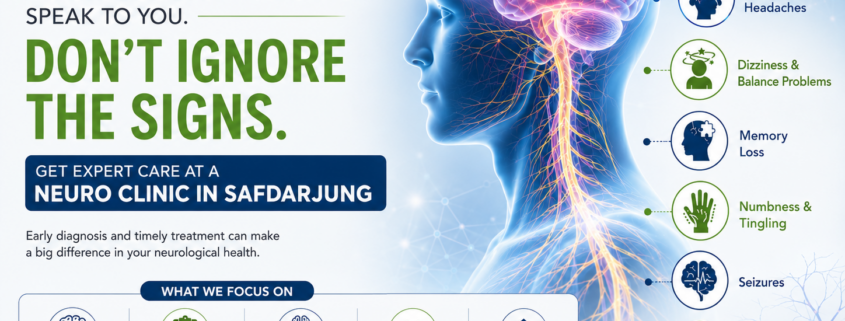
Neurological symptoms such as persistent headaches, dizziness, memory problems, numbness, or unexplained weakness can significantly affect your daily life and overall well-being. If you are searching for the Best neuro clinic in Safdarjung, choosing the right healthcare provider is essential when dealing with conditions that affect the brain, spine, or nervous system.
A trusted neuro clinic in Safdarjung can help identify the underlying cause of neurological symptoms and provide timely diagnosis, accurate evaluation, and effective treatment to prevent complications. Understanding when to seek neurological care is an important step toward protecting your long-term health.
Many neurological conditions develop gradually, making early detection and prompt medical attention crucial. Ignoring warning signs may lead to delayed treatment, progressive symptoms, and a reduced quality of life. Whether you are experiencing frequent migraines, balance problems, nerve pain, seizures, or memory concerns, consulting a qualified neurology specialist can help you receive the care you need.
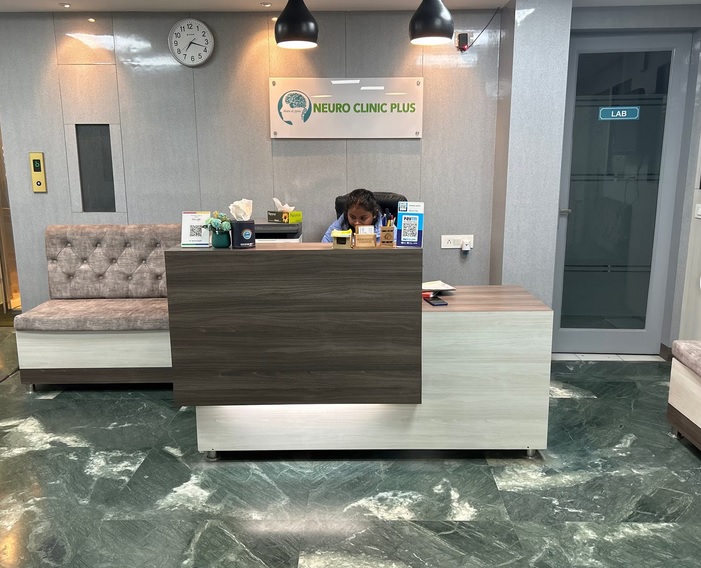
At Neuro Clinic Plus, patients benefit from comprehensive neurological assessments and personalized treatment plans under the expert guidance of Dr. Aparna Gupta. With a focus on early diagnosis, evidence-based treatment, and patient-centered care, the clinic aims to support better neurological health and improved outcomes.
Understanding Neurological Disorders
What Are Neurological Disorders?
Neurological disorders are medical conditions that affect the brain, spinal cord, nerves, and other parts of the nervous system. These conditions can interfere with the body’s ability to communicate, move, think, remember, and perform everyday activities. While some neurological disorders develop suddenly, others progress gradually and may go unnoticed in their early stages.
Common Types of Neurological Disorders
Common neurological conditions include migraine, stroke, epilepsy, Parkinson’s disease, neuropathy, multiple sclerosis, and various memory-related disorders. Each condition affects the nervous system differently and may require specialized diagnosis and treatment.
Symptoms That Should Not Be Ignored
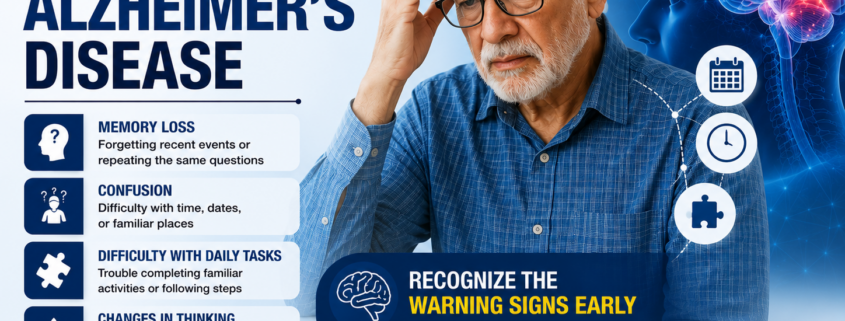
Symptoms can vary depending on the affected area of the nervous system and may include chronic headaches, dizziness, muscle weakness, tingling sensations, balance problems, memory loss, or seizures. Some symptoms may appear mild initially but can worsen over time if left untreated.
Why Early Diagnosis Matters
Recognizing neurological symptoms early is important because many conditions respond better to treatment when diagnosed promptly. Seeking care from the Best neuro clinic in Safdarjung can help patients receive an accurate diagnosis and appropriate treatment before symptoms become more severe.
How a Neuro Clinic Can Help
A specialized neuro clinic in Safdarjung uses clinical evaluation, neurological examinations, and diagnostic testing to identify the root cause of symptoms. With expert care and timely intervention, many patients can effectively manage their condition and maintain a better quality of life.
What Are the Signs That You Need to Visit a Neuro Clinic in Safdarjung?
Many people ignore neurological symptoms, assuming they are caused by stress, fatigue, or aging. However, some symptoms may indicate an underlying condition affecting the brain, spinal cord, or nervous system. Recognizing these warning signs early can help prevent complications and improve treatment outcomes.
If you experience persistent headaches, frequent migraines, unexplained dizziness, memory problems, numbness, tingling sensations, muscle weakness, or difficulty maintaining balance, it may be time to seek professional neurological evaluation. Symptoms such as seizures, sudden vision changes, speech difficulties, or loss of consciousness require immediate medical attention.
Visiting the Best neuro clinic in Safdarjung can help identify the cause of these symptoms through a comprehensive neurological assessment. Early diagnosis is often crucial for conditions such as stroke, epilepsy, Parkinson’s disease, neuropathy, and other neurological disorders.
At a specialized neuro clinic in Safdarjung, patients receive expert guidance, accurate diagnosis, and personalized treatment plans based on their specific condition. Understanding the warning signs and seeking timely care can play an important role in protecting your neurological health and overall quality of life.
Persistent or Severe Headaches
When Is a Headache a Cause for Concern?
Occasional headaches are common and are often linked to stress, dehydration, lack of sleep, or other temporary factors. However, headaches that occur frequently, become increasingly severe, or do not improve with usual measures may indicate an underlying neurological condition. In such cases, seeking evaluation at the Best neuro clinic in Safdarjung can help identify the cause and guide appropriate treatment.
Warning Signs That Require Neurological Evaluation
Certain headache symptoms should never be ignored. These include:
- Sudden and severe headaches
- Headaches that worsen over time
- Headaches accompanied by dizziness
- Vision changes or blurred vision
- Difficulty speaking or confusion
- Weakness or numbness in the face, arms, or legs
- Headaches associated with seizures
These symptoms may be linked to conditions affecting the brain or nervous system and should be evaluated promptly.
How a Neuro Clinic Can Help
A specialized neuro clinic in Safdarjung can assess persistent headaches through a detailed medical history, neurological examination, and diagnostic investigations when necessary. Early evaluation helps determine whether the headaches are related to migraine, nerve disorders, stroke-related concerns, or other neurological conditions.
Timely diagnosis and treatment can help reduce symptoms, improve quality of life, and prevent potential complications associated with untreated neurological disorders.
Frequent Migraines
Could Frequent Migraines Be a Sign of an Underlying Neurological Condition?
Migraines are more than just severe headaches. They are a neurological disorder that can significantly impact daily activities, work performance, and overall quality of life. While occasional migraines may be manageable, experiencing frequent episodes can indicate the need for specialized neurological evaluation.
Common Symptoms of Migraine
Migraine symptoms can vary from person to person and may include:
- Throbbing or pulsating head pain
- Sensitivity to light and sound
- Nausea or vomiting
- Blurred vision
- Visual disturbances (aura)
- Difficulty concentrating
- Fatigue after a migraine attack
For some individuals, migraine attacks can last for several hours or even days, making routine activities difficult.
When Should You Visit a Neuro Clinic?
If migraines become more frequent, severe, or resistant to over-the-counter medications, it is advisable to consult the Best neuro clinic in Safdarjung. Recurrent migraines may require a comprehensive assessment to identify triggers, rule out other neurological conditions, and develop an effective management plan.
Benefits of Early Migraine Management
A specialized neuro clinic in Safdarjung can help diagnose the type of migraine, evaluate contributing factors, and recommend personalized treatment options. Early diagnosis, trigger management, and appropriate treatment can help reduce the frequency and severity of migraine attacks while improving long-term neurological health.
Dizziness and Balance Problems
Occasional dizziness can occur due to dehydration, fatigue, or temporary health issues. However, frequent or unexplained dizziness may indicate a condition affecting the brain, inner ear, or nervous system. When dizziness is accompanied by difficulty maintaining balance, it should not be ignored, as it may be an early sign of an underlying neurological disorder.
Common symptoms may include unsteadiness while walking, a spinning sensation (vertigo), lightheadedness, poor coordination, or frequent falls. These symptoms can affect daily activities and increase the risk of injury, particularly in older adults.
Several neurological conditions can cause dizziness and balance problems, including vertigo, stroke, Parkinson’s disease, multiple sclerosis, and certain nerve disorders. In some cases, these symptoms develop gradually, making professional evaluation important for identifying the root cause.
Seeking care from the Best neuro clinic in Safdarjung can help ensure an accurate diagnosis and timely treatment. A specialized neuro clinic in Safdarjung can perform comprehensive neurological assessments to determine the underlying condition and recommend appropriate management strategies. Early diagnosis and targeted treatment can help improve balance, reduce symptoms, and enhance overall quality of life.
Numbness or Tingling in the Arms and Legs
Experiencing occasional numbness after sitting or sleeping in one position for a long time is common. However, persistent numbness, tingling sensations, or a pins-and-needles feeling in the arms, hands, legs, or feet may indicate an underlying neurological condition that requires medical attention.
Common symptoms that should not be ignored include:
- Persistent numbness in the hands or feet
- Tingling sensations that occur frequently
- Burning or sharp nerve pain
- Muscle weakness in the arms or legs
- Reduced sensation to touch or temperature
- Difficulty holding objects or maintaining balance
- Symptoms that gradually worsen over time
These symptoms can occur when nerves are damaged, compressed, or affected by an underlying neurological disorder. Conditions such as peripheral neuropathy, multiple sclerosis, stroke, pinched nerves, and other nerve-related disorders may cause numbness and tingling.
Seeking care from the Best neuro clinic in Safdarjung can help determine the exact cause of these symptoms. A specialized neuro clinic in Safdarjung can perform a comprehensive neurological evaluation and recommend the most appropriate treatment plan. Early diagnosis, timely treatment, and proper nerve care can help prevent complications and improve long-term neurological health.
Memory Loss and Cognitive Changes
Occasional forgetfulness can be a normal part of daily life, especially during periods of stress or lack of sleep. However, frequent memory loss, difficulty concentrating, or noticeable changes in thinking and reasoning abilities may indicate an underlying neurological condition that should not be ignored.
Common cognitive symptoms that may require neurological evaluation include:
- Frequently forgetting important information
- Difficulty concentrating on routine tasks
- Problems finding the right words during conversations
- Confusion about time, places, or familiar situations
- Difficulty making decisions or solving problems
- Misplacing items more often than usual
- Changes in judgment or reasoning abilities
These symptoms can be associated with various neurological conditions, including mild cognitive impairment, dementia, Alzheimer’s disease, stroke-related cognitive changes, and other disorders affecting the brain. Early recognition of these signs is important because many conditions can be managed more effectively when diagnosed at an early stage.
Visiting the Best neuro clinic in Safdarjung can help identify the cause of memory and cognitive concerns through a detailed neurological assessment. A specialized neuro clinic in Safdarjung can recommend appropriate diagnostic tests and personalized treatment strategies. Early diagnosis, ongoing monitoring, and timely intervention can help preserve cognitive function and improve quality of life.
Seizures or Episodes of Loss of Consciousness
Why Should Seizures Never Be Ignored?
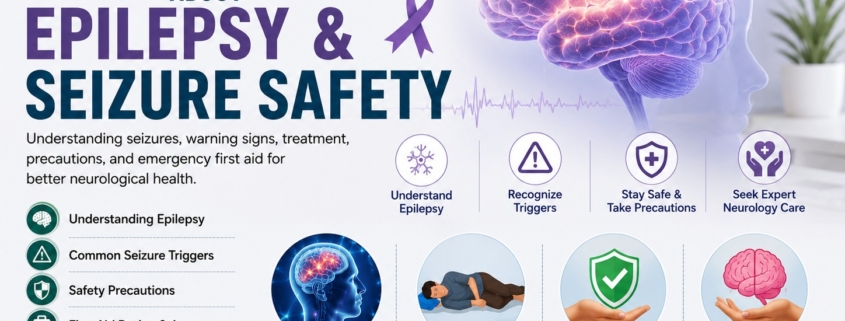
A seizure or sudden loss of consciousness can be a frightening experience and should always be taken seriously. While some episodes may have temporary causes, recurrent seizures or unexplained blackouts may indicate an underlying neurological disorder that requires prompt medical evaluation.
Common Warning Signs
Symptoms that may accompany seizures or episodes of loss of consciousness include:
- Sudden shaking or jerking movements
- Temporary confusion after an episode
- Staring spells or loss of awareness
- Uncontrolled body movements
- Sudden collapse without warning
- Loss of bladder control during an episode
- Difficulty remembering what happened afterward
Possible Neurological Causes
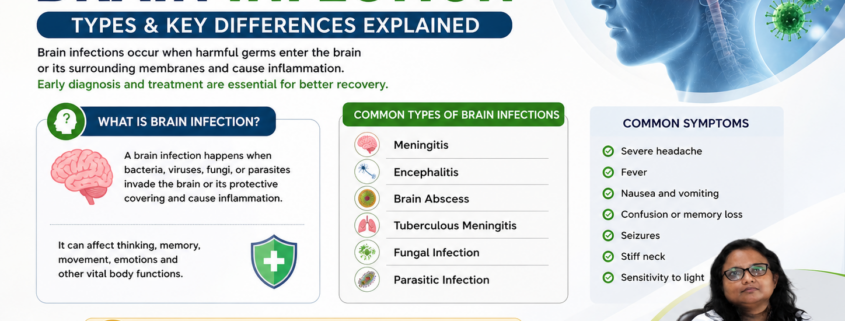
Seizures can occur due to conditions such as epilepsy, brain infections, head injuries, stroke, brain tumors, or other disorders affecting the brain. Even a single unexplained seizure should be evaluated by a specialist to determine the underlying cause and reduce the risk of future episodes.
How a Neuro Clinic Can Help
Consulting the Best neuro clinic in Safdarjung can help ensure an accurate diagnosis through comprehensive neurological assessment and appropriate testing. A specialized neuro clinic in Safdarjung can develop a personalized treatment plan based on the patient’s condition.
Importance of Early Treatment
Early diagnosis, proper seizure management, and regular follow-up care are essential for reducing complications, improving safety, and maintaining long-term neurological health. Timely medical attention can help patients better manage their condition and improve their overall quality of life.
Weakness in the Face, Arms, or Legs
When Is Muscle Weakness a Warning Sign?
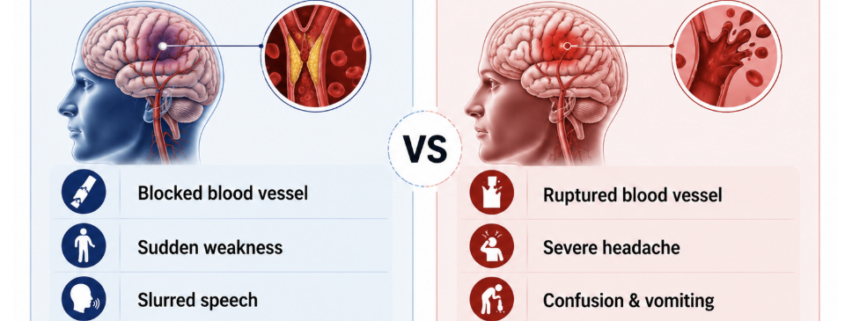
Temporary weakness can sometimes occur due to fatigue or overexertion. However, sudden, persistent, or unexplained weakness in the face, arms, or legs may indicate a serious neurological condition that requires immediate medical attention. In some cases, weakness may affect only one side of the body, making it an important symptom that should never be ignored.
Symptoms That May Accompany Weakness
The following signs may occur along with muscle weakness:
- Difficulty lifting or holding objects
- Drooping of one side of the face
- Trouble walking or maintaining balance
- Reduced grip strength
- Difficulty speaking clearly
- Numbness or tingling sensations
- Loss of coordination
Conditions Associated With Muscle Weakness
Weakness in the face, arms, or legs can be linked to several neurological disorders, including stroke, multiple sclerosis, neuropathy, Parkinson’s disease, and other conditions affecting the nervous system. Sudden weakness, especially when accompanied by speech or vision problems, may be a medical emergency.
Why Prompt Evaluation Matters
Seeking care from the Best neuro clinic in Safdarjung can help determine the cause of muscle weakness through a thorough neurological examination. A specialized neuro clinic in Safdarjung can identify underlying conditions and recommend the most appropriate treatment approach.
Early Intervention Can Improve Outcomes
Timely diagnosis, early treatment, and ongoing neurological care can help prevent complications, improve mobility, and enhance overall quality of life. Recognizing weakness as a potential warning sign can make a significant difference in long-term health outcomes.
Tremors and Uncontrolled Movements
What Are Tremors?
Tremors are involuntary shaking movements that commonly affect the hands, arms, head, or legs. While occasional shaking may occur due to stress, anxiety, or fatigue, persistent tremors or uncontrolled movements may indicate an underlying neurological condition that requires professional evaluation.
Symptoms That Should Not Be Ignored
Common signs associated with tremors and movement disorders include:
- Shaking of the hands during rest or activity
- Difficulty performing fine motor tasks
- Uncontrolled movements of the arms or legs
- Muscle stiffness or rigidity
- Slowed body movements
- Changes in handwriting
- Difficulty maintaining balance while walking
Possible Causes of Tremors
Tremors can occur due to various neurological conditions, including Parkinson’s disease, essential tremor, multiple sclerosis, and certain disorders affecting the brain and nervous system. Identifying the exact cause is important because treatment options vary depending on the underlying condition.
How a Neuro Clinic Can Help
Visiting the Best neuro clinic in Safdarjung can help patients receive a comprehensive neurological assessment to determine the cause of tremors and abnormal movements. A specialized neuro clinic in Safdarjung can evaluate symptoms, recommend diagnostic tests, and create a personalized treatment plan.
Benefits of Early Diagnosis
Early detection, appropriate treatment, and regular neurological monitoring can help manage symptoms more effectively and improve daily functioning. Seeking medical attention at the first signs of persistent tremors can contribute to better long-term neurological health and quality of life.
Sleep Disorders Related to Neurological Conditions
Sleep is essential for maintaining the health of the brain and nervous system. While occasional sleep disturbances are common, persistent sleep problems may sometimes be linked to an underlying neurological condition. Poor sleep can affect concentration, memory, mood, and overall quality of life, making it important to identify the underlying cause.
Common sleep-related symptoms that may require neurological evaluation include:
- Difficulty falling asleep or staying asleep
- Excessive daytime sleepiness
- Frequent waking during the night
- Unusual movements during sleep
- Restless legs or uncomfortable sensations
- Sudden sleep attacks
- Morning headaches
- Persistent fatigue despite adequate sleep
Sleep disorders can be associated with conditions such as Parkinson’s disease, epilepsy, stroke, migraine, and other disorders affecting the nervous system. In some cases, sleep-related symptoms may appear before more noticeable neurological symptoms develop.
Seeking care from the Best neuro clinic in Safdarjung can help determine whether sleep disturbances are connected to an underlying neurological disorder. A specialized neuro clinic in Safdarjung can evaluate symptoms, identify contributing factors, and recommend appropriate treatment options. Early diagnosis, proper sleep management, and timely neurological care can help improve sleep quality, support brain health, and enhance overall well-being.
Chronic Nerve Pain
Chronic nerve pain is different from the pain caused by a minor injury or temporary discomfort. It often develops when nerves become damaged, irritated, or affected by an underlying neurological condition. This type of pain can persist for weeks, months, or even years, significantly affecting daily activities and overall quality of life.
Common symptoms of chronic nerve pain include:
- Burning sensations
- Sharp or shooting pain
- Tingling or pins-and-needles feelings
- Increased sensitivity to touch
- Numbness in certain areas of the body
- Muscle weakness
- Pain that worsens at night
Chronic nerve pain may be associated with conditions such as peripheral neuropathy, multiple sclerosis, pinched nerves, post-stroke nerve damage, and other disorders affecting the nervous system. Without proper treatment, symptoms may gradually worsen and interfere with mobility, sleep, and everyday functioning.
Visiting the Best neuro clinic in Safdarjung can help identify the underlying cause of chronic nerve pain through a comprehensive neurological assessment. A specialized neuro clinic in Safdarjung can recommend personalized treatment strategies aimed at relieving symptoms and improving nerve function. Early diagnosis, targeted treatment, and ongoing neurological care are essential for managing chronic nerve pain and maintaining a better quality of life.
Conditions Commonly Treated at Neuro Clinic Plus
Neuro Clinic Plus provides comprehensive care for a wide range of conditions affecting the brain, spinal cord, and nervous system. Early diagnosis and personalized treatment are essential for managing neurological disorders effectively and improving long-term health outcomes.
Some of the most common conditions treated at the clinic include:
- Migraine and chronic headaches
- Stroke and stroke rehabilitation
- Epilepsy and seizure disorders
- Parkinson’s disease
- Peripheral neuropathy and nerve disorders
- Vertigo and balance disorders
- Memory-related disorders
- Multiple sclerosis
- Sleep-related neurological conditions
- Chronic nerve pain
- Muscle weakness and movement disorders
- Tremors and involuntary movements
Many neurological conditions share similar symptoms, making an accurate diagnosis critical for effective treatment. Symptoms such as persistent headaches, dizziness, memory loss, numbness, seizures, and balance problems should be evaluated by an experienced neurology specialist.
Patients seeking care at the Best neuro clinic in Safdarjung can benefit from detailed neurological assessments, evidence-based treatment plans, and ongoing monitoring. As a trusted neuro clinic in Safdarjung, Neuro Clinic Plus focuses on delivering personalized care to help patients manage neurological conditions and improve their quality of life.
Why Early Neurological Evaluation Matters
Many neurological disorders begin with subtle symptoms that are easy to dismiss. A recurring headache, occasional dizziness, mild numbness, or minor memory lapses may not seem serious at first, but these symptoms can sometimes indicate an underlying condition affecting the brain, spinal cord, or nervous system. Recognizing these warning signs and seeking medical attention early can play a crucial role in protecting long-term neurological health.
An early neurological evaluation helps identify the root cause of symptoms before they become more severe or lead to complications. Conditions such as stroke, epilepsy, Parkinson’s disease, neuropathy, and memory-related disorders often respond better to treatment when diagnosed in their initial stages. Timely intervention may slow disease progression, reduce symptom severity, and improve overall treatment outcomes.
Seeking care from the Best neuro clinic in Safdarjung allows patients to receive a comprehensive assessment, accurate diagnosis, and personalized treatment recommendations based on their specific needs. A trusted neuro clinic in Safdarjung can also provide ongoing monitoring to track changes in symptoms and adjust treatment plans when necessary.
Most importantly, early diagnosis, timely treatment, and regular neurological follow-up can improve quality of life, support better recovery, and help patients maintain their independence and daily functioning for years to come.
Why Choose Neuro Clinic Plus in Safdarjung?
Choosing the right neurology center is an important step in managing conditions that affect the brain, spinal cord, and nervous system. Whether you are experiencing persistent headaches, dizziness, memory concerns, seizures, or nerve-related symptoms, receiving care from an experienced neurology team can make a significant difference in your diagnosis and treatment journey.
Neuro Clinic Plus is committed to providing comprehensive neurological care through detailed assessments, accurate diagnosis, and personalized treatment plans. The clinic focuses on understanding each patient’s unique symptoms and medical history to develop treatment strategies tailored to their specific needs.
Patients looking for the Best neuro clinic in Safdarjung often seek a combination of medical expertise, patient-centered care, and long-term support. At Neuro Clinic Plus, the emphasis is placed on early diagnosis, evidence-based treatment, and continuous monitoring to help patients achieve the best possible outcomes.
As a trusted neuro clinic in Safdarjung, Neuro Clinic Plus offers care for a wide range of neurological conditions, including migraine, stroke, epilepsy, Parkinson’s disease, neuropathy, vertigo, and memory-related disorders. With a focus on compassionate care and neurological wellness, the clinic aims to help patients improve their quality of life and maintain better neurological health.
About Dr. Aparna Gupta
Dr. Aparna Gupta is an experienced neurology specialist dedicated to the diagnosis, treatment, and long-term management of conditions affecting the brain, spinal cord, and nervous system. She focuses on providing patient-centered care, accurate diagnosis, and evidence-based treatment tailored to each individual’s needs.
Her areas of expertise include:
- Migraine and chronic headache management
- Stroke diagnosis, treatment, and rehabilitation
- Epilepsy and seizure disorders
- Parkinson’s disease and movement disorders
- Peripheral neuropathy and nerve-related conditions
- Memory-related disorders and cognitive concerns
- Vertigo and balance disorders
- Sleep-related neurological conditions
- Chronic nerve pain management
Patients visiting the Best neuro clinic in Safdarjung benefit from her comprehensive approach to neurological care. She believes in understanding the root cause of symptoms rather than focusing solely on symptom relief, helping patients receive the most appropriate treatment for their condition.
As part of a trusted neuro clinic in Safdarjung, Dr. Aparna Gupta emphasizes:
- Early diagnosis and timely intervention
- Personalized treatment plans
- Comprehensive neurological evaluation
- Long-term patient support and follow-up
- Patient education and preventive care
Her commitment to clinical excellence, compassionate care, and ongoing neurological wellness helps patients manage their conditions effectively and improve their overall quality of life.
When Should You Seek Immediate Medical Attention?
While some neurological symptoms develop gradually, others require immediate medical attention and should never be ignored. Certain warning signs may indicate a serious condition affecting the brain, spinal cord, or nervous system, where timely treatment can significantly improve outcomes and reduce the risk of long-term complications.
You should seek urgent medical care if you experience sudden weakness or numbness in the face, arm, or leg, especially if it affects one side of the body. Other concerning symptoms include difficulty speaking, sudden vision changes, loss of balance, unexplained confusion, or a severe headache that appears suddenly and intensely. These symptoms may be early signs of a neurological emergency such as a stroke.
Similarly, episodes of loss of consciousness, first-time seizures, or repeated seizure activity should be evaluated without delay. Prompt medical assessment can help identify the underlying cause and ensure appropriate treatment is started as quickly as possible.
If you notice any of these warning signs, do not wait for symptoms to improve on their own. Seeking care from the Best neuro clinic in Safdarjung or the nearest emergency medical facility can help prevent serious complications. A trusted neuro clinic in Safdarjung can provide rapid evaluation, accurate diagnosis, and timely intervention to protect neurological function and improve recovery outcomes.
Frequently Asked Questions
1. What are the signs that I should visit a neuro clinic?
Persistent headaches, dizziness, memory problems, numbness, muscle weakness, seizures, or balance issues may indicate the need for neurological evaluation.
2. When should I see a neurologist for headaches?
You should consult a neurologist if headaches become frequent, severe, worsen over time, or are accompanied by neurological symptoms such as vision changes or weakness.
3. Can numbness in the hands and feet indicate a neurological disorder?
Yes, persistent numbness or tingling may be associated with nerve damage, neuropathy, multiple sclerosis, or other neurological conditions.
4. What conditions are commonly treated at a neuro clinic?
A neuro clinic commonly treats migraine, stroke, epilepsy, Parkinson’s disease, neuropathy, vertigo, and memory-related disorders.
5. How are neurological disorders diagnosed?
Diagnosis typically involves a medical history review, neurological examination, and, when necessary, specialized diagnostic tests to identify the underlying cause.
6. Can dizziness be a sign of a neurological problem?
Yes, persistent dizziness or balance difficulties can sometimes be linked to conditions affecting the brain, nervous system, or coordination centers.
7. Are migraines considered a neurological condition?
Yes, migraines are a neurological disorder that can cause severe headaches, sensitivity to light, nausea, and other symptoms affecting daily life.
8. When should memory problems be evaluated by a specialist?
Memory issues should be assessed if they become frequent, interfere with daily activities, or are accompanied by confusion and cognitive changes.
9. Can neurological disorders be treated effectively?
Many neurological disorders can be managed successfully with early diagnosis, appropriate treatment, lifestyle modifications, and regular medical follow-up.
10. Why is early neurological evaluation important?
Early evaluation helps identify conditions before they progress, allowing for timely treatment, better symptom control, and improved long-term outcomes.
11. What should I expect during my first visit to a neuro clinic?
Your first visit may include a discussion of symptoms, medical history, neurological examination, and recommendations for further evaluation if needed.
12. Why choose the Best neuro clinic in Safdarjung?
The Best neuro clinic in Safdarjung offers comprehensive neurological assessment, personalized treatment plans, and expert care to support long-term brain and nerve health.
Conclusion
Neurological symptoms can affect people of all ages and should never be ignored, especially when they become persistent, severe, or begin interfering with daily life. Signs such as frequent headaches, migraines, dizziness, memory problems, numbness, muscle weakness, seizures, tremors, and chronic nerve pain may indicate an underlying condition affecting the brain, spinal cord, or nervous system.
Understanding these warning signs is the first step toward protecting your neurological health. In many cases, early diagnosis and timely treatment can help prevent complications, improve symptom management, and enhance overall quality of life. Seeking professional medical guidance as soon as symptoms appear can make a significant difference in long-term outcomes.
If you are experiencing any concerning neurological symptoms, consulting the Best neuro clinic in Safdarjung can help you receive a comprehensive evaluation and personalized treatment plan. As a trusted neuro clinic in Safdarjung, Neuro Clinic Plus is committed to providing expert neurological care under the guidance of Dr. Aparna Gupta. With a focus on accurate diagnosis, patient-centered care, and long-term neurological wellness, the clinic helps patients take proactive steps toward better brain and nerve health.