Autoimmune Disorder

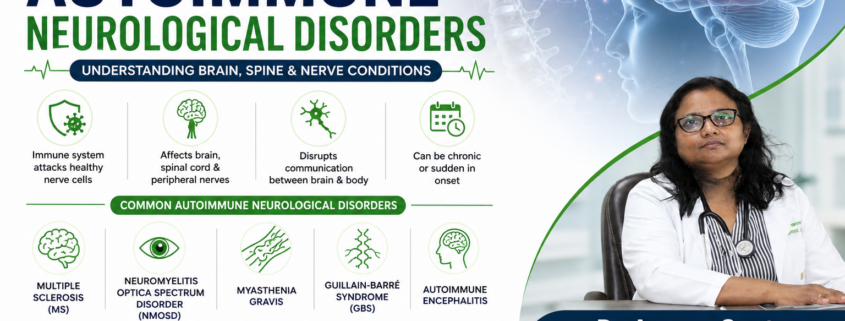
Autoimmune diseases happen when the body’s immune system, which normally protects us from infections, starts attacking healthy cells by mistake. When this problem affects the nervous system, it can impact the brain, spinal cord, and nerves. These conditions are called autoimmune neurological disorders.

In simple terms, the brain sends signals to the body to control movement, thinking, and daily activities. But in conditions like Multiple Sclerosis and Myasthenia Gravis, this communication gets disturbed. This can lead to problems like weakness, poor balance, or difficulty in normal body functions.

Some autoimmune neurological diseases develop slowly over time, while others can appear suddenly and become serious if not treated early. These conditions can affect people of any age, but they are often seen more in young adults and women.

Understanding these disorders is important because early awareness can help people seek medical care on time. With proper diagnosis and treatment, many of these conditions can be managed effectively, improving quality of life.

What Are Autoimmune Neurological Disorders?

Autoimmune neurological disorders are conditions where the body’s immune system mistakenly attacks parts of the nervous system. This includes the brain, spinal cord, and nerves. Instead of protecting the body, the immune system starts damaging important structures that help in movement, thinking, and coordination.

In these disorders, the body produces harmful antibodies that target nerve cells or their protective covering. For example, in Multiple Sclerosis, the immune system damages the myelin (protective layer of nerves), which slows down or blocks signals between the brain and body. In Myasthenia Gravis, the communication between nerves and muscles gets affected, leading to muscle weakness.

These conditions can affect different parts of the nervous system. Some mainly affect the brain, some the spinal cord, and others the peripheral nerves. Because of this, symptoms and severity can vary from person to person.

Understanding how these disorders work helps in identifying them early and managing them better. Early care can prevent complications and improve daily life.

Common Autoimmune Neurological Disorders

There are several types of autoimmune disorders that affect the nervous system. Each condition targets a different part of the body and affects how the brain, spinal cord, or nerves work. Below are the most common disorders explained in simple language with a bit more detail:

1. Multiple Sclerosis (MS)

This condition affects the brain and spinal cord. The immune system attacks the myelin sheath, which is the protective covering around nerve fibers. When this layer gets damaged, the signals between the brain and body become slow or blocked.

People with MS may face problems with balance, coordination, and movement. The condition usually develops slowly and can come in phases, where symptoms improve and then return again. Over time, it can affect daily activities if not managed properly.

2. Neuromyelitis Optica Spectrum Disorder (NMOSD)

NMOSD mainly affects the optic nerves (which control vision) and the spinal cord. It can lead to vision loss, pain in the eyes, and weakness or stiffness in the body.

This condition is often linked with AQP4-IgG antibodies, which attack specific cells in the nervous system. Unlike MS, NMOSD usually occurs in sudden attacks that can be more severe and may cause long-term damage if not treated early.

3. Myasthenia Gravis

In this disorder, the immune system blocks or destroys acetylcholine receptors, which are needed for communication between nerves and muscles. Because of this, muscles do not get proper signals and become weak.

It commonly affects muscles of the eyes, face, and throat, leading to drooping eyelids, difficulty in speaking, chewing, or swallowing. Muscle weakness usually gets worse with activity and improves with rest.

4. Guillain-Barré Syndrome

This condition affects the peripheral nerves, which connect the brain and spinal cord to the rest of the body. The immune system attacks these nerves, leading to weakness that usually starts in the legs and spreads upward.

It often develops quickly, sometimes after a viral or bacterial infection. In severe cases, it can affect breathing muscles, making it a medical emergency. However, with timely treatment, many people recover well.

5. Autoimmune Encephalitis

Autoimmune encephalitis causes inflammation of the brain due to antibodies attacking brain cells. This affects how the brain functions and can lead to confusion, memory problems, and unusual behavior.

Some people may also experience seizures or changes in personality. This condition can progress rapidly, so early diagnosis and treatment are very important to prevent serious complications.

Difference Between Common Autoimmune Disorders

Understanding the differences between these conditions is important because each one affects a different part of the nervous system and behaves in its own way. This also helps in recognizing how serious each condition can be and why early care matters.

  1. Multiple Sclerosis (MS)

MS mainly affects the brain and spinal cord (central nervous system). The immune system damages the myelin sheath, which helps nerve signals travel smoothly. When this layer is damaged, signals slow down or get blocked.

It is usually a chronic condition, meaning it lasts for a long time. Symptoms may come and go (relapses and remissions). Over time, it can gradually affect movement, balance, and coordination. The progression is generally slower compared to some other disorders.

  1. Neuromyelitis Optica Spectrum Disorder (NMOSD)

NMOSD also affects the central nervous system but mainly targets the optic nerves and spinal cord. This makes vision problems and weakness more prominent.

It is strongly linked with AQP4-IgG antibodies, which attack specific cells. Unlike MS, NMOSD usually occurs in sudden and severe attacks rather than gradual progression. These attacks can cause more serious damage in a shorter time if not treated properly.

  1. Myasthenia Gravis

This condition is different from MS and NMOSD because it does not damage the brain or nerves directly. Instead, it affects the communication between nerves and muscles.

The immune system blocks acetylcholine receptors, which are needed for muscle movement. As a result, muscles become weak, especially after repeated use. Weakness often improves with rest. It mainly affects muscles of the eyes, face, and throat, making daily activities like speaking or chewing difficult.

  1. Guillain-Barré Syndrome

GBS affects the peripheral nervous system, which includes nerves outside the brain and spinal cord. The immune system attacks these nerves, leading to weakness that usually starts in the legs and moves upward.

It is usually an acute condition, meaning it develops quickly over days or weeks. In severe cases, it can affect breathing muscles, making it a medical emergency. Unlike MS, many people recover with proper treatment, but early care is very important.

  1. Autoimmune Encephalitis

This condition directly affects the brain, causing inflammation due to harmful antibodies. It mainly impacts brain function, including thinking, memory, and behavior.

Symptoms can appear quickly and may include confusion, personality changes, or seizures. It is considered a serious and urgent condition that requires immediate medical attention. Early treatment can significantly improve outcomes.

Key Difference Summary (Simple View)

  • MS & NMOSD → Affect brain and spinal cord, but NMOSD is more severe and attack-based
  • Myasthenia Gravis → Affects muscle communication, not nerves directly
  • Guillain-Barré Syndrome → Affects peripheral nerves and develops rapidly
  • Autoimmune Encephalitis → Directly affects brain function and behavior

Importance of Early Awareness

Understanding autoimmune neurological disorders at an early stage is very important. These conditions can affect the brain, spinal cord, and nerves, which control almost every function in the body. If they are not recognized on time, they can lead to serious complications and long-term problems.

Many disorders like Multiple Sclerosis or Guillain-Barré Syndrome may start with mild symptoms, but they can gradually worsen or suddenly become severe. Early awareness helps people notice unusual changes in the body and seek medical help before the condition progresses.

Timely medical attention can help in controlling the disease, reducing complications, and improving quality of life. It also allows doctors to start the right treatment at the right time, which can prevent permanent damage in many cases.

Being aware of these conditions also helps individuals and families make better health decisions. Simple steps like not ignoring symptoms, regular check-ups, and consulting a neurologist when needed can make a big difference.

In short, early awareness plays a key role in managing autoimmune neurological disorders and maintaining overall health.

Frequently Asked Questions (FAQs)

1. What causes autoimmune neurological disorders?

Autoimmune neurological disorders happen when the immune system mistakenly attacks healthy nerve cells. This can be due to a mix of genetic factors, infections, and environmental triggers. In many cases, the exact cause is not fully known.

  1. Are autoimmune neurological diseases curable?

Most conditions like Multiple Sclerosis are not completely curable, but they can be managed with proper treatment and care. Early diagnosis helps in controlling the disease and reducing complications.

  1. Which autoimmune disorder affects the brain directly?

Autoimmune Encephalitis directly affects the brain. It causes inflammation and can impact memory, behavior, and thinking ability.

  1. What is the difference between MS and NMOSD?

Multiple Sclerosis affects different parts of the brain and spinal cord, while Neuromyelitis Optica Spectrum Disorder mainly targets the optic nerves and spinal cord and is often more severe.

  1. Is Guillain-Barré Syndrome serious?

Guillain-Barré Syndrome can be serious because it may affect breathing muscles in severe cases. However, with early treatment, many people recover well.

Conclusion

Autoimmune neurological disorders are conditions where the immune system mistakenly attacks parts of the nervous system, including the brain, spinal cord, and nerves. Each disorder—like Multiple Sclerosis, Neuromyelitis Optica Spectrum Disorder, and Myasthenia Gravis—affects the body in a different way, which is why understanding their differences is important.

Some conditions develop slowly over time, while others may appear suddenly and become serious if not treated early. Even though these disorders can be complex, many of them can be managed effectively with the right medical care and timely attention.

Being aware of early signs, understanding how these diseases work, and consulting a neurologist when needed can make a big difference in managing the condition. With proper care and guidance, individuals can maintain a better quality of life and prevent complications.

In simple words, awareness and early action are the key to better outcomes in autoimmune neurological disorders.
 

brain infection

Brain infections are serious health problems that affect the brain or the layers covering it. The brain is one of the most important parts of our body because it controls everything we do—like thinking, moving, speaking, and even breathing. When an infection reaches the brain, it can disturb these functions and may become dangerous if not treated on time.

These infections are usually caused by germs such as bacteria, viruses, fungi, or parasites. Sometimes, the infection spreads to the brain from other parts of the body like the ears, sinuses, or lungs. In some cases, it can also spread through the bloodstream.

Common signs of a brain infection may include fever, headache, confusion, or feeling very weak. These symptoms can become serious quickly, so it is important to pay attention to them.

Understanding brain infections in simple terms can help people recognize the problem early. With timely medical care and proper treatment, many brain infections can be managed effectively, reducing the risk of serious complications.

What is a Brain Infection?

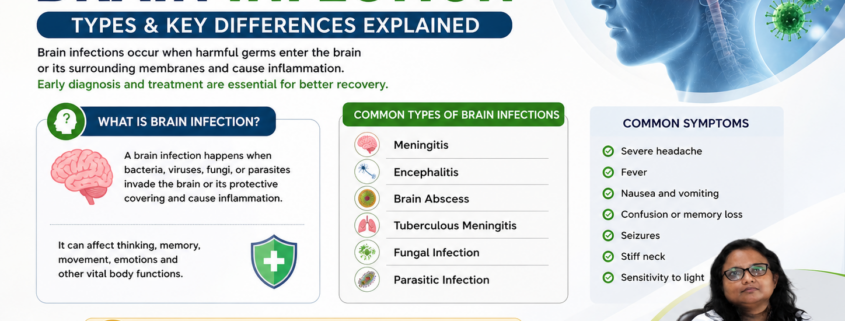
A brain infection happens when harmful germs enter the brain or the layers that cover it and cause inflammation (swelling). These germs can be bacteria, viruses, fungi, or parasites. When they reach the brain, they disturb its normal working and can affect important body functions like thinking, movement, and coordination.

Brain infections can affect different parts, such as the brain tissue itself or the protective layers around the brain (called meninges). Depending on the area affected, the condition may vary in severity and symptoms.

These infections usually spread in a few common ways. They may travel through the bloodstream from another infected part of the body, such as the lungs, ears, or sinuses. In some cases, they can also enter the brain due to a head injury or after surgery.

A brain infection is considered a serious condition because the brain is very sensitive. Even a small problem can lead to major health issues. That’s why early detection and proper medical care are very important to prevent complications.

3. Types of Brain Infections

There are different types of brain infections, and each one affects the brain in a different way. The type depends on which part of the brain is affected and what kind of germ is causing the infection.

3.1 Meningitis

Meningitis is an infection of the protective layers (meninges) that cover the brain and spinal cord. It is usually caused by bacteria or viruses. This condition can start suddenly and may become serious very quickly. Common symptoms include high fever, severe headache, vomiting, and stiffness in the neck. Some people may also feel sensitive to light or have difficulty concentrating.

Meningitis needs urgent medical attention because it can affect brain function within a short time. Early treatment can help prevent serious complications.

3.2 Encephalitis

Encephalitis means inflammation (swelling) of the brain tissue itself. It is mostly caused by viral infections. This type of infection directly affects how the brain works, which can change a person’s behavior and thinking.

People with encephalitis may feel confused, drowsy, or have seizures. In some cases, they may also have trouble speaking or moving properly. It can be mild in some people, but in others, it can become serious and require hospital care.

3.3 Brain Abscess

A brain abscess is a condition where pus collects inside the brain due to an infection. It usually happens when an infection from nearby areas like the ears, teeth, or sinuses spreads to the brain.

This can cause pressure inside the brain, leading to symptoms like constant headache, fever, nausea, and weakness in certain parts of the body. A brain abscess is a serious condition and may sometimes require surgery to remove the pus along with medicines.

3.4 Tuberculous Meningitis

Tuberculous meningitis is caused by the bacteria that also cause tuberculosis (TB). This infection develops slowly compared to other types. At first, symptoms may be mild, like low fever, tiredness, and headache, but they can become worse over time.

If not treated, it can affect brain function and cause confusion or unconsciousness. Early diagnosis is very important to control this infection and avoid complications.

3.5 Fungal Brain Infections

Fungal brain infections are less common but can occur in people with weak immune systems, such as those with chronic illnesses. These infections are caused by fungi that enter the body and slowly affect the brain.

Symptoms may develop gradually and include headache, fever, and confusion. Because they progress slowly, they are sometimes difficult to detect early, but proper treatment can help manage the condition.

3.6 Parasitic Brain Infections

Parasitic infections happen when parasites enter the body through contaminated food or water and reach the brain. These infections are more common in areas with poor hygiene and sanitation.

They can cause symptoms like seizures, headaches, and swelling in the brain. In some cases, they may lead to long-term neurological problems if not treated on time.

4. Difference Between Types of Brain Infections

Different types of brain infections are not the same. They differ in where they affect the brain, what causes them, how fast they spread, and how serious they can become. Understanding these differences in simple terms helps people recognize symptoms early and seek the right treatment.

4.1 Based on Area Affected

Brain infections can affect different parts of the brain, and this changes how a person feels. For example, meningitis affects the outer covering of the brain (meninges), so it often causes headache, fever, and neck stiffness. Encephalitis affects the brain tissue itself, which can lead to confusion, memory problems, or unusual behavior. A brain abscess affects a specific area where pus collects, which can press on the brain and cause pain or weakness in certain body parts. So, the location of the infection plays a big role in symptoms.

4.2 Based on Cause of Infection

Different germs cause different types of brain infections. Bacterial infections are usually more severe and need immediate treatment with antibiotics. Viral infections are more common and may sometimes be mild, but they can still become serious. Fungal infections usually affect people with weak immunity and develop slowly. Parasitic infections often occur due to contaminated food or water. Since each germ acts differently, doctors choose treatment based on the exact cause.

4.3 Based on Speed of Development

Some brain infections develop very quickly, while others take time. For example, bacterial meningitis can worsen within hours or a day, making it an emergency. On the other hand, infections like tuberculous meningitis or fungal infections grow slowly and symptoms may appear gradually over days or weeks. Because of this difference, some infections need urgent care, while others may be detected over time.

4.4 Based on Severity

The seriousness of brain infections can vary a lot. Some infections may be mild and improve with proper treatment, while others can be life-threatening if not treated quickly. Severe infections can lead to complications like brain damage, seizures, or even coma. The severity depends on the type of infection, how early it is treated, and the overall health of the person.

4.5 Based on Symptoms

Symptoms of brain infections are not the same for everyone. Some infections mainly cause fever, headache, and vomiting. Others may affect brain function more strongly, leading to confusion, difficulty in speaking, seizures, or trouble in movement. In some cases, symptoms may start mild and become worse over time. Paying attention to these differences can help in early diagnosis and better treatment.

5. Frequently Asked Questions (FAQs)

Q1. What is a brain infection?

A brain infection occurs when germs like bacteria, viruses, fungi, or parasites enter the brain and cause swelling. This affects brain functions like thinking, movement, and memory. If not treated early, it can become serious and lead to complications.

Q2. What are the main types of brain infections?

The main types include meningitis, encephalitis, brain abscess, tuberculous meningitis, fungal infections, and parasitic infections. Each type affects different parts of the brain and may develop quickly or slowly depending on the cause.

Q3. Are brain infections dangerous?

Yes, brain infections are dangerous because they affect the brain, which controls the body. Without timely treatment, they can cause seizures, confusion, unconsciousness, or even life-threatening complications. Early medical care can help prevent serious outcomes.

Q4. Can brain infections be cured?

Many brain infections can be cured if diagnosed early. Treatment depends on the cause and may include medicines like antibiotics or antivirals. In some cases, surgery is needed. Early treatment increases the chances of full recovery.

Q5. Can brain infections cause long-term problems?

Yes, untreated brain infections can lead to long-term problems like memory issues, speech difficulty, weakness, or seizures. However, with early diagnosis and proper treatment, the risk of permanent damage can be reduced significantly.

6. Conclusion

Brain infections are serious medical conditions that can affect the brain and disturb its normal functioning. They can be caused by different germs such as bacteria, viruses, fungi, or parasites, and each type affects the brain in a different way. Conditions like meningitis, encephalitis, and brain abscess may vary in severity, but all require proper medical attention.

Understanding the different types of brain infections and how they differ is important for awareness. Some infections develop suddenly, while others progress slowly over time. Knowing these differences can help in recognizing the condition early.

Although brain infections can be dangerous, early diagnosis and timely treatment can help manage them effectively and reduce complications. Staying informed about these conditions is the first step toward better brain health and quick action when needed.


Depression vs Anxiety

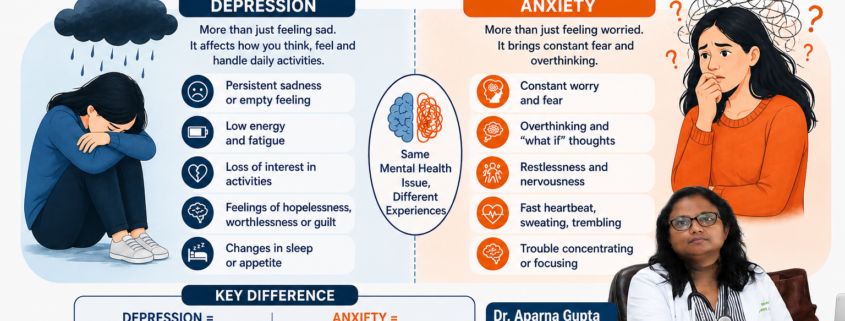
Mental health is just as important as physical health, but many people feel confused about conditions like depression and anxiety. These two are very common, and people often think they are the same—but they are actually different.

Depression is mainly about feeling very sad, empty, or losing interest in things you once enjoyed. A person may feel low most of the time and find it hard to stay motivated. On the other hand, anxiety is about constant worry, fear, and overthinking. A person may feel nervous, restless, or always think something bad might happen.

Even though they are different, depression and anxiety can sometimes happen together. This can make it harder to understand what someone is going through. That’s why it is important to know the basic difference between them.

When we understand these conditions better, it becomes easier to recognize the symptoms and seek the right help at the right time.

What is Depression? 

Depression is a mental health condition where a person feels sad, low, or empty for a long time. It is not just a bad mood that goes away quickly—it can last for weeks or even months and affect daily life.

People with depression often lose interest in things they once enjoyed, like hobbies, socializing, or work. They may feel tired all the time, even without doing much. Simple tasks can start to feel difficult. Some people may also have trouble sleeping, while others may sleep too much.

Depression can also affect how a person thinks. They may feel hopeless, worthless, or guilty without a clear reason. In some cases, it can even lead to thoughts of giving up or feeling like life has no purpose.

It’s important to understand that depression is not a sign of weakness. It is a real health condition that needs attention and care. With the right support, treatment, and lifestyle changes, people can manage depression and start feeling better over time.

What is Anxiety?

Anxiety is a mental health condition where a person feels constant worry, fear, or nervousness, even when there is no real danger. It is more than normal stress—it can stay for a long time and affect daily life.

People with anxiety often overthink situations and expect the worst to happen. They may find it hard to relax or control their thoughts. Even small problems can feel very big and overwhelming.

Anxiety can also cause physical symptoms. A person may experience a fast heartbeat, sweating, shaking, or shortness of breath. Some people feel restless, unable to sit still, or have trouble sleeping because their mind is always active.

In some cases, anxiety can lead to panic attacks, where a person suddenly feels intense fear along with strong physical symptoms. These episodes can be scary but are treatable.

Like depression, anxiety is a real condition—not just overthinking. With proper care, therapy, and healthy habits, it can be managed effectively.

Key Differences 

Emotional Difference

Depression is mainly about deep sadness, emptiness, and feeling low most of the time. A person may lose interest in things they once enjoyed. Anxiety, on the other hand, is about constant worry, fear, and nervousness, even without a clear reason.

Thinking Pattern

In depression, people often have negative thoughts like feeling hopeless or thinking nothing will get better. In anxiety, the mind is full of “what if” thoughts and overthinking about future problems.

Physical Symptoms

Depression usually causes low energy, tiredness, and slow movement. A person may feel exhausted even after resting. Anxiety often shows physical signs like a fast heartbeat, sweating, shaking, and difficulty relaxing.

Overall Feeling

Depression makes a person feel heavy and pulled down, while anxiety makes a person feel tense and on edge.

Understanding these differences helps in recognizing what someone is going through and finding the right kind of help.

Can They Occur Together? 

Yes, It Is Possible

Depression and anxiety can happen at the same time, and this is quite common. Many people experience symptoms of both conditions together.

Mixed Symptoms

A person may feel very sad and low like in depression, while also feeling worried and restless like in anxiety. For example, someone might lose interest in daily activities but still keep overthinking or fearing the future.

Stronger Impact on Life

When both conditions occur together, the symptoms can feel more intense. It may affect sleep, work, relationships, and daily routine more seriously.

Need for Proper Diagnosis

Because symptoms overlap, it can be confusing to understand the problem. Consulting a professional helps in identifying both conditions correctly and choosing the right treatment.

Treatment and Support

With the right support, therapy, healthy habits, and sometimes medication, both depression and anxiety can be managed together effectively.

When to Seek Help 

Persistent Symptoms

If feelings of sadness, worry, or fear last for weeks and do not go away, it may be a sign to seek help. These are not just temporary emotions and should not be ignored.

Difficulty in Daily Life

When depression or anxiety starts affecting your daily routine—like work, studies, sleep, or relationships—it is important to take it seriously and consult a professional.

Physical and Emotional Changes

Signs like constant tiredness, lack of energy, panic attacks, trouble sleeping, or loss of interest in activities can indicate that you need support.

Feeling Overwhelmed

If thoughts feel too heavy, or you feel unable to cope with stress and emotions, reaching out for help can make a big difference.

Importance of Early Support

Getting help early can prevent the condition from becoming more serious. Talking to a doctor, therapist, or counselor can guide you towards the right treatment and support.

FAQs 

Is anxiety worse than depression?

Both conditions are serious in their own way. Anxiety involves constant worry and fear, while depression brings deep sadness and low mood. Neither is “worse”—both need proper care and attention.

Can depression and anxiety happen together?

Yes, it is very common for a person to experience both at the same time. This can make symptoms feel more intense and confusing.

What are the main differences in symptoms?

Depression mainly causes sadness, low energy, and loss of interest. Anxiety causes worry, fear, restlessness, and physical symptoms like a fast heartbeat.

When should I consult a doctor?

If your symptoms last for weeks, affect your daily life, or feel difficult to handle, it is important to seek professional help.

Conclusion

Depression and anxiety are both common mental health conditions, but they are different in how they affect a person. Depression is mainly about feeling sad, low, and losing interest in life, while anxiety is about constant worry, fear, and overthinking. Understanding this difference helps in recognizing the symptoms more clearly.

At the same time, it is important to remember that both conditions can occur together and may affect daily life in many ways. Ignoring these signs can make things more difficult over time. That’s why early awareness and support are very important.

If you or someone around you is facing such symptoms, it is always better to talk to a professional and seek guidance. With the right treatment, support, and healthy lifestyle changes, both depression and anxiety can be managed effectively.

Taking care of your mental health is just as important as taking care of your physical health. Small steps towards understanding and seeking help can make a big difference in leading a healthier and happier life.

Epilepsy

Epilepsy is a chronic neurological disorder that affects the brain and causes repeated seizures. These seizures occur due to sudden, abnormal electrical activity in the brain, which temporarily disrupts normal brain functions. Depending on the area affected, a seizure can influence a person’s movement, awareness, behavior, or sensations.

Epilepsy is one of the most common neurological conditions worldwide and can affect people of all ages, including children, adults, and the elderly. In many cases, it begins either in early childhood or later in life due to brain injury, stroke, infection, or genetic factors. However, in some individuals, the exact cause may remain unknown.

It is important to understand that epilepsy is not a mental illness or a contagious disease. People with epilepsy can live normal, productive lives with proper diagnosis, treatment, and lifestyle management. Anti-seizure medications and regular medical care help in controlling seizures effectively in most patients.

Raising awareness about epilepsy is essential because early recognition and treatment can significantly improve quality of life and reduce complications. Understanding the condition is the first step toward better care and support for individuals living with epilepsy.

2. What is Epilepsy?

Definition of Epilepsy

Epilepsy is a neurological disorder of the brain in which a person experiences repeated, unprovoked seizures. These seizures occur due to sudden bursts of abnormal electrical activity in brain cells, which temporarily disrupt normal brain function. This can affect a person’s movement, behavior, sensations, or level of awareness depending on which part of the brain is involved.

How the Brain is Affected

The brain normally works through a balanced system of electrical signals that control thinking, memory, emotions, and body movements. In epilepsy, this balance is disturbed, leading to excessive or irregular electrical discharges. These abnormal signals result in seizures that may last for a few seconds or several minutes and can vary in intensity from mild staring spells to severe convulsions.

Causes of Epilepsy

Epilepsy can develop due to several reasons, including brain injury, genetic factors, infections affecting the brain, stroke, or developmental disorders. In some cases, the exact cause remains unknown. It is important to understand that epilepsy is a medical condition, not a mental illness, and it can affect anyone regardless of age or gender.

Key Fact About Epilepsy

Epilepsy is not contagious and cannot spread from one person to another. With proper medical care, many individuals are able to control seizures effectively and live a normal, healthy life.

  1. Overview of Epileptic Seizures

Understanding Seizures in Epilepsy

Seizures are the main feature of epilepsy and occur when there is a sudden surge of abnormal electrical activity in the brain. This electrical disturbance temporarily affects how the brain works, leading to changes in movement, awareness, behavior, or sensations. Each seizure episode can look different depending on the area of the brain involved and the intensity of the electrical activity.

Why Seizures Vary in Epilepsy

Not all seizures are the same. Some are very mild and may only last a few seconds, while others can be severe and involve loss of consciousness or full-body convulsions. The variation depends on whether the seizure starts in one part of the brain or spreads across both hemispheres. This is why epilepsy is classified into different types of seizures for better understanding and treatment.

Importance of Classification

Classifying seizures is important because it helps doctors diagnose the condition accurately and choose the right treatment. Different seizure types respond differently to medications, so identifying the exact type is essential for effective control.

General Impact on the Body

During a seizure, a person may experience confusion, muscle stiffness, jerking movements, or temporary loss of awareness. After the seizure ends, some individuals may feel tired, weak, or disoriented for a short time.

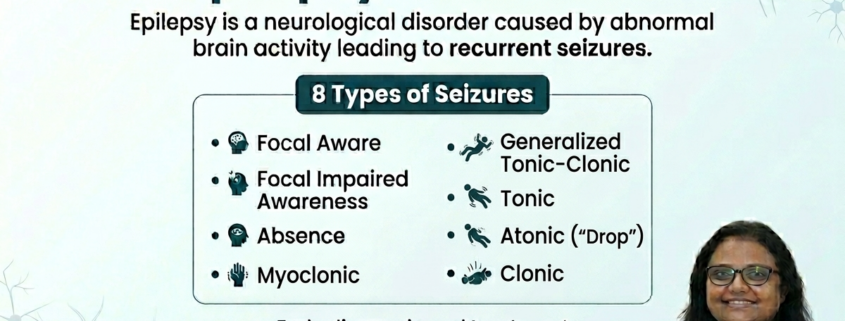
  1. 8 Types of Epileptic Seizures

Epileptic seizures are classified based on where they start in the brain and how they affect the body and awareness. Each type shows different symptoms, duration, and severity. Understanding these types is essential for accurate diagnosis and effective treatment.

Focal Aware Seizures

Focal aware seizures begin in a small, specific area of the brain. The key feature is that the person remains fully conscious and aware throughout the episode. However, they may experience unusual sensations such as tingling in one part of the body, sudden fear or anxiety, changes in taste or smell, or visual disturbances like flashing lights. Some people may also experience a feeling of déjà vu. These seizures are usually brief, lasting from a few seconds to a couple of minutes, but they can be alarming because the person is aware of what is happening.

Focal Impaired Awareness Seizures

In this type, the seizure also starts in one part of the brain but affects awareness and consciousness. The person may appear confused, stare blankly, or not respond to surroundings. They often perform automatic repetitive actions such as lip-smacking, chewing, hand rubbing, or walking in circles. After the seizure, the person usually has no memory of the event and may feel tired or disoriented. These seizures can last longer than focal aware seizures.

Absence Seizures

Absence seizures are brief episodes where the person suddenly stops responding and stares into space. They usually last only a few seconds and are most common in children. The child may suddenly stop speaking or moving and then resume normal activity as if nothing happened. Because they are so short, they are often mistaken for daydreaming. However, they can occur many times a day and may affect learning and attention if untreated.

Tonic Seizures

Tonic seizures cause a sudden stiffening of the muscles. This stiffness can affect the arms, legs, or entire body, often causing the person to lose balance or fall. These seizures usually occur during sleep or wakefulness and last for a short duration. Breathing may also become difficult for a brief moment due to muscle stiffness in the chest.

Clonic Seizures

Clonic seizures are characterized by repeated, rhythmic jerking movements. These jerks usually affect both sides of the body or specific muscle groups such as the arms, face, or neck. Unlike tonic seizures, clonic seizures do not involve initial stiffness but focus mainly on repetitive muscle contractions. They may vary in intensity and duration depending on the severity of brain activity.

Myoclonic Seizures

Myoclonic seizures involve sudden, quick muscle jerks that last only a fraction of a second. These jerks can affect a single muscle group or multiple parts of the body at once, such as the arms or shoulders. They often occur shortly after waking up and may come in clusters. Although brief, they can cause dropping of objects or sudden body movements.

Atonic Seizures

Atonic seizures lead to a sudden loss of muscle tone, making the person go limp. This can cause unexpected falls or head drops, which may result in injury. Because of their sudden nature, protective measures such as helmets may sometimes be recommended in severe cases. These seizures are also called “drop attacks.”

Tonic-Clonic Seizures

Tonic-clonic seizures are the most well-known and severe type of seizure. They occur in two phases: the tonic phase, where the body becomes stiff and consciousness is lost, followed by the clonic phase, where rhythmic jerking movements occur. The person may also bite their tongue, lose bladder control, and feel extremely tired or confused after the seizure (postictal state). These seizures require immediate medical attention if they last too long.

FAQs

Q1. What is the main cause of epilepsy?

Epilepsy can be caused by brain injury, stroke, infections, genetic factors, or developmental brain problems. In some cases, the exact cause is unknown. It occurs due to abnormal electrical activity in the brain that triggers repeated seizures.

Q2. Can epilepsy be cured permanently?

Epilepsy is usually a manageable condition rather than completely curable. With proper medication and treatment, many people achieve full seizure control. Some children may outgrow epilepsy, but long-term medical supervision is often needed to prevent recurrence.

Q3. Are all seizures the same?

No, seizures are not the same. There are 8 main types of epileptic seizures ranging from mild absence seizures to severe tonic-clonic seizures. Each type affects the brain and body differently, with varying symptoms, duration, and severity.

Q4. Is epilepsy a mental illness?

No, epilepsy is not a mental illness. It is a neurological disorder caused by abnormal electrical activity in the brain. However, emotional stress or psychological effects may occur due to living with the condition, but they are not the cause of epilepsy.

Q5. What can trigger seizures?

Common seizure triggers include lack of sleep, stress, flashing lights, alcohol, fever, hormonal changes, or missed medication. Triggers vary from person to person, and identifying them helps in better seizure control and management.

6. Conclusion

Epilepsy is a chronic neurological disorder that occurs due to abnormal electrical activity in the brain, leading to repeated seizures. These seizures can vary greatly in intensity and type, which is why epilepsy is classified into 8 main seizure types, including focal aware, focal impaired awareness, absence, tonic, clonic, myoclonic, atonic, and tonic-clonic seizures. Each type affects the brain and body differently, ranging from brief staring spells to severe convulsions and loss of consciousness.

Although epilepsy can appear frightening, it is important to understand that it is a manageable medical condition, not a mental illness or contagious disease. With early diagnosis, proper medical evaluation, and consistent treatment such as anti-epileptic medications, many individuals are able to achieve good seizure control. In some cases, lifestyle changes, trigger management, and advanced treatments like surgery can also help improve outcomes.

Awareness and timely intervention play a crucial role in reducing complications and improving quality of life. People living with epilepsy can lead healthy, independent, and productive lives with the right medical care and support system. Education, understanding, and regular follow-ups with a neurologist are essential for effective long-term management of this condition.