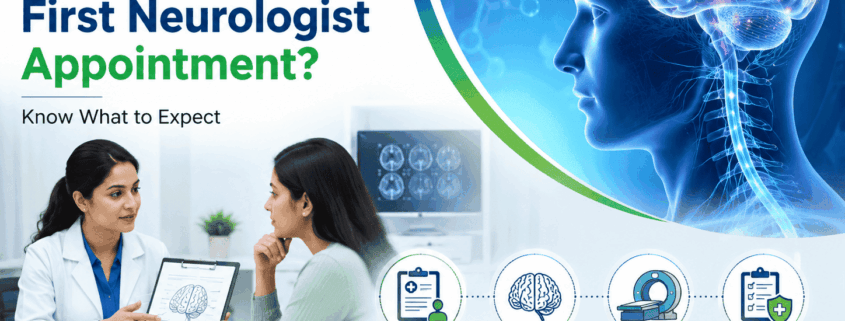
If you’ve been referred to the best neuro doctor in safdarjung for persistent headaches, dizziness, numbness, seizures, or memory problems, it’s natural to feel uncertain about what your first appointment will involve. Understanding the consultation process can help you feel more confident and ensure you’re well prepared for your visit.
A neurologist specializes in diagnosing and treating conditions that affect the brain, spinal cord, nerves, and muscles. During your first appointment, the doctor will carefully review your medical history, discuss your symptoms in detail, perform a neurological examination, and determine whether additional tests such as an MRI, CT scan, EEG, or blood tests are necessary. This thorough evaluation helps identify the underlying cause of your symptoms and allows for a personalized treatment plan.
Whether you’re visiting a neuro doctor in safdarjung for migraines, stroke recovery, epilepsy, Parkinson’s disease, neuropathy, or unexplained neurological symptoms, knowing what to expect can make the experience less stressful. In this guide, we’ll explain each step of your first neurology appointment, how to prepare beforehand, the questions you should ask, and why early diagnosis and timely treatment play a vital role in protecting your long-term brain and nerve health.
When Should You Visit a Neurologist?
Many people delay seeing a neurologist because they assume their symptoms will improve on their own. However, persistent neurological symptoms should never be ignored, as they may indicate an underlying condition affecting the brain, spinal cord, or nervous system. Consulting the best neuro doctor in safdarjung at the right time can help identify the root cause of your symptoms, allowing for early diagnosis, effective treatment, and better long-term outcomes.
You should consider scheduling a neurology consultation if you experience frequent headaches, chronic migraines, seizures, dizziness, loss of balance, muscle weakness, numbness or tingling, memory problems, difficulty speaking, or vision changes. These symptoms can be associated with conditions such as stroke, epilepsy, Parkinson’s disease, multiple sclerosis, peripheral neuropathy, or other neurological disorders. While some symptoms may seem mild initially, delaying medical evaluation can increase the risk of complications.
Common Signs That Indicate You Should Visit a Neurologist
- Frequent or severe headaches that do not improve with treatment
- Migraines accompanied by vision changes or nausea
- Numbness or tingling in the hands, feet, or face
- Muscle weakness or difficulty walking
- Dizziness, vertigo, or poor balance
- Seizures or episodes of loss of consciousness
- Memory loss, confusion, or difficulty concentrating
- Tremors or involuntary body movements
- Persistent nerve pain or burning sensations
- Sudden difficulty speaking, facial drooping, or weakness on one side of the body, which may indicate a medical emergency such as a stroke
Seeking medical attention as soon as these symptoms appear can improve the chances of successful treatment. A comprehensive neurological evaluation helps determine whether additional investigations, such as MRI, CT scan, EEG, EMG, or blood tests, are required to confirm the diagnosis and develop a personalized treatment plan.
How to Prepare Before Your First Neurologist Appointment
Preparing for your first neurology consultation can help you make the most of your visit and ensure your doctor has all the information needed for an accurate diagnosis. Whether you’re visiting a neuro doctor in safdarjung for persistent headaches, dizziness, seizures, or other neurological concerns, arriving prepared can save time and improve the quality of your consultation. A well-organized appointment allows the neurologist to better understand your symptoms and recommend the most appropriate diagnostic tests and treatment plan.
Gather Your Medical History
Before your appointment, collect details about your past medical conditions, previous surgeries, chronic illnesses, allergies, and any neurological disorders diagnosed in your family. This information helps the neurologist identify possible risk factors and understand your overall health.
Make a List of Your Symptoms
Write down every symptom you have experienced, even if it seems minor. Include details such as:
- When the symptoms started
- How often they occur
- How long they last
- Their severity
- Activities or situations that make them better or worse
Keeping a symptom diary can provide valuable insights that may assist in reaching an accurate diagnosis.
Bring Previous Medical Reports
If you have undergone any medical tests or treatments related to your symptoms, carry copies of your reports. These may include:
- MRI scans
- CT scans
- EEG reports
- EMG or Nerve Conduction Studies
- Blood test reports
- Previous prescriptions and consultation notes
Reviewing earlier investigations helps avoid unnecessary repeat testing and gives your neurologist a clearer understanding of your medical history.
Carry a List of Medications
Prepare a complete list of all prescription medicines, over-the-counter medications, vitamins, and dietary supplements you are currently taking. Mention the dosage and how long you have been using each medication, as some drugs can affect neurological symptoms or interact with new treatments.
Prepare Questions to Ask Your Neurologist
Writing down your questions before the appointment ensures you don’t forget anything important. You may want to ask:
- What could be causing my symptoms?
- Do I need any neurological tests?
- What treatment options are available?
- Are there any lifestyle changes I should make?
- How often should I schedule follow-up visits?
Being prepared not only makes your consultation more productive but also helps your neurologist create a personalized treatment plan based on your symptoms, medical history, and diagnostic findings. Taking these simple steps can lead to earlier diagnosis, more effective treatment, and improved brain and nerve health.
What Happens During Your First Neurologist Appointment?
Your first appointment with the best neuro doctor in safdarjung is designed to identify the underlying cause of your symptoms through a comprehensive neurological evaluation. Unlike a routine medical check-up, a neurology consultation focuses on assessing the brain, spinal cord, nerves, and muscles to determine how your nervous system is functioning. The appointment is usually detailed because many neurological conditions share similar symptoms, making an accurate diagnosis essential before starting treatment.
A Detailed Discussion About Your Medical History
The consultation typically begins with an in-depth discussion about your medical history. Your neurologist will ask about your current symptoms, when they started, how often they occur, and whether they have become worse over time. You may also be asked about previous illnesses, surgeries, medications, family history of neurological disorders, and lifestyle habits such as sleep, stress, and physical activity. Providing honest and detailed answers helps your doctor better understand your condition.
Understanding Your Symptoms
Your neurologist will carefully evaluate every symptom you are experiencing. They may ask questions such as:
- When did your symptoms first begin?
- How severe are your symptoms?
- Do they occur daily or occasionally?
- What makes the symptoms better or worse?
- Have you experienced similar symptoms before?
This detailed conversation helps identify patterns that may point toward conditions such as migraine, stroke, epilepsy, Parkinson’s disease, multiple sclerosis, or peripheral neuropathy.
A Comprehensive Neurological Examination
One of the most important parts of the appointment is the neurological examination. This physical assessment helps evaluate how well your nervous system is working. Depending on your symptoms, your neurologist may examine:
- Reflexes using a reflex hammer
- Muscle strength in your arms and legs
- Balance and coordination
- Walking (gait analysis)
- Sensation to touch, pain, vibration, and temperature
- Vision and eye movements
- Speech and language abilities
- Memory, concentration, and cognitive function
- Cranial nerve function, including facial movements and hearing
These simple, painless tests provide valuable information about the location and possible cause of neurological problems.
Discussing Possible Diagnoses
After reviewing your history and examination findings, the neurologist will explain the possible causes of your symptoms. In some cases, a diagnosis can be made during the first visit. However, if additional information is needed, your doctor may recommend further investigations before confirming the condition.
Recommending Diagnostic Tests
If necessary, your neurologist may advise one or more diagnostic tests to obtain a clearer picture of your neurological health. These may include:
- MRI (Magnetic Resonance Imaging) to examine the brain and spinal cord
- CT Scan to detect bleeding, stroke, or structural abnormalities
- EEG (Electroencephalogram) to evaluate seizure activity
- EMG and Nerve Conduction Studies to assess nerve and muscle function
- Blood Tests to identify infections, vitamin deficiencies, autoimmune disorders, or metabolic conditions
- Lumbar Puncture (Spinal Tap) in selected cases to evaluate infections or inflammatory neurological diseases
Your neurologist will only recommend tests that are appropriate for your symptoms and clinical findings.
Creating a Personalized Treatment Plan
Before your appointment concludes, your neurologist will discuss the next steps in your care. Depending on your diagnosis, the treatment plan may include medications, lifestyle modifications, physical rehabilitation, occupational therapy, additional investigations, or scheduled follow-up visits. If your condition requires urgent medical attention, immediate treatment will be initiated to reduce the risk of complications.
Understanding what happens during your first neurology appointment can help reduce anxiety and ensure you arrive prepared. A thorough evaluation, combined with timely diagnosis and personalized treatment, plays a crucial role in protecting your brain health, preserving nerve function, and improving your overall quality of life.
Diagnostic Tests Your Neurologist May Recommend
Not every patient requires extensive testing during their first visit. However, if your medical history, symptoms, or neurological examination suggest an underlying disorder, a neuro doctor in safdarjung may recommend specific diagnostic tests to confirm the diagnosis. These investigations provide detailed information about the brain, spinal cord, nerves, and muscles, helping your neurologist develop the most effective treatment plan while avoiding unnecessary procedures.
MRI (Magnetic Resonance Imaging)
An MRI scan uses powerful magnets and radio waves to produce highly detailed images of the brain and spinal cord. It is commonly recommended to diagnose conditions such as stroke, brain tumors, multiple sclerosis, spinal cord disorders, and other structural abnormalities. MRI is non-invasive and provides valuable information that cannot always be detected through a physical examination alone.
CT (Computed Tomography) Scan
A CT scan creates detailed cross-sectional images of the brain using X-rays. It is often performed in emergency situations, particularly when doctors suspect brain bleeding, head injuries, or an acute stroke. Since CT scans are quick to perform, they play a crucial role in making timely treatment decisions during neurological emergencies.
EEG (Electroencephalogram)
An EEG records the brain’s electrical activity through small electrodes placed on the scalp. This test is commonly used to diagnose epilepsy, investigate unexplained seizures, evaluate episodes of unconsciousness, and monitor certain sleep-related neurological disorders. The procedure is painless and helps identify abnormal brain wave patterns.
EMG and Nerve Conduction Studies (NCS)
If you experience muscle weakness, tingling, numbness, or persistent nerve pain, your neurologist may recommend an Electromyography (EMG) and Nerve Conduction Study (NCS). These tests assess how well your nerves and muscles function and are helpful in diagnosing conditions such as peripheral neuropathy, carpal tunnel syndrome, sciatica, muscular disorders, and nerve injuries.
Blood Tests
Although neurological conditions primarily affect the nervous system, many symptoms can result from vitamin deficiencies, thyroid disorders, diabetes, infections, autoimmune diseases, or metabolic conditions. Blood tests help identify these underlying causes and ensure that treatment addresses the root problem rather than just relieving symptoms.
Lumbar Puncture (Spinal Tap)
In certain situations, your neurologist may recommend a lumbar puncture, also known as a spinal tap. During this procedure, a small sample of cerebrospinal fluid (CSF) is collected to diagnose conditions such as meningitis, encephalitis, multiple sclerosis, or other inflammatory disorders affecting the central nervous system. It is only advised when clinically necessary.
Why Are These Tests Important?
Neurological symptoms often overlap across different conditions, making accurate diagnosis essential. Diagnostic tests help your neurologist confirm the cause of your symptoms, rule out serious medical conditions, determine the severity of the disease, and create a personalized treatment plan. Early testing, when recommended, can lead to faster treatment, better recovery, and improved brain and nerve health.
Common Neurological Conditions Diagnosed During the First Consultation
During your first consultation, the best neuro doctor in safdarjung will carefully evaluate your symptoms, medical history, and neurological examination to identify the possible cause of your condition. Neurological disorders can affect the brain, spinal cord, peripheral nerves, and muscles, often causing symptoms that interfere with daily life. While some conditions can be diagnosed during the initial visit, others may require additional investigations such as an MRI, CT scan, EEG, or EMG for confirmation. Early diagnosis plays a vital role in preventing complications and improving treatment outcomes.
Stroke
A stroke occurs when the blood supply to a part of the brain is interrupted or when a blood vessel bursts. Common symptoms include sudden weakness, facial drooping, difficulty speaking, loss of balance, and vision changes. Stroke is a medical emergency that requires immediate evaluation and treatment to reduce the risk of permanent brain damage.
Migraine and Chronic Headaches
Frequent or severe headaches may indicate migraine or another neurological condition. A neurologist can determine the type of headache, identify potential triggers, and recommend effective treatment options to reduce the frequency and severity of attacks.
Epilepsy and Seizure Disorders
Repeated seizures, episodes of unconsciousness, or sudden involuntary movements may be signs of epilepsy. A neurologist evaluates seizure patterns and may recommend an EEG or brain imaging to confirm the diagnosis and develop a long-term management plan.
Parkinson’s Disease
Parkinson’s disease is a progressive neurological disorder that affects movement. Early symptoms often include hand tremors, muscle stiffness, slowed movement, and difficulty maintaining balance. Early diagnosis can help improve symptom control and maintain independence.
Peripheral Neuropathy
Damage to the peripheral nerves may cause tingling, burning pain, numbness, or muscle weakness, particularly in the hands and feet. Peripheral neuropathy may be linked to diabetes, vitamin deficiencies, infections, or autoimmune disorders, making accurate diagnosis essential.
Multiple Sclerosis (MS)
Multiple sclerosis is an autoimmune disease that affects the protective covering of nerve fibers. Symptoms may include blurred vision, fatigue, muscle weakness, balance problems, and difficulty walking. Early medical care can help slow disease progression and improve quality of life.
Memory Disorders and Dementia
Persistent memory loss, confusion, difficulty concentrating, or changes in behavior should not be considered a normal part of aging. A neurological assessment helps determine whether these symptoms are related to Alzheimer’s disease, other forms of dementia, or treatable medical conditions.
Vertigo and Balance Disorders
Recurring dizziness, spinning sensations, or loss of balance may result from neurological conditions affecting the brain or inner ear. A detailed evaluation helps identify the underlying cause and guides appropriate treatment.
Sciatica and Cervical Spine Disorders
Pain radiating from the neck or lower back into the arms or legs may indicate nerve compression, cervical spondylosis, or sciatica. Neurological assessment and imaging studies can help determine the severity of nerve involvement and the most effective treatment approach.
Why Early Diagnosis Matters
Many neurological disorders develop gradually, and their symptoms may appear mild during the early stages. Seeking timely medical attention allows for early diagnosis, personalized treatment, and better long-term outcomes. Prompt evaluation can reduce the risk of complications, slow disease progression, and help patients maintain their brain function, mobility, and overall quality of life.
Questions You Should Ask During Your First Neurologist Appointment
Your first appointment is not only an opportunity for the neurologist to evaluate your condition but also a chance for you to better understand your symptoms, diagnosis, and treatment options. Asking the right questions helps you make informed decisions about your health and ensures you leave the consultation with a clear understanding of the next steps. Whether you’re consulting a neuro doctor in safdarjung for headaches, seizures, nerve pain, or memory concerns, preparing a list of questions can make your visit more productive.
1. What Could Be Causing My Symptoms?
Understanding the possible reason behind your symptoms is one of the most important parts of your consultation. Ask your neurologist whether your condition may be related to migraine, stroke, epilepsy, Parkinson’s disease, neuropathy, or another neurological disorder. Knowing the potential causes helps you better understand your condition and the need for further evaluation.
2. Do I Need Any Diagnostic Tests?
Your neurologist may recommend tests such as an MRI, CT scan, EEG, EMG, or blood tests to confirm a diagnosis. Ask why each test is necessary, what information it will provide, and how the results will influence your treatment plan.
3. What Is My Diagnosis?
In some cases, a neurologist can diagnose your condition during the first visit, while other cases may require additional investigations. Ask whether a diagnosis has been made or if more tests are needed before reaching a conclusion.
4. What Treatment Options Are Available?
Discuss all available treatment options, including medications, physical therapy, occupational therapy, lifestyle modifications, or any advanced procedures if required. Understanding your treatment plan helps you know what to expect during recovery.
5. Are There Any Lifestyle Changes I Should Make?
Many neurological conditions improve with healthy lifestyle habits. Ask whether you should make changes to your diet, exercise routine, sleep schedule, stress management, or daily activities to support your recovery and overall brain health.
6. What Are the Possible Side Effects of My Medication?
If medications are prescribed, ask about their benefits, possible side effects, dosage, and any precautions you should follow. Understanding your medications improves treatment adherence and reduces the risk of complications.
7. When Should I Schedule a Follow-Up Appointment?
Follow-up visits allow your neurologist to monitor your progress, review test results, adjust medications if necessary, and evaluate your response to treatment. Ask how often you should return for further assessment.
8. Are There Any Warning Signs That Require Immediate Medical Attention?
Certain symptoms require urgent medical care. Ask your neurologist which warning signs, such as sudden weakness, difficulty speaking, loss of consciousness, severe headaches, or new seizures, should prompt you to seek emergency treatment immediately.
Why Asking Questions Is Important
Open communication with your neurologist helps build trust and ensures you fully understand your condition. Asking thoughtful questions allows you to participate actively in your healthcare decisions, follow your treatment plan with confidence, and recognize when further medical attention is needed. A well-informed patient is more likely to achieve better treatment outcomes, maintain long-term brain health, and improve their overall quality of life.
Treatment Plan After Your First Neurologist Appointment
After completing your evaluation, the best neuro doctor in safdarjung will create a personalized treatment plan based on your symptoms, medical history, physical examination, and any diagnostic test results. Every neurological condition is different, so treatment is tailored to your specific diagnosis, overall health, and individual needs. The primary goal is to relieve symptoms, prevent complications, improve brain and nerve function, and enhance your overall quality of life.
Medications
For many neurological conditions, medications are the first line of treatment. Depending on your diagnosis, your neurologist may prescribe medicines to manage migraines, epilepsy, Parkinson’s disease, neuropathic pain, multiple sclerosis, or other neurological disorders. It is important to take medications exactly as prescribed and discuss any side effects or concerns during follow-up visits.
Lifestyle Modifications
Simple lifestyle changes can significantly improve neurological health and support your recovery. Your neurologist may recommend:
- Eating a balanced, nutrient-rich diet
- Exercising regularly
- Getting adequate sleep
- Managing stress effectively
- Avoiding smoking and excessive alcohol consumption
- Maintaining healthy blood pressure and blood sugar levels
These habits not only improve overall well-being but also help reduce the risk of future neurological complications.
Physical and Rehabilitation Therapy
If your condition affects movement, balance, strength, or coordination, your treatment plan may include physical therapy. Some patients may also benefit from occupational therapy to regain independence in daily activities or speech therapy if neurological conditions affect communication or swallowing. Rehabilitation plays a crucial role in maximizing recovery and improving long-term function.
Regular Follow-Up Appointments
Neurological conditions often require ongoing monitoring. Your neurologist will schedule follow-up visits to assess your progress, review test results, adjust medications if needed, and evaluate your response to treatment. These appointments help ensure that your treatment plan continues to meet your healthcare needs.
Advanced Treatments When Necessary
In certain situations, additional treatments may be recommended if medications alone are not sufficient. Depending on your condition, your neurologist may discuss advanced diagnostic procedures, specialized therapies, or refer you to other healthcare professionals as part of a comprehensive treatment approach. Early intervention can help prevent disease progression and improve long-term outcomes.
The Importance of Following Your Treatment Plan
Following your neurologist’s recommendations is essential for achieving the best possible results. Taking medications as directed, attending follow-up appointments, adopting healthy lifestyle habits, and reporting any new or worsening symptoms can greatly improve your recovery. Early treatment, regular monitoring, and patient involvement are key factors in managing neurological disorders successfully and protecting your long-term brain health.
Why Choose Dr. Aparna Gupta at Neuro Clinic Plus?
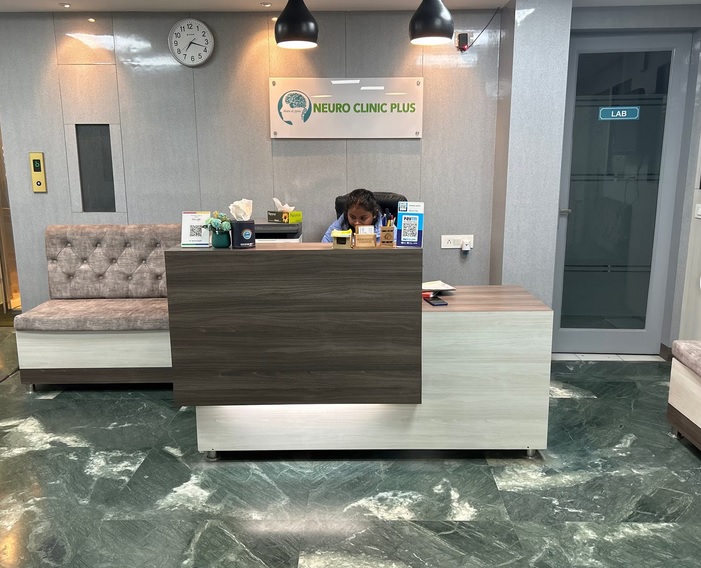
Choosing the right neurologist is an important step toward receiving an accurate diagnosis, personalized treatment, and long-term neurological care. If you are looking for an experienced neuro doctor in safdarjung, Dr. Aparna Gupta at Neuro Clinic Plus is dedicated to providing comprehensive care for patients with a wide range of brain, spinal cord, and nerve disorders. Her patient-centered approach focuses on understanding each individual’s symptoms, identifying the underlying cause, and developing a treatment plan that supports both recovery and long-term brain health.
Experienced Care for a Wide Range of Neurological Conditions
Dr. Aparna Gupta evaluates and manages patients experiencing symptoms such as persistent headaches, migraines, dizziness, vertigo, seizures, memory problems, muscle weakness, numbness, tingling, tremors, and balance disorders. She also provides care for neurological conditions including:
- Stroke
- Epilepsy
- Parkinson’s disease
- Peripheral neuropathy
- Multiple sclerosis
- Sciatica
- Cervical spondylosis
- Memory disorders and dementia
- Chronic migraine
- Other disorders affecting the brain and nervous system
Comprehensive Neurological Evaluation
At Neuro Clinic Plus, every patient undergoes a detailed neurological assessment. The consultation includes reviewing your medical history, understanding your symptoms, performing a neurological examination, and recommending appropriate investigations when required. This thorough approach helps ensure an accurate diagnosis and allows treatment to begin as early as possible.
Personalized Treatment Plans
Every neurological condition is unique, which is why treatment is tailored to each patient’s individual needs. Depending on your diagnosis, your care plan may include medications, lifestyle modifications, rehabilitation therapies, and regular follow-up appointments. The goal is to reduce symptoms, improve daily functioning, and enhance your overall quality of life.
Patient-Centered and Compassionate Care
Dr. Aparna Gupta believes in educating patients about their condition and involving them in every step of the treatment process. Patients are encouraged to ask questions, understand their diagnosis, and actively participate in managing their neurological health. This collaborative approach helps improve treatment outcomes and builds long-term trust between doctor and patient.
Why Patients Trust Neuro Clinic Plus
Patients choose Neuro Clinic Plus because of its commitment to evidence-based neurological care, personalized attention, and comprehensive evaluation. From your first consultation to ongoing follow-up care, the clinic focuses on delivering high-quality treatment in a supportive and professional environment. Whether you are experiencing new neurological symptoms or managing a long-term condition, timely consultation and expert guidance can make a significant difference in protecting your brain and nerve health.
Frequently Asked Questions
1. What happens during your first neurologist appointment?
During your first visit to a neuro doctor in safdarjung, the neurologist reviews your medical history, discusses your symptoms, performs a neurological examination, and may recommend tests like an MRI, CT scan, or EEG if needed.
2. How should I prepare before seeing a neurologist?
Bring your medical records, previous test reports, a list of current medications, and write down your symptoms, including when they started, how often they occur, and any questions you want to ask during the consultation.
3. What conditions does a neurologist treat?
A neurologist diagnoses and treats stroke, migraine, epilepsy, Parkinson’s disease, multiple sclerosis, peripheral neuropathy, memory disorders, vertigo, and other conditions affecting the brain, spinal cord, and nerves.
4. Will I need an MRI during my first appointment?
Not always. An MRI is recommended only if your symptoms or neurological examination suggest that detailed imaging of the brain or spinal cord is necessary for an accurate diagnosis.
5. How long does a first neurology appointment usually take?
A first consultation generally lasts 30 to 60 minutes, depending on your symptoms, medical history, and whether additional neurological examinations or discussions are required.
6. Can a neurologist diagnose my condition during the first visit?
Some neurological conditions can be diagnosed during the first consultation, while others require additional investigations such as an MRI, CT scan, EEG, EMG, or blood tests before confirming the diagnosis.
7. What symptoms mean I should see a neurologist immediately?
Seek immediate medical attention if you experience sudden weakness, difficulty speaking, facial drooping, seizures, loss of consciousness, severe headaches, or sudden vision changes, as these may indicate a neurological emergency.
8. What questions should I ask my neurologist?
Ask about your possible diagnosis, recommended tests, available treatment options, medication side effects, lifestyle changes, expected recovery, and when you should return for a follow-up appointment.
9. Are neurological disorders treatable?
Many neurological disorders can be effectively managed with early diagnosis, medications, rehabilitation, and healthy lifestyle changes. Timely treatment often improves symptoms and helps prevent complications.
10. Why is early diagnosis important for neurological disorders?
Early diagnosis allows treatment to begin before the condition worsens, reducing the risk of complications and improving brain function, nerve health, and overall quality of life.
11. How often should I visit a neurologist?
The frequency of follow-up visits depends on your diagnosis, symptoms, and treatment plan. Some patients require regular monitoring, while others may only need periodic evaluations.
12. How do I choose the best neurologist for my condition?
Look for a neurologist with extensive experience, expertise in treating your condition, a patient-focused approach, and comprehensive diagnostic facilities. If you’re searching for the best neuro doctor in safdarjung, choose a specialist who provides personalized treatment, thorough evaluations, and ongoing follow-up care.
Conclusion
Your first visit to the best neuro doctor in safdarjung is an important step toward understanding the cause of your neurological symptoms and receiving the right treatment. Although you may feel anxious before the appointment, knowing what to expect can make the experience more comfortable and productive. A thorough consultation, detailed medical history, neurological examination, and, if required, diagnostic tests help your neurologist identify the underlying condition and develop a personalized treatment plan tailored to your needs.
Ignoring symptoms such as persistent headaches, seizures, dizziness, memory loss, muscle weakness, numbness, or balance problems can delay diagnosis and increase the risk of complications. Seeking medical attention at the right time allows for early detection, timely intervention, and improved long-term brain and nerve health. Many neurological disorders can be effectively managed when diagnosed early, helping patients maintain their independence and quality of life.
At Neuro Clinic Plus, Dr. Aparna Gupta is committed to providing compassionate, evidence-based, and patient-focused neurological care. Whether you are experiencing new symptoms or managing a chronic neurological condition, receiving expert evaluation and personalized guidance can make a significant difference in your recovery. If you notice persistent neurological symptoms, don’t delay seeking professional medical advice—early consultation is the first step toward protecting your brain health and improving your overall well-being.