Tag Archive for: vertigo symptoms

best vertigo specialist in safdarjung

A vertigo attack can occur suddenly, making you feel as though the room is spinning even when you’re standing still. This sensation can affect your balance, coordination, and daily activities, increasing the risk of falls and injuries.

If you experience frequent or severe episodes of vertigo, consulting the Best Vertigo Specialist in Safdarjung can help identify the underlying cause and ensure you receive the right treatment. While some cases are related to inner ear problems, others may be caused by neurological conditions that require expert evaluation.

At Neuro Clinic Plus, Dr. Aparna Gupta, a neurologist with 22+ years of experience, provides comprehensive assessment and personalized treatment for patients experiencing vertigo, dizziness, and balance disorders. Early diagnosis and timely care can help reduce symptoms and improve your quality of life.

Recognize the Symptoms of a Vertigo Attack

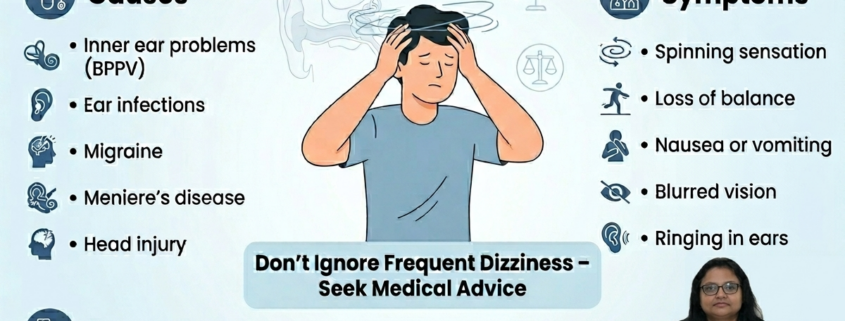
A vertigo attack can vary from mild to severe, but the symptoms often appear suddenly and may last for a few seconds, minutes, or even longer. Recognizing these warning signs early can help you take the right steps and seek medical care if needed.

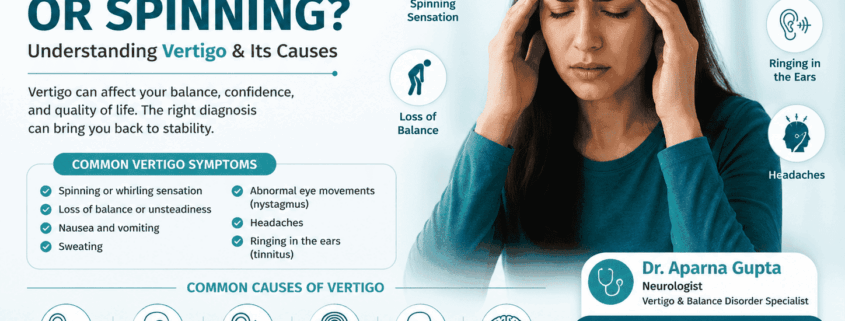
Common symptoms include:

  • A spinning sensation even when you are standing or sitting still.
  • Loss of balance or difficulty walking steadily.
  • Nausea or vomiting during or after the episode.
  • Feeling lightheaded or unsteady.
  • Sweating or cold clammy skin.
  • Difficulty focusing your vision due to the spinning feeling.
  • In some cases, ringing in the ears or hearing changes may also occur.

If these symptoms occur repeatedly or become more severe, it is important to consult the Best Vertigo Specialist in Safdarjung for a detailed evaluation. At Neuro Clinic Plus, Dr. Aparna Gupta carefully assesses the cause of vertigo and recommends a treatment plan based on each patient’s condition.

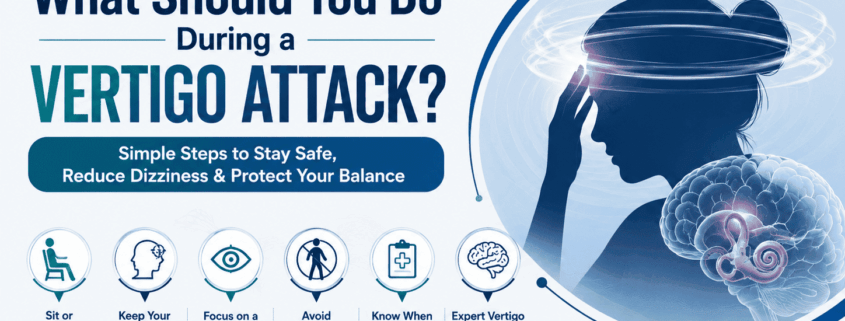
What Should You Do Immediately During a Vertigo Attack?

If you experience a vertigo attack, staying calm and avoiding sudden movements can help prevent falls and reduce the intensity of your symptoms. Taking the right steps immediately can make the episode easier to manage.

1. Sit or Lie Down Safely

As soon as you feel the spinning sensation, sit or lie down in a safe place to reduce the risk of falling.

2. Keep Your Head Still

Avoid turning your head quickly. Slow, gentle movements can help prevent the dizziness from worsening.

3. Focus on a Fixed Object

Looking at a stationary object, such as a wall clock or a picture frame, may help your brain regain a sense of balance.

4. Stay Hydrated

Drink small sips of water if you are able. Dehydration can sometimes make dizziness worse.

5. Avoid Driving or Walking Alone

Wait until the spinning sensation has completely settled before driving, climbing stairs, or walking without support.

6. Ask for Help if Needed

If your symptoms are severe or you feel unable to stand safely, ask a family member or someone nearby to assist you.

If your vertigo attacks are frequent, severe, or accompanied by symptoms such as weakness, difficulty speaking, or vision changes, seek medical attention immediately. Consulting the Best Vertigo Specialist in Safdarjung at Neuro Clinic Plus can help determine the underlying cause and provide the appropriate treatment to prevent future episodes.

What Should You Avoid During a Vertigo Attack?

Knowing what not to do during a vertigo attack is just as important as knowing the right steps to take. Avoiding certain activities can help reduce the risk of injuries and prevent your symptoms from becoming worse.

Avoid Why It Matters
Driving A sudden spinning sensation can make it unsafe to control a vehicle.
Sudden head movements Quick movements may increase dizziness and trigger more intense symptoms.
Walking without support This increases the risk of falls and injuries.
Climbing stairs Poor balance can make stairs especially dangerous during an attack.
Using heavy machinery Vertigo can affect coordination and concentration.
Self-medicating Taking medicines without medical advice may mask symptoms or delay the correct diagnosis.
Alcohol and smoking These may worsen dizziness and interfere with recovery in some patients.

If your vertigo attacks continue to occur or become more frequent, don’t ignore them. Consulting the Best Vertigo Specialist in Safdarjung can help identify the exact cause and provide effective treatment. At Neuro Clinic Plus, Dr. Aparna Gupta offers comprehensive neurological evaluation and personalized care to help patients manage vertigo safely and improve their quality of life.

When Should You See a Doctor?

Occasional dizziness may not always be a cause for concern, but recurrent or severe vertigo should never be ignored. A timely medical evaluation can help identify whether the symptoms are caused by an inner ear disorder or an underlying neurological condition.

You should consult a doctor if you experience:

  • Frequent or recurring vertigo attacks
  • Vertigo that lasts for several minutes or hours
  • Difficulty walking or maintaining balance
  • Severe headache along with dizziness
  • Double vision, slurred speech, or weakness in the face, arm, or leg
  • Hearing loss or ringing in the ears
  • Vertigo after a head injury
  • Persistent nausea or vomiting that does not improve

Seek emergency medical care immediately if vertigo is accompanied by sudden weakness, difficulty speaking, confusion, or loss of consciousness, as these may be signs of a stroke or another serious neurological condition.

If you notice any of these warning signs, schedule an evaluation with the Best Vertigo Specialist in Safdarjung. At Neuro Clinic Plus, Dr. Aparna Gupta performs a detailed neurological assessment to determine the underlying cause of vertigo and recommends the most appropriate treatment for long-term relief.

How Is Vertigo Diagnosed?

An accurate diagnosis is essential because vertigo can have different underlying causes, ranging from inner ear disorders to neurological conditions. Identifying the root cause helps ensure you receive the most effective treatment.

A Best Vertigo Specialist in Safdarjung will typically perform the following evaluations:

Diagnostic Method Purpose
Medical History Reviews your symptoms, their duration, triggers, and previous medical conditions.
Neurological Examination Checks your balance, coordination, eye movements, reflexes, and nerve function.
Physical Examination Evaluates your overall health and looks for signs that may be causing dizziness.
Balance & Vestibular Tests Assesses how well your inner ear and balance system are functioning.
Hearing Assessment Recommended if vertigo is associated with hearing loss or tinnitus.
MRI or CT Scan May be advised when a neurological condition or structural abnormality is suspected.

At Neuro Clinic Plus, Dr. Aparna Gupta combines a detailed clinical evaluation with advanced diagnostic techniques to determine the exact cause of vertigo. This personalized approach helps patients receive the right treatment and reduces the chances of recurring attacks.

Treatment Options for Vertigo

The treatment for vertigo depends on its underlying cause. While some cases improve with simple repositioning techniques, others may require medication, rehabilitation, or treatment of a neurological condition.

Medications

Doctors may prescribe medications to help relieve dizziness, nausea, or vomiting during a vertigo attack. These medicines should always be taken under medical supervision.

Vestibular Rehabilitation Therapy (VRT)

Vestibular rehabilitation is a specialized exercise program that helps improve balance, coordination, and stability. It is especially beneficial for people with recurring vertigo or balance disorders.

Canal Repositioning Maneuvers

If vertigo is caused by Benign Paroxysmal Positional Vertigo (BPPV), your doctor may perform canal repositioning maneuvers, such as the Epley maneuver, to move displaced crystals in the inner ear back to their proper position.

Treating the Underlying Condition

Vertigo can sometimes be linked to neurological disorders, migraines, infections, or inner ear diseases. In these cases, treating the underlying condition is the most effective way to reduce or prevent future attacks.

Lifestyle Changes

Simple lifestyle modifications can also support recovery, including:

  • Staying hydrated
  • Getting adequate sleep
  • Managing stress effectively
  • Avoiding sudden head movements
  • Following your prescribed treatment plan

For an accurate diagnosis and personalized treatment, consult the Best Vertigo Specialist in Safdarjung. At Neuro Clinic Plus, Dr. Aparna Gupta develops individualized treatment plans based on each patient’s symptoms, medical history, and diagnostic findings to help achieve long-term relief from vertigo.

Why Choose Dr. Aparna Gupta at Neuro Clinic Plus?

Choosing the right specialist is essential for effective vertigo treatment. Since vertigo can be caused by both inner ear disorders and neurological conditions, a thorough evaluation is important to identify the exact cause and provide the most appropriate care.

22+ Years of Neurology Experience

Dr. Aparna Gupta has over 22 years of experience in diagnosing and treating a wide range of neurological conditions, including vertigo, dizziness, balance disorders, stroke, headaches, and epilepsy.

Comprehensive Evaluation

At Neuro Clinic Plus, every patient undergoes a detailed assessment that includes medical history, neurological examination, and, when required, advanced diagnostic investigations to determine the underlying cause of vertigo.

Personalized Treatment Plans

No two patients experience vertigo in the same way. Treatment plans are customized based on the patient’s symptoms, diagnosis, medical history, and overall health to achieve the best possible outcomes.

Advanced Neurological Care

The clinic offers evidence-based management for vertigo and other neurological disorders, ensuring patients receive appropriate treatment and long-term follow-up when needed.

Patient-Centered Approach

From diagnosis to recovery, Dr. Aparna Gupta focuses on educating patients, addressing their concerns, and providing compassionate care to improve their quality of life.

If you are experiencing recurrent dizziness or balance problems, consult the Best Vertigo Specialist in Safdarjung at Neuro Clinic Plus for an accurate diagnosis and a personalized treatment plan aimed at long-term relief.

Tips to Reduce Future Vertigo Attacks

While not all cases of vertigo can be prevented, adopting healthy daily habits can help reduce the frequency and severity of future episodes. Following your doctor’s advice and making simple lifestyle changes can support better balance and overall well-being.

  • Stay hydrated by drinking enough water throughout the day.
  • Get 7–8 hours of quality sleep every night.
  • Avoid sudden head movements, especially when getting out of bed or bending down.
  • Manage stress and anxiety through relaxation techniques, meditation, or light exercise.
  • Follow your prescribed medications and treatment plan consistently.
  • Limit alcohol and smoking, as they may worsen dizziness in some individuals.
  • Eat a balanced diet and avoid skipping meals to help maintain stable blood sugar levels.
  • Use handrails or support when walking if you feel unsteady.
  • Perform vestibular exercises only if recommended by your doctor.
  • Schedule regular follow-up visits with the Best Vertigo Specialist in Safdarjung to monitor your condition and adjust treatment if necessary.

By taking these preventive measures and seeking timely medical care, many people can effectively manage vertigo and enjoy a better quality of life. At Neuro Clinic Plus, Dr. Aparna Gupta helps patients understand the cause of their vertigo and provides personalized guidance to minimize future attacks.

Frequently Asked Questions (FAQs)

1. What is a vertigo attack?

A vertigo attack is a sudden sensation that you or your surroundings are spinning, even when you are standing or sitting still. It can affect your balance and daily activities.

2. What should I do during a vertigo attack?

Sit or lie down immediately, keep your head still, focus on a fixed object, and avoid sudden movements until the dizziness improves.

3. How long does a vertigo attack usually last?

The duration varies depending on the cause. Some attacks last a few seconds or minutes, while others may continue for several hours.

4. What are the common causes of vertigo?

Vertigo may be caused by inner ear disorders, migraines, head injuries, infections, or neurological conditions. A proper evaluation is important to identify the exact cause.

5. When should I see a doctor for vertigo?

You should consult the Best Vertigo Specialist in Safdarjung if your vertigo is frequent, severe, recurring, or accompanied by symptoms such as weakness, double vision, or difficulty speaking.

6. Can vertigo go away without treatment?

Some mild cases may resolve on their own, but recurrent or persistent vertigo should be assessed by a doctor to rule out underlying medical conditions.

7. Which doctor should I consult for vertigo?

A neurologist is the right specialist if vertigo is suspected to be related to the brain or nervous system. Dr. Aparna Gupta at Neuro Clinic Plus provides comprehensive evaluation and treatment for vertigo.

8. How is vertigo diagnosed?

Diagnosis typically includes a medical history, neurological examination, balance assessment, hearing tests, and imaging studies such as MRI when required.

9. Can stress trigger vertigo?

Yes. Stress and anxiety can worsen dizziness or trigger vertigo episodes in some people. Managing stress may help reduce the frequency of attacks.

10. Is vertigo a sign of a serious condition?

Most cases are not life-threatening, but vertigo accompanied by weakness, slurred speech, severe headache, or vision changes may indicate a medical emergency and requires immediate attention.

11. Can vertigo be prevented?

Although not all cases can be prevented, staying hydrated, getting enough sleep, managing stress, and following your treatment plan can help reduce future attacks.

12. Why choose Dr. Aparna Gupta for vertigo treatment?

With 22+ years of experience, Dr. Aparna Gupta at Neuro Clinic Plus offers comprehensive diagnosis, personalized treatment plans, and long-term care for patients experiencing vertigo, dizziness, and balance disorders.

Conclusion

A vertigo attack can be frightening, but knowing how to respond quickly and safely can help reduce the risk of falls and other complications. While occasional episodes may not be serious, frequent, severe, or recurring vertigo should always be evaluated by a medical professional to identify the underlying cause.

If you are experiencing persistent dizziness or balance problems, consult the Best Vertigo Specialist in Safdarjung for a comprehensive evaluation. At Neuro Clinic Plus, Dr. Aparna Gupta provides expert diagnosis, personalized treatment, and ongoing care to help patients manage vertigo effectively and improve their quality of life. Early diagnosis and the right treatment can make a significant difference in preventing future attacks and supporting long-term brain and balance health.


vertigo specialist in Safdarjung.

Can dehydration make dizziness worse? The answer is yes. When your body does not get enough fluids, your blood volume decreases, making it harder for oxygen and nutrients to reach the brain. This can lead to lightheadedness, weakness, and dizziness. While drinking water often helps in mild cases, frequent or severe dizziness should not be ignored, as it may indicate an underlying vertigo or neurological disorder.

If your symptoms keep returning or are accompanied by a spinning sensation, it is important to consult a vertigo specialist in Safdarjung for a proper evaluation. An experienced neurologist can determine whether your dizziness is caused by dehydration, an inner ear problem, or another neurological condition. Seeking timely care from the best vertigo specialist in Safdarjung can help identify the root cause and ensure you receive the right treatment before the condition worsens.

How Does Dehydration Cause Dizziness?

Your body depends on adequate fluids to maintain healthy blood circulation and proper brain function. When you become dehydrated, several changes occur that can make you feel dizzy or unsteady.

Reduced Blood Volume

Dehydration lowers the amount of blood circulating in your body. As a result, less oxygen reaches the brain, which can cause dizziness, weakness, or fainting, especially when standing up quickly.

Drop in Blood Pressure

A lack of fluids may lead to low blood pressure, making it difficult for your brain to receive enough blood flow. This often results in lightheadedness and a feeling of imbalance.

Electrolyte Imbalance

Water helps maintain the right balance of electrolytes such as sodium and potassium. When these levels become abnormal, nerve and muscle function can be affected, increasing the risk of dizziness and fatigue.

Reduced Oxygen Supply to the Brain

When dehydration affects circulation, the brain receives less oxygen and nutrients, which can lead to difficulty concentrating, headaches, and dizziness.

Can Dehydration Trigger Vertigo?

Although dehydration does not always cause vertigo, it can worsen existing vertigo symptoms in some people. If you experience repeated spinning sensations, balance problems, or dizziness that does not improve after drinking fluids, it is advisable to consult a specialist in the area. An accurate diagnosis from a local neurological expert can help identify whether dehydration is the only cause or if an underlying neurological condition requires treatment.

Common Signs of Dehydration

Dehydration does not always cause extreme thirst. In many cases, your body gives early warning signs that should not be ignored. Recognizing these symptoms can help prevent dizziness and other health complications.

  • Persistent thirst even after drinking small amounts of water
  • Dry mouth and dry lips
  • Dark yellow urine or reduced urination
  • Fatigue and low energy levels
  • Headache that develops without another clear cause
  • Lightheadedness when standing or walking
  • Muscle cramps due to electrolyte imbalance
  • Difficulty concentrating or feeling mentally foggy

When Is It More Than Just Dehydration?

If your dizziness continues even after proper hydration or is accompanied by spinning sensations, balance problems, blurred vision, or nausea, it could be a sign of vertigo or another neurological condition. In such cases, seeking medical advice from a neurology specialist is essential for an accurate diagnosis. Consulting an expert physician can help determine the underlying cause and ensure you receive the most appropriate treatment.

Is It Dehydration or Vertigo?

Although both conditions can make you feel dizzy, they are not the same. Dehydration usually causes lightheadedness that improves after drinking fluids, whereas vertigo creates a spinning sensation that often requires medical evaluation. Understanding the difference can help you know when it’s time to seek professional care.

Feature Dizziness Due to Dehydration Vertigo
How it feels Lightheaded, faint, or weak A spinning or moving sensation
Common cause Lack of fluids and electrolyte imbalance Inner ear disorders or neurological conditions
When it occurs After excessive sweating, vomiting, diarrhea, or inadequate water intake May occur suddenly when changing head position or even while resting
Duration Usually improves after hydration Can last from a few minutes to several hours or longer
Associated symptoms Thirst, dry mouth, dark urine, fatigue Nausea, vomiting, balance problems, ringing in the ears
Improves with water? Yes, in most mild cases Not always; medical treatment may be needed
When to seek medical care If symptoms persist despite hydration If episodes are frequent, severe, or affect daily activities

If your dizziness does not improve after drinking enough water, or you experience repeated episodes of spinning, loss of balance, or nausea, it is important to consult a neurologist. Early evaluation by a balance disorder expert can help identify the exact cause and prevent the condition from affecting your quality of life.

When Should You See a Doctor?

Occasional dizziness caused by mild dehydration often improves after drinking enough fluids and resting. However, if your symptoms are frequent, severe, or accompanied by other warning signs, it is important to seek medical attention. Persistent dizziness may indicate vertigo or another neurological condition that requires proper diagnosis and treatment.

Warning Signs You Should Not Ignore

  • Dizziness that lasts for several hours or keeps returning
  • A spinning sensation that affects your balance
  • Difficulty walking or frequent falls
  • Severe headache with dizziness
  • Blurred or double vision
  • Weakness or numbness in the face, arm, or leg
  • Difficulty speaking or confusion
  • Fainting or loss of consciousness
  • Dizziness that does not improve after proper hydration

Why Early Diagnosis Matters

Ignoring persistent dizziness can delay the treatment of conditions such as vertigo, inner ear disorders, stroke, or other neurological problems. If you experience any of the above symptoms, consult an experienced neurologist for a comprehensive evaluation. Receiving timely care from a qualified medical professional can help identify the underlying cause and provide the right treatment to restore your balance and improve your quality of life.

Why Choose Dr. Aparna Gupta for Vertigo Care?

Finding the right specialist is important when dizziness or vertigo begins to affect your daily life. Dr. Aparna Gupta offers comprehensive neurological care to identify the underlying cause of your symptoms and recommend the most appropriate treatment.

22+ Years of Neurology Experience

With over 22 years of experience, Dr. Aparna Gupta has treated patients with vertigo, dizziness, migraines, stroke, epilepsy, and other neurological disorders using an evidence-based approach.

Accurate Diagnosis

Not every episode of dizziness is caused by dehydration or an inner ear problem. Dr. Aparna Gupta performs a detailed neurological evaluation to determine whether your symptoms are related to vertigo, nerve disorders, or other medical conditions.

Personalized Treatment Plans

Every patient has different symptoms and medical needs. Treatment plans are tailored based on the underlying cause, symptom severity, and overall health to help achieve long-term relief.

Comprehensive Care at Neuro Clinic Plus

At Neuro Clinic Plus, patients receive expert consultation for vertigo and other neurological conditions in a patient-focused environment. The clinic is equipped to evaluate balance disorders and provide guidance for effective management.

Expert Care for Persistent Dizziness

If your dizziness keeps returning or is affecting your daily activities, consulting a vertigo specialist in Safdarjung can help you get the right diagnosis and treatment. Many patients trust Dr. Aparna Gupta as the best vertigo specialist in Safdarjung for her experience, compassionate care, and commitment to improving neurological health.

About Neuro Clinic Plus

Neuro Clinic Plus provides comprehensive neurological care for patients experiencing dizziness, vertigo, headaches, seizures, and other disorders affecting the brain, nerves, and spine. The clinic focuses on accurate diagnosis, personalized treatment, and long-term patient care to help individuals improve their quality of life.

Service How It Helps
Vertigo Evaluation Identifies the underlying cause of dizziness and balance problems.
Neurological Consultation Comprehensive assessment for brain, nerve, and spinal disorders.
Migraine & Headache Management Diagnosis and treatment for recurrent headaches and migraines.
Epilepsy Care Evaluation, medication management, and long-term follow-up for seizures.
Stroke Assessment Early diagnosis and treatment planning for stroke-related conditions.
Movement Disorder Care Management of Parkinson’s disease, tremors, and related disorders.
Peripheral Neuropathy Treatment Evaluation of numbness, tingling, and nerve pain.
Personalized Treatment Plans Care tailored to each patient’s symptoms and medical history.

Whether your dizziness is caused by dehydration, vertigo, or another neurological condition, seeking timely medical advice is important. If your symptoms are persistent or recurring, consulting a neurologist at Neuro Clinic Plus can help you receive an accurate diagnosis and appropriate treatment. Many patients choose the clinic when looking for an experienced specialist for expert neurological care.

Frequently Asked Questions (FAQs)

1. Can dehydration really make dizziness worse?

Yes. Dehydration reduces blood volume and can lower blood pressure, decreasing oxygen supply to the brain. This often leads to dizziness, lightheadedness, and weakness.

2. How can I tell if my dizziness is caused by dehydration?

Dizziness caused by dehydration is usually accompanied by thirst, dry mouth, dark-colored urine, fatigue, and headache. It often improves after drinking fluids and resting.

3. Can dehydration trigger vertigo?

Dehydration may worsen existing vertigo symptoms, but it is not always the primary cause. Persistent spinning sensations should be evaluated by a healthcare professional.

4. What is the difference between dizziness and vertigo?

Dizziness is a feeling of lightheadedness or faintness, whereas vertigo is the sensation that you or your surroundings are spinning or moving.

5. When should I see a doctor for dizziness?

You should seek medical attention if dizziness is severe, recurrent, lasts for several hours, or is accompanied by weakness, difficulty walking, vision changes, or speech problems.

6. Who should I consult for persistent vertigo?

If your symptoms continue despite staying hydrated, it is advisable to consult a qualified doctor for a detailed neurological evaluation.

7. Can drinking more water cure vertigo?

Water can relieve dizziness caused by dehydration, but it cannot treat vertigo caused by inner ear or neurological disorders.

8. What tests are used to diagnose vertigo?

A neurologist may perform a physical examination, balance assessment, neurological evaluation, hearing tests, or imaging studies if needed to determine the underlying cause.

9. Is dizziness always a sign of a serious condition?

No. Dizziness can result from dehydration, low blood pressure, stress, or certain medications. However, persistent or severe symptoms should never be ignored.

10. Why should I choose Dr. Aparna Gupta for vertigo treatment?

Dr. Aparna Gupta has 22+ years of experience in neurology and provides comprehensive diagnosis and personalized treatment for vertigo and other neurological disorders at Neuro Clinic Plus.

11. How can I reduce the risk of dehydration-related dizziness?

Drink adequate water, especially during hot weather or exercise, maintain a balanced diet, avoid excessive alcohol, and replace lost fluids after illness.

12. Where can I find the best vertigo specialist in Safdarjung?

If you are looking for an experienced neurologist, Dr. Aparna Gupta at Neuro Clinic Plus offers expert evaluation and treatment for vertigo, dizziness, and other neurological conditions with a patient-centered approach.

Conclusion

While dehydration can certainly make you feel dizzy, it is not always the only cause. If your symptoms improve after drinking water and resting, dehydration may be the reason. However, recurring dizziness, spinning sensations, balance problems, or nausea could indicate vertigo or another neurological condition that requires medical attention.

Ignoring persistent dizziness can delay the diagnosis of more serious health issues. If your symptoms continue despite staying hydrated, consult a vertigo specialist in Safdarjung for a thorough evaluation. Dr. Aparna Gupta at Neuro Clinic Plus provides expert diagnosis and personalized treatment to help identify the root cause and manage dizziness effectively. If you are searching for the best vertigo specialist in Safdarjung, timely consultation can help you regain balance, prevent complications, and improve your overall quality of life.


Vertigo Specialist in Delhi,

Vertigo is more than just dizziness—it is a condition that causes a false sensation of movement, making a person feel like they or their surroundings are spinning or swaying even when everything is still. It is usually a symptom of an underlying issue related to the inner ear, brain, or balance system. In many cases, people searching for a Vertigo Specialist in Delhi are actually dealing with conditions like inner ear imbalance, neurological disorders, or other health concerns that need proper diagnosis.

With increasing stress, irregular sleep, and lifestyle changes in urban areas like Delhi, vertigo cases are becoming more common. Ignoring repeated episodes can worsen the condition over time. This is why specialist evaluation is important.

A Vertigo Specialist in Delhi focuses on identifying the exact cause through detailed assessment and advanced testing. Experts like Dr. Aparna Gupta provide personalized treatment plans to help patients achieve long-term relief, better balance, and improved quality of life.

What is Vertigo?

Vertigo is a medical condition that causes a false sensation of movement. A person experiencing vertigo may feel like they are spinning, tilting, or swaying—even when they are completely still. It is not a disease in itself but a symptom of an underlying issue affecting the inner ear, brain, or the body’s balance system.

Many people who later consult a Vertigo Specialist in Delhi initially do not realize that these dizzy spells are linked to a deeper medical cause.

Common Causes of Vertigo

Vertigo is most often linked to problems in the inner ear, which plays a major role in maintaining balance. Some common causes include:

  • Benign Paroxysmal Positional Vertigo (BPPV)
  • Inner ear infections (labyrinthitis or vestibular neuritis)
  • Meniere’s disease
  • Head injuries or trauma
  • Migraines (vestibular migraine)
  • Side effects of certain medications
  • Neurological disorders affecting balance

Because multiple conditions can lead to similar symptoms, proper diagnosis is essential.

Effects Beyond Physical Symptoms

Vertigo doesn’t just affect physical stability—it can also impact emotional and mental well-being:

  • Increased anxiety due to unpredictable episodes
  • Fear of sudden dizziness in public spaces
  • Stress and constant worry about recurrence
  • Reduced confidence in daily activities
  • In some cases, social withdrawal

These effects can significantly reduce quality of life if not addressed properly.

Importance of Early Diagnosis

Early evaluation by a Vertigo Specialist in Delhi is crucial because:

  • It helps identify the exact underlying cause
  • Prevents worsening or recurring episodes
  • Enables timely and targeted treatment
  • Reduces risk of long-term imbalance issues
  • Improves overall recovery outcomes

With the right diagnosis and care, most cases of vertigo can be effectively managed, allowing individuals to regain stability and return to normal life.

Why You Need a Vertigo Specialist in Delhi

Vertigo is a complex condition that often requires more than general consultation or basic medication. While initial treatment may provide temporary relief, the root cause can remain untreated without specialist care.

Limitations of General Treatment

Many patients first visit a general physician, but:

  • Relief is often temporary
  • Underlying causes may remain undiagnosed
  • Symptoms may return repeatedly
  • Treatment may focus only on symptom control

Importance of Accurate Diagnosis

A Vertigo Specialist in Delhi focuses on identifying the exact cause of dizziness through detailed evaluation:

  • Combined ENT and neurological assessment
  • Identification of inner ear disorders
  • Detection of nerve-related issues
  • Evaluation of migraine-associated vertigo
  • Screening for complex neurological conditions

About Dr. Aparna Gupta

Dr. Aparna Gupta is a well-recognized Vertigo Specialist in Delhi known for her focused expertise in diagnosing and managing vertigo, dizziness, and balance-related disorders. She is dedicated to helping patients understand the root cause of their symptoms rather than just treating temporary discomfort. With a calm, patient-friendly approach, she ensures that individuals feel supported throughout their treatment journey.

Patient-Centered Care & Evidence-Based Treatment

One of the key strengths of Dr. Aparna Gupta’s practice is her commitment to patient-centered care combined with evidence-based medical treatment. This ensures that every diagnosis and treatment plan is backed by clinical understanding and modern medical guidelines.

Key highlights of her approach:

  • Careful listening to patient symptoms and medical history
  • Focus on identifying the root cause of vertigo
  • Use of clinically proven diagnostic methods
  • Transparent explanation of diagnosis and treatment options
  • Emphasis on long-term recovery instead of temporary relief

Areas of Expertise

As a leading Vertigo Specialist in Delhi, Dr. Aparna Gupta deals with a wide range of balance and dizziness-related conditions.

Her major areas of expertise include:

  • Vertigo and recurrent dizziness
  • Balance disorders and instability issues
  • Inner ear-related conditions affecting equilibrium
  • Migraine-associated vertigo
  • Positional vertigo (BPPV)
  • General vestibular dysfunction

Approach to Diagnosis & Treatment Planning

Dr. Aparna Gupta follows a structured and detailed approach to ensure accurate diagnosis and effective treatment outcomes.

Diagnostic approach includes:

  • Detailed patient history evaluation
  • Physical and neurological assessment
  • Balance and vestibular function testing
  • Identification of inner ear or neurological causes

Treatment planning includes:

  • Personalized treatment based on diagnosis
  • Medication when required for symptom control
  • Vestibular rehabilitation guidance
  • Lifestyle and preventive recommendations
  • Regular follow-up to monitor improvement

Through this comprehensive and patient-focused approach, Dr. Aparna Gupta has established herself as a trusted Vertigo Specialist in Delhi, helping patients regain balance, confidence, and quality of life.

Experience & Expertise

A strong clinical background plays a crucial role in effectively diagnosing and treating vertigo, as the condition often involves multiple overlapping systems such as the inner ear, nervous system, and balance coordination pathways. As a trusted Vertigo Specialist in Delhi, Dr. Aparna Gupta brings a comprehensive and structured approach to managing complex dizziness and balance disorders.

Years of Clinical Experience in Vertigo Management

With years of dedicated clinical practice, Dr. Aparna Gupta has developed deep expertise in managing a wide spectrum of vertigo and ENT-related balance conditions. Her experience allows her to accurately differentiate between simple, temporary dizziness and more complex vestibular disorders that require specialized care. This depth of clinical exposure is one of the key reasons patients seek her as a Vertigo Specialist in Delhi.

Training and Professional Background

Her professional training is rooted in evidence-based medical practice, with a strong focus on ENT and vestibular system disorders. Over the years, she has continuously updated her knowledge to align with modern diagnostic standards and global treatment protocols for vertigo management. This ensures that patients receive care that is both scientifically validated and up-to-date.

Hands-on Experience with Complex Vertigo Cases

Dr. Aparna Gupta has extensive hands-on experience dealing with complex and recurring vertigo cases that often do not respond to basic treatment. These include:

  • Chronic dizziness with unknown causes
  • Recurrent positional vertigo (BPPV)
  • Vestibular migraines
  • Balance disorders linked to inner ear dysfunction
  • Multi-factorial vertigo cases requiring detailed evaluation

Such experience makes her a reliable choice for patients seeking a Vertigo Specialist in Delhi who can handle challenging and long-standing conditions.

Use of Modern Diagnostic Tools and Treatment Methods

Modern medicine plays a vital role in accurate vertigo diagnosis. Dr. Aparna Gupta utilizes advanced diagnostic techniques to identify the root cause of imbalance effectively.

These may include:

  • Vestibular function testing
  • Hearing and ear balance assessments
  • Eye movement and coordination analysis
  • Clinical neurological evaluations

Along with diagnosis, she also applies modern treatment methods such as vestibular rehabilitation guidance and targeted medical therapy when required.

Commitment to Long-Term Patient Recovery

Her treatment philosophy is centered on long-term recovery rather than short-term symptom relief. As a dedicated Vertigo Specialist in Delhi, she focuses on:

  • Preventing recurrence of symptoms
  • Improving balance stability over time
  • Educating patients about condition management
  • Providing structured follow-up care

This patient-focused commitment ensures that individuals not only recover but also regain confidence in their daily activities and quality of life.

Vertigo Treatment Approach

Effective management of vertigo requires a structured and step-by-step medical approach, especially since the condition can arise from multiple underlying causes such as inner ear dysfunction, neurological imbalance, or lifestyle-related triggers. As a leading Vertigo Specialist in Delhi, Dr. Aparna Gupta follows a comprehensive treatment protocol designed to ensure accurate diagnosis and long-term relief.

1. Detailed Patient Evaluation

A thorough patient evaluation is the first and most important step in understanding vertigo. This helps identify the pattern, severity, and possible triggers of dizziness.

  • Detailed discussion of symptoms and history
  • Identification of triggers (movement, stress, posture changes)
  • Assessment of frequency and duration of episodes
  • Review of associated symptoms like nausea or imbalance

This foundational step helps a Vertigo Specialist in Delhi build a clear clinical picture before proceeding with tests.

2. Diagnostic Tests (as applicable)

Accurate diagnosis is essential for effective treatment. Depending on the patient’s condition, specific tests may be recommended.

  • Vestibular function tests to assess inner ear balance system
  • Hearing tests to detect ear-related disorders
  • Eye movement analysis for neurological assessment
  • Postural stability and coordination evaluation

These tests help in identifying whether the vertigo is ear-related, neurological, or mixed in origin.

3. Medication Management

Medication is prescribed based on the underlying cause of vertigo and symptom severity.

  • Medicines to control dizziness and nausea
  • Treatment for inner ear infections or inflammation
  • Migraine-related vertigo management when required
  • Short-term symptom relief support

A Vertigo Specialist in Delhi ensures that medication is carefully tailored to avoid overuse and dependency.

4. Vestibular Rehabilitation Therapy Guidance

Vestibular rehabilitation is a key part of long-term recovery for many patients.

  • Balance training exercises
  • Eye-head coordination exercises
  • Gait and posture improvement techniques
  • Brain adaptation training for balance correction

These exercises help the brain adjust to inner ear imbalances and reduce recurrence of symptoms.

5. Lifestyle and Diet Recommendations

Lifestyle adjustments play an important role in preventing vertigo episodes.

  • Maintaining proper hydration
  • Reducing caffeine and alcohol intake
  • Managing stress and sleep patterns
  • Avoiding sudden head movements
  • Following a balanced, low-sodium diet (when required)

These recommendations support long-term stability and recovery under the guidance of a Vertigo Specialist in Delhi.

Why Choose Dr. Aparna Gupta in Delhi

Choosing the right specialist is crucial for effective vertigo treatment. Dr. Aparna Gupta is widely recognized as a trusted Vertigo Specialist in Delhi due to her structured and patient-focused approach.

Key Reasons to Choose Her

  • Trusted name for vertigo and balance disorder treatment
  • Patient-friendly and supportive consultation style
  • Accurate diagnosis using advanced evaluation methods
  • Effective, individualized treatment planning
  • Focus on long-term relief rather than temporary symptom control
  • Consistently positive patient recovery outcomes

Her approach ensures that patients receive not just treatment, but complete care aimed at restoring balance and confidence in daily life.

Clinic & Consultation Information

Patients seeking a reliable Vertigo Specialist in Delhi can receive structured, patient-friendly care through Neuro Clinic Plus, designed to make diagnosis and treatment of vertigo and balance disorders more accessible and organized.

Key Information

Neuro Clinic Plus – Delhi-Based Care for Vertigo

  • Specialized clinical setup focusing on vertigo and balance-related disorders
  • Comprehensive evaluation for dizziness, imbalance, and inner ear conditions
  • Focus on identifying root causes rather than only treating symptoms

 Easy Appointment Booking

  • Simple and convenient appointment scheduling system
  • Reduced waiting time for consultations
  • Streamlined patient flow for quicker access to care
  • Support for both first-time and follow-up visits

Consultation Support

  • Detailed clinical consultation for accurate diagnosis
  • Step-by-step explanation of symptoms and possible causes
  • Guidance tailored to individual patient conditions
  • Follow-up discussions to monitor progress and recovery

 Before & After Consultation Guidance

  • Clear instructions provided before diagnostic evaluation
  • Support in understanding required tests and procedures
  • Post-consultation guidance for treatment plans and lifestyle adjustments
  • Ongoing monitoring recommendations for long-term improvement

Overall Approach

At Neuro Clinic Plus, the focus is on:

  • Accurate and early diagnosis of vertigo
  • Personalized treatment planning
  • Patient education for better symptom management
  • Long-term relief and improved balance stability

 FAQs

Q1. When should I see a vertigo specialist?

See a Vertigo Specialist in Delhi when dizziness, spinning sensation, or imbalance becomes frequent, severe, or affects daily activities like walking, working, or concentrating.

Q2. Is vertigo a serious condition?

Vertigo is not always dangerous, but it can affect daily life, increase fall risk, and cause anxiety. Proper diagnosis ensures effective control and management.

Q3. How is vertigo diagnosed?

Diagnosis involves clinical evaluation, symptom history, and tests like vestibular function tests, hearing tests, and neurological assessments by a Vertigo Specialist in Delhi.

Q4. Can vertigo be permanently cured?

Many cases are treatable or fully controlled depending on the cause. Proper diagnosis and targeted treatment reduce symptoms and prevent recurrence effectively.

Q5. Why choose a specialist instead of a general doctor?

A specialist provides accurate diagnosis, advanced testing, and targeted treatment plans, ensuring better results compared to general symptom-based treatment approaches.

Conclusion

Vertigo is not just occasional dizziness—it is often a signal of an underlying imbalance in the inner ear or nervous system that requires timely attention. Early diagnosis and treatment play a crucial role in preventing worsening symptoms, reducing recurrence, and improving overall quality of life. Consulting a Vertigo Specialist in Delhi at the right time ensures that the root cause is identified accurately and managed effectively, rather than relying on temporary symptom relief.

With growing awareness, more patients are now choosing specialized care instead of ignoring or self-managing symptoms. This shift has significantly improved recovery outcomes, especially when treatment begins early. Proper medical evaluation, combined with targeted therapy, can help restore balance, confidence, and normal daily functioning.

In this context, Dr. Aparna Gupta stands out as a trusted and experienced professional offering focused care for patients suffering from vertigo and balance disorders. Her patient-centered approach, accurate diagnostic methods, and structured treatment planning make her a reliable choice for those seeking long-term relief.

If you are experiencing repeated dizziness or imbalance, seeking timely consultation with a Vertigo Specialist in Delhi can make a significant difference in recovery and overall well-being. Early action is always the key to faster healing and a more stable, confident life.

vertigo causes , symptoms and treatment

Dizziness is a common health concern that can affect people of all ages. It may feel like lightheadedness, unsteadiness, or a sensation that the surroundings are spinning. While occasional dizziness is usually harmless, frequent or severe episodes can interfere with daily activities and may indicate an underlying medical condition.

One of the most common causes of dizziness is vertigo, a condition that creates a false sense of movement or spinning. It is often linked to problems in the inner ear or the balance centers of the brain. Many people ignore early symptoms, assuming they are minor, but understanding the root cause is essential for proper treatment.

2. Understanding Dizziness 

Dizziness is a common feeling that many people experience at some point. It can make you feel lightheaded, weak, unsteady, or like you might faint. It is not a disease but a symptom that something in your body may not be working properly.

Many people get confused between dizziness and vertigo. Dizziness is a general feeling of imbalance, while vertigo is a specific type of dizziness where you feel like you or your surroundings are spinning.

There are different types of dizziness:

  • Vertigo: Feeling like the room is spinning
  • Imbalance: Trouble maintaining balance while standing or walking
  • Faint feeling: Feeling like you might pass out

These symptoms can make daily activities like walking, standing, or even focusing difficult. Understanding what kind of dizziness you are experiencing can help in finding the right cause and treatment.

3. What Is Vertigo? 

Vertigo is a type of dizziness where you feel like everything around you is spinning or moving, even when you are standing still. It can be mild for some people, but for others, it can be very uncomfortable and disturbing.

Vertigo usually happens due to problems in the inner ear or the brain, which are responsible for maintaining balance. The inner ear helps your body understand movement and position. When there is a disturbance in this system, it can send wrong signals to the brain, causing a spinning sensation.

Some people experience vertigo for a few seconds, while others may have it for minutes or even hours. It can affect daily activities like walking, standing, or turning your head. Understanding vertigo is important so that you can identify the symptoms early and seek the right treatment.

4. Common Causes of Dizziness

Dizziness can happen due to many simple and common reasons. In most cases, it is not serious and can be managed easily once you understand the cause.

1. Dehydration

Not drinking enough water can reduce the amount of blood reaching your brain, which may make you feel dizzy or weak. This is more common in hot weather or after physical activity. Signs like dry mouth, tiredness, and dark urine can also indicate dehydration.

2. Low Blood Pressure

A sudden drop in blood pressure, especially when you stand up quickly, can cause a brief feeling of lightheadedness. This usually lasts for a few seconds but can be uncomfortable. It is more common in older adults or people who are not eating or drinking properly.

3. Stress and Anxiety

When you are stressed or anxious, your breathing pattern changes and your body becomes tense. This can lead to dizziness or a floating feeling. Panic attacks may also cause sudden dizziness along with a fast heartbeat.

4. Medication Side Effects

Some medicines can affect your balance or blood pressure, leading to dizziness. This may happen when you start a new medicine or change the dose. It is important to consult a doctor if dizziness continues.

5. Low Blood Sugar

If you skip meals or eat very little, your blood sugar levels can drop. This can make you feel weak, shaky, sweaty, and dizzy. Eating regular and balanced meals helps maintain stable energy levels.

6. Unhealthy Lifestyle Habits

Poor sleep, irregular routine, excessive caffeine, or long screen time can also cause dizziness. Maintaining a healthy lifestyle plays an important role in preventing such symptoms.

5. Major Causes of Vertigo 

Vertigo happens when there is a problem in the inner ear or brain, which helps control your balance. It makes you feel like you or everything around you is spinning, even when you are still.

1. BPPV (Benign Paroxysmal Positional Vertigo)

This is one of the most common causes of vertigo. It happens when small calcium particles in the inner ear move out of their normal place. These particles disturb the balance signals sent to the brain. BPPV usually causes short but repeated episodes of spinning sensation. It often starts when you change your head position, such as turning in bed, bending down, or looking upward. Even simple movements can trigger dizziness, but the episodes usually last only a few seconds to minutes.

2. Inner Ear Infections

Inner ear infections like labyrinthitis and vestibular neuritis can affect the balance system. These are mostly caused by viral infections and sometimes after a cold or flu. They can lead to sudden and strong vertigo that may last for days. Along with dizziness, a person may feel nausea, vomiting, and difficulty walking straight. In some cases, hearing may also be temporarily affected.

3. Meniere’s Disease

Meniere’s disease is a long-term condition where fluid builds up inside the inner ear. This extra pressure disturbs balance and hearing signals. It causes repeated vertigo attacks that can last from minutes to hours. During an episode, a person may also experience ringing in the ears, a blocked feeling in the ear, and hearing loss that may come and go. The attacks can happen suddenly and affect daily life.

4. Migraine-Related Vertigo

Some people who suffer from migraines also experience vertigo. This is called vestibular migraine. It may happen even without a headache. During these episodes, a person may feel spinning dizziness, sensitivity to light or sound, and difficulty focusing. Triggers like stress, lack of sleep, certain foods, or hormonal changes can make it worse.

5. Head Injury

A fall, accident, or blow to the head can affect the inner ear or brain areas that control balance. This can lead to vertigo either immediately after the injury or after a few days. In some cases, dizziness may come and go, especially when moving the head or changing position.

6. Brain-Related Problems

In rare cases, vertigo can be caused by serious brain conditions like stroke or other neurological disorders. These conditions may also show other symptoms such as weakness in the body, difficulty speaking, double vision, or loss of coordination. Such cases are serious and need immediate medical attention.

6. Symptoms of Vertigo 

Vertigo symptoms can vary from person to person, but most people describe it as a disturbing spinning or moving feeling. These symptoms can appear suddenly and may last for a few seconds, minutes, or sometimes longer.

1. Spinning Sensation

The main symptom of vertigo is a spinning feeling. You may feel like you are moving or the room around you is rotating, even when you are completely still. This sensation often becomes stronger when you change your head position, such as turning, bending, or getting up quickly.

2. Loss of Balance

Vertigo can affect your body’s balance system. You may feel unsteady while standing or walking, and it may feel like you could fall at any moment. Because of this, simple activities like walking in a straight line or climbing stairs can become difficult and unsafe.

3. Nausea and Vomiting

The strong spinning sensation can affect the stomach and brain connection, leading to nausea. In many cases, people also feel like vomiting or may actually vomit during a severe vertigo attack. This can make the episode more uncomfortable and exhausting.

4. Headache or Pressure in Head

Some people may feel a dull headache or heaviness in the head during vertigo. Others may experience a feeling of pressure or tightness, especially when the episode lasts longer.

5. Blurred or Unstable Vision

Vertigo can disturb your vision and make it hard to focus. Objects may look blurry, shaky, or moving. This happens because the brain is confused by mixed signals from the balance system.

6. Ringing or Noise in Ears (Tinnitus)

Many people with vertigo also hear ringing, buzzing, or humming sounds in one or both ears. This is more common in inner ear-related conditions like Meniere’s disease.

7. Sweating, Weakness, and Fatigue

During a vertigo attack, the body may react with sweating, weakness, and tiredness. You may feel drained even after the episode ends, as the body takes time to recover from the imbalance.

7. When to Seek Medical Help

Dizziness or vertigo is often harmless, but in some cases, it can indicate a more serious underlying condition. If symptoms are sudden, severe, or recurring, medical evaluation should not be delayed. Early diagnosis helps in identifying the exact cause and prevents complications.

Immediate medical attention is required if any of the following warning signs are present:

  • Sudden and intense dizziness that makes standing or walking difficult
  • Loss of balance with frequent stumbling or falls
  • Difficulty in speaking clearly or understanding speech
  • Blurred vision, double vision, or sudden visual disturbances
  • Persistent nausea or vomiting that does not improve
  • Weakness, numbness, or tingling in the face, arms, or legs
  • Confusion, disorientation, or difficulty concentrating

Frequent or long-lasting episodes of dizziness or vertigo should also be evaluated, even if symptoms appear mild. Repeated attacks may indicate an underlying ear, brain, or neurological condition that requires proper treatment.

Timely consultation with a healthcare professional ensures accurate diagnosis and appropriate management, improving overall safety and quality of life.

8. Diagnosis of Vertigo

Diagnosing vertigo involves understanding the patient’s symptoms in detail and identifying the underlying cause. Since vertigo can be related to the inner ear, brain, or other health conditions, a proper medical evaluation is important for accurate treatment.

The process usually begins with a detailed medical history, where the doctor asks about the nature of dizziness, how often it occurs, how long it lasts, and what triggers it. This helps in understanding whether the issue is related to the ear, brain, or lifestyle factors.

After this, a physical examination is done to check balance, eye movement, and coordination. In many cases, specific bedside tests are performed to observe how the body reacts to head movements.

Depending on the symptoms, additional tests may be recommended, such as:

  • Hearing tests to check inner ear function
  • Balance tests to evaluate coordination and stability
  • Blood tests to rule out infections or other medical conditions
  • MRI or CT scans to examine brain structure in more complex cases

Accurate diagnosis is essential because treatment depends entirely on the underlying cause. Identifying the root problem helps in selecting the most effective therapy and preventing future episodes of vertigo.

9. Treatment Options for Vertigo

Treatment for vertigo depends on its underlying cause and severity. In many cases, symptoms can be managed effectively with a combination of medicines, therapies, and lifestyle changes. Proper treatment helps reduce episodes and improve balance.

1. Medications

Doctors may prescribe medicines to control dizziness, nausea, and vomiting during vertigo attacks. In some cases, drugs are also given to treat inner ear inflammation or infections. These medicines help in reducing symptoms and providing quick relief during severe episodes.

2. Vestibular Rehabilitation Therapy (VRT)

This is a special type of exercise-based therapy that helps improve balance. It trains the brain to adjust to abnormal signals coming from the inner ear. Over time, it reduces dizziness and helps patients regain stability during movement.

3. Canal Repositioning Maneuvers

In conditions like BPPV, specific head movements such as the Epley maneuver are used. These movements help shift the displaced calcium particles in the inner ear back to their correct position, reducing spinning sensations.

4. Treating Underlying Conditions

If vertigo is caused by infections, migraines, or other health issues, treating the root cause is essential. Managing conditions like high blood pressure, diabetes, or ear infections can significantly reduce vertigo episodes.

5. Lifestyle Modifications

Simple lifestyle changes such as staying hydrated, avoiding sudden head movements, managing stress, and getting enough sleep can help prevent recurring episodes.

10. Home Remedies & Prevention Tips

Vertigo and dizziness can often be reduced by making small but consistent changes in daily habits. Along with medical treatment, home care plays an important role in preventing frequent episodes and improving overall balance.

It is important to maintain proper hydration and nutrition throughout the day, as even mild dehydration or skipped meals can trigger dizziness. A stable routine helps the body maintain steady energy levels and reduces sudden imbalance.

  • Drink enough water throughout the day to avoid dehydration
  • Eat regular, balanced meals to maintain stable blood sugar levels
  • Avoid sudden head or body movements, especially when getting up from bed
  • Get proper sleep every night to support brain and body recovery
  • Reduce stress through relaxation techniques like deep breathing or meditation
  • Limit caffeine, alcohol, and smoking as they can worsen symptoms
  • Avoid bright lights and loud environments during active vertigo episodes

In addition to these tips, it is helpful to take rest during dizziness episodes and avoid activities that require focus, such as driving or operating machinery. Keeping the environment safe and clutter-free can also reduce the risk of falls.

Consistent lifestyle management can significantly reduce the frequency and intensity of vertigo attacks over time.

11. Living with Vertigo

Living with vertigo can be challenging, especially when episodes occur suddenly and affect daily routine. However, with proper care, awareness, and small lifestyle adjustments, it is possible to manage symptoms effectively and maintain a normal life.

1. Understanding Daily Challenges

Vertigo can interfere with simple activities like walking, working, or even turning the head. Many people feel anxious about sudden episodes, which can further increase discomfort. Understanding the condition helps in handling it better.

2. Managing Routine Activities

Daily activities should be done slowly and carefully to avoid sudden dizziness. Rushing or quick movements can trigger symptoms, so maintaining a steady pace is important.

  • Move slowly when changing positions (lying to sitting or standing)
  • Take short breaks during work or physical activity
  • Avoid sudden head movements

3. Safety Precautions at Home

Creating a safe environment reduces the risk of falls and injuries during vertigo episodes.

  • Use support like handrails on stairs
  • Keep rooms well-lit and clutter-free
  • Sit or lie down immediately during dizziness

4. Lifestyle Adjustments

Healthy habits can help reduce the frequency and severity of vertigo attacks.

  • Maintain regular sleep patterns
  • Stay hydrated and eat balanced meals
  • Reduce stress through relaxation techniques
  • Avoid alcohol and excessive caffeine

5. Emotional Well-being

Living with repeated episodes can sometimes cause anxiety or fear. Staying calm and following medical advice can improve confidence and quality of life over time.

12. FAQs

1. Is vertigo a serious condition?

Vertigo itself is not always serious, but it can be a symptom of underlying problems related to the inner ear or brain. In some cases, it may indicate conditions that need medical attention, so it should not be ignored if it is frequent or severe.

2. How long does vertigo last?

The duration of vertigo varies depending on the cause. It may last for a few seconds in some cases, while in others it can continue for minutes, hours, or even days. Conditions like BPPV usually cause short episodes, while infections may last longer.

3. Can vertigo go away on its own?

Yes, mild vertigo can sometimes improve without treatment. However, if the symptoms keep returning or become worse, medical evaluation is important to find the exact cause and prevent recurrence.

4. What triggers vertigo attacks?

Common triggers include sudden head movements, stress, lack of sleep, dehydration, inner ear infections, and certain medical conditions. Identifying triggers can help in managing and preventing episodes.

13. Conclusion

Dizziness and vertigo are common health concerns that can affect balance, daily activities, and overall quality of life. While dizziness can occur due to simple reasons like dehydration, low blood pressure, or stress, vertigo is often linked to inner ear or neurological issues that require proper attention.

Understanding the symptoms and identifying the exact cause is very important for effective treatment. In many cases, vertigo can be managed successfully with medications, therapy, lifestyle changes, and preventive care. Early diagnosis plays a key role in avoiding complications and reducing recurring episodes.

If dizziness or vertigo occurs frequently, becomes severe, or affects normal activities, it is important to consult a healthcare professional for proper evaluation and guidance. With timely care and healthy lifestyle habits, most people can manage symptoms and lead a stable, comfortable life.