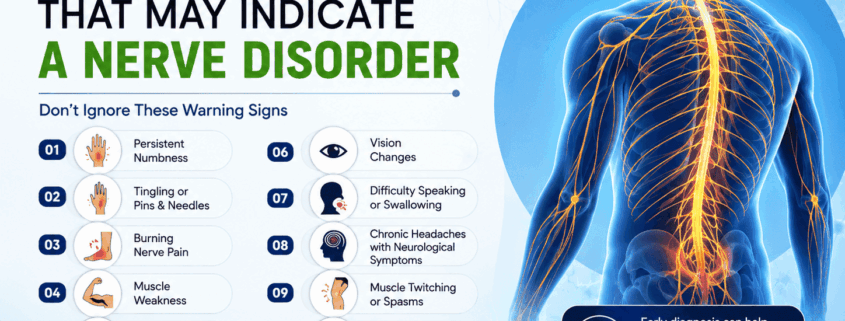
Your nervous system controls everything from movement and sensation to memory and coordination. When nerves are damaged or not functioning properly, they can cause symptoms such as numbness, tingling, burning pain, muscle weakness, and balance problems. While these signs may seem minor at first, ignoring them can lead to serious neurological complications. Seeking timely evaluation from the Best nerve specialist in Safdarjung can help identify the underlying cause and begin appropriate treatment. If you are experiencing persistent nerve-related symptoms, consulting an experienced nerve specialist in Safdarjung can support early diagnosis, effective management, and improved long-term neurological health.
What Is a Nerve Disorder?
A nerve disorder occurs when the nervous system is damaged or fails to transmit signals properly between the brain, spinal cord, and the rest of the body. These conditions can affect movement, sensation, balance, coordination, memory, and muscle function. Nerve disorders may develop gradually or appear suddenly, depending on the underlying cause. Seeking timely care from the Best nerve specialist in Safdarjung can help detect these conditions early and reduce the risk of long-term complications.
How the Nervous System Works
The nervous system is divided into the central nervous system (CNS), which includes the brain and spinal cord, and the peripheral nervous system (PNS), which connects the CNS to the body’s muscles, organs, and skin. Healthy nerves carry electrical signals that control movement, touch, temperature, pain, and automatic body functions such as breathing and digestion. When these signals are disrupted, various neurological symptoms can develop.
Common Causes of Nerve Disorders
Several medical conditions and lifestyle factors can damage the nerves. Common causes include diabetes, vitamin B12 deficiency, stroke, autoimmune diseases, viral infections, nerve compression, spinal disorders, physical injuries, and certain genetic conditions. In some cases, prolonged alcohol use, exposure to toxins, or side effects of medications may also contribute to nerve damage. Consulting an experienced nerve specialist in Safdarjung is essential to identify the exact cause through a detailed neurological evaluation and appropriate diagnostic tests. Early diagnosis, combined with personalized treatment and regular follow-up, can help manage symptoms effectively, slow disease progression, and improve overall quality of life.
1. Persistent Numbness
Persistent numbness is one of the most common warning signs of a nerve disorder. Unlike temporary numbness caused by sitting in one position for too long, persistent numbness may indicate that the nerves are unable to transmit signals properly. It can affect the hands, feet, arms, legs, or even the face, making everyday activities more difficult. If the sensation lasts for several days or keeps returning, it should not be ignored. Consulting the Best nerve specialist in Safdarjung can help identify the underlying cause and prevent further nerve damage.
Common Symptoms
You may experience one or more of the following symptoms:
- Loss of sensation in the hands, feet, fingers, or toes
- Reduced ability to feel touch, heat, or cold
- Difficulty holding objects due to decreased sensation
- Feeling like you are wearing gloves or socks even when you are not
- Numbness that spreads gradually to other parts of the body
- Symptoms that become worse at night or after physical activity
Possible Causes
Persistent numbness can occur due to several neurological and medical conditions, including:
- Peripheral neuropathy
- Diabetes-related nerve damage
- Vitamin B12 deficiency
- Stroke or transient ischemic attack (TIA)
- Compressed nerves caused by spinal disorders
- Multiple sclerosis and other neurological diseases
A thorough evaluation by an experienced nerve specialist in Safdarjung can determine the exact cause of persistent numbness. Early diagnosis and timely treatment can help prevent complications, improve nerve function, and enhance your overall quality of life.
2. Tingling or “Pins and Needles”
Experiencing a tingling or “pins and needles” sensation occasionally after sitting or sleeping in an awkward position is usually harmless. However, if this sensation occurs frequently, lasts for a long time, or develops without an obvious reason, it may indicate an underlying nerve disorder. Persistent tingling often occurs when nerves become damaged, compressed, or inflamed, affecting their ability to send signals correctly. It commonly affects the hands, fingers, feet, legs, or face and may gradually become more noticeable over time. Consulting the Best nerve specialist in Safdarjung can help determine the underlying cause and prevent further neurological complications through timely diagnosis and treatment.
Common Characteristics of Tingling Sensations
| Symptom | What It May Indicate |
| Occasional tingling after pressure | Usually temporary and resolves quickly |
| Persistent tingling | May suggest ongoing nerve damage |
| Burning or electric shock-like feeling | Possible peripheral neuropathy or nerve irritation |
| Tingling with numbness | Could indicate reduced nerve function |
| Tingling with muscle weakness | May be associated with neurological disorders requiring evaluation |
| One-sided tingling with facial weakness | Can be a sign of stroke and requires immediate medical attention |
Persistent tingling should never be ignored, especially if it is accompanied by pain, weakness, balance problems, or difficulty performing daily activities. An experienced nerve specialist in Safdarjung may recommend a detailed neurological examination along with tests such as blood investigations, MRI, EMG, or Nerve Conduction Studies (NCS) to identify the cause. Early diagnosis, proper treatment, and regular follow-up can help relieve symptoms, slow disease progression, and improve your overall nerve health and quality of life.
3. Burning or Sharp Nerve Pain
Burning or sharp nerve pain is a common symptom of nerve damage and often feels very different from ordinary muscle or joint pain. Many people describe it as a burning sensation, stabbing pain, electric shock-like feeling, or shooting pain that travels along the path of a nerve. This discomfort may occur occasionally or become persistent, affecting sleep, mobility, and daily activities. If these symptoms continue or worsen over time, consulting the Best nerve specialist in Safdarjung is important for an accurate diagnosis and appropriate treatment.
How Does Nerve Pain Feel?
Unlike pain caused by injuries or inflammation, nerve pain results from damaged or irritated nerves sending abnormal signals to the brain. You may notice burning, sharp stabbing pain, electric shock sensations, or increased sensitivity to touch. Even light contact from clothing or bedsheets can become uncomfortable in some cases.
Common Causes of Burning Nerve Pain
Several medical conditions can trigger this type of pain, including peripheral neuropathy, diabetes, herniated discs, pinched nerves, shingles, multiple sclerosis, and spinal disorders. Vitamin deficiencies, infections, and certain medications may also contribute to nerve irritation. Identifying the exact cause is essential because treatment varies depending on the underlying condition.
When Should You Seek Medical Care?
Burning nerve pain should never be ignored if it is persistent, becomes more intense, or is associated with numbness, muscle weakness, balance problems, or loss of coordination. An experienced nerve specialist in Safdarjung can perform a detailed neurological evaluation and recommend appropriate investigations to identify the source of the pain. Early diagnosis, targeted treatment, and regular follow-up can reduce discomfort, protect nerve function, and improve your overall quality of life.
4. Muscle Weakness
Muscle weakness is another important symptom that may indicate a nerve disorder. Unlike normal tiredness after physical activity, true muscle weakness makes it difficult to perform everyday tasks, even with adequate rest. When the nerves responsible for controlling muscles are damaged, they cannot transmit signals effectively, resulting in reduced strength and poor muscle coordination. If muscle weakness develops suddenly or gradually worsens, it is essential to consult the Best nerve specialist in Safdarjung for a comprehensive neurological evaluation and timely treatment.
Common Signs of Muscle Weakness
You may notice one or more of the following symptoms:
- Difficulty lifting or carrying everyday objects
- Weak grip strength while holding a pen, bottle, or phone
- Trouble climbing stairs or getting up from a chair
- Frequent tripping or falling while walking
- Difficulty raising your arms or legs
- Feeling that your muscles become tired very quickly
- Problems with balance and coordination
- Muscle weakness affecting one side of the body
Possible Causes
Muscle weakness can result from several neurological conditions, including:
- Peripheral neuropathy
- Stroke
- Multiple sclerosis
- Motor neuron disorders
- Pinched nerves
- Spinal cord disorders
- Vitamin deficiencies
- Autoimmune diseases
If you experience persistent or unexplained muscle weakness, do not ignore it. An experienced nerve specialist in Safdarjung can identify the underlying cause through a detailed examination and diagnostic tests such as MRI, EMG, and Nerve Conduction Studies (NCS). Early diagnosis, personalized treatment, and regular follow-up can help improve muscle strength, prevent further nerve damage, and support a better quality of life.
5. Loss of Balance and Coordination
Loss of balance and coordination can be an early sign of a nerve disorder affecting the brain, spinal cord, inner ear, or peripheral nerves. These problems may make simple activities such as walking, climbing stairs, standing for long periods, or changing direction more difficult. While occasional dizziness may not always be serious, frequent balance issues or repeated falls should never be ignored. Seeking evaluation from the Best nerve specialist in Safdarjung can help identify the underlying neurological condition and prevent complications through early treatment.
Common Signs of Balance Problems
| Symptom | What It May Mean |
| Frequent stumbling or falls | Weak nerve signals affecting muscle control |
| Difficulty walking in a straight line | Problems with coordination or balance centers |
| Feeling unsteady while standing | Possible nerve or spinal cord involvement |
| Dizziness with balance issues | May indicate a neurological or vestibular disorder |
| Poor hand-eye coordination | Reduced communication between the brain and muscles |
| Difficulty performing precise movements | Possible damage to nerves controlling fine motor skills |
Balance problems may occur due to peripheral neuropathy, stroke, Parkinson’s disease, multiple sclerosis, cerebellar disorders, inner ear conditions, or spinal cord disorders. In some cases, vitamin deficiencies or certain medications may also contribute to poor coordination.
An experienced nerve specialist in Safdarjung can perform a detailed neurological examination and recommend tests such as MRI, CT scan, EMG, or Nerve Conduction Studies (NCS) to determine the exact cause. Early diagnosis, personalized treatment, and rehabilitation therapy can improve balance, reduce the risk of falls, protect nerve function, and enhance your overall quality of life.
6. Muscle Twitching or Spasms
Muscle twitching or muscle spasms are involuntary muscle movements that can occur occasionally and are often harmless. However, when they become frequent, persistent, painful, or are accompanied by weakness or numbness, they may indicate an underlying nerve disorder. These abnormal muscle contractions occur when damaged or irritated nerves send irregular signals to the muscles. If muscle twitching continues for several weeks or interferes with daily activities, it is advisable to consult the Best nerve specialist in Safdarjung for a detailed neurological assessment.
What Causes Muscle Twitching?
Muscle twitching can result from several conditions, including peripheral neuropathy, pinched nerves, electrolyte imbalances, vitamin deficiencies, motor neuron disorders, multiple sclerosis, and excessive physical exertion. Stress, dehydration, certain medications, and too much caffeine may also trigger temporary muscle spasms. Identifying the exact cause is important because treatment depends on the underlying condition.
Warning Signs That Need Medical Attention
While occasional twitching is usually not serious, you should seek medical advice if you experience:
- Persistent or worsening muscle twitching
- Twitching accompanied by muscle weakness
- Numbness or tingling along with spasms
- Difficulty performing routine movements
- Twitching that affects multiple muscle groups
- Problems with walking, speaking, or swallowing
An experienced nerve specialist in Safdarjung can evaluate your symptoms through a neurological examination and recommend tests such as EMG, Nerve Conduction Studies (NCS), MRI, or blood investigations when necessary. Early diagnosis, appropriate treatment, and lifestyle modifications can help reduce muscle spasms, improve nerve function, and prevent further neurological complications.
7. Chronic Headache with Neurological Symptoms
A chronic headache that occurs along with neurological symptoms should never be ignored. While many headaches are caused by stress, dehydration, or migraine, headaches accompanied by numbness, weakness, vision changes, confusion, or difficulty speaking may indicate an underlying neurological disorder. These symptoms could be associated with conditions such as stroke, brain tumors, multiple sclerosis, infections, or other disorders affecting the nervous system. Consulting the Best nerve specialist in Safdarjung can help identify the cause through a detailed neurological evaluation and appropriate diagnostic tests.
Warning Signs to Watch For
If a headache is accompanied by any of the following symptoms, seek medical attention promptly:
- Sudden, severe headache unlike any previous headache
- Numbness or tingling in the face, arms, or legs
- Muscle weakness, especially on one side of the body
- Blurred vision, double vision, or temporary vision loss
- Difficulty speaking or understanding speech
- Loss of balance or coordination
- Confusion, memory problems, or difficulty concentrating
- Seizures along with headache
- Headache associated with persistent vomiting or loss of consciousness
Why Early Evaluation Is Important
Ignoring these warning signs can delay the diagnosis of serious neurological conditions. An experienced nerve specialist in Safdarjung may recommend investigations such as a neurological examination, MRI, CT scan, EEG, or blood tests to determine the underlying cause. Early diagnosis, timely treatment, and regular follow-up can help control symptoms, prevent complications, and improve your overall brain health, nerve function, and quality of life. If the headache is sudden, severe, or associated with stroke-like symptoms, seek emergency medical care immediately.
8. Difficulty Speaking or Swallowing
Difficulty speaking or trouble swallowing can be important warning signs of a nerve disorder. These symptoms occur when the nerves controlling the muscles of the mouth, tongue, throat, or vocal cords are affected. You may notice slurred speech, difficulty pronouncing words, choking while eating, or feeling that food is stuck in your throat. Although these problems may develop gradually in some neurological conditions, they can also appear suddenly during a stroke, requiring immediate medical attention. If you experience these symptoms, consulting the Best nerve specialist in Safdarjung as early as possible can help ensure timely diagnosis and treatment.
Common Symptoms and Their Possible Meaning
| Symptom | Possible Cause |
| Slurred speech | Stroke, nerve injury, or neurological disorders |
| Difficulty pronouncing words | Weakness of facial or tongue muscles |
| Trouble swallowing food or liquids | Disorders affecting the swallowing muscles or nerves |
| Frequent choking while eating | Impaired nerve control of the throat muscles |
| Hoarse or weak voice | Damage to nerves supplying the vocal cords |
| Drooping of one side of the face | Possible stroke requiring emergency medical care |
Persistent speech or swallowing difficulties should never be ignored, especially if they are accompanied by muscle weakness, facial numbness, vision changes, or loss of balance. An experienced nerve specialist in Safdarjung can perform a comprehensive neurological examination and recommend tests such as MRI, CT scan, swallowing assessments, or other investigations based on your symptoms. Early diagnosis, personalized treatment, and speech or swallowing rehabilitation can significantly improve recovery, reduce complications, and enhance your overall quality of life.
9. Vision Changes
Vision changes can sometimes be an early sign of a nerve disorder, especially when the nerves connecting the eyes and brain are affected. While temporary blurred vision may result from eye strain or fatigue, persistent or sudden vision problems should never be ignored. Symptoms such as double vision, blurred vision, partial vision loss, or difficulty focusing may indicate an underlying neurological condition that requires prompt evaluation. Consulting the Best nerve specialist in Safdarjung can help identify whether these symptoms are related to nerve damage or another neurological disorder.
Common Vision Changes Associated with Nerve Disorders
Neurological conditions can affect vision in several ways. Some of the most common symptoms include blurred vision, double vision (diplopia), temporary or permanent vision loss, difficulty focusing, and abnormal eye movements. Some individuals may also experience increased sensitivity to light or difficulty judging distance, making everyday tasks such as reading or driving more challenging.
Possible Causes of Vision Problems
Vision changes may occur due to optic nerve disorders, stroke, multiple sclerosis, brain tumors, migraine with aura, diabetic neuropathy, or injuries affecting the brain or nervous system. In some cases, inflammation of the optic nerve or reduced blood supply to the brain can also lead to sudden vision problems. Identifying the exact cause is essential because treatment varies depending on the underlying condition.
When to Seek Medical Attention
If you experience sudden vision loss, double vision, vision changes with severe headache, facial weakness, or difficulty speaking, seek immediate medical care. An experienced nerve specialist in Safdarjung can perform a comprehensive neurological assessment and recommend investigations such as MRI, CT scan, or specialized vision tests. Early diagnosis and timely treatment can protect vision, preserve nerve function, and improve long-term neurological outcomes.
10. Loss of Bladder or Bowel Control
Loss of bladder or bowel control is a serious symptom that may indicate an underlying nerve disorder affecting the brain, spinal cord, or peripheral nerves. The nervous system plays a vital role in controlling the muscles responsible for urination and bowel movements. When these nerves are damaged, communication between the brain and these muscles can be disrupted, leading to difficulty controlling bladder or bowel function. If this symptom develops suddenly or is accompanied by back pain, leg weakness, or numbness, it requires immediate medical attention. Consulting the Best nerve specialist in Safdarjung can help determine the underlying cause and ensure timely treatment.
Warning Signs You Should Not Ignore
Seek medical evaluation if you experience any of the following:
- Sudden loss of bladder control
- Loss of bowel control without a known cause
- Difficulty emptying the bladder completely
- Numbness around the groin or inner thighs (saddle numbness)
- Severe lower back pain with leg weakness
- Frequent urinary retention or leakage
- Loss of bladder or bowel control along with difficulty walking
- Symptoms occurring after a spinal injury or neurological event
These symptoms may be associated with conditions such as spinal cord compression, cauda equina syndrome, multiple sclerosis, stroke, Parkinson’s disease, or advanced peripheral neuropathy. An experienced nerve specialist in Safdarjung can perform a detailed neurological examination and recommend investigations such as MRI, CT scan, or Nerve Conduction Studies (NCS) to identify the underlying cause. Early diagnosis and prompt treatment are essential to prevent permanent nerve damage, preserve normal bladder and bowel function, and improve your overall quality of life.
What Causes Nerve Disorders?
Nerve disorders can develop due to a wide range of medical conditions, injuries, and lifestyle factors that affect the normal functioning of the brain, spinal cord, or peripheral nerves. Identifying the underlying cause is essential because treatment depends on the specific condition affecting the nervous system. An experienced Best nerve specialist in Safdarjung can evaluate your symptoms, medical history, and diagnostic test results to determine the exact cause and recommend an appropriate treatment plan.
Common Causes of Nerve Disorders
| Cause | How It Affects the Nerves |
| Diabetes | High blood sugar damages peripheral nerves, leading to neuropathy. |
| Vitamin B12 Deficiency | Reduces nerve health and may cause numbness, tingling, and weakness. |
| Stroke | Interrupts blood flow to the brain, affecting nerve function and movement. |
| Peripheral Neuropathy | Damages peripheral nerves, causing pain, burning sensations, and loss of sensation. |
| Multiple Sclerosis (MS) | The immune system attacks the protective covering of nerves, disrupting communication. |
| Nerve Compression | Conditions such as herniated discs or carpal tunnel syndrome compress nerves and cause pain or weakness. |
| Spinal Cord Disorders | Damage to the spinal cord can affect movement, sensation, and bladder or bowel control. |
| Autoimmune Diseases | Disorders like Guillain-Barré syndrome or lupus may attack healthy nerves. |
| Infections | Viral or bacterial infections, including shingles, can damage nerve tissue. |
| Physical Injuries | Trauma from accidents or falls may stretch, compress, or sever nerves. |
Understanding the cause of a nerve disorder is the first step toward effective treatment. If you experience persistent numbness, tingling, muscle weakness, or balance problems, consult an experienced nerve specialist in Safdarjung. Early diagnosis, timely intervention, and personalized treatment can help prevent complications, relieve symptoms, and improve your overall neurological health and quality of life.
How Are Nerve Disorders Diagnosed?
Diagnosing a nerve disorder requires a thorough evaluation to identify the exact cause of your symptoms. Since conditions affecting the brain, spinal cord, and peripheral nerves can present with similar signs, an accurate diagnosis is essential for effective treatment. An experienced Best nerve specialist in Safdarjung will review your medical history, assess your symptoms, and recommend appropriate diagnostic tests to develop a personalized treatment plan.
Medical History and Neurological Examination
The first step involves discussing your symptoms, their duration, medical history, family history, and any existing conditions such as diabetes or high blood pressure. A detailed neurological examination is then performed to evaluate muscle strength, reflexes, coordination, balance, sensation, and cranial nerve function. This examination helps identify which part of the nervous system may be affected.
Diagnostic Tests
Depending on your symptoms, your neurologist may recommend several investigations. Magnetic Resonance Imaging (MRI) and CT scans help detect abnormalities in the brain and spinal cord. Electromyography (EMG) and Nerve Conduction Studies (NCS) evaluate how well nerves and muscles are functioning. Blood tests may be performed to identify vitamin deficiencies, diabetes, infections, or autoimmune disorders. In specific cases, an Electroencephalogram (EEG) or lumbar puncture may also be recommended.
Why Early Diagnosis Matters
An experienced nerve specialist in Safdarjung can accurately diagnose neurological conditions before they progress. Early diagnosis, combined with timely treatment and regular follow-up, can reduce symptoms, prevent further nerve damage, improve recovery, and enhance your overall quality of life. Recognizing nerve disorders at an early stage often leads to better long-term outcomes and more effective management.
Treatment Options for Nerve Disorders
The treatment of a nerve disorder depends on its underlying cause, severity, and the symptoms experienced by the patient. Some conditions can be managed with medications and lifestyle changes, while others may require rehabilitation or surgical intervention. The primary goal of treatment is to relieve symptoms, prevent further nerve damage, improve nerve function, and enhance the patient’s quality of life. Consulting the Best nerve specialist in Safdarjung ensures that you receive a personalized treatment plan based on a comprehensive neurological evaluation.
Common Treatment Options
Depending on your diagnosis, your neurologist may recommend one or more of the following treatments:
- Medications to manage nerve pain, inflammation, seizures, or muscle spasms
- Treatment of underlying conditions such as diabetes, vitamin deficiencies, or autoimmune diseases
- Physical therapy to improve muscle strength, balance, and coordination
- Occupational therapy to help perform daily activities more comfortably
- Speech and swallowing therapy for patients with communication or swallowing difficulties
- Lifestyle modifications, including a healthy diet, regular exercise, adequate sleep, and stress management
- Vitamin supplementation when nutritional deficiencies contribute to nerve damage
- Interventional pain management for chronic nerve pain that does not respond to medication
- Surgical treatment when nerve compression, spinal disorders, or tumors require correction
- Regular follow-up appointments to monitor progress and adjust treatment as needed
An experienced nerve specialist in Safdarjung will choose the most appropriate treatment after carefully evaluating your condition. Early intervention, adherence to the recommended treatment plan, and routine follow-up can significantly improve neurological function, reduce complications, and support long-term brain and nerve health.
When Should You See a Neurologist?
Recognizing the right time to consult a neurologist can make a significant difference in preventing complications and improving recovery. While some neurological symptoms may seem mild at first, persistent or worsening symptoms should never be ignored. Seeking timely care from the Best nerve specialist in Safdarjung can help identify the underlying cause, begin appropriate treatment, and reduce the risk of permanent nerve damage. If you experience symptoms that interfere with your daily life or develop suddenly, it is important to seek medical evaluation without delay.
Signs That You Should Consult a Neurologist
| Symptom | Why You Should Seek Medical Attention |
| Persistent numbness or tingling | May indicate nerve damage or peripheral neuropathy |
| Burning or shooting nerve pain | Could be caused by nerve compression or neurological disorders |
| Muscle weakness | May signal disorders affecting the brain, spinal cord, or nerves |
| Frequent loss of balance or coordination | Increases the risk of falls and may indicate neurological disease |
| Difficulty speaking or swallowing | Can be a sign of stroke or other serious nerve conditions |
| Sudden vision changes | May require urgent neurological evaluation |
| Severe or recurring headaches with neurological symptoms | Could indicate migraine, stroke, or other brain disorders |
| Loss of bladder or bowel control | May be associated with spinal cord or nerve disorders and needs immediate assessment |
| Seizures or unexplained loss of consciousness | Require prompt neurological investigation |
| Sudden facial drooping or one-sided weakness | Possible stroke—seek emergency medical care immediately |
If you notice any of these symptoms, consult an experienced nerve specialist in Safdarjung as soon as possible. Early diagnosis, timely treatment, and regular neurological follow-up can improve outcomes, prevent complications, and help you maintain better nerve function and quality of life.
Why Choose Dr. Aparna Gupta for Neurological Care?
Choosing the right neurologist is essential for receiving an accurate diagnosis, personalized treatment, and long-term support for neurological conditions. Whether you are experiencing persistent headaches, nerve pain, muscle weakness, numbness, tingling, dizziness, or balance problems, early evaluation can make a significant difference in your recovery. If you are looking for the Best nerve specialist in Safdarjung, Dr. Aparna Gupta offers comprehensive neurological care with a patient-centered approach and evidence-based treatment.
Expertise in Treating Neurological Disorders
Dr. Aparna Gupta has extensive experience in the diagnosis and management of a wide range of neurological conditions. Her areas of expertise include peripheral neuropathy, stroke, migraine, epilepsy, Parkinson’s disease, vertigo, memory disorders, multiple sclerosis, movement disorders, and various nerve-related conditions. Every patient undergoes a detailed neurological evaluation to identify the root cause of symptoms before starting treatment.
Personalized and Advanced Patient Care
Every neurological condition is unique, which is why Dr. Aparna Gupta focuses on creating individualized treatment plans based on each patient’s symptoms, medical history, and diagnostic findings. She emphasizes early diagnosis, patient education, lifestyle guidance, and regular follow-up to achieve the best possible outcomes. Modern diagnostic techniques and evidence-based therapies are used to ensure comprehensive neurological care.
Trusted Choice for Neurological Health
Patients seeking an experienced nerve specialist in Safdarjung choose Dr. Aparna Gupta for her compassionate approach, clinical expertise, and commitment to improving brain and nerve health. Her goal is not only to manage symptoms but also to enhance quality of life, restore functional independence, and provide long-term support through every stage of neurological treatment.
About Neuro Clinic Plus
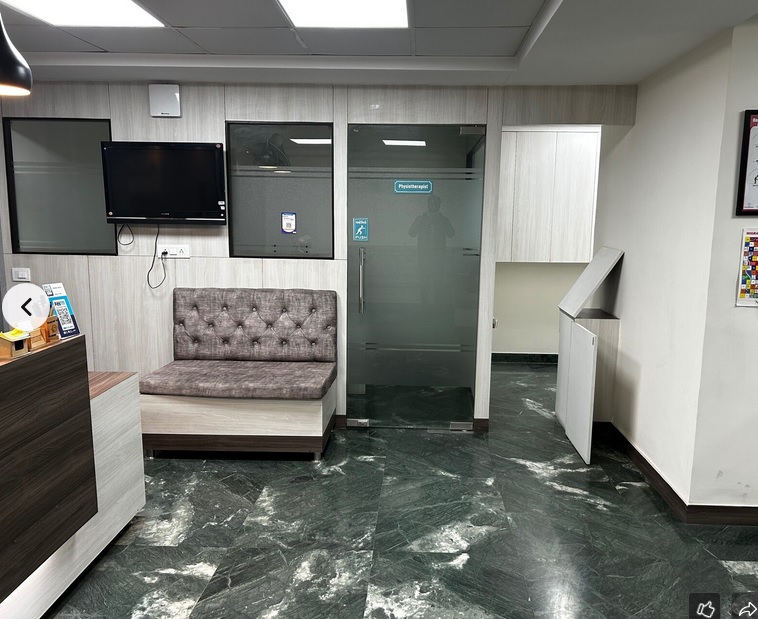
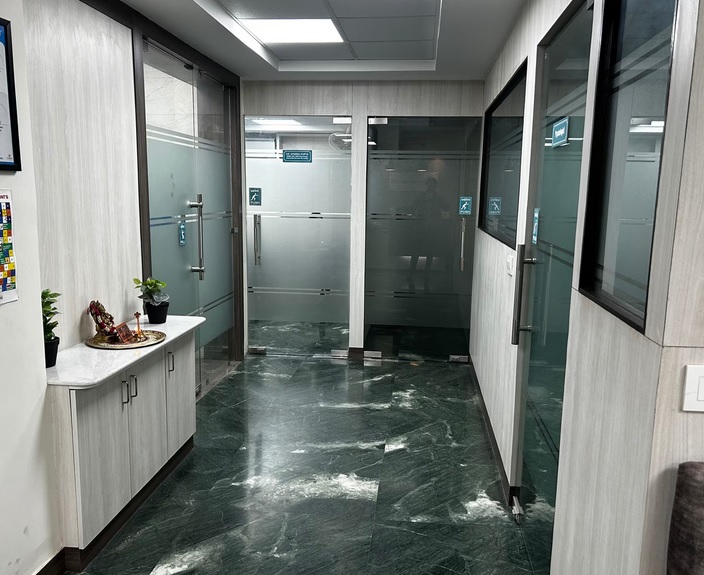
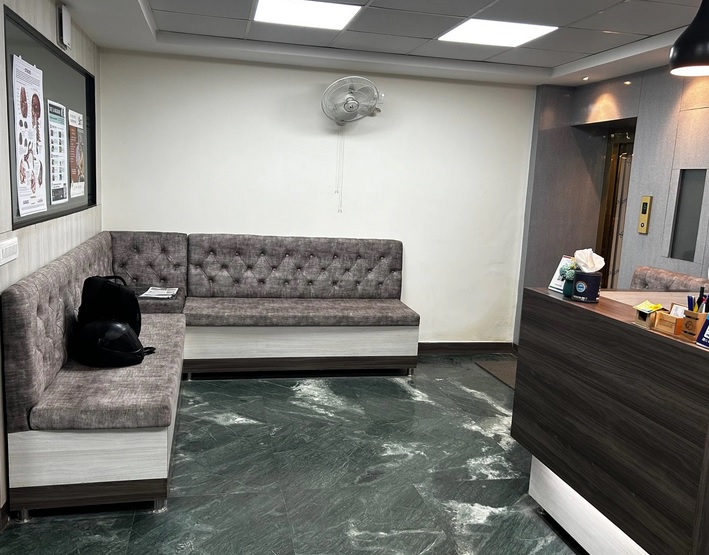
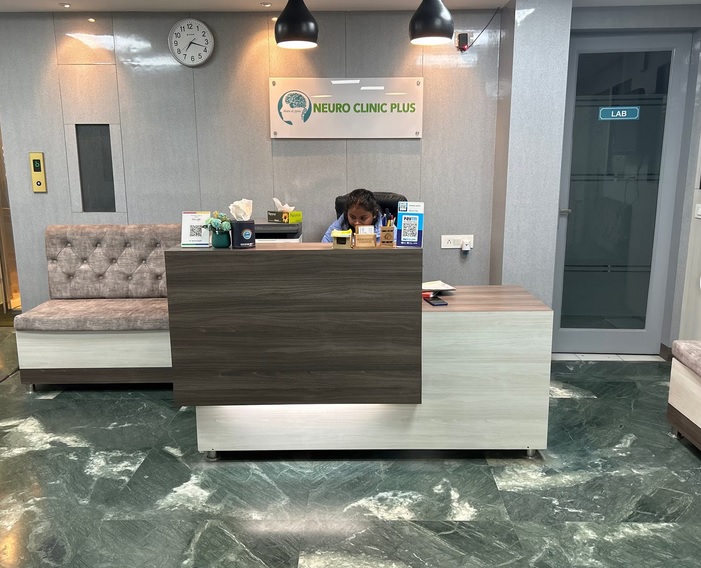
Neuro Clinic Plus is a dedicated neurology center committed to providing comprehensive, patient-focused neurological care. The clinic offers evaluation, diagnosis, treatment, and long-term management for a wide range of brain, spine, and nerve disorders. Whether you are experiencing persistent headaches, numbness, tingling, muscle weakness, dizziness, balance problems, or nerve pain, the clinic focuses on identifying the root cause and creating a personalized treatment plan. Patients looking for the Best nerve specialist in Safdarjung can rely on Neuro Clinic Plus for quality neurological care supported by modern diagnostic techniques and compassionate medical expertise.
Services Offered at Neuro Clinic Plus
Patients can benefit from a wide range of neurological services, including:
- Comprehensive neurological consultations
- Evaluation and treatment of nerve disorders
- Headache and migraine management
- Stroke diagnosis, treatment, and rehabilitation
- Care for epilepsy and seizure disorders
- Management of Parkinson’s disease and movement disorders
- Diagnosis and treatment of peripheral neuropathy
- Evaluation of vertigo, dizziness, and balance disorders
- Assessment of memory problems and cognitive disorders
- Personalized treatment plans with regular follow-up care
Patient-Centered Neurological Care
At Neuro Clinic Plus, every patient receives individualized attention based on their symptoms and medical history. Under the guidance of Dr. Aparna Gupta, patients benefit from evidence-based treatment, timely diagnosis, and continuous support throughout their recovery journey. If you are searching for an experienced nerve specialist in Safdarjung, Neuro Clinic Plus is dedicated to helping you achieve better neurological health, improved quality of life, and long-term wellness through expert care and compassionate support.
Tips to Keep Your Nervous System Healthy
Maintaining a healthy nervous system is essential for proper communication between the brain, spinal cord, and nerves. Simple lifestyle changes can significantly reduce the risk of nerve damage and support long-term neurological health. Whether you have an existing neurological condition or want to prevent future problems, following healthy habits can improve brain function, nerve health, and your overall quality of life. If you notice persistent neurological symptoms despite following these measures, consult the Best nerve specialist in Safdarjung for a comprehensive evaluation and personalized guidance.
Healthy Habits for Better Nerve Health
| Healthy Habit | Benefits for Your Nervous System |
| Eat a balanced diet | Provides essential nutrients, including Vitamin B12, to support healthy nerve function. |
| Exercise regularly | Improves blood circulation, muscle strength, balance, and coordination. |
| Manage blood sugar levels | Reduces the risk of diabetic neuropathy and nerve damage. |
| Stay physically active | Helps maintain healthy muscles and improves communication between nerves and muscles. |
| Get 7–8 hours of sleep | Supports nerve repair, memory, and overall brain function. |
| Stay hydrated | Ensures proper nerve signal transmission and overall body function. |
| Avoid smoking and excessive alcohol | Lowers the risk of nerve damage and improves circulation. |
| Manage stress effectively | Reduces the impact of chronic stress on the brain and nervous system. |
| Schedule regular health check-ups | Helps detect neurological conditions early for timely treatment. |
| Seek prompt medical care for symptoms | Early consultation with a nerve specialist in Safdarjung can prevent complications and improve treatment outcomes. |
Following these healthy habits consistently can protect your nervous system, improve nerve function, and reduce the risk of neurological disorders. Combined with early diagnosis and expert medical care, these preventive measures play an important role in maintaining lifelong neurological wellness.
Frequently Asked Questions
1. What are the early signs of a nerve disorder?
Early signs may include numbness, tingling, burning pain, muscle weakness, balance problems, and changes in sensation. If these symptoms persist, consult the Best nerve specialist in Safdarjung for a proper evaluation.
2. When should I see a nerve specialist?
You should see a nerve specialist in Safdarjung if you experience persistent nerve pain, numbness, muscle weakness, difficulty walking, dizziness, vision changes, or unexplained neurological symptoms.
3. What causes nerve disorders?
Common causes include diabetes, vitamin B12 deficiency, stroke, autoimmune diseases, infections, spinal disorders, nerve compression, injuries, and genetic conditions.
4. Can nerve damage be treated?
Yes. Many nerve disorders can be effectively managed with medications, physical therapy, lifestyle modifications, and treatment of the underlying cause. Early diagnosis improves treatment outcomes.
5. How are nerve disorders diagnosed?
Diagnosis may involve a neurological examination, MRI, CT scan, Electromyography (EMG), Nerve Conduction Studies (NCS), blood tests, and other investigations depending on your symptoms.
6. Is tingling always a sign of nerve damage?
No. Temporary tingling may occur due to prolonged pressure on a nerve. However, persistent or recurring tingling should be evaluated by a neurologist to rule out an underlying nerve disorder.
7. Which vitamin deficiency can affect the nerves?
A Vitamin B12 deficiency is one of the most common nutritional causes of nerve damage. Low levels can lead to numbness, tingling, weakness, and balance problems.
8. Can diabetes lead to nerve damage?
Yes. Diabetes is one of the leading causes of peripheral neuropathy, which can cause burning pain, numbness, tingling, and reduced sensation in the hands and feet.
9. Are all nerve disorders permanent?
No. Some nerve disorders improve with early diagnosis and appropriate treatment, while others require long-term management to control symptoms and prevent progression.
10. How can I keep my nerves healthy?
Maintaining a healthy diet, exercising regularly, controlling blood sugar, avoiding smoking, limiting alcohol, getting enough sleep, and managing stress can help support healthy nerve function.
11. Why should I choose Dr. Aparna Gupta for neurological care?
Dr. Aparna Gupta provides comprehensive evaluation and personalized treatment for various neurological conditions at Neuro Clinic Plus, focusing on evidence-based care and long-term patient well-being.
12. Where can I find the Best nerve specialist in Safdarjung?
If you are looking for the Best nerve specialist in Safdarjung, you can consult Dr. Aparna Gupta at Neuro Clinic Plus for expert diagnosis, advanced neurological care, and personalized treatment for a wide range of brain, spine, and nerve disorders.
Conclusion
Recognizing the early symptoms of a nerve disorder can help prevent serious complications and improve treatment outcomes. Signs such as persistent numbness, tingling, muscle weakness, burning nerve pain, balance problems, vision changes, and difficulty speaking or swallowing should never be ignored. Seeking timely care from the Best nerve specialist in Safdarjung can lead to an accurate diagnosis and personalized treatment plan tailored to your condition. If you or a loved one is experiencing neurological symptoms, consult an experienced nerve specialist in Safdarjung at Neuro Clinic Plus. Under the expert care of Dr. Aparna Gupta, you can receive comprehensive neurological evaluation, advanced treatment, and ongoing support to maintain better brain and nerve health and improve your overall quality of life.