Tag Archive for: stroke symptoms

Brain Specialist in Safdarjung

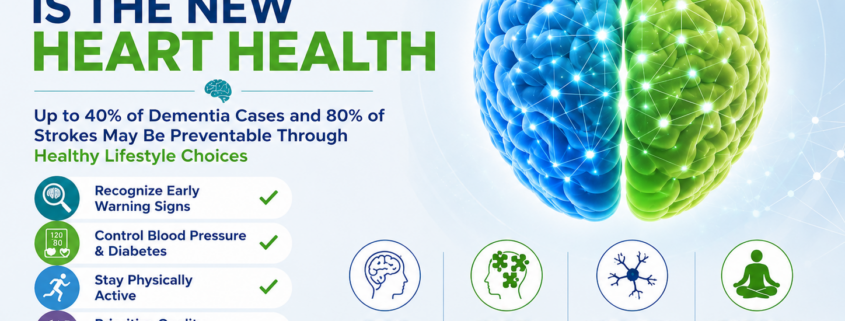
Brain health plays a vital role in every aspect of life, from memory and concentration to movement, communication, and emotional well-being. Consulting a qualified brain specialist in Safdarjung can help individuals understand their neurological health and take preventive steps before serious conditions develop. Yet, many people pay attention to their brain only when symptoms such as headaches, memory loss, dizziness, or weakness begin to appear. Today, healthcare experts are increasingly emphasizing that “Brain Health is the New Heart Health” because many neurological conditions can be prevented or managed effectively through early intervention and healthy lifestyle choices.

Research suggests that up to 40% of dementia cases and nearly 80% of strokes may be preventable by addressing modifiable risk factors such as high blood pressure, diabetes, smoking, physical inactivity, poor diet, and chronic stress. This highlights the importance of taking proactive steps to protect brain function long before serious problems develop.

At Neuro Clinic Plus, Dr. Aparna Gupta is dedicated to helping patients understand the importance of brain health and providing expert care for conditions such as stroke, dementia, epilepsy, migraines, and other neurological disorders. Prioritizing brain health today can lead to better cognitive function, improved quality of life, and greater independence in the years ahead.

Why Brain Health Is the New Heart Health

The Growing Importance of Brain Health

Healthcare experts are increasingly emphasizing that brain health deserves the same attention as heart health. An experienced brain specialist in Safdarjung often sees patients who focus on physical health but overlook early neurological symptoms until they begin affecting daily life. As awareness grows, more people are recognizing the importance of protecting their cognitive and neurological well-being before serious conditions develop.

Almost all bodily functions are controlled by the brain, including:

  • Memory and learning
  • Thinking and decision-making
  • Speech and communication
  • Movement and coordination
  • Emotions and behavior
  • Sensory functions such as vision and hearing

When brain health declines, it can significantly impact a person’s independence and quality of life. Neurological conditions such as stroke, dementia, Parkinson’s disease, and epilepsy can affect both patients and their families, making prevention and early intervention increasingly important.

Many Brain Disorders Are Preventable

One of the most encouraging findings in modern neurology is that many brain disorders may be prevented or delayed through healthy lifestyle choices and proper medical care. According to current research, up to 40% of dementia cases and nearly 80% of strokes may be linked to preventable risk factors.

For individuals concerned about memory decline, consulting the best dementia specialist in Delhi can help identify cognitive changes at an early stage and support effective management strategies. Early evaluation is often crucial because many neurological conditions progress gradually before symptoms become obvious.

Several risk factors that can affect brain health include:

  • High blood pressure
  • Diabetes
  • High cholesterol
  • Smoking
  • Obesity
  • Physical inactivity
  • Poor sleep quality
  • Chronic stress

Managing these risk factors can significantly reduce the likelihood of developing serious neurological complications later in life.

Prevention Is Better Than Treatment

The concept of “Brain Health Is the New Heart Health” reflects a growing shift toward preventive neurological care. Rather than waiting for symptoms to appear, neurologists encourage individuals to take proactive steps to maintain cognitive function and overall brain wellness.

Simple habits that support long-term brain health include:

  • Following a nutritious diet
  • Exercising regularly
  • Maintaining healthy blood pressure levels
  • Getting sufficient sleep
  • Staying mentally active
  • Managing stress effectively
  • Scheduling regular medical checkups

A qualified brain specialist in Safdarjung can help assess neurological risk factors and recommend preventive strategies tailored to individual needs. Similarly, individuals at risk of cerebrovascular disease may benefit from consulting the best stroke specialist in Delhi to understand their risk profile and take steps to prevent future complications.

Why Early Action Matters

Many neurological disorders develop gradually, often showing subtle symptoms before progressing to more serious stages. Seeking timely medical guidance can improve treatment outcomes and help preserve long-term brain function.

Whether it involves stroke prevention, cognitive health monitoring, or managing neurological symptoms, both the best stroke specialist in Delhi and the best dementia specialist in Delhi play an important role in helping patients maintain a healthier and more independent future.

What Are the Early Signs That Your Brain Needs Attention?

Recognizing neurological symptoms early can make a significant difference in treatment outcomes. Many brain-related disorders develop gradually, and their warning signs are often mistaken for normal aging, stress, or fatigue. However, ignoring these symptoms may delay diagnosis and increase the risk of complications.

An experienced brain specialist in Safdarjung can help determine whether these symptoms are temporary concerns or signs of an underlying neurological condition that requires medical attention.

Warning Signs You Should Never Ignore

While occasional symptoms may not always indicate a serious problem, persistent or recurring neurological changes should be evaluated by a healthcare professional.

Common warning signs include:

  • Frequent or severe headaches
  • Memory loss or increasing forgetfulness
  • Difficulty concentrating or making decisions
  • Dizziness or balance problems
  • Numbness or weakness in the face, arm, or leg
  • Sudden changes in vision
  • Difficulty speaking or understanding speech
  • Unexplained seizures
  • Tremors or involuntary movements
  • Changes in mood, personality, or behavior

These symptoms can be associated with various neurological conditions, including stroke, dementia, epilepsy, Parkinson’s disease, and other disorders affecting the brain and nervous system.

Early Stroke Symptoms Require Immediate Attention

A stroke is a medical emergency that occurs when blood flow to the brain is interrupted. Quick treatment can help reduce brain damage and improve recovery outcomes.

Key stroke warning signs include:

  • One side of the body suddenly becoming weak
  • Facial drooping
  • Difficulty speaking or understanding words
  • Sudden loss of vision
  • Severe dizziness or loss of coordination
  • Sudden, intense headache with no known cause

If any of these symptoms appear, immediate medical care is essential. Consulting the best stroke specialist in Delhi after emergency treatment can help patients manage recovery and reduce the risk of future strokes.

Early Signs of Dementia

Many people assume that memory loss is a normal part of aging, but persistent cognitive changes should never be ignored. Early diagnosis can help slow progression and improve quality of life.

Common early symptoms of dementia include:

  • Frequently forgetting recent conversations or events
  • Repeating the same questions
  • Difficulty completing familiar tasks
  • Misplacing items regularly
  • Problems with planning or problem-solving
  • Confusion about time or place
  • Changes in judgment or decision-making

Seeking evaluation from the best dementia specialist in Delhi can help identify the cause of cognitive symptoms and provide appropriate treatment and support.

When Should You Consult a Neurologist?

You should consider visiting a neurologist if you experience:

  • Persistent headaches that do not improve
  • Recurrent dizziness or balance issues
  • Memory concerns affecting daily life
  • Unexplained numbness or weakness
  • Seizures or blackouts
  • Sudden changes in speech, vision, or movement

An early consultation with a brain specialist in Safdarjung can help detect neurological conditions at a stage when treatment is often more effective. Early diagnosis not only improves outcomes but also helps patients take proactive steps to protect their long-term brain health.

What Factors Increase the Risk of Brain Disorders?

Many neurological conditions do not develop overnight. In most cases, they result from a combination of lifestyle habits, medical conditions, environmental influences, and genetic factors that affect brain health over time. Understanding these risk factors can help individuals take preventive measures and reduce their chances of developing serious neurological disorders.

A brain specialist in Safdarjung often emphasizes that while some risk factors cannot be changed, many can be managed through healthy lifestyle choices and regular medical care.

Lifestyle Factors That Affect Brain Health

Daily habits play a significant role in maintaining cognitive function and reducing the risk of neurological diseases.

Common lifestyle-related risk factors include:

  • Smoking and tobacco use
  • Excessive alcohol consumption
  • Physical inactivity
  • Poor dietary habits
  • Obesity
  • Chronic stress
  • Sleep deprivation
  • Lack of mental stimulation

These factors can negatively affect blood flow to the brain, increase inflammation, and contribute to cognitive decline over time.

Medical Conditions That Increase Neurological Risks

Several health conditions are closely linked to stroke, dementia, and other neurological disorders.

Key medical risk factors include:

  • High blood pressure (hypertension)
  • Diabetes
  • High cholesterol
  • Heart disease
  • Obstructive sleep apnea
  • Chronic kidney disease
  • Previous stroke or transient ischemic attack (TIA)

Among these, high blood pressure is considered one of the most significant risk factors for stroke. Individuals with uncontrolled hypertension are at a much higher risk of experiencing a cerebrovascular event. Seeking guidance from the best stroke specialist in Delhi can help patients manage these risks and develop a personalized prevention strategy.

Risk Factors Associated with Dementia

Although age is the strongest risk factor for dementia, several other factors may contribute to cognitive decline.

These include:

  • Family history of dementia
  • Cardiovascular disease
  • Diabetes
  • Smoking
  • Social isolation
  • Depression
  • Hearing loss
  • Lack of physical activity

Research suggests that addressing these modifiable factors may help lower the risk of developing dementia later in life. Consultation with the best dementia specialist in Delhi can help identify early cognitive changes and recommend interventions that support long-term brain health.

The Role of Age and Genetics

Certain risk factors cannot be controlled, including:

  • Increasing age
  • Family history of neurological disorders
  • Genetic predisposition
  • Certain inherited neurological conditions

While these factors cannot be changed, understanding personal risk can help individuals take preventive steps and undergo regular neurological evaluations.

Why Managing Risk Factors Matters

Preventive brain care is one of the most effective ways to reduce the burden of neurological disease. Many cases of stroke and dementia are linked to risk factors that can be managed through:

  • Regular health checkups
  • Blood pressure control
  • Healthy eating habits
  • Routine physical activity
  • Adequate sleep
  • Stress management
  • Early neurological assessment

Regular consultations with a brain specialist in Safdarjung can help identify potential concerns before they become serious health problems. By recognizing and addressing risk factors early, individuals can take meaningful steps toward protecting their brain health and maintaining their quality of life for years to come.

7 Expert Tips to Keep Your Brain Healthy

Protecting your brain does not require drastic changes. Small, consistent lifestyle habits can significantly improve cognitive function and reduce the risk of neurological disorders. According to neurological experts, many cases of stroke and dementia are associated with modifiable risk factors, making prevention an important part of long-term brain health.

A brain specialist in Safdarjung may recommend the following strategies to support optimal brain function and overall well-being.

1. Keep Your Blood Pressure Under Control

High blood pressure is one of the leading risk factors for stroke and cognitive decline. Uncontrolled hypertension can damage blood vessels in the brain, increasing the likelihood of serious neurological complications.

To maintain healthy blood pressure:

  • Monitor blood pressure regularly
  • Limit excessive salt intake
  • Exercise consistently
  • Take prescribed medications as directed
  • Avoid smoking

Individuals with hypertension should seek guidance from the best stroke specialist in Delhi to better understand their stroke risk and preventive care options.

2. Follow a Brain-Healthy Diet

The foods you eat directly affect brain function. A balanced diet rich in nutrients supports memory, concentration, and long-term cognitive health.

Brain-friendly foods include:

  • Green leafy vegetables
  • Fresh fruits
  • Nuts and seeds
  • Whole grains
  • Fish rich in omega-3 fatty acids
  • Legumes and beans

Limiting processed foods, sugary beverages, and unhealthy fats can also support better brain health.

3. Stay Physically Active

Regular exercise improves blood circulation to the brain and helps reduce the risk of stroke, dementia, and other neurological conditions.

Experts generally recommend:

  • At least 150 minutes of moderate physical activity per week
  • Walking, cycling, swimming, or yoga
  • Strength training exercises when appropriate

Physical activity also helps manage weight, blood pressure, and stress levels.

4. Prioritize Quality Sleep

Sleep plays a critical role in memory consolidation, brain repair, and cognitive performance. Poor sleep quality has been linked to increased risks of dementia, stroke, and other neurological disorders.

To improve sleep quality:

  • Maintain a consistent sleep schedule
  • Limit screen time before bedtime
  • Create a comfortable sleeping environment
  • Avoid excessive caffeine late in the day

5. Keep Your Brain Mentally Active

Just as physical exercise strengthens the body, mental stimulation helps keep the brain engaged.

Activities that support cognitive health include:

  • Reading books
  • Solving puzzles
  • Learning new skills
  • Playing strategy games
  • Engaging in meaningful conversations

Many cognitive specialists believe lifelong learning can contribute to better brain resilience as people age.

6. Manage Stress Effectively

Chronic stress can negatively impact memory, concentration, and emotional well-being. Long-term stress may also contribute to high blood pressure and other conditions that affect brain health.

Healthy stress-management techniques include:

  • Meditation
  • Deep breathing exercises
  • Regular physical activity
  • Spending time with family and friends
  • Pursuing hobbies and recreational activities

7. Schedule Regular Neurological Checkups

Routine health assessments can help identify neurological concerns before symptoms become severe. Early detection often leads to better treatment outcomes and improved quality of life.

People who may benefit from regular neurological evaluations include:

  • Adults over 40
  • Individuals with hypertension or diabetes
  • People with a family history of neurological disorders
  • Anyone experiencing memory changes or recurring neurological symptoms

Consulting a brain specialist in Safdarjung can help assess individual risk factors and provide personalized recommendations for maintaining long-term brain health. For patients experiencing memory-related concerns, the best dementia specialist in Delhi can offer early evaluation and guidance, while those at risk of cerebrovascular disease may benefit from consultation with the best stroke specialist in Delhi.

Taking proactive steps today can help protect brain function, preserve independence, and improve overall quality of life in the future.

Why Choose Dr. Aparna Gupta for Neurological Care?

Finding an experienced brain specialist in Safdarjung is an important step for individuals seeking expert care for neurological disorders. With more than 22 years of experience in neurology, Dr. Aparna Gupta has earned a reputation for providing comprehensive diagnosis, treatment, and preventive care for a wide range of brain, nerve, and spine-related conditions.

Trusted Brain Specialist in Safdarjung

Dr. Aparna Gupta currently serves as the Associate Director of Neurology at ISIC Multispeciality Hospital, Vasant Kunj, New Delhi. She also leads Neuro Clinic Plus in Safdarjung Enclave, where patients receive personalized neurological care focused on long-term brain health and improved quality of life.

As a leading brain specialist in Safdarjung, Dr. Gupta treats a variety of neurological disorders, including:

  • Stroke
  • Epilepsy
  • Headaches and migraines
  • Vertigo and balance disorders
  • Dementia
  • Parkinson’s disease
  • Movement disorders
  • Peripheral neuropathy
  • Spine pain and neurological spine disorders
  • Brain infections
  • Autoimmune neurological conditions

Expertise in Stroke Diagnosis and Management

Stroke remains one of the leading causes of disability worldwide, making timely diagnosis and treatment critical. Patients looking for the best stroke specialist in Delhi often seek specialists with extensive experience in stroke prevention, emergency neurological care, rehabilitation planning, and long-term recovery management.

Dr. Aparna Gupta has significant experience in evaluating stroke risk factors, managing ischemic and hemorrhagic strokes, and helping patients reduce the likelihood of recurrent cerebrovascular events through evidence-based treatment strategies.

Specialized Care for Dementia and Memory Disorders

Memory loss and cognitive decline can have a significant impact on daily life. Early diagnosis often plays a key role in improving patient outcomes and planning appropriate care.

Patients searching for the best dementia specialist in Delhi value specialists who can accurately assess memory concerns, identify underlying causes, and provide personalized treatment recommendations. Dr. Gupta has extensive experience in diagnosing and managing dementia, mild cognitive impairment, and other memory-related neurological conditions.

Strong Academic and Professional Credentials

Dr. Aparna Gupta’s educational background reflects her commitment to excellence in neurological care:

  • MBBS – Netaji Subhash Chandra Bose Medical College, Jabalpur (1998)
  • MD (General Medicine) – Gandhi Medical College, Bhopal (2003)
  • DNB (Neurology) – Sir Ganga Ram Hospital, New Delhi (2010)

She further enhanced her expertise through:

  • Fellowship in Epilepsy and Sleep Disorders from AIIMS, New Delhi
  • Fellowship in Botox Treatment for Neurological Disorders from Seoul, South Korea

Extensive Clinical Experience

Over the course of her career, Dr. Gupta has held several important clinical positions, including:

  • Associate Director of Neurology, ISIC Multispeciality Hospital
  • Consultant, Indian Spinal Injuries Centre
  • Senior Resident, Department of Cardiology, Sir Ganga Ram Hospital

This broad clinical experience enables her to provide comprehensive care for patients with both common and complex neurological conditions.

Research, Publications, and Professional Recognition

Dr. Gupta has actively contributed to neurological research and academic advancement through presentations, publications, and participation in national and international conferences.

Her research interests include:

  • Ischemic stroke and stroke risk factors
  • Neurological infections
  • Epilepsy and seizure disorders
  • Neurological rehabilitation
  • Movement disorders

She has also participated in leading conferences such as:

  • Delhi Neurological Association Conference
  • International Conference of Nerve and Muscle Disorders
  • International Conference of Epilepsy
  • Stroke Conference, AIIMS New Delhi

Professional Memberships

Dr. Aparna Gupta is an active member of several respected neurological organizations:

  • Indian Academy of Neurology
  • Indian Epilepsy Society
  • American Academy of Neurology
  • Movement Disorder Society of India

Comprehensive Neurological Care at Neuro Clinic Plus

At Neuro Clinic Plus, patients benefit from evidence-based treatment, advanced neurological evaluation, and personalized care plans. Whether someone is seeking a brain specialist in Safdarjung for preventive brain health, consulting the best stroke specialist in Delhi for stroke management, or looking for the best dementia specialist in Delhi for memory-related concerns, Dr. Aparna Gupta focuses on delivering compassionate, patient-centered neurological care tailored to individual needs.

Frequently Asked Questions (FAQs)

1. Why is brain health important?

Brain health supports memory, thinking, movement, and emotional well-being. Maintaining it can help reduce the risk of neurological disorders such as stroke and dementia.

2. When should I consult a brain specialist in Safdarjung?

You should consult a brain specialist in Safdarjung if you experience persistent headaches, memory loss, dizziness, seizures, weakness, or other neurological symptoms.

3. Can stroke be prevented?

Yes, many strokes can be prevented by controlling blood pressure, managing diabetes, staying physically active, eating a healthy diet, and avoiding smoking.

4. What are the early signs of dementia?

Early signs may include memory loss, confusion, difficulty completing familiar tasks, and changes in judgment or behavior.

5. When should I consult the best dementia specialist in Delhi?

You should consult the best dementia specialist in Delhi if memory problems or cognitive changes begin to affect daily activities or quality of life.

Conclusion

Brain health is one of the most important aspects of overall well-being, yet it is often overlooked until symptoms begin to affect daily life. From memory and concentration to movement and emotional health, the brain influences every function of the body. The good news is that many neurological conditions, including stroke and dementia, may be prevented or managed more effectively through early diagnosis, healthy lifestyle choices, and regular medical care.

Understanding the warning signs of neurological disorders and addressing risk factors such as high blood pressure, diabetes, poor sleep, and chronic stress can significantly reduce the likelihood of long-term complications. Taking preventive action today can help protect cognitive function, maintain independence, and improve quality of life in the years ahead.

If you are experiencing symptoms such as persistent headaches, memory problems, dizziness, weakness, or other neurological concerns, consulting a qualified brain specialist in Safdarjung can help ensure timely evaluation and appropriate treatment. Individuals at risk of cerebrovascular disease may also benefit from expert guidance from the best stroke specialist in Delhi, while those facing memory-related challenges should consider seeking care from the best dementia specialist in Delhi.

At Neuro Clinic Plus, Dr. Aparna Gupta combines extensive clinical experience, advanced neurological expertise, and a patient-centered approach to help individuals achieve better brain health. Prioritizing your brain health today is an investment in a healthier, more active, and more independent future.
 

brain specialist in Delhi

A stroke is a medical emergency that occurs when blood flow to the brain is disrupted, preventing brain cells from receiving oxygen. Consulting a brain specialist in Delhi immediately is crucial because delayed treatment can lead to permanent brain damage or disability. However, not all strokes are the same. Understanding the difference between a brain bleed and a clot stroke is essential for timely diagnosis and proper treatment. Early recognition of symptoms and quick medical attention can improve recovery chances and reduce the risk of long-term complications.

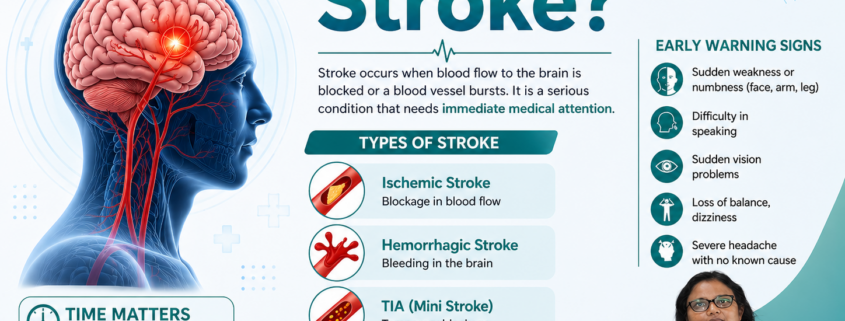
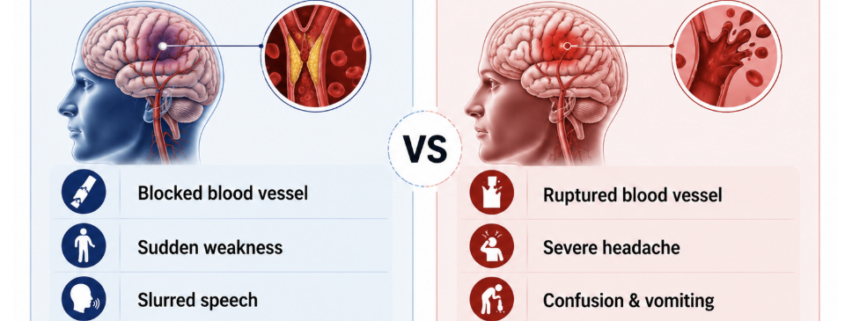
The two main types of stroke are clot stroke (ischemic stroke) and brain bleed (hemorrhagic stroke). A clot stroke occurs when a blood vessel in the brain becomes blocked, while a brain bleed happens when a blood vessel ruptures, causing bleeding in or around the brain. Seeking prompt care from a stroke specialist in Delhi can significantly improve recovery outcomes.

What Is a Stroke?

A stroke is a serious medical condition that occurs when the blood supply to the brain is interrupted or reduced. Since the brain relies on a continuous flow of oxygen-rich blood to function properly, even a short disruption can damage brain cells within minutes. This is why stroke is considered a medical emergency and requires immediate attention.

Why Does the Brain Need Oxygen-Rich Blood?

The brain controls essential body functions such as movement, speech, memory, breathing, and decision-making. To perform these functions, it depends on a constant supply of oxygen and nutrients carried through the blood.

Without proper blood flow:

  • Brain cells begin to die within minutes
  • Communication between the brain and body gets disrupted
  • Functions like speaking, walking, or remembering may become difficult
  • Permanent brain damage can occur if treatment is delayed

Consulting a brain specialist in Delhi at the earliest signs of neurological symptoms can help identify stroke-related issues before complications become severe.

What Happens When Blood Supply Is Disrupted?

When blood flow to the brain is blocked or interrupted, certain parts of the brain stop receiving oxygen. As a result, the affected area can no longer control the body functions it manages.

A stroke mainly occurs in two ways:

  • Clot Stroke (Ischemic Stroke): A blood clot blocks an artery supplying blood to the brain.
  • Brain Bleed (Hemorrhagic Stroke): A blood vessel bursts, causing bleeding inside or around the brain.

Common warning signs include:

  • Sudden weakness or numbness, especially on one side of the body
  • Trouble speaking or understanding speech
  • Sudden confusion or dizziness
  • Severe headache without a clear reason
  • Loss of balance or coordination

Early diagnosis and treatment by a stroke specialist in Delhi can improve recovery chances and reduce the risk of long-term complications.

What Is a Clot Stroke (Ischemic Stroke)?

A clot stroke, also known as an ischemic stroke, occurs when a blood vessel supplying oxygen-rich blood to the brain becomes blocked. This blockage prevents blood from reaching certain areas of the brain, causing brain cells to become damaged within minutes. Since ischemic strokes account for most stroke cases, recognizing symptoms early is essential for quick treatment and recovery.

Common Causes of Clot Stroke

A clot stroke can happen due to several underlying conditions, including:

  • Blood clots blocking arteries in the brain
  • Cholesterol plaque buildup, narrowing blood vessels and restricting blood flow
  • Heart conditions, such as irregular heartbeat (atrial fibrillation), which can trigger clot formation

Symptoms 

Common warning signs include:

  • Sudden weakness or numbness on one side of the body
  • Facial drooping
  • Slurred speech or confusion
  • Vision disturbances
  • Loss of balance or dizziness

Risk factors include high blood pressure, diabetes, smoking, obesity, and high cholesterol. Early diagnosis by a stroke specialist in Delhi can help prevent severe complications.

What Is a Brain Bleed (Hemorrhagic Stroke)?

A brain bleed, also known as a hemorrhagic stroke, occurs when a blood vessel in or around the brain ruptures, causing bleeding that puts pressure on surrounding brain tissue. Unlike a clot stroke, which blocks blood flow, a brain bleed damages the brain through internal bleeding and reduced oxygen supply. This type of stroke requires immediate medical attention, as delayed treatment can lead to serious complications.

Common Causes of Brain Bleed

Several conditions can increase the risk of a hemorrhagic stroke, including:

  • High blood pressure, which weakens blood vessels over time
  • Burst aneurysm, where a weakened blood vessel suddenly ruptures
  • Head injuries, especially after accidents or falls
  • Blood-thinning medications, which may increase bleeding risk

Symptoms 

Common warning signs include:

  • Sudden, severe headache
  • Vomiting or nausea
  • Loss of consciousness
  • Confusion or difficulty speaking
  • Seizures in some cases

Risk factors include uncontrolled hypertension, smoking, excessive alcohol use, and weakened blood vessels. Consulting a brain specialist in Delhi can help with early diagnosis and stroke management.

 Brain Bleed vs Clot Stroke: Key Differences

Although both conditions are types of stroke, a brain bleed (hemorrhagic stroke) and a clot stroke (ischemic stroke) differ in how they affect the brain, what causes them, and the type of treatment required. Understanding these differences is important because the wrong treatment can sometimes worsen the condition.

Difference in Cause

A clot stroke happens when an artery supplying blood to the brain becomes blocked, usually due to a blood clot or fatty cholesterol deposits. As a result, oxygen-rich blood cannot reach certain areas of the brain.

In contrast, a brain bleed occurs when a blood vessel bursts or ruptures, leading to bleeding inside or around the brain. The leaking blood puts pressure on brain tissue and damages nearby cells.

Difference in Blood Flow

The major difference lies in how blood circulation is affected:

  • Clot Stroke: Blood flow is reduced or completely stopped because of a blockage.
  • Brain Bleed: Blood leaks into brain tissue due to a ruptured blood vessel.

Difference in Frequency

A clot stroke is more common and accounts for the majority of stroke cases. Brain bleeds are less common, but they are often more severe and may require urgent surgical care.

Difference in Symptoms

The symptoms can overlap, but some warning signs are more common in each type:

Clot Stroke Symptoms:

  • Sudden weakness or numbness
  • Facial drooping
  • Slurred speech
  • Difficulty walking or balancing

Brain Bleed Symptoms:

  • Sudden severe headache
  • Confusion or loss of awareness
  • Vomiting
  • Seizures in some cases

Difference in Treatment

Treatment also varies significantly:

  • Clot Stroke: Doctors may use clot-busting medicines or procedures to restore blood flow.
  • Brain Bleed: Treatment focuses on controlling bleeding, reducing pressure in the brain, and surgery if needed.

Recognizing these differences early and consulting a stroke specialist in Delhi can help ensure faster diagnosis and the right treatment plan.

How Doctors Diagnose the Difference

Diagnosing whether a patient has a clot stroke (ischemic stroke) or a brain bleed (hemorrhagic stroke) is extremely important because both conditions require completely different treatments. Since stroke symptoms can appear similar, doctors must quickly determine the exact type before starting any medication or procedure.

Why Immediate Medical Evaluation Matters

A stroke is a medical emergency where every minute counts. Delayed treatment can increase brain damage and reduce the chances of recovery. Immediate medical evaluation helps doctors assess symptoms, brain function, and the severity of the condition as early as possible.

Doctors usually examine:

  • Speech difficulties
  • Weakness or numbness on one side of the body
  • Vision or balance problems
  • Sudden confusion or severe headache

Tests Used to Diagnose Stroke Type

To identify whether the stroke is caused by a clot or bleeding, doctors commonly use imaging tests such as:

  • CT Scan (Computed Tomography): Often the first test used to quickly detect bleeding in the brain.
  • MRI (Magnetic Resonance Imaging): Provides detailed images of brain tissue and helps detect blocked blood vessels or brain damage.

Why Correct Diagnosis Matters Before Treatment

Proper diagnosis is critical because treatment for one stroke type can be dangerous for the other. For example, clot-busting medicines used to treat ischemic stroke can worsen a brain bleed, making the condition life-threatening.

This is why early evaluation by a stroke specialist in Delhi is essential to ensure accurate diagnosis and the right treatment plan.

Treatment Options for Brain Bleed and Clot Stroke

The treatment for a clot stroke (ischemic stroke) and a brain bleed (hemorrhagic stroke) differs significantly because both conditions affect the brain in different ways. Early diagnosis is essential, as prompt treatment can reduce brain damage and improve recovery chances.

Treatment for Clot Stroke (Ischemic Stroke)

The main goal of clot stroke treatment is to restore blood flow to the brain as quickly as possible.

1. Clot-Dissolving Medication

Doctors may use clot-busting medicines to dissolve the blockage and restore blood circulation. However, timing is critical, as these medications are most effective when given within a limited time after symptoms begin.

2. Mechanical Clot Removal

In some severe cases, doctors perform a mechanical thrombectomy, a procedure that physically removes the clot from a blocked blood vessel using specialized medical devices.

3. Rehabilitation Therapy

After emergency treatment, patients may need rehabilitation to regain lost abilities. Recovery may include:

  • Physical therapy for movement and strength
  • Speech therapy for communication difficulties
  • Occupational therapy for daily activities

Treatment for Brain Bleed (Hemorrhagic Stroke)

Treatment for a brain bleed focuses on stopping bleeding, reducing pressure on the brain, and preventing complications.

1. Blood Pressure Control

Doctors carefully manage high blood pressure, as uncontrolled hypertension can worsen bleeding and increase brain damage.

2. Surgery (In Some Cases)

If bleeding is severe or pressure builds inside the brain, surgery may be required to repair damaged blood vessels or remove accumulated blood.

3. ICU Care and Monitoring

Many patients require close monitoring in the Intensive Care Unit (ICU) to observe brain function, breathing, blood pressure, and possible complications during recovery.

Early treatment by a brain specialist in Delhi or stroke specialist in Delhi can improve outcomes and lower the risk of permanent disability.

About : Dr. Aparna Gupta 

At Neuro Clinic Plus, we are committed to providing expert neurological care with a patient-first approach. Led by Dr. Aparna Gupta, our clinic specializes in the diagnosis, treatment, and management of neurological conditions, including stroke, brain disorders, headaches, epilepsy, nerve problems, and movement disorders.

As a trusted brain specialist in Delhi, Dr. Aparna Gupta focuses on delivering personalized treatment plans tailored to each patient’s medical needs. Whether it is early stroke diagnosis, preventive neurological care, or long-term rehabilitation support, our goal is to help patients achieve better brain health and improved quality of life.

At Neuro Clinic Plus, we understand that neurological emergencies require timely intervention. If you are experiencing symptoms related to stroke or brain health concerns, consulting a skilled stroke specialist in Delhi can make a significant difference in treatment outcomes.

With advanced medical expertise and compassionate care, Dr. Aparna Gupta and the team at Neuro Clinic Plus are dedicated to supporting patients at every stage of recovery and wellness.

Warning Signs: When to Seek Emergency Help

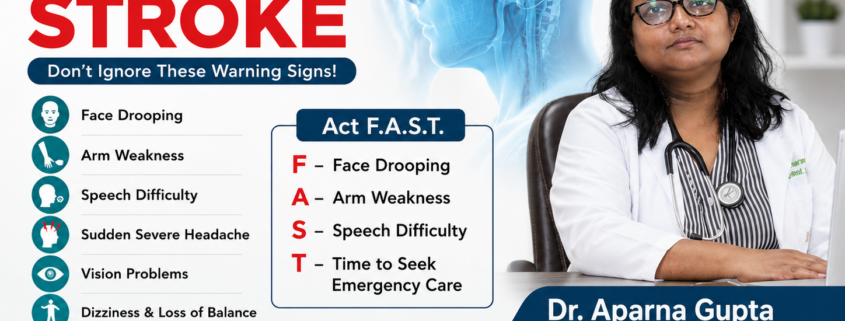
Recognizing stroke symptoms early can save lives and reduce the risk of permanent brain damage. Whether it is a clot stroke (ischemic stroke) or a brain bleed (hemorrhagic stroke), immediate medical attention is critical. Doctors often recommend remembering the FAST method, a simple way to identify the most common warning signs of stroke.

The FAST Method

F – Face Drooping

Ask the person to smile. If one side of the face appears droopy or uneven, it could be a sign of stroke.

A – Arm Weakness

Ask the person to raise both arms. If one arm drifts downward or feels weak or numb, it may indicate a stroke.

S – Speech Difficulty

Listen carefully to speech. Slurred words, confusion, or trouble speaking clearly are common warning signs.

T – Time to Call Emergency Services

If you notice any of these symptoms, seek emergency medical help immediately. Early treatment can significantly improve recovery and reduce complications.

Important Warning Sign of Brain Bleed

A sudden severe headache, often described as the “worst headache of life,” may signal a brain bleed and should never be ignored. Other symptoms may include vomiting, confusion, or loss of consciousness.

Seeking urgent care from a stroke specialist in Delhi can help ensure faster diagnosis and timely treatment.

Can Stroke Be Prevented?

While not all strokes can be prevented, many cases can be reduced by managing lifestyle and health-related risk factors. Prevention becomes especially important for people with high blood pressure, diabetes, or heart conditions.

Ways to Reduce Stroke Risk

  • Control Blood Pressure: High blood pressure is one of the biggest causes of stroke.
  • Manage Diabetes and Cholesterol: Keeping sugar and cholesterol levels under control helps protect blood vessels.
  • Quit Smoking: Smoking damages blood vessels and increases clot formation.
  • Maintain a Healthy Weight: Obesity raises the risk of stroke and heart disease.
  • Exercise Regularly: Physical activity improves blood circulation and overall heart health.
  • Limit Alcohol Consumption: Excessive drinking can increase blood pressure and stroke risk.
  • Get Regular Health Checkups: Routine monitoring helps detect problems early.

Regular consultation with a brain specialist in Delhi can help identify stroke risk factors and guide preventive care.

FAQs 

Q1. Is a brain bleed worse than a clot stroke?

A brain bleed is often more dangerous because bleeding increases pressure on the brain. However, both conditions are serious and need immediate care from a brain specialist in Delhi.

Q2. How can you tell the difference between a brain bleed and a clot stroke?

Symptoms may overlap, but a brain bleed often causes a sudden severe headache. A stroke specialist in Delhi usually confirms the difference through CT scans or MRI.

Q3. What are the first warning signs of stroke?

Common early warning signs include face drooping, arm weakness, slurred speech, numbness, dizziness, and confusion. Early evaluation by a brain specialist in Delhi improves treatment outcomes.

Q4. Can a clot stroke turn into a brain bleed?

Yes, in some situations, a clot stroke can develop into bleeding in the brain. Prompt treatment from a stroke specialist in Delhi helps reduce this risk.

Q5. Which type of stroke is more common?

Clot stroke (ischemic stroke) is more common than a brain bleed and accounts for most stroke cases. A brain specialist in Delhi can help with prevention strategies.

Conclusion 

Both brain bleed (hemorrhagic stroke) and clot stroke (ischemic stroke) are serious medical emergencies, but they differ in their causes, symptoms, and treatment approaches. While a clot stroke occurs due to a blocked blood vessel, a brain bleed happens when a blood vessel ruptures and causes internal bleeding in the brain. Understanding these differences can help patients and families respond more effectively during an emergency.

Most importantly, early diagnosis and treatment can save lives and protect brain function. Recognizing warning signs such as facial drooping, speech difficulty, sudden weakness, or a severe headache should never be ignored. Quick medical attention improves recovery chances and reduces long-term complications.

If you or someone around you experiences stroke symptoms, act immediately and seek medical help without delay. Consulting a stroke specialist in Delhi can ensure timely diagnosis, proper treatment, and better recovery outcomes.

Stroke specialist in Delhi

A stroke is a life-threatening medical condition that occurs when the blood supply to the brain is disrupted, either due to a blockage in the blood vessels (ischemic stroke) or bleeding in the brain (hemorrhagic stroke). Since the brain relies on a constant flow of oxygen-rich blood to function properly, even a few minutes without circulation can damage brain cells. Seeking immediate medical attention from a Stroke specialist in Delhi can make a major difference in preventing complications, reducing disability, and improving recovery outcomes. Early diagnosis and fast treatment are often the key factors that determine the success of stroke management.

Among the trusted names in neurological care, Dr. Aparna Gupta is recognized for her expertise in diagnosing and treating stroke-related conditions in Delhi. As an experienced neurologist, she provides comprehensive care for patients dealing with stroke and other neurological disorders. Her patient-focused approach ensures that individuals receive personalized treatment plans based on their symptoms, medical history, and recovery goals. From accurate diagnosis to long-term rehabilitation support, Dr. Aparna Gupta aims to offer advanced neurological care that helps patients achieve better health outcomes.

Consulting an experienced Stroke specialist in Delhi is essential because stroke care requires quick decision-making, advanced neurological evaluation, and personalized treatment planning. A stroke specialist can accurately identify the type of stroke, recommend emergency interventions, and create a recovery strategy based on the patient’s condition. In addition to emergency treatment, specialists also help patients manage post-stroke rehabilitation, lifestyle modifications, and preventive care to reduce the risk of future strokes. Timely medical support not only saves lives but also helps patients regain independence and improve their quality of life.

For individuals searching for a reliable Stroke specialist in Delhi, choosing an experienced doctor like Dr. Aparna Gupta can play an important role in ensuring effective treatment and long-term recovery. Early consultation with a specialist can help detect risk factors, improve stroke prevention, and provide the right medical guidance for maintaining brain health.

Why Choose Dr. Aparna Gupta as a Stroke Specialist in Delhi?

Choosing the right doctor for stroke care is essential for timely treatment, recovery, and long-term neurological health. Dr. Aparna Gupta is known for providing expert neurological care with a patient-focused approach, making her a trusted Stroke specialist in Delhi for stroke diagnosis, treatment, and rehabilitation.

Expertise in Stroke Management

Dr. Aparna Gupta offers comprehensive care for patients experiencing stroke symptoms or recovering from neurological complications. Her expertise focuses on accurate diagnosis, emergency management, and long-term recovery planning.

Early Diagnosis and Emergency Stroke Care

  • Quick evaluation of stroke symptoms to reduce complications
  • Timely diagnosis for immediate medical intervention
  • Focus on minimizing brain damage through prompt treatment

Management of Ischemic and Hemorrhagic Stroke

  • Specialized care for ischemic stroke, caused by blocked blood flow to the brain
  • Treatment strategies for hemorrhagic stroke, which involves bleeding in the brain
  • Careful monitoring and neurological assessment to improve recovery outcomes

Stroke Rehabilitation Guidance

  • Support for physical and neurological recovery after stroke
  • Guidance to improve movement, speech, and coordination issues
  • Rehabilitation planning to help patients regain independence and quality of life

Long-Term Neurological Recovery Planning

  • Continuous monitoring to reduce the risk of recurrent stroke
  • Lifestyle and preventive care recommendations for better brain health
  • Personalized recovery strategies based on the patient’s condition

Patient-Centered Treatment Approach

One of the key reasons patients choose Dr. Aparna Gupta as a Stroke specialist in Delhi is her personalized and compassionate treatment approach.

Personalized Treatment Plans

  • Customized care plans based on medical history and stroke severity
  • Individual attention to patient needs and recovery goals
  • Treatment tailored for better long-term neurological outcomes

Accurate Diagnosis Using Modern Neurological Evaluation

  • Advanced neurological assessment for precise diagnosis
  • Detailed evaluation of symptoms to identify the root cause
  • Focus on effective and evidence-based treatment methods

Focus on Recovery and Stroke Prevention

  • Guidance on managing risk factors such as high blood pressure and diabetes
  • Preventive strategies to lower the chances of future strokes
  • Long-term follow-up care to support healthy neurological recovery

With expertise in stroke management and a patient-first approach, Dr. Aparna Gupta continues to be a preferred Stroke specialist in Delhi for individuals seeking expert neurological care and recovery support.

Dr. Aparna Gupta’s Clinical Experience and Professional Background

When choosing a trusted Stroke specialist in Delhi, clinical experience and neurological expertise play an important role in ensuring effective treatment and recovery. Dr. Aparna Gupta is recognized for her extensive experience in neurology and stroke care, helping patients manage complex brain and nerve-related disorders with a personalized treatment approach. She has over 22 years of overall experience in treating neurological conditions, including stroke and related disorders. 

Clinical Experience in Neurology and Stroke Care

Dr. Aparna Gupta has significant experience in diagnosing and treating a wide range of neurological disorders, with a strong focus on stroke management and long-term recovery.

Conditions Treated by Dr. Aparna Gupta

  • Stroke Care: Diagnosis, treatment, and rehabilitation support for stroke patients
  • Epilepsy: Management of seizures and epilepsy-related neurological conditions
  • Migraine & Headaches: Advanced treatment for chronic headaches and migraine disorders
  • Parkinson’s Disease: Specialized care for movement disorders and symptom management
  • Neuropathy and Nerve Disorders: Treatment for nerve pain, numbness, tingling, and nerve-related complications
  • Sleep & Brain Disorders: Care for neurological conditions affecting brain function and sleep patterns.

Extensive Neurological Expertise

As an experienced Stroke specialist in Delhi, Dr. Aparna Gupta focuses on:

  • Early detection and diagnosis of neurological disorders
  • Accurate stroke evaluation and emergency neurological care
  • Personalized treatment plans based on the patient’s condition
  • Long-term rehabilitation and prevention of recurring neurological complications. 

Professional Background

Dr. Aparna Gupta has been associated with leading healthcare institutions in Delhi and has extensive clinical experience in handling complex neurological conditions.

Consultant Neurologist at Leading Institutions

  • Associated with reputed healthcare centers, including neurological and spine care institutions in Delhi
  • Experience in treating complicated stroke and nerve-related conditions
  • Strong academic background with advanced medical training in neurology.

With years of expertise in neurology, stroke treatment, and patient-centered care, Dr. Aparna Gupta continues to be a preferred Stroke specialist in Delhi for patients seeking advanced neurological care and long-term recovery support.

Understanding Stroke – Causes, Symptoms & Treatment

A stroke is a serious medical emergency that occurs when the blood supply to the brain is interrupted or significantly reduced. The brain depends on a continuous supply of oxygen and nutrients carried through the blood to function properly. When this blood flow is blocked or disrupted, brain cells begin to die within minutes, affecting important functions such as speech, memory, movement, and coordination. Delayed treatment can increase the risk of permanent disability, brain damage, or even death. This is why consulting an experienced Stroke specialist in Delhi at the earliest sign of symptoms is extremely important for timely diagnosis and effective treatment.

Stroke cases have increased due to factors such as high blood pressure, diabetes, obesity, smoking, stress, unhealthy eating habits, and lack of physical activity. However, early medical intervention and proper neurological care can significantly improve recovery and reduce long-term complications.

What is a Stroke?

A stroke happens when the blood flow to a part of the brain is blocked or when a blood vessel bursts, interrupting oxygen delivery to brain tissue. Since the brain controls every major function in the body—including speech, movement, sensation, memory, and emotions—any interruption in blood circulation can result in serious neurological problems.

Brain cells are extremely sensitive to oxygen deprivation. Within a few minutes of reduced blood supply, these cells begin to suffer irreversible damage. Depending on the affected area of the brain, a stroke may lead to paralysis, difficulty speaking, memory loss, vision problems, or reduced body coordination.

The severity of a stroke depends on:

  • The type of stroke
  • The area of the brain affected
  • How quickly treatment is provided
  • The patient’s overall health condition

Immediate consultation with a Stroke specialist in Delhi is critical because early treatment may reduce the extent of brain injury and improve long-term outcomes.

Why Timely Treatment Matters in Stroke Care

The “Golden Hour” in Stroke Treatment

In stroke care, time is one of the most important factors. Medical professionals often refer to the first few hours after stroke symptoms begin as the “golden period” because immediate treatment can prevent severe brain damage.

The faster a patient receives medical attention, the greater the chances of preserving brain function and reducing disability. Delays in treatment may lead to permanent complications such as paralysis, speech difficulties, and cognitive impairment.

Benefits of Early Stroke Treatment

  • Faster diagnosis and emergency care
  • Reduced risk of permanent brain damage
  • Better recovery of speech and movement
  • Lower chances of long-term disability
  • Improved quality of life after recovery

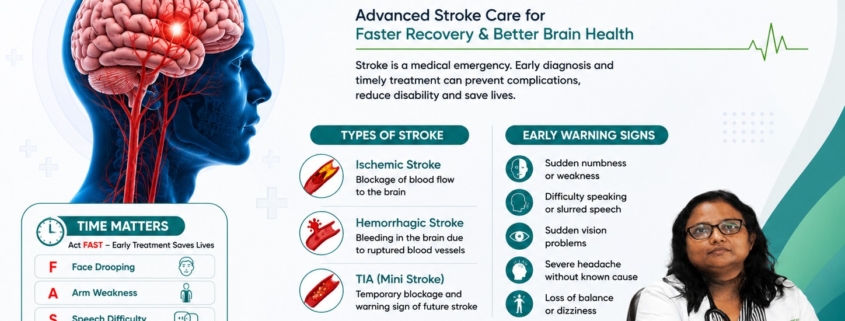
Neurologists often recommend remembering the FAST warning signs of stroke:

F – Face Drooping: One side of the face may appear uneven or droop.
A – Arm Weakness: Difficulty lifting one arm or weakness on one side.
S – Speech Difficulty: Slurred speech or inability to communicate clearly.
T – Time to Seek Help: Immediate medical care is necessary.

If any of these symptoms appear, contacting a Stroke specialist in Delhi or emergency services immediately can be life-saving.

Types of Stroke

Understanding the type of stroke helps doctors determine the most effective treatment plan. Stroke treatment varies depending on whether the condition is caused by a blockage or bleeding.

1. Ischemic Stroke

An ischemic stroke is the most common type of stroke, accounting for nearly 80–85% of all cases. It occurs when a blood clot blocks or narrows an artery supplying blood to the brain.

Causes of Ischemic Stroke

  • High cholesterol leading to narrowed arteries
  • Blood clots traveling from the heart
  • High blood pressure
  • Diabetes
  • Smoking and obesity

Symptoms

  • Sudden weakness or numbness
  • Difficulty speaking
  • Facial drooping
  • Loss of coordination

Treatment

Treatment usually focuses on restoring blood flow quickly through clot-dissolving medications, blood thinners, or minimally invasive procedures. Early intervention greatly improves recovery chances.

2. Hemorrhagic Stroke

A hemorrhagic stroke occurs when a blood vessel in the brain ruptures, causing bleeding in surrounding tissues. The pressure from bleeding damages nearby brain cells and interrupts normal brain function.

Common Causes

  • Uncontrolled high blood pressure
  • Brain aneurysms
  • Head injuries
  • Blood vessel abnormalities

Symptoms

  • Severe sudden headache
  • Vomiting or nausea
  • Sudden weakness
  • Vision disturbances
  • Loss of consciousness in severe cases

Treatment

Treatment focuses on controlling bleeding, reducing pressure inside the brain, and preventing complications. In some cases, surgery may be required.

3. Transient Ischemic Attack (TIA) – Mini Stroke

A Transient Ischemic Attack (TIA) is commonly known as a mini-stroke. It occurs when blood flow to the brain is temporarily blocked for a short period.

Although symptoms may disappear within minutes or hours, TIA should never be ignored because it is often considered a warning sign of a future major stroke.

Common Symptoms of TIA

  • Temporary numbness or weakness
  • Difficulty speaking
  • Sudden confusion
  • Temporary vision loss

Why Immediate Care Matters

Studies suggest that many people who experience a TIA are at a higher risk of developing a major stroke within days or weeks if treatment is delayed.

Common Symptoms of Stroke

Recognizing stroke symptoms early can save lives and prevent serious complications. Symptoms often appear suddenly and may vary depending on the affected brain area.

Sudden Numbness or Weakness

One of the earliest signs of stroke is sudden weakness or numbness, especially on one side of the body. This may affect the face, arm, or leg.

Difficulty Speaking or Understanding Speech

A person experiencing stroke may suddenly struggle to speak clearly, slur words, or have trouble understanding conversations.

Vision Problems

Blurred vision, double vision, or sudden loss of sight in one or both eyes can indicate a neurological emergency.

Severe Headache

A sudden, intense headache without a known cause may be a warning sign, particularly in hemorrhagic stroke cases.

Dizziness and Loss of Balance

Loss of coordination, trouble walking, dizziness, or balance problems can occur suddenly during a stroke.

Memory and Confusion Issues

Some individuals may experience sudden confusion, forgetfulness, or unusual behavior due to interrupted brain function.

Major Risk Factors That Can Increase Stroke Chances

Certain lifestyle habits and health conditions can significantly raise stroke risk.

Medical Risk Factors

  • High blood pressure (Hypertension)
  • Diabetes
  • High cholesterol
  • Heart disease
  • Obesity

Lifestyle Risk Factors

  • Smoking
  • Excessive alcohol consumption
  • Lack of exercise
  • Poor diet
  • High stress levels

Making healthy lifestyle changes and undergoing regular neurological check-ups can help lower the risk of stroke.

When Should You Visit a Stroke Specialist in Delhi?

You should seek immediate medical care if you notice even mild symptoms of stroke. Ignoring early warning signs can increase the risk of severe brain damage and long-term disability.

Consult a Stroke Specialist Immediately If You Experience:

  • Sudden numbness or weakness
  • Difficulty speaking or confusion
  • Vision disturbances
  • Severe unexplained headache
  • Loss of balance or dizziness

An experienced Stroke specialist in Delhi can provide accurate diagnosis, emergency stroke treatment, advanced neurological evaluation, rehabilitation support, and preventive care to reduce the chances of future strokes.

Early medical attention can save lives, reduce disability, and significantly improve recovery outcomes.

Frequently Asked Questions (FAQs)

Q1. Who is the best Stroke specialist in Delhi?

Dr. Aparna Gupta is considered a trusted Stroke specialist in Delhi due to her extensive neurological expertise and patient-focused care. She provides diagnosis, treatment, and rehabilitation support for stroke patients while focusing on accurate evaluation and long-term neurological recovery.

Q2. What symptoms indicate a stroke?

Common stroke symptoms include sudden facial drooping, weakness in the arms or legs, slurred speech, confusion, blurred vision, severe headache, dizziness, or difficulty walking. If symptoms appear suddenly, immediate medical attention is important to reduce complications and brain damage.

Q3. When should I see a Stroke specialist in Delhi?

You should consult a Stroke specialist in Delhi immediately if you experience sudden numbness, speech difficulty, vision changes, severe headaches, or balance problems. Early neurological intervention can improve treatment outcomes and lower the risk of permanent damage.

Q4. Does Dr. Aparna Gupta treat post-stroke recovery?

Yes, Dr. Aparna Gupta provides post-stroke rehabilitation guidance, including neurological recovery planning, symptom management, and preventive care. Her approach helps patients regain strength, improve mobility, and reduce the chances of future stroke-related complications.

Q5. How experienced is Dr. Aparna Gupta in neurology?

Dr. Aparna Gupta has more than 26 years of experience in neurology and treats conditions such as stroke, epilepsy, migraines, Parkinson’s disease, and nerve disorders through personalized and evidence-based neurological care.

Q6. How can I book an appointment with Dr. Aparna Gupta?

Patients can schedule an appointment through the official website or contact the clinic directly. Visiting the website helps patients explore treatment information, consultation options, and neurological care services provided by Dr. Aparna Gupta.

Conclusion

Stroke is a serious neurological emergency that requires immediate diagnosis and expert medical care to prevent long-term complications. From recognizing early warning signs to receiving proper treatment and rehabilitation, timely intervention plays a crucial role in improving recovery outcomes. Choosing an experienced Stroke specialist in Delhi can help patients receive accurate diagnosis, advanced treatment, and personalized recovery planning.

Dr. Aparna Gupta is a trusted name in neurological care, known for her expertise in stroke diagnosis, emergency management, and long-term rehabilitation support. With extensive experience in treating stroke, epilepsy, migraines, Parkinson’s disease, and nerve disorders, she focuses on providing patient-centered care tailored to individual medical needs.

Whether you are experiencing stroke symptoms or seeking guidance for post-stroke recovery, consulting a qualified Stroke specialist in Delhi can make a significant difference in recovery and quality of life. Dr. Aparna Gupta’s evidence-based approach, advanced neurological evaluation, and focus on preventive care make her a preferred choice for patients seeking comprehensive neurological treatment.

Early medical attention can save lives and reduce complications. If you or a loved one experiences warning signs such as sudden weakness, speech difficulty, vision changes, or balance problems, seeking expert consultation without delay is essential for better neurological health and recovery.


Stroke specialist in delhi

A stroke is a serious medical emergency that occurs when blood flow to a part of the brain is interrupted, preventing brain cells from receiving oxygen and nutrients. Consulting a Stroke specialist in delhi at the earliest signs of stroke can help reduce brain damage and improve recovery outcomes. Early diagnosis and timely medical attention play a critical role in preventing long-term complications such as paralysis, speech difficulties, memory loss, and mobility problems.

Stroke cases are increasing rapidly due to lifestyle-related conditions such as hypertension, diabetes, obesity, stress, smoking, and heart disease. In many cases, people ignore early warning signs like sudden weakness, facial drooping, difficulty speaking, or dizziness, which can delay treatment during the most critical period known as the “golden hour.” Immediate neurological evaluation helps determine whether the stroke is ischemic, caused by a blood clot, or hemorrhagic, caused by bleeding in the brain.

Dr. Aparna Gupta is known for providing comprehensive neurological care and stroke management with a patient-focused approach. At Neuro Clinic Plus, patients receive expert evaluation, timely diagnosis, and personalized treatment plans for stroke recovery and prevention.

Seeking treatment from the best neurologist in delhi ncr can ensure access to advanced stroke diagnosis, emergency management, rehabilitation planning, and long-term preventive care. Timely intervention can save millions of brain cells and significantly improve a patient’s quality of life.

What is a Stroke?

A stroke occurs when the blood supply to a part of the brain is suddenly blocked or when a blood vessel in the brain ruptures, leading to damage or death of brain cells. Since the brain controls important body functions such as movement, speech, memory, and coordination, a stroke can cause severe neurological complications if not treated quickly. Consulting a Stroke specialist in delhi at the earliest symptoms is essential for timely diagnosis and treatment.

There are different types of stroke, and each requires immediate medical attention:

  • Ischemic Stroke: The most common type, caused by a blood clot blocking blood flow to the brain. Nearly 85% of stroke cases fall under this category.
  • Hemorrhagic Stroke: Occurs when a blood vessel bursts and causes bleeding in the brain, increasing pressure on brain tissues.
  • Transient Ischemic Attack (TIA): Also known as a mini-stroke, where symptoms last for a short time but act as a major warning sign for a future stroke.

Stroke symptoms can appear suddenly and may include facial drooping, weakness in the arms or legs, speech difficulties, dizziness, confusion, or vision problems. Quick neurological evaluation helps determine the type and severity of the stroke so that proper treatment can begin during the critical “golden hour.”

Dr. Aparna Gupta offers advanced stroke evaluation and neurological care at Neuro Clinic Plus to help patients receive accurate diagnosis, emergency care, rehabilitation guidance, and long-term stroke prevention support from the best neurologist in delhi ncr.

Why Immediate Medical Attention is Important

Stroke is a medical emergency that requires immediate treatment because every minute of delay can lead to permanent brain damage. When blood flow to the brain is interrupted, brain cells begin to die rapidly due to lack of oxygen. This is why doctors often refer to the first few hours after a stroke as the “golden hour,” where fast diagnosis and treatment can significantly improve recovery and reduce complications. Seeking help from a Stroke specialist in delhi during this critical period can save brain function and improve long-term outcomes.

Ignoring early symptoms or delaying medical care may increase the risk of severe disability, speech problems, memory loss, paralysis, or even life-threatening complications. Immediate neurological assessment helps doctors quickly identify the type of stroke and begin the appropriate treatment.

Some major reasons why urgent stroke care is necessary include:

  • Early detection of ischemic or hemorrhagic stroke
  • Faster brain imaging and diagnosis
  • Timely administration of clot-busting treatments like tPA
  • Reduced risk of permanent neurological damage
  • Better chances of recovery and rehabilitation

Dr. Aparna Gupta provides comprehensive stroke evaluation and emergency neurological care at Neuro Clinic Plus to ensure patients receive timely diagnosis, treatment planning, and recovery support. Consulting the best neurologist in delhi ncr at the right time can make a significant difference in stroke survival and recovery.

Top Signs You Need a Stroke Specialist in Delhi Immediately

Stroke symptoms can appear suddenly and should never be ignored, even if they last for only a few minutes. Delayed treatment may increase the risk of permanent brain damage, paralysis, speech problems, or memory loss. Consulting a Stroke specialist in delhi immediately after noticing any warning signs can help improve recovery outcomes and reduce complications. Early medical attention during the “golden hour” is critical for protecting brain function and saving lives.

Face Drooping

One of the most common early signs of stroke is sudden weakness or numbness on one side of the face. A person may have difficulty smiling properly, and one side of the face may appear uneven or droopy.

Arm Weakness

Sudden weakness or numbness in one arm or leg can indicate reduced blood flow to the brain. Patients may struggle to lift both arms evenly or may experience difficulty walking and maintaining balance.

Speech Difficulties

Stroke can affect the brain areas responsible for communication. Symptoms may include slurred speech, confusion, difficulty understanding words, or trouble speaking clearly.

Vision Problems

Many stroke patients experience sudden blurred vision, double vision, or loss of vision in one or both eyes. These symptoms require immediate neurological evaluation.

Severe Headache

A sudden and severe headache with no known cause may indicate a hemorrhagic stroke caused by bleeding in the brain. It may also be accompanied by nausea, vomiting, or dizziness.

Loss of Balance and Coordination

Sudden dizziness, difficulty walking, poor coordination, or loss of balance are serious neurological symptoms that should never be ignored.

Remember the FAST Warning Signs

Doctors recommend using the FAST method for early stroke recognition:

  • F – Face: Check if one side of the face droops
  • A – Arm: See if one arm drifts downward
  • S – Speech: Notice slurred or unclear speech
  • T – Time: Seek emergency medical care immediately

Dr. Aparna Gupta provides advanced stroke evaluation and neurological care at Neuro Clinic Plus to help patients receive timely treatment and recovery support from the best neurologist in delhi ncr.

Common Risk Factors for Stroke

Stroke can affect people of all ages, but certain medical conditions and lifestyle habits can significantly increase the risk. Understanding these risk factors is important because early prevention and regular neurological checkups can reduce the chances of severe complications. Consulting a Stroke specialist in delhi can help identify underlying health issues and create a personalized prevention plan for high-risk individuals.

Several health conditions are strongly linked to stroke risk, especially when left untreated for a long time. Poor lifestyle choices can also damage blood vessels and affect blood circulation to the brain.

High Blood Pressure

High blood pressure is one of the leading causes of stroke. It can weaken or damage blood vessels in the brain, increasing the risk of both ischemic and hemorrhagic stroke.

Diabetes and High Cholesterol

Uncontrolled diabetes and high cholesterol levels can damage arteries and increase the formation of blood clots, reducing blood supply to the brain.

Smoking and Alcohol Consumption

Smoking narrows blood vessels and reduces oxygen supply, while excessive alcohol intake can raise blood pressure and increase stroke risk.

Obesity and Physical Inactivity

Lack of exercise and unhealthy eating habits may lead to obesity, heart disease, and poor circulation, all of which contribute to stroke.

Stress and Heart Disease

Chronic stress, irregular heartbeat, and heart-related conditions can increase the chances of clot formation and brain stroke.

Dr. Aparna Gupta provides comprehensive neurological evaluation and preventive stroke care at Neuro Clinic Plus to help patients manage risk factors under the guidance of the best neurologist in delhi ncr.

When Should You Visit a Stroke Specialist in Delhi?

Many people ignore early neurological symptoms, assuming they are temporary or caused by stress and fatigue. However, even mild or short-lasting symptoms can be warning signs of a serious stroke or transient ischemic attack (TIA). Consulting a Stroke specialist in delhi at the right time is essential for early diagnosis, emergency treatment, and long-term prevention of future strokes.

You should never delay medical attention if you experience sudden neurological symptoms, especially those related to speech, movement, balance, or vision. Early neurological evaluation can help doctors identify the underlying cause and begin treatment before permanent brain damage occurs.

Sudden Stroke Symptoms

Immediate consultation is necessary if you notice:

  • Facial drooping or numbness
  • Weakness in the arms or legs
  • Difficulty speaking or understanding speech
  • Sudden severe headache
  • Dizziness or loss of coordination
  • Blurred or loss of vision

After a Mini-Stroke or TIA

Transient ischemic attacks (TIAs) are temporary stroke-like episodes that often last only a few minutes or hours. Even if symptoms disappear, TIAs are major warning signs of a future stroke and require urgent medical evaluation.

High-Risk Health Conditions

People with high blood pressure, diabetes, heart disease, obesity, high cholesterol, or a family history of stroke should undergo regular neurological checkups to reduce stroke risk.

Dr. Aparna Gupta offers advanced stroke consultation and preventive neurological care at Neuro Clinic Plus, helping patients receive timely treatment and guidance from the best neurologist in delhi ncr.

How Dr. Aparna Gupta Helps in Stroke Care

Stroke treatment requires quick diagnosis, expert neurological evaluation, and a personalized recovery plan to reduce complications and improve long-term outcomes. Consulting a Stroke specialist in delhi at the earliest stage of symptoms can help patients receive immediate medical attention during the critical “golden hour.” Early treatment plays a major role in protecting brain function and preventing permanent disability.

With over 22 years of experience in neurology and stroke management, Dr. Aparna Gupta provides comprehensive neurological care for patients experiencing stroke symptoms, mini-strokes (TIAs), headaches, speech difficulties, weakness, balance issues, and other neurological concerns. At Neuro Clinic Plus, patients receive detailed neurological assessment and treatment planning based on the type and severity of stroke.

Advanced Stroke Evaluation

Stroke diagnosis often involves neurological examination and brain imaging to identify whether the condition is ischemic or hemorrhagic. Early evaluation helps begin the correct treatment without delay.

Emergency Stroke Management

Timely stroke management may include clot-dissolving medications like tPA, blood pressure control, supportive care, and rehabilitation planning to reduce brain damage and improve recovery outcomes.

Rehabilitation and Preventive Care

Long-term stroke care focuses on improving mobility, speech, coordination, and overall quality of life while reducing the risk of future strokes through lifestyle management, medications, and regular neurological follow-up care.

Patients seeking treatment from the best neurologist in delhi ncr can benefit from personalized stroke management, preventive guidance, and ongoing neurological support for better recovery and long-term brain health.

Why Choose Neuro Clinic Plus for Stroke Care in Delhi?

Choosing the right neurological center is extremely important for accurate diagnosis, emergency stroke management, rehabilitation, and long-term recovery. Stroke treatment often requires immediate medical attention, advanced neurological evaluation, and continuous follow-up care to reduce complications and improve quality of life. Consulting a Stroke specialist in delhi at a trusted neurology clinic can help patients receive timely and comprehensive treatment during every stage of recovery.

Neuro Clinic Plus is known for providing patient-focused neurological care with advanced consultation and stroke management services. Under the guidance of Dr. Aparna Gupta, who has over 22 years of experience in neurology, patients receive personalized treatment plans based on their symptoms, medical history, and stroke risk factors.

Comprehensive Neurological Evaluation

The clinic focuses on early stroke detection through detailed neurological examinations and timely assessment of symptoms such as weakness, speech difficulties, dizziness, headaches, and vision problems.

Personalized Stroke Management

Each patient receives individualized treatment and recovery guidance that may include emergency stroke care, rehabilitation planning, medication management, and preventive strategies.

Long-Term Preventive Care

Regular follow-up care helps patients manage conditions like hypertension, diabetes, cholesterol, and heart disease, which are major contributors to stroke risk.

Patients looking for treatment from the best neurologist in delhi ncr can benefit from expert neurological support, compassionate patient care, and advanced stroke management at Neuro Clinic Plus.

Tips to Reduce Stroke Risk

Although stroke is a serious medical emergency, many cases can be prevented through healthy lifestyle changes, regular medical checkups, and proper management of underlying health conditions. Understanding the risk factors and taking preventive measures can significantly lower the chances of brain stroke and long-term neurological complications. Consulting a Stroke specialist in delhi for preventive neurological care is important, especially for individuals with high blood pressure, diabetes, heart disease, or a family history of stroke.

Simple lifestyle modifications can help improve brain and heart health while reducing the risk of blood clots, blocked arteries, and bleeding in the brain.

Maintain Healthy Blood Pressure

High blood pressure is one of the biggest causes of stroke. Regular monitoring and proper treatment can help protect blood vessels in the brain.

Follow a Healthy Diet

Eating a balanced diet rich in fruits, vegetables, whole grains, and low-fat foods helps maintain healthy cholesterol and blood sugar levels.

Exercise Regularly

Physical activity improves blood circulation, controls weight, and reduces stress, all of which help lower stroke risk.

Avoid Smoking and Excessive Alcohol

Smoking damages blood vessels and increases clot formation, while excessive alcohol intake can raise blood pressure and increase stroke chances.

Get Regular Neurological Checkups

Routine neurological evaluations can help detect early warning signs and reduce future stroke complications.

Dr. Aparna Gupta at Neuro Clinic Plus provides preventive neurological care and stroke risk assessment to help patients maintain better brain health under the guidance of the best neurologist in delhi ncr.

FAQs

What are the first warning signs of a stroke?

  • Face drooping
  • Arm weakness
  • Speech difficulty
  • Vision problems
  • Severe headache
  • Dizziness or confusion

Consult a Stroke specialist in delhi immediately if these symptoms appear suddenly.

How quickly should stroke treatment begin?

Stroke treatment should begin within the “golden hour” because early medical care helps reduce brain damage, improve recovery, and lower the risk of permanent disability.

Can a mini-stroke be dangerous?

Yes, a mini-stroke or TIA is a warning sign of a future stroke and requires immediate neurological evaluation and preventive treatment.

How can stroke risk be reduced?

Stroke risk can be reduced through healthy eating, regular exercise, blood pressure control, diabetes management, avoiding smoking, and routine neurological checkups.

Why choose Dr. Aparna Gupta for stroke care?

Dr. Aparna Gupta provides advanced stroke care with 22+ years of experience at Neuro Clinic Plus for personalized neurological treatment and recovery support.

Conclusion

Stroke is a life-threatening neurological emergency that requires immediate medical attention to prevent permanent brain damage and serious complications. Recognizing the early warning signs such as facial drooping, arm weakness, speech difficulties, dizziness, severe headache, and vision problems can help patients receive timely treatment during the critical “golden hour.” Quick diagnosis and emergency care can significantly improve recovery outcomes and reduce the risk of long-term disability.

Both ischemic and hemorrhagic strokes require specialized neurological management, supportive care, rehabilitation, and long-term preventive treatment. Even temporary symptoms caused by a transient ischemic attack (TIA) should never be ignored, as they may indicate a high risk of future stroke. Consulting a Stroke specialist in delhi at the earliest symptoms is essential for proper evaluation and personalized treatment planning.

With over 22 years of neurological experience, Dr. Aparna Gupta provides advanced stroke evaluation, emergency neurological care, rehabilitation guidance, and preventive support at Neuro Clinic Plus. Patients seeking care from the best neurologist in delhi ncr can benefit from comprehensive stroke management focused on faster recovery, improved brain health, and long-term prevention of future neurological complications.

stroke and its types

A Stroke is a serious health problem that affects the brain. It happens suddenly and can make it difficult for a person to speak, move, or even understand things properly. Stroke is a medical emergency, which means a person needs immediate medical help to prevent serious damage.

Nowadays, the risk of stroke is increasing because of unhealthy lifestyle habits like eating junk food, not exercising, too much stress, and health issues like high blood pressure or diabetes. Many people do not know much about stroke, so they fail to recognize it on time.

It is very important to be aware of stroke because early treatment can save a person’s life and reduce long-term problems. By understanding what stroke is and its types, people can act quickly in an emergency and take better care of their health.

2. What is Stroke?

A Stroke happens when the blood supply to a part of the brain is suddenly stopped or reduced. The brain needs a constant flow of oxygen and nutrients through the blood to work properly. When this supply is interrupted, brain cells start getting damaged within minutes, and if not treated quickly, the damage can become permanent.

The brain controls important body functions like movement, speech, memory, and thinking. Because of this, a stroke can affect different parts of the body depending on which area of the brain is damaged. For example, a person may suddenly feel weakness or numbness on one side of the body, have difficulty speaking, blurred vision, or trouble understanding simple things.

Stroke can happen to anyone, but the risk is higher in people with conditions like high blood pressure, diabetes, high cholesterol, or unhealthy lifestyle habits such as smoking and lack of exercise.

Stroke is a medical emergency, and immediate treatment is very important. Quick action can save life, reduce brain damage, and improve recovery chances.

3. Types of Stroke

There are mainly three types of Stroke, and each type is different based on how the blood flow to the brain is affected. Knowing these types can help in understanding the condition better and taking the right action at the right time.

Ischemic Stroke
This is the most common type of stroke. It happens when a blood clot blocks a blood vessel that carries blood to the brain. Because of this blockage, the brain does not receive enough oxygen and nutrients. Over time, this lack of blood supply starts damaging brain cells. This type is often linked to conditions like high cholesterol, obesity, and unhealthy lifestyle habits.

Hemorrhagic Stroke
This type occurs when a blood vessel in the brain bursts and causes bleeding. The bleeding increases pressure inside the brain and damages nearby cells. It is commonly associated with high blood pressure, head injury, or weak blood vessels. This type can be more severe and needs immediate medical attention.

Transient Ischemic Attack (TIA)
TIA is also known as a mini-stroke. It happens when the blood flow to the brain is blocked for a short time. The symptoms are temporary and may go away within minutes or hours. However, it should not be ignored, as it is a warning sign that a major stroke may happen in the future.

Understanding these types helps people recognize symptoms early and seek timely treatment.

4. Key Difference Between Stroke Types

All types of Stroke affect the brain, but the main difference is how the blood flow is disturbed. Understanding these differences makes it easier to identify the condition quickly and get the right treatment.

Ischemic Stroke (Blockage)

  • Caused by a blood clot blocking a blood vessel
  • Stops oxygen and nutrients from reaching the brain
  • Most common type of stroke
  • Often linked to high cholesterol and unhealthy lifestyle

Hemorrhagic Stroke (Bleeding)

  • Caused by a burst blood vessel in the brain
  • Leads to bleeding in or around the brain
  • Creates pressure on brain tissues
  • Commonly related to high blood pressure or injury

Transient Ischemic Attack (TIA) (Temporary)

  • Caused by a short-term blockage
  • Symptoms last for a few minutes to hours
  • No permanent damage in most cases
  • Acts as a warning sign for future stroke

Simple Comparison

  • Ischemic Stroke → Blockage of blood flow
  • Hemorrhagic Stroke → Bleeding in the brain
  • TIA → Temporary interruption of blood flow

These differences are important to understand because each type needs different treatment and care.

5. FAQ (Frequently Asked Questions)

What is the main cause of stroke?

The main cause of stroke is a problem in blood flow to the brain. It can happen either due to a blockage (blood clot) or because a blood vessel bursts. Conditions like high blood pressure, diabetes, and high cholesterol increase the risk.

Can stroke be prevented?

Yes, stroke can often be prevented by maintaining a healthy lifestyle. Eating a balanced diet, exercising regularly, avoiding smoking, and controlling blood pressure and sugar levels can reduce the risk.

What are early warning signs of stroke?

Common warning signs include sudden weakness on one side of the body, difficulty speaking, loss of balance, and blurred vision. These symptoms appear suddenly and should not be ignored.

Is stroke life-threatening?

Yes, stroke can be life-threatening if not treated quickly. Immediate medical attention is very important to save life and prevent serious complications.

What should you do if someone has a stroke?

If you notice stroke symptoms, seek medical help immediately. Do not delay, as early treatment can save the person’s life and improve recovery chances.

6. Conclusion

A Stroke is a serious condition that affects the brain and can lead to severe health problems if not treated on time. It happens when the blood supply to the brain is either blocked or disrupted, causing damage to brain cells.

There are different types of stroke, mainly ischemic stroke, hemorrhagic stroke, and transient ischemic attack (TIA). Each type has a different cause, but all of them require quick medical attention. Understanding these types helps in identifying the condition early and taking the right steps.

Being aware of stroke is very important because early action can save lives and reduce long-term damage. By recognizing the signs and understanding the basics, people can respond quickly in an emergency and take better care of their health.