
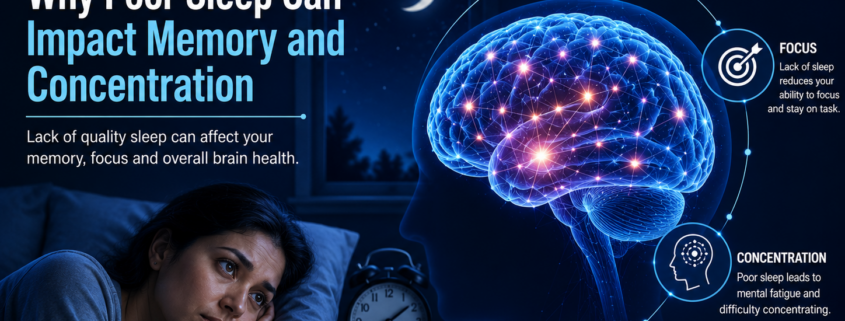
Sleep is one of the most important pillars of brain health, yet it is often overlooked in today’s fast-paced lifestyle. If you are experiencing memory issues, difficulty concentrating, or persistent brain fog, consulting the best neurologist in Delhi NCR can help identify whether an underlying sleep or neurological condition is affecting your cognitive health.
Quality sleep is essential for the brain to process information, consolidate memories, and maintain focus throughout the day. During sleep, the brain performs critical functions that support learning, problem-solving, and emotional well-being. When sleep is disrupted or insufficient, these processes can be affected, leading to forgetfulness, reduced attention span, slower thinking, and difficulty retaining information.
Modern lifestyle factors such as stress, excessive screen time, irregular schedules, and poor sleep habits have contributed to a growing number of people experiencing sleep deprivation. While occasional sleep loss may cause temporary symptoms, chronic sleep deprivation can have a significant impact on memory, concentration, and overall brain function. Understanding the connection between sleep and cognitive health is the first step toward protecting your brain and improving your quality of life.
Understanding the Relationship Between Sleep and Brain Health
Sleep is essential for keeping your brain healthy and functioning properly. According to the best neurologist in Delhi NCR, quality sleep plays a vital role in memory, concentration, learning, and overall cognitive performance. While you sleep, your brain does much more than simply rest. It processes information from the day, stores important memories, and prepares you for the next day.
How the Brain Uses Sleep to Process Information
During sleep, the brain organizes and stores information that you have learned throughout the day. This process helps convert short-term memories into long-term memories, making it easier to remember important details later. Whether you are studying, working, or learning a new skill, adequate sleep helps your brain retain information more effectively.
Why Quality Sleep Matters
A full night’s sleep includes different stages that support brain function. When sleep is interrupted or insufficient, these important processes can be affected. As a result, you may experience forgetfulness, difficulty concentrating, mental fatigue, and reduced productivity. Over time, poor sleep can have a significant impact on cognitive health.
Getting 7–9 hours of quality sleep each night can help improve memory, sharpen focus, and support long-term brain health.
How Poor Sleep Affects Memory
Memory is one of the first brain functions to be affected when you do not get enough sleep. According to the best neurologist in Delhi NCR, sleep plays a crucial role in helping the brain process, organize, and store information. While you sleep, the brain strengthens important neural connections that allow you to remember experiences, learn new things, and recall information when needed. When sleep is disrupted or insufficient, these processes can become less effective, leading to memory-related difficulties.
Difficulty Learning New Information
Poor sleep can make it harder for the brain to absorb and process new information. Whether you are studying, attending meetings, or learning a new skill, sleep deprivation can reduce your ability to focus and understand what you are being taught. As a result, information may not be stored properly, making it difficult to remember later.
Increased Forgetfulness
One of the most common signs of poor sleep is forgetfulness. People who do not get enough sleep often struggle to remember names, appointments, important dates, or daily tasks. You may find yourself misplacing items more frequently or forgetting details from recent conversations. These memory lapses can affect both personal and professional life.
Weak Long-Term Memory Formation
During deep sleep, the brain transfers important information from short-term memory to long-term memory. This process, known as memory consolidation, helps retain knowledge and experiences for future use. When sleep is interrupted or shortened, the brain may not have enough time to complete this process effectively, resulting in weaker memory retention.
Increased Mental Fatigue
Lack of sleep can also cause mental fatigue, making it difficult for the brain to retrieve stored information. Even simple tasks may feel more challenging, and recalling facts or completing routine activities can take longer than usual. Over time, this can impact productivity, learning ability, and overall cognitive performance.
Impact on Daily Life
Memory problems caused by poor sleep can affect many areas of life, including work performance, academic success, decision-making, and relationships. While occasional sleep loss may cause temporary forgetfulness, chronic sleep deprivation can lead to persistent cognitive difficulties. Prioritizing healthy sleep habits is one of the most effective ways to support memory, concentration, and long-term brain health.
How Lack of Sleep Reduces Concentration and Focus
Getting enough sleep is essential for staying focused, alert, and mentally productive throughout the day. According to the best neurologist in Delhi NCR, sleep helps the brain maintain attention, process information quickly, and make sound decisions. When you do not get enough quality sleep, your ability to concentrate can decline significantly, making even simple tasks feel more difficult.
Shortened Attention Span
One of the most common effects of sleep deprivation is a reduced attention span. People who are sleep-deprived often find it difficult to stay focused on work, studies, conversations, or daily responsibilities. They may become easily distracted and struggle to complete tasks efficiently.
Slower Thinking and Mental Processing
Sleep allows the brain to recharge and function at its best. Without adequate rest, the brain processes information more slowly. You may notice that it takes longer to understand instructions, solve problems, or respond to situations that normally require little effort.
Reduced Productivity at Work or School
Poor sleep can affect performance in both professional and academic settings. Difficulty concentrating may lead to missed deadlines, lower productivity, reduced learning ability, and poor overall performance. Students may struggle to retain information, while working professionals may find it harder to stay organized and focused.
Increased Risk of Errors and Poor Decision-Making
Lack of sleep can impair judgment and reduce mental alertness. As a result, individuals may make more mistakes, overlook important details, or have difficulty making informed decisions. This can be especially concerning for people whose jobs require high levels of concentration and accuracy.
Difficulty Multitasking
Many daily activities require the brain to manage multiple tasks at once. Sleep deprivation can reduce the brain’s ability to switch between tasks efficiently, making multitasking more challenging. People may feel overwhelmed when handling responsibilities that would normally be manageable.
Brain Fog and Mental Exhaustion
Poor sleep is a common cause of brain fog—a feeling of mental cloudiness that makes it difficult to think clearly. Individuals may experience confusion, forgetfulness, reduced focus, and a lack of mental energy throughout the day. Over time, these symptoms can affect overall quality of life and emotional well-being.
Consistently getting 7–9 hours of quality sleep each night can help improve concentration, enhance mental performance, and support long-term brain health.
Common Symptoms That Poor Sleep Is Affecting Your Brain
Many people underestimate the impact that poor sleep can have on brain function. According to the best neurologist in Delhi NCR, the brain relies on quality sleep to support memory, concentration, learning, and emotional well-being. When you consistently get insufficient sleep, your brain may start showing warning signs that should not be ignored.
Some of the most common symptoms include:
Brain Fog
- Feeling mentally cloudy or confused
- Difficulty thinking clearly
- Trouble processing information quickly
Difficulty Concentrating
- Shortened attention span
- Easily distracted during conversations or tasks
- Difficulty staying focused at work or school
Frequent Forgetfulness
- Forgetting appointments or important dates
- Misplacing everyday items
- Difficulty recalling names, conversations, or recent events
Mental Fatigue and Low Energy
- Feeling mentally exhausted throughout the day
- Reduced motivation and productivity
- Difficulty completing routine tasks
Mood Changes and Irritability
- Increased irritability and frustration
- Mood swings
- Difficulty managing stress and emotions
Slower Thinking and Decision-Making
- Delayed response times
- Difficulty solving problems
- Poor judgment and decision-making
Reduced Productivity
- Lower work performance
- Difficulty learning new information
- Increased mistakes and missed deadlines
Other Signs to Watch For
- Excessive daytime sleepiness
- Lack of motivation
- Reduced creativity and problem-solving ability
- Difficulty multitasking
- Feeling tired even after sleeping
If you regularly experience several of these symptoms, poor sleep may be affecting your cognitive health. Addressing sleep issues early can help improve memory, concentration, and overall brain function while reducing the risk of long-term neurological problems.
Sleep Disorders That Can Impact Memory and Concentration
Not all sleep problems are caused by a busy schedule or occasional stress. In many cases, an underlying sleep disorder may be affecting the quality of sleep and preventing the brain from getting the rest it needs. According to the best neurologist in Delhi NCR, untreated sleep disorders can significantly impact memory, concentration, mood, and overall cognitive function.
Insomnia
Insomnia is one of the most common sleep disorders and makes it difficult to fall asleep, stay asleep, or get restful sleep.
Common symptoms include:
- Difficulty falling asleep at night
- Waking up frequently during sleep
- Early morning awakening
- Daytime tiredness and irritability
- Difficulty concentrating
Over time, chronic insomnia can affect memory, focus, and daily performance.
Obstructive Sleep Apnea
Sleep apnea is a condition in which breathing repeatedly stops and starts during sleep. These interruptions reduce oxygen supply to the brain and disturb normal sleep cycles.
Common symptoms include:
- Loud snoring
- Gasping or choking during sleep
- Excessive daytime sleepiness
- Morning headaches
- Poor concentration and memory problems
People with sleep apnea often feel tired even after spending enough time in bed.
Restless Legs Syndrome (RLS)
Restless Legs Syndrome causes an uncomfortable sensation in the legs and an uncontrollable urge to move them, especially during the evening or at bedtime.
Common symptoms include:
- Tingling or crawling sensations in the legs
- Difficulty sitting or lying still
- Sleep disturbances
- Daytime fatigue
- Reduced focus and concentration
Frequent sleep interruptions caused by RLS can negatively affect brain function.
Circadian Rhythm Sleep Disorders
The body’s internal clock controls when you feel awake and when you feel sleepy. When this natural rhythm becomes disrupted, sleep quality can suffer.
Common causes include:
- Shift work
- Frequent travel across time zones
- Irregular sleep schedules
- Excessive nighttime screen use
Possible effects include:
- Difficulty sleeping at night
- Excessive daytime sleepiness
- Reduced mental alertness
- Poor memory and concentration
Why Early Diagnosis Matters
Many sleep disorders go undiagnosed for years because people assume their symptoms are normal. However, untreated sleep disorders can lead to ongoing cognitive problems, reduced quality of life, and increased health risks.
If you regularly experience poor sleep, excessive daytime fatigue, memory issues, or difficulty concentrating, seeking evaluation from an experienced neurologist can help identify the underlying cause and provide appropriate treatment.
Long-Term Effects of Chronic Sleep Deprivation
Occasionally losing a few hours of sleep may leave you feeling tired the next day, but chronic sleep deprivation can have much more serious consequences. According to the best neurologist in Delhi NCR, consistently getting insufficient sleep can affect brain function, emotional well-being, and overall health. Over time, the effects of poor sleep can become more noticeable and may interfere with daily life.
Increased Risk of Cognitive Decline
The brain needs quality sleep to repair and maintain healthy neural connections. When sleep deprivation continues for months or years, cognitive abilities may gradually decline.
Possible effects include:
- Persistent memory problems
- Difficulty learning new information
- Reduced concentration
- Slower thinking and processing speed
Reduced Mental Performance
Chronic sleep deprivation can make it harder to stay productive and perform everyday tasks efficiently.
Common challenges include:
- Difficulty focusing for long periods
- Increased mistakes at work or school
- Poor decision-making
- Reduced problem-solving abilities
Impact on Emotional Health
Sleep and emotional well-being are closely connected. Lack of sleep can affect how the brain regulates emotions and responds to stress.
Potential emotional effects include:
- Increased irritability
- Mood swings
- Higher stress levels
- Anxiety and emotional exhaustion
Increased Risk of Neurological Problems
Research suggests that long-term sleep deprivation may contribute to the development or worsening of certain neurological and cognitive conditions. Poor sleep can also aggravate existing neurological symptoms, making them more difficult to manage.
Weakened Brain Recovery and Repair
During sleep, the brain removes waste products and repairs damaged cells. Without enough sleep, these important processes may not function efficiently, potentially affecting long-term brain health.
Reduced Quality of Life
The combined effects of memory issues, poor concentration, mental fatigue, and mood changes can significantly impact personal relationships, work performance, and overall quality of life.
You may notice:
- Lower productivity
- Reduced motivation
- Difficulty maintaining daily routines
- Increased dependence on caffeine or stimulants
Protecting Your Brain Health
The good news is that improving sleep habits can help support memory, concentration, and overall cognitive function. Prioritizing consistent, high-quality sleep is one of the most effective ways to protect long-term brain health and maintain mental sharpness as you age.
Practical Tips to Improve Sleep and Support Brain Function
Getting quality sleep is one of the best ways to improve memory, concentration, and overall brain health. According to the best neurologist in Delhi NCR, simple lifestyle changes can make a significant difference in sleep quality and cognitive performance. By developing healthy sleep habits, you can help your brain function more efficiently and reduce the risk of sleep-related memory and concentration problems.
Follow a Consistent Sleep Schedule
Your body has a natural internal clock that works best when you follow a regular sleep routine.
Try to:
- Go to bed at the same time every night
- Wake up at the same time every morning
- Maintain your sleep schedule on weekends
A consistent routine helps improve sleep quality and makes it easier to fall asleep naturally.
Reduce Screen Time Before Bed
The blue light from phones, tablets, and computers can interfere with the production of melatonin, the hormone that helps regulate sleep.
For better sleep:
- Avoid screens at least 1 hour before bedtime
- Use night mode on devices if necessary
- Choose relaxing activities such as reading or meditation
Create a Comfortable Sleep Environment
A peaceful bedroom can help you fall asleep faster and stay asleep longer.
Make your bedroom sleep-friendly by:
- Keeping the room dark and quiet
- Maintaining a comfortable temperature
- Using a supportive mattress and pillow
Stay Physically Active
Regular exercise can improve sleep quality and support overall brain health.
Benefits of exercise include:
- Reduced stress levels
- Improved sleep duration
- Better concentration and memory
However, avoid intense workouts close to bedtime.
Limit Caffeine and Heavy Meals Before Bed
Certain foods and drinks can interfere with sleep.
Consider avoiding:
- Coffee, tea, and energy drinks in the evening
- Heavy or spicy meals before bedtime
- Excessive sugar late at night
Manage Stress Effectively
Stress and anxiety are common causes of poor sleep.
Helpful stress-management techniques include:
- Deep breathing exercises
- Meditation and mindfulness
- Yoga and stretching
- Journaling before bed
Get Natural Sunlight During the Day
Exposure to natural sunlight helps regulate your body’s sleep-wake cycle.
Simple ways to increase sunlight exposure:
- Take a morning walk
- Spend time outdoors during the day
- Open curtains and allow natural light into your home
Know When to Seek Professional Help
If you continue to experience poor sleep, memory issues, brain fog, or difficulty concentrating despite following healthy sleep habits, it may be time to consult a neurologist. Early diagnosis and treatment of sleep disorders can help prevent long-term cognitive problems and improve overall quality of life.
Making sleep a priority is one of the simplest yet most effective ways to protect your brain, enhance concentration, and maintain long-term cognitive health.
Expert Neurological Care for Sleep-Related Cognitive Problems
If poor sleep is affecting your memory, concentration, or overall brain function, seeking expert neurological care can help identify the underlying cause and provide effective treatment. According to the best neurologist in Delhi NCR, persistent sleep-related cognitive symptoms should not be ignored, as they may be linked to sleep disorders, neurological conditions, or other medical concerns.
Neuro Clinic Plus: Comprehensive Neurological Care
Neuro Clinic Plus, located in Safdarjung Enclave, New Delhi, provides specialized diagnosis and treatment for a wide range of neurological conditions. The clinic focuses on personalized patient care and evidence-based treatment approaches to help individuals improve their neurological health and quality of life.
Neurological conditions treated at Neuro Clinic Plus include:
- Stroke and stroke recovery
- Epilepsy and seizure disorders
- Headaches and migraine
- Vertigo and balance disorders
- Parkinson’s disease and movement disorders
- Dementia and memory-related conditions
- Peripheral neuropathy
- Spine pain and nerve-related disorders
- Brain infections
- Autoimmune neurological disorders
- Sleep-related neurological conditions
Meet Dr. Aparna Gupta
Dr. Aparna Gupta is a highly experienced neurologist with over 22 years of expertise in neurology. She serves as the Associate Director of Neurology at ISIC Multispeciality Hospital, Vasant Kunj, New Delhi, and also leads her private practice at Neuro Clinic Plus, Safdarjung Enclave.
Her extensive educational qualifications include:
- MBBS from Netaji Subhash Chandra Bose Medical College, Jabalpur
- MD in General Medicine from Gandhi Medical College, Bhopal
- DNB in Neurology from Sir Ganga Ram Hospital
- Fellowship in Epilepsy and Sleep Disorders from AIIMS
- Fellowship in Botox Treatment for Neurological Disorders from Seoul, South Korea
Experience and Professional Excellence
Over the years, Dr. Aparna Gupta has gained valuable clinical experience through her work at leading healthcare institutions, including:
- Consultant at Indian Spinal Injury Centre
- Senior Resident, Department of Cardiology, Sir Ganga Ram Hospital
She has also actively contributed to neurological research through multiple paper and poster presentations at national conferences and has participated in prestigious scientific meetings focused on stroke, epilepsy, nerve disorders, and movement disorders.
Professional Memberships
Dr. Aparna Gupta is associated with several respected neurological organizations, including:
- Indian Academy of Neurology
- Indian Epilepsy Society
- American Academy of Neurology
- Movement Disorder Society of India
With her specialized training in epilepsy, sleep disorders, stroke care, and movement disorders, Dr. Aparna Gupta offers comprehensive neurological evaluation and treatment for patients experiencing memory problems, concentration difficulties, sleep disorders, and other neurological symptoms. Her patient-centered approach and extensive experience make her a trusted choice for individuals seeking expert neurological care in Delhi NCR.
Frequently Asked Questions (FAQs)
1. Can lack of sleep cause memory problems?
Yes, lack of sleep can affect how your brain processes and stores information. Poor sleep may lead to forgetfulness, difficulty learning new things, and trouble recalling important details.
2. How many hours of sleep do I need for good brain health?
Most adults need 7–9 hours of quality sleep each night. Getting enough sleep helps improve memory, concentration, decision-making, and overall cognitive function.
3. Why do I feel mentally tired even after sleeping?
Feeling tired despite sleeping may be a sign of poor sleep quality, sleep apnea, insomnia, stress, or an underlying neurological condition. If this happens regularly, it is important to seek medical evaluation.
4. Can poor sleep cause brain fog and difficulty concentrating?
Yes. Poor sleep is one of the most common causes of brain fog. It can make it harder to focus, think clearly, stay productive, and complete daily tasks efficiently.
5. When should I consult the best neurologist in Delhi NCR for sleep-related problems?
You should consult the best neurologist in Delhi NCR if you experience persistent memory issues, difficulty concentrating, excessive daytime sleepiness, frequent headaches, or sleep problems that affect your daily life despite following healthy sleep habits.
Conclusion
Sleep is not just a time for rest—it is essential for maintaining memory, concentration, and overall brain health. When you do not get enough quality sleep, your brain may struggle to process information, store memories, and stay focused throughout the day. Over time, poor sleep can lead to forgetfulness, brain fog, reduced productivity, and difficulty performing daily tasks.
The good news is that many sleep-related cognitive problems can be improved by adopting healthy sleep habits and addressing underlying sleep disorders. Prioritizing regular sleep, managing stress, limiting screen time before bed, and maintaining a healthy lifestyle can significantly improve brain function and overall well-being.
However, if memory problems, concentration difficulties, excessive daytime sleepiness, or poor sleep persist despite lifestyle changes, it is important to seek professional medical advice. Early diagnosis can help identify underlying neurological or sleep-related conditions and prevent symptoms from worsening.
At Neuro Clinic Plus, Dr. Aparna Gupta, Associate Director of Neurology at ISIC Multispeciality Hospital, provides expert evaluation and treatment for sleep disorders, memory concerns, and a wide range of neurological conditions. Consulting the best neurologist in Delhi NCR can help you take the right steps toward better sleep, improved cognitive function, and long-term brain health.