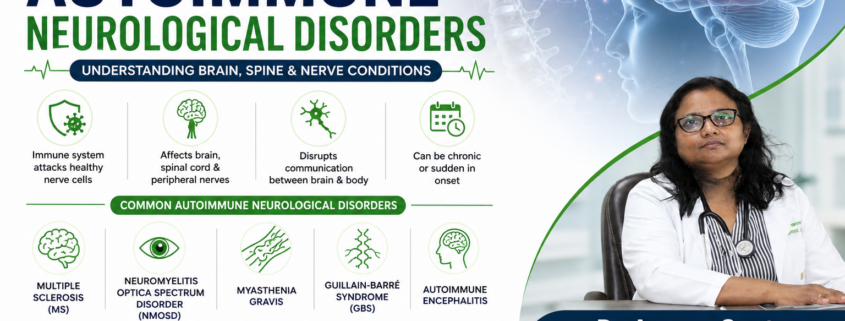
Autoimmune diseases happen when the body’s immune system, which normally protects us from infections, starts attacking healthy cells by mistake. When this problem affects the nervous system, it can impact the brain, spinal cord, and nerves. These conditions are called autoimmune neurological disorders.
In simple terms, the brain sends signals to the body to control movement, thinking, and daily activities. But in conditions like Multiple Sclerosis and Myasthenia Gravis, this communication gets disturbed. This can lead to problems like weakness, poor balance, or difficulty in normal body functions.
Some autoimmune neurological diseases develop slowly over time, while others can appear suddenly and become serious if not treated early. These conditions can affect people of any age, but they are often seen more in young adults and women.
Understanding these disorders is important because early awareness can help people seek medical care on time. With proper diagnosis and treatment, many of these conditions can be managed effectively, improving quality of life.
What Are Autoimmune Neurological Disorders?
Autoimmune neurological disorders are conditions where the body’s immune system mistakenly attacks parts of the nervous system. This includes the brain, spinal cord, and nerves. Instead of protecting the body, the immune system starts damaging important structures that help in movement, thinking, and coordination.
In these disorders, the body produces harmful antibodies that target nerve cells or their protective covering. For example, in Multiple Sclerosis, the immune system damages the myelin (protective layer of nerves), which slows down or blocks signals between the brain and body. In Myasthenia Gravis, the communication between nerves and muscles gets affected, leading to muscle weakness.
These conditions can affect different parts of the nervous system. Some mainly affect the brain, some the spinal cord, and others the peripheral nerves. Because of this, symptoms and severity can vary from person to person.
Understanding how these disorders work helps in identifying them early and managing them better. Early care can prevent complications and improve daily life.
Common Autoimmune Neurological Disorders
There are several types of autoimmune disorders that affect the nervous system. Each condition targets a different part of the body and affects how the brain, spinal cord, or nerves work. Below are the most common disorders explained in simple language with a bit more detail:
1. Multiple Sclerosis (MS)
This condition affects the brain and spinal cord. The immune system attacks the myelin sheath, which is the protective covering around nerve fibers. When this layer gets damaged, the signals between the brain and body become slow or blocked.
People with MS may face problems with balance, coordination, and movement. The condition usually develops slowly and can come in phases, where symptoms improve and then return again. Over time, it can affect daily activities if not managed properly.
2. Neuromyelitis Optica Spectrum Disorder (NMOSD)
NMOSD mainly affects the optic nerves (which control vision) and the spinal cord. It can lead to vision loss, pain in the eyes, and weakness or stiffness in the body.
This condition is often linked with AQP4-IgG antibodies, which attack specific cells in the nervous system. Unlike MS, NMOSD usually occurs in sudden attacks that can be more severe and may cause long-term damage if not treated early.
3. Myasthenia Gravis
In this disorder, the immune system blocks or destroys acetylcholine receptors, which are needed for communication between nerves and muscles. Because of this, muscles do not get proper signals and become weak.
It commonly affects muscles of the eyes, face, and throat, leading to drooping eyelids, difficulty in speaking, chewing, or swallowing. Muscle weakness usually gets worse with activity and improves with rest.
4. Guillain-Barré Syndrome
This condition affects the peripheral nerves, which connect the brain and spinal cord to the rest of the body. The immune system attacks these nerves, leading to weakness that usually starts in the legs and spreads upward.
It often develops quickly, sometimes after a viral or bacterial infection. In severe cases, it can affect breathing muscles, making it a medical emergency. However, with timely treatment, many people recover well.
5. Autoimmune Encephalitis
Autoimmune encephalitis causes inflammation of the brain due to antibodies attacking brain cells. This affects how the brain functions and can lead to confusion, memory problems, and unusual behavior.
Some people may also experience seizures or changes in personality. This condition can progress rapidly, so early diagnosis and treatment are very important to prevent serious complications.
Difference Between Common Autoimmune Disorders
Understanding the differences between these conditions is important because each one affects a different part of the nervous system and behaves in its own way. This also helps in recognizing how serious each condition can be and why early care matters.
- Multiple Sclerosis (MS)
MS mainly affects the brain and spinal cord (central nervous system). The immune system damages the myelin sheath, which helps nerve signals travel smoothly. When this layer is damaged, signals slow down or get blocked.
It is usually a chronic condition, meaning it lasts for a long time. Symptoms may come and go (relapses and remissions). Over time, it can gradually affect movement, balance, and coordination. The progression is generally slower compared to some other disorders.
- Neuromyelitis Optica Spectrum Disorder (NMOSD)
NMOSD also affects the central nervous system but mainly targets the optic nerves and spinal cord. This makes vision problems and weakness more prominent.
It is strongly linked with AQP4-IgG antibodies, which attack specific cells. Unlike MS, NMOSD usually occurs in sudden and severe attacks rather than gradual progression. These attacks can cause more serious damage in a shorter time if not treated properly.
- Myasthenia Gravis
This condition is different from MS and NMOSD because it does not damage the brain or nerves directly. Instead, it affects the communication between nerves and muscles.
The immune system blocks acetylcholine receptors, which are needed for muscle movement. As a result, muscles become weak, especially after repeated use. Weakness often improves with rest. It mainly affects muscles of the eyes, face, and throat, making daily activities like speaking or chewing difficult.
- Guillain-Barré Syndrome
GBS affects the peripheral nervous system, which includes nerves outside the brain and spinal cord. The immune system attacks these nerves, leading to weakness that usually starts in the legs and moves upward.
It is usually an acute condition, meaning it develops quickly over days or weeks. In severe cases, it can affect breathing muscles, making it a medical emergency. Unlike MS, many people recover with proper treatment, but early care is very important.
- Autoimmune Encephalitis
This condition directly affects the brain, causing inflammation due to harmful antibodies. It mainly impacts brain function, including thinking, memory, and behavior.
Symptoms can appear quickly and may include confusion, personality changes, or seizures. It is considered a serious and urgent condition that requires immediate medical attention. Early treatment can significantly improve outcomes.
Key Difference Summary (Simple View)
- MS & NMOSD → Affect brain and spinal cord, but NMOSD is more severe and attack-based
- Myasthenia Gravis → Affects muscle communication, not nerves directly
- Guillain-Barré Syndrome → Affects peripheral nerves and develops rapidly
- Autoimmune Encephalitis → Directly affects brain function and behavior
Importance of Early Awareness
Understanding autoimmune neurological disorders at an early stage is very important. These conditions can affect the brain, spinal cord, and nerves, which control almost every function in the body. If they are not recognized on time, they can lead to serious complications and long-term problems.
Many disorders like Multiple Sclerosis or Guillain-Barré Syndrome may start with mild symptoms, but they can gradually worsen or suddenly become severe. Early awareness helps people notice unusual changes in the body and seek medical help before the condition progresses.
Timely medical attention can help in controlling the disease, reducing complications, and improving quality of life. It also allows doctors to start the right treatment at the right time, which can prevent permanent damage in many cases.
Being aware of these conditions also helps individuals and families make better health decisions. Simple steps like not ignoring symptoms, regular check-ups, and consulting a neurologist when needed can make a big difference.
In short, early awareness plays a key role in managing autoimmune neurological disorders and maintaining overall health.
Frequently Asked Questions (FAQs)
1. What causes autoimmune neurological disorders?
Autoimmune neurological disorders happen when the immune system mistakenly attacks healthy nerve cells. This can be due to a mix of genetic factors, infections, and environmental triggers. In many cases, the exact cause is not fully known.
- Are autoimmune neurological diseases curable?
Most conditions like Multiple Sclerosis are not completely curable, but they can be managed with proper treatment and care. Early diagnosis helps in controlling the disease and reducing complications.
- Which autoimmune disorder affects the brain directly?
Autoimmune Encephalitis directly affects the brain. It causes inflammation and can impact memory, behavior, and thinking ability.
- What is the difference between MS and NMOSD?
Multiple Sclerosis affects different parts of the brain and spinal cord, while Neuromyelitis Optica Spectrum Disorder mainly targets the optic nerves and spinal cord and is often more severe.
- Is Guillain-Barré Syndrome serious?
Guillain-Barré Syndrome can be serious because it may affect breathing muscles in severe cases. However, with early treatment, many people recover well.
Conclusion
Autoimmune neurological disorders are conditions where the immune system mistakenly attacks parts of the nervous system, including the brain, spinal cord, and nerves. Each disorder—like Multiple Sclerosis, Neuromyelitis Optica Spectrum Disorder, and Myasthenia Gravis—affects the body in a different way, which is why understanding their differences is important.
Some conditions develop slowly over time, while others may appear suddenly and become serious if not treated early. Even though these disorders can be complex, many of them can be managed effectively with the right medical care and timely attention.
Being aware of early signs, understanding how these diseases work, and consulting a neurologist when needed can make a big difference in managing the condition. With proper care and guidance, individuals can maintain a better quality of life and prevent complications.
In simple words, awareness and early action are the key to better outcomes in autoimmune neurological disorders.