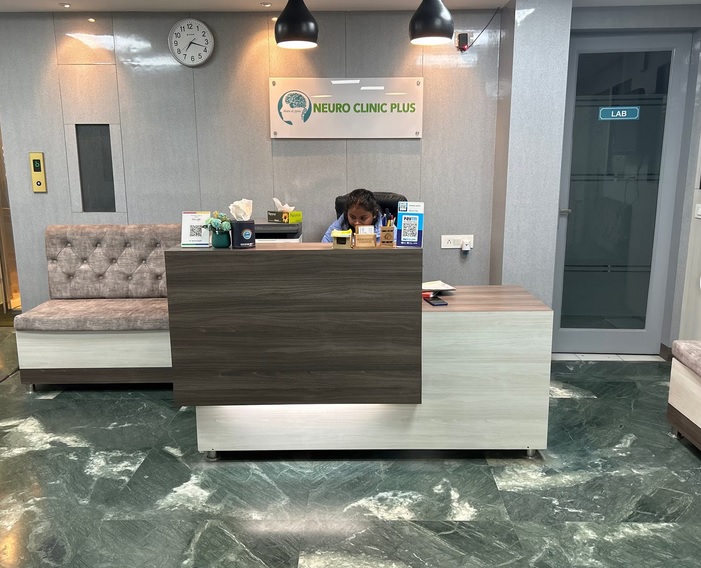
Your brain controls every function of your body—from thinking, memory, movement, emotions, speech, and balance to decision-making. While occasional forgetfulness or headaches can be normal, persistent neurological symptoms should never be ignored. Knowing the signs of a healthy brain can help you take timely action and prevent serious conditions. If you are looking for the Best Neurologist in Safdarjung, seeking expert evaluation at the right time is essential. At Neuro Clinic Plus, Dr. Aparna Gupta provides comprehensive diagnosis and personalized treatment for a wide range of brain, spine, and nerve disorders, helping patients achieve better neurological health.
Signs of a Healthy Brain
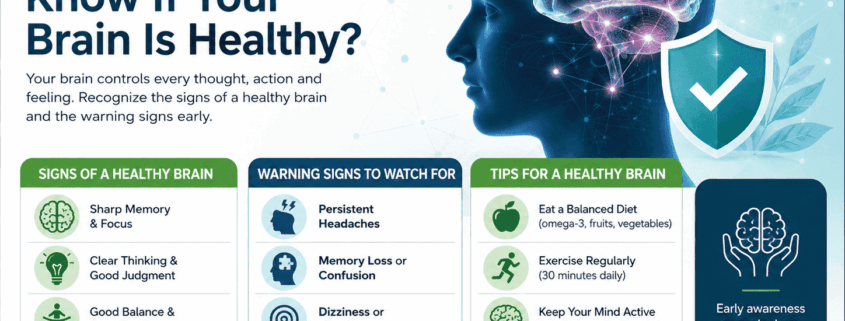
A healthy brain allows you to think clearly, remember important information, maintain balance, and perform everyday activities without difficulty. While brain health naturally changes with age, these signs generally indicate that your brain and nervous system are functioning well.
1. Good Memory and Learning Ability
A healthy brain helps you remember names, events, appointments, and daily tasks with ease. It also allows you to learn new skills, process information quickly, and retain knowledge without significant difficulty.
2. Clear Thinking and Decision-Making
Being able to focus, solve problems, make decisions, and think logically is a sign of healthy brain function. Good concentration and mental clarity are essential for work, studies, and everyday life.
3. Normal Balance and Coordination
Your brain works closely with your nerves and muscles to maintain balance, coordination, and smooth body movements. Walking steadily, maintaining posture, and performing routine activities comfortably are positive indicators of neurological health.
4. Healthy Sleep and Emotional Well-Being
A healthy brain supports quality sleep, emotional stability, and stress management. Waking up refreshed, maintaining a positive mood, and handling daily challenges without major emotional disturbances reflect good brain function.
5. Effective Communication and Quick Reflexes
Clear speech, language understanding, fast reflexes, and normal vision and hearing coordination are important signs of a healthy nervous system. These functions allow you to communicate effectively and respond quickly to your surroundings.
If you notice persistent memory problems, dizziness, severe headaches, numbness, weakness, balance issues, or changes in speech, it may indicate an underlying neurological condition. Consulting the Best Neurologist in Safdarjung at Neuro Clinic Plus, led by Dr. Aparna Gupta, can help identify the cause early and ensure timely treatment.
Warning Signs Your Brain May Need Attention
While occasional symptoms may not always indicate a serious problem, persistent or recurring neurological symptoms should never be ignored. Early diagnosis can help prevent complications and improve treatment outcomes. If you experience any of the following signs, consider consulting the Best Neurologist in Safdarjung for a comprehensive neurological evaluation.
Warning Signs to Watch For
- Frequent or Severe Headaches that are persistent, worsening, or different from your usual headaches.
- Memory Loss or Confusion that interferes with daily activities or makes it difficult to recall recent events.
- Dizziness or Vertigo causing a spinning sensation, imbalance, or difficulty walking.
- Numbness or Weakness in the face, arms, or legs, especially if it occurs suddenly.
- Difficulty Speaking or Understanding Speech, including slurred speech or trouble finding the right words.
- Poor Balance and Coordination, leading to frequent falls or difficulty performing routine tasks.
- Vision Changes, such as blurred vision, double vision, or sudden vision loss.
- Tremors or Uncontrolled Movements that affect your hands, legs, or other parts of the body.
- Seizures or Loss of Consciousness, even if they occur only once.
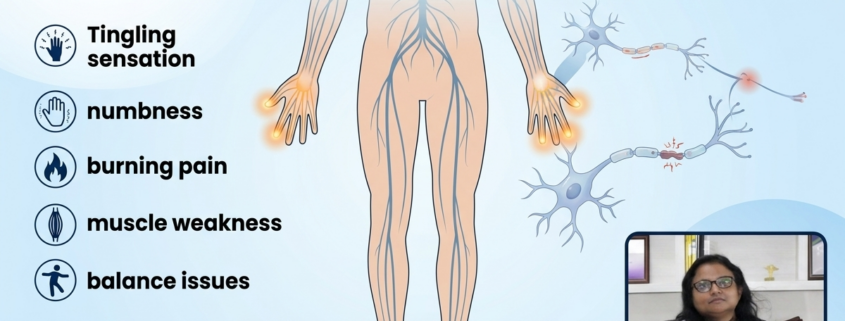
- Persistent Tingling or Burning Sensations in the hands or feet that may indicate nerve damage.
Don’t Ignore These Symptoms
Ignoring these warning signs can delay the diagnosis of conditions such as stroke, epilepsy, Parkinson’s disease, migraine, neuropathy, multiple sclerosis, or brain infections. If you notice any of these symptoms, seek expert care from the Best Neurologist in Safdarjung. At Neuro Clinic Plus, Dr. Aparna Gupta provides advanced neurological evaluation, accurate diagnosis, and personalized treatment plans to help patients protect their brain and nervous system health.
Daily Habits That Keep Your Brain Healthy
Your daily lifestyle plays a major role in maintaining brain function, memory, and overall neurological health. Simple healthy habits can reduce the risk of many neurological disorders and help your brain perform at its best. If you have ongoing neurological symptoms despite following a healthy lifestyle, consult the Best Neurologist in Safdarjung for a detailed evaluation.
Healthy Habits for Better Brain Health
| Healthy Habit | How It Benefits Your Brain |
| Eat a Balanced Diet | Provides essential vitamins, minerals, and antioxidants that support brain cells and improve memory. |
| Exercise Regularly | Increases blood flow to the brain, improves concentration, and lowers the risk of stroke. |
| Get 7–9 Hours of Sleep | Helps the brain repair, store memories, and remove harmful waste products. |
| Stay Mentally Active | Reading, puzzles, and learning new skills help improve memory and cognitive function. |
| Manage Stress | Reduces the harmful effects of chronic stress on memory, mood, and overall brain health. |
| Stay Hydrated | Proper hydration supports concentration, alertness, and brain performance. |
| Avoid Smoking & Excessive Alcohol | Protects brain cells and reduces the risk of stroke, memory loss, and nerve damage. |
| Control Blood Pressure & Diabetes | Lowers the risk of stroke and other neurological complications. |
Small Changes, Big Benefits
Adopting these healthy habits can significantly improve your brain health and lower the risk of neurological disorders. However, if you experience persistent headaches, dizziness, memory loss, numbness, or balance problems, don’t ignore them. Visiting Neuro Clinic Plus allows Dr. Aparna Gupta to identify the underlying cause through a comprehensive neurological evaluation and recommend the most appropriate personalized treatment for long-term neurological well-being.
When Should You See a Neurologist?
Many neurological conditions develop gradually, while others require immediate medical attention. Recognizing the warning signs early can lead to faster diagnosis, timely treatment, and better outcomes. If your symptoms persist or interfere with your daily life, it is advisable to consult an experienced neurologist without delay. Early evaluation can help identify the underlying cause and ensure you receive the most appropriate treatment to protect your brain health and overall well-being.
Persistent or Severe Headaches
Occasional headaches are common, but frequent, severe, or worsening headaches—especially those accompanied by nausea, blurred vision, or sensitivity to light—may indicate an underlying neurological condition that requires expert evaluation.
Memory Problems or Difficulty Concentrating
If you frequently forget important information, struggle to focus, or experience confusion, it could be a sign of cognitive impairment or another neurological disorder. Early assessment can help identify the cause and guide appropriate treatment.
Dizziness, Vertigo, or Balance Issues
Recurring dizziness, spinning sensations, loss of balance, or difficulty walking should not be ignored. These symptoms may be linked to disorders affecting the brain, inner ear, or nervous system.
Numbness, Weakness, or Tingling
Sudden or persistent numbness, weakness, or tingling in the face, arms, or legs can be associated with conditions such as stroke, neuropathy, or multiple sclerosis. Prompt medical attention is essential, especially if symptoms appear suddenly.
Seizures or Changes in Speech and Vision
Experiencing a seizure, slurred speech, difficulty speaking, blurred vision, or sudden vision loss requires immediate neurological evaluation. These symptoms may indicate serious conditions that need urgent diagnosis and treatment.
Get Expert Neurological Care
If you experience any of these symptoms, don’t delay seeking medical advice. At Neuro Clinic Plus, Dr. Aparna Gupta provides comprehensive evaluation and personalized treatment for headaches, migraine, stroke, epilepsy, vertigo, Parkinson’s disease, neuropathy, memory disorders, and other neurological conditions. If you’re searching for the Best Neurologist in Safdarjung, expert care can help protect your brain health and improve your quality of life.
Why Choose Neuro Clinic Plus?
Choosing the right neurology clinic is essential for receiving accurate diagnosis, timely treatment, and long-term neurological care. At Neuro Clinic Plus, patients receive compassionate, evidence-based care for a wide range of brain, spine, and nerve disorders. If you are searching for the Best Neurologist in Safdarjung, the clinic is committed to delivering personalized treatment tailored to each patient’s needs.
Why Patients Trust Neuro Clinic Plus
- Comprehensive Neurological Care for headaches, migraine, stroke, epilepsy, vertigo, Parkinson’s disease, neuropathy, dementia, and other neurological disorders.
- Expert Consultation by Dr. Aparna Gupta, an experienced neurologist with expertise in diagnosing and treating complex neurological conditions.
- Accurate Diagnosis using detailed neurological examinations and advanced diagnostic techniques.
- Personalized Treatment Plans designed according to each patient’s symptoms, medical history, and health goals.
- Patient-Centered Approach focused on compassionate care, clear communication, and long-term support.
- Early Detection & Prevention to identify neurological conditions before they progress and reduce the risk of complications.
- Holistic Brain Health Management with guidance on lifestyle changes, rehabilitation, and preventive care for better neurological well-being.
- Trusted Care for All Age Groups, from young adults to senior citizens with neurological concerns.
Expert Care for Better Brain Health
At Neuro Clinic Plus, every patient receives individualized attention with a focus on improving brain health, restoring neurological function, and enhancing quality of life. Whether you are experiencing persistent headaches, dizziness, memory issues, nerve pain, or balance problems, consulting the Best Neurologist in Safdarjung, Dr. Aparna Gupta, can help you receive the right diagnosis and treatment at the right time.
Meet Dr. Aparna Gupta
Dr. Aparna Gupta is a highly experienced neurologist dedicated to providing comprehensive, patient-centered care for individuals with brain, spine, and nerve disorders. With extensive clinical expertise and an evidence-based approach, she focuses on accurate diagnosis, personalized treatment, and long-term neurological wellness. She is committed to delivering compassionate care tailored to each patient’s unique needs, helping them achieve better neurological health and an improved quality of life.
Areas of Expertise
- Headache & Migraine Management
- Stroke Prevention and Rehabilitation
- Epilepsy Diagnosis and Treatment
- Vertigo and Balance Disorders
- Parkinson’s Disease Care
- Peripheral Neuropathy
- Memory Disorders and Dementia
- Multiple Sclerosis and Other Neurological Conditions
A Patient-First Approach
At Neuro Clinic Plus, Dr. Aparna Gupta believes in educating patients about their condition and involving them in every step of the treatment process. Her goal is not only to treat symptoms but also to improve overall brain health, enhance quality of life, and prevent future neurological complications. Whether you need a routine neurological evaluation or specialized treatment, she is committed to providing accurate diagnosis, personalized care, and evidence-based treatment to help you achieve better neurological health and long-term well-being.
Frequently Asked Questions
1. How do I know if my brain is healthy?
A healthy brain supports good memory, clear thinking, normal balance, quality sleep, and emotional stability. If these functions change significantly, a neurological evaluation is recommended.
2. What are the early signs of a neurological disorder?
Common warning signs include persistent headaches, dizziness, memory loss, numbness, weakness, tremors, seizures, balance problems, and changes in speech or vision.
3. When should I see a neurologist?
You should consult a neurologist if your symptoms last for several days, worsen over time, or suddenly appear, especially if they interfere with your daily life.
4. Can stress affect brain health?
Yes. Chronic stress can impact memory, concentration, sleep, and emotional well-being. Managing stress is important for maintaining healthy brain function.
5. Can frequent headaches indicate a neurological problem?
While many headaches are harmless, severe, frequent, or unusual headaches may signal an underlying neurological condition and should be evaluated by a specialist.
6. What causes dizziness or vertigo?
Dizziness and vertigo can result from inner ear disorders, migraines, nerve problems, or neurological conditions. Persistent symptoms require medical assessment.
7. What are the most common neurological disorders?
Common neurological conditions include migraine, stroke, epilepsy, Parkinson’s disease, neuropathy, dementia, multiple sclerosis, and vertigo.
8. How can I keep my brain healthy?
Maintain a healthy lifestyle by eating a balanced diet, exercising regularly, sleeping 7–9 hours, staying mentally active, managing stress, and avoiding smoking and excessive alcohol.
9. What tests does a neurologist perform?
A neurologist may recommend neurological examinations, MRI, CT scan, EEG, EMG, nerve conduction studies, or blood tests, depending on your symptoms.
10. What conditions are treated at Neuro Clinic Plus?
Neuro Clinic Plus provides expert care for headaches, migraine, stroke, epilepsy, vertigo, Parkinson’s disease, neuropathy, dementia, memory disorders, and other neurological conditions.
11. Why should I choose Dr. Aparna Gupta?
Dr. Aparna Gupta is committed to providing accurate diagnosis, evidence-based treatment, personalized care, and long-term neurological management for patients of all ages. If you’re searching for the Best Neurologist in Safdarjung, she offers comprehensive care for a wide range of neurological conditions.
12. How can early diagnosis improve neurological health?
Early diagnosis allows for timely treatment, better symptom management, prevention of complications, and improved long-term outcomes, helping patients maintain a better quality of life.
Conclusion
A healthy brain is the foundation of a healthy and active life. Paying attention to early warning signs, following healthy lifestyle habits, and seeking timely medical care can help prevent serious neurological complications. Symptoms such as persistent headaches, memory loss, dizziness, numbness, seizures, or balance problems should never be ignored. If you are looking for the Best Neurologist in Safdarjung, Neuro Clinic Plus offers comprehensive neurological care under the expert guidance of Dr. Aparna Gupta. Early diagnosis and personalized treatment can make a significant difference in protecting your brain health and improving your overall quality of life.