
Tag Archive for: neurology

best neurologist in Delhi NCR

Sleep is one of the most important pillars of brain health, yet it is often overlooked in today’s fast-paced lifestyle. If you are experiencing memory issues, difficulty concentrating, or persistent brain fog, consulting the best neurologist in Delhi NCR can help identify whether an underlying sleep or neurological condition is affecting your cognitive health.

Quality sleep is essential for the brain to process information, consolidate memories, and maintain focus throughout the day. During sleep, the brain performs critical functions that support learning, problem-solving, and emotional well-being. When sleep is disrupted or insufficient, these processes can be affected, leading to forgetfulness, reduced attention span, slower thinking, and difficulty retaining information.

Modern lifestyle factors such as stress, excessive screen time, irregular schedules, and poor sleep habits have contributed to a growing number of people experiencing sleep deprivation. While occasional sleep loss may cause temporary symptoms, chronic sleep deprivation can have a significant impact on memory, concentration, and overall brain function. Understanding the connection between sleep and cognitive health is the first step toward protecting your brain and improving your quality of life.

Understanding the Relationship Between Sleep and Brain Health

Sleep is essential for keeping your brain healthy and functioning properly. According to the best neurologist in Delhi NCR, quality sleep plays a vital role in memory, concentration, learning, and overall cognitive performance. While you sleep, your brain does much more than simply rest. It processes information from the day, stores important memories, and prepares you for the next day.

How the Brain Uses Sleep to Process Information

During sleep, the brain organizes and stores information that you have learned throughout the day. This process helps convert short-term memories into long-term memories, making it easier to remember important details later. Whether you are studying, working, or learning a new skill, adequate sleep helps your brain retain information more effectively.

Why Quality Sleep Matters

A full night’s sleep includes different stages that support brain function. When sleep is interrupted or insufficient, these important processes can be affected. As a result, you may experience forgetfulness, difficulty concentrating, mental fatigue, and reduced productivity. Over time, poor sleep can have a significant impact on cognitive health.

Getting 7–9 hours of quality sleep each night can help improve memory, sharpen focus, and support long-term brain health.

How Poor Sleep Affects Memory

Memory is one of the first brain functions to be affected when you do not get enough sleep. According to the best neurologist in Delhi NCR, sleep plays a crucial role in helping the brain process, organize, and store information. While you sleep, the brain strengthens important neural connections that allow you to remember experiences, learn new things, and recall information when needed. When sleep is disrupted or insufficient, these processes can become less effective, leading to memory-related difficulties.

Difficulty Learning New Information

Poor sleep can make it harder for the brain to absorb and process new information. Whether you are studying, attending meetings, or learning a new skill, sleep deprivation can reduce your ability to focus and understand what you are being taught. As a result, information may not be stored properly, making it difficult to remember later.

Increased Forgetfulness

One of the most common signs of poor sleep is forgetfulness. People who do not get enough sleep often struggle to remember names, appointments, important dates, or daily tasks. You may find yourself misplacing items more frequently or forgetting details from recent conversations. These memory lapses can affect both personal and professional life.

Weak Long-Term Memory Formation

During deep sleep, the brain transfers important information from short-term memory to long-term memory. This process, known as memory consolidation, helps retain knowledge and experiences for future use. When sleep is interrupted or shortened, the brain may not have enough time to complete this process effectively, resulting in weaker memory retention.

Increased Mental Fatigue

Lack of sleep can also cause mental fatigue, making it difficult for the brain to retrieve stored information. Even simple tasks may feel more challenging, and recalling facts or completing routine activities can take longer than usual. Over time, this can impact productivity, learning ability, and overall cognitive performance.

Impact on Daily Life

Memory problems caused by poor sleep can affect many areas of life, including work performance, academic success, decision-making, and relationships. While occasional sleep loss may cause temporary forgetfulness, chronic sleep deprivation can lead to persistent cognitive difficulties. Prioritizing healthy sleep habits is one of the most effective ways to support memory, concentration, and long-term brain health.

How Lack of Sleep Reduces Concentration and Focus

Getting enough sleep is essential for staying focused, alert, and mentally productive throughout the day. According to the best neurologist in Delhi NCR, sleep helps the brain maintain attention, process information quickly, and make sound decisions. When you do not get enough quality sleep, your ability to concentrate can decline significantly, making even simple tasks feel more difficult.

Shortened Attention Span

One of the most common effects of sleep deprivation is a reduced attention span. People who are sleep-deprived often find it difficult to stay focused on work, studies, conversations, or daily responsibilities. They may become easily distracted and struggle to complete tasks efficiently.

Slower Thinking and Mental Processing

Sleep allows the brain to recharge and function at its best. Without adequate rest, the brain processes information more slowly. You may notice that it takes longer to understand instructions, solve problems, or respond to situations that normally require little effort.

Reduced Productivity at Work or School

Poor sleep can affect performance in both professional and academic settings. Difficulty concentrating may lead to missed deadlines, lower productivity, reduced learning ability, and poor overall performance. Students may struggle to retain information, while working professionals may find it harder to stay organized and focused.

Increased Risk of Errors and Poor Decision-Making

Lack of sleep can impair judgment and reduce mental alertness. As a result, individuals may make more mistakes, overlook important details, or have difficulty making informed decisions. This can be especially concerning for people whose jobs require high levels of concentration and accuracy.

Difficulty Multitasking

Many daily activities require the brain to manage multiple tasks at once. Sleep deprivation can reduce the brain’s ability to switch between tasks efficiently, making multitasking more challenging. People may feel overwhelmed when handling responsibilities that would normally be manageable.

Brain Fog and Mental Exhaustion

Poor sleep is a common cause of brain fog—a feeling of mental cloudiness that makes it difficult to think clearly. Individuals may experience confusion, forgetfulness, reduced focus, and a lack of mental energy throughout the day. Over time, these symptoms can affect overall quality of life and emotional well-being.

Consistently getting 7–9 hours of quality sleep each night can help improve concentration, enhance mental performance, and support long-term brain health.

Common Symptoms That Poor Sleep Is Affecting Your Brain

Many people underestimate the impact that poor sleep can have on brain function. According to the best neurologist in Delhi NCR, the brain relies on quality sleep to support memory, concentration, learning, and emotional well-being. When you consistently get insufficient sleep, your brain may start showing warning signs that should not be ignored.

Some of the most common symptoms include:

Brain Fog

  • Feeling mentally cloudy or confused
  • Difficulty thinking clearly
  • Trouble processing information quickly

Difficulty Concentrating

  • Shortened attention span
  • Easily distracted during conversations or tasks
  • Difficulty staying focused at work or school

Frequent Forgetfulness

  • Forgetting appointments or important dates
  • Misplacing everyday items
  • Difficulty recalling names, conversations, or recent events

Mental Fatigue and Low Energy

  • Feeling mentally exhausted throughout the day
  • Reduced motivation and productivity
  • Difficulty completing routine tasks

Mood Changes and Irritability

  • Increased irritability and frustration
  • Mood swings
  • Difficulty managing stress and emotions

Slower Thinking and Decision-Making

  • Delayed response times
  • Difficulty solving problems
  • Poor judgment and decision-making

Reduced Productivity

  • Lower work performance
  • Difficulty learning new information
  • Increased mistakes and missed deadlines

Other Signs to Watch For

  • Excessive daytime sleepiness
  • Lack of motivation
  • Reduced creativity and problem-solving ability
  • Difficulty multitasking
  • Feeling tired even after sleeping

If you regularly experience several of these symptoms, poor sleep may be affecting your cognitive health. Addressing sleep issues early can help improve memory, concentration, and overall brain function while reducing the risk of long-term neurological problems.

Sleep Disorders That Can Impact Memory and Concentration

Not all sleep problems are caused by a busy schedule or occasional stress. In many cases, an underlying sleep disorder may be affecting the quality of sleep and preventing the brain from getting the rest it needs. According to the best neurologist in Delhi NCR, untreated sleep disorders can significantly impact memory, concentration, mood, and overall cognitive function.

Insomnia

Insomnia is one of the most common sleep disorders and makes it difficult to fall asleep, stay asleep, or get restful sleep.

Common symptoms include:

  • Difficulty falling asleep at night
  • Waking up frequently during sleep
  • Early morning awakening
  • Daytime tiredness and irritability
  • Difficulty concentrating

Over time, chronic insomnia can affect memory, focus, and daily performance.

Obstructive Sleep Apnea

Sleep apnea is a condition in which breathing repeatedly stops and starts during sleep. These interruptions reduce oxygen supply to the brain and disturb normal sleep cycles.

Common symptoms include:

  • Loud snoring
  • Gasping or choking during sleep
  • Excessive daytime sleepiness
  • Morning headaches
  • Poor concentration and memory problems

People with sleep apnea often feel tired even after spending enough time in bed.

Restless Legs Syndrome (RLS)

Restless Legs Syndrome causes an uncomfortable sensation in the legs and an uncontrollable urge to move them, especially during the evening or at bedtime.

Common symptoms include:

  • Tingling or crawling sensations in the legs
  • Difficulty sitting or lying still
  • Sleep disturbances
  • Daytime fatigue
  • Reduced focus and concentration

Frequent sleep interruptions caused by RLS can negatively affect brain function.

Circadian Rhythm Sleep Disorders

The body’s internal clock controls when you feel awake and when you feel sleepy. When this natural rhythm becomes disrupted, sleep quality can suffer.

Common causes include:

  • Shift work
  • Frequent travel across time zones
  • Irregular sleep schedules
  • Excessive nighttime screen use

Possible effects include:

  • Difficulty sleeping at night
  • Excessive daytime sleepiness
  • Reduced mental alertness
  • Poor memory and concentration

Why Early Diagnosis Matters

Many sleep disorders go undiagnosed for years because people assume their symptoms are normal. However, untreated sleep disorders can lead to ongoing cognitive problems, reduced quality of life, and increased health risks.

If you regularly experience poor sleep, excessive daytime fatigue, memory issues, or difficulty concentrating, seeking evaluation from an experienced neurologist can help identify the underlying cause and provide appropriate treatment.

Long-Term Effects of Chronic Sleep Deprivation

Occasionally losing a few hours of sleep may leave you feeling tired the next day, but chronic sleep deprivation can have much more serious consequences. According to the best neurologist in Delhi NCR, consistently getting insufficient sleep can affect brain function, emotional well-being, and overall health. Over time, the effects of poor sleep can become more noticeable and may interfere with daily life.

Increased Risk of Cognitive Decline

The brain needs quality sleep to repair and maintain healthy neural connections. When sleep deprivation continues for months or years, cognitive abilities may gradually decline.

Possible effects include:

  • Persistent memory problems
  • Difficulty learning new information
  • Reduced concentration
  • Slower thinking and processing speed

Reduced Mental Performance

Chronic sleep deprivation can make it harder to stay productive and perform everyday tasks efficiently.

Common challenges include:

  • Difficulty focusing for long periods
  • Increased mistakes at work or school
  • Poor decision-making
  • Reduced problem-solving abilities

Impact on Emotional Health

Sleep and emotional well-being are closely connected. Lack of sleep can affect how the brain regulates emotions and responds to stress.

Potential emotional effects include:

  • Increased irritability
  • Mood swings
  • Higher stress levels
  • Anxiety and emotional exhaustion

Increased Risk of Neurological Problems

Research suggests that long-term sleep deprivation may contribute to the development or worsening of certain neurological and cognitive conditions. Poor sleep can also aggravate existing neurological symptoms, making them more difficult to manage.

Weakened Brain Recovery and Repair

During sleep, the brain removes waste products and repairs damaged cells. Without enough sleep, these important processes may not function efficiently, potentially affecting long-term brain health.

Reduced Quality of Life

The combined effects of memory issues, poor concentration, mental fatigue, and mood changes can significantly impact personal relationships, work performance, and overall quality of life.

You may notice:

  • Lower productivity
  • Reduced motivation
  • Difficulty maintaining daily routines
  • Increased dependence on caffeine or stimulants

Protecting Your Brain Health

The good news is that improving sleep habits can help support memory, concentration, and overall cognitive function. Prioritizing consistent, high-quality sleep is one of the most effective ways to protect long-term brain health and maintain mental sharpness as you age.

Practical Tips to Improve Sleep and Support Brain Function

Getting quality sleep is one of the best ways to improve memory, concentration, and overall brain health. According to the best neurologist in Delhi NCR, simple lifestyle changes can make a significant difference in sleep quality and cognitive performance. By developing healthy sleep habits, you can help your brain function more efficiently and reduce the risk of sleep-related memory and concentration problems.

Follow a Consistent Sleep Schedule

Your body has a natural internal clock that works best when you follow a regular sleep routine.

Try to:

  • Go to bed at the same time every night
  • Wake up at the same time every morning
  • Maintain your sleep schedule on weekends

A consistent routine helps improve sleep quality and makes it easier to fall asleep naturally.

Reduce Screen Time Before Bed

The blue light from phones, tablets, and computers can interfere with the production of melatonin, the hormone that helps regulate sleep.

For better sleep:

  • Avoid screens at least 1 hour before bedtime
  • Use night mode on devices if necessary
  • Choose relaxing activities such as reading or meditation

Create a Comfortable Sleep Environment

A peaceful bedroom can help you fall asleep faster and stay asleep longer.

Make your bedroom sleep-friendly by:

  • Keeping the room dark and quiet
  • Maintaining a comfortable temperature
  • Using a supportive mattress and pillow

Stay Physically Active

Regular exercise can improve sleep quality and support overall brain health.

Benefits of exercise include:

  • Reduced stress levels
  • Improved sleep duration
  • Better concentration and memory

However, avoid intense workouts close to bedtime.

Limit Caffeine and Heavy Meals Before Bed

Certain foods and drinks can interfere with sleep.

Consider avoiding:

  • Coffee, tea, and energy drinks in the evening
  • Heavy or spicy meals before bedtime
  • Excessive sugar late at night

Manage Stress Effectively

Stress and anxiety are common causes of poor sleep.

Helpful stress-management techniques include:

  • Deep breathing exercises
  • Meditation and mindfulness
  • Yoga and stretching
  • Journaling before bed

Get Natural Sunlight During the Day

Exposure to natural sunlight helps regulate your body’s sleep-wake cycle.

Simple ways to increase sunlight exposure:

  • Take a morning walk
  • Spend time outdoors during the day
  • Open curtains and allow natural light into your home

Know When to Seek Professional Help

If you continue to experience poor sleep, memory issues, brain fog, or difficulty concentrating despite following healthy sleep habits, it may be time to consult a neurologist. Early diagnosis and treatment of sleep disorders can help prevent long-term cognitive problems and improve overall quality of life.

Making sleep a priority is one of the simplest yet most effective ways to protect your brain, enhance concentration, and maintain long-term cognitive health.

Expert Neurological Care for Sleep-Related Cognitive Problems

If poor sleep is affecting your memory, concentration, or overall brain function, seeking expert neurological care can help identify the underlying cause and provide effective treatment. According to the best neurologist in Delhi NCR, persistent sleep-related cognitive symptoms should not be ignored, as they may be linked to sleep disorders, neurological conditions, or other medical concerns.

Neuro Clinic Plus: Comprehensive Neurological Care

Neuro Clinic Plus, located in Safdarjung Enclave, New Delhi, provides specialized diagnosis and treatment for a wide range of neurological conditions. The clinic focuses on personalized patient care and evidence-based treatment approaches to help individuals improve their neurological health and quality of life.

Neurological conditions treated at Neuro Clinic Plus include:

  • Stroke and stroke recovery
  • Epilepsy and seizure disorders
  • Headaches and migraine
  • Vertigo and balance disorders
  • Parkinson’s disease and movement disorders
  • Dementia and memory-related conditions
  • Peripheral neuropathy
  • Spine pain and nerve-related disorders
  • Brain infections
  • Autoimmune neurological disorders
  • Sleep-related neurological conditions

Meet Dr. Aparna Gupta

Dr. Aparna Gupta is a highly experienced neurologist with over 22 years of expertise in neurology. She serves as the Associate Director of Neurology at ISIC Multispeciality Hospital, Vasant Kunj, New Delhi, and also leads her private practice at Neuro Clinic Plus, Safdarjung Enclave.

Her extensive educational qualifications include:

  • MBBS from Netaji Subhash Chandra Bose Medical College, Jabalpur
  • MD in General Medicine from Gandhi Medical College, Bhopal
  • DNB in Neurology from Sir Ganga Ram Hospital
  • Fellowship in Epilepsy and Sleep Disorders from AIIMS
  • Fellowship in Botox Treatment for Neurological Disorders from Seoul, South Korea

Experience and Professional Excellence

Over the years, Dr. Aparna Gupta has gained valuable clinical experience through her work at leading healthcare institutions, including:

  • Consultant at Indian Spinal Injury Centre
  • Senior Resident, Department of Cardiology, Sir Ganga Ram Hospital

She has also actively contributed to neurological research through multiple paper and poster presentations at national conferences and has participated in prestigious scientific meetings focused on stroke, epilepsy, nerve disorders, and movement disorders.

Professional Memberships

Dr. Aparna Gupta is associated with several respected neurological organizations, including:

  • Indian Academy of Neurology
  • Indian Epilepsy Society
  • American Academy of Neurology
  • Movement Disorder Society of India

With her specialized training in epilepsy, sleep disorders, stroke care, and movement disorders, Dr. Aparna Gupta offers comprehensive neurological evaluation and treatment for patients experiencing memory problems, concentration difficulties, sleep disorders, and other neurological symptoms. Her patient-centered approach and extensive experience make her a trusted choice for individuals seeking expert neurological care in Delhi NCR.

Frequently Asked Questions (FAQs)

1. Can lack of sleep cause memory problems?

Yes, lack of sleep can affect how your brain processes and stores information. Poor sleep may lead to forgetfulness, difficulty learning new things, and trouble recalling important details.

2. How many hours of sleep do I need for good brain health?

Most adults need 7–9 hours of quality sleep each night. Getting enough sleep helps improve memory, concentration, decision-making, and overall cognitive function.

3. Why do I feel mentally tired even after sleeping?

Feeling tired despite sleeping may be a sign of poor sleep quality, sleep apnea, insomnia, stress, or an underlying neurological condition. If this happens regularly, it is important to seek medical evaluation.

4. Can poor sleep cause brain fog and difficulty concentrating?

Yes. Poor sleep is one of the most common causes of brain fog. It can make it harder to focus, think clearly, stay productive, and complete daily tasks efficiently.

5. When should I consult the best neurologist in Delhi NCR for sleep-related problems?

You should consult the best neurologist in Delhi NCR if you experience persistent memory issues, difficulty concentrating, excessive daytime sleepiness, frequent headaches, or sleep problems that affect your daily life despite following healthy sleep habits.

Conclusion

Sleep is not just a time for rest—it is essential for maintaining memory, concentration, and overall brain health. When you do not get enough quality sleep, your brain may struggle to process information, store memories, and stay focused throughout the day. Over time, poor sleep can lead to forgetfulness, brain fog, reduced productivity, and difficulty performing daily tasks.

The good news is that many sleep-related cognitive problems can be improved by adopting healthy sleep habits and addressing underlying sleep disorders. Prioritizing regular sleep, managing stress, limiting screen time before bed, and maintaining a healthy lifestyle can significantly improve brain function and overall well-being.

However, if memory problems, concentration difficulties, excessive daytime sleepiness, or poor sleep persist despite lifestyle changes, it is important to seek professional medical advice. Early diagnosis can help identify underlying neurological or sleep-related conditions and prevent symptoms from worsening.

At Neuro Clinic Plus, Dr. Aparna Gupta, Associate Director of Neurology at ISIC Multispeciality Hospital, provides expert evaluation and treatment for sleep disorders, memory concerns, and a wide range of neurological conditions. Consulting the best neurologist in Delhi NCR can help you take the right steps toward better sleep, improved cognitive function, and long-term brain health.
Autoimmune Disorder

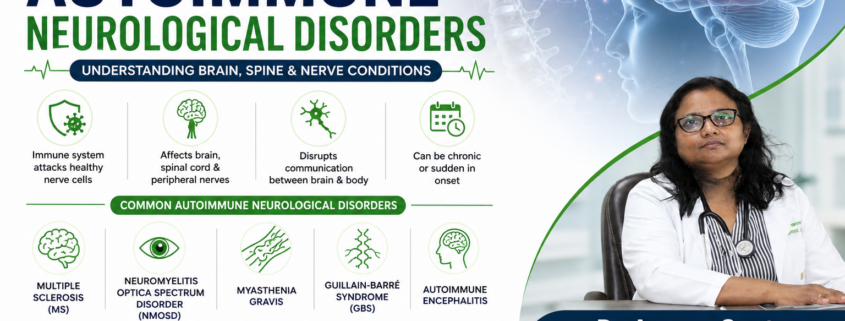
Autoimmune diseases happen when the body’s immune system, which normally protects us from infections, starts attacking healthy cells by mistake. When this problem affects the nervous system, it can impact the brain, spinal cord, and nerves. These conditions are called autoimmune neurological disorders.

In simple terms, the brain sends signals to the body to control movement, thinking, and daily activities. But in conditions like Multiple Sclerosis and Myasthenia Gravis, this communication gets disturbed. This can lead to problems like weakness, poor balance, or difficulty in normal body functions.

Some autoimmune neurological diseases develop slowly over time, while others can appear suddenly and become serious if not treated early. These conditions can affect people of any age, but they are often seen more in young adults and women.

Understanding these disorders is important because early awareness can help people seek medical care on time. With proper diagnosis and treatment, many of these conditions can be managed effectively, improving quality of life.

What Are Autoimmune Neurological Disorders?

Autoimmune neurological disorders are conditions where the body’s immune system mistakenly attacks parts of the nervous system. This includes the brain, spinal cord, and nerves. Instead of protecting the body, the immune system starts damaging important structures that help in movement, thinking, and coordination.

In these disorders, the body produces harmful antibodies that target nerve cells or their protective covering. For example, in Multiple Sclerosis, the immune system damages the myelin (protective layer of nerves), which slows down or blocks signals between the brain and body. In Myasthenia Gravis, the communication between nerves and muscles gets affected, leading to muscle weakness.

These conditions can affect different parts of the nervous system. Some mainly affect the brain, some the spinal cord, and others the peripheral nerves. Because of this, symptoms and severity can vary from person to person.

Understanding how these disorders work helps in identifying them early and managing them better. Early care can prevent complications and improve daily life.

Common Autoimmune Neurological Disorders

There are several types of autoimmune disorders that affect the nervous system. Each condition targets a different part of the body and affects how the brain, spinal cord, or nerves work. Below are the most common disorders explained in simple language with a bit more detail:

1. Multiple Sclerosis (MS)

This condition affects the brain and spinal cord. The immune system attacks the myelin sheath, which is the protective covering around nerve fibers. When this layer gets damaged, the signals between the brain and body become slow or blocked.

People with MS may face problems with balance, coordination, and movement. The condition usually develops slowly and can come in phases, where symptoms improve and then return again. Over time, it can affect daily activities if not managed properly.

2. Neuromyelitis Optica Spectrum Disorder (NMOSD)

NMOSD mainly affects the optic nerves (which control vision) and the spinal cord. It can lead to vision loss, pain in the eyes, and weakness or stiffness in the body.

This condition is often linked with AQP4-IgG antibodies, which attack specific cells in the nervous system. Unlike MS, NMOSD usually occurs in sudden attacks that can be more severe and may cause long-term damage if not treated early.

3. Myasthenia Gravis

In this disorder, the immune system blocks or destroys acetylcholine receptors, which are needed for communication between nerves and muscles. Because of this, muscles do not get proper signals and become weak.

It commonly affects muscles of the eyes, face, and throat, leading to drooping eyelids, difficulty in speaking, chewing, or swallowing. Muscle weakness usually gets worse with activity and improves with rest.

4. Guillain-Barré Syndrome

This condition affects the peripheral nerves, which connect the brain and spinal cord to the rest of the body. The immune system attacks these nerves, leading to weakness that usually starts in the legs and spreads upward.

It often develops quickly, sometimes after a viral or bacterial infection. In severe cases, it can affect breathing muscles, making it a medical emergency. However, with timely treatment, many people recover well.

5. Autoimmune Encephalitis

Autoimmune encephalitis causes inflammation of the brain due to antibodies attacking brain cells. This affects how the brain functions and can lead to confusion, memory problems, and unusual behavior.

Some people may also experience seizures or changes in personality. This condition can progress rapidly, so early diagnosis and treatment are very important to prevent serious complications.

Difference Between Common Autoimmune Disorders

Understanding the differences between these conditions is important because each one affects a different part of the nervous system and behaves in its own way. This also helps in recognizing how serious each condition can be and why early care matters.

  1. Multiple Sclerosis (MS)

MS mainly affects the brain and spinal cord (central nervous system). The immune system damages the myelin sheath, which helps nerve signals travel smoothly. When this layer is damaged, signals slow down or get blocked.

It is usually a chronic condition, meaning it lasts for a long time. Symptoms may come and go (relapses and remissions). Over time, it can gradually affect movement, balance, and coordination. The progression is generally slower compared to some other disorders.

  1. Neuromyelitis Optica Spectrum Disorder (NMOSD)

NMOSD also affects the central nervous system but mainly targets the optic nerves and spinal cord. This makes vision problems and weakness more prominent.

It is strongly linked with AQP4-IgG antibodies, which attack specific cells. Unlike MS, NMOSD usually occurs in sudden and severe attacks rather than gradual progression. These attacks can cause more serious damage in a shorter time if not treated properly.

  1. Myasthenia Gravis

This condition is different from MS and NMOSD because it does not damage the brain or nerves directly. Instead, it affects the communication between nerves and muscles.

The immune system blocks acetylcholine receptors, which are needed for muscle movement. As a result, muscles become weak, especially after repeated use. Weakness often improves with rest. It mainly affects muscles of the eyes, face, and throat, making daily activities like speaking or chewing difficult.

  1. Guillain-Barré Syndrome

GBS affects the peripheral nervous system, which includes nerves outside the brain and spinal cord. The immune system attacks these nerves, leading to weakness that usually starts in the legs and moves upward.

It is usually an acute condition, meaning it develops quickly over days or weeks. In severe cases, it can affect breathing muscles, making it a medical emergency. Unlike MS, many people recover with proper treatment, but early care is very important.

  1. Autoimmune Encephalitis

This condition directly affects the brain, causing inflammation due to harmful antibodies. It mainly impacts brain function, including thinking, memory, and behavior.

Symptoms can appear quickly and may include confusion, personality changes, or seizures. It is considered a serious and urgent condition that requires immediate medical attention. Early treatment can significantly improve outcomes.

Key Difference Summary (Simple View)

  • MS & NMOSD → Affect brain and spinal cord, but NMOSD is more severe and attack-based
  • Myasthenia Gravis → Affects muscle communication, not nerves directly
  • Guillain-Barré Syndrome → Affects peripheral nerves and develops rapidly
  • Autoimmune Encephalitis → Directly affects brain function and behavior

Importance of Early Awareness

Understanding autoimmune neurological disorders at an early stage is very important. These conditions can affect the brain, spinal cord, and nerves, which control almost every function in the body. If they are not recognized on time, they can lead to serious complications and long-term problems.

Many disorders like Multiple Sclerosis or Guillain-Barré Syndrome may start with mild symptoms, but they can gradually worsen or suddenly become severe. Early awareness helps people notice unusual changes in the body and seek medical help before the condition progresses.

Timely medical attention can help in controlling the disease, reducing complications, and improving quality of life. It also allows doctors to start the right treatment at the right time, which can prevent permanent damage in many cases.

Being aware of these conditions also helps individuals and families make better health decisions. Simple steps like not ignoring symptoms, regular check-ups, and consulting a neurologist when needed can make a big difference.

In short, early awareness plays a key role in managing autoimmune neurological disorders and maintaining overall health.

Frequently Asked Questions (FAQs)

1. What causes autoimmune neurological disorders?

Autoimmune neurological disorders happen when the immune system mistakenly attacks healthy nerve cells. This can be due to a mix of genetic factors, infections, and environmental triggers. In many cases, the exact cause is not fully known.

  1. Are autoimmune neurological diseases curable?

Most conditions like Multiple Sclerosis are not completely curable, but they can be managed with proper treatment and care. Early diagnosis helps in controlling the disease and reducing complications.

  1. Which autoimmune disorder affects the brain directly?

Autoimmune Encephalitis directly affects the brain. It causes inflammation and can impact memory, behavior, and thinking ability.

  1. What is the difference between MS and NMOSD?

Multiple Sclerosis affects different parts of the brain and spinal cord, while Neuromyelitis Optica Spectrum Disorder mainly targets the optic nerves and spinal cord and is often more severe.

  1. Is Guillain-Barré Syndrome serious?

Guillain-Barré Syndrome can be serious because it may affect breathing muscles in severe cases. However, with early treatment, many people recover well.

Conclusion

Autoimmune neurological disorders are conditions where the immune system mistakenly attacks parts of the nervous system, including the brain, spinal cord, and nerves. Each disorder—like Multiple Sclerosis, Neuromyelitis Optica Spectrum Disorder, and Myasthenia Gravis—affects the body in a different way, which is why understanding their differences is important.

Some conditions develop slowly over time, while others may appear suddenly and become serious if not treated early. Even though these disorders can be complex, many of them can be managed effectively with the right medical care and timely attention.

Being aware of early signs, understanding how these diseases work, and consulting a neurologist when needed can make a big difference in managing the condition. With proper care and guidance, individuals can maintain a better quality of life and prevent complications.

In simple words, awareness and early action are the key to better outcomes in autoimmune neurological disorders.


Multiple Sclerosis

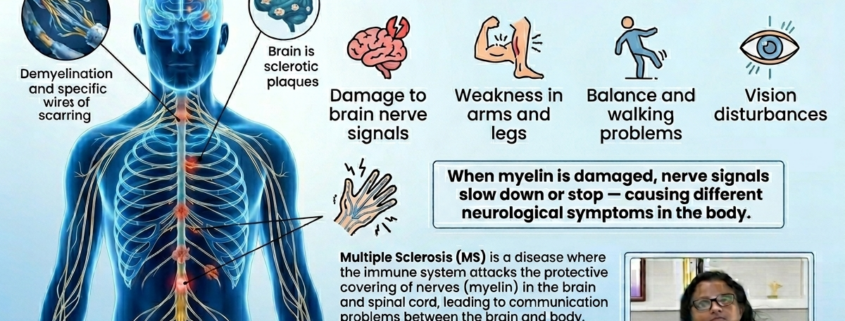
Multiple Sclerosis (MS) is a chronic neurological disorder that affects the central nervous system, mainly the brain and spinal cord. It occurs when the body’s immune system mistakenly attacks the protective covering of nerve fibers called myelin.

Myelin acts like an insulating layer that helps electrical signals travel smoothly between the brain and the rest of the body. When it gets damaged, communication between the brain and body becomes disrupted, leading to a wide range of neurological symptoms.

Understanding how Multiple Sclerosis affects the brain and spinal cord is important because these two vital organs control almost every function of the human body, including movement, sensation, thinking, and coordination.

2. What Happens in Multiple Sclerosis

2.1 Immune System Malfunction

In Multiple Sclerosis, the immune system mistakenly starts attacking the body’s own central nervous system. Instead of protecting the body, it targets healthy nerve tissues in the brain and spinal cord.

2.2 Damage to Myelin Sheath

The immune attack mainly damages myelin, the protective covering around nerve fibers. Myelin is essential for smooth and fast transmission of nerve signals. When it gets damaged, communication between the brain and body becomes disturbed.

2.3 Formation of Scar Tissue (Sclerosis)

As the myelin is destroyed, the body tries to repair the damage, but this leads to the formation of hardened scar tissue called sclerosis. These scars can develop in multiple areas of the brain and spinal cord.

2.4 Disrupted Nerve Communication

Due to damage and scarring, nerve signals become slow, weak, or completely blocked. This disruption is the main cause of various neurological symptoms seen in Multiple Sclerosis patients.

3. Impact on the Brain

3.1 Damage to Brain Nerve Pathways

Multiple Sclerosis affects the brain by damaging the myelin sheath around nerve fibers. This disrupts the normal flow of signals within different parts of the brain, making communication less efficient.

3.2 Cognitive and Memory Problems

When the brain is affected, a person may experience difficulties with memory, concentration, and thinking speed. Simple tasks may take longer to process, and mental clarity can be reduced.

3.3 Emotional and Mood Changes

MS can also impact emotional health. Patients may experience mood swings, anxiety, irritability, or depression due to changes in brain activity and the stress of living with a chronic condition.

3.4 Fatigue and Mental Exhaustion

One of the most common brain-related symptoms is severe fatigue. This is not just physical tiredness but also mental exhaustion that can interfere with daily activities and focus.

4. Impact on the Spinal Cord

Multiple Sclerosis affects the spinal cord, which carries signals between the brain and the rest of the body. When these signals get disturbed, a person may feel weakness in the arms or legs, making it hard to walk, hold things, or do daily activities.

It can also affect balance and coordination, so the person may feel unsteady while walking or may fall easily. Many patients also feel unusual sensations like numbness, tingling, or a burning feeling in different parts of the body. In some cases, muscles can become stiff or may have sudden spasms, which can cause discomfort and make movement difficult.

5. Common Symptoms of Multiple Sclerosis

Multiple Sclerosis can cause a wide range of symptoms because it affects the brain and spinal cord, which control almost all body functions. One of the most common symptoms is severe fatigue, where a person feels extremely tired even after proper rest. This tiredness can affect both physical strength and mental focus, making daily tasks more challenging.

  • Severe fatigue: Extreme tiredness that does not improve easily with rest
  • Muscle weakness: Difficulty in movement, especially in arms and legs
  • Vision problems: Blurred vision, double vision, or eye pain
  • Balance and coordination issues: Trouble walking steadily or maintaining body balance
  • Numbness and tingling: Unusual sensations like pins and needles in the body
  • Bladder and bowel problems: Frequent urge to urinate or loss of control
  • Muscle stiffness and spasms: Tight or painful muscles that restrict movement

These symptoms may come and go or gradually worsen over time depending on the progression of the disease.

6. Disease Progression

Multiple Sclerosis affects each person differently, and its progress is not the same in everyone. In many cases, the disease comes in episodes. Sometimes symptoms suddenly get worse, and after some time they may improve or even disappear for a while. This pattern is called the relapsing-remitting type of MS.

In some people, the symptoms slowly get worse over time without clear improvement. This is known as a progressive form of Multiple Sclerosis. In this condition, problems like weakness, walking difficulty, and balance issues may gradually increase.

The speed of progression can vary from person to person. Some people may live for many years with mild symptoms, while others may experience faster changes. Early diagnosis, proper treatment, and regular care can help slow down the disease and improve daily life.

7. Diagnosis and Neurological Evaluation

7.1 Medical History and Symptom Check

Multiple Sclerosis is first suspected when a patient reports symptoms like weakness, vision problems, or balance issues. A neurologist carefully studies the medical history and understands how and when the symptoms started.

7.2 Neurological Examination

Doctors perform a physical and neurological check to test balance, coordination, reflexes, vision, and muscle strength. This helps in understanding how much the nervous system is affected.

7.3 MRI Scan

An MRI scan is one of the most important tests for MS. It helps doctors see damaged areas or scars in the brain and spinal cord where myelin has been affected.

7.4 Other Tests

In some cases, additional tests are done to confirm Multiple Sclerosis and rule out other diseases that may have similar symptoms. Along with blood tests and spinal fluid analysis, doctors may also recommend specific neurological tests.

Cerebrospinal fluid (CSF) test is used to check for oligoclonal bands, which indicate abnormal immune activity in the central nervous system. This helps support the diagnosis of MS.

Other important tests include VEP (Visual Evoked Potential), which checks how the brain responds to visual signals and helps detect problems in the optic nerve. BAER (Brainstem Auditory Evoked Response) is another test that evaluates how sound signals travel through the brainstem, helping to identify nerve pathway damage.

These tests together provide a clearer picture of nervous system function and help doctors make an accurate diagnosis.

7.5 Importance of Early Diagnosis

Early detection of Multiple Sclerosis is very important. It helps in starting treatment early, slowing down the disease, and improving the patient’s quality of life.

8. Treatment and Management

8.1 Medicines for MS

Multiple Sclerosis is managed with medicines that help control the immune system and reduce inflammation in the brain and spinal cord. These medicines can also help reduce the number and intensity of symptoms.

8.2 Physiotherapy and Exercise

Physiotherapy and regular exercise are important to improve muscle strength, balance, and movement. Simple physical activities can help patients stay active and independent in daily life.

8.3 Lifestyle Changes

Healthy lifestyle habits like a balanced diet, proper sleep, stress control, and avoiding fatigue play an important role in managing MS symptoms and improving overall health.

8.4 Supportive Therapies

In some cases, counseling, occupational therapy, and emotional support are helpful. These therapies help patients deal with daily challenges and improve their quality of life.

9. Frequently Asked Questions (FAQ)

Q1. What is Multiple Sclerosis in simple words?

Multiple Sclerosis is a long-term neurological disease where the body’s immune system mistakenly attacks the protective covering of nerves in the brain and spinal cord. This damage affects how signals travel between the brain and the body, leading to problems with movement, vision, balance, and other body functions.

Q2. What causes Multiple Sclerosis?

The exact cause of Multiple Sclerosis is still not fully known. However, it is believed to develop due to a combination of immune system malfunction, genetic factors, and environmental triggers. In this condition, the immune system attacks healthy nerve tissues by mistake, which leads to inflammation and damage in the central nervous system.

Q3. Is Multiple Sclerosis a serious disease?

Yes, Multiple Sclerosis is considered a serious neurological condition because it affects the brain and spinal cord. However, its severity varies from person to person. With early diagnosis, regular treatment, and proper care, many people are able to manage symptoms and continue living an active and meaningful life.

Q4. Can Multiple Sclerosis be cured?

At present, there is no permanent cure for Multiple Sclerosis. But there are many treatment options available that help control the immune system, reduce inflammation, slow disease progression, and manage symptoms. With proper medical support, patients can significantly improve their quality of life.

Q5. Who is more likely to get MS?

Multiple Sclerosis is more commonly seen in young adults, especially between the ages of 20 and 40. It is also more common in women compared to men. People with a family history of autoimmune diseases may have a slightly higher risk of developing MS.

Q6. How is MS treated?

Treatment of Multiple Sclerosis includes medications to control the immune system and reduce relapses. Along with this, physiotherapy, regular exercise, a healthy diet, stress management, and lifestyle changes are very important. In some cases, additional supportive therapies like counseling and occupational therapy are also recommended to help patients cope better with daily challenges.

10. Conclusion

Multiple Sclerosis is a long-term neurological condition that mainly affects the brain and spinal cord. It disturbs the normal communication between the brain and the body, which leads to symptoms like weakness, vision problems, balance issues, and fatigue. Although the disease can vary from mild to severe, its impact depends on how much the nervous system is affected.

There is currently no permanent cure for Multiple Sclerosis, but it can be effectively managed with proper medical treatment, regular follow-ups, and a healthy lifestyle. Early diagnosis plays a very important role in slowing down the progression of the disease and improving daily functioning.

With the right care, support, and awareness, many people with MS are able to lead a better and more comfortable life. Regular neurological consultation and timely treatment are key to managing this condition in a positive way.


Autoimmune neurological disorders

The immune system plays a crucial role in protecting the body from harmful invaders such as bacteria, viruses, and toxins. However, in autoimmune diseases with neurological involvement, this protective system can become misdirected and begin attacking the body’s own nervous system. When this happens, it can affect the brain, spinal cord, and peripheral nerves, leading to conditions that require expert neurological care.

Imagine your body’s defense system mistakenly targeting the very network that controls movement, sensation, and coordination. This is what can happen in autoimmune neurological disorders. These conditions may affect the brain, nerves, or spinal cord, leading to symptoms such as weakness, numbness, balance issues, memory problems, or chronic fatigue. In many cases, the early signs are subtle and may be overlooked, making timely diagnosis difficult but very important.

With the rising awareness of autoimmune neurological conditions, it has become essential to recognize early warning signs and seek specialist consultation. Understanding how the immune system can affect the nervous system helps in early intervention, better management, and improved long-term outcomes under proper neurological care.

What Are Autoimmune Neurological Disorders?

Autoimmune neurological disorders are conditions in which the body’s immune system mistakenly attacks healthy tissues of the nervous system, including the brain, spinal cord, and peripheral nerves. Normally, the immune system protects the body from infections and harmful substances. However, in these conditions, this defense mechanism becomes misdirected and targets nerve cells and neural pathways, leading to inflammation and neurological damage.

  • The immune system attacks the brain, spinal cord, or nerves instead of protecting them
  • Leads to inflammation that affects neurological function
  • Can interfere with communication between the brain and body

These disorders can present in different ways depending on which part of the nervous system is affected. Some conditions may primarily impact movement and coordination, while others may affect sensation, vision, memory, or cognitive function. Symptoms often develop gradually and may vary in intensity, which can make early diagnosis challenging.

  • Some conditions affect motor function, others affect sensation or cognition
  • Symptoms may fluctuate or progress over time
  • Early neurological signs are often subtle and overlooked

Unlike typical immune responses that resolve after eliminating a threat, autoimmune attacks on the nervous system can become chronic. This ongoing inflammation can disrupt normal neurological function and may require long-term specialist care and management under a neurologist for better outcomes.

Common Types of Autoimmune Neurological Disorders

Autoimmune neurological disorders are conditions in which the immune system mistakenly attacks the nervous system, including the brain, spinal cord, and peripheral nerves. These disorders can affect movement, sensation, cognition, and overall neurological function. Understanding the most common types helps in early recognition and timely neurological consultation.

Multiple Sclerosis & Neuromyelitis Optica

One of the most well-known autoimmune neurological conditions is Multiple Sclerosis (MS), where the immune system attacks the protective covering of nerve fibers in the brain and spinal cord. This leads to problems with vision, balance, coordination, and muscle strength. Neuromyelitis Optica (NMO) is a related condition that primarily affects the optic nerves and spinal cord, often causing vision loss and severe weakness or paralysis in some cases.

Myasthenia Gravis & Guillain-Barré Syndrome

Myasthenia Gravis is an autoimmune disorder that affects the communication between nerves and muscles, leading to muscle weakness that often worsens with activity. Guillain-Barré Syndrome (GBS) is another serious condition where the immune system attacks peripheral nerves, causing sudden weakness, tingling, and in severe cases, paralysis that requires urgent medical care.

Autoimmune Encephalitis and Other Conditions

Autoimmune Encephalitis is a condition in which the immune system attacks the brain, leading to symptoms such as memory loss, seizures, confusion, and behavioral changes. Other neurological autoimmune disorders may affect different parts of the nervous system, resulting in a wide range of symptoms depending on the area involved.

Neurological Signs Your Immune System May Be Attacking You

Autoimmune neurological disorders often develop slowly, and early symptoms can be subtle or mistaken for stress, fatigue, or other common conditions. Because the immune system may attack the brain, spinal cord, or nerves, the signs can vary widely. Recognizing these early neurological warning signals is important for timely diagnosis and treatment by a neurologist.

Persistent Fatigue and Brain Fog

One of the earliest signs can be ongoing fatigue that does not improve with rest. Along with physical tiredness, many individuals also experience brain fog, difficulty concentrating, memory issues, or reduced mental clarity. These symptoms can affect work performance and daily functioning.

Weakness, Numbness, and Tingling

When the immune system affects the nerves, it can lead to unusual sensations such as tingling, numbness, or weakness in different parts of the body. These symptoms may start mildly in the hands or feet and gradually spread, sometimes affecting balance and coordination.

Vision and Balance Problems

Some autoimmune neurological conditions can impact the optic nerves or brain pathways, leading to blurred vision, double vision, or even temporary vision loss. Patients may also experience dizziness, loss of balance, or difficulty walking steadily.

Headaches, Seizures, and Cognitive Changes

In more serious cases, inflammation in the brain can lead to frequent headaches, seizures, confusion, or sudden changes in behavior and cognition. These symptoms should never be ignored, as they may indicate significant neurological involvement requiring urgent medical attention.


What Causes Autoimmune Neurological Disorders?

The exact cause of autoimmune neurological disorders is not always fully understood, but they are believed to result from a combination of genetic, environmental, and immune-related factors. In these conditions, the immune system becomes misdirected and mistakenly attacks the nervous system, including the brain, spinal cord, or peripheral nerves, leading to inflammation and neurological dysfunction.

Genetic Susceptibility

Genetics can play an important role in increasing the risk of autoimmune neurological diseases. Individuals with a family history of autoimmune or neurological conditions may have a higher susceptibility due to inherited immune system variations. However, genetics alone are not enough to cause the disease; they mainly increase vulnerability when combined with other triggers.

Environmental Triggers

Environmental factors can activate abnormal immune responses in genetically predisposed individuals. Exposure to infections, toxins, pollutants, or certain chemicals may disturb immune regulation and trigger attacks on nervous system tissues. In some cases, even previous infections can act as a starting point for neurological autoimmune reactions.

Infections and Immune Misfiring

Certain viral or bacterial infections are strongly linked to autoimmune neurological conditions. During infection, the immune system may mistakenly identify nerve tissues as harmful due to similarities in structure, a process known as molecular mimicry. This can lead to ongoing immune attacks even after the infection has been cleared.

Stress and Lifestyle Influences

Chronic stress, lack of sleep, poor nutrition, and unhealthy lifestyle habits can weaken immune balance and increase inflammation in the body. Over time, these factors may contribute to immune dysregulation, making the nervous system more vulnerable to autoimmune attacks or worsening existing neurological symptoms.

Hormonal and Immune System Imbalance

Hormonal changes, particularly in women, may influence immune activity and contribute to autoimmune neurological disorders. Fluctuations during puberty, pregnancy, or menopause can affect immune regulation and may increase the risk of developing or worsening neurological symptoms in susceptible individuals.

Risk Factors for Autoimmune Neurological Disorders

Autoimmune neurological disorders can affect anyone, but certain factors may increase the risk of developing conditions that impact the brain, spinal cord, or peripheral nerves. Understanding these risk factors is important for early awareness, timely neurological evaluation, and better disease management. While not all risks can be avoided, identifying them can support earlier diagnosis and improved outcomes under a neurologist’s care.

General Risk Awareness

Autoimmune neurological conditions often develop due to a combination of factors rather than a single cause. Being aware of early neurological symptoms and risk factors can help in seeking timely medical attention before significant nerve damage occurs.

  • Risk is usually due to multiple combined factors
  • Early recognition improves treatment outcomes
  • Neurological evaluation is important in suspected cases

Gender Differences

Women are generally more prone to autoimmune neurological disorders compared to men. Hormonal influences, especially estrogen, may affect immune system regulation and increase susceptibility to conditions that impact the nervous system.

  • Higher incidence in females than males
  • Hormonal changes may influence immune activity
  • More common during reproductive years

Family History and Genetic Susceptibility

A family history of autoimmune or neurological disorders can increase the likelihood of developing similar conditions. Genetic factors may influence how the immune system responds, making some individuals more vulnerable to nerve and brain inflammation.

  • Family history increases risk of autoimmune neurological diseases
  • Genetic predisposition affects immune response regulation
  • Not guaranteed but increases susceptibility

Age and Immune System Changes

Autoimmune neurological disorders can occur at any age but are often seen in young to middle-aged adults. In some cases, symptoms may begin subtly and progress slowly, making early detection important for preventing long-term neurological complications.

  • Common in young and middle-aged individuals
  • Can also affect children and older adults
  • Symptoms may progress gradually over time

Lifestyle and Environmental Triggers

Environmental exposures and lifestyle habits can influence immune system balance and potentially trigger neurological autoimmune responses. Infections, stress, poor sleep, smoking, and exposure to toxins may all contribute to disease development or worsening of symptoms.

  • Infections may trigger immune misfiring in nerves
  • Chronic stress can worsen neurological inflammation
  • Poor lifestyle habits may increase disease severity 

Diagnosis: How Are Autoimmune Neurological Disorders Detected?

Diagnosing autoimmune neurological disorders can be complex because their symptoms often overlap with other neurological or general health conditions. These disorders may affect the brain, spinal cord, or peripheral nerves, and symptoms can develop slowly or fluctuate over time. This makes early identification challenging, so a detailed neurological evaluation is essential for accurate diagnosis and timely treatment.

  • Symptoms may mimic other neurological or systemic diseases
  • Early detection helps prevent long-term nerve damage
  • Multiple tests and evaluations are often required

Neurological History and Clinical Evaluation

A neurologist usually begins the diagnosis by taking a detailed medical and neurological history. This includes understanding symptoms such as weakness, numbness, vision changes, memory issues, or balance problems. The doctor may also evaluate symptom patterns, progression, and any family history of autoimmune or neurological disorders.

  • Detailed symptom history helps identify neurological patterns
  • Family history may indicate genetic susceptibility
  • Clinical examination assesses brain and nerve function

Blood Tests and Immune Marker Analysis

Blood tests are commonly used to detect abnormal antibodies that may be attacking the nervous system. These tests also help measure inflammation levels and identify immune system activity that could be affecting neurological tissues.

  • Detects autoimmune antibodies linked to nerve damage
  • Measures inflammation in the body
  • Helps assess overall immune system activity

Brain and Nerve Diagnostic Tests

In many cases, advanced neurological tests are required to confirm the diagnosis. MRI scans, CT scans, nerve conduction studies, and sometimes lumbar puncture (spinal fluid analysis) help identify inflammation, nerve damage, or abnormal brain activity.

  • MRI helps detect brain and spinal cord inflammation
  • Nerve conduction studies assess nerve function
  • Spinal fluid tests can reveal immune activity in the CNS

Why Diagnosis Can Be Challenging

Autoimmune neurological disorders are often difficult to diagnose because symptoms vary widely from person to person and may resemble other conditions. In some cases, it may take multiple consultations and repeated testing before a clear diagnosis is confirmed.

  • Symptoms may fluctuate or progress slowly
  • Similar signs appear in multiple neurological conditions
  • Diagnosis often requires specialist evaluation and time

Treatment Options for Autoimmune Neurological Disorders

While autoimmune neurological disorders cannot usually be completely cured, they can be effectively managed with timely diagnosis and the right treatment approach under a neurologist’s care. The main goals of treatment are to reduce inflammation in the nervous system, control the overactive immune response, prevent further nerve damage, and improve overall neurological function and quality of life.

Immunotherapy and Immune System Control

Treatment often involves medications that regulate or suppress the immune system to prevent it from attacking the brain, spinal cord, or peripheral nerves. Depending on the condition and severity, neurologists may prescribe corticosteroids, immunosuppressants, or disease-modifying therapies to control disease activity and reduce neurological damage.

Managing Neurological Symptoms

Symptom management is an important part of treatment, especially in conditions that affect movement, sensation, or cognition. Medications may be used to control muscle weakness, nerve pain, seizures, stiffness, or coordination problems, helping patients maintain daily functioning and independence.

Rehabilitation and Supportive Therapy

In many cases, rehabilitation therapies such as physiotherapy, occupational therapy, or speech therapy are recommended to improve mobility, strength, balance, and communication skills. These therapies help patients recover lost function and adapt to neurological challenges more effectively.

Lifestyle Support and Long-Term Care

Healthy lifestyle habits also support neurological health and recovery. Adequate rest, balanced nutrition, stress management, and avoiding triggers such as infections or excessive fatigue can help reduce symptom flare-ups and improve overall stability.

Regular Neurological Monitoring

Ongoing follow-up with a neurologist is essential for long-term management. Regular assessments help track disease progression, adjust medications, and identify any new neurological changes early. This ensures better control of symptoms and reduces the risk of long-term complications.

Living with Autoimmune Neurological Disorders

Living with autoimmune neurological disorders can be challenging, as these conditions often require long-term care and continuous management under a neurologist’s guidance. Since the nervous system is involved, symptoms may affect movement, balance, memory, vision, or daily functioning. With proper treatment, lifestyle adjustments, and support, many individuals can still maintain a stable and meaningful quality of life.

Managing Daily Neurological Symptoms

One of the most important aspects of living with these conditions is learning how to manage daily neurological symptoms effectively. Patients may experience fatigue, muscle weakness, numbness, coordination problems, or cognitive difficulties. Creating a structured daily routine, taking prescribed medications regularly, and pacing activities can help reduce symptom impact and improve daily functioning.

Emotional and Mental Well-Being

Chronic neurological conditions can also affect emotional health, leading to stress, anxiety, or mood changes. These emotional challenges are common when dealing with long-term symptoms that affect independence and lifestyle. Stress management techniques, relaxation exercises, and psychological support can play an important role in overall recovery and stability.

Healthy Lifestyle for Neurological Support

Maintaining a healthy lifestyle is essential for supporting brain and nerve health. A balanced diet, proper hydration, regular light physical activity, and adequate sleep can help improve energy levels and reduce symptom flare-ups. Avoiding triggers such as stress, infections, and extreme fatigue is also important in long-term management.

Support System and Long-Term Care

A strong support system involving family, caregivers, and healthcare professionals can significantly improve coping ability. Regular follow-ups with a neurologist ensure proper monitoring of disease progression and timely adjustments in treatment. Being informed about the condition also helps patients make better decisions and actively participate in their care journey.

When Should You See a Neurologist?

Recognizing the right time to seek medical help is very important in autoimmune neurological disorders. Since symptoms often develop slowly and may resemble stress, fatigue, or other common conditions, they are frequently ignored in the early stages. However, delaying neurological evaluation can lead to progression of nerve, brain, or spinal cord involvement and more serious complications over time.

Persistent and Unexplained Neurological Symptoms

If you experience ongoing symptoms such as unexplained weakness, numbness, tingling, balance problems, vision changes, or persistent fatigue that does not improve, it may indicate a neurological autoimmune condition. Symptoms that continue for weeks or repeatedly return should be evaluated by a neurologist without delay.

Symptoms Affecting Daily Functioning

When neurological symptoms begin to interfere with daily life—such as difficulty walking, performing routine tasks, concentrating, or maintaining coordination—it is important to seek medical attention. These signs often suggest that the nervous system may be involved and requires specialist care.

Progressive or Recurring Symptoms

If symptoms gradually worsen over time or keep coming back in episodes, it may point toward an underlying autoimmune process affecting the nervous system. Early neurological consultation can help slow disease progression and prevent long-term damage.

Importance of Early Neurological Diagnosis

Timely consultation with a neurologist is crucial for accurate diagnosis and effective management. Early detection helps control inflammation, protect nerve function, and improve long-term outcomes. Prompt treatment can significantly reduce complications and support better recovery and quality of life.

Frequently Asked Questions (FAQs)

What are autoimmune neurological disorders?

Autoimmune neurological disorders occur when the immune system mistakenly attacks the nervous system, including the brain, spinal cord, or peripheral nerves. This leads to inflammation and disruption of normal nerve function, which can affect movement, sensation, vision, memory, and overall coordination.

What are the common symptoms of autoimmune neurological diseases?

Common symptoms include persistent fatigue, numbness, tingling, muscle weakness, balance problems, vision disturbances, memory issues, and difficulty concentrating. These symptoms may develop gradually and can vary depending on which part of the nervous system is affected, often making early detection challenging.

What causes autoimmune neurological disorders?

These conditions are usually caused by a combination of genetic susceptibility, environmental triggers, infections, and immune system imbalance. In some cases, viral or bacterial infections may confuse the immune system, leading it to attack healthy nerve tissues, brain cells, or spinal cord structures.

Can autoimmune neurological disorders be cured?

Most autoimmune neurological disorders cannot be completely cured, but they can be effectively managed. Treatment focuses on controlling inflammation, regulating the immune response, and preventing further nerve damage. With timely medical care and long-term management, many patients can improve their symptoms and quality of life.

When should I see a neurologist?

You should consult a neurologist if you experience persistent neurological symptoms such as unexplained weakness, numbness, balance issues, vision problems, seizures, or memory changes. Early evaluation is important for accurate diagnosis, timely treatment, and preventing long-term neurological complications.

Conclusion

Autoimmune neurological disorders are complex conditions in which the immune system mistakenly attacks the nervous system, including the brain, spinal cord, or peripheral nerves. This can lead to a wide range of neurological symptoms such as weakness, numbness, balance issues, vision problems, and cognitive changes. These conditions often develop gradually, making early recognition and diagnosis challenging but extremely important.

Understanding the causes, risk factors, symptoms, and treatment options can help patients and caregivers take timely action and seek proper neurological care. While most autoimmune neurological disorders may not have a complete cure, they can be effectively managed with medications, rehabilitation, and long-term monitoring under a neurologist’s supervision.

Most importantly, paying attention to early neurological signs and not ignoring persistent or unusual symptoms can make a significant difference in outcomes. Early diagnosis, consistent treatment, and a strong support system can help protect neurological function, improve quality of life, and support long-term stability.