Tag Archive for: Neurologist in Delhi

best brain specialist in Delhi

Keeping your brain healthy is one of the most important steps you can take to enjoy a better quality of life as you age. While growing older brings natural changes to the body and mind, there are many ways to support brain function and stay mentally active for years to come. If you have concerns about memory, concentration, or other neurological symptoms, seeking advice from the best brain specialist in Delhi can help you understand your brain health and take preventive measures.

As we age, it is normal to experience minor changes in memory and thinking speed. However, significant memory loss, confusion, or difficulty performing daily activities should not be considered a normal part of aging. Adopting healthy habits can help lower the risk of conditions such as stroke, dementia, and cognitive decline.

Simple lifestyle choices, including regular exercise, a balanced diet, quality sleep, stress management, and staying socially engaged, can have a positive impact on brain health. By understanding how the brain changes with age and taking proactive steps to protect it, you can improve your chances of maintaining mental sharpness and independence throughout your later years.

Understanding Brain Aging

What Happens to the Brain as We Age?

Aging is a natural process, and the brain also undergoes certain changes over time. As people grow older, they may notice that it takes a little longer to recall information, remember names, or learn new skills. These small changes are often a normal part of aging and do not usually affect a person’s ability to live independently.

The brain may gradually shrink in size with age, and communication between brain cells can become less efficient. As a result, memory, attention, and thinking speed may not be as sharp as they were in younger years. However, this does not mean that serious memory loss is inevitable. Healthy lifestyle habits can help support brain function and cognitive health throughout life.

Normal Aging vs. Neurological Disorders

It is important to distinguish between normal age-related changes and symptoms of a neurological disorder. Occasionally forgetting where you placed your keys is usually normal. However, frequently getting lost in familiar places, forgetting important events, or struggling with daily activities may indicate an underlying problem.

If you notice persistent memory issues or cognitive decline, consulting the best brain specialist in Delhi can help determine whether the symptoms are related to normal aging or a neurological condition that requires medical attention.

1. Stay Physically Active

How Exercise Benefits Brain Health

Regular physical activity is one of the most effective ways to keep your brain healthy as you age. Exercise increases blood flow to the brain, which helps deliver oxygen and nutrients that brain cells need to function properly. It also supports the growth of new neural connections and may help reduce the risk of cognitive decline, stroke, and other neurological conditions.

Research has shown that people who stay physically active often have better memory, concentration, and problem-solving abilities compared to those with a sedentary lifestyle. Exercise can also help control important risk factors such as high blood pressure, diabetes, obesity, and high cholesterol, all of which can negatively affect brain health.

Best Exercises for Older Adults

You do not need intense workouts to support brain function. Simple activities such as brisk walking, cycling, swimming, yoga, stretching, and light strength training can provide significant benefits. The key is to stay consistent and choose activities that are safe and enjoyable.

If you have existing neurological concerns or are at risk of stroke, consulting the best brain specialist in Delhi can help you understand which physical activities are most suitable for your overall brain and neurological health.

2. Follow a Brain-Healthy Diet

Foods That Support Brain Function

What you eat can have a significant impact on your brain health. A balanced and nutritious diet provides the vitamins, minerals, and antioxidants needed to support memory, concentration, and overall cognitive function. Eating a variety of fruits, vegetables, whole grains, nuts, seeds, and healthy fats can help protect brain cells from damage and support healthy aging.

Foods rich in omega-3 fatty acids, such as fish, walnuts, and flaxseeds, are particularly beneficial for brain health. Leafy green vegetables, berries, and foods containing vitamins B, C, D, and E may also help support memory and cognitive performance. Staying well-hydrated is equally important, as even mild dehydration can affect concentration and mental alertness.

Foods to Limit

To maintain a healthy brain, it is advisable to limit processed foods, sugary beverages, excessive salt, and foods high in unhealthy fats. These foods may contribute to inflammation, high blood pressure, and other health conditions that can increase the risk of cognitive decline and stroke.

Diet is just one part of maintaining cognitive wellness as you age. If you experience persistent memory problems, difficulty concentrating, or other neurological symptoms, seeking guidance from the best brain specialist in Delhi can help identify potential concerns and provide appropriate recommendations for long-term brain health.

3. Keep Your Mind Active

Mental Activities That Strengthen the Brain

Just as physical exercise helps keep the body fit, mental exercise helps keep the brain active and healthy. Engaging in activities that challenge your mind can improve memory, concentration, and problem-solving skills. It may also help slow down age-related cognitive decline and support overall brain function.

Simple activities such as reading books, solving puzzles, playing chess, learning a new language, or developing a new hobby can stimulate different parts of the brain. These activities encourage the brain to form new connections, which can help maintain cognitive abilities as you age. Even small daily challenges, such as trying a new recipe or taking a different route during a walk, can keep the mind engaged.

Lifelong Learning Matters

Learning should not stop with age. Continuing to gain new knowledge and skills can boost confidence and support mental well-being. Staying curious and mentally engaged can help improve focus and keep the brain working efficiently. Many experts, including the best brain specialist in Delhi, recommend regular mental stimulation as an important part of maintaining long-term cognitive health.

If you notice increasing forgetfulness, difficulty completing familiar tasks, or changes in thinking abilities, it is important to seek medical advice. Early evaluation can help identify potential neurological concerns and support better brain health outcomes.

4. Prioritize Quality Sleep

Why Sleep Is Essential for Brain Health

Getting enough quality sleep is important for maintaining a healthy brain at every stage of life, especially as you age. During sleep, the brain processes information, stores memories, and removes waste products that build up throughout the day. Poor sleep can affect concentration, learning, mood, and overall cognitive function.

Some key benefits of quality sleep include:

  • Supports memory and learning
  • Improves concentration and focus
  • Helps regulate mood and emotions
  • Allows the brain to remove harmful waste products
  • Supports overall cognitive function
  • May reduce the risk of cognitive decline

Studies have shown that long-term sleep deprivation may increase the risk of memory problems, cognitive decline, and certain neurological disorders. Adults should aim for 7 to 9 hours of quality sleep each night to support optimal brain health.

Tips for Better Sleep

Simple lifestyle changes can help improve sleep quality, such as:

  • Maintain a regular sleep schedule
  • Avoid caffeine late in the day
  • Limit screen time before bedtime
  • Keep your bedroom quiet and comfortable
  • Exercise regularly during the day
  • Avoid heavy meals close to bedtime

Sleep problems should not be ignored, especially if they are frequent or affect daily life. According to the best brain specialist in Delhi, addressing sleep issues early can help protect cognitive function and support long-term brain health as you age.

5. Manage Stress Effectively

How Chronic Stress Affects the Brain

Stress is a normal part of life, but when it continues for a long time, it can affect both physical and mental health. Chronic stress causes the body to release stress hormones that may interfere with memory, concentration, and emotional well-being. Over time, high stress levels can make it harder to focus, remember information, and perform everyday tasks efficiently.

Research suggests that long-term stress may also increase the risk of sleep disturbances, anxiety, depression, and cognitive decline. Since the brain and body are closely connected, managing stress is an important part of maintaining overall neurological health. Reducing stress can help improve mental clarity, emotional balance, and quality of life.

Healthy Ways to Manage Stress

There are many simple ways to manage stress and support brain health. Regular physical activity, meditation, deep breathing exercises, spending time with loved ones, and pursuing enjoyable hobbies can all help reduce stress levels. Getting enough sleep and maintaining a healthy daily routine can also improve emotional well-being and cognitive function.

According to the best brain specialist in Delhi, effective stress management plays an important role in protecting brain health as you age. Making time for relaxation and self-care can help keep your mind active, focused, and resilient in the long run.

6. Stay Socially Connected

Why Social Connections Matter for Brain Health

Staying socially connected is an important part of maintaining brain health as you age. Regular interaction with family members, friends, neighbors, and community groups helps keep the mind active and engaged. Meaningful conversations, shared experiences, and social activities stimulate different areas of the brain, supporting memory, communication skills, and emotional well-being. Studies have shown that people who maintain strong social relationships are less likely to experience feelings of loneliness, depression, and cognitive decline. Social engagement also encourages mental stimulation, which can help preserve cognitive function and improve overall quality of life.

Ways to Stay Socially Active

Whether it is spending time with loved ones, participating in community events, joining a hobby group, or volunteering, staying connected can have a positive impact on both mental and emotional health. Maintaining social relationships provides opportunities to learn new things, share experiences, and stay mentally engaged. As recommended by the best brain specialist in Delhi, maintaining an active social life should be considered an important part of a healthy lifestyle. Even small social interactions can help keep the brain engaged, reduce stress, and support healthy aging, allowing individuals to remain mentally sharp and emotionally balanced for longer.

7. Control Medical Conditions

Why Managing Health Conditions Is Important for Brain Health

Several medical conditions can affect brain health if they are not properly managed. High blood pressure, diabetes, high cholesterol, obesity, and heart disease can damage blood vessels and reduce blood flow to the brain. Over time, this may increase the risk of stroke, memory problems, and cognitive decline. Many of these conditions develop gradually and may not cause noticeable symptoms in the early stages, which is why regular health checkups are important.

Taking prescribed medications, following a healthy diet, staying physically active, and monitoring your health regularly can help keep these conditions under control. Managing underlying health issues not only benefits your overall well-being but also helps protect brain function as you age.

The Importance of Regular Health Checkups

Routine medical examinations can help detect potential health concerns before they become serious. Early diagnosis and treatment often reduce the risk of complications that may affect the brain. Healthcare professionals, including the best brain specialist in Delhi, emphasize the importance of preventive care and regular monitoring for maintaining long-term cognitive health. By keeping medical conditions under control and making healthy lifestyle choices, you can significantly reduce the risk of age-related neurological problems and support healthy brain aging.

8. Protect Your Brain From Stroke

Know the Warning Signs of Stroke

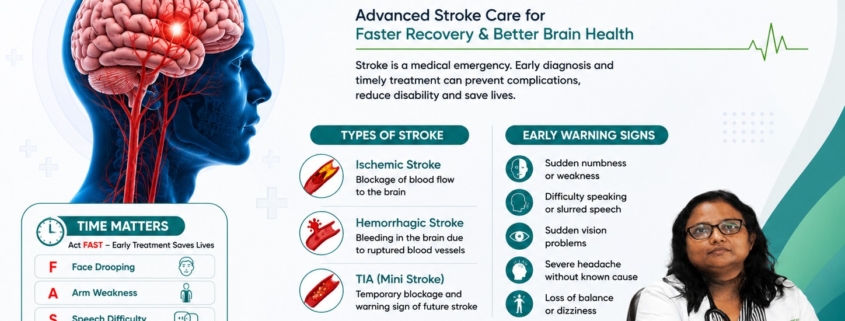
Stroke is one of the leading causes of disability and can have a significant impact on brain health. It occurs when the blood supply to a part of the brain is interrupted or when a blood vessel in the brain bursts. Without immediate treatment, brain cells can begin to die within minutes. Recognizing the warning signs of stroke and seeking emergency medical care can make a major difference in recovery and long-term outcomes.

Common warning signs of stroke include:

  • Sudden weakness or numbness in the face, arm, or leg, especially on one side of the body
  • Difficulty speaking or understanding speech
  • Facial drooping
  • Sudden blurred or loss of vision
  • Loss of balance or coordination
  • Severe dizziness
  • Sudden, severe headache with no known cause

The FAST method can help identify a stroke quickly:

  • F – Face drooping
  • A – Arm weakness
  • S – Speech difficulty
  • T – Time to seek emergency medical help

Why Immediate Medical Attention Matters

When a stroke occurs, every minute counts. Early treatment can help reduce brain damage and improve recovery outcomes. Managing risk factors such as high blood pressure, diabetes, high cholesterol, smoking, and obesity can also lower the risk of stroke. According to the best brain specialist in Delhi, understanding stroke symptoms and seeking immediate medical attention can help protect brain function, improve recovery, and save lives.

When Should You Consult a Neurologist?

Many people experience occasional forgetfulness, headaches, or dizziness, but persistent or worsening neurological symptoms should not be ignored. A neurologist specializes in diagnosing and treating conditions that affect the brain, spinal cord, and nervous system. Seeking medical advice at the right time can help identify potential problems early and improve treatment outcomes.

You should consider consulting a neurologist if you experience:

  • Frequent or severe headaches
  • Persistent memory problems or confusion
  • Numbness or tingling in the arms or legs
  • Tremors or involuntary movements
  • Balance and coordination difficulties
  • Recurrent seizures
  • Sudden weakness on one side of the body
  • Changes in speech, vision, or thinking abilities

Early evaluation is especially important for symptoms that interfere with daily activities or continue to worsen over time. Conditions such as stroke, epilepsy, Parkinson’s disease, dementia, migraines, and neuropathy can benefit significantly from timely diagnosis and treatment.

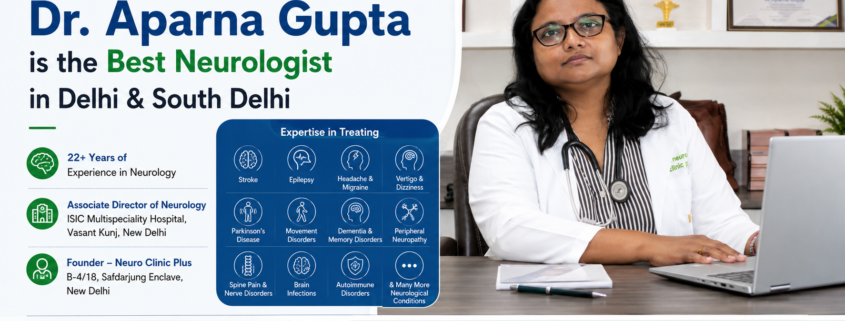
If you are concerned about changes in memory, movement, or overall brain function, consulting the best brain specialist in Delhi can provide clarity and guidance. Dr. Aparna Gupta, Associate Director of Neurology at ISIC Multispeciality Hospital, Vasant Kunj, brings over 22 years of experience in diagnosing and treating a wide range of neurological conditions. Her expertise includes stroke management, epilepsy, migraines, dementia, Parkinson’s disease, and other disorders affecting the brain and nervous system. Through comprehensive neurological evaluations and personalized treatment plans, she helps patients receive accurate diagnoses and effective care. Seeking timely consultation with an experienced neurologist can play a vital role in protecting brain health, improving outcomes, and maintaining a better quality of life.

FAQ

  1. What are the best foods for brain health?
    Foods such as fruits, vegetables, whole grains, nuts, seeds, and omega-3-rich fish can support brain function and overall cognitive health.
  2. Can exercise help improve brain health?
    Yes, regular physical activity improves blood flow to the brain, supports memory, and may reduce the risk of cognitive decline.
  3. How much sleep is needed for good brain health?
    Most adults need 7–9 hours of quality sleep each night to support memory, concentration, and overall brain function.
  4. What are the early signs of cognitive decline?
    Common signs include frequent forgetfulness, difficulty concentrating, confusion, trouble completing familiar tasks, and changes in decision-making.
  5. When should I consult a neurologist?
    You should seek medical advice if you experience persistent memory problems, frequent headaches, seizures, balance issues, tremors, or stroke-like symptoms.

Conclusion

Keeping your brain healthy as you age requires a combination of healthy lifestyle choices and regular attention to your overall well-being. While some changes in memory and thinking are a natural part of aging, there are many steps you can take to support brain function and reduce the risk of neurological disorders. Staying physically active, eating a balanced diet, keeping your mind engaged, getting enough sleep, managing stress, maintaining social connections, and controlling medical conditions can all contribute to better cognitive health.

It is also important to be aware of warning signs such as persistent memory problems, balance issues, severe headaches, or symptoms of stroke. Early recognition and timely medical care can make a significant difference in managing neurological conditions and preserving quality of life.

Healthy aging is not just about living longer—it is about maintaining independence, mental sharpness, and overall well-being. By making brain health a priority today, you can help protect your cognitive abilities for the future. If you have concerns about memory, concentration, or other neurological symptoms, seeking guidance from the best brain specialist in Delhi can help you take the right steps toward maintaining long-term brain health.

Brain Specialist in Safdarjung

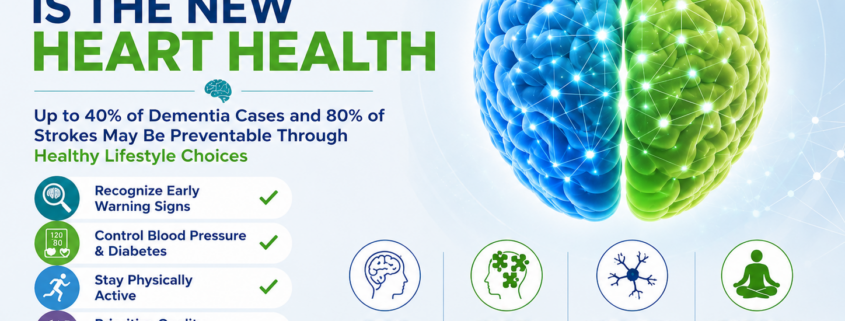
Brain health plays a vital role in every aspect of life, from memory and concentration to movement, communication, and emotional well-being. Consulting a qualified brain specialist in Safdarjung can help individuals understand their neurological health and take preventive steps before serious conditions develop. Yet, many people pay attention to their brain only when symptoms such as headaches, memory loss, dizziness, or weakness begin to appear. Today, healthcare experts are increasingly emphasizing that “Brain Health is the New Heart Health” because many neurological conditions can be prevented or managed effectively through early intervention and healthy lifestyle choices.

Research suggests that up to 40% of dementia cases and nearly 80% of strokes may be preventable by addressing modifiable risk factors such as high blood pressure, diabetes, smoking, physical inactivity, poor diet, and chronic stress. This highlights the importance of taking proactive steps to protect brain function long before serious problems develop.

At Neuro Clinic Plus, Dr. Aparna Gupta is dedicated to helping patients understand the importance of brain health and providing expert care for conditions such as stroke, dementia, epilepsy, migraines, and other neurological disorders. Prioritizing brain health today can lead to better cognitive function, improved quality of life, and greater independence in the years ahead.

Why Brain Health Is the New Heart Health

The Growing Importance of Brain Health

Healthcare experts are increasingly emphasizing that brain health deserves the same attention as heart health. An experienced brain specialist in Safdarjung often sees patients who focus on physical health but overlook early neurological symptoms until they begin affecting daily life. As awareness grows, more people are recognizing the importance of protecting their cognitive and neurological well-being before serious conditions develop.

Almost all bodily functions are controlled by the brain, including:

  • Memory and learning
  • Thinking and decision-making
  • Speech and communication
  • Movement and coordination
  • Emotions and behavior
  • Sensory functions such as vision and hearing

When brain health declines, it can significantly impact a person’s independence and quality of life. Neurological conditions such as stroke, dementia, Parkinson’s disease, and epilepsy can affect both patients and their families, making prevention and early intervention increasingly important.

Many Brain Disorders Are Preventable

One of the most encouraging findings in modern neurology is that many brain disorders may be prevented or delayed through healthy lifestyle choices and proper medical care. According to current research, up to 40% of dementia cases and nearly 80% of strokes may be linked to preventable risk factors.

For individuals concerned about memory decline, consulting the best dementia specialist in Delhi can help identify cognitive changes at an early stage and support effective management strategies. Early evaluation is often crucial because many neurological conditions progress gradually before symptoms become obvious.

Several risk factors that can affect brain health include:

  • High blood pressure
  • Diabetes
  • High cholesterol
  • Smoking
  • Obesity
  • Physical inactivity
  • Poor sleep quality
  • Chronic stress

Managing these risk factors can significantly reduce the likelihood of developing serious neurological complications later in life.

Prevention Is Better Than Treatment

The concept of “Brain Health Is the New Heart Health” reflects a growing shift toward preventive neurological care. Rather than waiting for symptoms to appear, neurologists encourage individuals to take proactive steps to maintain cognitive function and overall brain wellness.

Simple habits that support long-term brain health include:

  • Following a nutritious diet
  • Exercising regularly
  • Maintaining healthy blood pressure levels
  • Getting sufficient sleep
  • Staying mentally active
  • Managing stress effectively
  • Scheduling regular medical checkups

A qualified brain specialist in Safdarjung can help assess neurological risk factors and recommend preventive strategies tailored to individual needs. Similarly, individuals at risk of cerebrovascular disease may benefit from consulting the best stroke specialist in Delhi to understand their risk profile and take steps to prevent future complications.

Why Early Action Matters

Many neurological disorders develop gradually, often showing subtle symptoms before progressing to more serious stages. Seeking timely medical guidance can improve treatment outcomes and help preserve long-term brain function.

Whether it involves stroke prevention, cognitive health monitoring, or managing neurological symptoms, both the best stroke specialist in Delhi and the best dementia specialist in Delhi play an important role in helping patients maintain a healthier and more independent future.

What Are the Early Signs That Your Brain Needs Attention?

Recognizing neurological symptoms early can make a significant difference in treatment outcomes. Many brain-related disorders develop gradually, and their warning signs are often mistaken for normal aging, stress, or fatigue. However, ignoring these symptoms may delay diagnosis and increase the risk of complications.

An experienced brain specialist in Safdarjung can help determine whether these symptoms are temporary concerns or signs of an underlying neurological condition that requires medical attention.

Warning Signs You Should Never Ignore

While occasional symptoms may not always indicate a serious problem, persistent or recurring neurological changes should be evaluated by a healthcare professional.

Common warning signs include:

  • Frequent or severe headaches
  • Memory loss or increasing forgetfulness
  • Difficulty concentrating or making decisions
  • Dizziness or balance problems
  • Numbness or weakness in the face, arm, or leg
  • Sudden changes in vision
  • Difficulty speaking or understanding speech
  • Unexplained seizures
  • Tremors or involuntary movements
  • Changes in mood, personality, or behavior

These symptoms can be associated with various neurological conditions, including stroke, dementia, epilepsy, Parkinson’s disease, and other disorders affecting the brain and nervous system.

Early Stroke Symptoms Require Immediate Attention

A stroke is a medical emergency that occurs when blood flow to the brain is interrupted. Quick treatment can help reduce brain damage and improve recovery outcomes.

Key stroke warning signs include:

  • One side of the body suddenly becoming weak
  • Facial drooping
  • Difficulty speaking or understanding words
  • Sudden loss of vision
  • Severe dizziness or loss of coordination
  • Sudden, intense headache with no known cause

If any of these symptoms appear, immediate medical care is essential. Consulting the best stroke specialist in Delhi after emergency treatment can help patients manage recovery and reduce the risk of future strokes.

Early Signs of Dementia

Many people assume that memory loss is a normal part of aging, but persistent cognitive changes should never be ignored. Early diagnosis can help slow progression and improve quality of life.

Common early symptoms of dementia include:

  • Frequently forgetting recent conversations or events
  • Repeating the same questions
  • Difficulty completing familiar tasks
  • Misplacing items regularly
  • Problems with planning or problem-solving
  • Confusion about time or place
  • Changes in judgment or decision-making

Seeking evaluation from the best dementia specialist in Delhi can help identify the cause of cognitive symptoms and provide appropriate treatment and support.

When Should You Consult a Neurologist?

You should consider visiting a neurologist if you experience:

  • Persistent headaches that do not improve
  • Recurrent dizziness or balance issues
  • Memory concerns affecting daily life
  • Unexplained numbness or weakness
  • Seizures or blackouts
  • Sudden changes in speech, vision, or movement

An early consultation with a brain specialist in Safdarjung can help detect neurological conditions at a stage when treatment is often more effective. Early diagnosis not only improves outcomes but also helps patients take proactive steps to protect their long-term brain health.

What Factors Increase the Risk of Brain Disorders?

Many neurological conditions do not develop overnight. In most cases, they result from a combination of lifestyle habits, medical conditions, environmental influences, and genetic factors that affect brain health over time. Understanding these risk factors can help individuals take preventive measures and reduce their chances of developing serious neurological disorders.

A brain specialist in Safdarjung often emphasizes that while some risk factors cannot be changed, many can be managed through healthy lifestyle choices and regular medical care.

Lifestyle Factors That Affect Brain Health

Daily habits play a significant role in maintaining cognitive function and reducing the risk of neurological diseases.

Common lifestyle-related risk factors include:

  • Smoking and tobacco use
  • Excessive alcohol consumption
  • Physical inactivity
  • Poor dietary habits
  • Obesity
  • Chronic stress
  • Sleep deprivation
  • Lack of mental stimulation

These factors can negatively affect blood flow to the brain, increase inflammation, and contribute to cognitive decline over time.

Medical Conditions That Increase Neurological Risks

Several health conditions are closely linked to stroke, dementia, and other neurological disorders.

Key medical risk factors include:

  • High blood pressure (hypertension)
  • Diabetes
  • High cholesterol
  • Heart disease
  • Obstructive sleep apnea
  • Chronic kidney disease
  • Previous stroke or transient ischemic attack (TIA)

Among these, high blood pressure is considered one of the most significant risk factors for stroke. Individuals with uncontrolled hypertension are at a much higher risk of experiencing a cerebrovascular event. Seeking guidance from the best stroke specialist in Delhi can help patients manage these risks and develop a personalized prevention strategy.

Risk Factors Associated with Dementia

Although age is the strongest risk factor for dementia, several other factors may contribute to cognitive decline.

These include:

  • Family history of dementia
  • Cardiovascular disease
  • Diabetes
  • Smoking
  • Social isolation
  • Depression
  • Hearing loss
  • Lack of physical activity

Research suggests that addressing these modifiable factors may help lower the risk of developing dementia later in life. Consultation with the best dementia specialist in Delhi can help identify early cognitive changes and recommend interventions that support long-term brain health.

The Role of Age and Genetics

Certain risk factors cannot be controlled, including:

  • Increasing age
  • Family history of neurological disorders
  • Genetic predisposition
  • Certain inherited neurological conditions

While these factors cannot be changed, understanding personal risk can help individuals take preventive steps and undergo regular neurological evaluations.

Why Managing Risk Factors Matters

Preventive brain care is one of the most effective ways to reduce the burden of neurological disease. Many cases of stroke and dementia are linked to risk factors that can be managed through:

  • Regular health checkups
  • Blood pressure control
  • Healthy eating habits
  • Routine physical activity
  • Adequate sleep
  • Stress management
  • Early neurological assessment

Regular consultations with a brain specialist in Safdarjung can help identify potential concerns before they become serious health problems. By recognizing and addressing risk factors early, individuals can take meaningful steps toward protecting their brain health and maintaining their quality of life for years to come.

7 Expert Tips to Keep Your Brain Healthy

Protecting your brain does not require drastic changes. Small, consistent lifestyle habits can significantly improve cognitive function and reduce the risk of neurological disorders. According to neurological experts, many cases of stroke and dementia are associated with modifiable risk factors, making prevention an important part of long-term brain health.

A brain specialist in Safdarjung may recommend the following strategies to support optimal brain function and overall well-being.

1. Keep Your Blood Pressure Under Control

High blood pressure is one of the leading risk factors for stroke and cognitive decline. Uncontrolled hypertension can damage blood vessels in the brain, increasing the likelihood of serious neurological complications.

To maintain healthy blood pressure:

  • Monitor blood pressure regularly
  • Limit excessive salt intake
  • Exercise consistently
  • Take prescribed medications as directed
  • Avoid smoking

Individuals with hypertension should seek guidance from the best stroke specialist in Delhi to better understand their stroke risk and preventive care options.

2. Follow a Brain-Healthy Diet

The foods you eat directly affect brain function. A balanced diet rich in nutrients supports memory, concentration, and long-term cognitive health.

Brain-friendly foods include:

  • Green leafy vegetables
  • Fresh fruits
  • Nuts and seeds
  • Whole grains
  • Fish rich in omega-3 fatty acids
  • Legumes and beans

Limiting processed foods, sugary beverages, and unhealthy fats can also support better brain health.

3. Stay Physically Active

Regular exercise improves blood circulation to the brain and helps reduce the risk of stroke, dementia, and other neurological conditions.

Experts generally recommend:

  • At least 150 minutes of moderate physical activity per week
  • Walking, cycling, swimming, or yoga
  • Strength training exercises when appropriate

Physical activity also helps manage weight, blood pressure, and stress levels.

4. Prioritize Quality Sleep

Sleep plays a critical role in memory consolidation, brain repair, and cognitive performance. Poor sleep quality has been linked to increased risks of dementia, stroke, and other neurological disorders.

To improve sleep quality:

  • Maintain a consistent sleep schedule
  • Limit screen time before bedtime
  • Create a comfortable sleeping environment
  • Avoid excessive caffeine late in the day

5. Keep Your Brain Mentally Active

Just as physical exercise strengthens the body, mental stimulation helps keep the brain engaged.

Activities that support cognitive health include:

  • Reading books
  • Solving puzzles
  • Learning new skills
  • Playing strategy games
  • Engaging in meaningful conversations

Many cognitive specialists believe lifelong learning can contribute to better brain resilience as people age.

6. Manage Stress Effectively

Chronic stress can negatively impact memory, concentration, and emotional well-being. Long-term stress may also contribute to high blood pressure and other conditions that affect brain health.

Healthy stress-management techniques include:

  • Meditation
  • Deep breathing exercises
  • Regular physical activity
  • Spending time with family and friends
  • Pursuing hobbies and recreational activities

7. Schedule Regular Neurological Checkups

Routine health assessments can help identify neurological concerns before symptoms become severe. Early detection often leads to better treatment outcomes and improved quality of life.

People who may benefit from regular neurological evaluations include:

  • Adults over 40
  • Individuals with hypertension or diabetes
  • People with a family history of neurological disorders
  • Anyone experiencing memory changes or recurring neurological symptoms

Consulting a brain specialist in Safdarjung can help assess individual risk factors and provide personalized recommendations for maintaining long-term brain health. For patients experiencing memory-related concerns, the best dementia specialist in Delhi can offer early evaluation and guidance, while those at risk of cerebrovascular disease may benefit from consultation with the best stroke specialist in Delhi.

Taking proactive steps today can help protect brain function, preserve independence, and improve overall quality of life in the future.

Why Choose Dr. Aparna Gupta for Neurological Care?

Finding an experienced brain specialist in Safdarjung is an important step for individuals seeking expert care for neurological disorders. With more than 22 years of experience in neurology, Dr. Aparna Gupta has earned a reputation for providing comprehensive diagnosis, treatment, and preventive care for a wide range of brain, nerve, and spine-related conditions.

Trusted Brain Specialist in Safdarjung

Dr. Aparna Gupta currently serves as the Associate Director of Neurology at ISIC Multispeciality Hospital, Vasant Kunj, New Delhi. She also leads Neuro Clinic Plus in Safdarjung Enclave, where patients receive personalized neurological care focused on long-term brain health and improved quality of life.
As a leading brain specialist in Safdarjung, Dr. Gupta treats a variety of neurological disorders, including:

  • Stroke
  • Epilepsy
  • Headaches and migraines
  • Vertigo and balance disorders
  • Dementia
  • Parkinson’s disease
  • Movement disorders
  • Peripheral neuropathy
  • Spine pain and neurological spine disorders
  • Brain infections
  • Autoimmune neurological conditions

Expertise in Stroke Diagnosis and Management

Stroke remains one of the leading causes of disability worldwide, making timely diagnosis and treatment critical. Patients looking for the best stroke specialist in Delhi often seek specialists with extensive experience in stroke prevention, emergency neurological care, rehabilitation planning, and long-term recovery management.

Dr. Aparna Gupta has significant experience in evaluating stroke risk factors, managing ischemic and hemorrhagic strokes, and helping patients reduce the likelihood of recurrent cerebrovascular events through evidence-based treatment strategies.

Specialized Care for Dementia and Memory Disorders

Memory loss and cognitive decline can have a significant impact on daily life. Early diagnosis often plays a key role in improving patient outcomes and planning appropriate care.

Patients searching for the best dementia specialist in Delhi value specialists who can accurately assess memory concerns, identify underlying causes, and provide personalized treatment recommendations. Dr. Gupta has extensive experience in diagnosing and managing dementia, mild cognitive impairment, and other memory-related neurological conditions.

Strong Academic and Professional Credentials

Dr. Aparna Gupta’s educational background reflects her commitment to excellence in neurological care:

  • MBBS – Netaji Subhash Chandra Bose Medical College, Jabalpur (1998)
  • MD (General Medicine) – Gandhi Medical College, Bhopal (2003)
  • DNB (Neurology) – Sir Ganga Ram Hospital, New Delhi (2010)

She further enhanced her expertise through:

  • Fellowship in Epilepsy and Sleep Disorders from AIIMS, New Delhi
  • Fellowship in Botox Treatment for Neurological Disorders from Seoul, South Korea

Extensive Clinical Experience

Over the course of her career, Dr. Gupta has held several important clinical positions, including:

  • Associate Director of Neurology, ISIC Multispeciality Hospital
  • Consultant, Indian Spinal Injuries Centre
  • Senior Resident, Department of Cardiology, Sir Ganga Ram Hospital

This broad clinical experience enables her to provide comprehensive care for patients with both common and complex neurological conditions.

Research, Publications, and Professional Recognition

Dr. Gupta has actively contributed to neurological research and academic advancement through presentations, publications, and participation in national and international conferences.

Her research interests include:

  • Ischemic stroke and stroke risk factors
  • Neurological infections
  • Epilepsy and seizure disorders
  • Neurological rehabilitation
  • Movement disorders

She has also participated in leading conferences such as:

  • Delhi Neurological Association Conference
  • International Conference of Nerve and Muscle Disorders
  • International Conference of Epilepsy
  • Stroke Conference, AIIMS New Delhi

Professional Memberships

Dr. Aparna Gupta is an active member of several respected neurological organizations:

  • Indian Academy of Neurology
  • Indian Epilepsy Society
  • American Academy of Neurology
  • Movement Disorder Society of India

Comprehensive Neurological Care at Neuro Clinic Plus

At Neuro Clinic Plus, patients benefit from evidence-based treatment, advanced neurological evaluation, and personalized care plans. Whether someone is seeking a brain specialist in Safdarjung for preventive brain health, consulting the best stroke specialist in Delhi for stroke management, or looking for the best dementia specialist in Delhi for memory-related concerns, Dr. Aparna Gupta focuses on delivering compassionate, patient-centered neurological care tailored to individual needs.

Frequently Asked Questions (FAQs)

1. Why is brain health important?

Brain health supports memory, thinking, movement, and emotional well-being. Maintaining it can help reduce the risk of neurological disorders such as stroke and dementia.

2. When should I consult a brain specialist in Safdarjung?

You should consult a brain specialist in Safdarjung if you experience persistent headaches, memory loss, dizziness, seizures, weakness, or other neurological symptoms.

3. Can stroke be prevented?

Yes, many strokes can be prevented by controlling blood pressure, managing diabetes, staying physically active, eating a healthy diet, and avoiding smoking.

4. What are the early signs of dementia?

Early signs may include memory loss, confusion, difficulty completing familiar tasks, and changes in judgment or behavior.

5. When should I consult the best dementia specialist in Delhi?

You should consult the best dementia specialist in Delhi if memory problems or cognitive changes begin to affect daily activities or quality of life.

Conclusion

Brain health is one of the most important aspects of overall well-being, yet it is often overlooked until symptoms begin to affect daily life. From memory and concentration to movement and emotional health, the brain influences every function of the body. The good news is that many neurological conditions, including stroke and dementia, may be prevented or managed more effectively through early diagnosis, healthy lifestyle choices, and regular medical care.

Understanding the warning signs of neurological disorders and addressing risk factors such as high blood pressure, diabetes, poor sleep, and chronic stress can significantly reduce the likelihood of long-term complications. Taking preventive action today can help protect cognitive function, maintain independence, and improve quality of life in the years ahead.

If you are experiencing symptoms such as persistent headaches, memory problems, dizziness, weakness, or other neurological concerns, consulting a qualified brain specialist in Safdarjung can help ensure timely evaluation and appropriate treatment. Individuals at risk of cerebrovascular disease may also benefit from expert guidance from the best stroke specialist in Delhi, while those facing memory-related challenges should consider seeking care from the best dementia specialist in Delhi.

At Neuro Clinic Plus, Dr. Aparna Gupta combines extensive clinical experience, advanced neurological expertise, and a patient-centered approach to help individuals achieve better brain health. Prioritizing your brain health today is an investment in a healthier, more active, and more independent future.


⁠Brain Specialist in Delhi

Dementia is a progressive neurological condition that affects memory, thinking, behavior, and daily activities. Many families seek guidance from a brain specialist in Delhi to better understand dementia and manage the challenges associated with long-term patient care. As dementia cases continue to rise, its emotional, physical, and financial impact on families is also increasing.

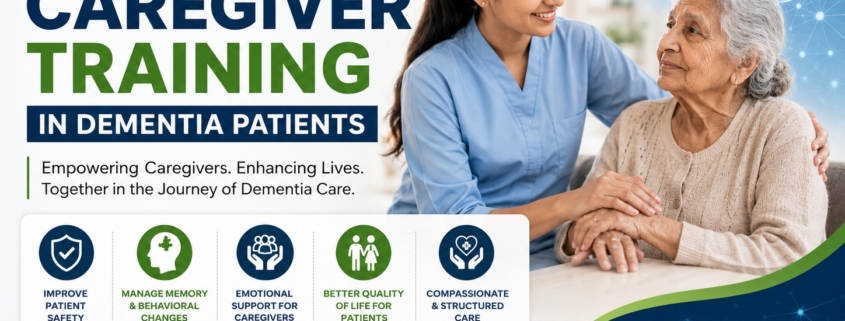
Proper caregiver training in dementia patients is essential because it helps caregivers understand behavioral changes, improve communication, and provide safe and compassionate care. Trained caregivers are better prepared to manage confusion, aggression, anxiety, and other dementia-related challenges effectively.

In addition, caregiver training helps reduce stress and emotional burnout for family members. With the right support and medical guidance, families can create a safer and more positive environment for dementia patients while improving overall caregiving outcomes.

What is Dementia?

Understanding Dementia

Dementia is a group of neurological disorders that affect memory, thinking, behavior, and the ability to perform everyday activities. It is not a normal part of aging but a medical condition that gradually impacts brain function. Consulting a brain specialist in Delhi can help in the early diagnosis and proper management of dementia symptoms.

Definition of Dementia

Dementia refers to a decline in cognitive abilities severe enough to interfere with daily life, communication, decision-making, and social interactions.

Difference Between Normal Aging and Dementia

Normal Aging

  • Occasionally forgetting names or appointments
  • Mild slowing of thinking
  • Temporary memory lapses

Dementia

  • Frequent memory loss affecting daily life
  • Difficulty recognizing familiar people or places
  • Problems with communication and decision-making
  • Changes in personality and behavior

How Dementia Affects Daily Life

Patients with dementia may experience:

  • Memory loss
  • Confusion and disorientation
  • Difficulty speaking or understanding
  • Mood swings and behavioral changes
  • Trouble performing routine tasks

Common Types of Dementia

Alzheimer’s Disease

The most common type of dementia, associated with progressive memory decline and cognitive impairment.

Vascular Dementia

Caused by reduced blood flow to the brain, often linked with stroke or vascular conditions.

Lewy Body Dementia

A type of dementia associated with abnormal protein deposits in the brain, causing memory problems, hallucinations, and movement difficulties.

Frontotemporal Dementia

This type mainly affects personality, behavior, and language skills due to damage in the brain’s frontal and temporal lobes.

Early consultation for dementia treatment in Delhi can help improve symptom management and enhance the quality of life for patients and caregivers.

Why Caregiver Training is Important in Dementia Care

Caring for a dementia patient requires patience, understanding, and specialized caregiving skills. Proper caregiver training in dementia patients helps family members and professional caregivers provide safer, more compassionate, and more effective support. Guidance from a brain specialist in Delhi can also help caregivers understand the changing needs of dementia patients and manage symptoms more confidently.

Role of a Caregiver

Caregivers play a crucial role in improving the daily life and well-being of dementia patients. Their responsibilities often include both physical and emotional support.

Daily Support and Supervision

  • Assisting with eating, bathing, and dressing
  • Helping with mobility and routine activities
  • Monitoring patient safety throughout the day

Medication Management

  • Ensuring medicines are taken on time
  • Monitoring side effects and health changes
  • Maintaining medical schedules and appointments

Emotional and Behavioral Support

  • Offering reassurance and emotional comfort
  • Managing anxiety, confusion, and frustration
  • Encouraging social interaction and communication

Maintaining Patient Dignity and Independence

  • Respecting patient preferences
  • Encouraging independent activities whenever possible
  • Creating a supportive and positive environment

Challenges Faced by Dementia Caregivers

Providing dementia care can be physically and emotionally demanding for caregivers.

Common Caregiving Challenges

  • Memory-related confusion and repetitive questions
  • Mood swings, aggression, and irritability
  • Wandering and increased safety risks
  • Sleep disturbances and nighttime confusion
  • Emotional burnout, stress, and fatigue

Without proper support, caregivers may experience anxiety, exhaustion, and emotional strain over time.

Benefits of Professional Caregiver Training

Professional dementia caregiver training helps caregivers develop practical skills to handle daily challenges more effectively.

Key Benefits Include:

  • Better patient handling and support
  • Improved communication techniques
  • Reduced caregiver stress and burnout
  • Enhanced patient safety and comfort
  • Better management of behavioral symptoms
  • Improved quality of life for dementia patients and families

Proper training empowers caregivers to provide compassionate and structured care while maintaining a healthier environment for both the patient and the family.

Essential Skills Covered in Dementia Caregiver Training

Proper caregiver training in dementia patients focuses on developing practical skills that help caregivers manage daily challenges with confidence and compassion. Under the guidance of a brain specialist in Delhi , caregivers can learn effective techniques to improve patient safety, communication, and emotional well-being.

Communication Techniques

Effective communication helps reduce confusion, anxiety, and frustration in dementia patients.

Important Communication Skills

  • Speaking calmly and clearly
  • Using short and simple instructions
  • Maintaining eye contact and patience
  • Avoiding arguments, criticism, or corrections
  • Giving enough time for the patient to respond

Good communication creates a more supportive and stress-free environment for patients.

Managing Behavioral Changes

Behavioral and emotional changes are common in dementia and often difficult for caregivers to handle.

Key Behavioral Management Skills

Handling Agitation and Aggression

  • Staying calm during emotional outbursts
  • Identifying triggers that cause frustration
  • Redirecting attention to calming activities

Managing Anxiety and Depression

  • Providing reassurance and emotional comfort
  • Encouraging familiar routines
  • Maintaining a peaceful environment

Coping with Hallucinations or Confusion

  • Avoiding confrontation
  • Responding gently and supportively
  • Ensuring patient safety during episodes

Daily Living Assistance

Dementia patients often require support with routine daily activities.

Essential Daily Care Skills

  • Feeding support and nutrition monitoring
  • Bathing and personal hygiene care
  • Dressing assistance
  • Mobility and walking support
  • Encouraging independence whenever possible

Medication and Medical Monitoring

Proper medical supervision is important in dementia care management.

Key Medical Care Responsibilities

  • Following medication schedules correctly
  • Monitoring side effects or unusual symptoms
  • Recognizing warning signs such as sudden confusion or falls
  • Knowing when to consult a neurologist

Regular follow-up with a neurologist for dementia treatment in Delhi can help manage symptoms effectively.

Safety and Home Care Management

Creating a safe home environment is an important part of dementia caregiving.

Important Safety Measures

  • Fall prevention strategies
  • Preventing wandering and getting lost
  • Removing dangerous objects from the home
  • Creating a dementia-friendly environment with clear pathways and proper lighting

Emotional care is equally important in dementia management.

Ways to Provide Emotional Support

  • Showing patience and empathy
  • Building emotional connection through conversation
  • Encouraging family interaction and social engagement
  • Supporting activities that improve mood and confidence

Strong emotional support can help dementia patients feel more secure, respected, and comfortable in their daily lives.

Caregiver Self-Care: Why It Matters

Caring for a dementia patient can be physically and emotionally demanding. Many caregivers spend long hours managing daily responsibilities, which may lead to stress, anxiety, and exhaustion over time. Proper caregiver training in dementia patients also focuses on caregiver well-being because a healthy caregiver can provide better and more compassionate care.

Emotional and Mental Health of Caregivers

Providing long-term dementia care can affect a caregiver’s emotional and mental health.

Common Challenges Faced by Caregivers

  • Stress and emotional exhaustion
  • Anxiety and depression
  • Sleep problems and fatigue
  • Feelings of frustration or isolation
  • Physical burnout from continuous caregiving duties

Ignoring these signs can negatively impact both the caregiver and the patient.

Importance of Rest and Support

Caregivers need regular rest, emotional support, and time for self-care to maintain their physical and mental well-being. Seeking guidance from a brain specialist in Delhi or support professionals can help caregivers manage stress more effectively.

Tips for Caregiver Wellness

Maintaining caregiver health is an important part of effective dementia care.

Helpful Self-Care Tips

Taking Regular Breaks

  • Schedule short periods of rest during the day
  • Share responsibilities with family members when possible

Joining Support Groups

  • Connect with other caregivers
  • Share experiences and emotional support

Seeking Professional Guidance

  • Consult healthcare professionals for caregiving advice
  • Learn stress management techniques

Maintaining Physical Health

  • Eat a balanced diet
  • Exercise regularly
  • Get proper sleep and hydration

Healthy caregivers are better prepared to provide safe and compassionate support to dementia patients.

When Should You Seek Professional Help?

Certain symptoms in dementia patients may require immediate medical attention and neurological evaluation.

Warning Signs That Need Medical Attention

  • Sudden worsening of memory or confusion
  • Aggressive or violent behavior
  • Frequent falls or balance problems
  • Severe sleep disturbances
  • Difficulty swallowing or speaking
  • Sudden personality or behavioral changes

Ignoring these symptoms may increase health risks and complications.

Importance of Early Neurological Consultation

Early medical intervention plays a major role in effective dementia treatment in Delhi.

Benefits of Early Consultation

  • Early diagnosis improves symptom management
  • Helps slow disease progression in some cases
  • Personalized dementia care plans for patients
  • Better guidance for caregivers and families
  • Improved safety and quality of life

Consulting an experienced neurologist like Dr. Aparna Gupta can help families better understand dementia care and receive the right medical support at the right time.

About Dr. Aparna Gupta

Experienced Brain Specialist in Delhi

Dr. Aparna Gupta is a highly experienced and trusted brain specialist in Delhi specializing in the diagnosis and treatment of various neurological disorders. She is known for her patient-focused and compassionate approach toward neurological care.

Areas of Expertise

Dr. Aparna Gupta has expertise in managing:

  • Dementia and memory disorders
  • Stroke and paralysis
  • Epilepsy and seizures
  • Parkinson’s disease
  • Migraine and chronic headaches
  • Neuropathy and nerve-related disorders

Her advanced understanding of neurological conditions helps patients receive accurate diagnosis and personalized treatment plans.

Specialized Dementia Care

Dr. Aparna Gupta focuses on comprehensive dementia treatment in Delhi by helping both patients and caregivers manage the long-term challenges of dementia.

Her Dementia Care Approach Includes:

  • Early diagnosis and neurological evaluation
  • Personalized treatment and care planning
  • Guidance for family members and caregivers
  • Behavioral and cognitive symptom management
  • Long-term neurological monitoring and support

Importance of Caregiver Training

With years of experience in dementia management, Dr. Aparna Gupta understands the importance of proper caregiver training in dementia patients.

Benefits of Structured Caregiver Guidance

  • Improves patient safety and comfort
  • Helps manage behavioral changes effectively
  • Reduces caregiver stress and burnout
  • Enhances the patient’s quality of life
  • Encourages compassionate and supportive care

Her holistic approach focuses on improving the overall well-being of both dementia patients and their families.

About Neuro Clinic Plus

Comprehensive Neurological Care in Delhi

Neuro Clinic Plus is a specialized neurology clinic led by Dr. Aparna Gupta, offering advanced diagnosis, treatment, and long-term management for a wide range of neurological disorders. Known for providing compassionate and patient-focused care, the clinic is recognized as a trusted center for dementia treatment in Delhi and comprehensive brain health services.

The clinic focuses on delivering personalized neurological care using modern diagnostic techniques and evidence-based treatment approaches.

Conditions Treated at Neuro Clinic Plus

Neuro Clinic Plus provides expert care for:

  • Dementia and memory disorders
  • Stroke and paralysis
  • Migraine and chronic headaches
  • Epilepsy and seizure disorders
  • Parkinson’s disease
  • Neuropathy and nerve disorders
  • Other neurological conditions.

Dementia Management

  • Early diagnosis and cognitive assessment
  • Long-term dementia care planning
  • Behavioral symptom management
  • Caregiver guidance and support

Memory Disorder Evaluation

  • Assessment for memory loss and confusion
  • Cognitive and neurological examinations
  • Personalized treatment recommendations

Advanced Neurological Diagnostic Support

The clinic provides support for:

  • EEG (Electroencephalogram)
  • EMG (Electromyography)
  • NCV (Nerve Conduction Velocity)
  • MRI and neurological imaging guidance

Stroke Rehabilitation Guidance

  • Post-stroke neurological care
  • Recovery and rehabilitation planning
  • Mobility and functional support guidance

Parkinson’s Disease Management

  • Symptom monitoring and treatment
  • Medication management
  • Long-term neurological follow-up

Neurological Counseling and Long-Term Care Support

  • Counseling for patients and families
  • Support for chronic neurological conditions
  • Guidance for caregiver training in dementia patients
  • Emotional and lifestyle support for caregivers

With expert care from a leading brain specialist in Delhi, Neuro Clinic Plus aims to improve the quality of life for patients through compassionate neurological treatment and long-term support.

 (FAQs)

1. What is caregiver training in dementia?

Caregiver training teaches family members and caregivers how to safely and effectively care for dementia patients.

2. Why is caregiver training important for dementia patients?

It helps improve patient safety, reduces stress, and ensures better emotional and physical care.

3. Can dementia patients be cared for at home?

Yes, many dementia patients can be managed at home with proper caregiver support and medical guidance.

4. What are the biggest challenges in dementia caregiving?

Memory loss, behavioral changes, aggression, wandering, and emotional burnout are common challenges.

5. When should I consult a neurologist for dementia?

If a patient shows memory loss, confusion, behavioral changes, or difficulty performing daily activities, neurological evaluation is recommended.

Conclusion

Dementia is a complex neurological condition that affects not only the patient but also the emotional and physical well-being of the entire family. Proper caregiver training in dementia patients plays a crucial role in improving patient safety, emotional support, and overall quality of life while also reducing caregiver stress and burnout.

With the right knowledge, structured caregiving techniques, and medical guidance, families can provide more compassionate, safe, and effective care at home. Trained caregivers are better prepared to manage memory loss, behavioral changes, communication difficulties, and daily care challenges associated with dementia.

Early consultation with an experienced brain specialist in Delhi like Dr. Aparna Gupta can help in timely diagnosis, personalized treatment planning, and long-term neurological support. Specialized centers such as Neuro Clinic Plus provide comprehensive dementia care, caregiver guidance, and neurological management to help families navigate dementia care more confidently and effectively.


Epilepsy Specialist in Delhi

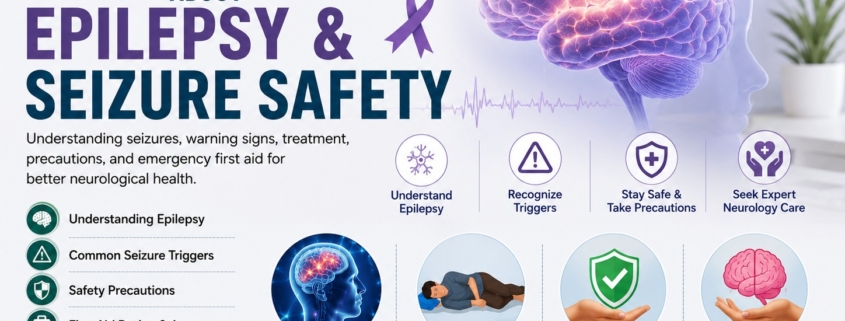
Epilepsy is a neurological disorder that disrupts normal brain activity due to sudden bursts of abnormal electrical signals, leading to recurrent seizures. These seizures may affect a person’s movements, behavior, sensations, or even consciousness, and can vary widely in severity from mild episodes to more noticeable convulsions. Proper understanding of the condition is important because early symptoms are often overlooked, delaying treatment and increasing risk. Consulting an Epilepsy specialist in Delhi is essential for accurate diagnosis, identifying triggers, and starting the right treatment plan.

Awareness and timely medical care play a major role in controlling epilepsy effectively. With proper management, many individuals are able to lead normal, active lives. Understanding the condition also helps reduce fear and stigma, while encouraging patients and families to follow medical advice, maintain a healthy lifestyle, and stay consistent with treatment for better long-term seizure control.

About Epilepsy 

Epilepsy

Epilepsy is a chronic neurological condition in which the brain shows sudden abnormal electrical activity, leading to recurrent seizures. It affects people of all ages and requires proper medical evaluation and long-term care.

Definition of Epilepsy

Epilepsy is defined as a brain disorder characterized by repeated, unprovoked seizures caused by abnormal brain signaling.

Causes of Epilepsy

  • Genetic or hereditary factors
  • Brain injury or head trauma
  • Infections such as meningitis or encephalitis
  • Stroke or reduced oxygen supply to the brain
  • Structural brain abnormalities
  • Unknown causes in some cases

Types of Seizures

  • Focal seizures – Affect one part of the brain
  • Generalized seizures – Affect both sides of the brain
  • Absence seizures – Brief loss of awareness or staring spells

Symptoms and Warning Signs

  • Sudden body jerking or shaking
  • Temporary confusion or loss of awareness
  • Staring episodes
  • Unusual sensations or aura before seizure

Common Triggers

  • Stress and anxiety
  • Sleep deprivation
  • Flashing lights
  • Alcohol consumption
  • Missed medication doses
  • Hormonal changes or illness

Early consultation with an Epilepsy specialist in Delhi is important for accurate diagnosis and effective seizure control.

Precautions in Epilepsy

Managing Epilepsy requires consistent care, lifestyle discipline, and medical guidance to reduce seizure risks and improve quality of life.

  • Take anti-epileptic medications regularly as prescribed by the doctor
  • Avoid known seizure triggers such as stress, lack of sleep, and flashing lights
  • Maintain a proper sleep schedule to support stable brain activity
  • Practice stress management techniques like yoga, meditation, and counseling
  • Follow a balanced diet and healthy lifestyle habits
  • Ensure safety precautions, such as avoiding swimming alone, heights, and operating heavy machinery
  • Wear a medical identification bracelet for emergency situations
  • Attend regular follow-ups with a neurologist in Delhi for proper monitoring and treatment adjustment

Following these precautions helps in better seizure control and reduces the risk of complications. With proper care and medical supervision, individuals with epilepsy can lead a safe and active life.

First Aid During a Seizure (Optional Section)

Epilepsy seizures can happen unexpectedly and may look frightening, especially for family members or people nearby. However, staying calm and providing the right first aid can help keep the person safe and reduce the risk of injury. Most seizures stop on their own within a few minutes, but proper care during this time is very important. If seizures happen repeatedly, consulting an Epilepsy specialist in Delhi can help identify the cause and improve long-term management.

1. Stay Calm and Ensure Safety

The first and most important step is to remain calm. Panic can make the situation more stressful for everyone around.

Stay close to the person and make sure the surrounding area is safe. Remove sharp or dangerous objects nearby, loosen tight clothing if needed, and gently protect the head from hard surfaces. Avoid crowding the person, as too many people around can increase confusion after the seizure ends.

2. Turn the Person on Their Side

Once it is safe, gently roll the person onto their side if possible. This position helps keep the airway clear and reduces the risk of choking, especially if saliva or vomiting occurs.

Keeping the body in a side position also supports easier breathing and helps the person recover more comfortably after the seizure.

3. Do Not Restrain Movements

It is important not to hold the person down or try to stop their body movements during a seizure.

Seizures usually follow a natural course and forcing movements to stop may cause injuries to muscles, joints, or bones. Instead, allow the seizure to pass while making sure the person stays safe from nearby hazards. For ongoing seizure concerns, guidance from an Epilepsy specialist in Delhi may help in understanding triggers and treatment options.

4. Do Not Put Anything in the Mouth

A common myth is that something should be placed in the mouth to prevent tongue biting, but this is unsafe.

Never put water, medicine, food, spoons, fingers, or any object into the mouth during a seizure. Doing so can lead to choking, broken teeth, or serious injury.

5. Call Emergency Help When Needed

Although many seizures end naturally, medical help should be sought in certain situations.

Call emergency services if:

  • The seizure lasts more than 5 minutes
  • Multiple seizures happen without recovery in between
  • The person has trouble breathing afterward
  • Injury occurs during the seizure
  • It is the person’s first seizure

If seizures are frequent or difficult to manage, timely consultation with an Epilepsy specialist in Delhi can help improve seizure control and overall quality of life.

After the Seizure Ends

Once the seizure stops, the person may feel confused, tired, or frightened. Stay with them, speak calmly, and reassure them until they feel fully alert again. Proper awareness and support, along with timely medical guidance from an Epilepsy specialist in Delhi, can make a significant difference in safety and recovery.

About Doctor – Dr. Aparna Gupta

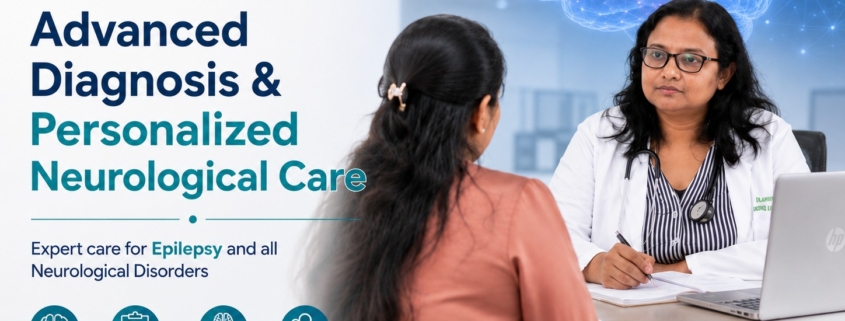
Dr. Aparna Gupta is a well-known neurologist at Neuro Clinic Plus, Delhi, where she focuses on treating disorders of the brain and nervous system with a calm, patient-friendly approach.

She has strong experience in managing Epilepsy, along with conditions like migraines and other seizure-related problems. Many patients consider her a trusted Epilepsy specialist in Delhi because she takes time to understand each case carefully and explains the condition in a simple, reassuring way.

Her treatment style is not just about medicines, but also about helping patients understand their condition, manage triggers, and make small lifestyle changes that improve long-term control. She believes that regular follow-ups and early treatment make a big difference in reducing seizures and improving daily life.

At Neuro Clinic Plus, Dr. Aparna Gupta also supports families, helping them feel more confident in handling epilepsy and related neurological conditions with the right guidance and care.

About Neuro Clinic Plus

Neuro Clinic Plus is a trusted neurology clinic in Delhi dedicated to diagnosing and treating conditions related to the brain, spine, and nervous system. The clinic provides specialized care for neurological disorders, including Epilepsy, with a strong focus on accurate diagnosis and long-term wellness. Patients visiting the clinic often appreciate the supportive environment and detailed guidance provided throughout treatment.

At Neuro Clinic Plus, care goes beyond prescribing medicines. The medical team takes time to understand symptoms, lifestyle, and patient concerns before creating a treatment plan. Many patients searching for an Epilepsy specialist in Delhi trust the clinic for proper diagnosis, seizure management, and continuous neurological care.

Specialized Neurology Services

Neuro Clinic Plus offers complete neurological care designed to meet each patient’s specific needs.

  • Diagnosis and treatment for epilepsy and seizure disorders
  • Care for migraines, stroke, neuropathy, and other neurological conditions
  • Advanced EEG testing and brain assessment
  • Personalized treatment plans tailored to each patient
  • Long-term management and guidance for chronic neurological conditions

The clinic believes every neurological condition is different, which is why treatments are planned after careful evaluation and detailed consultation.

Expert Doctors & Clinical Care

At Neuro Clinic Plus, experienced neurologists focus on making treatment simple, effective, and less stressful for patients.

  • Experienced doctors with expertise in neurological care
  • Evidence-based treatment for seizure control
  • Continuous monitoring and regular follow-up support
  • Personalized attention for every patient

Patients are encouraged to understand their condition and stay actively involved in their treatment process, helping improve confidence and recovery outcomes. The clinic is also recognized by many people looking for an Epilepsy specialist in Delhi for long-term neurological guidance.

Advanced Facilities

The clinic combines medical expertise with modern technology for accurate diagnosis and treatment planning.

  • EEG and neuroimaging support
  • Advanced neurological testing
  • Accurate diagnosis with structured care plans
  • Safe and comfortable clinical environment

Modern testing facilities help doctors detect neurological issues early and recommend the most suitable treatment approach.

Patient-Centered Approach

Neuro Clinic Plus focuses on complete patient care, not just symptom management.

  • Personalized treatment and long-term care
  • Guidance on sleep, diet, and stress management
  • Regular monitoring for seizure prevention and control
  • Holistic support for better neurological health

The clinic works closely with patients and families, offering continuous support to help them better understand and manage neurological conditions under the guidance of an Epilepsy specialist in Delhi.

Why Choose Neuro Clinic Plus

Neuro Clinic Plus is known for combining expert neurological care with a compassionate, patient-first approach.

  • Strong focus on long-term seizure control and recovery
  • Experienced and dedicated neurology team
  • Modern diagnostic and treatment facilities
  • Reliable patient support and follow-up system

For patients seeking trusted neurological care and an experienced Epilepsy specialist in Delhi, Neuro Clinic Plus provides expert guidance and dedicated support throughout the treatment journey.

Awareness 

Epilepsy is a neurological condition that is often misunderstood, but with the right care, it is highly manageable. Increasing awareness helps people recognize symptoms early, seek timely treatment, and support individuals living with the condition in a more informed and compassionate way. Proper medical guidance and consistent treatment can significantly improve daily functioning and long-term outcomes.

Key Awareness Points

  • Epilepsy is manageable with proper treatment (Epilepsy treatment in Delhi)
  • Early diagnosis helps improve quality of life and reduces complications (Epilepsy specialist in Delhi)
  • Regular medication and follow-up care are essential for seizure control (neurology clinic in Delhi)
  • Awareness helps patients lead normal, productive lives (seizure control management)

Importance of Early Diagnosis

  • Early identification of symptoms allows faster medical intervention
  • Reduces risk of frequent or severe seizures
  • Helps doctors create a personalized treatment plan 
  • Improves long-term neurological health outcomes

Reducing Social Stigma

  • Many people still misunderstand epilepsy as a psychological or contagious condition
  • Education helps remove fear and discrimination
  • Support from family, friends, and society is crucial for recovery
  • Encouraging acceptance improves mental well-being of patient

Living with Epilepsy

  • With proper treatment, individuals can study, work, and live normally
  • Avoiding triggers and maintaining a healthy lifestyle is important
  • Stress management and regular sleep support brain stability
  • Continuous care improves seizure control and independence

Final Awareness Message

Raising awareness about Epilepsy ensures early diagnosis, better treatment access, and a more supportive society. With the help of Epilepsy treatment in Delhi services and guidance from an Epilepsy specialist in Delhi, patients can achieve better seizure control and a significantly improved quality of life.

Frequently Asked Questions (FAQs)

Is epilepsy hereditary?

In some cases, epilepsy may run in families due to genetic factors. However, many people develop epilepsy because of brain injury, infections, stroke, or unknown causes.

Can a person with epilepsy live a normal life?

Yes, with proper treatment and care, many people with epilepsy study, work, travel, and enjoy daily life without major difficulties.

 What should I avoid during a seizure?

Do not panic, avoid restraining movements, and never put anything in the person’s mouth. Focus on keeping them safe and call for help if necessary.

 Are epilepsy medicines needed for life?

It depends on the individual case. Some people need long-term treatment, while others may reduce medicines under a doctor’s supervision after seizure control improves.

When should emergency help be called during a seizure?

Emergency help is needed if the seizure lasts more than 5 minutes, repeated seizures happen, breathing problems occur, or the person gets injured.  

Conclusion

Epilepsy is a long-term neurological condition that can be effectively managed with early diagnosis, proper treatment, and continuous medical care. Awareness is essential for recognizing symptoms early and starting timely intervention, which greatly improves quality of life.

With regular medication, healthy lifestyle habits, and avoidance of triggers, most patients can achieve good seizure control and live stable, productive lives. Support from an Epilepsy specialist in Delhi ensures accurate diagnosis, personalized treatment plans, and ongoing monitoring for better outcomes.

Reducing stigma is equally important. Educating society about epilepsy helps replace fear and misunderstanding with acceptance and support. When patients receive proper care, encouragement, and understanding, they can confidently pursue education, work, and daily activities without limitations.


Best Epilepsy Specialist in Delhi

Epilepsy is a chronic neurological disorder that affects the brain’s electrical activity, leading to recurrent, unprovoked seizures. These seizures can vary in intensity and form—ranging from brief moments of confusion or staring spells to full-body convulsions. The condition can affect people of all ages and may be caused by genetic factors, brain injury, infections, or sometimes remain unexplained. For accurate diagnosis and advanced care, consulting an Epilepsy Specialist in Delhi

 is essential, as timely medical attention can significantly improve outcomes.

Because epilepsy is a complex condition, accurate diagnosis and timely treatment are extremely important. This is where consulting a qualified specialist becomes essential. An experienced neurologist can identify the type of epilepsy, recommend appropriate tests such as EEG or MRI, and design a personalized treatment plan to control seizures effectively.

In a city like Delhi, where advanced medical facilities are available, finding the right expert can make a significant difference in long-term management and quality of life. If you or your loved one is experiencing seizure symptoms, consulting an Epilepsy Specialist in Delhi ensures proper evaluation, modern treatment options, and continuous care tailored to individual needs.


About Epilepsy 

What is Epilepsy?

Epilepsy is a neurological disorder in which the brain experiences abnormal electrical activity, leading to repeated seizures. These seizures can vary in severity and frequency. It is a manageable condition, but requires proper medical care from an Epilepsy Specialist in Delhi for accurate diagnosis and long-term control.

Common Causes of Epilepsy

Epilepsy can develop due to several underlying reasons, including:

  • Genetic factors or family history of seizures
  • Brain injury or head trauma
  • Infections such as meningitis or encephalitis
  • Stroke or brain tumors
  • Developmental disorders or unknown causes

Symptoms of Epilepsy

The symptoms may differ from person to person, but common signs include:

  • Sudden seizures or convulsions
  • Temporary loss of awareness or consciousness
  • Uncontrolled jerking movements of arms or legs
  • Confusion or blank staring spells
  • Sudden fear, anxiety, or unusual sensations

Types of Seizures

Epilepsy is classified into different seizure types:

  • Generalized seizures – Affect both sides of the brain
  • Focal seizures – Begin in one specific area of the brain
  • Absence seizures – Brief lapses in awareness, often mistaken for daydreaming

Importance of Early Diagnosis

Early diagnosis plays a crucial role in preventing complications and improving quality of life. Timely evaluation by an Epilepsy Specialist in Delhi helps in:

  • Identifying seizure type accurately
  • Starting appropriate medication early
  • Reducing seizure frequency and severity
  • Preventing long-term brain-related complications 

Epilepsy Treatment in Delhi

Epilepsy is a long-term neurological condition, but with modern medical advancements, it can be effectively managed. In a city like Delhi, patients have access to highly specialized care and advanced diagnostic facilities. Consulting an Epilepsy Specialist in Delhi ensures accurate diagnosis, personalized treatment, and continuous monitoring for better seizure control and improved quality of life.
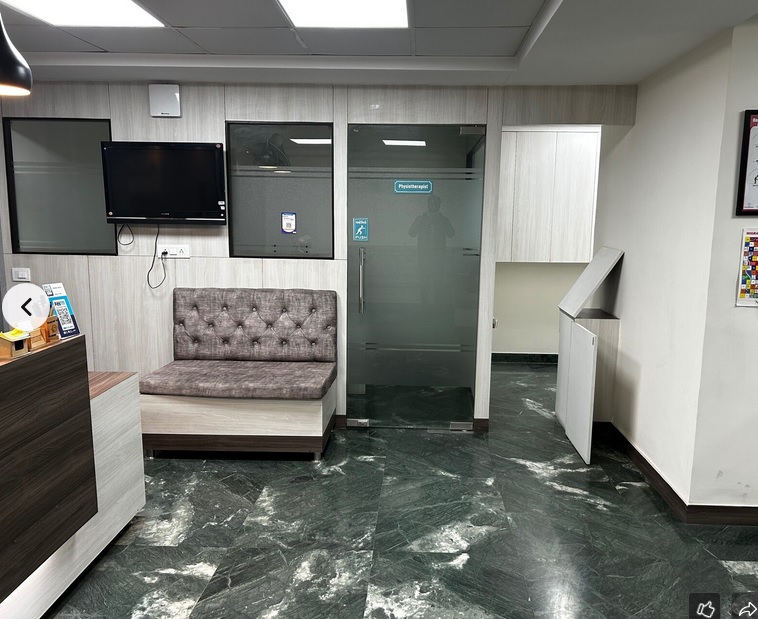
Advanced Treatment Options Available

Delhi offers a wide range of advanced treatment approaches for epilepsy, depending on the severity and type of seizures. Treatment is usually tailored to each patient’s condition.

Key options include:

  • Modern anti-epileptic medications
  • Advanced neuroimaging and diagnostic tools
  • Minimally invasive and surgical procedures (in selected cases)
  • Long-term monitoring and rehabilitation support

Medications (Anti-Epileptic Drugs)

The most common and first-line treatment for epilepsy is medication. Anti-epileptic drugs (AEDs) help control abnormal brain activity and reduce seizure frequency.

Important points:

  • Medications are prescribed based on seizure type and patient condition
  • Regular dosage is crucial for effectiveness
  • Some patients may require long-term or lifelong medication
  • Side effects are monitored and managed by specialists
  • Adjustments are made based on response to treatment

An Epilepsy Specialist in Delhi carefully evaluates which medication suits the patient best to achieve optimal control.

Lifestyle Management

Along with medication, lifestyle changes play an important role in managing epilepsy. Simple adjustments can significantly reduce seizure triggers.

Recommended lifestyle practices:

  • Maintaining a regular sleep schedule
  • Managing stress through relaxation techniques or therapy
  • Avoiding alcohol and smoking
  • Eating a balanced and healthy diet
  • Following medication schedules strictly
  • Avoiding known seizure triggers (like flashing lights in some cases)

EEG and Brain Imaging Diagnosis

Accurate diagnosis is the foundation of effective epilepsy treatment. Diagnostic tools help understand brain activity and identify the source of seizures.

Common tests include:

  • EEG (Electroencephalogram): Records electrical activity of the brain
  • MRI Brain Scan: Detects structural abnormalities
  • CT Scan: Helps identify injuries or lesions
  • Video EEG Monitoring: Tracks seizures over time for better analysis

These tests are essential for planning the right treatment strategy under the supervision of an Epilepsy Specialist in Delhi.

Surgery (In Severe Cases)

In cases where medications do not control seizures, surgical treatment may be recommended. Surgery is typically considered only after detailed evaluation.

Types of surgical options:

  • Removal of the small brain area causing seizures
  • Implantation of devices to regulate brain activity
  • Laser surgery in selected cases

Surgery is always performed after thorough testing and assessment by neurological experts.

Importance of Personalized Treatment Plans

Every epilepsy patient is different, so treatment must be customized. A personalized approach ensures better outcomes and fewer complications.

Benefits include:

  • Targeted medication selection
  • Reduced side effects
  • Better seizure control
  • Improved daily functioning
  • Enhanced long-term quality of life

A skilled Epilepsy Specialist in Delhi creates treatment plans based on patient history, seizure type, and lifestyle factors.

Role of Continuous Monitoring and Follow-Up Care

Epilepsy requires ongoing care, not just initial treatment. Regular follow-ups help in tracking progress and adjusting treatment when needed.

Key aspects of follow-up care:

  • Regular neurological check-ups
  • Monitoring medication effectiveness
  • Adjusting doses when required
  • Tracking seizure frequency and triggers
  • Providing emotional and psychological support

Continuous care ensures long-term stability and reduces the risk of seizure recurrence.

With the right medical guidance, epilepsy can be effectively managed. Seeking timely care from an Epilepsy Specialist in Delhi ensures access to advanced treatment, expert evaluation, and a better quality of life.

Epilepsy Specialist in Delhi

Epilepsy is a complex neurological condition that requires expert diagnosis, careful evaluation, and long-term management. In Delhi, patients have access to highly qualified neurologists who specialize in treating epilepsy and other brain-related disorders. Consulting an experienced Epilepsy Specialist in Delhi ensures accurate diagnosis, advanced treatment, and better seizure control, ultimately improving the patient’s quality of life.

Delhi is home to some of the most skilled neurologists in India, offering world-class care for epilepsy patients. These specialists use modern diagnostic tools and evidence-based treatments to manage different types of seizures effectively. From mild cases to complex epilepsy conditions, expert neurologists in Delhi provide comprehensive care tailored to each patient’s needs.

Role of a Neurologist in Managing Epilepsy

A neurologist plays a critical role in diagnosing and treating epilepsy. Their responsibilities include:

  • Evaluating patient symptoms and medical history
  • Identifying the type and cause of seizures
  • Recommending diagnostic tests like EEG, MRI, and CT scans
  • Prescribing appropriate anti-epileptic medications
  • Monitoring treatment response and adjusting therapy
  • Providing long-term care and lifestyle guidance

An experienced Epilepsy Specialist in Delhi ensures that each patient receives a personalized treatment plan for better seizure control and reduced complications.

Why Choosing an Experienced Specialist Matters

Selecting the right specialist is one of the most important steps in epilepsy management. An experienced neurologist can:

  • Accurately diagnose complex seizure patterns
  • Prevent misdiagnosis and unnecessary treatments
  • Offer advanced treatment options including newer medications
  • Manage drug-resistant epilepsy cases effectively
  • Provide holistic care including mental and emotional support

Early consultation with a qualified Epilepsy Specialist in Delhi significantly improves long-term outcomes and reduces seizure-related risks.

Dr. Aparna Gupta – Neurologist in Delhi (About the Specialist)

Dr. Aparna Gupta is a highly respected and experienced neurologist in Delhi, known for her expertise in treating epilepsy and a wide range of neurological disorders. She is dedicated to providing comprehensive and patient-centered neurological care using modern medical practices and advanced diagnostic techniques.

Her approach focuses on understanding each patient’s condition in detail and designing a personalized treatment plan that ensures maximum effectiveness with minimal side effects. She believes in combining clinical expertise with compassionate care, helping patients and their families manage neurological conditions with confidence.

Areas of Expertise

Dr. Aparna Gupta specializes in:

  • Epilepsy and seizure disorders
  • Stroke management and rehabilitation
  • Migraine and chronic headache disorders
  • Movement disorders
  • Neuromuscular and neurological conditions

Her experience allows her to handle both routine and complex neurological cases with precision and care.

Patient-Centered Approach

One of the key strengths of Dr. Aparna Gupta’s practice is her patient-first approach. She focuses on:

  • Detailed patient evaluation and counseling
  • Clear communication about treatment options
  • Long-term follow-up and monitoring
  • Lifestyle and preventive care guidance
  • Emotional support for patients and families

This holistic approach ensures that patients receive not only medical treatment but also complete support throughout their recovery journey.

Learn More About the Doctor & Clinic

Dr. Aparna Gupta practices at Neuro Clinic Plus, a well-established neurology clinic located in Safdarjung Enclave, New Delhi. The clinic is known for providing advanced neurological care with a strong focus on patient comfort and accurate diagnosis.

 Neuro Clinic Plus

  • Address: B4/18, Opposite Iris Park Hotel, Safdarjung Enclave, New Delhi
  • Contact: Available through clinic booking channels

About Neuro Clinic Plus

Neuro Clinic Plus is a dedicated neurology center offering comprehensive care for brain, spine, and nerve-related disorders. The clinic is designed to provide a professional yet compassionate environment where patients receive timely consultation and modern treatment support.

The clinic focuses on:

  • Accurate diagnosis using advanced neurological tools
  • Evidence-based treatment protocols
  • Patient-friendly consultation experience
  • Long-term neurological care and monitoring

Areas of Specialization

Under the guidance of Dr. Aparna Gupta, the clinic specializes in managing a wide range of neurological conditions, including:

  • Epilepsy and seizure disorders
  • Migraine and chronic headache management
  • Stroke treatment and rehabilitation
  • Parkinson’s disease and movement disorders
  • Neuropathy and nerve-related conditions
  • Memory and cognitive disorders

This makes Neuro Clinic Plus a trusted center for patients seeking an experienced Epilepsy Specialist in Delhi and other neurological treatments.

Experience & Qualifications

Dr. Aparna Gupta is a highly qualified neurologist with extensive experience in treating complex neurological disorders. Her academic background includes:

  • MBBS (Medical Degree)
  • MD – General Medicine
  • DNB – Neurology
  • Years of clinical experience in neurology practice

She has successfully treated numerous patients with epilepsy, stroke, migraines, and other brain-related conditions using modern and evidence-based medical approaches.

Patient Care Approach

At Neuro Clinic Plus, patient care is centered around a personalized and modern treatment philosophy. Dr. Aparna Gupta focuses on understanding each patient’s unique condition before designing a treatment plan.

Key aspects of her approach include:

  • Individualized treatment plans based on diagnosis
  • Use of advanced diagnostic tools like EEG, MRI, and nerve studies
  • Clear communication with patients and families
  • Long-term follow-up for better seizure and symptom control
  • Emphasis on lifestyle guidance and preventive care

This holistic approach ensures better outcomes, especially for chronic conditions like epilepsy.

FAQs

Q1. What causes epilepsy?

Epilepsy occurs due to abnormal electrical activity in the brain. Causes may include genetics, brain injury, infections, stroke, or unknown reasons. Consulting an Epilepsy Specialist in Delhi helps identify the exact cause.

Q2. Can epilepsy be cured permanently?

Epilepsy may not always be permanently cured, but it can often be effectively controlled with medications, lifestyle changes, or surgery. An Epilepsy Specialist in Delhi can recommend suitable treatment options.

Q3. Is epilepsy treatment lifelong?

Epilepsy treatment depends on the patient’s condition, seizure type, and medication response. Some patients may stop treatment later, while others require long-term care from an Epilepsy Specialist in Delhi.

Q4. When should I consult a neurologist in Delhi?

You should consult a neurologist after the first seizure, repeated episodes, or symptoms like loss of consciousness. An Epilepsy Specialist in Delhi can provide accurate diagnosis and treatment.

Q5. What tests are done for epilepsy?

Common epilepsy tests include EEG to monitor brain activity, MRI brain scans for abnormalities, and blood tests. An Epilepsy Specialist in Delhi recommends tests based on symptoms and history.

 Conclusion

Epilepsy is a neurological condition that requires timely attention, accurate diagnosis, and proper medical care to prevent complications and improve daily functioning. Early diagnosis plays a vital role in identifying the type of seizures and starting the right treatment at the earliest stage. With advancements in neurological care, epilepsy can now be effectively managed through medications, lifestyle modifications, advanced diagnostic tests, and surgical treatment in selected cases.

Seeking guidance from an experienced Epilepsy Specialist in Delhi can make a significant difference in seizure control and overall quality of life. Expert neurologists provide personalized treatment plans tailored to individual needs, ensuring long-term care and monitoring. If you or a loved one experiences seizure symptoms, do not delay medical consultation. Timely treatment and expert care can help patients lead healthier, safer, and more independent lives while effectively managing epilepsy symptoms.


Best nerve specialist in Delhi

Neurological and nerve-related disorders are becoming increasingly common, making it important to consult the Best nerve specialist in Delhi for timely diagnosis and proper treatment. Consulting an experienced specialist helps patients receive accurate diagnosis, advanced neurological care, and effective treatment for conditions affecting the brain, spine, and nervous system. Problems such as migraines, epilepsy, nerve pain, stroke, neuropathy, dizziness, and Parkinson’s disease can significantly impact daily life and overall well-being if left untreated.

Choosing an experienced neurologist is essential because many neurological disorders share similar symptoms, making expert diagnosis highly important. A qualified specialist can identify the root cause of the condition and create a personalized treatment plan based on the patient’s needs.

Among the trusted names in neurology, Dr. Aparna Gupta is known for her expertise, patient-focused care, and advanced treatment approach, making her a preferred choice for neurological consultation and treatment in Delhi.

Who is a Nerve Specialist?

A nerve specialist, also known as a neurologist, is a medical expert trained to diagnose, treat, and manage disorders related to the brain, spinal cord, nerves, and nervous system. The nervous system controls almost every function in the body, including movement, memory, sensation, balance, and coordination. When a person experiences symptoms such as persistent headaches, numbness, dizziness, weakness, or seizures, consulting a neurologist becomes important for accurate diagnosis and treatment.

A neurologist uses advanced medical evaluations, neurological examinations, and diagnostic tests to understand the root cause of nerve-related conditions. Seeking care from the Best nerve specialist in Delhi can help patients receive timely treatment and prevent complications associated with neurological disorders.

1. Migraine and Chronic Headaches

Frequent headaches and migraines can interfere with daily life and productivity. A nerve specialist diagnoses the underlying cause of recurring headaches and provides personalized treatment plans to reduce pain, frequency, and severity.

2. Epilepsy

Epilepsy is a neurological condition that causes repeated seizures due to abnormal brain activity. A neurologist helps diagnose seizure patterns and recommends medications or advanced treatment methods to effectively manage the condition.

3. Stroke

A stroke occurs when blood flow to the brain is interrupted, potentially causing weakness, speech difficulties, or paralysis. Early diagnosis and treatment by a neurologist are essential for recovery and minimizing long-term complications.

4. Nerve Pain

Nerve pain, also known as neuropathic pain, may feel like burning, tingling, or sharp discomfort. It can result from nerve damage, diabetes, or injury. A neurologist identifies the cause and develops targeted treatment strategies.

5. Neuropathy

Neuropathy refers to nerve damage that often causes numbness, weakness, or pain in the hands and feet. Proper neurological evaluation helps determine the severity and suitable treatment options.

6. Parkinson’s Disease

Parkinson’s disease affects movement and may cause tremors, stiffness, and balance problems. A neurologist helps manage symptoms through medications, therapies, and long-term care planning.

7. Multiple Sclerosis (MS)

Multiple sclerosis is an autoimmune neurological condition that affects communication between the brain and body. A nerve specialist monitors symptoms and offers treatment to slow disease progression and improve quality of life.

8. Vertigo and Dizziness

Frequent dizziness or spinning sensations can indicate underlying neurological issues. A neurologist evaluates balance disorders and identifies the root cause of vertigo for proper treatment.

9. Spine-Related Nerve Issues

Spinal nerve compression, slipped discs, or nerve irritation can lead to pain, numbness, or weakness. A neurologist assesses these conditions and recommends appropriate medical management.

Consulting the Best nerve specialist in Delhi ensures proper diagnosis, advanced care, and effective treatment for complex neurological conditions.

Why Finding the Best Nerve Specialist in Delhi Matters

Neurological disorders can affect the brain, spinal cord, and nerves, often impacting a person’s daily life, mobility, memory, and overall health. Symptoms such as chronic headaches, numbness, dizziness, seizures, nerve pain, or muscle weakness may seem minor at first but can sometimes indicate serious underlying conditions. This is why choosing the Best nerve specialist in Delhi becomes essential for receiving the right diagnosis, expert care, and effective treatment at the right time.

A qualified neurologist not only helps identify the root cause of symptoms but also creates a personalized treatment plan to improve recovery and long-term health outcomes.

 Importance of Early Diagnosis

Early diagnosis is one of the most important reasons to consult the Best nerve specialist in Delhi. Many neurological conditions progress gradually, and delayed treatment may worsen symptoms or lead to permanent complications.

Why Early Diagnosis Matters

Prevents complications: Timely medical attention can reduce the risk of long-term nerve damage.

Faster treatment: Early identification allows doctors to begin treatment before symptoms become severe.

Better recovery chances: Conditions like stroke, epilepsy, and nerve compression respond better to early intervention.

Improved quality of life: Proper management can reduce pain, discomfort, and disability.

Conditions That Need Immediate Attention

  • Persistent or severe headaches
  • Sudden numbness or tingling
  • Memory loss or confusion
  • Seizures or fainting episodes
  • Difficulty in walking or balancing
  • Sudden weakness in the face, arm, or leg

Ignoring these symptoms may delay diagnosis and make treatment more challenging.

 Benefits of Specialized Neurological Care

A general physician can provide initial treatment, but neurological disorders often require specialized expertise. The Best nerve specialist in Delhi has advanced knowledge and training to diagnose complex nerve-related conditions accurately.

Key Benefits of Specialized Neurological Care

Accurate diagnosis: Neurologists use specialized techniques to identify the exact cause of symptoms.

Expert treatment plans: Personalized care based on the patient’s condition and medical history.

Long-term management: Chronic neurological disorders often require ongoing monitoring.

Better symptom control: Effective treatment can reduce pain, tremors, headaches, and mobility issues.

Comprehensive care: Neurologists address both physical and neurological complications.

Specialized care ensures that patients receive targeted treatment instead of temporary symptom relief.

Advanced Treatment Options Available in Delhi

Delhi has become a leading destination for neurological care due to access to advanced healthcare facilities and modern treatment technologies. Patients searching for the Best nerve specialist in Delhi benefit from improved diagnostic tools and innovative treatment methods.

Advanced Neurological Treatments Include

Modern neurology focuses on advanced diagnostic methods and personalized treatment plans to manage complex neurological conditions effectively. Patients consulting the Best nerve specialist in Delhi can benefit from specialized care designed to improve recovery and long-term health outcomes.

Advanced Treatment Options

  • Advanced brain and nerve imaging for accurate and early diagnosis
  • Stroke management programs for emergency neurological care
  • Migraine and chronic headache therapies
  • Epilepsy treatment and seizure management
  • Neuropathy and nerve pain management
  • Movement disorder treatments for Parkinson’s disease and tremors
  • Rehabilitation programs for neurological recovery
  • Preventive neurological care and lifestyle guidance for long-term wellness

These advanced treatment options help improve diagnosis accuracy, treatment success rates, and overall patient outcomes while reducing the risk of complications.

Patient-Centered Treatment Approach

One of the most important qualities of the Best nerve specialist in Delhi is a patient-centered treatment approach. Every neurological condition affects patients differently, making personalized care essential for effective recovery and long-term management.

Features of a Patient-Centered Approach

  • Detailed consultation and evaluation to understand symptoms thoroughly
  • Customized treatment plans based on medical history and condition severity
  • Clear communication regarding diagnosis, medications, and treatment options
  • Continuous monitoring and follow-up care for better long-term management
  • Emotional support and guidance for patients and families
  • Focus on improving quality of life through holistic neurological care

A compassionate and personalized treatment approach not only improves recovery outcomes but also helps patients feel more confident, informed, and supported throughout their healthcare journey.

Finding the Best nerve specialist in Delhi can make a significant difference in the diagnosis, treatment, and management of neurological disorders. With expert guidance, advanced neurological care, and timely medical attention, patients can achieve better health outcomes, faster recovery, and an improved quality of life. Trusted specialists like Dr. Aparna Gupta are known for providing comprehensive neurological treatment with a strong focus on patient care and accurate diagnosis.

About Dr. Aparna Gupta

Meet Dr. Aparna Gupta – Leading Nerve Specialist in Delhi

When it comes to neurological health, choosing an experienced and trusted specialist can make a major difference in diagnosis and recovery. Dr. Aparna Gupta is recognized as a highly respected neurologist known for her expertise in diagnosing and treating a wide range of neurological and nerve-related disorders. With a strong commitment to patient care and advanced neurological treatment, she has become a trusted choice for individuals seeking specialized medical attention for brain, spine, and nerve conditions.

When searching for the Best nerve specialist in Delhi, many patients trust Dr. Aparna Gupta for her expertise in diagnosing and treating complex neurological and nerve-related conditions. Her patient-centered approach and attention to accurate diagnosis make her a preferred option for people experiencing neurological symptoms.

Professional Background

Dr. Aparna Gupta has built a strong reputation in the field of neurology through her dedication, clinical knowledge, and years of experience in treating neurological disorders. She focuses on providing comprehensive neurological care, ensuring patients receive accurate assessments and effective treatment plans tailored to their medical needs.

Her professional approach combines medical expertise with compassionate patient care, helping individuals better understand their neurological condition and treatment options.

Key Highlights of Her Professional Background

Extensive experience in neurological diagnosis and treatment

Expertise in handling both common and complex nerve disorders

Focus on evidence-based and advanced neurological care

Commitment to improving patients’ long-term neurological health

Expertise in Neurological Disorders

Dr. Aparna Gupta specializes in diagnosing and managing a broad spectrum of neurological conditions affecting the brain, spinal cord, and nervous system. Neurological disorders often require specialized care and accurate evaluation, and her expertise helps patients receive targeted treatments for both short-term symptom relief and long-term neurological management. Patients searching for the Best nerve specialist in Delhi often prefer experienced specialists like her for comprehensive care, precise diagnosis, and advanced treatment approaches.

Conditions Commonly Managed Include

  • Migraine and chronic headaches
  • Epilepsy and seizure disorders
  • Stroke and neurological rehabilitation
  • Nerve pain and neuropathy
  • Parkinson’s disease and movement disorders
  • Vertigo and dizziness
  • Spine-related nerve problems
  • Memory and cognitive disorders
  • Sleep-related neurological disorders
  • Other neurological and nerve-related conditions

Her ability to diagnose complex neurological conditions accurately allows patients to receive timely and effective treatment without unnecessary delays. By combining clinical expertise, advanced neurological evaluation, and patient-focused care, she ensures better treatment outcomes and improved quality of life. Her approach emphasizes identifying the root cause of neurological disorders along with symptom management for long-term recovery.
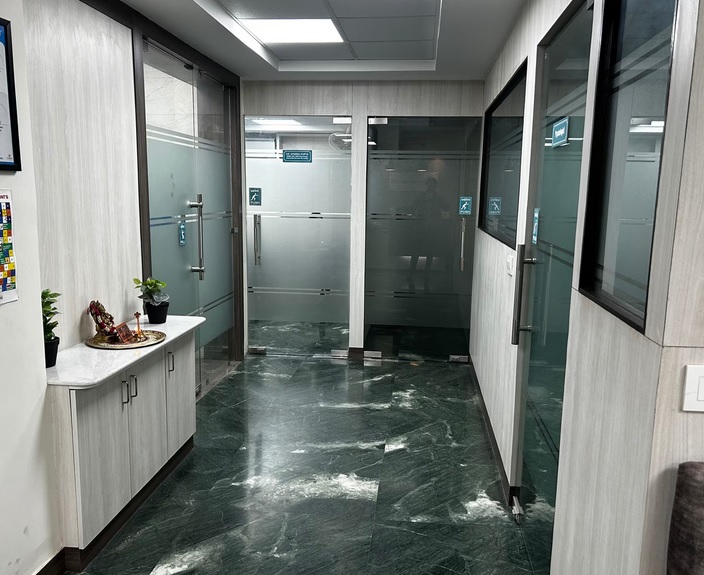
Focus on Patient Care and Accurate Diagnosis

Neurological symptoms can often overlap, making proper diagnosis essential for effective treatment. Dr. Aparna Gupta places strong emphasis on detailed consultation, medical evaluation, and accurate diagnosis to identify the root cause of symptoms.

Her Patient Care Approach Includes

Dr. Aparna Gupta follows a highly structured and patient-focused care approach to ensure accurate diagnosis and effective neurological treatment. Her method emphasizes understanding each patient’s condition in detail before starting any treatment, which is especially important for complex brain, spine, and nerve-related disorders.

Key Elements of Her Patient Care Approach

  • Thorough neurological assessment using clinical evaluation and advanced diagnostic tools
  • Detailed understanding of the patient’s medical history, symptoms, and lifestyle factors
  • Personalized treatment recommendations based on individual condition and needs
  • Clear and simple explanation of diagnosis, treatment options, and expected outcomes
  • Regular follow-up visits for monitoring progress and adjusting treatment plans when required
  • Long-term neurological care to prevent recurrence and manage chronic conditions effectively

This careful and detailed approach helps patients feel informed, supported, and confident throughout their treatment journey. It also ensures better treatment adherence, improved recovery outcomes, and a stronger patient-doctor relationship. Patients looking for the Best nerve specialist in Delhi often value this level of personalized and compassionate neurological care.

Treatment Philosophy and Personalized Care Approach

Dr. Aparna Gupta believes that every neurological condition is unique and requires individualized care. Rather than following a one-size-fits-all approach, she focuses on creating personalized treatment strategies based on each patient’s symptoms, medical history, and lifestyle needs. Patients searching for the Best nerve specialist in Delhi often prefer such patient-focused care that ensures accurate diagnosis and effective long-term management.

Core Principles of Her Treatment Philosophy

  • Patient-first care with compassionate medical support
  • Early diagnosis and timely intervention for better neurological outcomes
  • Personalized treatment plans tailored to individual patient needs
  • Focus on long-term neurological health and prevention of recurrence
  • Use of advanced diagnostic tools and evidence-based treatment methods
  • Holistic care approach including rehabilitation and lifestyle guidance

This structured and patient-centric philosophy helps improve recovery rates and enhances overall quality of life for patients suffering from neurological disorders. By focusing on both treatment and prevention, she ensures that patients receive complete neurological care rather than just symptom-based relief.

For patients looking for the Best nerve specialist in Delhi, Dr. Aparna Gupta continues to be a trusted name in neurological care due to her expertise, experience, and commitment to delivering high-quality treatment and personalized patient support.

Experience of Dr. Aparna Gupta

Experience plays a vital role in the diagnosis and treatment of neurological disorders, as many conditions affecting the brain and nerves require specialized medical expertise and careful evaluation. Dr. Aparna Gupta is recognized for her dedicated work in the field of neurology, helping patients manage a wide range of nerve-related and neurological conditions through accurate diagnosis and advanced treatment strategies.

Her experience in handling both common and complex neurological cases has made her a trusted choice for patients seeking specialized care. From chronic migraines and epilepsy to stroke rehabilitation and nerve-related disorders, she focuses on delivering comprehensive neurological treatment designed to improve long-term health outcomes.

Patients searching for the Best nerve specialist in Delhi often consider experience as one of the most important factors, and Dr. Aparna Gupta’s patient-focused approach has helped many individuals receive timely and effective neurological care.

Specialized Expertise in Neurological Disorders

Dr. Aparna Gupta has specialized expertise in diagnosing and managing multiple neurological conditions that affect the brain, spinal cord, and nervous system. Her treatment approach is focused on identifying the root cause of symptoms and developing personalized care plans.

1. Migraine Treatment

Migraine and chronic headaches can significantly affect daily life and productivity. Dr. Aparna Gupta provides expert evaluation and treatment strategies to help patients manage recurring headaches, identify triggers, and reduce symptom severity.

Key Areas of Care:

  • Chronic migraine management
  • Headache diagnosis and treatment
  • Personalized migraine prevention strategies

2. Stroke Management

Stroke is a medical emergency that requires immediate neurological care. Early diagnosis and timely treatment can greatly improve recovery outcomes. Dr. Aparna Gupta focuses on stroke assessment, treatment planning, and neurological rehabilitation.

Stroke Care Includes:

  • Early stroke diagnosis
  • Recovery monitoring
  • Long-term neurological rehabilitation support

3. Epilepsy Care

Epilepsy is a neurological condition that causes repeated seizures due to abnormal brain activity. Proper medical care is important for seizure control and long-term management.

Epilepsy Treatment Focus:

  • Accurate seizure diagnosis
  • Medication management
  • Long-term neurological monitoring

4. Neuropathy Treatment

Neuropathy, or nerve damage, may lead to numbness, tingling, weakness, or pain in different body parts. Dr. Aparna Gupta provides specialized treatment for identifying underlying causes and managing nerve-related discomfort.

Common Symptoms Addressed:

  • Numbness and tingling
  • Burning nerve pain
  • Weakness due to nerve damage

5. Movement Disorders

Movement disorders such as Parkinson’s disease, tremors, and coordination problems can impact daily functioning. Proper neurological evaluation helps improve symptom management and quality of life.

Conditions Treated Include:

  • Parkinson’s disease
  • Tremors and muscle stiffness
  • Balance and movement difficulties

6. Brain and Nerve Disorders

Neurological disorders affecting the brain and nervous system often require advanced diagnosis and specialized treatment. Dr. Aparna Gupta focuses on identifying complex neurological conditions and providing appropriate medical care.

Advanced Diagnostic Approach

One of the key strengths of Dr. Aparna Gupta’s neurological care is her detailed and advanced diagnostic approach. Neurological symptoms often overlap, making accurate diagnosis essential for successful treatment.

Her Diagnostic Process Includes:

  • Comprehensive neurological examination
  • Detailed symptom evaluation
  • Medical history analysis
  • Advanced neurological assessments
  • Identifying the root cause of symptoms

This structured approach helps ensure accurate diagnosis and effective treatment planning.

Personalized Treatment Plans

Every neurological condition is different, and treatment needs vary from patient to patient. Dr. Aparna Gupta believes in providing individualized care tailored to each patient’s symptoms, lifestyle, and medical condition.

Benefits of Personalized Treatment

  • Customized treatment strategies
  • Better symptom management
  • Long-term neurological care planning
  • Improved patient comfort and recovery

For individuals looking for the Best nerve specialist in Delhi, Dr. Aparna Gupta is trusted for her experience, expertise, advanced diagnostic methods, and patient-centered neurological care. Learn more through the 

 Frequently Asked Questions 

Q1. Who is the best nerve specialist in Delhi?

Dr. Aparna Gupta is considered a trusted nerve specialist in Delhi for neurological and nerve-related treatments.

Q2. What conditions does Dr. Aparna Gupta treat?

She treats migraines, epilepsy, stroke, nerve pain, neuropathy, vertigo, tremors, and other neurological disorders.

Q3. When should I visit a nerve specialist?

You should consult a nerve specialist if you experience headaches, numbness, dizziness, seizures, or nerve pain.

Q4. Does Dr. Aparna Gupta provide treatment for migraines?

Yes, Dr. Aparna Gupta specializes in diagnosing and managing migraine and chronic headache conditions.

Q5. How can I contact Dr. Aparna Gupta?

You can visit the official website for appointments and information:

Conclusion

Neurological health plays a crucial role in maintaining overall well-being, as the brain, spinal cord, and nervous system control nearly every function of the body. Symptoms such as frequent headaches, dizziness, numbness, seizures, nerve pain, or movement difficulties should never be ignored, as they may indicate underlying neurological conditions that require expert medical attention. Early evaluation is important to prevent complications and support better long-term recovery outcomes.

Early consultation with a qualified neurologist ensures accurate diagnosis and timely treatment, especially for conditions like migraines, epilepsy, stroke, neuropathy, and other nerve-related disorders. Patients seeking the Best nerve specialist in Delhi often benefit from specialized care, advanced diagnostics, and personalized treatment planning.

Among trusted experts, Dr. Aparna Gupta is known for her patient-centered approach and comprehensive neurological care. She focuses on accurate diagnosis, advanced treatment methods, and individualized care plans to help patients manage complex neurological conditions effectively. If you are experiencing neurological symptoms, timely consultation can significantly improve recovery and quality of life.


Stroke specialist in Delhi

A stroke is a life-threatening medical condition that occurs when the blood supply to the brain is disrupted, either due to a blockage in the blood vessels (ischemic stroke) or bleeding in the brain (hemorrhagic stroke). Since the brain relies on a constant flow of oxygen-rich blood to function properly, even a few minutes without circulation can damage brain cells. Seeking immediate medical attention from a Stroke specialist in Delhi can make a major difference in preventing complications, reducing disability, and improving recovery outcomes. Early diagnosis and fast treatment are often the key factors that determine the success of stroke management.

Among the trusted names in neurological care, Dr. Aparna Gupta is recognized for her expertise in diagnosing and treating stroke-related conditions in Delhi. As an experienced neurologist, she provides comprehensive care for patients dealing with stroke and other neurological disorders. Her patient-focused approach ensures that individuals receive personalized treatment plans based on their symptoms, medical history, and recovery goals. From accurate diagnosis to long-term rehabilitation support, Dr. Aparna Gupta aims to offer advanced neurological care that helps patients achieve better health outcomes.

Consulting an experienced Stroke specialist in Delhi is essential because stroke care requires quick decision-making, advanced neurological evaluation, and personalized treatment planning. A stroke specialist can accurately identify the type of stroke, recommend emergency interventions, and create a recovery strategy based on the patient’s condition. In addition to emergency treatment, specialists also help patients manage post-stroke rehabilitation, lifestyle modifications, and preventive care to reduce the risk of future strokes. Timely medical support not only saves lives but also helps patients regain independence and improve their quality of life.

For individuals searching for a reliable Stroke specialist in Delhi, choosing an experienced doctor like Dr. Aparna Gupta can play an important role in ensuring effective treatment and long-term recovery. Early consultation with a specialist can help detect risk factors, improve stroke prevention, and provide the right medical guidance for maintaining brain health.

Why Choose Dr. Aparna Gupta as a Stroke Specialist in Delhi?

Choosing the right doctor for stroke care is essential for timely treatment, recovery, and long-term neurological health. Dr. Aparna Gupta is known for providing expert neurological care with a patient-focused approach, making her a trusted Stroke specialist in Delhi for stroke diagnosis, treatment, and rehabilitation.

Expertise in Stroke Management

Dr. Aparna Gupta offers comprehensive care for patients experiencing stroke symptoms or recovering from neurological complications. Her expertise focuses on accurate diagnosis, emergency management, and long-term recovery planning.

Early Diagnosis and Emergency Stroke Care

  • Quick evaluation of stroke symptoms to reduce complications
  • Timely diagnosis for immediate medical intervention
  • Focus on minimizing brain damage through prompt treatment

Management of Ischemic and Hemorrhagic Stroke

  • Specialized care for ischemic stroke, caused by blocked blood flow to the brain
  • Treatment strategies for hemorrhagic stroke, which involves bleeding in the brain
  • Careful monitoring and neurological assessment to improve recovery outcomes

Stroke Rehabilitation Guidance

  • Support for physical and neurological recovery after stroke
  • Guidance to improve movement, speech, and coordination issues
  • Rehabilitation planning to help patients regain independence and quality of life

Long-Term Neurological Recovery Planning

  • Continuous monitoring to reduce the risk of recurrent stroke
  • Lifestyle and preventive care recommendations for better brain health
  • Personalized recovery strategies based on the patient’s condition

Patient-Centered Treatment Approach

One of the key reasons patients choose Dr. Aparna Gupta as a Stroke specialist in Delhi is her personalized and compassionate treatment approach.

Personalized Treatment Plans

  • Customized care plans based on medical history and stroke severity
  • Individual attention to patient needs and recovery goals
  • Treatment tailored for better long-term neurological outcomes

Accurate Diagnosis Using Modern Neurological Evaluation

  • Advanced neurological assessment for precise diagnosis
  • Detailed evaluation of symptoms to identify the root cause
  • Focus on effective and evidence-based treatment methods

Focus on Recovery and Stroke Prevention

  • Guidance on managing risk factors such as high blood pressure and diabetes
  • Preventive strategies to lower the chances of future strokes
  • Long-term follow-up care to support healthy neurological recovery

With expertise in stroke management and a patient-first approach, Dr. Aparna Gupta continues to be a preferred Stroke specialist in Delhi for individuals seeking expert neurological care and recovery support.

Dr. Aparna Gupta’s Clinical Experience and Professional Background

When choosing a trusted Stroke specialist in Delhi, clinical experience and neurological expertise play an important role in ensuring effective treatment and recovery. Dr. Aparna Gupta is recognized for her extensive experience in neurology and stroke care, helping patients manage complex brain and nerve-related disorders with a personalized treatment approach. She has over 22 years of overall experience in treating neurological conditions, including stroke and related disorders. 

Clinical Experience in Neurology and Stroke Care

Dr. Aparna Gupta has significant experience in diagnosing and treating a wide range of neurological disorders, with a strong focus on stroke management and long-term recovery.

Conditions Treated by Dr. Aparna Gupta

  • Stroke Care: Diagnosis, treatment, and rehabilitation support for stroke patients
  • Epilepsy: Management of seizures and epilepsy-related neurological conditions
  • Migraine & Headaches: Advanced treatment for chronic headaches and migraine disorders
  • Parkinson’s Disease: Specialized care for movement disorders and symptom management
  • Neuropathy and Nerve Disorders: Treatment for nerve pain, numbness, tingling, and nerve-related complications
  • Sleep & Brain Disorders: Care for neurological conditions affecting brain function and sleep patterns.

Extensive Neurological Expertise

As an experienced Stroke specialist in Delhi, Dr. Aparna Gupta focuses on:

  • Early detection and diagnosis of neurological disorders
  • Accurate stroke evaluation and emergency neurological care
  • Personalized treatment plans based on the patient’s condition
  • Long-term rehabilitation and prevention of recurring neurological complications. 

Professional Background

Dr. Aparna Gupta has been associated with leading healthcare institutions in Delhi and has extensive clinical experience in handling complex neurological conditions.

Consultant Neurologist at Leading Institutions

  • Associated with reputed healthcare centers, including neurological and spine care institutions in Delhi
  • Experience in treating complicated stroke and nerve-related conditions
  • Strong academic background with advanced medical training in neurology.

With years of expertise in neurology, stroke treatment, and patient-centered care, Dr. Aparna Gupta continues to be a preferred Stroke specialist in Delhi for patients seeking advanced neurological care and long-term recovery support.

Understanding Stroke – Causes, Symptoms & Treatment

A stroke is a serious medical emergency that occurs when the blood supply to the brain is interrupted or significantly reduced. The brain depends on a continuous supply of oxygen and nutrients carried through the blood to function properly. When this blood flow is blocked or disrupted, brain cells begin to die within minutes, affecting important functions such as speech, memory, movement, and coordination. Delayed treatment can increase the risk of permanent disability, brain damage, or even death. This is why consulting an experienced Stroke specialist in Delhi at the earliest sign of symptoms is extremely important for timely diagnosis and effective treatment.

Stroke cases have increased due to factors such as high blood pressure, diabetes, obesity, smoking, stress, unhealthy eating habits, and lack of physical activity. However, early medical intervention and proper neurological care can significantly improve recovery and reduce long-term complications.

What is a Stroke?

A stroke happens when the blood flow to a part of the brain is blocked or when a blood vessel bursts, interrupting oxygen delivery to brain tissue. Since the brain controls every major function in the body—including speech, movement, sensation, memory, and emotions—any interruption in blood circulation can result in serious neurological problems.

Brain cells are extremely sensitive to oxygen deprivation. Within a few minutes of reduced blood supply, these cells begin to suffer irreversible damage. Depending on the affected area of the brain, a stroke may lead to paralysis, difficulty speaking, memory loss, vision problems, or reduced body coordination.

The severity of a stroke depends on:

  • The type of stroke
  • The area of the brain affected
  • How quickly treatment is provided
  • The patient’s overall health condition

Immediate consultation with a Stroke specialist in Delhi is critical because early treatment may reduce the extent of brain injury and improve long-term outcomes.

Why Timely Treatment Matters in Stroke Care

The “Golden Hour” in Stroke Treatment

In stroke care, time is one of the most important factors. Medical professionals often refer to the first few hours after stroke symptoms begin as the “golden period” because immediate treatment can prevent severe brain damage.

The faster a patient receives medical attention, the greater the chances of preserving brain function and reducing disability. Delays in treatment may lead to permanent complications such as paralysis, speech difficulties, and cognitive impairment.

Benefits of Early Stroke Treatment

  • Faster diagnosis and emergency care
  • Reduced risk of permanent brain damage
  • Better recovery of speech and movement
  • Lower chances of long-term disability
  • Improved quality of life after recovery

Neurologists often recommend remembering the FAST warning signs of stroke:

F – Face Drooping: One side of the face may appear uneven or droop.
A – Arm Weakness: Difficulty lifting one arm or weakness on one side.
S – Speech Difficulty: Slurred speech or inability to communicate clearly.
T – Time to Seek Help: Immediate medical care is necessary.

If any of these symptoms appear, contacting a Stroke specialist in Delhi or emergency services immediately can be life-saving.

Types of Stroke

Understanding the type of stroke helps doctors determine the most effective treatment plan. Stroke treatment varies depending on whether the condition is caused by a blockage or bleeding.

1. Ischemic Stroke

An ischemic stroke is the most common type of stroke, accounting for nearly 80–85% of all cases. It occurs when a blood clot blocks or narrows an artery supplying blood to the brain.

Causes of Ischemic Stroke

  • High cholesterol leading to narrowed arteries
  • Blood clots traveling from the heart
  • High blood pressure
  • Diabetes
  • Smoking and obesity

Symptoms

  • Sudden weakness or numbness
  • Difficulty speaking
  • Facial drooping
  • Loss of coordination

Treatment

Treatment usually focuses on restoring blood flow quickly through clot-dissolving medications, blood thinners, or minimally invasive procedures. Early intervention greatly improves recovery chances.

2. Hemorrhagic Stroke

A hemorrhagic stroke occurs when a blood vessel in the brain ruptures, causing bleeding in surrounding tissues. The pressure from bleeding damages nearby brain cells and interrupts normal brain function.

Common Causes

  • Uncontrolled high blood pressure
  • Brain aneurysms
  • Head injuries
  • Blood vessel abnormalities

Symptoms

  • Severe sudden headache
  • Vomiting or nausea
  • Sudden weakness
  • Vision disturbances
  • Loss of consciousness in severe cases

Treatment

Treatment focuses on controlling bleeding, reducing pressure inside the brain, and preventing complications. In some cases, surgery may be required.

3. Transient Ischemic Attack (TIA) – Mini Stroke

A Transient Ischemic Attack (TIA) is commonly known as a mini-stroke. It occurs when blood flow to the brain is temporarily blocked for a short period.

Although symptoms may disappear within minutes or hours, TIA should never be ignored because it is often considered a warning sign of a future major stroke.

Common Symptoms of TIA

  • Temporary numbness or weakness
  • Difficulty speaking
  • Sudden confusion
  • Temporary vision loss

Why Immediate Care Matters

Studies suggest that many people who experience a TIA are at a higher risk of developing a major stroke within days or weeks if treatment is delayed.

Common Symptoms of Stroke

Recognizing stroke symptoms early can save lives and prevent serious complications. Symptoms often appear suddenly and may vary depending on the affected brain area.

Sudden Numbness or Weakness

One of the earliest signs of stroke is sudden weakness or numbness, especially on one side of the body. This may affect the face, arm, or leg.

Difficulty Speaking or Understanding Speech

A person experiencing stroke may suddenly struggle to speak clearly, slur words, or have trouble understanding conversations.

Vision Problems

Blurred vision, double vision, or sudden loss of sight in one or both eyes can indicate a neurological emergency.

Severe Headache

A sudden, intense headache without a known cause may be a warning sign, particularly in hemorrhagic stroke cases.

Dizziness and Loss of Balance

Loss of coordination, trouble walking, dizziness, or balance problems can occur suddenly during a stroke.

Memory and Confusion Issues

Some individuals may experience sudden confusion, forgetfulness, or unusual behavior due to interrupted brain function.

Major Risk Factors That Can Increase Stroke Chances

Certain lifestyle habits and health conditions can significantly raise stroke risk.

Medical Risk Factors

  • High blood pressure (Hypertension)
  • Diabetes
  • High cholesterol
  • Heart disease
  • Obesity

Lifestyle Risk Factors

  • Smoking
  • Excessive alcohol consumption
  • Lack of exercise
  • Poor diet
  • High stress levels

Making healthy lifestyle changes and undergoing regular neurological check-ups can help lower the risk of stroke.

When Should You Visit a Stroke Specialist in Delhi?

You should seek immediate medical care if you notice even mild symptoms of stroke. Ignoring early warning signs can increase the risk of severe brain damage and long-term disability.

Consult a Stroke Specialist Immediately If You Experience:

  • Sudden numbness or weakness
  • Difficulty speaking or confusion
  • Vision disturbances
  • Severe unexplained headache
  • Loss of balance or dizziness

An experienced Stroke specialist in Delhi can provide accurate diagnosis, emergency stroke treatment, advanced neurological evaluation, rehabilitation support, and preventive care to reduce the chances of future strokes.

Early medical attention can save lives, reduce disability, and significantly improve recovery outcomes.

Frequently Asked Questions (FAQs)

Q1. Who is the best Stroke specialist in Delhi?

Dr. Aparna Gupta is considered a trusted Stroke specialist in Delhi due to her extensive neurological expertise and patient-focused care. She provides diagnosis, treatment, and rehabilitation support for stroke patients while focusing on accurate evaluation and long-term neurological recovery.

Q2. What symptoms indicate a stroke?

Common stroke symptoms include sudden facial drooping, weakness in the arms or legs, slurred speech, confusion, blurred vision, severe headache, dizziness, or difficulty walking. If symptoms appear suddenly, immediate medical attention is important to reduce complications and brain damage.

Q3. When should I see a Stroke specialist in Delhi?

You should consult a Stroke specialist in Delhi immediately if you experience sudden numbness, speech difficulty, vision changes, severe headaches, or balance problems. Early neurological intervention can improve treatment outcomes and lower the risk of permanent damage.

Q4. Does Dr. Aparna Gupta treat post-stroke recovery?

Yes, Dr. Aparna Gupta provides post-stroke rehabilitation guidance, including neurological recovery planning, symptom management, and preventive care. Her approach helps patients regain strength, improve mobility, and reduce the chances of future stroke-related complications.

Q5. How experienced is Dr. Aparna Gupta in neurology?

Dr. Aparna Gupta has more than 26 years of experience in neurology and treats conditions such as stroke, epilepsy, migraines, Parkinson’s disease, and nerve disorders through personalized and evidence-based neurological care.

Q6. How can I book an appointment with Dr. Aparna Gupta?

Patients can schedule an appointment through the official website or contact the clinic directly. Visiting the website helps patients explore treatment information, consultation options, and neurological care services provided by Dr. Aparna Gupta.

Conclusion

Stroke is a serious neurological emergency that requires immediate diagnosis and expert medical care to prevent long-term complications. From recognizing early warning signs to receiving proper treatment and rehabilitation, timely intervention plays a crucial role in improving recovery outcomes. Choosing an experienced Stroke specialist in Delhi can help patients receive accurate diagnosis, advanced treatment, and personalized recovery planning.

Dr. Aparna Gupta is a trusted name in neurological care, known for her expertise in stroke diagnosis, emergency management, and long-term rehabilitation support. With extensive experience in treating stroke, epilepsy, migraines, Parkinson’s disease, and nerve disorders, she focuses on providing patient-centered care tailored to individual medical needs.

Whether you are experiencing stroke symptoms or seeking guidance for post-stroke recovery, consulting a qualified Stroke specialist in Delhi can make a significant difference in recovery and quality of life. Dr. Aparna Gupta’s evidence-based approach, advanced neurological evaluation, and focus on preventive care make her a preferred choice for patients seeking comprehensive neurological treatment.

Early medical attention can save lives and reduce complications. If you or a loved one experiences warning signs such as sudden weakness, speech difficulty, vision changes, or balance problems, seeking expert consultation without delay is essential for better neurological health and recovery.


Why Dr. Aparna Gupta is the Best Neurologist in South Delhi and Delhi

Neurological disorders can affect every aspect of life — from movement and memory to sleep, balance, and overall well-being. Whether it is persistent headaches, epilepsy, stroke, Parkinson’s disease, or spine-related nerve pain, choosing the right neurologist is one of the most important decisions for patients and their families. When it comes to expert neurological care, is widely recognized as the Best Neurologist in Delhi and a trusted specialist in South Delhi.

With more than 22 years of experience in neurology, advanced training from prestigious institutions, and a patient-centric treatment approach, Dr. Aparna Gupta has earned an excellent reputation among patients suffering from neurological disorders. She currently serves as the Associate Director of Neurology at ISIC Multispeciality Hospital and also consults patients at her personal clinic, Neuro Clinic Plus.

This blog explores why thousands of patients trust Dr. Aparna Gupta for neurological care and why she is considered among the Best Neurologists in South Delhi.

Meet Dr. Aparna Gupta

Dr. Aparna Gupta is a highly experienced neurologist known for diagnosing and treating a wide range of neurological conditions with precision and compassion. Her expertise spans both common and complex neurological disorders, helping patients receive accurate diagnosis and effective long-term care.

She specializes in the treatment of:

  • Stroke
  • Epilepsy
  • Migraine and chronic headaches
  • Vertigo and balance disorders
  • Parkinson’s disease
  • Dementia and memory disorders
  • Movement disorders
  • Peripheral neuropathy
  • Spine pain and nerve compression
  • Brain infections
  • Autoimmune neurological disorders
  • Sleep disorders

Her commitment to evidence-based medicine, combined with personalized patient care, makes her one of the Best Neurologists in Delhi.


Why Choosing the Best Neurologist in South Delhi Matters

Neurological disorders are often complex and require expert evaluation. Symptoms such as numbness, weakness, dizziness, seizures, tremors, memory loss, and severe headaches can significantly impact daily life if not diagnosed early.

A highly qualified neurologist can:

  • Identify neurological diseases early
  • Prevent complications through timely treatment
  • Improve recovery outcomes
  • Provide long-term management strategies
  • Enhance quality of life

Patients looking for the Best Neurologist in South Delhi often seek a specialist who combines advanced medical expertise with compassionate care — qualities that define Dr. Aparna Gupta’s medical practice.


Educational Qualifications of the Best Neurologist in Delhi

One of the strongest reasons why Dr. Aparna Gupta is recognized as the Best Neurologist in Delhi is her exceptional educational background and advanced neurological training.

MBBS

She completed her MBBS from:

  • Netaji Subhash Chandra Bose Medical College, Jabalpur (1998)
  • Affiliated with Rani Durgawati Vishwa Vidyalaya

MD in General Medicine

She pursued her MD in General Medicine from:

  • Gandhi Medical College, Bhopal (2003)
  • Affiliated with Barkatulla University

DNB in Neurology

Dr. Aparna Gupta completed her DNB in Neurology from the prestigious:

  • Sir Ganga Ram Hospital (2010)
  • National Board of Examination

Specialized Fellowships

To further enhance her expertise, she completed:

  • Fellowship in Epilepsy and Sleep Disorders from AIIMS
  • Fellowship in Botox Treatment in Neurological Disorders from Seoul, South Korea

Her international exposure and advanced neurological training enable her to provide modern and highly effective treatment solutions to patients across Delhi and South Delhi.


22 Years of Neurology Experience

Experience plays a vital role in neurological diagnosis and treatment. With more than 22 years of medical experience, Dr. Aparna Gupta has successfully treated patients suffering from both routine and highly complicated neurological conditions.

Her vast experience allows her to:

  • Accurately diagnose rare neurological disorders
  • Handle emergency neurological cases
  • Manage chronic neurological diseases
  • Develop customized treatment plans
  • Provide advanced neurological rehabilitation guidance

Patients across South Delhi and other parts of Delhi trust her because of her deep understanding of neurological diseases and patient-focused approach.


Expert Treatment for Stroke Patients in South Delhi

Stroke is a medical emergency that requires immediate neurological attention. Delayed treatment can lead to permanent disability or life-threatening complications.

provides expert stroke management, including:

  • Early stroke diagnosis
  • Post-stroke rehabilitation guidance
  • Risk factor management
  • Prevention of recurrent strokes
  • Long-term neurological care

Her expertise in stroke care has helped numerous patients regain mobility and improve recovery outcomes, making her one of the Best Neurologists in South Delhi for stroke treatment.


Advanced Epilepsy and Seizure Disorder Treatment

Epilepsy can significantly affect a person’s daily routine, education, career, and mental well-being. Accurate diagnosis and proper medication management are essential for seizure control.

With specialized fellowship training in epilepsy from AIIMS, Dr. Aparna Gupta offers advanced epilepsy treatment including:

  • EEG evaluation
  • Seizure disorder diagnosis
  • Medication management
  • Long-term epilepsy care
  • Lifestyle and sleep-related guidance

Her expertise in epilepsy management makes her a preferred choice for patients searching for the Best Neurologist in Delhi.


Migraine and Headache Treatment by the Best Neurologist in Delhi

Frequent headaches and migraines can severely impact productivity and quality of life. Many patients ignore chronic headaches until symptoms worsen.

At Neuro Clinic Plus, Dr. Aparna Gupta provides personalized headache and migraine treatment plans tailored to each patient’s condition.

Treatment may include:

  • Migraine management
  • Trigger identification
  • Preventive medications
  • Lifestyle modification guidance
  • Advanced neurological evaluation

Her patient-focused migraine care has helped many individuals achieve long-term relief.


Parkinson’s Disease and Movement Disorder Care in South Delhi

Parkinson’s disease and movement disorders require specialized neurological care and continuous monitoring.

Dr. Aparna Gupta offers treatment for:

  • Tremors
  • Parkinson’s disease
  • Muscle stiffness
  • Abnormal movements
  • Coordination disorders

Her advanced fellowship training in Botox treatment for neurological disorders from Seoul, South Korea allows her to provide specialized therapies for movement disorders.

This expertise has contributed to her reputation as one of the Best Neurologists in South Delhi.


Peripheral Neuropathy and Nerve Pain Treatment

Peripheral neuropathy can cause symptoms such as:

  • Tingling sensation
  • Burning pain
  • Numbness
  • Muscle weakness
  • Difficulty walking

Dr. Aparna Gupta carefully evaluates the underlying cause of nerve damage and creates personalized treatment strategies for patients suffering from neuropathy and chronic nerve pain.

Patients from across Delhi visit her for accurate diagnosis and effective neurological management.


Spine Pain and Neurological Spine Disorders

Back pain and spine-related neurological disorders are increasingly common due to sedentary lifestyles, poor posture, and spinal degeneration.

At Neuro Clinic Plus, patients receive expert evaluation for:

  • Cervical pain
  • Sciatica
  • Slip disc
  • Nerve compression
  • Chronic lower back pain

Dr. Aparna Gupta focuses on identifying the neurological causes of spine pain and provides evidence-based treatment solutions.


Treatment for Dementia and Memory Disorders

Memory-related disorders can affect both elderly patients and younger individuals experiencing cognitive difficulties.

Dr. Aparna Gupta provides comprehensive care for:

  • Dementia
  • Alzheimer’s disease
  • Cognitive decline
  • Memory loss
  • Behavioral neurological symptoms

Her compassionate approach helps patients and families better understand and manage memory-related conditions.


Expertise in Autoimmune Neurological Disorders

Autoimmune neurological disorders occur when the immune system mistakenly attacks the nervous system.

These conditions may include:

  • Multiple sclerosis
  • Autoimmune encephalitis
  • Neuromuscular disorders
  • Inflammatory neurological diseases

As the Best Neurologist in Delhi, Dr. Aparna Gupta provides detailed neurological assessment and advanced treatment planning for autoimmune neurological conditions.


Professional Experience That Builds Trust

Dr. Aparna Gupta has worked with reputed healthcare institutions throughout her career.

Her professional experience includes:

Consultant at Indian Spinal Injury Centre

At the Indian Spinal Injuries Centre, she managed patients with complex neurological and spine-related disorders.

Senior Resident – Department of Cardiology at Sir Ganga Ram Hospital

Her multidisciplinary exposure at Sir Ganga Ram Hospital strengthened her expertise in neurological complications associated with cardiovascular conditions.


Research, Publications, and Academic Excellence

A doctor’s contribution to medical research reflects dedication to advancing healthcare standards.

Dr. Aparna Gupta has presented papers and posters at prestigious conferences, including:

  • Cryptococcal Meningitis with Cerebral and Spinal Involvement – IANCON
  • Early Introduction in Non-Pharmacological Therapy in Failed Back Syndrome – NSI
  • Association of Hyperhomocysteinemia with Ischemic Stroke – DNACON
  • Changing Trends in Fungal Infections – DNACON

She has also contributed to medical literature through publications such as:

  • Pictorial CME – Myotonia Congenita (Becker’s Variant), JAPI

Her academic contributions further establish her reputation as one of the Best Neurologists in South Delhi.


Participation in National and International Conferences

Dr. Aparna Gupta actively participates in leading neurological conferences to stay updated with the latest advancements in neurology.

She has attended:

  • Delhi Neurological Association Conference
  • International Conference of Nerve and Muscle Disorder
  • International Conference of Epilepsy
  • Stroke Conference, AIIMS Delhi

This continuous learning approach allows her to provide advanced and updated neurological treatments to her patients.


Memberships in Prestigious Neurological Associations

Dr. Aparna Gupta is a member of several respected neurological organizations, including:

  • Indian Academy of Neurology
  • Indian Epilepsy Society
  • American Academy of Neurology
  • Movement Disorder Society of India

These memberships demonstrate her active involvement in the neurological community and commitment to medical excellence.


Compassionate and Patient-Centered Neurological Care

One of the biggest reasons patients consider Dr. Aparna Gupta the Best Neurologist in Delhi is her compassionate approach toward patient care.

Patients appreciate her for:

  • Listening carefully to symptoms
  • Explaining neurological conditions clearly
  • Providing personalized treatment plans
  • Offering long-term support and guidance
  • Maintaining ethical medical practices

Neurological disorders can often create anxiety and emotional stress for patients and families. Dr. Aparna Gupta ensures patients feel comfortable, informed, and confident throughout the treatment journey.


Why Patients Prefer Neuro Clinic Plus in South Delhi

Located in Safdarjung Enclave, Neuro Clinic Plus offers accessible and expert neurological care for patients across Delhi NCR.

Key advantages include:

  • Experienced neurologist consultation
  • Personalized neurological treatment
  • Advanced diagnostic approach
  • Convenient South Delhi location
  • Comprehensive care for neurological disorders

Patients looking for the Best Neurologist in South Delhi often choose Neuro Clinic Plus for trusted and specialized neurological care.


When Should You Visit a Neurologist?

You should consult a neurologist if you experience symptoms such as:

  • Frequent headaches or migraines
  • Sudden weakness or numbness
  • Seizures
  • Memory problems
  • Tremors or shaking
  • Dizziness or vertigo
  • Chronic back pain with nerve symptoms
  • Difficulty walking or balancing
  • Sleep-related neurological issues

Early diagnosis and treatment can prevent complications and improve long-term outcomes.


Final Thoughts

Choosing the right neurologist can make a significant difference in diagnosis, treatment, and recovery. With exceptional qualifications, advanced training, 22 years of experience, and compassionate patient care, has established herself as one of the Best Neurologists in Delhi.

From stroke and epilepsy treatment to Parkinson’s disease, migraine care, autoimmune disorders, and spine-related neurological problems, she provides comprehensive neurological care tailored to every patient’s needs.

If you are looking for expert neurological consultation in South Delhi, visiting Neuro Clinic Plus can be the first step toward better neurological health.