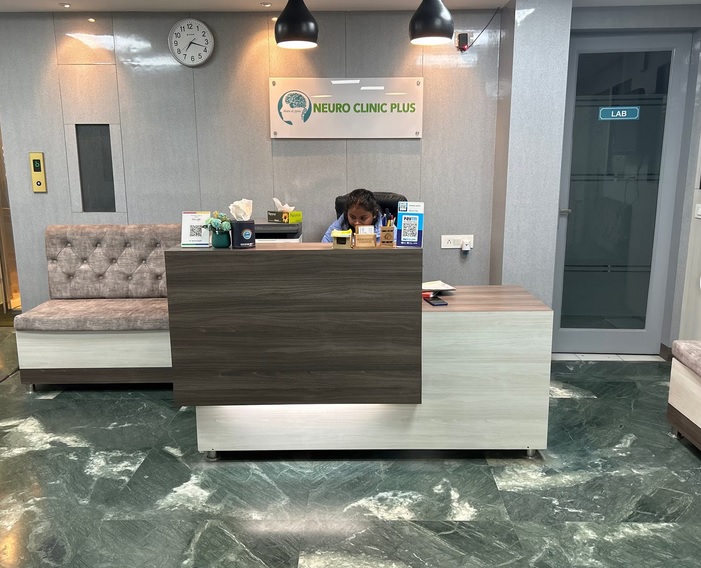
Neurological disorders can affect the brain, spinal cord, nerves, and muscles, significantly impacting a person’s daily life, mobility, memory, and overall well-being. Finding the best neuro doctor in Safdarjung is one of the most important steps toward receiving an accurate diagnosis and effective treatment for neurological conditions.
Whether you are experiencing frequent headaches, migraines, dizziness, numbness, seizures, tremors, memory problems, or symptoms of stroke, consulting an experienced neuro doctor in Safdarjung can help identify the underlying cause and prevent potential complications. Early diagnosis and timely medical intervention often lead to better treatment outcomes and improved quality of life.
Neurological conditions can range from common disorders such as migraine and vertigo to more complex conditions like Parkinson’s disease, epilepsy, neuropathy, dementia, and stroke. These conditions require specialized evaluation and personalized treatment plans from a qualified neurology specialist.
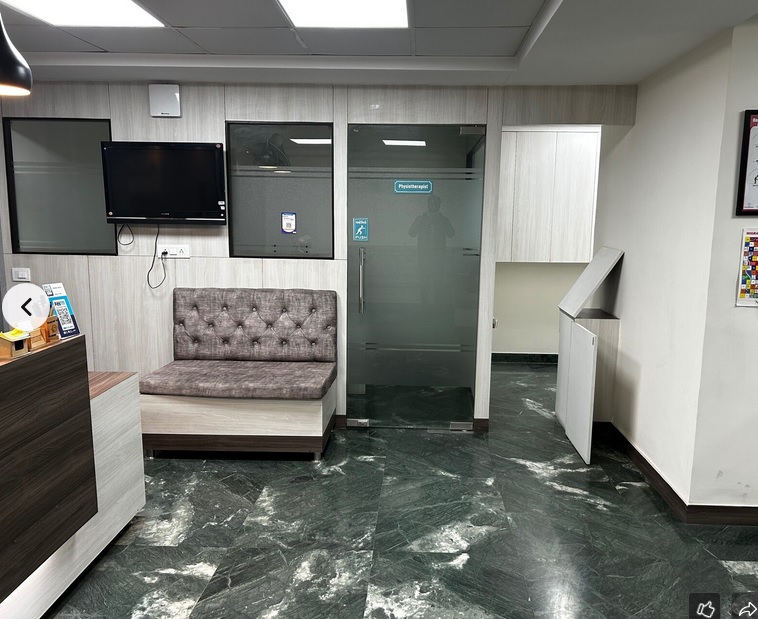
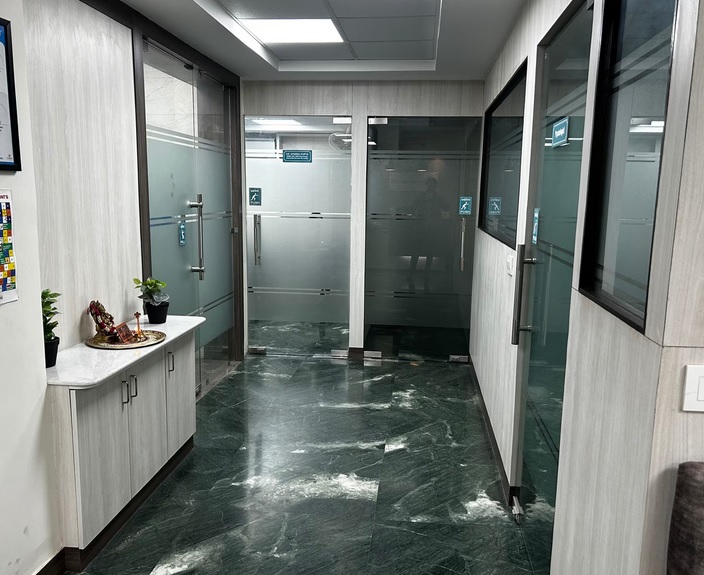
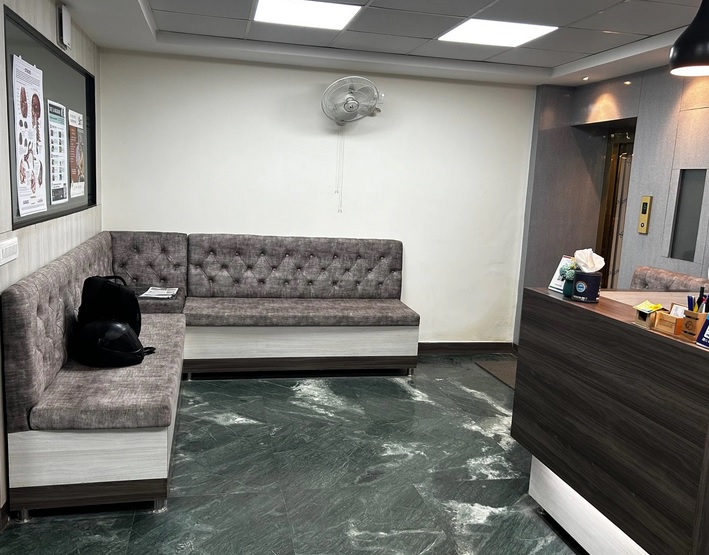
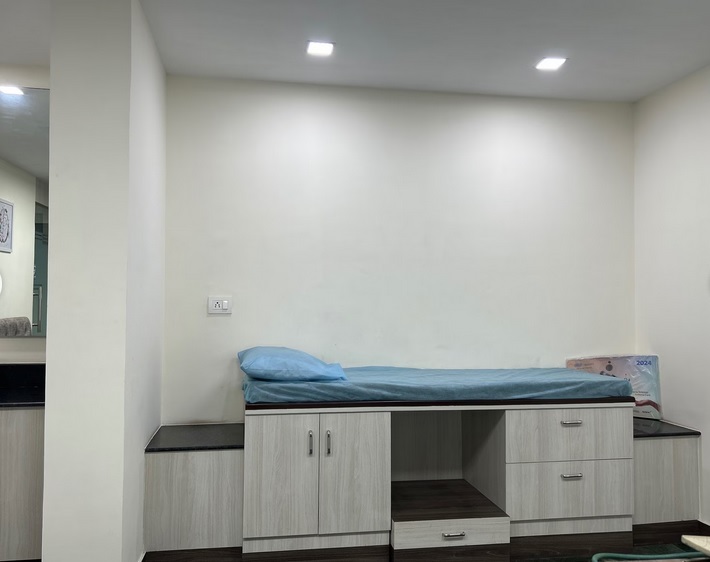
At Neuro Clinic Plus, patients receive comprehensive neurological care under the guidance of Dr. Aparna Gupta, an experienced neurologist dedicated to diagnosing and managing a wide range of brain and nerve disorders. This guide explains what neurological disorders are, when to seek medical attention, and how to choose the right specialist for your neurological health needs.
Understanding Neurological Disorders
Neurological disorders are medical conditions that affect the nervous system, including the brain, spinal cord, and peripheral nerves. These disorders can interfere with how the body communicates, moves, thinks, feels, and functions. The symptoms may develop gradually over time or appear suddenly, depending on the underlying condition.
Many people searching for the best neuro doctor in Safdarjung are experiencing symptoms such as chronic headaches, dizziness, numbness, weakness, memory issues, tremors, or balance problems. Since these symptoms can be associated with various neurological conditions, obtaining an accurate diagnosis from an experienced neuro doctor in Safdarjung is essential.
What Are Brain Disorders?
Brain disorders affect the structure or function of the brain and can significantly impact daily activities. Some of the most common neurological conditions involving the brain include:
- Stroke
- Migraine and chronic headaches
- Epilepsy and seizure disorders
- Parkinson’s disease
- Dementia and memory disorders
- Brain infections and inflammatory conditions
These conditions may cause symptoms such as severe headaches, speech difficulties, confusion, memory loss, weakness, tremors, or changes in behavior. Early evaluation can help prevent disease progression and improve long-term outcomes.
What Are Nerve Disorders?
Peripheral nerves carry signals between the brain, spinal cord, and the rest of the body. When these nerves become damaged or compressed, patients may experience:
- Tingling sensations
- Burning pain
- Numbness
- Muscle weakness
- Loss of coordination
Common nerve-related conditions include peripheral neuropathy, trigeminal neuralgia, and nerve compression syndromes. Identifying the root cause is important because nerve symptoms can sometimes indicate underlying medical conditions that require specialized treatment.
What Are Spine-Related Neurological Conditions?
The spinal cord plays a vital role in transmitting signals between the brain and body. Conditions affecting the spine can place pressure on nerves and disrupt normal neurological function.
Common spine-related neurological disorders include:
- Cervical spondylosis
- Sciatica
- Herniated discs
- Spinal cord compression
- Degenerative spine disorders
Symptoms may include neck pain, back pain, radiating leg pain, weakness, numbness, or difficulty walking. Timely assessment by a neurology specialist can help determine the cause and guide appropriate treatment.
Understanding the different types of neurological disorders is the first step toward seeking the right care. Recognizing symptoms early and consulting a qualified specialist can help patients receive prompt diagnosis, effective treatment, and better long-term neurological health.
What Symptoms Indicate You Should See a Neuro Doctor?
Neurological symptoms can affect the brain, spinal cord, nerves, and muscles, often interfering with daily activities and overall quality of life. While some symptoms may seem minor initially, persistent or worsening neurological issues should not be ignored. Consulting the best neuro doctor in Safdarjung at the right time can help identify the cause of symptoms and ensure timely treatment before complications develop.
Persistent Headaches and Migraines
Headaches are common, but recurring or severe headaches may indicate an underlying neurological condition. If headaches become more frequent, increase in intensity, or are accompanied by nausea, dizziness, vision changes, or sensitivity to light and sound, a neurological evaluation may be necessary. Chronic migraines often require specialized diagnosis and long-term management to reduce their impact on daily life.
Dizziness and Vertigo
Experiencing occasional dizziness may not always be a cause for concern, but frequent episodes of vertigo, balance problems, or a spinning sensation should be evaluated by a specialist. These symptoms can be associated with disorders affecting the brain, inner ear, or nervous system. An experienced neuro doctor in Safdarjung can determine the underlying cause and recommend appropriate treatment.
Sudden Weakness or Numbness
Sudden weakness, numbness, or tingling sensations, especially on one side of the body, can be warning signs of a serious neurological emergency such as a stroke. Difficulty speaking, facial drooping, and loss of coordination should never be ignored. Immediate medical attention is crucial because early treatment can significantly improve recovery outcomes.
Seizures and Loss of Consciousness
Seizures can occur for various reasons, including epilepsy, brain infections, head injuries, or metabolic disorders. Even a single unexplained seizure warrants medical evaluation. Episodes of loss of consciousness, unusual body movements, or sudden confusion should be assessed by a neurology specialist to determine the cause and develop an effective treatment plan.
Memory and Cognitive Problems
Persistent forgetfulness, difficulty concentrating, confusion, or changes in behavior may indicate underlying neurological conditions affecting cognitive function. Early assessment is particularly important because some memory-related disorders can progress over time if left untreated.
Tremors and Movement Difficulties
Tremors, stiffness, slowed movements, and balance problems can interfere with everyday activities and may be early signs of movement disorders such as Parkinson’s disease. Seeking expert neurological care can help achieve an accurate diagnosis and improve symptom management.
Recognizing these warning signs and seeking timely medical care can play a vital role in protecting neurological health. Whether symptoms are mild or severe, consulting the best neuro doctor in Safdarjung can help ensure an accurate diagnosis and a personalized treatment approach tailored to your needs.
Why Choosing the Right Neuro Doctor Matters
Neurological conditions often involve complex symptoms that can affect multiple aspects of a person’s health, including movement, memory, sensation, speech, and coordination. Because many neurological disorders share similar symptoms, obtaining an accurate diagnosis from an experienced specialist is essential. Choosing the best neuro doctor in Safdarjung can make a significant difference in both treatment outcomes and long-term quality of life.
Accurate Diagnosis Is the Foundation of Effective Treatment
Many neurological symptoms, such as headaches, dizziness, numbness, seizures, and memory problems, can have various underlying causes. What appears to be a simple headache may actually be a migraine disorder, while numbness and weakness could indicate nerve damage or even an early sign of stroke. A qualified neuro doctor in Safdarjung uses detailed clinical evaluation and appropriate diagnostic investigations to identify the root cause of symptoms and develop a targeted treatment plan.
Personalized Treatment for Every Patient
No two neurological patients are exactly alike. Factors such as age, medical history, symptom severity, and lifestyle all influence treatment decisions. An experienced neurologist develops individualized care plans that address each patient’s specific needs rather than relying on a one-size-fits-all approach. Personalized treatment often leads to better symptom control and improved long-term outcomes.
Long-Term Management of Chronic Neurological Conditions
Many neurological disorders, including Parkinson’s disease, epilepsy, migraine, neuropathy, and dementia, require ongoing monitoring and follow-up care. Regular evaluations help track disease progression, assess treatment effectiveness, and make necessary adjustments to medications or management strategies. Consistent neurological care can help patients maintain independence and improve their quality of life.
Timely Care During Neurological Emergencies
Certain neurological conditions require immediate medical attention. Stroke, sudden seizures, loss of consciousness, and acute neurological deficits can quickly become life-threatening if not treated promptly. Early diagnosis and intervention can significantly reduce complications and improve recovery. This is why access to an experienced neurology specialist is so important when urgent neurological symptoms occur.
Better Patient Education and Support
A good neurologist does more than prescribe treatment. Patient education plays a crucial role in managing neurological disorders successfully. Understanding the condition, recognizing warning signs, following medication schedules, and adopting healthy lifestyle habits can all contribute to better outcomes. Patients who are well-informed are often better equipped to manage their condition and participate actively in their care.
Choosing the right specialist is one of the most important decisions for anyone experiencing neurological symptoms. The best neuro doctor in Safdarjung will focus not only on diagnosing and treating neurological conditions but also on providing comprehensive, patient-centered care that supports long-term neurological health and well-being.
Qualities of the Best Neuro Doctor in Safdarjung
Choosing the best neuro doctor in Safdarjung is an important decision for anyone dealing with brain, spine, or nerve-related conditions. A qualified neurologist should possess a combination of medical expertise, clinical experience, and a patient-focused approach to ensure accurate diagnosis and effective treatment.
Extensive Clinical Experience
Experience plays a crucial role in managing neurological disorders, as many conditions can present with similar symptoms.
Key benefits of an experienced neurologist include:
- Accurate diagnosis of complex neurological conditions
- Better understanding of disease progression
- Ability to manage both common and rare neurological disorders
- Improved treatment planning based on clinical expertise
Expertise in Managing Neurological Disorders
A skilled neuro doctor in Safdarjung should have experience treating a wide range of conditions affecting the nervous system.
These commonly include:
- Stroke and transient ischemic attacks (TIAs)
- Migraine and chronic headaches
- Epilepsy and seizure disorders
- Parkinson’s disease
- Vertigo and balance disorders
- Peripheral neuropathy
- Memory disorders and dementia
- Movement disorders
Patient-Centered Approach
The best neurological care is personalized and focused on the individual needs of each patient.
A patient-centered neurologist typically:
- Listens carefully to symptoms and concerns
- Conducts thorough evaluations
- Explains diagnoses in simple language
- Involves patients in treatment decisions
- Provides compassionate and supportive care
Evidence-Based Treatment Strategies
Modern neurological care should be based on the latest scientific research and clinical guidelines.
This approach helps ensure:
- Accurate diagnoses
- Effective treatment plans
- Safer medication management
- Better long-term outcomes
- Access to advanced treatment options when needed
Focus on Early Diagnosis and Prevention
Early detection can significantly improve outcomes in many neurological conditions.
An experienced neurologist emphasizes:
- Identifying symptoms at an early stage
- Preventing disease progression
- Reducing the risk of complications
- Promoting long-term neurological health
Strong Communication and Follow-Up Care
Neurological disorders often require ongoing management and regular monitoring.
Quality follow-up care includes:
- Monitoring treatment response
- Adjusting medications when necessary
- Tracking symptom progression
- Providing lifestyle recommendations
- Supporting long-term recovery and wellness
Positive Patient Trust and Satisfaction
Patient confidence is often built through consistent, high-quality care.
Characteristics that patients commonly look for include:
- Professional expertise
- Clear communication
- Personalized attention
- Comprehensive treatment plans
- Long-term commitment to patient well-being
When searching for the best neuro doctor in Safdarjung, it is important to consider not only qualifications and experience but also the ability to provide compassionate, evidence-based, and patient-focused neurological care. These qualities can make a meaningful difference in diagnosis, treatment outcomes, and overall quality of life.
Meet Dr. Aparna Gupta – Experienced Neurology Specialist
If you are searching for the best neuro doctor in Safdarjung, choosing a neurologist with extensive clinical experience and specialized training is essential. Dr. Aparna Gupta is a highly experienced neurologist with over 22 years of experience in neurology, providing comprehensive care for patients with brain, spine, and nerve disorders.
She currently serves as the Associate Director of Neurology at ISIC Multispeciality Hospital, Vasant Kunj, New Delhi, and also consults patients at Neuro Clinic Plus, Safdarjung Enclave, where she offers personalized neurological care and long-term disease management.
Professional Qualifications
Dr. Aparna Gupta has received advanced medical training from some of India’s leading medical institutions.
Her educational qualifications include:
- MBBS – Netaji Subhash Chandra Bose Medical College, Jabalpur (1998), Rani Durgawati Vishwa Vidyalaya
- MD (General Medicine) – Gandhi Medical College, Bhopal (2003), Barkatulla University
- DNB (Neurology) – National Board of Examination, Sir Ganga Ram Hospital (2010)
- Fellowship in Epilepsy and Sleep Disorders – AIIMS, New Delhi
- Fellowship in Botox Treatment for Neurological Disorders – Seoul, South Korea
Areas of Expertise
As an experienced neuro doctor in Safdarjung, Dr. Aparna Gupta specializes in diagnosing and treating a wide range of neurological conditions, including:
- Stroke and Transient Ischemic Attacks (TIAs)
- Epilepsy and Seizure Disorders
- Migraine and Chronic Headaches
- Vertigo and Balance Disorders
- Parkinson’s Disease
- Movement Disorders
- Dementia and Memory Disorders
- Peripheral Neuropathy
- Spine-Related Pain and Nerve Compression Disorders
- Brain Infections
- Autoimmune Neurological Disorders
Professional Experience
Throughout her career, Dr. Aparna Gupta has worked with reputed healthcare institutions and gained extensive experience in managing complex neurological conditions.
Her previous roles include:
- Consultant at Indian Spinal Injuries Centre (ISIC)
- Senior Resident, Department of Cardiology, Sir Ganga Ram Hospital
This multidisciplinary experience enables her to provide comprehensive neurological care for patients with both neurological and associated medical conditions.
Research, Publications, and Academic Contributions
Dr. Aparna Gupta has actively contributed to neurological research and medical education through presentations, publications, and conference participation.
Notable academic contributions include:
- Cryptococcal Meningitis with Cerebral and Spinal Involvement – Presented at IANCON
- Early Introduction of Non-Pharmacological Therapy in Failed Back Syndrome – NSI
- Association of Hyperhomocysteinemia with Ischemic Stroke and Stroke Subtypes – DNACON
- Changing Trends in Fungal Infections – DNACON
- Publication: Pictorial CME – Myotonia Congenita (Becker’s Variant), JAPI
Professional Memberships
Dr. Aparna Gupta remains actively involved in leading national and international neurological organizations.
She is a member of:
- Indian Academy of Neurology
- Indian Epilepsy Society
- American Academy of Neurology
- Movement Disorder Society of India
Why Patients Choose Dr. Aparna Gupta
Patients looking for the best neuro doctor in Safdarjung often seek expertise, trust, and personalized care. Dr. Aparna Gupta is known for her thorough neurological evaluations, evidence-based treatment plans, and commitment to helping patients achieve better neurological health.
Key reasons patients consult Dr. Aparna Gupta include:
- More than 22 years of neurological experience
- Expertise in stroke, epilepsy, Parkinson’s disease, and migraine management
- Advanced fellowship training from prestigious institutions
- Personalized treatment and long-term follow-up care
- Comprehensive neurological services at Neuro Clinic Plus
- Patient-focused and evidence-based approach
Through her extensive experience, advanced neurological expertise, and commitment to clinical excellence, Dr. Aparna Gupta continues to provide specialized care for patients seeking expert diagnosis and treatment for brain, spine, and nerve disorders.
Why Neuro Clinic Plus Is a Preferred Choice for Neurological Care
When looking for the best neuro doctor in Safdarjung, patients often seek a healthcare facility that combines medical expertise, personalized treatment, and long-term neurological support. Neuro Clinic Plus has established itself as a trusted center for the diagnosis and management of neurological disorders, offering comprehensive care for patients dealing with brain, spine, and nerve-related conditions.
Under the guidance of Dr. Aparna Gupta, Neuro Clinic Plus provides specialized neurological care tailored to each patient’s unique needs. The clinic focuses on accurate diagnosis, evidence-based treatment, and continuous monitoring to help patients achieve better neurological health and quality of life.
Comprehensive Neurological Care
Neurological disorders can affect different areas of the nervous system and often require a detailed evaluation to identify the underlying cause. Neuro Clinic Plus offers care for a broad spectrum of neurological conditions, including stroke, epilepsy, migraine, vertigo, Parkinson’s disease, dementia, peripheral neuropathy, movement disorders, spine-related nerve problems, brain infections, and autoimmune neurological disorders.
By providing comprehensive neurological services in one place, the clinic ensures that patients receive coordinated and specialized care throughout their treatment journey.
Personalized Treatment Approach
Every patient experiences neurological symptoms differently, which is why treatment should never follow a one-size-fits-all model. At Neuro Clinic Plus, each treatment plan is carefully developed after evaluating the patient’s symptoms, medical history, lifestyle factors, and overall health condition.
This personalized approach allows treatment strategies to be tailored according to individual needs, helping improve symptom control and long-term outcomes.
Focus on Early Diagnosis and Prevention
Early diagnosis is one of the most important factors in successful neurological treatment. Conditions such as stroke, Parkinson’s disease, dementia, epilepsy, and neuropathy often respond better when identified and managed in their early stages.
Neuro Clinic Plus emphasizes timely neurological evaluation and preventive care, helping patients reduce the risk of complications and improve their chances of achieving better treatment outcomes. This proactive approach plays an important role in preserving neurological function and enhancing quality of life.
Evidence-Based Neurological Care
Modern neurological treatment relies on scientific research, advanced diagnostic methods, and proven clinical practices. Neuro Clinic Plus follows an evidence-based approach to ensure that every patient receives care aligned with current neurological standards and treatment guidelines.
From initial assessment to long-term follow-up, clinical decisions are guided by thorough evaluation and the latest developments in neurological medicine.
Convenient Access to Expert Neurological Care
Located in Safdarjung Enclave, Neuro Clinic Plus is easily accessible for patients residing in Safdarjung and various parts of South Delhi. The convenient location allows patients to attend consultations, diagnostic evaluations, and follow-up appointments without unnecessary travel challenges, making continuity of care more manageable.
Commitment to Long-Term Neurological Wellness
Managing neurological disorders often requires ongoing support and regular monitoring. Neuro Clinic Plus is committed to helping patients not only manage symptoms but also maintain independence, daily functioning, and long-term neurological wellness.
Through detailed consultations, patient education, individualized treatment plans, and consistent follow-up care, the clinic strives to support patients at every stage of their healthcare journey.
For individuals searching for a trusted neuro doctor in Safdarjung, Neuro Clinic Plus offers a combination of clinical expertise, patient-focused care, and comprehensive neurological services. With a strong emphasis on accurate diagnosis, personalized treatment, and long-term wellness, the clinic continues to be a preferred choice for neurological care in South Delhi.
Conditions Treated at Neuro Clinic Plus
Neurological disorders can affect the brain, spinal cord, nerves, and muscles, leading to symptoms that impact daily activities, mobility, memory, and overall quality of life. At Neuro Clinic Plus, patients receive comprehensive neurological care from Dr. Aparna Gupta, an experienced neurologist with expertise in diagnosing and managing a wide range of neurological conditions.
Patients searching for the best neuro doctor in Safdarjung often seek expert care for symptoms such as headaches, dizziness, seizures, tremors, memory problems, numbness, or weakness. At Neuro Clinic Plus, treatment is focused on accurate diagnosis, evidence-based care, and long-term neurological wellness.
Neurological Conditions Treated at Neuro Clinic Plus
The clinic provides evaluation and treatment for various neurological disorders, including:
- Stroke and Transient Ischemic Attacks (TIAs) – Early diagnosis, treatment planning, rehabilitation guidance, and stroke prevention.
- Migraine and Chronic Headaches – Management of migraine, tension headaches, cluster headaches, and recurrent headache disorders.
- Epilepsy and Seizure Disorders – Diagnosis, seizure control, medication management, and long-term monitoring.
- Parkinson’s Disease – Evaluation and treatment of tremors, stiffness, slow movements, and other Parkinson’s symptoms.
- Movement Disorders – Management of conditions affecting coordination, muscle control, and body movements.
- Vertigo and Balance Disorders – Diagnosis and treatment of dizziness, imbalance, and vestibular-related symptoms.
- Peripheral Neuropathy – Care for nerve damage causing numbness, tingling, burning sensations, and weakness.
- Dementia and Memory Disorders – Assessment and management of memory loss, cognitive decline, and dementia-related conditions.
- Spine Pain and Nerve Compression Disorders – Evaluation of nerve-related neck pain, back pain, sciatica, and spinal nerve compression.
- Brain Infections – Diagnosis and management of neurological infections affecting brain function.
- Autoimmune Neurological Disorders – Treatment of conditions where the immune system affects the nervous system.
- Sleep-Related Neurological Disorders – Evaluation of neurological conditions impacting sleep quality and sleep patterns.
Why Specialized Neurological Care Matters
Many neurological symptoms may appear similar despite having different underlying causes. For example, dizziness may result from vertigo, migraine, nerve disorders, or neurological conditions. Likewise, numbness and weakness may be associated with neuropathy, spinal problems, or even stroke.
A comprehensive neurological evaluation helps:
- Identify the root cause of symptoms
- Prevent disease progression
- Improve treatment outcomes
- Reduce the risk of complications
- Support long-term neurological health
Personalized Care for Every Patient
At Neuro Clinic Plus, treatment plans are developed according to each patient’s:
- Medical history
- Symptoms and severity
- Diagnostic findings
- Lifestyle factors
- Long-term health goals
This individualized approach ensures that patients receive care tailored to their specific neurological condition and healthcare needs.
Whether you are experiencing headaches, seizures, tremors, memory concerns, dizziness, nerve pain, or symptoms suggestive of stroke, consulting the best neuro doctor in Safdarjung can help you receive an accurate diagnosis and appropriate treatment. Neuro Clinic Plus is committed to providing comprehensive neurological care that focuses on improving both neurological function and overall quality of life.
Stroke and Transient Ischemic Attacks (TIAs)
Stroke is one of the leading causes of disability and neurological emergencies worldwide. It occurs when the blood supply to a part of the brain is interrupted, preventing brain cells from receiving the oxygen and nutrients they need to function properly. Without prompt treatment, brain cells can begin to die within minutes, making early medical intervention critical.
Patients looking for the best neuro doctor in Safdarjung often seek expert evaluation for stroke symptoms, stroke prevention, and long-term recovery. At Neuro Clinic Plus, Dr. Aparna Gupta provides comprehensive stroke care, focusing on early diagnosis, treatment, rehabilitation guidance, and prevention of future strokes.
What Is a Stroke?
A stroke occurs when the brain’s blood flow is disrupted, causing damage to brain tissue. The severity of a stroke depends on the affected area of the brain and how quickly treatment is initiated.
A stroke can impact:
- Speech and communication
- Movement and coordination
- Memory and cognition
- Vision
- Balance and daily functioning
Because stroke is a medical emergency, recognizing symptoms and seeking immediate care can significantly improve recovery outcomes.
Types of Stroke
There are two major types of stroke:
Ischemic Stroke
Ischemic stroke is the most common type of stroke and occurs when a blood vessel supplying the brain becomes blocked by a clot. Reduced blood flow deprives brain tissue of oxygen, resulting in brain cell damage.
Hemorrhagic Stroke
Hemorrhagic stroke occurs when a blood vessel in the brain ruptures, causing bleeding within or around the brain. This type of stroke requires urgent medical management to control bleeding and reduce pressure on brain tissue.
What Is a Transient Ischemic Attack (TIA)?
A Transient Ischemic Attack (TIA), commonly known as a mini-stroke, occurs when blood flow to the brain is temporarily interrupted. Although symptoms often resolve within a short period, a TIA should never be ignored.
A TIA may be an important warning sign that a major stroke could occur in the future. Early neurological evaluation can help identify risk factors and prevent serious complications.
Warning Signs of Stroke
Recognizing stroke symptoms quickly can save lives and reduce the risk of permanent disability. The FAST method is widely used to identify common warning signs:
- F – Face Drooping: One side of the face may appear uneven or droop.
- A – Arm Weakness: Sudden weakness or numbness in one arm.
- S – Speech Difficulty: Slurred speech or difficulty speaking clearly.
- T – Time to Act: Seek emergency medical attention immediately.
Other stroke symptoms may include:
- Sudden vision problems
- Severe headache without a known cause
- Loss of balance or coordination
- Sudden confusion
- Difficulty understanding speech
The Importance of the Golden Hour
The first few hours after stroke symptoms begin are often referred to as the “golden hour.” During this critical period, prompt medical treatment can help reduce brain damage and improve recovery outcomes.
Early intervention may:
- Preserve brain function
- Reduce long-term disability
- Improve recovery potential
- Lower the risk of complications
Delaying treatment can significantly affect the effectiveness of available therapies.
Stroke Treatment Options
Treatment depends on the type of stroke, severity of symptoms, and how quickly the patient receives medical care.
Common treatment approaches may include:
- Clot-dissolving medications (tPA) for eligible ischemic stroke patients
- Mechanical thrombectomy to remove large blood clots
- Blood pressure management
- Management of underlying risk factors
- Surgical intervention in selected hemorrhagic stroke cases
- Rehabilitation and recovery support
A thorough neurological assessment helps determine the most appropriate treatment strategy for each patient.
Stroke Rehabilitation and Recovery
Recovery after stroke often involves a multidisciplinary approach focused on restoring independence and improving daily functioning. Rehabilitation may help patients regain strength, mobility, communication skills, and cognitive abilities.
Recovery plans are individualized based on:
- Stroke severity
- Areas of the brain affected
- Physical limitations
- Cognitive function
- Long-term health goals
Early rehabilitation often contributes to better functional outcomes.
Preventing Future Strokes
Stroke prevention is a crucial part of long-term neurological care. Identifying and managing risk factors can significantly reduce the likelihood of recurrent stroke.
Important preventive measures include:
- Controlling high blood pressure
- Managing diabetes
- Maintaining healthy cholesterol levels
- Regular physical activity
- Avoiding tobacco use
- Following prescribed medications
- Regular neurological follow-up
For individuals experiencing stroke symptoms, transient ischemic attacks (TIAs), or concerns about stroke risk, consulting an experienced neuro doctor in Safdarjung is essential. Early diagnosis, timely treatment, and ongoing preventive care can play a vital role in protecting brain health and improving long-term outcomes.
Migraine and Chronic Headaches
Headaches are one of the most common neurological complaints and can affect people of all ages. While an occasional headache is usually not a cause for concern, frequent or severe headaches may indicate an underlying neurological condition that requires medical attention. Persistent headaches can impact productivity, sleep quality, emotional well-being, and overall quality of life. This is why many individuals search for the best neuro doctor in Safdarjung when headaches become recurrent or difficult to manage.
Understanding Migraine
Migraine is a neurological disorder that causes recurring episodes of moderate to severe headache pain. Unlike a typical headache, migraine often presents with additional symptoms such as nausea, sensitivity to light, sensitivity to sound, and dizziness. Some individuals may also experience visual disturbances (aura) before the headache begins.
Migraine attacks can last for several hours or even days, making it difficult for patients to perform routine activities. The frequency and severity of migraines vary from person to person, which is why a personalized treatment approach is essential.
Common Migraine Triggers
Migraine attacks can be triggered by a variety of factors. Stress, inadequate sleep, dehydration, hormonal fluctuations, certain foods, and environmental changes are among the most commonly reported triggers. However, triggers can differ significantly between individuals.
Understanding personal migraine triggers is an important part of effective management. Keeping track of symptoms and potential triggers can help identify patterns and reduce the likelihood of future attacks.
Types of Headaches
Not every headache is a migraine. Several headache disorders can produce similar symptoms, making proper diagnosis important. Tension headaches are often associated with stress and muscle tension, while cluster headaches cause severe pain that typically occurs in cycles. Some headaches may also arise from neck problems, medication overuse, or underlying medical conditions.
An experienced neuro doctor in Safdarjung can differentiate between various headache disorders and determine the most appropriate treatment strategy based on the patient’s symptoms and medical history.
When Should You Consult a Neurologist?
While occasional headaches are common, certain situations warrant neurological evaluation. Headaches that occur frequently, become progressively worse, disrupt daily activities, or are accompanied by neurological symptoms should not be ignored.
Symptoms such as:
- Vision changes
- Weakness
- Numbness
- Difficulty speaking
- Persistent dizziness
may indicate a more serious underlying condition that requires prompt medical attention.
Seeking expert care at an early stage can help identify the cause of headaches and prevent unnecessary complications.
Diagnosis of Migraine and Chronic Headaches
Accurate diagnosis begins with a detailed medical history and neurological examination. During the evaluation, factors such as headache frequency, duration, severity, associated symptoms, and potential triggers are carefully assessed.
In some cases, additional investigations may be recommended to rule out other neurological conditions. The primary goal is to determine the exact cause of symptoms and develop an individualized treatment plan.
Treatment Options for Migraine and Chronic Headaches
The treatment of migraine and chronic headaches depends on the type of headache, its severity, and its impact on daily life. Management may include medications to relieve acute symptoms, preventive therapies to reduce attack frequency, and lifestyle modifications aimed at minimizing triggers.
Stress management, adequate sleep, proper hydration, and healthy lifestyle habits often play an important role in long-term headache control. Treatment plans are customized to each patient to achieve the best possible outcomes.
Long-Term Migraine Management
Migraine is often a chronic condition that requires ongoing management rather than a one-time treatment. Regular follow-up with a neurologist helps monitor symptom progression, evaluate treatment effectiveness, and make adjustments when necessary.
With appropriate medical care and preventive strategies, many patients can achieve significant improvement in both the frequency and severity of migraine attacks.
Expert Headache Care at Neuro Clinic Plus
At Neuro Clinic Plus, Dr. Aparna Gupta provides comprehensive evaluation and treatment for migraine and chronic headache disorders. Her approach focuses on identifying the root cause of symptoms, developing personalized treatment plans, and helping patients achieve long-term relief.
If you are experiencing frequent headaches, recurring migraines, or unexplained neurological symptoms, consulting the best neuro doctor in Safdarjung can help you receive an accurate diagnosis and effective treatment. Early intervention and expert neurological care can make a meaningful difference in improving both symptom control and quality of life.
Epilepsy and Seizure Disorders
Epilepsy is a chronic neurological disorder that affects the brain’s electrical activity and can lead to recurrent seizures. A seizure occurs when there is a sudden burst of abnormal electrical signals in the brain, temporarily affecting movement, behavior, awareness, or consciousness. While a single seizure does not necessarily mean a person has epilepsy, repeated seizures require proper neurological evaluation and management.
Many patients searching for the best neuro doctor in Safdarjung seek expert care for unexplained seizures, blackouts, or episodes of altered consciousness. Early diagnosis and appropriate treatment are essential because uncontrolled seizures can affect daily activities, education, employment, and overall quality of life.
What Is Epilepsy?
Epilepsy is a neurological condition characterized by a tendency to experience recurrent seizures. The severity and frequency of seizures can vary significantly from one individual to another. Some people may experience brief episodes of staring or confusion, while others may have noticeable body movements and loss of consciousness.
The condition can affect individuals of all ages and may develop due to various underlying causes. In some cases, the exact cause remains unknown despite detailed evaluation.
Common Symptoms of Seizures
Seizures can present in different ways depending on the area of the brain involved. Some seizures may last only a few seconds, while others can continue for several minutes.
Common symptoms may include:
- Sudden loss of awareness
- Staring spells
- Involuntary movements of the arms or legs
- Muscle stiffness
- Confusion
- Unusual sensations
- Temporary loss of consciousness
Following a seizure, some individuals may experience fatigue, memory difficulties, or confusion for a short period.
Because seizure symptoms can sometimes resemble other medical conditions, professional neurological assessment is important for an accurate diagnosis.
Causes of Epilepsy and Seizure Disorders
Several factors can contribute to epilepsy and seizure disorders. Brain injuries, stroke, infections affecting the brain, genetic conditions, developmental abnormalities, and neurological diseases are among the recognized causes. However, in many patients, no clear cause can be identified.
Determining the underlying cause helps guide treatment decisions and allows for a more personalized management approach.
How Is Epilepsy Diagnosed?
Diagnosing epilepsy requires a detailed review of symptoms, medical history, and neurological examination. Patients are often asked to describe seizure episodes, including how they begin, how long they last, and what symptoms occur before or after the event.
Depending on the clinical findings, additional investigations may be recommended to evaluate brain function and identify possible causes. Accurate diagnosis is essential because treatment plans vary according to seizure type and individual patient needs.
Treatment for Epilepsy and Seizure Disorders
The primary goal of epilepsy treatment is to control seizures and help patients maintain a normal and active lifestyle. Treatment plans are tailored according to the type of seizure, frequency of episodes, age, overall health, and underlying cause.
Many patients achieve good seizure control with appropriate medication and regular follow-up. Ongoing monitoring is important to assess treatment effectiveness and make adjustments when necessary.
Successful epilepsy management often involves:
- Consistent use of prescribed medications
- Regular neurological follow-up
- Monitoring seizure patterns
- Addressing potential triggers
- Educating patients and families about seizure safety
Living With Epilepsy
Although epilepsy is a long-term condition, many individuals can lead healthy and productive lives with proper treatment and support. Understanding seizure triggers, maintaining medication adherence, managing stress, and following medical advice can help reduce seizure frequency and improve overall well-being.
Patient education also plays a key role in helping individuals recognize warning signs, respond appropriately during seizure episodes, and maintain confidence in daily activities.
Comprehensive Epilepsy Care at Neuro Clinic Plus
At Neuro Clinic Plus, Dr. Aparna Gupta provides comprehensive evaluation and management for epilepsy and seizure disorders. With specialized training in Epilepsy and Sleep Disorders from AIIMS, she focuses on accurate diagnosis, individualized treatment plans, and long-term seizure management.
If you or a loved one experiences recurrent seizures, unexplained blackouts, or episodes of altered consciousness, consulting the best neuro doctor in Safdarjung can help ensure timely diagnosis and effective treatment. Early intervention can significantly improve seizure control, reduce complications, and enhance quality of life.
Parkinson’s Disease and Movement Disorders
Parkinson’s disease is a progressive neurological disorder that primarily affects movement, balance, and muscle control. It develops when certain nerve cells in the brain responsible for producing dopamine gradually become damaged or lost. Since dopamine plays a crucial role in coordinating movement, reduced levels can lead to a variety of motor and non-motor symptoms that may worsen over time.
Many individuals searching for the best neuro doctor in Safdarjung seek medical attention for symptoms such as tremors, stiffness, slowed movements, or balance difficulties. Early diagnosis and proper management can significantly improve symptom control and help patients maintain their independence and quality of life.
Understanding Parkinson’s Disease
Parkinson’s disease is one of the most common movement disorders affecting adults, particularly those over the age of 60. However, it can occasionally occur in younger individuals as well. The condition progresses gradually, and symptoms may initially be mild enough to go unnoticed.
Because Parkinson’s disease affects each person differently, symptoms and disease progression can vary considerably from patient to patient. This makes individualized neurological care especially important.
Common Symptoms of Parkinson’s Disease
The symptoms of Parkinson’s disease often develop slowly and may worsen over time. One of the earliest signs is a tremor, usually beginning in one hand or finger. However, not all patients experience tremors during the initial stages.
Common symptoms may include:
- Tremors or shaking
- Muscle stiffness and rigidity
- Slowed movements (bradykinesia)
- Difficulty maintaining balance
- Changes in posture
- Reduced facial expressions
- Smaller handwriting
- Walking difficulties
In addition to movement-related symptoms, some patients may also experience sleep disturbances, mood changes, fatigue, memory concerns, or cognitive difficulties.
What Causes Parkinson’s Disease?
The exact cause of Parkinson’s disease remains unclear, but researchers believe that a combination of genetic and environmental factors may contribute to its development. Age is considered one of the most significant risk factors, although family history and certain environmental exposures may also play a role.
While Parkinson’s disease cannot currently be cured, early diagnosis and appropriate treatment can help manage symptoms effectively and improve long-term outcomes.
Diagnosing Parkinson’s Disease
Diagnosing Parkinson’s disease requires a detailed neurological evaluation. Since there is no single test that definitively confirms Parkinson’s disease, diagnosis is primarily based on clinical assessment, symptom history, and neurological examination.
An experienced neuro doctor in Safdarjung can differentiate Parkinson’s disease from other conditions that may cause similar symptoms, ensuring that patients receive the most appropriate treatment plan.
Treatment and Management
The goal of Parkinson’s disease treatment is to improve symptom control, maintain mobility, and enhance quality of life. Treatment plans are individualized according to symptom severity, age, lifestyle, and overall health status.
Management often focuses on:
- Improving movement and coordination
- Reducing tremors and stiffness
- Maintaining independence in daily activities
- Addressing non-motor symptoms
- Supporting long-term neurological health
Regular follow-up care is important because treatment needs may change as the condition progresses.
Other Movement Disorders
In addition to Parkinson’s disease, several other neurological conditions can affect movement and coordination. These disorders may cause involuntary movements, muscle contractions, tremors, or difficulty controlling body movements.
Examples of movement disorders include essential tremor, dystonia, chorea, and other conditions affecting motor function. Accurate diagnosis is essential because treatment approaches differ depending on the underlying disorder.
Importance of Early Intervention
Many movement disorders respond more effectively when identified and treated early. Timely neurological evaluation allows patients to begin appropriate management strategies before symptoms significantly impact daily functioning.
Early intervention can help:
- Improve symptom control
- Maintain physical independence
- Reduce complications
- Enhance overall quality of life
- Support long-term neurological wellness
Expert Parkinson’s Disease Care at Neuro Clinic Plus
At Neuro Clinic Plus, Dr. Aparna Gupta provides comprehensive evaluation and treatment for Parkinson’s disease and other movement disorders. With extensive experience in neurology, she focuses on accurate diagnosis, personalized treatment plans, and long-term patient support.
If you are experiencing tremors, stiffness, balance problems, or other movement-related symptoms, consulting the best neuro doctor in Safdarjung can help ensure early diagnosis and effective management. With timely care and ongoing monitoring, many patients can continue to lead active and fulfilling lives despite living with Parkinson’s disease or other movement disorders.
Vertigo and Balance Disorders
Vertigo and balance disorders are common neurological complaints that can significantly affect daily life, mobility, and confidence. Many people describe vertigo as a sensation that they or their surroundings are spinning, even when they are standing still. While occasional dizziness may not always indicate a serious problem, recurrent or persistent episodes should be evaluated by a specialist.
Patients often search for the best neuro doctor in Safdarjung when dizziness, imbalance, or vertigo begins interfering with routine activities. Because these symptoms can arise from various neurological and vestibular conditions, identifying the underlying cause is essential for effective treatment.
What Is Vertigo?
Vertigo is not a disease itself but a symptom of an underlying condition affecting the balance system. It occurs when the brain receives conflicting signals about body position and movement. This can create a false sensation of spinning, tilting, or movement even when no actual motion is occurring.
Vertigo episodes may last for a few seconds, several minutes, or even longer depending on the cause. Some individuals experience occasional attacks, while others may struggle with frequent episodes that affect their quality of life.
Common Symptoms of Vertigo
Vertigo often presents with more than just dizziness. Many patients experience symptoms that can interfere with walking, driving, working, or performing daily activities.
Common symptoms include:
- A spinning sensation
- Loss of balance
- Unsteadiness while walking
- Nausea and vomiting
- Difficulty focusing visually
- Sensation of floating or swaying
- Increased symptoms with head movements
The severity of symptoms can vary considerably from person to person.
Causes of Vertigo and Balance Disorders
Vertigo can develop due to several conditions affecting the inner ear, brain, or nervous system. While some causes are relatively harmless, others may require urgent medical attention.
Neurological causes of vertigo may include migraine-related vertigo, stroke, vestibular disorders, brain infections, multiple sclerosis, or other conditions affecting the balance centers of the brain. Because symptoms can overlap among different disorders, a thorough neurological assessment is often necessary.
When Should You Seek Medical Attention?
Occasional mild dizziness may not always require urgent evaluation. However, persistent or recurrent vertigo should never be ignored, particularly when accompanied by other neurological symptoms.
Medical evaluation is recommended if vertigo occurs along with:
- Difficulty speaking
- Weakness or numbness
- Double vision
- Severe headaches
- Sudden hearing changes
- Difficulty walking
- Loss of consciousness
These symptoms may indicate an underlying neurological condition that requires prompt attention.
Diagnosing Vertigo
Accurate diagnosis begins with understanding the patient’s symptoms, medical history, and pattern of dizziness episodes. During a neurological evaluation, the specialist assesses balance, coordination, eye movements, reflexes, and other neurological functions.
The goal is to determine whether vertigo originates from the inner ear, the nervous system, or another medical condition. Identifying the exact cause is crucial for selecting the most effective treatment strategy.
Treatment for Vertigo and Balance Disorders
Treatment depends on the underlying cause of symptoms. Some patients respond well to medications and lifestyle modifications, while others may benefit from specific balance rehabilitation exercises or treatment directed at the underlying neurological condition.
The primary objectives of treatment include:
- Reducing dizziness episodes
- Improving balance and stability
- Preventing falls
- Managing underlying neurological disorders
- Restoring confidence in daily activities
Early treatment can often prevent symptoms from becoming more severe and disruptive.
How Neurological Evaluation Helps
Because vertigo can sometimes be a symptom of serious neurological conditions such as stroke or certain brain disorders, professional evaluation plays an important role in patient care. A neurologist can identify warning signs, rule out serious causes, and develop a treatment plan tailored to the patient’s specific condition.
This is particularly important for individuals who experience recurrent vertigo, balance difficulties, or unexplained dizziness.
Expert Vertigo Treatment at Neuro Clinic Plus
At Neuro Clinic Plus, Dr. Aparna Gupta provides comprehensive assessment and management of vertigo and balance disorders. Her approach focuses on identifying the root cause of symptoms, providing accurate diagnosis, and creating individualized treatment plans that help patients regain stability and confidence.
If you are experiencing persistent dizziness, balance problems, or recurring vertigo episodes, consulting the best neuro doctor in Safdarjung can help ensure timely diagnosis and effective treatment. Early intervention can improve symptom control, reduce complications, and enhance overall quality of life.
Peripheral Neuropathy and Nerve Disorders
Peripheral neuropathy is a neurological condition that occurs when the peripheral nerves become damaged or dysfunctional. These nerves are responsible for carrying signals between the brain, spinal cord, and the rest of the body. When nerve function is affected, patients may experience a variety of symptoms that can interfere with movement, sensation, and daily activities.
Many individuals searching for the best neuro doctor in Safdarjung seek medical attention for symptoms such as numbness, tingling, burning sensations, weakness, or unexplained nerve pain. Early diagnosis is important because untreated nerve disorders can gradually worsen and significantly impact quality of life.
What Is Peripheral Neuropathy?
Peripheral neuropathy refers to damage affecting one or more peripheral nerves. Depending on the nerves involved, symptoms may affect sensation, muscle strength, coordination, or automatic body functions.
The condition can develop gradually over time or appear suddenly depending on the underlying cause. Some patients experience mild discomfort, while others may face significant limitations in mobility and daily functioning.
Common Symptoms of Peripheral Neuropathy
The symptoms of peripheral neuropathy vary depending on the type and extent of nerve damage. In many cases, symptoms begin in the hands or feet and gradually progress.
Common symptoms include:
- Numbness in the hands or feet
- Tingling or “pins and needles” sensations
- Burning or sharp nerve pain
- Muscle weakness
- Loss of balance and coordination
- Increased sensitivity to touch
- Difficulty walking
- Reduced ability to feel temperature changes
Symptoms may worsen over time if the underlying cause is not properly addressed.
What Causes Peripheral Neuropathy?
Peripheral neuropathy can develop due to a variety of medical conditions and neurological disorders. Identifying the underlying cause is one of the most important steps in developing an effective treatment plan.
Some common causes include diabetes, vitamin deficiencies, autoimmune disorders, infections, medication-related nerve damage, inherited neurological conditions, and prolonged nerve compression. In certain cases, the exact cause may remain unknown despite extensive evaluation.
How Are Nerve Disorders Diagnosed?
Diagnosing peripheral neuropathy requires a detailed neurological assessment. A neurologist evaluates symptoms, medical history, reflexes, muscle strength, sensation, and coordination to determine the extent of nerve involvement.
Additional investigations may sometimes be recommended to identify the cause of nerve damage and assess the severity of the condition. Accurate diagnosis helps ensure that treatment is directed toward the underlying problem rather than simply managing symptoms.
Treatment for Peripheral Neuropathy
Treatment depends on the cause of nerve damage, the severity of symptoms, and the patient’s overall health condition. The primary goal is to slow disease progression, relieve symptoms, and improve daily functioning.
Management strategies often focus on:
- Treating the underlying cause
- Reducing nerve pain and discomfort
- Improving mobility and balance
- Preventing further nerve damage
- Enhancing quality of life
Early intervention can significantly improve long-term outcomes and reduce the risk of complications.
Other Common Nerve Disorders
In addition to peripheral neuropathy, several other neurological conditions can affect the nerves and cause pain, weakness, or abnormal sensations.
These conditions include trigeminal neuralgia, nerve compression syndromes, carpal tunnel syndrome, radiculopathy, and other disorders affecting nerve function. Because symptoms often overlap, expert neurological evaluation is essential for accurate diagnosis and treatment.
Why Early Diagnosis Matters
Nerve disorders often progress gradually, making it easy for patients to ignore early symptoms. However, delaying medical care can lead to worsening nerve damage and reduced treatment effectiveness.
Early neurological evaluation can help:
- Identify the cause of symptoms
- Prevent further nerve deterioration
- Improve treatment outcomes
- Reduce chronic pain and disability
- Support long-term nerve health
Recognizing symptoms early allows patients to receive timely treatment and improve their chances of maintaining normal function.
Expert Nerve Disorder Care at Neuro Clinic Plus
At Neuro Clinic Plus, Dr. Aparna Gupta provides comprehensive diagnosis and management of peripheral neuropathy and other nerve disorders. Her approach focuses on identifying the root cause of symptoms, developing individualized treatment plans, and helping patients achieve better neurological health.
If you are experiencing persistent numbness, tingling, weakness, burning sensations, or unexplained nerve pain, consulting the best neuro doctor in Safdarjung can help ensure accurate diagnosis and effective treatment. Early intervention and specialized neurological care can make a significant difference in symptom control and long-term quality of life.
Memory Disorders and Dementia
Memory plays a vital role in everyday life, helping us learn, communicate, make decisions, and maintain independence. While occasional forgetfulness is a normal part of aging, persistent memory problems should not be ignored. In some cases, memory loss may be an early sign of an underlying neurological condition that requires medical evaluation and treatment.
Many individuals searching for the best neuro doctor in Safdarjung seek expert guidance for concerns related to memory decline, confusion, or changes in cognitive function. Early diagnosis is important because certain memory disorders can be managed more effectively when identified at an early stage.
Understanding Memory Disorders
Memory disorders are conditions that affect a person’s ability to store, retain, or recall information. These disorders can range from mild cognitive impairment to more serious conditions that interfere with daily functioning.
Memory-related problems may affect:
- Short-term memory
- Long-term memory
- Concentration and attention
- Problem-solving abilities
- Language and communication skills
- Decision-making capacity
Not every memory issue is caused by dementia. Various medical, neurological, and psychological factors can contribute to cognitive symptoms.
What Is Dementia?
Dementia is a broad term used to describe a group of conditions that cause a decline in memory, thinking, reasoning, and other cognitive abilities. It is not a normal part of aging and often progresses gradually over time.
As dementia advances, it can affect a person’s ability to perform routine tasks, manage daily responsibilities, and maintain independence. Early recognition allows patients and families to plan appropriate care and treatment strategies.
Common Symptoms of Memory Disorders and Dementia
The symptoms of cognitive decline often develop gradually and may initially be mistaken for normal aging. However, persistent or worsening symptoms should be evaluated by a neurologist.
Common warning signs include:
- Frequent forgetfulness
- Difficulty remembering recent events
- Repeating questions or conversations
- Misplacing everyday items
- Trouble finding words during conversations
- Difficulty concentrating
- Confusion regarding time or place
- Changes in mood, personality, or behavior
When these symptoms begin affecting daily life, professional neurological assessment becomes especially important.
Causes of Memory Problems
Memory difficulties can occur for many different reasons. Some causes are reversible and treatable, while others may require long-term management.
Potential causes include neurological disorders, dementia-related conditions, stroke, brain infections, sleep disturbances, vitamin deficiencies, medication side effects, depression, anxiety, and certain medical illnesses. Identifying the underlying cause is essential for developing an effective treatment plan.
How Are Memory Disorders Diagnosed?
Diagnosing memory disorders involves a detailed evaluation of cognitive function, medical history, and neurological health. A neurologist assesses memory performance, attention, language skills, reasoning abilities, and other aspects of brain function.
The evaluation aims to determine:
- The severity of cognitive symptoms
- Possible underlying causes
- Whether symptoms are progressing
- Appropriate treatment and management strategies
Early diagnosis often provides more opportunities for intervention and long-term planning.
Treatment and Management
The treatment approach depends on the underlying cause of memory impairment. Some conditions may improve when contributing factors are addressed, while progressive disorders may require long-term management and support.
Treatment goals typically focus on:
- Preserving cognitive function
- Managing symptoms
- Supporting daily independence
- Improving quality of life
- Assisting caregivers and family members
Regular follow-up is important to monitor changes in cognitive health and adjust treatment plans as needed.
The Importance of Early Evaluation
Many people delay seeking medical attention because they assume memory problems are simply a part of aging. However, early neurological assessment can help distinguish normal age-related changes from more serious conditions.
Early intervention may help:
- Identify treatable causes of memory loss
- Slow progression of certain disorders
- Improve symptom management
- Support long-term planning
- Enhance overall quality of life
Seeking timely medical care can make a meaningful difference for both patients and their families.
Expert Memory Care at Neuro Clinic Plus
At Neuro Clinic Plus, Dr. Aparna Gupta provides comprehensive evaluation and management of memory disorders and dementia-related conditions. Her patient-centered approach focuses on accurate diagnosis, individualized treatment planning, and long-term cognitive health.
If you or a loved one is experiencing persistent memory problems, confusion, or changes in thinking abilities, consulting the best neuro doctor in Safdarjung can help ensure early diagnosis and appropriate care. Timely neurological evaluation can play a crucial role in protecting cognitive function and maintaining independence for as long as possible.
What to Expect During Your First Visit to a Neuro Doctor
Visiting a neurologist for the first time can feel overwhelming, especially if you are experiencing symptoms such as headaches, dizziness, seizures, memory problems, tremors, numbness, or weakness. Understanding what happens during a neurology consultation can help you feel more prepared and confident about your appointment.
Many patients searching for the best neuro doctor in Safdarjung want to know what to expect before scheduling a consultation. At Neuro Clinic Plus, Dr. Aparna Gupta follows a comprehensive and patient-centered approach to accurately diagnose neurological conditions and develop personalized treatment plans.
Detailed Medical History
The consultation usually begins with a detailed discussion about your symptoms and medical history. This step is extremely important because many neurological disorders can present with similar symptoms.
During the discussion, your neurologist may ask about the onset of symptoms, their frequency and severity, factors that worsen or improve them, current medications, previous medical conditions, and family history of neurological disorders. Providing accurate information helps guide the diagnostic process and ensures a more precise evaluation.
Comprehensive Neurological Examination
A neurological examination helps assess how well the nervous system is functioning. The examination is painless and provides valuable information about brain, spinal cord, nerve, and muscle health.
The assessment may include evaluation of muscle strength, reflexes, coordination, balance, sensation, vision, speech, memory, and cognitive function. These findings help identify areas that may require further investigation.
Diagnostic Investigations When Needed
Not every patient requires extensive testing. However, depending on the symptoms and examination findings, additional investigations may be recommended to confirm a diagnosis or rule out specific neurological conditions.
Common diagnostic tests may include:
- MRI scans to evaluate the brain and spinal cord
- CT scans for detailed imaging
- EEG for seizure and epilepsy assessment
- Nerve conduction studies for nerve disorders
- Blood tests to identify underlying medical causes
The decision to perform these tests is based on individual clinical needs rather than a routine approach.
Discussion of Diagnosis and Findings
After reviewing your symptoms, examination results, and any available reports, the neurologist will discuss the likely diagnosis and explain the condition in understandable language.
This discussion helps patients gain a clearer understanding of:
- The cause of their symptoms
- Potential treatment options
- Expected outcomes
- Necessary lifestyle modifications
- Follow-up requirements
Patient education is an important part of effective neurological care because informed patients are better equipped to participate in treatment decisions.
Personalized Treatment Plan
Neurological conditions often require individualized management. Once a diagnosis is established, a treatment plan is created according to the patient’s specific condition, overall health status, and treatment goals.
Depending on the diagnosis, the plan may involve medications, lifestyle modifications, preventive strategies, rehabilitation recommendations, or long-term monitoring. The objective is to improve symptoms, slow disease progression when possible, and enhance overall quality of life.
Importance of Follow-Up Care
Many neurological disorders require ongoing observation and management. Regular follow-up appointments allow the neurologist to monitor progress, evaluate treatment effectiveness, and make adjustments when necessary.
Consistent follow-up is particularly important for conditions such as:
- Stroke
- Epilepsy
- Parkinson’s disease
- Migraine
- Dementia
- Peripheral neuropathy
Long-term neurological care often plays a crucial role in achieving the best possible outcomes.
Preparing for Your Appointment
To make the most of your consultation, it is helpful to bring previous medical records, imaging reports, laboratory results, medication lists, and notes regarding your symptoms. Being prepared can help ensure a more efficient and productive consultation.
Neurological Care at Neuro Clinic Plus
At Neuro Clinic Plus, every consultation is designed to provide a thorough understanding of the patient’s condition and healthcare needs. Dr. Aparna Gupta takes a comprehensive approach to neurological evaluation, focusing on accurate diagnosis, personalized treatment, and long-term patient support.
If you are experiencing neurological symptoms and looking for the best neuro doctor in Safdarjung, scheduling a consultation can be the first step toward understanding your condition and receiving appropriate care. Early evaluation often leads to better treatment outcomes and improved neurological health.
Benefits of Early Neurological Consultation
Many neurological disorders develop gradually and may initially present with mild symptoms that are easy to overlook. Headaches, dizziness, numbness, tremors, memory problems, or occasional balance issues are often dismissed as temporary concerns. However, these symptoms can sometimes be early indicators of underlying neurological conditions that require professional evaluation.
Seeking timely medical attention from the best neuro doctor in Safdarjung can play a crucial role in identifying neurological disorders at an early stage and preventing complications. Early consultation not only helps establish an accurate diagnosis but also improves the effectiveness of treatment and long-term disease management.
Early Diagnosis Leads to Better Treatment Outcomes
One of the biggest advantages of early neurological consultation is the opportunity for prompt diagnosis. Many neurological conditions, including stroke, Parkinson’s disease, epilepsy, dementia, and peripheral neuropathy, respond more effectively when detected early.
When symptoms are evaluated promptly, treatment can begin before significant neurological damage occurs. Early intervention often allows patients to maintain better physical function, cognitive abilities, and overall quality of life.
Prevention of Disease Progression
Several neurological disorders are progressive, meaning symptoms may worsen over time if left untreated. Delaying medical care can increase the risk of complications and make management more challenging.
An early neurological assessment helps identify warning signs before the condition advances significantly. Appropriate treatment and regular monitoring can often slow disease progression and help patients maintain independence for a longer period.
Reduced Risk of Serious Complications
Certain neurological conditions require immediate attention because delays in treatment can have serious consequences. Stroke is one of the most important examples, where timely medical intervention can significantly reduce disability and improve recovery.
Similarly, early treatment of epilepsy can help reduce seizure frequency, while prompt management of neurological infections and autoimmune disorders may prevent long-term neurological damage.
Improved Quality of Life
Neurological symptoms can affect daily activities, professional responsibilities, relationships, and emotional well-being. Persistent headaches, chronic dizziness, nerve pain, memory issues, or movement disorders can gradually reduce a person’s confidence and independence.
Early consultation allows patients to receive appropriate treatment before symptoms become severe. Effective symptom management often leads to improved mobility, better cognitive function, enhanced productivity, and a higher quality of life.
Accurate Identification of Underlying Causes
Many neurological symptoms can have multiple potential causes. For example, dizziness may be related to vertigo, migraine, stroke, or other neurological conditions. Likewise, numbness and weakness can result from neuropathy, spinal disorders, or brain-related conditions.
A comprehensive neurological evaluation helps identify the exact cause of symptoms rather than simply treating them temporarily. Accurate diagnosis is the foundation of effective and long-lasting treatment.
Better Long-Term Disease Management
For chronic neurological conditions, ongoing care is just as important as initial treatment. Early consultation establishes a structured management plan that includes monitoring, preventive strategies, and regular follow-up care.
Patients diagnosed early often have greater opportunities to:
- Manage symptoms effectively
- Reduce disease-related complications
- Maintain independence
- Improve treatment adherence
- Achieve better long-term outcomes
This proactive approach helps patients take control of their neurological health before symptoms significantly affect their daily lives.
Greater Awareness and Patient Education
An early neurological consultation also provides patients with valuable information about their condition. Understanding symptoms, treatment options, risk factors, and lifestyle modifications empowers individuals to participate actively in their healthcare decisions.
Patient education plays an important role in preventing complications and improving treatment success, particularly for chronic neurological disorders that require long-term management.
Why Timely Neurological Care Matters
Ignoring neurological symptoms can lead to delayed diagnosis and missed opportunities for effective treatment. Whether the concern involves headaches, seizures, tremors, memory changes, vertigo, or nerve-related symptoms, seeking expert medical advice at the right time can make a significant difference.
At Neuro Clinic Plus, Dr. Aparna Gupta emphasizes the importance of early diagnosis, preventive care, and personalized treatment planning. Patients looking for the best neuro doctor in Safdarjung can benefit from comprehensive neurological evaluation and evidence-based care designed to support long-term neurological health and well-being.
Why Patients Trust Dr. Aparna Gupta for Neurological Care
Choosing the right neurologist is an important decision, especially when dealing with conditions that affect the brain, spine, nerves, and overall quality of life. Patients often look for a specialist who combines extensive experience, advanced medical knowledge, accurate diagnosis, and compassionate care. These factors are essential when managing both common and complex neurological disorders.
For individuals searching for the best neuro doctor in Safdarjung, Dr. Aparna Gupta has earned the trust of many patients through her commitment to providing comprehensive neurological care and personalized treatment solutions.
More Than Two Decades of Neurological Experience
With over 22 years of experience in neurology, Dr. Aparna Gupta has successfully managed a wide range of neurological conditions affecting patients across different age groups. Her extensive clinical exposure allows her to evaluate symptoms thoroughly, identify underlying causes, and develop effective treatment strategies tailored to individual needs.
Years of experience also enable her to recognize complex neurological conditions that may require specialized investigation and long-term management.
Strong Academic and Professional Background
Dr. Aparna Gupta has received advanced training from some of India’s leading medical institutions. Her qualifications include MBBS, MD in General Medicine, and DNB in Neurology. She has further enhanced her expertise through specialized fellowships in Epilepsy and Sleep Disorders from AIIMS and Botox Treatment for Neurological Disorders from Seoul, South Korea.
Her strong academic foundation supports evidence-based decision-making and ensures that patients receive care aligned with modern neurological standards.
Expertise in Treating a Wide Range of Neurological Conditions
Patients visit Dr. Aparna Gupta for the diagnosis and management of various neurological disorders, including stroke, epilepsy, migraine, vertigo, Parkinson’s disease, dementia, peripheral neuropathy, movement disorders, spine-related nerve conditions, brain infections, and autoimmune neurological disorders.
This broad clinical expertise allows patients to receive comprehensive neurological care under the guidance of a single specialist.
Personalized and Patient-Centered Care
Every neurological condition affects patients differently. Dr. Aparna Gupta believes in understanding the complete clinical picture before recommending treatment. She carefully evaluates symptoms, medical history, lifestyle factors, and patient concerns to create individualized treatment plans.
This personalized approach helps ensure that patients receive care specifically tailored to their condition, goals, and long-term health needs.
Focus on Accurate Diagnosis
Many neurological symptoms can overlap, making diagnosis challenging. Symptoms such as dizziness, headaches, numbness, memory problems, and weakness may be associated with multiple neurological conditions.
Dr. Aparna Gupta emphasizes thorough neurological evaluation and detailed assessment to identify the root cause of symptoms. Accurate diagnosis is critical because effective treatment begins with understanding the underlying condition.
Commitment to Long-Term Neurological Wellness
Neurological care often extends beyond symptom management. Many conditions require ongoing monitoring, treatment adjustments, and preventive strategies to maintain long-term health.
Dr. Aparna Gupta focuses on helping patients:
- Manage symptoms effectively
- Prevent disease progression
- Reduce complications
- Improve daily functioning
- Maintain independence and quality of life
Her commitment to long-term patient care makes her a trusted choice for individuals seeking ongoing neurological support.
Accessible Care at Neuro Clinic Plus
In addition to her role as Associate Director of Neurology at ISIC Multispeciality Hospital, Dr. Aparna Gupta consults at Neuro Clinic Plus in Safdarjung Enclave. This allows patients to access specialized neurological care in a convenient and patient-friendly setting.
The clinic provides comprehensive consultations, neurological evaluations, treatment planning, and follow-up care for a variety of neurological disorders.
A Trusted Choice for Neurological Care in Safdarjung
Patients searching for a reliable neuro doctor in Safdarjung often prioritize experience, expertise, trust, and personalized attention. Dr. Aparna Gupta combines all of these qualities through her extensive clinical experience, advanced training, patient-focused approach, and dedication to neurological excellence.
Whether managing migraines, epilepsy, Parkinson’s disease, stroke recovery, memory disorders, vertigo, or nerve-related conditions, her goal remains the same: providing high-quality neurological care that helps patients achieve better health outcomes and an improved quality of life.
Frequently Asked Questions (FAQs)
1. Who is the best neuro doctor in Safdarjung?
Dr. Aparna Gupta is a highly experienced neurologist with over 22 years of expertise in treating stroke, epilepsy, migraine, Parkinson’s disease, vertigo, and nerve disorders.
2. When should I visit a neuro doctor in Safdarjung?
You should consult a neurologist if you experience persistent headaches, seizures, dizziness, memory problems, tremors, numbness, weakness, or balance-related issues.
3. What conditions does Dr. Aparna Gupta treat?
Dr. Aparna Gupta treats stroke, epilepsy, migraine, vertigo, Parkinson’s disease, dementia, neuropathy, movement disorders, spine pain, brain infections, and autoimmune neurological disorders.
4. Does Neuro Clinic Plus provide stroke treatment?
Yes, Neuro Clinic Plus offers stroke evaluation, risk assessment, rehabilitation guidance, preventive care, and long-term management for stroke patients.
5. Can a neurologist help with migraine headaches?
Yes, neurologists diagnose migraine triggers, provide personalized treatment plans, prescribe preventive therapies, and help reduce the frequency and severity of headaches.
6. What are the common symptoms of neurological disorders?
Common symptoms include headaches, dizziness, seizures, tremors, memory loss, numbness, weakness, balance problems, nerve pain, and difficulty speaking or walking.
7. Is memory loss always a sign of dementia?
No, memory loss can result from stress, sleep disorders, vitamin deficiencies, medications, or neurological conditions. Proper evaluation helps identify the actual cause.
8. How is epilepsy diagnosed by a neurologist?
Epilepsy is diagnosed through symptom assessment, neurological examination, medical history review, and specialized investigations to determine seizure type and cause.
9. Can Parkinson’s disease be managed effectively?
Although Parkinson’s disease has no cure, early diagnosis and proper treatment can help manage symptoms and improve daily functioning and quality of life.
10. Do I need a neurologist for vertigo and dizziness?
Yes, recurrent vertigo or dizziness may indicate neurological or balance disorders. A neurologist can identify the underlying cause and recommend treatment.
11. Where is Neuro Clinic Plus located?
Neuro Clinic Plus is located at B-4/18, Safdarjung Enclave, New Delhi, providing specialized neurological care for patients across South Delhi.
12. Why choose Dr. Aparna Gupta for neurological care?
Dr. Aparna Gupta combines 22+ years of experience, advanced neurological training, evidence-based treatment, and personalized patient care for comprehensive neurological management.
Conclusion
Neurological disorders can affect every aspect of a person’s life, from physical movement and memory to balance, communication, and overall well-being. Symptoms such as persistent headaches, seizures, dizziness, tremors, memory problems, numbness, or weakness should never be ignored, as early diagnosis often plays a crucial role in achieving better treatment outcomes.
If you are searching for the best neuro doctor in Safdarjung, it is important to choose a specialist with extensive experience, advanced training, and a patient-focused approach. Dr. Aparna Gupta brings more than 22+ years of neurological expertise and provides comprehensive care for a wide range of conditions, including stroke, epilepsy, migraine, Parkinson’s disease, vertigo, dementia, peripheral neuropathy, and movement disorders.
At Neuro Clinic Plus, patients receive personalized neurological evaluations, evidence-based treatment plans, and long-term support tailored to their individual healthcare needs. The clinic focuses on accurate diagnosis, timely intervention, preventive care, and ongoing management to help patients achieve better neurological health and improved quality of life.
Whether you are experiencing new neurological symptoms or seeking expert management for an existing condition, consulting a trusted neuro doctor in Safdarjung can help you take the right steps toward effective treatment and long-term wellness. Early medical attention, proper diagnosis, and specialized neurological care can make a significant difference in protecting brain and nerve health for years to come.