
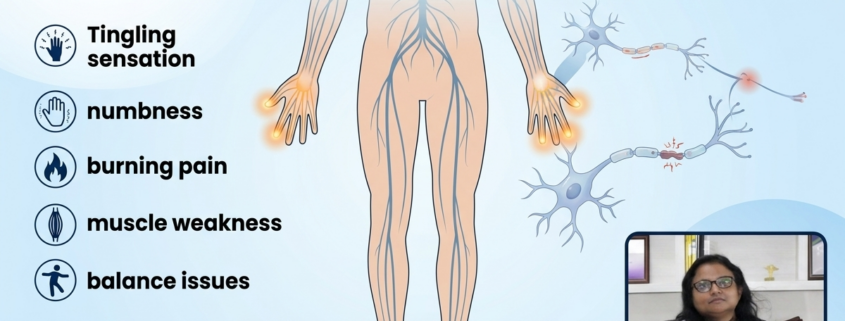
Tingling or numbness in your hands or feet is something many people feel at some time. It may feel like “pins and needles,” slight burning, or loss of sensation. Sometimes, it happens when you sit or sleep in one position for too long, and it usually goes away quickly. But if this feeling happens again and again or lasts for a long time, you should not ignore it.
These symptoms can be early signs of Neuropathy, a condition where the nerves are damaged and cannot send signals properly to the brain. Neuropathy often starts slowly, so many people don’t notice it in the beginning. Over time, it can cause pain, weakness, or difficulty in walking and balance.
There can be many reasons behind it, such as diabetes, lack of vitamins, or nerve injury. Understanding these signs early can help you take the right steps for treatment. If you often feel tingling or numbness, it’s important to pay attention and consult a doctor before the problem gets worse.
What is Neuropathy?
Neuropathy is a condition where the nerves in your body get damaged. These nerves are responsible for sending messages between your brain and different parts of your body like your hands, feet, and muscles. When the nerves are not working properly, these messages don’t travel correctly, which leads to unusual sensations.
People with neuropathy may feel tingling, numbness, burning pain, or even weakness in their body. It usually starts in the hands or feet and can slowly spread if not treated on time.
There are different types of neuropathy:
- Peripheral neuropathy – affects hands and feet
- Diabetic neuropathy – caused by high blood sugar levels
- Autonomic neuropathy – affects internal organs like heart, digestion, etc.
- Focal neuropathy – affects a specific nerve or area
Neuropathy can develop slowly, so many people ignore the early signs. But understanding it early can help in proper treatment and prevent further damage.
Common Symptoms You Shouldn’t Ignore
The symptoms of Neuropathy often begin mildly and may not seem serious at first. However, over time, they can worsen and start affecting your daily life. Understanding each symptom in detail can help you identify the condition early.
1. Tingling Sensation
This is usually the first sign people notice. It feels like “pins and needles” in the hands or feet. In the beginning, it may come and go, so many people ignore it. However, this sensation often starts in the toes or fingertips and can slowly spread upward if the condition progresses.
2. Numbness
Numbness means a reduced ability to feel sensations properly. You may not clearly feel pain, temperature, or touch in certain areas. This can become dangerous over time, as injuries or burns may go unnoticed, especially in the feet.
3. Burning or Sharp Pain
Some people experience a burning feeling or sudden sharp pain that can be quite uncomfortable. This pain is often described as stabbing or electric shock-like and may become worse at night, making it difficult to sleep or relax.
4. Muscle Weakness
When nerves are damaged, they may not send proper signals to the muscles. This can lead to weakness, making it harder to hold objects, walk properly, or perform daily tasks. In more advanced cases, muscles may start losing strength and size.
5. Balance Problems
Nerves play an important role in maintaining balance and coordination. When they are affected, you may feel unsteady while walking or standing. This can increase the risk of falls and make simple movements more difficult.
6. Sensitivity to Touch
In some cases, the nerves become overly sensitive. Even a light touch, such as clothing or bedsheets, may feel uncomfortable or painful. This unusual sensitivity can make daily life uncomfortable and stressful.
Causes of Neuropathy
Neuropathy can develop due to several underlying health conditions and lifestyle factors. In many cases, it does not happen suddenly but builds up over time as nerves become damaged.
Diabetes
Diabetes is the most common cause of neuropathy. High blood sugar levels over a long period can damage the nerves, especially in the hands and feet. This is why people with uncontrolled diabetes often experience tingling, numbness, or pain.
Vitamin Deficiency
Lack of essential vitamins, especially Vitamin B12, can affect nerve health. These vitamins are important for proper nerve function, and their deficiency can lead to weakness, tingling, and nerve damage.
Infections and Autoimmune Conditions
Certain infections and autoimmune diseases can attack the nerves. In these conditions, the body’s immune system mistakenly damages healthy nerve tissues, leading to various neurological symptoms.
Injury or Trauma
Physical injuries, accidents, or repeated pressure on nerves can lead to neuropathy. For example, nerve compression in the spine or wrist can cause long-term nerve problems if not treated.
Medications and Toxins
Some medicines, especially those used in chemotherapy, can cause nerve damage as a side effect. Exposure to harmful chemicals or excessive alcohol consumption can also negatively affect nerve health.
Who is at Risk of Neuropathy?
Neuropathy can affect anyone, but certain people have a higher risk due to their health conditions and lifestyle habits. Individuals with diabetes are at the highest risk, as long-term high blood sugar levels can slowly damage the nerves, especially in the hands and feet. Older adults are also more vulnerable because the body’s ability to repair nerves decreases with age.
People with poor nutrition, particularly those lacking essential vitamins like B12, may develop nerve-related problems over time. Similarly, individuals suffering from chronic illnesses such as kidney disease, thyroid disorders, or autoimmune conditions are more likely to experience nerve damage.
In addition, those who have had injuries, surgeries, or repeated pressure on certain nerves may develop neuropathy. Excessive alcohol consumption is another major risk factor, as it can directly harm nerves and also lead to nutritional deficiencies.
Understanding these risk factors is important for early prevention. If you fall into any of these categories and start noticing symptoms like tingling or numbness, it is important to seek medical advice before the condition worsens.
When Should You See a Doctor?
Sometimes tingling or numbness is normal, especially if you sit or sleep in one position for too long. But if it happens again and again or does not go away, it could be a sign of Neuropathy. Many people ignore these early signs, but doing so can make the condition worse over time.
You should see a doctor if the feeling keeps coming back, starts spreading to other areas, or is followed by burning or sharp pain. If you notice weakness in your hands or legs, have trouble holding things, or feel unsteady while walking, it is important to get it checked.
In serious cases, sudden numbness, complete loss of feeling, or strong pain that disturbs your sleep should not be ignored. These may be signs of a bigger problem. Seeing a doctor early can help find the cause and start the right treatment, which can prevent further damage and help you feel better.
Diagnosis of Neuropathy
Medical History and Symptoms
To find out if you have neuropathy, a doctor will first understand your symptoms and medical history. They may ask when the tingling or numbness started, how often it occurs, and whether you have conditions like diabetes or vitamin deficiency. This helps in identifying the possible cause.
Physical and Neurological Examination
The doctor will then perform a physical and neurological check-up. They may test your reflexes, muscle strength, balance, and your ability to feel touch, temperature, or pain. These tests help in understanding how well your nerves are functioning.
Diagnostic Tests
In some cases, additional tests are required to confirm the condition. These may include blood tests to check blood sugar levels or vitamin deficiencies, and nerve conduction studies to measure how fast signals travel through your nerves. Early diagnosis plays an important role in starting the right treatment and preventing further nerve damage.
Treatment Options for Neuropathy
Medications for Nerve Pain
Doctors may prescribe medicines to reduce nerve pain and discomfort. These help control symptoms like burning, tingling, and sharp pain, making daily life more comfortable.
Treating the Underlying Cause
The most important step is to treat the root cause of neuropathy. For example, controlling blood sugar in diabetes or correcting vitamin deficiencies can help slow down or even improve nerve damage.
Lifestyle Changes
Simple lifestyle changes can make a big difference. Eating a healthy diet, staying physically active, and avoiding alcohol or smoking can support nerve health and reduce symptoms over time.
Vitamin Supplements
If neuropathy is caused by a lack of essential vitamins like B12, doctors may recommend supplements. These help in improving nerve function and preventing further damage.
Physiotherapy and Rehabilitation
Physiotherapy can help improve strength, balance, and coordination. It is especially useful for people who have difficulty walking or performing daily activities due to nerve damage.
Pain Management Techniques
In some cases, additional therapies like relaxation techniques or nerve stimulation may be suggested to manage long-term pain effectively.
Prevention Tips for Neuropathy
Maintain Healthy Blood Sugar Levels
Keeping your blood sugar under control is one of the most important ways to prevent nerve damage, especially for people with diabetes. Regular monitoring and proper medication can help protect your nerves.
Follow a Balanced Diet
Eating a healthy diet rich in vitamins and nutrients supports nerve health. Foods high in Vitamin B12, fruits, vegetables, and whole grains play an important role in preventing deficiencies.
Stay Physically Active
Regular exercise improves blood circulation and helps keep your nerves healthy. Simple activities like walking, stretching, or yoga can make a big difference over time.
Avoid Alcohol and Smoking
Excessive alcohol and smoking can damage nerves and worsen symptoms. Reducing or avoiding these habits can help in preventing neuropathy.
Take Care of Your Feet
Since neuropathy often affects the feet, it is important to check them regularly for cuts, injuries, or infections. Proper foot care can prevent complications.
Regular Health Check-ups
Routine medical check-ups can help detect early signs of nerve damage. Early diagnosis allows timely treatment and better management.
FAQs
Q1. Is tingling or numbness always a sign of neuropathy?
Not always. Sometimes it can happen due to temporary pressure on nerves, like sitting in one position for too long. But if it happens frequently or does not go away, it may be a sign of neuropathy.
Q2. Can neuropathy be cured?
In some cases, especially when caused by vitamin deficiency or early-stage conditions, it can be improved or even reversed. However, in many cases, treatment focuses on managing symptoms and preventing further damage.
Q3. What is the most common cause of neuropathy?
Diabetes is the most common cause. High blood sugar levels over time can damage the nerves.
Q4. How do I know if my symptoms are serious?
If you have continuous tingling, numbness, burning pain, weakness, or balance problems, it is important to consult a doctor. Sudden or severe symptoms should not be ignored.
Q5. Can neuropathy go away on its own?
Mild cases may improve if the cause is temporary, but most cases need proper medical care and lifestyle changes.
Q6. How can I prevent neuropathy?
You can reduce the risk by maintaining healthy blood sugar levels, eating a balanced diet, avoiding alcohol and smoking, and staying physically active.
Conclusion
Tingling or numbness may seem like a small problem, but it can sometimes be an early sign of Neuropathy. Ignoring these symptoms can lead to more serious issues over time, including pain, weakness, and difficulty in daily activities. Understanding the warning signs and causes is the first step toward protecting your nerve health.
Early diagnosis and the right treatment can make a big difference. With proper care, lifestyle changes, and medical support, it is possible to manage symptoms and prevent further nerve damage. Small steps like maintaining a healthy diet, staying active, and managing underlying conditions can go a long way.
If you notice frequent tingling, numbness, or any unusual sensations, it is always better to consult a doctor. Taking action at the right time can help you avoid complications and improve your overall quality of life.