Your nervous system controls every movement, sensation, thought, and body function, making it one of the most important systems in your body. Even mild symptoms like numbness, tingling, muscle weakness, or frequent headaches can sometimes indicate an underlying neurological condition that requires expert attention. Ignoring these warning signs may lead to long-term complications and affect your quality of life.
Choosing the Best nerve specialist in Delhi is one of the most important decisions you can make if you’re experiencing persistent nerve-related symptoms. An experienced neurologist can identify the root cause through advanced diagnostic techniques and recommend a personalized treatment plan before the condition worsens. Seeking care from a qualified Stroke specialist in Safdarjung is especially important for individuals with sudden weakness, speech difficulties, or balance problems, as early intervention can significantly improve recovery outcomes.
This guide explains how to choose the right nerve care expert, the conditions they treat, warning signs to watch for, and the qualities that make a neurologist trustworthy. By understanding these factors, you can make an informed decision and receive the right treatment at the right time for better neurological health.
Common Nerve Disorders You Should Never Ignore
Nerve disorders can develop gradually or appear suddenly, and many people mistake the early signs for fatigue or temporary discomfort. However, symptoms such as persistent numbness, tingling, burning pain, muscle weakness, or balance issues may indicate an underlying neurological condition. Recognizing these disorders early and consulting the Best nerve specialist in Delhi can help prevent complications and improve treatment outcomes.
Peripheral Neuropathy
Peripheral neuropathy occurs when the nerves outside the brain and spinal cord become damaged. It commonly causes tingling, burning sensations, numbness, sharp pain, and muscle weakness, especially in the hands and feet. Diabetes, vitamin deficiencies, infections, and certain medications are among the leading causes. Early diagnosis helps slow nerve damage and improves symptom management.
Sciatica
Sciatica develops when the sciatic nerve is compressed or irritated, often due to a slipped disc or spinal condition. It causes radiating pain from the lower back to the hips, buttocks, and legs, sometimes accompanied by numbness or weakness. Prompt neurological evaluation can identify the exact cause and guide effective treatment.
Carpal Tunnel Syndrome
Carpal Tunnel Syndrome results from pressure on the median nerve as it passes through the wrist. People who frequently use computers, smartphones, or perform repetitive hand movements are more likely to develop this condition. Symptoms include hand numbness, tingling, pain, and reduced grip strength, which may worsen over time without proper care.
Trigeminal Neuralgia
Trigeminal neuralgia is a chronic condition affecting the trigeminal nerve, which carries sensation from the face to the brain. Patients often experience sudden, severe facial pain that may be triggered by talking, chewing, brushing teeth, or even a light touch. Accurate diagnosis is essential because the condition can significantly affect daily life.
Stroke-Related Nerve Damage
A stroke interrupts the blood supply to the brain and can lead to permanent nerve damage if treatment is delayed. Symptoms include facial drooping, weakness on one side of the body, difficulty speaking, confusion, and loss of balance. Seeking immediate care from an experienced Stroke specialist in Safdarjung can reduce brain damage, improve recovery, and lower the risk of long-term disability.
Parkinson’s Disease
Parkinson’s disease is a progressive neurological disorder that affects movement and coordination. Common signs include hand tremors, muscle stiffness, slowed movements, poor balance, and changes in speech or handwriting. Although there is no cure, early treatment helps manage symptoms and maintain independence.
Multiple Sclerosis (MS)
Multiple sclerosis is an autoimmune disorder in which the immune system attacks the protective covering of nerve fibers. This can cause blurred vision, muscle weakness, numbness, fatigue, dizziness, and coordination problems. Early intervention and personalized treatment plans help slow disease progression and improve quality of life.
Epilepsy and Seizure Disorders
Epilepsy is a neurological condition characterized by recurrent seizures caused by abnormal electrical activity in the brain. Seizures can vary from brief staring spells to full-body convulsions. With timely diagnosis, medication, and regular follow-up, many people with epilepsy can successfully control their symptoms and lead active lives.
What Causes Nerve Disorders?
Nerve disorders can develop due to a wide range of medical conditions, lifestyle habits, injuries, and genetic factors. While some neurological problems appear suddenly, others progress slowly and remain unnoticed until symptoms become severe. Understanding these causes can help you take preventive measures and seek timely medical care. In many cases, consulting the Best nerve specialist in Delhi helps identify the underlying cause through comprehensive neurological evaluation and advanced diagnostic testing.
Diabetes
Diabetes is one of the most common causes of nerve damage worldwide. Persistently high blood sugar levels can injure peripheral nerves, leading to numbness, tingling, burning pain, and reduced sensation, especially in the feet and hands. Proper blood sugar management and early neurological care can significantly reduce the risk of complications.
Vitamin Deficiencies
Deficiencies in essential nutrients such as Vitamin B12, Vitamin B6, and Vitamin E can impair nerve function. Poor nutrition, digestive disorders, or certain medications may contribute to these deficiencies. Correcting nutritional imbalances at an early stage can help improve nerve health and prevent permanent damage.
Physical Injuries
Accidents, sports injuries, falls, or repetitive strain can compress or damage nerves. Conditions like slipped discs, spinal injuries, and repetitive wrist movements may result in chronic nerve pain or weakness. Early diagnosis helps prevent long-term disability and improves recovery through targeted treatment.
Autoimmune Disorders
Autoimmune diseases occur when the body’s immune system mistakenly attacks healthy nerve tissues. Conditions such as Multiple Sclerosis (MS), Guillain-Barré Syndrome, and Myasthenia Gravis can affect communication between the brain, nerves, and muscles. Early medical intervention helps control disease progression and improve quality of life.
Stroke and Brain Disorders
A stroke interrupts blood flow to the brain, damaging nerve cells responsible for movement, speech, and coordination. Symptoms such as sudden weakness, facial drooping, difficulty speaking, or loss of balance require immediate medical attention. Receiving prompt treatment from a qualified Stroke specialist in Safdarjung can significantly improve recovery and minimize permanent neurological damage.
Infections
Certain viral and bacterial infections can directly affect the nervous system. Diseases such as meningitis, encephalitis, shingles, and Lyme disease may cause inflammation, nerve pain, muscle weakness, or neurological complications. Early diagnosis and appropriate treatment are essential for preventing lasting damage.
Genetic and Hereditary Factors
Some neurological conditions are inherited and may run in families. Disorders like Charcot-Marie-Tooth disease, Huntington’s disease, and certain muscular dystrophies can gradually affect nerve and muscle function. Genetic counseling and regular neurological evaluations can help manage these conditions effectively.
Lifestyle and Aging
Unhealthy lifestyle habits, including smoking, excessive alcohol consumption, lack of physical activity, chronic stress, and poor sleep, can negatively impact nerve health over time. Additionally, the natural aging process increases the risk of neurological disorders. Maintaining a healthy lifestyle, combined with regular medical check-ups, can help preserve nerve function and support long-term neurological well-being.
Early Signs That Indicate You Need a Nerve Specialist
Many neurological conditions begin with subtle symptoms that are often ignored or mistaken for stress, fatigue, or aging. However, delaying medical attention can allow the condition to progress, making treatment more challenging. Recognizing these warning signs early and consulting the Best nerve specialist in Delhi can lead to a faster diagnosis, timely treatment, and better long-term outcomes. If symptoms appear suddenly or worsen quickly, immediate evaluation by a neurologist is essential.
Persistent Numbness or Tingling
A constant tingling, “pins and needles” sensation, or numbness in the hands, feet, arms, or legs should never be ignored. While temporary numbness may occur after sitting or sleeping in one position, persistent symptoms could indicate peripheral neuropathy, nerve compression, or spinal disorders that require expert evaluation.
Muscle Weakness
Experiencing difficulty lifting objects, climbing stairs, gripping items, or walking may signal nerve or muscle dysfunction. Progressive muscle weakness can interfere with daily activities and may be linked to neurological disorders such as motor neuron disease, neuropathy, or multiple sclerosis.
Burning or Sharp Nerve Pain
Nerve pain often feels different from ordinary muscle pain. It may present as burning, stabbing, electric shock-like sensations, or increased sensitivity to touch. Chronic nerve pain can affect sleep, mobility, and overall quality of life, making early diagnosis essential for effective management.
Balance and Coordination Problems
Frequent dizziness, loss of balance, difficulty walking, or poor coordination may indicate disorders affecting the brain, spinal cord, or inner ear. These symptoms increase the risk of falls and should be assessed promptly by a neurological specialist.
Persistent Headaches with Neurological Symptoms
Severe or recurring headaches accompanied by blurred vision, confusion, nausea, weakness, or speech difficulties should never be dismissed. These symptoms may indicate migraines, stroke, brain infections, or other neurological conditions that require immediate attention.
Memory or Speech Changes
Difficulty remembering recent events, slurred speech, trouble finding words, or confusion can be early signs of neurological disorders such as dementia or stroke. Seeking evaluation at the earliest stage improves the chances of effective treatment and symptom management.
Tremors or Involuntary Movements
Uncontrolled hand tremors, muscle twitching, shaking, or involuntary body movements may be associated with Parkinson’s disease, essential tremor, or other movement disorders. Early diagnosis allows for better symptom control and improved quality of life.
Sudden Neurological Symptoms Require Emergency Care
If you experience facial drooping, sudden weakness on one side of the body, loss of vision, severe dizziness, or difficulty speaking, seek emergency medical care immediately. These are classic warning signs of a stroke, where every minute matters. Prompt treatment from an experienced Stroke specialist in Safdarjung can reduce brain damage, improve recovery, and potentially save lives.
How Is a Nerve Disorder Diagnosed?
Diagnosing a nerve disorder involves more than identifying symptoms—it requires a comprehensive neurological evaluation to determine the exact cause and severity of the condition. Because many neurological disorders share similar symptoms, an accurate diagnosis is essential for creating an effective treatment plan. Consulting the Best nerve specialist in Delhi ensures that advanced diagnostic methods are used to detect nerve-related conditions early and reduce the risk of long-term complications.
Medical History Assessment
The diagnostic process begins with a detailed discussion about your symptoms, medical history, family history, lifestyle, and existing health conditions. Your neurologist may ask when the symptoms started, how often they occur, and whether they are becoming more severe. This information helps narrow down the possible causes of the condition.
Comprehensive Neurological Examination
A neurological examination evaluates how well your brain, spinal cord, nerves, and muscles are functioning. During the examination, the specialist checks muscle strength, reflexes, coordination, balance, sensation, vision, speech, and cognitive function. These findings help identify which part of the nervous system may be affected.
Reflex and Sensory Testing
Reflex testing measures how your nerves respond to stimulation, while sensory testing evaluates your ability to feel touch, temperature, vibration, and pain. Abnormal results can indicate nerve damage, spinal cord disorders, or peripheral neuropathy.
MRI and CT Scan
Imaging tests such as Magnetic Resonance Imaging (MRI) and Computed Tomography (CT) scans provide detailed images of the brain and spinal cord. These scans help detect stroke, brain tumors, spinal disorders, nerve compression, multiple sclerosis, and structural abnormalities that may not be visible during a physical examination.
EEG (Electroencephalogram)
An EEG records the brain’s electrical activity using small electrodes placed on the scalp. It is commonly recommended for patients experiencing seizures, epilepsy, unexplained loss of consciousness, or abnormal brain activity, allowing neurologists to diagnose and monitor neurological conditions accurately.
EMG and Nerve Conduction Studies (NCV)
Electromyography (EMG) and Nerve Conduction Velocity (NCV) tests evaluate how well the nerves communicate with the muscles. These tests are highly effective in diagnosing conditions such as peripheral neuropathy, carpal tunnel syndrome, muscle disorders, and nerve injuries, helping determine the location and severity of nerve damage.
Blood Tests and Laboratory Investigations
Certain neurological symptoms may be caused by vitamin deficiencies, diabetes, autoimmune disorders, infections, thyroid conditions, or metabolic imbalances. Blood tests help identify these underlying medical conditions and guide the most appropriate treatment strategy.
Personalized Diagnosis for Better Treatment
After reviewing your symptoms, examination findings, and diagnostic test results, the neurologist develops a personalized diagnosis and treatment plan based on your condition. If symptoms such as sudden weakness, facial drooping, or difficulty speaking suggest a neurological emergency, immediate evaluation by a Stroke specialist in Safdarjung is crucial to minimize brain damage and improve recovery outcomes. Early and accurate diagnosis is the foundation of successful neurological care and long-term health.
Why Early Diagnosis Can Prevent Permanent Nerve Damage
Early diagnosis is one of the most important factors in protecting your nervous system from permanent damage. Many neurological conditions develop gradually, and their initial symptoms may appear mild or temporary. However, delaying medical evaluation can allow nerve damage to progress, making treatment more complex and recovery more difficult. Seeking timely care from the Best nerve specialist in Delhi increases the chances of identifying the condition before irreversible complications occur.
Prevents Long-Term Nerve Damage
Nerves have a limited ability to repair themselves. When a neurological condition remains untreated for an extended period, the damaged nerves may lose their function permanently. Early diagnosis allows treatment to begin before the condition causes irreversible changes, helping preserve movement, sensation, and muscle strength.
Improves Treatment Success
Many neurological disorders respond more effectively when detected in their early stages. Whether the condition involves peripheral neuropathy, epilepsy, Parkinson’s disease, or multiple sclerosis, starting treatment early often leads to better symptom control and slows disease progression. This approach also reduces the likelihood of future complications.
Reduces the Risk of Disability
Untreated nerve disorders can gradually affect a person’s ability to walk, perform daily activities, speak, or maintain balance. Early medical intervention helps protect nerve function, improves mobility, and enables patients to continue living an active and independent lifestyle for a longer period.
Supports Faster Recovery
When treatment begins soon after symptoms appear, the body generally responds more positively. Early rehabilitation, medications, and lifestyle modifications can improve nerve function, reduce pain, and shorten the recovery period. Patients also experience better physical and emotional well-being throughout their treatment journey.
Saves Time and Medical Costs
Ignoring neurological symptoms often leads to disease progression, requiring more advanced treatments, longer hospital stays, and extensive rehabilitation. Early diagnosis not only improves health outcomes but can also reduce overall healthcare expenses by preventing severe complications.
Critical for Stroke and Neurological Emergencies
Some neurological conditions require immediate medical attention, especially stroke. Symptoms such as sudden weakness, facial drooping, slurred speech, vision changes, or loss of balance should never be ignored. Receiving prompt care from a qualified Stroke specialist in Safdarjung can restore blood flow to the brain, minimize neurological damage, and significantly improve recovery.
Benefits of Early vs. Delayed Diagnosis
| Early Diagnosis | Delayed Diagnosis |
| Faster and more accurate treatment | Treatment becomes more complex |
| Better chance of preserving nerve function | Increased risk of permanent nerve damage |
| Lower risk of disability | Higher likelihood of long-term complications |
| Improved quality of life | Reduced mobility and independence |
| Quicker recovery and rehabilitation | Longer recovery period with uncertain outcomes |
| Reduced healthcare costs | Higher medical expenses due to advanced treatment |
Early diagnosis is not just about identifying a disease—it is about protecting your brain, nerves, and overall quality of life. Paying attention to warning signs and consulting a neurologist without delay can make a significant difference in long-term neurological health.
How to Choose the Right Nerve Care Expert
Selecting the right neurologist is an important step toward receiving accurate diagnosis, effective treatment, and long-term neurological care. Since nerve disorders can affect the brain, spinal cord, muscles, and peripheral nerves, choosing an experienced specialist ensures that you receive personalized care based on your specific condition. While searching for the Best nerve specialist in Delhi, it is important to evaluate more than just qualifications—you should also consider experience, diagnostic facilities, patient care, and treatment approach.
Check Medical Qualifications and Specialization
Always verify the doctor’s medical qualifications, neurology specialization, certifications, and professional training. A qualified neurologist has the expertise to diagnose and manage a wide range of neurological conditions, including stroke, epilepsy, Parkinson’s disease, migraine, neuropathy, dementia, and movement disorders. Specialized training reflects a deeper understanding of complex nerve-related diseases.
Evaluate Clinical Experience
Experience plays a significant role in neurological care. A neurologist who has managed diverse neurological conditions over the years is better equipped to recognize uncommon symptoms, make accurate diagnoses, and recommend the most appropriate treatment plans. Clinical experience also improves decision-making during neurological emergencies.
Look for Advanced Diagnostic Facilities
An experienced neurologist should have access to modern diagnostic technologies such as MRI, CT Scan, EEG, EMG, and Nerve Conduction Studies (NCV). These investigations help detect neurological disorders accurately and allow treatment to begin without unnecessary delays.
Consider the Treatment Approach
The best neurological care goes beyond prescribing medications. Choose a specialist who believes in personalized treatment plans, patient education, lifestyle modifications, rehabilitation, and regular follow-up care. A comprehensive approach often leads to better symptom control and improved long-term outcomes.
Read Patient Reviews and Testimonials
Patient reviews provide valuable insights into the doctor’s communication skills, consultation experience, treatment effectiveness, and overall patient satisfaction. Positive feedback from individuals with similar neurological conditions can help you make a more informed healthcare decision.
Accessibility and Follow-Up Care
Neurological conditions often require continuous monitoring and regular follow-up appointments. Selecting a specialist with an organized appointment system, accessible location, and ongoing patient support ensures continuity of care throughout your treatment journey.
Expertise in Emergency Neurological Conditions
If you or your family has a higher risk of stroke or other neurological emergencies, choose a neurologist with expertise in rapid diagnosis and emergency neurological management. Access to an experienced Stroke specialist in Safdarjung can be crucial during time-sensitive conditions where immediate intervention significantly improves recovery and reduces the risk of permanent disability.
Choose a Doctor Who Prioritizes Compassionate Care
The right neurologist not only has excellent medical expertise but also takes time to listen, explain the diagnosis clearly, answer questions, and involve patients in treatment decisions. A compassionate and patient-centered approach builds trust, improves treatment adherence, and creates a positive healthcare experience, helping patients feel confident throughout their recovery journey.
Questions You Should Ask Before Choosing a Neurologist
Choosing a neurologist is a long-term healthcare decision, so it is important to ask the right questions during your first consultation. A knowledgeable specialist should explain your condition clearly, discuss treatment options, and help you understand the next steps. While searching for the Best nerve specialist in Delhi, asking these questions can help you make an informed decision and build confidence in your treatment plan.
What Could Be Causing My Symptoms?
Understanding the possible reason behind your symptoms is the first step toward effective treatment. Ask whether your condition may be related to nerve damage, a spinal disorder, a brain condition, or another neurological issue. A clear explanation helps you better understand your diagnosis and the need for further investigations.
Which Tests Will I Need?
Neurological conditions often require specialized investigations for an accurate diagnosis. Ask whether you will need MRI, CT Scan, EEG, EMG, Nerve Conduction Studies (NCV), or blood tests. Knowing the purpose of each test can reduce anxiety and help you prepare for the diagnostic process.
What Are My Treatment Options?
Every neurological condition is different, so treatment should be tailored to your needs. Discuss whether your condition can be managed with medications, physiotherapy, lifestyle changes, rehabilitation, or advanced neurological procedures. Understanding all available options allows you to participate actively in your care.
How Long Will Recovery Take?
Recovery varies depending on the condition, its severity, and how early treatment begins. Ask about the expected recovery timeline, possible improvements, and factors that may influence your progress. Setting realistic expectations helps patients stay motivated throughout treatment.
Are There Any Lifestyle Changes I Should Make?
Lifestyle plays an important role in neurological health. Your neurologist may recommend regular exercise, a balanced diet, quality sleep, stress management, smoking cessation, and better control of chronic conditions like diabetes or hypertension. Following these recommendations can improve treatment outcomes and reduce future complications.
Will I Need Regular Follow-Up Visits?
Many neurological disorders require continuous monitoring. Ask how frequently you should return for follow-up appointments and what symptoms should prompt an earlier visit. Regular reviews help your doctor monitor progress, adjust medications when necessary, and prevent complications.
When Should I Seek Emergency Medical Care?
Some neurological symptoms require immediate medical attention. Ask your neurologist about the warning signs that should never be ignored, including sudden weakness, facial drooping, difficulty speaking, severe dizziness, vision changes, or seizures. If these symptoms occur, seeking immediate care from an experienced Stroke specialist in Safdarjung can significantly improve treatment outcomes.
How Will My Condition Affect My Daily Life?
Understanding how your neurological condition may impact work, driving, exercise, travel, and daily activities helps you prepare for long-term management. A patient-focused neurologist will provide practical guidance to help you maintain independence and improve your overall quality of life.
Advanced Treatment Options Available Today
Modern neurology has transformed the way nerve disorders are diagnosed and treated. With continuous advancements in medical technology, many neurological conditions can now be managed more effectively through personalized treatment plans, advanced diagnostics, and multidisciplinary care. Consulting the Best nerve specialist in Delhi ensures access to the latest evidence-based treatments designed to improve recovery, reduce symptoms, and enhance long-term neurological health.
Personalized Medication Management
Medications remain one of the most effective ways to manage neurological disorders. Depending on the diagnosis, your neurologist may prescribe medicines to control seizures, reduce nerve pain, manage Parkinson’s disease, prevent migraines, or lower the risk of recurrent strokes. Treatment plans are regularly reviewed and adjusted to achieve the best possible results with minimal side effects.
Neuro Rehabilitation
Recovery from neurological conditions often requires structured rehabilitation. Neuro rehabilitation combines physical therapy, occupational therapy, and speech therapy to help patients regain strength, coordination, balance, and independence. This approach is particularly beneficial for individuals recovering from stroke, spinal cord injuries, or other neurological disorders.
Nerve Pain Management
Chronic nerve pain can significantly affect daily life. Modern pain management focuses on identifying the underlying cause and using a combination of medications, physiotherapy, lifestyle modifications, and supportive therapies. Early treatment helps reduce discomfort and improves overall quality of life.
Advanced Diagnostic Monitoring
Accurate treatment begins with accurate diagnosis. Neurologists use advanced technologies such as MRI, CT Scan, EEG, EMG, and Nerve Conduction Studies (NCV) to monitor disease progression and evaluate treatment effectiveness. Regular assessments help ensure that therapies remain appropriate as the condition changes over time.
Stroke Management and Rehabilitation
Stroke treatment has advanced significantly in recent years. Early diagnosis, emergency medical intervention, medication, and comprehensive rehabilitation can improve recovery and reduce long-term disability. Patients experiencing symptoms such as sudden weakness, facial drooping, or speech difficulties should immediately consult a qualified Stroke specialist in Safdarjung, where timely care can make a life-changing difference.
Lifestyle and Preventive Care
Effective neurological treatment extends beyond medication. Neurologists often recommend healthy eating, regular exercise, adequate sleep, stress management, and control of chronic conditions such as diabetes and hypertension. These lifestyle changes support nerve health, improve recovery, and reduce the risk of future neurological complications.
Long-Term Follow-Up and Monitoring
Many neurological disorders require ongoing care rather than one-time treatment. Regular follow-up appointments allow the neurologist to monitor symptoms, evaluate treatment response, adjust medications, and identify potential complications early. Continuous monitoring helps patients maintain better neurological function and achieve improved long-term outcomes.
A Comprehensive Approach to Better Neurological Health
Successful neurological care combines advanced medical technology, expert clinical knowledge, personalized treatment, rehabilitation, and patient education. This integrated approach helps patients manage symptoms more effectively, maintain independence, and enjoy a better quality of life while living with neurological conditions.
Why Patients Trust Dr. Aparna Gupta
Finding the right neurologist is essential for receiving accurate diagnosis and effective treatment for neurological disorders. Dr. Aparna Gupta is a highly experienced neurologist known for her patient-focused approach, evidence-based treatments, and commitment to delivering comprehensive neurological care. With 22+ years of clinical experience, she has successfully managed a wide range of complex neurological conditions, helping patients achieve better health outcomes. Patients looking for the Best nerve specialist in Delhi often value her expertise, compassionate care, and personalized treatment plans.
Extensive Qualifications and Expertise
Dr. Aparna Gupta has a strong academic and professional background in neurology. Her qualifications include:
- MBBS
- MD (General Medicine)
- DNB (Neurology)
Her advanced medical training enables her to diagnose and treat both common and complex neurological disorders using the latest clinical guidelines and modern diagnostic techniques.
22+ Years of Clinical Experience
With more than 22 years of experience, Dr. Aparna Gupta has treated thousands of patients with neurological disorders. Her extensive clinical expertise allows her to identify neurological conditions accurately, recommend effective treatment strategies, and provide long-term support for patients with chronic nerve-related diseases.
Expertise in Treating Neurological Disorders
Dr. Aparna Gupta provides comprehensive care for a broad range of neurological conditions, including:
- Stroke
- Peripheral Neuropathy
- Epilepsy and Seizure Disorders
- Migraine and Chronic Headaches
- Parkinson’s Disease
- Vertigo and Balance Disorders
- Dementia and Memory Disorders
- Multiple Sclerosis
- Nerve Pain and Muscle Weakness
Her patient-centered approach focuses on identifying the root cause of symptoms and developing individualized treatment plans for each patient.
Personalized and Compassionate Patient Care
Every patient has unique healthcare needs. Dr. Aparna Gupta believes in listening carefully to patients, explaining diagnoses in simple language, and involving them in every treatment decision. This personalized approach helps patients better understand their condition, improve treatment adherence, and feel confident throughout their recovery journey.
Advanced Diagnosis and Evidence-Based Treatment
Using modern neurological investigations such as MRI, CT Scan, EEG, EMG, and Nerve Conduction Studies (NCV), Dr. Aparna Gupta ensures accurate diagnosis before initiating treatment. Her evidence-based approach helps patients receive the most appropriate care based on current neurological guidelines and international best practices.
Trusted for Stroke and Emergency Neurological Care
Early intervention is critical during neurological emergencies. Patients experiencing symptoms such as sudden weakness, facial drooping, slurred speech, or loss of balance benefit from timely evaluation by an experienced Stroke specialist in Safdarjung. Dr. Aparna Gupta emphasizes rapid diagnosis and comprehensive stroke management to improve recovery and reduce long-term neurological complications.
Dedicated to Long-Term Neurological Wellness
Beyond treating symptoms, Dr. Aparna Gupta focuses on long-term neurological health through continuous follow-up, preventive care, lifestyle guidance, and rehabilitation support. Her commitment to compassionate, high-quality care has earned the trust of patients and families seeking expert neurological treatment across Delhi and the surrounding regions.
Why Choose Neuro Clinic Plus?
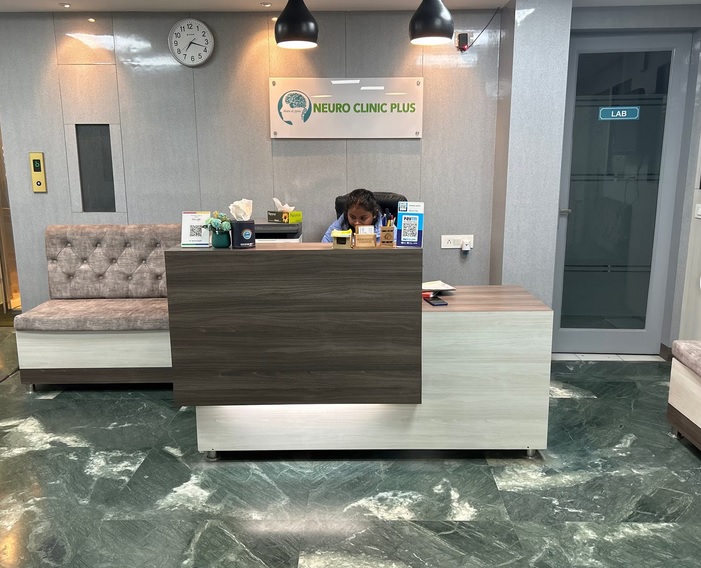
Choosing the right neurology clinic is just as important as selecting the right neurologist. Neuro Clinic Plus is committed to providing comprehensive neurological care through advanced diagnostics, personalized treatment plans, and compassionate patient support. Whether you are experiencing chronic nerve pain, headaches, epilepsy, or recovering from a stroke, the clinic offers specialized care under the guidance of experienced professionals. Patients searching for the Best nerve specialist in Delhi choose Neuro Clinic Plus for its patient-first approach and high standard of neurological care.
Advanced Neurological Diagnosis
Accurate diagnosis is the foundation of successful treatment. Neuro Clinic Plus offers comprehensive neurological evaluations supported by modern diagnostic facilities, helping identify the exact cause of symptoms. Early and precise diagnosis enables timely treatment and improves long-term health outcomes.
Comprehensive Treatment for Neurological Disorders
The clinic provides expert care for a wide range of neurological conditions, including:
- Stroke
- Peripheral Neuropathy
- Migraine and Chronic Headaches
- Epilepsy
- Parkinson’s Disease
- Vertigo
- Dementia
- Multiple Sclerosis
- Nerve Pain Disorders
Each patient receives an individualized treatment plan based on their symptoms, diagnosis, and overall health condition.
Patient-Centered Healthcare
At Neuro Clinic Plus, every patient receives personalized attention throughout their treatment journey. The team believes in listening carefully, explaining medical conditions in simple language, and involving patients in treatment decisions. This transparent approach helps patients feel informed, comfortable, and confident about their care.
Modern Treatment Approach
The clinic follows the latest evidence-based neurological practices and combines advanced diagnostic techniques, medication management, rehabilitation, lifestyle counseling, and continuous follow-up care. This comprehensive approach helps patients achieve better symptom control and improved quality of life.
Expert Stroke Care
Stroke requires immediate medical attention to prevent permanent brain damage. Neuro Clinic Plus provides timely neurological assessment and comprehensive stroke management under the supervision of an experienced Stroke specialist in Safdarjung, ensuring patients receive prompt diagnosis, treatment, and rehabilitation support for optimal recovery.
Convenient Care and Long-Term Support
From easy appointment scheduling to regular follow-up consultations, Neuro Clinic Plus focuses on making neurological care accessible and stress-free. Patients receive continuous monitoring, medication adjustments when needed, and long-term guidance to manage chronic neurological conditions effectively.
A Trusted Destination for Neurological Care
With advanced facilities, 22+ years of neurological expertise, compassionate patient care, and a commitment to clinical excellence, Neuro Clinic Plus has become a trusted choice for individuals seeking expert neurological treatment. The clinic’s focus on accurate diagnosis, personalized care, and long-term patient wellness makes it a preferred destination for comprehensive nerve and brain health services in Delhi.
Patient Reviews & Experience
Patient feedback is one of the most reliable ways to understand the quality of neurological care. Positive reviews often reflect a doctor’s clinical expertise, communication skills, accurate diagnosis, and compassionate approach. Many patients searching for the Best nerve specialist in Delhi consider real patient experiences before choosing a neurologist, as they provide valuable insights into the overall treatment journey.
Accurate Diagnosis That Builds Confidence
Many patients appreciate receiving a thorough neurological evaluation instead of temporary symptom relief. Clear explanations about the diagnosis, recommended investigations, and treatment options help patients understand their condition and make informed healthcare decisions. This detailed approach builds confidence and trust from the very first consultation.
Compassionate and Patient-Focused Care
One of the qualities frequently valued by patients is compassionate care. Taking time to listen carefully, answer questions, and explain complex neurological conditions in simple language helps reduce anxiety. Patients often feel more comfortable when they are actively involved in planning their treatment and recovery.
Personalized Treatment Plans
Every neurological condition is different, which is why individualized treatment is highly appreciated. Patients value treatment plans that are tailored to their symptoms, medical history, and lifestyle rather than following a one-size-fits-all approach. Personalized care often leads to better treatment outcomes and higher patient satisfaction.
Professional and Supportive Clinical Team
A positive healthcare experience also depends on the support provided by the clinic staff. Patients appreciate friendly appointment scheduling, organized consultations, professional assistance, and timely follow-up communication, making the entire treatment process smoother and more convenient.
Trusted Stroke and Neurological Care
Patients experiencing neurological emergencies often recognize the importance of receiving prompt medical attention. Individuals treated by an experienced Stroke specialist in Safdarjung frequently highlight the benefits of early diagnosis, timely intervention, and structured rehabilitation in supporting their recovery and improving long-term neurological health.
Long-Term Patient Satisfaction
Successful neurological care extends beyond the first consultation. Regular follow-up appointments, continuous monitoring, medication adjustments, and ongoing guidance help patients manage chronic neurological conditions with confidence. This commitment to long-term care creates lasting relationships and encourages patients to recommend the clinic to their family and friends.
Why Patient Experience Matters
Positive patient experiences reflect more than successful treatment—they demonstrate trust, transparency, clinical excellence, and compassionate healthcare. Choosing a neurologist with consistently positive patient feedback can provide reassurance that you are receiving high-quality neurological care focused on both immediate recovery and long-term well-being.
Frequently Asked Questions
1. What does a nerve specialist treat?
A nerve specialist, also known as a neurologist, diagnoses and treats conditions affecting the brain, spinal cord, nerves, and muscles. They manage disorders such as neuropathy, epilepsy, stroke, migraine, Parkinson’s disease, vertigo, and nerve pain through advanced diagnosis and personalized treatment plans.
2. When should I visit a nerve specialist?
You should consult a neurologist if you experience persistent numbness, tingling, burning pain, muscle weakness, balance problems, tremors, memory changes, or repeated headaches. Early consultation helps identify the cause and prevents neurological problems from becoming more serious.
3. How do I choose the right nerve specialist in Delhi?
Choosing the right specialist depends on factors such as medical qualifications, clinical experience, treatment approach, diagnostic facilities, and patient reviews. An experienced neurologist like Dr. Aparna Gupta provides comprehensive neurological evaluation and personalized care for different nerve-related conditions.
4. What are the common symptoms of nerve damage?
Common symptoms of nerve damage include numbness, tingling sensations, burning pain, weakness, loss of coordination, muscle cramps, and reduced sensation. These symptoms may indicate conditions like peripheral neuropathy, nerve compression, or other neurological disorders.
5. Can nerve damage be treated successfully?
Yes, many nerve conditions can be managed effectively with early diagnosis and proper treatment. Depending on the cause, treatment may include medications, physiotherapy, rehabilitation, lifestyle changes, and advanced neurological care to improve symptoms and prevent further damage.
6. What tests are used to diagnose nerve disorders?
Neurologists may recommend tests such as MRI, CT Scan, EEG, EMG, Nerve Conduction Studies (NCV), and blood tests. These investigations help identify nerve damage, brain disorders, spinal problems, and other neurological conditions accurately.
7. What is the role of a neurologist in stroke treatment?
A neurologist plays a crucial role in diagnosing and managing stroke through emergency care, medication, rehabilitation, and long-term prevention strategies. Consulting an experienced Stroke specialist in Safdarjung can help reduce complications and improve recovery outcomes after a stroke.
8. Is tingling in hands and feet a sign of nerve problems?
Frequent or persistent tingling in the hands and feet may indicate nerve compression, vitamin deficiency, diabetes-related neuropathy, or other neurological conditions. If symptoms continue or worsen, consulting the Best nerve specialist in Delhi can help identify the underlying cause.
9. What causes peripheral neuropathy?
Peripheral neuropathy can occur due to several reasons, including diabetes, vitamin deficiencies, infections, autoimmune disorders, certain medications, injuries, and genetic factors. Proper diagnosis helps determine the cause and develop an effective treatment plan.
10. Can lifestyle changes improve nerve health?
Yes, healthy lifestyle habits can support nerve health. Maintaining regular exercise, balanced nutrition, good sleep, stress management, and proper control of diabetes and blood pressure can help manage symptoms and reduce the risk of neurological complications.
11. When is a neurological condition considered an emergency?
Symptoms such as sudden weakness on one side of the body, facial drooping, difficulty speaking, severe dizziness, seizures, or sudden vision problems require immediate medical attention. Quick evaluation by a qualified neurologist can improve outcomes and reduce the risk of permanent damage.
12. Why choose Dr. Aparna Gupta for nerve-related problems?
Dr. Aparna Gupta is an experienced neurologist with 22+ years of clinical experience and expertise in managing various neurological conditions. Her approach focuses on accurate diagnosis, evidence-based treatment, personalized care, and long-term patient support at Neuro Clinic Plus.
Conclusion
Choosing the right nerve care expert is one of the most important decisions you can make for your neurological health. Symptoms such as persistent numbness, tingling, muscle weakness, chronic headaches, balance problems, or sudden changes in speech and movement should never be ignored. Early consultation with the Best nerve specialist in Delhi can lead to an accurate diagnosis, timely treatment, and improved long-term outcomes, helping prevent permanent nerve damage and enhancing your quality of life.
If you or a loved one is experiencing symptoms of a neurological disorder, seeking medical attention without delay is essential. Whether it is chronic nerve pain, epilepsy, Parkinson’s disease, migraine, or emergency stroke care, consulting an experienced Stroke specialist in Safdarjung ensures you receive comprehensive evaluation and evidence-based treatment tailored to your needs.
With 22+ years of experience, Dr. Aparna Gupta and the dedicated team at Neuro Clinic Plus are committed to delivering compassionate, patient-centered neurological care using advanced diagnostic techniques and personalized treatment plans. Taking action at the earliest signs of a neurological problem can make a significant difference in recovery, allowing you to protect your nerve health and enjoy a healthier, more active future.