Tag Archive for: migraine triggers

Best Headache Specialist in Delhi

Migraines are a common neurological condition that can cause intense headaches and affect a person’s daily life. They are more than just regular headaches and are often accompanied by symptoms such as nausea, vomiting, sensitivity to light, and sensitivity to sound.

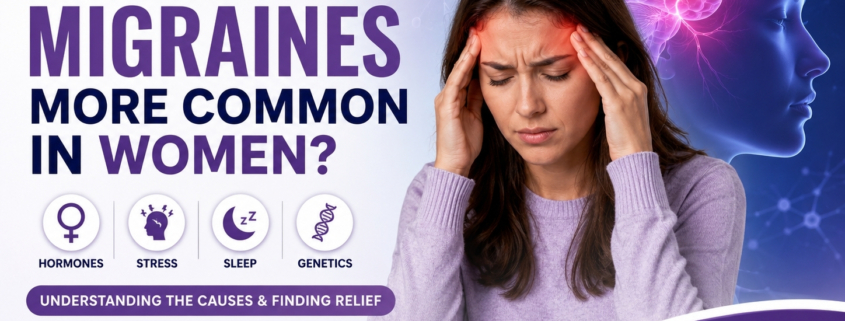
If you are searching for the best headache specialist in Delhi, it is important to understand why migraines occur and why they are more common in women. Studies show that women are nearly three times more likely to experience migraines than men. This is mainly due to hormonal changes, especially fluctuations in estrogen levels during menstruation, pregnancy, and menopause. Other factors such as stress, lack of sleep, family history, and certain lifestyle habits can also increase the risk of migraines.

Frequent migraine attacks can make it difficult to work, study, or carry out everyday activities. The good news is that with the right diagnosis and treatment, migraines can often be managed effectively.

Dr. Aparna Gupta, a leading neurologist at Neuro Clinic Plus, helps patients understand the causes of their migraines and develop personalized treatment plans. In this article, we will explain why migraines are more common in women, their common triggers, symptoms, and the treatment options available to help improve quality of life.

What Is a Migraine?

A migraine is a neurological condition that causes recurring headaches and other symptoms that can significantly affect a person’s daily life. Unlike a regular headache, a migraine often causes intense, throbbing pain that may last for several hours or even days. The pain usually occurs on one side of the head, although some people may experience it on both sides.

People searching for the best headache specialist in Delhi often seek help because migraines can be difficult to manage without proper diagnosis and treatment. Understanding what a migraine is can help individuals recognize symptoms early and seek appropriate medical care.

Common Symptoms of a Migraine

Migraine symptoms can vary from person to person but often include:

  • Severe or throbbing headache
  • Nausea and vomiting
  • Sensitivity to light (photophobia)
  • Sensitivity to sound (phonophobia)
  • Dizziness or vertigo
  • Blurred vision or visual disturbances

Migraine vs. Regular Headache

A regular headache typically causes mild to moderate discomfort and usually improves with rest or over-the-counter medication. A migraine, however, is a neurological disorder that can cause severe pain and additional symptoms that interfere with daily activities.

When to Seek Medical Advice

If headaches are frequent, severe, or affecting your quality of life, it is important to consult a neurologist. Dr. Aparna Gupta at Neuro Clinic Plus provides comprehensive evaluation and personalized treatment for migraine and other headache disorders.

How Common Are Migraines in Women?

Migraines are one of the most common neurological disorders worldwide, and women are affected much more often than men. Studies show that women are nearly three times more likely to experience migraines than men. Hormonal changes, genetic factors, and lifestyle triggers are some of the main reasons for this increased risk.

For those looking for the best headache specialist in Delhi, understanding how common migraines are in women can help emphasize the importance of early diagnosis and proper treatment.

Migraine Statistics in Women

Research has found that:

  • Approximately 75% of migraine sufferers are women.
  • Women are nearly three times more likely to experience migraines than men.
  • Migraines are most common between the ages of 18 and 44.
  • Many women experience migraine attacks before, during, or after their menstrual periods.
  • Hormonal changes during pregnancy and menopause can also affect migraine frequency and severity.

Impact of Migraines on Daily Life

Frequent migraine attacks can affect many aspects of a woman’s life, including:

  • Reduced productivity at work or school.
  • Difficulty concentrating on daily tasks.
  • Disrupted sleep patterns.
  • Increased stress and emotional strain.
  • Limitations in social and family activities.
  • Lower overall quality of life.

Why Early Diagnosis Matters

Seeking medical attention for recurring migraines is important because:

  • Early treatment can reduce the frequency of migraine attacks.
  • Identifying triggers can help prevent future episodes.
  • Proper management can improve daily functioning and well-being.
  • Personalized treatment plans can provide long-term relief.
  • Severe or unusual headaches may require further neurological evaluation.

Dr. Aparna Gupta at Neuro Clinic Plus specializes in diagnosing and treating migraine disorders. Through a detailed assessment and individualized treatment approach, she helps patients manage migraines effectively and improve their quality of life.

Understanding Why Women Experience More Migraines

Women are significantly more likely to experience migraines than men. While the exact cause varies from person to person, experts believe that hormonal changes play a major role. Factors such as genetics, stress, sleep disturbances, and lifestyle habits can also contribute to the higher prevalence of migraines among women.

If you are searching for the best headache specialist in Delhi, understanding these underlying causes can help you recognize potential triggers and seek timely treatment.

Hormonal Changes and Migraines

Hormones, particularly estrogen, have a strong influence on migraine development. Fluctuations in hormone levels can affect brain chemicals involved in pain regulation, making women more vulnerable to migraine attacks.

Common hormonal triggers include:

  • Menstrual periods
  • Pregnancy
  • Menopause
  • Birth control pills
  • Hormone replacement therapy (HRT)

Menstrual Migraines

Many women experience migraine attacks around the time of their menstrual cycle due to a drop in estrogen levels.

Common characteristics include:

  • Migraines occurring before or during periods
  • More intense headache pain
  • Increased sensitivity to light and sound
  • Nausea and vomiting
  • Longer-lasting symptoms

Genetic Factors

Family history can play an important role in migraine development. Women with close relatives who suffer from migraines may have a higher risk of experiencing them as well.

Genetic factors may:

  • Increase susceptibility to migraine triggers
  • Affect how the brain processes pain signals
  • Contribute to recurring migraine episodes

Stress and Emotional Health

Stress is one of the most common migraine triggers. Physical and emotional stress can increase the likelihood of migraine attacks and may also worsen symptoms.

Common stress-related triggers include:

  • Work-related pressure
  • Family responsibilities
  • Anxiety
  • Emotional stress
  • Major life changes

Sleep Problems

Sleep and migraines are closely connected. Poor sleep habits can trigger migraine attacks and make them more severe.

Common sleep-related triggers include:

  • Lack of sleep
  • Irregular sleep schedules
  • Insomnia
  • Excessive sleep
  • Frequent interruptions during sleep

Lifestyle and Environmental Factors

Certain daily habits and environmental factors can increase the risk of migraines in women.

These include:

  • Skipping meals
  • Dehydration
  • Excessive caffeine intake
  • Bright lights
  • Strong odors
  • Excessive screen time
  • Weather changes

Why Understanding the Cause Matters

Understanding what triggers migraines can help women take preventive steps and seek appropriate treatment. Identifying the underlying causes can reduce the frequency and severity of migraine attacks, leading to a better quality of life.

Dr. Aparna Gupta at Neuro Clinic Plus specializes in diagnosing and treating migraine disorders. Through comprehensive evaluation and personalized treatment plans, she helps patients manage migraines effectively and achieve long-term relief.

Common Migraine Triggers in Women

Migraine triggers can vary from person to person, but certain factors are more commonly associated with migraine attacks in women. Identifying these triggers is an important step in preventing migraines and reducing their frequency.

If you are looking for the best headache specialist in Delhi, keeping track of your migraine triggers can help your doctor create a more effective treatment plan.

Hormonal Changes

Hormonal fluctuations are among the most common migraine triggers in women. Changes in estrogen levels can affect brain chemicals involved in pain regulation.

Common hormonal triggers include:

  • Menstrual periods
  • Pregnancy
  • Menopause
  • Birth control pills
  • Hormone replacement therapy

Stress and Anxiety

Physical and emotional stress can trigger migraine attacks and may also make existing symptoms worse.

Common stress-related triggers include:

  • Work pressure
  • Family responsibilities
  • Anxiety
  • Emotional distress
  • Major life events

Sleep Disturbances

A healthy sleep routine is essential for migraine prevention. Changes in sleep patterns can increase the risk of an attack.

Sleep-related triggers include:

  • Lack of sleep
  • Irregular sleep schedules
  • Insomnia
  • Oversleeping
  • Poor sleep quality

Dietary Triggers

Certain foods and beverages may trigger migraines in some individuals.

Common dietary triggers include:

  • Skipping meals
  • Dehydration
  • Excess caffeine
  • Processed foods
  • Artificial sweeteners
  • Alcoholic beverages

Environmental Triggers

Environmental factors can also contribute to migraine attacks.

Examples include:

  • Bright or flashing lights
  • Strong smells and perfumes
  • Loud noises
  • Extreme weather changes
  • Excessive screen exposure

Why Identifying Triggers Is Important

Understanding your personal migraine triggers can help you:

  • Reduce the frequency of migraine attacks
  • Avoid situations that worsen symptoms
  • Improve treatment outcomes
  • Maintain a better quality of life
  • Prevent chronic migraines from developing

Dr. Aparna Gupta at Neuro Clinic Plus helps patients identify migraine triggers and develop personalized strategies to manage and prevent migraine attacks effectively.

Symptoms of Migraines in Women

Migraine symptoms can vary from one person to another. While the most common symptom is a severe headache, many women also experience a range of physical and neurological symptoms before, during, or after a migraine attack. Recognizing these symptoms early can help ensure timely treatment and better migraine management.

If you are searching for the best headache specialist in Delhi, understanding the warning signs of migraines can help you seek medical attention before symptoms become severe.

Common Migraine Symptoms

The most frequently reported symptoms of migraines include:

  • Throbbing or pulsating headache
  • Pain on one side of the head, although both sides can be affected
  • Nausea and vomiting
  • Sensitivity to light (photophobia)
  • Sensitivity to sound (phonophobia)
  • Sensitivity to strong smells
  • Dizziness or lightheadedness
  • Blurred vision

Migraine Aura Symptoms

Some women experience an aura before a migraine attack. An aura usually develops gradually and may last from a few minutes to an hour.

Common aura symptoms include:

  • Flashing lights or bright spots
  • Blind spots in vision
  • Zigzag lines or visual distortions
  • Tingling or numbness in the face, hands, or arms
  • Difficulty speaking or finding words

Symptoms During a Migraine Attack

During an active migraine episode, women may experience:

  • Moderate to severe head pain
  • Increased sensitivity to light and noise
  • Difficulty concentrating
  • Fatigue and weakness
  • Worsening pain with physical activity

Symptoms After a Migraine

Even after the headache improves, some women continue to experience symptoms known as the postdrome phase.

These may include:

  • Tiredness and exhaustion
  • Difficulty concentrating
  • Mood changes
  • Mild head discomfort
  • General weakness

When Should You Seek Medical Help?

You should consult a neurologist if you experience:

  • Frequent migraine attacks
  • Severe headaches that interfere with daily activities
  • New or unusual headache symptoms
  • Vision changes or neurological symptoms
  • Headaches that are becoming more frequent or severe

Dr. Aparna Gupta at Neuro Clinic Plus provides comprehensive evaluation and treatment for migraine disorders, helping patients achieve better symptom control and improved quality of life.

When Should You See a Neurologist?

While occasional headaches are common, frequent or severe migraines should not be ignored. Seeking medical attention at the right time can help identify the underlying cause of your headaches and prevent complications. Early diagnosis and treatment can also reduce the frequency and severity of migraine attacks.

If you are looking for the best headache specialist in Delhi, it is important to know the warning signs that indicate the need for a neurological evaluation.

Signs You Should Consult a Neurologist

You should seek medical advice if you experience:

  • Frequent migraine attacks that occur several times a month
  • Headaches that are becoming more severe over time
  • Migraines that interfere with work, studies, or daily activities
  • Headaches that do not improve with over-the-counter medications
  • Recurrent nausea, vomiting, or dizziness along with headaches
  • Sleep disturbances caused by headaches

Warning Symptoms That Need Immediate Medical Attention

Certain headache symptoms may indicate a more serious neurological condition and require urgent evaluation.

Seek immediate medical care if you experience:

  • A sudden, severe headache that feels different from previous headaches
  • Headache accompanied by weakness in the face, arm, or leg
  • Difficulty speaking or understanding speech
  • Loss of vision or double vision
  • Seizures along with headaches
  • Confusion, memory problems, or loss of consciousness

Why Early Diagnosis Is Important

Consulting a neurologist early can help:

  • Identify the exact type of headache or migraine
  • Detect underlying neurological conditions
  • Reduce the frequency and severity of migraine attacks
  • Prevent long-term complications
  • Improve overall quality of life

Expert Migraine Care at Neuro Clinic Plus

Dr. Aparna Gupta at Neuro Clinic Plus specializes in the diagnosis and treatment of migraine disorders and other neurological conditions. Through detailed evaluation, trigger identification, and personalized treatment plans, she helps patients achieve better migraine control and long-term relief from recurring headaches.

How Are Migraines Diagnosed?

Diagnosing migraines involves a detailed evaluation of your symptoms, medical history, and headache patterns. Since there is no single test that can confirm a migraine, neurologists use a combination of clinical assessment and diagnostic tools to rule out other possible causes of headaches.

If you are searching for the best headache specialist in Delhi, choosing an experienced neurologist is important for obtaining an accurate diagnosis and effective treatment plan.

Medical History and Symptom Review

Your neurologist will begin by asking detailed questions about your headaches, including:

  • How often your headaches occur
  • The location and intensity of the pain
  • How long the symptoms last
  • Associated symptoms such as nausea, dizziness, or visual disturbances
  • Possible migraine triggers
  • Family history of migraines or neurological disorders

Neurological Examination

A neurological examination helps assess the functioning of the brain and nervous system.

The examination may include checking:

  • Reflexes
  • Muscle strength
  • Balance and coordination
  • Vision and eye movements
  • Sensory responses

Imaging Tests When Needed

In some cases, imaging studies may be recommended to rule out other conditions that can cause headaches.

These tests may include:

  • MRI (Magnetic Resonance Imaging)
  • CT Scan (Computed Tomography)

Imaging tests are usually advised when headaches are severe, unusual, or accompanied by neurological symptoms.

Identifying Migraine Triggers

Understanding migraine triggers is an important part of diagnosis and treatment.

Your doctor may recommend tracking:

  • Menstrual cycles
  • Sleep patterns
  • Stress levels
  • Dietary habits
  • Environmental exposures
  • Physical activity

Importance of an Accurate Diagnosis

An accurate diagnosis helps:

  • Differentiate migraines from other headache disorders
  • Identify underlying medical conditions
  • Develop a personalized treatment plan
  • Reduce the frequency and severity of attacks
  • Improve long-term migraine management

At Neuro Clinic Plus, Dr. Aparna Gupta conducts a comprehensive evaluation to accurately diagnose migraine disorders and create individualized treatment strategies that address each patient’s unique needs.

Treatment Options for Migraines in Women

Migraine treatment focuses on relieving symptoms, reducing the frequency of attacks, and improving overall quality of life. The right treatment plan depends on the severity of symptoms, the frequency of migraine episodes, and individual triggers.

If you are looking for the best headache specialist in Delhi, consulting an experienced neurologist can help you receive a personalized treatment plan tailored to your specific needs.

Acute Migraine Treatments

Acute treatments are used to relieve symptoms during a migraine attack and help patients return to their normal activities more quickly.

Common treatment options include:

  • Pain-relieving medications
  • Anti-inflammatory medications
  • Anti-nausea medications
  • Prescription migraine medications when required
  • Resting in a quiet, dark room

Preventive Migraine Treatments

For women who experience frequent or severe migraines, preventive treatment may be recommended to reduce the number of attacks.

Preventive options may include:

  • Daily preventive medications
  • Hormonal management for menstrual migraines
  • Stress management techniques
  • Treatment of underlying sleep disorders
  • Regular medical follow-up

Lifestyle Changes for Migraine Prevention

Healthy lifestyle habits can play a major role in preventing migraine attacks.

Helpful strategies include:

  • Maintaining a regular sleep schedule
  • Staying well hydrated
  • Eating meals on time
  • Exercising regularly
  • Managing stress effectively
  • Limiting excessive caffeine intake
  • Avoiding known migraine triggers

Keeping a Migraine Diary

A migraine diary can help identify patterns and triggers that contribute to attacks.

You can record:

  • Date and time of migraine episodes
  • Foods consumed before symptoms began
  • Sleep duration
  • Stress levels
  • Menstrual cycle details
  • Medications taken

Personalized Migraine Care at Neuro Clinic Plus

Every migraine patient is different, which is why individualized treatment is essential. Dr. Aparna Gupta at Neuro Clinic Plus provides comprehensive migraine management by identifying triggers, evaluating hormonal and lifestyle factors, and developing customized treatment plans.

With the right diagnosis, treatment, and preventive measures, many women can successfully reduce the frequency and severity of migraines and enjoy a better quality of life.

Why Choose Dr. Aparna Gupta for Migraine Treatment?

Migraines can significantly affect your daily life, making it important to seek care from an experienced neurologist who understands the complexities of headache disorders. Proper diagnosis and personalized treatment can help reduce migraine frequency, manage symptoms effectively, and improve overall quality of life.

If you are searching for the best headache specialist in Delhi, Dr. Aparna Gupta offers comprehensive care for patients suffering from migraines and other neurological conditions.

Expertise in Migraine Management

Dr. Aparna Gupta specializes in the diagnosis and treatment of various headache disorders, including:

  • Migraine headaches
  • Chronic migraines
  • Menstrual migraines
  • Tension headaches
  • Cluster headaches
  • Secondary headache disorders

Personalized Treatment Approach

Every patient experiences migraines differently. Dr. Aparna Gupta focuses on creating individualized treatment plans based on:

  • Migraine frequency and severity
  • Lifestyle factors
  • Hormonal influences
  • Medical history
  • Identified migraine triggers

Comprehensive Neurological Evaluation

A detailed neurological assessment helps identify the underlying cause of headaches and ensures accurate diagnosis.

The evaluation may include:

  • Detailed symptom assessment
  • Neurological examination
  • Review of migraine triggers
  • Diagnostic testing when required
  • Long-term treatment planning

Patient-Centered Care

Patients receive guidance and support throughout their treatment journey, including:

  • Education about migraine triggers
  • Lifestyle modification recommendations
  • Preventive treatment strategies
  • Regular follow-up consultations
  • Ongoing symptom monitoring

Trusted Migraine Care at Neuro Clinic Plus

At Neuro Clinic Plus, Dr. Aparna Gupta combines clinical expertise with a patient-focused approach to help individuals manage migraines effectively. Her goal is not only to relieve symptoms but also to improve long-term neurological health and overall well-being.

Migraine Care at Neuro Clinic Plus

Neuro Clinic Plus is dedicated to providing comprehensive care for patients experiencing migraines and other neurological disorders. The clinic offers a structured approach to diagnosis, treatment, and long-term management to help patients achieve lasting relief.

Services Available for Migraine Patients

Patients can benefit from:

  • Comprehensive migraine evaluation
  • Headache disorder diagnosis
  • Trigger identification and management
  • Personalized treatment plans
  • Preventive migraine care
  • Long-term follow-up and monitoring

Benefits of Early Treatment

Seeking timely medical care can help:

  • Reduce the frequency of migraine attacks
  • Minimize symptom severity
  • Improve daily functioning
  • Prevent chronic migraine development
  • Enhance overall quality of life

A Holistic Approach to Migraine Management

Neuro Clinic Plus focuses on addressing both the symptoms and underlying causes of migraines through:

  • Accurate diagnosis
  • Evidence-based treatment
  • Lifestyle modification guidance
  • Trigger management strategies
  • Continuous patient support

With expert care from Dr. Aparna Gupta, patients can receive personalized solutions designed to help them manage migraines more effectively and lead healthier, more productive lives.

Frequently Asked Questions (FAQs)

1. Why do women get migraines more often than men?

Women are more likely to experience migraines because hormonal changes, especially fluctuations in estrogen levels, can trigger migraine attacks.

2. What are the signs of a migraine?

Common signs include throbbing head pain, nausea, vomiting, dizziness, and sensitivity to light, sound, or strong smells.

3. What can trigger a migraine in women?

Migraines can be triggered by stress, hormonal changes, lack of sleep, dehydration, skipped meals, and certain foods or drinks.

4. How can I stop migraines from happening frequently?

Maintaining a healthy sleep schedule, managing stress, staying hydrated, and avoiding known triggers can help reduce migraine attacks.

5. When should I see the best headache specialist in Delhi for migraines?

You should consult a specialist if migraines are frequent, severe, worsening, or interfering with your daily activities and quality of life.

Conclusion

Migraines are much more common in women than in men, largely due to hormonal fluctuations, genetic factors, stress, sleep disturbances, and lifestyle influences. While migraine attacks can be painful and disruptive, understanding their causes and triggers is the first step toward effective management.

Women who experience frequent headaches should not ignore their symptoms, especially if migraines are affecting their daily activities, work performance, or overall well-being. Early diagnosis and appropriate treatment can help reduce the frequency and severity of attacks while improving quality of life.

If you are looking for the best headache specialist in Delhi, Dr. Aparna Gupta at Neuro Clinic Plus provides expert evaluation and personalized migraine treatment plans tailored to each patient’s needs. By combining accurate diagnosis, preventive strategies, lifestyle guidance, and ongoing support, she helps patients achieve better migraine control and long-term relief.

With the right medical care and preventive measures, many women can successfully manage migraines and enjoy a healthier, more active life.
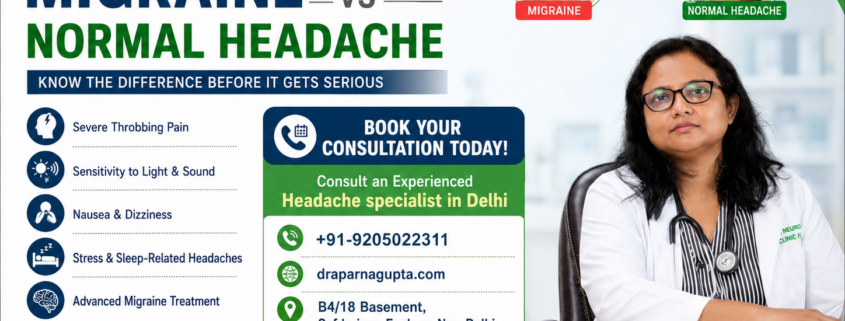
 

Headache specialist in delhi

Headaches are a very common problem that can affect people of all ages. If you are experiencing frequent or severe headaches, consulting an experienced Headache specialist in Delhi can help you find the right treatment at the right time.

Sometimes, a headache happens because of stress, lack of sleep, dehydration, or long screen time. But in some cases, repeated headaches may actually be migraines or another neurological condition. That is why it is important to understand the difference between a normal headache and a migraine.

Many people ignore headaches until the pain starts affecting their daily routine, work, sleep, or overall health. Migraines can cause severe throbbing pain, nausea, sensitivity to light, and difficulty concentrating. Getting treatment from the best neurologist in Delhi NCR can help control symptoms and improve quality of life.

At Neuro Clinic Plus, Dr. Aparna Gupta provides expert care for migraines, chronic headaches, and other neurological problems with proper diagnosis and personalized treatment plans.

What is a Normal Headache?

A normal headache is one of the most common types of head pain and is usually not serious. It can happen because of stress, tiredness, lack of sleep, dehydration, long working hours, or skipping meals. In most cases, the pain improves with rest, hydration, or basic medication.

Many people experience occasional headaches, especially after a busy or stressful day. However, if headaches start happening frequently or become severe, it is important to consult a Headache specialist in Delhi to understand the actual cause.

Common Causes of Normal Headaches

Several everyday habits and lifestyle factors can trigger a normal headache, such as:

  • Stress and anxiety
  • Lack of sleep
  • Dehydration
  • Eye strain from mobile or laptop screens
  • Skipping meals
  • Poor posture
  • Fatigue and overwork

These headaches are usually temporary and may go away after proper rest and relaxation.

Symptoms of a Normal Headache

A normal headache usually has mild to moderate symptoms, including:

  • Dull or pressure-like pain
  • Pain on both sides of the head
  • Tightness around the forehead
  • Discomfort in the scalp or neck area
  • Pain that improves with rest or medication

Unlike migraines, normal headaches generally do not cause nausea, vomiting, or sensitivity to light and sound.

When Should You See a Headache Specialist in Delhi?

Even a normal headache should not be ignored if it becomes frequent or starts affecting daily life. You should seek medical advice if:

  • Headaches happen regularly
  • Pain becomes severe over time
  • Headaches disturb sleep or work
  • Medication stops giving relief
  • Headaches are associated with dizziness or vision problems

Consulting the best neurologist in Delhi NCR can help identify whether the headache is caused by stress, migraine, nerve-related problems, or another neurological condition.

What is Migraine?

Migraine is a neurological condition that causes intense and recurring headaches. Unlike a normal headache, migraine pain can be severe and may affect a person’s daily activities, sleep, and concentration. Many people with migraines also experience nausea, vomiting, and sensitivity to light or loud sounds.

If migraine attacks happen frequently, it is important to consult a qualified Headache specialist in Delhi for proper diagnosis and treatment. Early medical care can help reduce the severity and frequency of migraine episodes.

Common Symptoms of Migraine

Migraine symptoms can vary from person to person, but some of the most common signs include:

  • Throbbing or pulsating pain
  • Pain on one side of the head
  • Sensitivity to light and sound
  • Nausea or vomiting
  • Blurred vision
  • Dizziness or weakness
  • Difficulty concentrating

Migraine attacks can last for a few hours or even several days in some cases.

Common Migraine Triggers

Certain factors can increase the chances of migraine attacks, including:

  • Stress and anxiety
  • Lack of sleep
  • Hormonal changes
  • Bright lights or loud noises
  • Long screen time
  • Skipping meals
  • Certain foods and beverages
  • Weather changes

Identifying triggers is an important part of migraine management and can help prevent future attacks.

How Migraine Affects Daily Life

Migraines can make routine activities difficult and may affect work performance, sleep quality, and mental well-being. Some people experience migraines so frequently that it impacts their social and professional life.

Seeking treatment from the best neurologist in Delhi NCR can help patients manage symptoms effectively through lifestyle changes, medications, and advanced neurological care.

When to Visit a Headache Specialist in Delhi for Migraine

You should seek medical help if:

  • Migraine attacks become frequent
  • Pain is severe and difficult to manage
  • Headaches interfere with daily life
  • You experience vision problems or dizziness
  • Over-the-counter medicines stop working

At Neuro Clinic Plus, Dr. Aparna Gupta provides personalized migraine treatment plans to help patients achieve long-term relief and better quality of life.

Migraine vs Normal Headache – Key Differences

Many people think every severe headache is a migraine, but that is not always true. A normal headache and a migraine are different conditions with different symptoms, causes, and treatment approaches. Understanding these differences is important because frequent migraines may require proper neurological evaluation and long-term management from an experienced Headache specialist in Delhi.

While a normal headache is usually temporary and manageable, migraines can seriously affect a person’s physical and mental well-being. Ignoring repeated migraine attacks may impact work performance, sleep quality, and daily activities. Seeking timely care from the best neurologist in Delhi NCR can help patients receive the right diagnosis and effective treatment.

Difference in Pain Intensity

One of the biggest differences between a migraine and a normal headache is the intensity of pain.

A normal headache generally causes mild to moderate discomfort. The pain may feel like pressure, heaviness, or tightness around the forehead or scalp. Most people can continue their routine activities even with the headache.

Migraine pain is usually much stronger and more disturbing. It often feels like throbbing or pulsating pain, especially on one side of the head. During a migraine attack, even small activities such as walking, working, or talking may feel difficult.

Patients who regularly experience severe headaches should consult a Headache specialist in Delhi to determine whether the condition is migraine-related or caused by another neurological issue.

Difference in Duration

Normal headaches are usually short-term and may improve within a few hours after rest, hydration, or medication.

Migraines often last much longer. A migraine attack may continue for several hours or even up to three days if not treated properly. Some people also experience warning symptoms before the migraine starts, known as aura symptoms.

Recurring long-duration headaches should never be ignored. Visiting the best neurologist in Delhi NCR can help identify the root cause and prevent headaches from becoming chronic.

Difference in Symptoms

A normal headache mainly causes pain in the head without many additional symptoms.

Migraines are more complex and often involve several neurological symptoms, including:

  • Nausea or vomiting
  • Sensitivity to light
  • Sensitivity to loud sounds
  • Blurred vision
  • Dizziness
  • Fatigue
  • Difficulty concentrating

Some migraine patients may also experience flashing lights, numbness, or temporary visual disturbances before the headache begins.

These symptoms are important warning signs that should be evaluated by a qualified Headache specialist in Delhi for proper migraine management.

Difference in Daily Life Impact

A regular headache may cause temporary discomfort, but it usually does not completely stop a person from carrying out normal tasks.

Migraines can significantly affect daily life. Many patients are unable to work, study, travel, or even tolerate bright light and noise during an attack. Severe migraines may also affect emotional health and increase stress levels.

Long-term migraine problems can reduce overall quality of life if not treated properly. This is why many patients seek treatment from the best neurologist in Delhi NCR for advanced migraine care and long-term relief.

Difference in Triggers

Normal headaches are commonly triggered by everyday factors such as:

  • Stress
  • Lack of sleep
  • Dehydration
  • Eye strain
  • Hunger
  • Fatigue

Migraine triggers are often more specific and may vary from person to person. Common migraine triggers include:

  • Hormonal changes
  • Bright lights
  • Strong smells
  • Excessive screen time
  • Certain foods and beverages
  • Anxiety and emotional stress
  • Weather changes

Understanding personal migraine triggers is an important step in preventing future attacks and reducing headache frequency.

Difference in Treatment

Normal headaches often improve with:

  • Proper rest
  • Hydration
  • Healthy sleep routine
  • Stress management
  • Basic pain relief medication

Migraine treatment usually requires a more personalized approach. Depending on the severity and frequency of attacks, treatment may include:

  • Preventive medications
  • Lifestyle modifications
  • Trigger management
  • Neurological evaluation
  • Advanced migraine therapies

A skilled Headache specialist in Delhi can help create an individualized treatment plan based on the patient’s symptoms and medical history.

When Should You See the Best Neurologist in Delhi NCR?

You should not ignore headaches if you experience:

  • Frequent migraine attacks
  • Severe head pain
  • Vision disturbances
  • Vomiting with headaches
  • Dizziness or weakness
  • Headaches affecting sleep and daily life
  • Sudden increase in headache intensity

These symptoms may indicate an underlying neurological condition that requires expert care.

At Neuro Clinic Plus, Dr. Aparna Gupta provides advanced diagnosis and treatment for migraines, chronic headaches, and other neurological disorders. With a patient-centered approach and comprehensive neurological care, she helps patients manage headache conditions effectively and improve their quality of life.

Warning Signs You Should Never Ignore

Occasional headaches are common and usually improve with rest or medication. However, some headaches can be a warning sign of a serious neurological condition and should never be ignored. If headaches become severe, frequent, or unusual, it is important to seek medical attention from an experienced Headache specialist in Delhi.

Many people delay treatment and continue taking painkillers without understanding the real cause of their headaches. In some cases, untreated migraines or neurological disorders can worsen over time and affect overall health. Consulting the best neurologist in Delhi NCR can help detect underlying conditions early and provide proper treatment.

Sudden Severe Headache

A sudden and extremely painful headache should always be taken seriously. If the pain appears suddenly and feels different from previous headaches, it may indicate a serious medical condition.

This type of headache may require immediate neurological evaluation by a Headache specialist in Delhi to rule out serious complications.

Frequent or Recurring Headaches

Headaches that occur regularly are not normal and should not be ignored. Frequent headaches may be linked to:

  • Chronic migraine
  • Stress-related disorders
  • Nerve-related conditions
  • Sleep problems
  • Neurological disorders

If headaches are becoming more common or severe over time, consulting the best neurologist in Delhi NCR can help identify the exact cause.

Headache with Vision Problems

If a headache is accompanied by blurred vision, flashing lights, double vision, or temporary loss of vision, it may be related to migraine or another neurological issue.

Vision-related symptoms should always be evaluated by a qualified Headache specialist in Delhi to prevent complications and ensure timely treatment.

Headache with Nausea or Vomiting

Migraines often cause nausea and vomiting, especially during severe attacks. However, persistent vomiting with headaches may also indicate increased pressure inside the brain or another neurological condition.

Medical evaluation becomes important if these symptoms happen repeatedly.

Headache After a Head Injury

Any headache that starts after a fall, accident, or head injury should be taken seriously. Even if the injury seems minor, internal complications can sometimes develop later.

It is advisable to seek immediate consultation from the best neurologist in Delhi NCR if headaches appear after trauma or injury.

Headache with Dizziness or Weakness

If headaches are associated with dizziness, numbness, weakness, difficulty speaking, or balance problems, immediate medical attention is necessary. These symptoms may be linked to serious neurological conditions such as stroke or nerve-related disorders.

Early diagnosis by a Headache specialist in Delhi can help prevent complications and improve recovery outcomes.

Headaches That Disturb Daily Life

Headaches should not interfere with normal daily activities. If you are unable to work, sleep properly, concentrate, or perform routine tasks because of recurring headaches, professional neurological care may be needed.

Ignoring long-term migraine symptoms can affect both physical and mental well-being over time.

When Should You Seek Emergency Medical Help?

Immediate medical attention is important if you experience:

  • Sudden unbearable headache
  • Headache with fever
  • Loss of consciousness
  • Difficulty speaking
  • Weakness on one side of the body
  • Seizures with headache
  • Confusion or memory problems

These symptoms may indicate a serious neurological emergency and should not be ignored.

At Neuro Clinic Plus, Dr. Aparna Gupta provides expert diagnosis and treatment for migraines, chronic headaches, nerve disorders, and other neurological conditions. Patients looking for personalized care from the best neurologist in Delhi NCR can benefit from advanced neurological evaluation and comprehensive headache management.

Diagnosis and Evaluation of Migraine and Headaches

Proper diagnosis is one of the most important steps in treating migraines and recurring headaches. Many people continue taking painkillers without understanding the real reason behind their symptoms. Consulting an experienced Headache specialist in Delhi can help identify whether the headache is caused by migraine, stress, nerve-related conditions, or another neurological disorder.

Every headache is different, and the right treatment depends on accurate diagnosis. At Neuro Clinic Plus, Dr. Aparna Gupta focuses on detailed neurological evaluation to understand the exact cause of headaches and create personalized treatment plans for long-term relief.

Why Proper Diagnosis is Important

Headaches can occur for many reasons, including lifestyle habits, migraines, sinus problems, hormonal changes, or neurological conditions. Without proper diagnosis, symptoms may continue to worsen over time.

Early evaluation by the best neurologist in Delhi NCR can help:

  • Identify the type of headache
  • Detect migraine triggers
  • Rule out serious neurological conditions
  • Prevent chronic headache problems
  • Improve overall quality of life

Timely diagnosis also helps patients avoid unnecessary medications and repeated headache attacks.

Medical History and Symptom Evaluation

The first step in diagnosis usually involves understanding the patient’s medical history and symptoms in detail.

A Headache specialist in Delhi may ask questions such as:

  • How often do headaches occur?
  • How long does the pain last?
  • Is the pain mild, moderate, or severe?
  • Are there symptoms like nausea or dizziness?
  • Do bright lights or loud sounds worsen the headache?
  • Is there any family history of migraines?

Understanding these patterns helps neurologists identify whether the condition is migraine, tension headache, cluster headache, or another neurological issue.

Neurological Examination

A neurological examination helps assess brain and nerve function. During the evaluation, the doctor may check:

  • Reflexes
  • Muscle strength
  • Balance and coordination
  • Vision and eye movement
  • Sensory responses

This examination helps the best neurologist in Delhi NCR detect signs of nerve-related or brain-related conditions that may be causing headaches.

Imaging Tests for Headaches

In some cases, additional tests may be required to rule out serious conditions.

These tests may include:

  • MRI scan
  • CT scan
  • Blood tests
  • Vision assessment

Imaging tests are usually recommended if headaches are severe, sudden, associated with neurological symptoms, or not responding to treatment.

Identifying Migraine Triggers

Migraine triggers vary from person to person. Identifying these triggers is an important part of diagnosis and treatment.

Common migraine triggers include:

  • Stress and anxiety
  • Lack of sleep
  • Hormonal changes
  • Certain foods and drinks
  • Excessive screen time
  • Bright lights or loud sounds

A qualified Headache specialist in Delhi may advise patients to maintain a headache diary to track patterns and identify possible triggers.

Personalized Treatment Planning

Once the diagnosis is complete, treatment is planned according to the patient’s symptoms, headache frequency, lifestyle, and overall health condition.

Treatment plans may include:

  • Lifestyle modifications
  • Stress management
  • Preventive medications
  • Migraine therapies
  • Sleep and dietary guidance

Personalized care is important because every patient experiences headaches differently.

Why Choose Dr. Aparna Gupta at Neuro Clinic Plus?

Dr. Aparna Gupta is known for providing comprehensive neurological care for migraines, chronic headaches, epilepsy, stroke, and other neurological conditions. Patients seeking treatment from the best neurologist in Delhi NCR benefit from her patient-focused approach and detailed neurological assessment.

At Neuro Clinic Plus, advanced diagnostic evaluation and individualized treatment plans help patients manage headaches effectively and improve their daily quality of life.

Treatment Options for Migraine and Normal Headaches

The treatment for migraines and normal headaches depends on the cause, severity, frequency, and overall health of the patient. While some headaches improve with rest and lifestyle changes, migraines often require proper medical care and long-term management. Consulting an experienced Headache specialist in Delhi can help patients receive the right treatment and prevent headaches from becoming chronic.

At Neuro Clinic Plus, Dr. Aparna Gupta provides personalized treatment plans for migraines, recurring headaches, and other neurological conditions to help patients achieve long-term relief and better quality of life.

Treatment for Normal Headaches

Most normal headaches can be managed with simple lifestyle improvements and basic care. These headaches are often linked to stress, dehydration, lack of sleep, or fatigue.

Common treatment options include:

  • Proper hydration
  • Adequate sleep
  • Stress management
  • Healthy eating habits
  • Limiting screen time
  • Regular physical activity
  • Pain relief medications when required

In many cases, making healthy lifestyle changes can reduce the frequency of normal headaches.

Migraine Treatment Options

Migraine treatment is usually more advanced because migraines can significantly affect daily life. The goal of treatment is to reduce pain, prevent future attacks, and improve overall well-being.

A qualified Headache specialist in Delhi may recommend:

Medications for Migraine Relief

Certain medicines help reduce migraine pain and manage symptoms such as nausea and sensitivity to light.

Preventive Migraine Treatment

Patients with frequent migraine attacks may require preventive medications to reduce the number and severity of episodes.

Lifestyle and Trigger Management

Identifying and avoiding migraine triggers is an important part of long-term treatment. Patients are often advised to:

  • Maintain regular sleep schedules
  • Avoid stress as much as possible
  • Stay hydrated
  • Avoid trigger foods
  • Reduce excessive screen exposure

Stress Management Techniques

Stress is one of the most common migraine triggers. Relaxation techniques such as meditation, breathing exercises, and yoga may help reduce headache frequency.

Advanced Neurological Care for Chronic Headaches

Patients who experience severe or recurring headaches should seek proper neurological evaluation. Chronic headaches can sometimes be linked to underlying neurological conditions that require specialized care.

Consulting the best neurologist in Delhi NCR can help patients receive:

  • Accurate diagnosis
  • Long-term migraine management
  • Advanced neurological treatment
  • Personalized headache care
  • Monitoring of recurring symptoms

Early treatment often prevents headaches from becoming more severe over time.

Importance of Lifestyle Changes in Headache Management

Lifestyle habits play a major role in controlling both migraines and normal headaches. Small daily changes can make a significant difference in reducing headache frequency.

Helpful lifestyle practices include:

  • Drinking enough water
  • Following a balanced diet
  • Exercising regularly
  • Maintaining proper sleep patterns
  • Avoiding excessive caffeine
  • Taking regular breaks from screens

These habits support overall neurological health and may help prevent frequent headaches.

When Should You Visit a Headache Specialist in Delhi?

You should seek medical help if:

  • Headaches occur frequently
  • Migraine attacks become severe
  • Painkillers stop working
  • Headaches affect sleep or work
  • Symptoms like dizziness or vision problems appear

Ignoring recurring headaches can lead to worsening symptoms and reduced quality of life.

Expert Migraine and Headache Care at Neuro Clinic Plus

At Neuro Clinic Plus, Dr. Aparna Gupta provides advanced treatment for migraines, chronic headaches, nerve disorders, epilepsy, and other neurological conditions. Patients looking for expert care from the best neurologist in Delhi NCR receive comprehensive evaluation, personalized treatment plans, and long-term headache management support.

With proper diagnosis and timely treatment, most patients can successfully manage migraines and improve their daily life.

Tips to Prevent Migraines and Frequent Headaches

Preventing migraines and frequent headaches is possible with healthy lifestyle habits and proper medical guidance. Many headaches are triggered by daily factors such as stress, dehydration, poor sleep, and long screen time. Following preventive measures and consulting an experienced Headache specialist in Delhi can help reduce the frequency and severity of headaches.

Simple changes in routine can make a big difference in maintaining neurological health and improving overall quality of life.

Maintain a Proper Sleep Schedule

Lack of sleep is one of the most common causes of headaches and migraines. Sleeping too little or having an irregular sleep routine can trigger severe head pain in many people.

To reduce headaches:

  • Sleep for 7–8 hours daily
  • Maintain a fixed sleeping schedule
  • Avoid excessive screen use before bedtime

Patients experiencing sleep-related migraines should consult the best neurologist in Delhi NCR for proper evaluation and treatment guidance.

Stay Hydrated Throughout the Day

Dehydration can often lead to headaches, weakness, and dizziness. Many people do not drink enough water during busy work schedules, which may increase the chances of headaches.

Helpful hydration tips include:

  • Drink enough water daily
  • Limit excessive caffeine intake
  • Avoid skipping meals

Proper hydration supports brain function and may help prevent frequent headaches.

Manage Stress Effectively

Stress is one of the biggest migraine triggers. Mental pressure, anxiety, and emotional stress can increase headache frequency and intensity.

Stress management techniques may include:

  • Meditation
  • Deep breathing exercises
  • Yoga
  • Regular physical activity
  • Taking breaks during work

A qualified Headache specialist in Delhi may also suggest additional migraine management strategies for stress-related headaches.

Reduce Excessive Screen Time

Long hours on mobile phones, laptops, and television screens can strain the eyes and trigger headaches.

To reduce screen-related headaches:

  • Take regular breaks while working
  • Use proper lighting
  • Maintain correct posture
  • Avoid continuous screen exposure for long periods

Eye strain and poor posture are common causes of tension headaches and migraines.

Identify and Avoid Migraine Triggers

Every migraine patient may have different triggers. Identifying these triggers can help prevent future attacks.

Common migraine triggers include:

  • Bright lights
  • Loud sounds
  • Certain foods and beverages
  • Hormonal changes
  • Lack of sleep
  • Stress and anxiety

Keeping a headache diary can help track symptoms and identify patterns.

Follow a Healthy Diet

Skipping meals or eating unhealthy foods can sometimes trigger headaches. Maintaining a balanced diet is important for overall neurological health.

Helpful dietary habits include:

  • Eating meals on time
  • Avoiding processed foods
  • Limiting excessive caffeine
  • Including fruits and vegetables in the diet

A healthy lifestyle can support long-term headache management.

Exercise Regularly

Regular physical activity improves blood circulation, reduces stress, and supports brain health. Moderate exercise may also help reduce the frequency of migraines and tension headaches.

Simple activities such as walking, stretching, or yoga can be beneficial when done consistently.

When to Seek Help from the Best Neurologist in Delhi NCR

Preventive measures are helpful, but medical evaluation becomes necessary if:

  • Headaches become frequent
  • Migraine attacks worsen
  • Daily life is affected
  • Symptoms include dizziness or vision problems
  • Over-the-counter medicines stop working

Consulting the best neurologist in Delhi NCR can help patients receive proper diagnosis, preventive treatment, and personalized headache management.

Expert Headache Care at Neuro Clinic Plus

At Neuro Clinic Plus, Dr. Aparna Gupta provides advanced care for migraines, chronic headaches, and neurological disorders. Patients looking for treatment from a trusted Headache specialist in Delhi receive comprehensive evaluation, personalized treatment plans, and guidance for long-term headache prevention.

With the right lifestyle changes and expert neurological care, many patients can successfully manage migraines and improve their quality of life.

Why Choose Dr. Aparna Gupta for Migraine and Headache Treatment?

Choosing the right neurologist is important for accurate diagnosis and effective treatment of migraines and recurring headaches. Many patients continue to suffer from frequent headaches because the underlying cause is not properly identified. Consulting an experienced Headache specialist in Delhi can help patients receive the right treatment and long-term relief.

Dr. Aparna Gupta is known for her expertise in diagnosing and treating migraines, chronic headaches, nerve-related disorders, epilepsy, stroke, and other neurological conditions. Her patient-focused approach and detailed neurological evaluation help patients understand the root cause of their symptoms and receive personalized care.

Experienced Headache Specialist in Delhi

Dr. Aparna Gupta has extensive experience in managing different types of headaches and neurological disorders. She carefully evaluates each patient’s symptoms, medical history, and lifestyle factors before creating a treatment plan.

Patients experiencing:

  • Frequent migraines
  • Chronic headaches
  • Severe head pain
  • Dizziness and neurological symptoms
  • Stress-related headaches

can benefit from expert neurological consultation and advanced headache management.

Personalized Migraine Treatment Plans

Every migraine patient experiences different symptoms and triggers. Some patients may suffer from occasional migraines, while others may experience chronic attacks affecting daily life.

As a trusted Headache specialist in Delhi, Dr. Aparna Gupta provides personalized treatment plans based on:

  • Headache frequency
  • Pain severity
  • Lifestyle factors
  • Migraine triggers
  • Overall neurological health

This individualized approach helps improve long-term treatment outcomes and quality of life.

Advanced Neurological Evaluation

Proper diagnosis is essential for effective migraine and headache treatment. Dr. Aparna Gupta focuses on detailed neurological assessment to identify the exact cause of recurring headaches.

The evaluation may include:

  • Neurological examination
  • Migraine trigger assessment
  • Medical history analysis
  • Imaging tests when required
  • Lifestyle evaluation

Patients looking for treatment from the best neurologist in Delhi NCR benefit from comprehensive neurological care and accurate diagnosis.

Comprehensive Care for Neurological Disorders

In addition to migraines and headaches, Dr. Aparna Gupta also provides treatment for:

  • Stroke
  • Epilepsy
  • Nerve disorders
  • Parkinson’s disease
  • Neuropathy
  • Autoimmune neurological disorders

This comprehensive approach ensures that patients receive complete neurological care under expert supervision.

Patient-Centered Approach at Neuro Clinic Plus

At Neuro Clinic Plus, patient comfort and long-term well-being are given top priority. The clinic focuses on advanced neurological care with personalized attention and modern treatment approaches.

Patients choose Neuro Clinic Plus because of:

  • Expert neurological consultation
  • Personalized treatment plans
  • Advanced diagnostic support
  • Compassionate patient care
  • Long-term headache management

Why Patients Trust the Best Neurologist in Delhi NCR

Many patients trust Dr. Aparna Gupta because of her accurate diagnosis, patient-friendly approach, and commitment to long-term neurological health. She focuses not only on treating symptoms but also on identifying the root cause of migraines and recurring headaches.

Patients struggling with severe headaches or migraines can receive professional care, proper guidance, and advanced treatment solutions for better symptom management and improved quality of life.

Book Consultation for Migraine and Headache Treatment

If you are experiencing frequent headaches, severe migraines, dizziness, or neurological symptoms, early consultation can help prevent complications and improve recovery.

At Neuro Clinic Plus, Dr. Aparna Gupta provides expert care for patients seeking treatment from a trusted Headache specialist in Delhi and the best neurologist in Delhi NCR for migraine and headache management.

About Neuro Clinic Plus

Neuro Clinic Plus is a dedicated center for advanced neurological care, offering diagnosis and treatment for migraines, chronic headaches, stroke, epilepsy, nerve disorders, and other neurological conditions. Patients looking for an experienced Headache specialist in Delhi can receive personalized care and comprehensive neurological evaluation at the clinic.

The clinic focuses on identifying the root cause of neurological symptoms and providing treatment plans tailored to each patient’s condition and lifestyle. With a patient-centered approach and modern treatment methods, Neuro Clinic Plus aims to improve long-term neurological health and quality of life.

Specialized Care for Migraine and Headaches

Recurring headaches and migraines can affect work, sleep, mental health, and daily activities. At Neuro Clinic Plus, patients receive detailed evaluation and advanced treatment for different types of headaches.

The clinic provides care for:

  • Migraine headaches
  • Chronic headaches
  • Tension headaches
  • Nerve-related headaches
  • Stress-related headaches

Patients experiencing severe or frequent headaches can benefit from expert consultation with the best neurologist in Delhi NCR for proper diagnosis and long-term management.

Advanced Neurological Evaluation

Proper diagnosis is an important part of neurological treatment. Neuro Clinic Plus focuses on comprehensive assessment to understand the exact cause of symptoms.

Neurological evaluation may include:

  • Detailed medical history analysis
  • Neurological examination
  • Migraine trigger identification
  • Imaging tests if required
  • Lifestyle assessment

This approach helps create personalized treatment plans for effective headache and migraine management.

Patient-Focused Treatment Approach

Every patient experiences headaches and neurological symptoms differently. Neuro Clinic Plus follows an individualized treatment approach based on the patient’s symptoms, health condition, and lifestyle factors.

Treatment plans may include:

  • Lifestyle modification guidance
  • Migraine prevention strategies
  • Medication management
  • Stress management techniques
  • Long-term neurological care

Patients consulting a trusted Headache specialist in Delhi can receive complete support for both diagnosis and recovery.

Modern Care for Neurological Disorders

Along with migraines and headaches, Neuro Clinic Plus also provides treatment for several neurological conditions, including:

  • Stroke
  • Epilepsy
  • Neuropathy
  • Parkinson’s disease
  • Nerve disorders
  • Autoimmune neurological conditions

Patients looking for advanced neurological treatment from the best neurologist in Delhi NCR can benefit from comprehensive care and modern treatment solutions.

Why Patients Choose Neuro Clinic Plus

Patients trust Neuro Clinic Plus because of:

  • Experienced neurological care
  • Personalized treatment plans
  • Detailed patient evaluation
  • Advanced migraine management
  • Compassionate patient support
  • Focus on long-term neurological wellness

The clinic is committed to helping patients manage headaches, migraines, and neurological disorders effectively through proper diagnosis and expert care.

Expert Care by Dr. Aparna Gupta

Dr. Aparna Gupta is known for her expertise in treating migraines, chronic headaches, and neurological disorders with a patient-friendly and evidence-based approach. Her focus on accurate diagnosis and individualized care helps patients achieve better symptom control and improved quality of life.

Patients searching for the best neurologist in Delhi NCR or an experienced Headache specialist in Delhi can receive advanced neurological care and long-term treatment support at Neuro Clinic Plus.

Frequently Asked Questions 

What is the difference between a migraine and a normal headache?

A normal headache usually causes mild to moderate pain and may happen due to stress, dehydration, or lack of sleep. A migraine is more severe and may include throbbing pain, nausea, dizziness, and sensitivity to light or sound. Consulting a qualified Headache specialist in Delhi can help identify the exact type of headache.

When should I visit a Headache specialist in Delhi?

You should seek medical help if headaches become frequent, severe, or start affecting your daily life. Symptoms like dizziness, blurred vision, nausea, or recurring migraines should not be ignored.

What are the common symptoms of migraine?

Common migraine symptoms include:

  • Severe throbbing head pain
  • Sensitivity to light and sound
  • Nausea or vomiting
  • Dizziness
  • Blurred vision

Patients experiencing these symptoms should consult the best neurologist in Delhi NCR for proper evaluation and treatment.

Can stress and lack of sleep trigger migraines?

Yes, stress, anxiety, poor sleep, dehydration, and excessive screen time are common migraine triggers. Maintaining a healthy lifestyle may help reduce migraine frequency.

Why choose Dr. Aparna Gupta for migraine treatment?

Dr. Aparna Gupta provides expert care for migraines, chronic headaches, and neurological disorders at Neuro Clinic Plus. Patients searching for the best neurologist in Delhi NCR can benefit from personalized treatment plans, detailed neurological evaluation, and long-term headache management.

Conclusion

Understanding the difference between a migraine and a normal headache is important for getting the right treatment at the right time. While occasional headaches may happen because of stress, dehydration, or lack of sleep, frequent or severe migraines should never be ignored. Symptoms such as throbbing pain, nausea, dizziness, and sensitivity to light may indicate a neurological condition that requires expert medical attention.

Seeking timely consultation from an experienced Headache specialist in Delhi can help identify the root cause of headaches and prevent long-term complications. Proper diagnosis, lifestyle changes, and personalized treatment can significantly improve quality of life and reduce the frequency of migraine attacks.

At Neuro Clinic Plus, Dr. Aparna Gupta provides advanced care for migraines, chronic headaches, and various neurological disorders with a patient-focused approach. Patients looking for the best neurologist in Delhi NCR can benefit from comprehensive neurological evaluation, accurate diagnosis, and long-term headache management support.