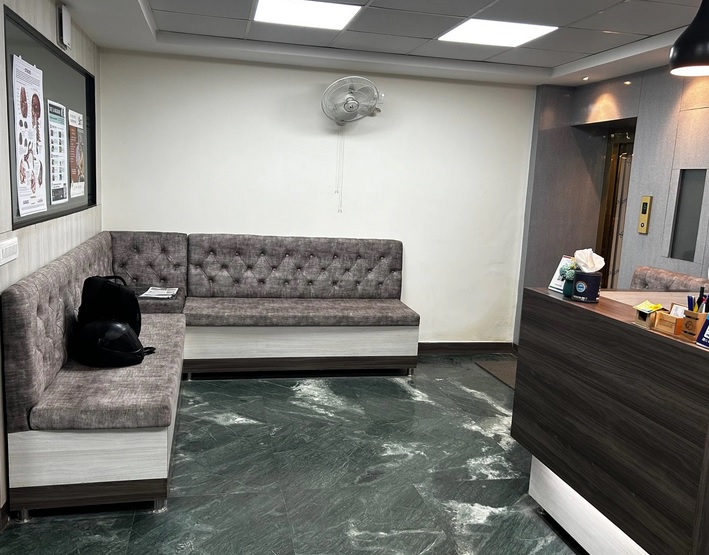
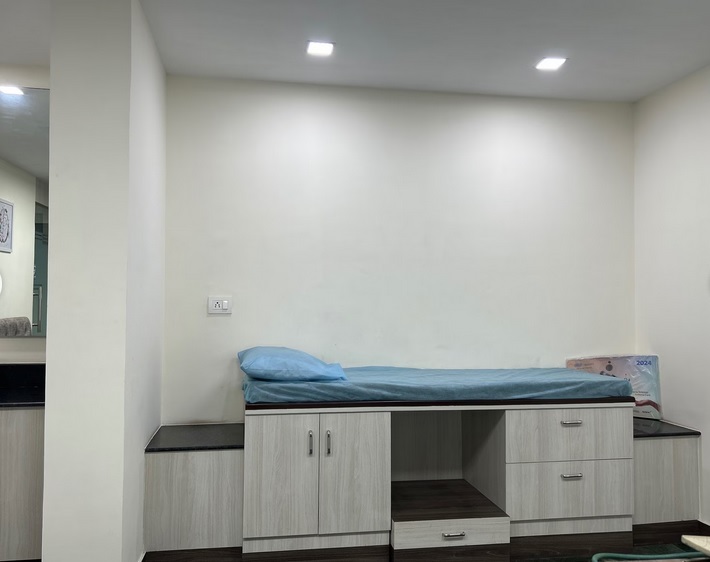
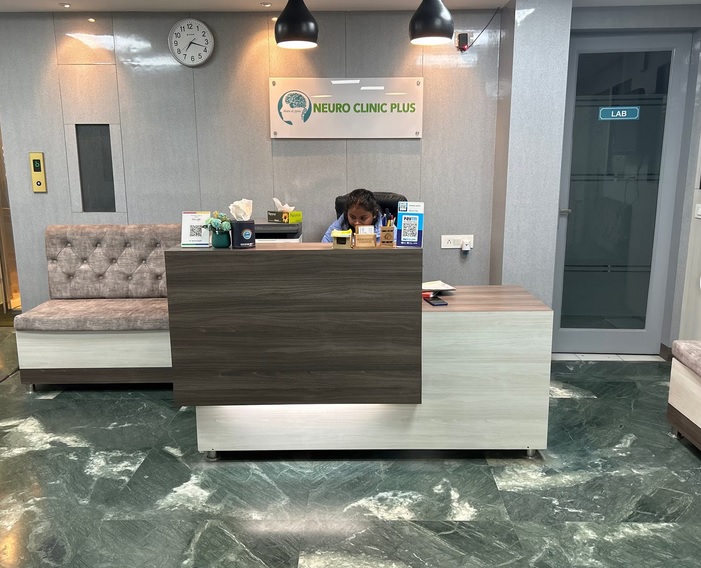
Migraines and chronic headaches are more than just occasional pain—they are neurological conditions that can significantly affect daily life, energy levels, and overall well-being. Along with migraines, conditions like epilepsy, stroke-related complications, and nerve disorders also require careful medical attention and accurate diagnosis for effective treatment. Understanding the root cause is essential for long-term relief rather than temporary symptom control. As a Brain specialist in South Delhi, Dr. Aparna Gupta plays an important role in diagnosing and managing these complex neurological conditions with a patient-focused approach.
Dr. Aparna Gupta is an experienced neurologist who specializes in diagnosing and treating a wide range of brain and nerve-related conditions. She is known for her patient-focused approach and her expertise in managing migraines and frequent headaches. As a trusted Headache specialist in Delhi, she carefully evaluates each patient’s symptoms, lifestyle, and triggers to create personalized treatment plans. Her goal is to help patients regain comfort, stability, and confidence in their daily lives through proper diagnosis and effective neurological care.
Common Symptoms of Migraine
Migraine is more than just a regular headache. It is a neurological condition that can affect physical health, mental focus, work performance, and daily activities. The symptoms may vary from person to person, and some individuals may experience warning signs before the headache begins. Consulting a qualified Dr. Aparna Gupta or a trusted headache specialist is important for accurate diagnosis and long-term relief.
Throbbing or Pulsating Head Pain
Migraine pain is commonly described as severe throbbing or pulsating discomfort, usually affecting one side of the head. In some cases, the pain may spread to both sides or around the eyes and forehead. The intensity can increase during movement, physical activity, or stress.
Sensitivity to Light, Sound & Smell
Many migraine patients become extremely sensitive to bright lights, loud noises, and strong smells during an attack. Even normal daily surroundings may feel uncomfortable. This symptom often forces patients to rest in a dark and quiet room until the migraine subsides.
Nausea & Vomiting
Migraine attacks are frequently accompanied by nausea, stomach discomfort, or vomiting. These symptoms can reduce appetite and make it difficult to continue daily activities. Severe nausea may also lead to dehydration and weakness.
Visual Disturbances & Aura
Some people experience visual symptoms before or during a migraine attack, known as migraine aura. These may include:
- Blurred vision
- Flashing lights
- Zigzag lines
- Blind spots
- Temporary vision changes
A headache specialist in Delhi can help determine whether these visual symptoms are related to migraine, eye disorders, or another neurological condition.
Dizziness & Balance Problems
Certain migraine patients may experience dizziness, vertigo, or a sensation of imbalance. Vestibular migraine can especially affect coordination and balance, making walking or movement uncomfortable.
Fatigue & Difficulty Concentrating
Migraine attacks often cause extreme tiredness, low energy levels, brain fog, and poor concentration. Many patients find it difficult to focus on work, studies, or conversations during an episode.
Neck Pain & Muscle Tightness
Stiffness or pain around the neck and shoulders is another common symptom associated with migraine. Muscle tension may appear before the headache starts or continue even after the migraine attack ends.
Tingling or Numbness
In some cases, patients may notice tingling sensations or temporary numbness in the face, hands, or arms. These symptoms should always be evaluated by a migraine specialist in Delhi NCR to rule out other neurological conditions.
Sleep Disturbances & Mood Changes
Migraine can also affect sleep patterns and emotional health. Some patients experience:
- Irritability
- Anxiety
- Mood swings
- Difficulty sleeping
- Restlessness before or after an attack
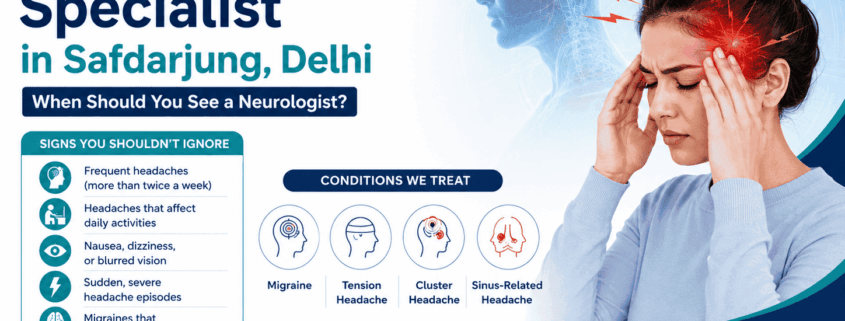
When to Consult a Migraine Specialist?
You should seek medical attention if:
- Headaches become frequent or severe
- Pain interferes with daily life
- Over-the-counter medicines stop working
- You experience visual disturbances or weakness
- Headaches are associated with dizziness or balance issues
Consulting the best neurologist in Delhi NCR or an experienced migraine specialist can help identify triggers, reduce attack frequency, and improve quality of life with advanced migraine treatment options.
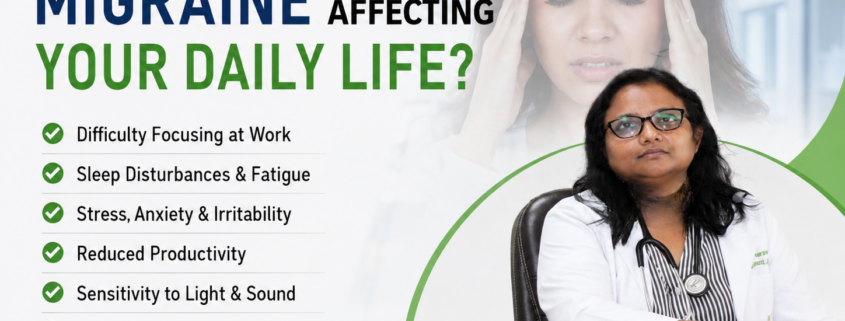
Effects on Daily Life
Migraine is not only a painful neurological condition but also a disorder that can significantly affect overall quality of life. Frequent migraine attacks can interfere with work performance, social activities, emotional health, and daily responsibilities. Many patients struggle to maintain a normal routine because the symptoms can appear suddenly and last for several hours or even days. Consulting an experienced Dr. Aparna Gupta or a trusted Brain specialist in South Delhi can help patients manage symptoms more effectively and improve daily functioning.
Impact on Work & Productivity
Migraine attacks often reduce concentration, mental clarity, and productivity. Severe headache pain, sensitivity to light, and nausea can make it difficult to:
- Attend office meetings
- Use mobile or computer screens
- Complete professional tasks
- Focus on studies or exams
- Maintain regular attendance at work or school
Many individuals require frequent breaks or rest during migraine episodes, which can affect career growth and academic performance over time.
Sleep Disturbances & Fatigue
People suffering from migraine commonly experience poor sleep quality, insomnia, or disturbed sleep patterns. Lack of proper rest may further trigger migraine attacks and increase fatigue. Patients often wake up feeling tired, low on energy, and mentally exhausted even after sleeping.
Emotional & Mental Health Effects
Chronic migraine can also impact emotional well-being. Repeated episodes of pain and discomfort may lead to:
- Stress and frustration
- Anxiety about future attacks
- Irritability and mood swings
- Low confidence in social situations
- Emotional exhaustion
Over time, some patients may avoid social gatherings or outdoor activities because of fear that noise, lights, or stress may trigger another migraine episode.
Reduced Social & Family Activities
Frequent migraine attacks can affect relationships and social life. Patients may cancel plans, avoid traveling, or limit participation in family events due to recurring headaches or sensitivity to surroundings. This can create feelings of isolation and reduced enjoyment in daily life.
Physical Weakness & Reduced Energy Levels
Migraine symptoms such as nausea, dizziness, and continuous head pain can leave patients physically weak. Even after the headache improves, many individuals experience “post-migraine fatigue,” where the body feels drained for hours or days.
Difficulty Managing Daily Responsibilities
Simple daily tasks may become difficult during a migraine attack, including:
- Cooking or household work
- Driving or traveling
- Using digital devices
- Exercising or physical activity
- Taking care of children or family responsibilities
This ongoing disruption can affect both personal independence and overall lifestyle.
Importance of Early Medical Care
Ignoring frequent migraine attacks may worsen symptoms and increase their impact on daily life. Early diagnosis and proper treatment from a headache specialist in Delhi or an experienced neurologist can help:
- Reduce the frequency of attacks
- Improve sleep and concentration
- Control pain effectively
- Identify migraine triggers
- Enhance overall quality of life
If migraines are regularly affecting your routine, emotional health, or productivity, consulting the best neurologist in Delhi NCR can help you receive personalized treatment and long-term relief.
Common Triggers of Migraine
- Stress or emotional pressure
- Irregular sleep or lack of rest
- Skipping meals or dehydration
- Certain foods and dietary habits
- Bright lights, loud sounds, or strong smells
Why Traditional Treatments May Not Be Enough
Many people rely on painkillers for quick migraine relief, but this approach often has limitations because it does not treat the root cause of the condition. Over time, the headache pattern may even become more difficult to control, especially when medication is used frequently.
1. Temporary Relief Only
- Painkillers mainly reduce pain for a short period
- Symptoms often return once the effect wears off
- They do not prevent future migraine attacks
2. Risk of Medication Overuse
- Frequent use of painkillers can lead to rebound headaches
- This creates a cycle of increasing dependency on medication
- Headaches may become more frequent and severe
3. No Focus on Root Causes
- Migraines are linked to neurological and lifestyle factors
- Triggers like stress, sleep issues, and diet are often ignored
- Without identifying triggers, long-term control is difficult
4. Need for Personalized Care
- Every patient has different triggers and symptoms
- A general treatment plan may not work for everyone
- A specialist approach, such as consulting a Brain specialist in South Delhi, helps in proper diagnosis and tailored treatment
5. Better Long-Term Management Needed
- Preventive strategies are often missing in traditional care
- Lifestyle changes and targeted therapies are required
- Proper medical guidance improves long-term quality of life
Latest Migraine Treatment Options in 2026
Migraine management in 2026 is no longer limited to temporary pain relief. Modern approaches focus on preventing attacks, reducing their severity, and improving overall brain health. With medical advancements and better lifestyle awareness, patients now have more effective and targeted options than ever before.
Modern Medical Treatments
- CGRP inhibitors
- Block specific pain-related pathways in the brain
- Reduce frequency and intensity of migraine attacks
- Commonly used for long-term prevention
- Botox therapy
- Small injections given around head and neck muscles
- Helps relax nerve activity linked to chronic migraines
- Recommended for patients with frequent severe attacks
- Preventive medications
- Taken regularly instead of only during pain episodes
- May include blood pressure medicines or nerve-stabilizing drugs
- Should always be guided by a Brain specialist in South Delhi
Daily Lifestyle Improvements
- Healthy sleep routine
- Sleeping and waking at consistent times
- Avoiding irregular sleep patterns
- Proper hydration & diet control
- Drinking enough water daily
- Avoiding known trigger foods like processed snacks or excess caffeine
- Stress reduction techniques
- Meditation, yoga, and deep breathing exercises
- Managing work pressure and emotional stress
- Regular physical activity
- Light exercise like walking or stretching
- Helps improve blood circulation and reduce stress
Individualized Care Approach
- Migraine triggers and symptoms vary from person to person
- A combination of medication and lifestyle changes works best
- Professional evaluation from a Brain specialist in South Delhi ensures accurate diagnosis and a personalized treatment plan
Understanding Migraine and Why Advanced Treatment Matters
Migraine is more than just a severe headache—it is a neurological condition that can affect daily life, productivity, sleep, and emotional well-being. Many people experience recurring migraine attacks that interfere with work, studies, and everyday activities. Symptoms often go beyond head pain and may last for hours or even days if not treated properly. Seeking expert care from a Brain specialist in South Delhi can help patients receive an accurate diagnosis and a treatment plan tailored to their condition for long-term relief.
What Is Migraine?
Migraine is a neurological disorder that causes repeated episodes of moderate to severe headaches. The pain is usually throbbing or pulsating and often affects one side of the head. In many cases, migraines are accompanied by additional symptoms that make daily functioning difficult.
Common symptoms include:
- Severe or throbbing head pain
- Nausea or vomiting
- Sensitivity to light, sound, or smell
- Visual disturbances such as aura or blurred vision
- Fatigue, dizziness, and trouble concentrating
Common Triggers of Migraine
Migraine attacks are often triggered by lifestyle, hormonal, and environmental factors. Understanding these triggers is important for reducing the chances of frequent attacks.
Common migraine triggers include:
- Stress and emotional pressure – A major cause of recurring migraines
- Poor sleep habits – Lack of rest or irregular sleep schedules
- Hormonal changes – Especially common among women
- Dehydration – Inadequate water intake can worsen symptoms
- Unhealthy eating habits – Skipping meals or consuming trigger foods
Why Traditional Treatments May Not Be Enough
Many people rely on regular painkillers for migraine relief, but these medicines often provide only temporary comfort. They may reduce pain for a short period without treating the actual neurological pathway responsible for migraine attacks. In some cases, frequent medicine use may even increase headache frequency over time. Consulting a Headache specialist in Delhi can help patients move beyond short-term solutions and receive more targeted care.
Why Advanced Treatment Matters
Modern migraine treatment focuses on prevention, long-term symptom control, and improving quality of life. Advanced therapies such as CGRP-based medications, Botox treatment, preventive medicines, and lifestyle management are helping patients experience fewer migraine attacks and better relief.
A Brain specialist in South Delhi can identify triggers, assess migraine severity, and create a personalized treatment strategy. With proper medical care and lifestyle changes, patients can achieve better migraine control and improve their overall well-being.
Latest Advances in Migraine Treatment
Modern migraine treatment has improved significantly with advanced therapies that focus on long-term prevention and better symptom control. Today, treatment options are more targeted and personalized, helping patients experience fewer attacks and improved quality of life.
CGRP-Based Medications
CGRP inhibitors are among the latest advancements in migraine treatment. These medications target specific pain pathways in the brain that are linked to migraine attacks.
Benefits include:
- Helps reduce migraine frequency
- Lowers severity of headache episodes
- Supports long-term migraine prevention
- Suitable for patients with frequent attacks
2. Botox Therapy for Chronic Migraine
Botox therapy is commonly recommended for people suffering from chronic migraines or frequent headaches each month. It works by helping reduce nerve signals related to pain.
Key advantages:
- Helps reduce headache frequency
- May lower pain intensity over time
- Useful for chronic migraine sufferers
- Recommended after specialist evaluation
3. Neuromodulation Devices
Neuromodulation devices are emerging as non-invasive treatment options for migraine relief. These devices use mild stimulation to help manage migraine symptoms without medication.
Why patients consider them:
- Drug-free migraine management
- Non-invasive treatment option
- Helpful for some medication-resistant cases
- Can support symptom control
4. Lifestyle Changes for Migraine Prevention
Medical treatment works best when combined with healthy daily habits. Lifestyle management plays an important role in reducing migraine triggers and preventing attacks.
Healthy habits include:
- Maintaining proper sleep schedules
- Staying hydrated throughout the day
- Managing stress through yoga or meditation
- Eating balanced meals and avoiding trigger foods
5. Personalized Migraine Care
Every patient experiences migraines differently, which is why treatment should be customized. A Brain specialist in South Delhi can evaluate symptoms, identify triggers, and recommend the right combination of therapies for effective long-term relief.
About Dr. Aparna Gupta
Dr. Aparna Gupta is an experienced neurologist who specializes in treating a wide range of neurological conditions. She is known for her patient-focused approach, where she carefully understands symptoms before designing a treatment plan tailored to each individual.
1. Medical Expertise
- Treats migraines and frequent headaches
- Manages epilepsy and seizure-related conditions
- Provides care for stroke-related complications
- Diagnoses and treats nerve-related disorders
- Focuses on both acute and chronic neurological issues
2. Focus on Headache & Migraine Care
- Recognized as a trusted Headache specialist in Delhi
- Identifies the root cause of recurring headaches
- Works to differentiate migraine from other headache types
- Aims to reduce frequency and severity of migraine attacks
- Focuses on long-term relief instead of temporary solutions
3. Patient-Centered Approach
- Studies each patient’s symptoms in detail
- Reviews lifestyle habits, stress levels, and medical history
- Understands individual migraine triggers
- Creates personalized treatment plans for better results
- Ensures clear communication and simple guidance
4. Treatment Philosophy
- Believes in accurate diagnosis before treatment
- Focuses on long-term neurological health
- Combines medical treatment with lifestyle advice
- Encourages patient awareness and active participation in care
5. Goal of Care
- Helps patients manage chronic migraines and headaches effectively
- Supports relief from dizziness and neurological discomfort
- Aims to improve daily functioning and quality of life
- Restores confidence in managing long-term health conditions
Frequently Asked Questions (FAQs)
1. What is the latest treatment for migraine?
Modern migraine treatments include CGRP inhibitors, Botox therapy, and preventive medications that help reduce headache frequency, severity, and improve long-term migraine management.
2. Can migraine be cured permanently?
Migraine may not have a permanent cure, but proper treatment, lifestyle changes, and trigger management can effectively control symptoms and reduce frequent attacks.
3. When should I consult a neurologist for migraine?
Consult a neurologist if migraines become severe, frequent, affect daily life, or cause symptoms like dizziness, blurred vision, or numbness.
4. Is Botox effective for migraine treatment?
Yes, Botox is effective for chronic migraine patients and helps reduce headache frequency by blocking pain signals associated with migraine attacks.
5. How can Dr. Aparna Gupta help with migraine treatment?
Dr. Aparna Gupta provides personalized migraine treatment, accurate diagnosis, preventive care, and lifestyle guidance for long-term symptom management and relief.
Conclusion
Migraine treatment has advanced significantly in recent years, giving patients access to more effective and long-lasting solutions than traditional pain management alone. Instead of focusing only on temporary symptom relief, modern migraine care now emphasizes prevention, trigger management, and improving overall neurological health. Treatments such as CGRP-based medications, Botox therapy, preventive medicines, and personalized lifestyle changes are helping many people reduce the frequency and intensity of migraine attacks.
Managing migraines successfully also requires understanding personal triggers, maintaining healthy habits, and seeking timely medical attention when symptoms become frequent or severe. Factors such as stress, poor sleep, dehydration, and irregular eating patterns can often worsen migraine episodes if left unmanaged. Combining medical treatment with proper sleep, hydration, stress control, and a balanced lifestyle can significantly improve long-term outcomes.
For individuals struggling with recurring headaches or chronic migraines, consulting an experienced Brain specialist in South Delhi is an important step toward effective care. Dr. Aparna Gupta focuses on accurate diagnosis and personalized treatment plans designed around each patient’s symptoms and health needs. With the right medical guidance and early intervention, migraine symptoms can be controlled more effectively, helping patients regain confidence, improve productivity, and enjoy a better quality of life.