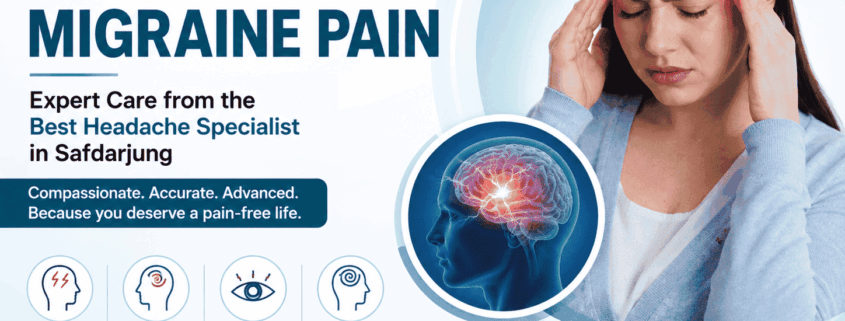
Migraine isn’t just “a bad headache.” It’s a throbbing, often one-sided pain that can come with nausea, light sensitivity, and days lost to bed rest. If you’ve been searching for the best headache specialist in Safdarjung, you’re already on the right track — the first step to real relief is getting an accurate diagnosis from a qualified neurologist, not just another painkiller.
In this article, we’ll break down what migraine really is, its causes and symptoms, how it’s diagnosed and treated, and why patients across South Delhi trust Dr. Aparna Gupta at Neuro Clinic Plus, Safdarjung Enclave for lasting relief.
What Is Migraine?
Migraine is a neurological condition, not just a symptom. It typically causes intense, throbbing pain on one side of the head, often accompanied by nausea, vomiting, and extreme sensitivity to light and sound. Some people also experience an “aura” — flashing lights, blind spots, or tingling sensations — before the headache begins.
Unlike an ordinary headache caused by stress or dehydration, migraine attacks can last anywhere from a few hours to several days and can seriously disrupt work, sleep, and daily life.
Common Causes and Triggers of Migraine
While the exact cause of migraine isn’t fully understood, doctors believe it involves abnormal brain activity affecting nerve signals, chemicals, and blood vessels. Common triggers include:
- Hormonal changes (especially in women)
- Lack of sleep or irregular sleep patterns
- Stress and anxiety
- Certain foods (caffeine, alcohol, processed foods)
- Bright lights, loud noises, or strong smells
- Skipping meals or dehydration
- Weather changes
Because triggers vary from person to person, an accurate diagnosis from an experienced migraine specialist in Delhi is essential before starting any treatment.
Symptoms You Shouldn’t Ignore
- Throbbing or pulsing pain, usually on one side of the head
- Nausea or vomiting
- Sensitivity to light, sound, or smell
- Visual disturbances (aura)
- Dizziness or blurred vision
- Fatigue after the attack subsides
If these symptoms are becoming frequent or are interfering with your daily routine, it’s time to consult a specialist rather than relying on over-the-counter medication.
How Migraine Is Diagnosed and Treated
A qualified neurologist evaluates your medical history, headache pattern, and may recommend imaging tests like an MRI or CT scan to rule out other neurological conditions. Treatment is never “one size fits all” — it’s tailored to the type, frequency, and severity of your migraine.
Modern migraine management may include:
- Preventive medications to reduce attack frequency
- Acute treatments to stop an attack in progress
- Botulinum toxin (Botox) injections for chronic migraine
- Lifestyle and trigger management
- Stress reduction and biofeedback techniques
This is exactly the kind of personalised, evidence-based care patients receive when they consult the best headache specialist in Safdarjung Delhi.
About Dr. Aparna Gupta – Neuro Clinic Plus, Safdarjung Enclave
If you’re looking for expert, compassionate neurological care, Dr. Aparna Gupta is one of the most trusted names in South Delhi. With over two decades of clinical experience, she holds MBBS, MD, and DNB (Neurology) qualifications and has previously served as a Senior Resident in the Department of Neurology at Sir Ganga Ram Hospital before going on to consult at leading institutions across Delhi.
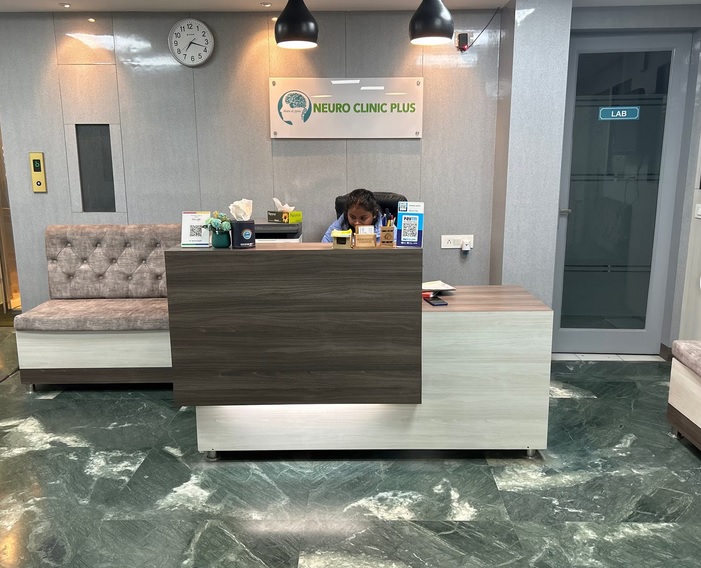
At Neuro Clinic Plus, located in Safdarjung Enclave, Dr. Gupta specialises in managing migraine, chronic headache, stroke, epilepsy, movement disorders, and a wide range of other neurological conditions. Patients consistently highlight her thorough evaluations, clear explanations, and genuinely compassionate approach to care.
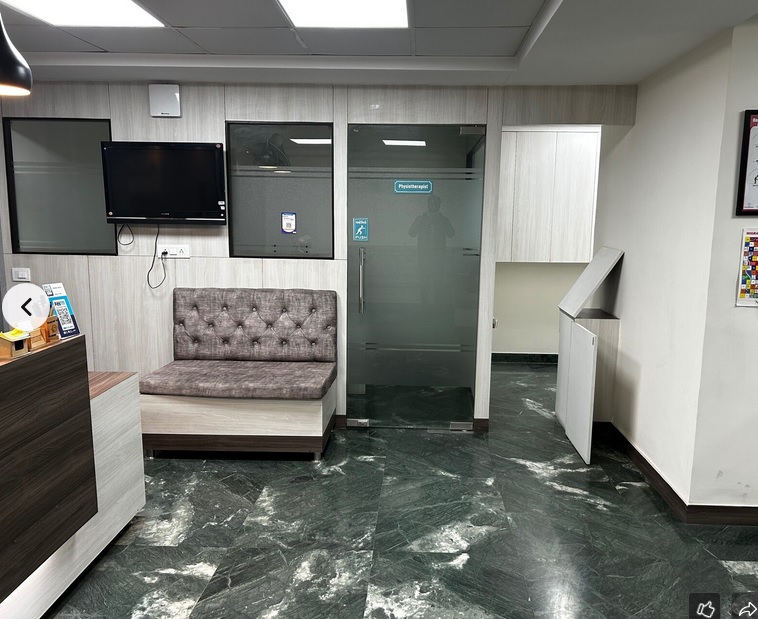
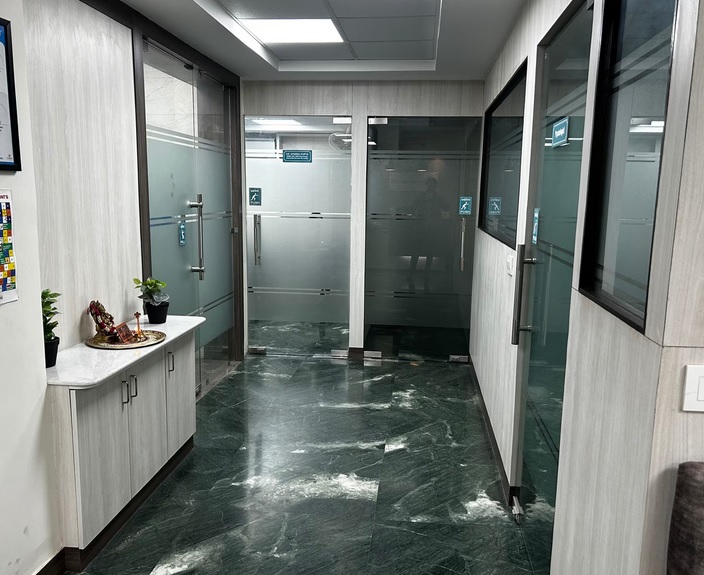
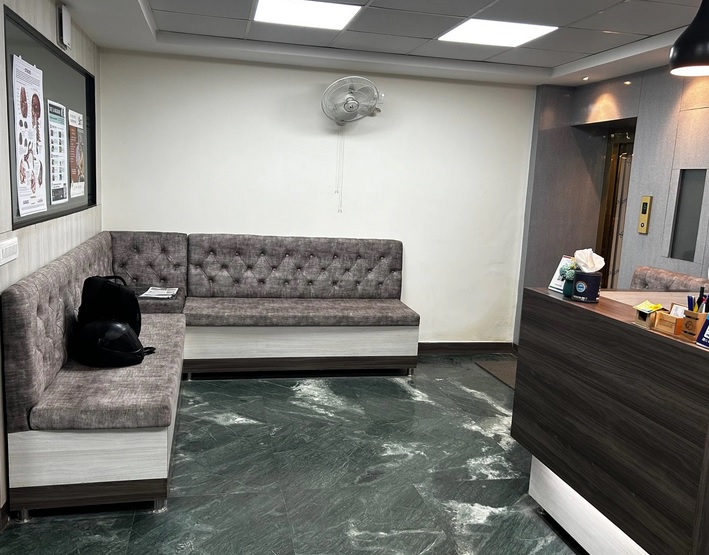
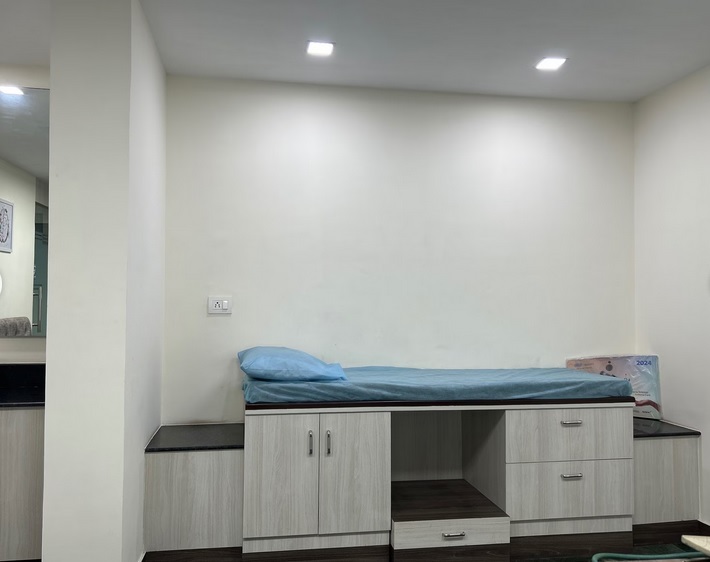
Whether you need a one-time consultation or ongoing management for chronic migraine, Neuro Clinic Plus offers a comfortable, patient-first environment backed by advanced diagnostic and treatment options — making it a trusted destination for anyone searching for the best migraine specialist in Delhi.
Why Choose Neuro Clinic Plus for Migraine Treatment?
- Experienced, highly qualified neurologist with 20+ years of practice
- Personalised treatment plans based on individual triggers and symptoms
- Advanced diagnostic facilities for accurate evaluation
- Botox and other modern therapies for chronic, treatment-resistant migraine
- Compassionate, patient-friendly consultations
- Convenient location in Safdarjung Enclave, South Delhi
Frequently Asked Questions (FAQs)
- What is the difference between a migraine and a normal headache? A normal headache usually causes mild, generalised pain, while migraine causes intense, often one-sided throbbing pain, frequently with nausea, light sensitivity, and visual disturbances lasting hours to days.
- When should I see a headache specialist? Consult a specialist if headaches occur frequently, worsen over time, disrupt daily activities, or don’t respond to regular painkillers. Early evaluation helps identify triggers and prevents the condition from becoming chronic.
- Is migraine a lifelong condition? Migraine can be a long-term condition, but with proper diagnosis, trigger management, and treatment, most patients experience significantly fewer and milder attacks, greatly improving their quality of life.
- Can migraine be cured completely? There’s no permanent “cure,” but migraine can be effectively managed. With the right combination of medication, lifestyle changes, and preventive care, many patients achieve long stretches without attacks.
- What tests are needed to diagnose migraine? Diagnosis is mainly clinical, based on symptom history. In some cases, an MRI or CT scan is recommended to rule out other neurological causes before confirming a migraine diagnosis.
- Are Botox injections effective for migraine? Yes, Botox is an FDA-approved treatment for chronic migraine (15+ headache days a month). It works by blocking pain signals and has helped many patients reduce attack frequency significantly.
- Can stress really trigger migraine attacks? Yes, stress is one of the most common migraine triggers. It affects brain chemistry and muscle tension, often leading to attacks. Stress management techniques are an important part of treatment.
- Is migraine more common in women than men? Yes, migraine is about three times more common in women, largely due to hormonal fluctuations related to the menstrual cycle, pregnancy, and menopause affecting brain chemistry.
- What foods should migraine patients avoid? Common dietary triggers include caffeine, alcohol, aged cheese, processed meats, and artificial sweeteners. Triggers vary by individual, so tracking your diet alongside attacks helps identify personal culprits.
- Can children get migraines too? Yes, migraine can affect children and teenagers, though symptoms may differ slightly, such as shorter attack duration. Paediatric migraine should also be evaluated by a qualified neurologist.
- How long does a typical migraine attack last? Untreated migraine attacks can last anywhere from 4 hours to 3 days, depending on severity. Prompt treatment at the first sign of symptoms usually shortens the duration significantly.
- How do I book a consultation with Dr. Aparna Gupta? You can schedule an appointment at Neuro Clinic Plus, Safdarjung Enclave, by calling the clinic directly or booking online through the clinic’s website to consult with Dr. Aparna Gupta.
Conclusion
Living with untreated migraine can quietly take over your work, relationships, and everyday happiness — but it doesn’t have to. With the right diagnosis and a personalised treatment plan, most patients see real, lasting relief. Dr. Aparna Gupta and the team at Neuro Clinic Plus, Safdarjung Enclave, bring over 20 years of expertise in diagnosing and treating migraine and other neurological conditions with compassion and precision. If frequent headaches are affecting your life, don’t wait — book a consultation with the best headache specialist in Safdarjung Delhi today and take the first step toward a pain-free future.