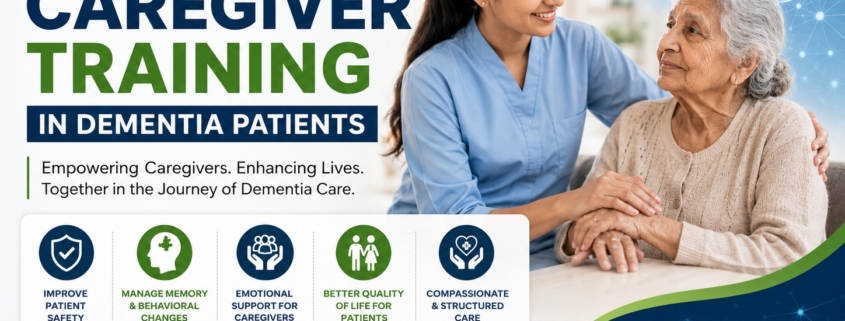
Dementia is a progressive neurological condition that affects memory, thinking, behavior, and daily activities. Many families seek guidance from a brain specialist in Delhi to better understand dementia and manage the challenges associated with long-term patient care. As dementia cases continue to rise, its emotional, physical, and financial impact on families is also increasing.
Proper caregiver training in dementia patients is essential because it helps caregivers understand behavioral changes, improve communication, and provide safe and compassionate care. Trained caregivers are better prepared to manage confusion, aggression, anxiety, and other dementia-related challenges effectively.
In addition, caregiver training helps reduce stress and emotional burnout for family members. With the right support and medical guidance, families can create a safer and more positive environment for dementia patients while improving overall caregiving outcomes.
What is Dementia?
Understanding Dementia
Dementia is a group of neurological disorders that affect memory, thinking, behavior, and the ability to perform everyday activities. It is not a normal part of aging but a medical condition that gradually impacts brain function. Consulting a brain specialist in Delhi can help in the early diagnosis and proper management of dementia symptoms.
Definition of Dementia
Dementia refers to a decline in cognitive abilities severe enough to interfere with daily life, communication, decision-making, and social interactions.
Difference Between Normal Aging and Dementia
Normal Aging
- Occasionally forgetting names or appointments
- Mild slowing of thinking
- Temporary memory lapses
Dementia
- Frequent memory loss affecting daily life
- Difficulty recognizing familiar people or places
- Problems with communication and decision-making
- Changes in personality and behavior
How Dementia Affects Daily Life
Patients with dementia may experience:
- Memory loss
- Confusion and disorientation
- Difficulty speaking or understanding
- Mood swings and behavioral changes
- Trouble performing routine tasks
Common Types of Dementia
Alzheimer’s Disease
The most common type of dementia, associated with progressive memory decline and cognitive impairment.
Vascular Dementia
Caused by reduced blood flow to the brain, often linked with stroke or vascular conditions.
Lewy Body Dementia
A type of dementia associated with abnormal protein deposits in the brain, causing memory problems, hallucinations, and movement difficulties.
Frontotemporal Dementia
This type mainly affects personality, behavior, and language skills due to damage in the brain’s frontal and temporal lobes.
Early consultation for dementia treatment in Delhi can help improve symptom management and enhance the quality of life for patients and caregivers.
Why Caregiver Training is Important in Dementia Care
Caring for a dementia patient requires patience, understanding, and specialized caregiving skills. Proper caregiver training in dementia patients helps family members and professional caregivers provide safer, more compassionate, and more effective support. Guidance from a brain specialist in Delhi can also help caregivers understand the changing needs of dementia patients and manage symptoms more confidently.
Role of a Caregiver
Caregivers play a crucial role in improving the daily life and well-being of dementia patients. Their responsibilities often include both physical and emotional support.
Daily Support and Supervision
- Assisting with eating, bathing, and dressing
- Helping with mobility and routine activities
- Monitoring patient safety throughout the day
Medication Management
- Ensuring medicines are taken on time
- Monitoring side effects and health changes
- Maintaining medical schedules and appointments
Emotional and Behavioral Support
- Offering reassurance and emotional comfort
- Managing anxiety, confusion, and frustration
- Encouraging social interaction and communication
Maintaining Patient Dignity and Independence
- Respecting patient preferences
- Encouraging independent activities whenever possible
- Creating a supportive and positive environment
Challenges Faced by Dementia Caregivers
Providing dementia care can be physically and emotionally demanding for caregivers.
Common Caregiving Challenges
- Memory-related confusion and repetitive questions
- Mood swings, aggression, and irritability
- Wandering and increased safety risks
- Sleep disturbances and nighttime confusion
- Emotional burnout, stress, and fatigue
Without proper support, caregivers may experience anxiety, exhaustion, and emotional strain over time.
Benefits of Professional Caregiver Training
Professional dementia caregiver training helps caregivers develop practical skills to handle daily challenges more effectively.
Key Benefits Include:
- Better patient handling and support
- Improved communication techniques
- Reduced caregiver stress and burnout
- Enhanced patient safety and comfort
- Better management of behavioral symptoms
- Improved quality of life for dementia patients and families
Proper training empowers caregivers to provide compassionate and structured care while maintaining a healthier environment for both the patient and the family.
Essential Skills Covered in Dementia Caregiver Training
Proper caregiver training in dementia patients focuses on developing practical skills that help caregivers manage daily challenges with confidence and compassion. Under the guidance of a brain specialist in Delhi , caregivers can learn effective techniques to improve patient safety, communication, and emotional well-being.
Communication Techniques
Effective communication helps reduce confusion, anxiety, and frustration in dementia patients.
Important Communication Skills
- Speaking calmly and clearly
- Using short and simple instructions
- Maintaining eye contact and patience
- Avoiding arguments, criticism, or corrections
- Giving enough time for the patient to respond
Good communication creates a more supportive and stress-free environment for patients.
Managing Behavioral Changes
Behavioral and emotional changes are common in dementia and often difficult for caregivers to handle.
Key Behavioral Management Skills
Handling Agitation and Aggression
- Staying calm during emotional outbursts
- Identifying triggers that cause frustration
- Redirecting attention to calming activities
Managing Anxiety and Depression
- Providing reassurance and emotional comfort
- Encouraging familiar routines
- Maintaining a peaceful environment
Coping with Hallucinations or Confusion
- Avoiding confrontation
- Responding gently and supportively
- Ensuring patient safety during episodes
Daily Living Assistance
Dementia patients often require support with routine daily activities.
Essential Daily Care Skills
- Feeding support and nutrition monitoring
- Bathing and personal hygiene care
- Dressing assistance
- Mobility and walking support
- Encouraging independence whenever possible
Medication and Medical Monitoring
Proper medical supervision is important in dementia care management.
Key Medical Care Responsibilities
- Following medication schedules correctly
- Monitoring side effects or unusual symptoms
- Recognizing warning signs such as sudden confusion or falls
- Knowing when to consult a neurologist
Regular follow-up with a neurologist for dementia treatment in Delhi can help manage symptoms effectively.
Safety and Home Care Management
Creating a safe home environment is an important part of dementia caregiving.
Important Safety Measures
- Fall prevention strategies
- Preventing wandering and getting lost
- Removing dangerous objects from the home
- Creating a dementia-friendly environment with clear pathways and proper lighting
Emotional care is equally important in dementia management.
Ways to Provide Emotional Support
- Showing patience and empathy
- Building emotional connection through conversation
- Encouraging family interaction and social engagement
- Supporting activities that improve mood and confidence
Strong emotional support can help dementia patients feel more secure, respected, and comfortable in their daily lives.
Caregiver Self-Care: Why It Matters
Caring for a dementia patient can be physically and emotionally demanding. Many caregivers spend long hours managing daily responsibilities, which may lead to stress, anxiety, and exhaustion over time. Proper caregiver training in dementia patients also focuses on caregiver well-being because a healthy caregiver can provide better and more compassionate care.
Emotional and Mental Health of Caregivers
Providing long-term dementia care can affect a caregiver’s emotional and mental health.
Common Challenges Faced by Caregivers
- Stress and emotional exhaustion
- Anxiety and depression
- Sleep problems and fatigue
- Feelings of frustration or isolation
- Physical burnout from continuous caregiving duties
Ignoring these signs can negatively impact both the caregiver and the patient.
Importance of Rest and Support
Caregivers need regular rest, emotional support, and time for self-care to maintain their physical and mental well-being. Seeking guidance from a brain specialist in Delhi or support professionals can help caregivers manage stress more effectively.
Tips for Caregiver Wellness
Maintaining caregiver health is an important part of effective dementia care.
Helpful Self-Care Tips
Taking Regular Breaks
- Schedule short periods of rest during the day
- Share responsibilities with family members when possible
Joining Support Groups
- Connect with other caregivers
- Share experiences and emotional support
Seeking Professional Guidance
- Consult healthcare professionals for caregiving advice
- Learn stress management techniques
Maintaining Physical Health
- Eat a balanced diet
- Exercise regularly
- Get proper sleep and hydration
Healthy caregivers are better prepared to provide safe and compassionate support to dementia patients.
When Should You Seek Professional Help?
Certain symptoms in dementia patients may require immediate medical attention and neurological evaluation.
Warning Signs That Need Medical Attention
- Sudden worsening of memory or confusion
- Aggressive or violent behavior
- Frequent falls or balance problems
- Severe sleep disturbances
- Difficulty swallowing or speaking
- Sudden personality or behavioral changes
Ignoring these symptoms may increase health risks and complications.
Importance of Early Neurological Consultation
Early medical intervention plays a major role in effective dementia treatment in Delhi.
Benefits of Early Consultation
- Early diagnosis improves symptom management
- Helps slow disease progression in some cases
- Personalized dementia care plans for patients
- Better guidance for caregivers and families
- Improved safety and quality of life
Consulting an experienced neurologist like Dr. Aparna Gupta can help families better understand dementia care and receive the right medical support at the right time.
About Dr. Aparna Gupta
Experienced Brain Specialist in Delhi
Dr. Aparna Gupta is a highly experienced and trusted brain specialist in Delhi specializing in the diagnosis and treatment of various neurological disorders. She is known for her patient-focused and compassionate approach toward neurological care.
Areas of Expertise
Dr. Aparna Gupta has expertise in managing:
- Dementia and memory disorders
- Stroke and paralysis
- Epilepsy and seizures
- Parkinson’s disease
- Migraine and chronic headaches
- Neuropathy and nerve-related disorders
Her advanced understanding of neurological conditions helps patients receive accurate diagnosis and personalized treatment plans.
Specialized Dementia Care
Dr. Aparna Gupta focuses on comprehensive dementia treatment in Delhi by helping both patients and caregivers manage the long-term challenges of dementia.
Her Dementia Care Approach Includes:
- Early diagnosis and neurological evaluation
- Personalized treatment and care planning
- Guidance for family members and caregivers
- Behavioral and cognitive symptom management
- Long-term neurological monitoring and support
Importance of Caregiver Training
With years of experience in dementia management, Dr. Aparna Gupta understands the importance of proper caregiver training in dementia patients.
Benefits of Structured Caregiver Guidance
- Improves patient safety and comfort
- Helps manage behavioral changes effectively
- Reduces caregiver stress and burnout
- Enhances the patient’s quality of life
- Encourages compassionate and supportive care
Her holistic approach focuses on improving the overall well-being of both dementia patients and their families.
About Neuro Clinic Plus
Comprehensive Neurological Care in Delhi
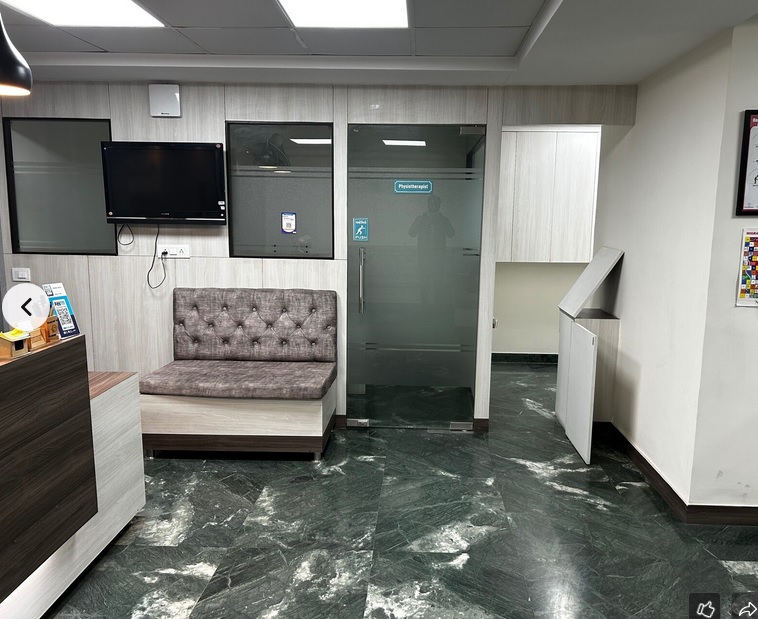
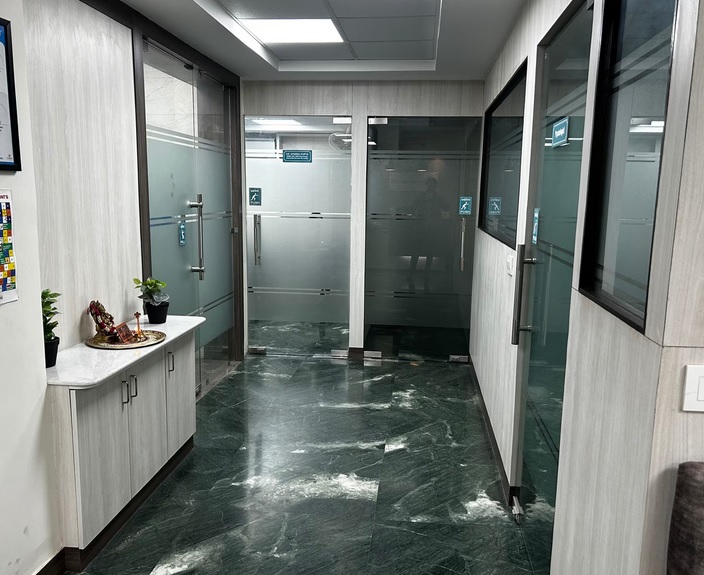
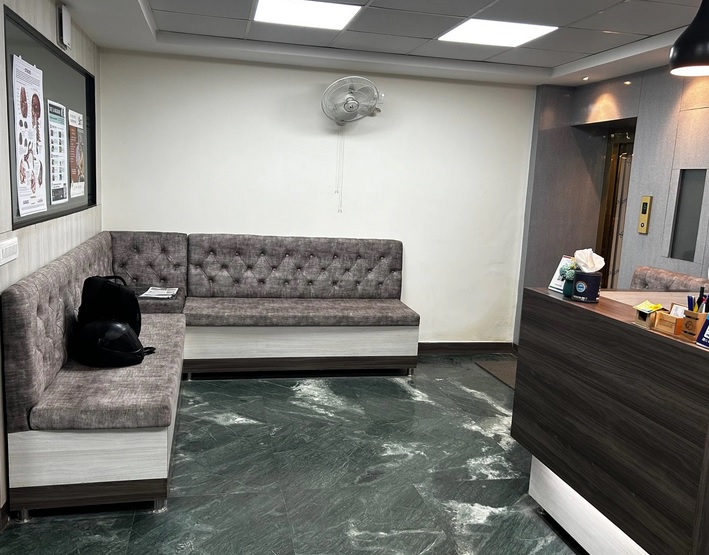
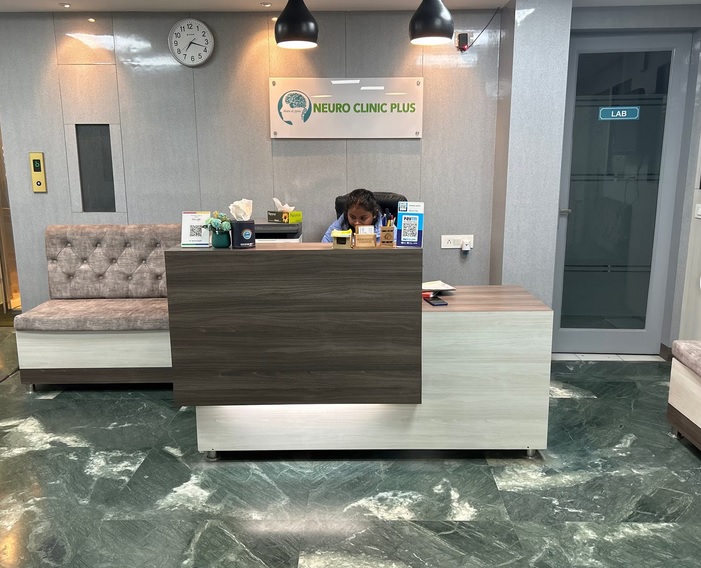
Neuro Clinic Plus is a specialized neurology clinic led by Dr. Aparna Gupta, offering advanced diagnosis, treatment, and long-term management for a wide range of neurological disorders. Known for providing compassionate and patient-focused care, the clinic is recognized as a trusted center for dementia treatment in Delhi and comprehensive brain health services.
The clinic focuses on delivering personalized neurological care using modern diagnostic techniques and evidence-based treatment approaches.
Conditions Treated at Neuro Clinic Plus
Neuro Clinic Plus provides expert care for:
- Dementia and memory disorders
- Stroke and paralysis
- Migraine and chronic headaches
- Epilepsy and seizure disorders
- Parkinson’s disease
- Neuropathy and nerve disorders
- Other neurological conditions.
Dementia Management
- Early diagnosis and cognitive assessment
- Long-term dementia care planning
- Behavioral symptom management
- Caregiver guidance and support
Memory Disorder Evaluation
- Assessment for memory loss and confusion
- Cognitive and neurological examinations
- Personalized treatment recommendations
Advanced Neurological Diagnostic Support
The clinic provides support for:
- EEG (Electroencephalogram)
- EMG (Electromyography)
- NCV (Nerve Conduction Velocity)
- MRI and neurological imaging guidance
Stroke Rehabilitation Guidance
- Post-stroke neurological care
- Recovery and rehabilitation planning
- Mobility and functional support guidance
Parkinson’s Disease Management
- Symptom monitoring and treatment
- Medication management
- Long-term neurological follow-up
Neurological Counseling and Long-Term Care Support
- Counseling for patients and families
- Support for chronic neurological conditions
- Guidance for caregiver training in dementia patients
- Emotional and lifestyle support for caregivers
With expert care from a leading brain specialist in Delhi, Neuro Clinic Plus aims to improve the quality of life for patients through compassionate neurological treatment and long-term support.
(FAQs)
1. What is caregiver training in dementia?
Caregiver training teaches family members and caregivers how to safely and effectively care for dementia patients.
2. Why is caregiver training important for dementia patients?
It helps improve patient safety, reduces stress, and ensures better emotional and physical care.
3. Can dementia patients be cared for at home?
Yes, many dementia patients can be managed at home with proper caregiver support and medical guidance.
4. What are the biggest challenges in dementia caregiving?
Memory loss, behavioral changes, aggression, wandering, and emotional burnout are common challenges.
5. When should I consult a neurologist for dementia?
If a patient shows memory loss, confusion, behavioral changes, or difficulty performing daily activities, neurological evaluation is recommended.
Conclusion
Dementia is a complex neurological condition that affects not only the patient but also the emotional and physical well-being of the entire family. Proper caregiver training in dementia patients plays a crucial role in improving patient safety, emotional support, and overall quality of life while also reducing caregiver stress and burnout.
With the right knowledge, structured caregiving techniques, and medical guidance, families can provide more compassionate, safe, and effective care at home. Trained caregivers are better prepared to manage memory loss, behavioral changes, communication difficulties, and daily care challenges associated with dementia.
Early consultation with an experienced brain specialist in Delhi like Dr. Aparna Gupta can help in timely diagnosis, personalized treatment planning, and long-term neurological support. Specialized centers such as Neuro Clinic Plus provide comprehensive dementia care, caregiver guidance, and neurological management to help families navigate dementia care more confidently and effectively.