A stroke is a medical emergency that occurs when blood flow to the brain is disrupted, preventing brain cells from receiving oxygen. Consulting a brain specialist in Delhi immediately is crucial because delayed treatment can lead to permanent brain damage or disability. However, not all strokes are the same. Understanding the difference between a brain bleed and a clot stroke is essential for timely diagnosis and proper treatment. Early recognition of symptoms and quick medical attention can improve recovery chances and reduce the risk of long-term complications.
The two main types of stroke are clot stroke (ischemic stroke) and brain bleed (hemorrhagic stroke). A clot stroke occurs when a blood vessel in the brain becomes blocked, while a brain bleed happens when a blood vessel ruptures, causing bleeding in or around the brain. Seeking prompt care from a stroke specialist in Delhi can significantly improve recovery outcomes.
What Is a Stroke?
A stroke is a serious medical condition that occurs when the blood supply to the brain is interrupted or reduced. Since the brain relies on a continuous flow of oxygen-rich blood to function properly, even a short disruption can damage brain cells within minutes. This is why stroke is considered a medical emergency and requires immediate attention.
Why Does the Brain Need Oxygen-Rich Blood?
The brain controls essential body functions such as movement, speech, memory, breathing, and decision-making. To perform these functions, it depends on a constant supply of oxygen and nutrients carried through the blood.
Without proper blood flow:
- Brain cells begin to die within minutes
- Communication between the brain and body gets disrupted
- Functions like speaking, walking, or remembering may become difficult
- Permanent brain damage can occur if treatment is delayed
Consulting a brain specialist in Delhi at the earliest signs of neurological symptoms can help identify stroke-related issues before complications become severe.
What Happens When Blood Supply Is Disrupted?
When blood flow to the brain is blocked or interrupted, certain parts of the brain stop receiving oxygen. As a result, the affected area can no longer control the body functions it manages.
A stroke mainly occurs in two ways:
- Clot Stroke (Ischemic Stroke): A blood clot blocks an artery supplying blood to the brain.
- Brain Bleed (Hemorrhagic Stroke): A blood vessel bursts, causing bleeding inside or around the brain.
Common warning signs include:
- Sudden weakness or numbness, especially on one side of the body
- Trouble speaking or understanding speech
- Sudden confusion or dizziness
- Severe headache without a clear reason
- Loss of balance or coordination
Early diagnosis and treatment by a stroke specialist in Delhi can improve recovery chances and reduce the risk of long-term complications.
What Is a Clot Stroke (Ischemic Stroke)?
A clot stroke, also known as an ischemic stroke, occurs when a blood vessel supplying oxygen-rich blood to the brain becomes blocked. This blockage prevents blood from reaching certain areas of the brain, causing brain cells to become damaged within minutes. Since ischemic strokes account for most stroke cases, recognizing symptoms early is essential for quick treatment and recovery.
Common Causes of Clot Stroke
A clot stroke can happen due to several underlying conditions, including:
- Blood clots blocking arteries in the brain
- Cholesterol plaque buildup, narrowing blood vessels and restricting blood flow
- Heart conditions, such as irregular heartbeat (atrial fibrillation), which can trigger clot formation
Symptoms
Common warning signs include:
- Sudden weakness or numbness on one side of the body
- Facial drooping
- Slurred speech or confusion
- Vision disturbances
- Loss of balance or dizziness
Risk factors include high blood pressure, diabetes, smoking, obesity, and high cholesterol. Early diagnosis by a stroke specialist in Delhi can help prevent severe complications.
What Is a Brain Bleed (Hemorrhagic Stroke)?
A brain bleed, also known as a hemorrhagic stroke, occurs when a blood vessel in or around the brain ruptures, causing bleeding that puts pressure on surrounding brain tissue. Unlike a clot stroke, which blocks blood flow, a brain bleed damages the brain through internal bleeding and reduced oxygen supply. This type of stroke requires immediate medical attention, as delayed treatment can lead to serious complications.
Common Causes of Brain Bleed
Several conditions can increase the risk of a hemorrhagic stroke, including:
- High blood pressure, which weakens blood vessels over time
- Burst aneurysm, where a weakened blood vessel suddenly ruptures
- Head injuries, especially after accidents or falls
- Blood-thinning medications, which may increase bleeding risk
Symptoms
Common warning signs include:
- Sudden, severe headache
- Vomiting or nausea
- Loss of consciousness
- Confusion or difficulty speaking
- Seizures in some cases
Risk factors include uncontrolled hypertension, smoking, excessive alcohol use, and weakened blood vessels. Consulting a brain specialist in Delhi can help with early diagnosis and stroke management.
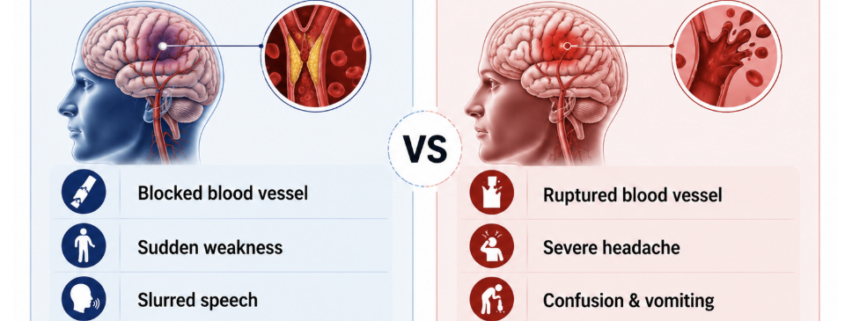
Brain Bleed vs Clot Stroke: Key Differences
Although both conditions are types of stroke, a brain bleed (hemorrhagic stroke) and a clot stroke (ischemic stroke) differ in how they affect the brain, what causes them, and the type of treatment required. Understanding these differences is important because the wrong treatment can sometimes worsen the condition.
Difference in Cause
A clot stroke happens when an artery supplying blood to the brain becomes blocked, usually due to a blood clot or fatty cholesterol deposits. As a result, oxygen-rich blood cannot reach certain areas of the brain.
In contrast, a brain bleed occurs when a blood vessel bursts or ruptures, leading to bleeding inside or around the brain. The leaking blood puts pressure on brain tissue and damages nearby cells.
Difference in Blood Flow
The major difference lies in how blood circulation is affected:
- Clot Stroke: Blood flow is reduced or completely stopped because of a blockage.
- Brain Bleed: Blood leaks into brain tissue due to a ruptured blood vessel.
Difference in Frequency
A clot stroke is more common and accounts for the majority of stroke cases. Brain bleeds are less common, but they are often more severe and may require urgent surgical care.
Difference in Symptoms
The symptoms can overlap, but some warning signs are more common in each type:
Clot Stroke Symptoms:
- Sudden weakness or numbness
- Facial drooping
- Slurred speech
- Difficulty walking or balancing
Brain Bleed Symptoms:
- Sudden severe headache
- Confusion or loss of awareness
- Vomiting
- Seizures in some cases
Difference in Treatment
Treatment also varies significantly:
- Clot Stroke: Doctors may use clot-busting medicines or procedures to restore blood flow.
- Brain Bleed: Treatment focuses on controlling bleeding, reducing pressure in the brain, and surgery if needed.
Recognizing these differences early and consulting a stroke specialist in Delhi can help ensure faster diagnosis and the right treatment plan.
How Doctors Diagnose the Difference
Diagnosing whether a patient has a clot stroke (ischemic stroke) or a brain bleed (hemorrhagic stroke) is extremely important because both conditions require completely different treatments. Since stroke symptoms can appear similar, doctors must quickly determine the exact type before starting any medication or procedure.
Why Immediate Medical Evaluation Matters
A stroke is a medical emergency where every minute counts. Delayed treatment can increase brain damage and reduce the chances of recovery. Immediate medical evaluation helps doctors assess symptoms, brain function, and the severity of the condition as early as possible.
Doctors usually examine:
- Speech difficulties
- Weakness or numbness on one side of the body
- Vision or balance problems
- Sudden confusion or severe headache
Tests Used to Diagnose Stroke Type
To identify whether the stroke is caused by a clot or bleeding, doctors commonly use imaging tests such as:
- CT Scan (Computed Tomography): Often the first test used to quickly detect bleeding in the brain.
- MRI (Magnetic Resonance Imaging): Provides detailed images of brain tissue and helps detect blocked blood vessels or brain damage.
Why Correct Diagnosis Matters Before Treatment
Proper diagnosis is critical because treatment for one stroke type can be dangerous for the other. For example, clot-busting medicines used to treat ischemic stroke can worsen a brain bleed, making the condition life-threatening.
This is why early evaluation by a stroke specialist in Delhi is essential to ensure accurate diagnosis and the right treatment plan.
Treatment Options for Brain Bleed and Clot Stroke
The treatment for a clot stroke (ischemic stroke) and a brain bleed (hemorrhagic stroke) differs significantly because both conditions affect the brain in different ways. Early diagnosis is essential, as prompt treatment can reduce brain damage and improve recovery chances.
Treatment for Clot Stroke (Ischemic Stroke)
The main goal of clot stroke treatment is to restore blood flow to the brain as quickly as possible.
1. Clot-Dissolving Medication
Doctors may use clot-busting medicines to dissolve the blockage and restore blood circulation. However, timing is critical, as these medications are most effective when given within a limited time after symptoms begin.
2. Mechanical Clot Removal
In some severe cases, doctors perform a mechanical thrombectomy, a procedure that physically removes the clot from a blocked blood vessel using specialized medical devices.
3. Rehabilitation Therapy
After emergency treatment, patients may need rehabilitation to regain lost abilities. Recovery may include:
- Physical therapy for movement and strength
- Speech therapy for communication difficulties
- Occupational therapy for daily activities
Treatment for Brain Bleed (Hemorrhagic Stroke)
Treatment for a brain bleed focuses on stopping bleeding, reducing pressure on the brain, and preventing complications.
1. Blood Pressure Control
Doctors carefully manage high blood pressure, as uncontrolled hypertension can worsen bleeding and increase brain damage.
2. Surgery (In Some Cases)
If bleeding is severe or pressure builds inside the brain, surgery may be required to repair damaged blood vessels or remove accumulated blood.
3. ICU Care and Monitoring
Many patients require close monitoring in the Intensive Care Unit (ICU) to observe brain function, breathing, blood pressure, and possible complications during recovery.
Early treatment by a brain specialist in Delhi or stroke specialist in Delhi can improve outcomes and lower the risk of permanent disability.
About : Dr. Aparna Gupta
At Neuro Clinic Plus, we are committed to providing expert neurological care with a patient-first approach. Led by Dr. Aparna Gupta, our clinic specializes in the diagnosis, treatment, and management of neurological conditions, including stroke, brain disorders, headaches, epilepsy, nerve problems, and movement disorders.
As a trusted brain specialist in Delhi, Dr. Aparna Gupta focuses on delivering personalized treatment plans tailored to each patient’s medical needs. Whether it is early stroke diagnosis, preventive neurological care, or long-term rehabilitation support, our goal is to help patients achieve better brain health and improved quality of life.
At Neuro Clinic Plus, we understand that neurological emergencies require timely intervention. If you are experiencing symptoms related to stroke or brain health concerns, consulting a skilled stroke specialist in Delhi can make a significant difference in treatment outcomes.
With advanced medical expertise and compassionate care, Dr. Aparna Gupta and the team at Neuro Clinic Plus are dedicated to supporting patients at every stage of recovery and wellness.
Warning Signs: When to Seek Emergency Help
Recognizing stroke symptoms early can save lives and reduce the risk of permanent brain damage. Whether it is a clot stroke (ischemic stroke) or a brain bleed (hemorrhagic stroke), immediate medical attention is critical. Doctors often recommend remembering the FAST method, a simple way to identify the most common warning signs of stroke.
The FAST Method
F – Face Drooping
Ask the person to smile. If one side of the face appears droopy or uneven, it could be a sign of stroke.
A – Arm Weakness
Ask the person to raise both arms. If one arm drifts downward or feels weak or numb, it may indicate a stroke.
S – Speech Difficulty
Listen carefully to speech. Slurred words, confusion, or trouble speaking clearly are common warning signs.
T – Time to Call Emergency Services
If you notice any of these symptoms, seek emergency medical help immediately. Early treatment can significantly improve recovery and reduce complications.
Important Warning Sign of Brain Bleed
A sudden severe headache, often described as the “worst headache of life,” may signal a brain bleed and should never be ignored. Other symptoms may include vomiting, confusion, or loss of consciousness.
Seeking urgent care from a stroke specialist in Delhi can help ensure faster diagnosis and timely treatment.
Can Stroke Be Prevented?
While not all strokes can be prevented, many cases can be reduced by managing lifestyle and health-related risk factors. Prevention becomes especially important for people with high blood pressure, diabetes, or heart conditions.
Ways to Reduce Stroke Risk
- Control Blood Pressure: High blood pressure is one of the biggest causes of stroke.
- Manage Diabetes and Cholesterol: Keeping sugar and cholesterol levels under control helps protect blood vessels.
- Quit Smoking: Smoking damages blood vessels and increases clot formation.
- Maintain a Healthy Weight: Obesity raises the risk of stroke and heart disease.
- Exercise Regularly: Physical activity improves blood circulation and overall heart health.
- Limit Alcohol Consumption: Excessive drinking can increase blood pressure and stroke risk.
- Get Regular Health Checkups: Routine monitoring helps detect problems early.
Regular consultation with a brain specialist in Delhi can help identify stroke risk factors and guide preventive care.
FAQs
Q1. Is a brain bleed worse than a clot stroke?
A brain bleed is often more dangerous because bleeding increases pressure on the brain. However, both conditions are serious and need immediate care from a brain specialist in Delhi.
Q2. How can you tell the difference between a brain bleed and a clot stroke?
Symptoms may overlap, but a brain bleed often causes a sudden severe headache. A stroke specialist in Delhi usually confirms the difference through CT scans or MRI.
Q3. What are the first warning signs of stroke?
Common early warning signs include face drooping, arm weakness, slurred speech, numbness, dizziness, and confusion. Early evaluation by a brain specialist in Delhi improves treatment outcomes.
Q4. Can a clot stroke turn into a brain bleed?
Yes, in some situations, a clot stroke can develop into bleeding in the brain. Prompt treatment from a stroke specialist in Delhi helps reduce this risk.
Q5. Which type of stroke is more common?
Clot stroke (ischemic stroke) is more common than a brain bleed and accounts for most stroke cases. A brain specialist in Delhi can help with prevention strategies.
Conclusion
Both brain bleed (hemorrhagic stroke) and clot stroke (ischemic stroke) are serious medical emergencies, but they differ in their causes, symptoms, and treatment approaches. While a clot stroke occurs due to a blocked blood vessel, a brain bleed happens when a blood vessel ruptures and causes internal bleeding in the brain. Understanding these differences can help patients and families respond more effectively during an emergency.
Most importantly, early diagnosis and treatment can save lives and protect brain function. Recognizing warning signs such as facial drooping, speech difficulty, sudden weakness, or a severe headache should never be ignored. Quick medical attention improves recovery chances and reduces long-term complications.
If you or someone around you experiences stroke symptoms, act immediately and seek medical help without delay. Consulting a stroke specialist in Delhi can ensure timely diagnosis, proper treatment, and better recovery outcomes.