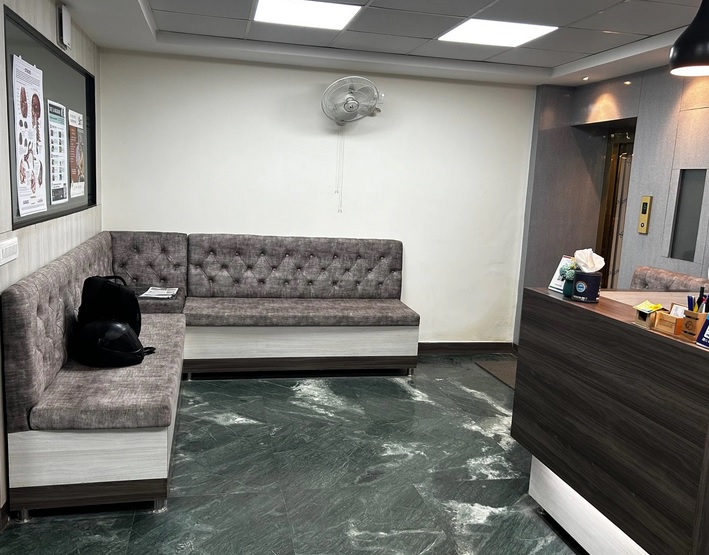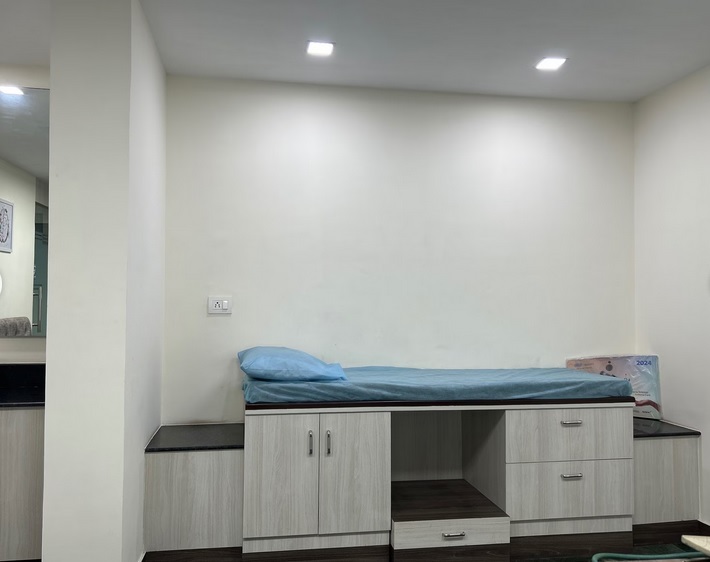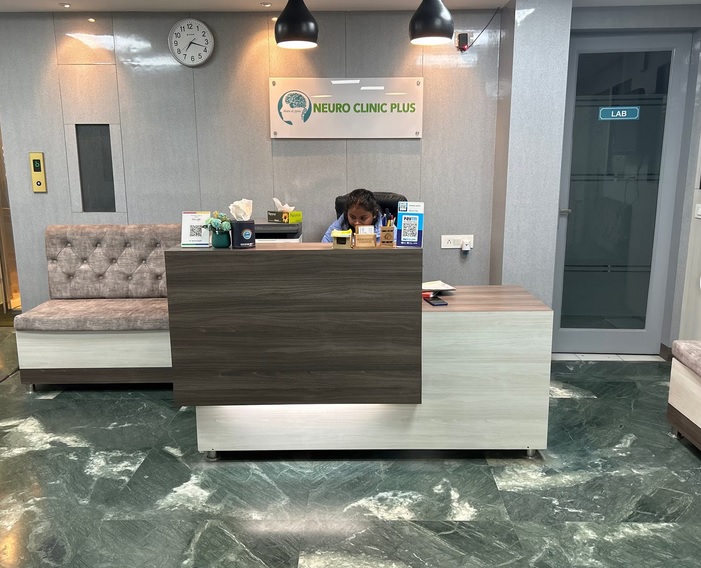
Neurological disorders can affect the brain, spinal cord, and nerves, impacting a person’s daily life and overall well-being. Symptoms such as frequent headaches, migraines, dizziness, numbness, memory problems, or sudden weakness should never be ignored, as they may indicate an underlying neurological condition that requires expert evaluation.
Choosing the Best Neuro Clinic in Safdarjung is important for receiving accurate diagnosis and timely treatment. Early medical intervention can help manage symptoms effectively and reduce the risk of serious complications. Whether you are experiencing chronic headaches, recurring migraine attacks, stroke-related symptoms, or other neurological concerns, specialized care can make a significant difference in your recovery and quality of life.
At a trusted Neuro Clinic in Safdarjung, patients can access comprehensive neurological evaluations, advanced diagnostic support, and personalized treatment plans. Neuro Clinic Plus is dedicated to providing expert care for a wide range of neurological disorders, helping patients achieve better brain health through evidence-based treatment and compassionate medical support.
What is Neurology?
Neurology is the branch of medicine that focuses on the diagnosis, treatment, and management of disorders affecting the brain, spinal cord, nerves, and muscles. If you are looking for the Best Neuro Clinic in Safdarjung, understanding neurology can help you know when to seek expert care. The nervous system controls essential body functions such as movement, memory, sensation, speech, balance, and coordination. When any part of this system is affected, it can lead to various neurological conditions that require specialized medical attention.
Conditions Treated by a Neurologist
A neurologist is trained to diagnose and manage a wide range of neurological disorders, including:
- Migraine and chronic headaches
- Stroke and transient ischemic attacks (TIA)
- Epilepsy and seizure disorders
- Parkinson’s disease
- Vertigo and balance disorders
- Neuropathy and nerve pain
- Memory and cognitive disorders
- Multiple sclerosis and other neurological conditions
Why Specialized Neurological Care Matters
Neurological symptoms can sometimes be complex and difficult to identify in the early stages. Visiting a trusted Neuro Clinic in Safdarjung ensures access to expert evaluation, advanced diagnostic tools, and personalized treatment plans. A specialized clinic can help detect neurological disorders early, manage symptoms effectively, and improve long-term health outcomes. Timely consultation with a neurologist plays a vital role in preventing complications and maintaining overall brain and nerve health.
When Should You Visit a Neurologist?
Many people ignore neurological symptoms, thinking they are caused by stress, tiredness, or aging. However, if these symptoms keep coming back or do not go away, they may be a sign of a neurological condition that needs expert care. Visiting the Best Neuro Clinic in Safdarjung at the right time can help with early diagnosis, timely treatment, and better recovery.
Common Warning Signs
You should consult a neurologist if you have frequent or severe headaches, repeated migraine attacks, dizziness or vertigo, seizures or unexplained fainting, numbness or tingling in the hands or feet, weakness in the arms, legs, or face, memory loss or trouble concentrating, tremors or shaking, balance or walking problems, or sudden changes in speech or vision. These symptoms may seem small at first, but they should not be ignored.
Importance of Early Medical Attention
Early medical care is very important because it can help detect problems like migraine, epilepsy, stroke, Parkinson’s disease, and nerve disorders before they become more serious. A trusted Neuro Clinic in Safdarjung can provide a detailed neurological check-up, accurate diagnosis, and a treatment plan based on your symptoms and health condition. Getting help early can improve results, lower the risk of complications, and support a better quality of life.
What is a Headache?
A headache is one of the most common health complaints and can affect people of all ages. It is characterized by pain or discomfort in the head, scalp, or neck region. While occasional headaches are usually not a cause for concern, frequent or severe headaches may indicate an underlying medical condition that requires professional evaluation. Consulting the Best Neuro Clinic in Safdarjung can help identify the cause and provide appropriate treatment.
Occasional vs. Chronic Headaches
Occasional headaches may occur due to stress, lack of sleep, dehydration, eye strain, or temporary illness. These headaches often improve with rest, hydration, or simple lifestyle changes.
Chronic headaches, on the other hand, occur repeatedly and may interfere with daily activities. They can be associated with neurological conditions such as migraine, cluster headaches, or other disorders affecting the nervous system. Persistent headaches should not be ignored, especially if they become more frequent or severe over time.
Why Proper Diagnosis Matters
A trusted Neuro Clinic in Safdarjung can help determine whether a headache is a simple condition or a symptom of an underlying neurological disorder. Early diagnosis and treatment can reduce discomfort, prevent complications, and improve overall quality of life.
Types of Headaches
Headaches can occur for many reasons, and understanding the type of headache is important for effective treatment. Different headaches have different causes, symptoms, and treatment approaches. At the Best Neuro Clinic in Safdarjung, neurologists carefully evaluate headache patterns to identify the exact type and recommend the most suitable treatment plan.
Tension Headache
Tension headaches are the most common type of headache. They usually cause a dull, aching pain or a feeling of tightness around the forehead or back of the head. Stress, anxiety, poor posture, and lack of sleep are common triggers for tension headaches.
Migraine Headache
Migraine is a neurological condition that causes moderate to severe throbbing pain, usually on one side of the head. It may be accompanied by nausea, vomiting, and sensitivity to light and sound. Many patients visit a Neuro Clinic in Safdarjung for expert migraine diagnosis and long-term management.
Cluster Headache
Cluster headaches are extremely painful headaches that occur in groups or cycles. The pain is often felt around one eye and may be associated with redness, tearing, or nasal congestion. These headaches require specialized neurological care.
Sinus Headache
Sinus headaches are caused by inflammation or infection of the sinuses. They often produce pain around the eyes, cheeks, forehead, and nose and may worsen when bending forward.
Common Symptoms of Headaches
Headaches can present differently from person to person. Some headaches cause mild discomfort, while others can significantly affect daily activities, work performance, and overall quality of life. Understanding the symptoms can help determine when it is time to seek professional care from the Best Neuro Clinic in Safdarjung.
Common Signs and Symptoms
People experiencing headaches may notice one or more of the following symptoms:
- Dull, aching, or throbbing head pain
- Pressure or tightness around the forehead
- Pain on one or both sides of the head
- Sensitivity to light (photophobia)
- Sensitivity to sound (phonophobia)
- Nausea or vomiting
- Neck pain or stiffness
- Difficulty concentrating
- Blurred vision in some cases
- Increased pain during physical activity
When Should You Be Concerned?
While many headaches are harmless, certain symptoms require medical attention. Visit a Neuro Clinic in Safdarjung if headaches become frequent, severe, or are accompanied by neurological symptoms.
Seek Immediate Medical Care If You Experience:
- Sudden and severe headache
- Weakness or numbness on one side of the body
- Difficulty speaking or understanding speech
- Loss of consciousness
- Vision changes
- Seizures along with headache
Early evaluation can help identify underlying neurological conditions and ensure timely treatment.
Diagnosis of Headaches
Accurate diagnosis is the first step toward effective headache treatment. Since headaches can result from various causes, including stress, migraine, nerve disorders, or more serious neurological conditions, a detailed evaluation is essential. At the Best Neuro Clinic in Safdarjung, neurologists use a comprehensive approach to identify the underlying cause and develop a personalized treatment plan.
Medical History Assessment
The doctor will begin by discussing your symptoms and medical history, including:
- Frequency and duration of headaches
- Location and intensity of pain
- Associated symptoms such as nausea or dizziness
- Family history of migraine or neurological disorders
- Lifestyle factors and possible triggers
Neurological Examination
A detailed neurological examination helps assess brain and nerve function. The evaluation may include:
- Reflex testing
- Muscle strength assessment
- Balance and coordination checks
- Vision and speech evaluation
- Sensory function testing
Advanced Diagnostic Tests
When necessary, a Neuro Clinic in Safdarjung may recommend advanced tests to rule out underlying conditions:
-
- MRI (Magnetic Resonance Imaging)
- CT Scan
- Blood tests
- Nerve function studies
- Other specialized neurological investigations
Why Early Diagnosis Matters
Early and accurate diagnosis helps identify the exact cause of headaches, allowing timely treatment and preventing potential complications. It also improves long-term management and overall quality of life.
Treatment Options for Headaches
The treatment of headaches depends on their type, severity, frequency, and underlying cause. While some headaches can be managed with simple lifestyle changes, others may require specialized neurological care. At the Best Neuro Clinic in Safdarjung, treatment plans are tailored to each patient’s symptoms, medical history, and overall health condition.
Lifestyle Modifications
Many headaches can be reduced by making healthy lifestyle changes. Maintaining a regular sleep schedule, staying hydrated, eating balanced meals, managing stress, and engaging in regular physical activity can help prevent headache episodes. Avoiding known triggers such as excessive screen time, skipped meals, or certain foods may also provide relief.
Medications
Depending on the diagnosis, medications may be prescribed to relieve pain and control symptoms. Some medicines are used during headache attacks, while others are taken regularly to reduce the frequency and severity of recurring headaches. The choice of medication depends on the specific type of headache and the patient’s individual needs.
Preventive Therapies
For people who experience frequent or chronic headaches, preventive treatment may be recommended. This approach focuses on reducing the number of headache episodes and improving daily functioning. A trusted Neuro Clinic in Safdarjung can create a personalized treatment strategy that combines medication, lifestyle guidance, and ongoing monitoring for long-term headache management.
Importance of Professional Care
Seeking timely medical attention ensures proper diagnosis and effective treatment, helping patients achieve lasting relief and a better quality of life.
What is Migraine?
Migraine is more than just a headache. It is a neurological disorder that can cause intense, recurring headaches along with a variety of other symptoms that affect daily life. Migraine attacks can last for several hours or even days, making it difficult to work, study, or perform routine activities. Seeking care from the Best Neuro Clinic in Safdarjung can help patients receive an accurate diagnosis and effective long-term management.
How Migraine Differs from a Regular Headache
Unlike a common headache, migraine often causes throbbing or pulsating pain, usually on one side of the head. The pain may be moderate to severe and is often accompanied by symptoms such as nausea, vomiting, and sensitivity to light, sound, or strong smells. Some people may also experience visual disturbances before the headache begins.
Impact of Migraine on Daily Life
Migraine can affect physical, emotional, and social well-being. Frequent migraine attacks may interfere with work performance, sleep quality, and personal relationships. In some cases, individuals may need to rest in a dark, quiet room until symptoms improve.
Why Early Diagnosis is Important
A trusted Neuro Clinic in Safdarjung can help identify migraine triggers, evaluate symptom patterns, and develop a personalized treatment plan. Early diagnosis and proper management can reduce the frequency and severity of migraine attacks and improve overall quality of life.
Types of Migraine
Migraine can affect people in different ways, and not all migraine attacks present the same symptoms. Understanding the different types of migraine helps doctors provide accurate diagnosis and targeted treatment. At the Best Neuro Clinic in Safdarjung, neurologists carefully assess symptoms to determine the specific type of migraine and recommend the most effective management approach.
Migraine with Aura
Migraine with aura occurs when a person experiences warning signs before the headache begins. These symptoms may include flashing lights, blurred vision, blind spots, tingling sensations, or difficulty speaking. The aura usually lasts for a short period before the headache starts.
Migraine without Aura
This is the most common type of migraine. Patients experience moderate to severe headache pain without any warning signs. The headache is often accompanied by nausea, vomiting, and sensitivity to light and sound.
Chronic Migraine
Chronic migraine is diagnosed when a person experiences headaches on 15 or more days per month, with migraine symptoms occurring on several of those days. This condition can significantly affect daily life and often requires long-term management.
Vestibular Migraine
Vestibular migraine mainly affects balance and spatial orientation. Patients may experience dizziness, vertigo, unsteadiness, and motion sensitivity, sometimes even without a severe headache. A trusted Neuro Clinic in Safdarjung can help diagnose and manage this complex condition effectively.
Symptoms of Migraine
Migraine symptoms can vary from person to person, but they are often much more intense than a regular headache. Some individuals experience only a few symptoms, while others may develop a combination of physical, sensory, and neurological changes during an attack. Visiting the Best Neuro Clinic in Safdarjung can help identify migraine symptoms early and ensure proper treatment.
Common Symptoms of Migraine
The most common symptom of migraine is a throbbing or pulsating headache, often affecting one side of the head. The pain may gradually increase in intensity and can worsen with physical activity. Many patients also experience nausea and, in some cases, vomiting during an attack.
Sensitivity to light, loud sounds, and strong odors is another hallmark symptom of migraine. Some individuals prefer to rest in a dark and quiet room until the symptoms improve. Visual disturbances such as flashing lights, zigzag lines, blurred vision, or temporary blind spots may occur before or during a migraine attack.
Other Possible Symptoms
Migraine may also cause dizziness, difficulty concentrating, fatigue, neck stiffness, and tingling sensations in the face or limbs. A trusted Neuro Clinic in Safdarjung can evaluate these symptoms, identify potential triggers, and develop a personalized treatment plan to reduce the frequency and severity of migraine attacks.
Common Migraine Triggers
Migraine attacks are often triggered by specific factors that vary from person to person. Identifying and avoiding these triggers can play an important role in reducing the frequency and severity of migraine episodes. At the Best Neuro Clinic in Safdarjung, neurologists help patients recognize their individual triggers and develop effective strategies for long-term migraine management.
Stress and Emotional Factors
Stress is one of the most common migraine triggers. Emotional pressure, anxiety, and sudden changes in routine can increase the likelihood of a migraine attack. Learning stress-management techniques may help reduce the risk of recurring episodes.
Sleep Disturbances
Both lack of sleep and excessive sleep can trigger migraines in some individuals. Maintaining a consistent sleep schedule and getting adequate rest are essential for migraine prevention.
Hormonal Changes
Many women notice that migraine attacks become more frequent during hormonal fluctuations, such as menstruation, pregnancy, or menopause. These hormonal changes can influence the severity and timing of migraine symptoms.
Dietary and Environmental Triggers
Certain foods and beverages may trigger migraines in susceptible individuals. Skipping meals, dehydration, excessive caffeine intake, and exposure to bright lights, loud noises, or strong smells can also contribute to migraine attacks. A trusted Neuro Clinic in Safdarjung can help patients identify their specific triggers and create a personalized plan to manage migraine symptoms more effectively.
Diagnosis and Management of Migraine
Migraine can sometimes be confused with other types of headaches, making an accurate diagnosis essential. At the Best Neuro Clinic in Safdarjung, neurologists carefully evaluate symptoms, headache patterns, and medical history to determine the exact cause of the problem and rule out other neurological conditions.
How Migraine is Diagnosed
The diagnosis of migraine usually involves:
- Detailed discussion of symptoms and headache history
- Assessment of migraine triggers and lifestyle factors
- Neurological examination
- Review of family history of migraine
- MRI or CT scan if additional evaluation is required
Migraine Management and Treatment
Effective migraine management focuses on reducing the frequency, severity, and impact of attacks. Treatment plans are personalized according to each patient’s condition and symptoms.
Common management strategies include:
-
- Lifestyle modifications and stress management
- Identifying and avoiding migraine triggers
- Medications for symptom relief
- Preventive medications for frequent migraines
- Regular follow-up and monitoring
A trusted Neuro Clinic in Safdarjung can provide comprehensive migraine care, helping patients achieve better symptom control and an improved quality of life through a personalized treatment approach.
What is a Stroke?
A stroke is a serious medical emergency that occurs when the blood supply to a part of the brain is interrupted or reduced. Without adequate oxygen and nutrients, brain cells begin to die within minutes, which can lead to permanent brain damage, disability, or even death if not treated quickly. Seeking immediate medical attention is critical for improving recovery outcomes.
How a Stroke Affects the Brain
The brain controls movement, speech, memory, vision, and many other vital functions. When a stroke occurs, the affected area of the brain may no longer function properly. As a result, a person may experience weakness, difficulty speaking, vision problems, loss of balance, or other neurological symptoms.
Why Early Treatment Matters
Stroke treatment is most effective when provided as early as possible. Quick diagnosis and medical intervention can help reduce brain damage and improve the chances of recovery. The Best Neuro Clinic in Safdarjung plays an important role in recognizing stroke symptoms, providing neurological evaluation, and guiding patients through recovery and long-term care.
Key Facts About Stroke
- Stroke requires immediate medical attention.
- Brain cells can be damaged within minutes.
- Early treatment improves recovery outcomes.
- Many stroke-related complications can be prevented with timely care.
A trusted Neuro Clinic in Safdarjung can help patients manage stroke risk factors and support rehabilitation after a stroke.
Types of Stroke
Stroke is not a single condition. There are different types of stroke, and each requires a specific approach to diagnosis and treatment. Understanding these types can help patients recognize the seriousness of the condition and seek timely medical care. At the Best Neuro Clinic in Safdarjung, patients receive expert evaluation and guidance for stroke prevention, treatment, and recovery.
Ischemic Stroke
Ischemic stroke is the most common type of stroke and occurs when a blood vessel supplying the brain becomes blocked by a blood clot or fatty deposits. This blockage prevents oxygen-rich blood from reaching brain tissue, causing brain cells to become damaged. Conditions such as high blood pressure, diabetes, and high cholesterol can increase the risk of ischemic stroke.
Hemorrhagic Stroke
A hemorrhagic stroke occurs when a blood vessel in the brain ruptures and causes bleeding within or around the brain. This bleeding increases pressure on brain tissue and can lead to severe neurological damage. Uncontrolled high blood pressure is one of the leading causes of hemorrhagic stroke.
Transient Ischemic Attack (TIA)
A Transient Ischemic Attack, often called a “mini-stroke,” occurs when blood flow to the brain is temporarily blocked. Symptoms may last only a few minutes or hours and then disappear. However, a TIA is an important warning sign that a major stroke could occur in the future. A trusted Neuro Clinic in Safdarjung can help identify risk factors and provide preventive care to reduce future stroke risk.
Types of Stroke
Stroke is not a single condition. There are different types of stroke, and each requires a specific approach to diagnosis and treatment. Understanding these types can help patients recognize the seriousness of the condition and seek timely medical care. At the Best Neuro Clinic in Safdarjung, patients receive expert evaluation and guidance for stroke prevention, treatment, and recovery.
Ischemic Stroke
Ischemic stroke is the most common type of stroke and occurs when a blood vessel supplying the brain becomes blocked by a blood clot or fatty deposits. This blockage prevents oxygen-rich blood from reaching brain tissue, causing brain cells to become damaged. Conditions such as high blood pressure, diabetes, and high cholesterol can increase the risk of ischemic stroke.
Hemorrhagic Stroke
A hemorrhagic stroke occurs when a blood vessel in the brain ruptures and causes bleeding within or around the brain. This bleeding increases pressure on brain tissue and can lead to severe neurological damage. Uncontrolled high blood pressure is one of the leading causes of hemorrhagic stroke.
Transient Ischemic Attack (TIA)
A Transient Ischemic Attack, often called a “mini-stroke,” occurs when blood flow to the brain is temporarily blocked. Symptoms may last only a few minutes or hours and then disappear. However, a TIA is an important warning sign that a major stroke could occur in the future. A trusted Neuro Clinic in Safdarjung can help identify risk factors and provide preventive care to reduce future stroke risk.
Risk Factors for Stroke
A stroke can affect anyone, but certain health conditions and lifestyle habits can significantly increase the risk. Understanding these risk factors is important because many of them can be managed or controlled through timely medical care and healthy lifestyle changes. The Best Neuro Clinic in Safdarjung focuses on identifying stroke risk factors early to help prevent serious complications.
High Blood Pressure
High blood pressure is one of the leading causes of stroke. When blood pressure remains uncontrolled for a long time, it can damage blood vessels and increase the risk of both ischemic and hemorrhagic stroke.
Diabetes
Diabetes can damage blood vessels throughout the body, including those supplying the brain. Poorly controlled blood sugar levels may increase the likelihood of stroke and other cardiovascular problems.
Smoking and Tobacco Use
Smoking damages blood vessels, reduces oxygen levels in the blood, and promotes clot formation. People who smoke have a significantly higher risk of stroke compared to non-smokers.
Other Common Risk Factors
- High cholesterol levels
- Heart disease and irregular heartbeat
- Obesity and physical inactivity
- Excessive alcohol consumption
- Chronic stress
- Family history of stroke
- Increasing age
A trusted Neuro Clinic in Safdarjung can assess individual risk factors, recommend preventive strategies, and help patients maintain better neurological and overall health.
Stroke Diagnosis and Treatment
Early diagnosis and prompt treatment are essential for minimizing brain damage and improving recovery after a stroke. Since every minute matters, medical evaluation should begin as soon as stroke symptoms appear. At the Best Neuro Clinic in Safdarjung, patients receive comprehensive neurological assessments to identify the type of stroke and determine the most effective treatment approach.
Stroke Diagnosis
Diagnosing a stroke involves a detailed review of symptoms, medical history, and neurological function. Neurologists assess speech, movement, coordination, vision, and reflexes to understand how the brain has been affected. Advanced imaging tests such as MRI and CT scans are often used to identify the location and severity of the stroke and to determine whether it is caused by a blockage or bleeding in the brain.
Stroke Treatment
Treatment depends on the type of stroke and how quickly medical care is received. For ischemic stroke, the primary goal is to restore blood flow to the brain as soon as possible. In cases of hemorrhagic stroke, treatment focuses on controlling bleeding and reducing pressure on the brain. Continuous monitoring and supportive medical care are also important parts of treatment.
Rehabilitation and Recovery
Recovery after a stroke may involve physical therapy, speech therapy, and lifestyle modifications. A trusted Neuro Clinic in Safdarjung can provide long-term follow-up care, helping patients regain independence, improve function, and reduce the risk of future strokes.
Other Neurological Conditions Treated at Neuro Clinic Plus
In addition to headache, migraine, and stroke care, the Best Neuro Clinic in Safdarjung provides diagnosis and treatment for a wide range of neurological disorders. These conditions can affect the brain, spinal cord, nerves, and muscles, often impacting daily activities and overall quality of life. Early evaluation and proper treatment can help manage symptoms effectively and improve long-term outcomes.
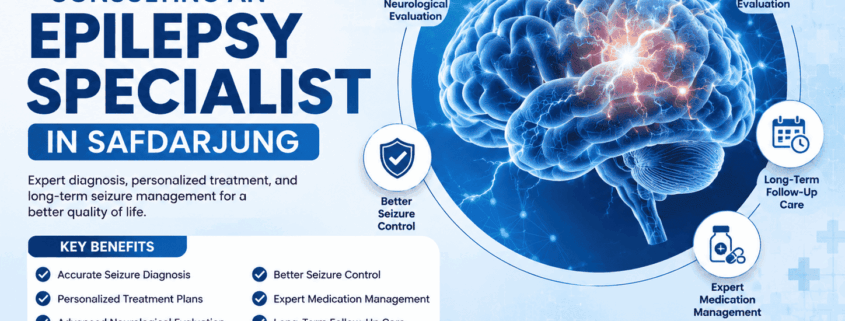
Epilepsy and Seizure Disorders
Epilepsy is a neurological condition characterized by recurrent seizures caused by abnormal electrical activity in the brain. Proper diagnosis and treatment can help patients achieve better seizure control and lead active lives.
Parkinson’s Disease
Parkinson’s disease is a progressive neurological disorder that affects movement. Common symptoms include tremors, muscle stiffness, slow movements, and balance difficulties. Early treatment can help manage symptoms and improve daily functioning.
Vertigo and Balance Disorders
Vertigo causes a sensation of spinning or dizziness and may affect balance and coordination. These symptoms can result from neurological or inner ear conditions and require careful evaluation.
Neuropathy and Memory Disorders
A trusted Neuro Clinic in Safdarjung also treats neuropathy, nerve pain, numbness, tingling sensations, dementia, memory problems, muscle weakness, and other neurological conditions. Comprehensive neurological care helps patients receive accurate diagnosis, effective treatment, and ongoing support for better brain and nerve health.
Advanced Diagnosis for Neurological Conditions
Accurate diagnosis is the foundation of effective neurological care. Many neurological disorders share similar symptoms, making a detailed evaluation essential for identifying the exact cause of the problem. At the Best Neuro Clinic in Safdarjung, advanced diagnostic methods are used to assess brain, nerve, and spinal cord health, allowing neurologists to create personalized treatment plans.
Comprehensive Neurological Evaluation
The diagnostic process begins with a thorough neurological assessment. This helps the neurologist understand the patient’s symptoms, medical history, and overall neurological function.
The evaluation may include:
- Review of medical history
- Assessment of symptoms and their duration
- Reflex testing
- Muscle strength evaluation
- Balance and coordination assessment
- Speech and cognitive function testing
Brain Imaging Tests
Advanced imaging plays an important role in diagnosing neurological conditions.
MRI (Magnetic Resonance Imaging)
MRI provides detailed images of the brain and spinal cord, helping identify conditions such as stroke, tumors, multiple sclerosis, and nerve disorders.
CT Scan (Computed Tomography)
CT scans are commonly used for emergency neurological evaluations, especially in cases of stroke, head injury, or sudden neurological symptoms.
Nerve Function Tests
To evaluate nerve and muscle health, neurologists may recommend:
- Nerve Conduction Studies (NCS)
- Electromyography (EMG)
A trusted Neuro Clinic in Safdarjung uses these advanced diagnostic tools to ensure accurate diagnosis, early intervention, and effective treatment planning.
Why Choose Neuro Clinic Plus in Safdarjung?
Choosing the right neurological care center is essential for accurate diagnosis, effective treatment, and long-term management of neurological disorders. Neuro Clinic Plus is recognized by many patients as the Best Neuro Clinic in Safdarjung because of its patient-focused approach, advanced neurological care, and commitment to improving brain and nerve health.
22+ Years of Neurological Experience
Neuro Clinic Plus is led by experienced neurology specialists with more than 22 years of clinical experience in diagnosing and treating a wide range of neurological conditions. From common disorders such as headaches and migraines to complex conditions like stroke, epilepsy, Parkinson’s disease, and neuropathy, patients receive expert care backed by extensive medical knowledge and experience.
Comprehensive Neurological Care
The clinic provides evaluation, diagnosis, treatment, and long-term management for various neurological disorders under one roof. Personalized treatment plans are designed according to each patient’s symptoms, medical history, and healthcare needs.
Advanced Diagnostic Support
Patients have access to comprehensive neurological assessments and advanced diagnostic investigations that help ensure accurate diagnosis and timely treatment.
Positive Patient Reviews and Trust
Many patients appreciate the clinic for its professional approach, clear communication, accurate diagnosis, and compassionate care. Positive patient reviews reflect the trust and confidence people place in the clinic for managing neurological conditions effectively.
Patient-Centered Approach
A trusted Neuro Clinic in Safdarjung focuses on providing individualized care, continuous follow-up, and support throughout the treatment journey, helping patients achieve better neurological health and improved quality of life.
Meet Dr. Aparna Gupta – Experienced Neurologist in Safdarjung
When it comes to neurological care, experience and expertise play a crucial role in achieving accurate diagnosis and effective treatment. Dr. Aparna Gupta is a highly respected neurologist known for her commitment to patient care and excellence in neurology. Patients seeking treatment at the Best Neuro Clinic in Safdarjung trust her expertise for managing a wide range of neurological conditions.
Qualifications and Expertise
Dr. Aparna Gupta holds MBBS, MD (General Medicine), and DNB (Neurology) qualifications. She specializes in diagnosing and treating neurological disorders such as migraine, chronic headaches, stroke, epilepsy, Parkinson’s disease, vertigo, neuropathy, memory disorders, and other brain and nerve-related conditions.
22+ Years of Clinical Experience
With more than 22 years of experience in the field of neurology, Dr. Aparna Gupta has successfully treated thousands of patients with diverse neurological concerns. Her extensive clinical experience helps in identifying complex neurological conditions and creating personalized treatment plans that focus on long-term health outcomes.
Trusted by Patients
Many patients appreciate Dr. Aparna Gupta for her detailed consultations, patient-friendly approach, and clear explanations of neurological conditions. Positive patient reviews often highlight her compassionate care, thorough evaluations, and dedication to helping patients understand and manage their health effectively.
Personalized and Evidence-Based Care
At a trusted Neuro Clinic in Safdarjung, Dr. Aparna Gupta focuses on evidence-based treatments, accurate diagnosis, and individualized care plans. Her goal is to help patients achieve better neurological health, symptom control, and an improved quality of life.
Frequently Asked Questions (FAQs)
1. When should I visit the Best Neuro Clinic in Safdarjung?
Visit if you experience frequent headaches, migraines, dizziness, seizures, numbness, memory issues, or sudden weakness. Early neurological care is important.
2. What conditions are treated at a Neuro Clinic in Safdarjung?
Neurologists treat migraine, stroke, epilepsy, Parkinson’s disease, neuropathy, vertigo, memory disorders, and other nerve-related conditions.
3. Can migraines be permanently cured?
Migraine may not always be cured, but proper migraine treatment can significantly reduce attack frequency and severity.
4. What are the early warning signs of a stroke?
Common signs include facial drooping, arm weakness, speech difficulty, dizziness, and sudden vision changes. Seek emergency stroke care immediately.
5. How is a stroke diagnosed?
Stroke diagnosis may involve neurological examinations, MRI scans, CT scans, and a detailed assessment of symptoms.
6. Do all headaches require neurological evaluation?
Occasional headaches may not, but persistent, severe, or recurring headaches should be evaluated by a neurologist at a Neuro Clinic in Safdarjung.
7. What causes frequent migraines?
Stress, sleep disturbances, hormonal changes, dehydration, and certain foods can trigger migraine attacks.
8. Does the Best Neuro Clinic in Safdarjung treat epilepsy?
Yes, epilepsy diagnosis, seizure management, and long-term treatment plans are commonly provided for better neurological health.
9. How can I reduce my stroke risk?
Managing blood pressure, diabetes, cholesterol, and maintaining a healthy lifestyle can reduce stroke risk.
10. Why is early neurological diagnosis important?
Early diagnosis helps prevent complications, improves treatment outcomes, and supports better long-term neurological health.
11. Why choose Dr. Aparna Gupta for neurological care?
Dr. Aparna Gupta has 22+ years of experience treating migraine, stroke, epilepsy, and various neurological disorders.
12. What makes Neuro Clinic Plus a trusted Neuro Clinic in Safdarjung?
Expert care, advanced diagnostics, personalized treatment plans, and positive patient experiences make it a trusted choice for neurological care.
Conclusion
Neurological issues such as headaches, migraines, stroke, epilepsy, Parkinson’s disease, and nerve disorders can disrupt daily life. Early diagnosis and timely treatment improve recovery and long-term health. At the Best Neuro Clinic in Safdarjung, Neuro Clinic Plus offers advanced diagnosis and personalized care for brain and nerve conditions. With 22+ years of experience, Dr. Aparna Gupta provides accurate diagnosis, evidence-based treatment, and compassionate support. If you need a trusted Neuro Clinic in Safdarjung, consulting Dr. Aparna Gupta is a wise first step.