Epilepsy is a neurological condition that affects millions of people worldwide and can significantly impact daily life if not managed properly. It causes recurring seizures that occur due to sudden abnormal electrical activity in the brain. While some seizures may last only a few seconds, others can be more severe and require immediate medical attention. Early diagnosis and appropriate treatment are essential for controlling seizures and preventing complications.
Consulting an experienced Epilepsy specialist in Safdarjung can help patients receive an accurate diagnosis, identify seizure triggers, and develop a personalized treatment plan. Specialized neurological care is particularly important because epilepsy symptoms can vary greatly from person to person. What works for one patient may not be effective for another.
A qualified Epilepsy specialist in Safdarjung can evaluate the underlying cause of seizures, recommend advanced diagnostic tests, and provide long-term management strategies. With expert care, many patients can achieve better seizure control, improve their quality of life, and continue their daily activities with greater confidence. Understanding epilepsy and seeking timely treatment are the first steps toward effective seizure management.
What Is Epilepsy?
Epilepsy is a chronic neurological disorder that causes recurrent and unprovoked seizures. These seizures occur when there is a sudden burst of abnormal electrical activity in the brain. The condition can affect people of all ages, from children to older adults, and its severity can vary significantly from one person to another. Seeking timely care from an experienced Epilepsy specialist in Safdarjung is important for accurate diagnosis and effective treatment.
How Does Epilepsy Affect the Brain?
The brain communicates through electrical signals sent between nerve cells. In people with epilepsy, these signals can become disrupted, leading to seizures. Depending on the area of the brain involved, seizures may cause temporary changes in movement, behavior, awareness, sensation, or consciousness. A qualified Epilepsy specialist in Safdarjung can identify the affected brain regions and recommend the most appropriate treatment approach.
Who Can Develop Epilepsy?
Epilepsy can develop at any stage of life. Some people are born with conditions that increase their risk, while others may develop epilepsy due to head injuries, brain infections, stroke, tumors, or genetic factors. In many cases, the exact cause remains unknown. Regardless of the cause, early intervention by an Epilepsy specialist in Safdarjung can help improve seizure control and reduce the risk of complications.
Is Epilepsy Treatable?
Yes, epilepsy is often manageable with proper medical care. Many patients achieve good seizure control through medication, lifestyle modifications, and regular neurological follow-ups. Early diagnosis and a personalized treatment plan play a crucial role in improving long-term outcomes and quality of life.
What Are the Common Symptoms of Epilepsy?
Epilepsy symptoms can vary depending on the type of seizure and the area of the brain involved. Some people experience noticeable convulsions, while others may have brief episodes of staring, confusion, or unusual sensations. Recognizing these symptoms early and consulting an experienced Epilepsy specialist in Safdarjung can help ensure timely diagnosis and treatment.
Warning Signs Before a Seizure
Some individuals experience an “aura” before a seizure begins. These warning signs may occur seconds or minutes before the seizure.
Common warning signs include:
- Sudden feelings of fear or anxiety
- Unusual smells, tastes, or sounds
- Dizziness or lightheadedness
- Blurred vision
- Tingling sensations in the body
- Feeling disconnected from surroundings
Symptoms During a Seizure
Seizure symptoms can differ from person to person. Some seizures affect awareness, while others cause physical movements.
Common symptoms include:
- Uncontrollable jerking movements of the arms and legs
- Temporary loss of consciousness
- Blank staring episodes
- Muscle stiffness
- Sudden falls without warning
- Repetitive movements such as lip-smacking or hand rubbing
- Difficulty speaking or responding
A skilled Epilepsy specialist in Safdarjung can determine the specific seizure type based on these symptoms and recommend targeted treatment.
Symptoms After a Seizure
Following a seizure, many patients experience what is known as the post-seizure or recovery phase.
Common post-seizure symptoms include:
- Confusion or disorientation
- Extreme tiredness
- Headache
- Memory difficulties
- Temporary weakness
- Difficulty concentrating
When Should You Seek Medical Help?
You should consult an Epilepsy specialist in Safdarjung if you experience:
- A first-time seizure
- Repeated seizure episodes
- Unexplained blackouts or loss of awareness
- Seizures lasting longer than five minutes
- Seizures despite ongoing treatment
Early evaluation can help identify the cause of seizures, prevent complications, and improve long-term seizure management.
What Are the Different Types of Epilepsy and Seizures?
Not all seizures are the same. The symptoms, severity, and treatment can vary depending on the type of epilepsy. Understanding the different types of seizures helps patients and families recognize symptoms early and seek the right care from an experienced Epilepsy specialist in Safdarjung.
Focal Seizures
Focal seizures begin in one specific area of the brain. Some people remain fully aware during the seizure, while others may feel confused or unable to respond.
Common symptoms include:
- Sudden emotional changes
- Tingling sensations
- Unusual smells or tastes
- Repetitive movements
- Brief confusion
Generalized Seizures
Generalized seizures affect both sides of the brain at the same time. These seizures often cause loss of awareness and may affect the entire body.
Symptoms may include:
- Sudden loss of consciousness
- Muscle stiffness
- Body jerking movements
- Falling to the ground
Absence Seizures
Absence seizures are more common in children. They may look like simple daydreaming but are actually brief seizures.
Signs include:
- Staring blankly for a few seconds
- Lack of response during the episode
- Quick return to normal activity
Tonic-Clonic Seizures
This is one of the most recognized seizure types. It usually involves loss of consciousness and strong muscle movements.
Common features include:
- Body stiffening
- Rhythmic jerking of arms and legs
- Temporary loss of consciousness
- Confusion after the seizure
Myoclonic Seizures
These seizures cause sudden, brief muscle jerks. They often occur shortly after waking up and can affect one part of the body or the whole body.
Why Does Identifying the Seizure Type Matter?
Different seizure types require different treatment approaches. An experienced Epilepsy specialist in Safdarjung can accurately identify the seizure type through clinical evaluation and diagnostic tests. Correct diagnosis helps create a personalized treatment plan, improves seizure control, and reduces the risk of future complications.
What Causes Epilepsy?
Epilepsy can develop for many different reasons. In some cases, doctors can identify the exact cause, while in others, the cause remains unknown. Understanding the underlying reason for seizures is important because it helps determine the most effective treatment plan. An experienced Epilepsy specialist in Safdarjung can perform detailed evaluations to identify possible causes and recommend appropriate care.
Genetic Factors
Some forms of epilepsy are linked to genetic changes that affect how brain cells communicate. A person may have a family history of epilepsy, which can increase the likelihood of developing the condition. However, not everyone with a genetic risk will experience seizures.
Head Injuries
A serious head injury caused by a road accident, sports injury, or fall can damage brain tissue and increase the risk of epilepsy. Seizures may develop immediately after the injury or even years later. Early assessment by an Epilepsy specialist in Safdarjung can help reduce long-term complications.
Stroke and Brain Disorders
Stroke is one of the leading causes of epilepsy in older adults. Conditions that affect the structure or function of the brain, such as brain tumors or developmental disorders, may also trigger seizures. Proper neurological evaluation is essential for identifying these conditions.
Brain Infections
Certain infections, including meningitis and encephalitis, can cause inflammation in the brain and lead to epilepsy. Prompt treatment of these infections can help reduce the risk of future seizures.
Unknown Causes of Epilepsy
In many patients, no clear cause can be found despite thorough testing. This is known as idiopathic epilepsy. Even when the cause is unknown, modern treatment options can effectively control seizures. A qualified Epilepsy specialist in Safdarjung can create a personalized treatment plan to help patients manage their condition and improve their quality of life.
Why Is It Important to Consult an Epilepsy Specialist Instead of General Treatment?
Epilepsy is a complex neurological condition that requires specialized care. While general physicians can provide initial medical support, managing epilepsy often requires advanced knowledge of seizure disorders, brain function, and neurological treatments. Consulting an experienced Epilepsy specialist in Safdarjung can help patients receive accurate diagnosis, effective treatment, and long-term care.
Accurate Diagnosis of Seizure Disorders
Not every seizure-like episode is caused by epilepsy. Conditions such as fainting, migraines, sleep disorders, or certain heart problems can sometimes produce similar symptoms. An Epilepsy specialist in Safdarjung has the expertise to distinguish epilepsy from other conditions and ensure the correct diagnosis.
Identifying the Root Cause
Successful treatment begins with understanding why seizures are occurring. A specialist can evaluate medical history, symptoms, and diagnostic test results to identify possible causes. Determining the underlying cause helps create a more targeted and effective treatment plan.
Personalized Treatment Plans
Every epilepsy patient is different. The type of seizure, age, overall health, and lifestyle all influence treatment decisions. A specialist develops a customized approach rather than using a one-size-fits-all treatment strategy. This personalized care often leads to better seizure control and improved quality of life.
Advanced Monitoring and Long-Term Care
Epilepsy management does not end after diagnosis. Regular follow-up visits help track treatment progress, adjust medications when needed, and address any new symptoms. An experienced Epilepsy specialist in Safdarjung can provide continuous monitoring to ensure patients receive the best possible care over time.
Better Quality of Life
With the right treatment and guidance, many people with epilepsy can live active and independent lives. Specialized care helps reduce seizure frequency, improve daily functioning, and give patients greater confidence in managing their condition. Early consultation with an epilepsy specialist can make a significant difference in long-term health outcomes.
What Are the Benefits of Consulting an Epilepsy Specialist in Safdarjung?
Seeking care from an experienced Epilepsy specialist in Safdarjung can make a significant difference in how epilepsy is diagnosed, treated, and managed. Specialized neurological care helps patients receive the right treatment at the right time, reducing the impact of seizures on daily life.
Early and Accurate Diagnosis
One of the biggest benefits of consulting an Epilepsy specialist in Safdarjung is accurate diagnosis. Specialists can identify the exact type of seizure and determine whether the symptoms are truly related to epilepsy.
Access to Advanced Neurological Evaluation
An epilepsy specialist may recommend advanced diagnostic tests to understand the condition better. These evaluations help identify seizure triggers, affected brain areas, and possible underlying causes.
Personalized Treatment Plans
Every patient experiences epilepsy differently. A specialist creates a treatment plan based on:
-
- Type of seizure
- Age and overall health
- Lifestyle requirements
- Treatment goals
Better Seizure Control
Proper treatment can help reduce the frequency and severity of seizures. Effective seizure management may lead to:
- Fewer seizure episodes
- Improved daily functioning
- Better concentration and memory
- Increased independence
Expert Medication Management
Anti-epileptic medications require careful monitoring. An Epilepsy specialist in Safdarjung can:
- Select the most suitable medication
- Adjust dosages when necessary
- Monitor side effects
- Improve treatment effectiveness
Reduced Risk of Complications
Specialized care helps lower the risk of epilepsy-related complications, including:
- Seizure-related injuries
- Emergency hospital visits
- Medication-related problems
- Uncontrolled seizure progression
Long-Term Support and Follow-Up Care
Epilepsy often requires ongoing management. Regular consultations help ensure that treatment continues to work effectively over time.
Benefits of follow-up care include:
- Monitoring treatment progress
- Updating medications when needed
- Managing new symptoms
- Providing lifestyle guidance
Improved Quality of Life
The ultimate goal of epilepsy treatment is to help patients live a safer and more confident life. By consulting an experienced Epilepsy specialist in Safdarjung, patients can receive expert guidance, achieve better seizure control, and enjoy greater peace of mind while managing their condition.
How Is Epilepsy Diagnosed?
Accurate diagnosis is the foundation of successful epilepsy treatment. Since seizures can have different causes and symptoms, a detailed evaluation is necessary to determine whether a person has epilepsy and what type of seizures they are experiencing. An experienced Epilepsy specialist in Safdarjung uses a combination of medical history, neurological assessment, and diagnostic tests to reach an accurate diagnosis.
Detailed Medical History
The diagnostic process usually begins with a discussion about the patient’s symptoms, seizure episodes, medical history, and family history. The specialist may ask questions about when the seizures started, how long they last, and what happens before, during, and after an episode.
Neurological Examination
A neurological examination helps assess brain function, reflexes, muscle strength, coordination, memory, and sensory responses. This examination can provide valuable clues about the underlying cause of seizures.
Electroencephalogram (EEG)
An EEG is one of the most important tests used to diagnose epilepsy. It records the brain’s electrical activity and can help detect abnormal patterns associated with seizures. Many patients visiting an Epilepsy specialist in Safdarjung undergo EEG testing as part of their evaluation.
MRI and CT Brain Scans
Brain imaging tests such as MRI and CT scans help identify structural abnormalities that may be causing seizures. These scans can detect conditions such as brain tumors, stroke-related damage, infections, or previous head injuries.
Why Accurate Diagnosis Matters
A precise diagnosis allows the specialist to identify the seizure type, determine possible causes, and recommend the most effective treatment plan. Early evaluation by an Epilepsy specialist in Safdarjung can improve seizure control, prevent complications, and help patients achieve better long-term outcomes.
Treatment Options for Epilepsy
Epilepsy treatment aims to control seizures, reduce their frequency, and help patients lead a normal and active life. The right treatment depends on several factors, including the type of epilepsy, the cause of seizures, the patient’s age, and overall health. An experienced Epilepsy specialist in Safdarjung can create a personalized treatment plan based on individual needs.
Anti-Epileptic Medications
For many patients, medications are the first and most effective treatment option. These medicines help stabilize electrical activity in the brain and prevent seizures from occurring. The specialist carefully selects the most suitable medication and dosage to achieve the best results while minimizing side effects.
Lifestyle Modifications
Certain lifestyle changes can help improve seizure control and support overall brain health. Patients are often advised to maintain a regular sleep schedule, manage stress effectively, eat a balanced diet, and avoid known seizure triggers. Following these recommendations can enhance the effectiveness of medical treatment.
Managing Seizure Triggers
Many people with epilepsy have specific triggers that increase the likelihood of seizures. Common triggers include lack of sleep, emotional stress, alcohol consumption, missed medications, and flashing lights. Identifying and avoiding these triggers can significantly reduce seizure episodes.
Advanced Treatment Options
In cases where medications do not provide adequate seizure control, additional treatment options may be considered. These may include specialized neurological procedures or advanced therapies recommended by an Epilepsy specialist in Safdarjung after a thorough evaluation.
Importance of Regular Follow-Up
Epilepsy treatment requires continuous monitoring. Regular visits allow the specialist to assess progress, adjust medications when necessary, and address any concerns. Ongoing care from an experienced Epilepsy specialist in Safdarjung helps patients achieve better seizure control and improve their overall quality of life.
Living Safely with Epilepsy
Living with epilepsy can be challenging, but with proper treatment and precautions, many people can lead healthy, active, and independent lives. Following medical advice and understanding how to manage the condition can help reduce seizure-related risks. An experienced Epilepsy specialist in Safdarjung can provide practical guidance to help patients stay safe while maintaining their daily routines.
Follow Your Treatment Plan
Taking medications exactly as prescribed is one of the most important steps in epilepsy management. Missing doses can increase the risk of seizures and affect treatment effectiveness. Regular follow-ups with an Epilepsy specialist in Safdarjung help ensure that treatment remains effective over time.
Prioritize Sleep and Stress Management
Lack of sleep and high stress levels are common seizure triggers. Maintaining a healthy sleep schedule and practicing stress-management techniques can help improve seizure control. Good sleep habits are often an important part of epilepsy care.
Stay Active and Healthy
Physical activity can benefit overall health and well-being. Most people with epilepsy can safely participate in exercise when recommended by their doctor. A balanced diet, regular exercise, and proper hydration can support long-term health.
Take Safety Precautions
Simple precautions can help reduce the risk of injury during a seizure. Patients should be aware of potential hazards and follow safety recommendations provided by their healthcare provider.
Build a Support System
Family members, friends, and caregivers play an important role in epilepsy management. Educating those around you about seizure first aid can improve safety and provide peace of mind. With proper treatment and support from an experienced Epilepsy specialist in Safdarjung, many patients successfully manage epilepsy and enjoy a better quality of life.
How Dr. Aparna Gupta Helps Patients Manage Epilepsy Effectively
Living with epilepsy can be challenging, but the right medical guidance can make a significant difference in seizure control and overall quality of life. Dr. Aparna Gupta, a highly experienced neurologist with 22+ years of experience in neurology, is committed to helping patients manage epilepsy effectively through accurate diagnosis, personalized treatment plans, and ongoing support. As a trusted Epilepsy specialist in Safdarjung, she focuses on providing comprehensive care that addresses both the medical and lifestyle aspects of epilepsy management.
Expertise in Epilepsy and Neurological Care
With extensive experience in neurology, Dr. Aparna Gupta diagnoses and treats a wide range of neurological conditions, including:
- Epilepsy and seizure disorders
- Chronic headaches and migraines
- Stroke treatment and rehabilitation
- Neuromuscular disorders
- Movement disorders
- Various neurological conditions affecting the brain and nervous system
Accurate Diagnosis for Better Treatment
Effective epilepsy management begins with identifying the exact type and cause of seizures. Dr. Aparna Gupta conducts detailed evaluations to understand each patient’s condition and develop the most suitable treatment strategy. Her approach includes:
- Comprehensive neurological assessments
- Detailed review of symptoms and medical history
- Accurate seizure classification
- Identification of potential seizure triggers
- Ongoing monitoring of treatment effectiveness
Personalized Treatment Plans
Every epilepsy patient has unique healthcare needs. Dr. Aparna Gupta creates customized treatment plans designed to help patients achieve better seizure control while maintaining their daily activities and quality of life. Her patient-centered approach focuses on:
- Individualized treatment recommendations
- Medication management and optimization
- Lifestyle guidance to reduce seizure triggers
- Regular follow-up consultations
- Long-term seizure management strategies
Supporting Patients Beyond Medication
Managing epilepsy often requires more than medication alone. Dr. Aparna Gupta educates patients and their families about the condition, helping them understand seizure precautions, treatment expectations, and lifestyle adjustments that can support better outcomes. This comprehensive support helps patients feel more confident in managing their condition.
Why Patients Trust Dr. Aparna Gupta
Many individuals seeking an Epilepsy specialist in Safdarjung choose Dr. Aparna Gupta because of her dedication to patient care and clinical excellence. Patients benefit from:
- 22+ years of neurological experience
- Expertise in epilepsy diagnosis and treatment
- Personalized and compassionate care
- Evidence-based treatment approaches
- Clear communication and patient education
- Continuous monitoring and long-term support
Helping Patients Live Better with Epilepsy
The goal of epilepsy treatment is not only to reduce seizures but also to improve overall well-being and independence. Through expert neurological care, personalized treatment plans, and ongoing guidance, Dr. Aparna Gupta helps patients manage epilepsy more effectively and work toward a safer, healthier, and more fulfilling life.
About Neuro Clinic Plus, Safdarjung
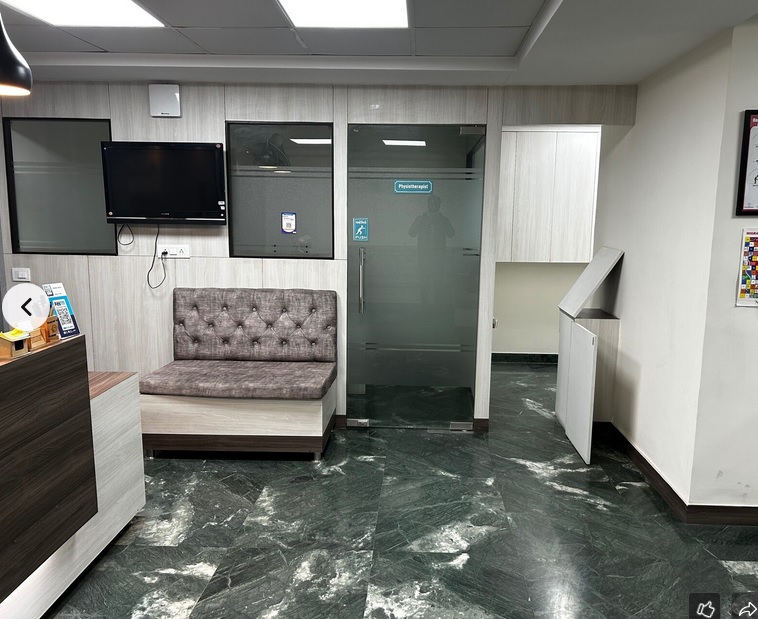
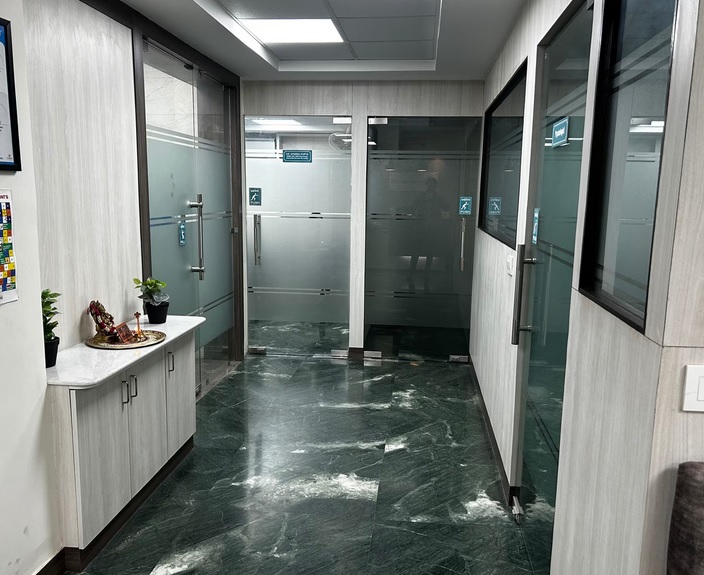
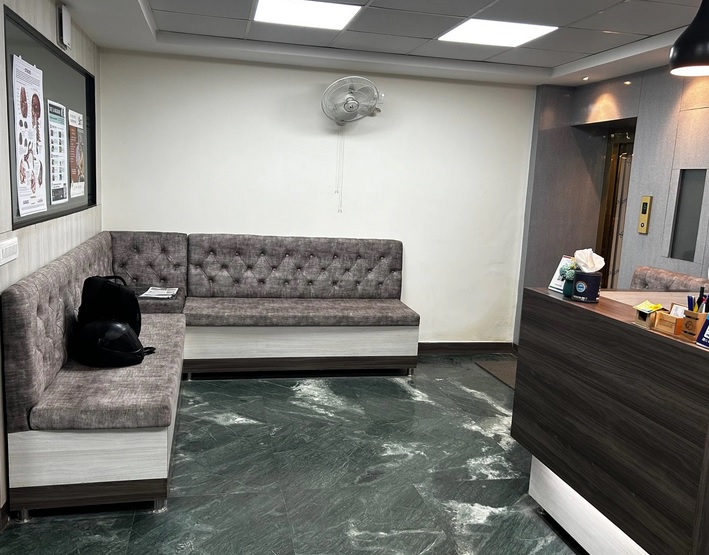
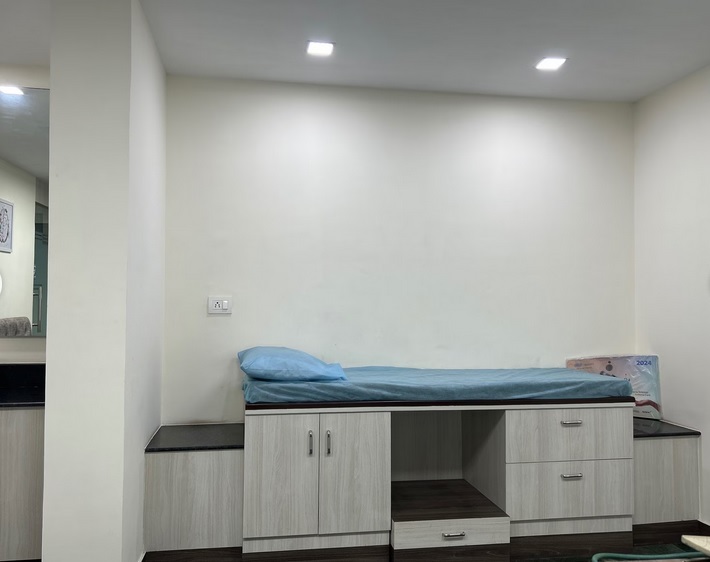
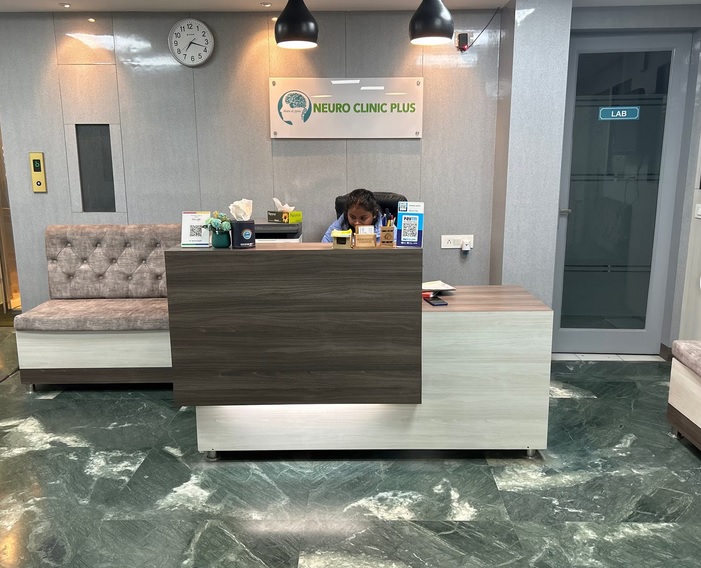
Neuro Clinic Plus is a dedicated neurology center focused on providing specialized care for patients with neurological disorders. The clinic is designed to offer comprehensive evaluation, diagnosis, treatment, and follow-up services under the guidance of experienced neurological specialists. Patients looking for an Epilepsy specialist in Safdarjung often prefer a clinic that combines medical expertise with patient-centered care.
Comprehensive Neurological Care
Neuro Clinic Plus provides evaluation and management for a wide range of neurological conditions, including:
- Epilepsy and seizure disorders
- Headaches and migraines
- Stroke and stroke recovery
- Neuropathy
- Movement disorders
- Memory and cognitive concerns
Advanced Diagnostic Support
Accurate diagnosis is essential for effective treatment. The clinic supports comprehensive neurological assessments that help identify the cause of symptoms and guide treatment decisions. Patients consulting an Epilepsy specialist in Safdarjung benefit from a structured diagnostic approach that focuses on long-term seizure management.
Patient-Focused Environment
At Neuro Clinic Plus, patient comfort and personalized attention are important priorities. The clinic aims to provide:
- Detailed consultations
- Individualized treatment plans
- Ongoing follow-up care
- Patient education and counseling
- Support for families and caregivers
Why Choose Neuro Clinic Plus?
Choosing the right neurology clinic can make a significant difference in treatment outcomes. Neuro Clinic Plus focuses on delivering high-quality neurological care through expert evaluation, evidence-based treatment, and continuous patient support. For individuals seeking an experienced Epilepsy specialist in Safdarjung, the clinic offers a comprehensive approach to diagnosis, treatment, and long-term neurological wellness.
Real Patient Experiences with Epilepsy Treatment
For many people, hearing about the experiences of other patients can provide confidence and reassurance when seeking treatment. While every epilepsy journey is different, many patients have successfully improved their seizure control and quality of life through expert neurological care. Consulting an experienced Epilepsy specialist in Safdarjung can help patients receive the right diagnosis, treatment, and long-term support.
Improved Seizure Control
Many epilepsy patients initially struggle with frequent seizures, uncertainty, and concerns about daily activities. With accurate diagnosis and a personalized treatment plan, many individuals experience a significant reduction in seizure frequency. Better seizure control often allows patients to return to work, education, and social activities with greater confidence.
Better Quality of Life
Effective epilepsy management can positively impact many aspects of life. Patients often report improvements in:
- Daily functioning
- Sleep quality
- Confidence and independence
- Emotional well-being
- Overall health and safety
Personalized Care Makes a Difference
One of the most common reasons patients appreciate specialized neurological care is the personalized approach to treatment. An experienced Epilepsy specialist in Safdarjung carefully evaluates each patient’s symptoms, medical history, and treatment response before making recommendations. This individualized care helps achieve better long-term results.
Ongoing Support and Follow-Up
Epilepsy management is an ongoing process. Regular follow-up appointments help monitor progress, adjust medications when necessary, and address new concerns. Patients often value having continuous access to expert guidance throughout their treatment journey.
Building Trust Through Expert Care
Successful epilepsy treatment is based on trust, communication, and evidence-based medical care. With proper diagnosis, timely intervention, and continuous support, many patients are able to manage epilepsy effectively and enjoy a more active, fulfilling life.
When Should You Book an Appointment with an Epilepsy Specialist?
Many people ignore early seizure symptoms or assume they will go away on their own. However, timely medical evaluation is important because early diagnosis and treatment can help prevent complications and improve long-term outcomes. Consulting an experienced Epilepsy specialist in Safdarjung at the right time can make a significant difference in seizure management and overall quality of life.
First-Time Seizure
A seizure should never be ignored, even if it happens only once. A first-time seizure may indicate an underlying neurological condition that requires professional evaluation. An Epilepsy specialist in Safdarjung can identify the cause and recommend appropriate investigations.
Frequent or Recurrent Seizures
If seizures occur repeatedly, it is important to seek specialized neurological care. Frequent seizures can affect daily activities, work, education, and personal safety. Early intervention may help achieve better seizure control.
Changes in Seizure Pattern
Patients who already have epilepsy should consult a specialist if they notice changes in seizure frequency, duration, or symptoms. Such changes may indicate the need for treatment adjustments or further evaluation.
Medication-Related Concerns
If epilepsy medications are causing side effects or do not appear to be controlling seizures effectively, a specialist can review the treatment plan and make necessary modifications.
When a Second Opinion Is Needed
Some patients seek a second opinion when seizures remain uncontrolled or when they want confirmation of a diagnosis. An experienced Epilepsy specialist in Safdarjung can provide a detailed assessment and help patients explore additional treatment options.
Don’t Delay Medical Care
Seeking timely neurological care can improve seizure control, reduce complications, and support a better quality of life. The sooner epilepsy is evaluated and treated, the better the chances of successful long-term management.
Frequently Asked Questions
Can epilepsy be completely cured?
The answer depends on the type and cause of epilepsy. Some people become seizure-free with treatment, while others may require long-term management. An experienced Epilepsy specialist in Safdarjung can determine the most appropriate treatment approach based on the patient’s condition.
What is the best treatment for epilepsy?
There is no single treatment that works for everyone. Treatment may include anti-epileptic medications, lifestyle changes, and ongoing monitoring. A personalized treatment plan from an Epilepsy specialist in Safdarjung often provides the best results.
How often should epilepsy patients visit a specialist?
The frequency of visits depends on seizure control, treatment response, and overall health. Newly diagnosed patients may need more frequent follow-ups, while stable patients may require periodic reviews.
Is epilepsy hereditary?
Some forms of epilepsy have a genetic component, meaning they can run in families. However, not every person with a family history of epilepsy will develop the condition.
Can children outgrow epilepsy?
Yes, certain types of childhood epilepsy may improve or disappear with age. However, regular monitoring is important to ensure proper management and long-term health.
What should I do if someone has a seizure?
Stay calm and protect the person from injury. Move nearby objects away, place them on their side if possible, and avoid putting anything in their mouth. Seek emergency medical help if the seizure lasts longer than five minutes.
Can epilepsy affect memory and concentration?
Some people with epilepsy may experience difficulties with memory, focus, or concentration. These issues may result from seizures, medications, or underlying neurological factors.
Is it safe to exercise with epilepsy?
In most cases, yes. Regular physical activity can support overall health and well-being. Patients should consult an Epilepsy specialist in Safdarjung to determine which activities are most suitable for their condition.
Can epilepsy patients live a normal life?
Many people with epilepsy lead active and productive lives. With proper diagnosis, effective treatment, and regular follow-up care, patients can successfully manage their condition and maintain a good quality of life.
Conclusion
Epilepsy is a manageable neurological condition when diagnosed and treated early. Understanding the symptoms, causes, seizure types, and treatment options can help patients make informed healthcare decisions. Timely medical attention is essential for achieving better seizure control and preventing complications.
Consulting an experienced Epilepsy specialist in Safdarjung provides access to accurate diagnosis, personalized treatment plans, advanced neurological evaluation, and long-term support. Specialized care can help patients reduce seizure frequency, improve daily functioning, and enhance their overall quality of life.
If you or a loved one is experiencing seizures or has been diagnosed with epilepsy, seeking expert neurological care is an important step toward better health. With the guidance of a trusted Epilepsy specialist in Safdarjung, many patients can successfully manage their condition, regain confidence, and lead safer, more fulfilling lives.