Tag Archive for: emergency stroke care

best stroke specialist in safdarjung

A stroke is a medical emergency that happens when blood flow to a part of the brain is cut off or reduced. Within minutes, brain cells begin to die from lack of oxygen. This is why doctors often say “time is brain” — the faster a person gets treatment, the better their chances of recovery.

This guide explains what causes a stroke, how to recognise the warning signs, what treatment looks like, and how to recover — in simple, everyday language.

What Is a Stroke?

A stroke occurs in two main ways:

  1. Ischemic stroke – A blood clot blocks an artery supplying the brain. This is the most common type, making up nearly 87% of all cases.
  2. Hemorrhagic stroke – A blood vessel in the brain bursts and bleeds into surrounding tissue.

There’s also a Transient Ischemic Attack (TIA), sometimes called a “mini-stroke.” Symptoms are similar but temporary — yet a TIA is a serious warning sign that a bigger stroke could follow soon.

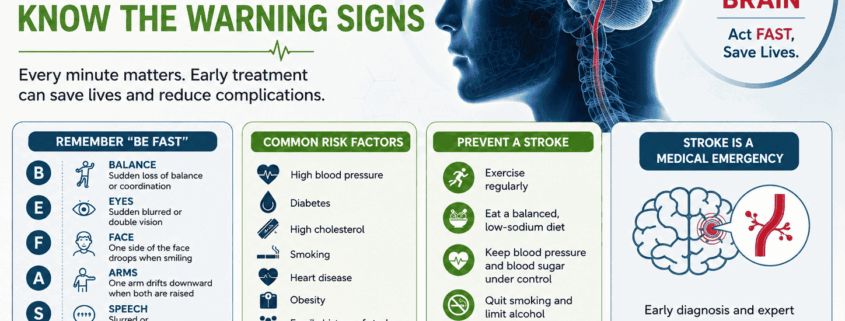
Warning Signs — Remember “BE FAST”

Recognising symptoms early can save a life. Use this simple checklist:

  • B – Balance: Sudden loss of balance or coordination
  • E – Eyes: Sudden blurred or double vision
  • F – Face: One side of the face droops when smiling
  • A – Arms: One arm drifts downward when both are raised
  • S – Speech: Slurred or confused speech
  • T – Time: Time to call emergency services immediately

Other symptoms may include a sudden severe headache, numbness on one side of the body, or sudden confusion. If you notice any of these signs — in yourself or someone else — don’t wait. Every minute matters.

What Causes a Stroke?

Several factors increase stroke risk:

  • High blood pressure (the single biggest risk factor)
  • Diabetes
  • High cholesterol
  • Smoking and excessive alcohol use
  • Heart disease, especially irregular heartbeat (atrial fibrillation)
  • Obesity and physical inactivity
  • Family history of stroke
  • Age above 55 (though strokes can occur at any age)

Many of these risks can be managed with lifestyle changes and regular medical checkups.

How Stroke Is Diagnosed

When a patient arrives at the hospital, doctors act quickly using:

  • CT scan or MRI – to see whether the stroke is ischemic or hemorrhagic
  • Blood tests – to check clotting factors and blood sugar
  • Carotid ultrasound and ECG – to find the underlying cause

An accurate diagnosis within the first hour is critical, since treatment options differ depending on the type of stroke.

Treatment Options

Treatment depends on the type and timing of the stroke:

  • Clot-busting medication (tPA): Effective if given within 4.5 hours of symptom onset for ischemic stroke.
  • Mechanical thrombectomy: A minimally invasive procedure to physically remove a large clot, often possible up to 24 hours after symptoms begin in select cases.
  • Surgery: Used for hemorrhagic strokes to relieve pressure or repair a burst vessel.
  • Medication management: Blood thinners, blood pressure control, and cholesterol-lowering drugs to prevent future strokes.

Because outcomes depend heavily on speed and expertise, consulting an experienced neurologist without delay makes a real difference to recovery.

Recovery and Rehabilitation

Recovery after a stroke is often a gradual process involving:

  • Physiotherapy – to rebuild strength, balance, and mobility
  • Speech therapy – for patients with speech or swallowing difficulties
  • Occupational therapy – to relearn daily activities like dressing or eating
  • Emotional support – since anxiety and depression are common after a stroke

Recovery timelines vary. Some patients regain most function within weeks; others need months of consistent therapy. Family support and a structured rehabilitation plan greatly improve long-term outcomes.

Preventing a Stroke

Prevention is often more effective than treatment. Simple steps include:

  • Keeping blood pressure and blood sugar under control
  • Eating a balanced, low-sodium diet
  • Exercising regularly (at least 30 minutes most days)
  • Quitting smoking and limiting alcohol
  • Getting regular health checkups, especially after age 40

If you’ve already had a TIA or mild stroke, prevention becomes even more important to avoid a second, potentially more severe, episode.

When to Consult a Specialist

If you or a family member has experienced any stroke symptoms — even mild or temporary ones — it’s important to get evaluated promptly. Delayed care increases the risk of permanent brain damage.

For residents looking for the best stroke specialist in Safdarjung Delhi, it helps to choose a neurologist who offers:

  • 24/7 emergency stroke care
  • Access to advanced imaging (CT/MRI) on-site
  • Experience with clot-removal procedures
  • A dedicated rehabilitation team for post-stroke recovery

Delhi has several well-equipped hospitals in and around Safdarjung with neurology departments capable of handling both emergency and long-term stroke care. When choosing a specialist, check their experience with acute stroke cases, hospital emergency response time, and patient reviews for follow-up care.

About Dr. Aparna Gupta — Neurologist in Safdarjung, Delhi

If you’re searching for the best stroke specialist in Safdarjung Delhi, Dr. Aparna Gupta is a well-known consultant neurologist practising in the area. With close to three decades of clinical experience, she currently sees patients at the Indian Spinal Injury Centre in Vasant Kunj and at her own Neuro Clinic in Safdarjung Enclave.

Qualifications and background:

  • MBBS, followed by MD in General Medicine and DNB in Neurology
  • Earlier worked as a Senior Resident in the Department of Cardiology and Neurology at Sir Ganga Ram Hospital
  • Has presented research at national and international forums, including the Stroke Conference at AIIMS Delhi, the International Epilepsy Conference, and conferences on nerve and muscle disorders

Areas of expertise: Dr. Gupta treats a wide range of neurological conditions, with particular focus on:

  • Stroke diagnosis and emergency management
  • Epilepsy and seizure disorders
  • Headache and migraine
  • Movement disorders and Parkinson’s disease
  • Dementia and memory-related conditions
  • Peripheral neuropathy and sleep disorders

Patients and their families often mention her patience, clear explanations, and calm approach during stressful situations like a stroke emergency — qualities that matter as much as clinical skill when a family is navigating a health crisis. Her clinic is easily accessible for residents in and around Safdarjung, making her a practical choice for both urgent consultations and long-term neurological follow-up.

Note: Consultation fees, OPD timings, and appointment availability may change, so it’s best to confirm directly with the clinic before visiting.

Frequently Asked Questions (FAQs)

  1. What is the first sign of a stroke? The earliest signs are often sudden facial drooping, arm weakness, and slurred speech — remembered easily using the BE FAST checklist covered above.
  2. Can a stroke be cured completely? There’s no single “cure,” but with prompt treatment and rehabilitation, many patients recover significant function. Outcomes depend on stroke type, severity, and how quickly treatment begins.
  3. How much time do I have to treat a stroke? Clot-busting medication works best within 4.5 hours of symptom onset, while some clot-removal procedures may help up to 24 hours later in select cases. Still, the sooner you act, the better.
  4. Is stroke only common in older adults? No. While risk increases with age, strokes can occur in younger people too, especially those with uncontrolled blood pressure, diabetes, or heart conditions.
  5. What is the difference between a stroke and a heart attack? A stroke affects blood flow to the brain, while a heart attack affects blood flow to the heart muscle. Both are emergencies but involve different organs and symptoms.
  6. Can a TIA (mini-stroke) be ignored if symptoms go away? No. A TIA is a warning sign, not a one-off event. It significantly raises the risk of a full stroke soon after, so medical evaluation is essential.
  7. What tests are done to confirm a stroke? Doctors typically use a CT scan or MRI to check the brain, along with blood tests and heart monitoring (ECG) to identify the cause.
  8. How long does stroke recovery take? Recovery varies widely — some people regain most function in a few weeks, while others need months of physiotherapy, speech therapy, and occupational therapy.
  9. Can stroke be prevented? Yes, to a large extent. Controlling blood pressure, diabetes, and cholesterol, along with regular exercise and avoiding smoking, significantly lowers stroke risk.
  10. Is stroke treatment available as an emergency service in Delhi? Yes, several hospitals and clinics around Safdarjung and South Delhi offer 24/7 emergency neurology care, including access to a stroke specialist for immediate evaluation.
  11. What should I do if someone near me shows stroke symptoms? Call emergency services immediately, note the time symptoms started, and avoid giving the person food, water, or medication until medical help arrives.
  12. How do I choose the right stroke specialist near me? Look for a neurologist with experience in acute stroke care, access to on-site imaging, a track record with clot-removal procedures, and a good rehabilitation team for follow-up care.

Conclusion

Stroke is a medical emergency where every minute counts. Knowing the warning signs, acting quickly, and getting the right specialist involved can make the difference between full recovery and long-term disability. Managing risk factors like blood pressure, diabetes, and lifestyle habits goes a long way in prevention, while timely treatment and consistent rehabilitation support recovery after a stroke.

If you or a loved one are looking for the best stroke specialist in Safdarjung Delhi, choosing an experienced neurologist like Dr. Aparna Gupta — someone familiar with both emergency stroke care and long-term neurological follow-up — can offer peace of mind during a difficult time. When it comes to stroke, don’t wait and watch. Act fast, and get expert help right away.

Key Takeaways

  • Stroke is a medical emergency — act FAST.
  • Ischemic and hemorrhagic strokes need different treatments.
  • Early treatment within the first few hours greatly improves outcomes.
  • Rehabilitation plays a major role in regaining independence.
  • Managing blood pressure, diabetes, and lifestyle habits lowers stroke risk significantly.
  • Choosing an experienced, well-equipped specialist can make a critical difference in both emergency response and recovery.
 

Stroke specialist in Safdarjung

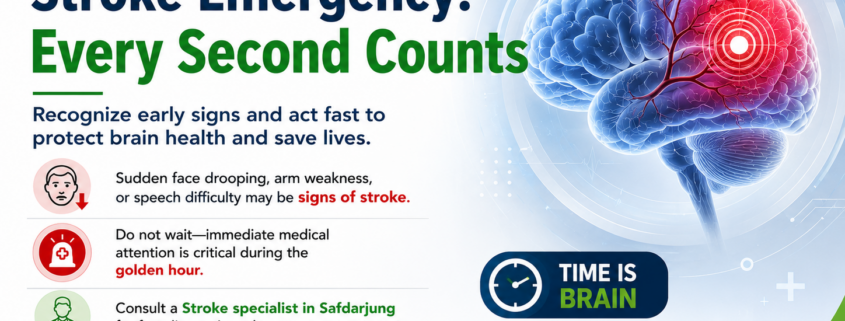
A stroke is a life-threatening medical emergency that occurs when blood flow to the brain is suddenly blocked or reduced, causing brain cells to die within minutes. In such critical situations, every second matters, which is why immediate medical attention can make a huge difference in recovery and survival. Many patients and families search for a Stroke specialist in Safdarjung when they notice sudden neurological symptoms, as quick access to expert care is essential during the golden hour of stroke treatment.

A Stroke specialist in Safdarjung plays a crucial role in diagnosing the condition quickly and starting emergency treatment to minimize brain damage. Delay in treatment can lead to long-term disability, speech problems, or even loss of life. That is why people often look for the best Stroke specialist in Safdarjung who can provide fast and accurate neurological care.

In the Safdarjung area, advanced neurological facilities and expert doctors are available to handle stroke emergencies efficiently. Early recognition of symptoms and immediate consultation with a specialist can significantly improve recovery outcomes and help patients return to a normal life.

What is a Stroke? Understanding the Condition Clearly

A stroke is a serious neurological condition that occurs when the blood supply to a part of the brain is interrupted or reduced. Without oxygen and nutrients, brain cells start dying within minutes, which can lead to permanent damage if not treated immediately. Understanding this condition is important for early action and better recovery outcomes.

There are mainly two types of stroke. The first is ischemic stroke, which happens when a blood clot blocks an artery supplying blood to the brain. The second is hemorrhagic stroke, which occurs when a blood vessel in the brain bursts, causing bleeding and pressure on brain tissues. Both conditions require urgent medical intervention from a Stroke specialist in Safdarjung or any nearby emergency neuro care center.

In some cases, patients may also experience a Transient Ischemic Attack (TIA), often called a mini-stroke, which serves as a warning sign of a major stroke in the future. Ignoring these early signs can be dangerous. That is why consulting the best Stroke specialist in Safdarjung at the right time is crucial for accurate diagnosis and immediate treatment.

Early understanding of stroke helps patients and families respond quickly and reduce the risk of long-term complications.

Early Warning Signs of Stroke You Should Never Ignore (FAST Method)

Recognizing the early signs of stroke is extremely important because quick action can save a life and reduce brain damage. One of the simplest ways to identify a stroke is the FAST method, which is widely used in emergency neurology.

F – Face drooping: One side of the face may appear uneven or droopy. Ask the person to smile and check if it looks asymmetrical.
A – Arm weakness: The person may not be able to lift one arm properly or may feel sudden weakness or numbness.
S – Speech difficulty: Speech may become slurred, unclear, or the person may struggle to speak or understand words.
T – Time to act fast: If any of these symptoms appear, it is critical to immediately contact a Stroke specialist in Safdarjung or rush to the nearest emergency hospital.

Other warning signs may include sudden vision loss, severe headache, dizziness, or loss of balance. These symptoms should never be ignored, even if they disappear after a few minutes.

Timely consultation with the best Stroke specialist in Safdarjung ensures rapid diagnosis and immediate treatment, which can significantly improve recovery chances and prevent permanent brain damage.

When Should You Visit a Stroke Specialist in Safdarjung?

Many people delay treatment because they are unsure whether symptoms are serious, but in stroke cases, waiting can cause permanent brain damage. You should immediately consult a Stroke specialist in Safdarjung if any sudden neurological symptom appears, even if it lasts only a few minutes. Stroke symptoms often come without warning and require urgent medical attention.

You must not ignore sudden weakness or numbness in the face, arm, or leg, especially on one side of the body. If a person experiences difficulty speaking, understanding words, or slurred speech, it may indicate an ongoing brain stroke. Other critical signs include sudden vision loss, loss of balance, dizziness, or confusion without any clear reason.

A sudden severe headache that feels different from normal headaches should also be treated as an emergency. In such cases, reaching the best Stroke specialist in Safdarjung quickly is essential because early diagnosis can help save brain cells and reduce long-term disability.

According to modern stroke guidelines, treatment in the first few hours is the most important factor for recovery. That is why immediate consultation with a specialist is not optional but a life-saving decision in stroke emergencies.

Who is the Best Stroke Specialist in Safdarjung?

Choosing the right doctor during a stroke emergency is critical because every minute affects brain survival and recovery. The best Stroke specialist in Safdarjung is defined not just by qualifications, but by emergency response capability and treatment accuracy.

A reliable stroke specialist should have the following qualities:

  • Quick emergency response to handle stroke cases without delay
  • Expertise in treating both ischemic stroke and hemorrhagic stroke
  • Strong knowledge of golden hour stroke management
  • Ability to make fast and accurate diagnosis
  • Access to advanced neurological diagnostic support
  • Experience in handling critical brain emergency cases
  • Clear communication with patients and family during emergencies
  • Focus on both immediate treatment and long-term recovery planning

In Safdarjung, patients often search for a Stroke specialist in Safdarjung who can provide immediate attention during emergencies. A good specialist ensures that treatment starts as early as possible to prevent brain damage and improve survival chances.

Ultimately, the best Stroke specialist in Safdarjung is the one who prioritizes speed, precision, and patient safety—because in stroke care, timely action saves lives and reduces long-term disability.

Expert Guidance for Stroke Care by Dr. Aparna Gupta in Safdarjung

In the Safdarjung region, patients often look for trusted neurological care during emergencies, and one such experienced specialist is Dr Aparna Gupta. She brings 22+ years of experience in the field of neurology and is known for her clinical expertise in diagnosing and managing complex neurological conditions, including stroke and other brain-related disorders.

Patients seeking a Stroke specialist in Safdarjung often prefer consultation with Dr. Aparna Gupta due to her focused approach toward early diagnosis, emergency evaluation, and structured treatment planning. Her practice emphasizes identifying stroke symptoms at the earliest stage to reduce brain damage and improve recovery outcomes.

Key aspects of her neurological care approach include:

  • Careful evaluation of stroke symptoms and neurological deficits
  • Focus on timely emergency intervention during critical cases
  • Use of evidence-based treatment strategies for brain-related conditions
  • Patient-centered communication for better understanding of conditions
  • Guidance for long-term recovery and rehabilitation support

Many individuals consider her among the best Stroke specialist in Safdarjung due to her strong experience of 22+ years and commitment to neurological care and patient safety. In stroke management, where every second is crucial, her approach focuses on fast decision-making and effective treatment response to improve patient outcomes.

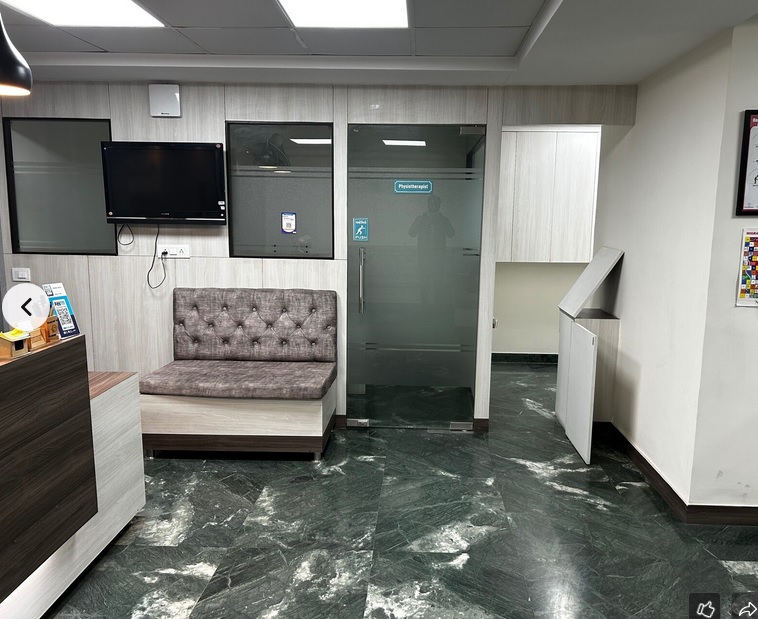
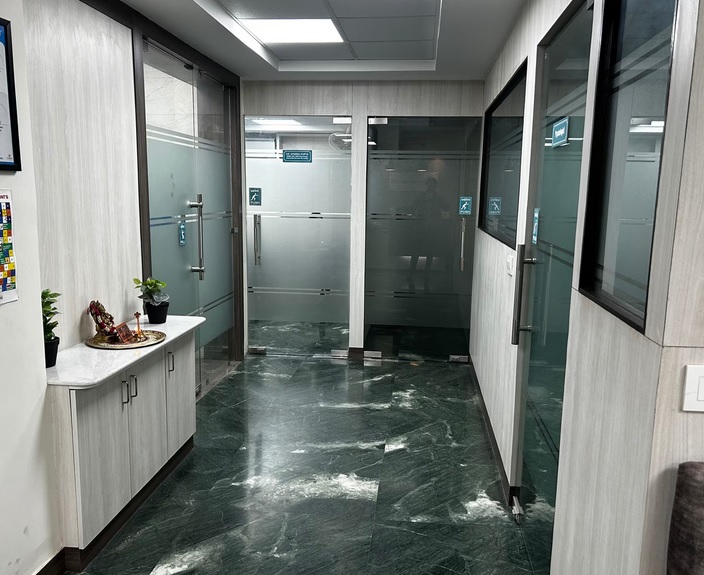
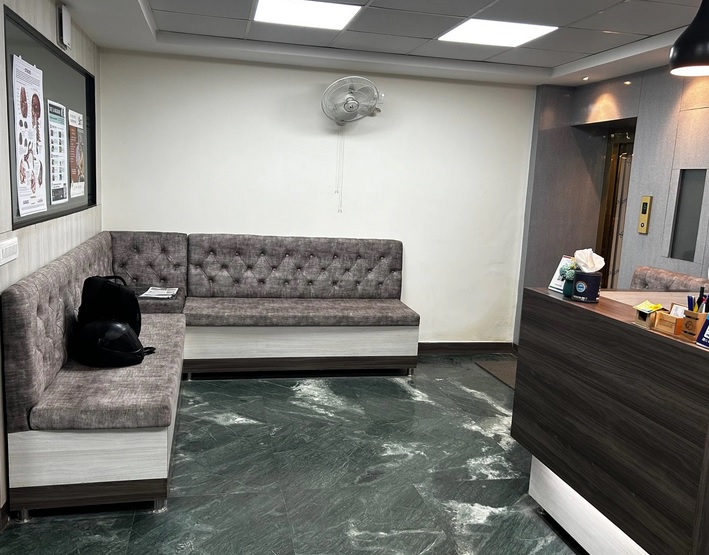
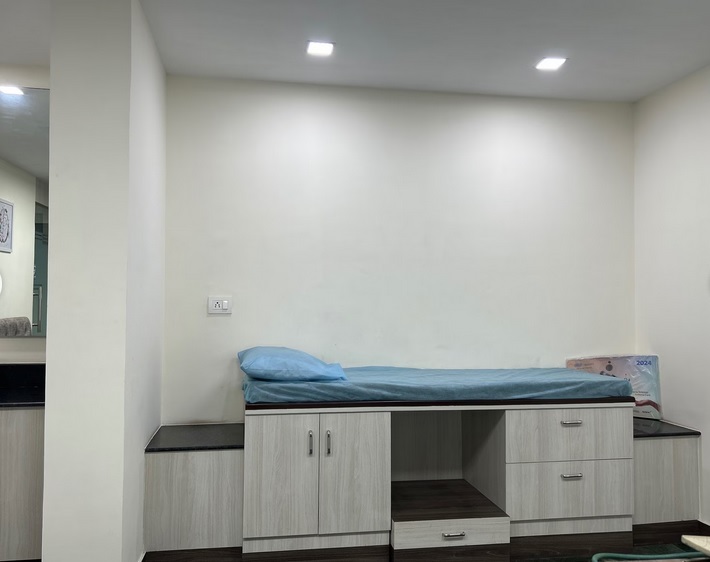
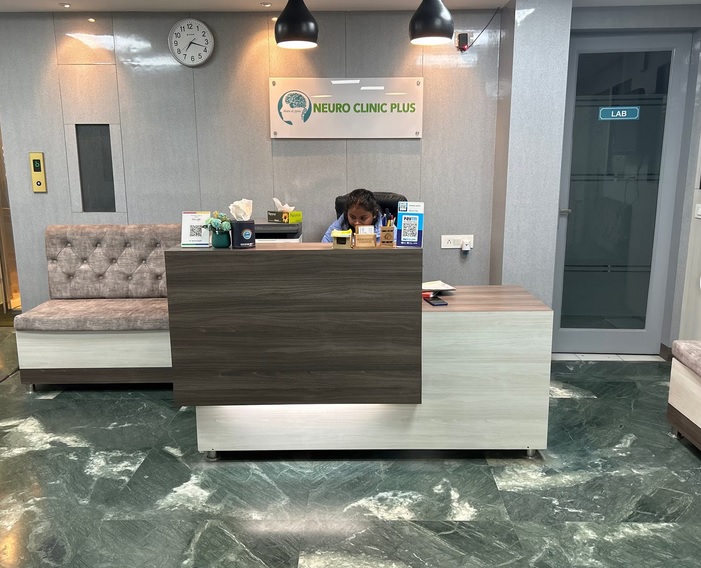
Neuro Clinic Plus – Advanced Neurology Care in Safdarjung

Trusted Neurology Care in Safdarjung

For patients searching for reliable and advanced neurological treatment, Neuro Clinic Plus is a trusted name in the region. It is a dedicated neurology-focused clinic that provides comprehensive care for brain, nerve, and stroke-related conditions with a strong emphasis on timely diagnosis, emergency evaluation, and effective treatment planning.

Why Patients Prefer Neuro Clinic Plus for Stroke Care

Many patients looking for a Stroke specialist in Safdarjung prefer Neuro Clinic Plus because it offers structured neurological care where every case is assessed with urgency, especially when stroke symptoms are suspected. Since stroke is a time-sensitive condition, the clinic focuses on ensuring that patients receive quick medical attention and accurate clinical evaluation without delay.

Focus on Early Diagnosis and Emergency Response

The approach at Neuro Clinic Plus is centered around early detection of neurological problems and guiding patients toward appropriate treatment pathways. In emergency situations, the priority is always to stabilize the patient and reduce the risk of brain damage through fast and effective decision-making. This is why many people consider it among the options when searching for the best Stroke specialist in Safdarjung, as timely intervention plays a key role in improving recovery outcomes and reducing long-term disability.

Diagnosis and Emergency Stroke Treatment Options

How Stroke is Diagnosed Quickly

Accurate and fast diagnosis is the most important step in managing a stroke. When a patient arrives with symptoms, a Stroke specialist in Safdarjung immediately evaluates neurological signs and medical history to identify the type and severity of stroke. Brain imaging such as CT scan or MRI scan is commonly used to confirm whether the stroke is ischemic or hemorrhagic, as both require completely different treatment approaches.

Emergency Treatment for Ischemic Stroke

In cases of ischemic stroke, where a blood clot blocks blood flow to the brain, treatment focuses on restoring circulation as quickly as possible. Doctors may use clot-dissolving medications such as thrombolysis (tPA) within the critical time window. In some severe cases, mechanical procedures may be required to physically remove the clot and restore blood flow.

Management of Hemorrhagic Stroke

When a stroke is caused by bleeding in the brain, immediate treatment focuses on controlling the bleeding and reducing pressure on brain tissues. This may include blood pressure control, medications, and in some cases surgical intervention depending on the severity of the condition.

Importance of Rapid Medical Response

In stroke emergencies, time is the most critical factor. Consulting the best Stroke specialist in Safdarjung within the first few hours can significantly reduce brain damage and improve recovery chances. Quick diagnosis and immediate treatment play a vital role in saving both life and brain function.

Recovery and Rehabilitation After Stroke

Importance of Post-Stroke Recovery Care

Recovery after a stroke does not end with emergency treatment. It is a long-term process where proper rehabilitation plays a key role in restoring brain function and improving quality of life. After initial treatment from a Stroke specialist in Safdarjung, patients often require continuous care to regain strength, speech, and movement abilities.

Physical and Neurological Rehabilitation

Rehabilitation may include physiotherapy to improve muscle strength and mobility, especially in patients who experience weakness or paralysis on one side of the body. Regular exercises help the brain rewire itself and recover lost functions over time under medical supervision.

Speech and Cognitive Therapy

Some stroke patients may face difficulty in speaking, understanding language, or memory issues. In such cases, speech therapy and cognitive rehabilitation are essential to help restore communication skills and mental clarity.

Long-Term Medical Follow-Up

Ongoing follow-up with the best Stroke specialist in Safdarjung is important to monitor recovery progress and prevent future strokes. Regular checkups help manage risk factors like blood pressure, diabetes, and cholesterol.

Lifestyle Support for Better Recovery

Healthy lifestyle changes such as a balanced diet, regular physical activity, and stress management also support faster recovery and reduce the chances of recurrence, improving overall brain health.

How to Prevent Future Stroke Episodes

Control of Medical Risk Factors

  • Maintain BP, diabetes, and cholesterol in strict control
  • Never skip medicines prescribed for long-term management
  • Regular follow-up with a Stroke specialist in Safdarjung is essential to prevent recurrence

Healthy Diet for Brain Protection

  • Focus on fresh fruits, vegetables, and whole grains
  • Avoid salt, sugar, fried, and processed foods
  • Keep diet simple, balanced, and heart-friendly

Regular Physical Activity

  • Do daily walking or light exercise without fail
  • Improves blood flow to the brain and heart health
  • Helps in preventing obesity-related stroke risk

Avoid Harmful Habits 

  • STOP SMOKING completely
  • Avoid alcohol strictly
  • These are major risk triggers for stroke recurrence

Medical Follow-Up 

  • Do regular checkups with a neurologist
  • Monitor any early warning signs of another stroke
  • Follow treatment changes strictly under the best Stroke specialist in Safdarjung

Stress & Sleep Control (VERY IMPORTANT)

  • Maintain 7–8 hours of proper sleep daily
  • Practice stress control techniques like meditation
  • Long-term stress is a silent risk factor for stroke

Why Choosing the Right Stroke Specialist in Safdarjung Matters

Time is the Most Critical Factor in Stroke Care

In stroke emergencies, every minute counts because brain cells start dying rapidly when blood flow is interrupted. Choosing the right Stroke specialist in Safdarjung ensures that diagnosis and treatment begin without delay, which can significantly reduce brain damage and improve survival chances.

Accurate Diagnosis and Faster Decision-Making

A skilled specialist can quickly identify whether the stroke is ischemic or hemorrhagic and immediately start the correct treatment plan. This fast decision-making is one of the key reasons people search for the best Stroke specialist in Safdarjung during emergencies.

Better Emergency Management and Outcomes

The right specialist ensures proper coordination of emergency care, imaging, medication, and monitoring. This structured approach leads to better recovery outcomes and lower risk of long-term disability, especially when treatment is given in the early hours.

Long-Term Recovery and Prevention Support

Stroke care does not end after emergency treatment. A qualified neurologist also guides patients through rehabilitation, lifestyle correction, and prevention strategies to avoid future strokes.

Frequently Asked Questions (FAQs)

1. What are the early signs of stroke?

Early signs include sudden face drooping, arm weakness, speech difficulty, vision loss, dizziness, or severe headache. Immediate consultation with a Stroke specialist in Safdarjung is essential.

2. What should I do during a stroke emergency?

Call emergency help immediately and reach hospital fast. Do not wait or give home treatment, as quick action with a Stroke specialist in Safdarjung can save brain function.

3. Can stroke happen without warning?

Yes, stroke often occurs suddenly without prior warning. That is why recognizing symptoms early and contacting the best Stroke specialist in Safdarjung is very important for survival.

4. What causes a brain stroke?

Stroke is mainly caused by blocked blood flow or brain bleeding. Risk factors include high BP, diabetes, smoking, cholesterol, and unhealthy lifestyle habits.

5. Is stroke treatable if caught early?

Yes, early treatment greatly improves recovery. Timely care from a Stroke specialist in Safdarjung can reduce brain damage and increase chances of full or partial recovery.

6. What is the golden hour in stroke?

The golden hour is the first few hours after stroke symptoms start. Treatment during this time is most effective in saving brain cells and reducing disability.

7. Who is at high risk of stroke?

People with high blood pressure, diabetes, heart disease, smoking habit, obesity, or family history are at higher risk and should have regular checkups.

8. Can young people get stroke?

Yes, stroke can also occur in young individuals due to stress, lifestyle issues, smoking, drug use, or underlying medical conditions.

9. What tests are done for stroke diagnosis?

Doctors usually perform CT scan, MRI brain, blood tests, and neurological examination to confirm stroke type and decide treatment quickly.

10. How long is stroke recovery time?

Recovery varies from weeks to months depending on severity, treatment speed, and rehabilitation under a Stroke specialist in Safdarjung.

11. Can stroke be prevented?

Yes, stroke can often be prevented by controlling BP, diabetes, cholesterol, avoiding smoking, exercising regularly, and maintaining a healthy diet.

12. Why choose a stroke specialist in Safdarjung?

A Stroke specialist in Safdarjung provides quick diagnosis, emergency stroke management, and advanced neurological care, which is crucial for saving brain function and improving outcomes.

Conclusion: 

Stroke is a medical emergency where every second matters, and delaying treatment can lead to permanent brain damage or disability. Early recognition of symptoms and immediate action can significantly improve survival and recovery outcomes. That is why timely consultation with a Stroke specialist in Safdarjung is extremely important in suspected stroke cases.

Choosing the right expert ensures fast diagnosis, accurate treatment, and proper emergency care, which are essential during the critical golden hours of stroke management. Many patients prefer the best Stroke specialist in Safdarjung because quick medical response can help preserve brain function and reduce long-term complications.

Facilities like Neuro Clinic Plus and experienced neurologists such as Dr Aparna Gupta play an important role in providing structured neurological care, especially during emergencies.

The key message is simple: do not ignore early warning signs of stroke. Immediate medical attention, lifestyle management, and regular follow-ups can protect brain health and prevent future attacks. In stroke care, fast action truly saves lives and improves recovery quality.