
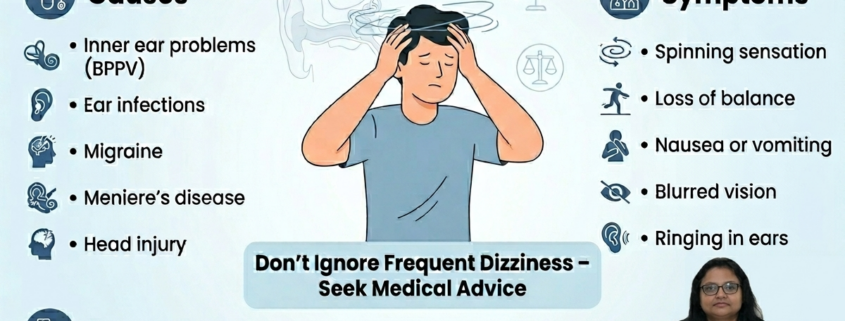
Dizziness is a common health concern that can affect people of all ages. It may feel like lightheadedness, unsteadiness, or a sensation that the surroundings are spinning. While occasional dizziness is usually harmless, frequent or severe episodes can interfere with daily activities and may indicate an underlying medical condition.
One of the most common causes of dizziness is vertigo, a condition that creates a false sense of movement or spinning. It is often linked to problems in the inner ear or the balance centers of the brain. Many people ignore early symptoms, assuming they are minor, but understanding the root cause is essential for proper treatment.
2. Understanding Dizziness
Dizziness is a common feeling that many people experience at some point. It can make you feel lightheaded, weak, unsteady, or like you might faint. It is not a disease but a symptom that something in your body may not be working properly.
Many people get confused between dizziness and vertigo. Dizziness is a general feeling of imbalance, while vertigo is a specific type of dizziness where you feel like you or your surroundings are spinning.
There are different types of dizziness:
- Vertigo: Feeling like the room is spinning
- Imbalance: Trouble maintaining balance while standing or walking
- Faint feeling: Feeling like you might pass out
These symptoms can make daily activities like walking, standing, or even focusing difficult. Understanding what kind of dizziness you are experiencing can help in finding the right cause and treatment.
3. What Is Vertigo?
Vertigo is a type of dizziness where you feel like everything around you is spinning or moving, even when you are standing still. It can be mild for some people, but for others, it can be very uncomfortable and disturbing.
Vertigo usually happens due to problems in the inner ear or the brain, which are responsible for maintaining balance. The inner ear helps your body understand movement and position. When there is a disturbance in this system, it can send wrong signals to the brain, causing a spinning sensation.
Some people experience vertigo for a few seconds, while others may have it for minutes or even hours. It can affect daily activities like walking, standing, or turning your head. Understanding vertigo is important so that you can identify the symptoms early and seek the right treatment.
4. Common Causes of Dizziness
Dizziness can happen due to many simple and common reasons. In most cases, it is not serious and can be managed easily once you understand the cause.
1. Dehydration
Not drinking enough water can reduce the amount of blood reaching your brain, which may make you feel dizzy or weak. This is more common in hot weather or after physical activity. Signs like dry mouth, tiredness, and dark urine can also indicate dehydration.
2. Low Blood Pressure
A sudden drop in blood pressure, especially when you stand up quickly, can cause a brief feeling of lightheadedness. This usually lasts for a few seconds but can be uncomfortable. It is more common in older adults or people who are not eating or drinking properly.
3. Stress and Anxiety
When you are stressed or anxious, your breathing pattern changes and your body becomes tense. This can lead to dizziness or a floating feeling. Panic attacks may also cause sudden dizziness along with a fast heartbeat.
4. Medication Side Effects
Some medicines can affect your balance or blood pressure, leading to dizziness. This may happen when you start a new medicine or change the dose. It is important to consult a doctor if dizziness continues.
5. Low Blood Sugar
If you skip meals or eat very little, your blood sugar levels can drop. This can make you feel weak, shaky, sweaty, and dizzy. Eating regular and balanced meals helps maintain stable energy levels.
6. Unhealthy Lifestyle Habits
Poor sleep, irregular routine, excessive caffeine, or long screen time can also cause dizziness. Maintaining a healthy lifestyle plays an important role in preventing such symptoms.
5. Major Causes of Vertigo
Vertigo happens when there is a problem in the inner ear or brain, which helps control your balance. It makes you feel like you or everything around you is spinning, even when you are still.
1. BPPV (Benign Paroxysmal Positional Vertigo)
This is one of the most common causes of vertigo. It happens when small calcium particles in the inner ear move out of their normal place. These particles disturb the balance signals sent to the brain. BPPV usually causes short but repeated episodes of spinning sensation. It often starts when you change your head position, such as turning in bed, bending down, or looking upward. Even simple movements can trigger dizziness, but the episodes usually last only a few seconds to minutes.
2. Inner Ear Infections
Inner ear infections like labyrinthitis and vestibular neuritis can affect the balance system. These are mostly caused by viral infections and sometimes after a cold or flu. They can lead to sudden and strong vertigo that may last for days. Along with dizziness, a person may feel nausea, vomiting, and difficulty walking straight. In some cases, hearing may also be temporarily affected.
3. Meniere’s Disease
Meniere’s disease is a long-term condition where fluid builds up inside the inner ear. This extra pressure disturbs balance and hearing signals. It causes repeated vertigo attacks that can last from minutes to hours. During an episode, a person may also experience ringing in the ears, a blocked feeling in the ear, and hearing loss that may come and go. The attacks can happen suddenly and affect daily life.
4. Migraine-Related Vertigo
Some people who suffer from migraines also experience vertigo. This is called vestibular migraine. It may happen even without a headache. During these episodes, a person may feel spinning dizziness, sensitivity to light or sound, and difficulty focusing. Triggers like stress, lack of sleep, certain foods, or hormonal changes can make it worse.
5. Head Injury
A fall, accident, or blow to the head can affect the inner ear or brain areas that control balance. This can lead to vertigo either immediately after the injury or after a few days. In some cases, dizziness may come and go, especially when moving the head or changing position.
6. Brain-Related Problems
In rare cases, vertigo can be caused by serious brain conditions like stroke or other neurological disorders. These conditions may also show other symptoms such as weakness in the body, difficulty speaking, double vision, or loss of coordination. Such cases are serious and need immediate medical attention.
6. Symptoms of Vertigo
Vertigo symptoms can vary from person to person, but most people describe it as a disturbing spinning or moving feeling. These symptoms can appear suddenly and may last for a few seconds, minutes, or sometimes longer.
1. Spinning Sensation
The main symptom of vertigo is a spinning feeling. You may feel like you are moving or the room around you is rotating, even when you are completely still. This sensation often becomes stronger when you change your head position, such as turning, bending, or getting up quickly.
2. Loss of Balance
Vertigo can affect your body’s balance system. You may feel unsteady while standing or walking, and it may feel like you could fall at any moment. Because of this, simple activities like walking in a straight line or climbing stairs can become difficult and unsafe.
3. Nausea and Vomiting
The strong spinning sensation can affect the stomach and brain connection, leading to nausea. In many cases, people also feel like vomiting or may actually vomit during a severe vertigo attack. This can make the episode more uncomfortable and exhausting.
4. Headache or Pressure in Head
Some people may feel a dull headache or heaviness in the head during vertigo. Others may experience a feeling of pressure or tightness, especially when the episode lasts longer.
5. Blurred or Unstable Vision
Vertigo can disturb your vision and make it hard to focus. Objects may look blurry, shaky, or moving. This happens because the brain is confused by mixed signals from the balance system.
6. Ringing or Noise in Ears (Tinnitus)
Many people with vertigo also hear ringing, buzzing, or humming sounds in one or both ears. This is more common in inner ear-related conditions like Meniere’s disease.
7. Sweating, Weakness, and Fatigue
During a vertigo attack, the body may react with sweating, weakness, and tiredness. You may feel drained even after the episode ends, as the body takes time to recover from the imbalance.
7. When to Seek Medical Help
Dizziness or vertigo is often harmless, but in some cases, it can indicate a more serious underlying condition. If symptoms are sudden, severe, or recurring, medical evaluation should not be delayed. Early diagnosis helps in identifying the exact cause and prevents complications.
Immediate medical attention is required if any of the following warning signs are present:
- Sudden and intense dizziness that makes standing or walking difficult
- Loss of balance with frequent stumbling or falls
- Difficulty in speaking clearly or understanding speech
- Blurred vision, double vision, or sudden visual disturbances
- Persistent nausea or vomiting that does not improve
- Weakness, numbness, or tingling in the face, arms, or legs
- Confusion, disorientation, or difficulty concentrating
Frequent or long-lasting episodes of dizziness or vertigo should also be evaluated, even if symptoms appear mild. Repeated attacks may indicate an underlying ear, brain, or neurological condition that requires proper treatment.
Timely consultation with a healthcare professional ensures accurate diagnosis and appropriate management, improving overall safety and quality of life.
8. Diagnosis of Vertigo
Diagnosing vertigo involves understanding the patient’s symptoms in detail and identifying the underlying cause. Since vertigo can be related to the inner ear, brain, or other health conditions, a proper medical evaluation is important for accurate treatment.
The process usually begins with a detailed medical history, where the doctor asks about the nature of dizziness, how often it occurs, how long it lasts, and what triggers it. This helps in understanding whether the issue is related to the ear, brain, or lifestyle factors.
After this, a physical examination is done to check balance, eye movement, and coordination. In many cases, specific bedside tests are performed to observe how the body reacts to head movements.
Depending on the symptoms, additional tests may be recommended, such as:
- Hearing tests to check inner ear function
- Balance tests to evaluate coordination and stability
- Blood tests to rule out infections or other medical conditions
- MRI or CT scans to examine brain structure in more complex cases
Accurate diagnosis is essential because treatment depends entirely on the underlying cause. Identifying the root problem helps in selecting the most effective therapy and preventing future episodes of vertigo.
9. Treatment Options for Vertigo
Treatment for vertigo depends on its underlying cause and severity. In many cases, symptoms can be managed effectively with a combination of medicines, therapies, and lifestyle changes. Proper treatment helps reduce episodes and improve balance.
1. Medications
Doctors may prescribe medicines to control dizziness, nausea, and vomiting during vertigo attacks. In some cases, drugs are also given to treat inner ear inflammation or infections. These medicines help in reducing symptoms and providing quick relief during severe episodes.
2. Vestibular Rehabilitation Therapy (VRT)
This is a special type of exercise-based therapy that helps improve balance. It trains the brain to adjust to abnormal signals coming from the inner ear. Over time, it reduces dizziness and helps patients regain stability during movement.
3. Canal Repositioning Maneuvers
In conditions like BPPV, specific head movements such as the Epley maneuver are used. These movements help shift the displaced calcium particles in the inner ear back to their correct position, reducing spinning sensations.
4. Treating Underlying Conditions
If vertigo is caused by infections, migraines, or other health issues, treating the root cause is essential. Managing conditions like high blood pressure, diabetes, or ear infections can significantly reduce vertigo episodes.
5. Lifestyle Modifications
Simple lifestyle changes such as staying hydrated, avoiding sudden head movements, managing stress, and getting enough sleep can help prevent recurring episodes.
10. Home Remedies & Prevention Tips
Vertigo and dizziness can often be reduced by making small but consistent changes in daily habits. Along with medical treatment, home care plays an important role in preventing frequent episodes and improving overall balance.
It is important to maintain proper hydration and nutrition throughout the day, as even mild dehydration or skipped meals can trigger dizziness. A stable routine helps the body maintain steady energy levels and reduces sudden imbalance.
- Drink enough water throughout the day to avoid dehydration
- Eat regular, balanced meals to maintain stable blood sugar levels
- Avoid sudden head or body movements, especially when getting up from bed
- Get proper sleep every night to support brain and body recovery
- Reduce stress through relaxation techniques like deep breathing or meditation
- Limit caffeine, alcohol, and smoking as they can worsen symptoms
- Avoid bright lights and loud environments during active vertigo episodes
In addition to these tips, it is helpful to take rest during dizziness episodes and avoid activities that require focus, such as driving or operating machinery. Keeping the environment safe and clutter-free can also reduce the risk of falls.
Consistent lifestyle management can significantly reduce the frequency and intensity of vertigo attacks over time.
11. Living with Vertigo
Living with vertigo can be challenging, especially when episodes occur suddenly and affect daily routine. However, with proper care, awareness, and small lifestyle adjustments, it is possible to manage symptoms effectively and maintain a normal life.
1. Understanding Daily Challenges
Vertigo can interfere with simple activities like walking, working, or even turning the head. Many people feel anxious about sudden episodes, which can further increase discomfort. Understanding the condition helps in handling it better.
2. Managing Routine Activities
Daily activities should be done slowly and carefully to avoid sudden dizziness. Rushing or quick movements can trigger symptoms, so maintaining a steady pace is important.
- Move slowly when changing positions (lying to sitting or standing)
- Take short breaks during work or physical activity
- Avoid sudden head movements
3. Safety Precautions at Home
Creating a safe environment reduces the risk of falls and injuries during vertigo episodes.
- Use support like handrails on stairs
- Keep rooms well-lit and clutter-free
- Sit or lie down immediately during dizziness
4. Lifestyle Adjustments
Healthy habits can help reduce the frequency and severity of vertigo attacks.
- Maintain regular sleep patterns
- Stay hydrated and eat balanced meals
- Reduce stress through relaxation techniques
- Avoid alcohol and excessive caffeine
5. Emotional Well-being
Living with repeated episodes can sometimes cause anxiety or fear. Staying calm and following medical advice can improve confidence and quality of life over time.
12. FAQs
1. Is vertigo a serious condition?
Vertigo itself is not always serious, but it can be a symptom of underlying problems related to the inner ear or brain. In some cases, it may indicate conditions that need medical attention, so it should not be ignored if it is frequent or severe.
2. How long does vertigo last?
The duration of vertigo varies depending on the cause. It may last for a few seconds in some cases, while in others it can continue for minutes, hours, or even days. Conditions like BPPV usually cause short episodes, while infections may last longer.
3. Can vertigo go away on its own?
Yes, mild vertigo can sometimes improve without treatment. However, if the symptoms keep returning or become worse, medical evaluation is important to find the exact cause and prevent recurrence.
4. What triggers vertigo attacks?
Common triggers include sudden head movements, stress, lack of sleep, dehydration, inner ear infections, and certain medical conditions. Identifying triggers can help in managing and preventing episodes.
13. Conclusion
Dizziness and vertigo are common health concerns that can affect balance, daily activities, and overall quality of life. While dizziness can occur due to simple reasons like dehydration, low blood pressure, or stress, vertigo is often linked to inner ear or neurological issues that require proper attention.
Understanding the symptoms and identifying the exact cause is very important for effective treatment. In many cases, vertigo can be managed successfully with medications, therapy, lifestyle changes, and preventive care. Early diagnosis plays a key role in avoiding complications and reducing recurring episodes.
If dizziness or vertigo occurs frequently, becomes severe, or affects normal activities, it is important to consult a healthcare professional for proper evaluation and guidance. With timely care and healthy lifestyle habits, most people can manage symptoms and lead a stable, comfortable life.