
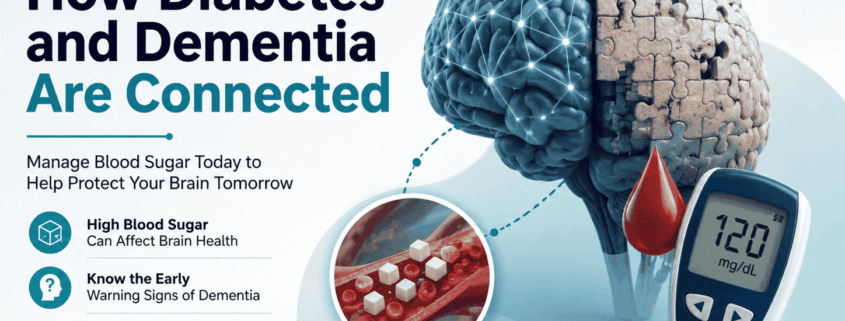
Diabetes is a long-term condition that affects how your body regulates blood sugar, while dementia is a group of disorders that gradually impair memory, thinking, and decision-making abilities. Studies suggest that people with poorly managed diabetes may have a higher risk of developing dementia due to damage to the brain’s blood vessels and nerves. Understanding this connection is essential for protecting long-term brain health. If you experience persistent memory problems or cognitive changes, consulting the best brain specialist in Delhi can help with early diagnosis, timely treatment, and better management of neurological conditions.
How Does Diabetes Affect Brain Health?
High Blood Sugar Can Damage the Brain
Uncontrolled blood sugar levels can damage the small blood vessels that supply oxygen and nutrients to the brain. Over time, this reduced blood flow may affect memory, concentration, and thinking abilities, increasing the risk of cognitive decline. People living with diabetes for many years are more likely to experience these changes if their condition is not well managed.
Inflammation and Nerve Damage
Chronic inflammation and insulin resistance associated with diabetes can also harm brain cells and disrupt communication between neurons. This may contribute to the development of vascular dementia and increase the risk of Alzheimer’s disease. Regular health check-ups, proper diabetes management, and consulting the best brain specialist in Delhi for persistent memory concerns can help detect problems early and support better brain health.
Common Risk Factors for Diabetes-Related Dementia
Several health and lifestyle factors can increase the likelihood of developing dementia in people with diabetes. Recognizing these risks early can help protect your brain health and reduce the chances of cognitive decline.
Poor Blood Sugar Control
Persistently high blood sugar levels can damage blood vessels and brain cells, increasing the risk of memory and thinking problems over time.
High Blood Pressure and High Cholesterol
Both high blood pressure and high cholesterol reduce healthy blood flow to the brain, making cognitive impairment more likely.
Obesity and Physical Inactivity
Being overweight and leading a sedentary lifestyle are linked to diabetes as well as an increased risk of dementia. Regular exercise supports both heart and brain health.
Smoking and Unhealthy Lifestyle Habits
Smoking, excessive alcohol consumption, poor sleep, and an unhealthy diet can further damage blood vessels and accelerate brain aging. If you have diabetes and notice persistent memory problems or confusion, seeking advice from the best brain specialist in Delhi can help with early evaluation and timely treatment.
Early Signs of Dementia to Watch For
The early symptoms of dementia can develop gradually and are often mistaken for normal aging. Recognizing these warning signs early allows for timely diagnosis and treatment, which may help slow the progression of cognitive decline. If these symptoms persist or worsen, consult the best brain specialist in Delhi for a comprehensive neurological evaluation.
- Frequent memory loss, especially forgetting recent conversations or events.
- Difficulty concentrating or staying focused on everyday tasks.
- Confusion about time, dates, or familiar places.
- Trouble finding the right words or following conversations.
- Difficulty performing routine activities, such as managing finances or taking medications.
- Poor judgment or making unusual decisions.
- Mood and personality changes, including increased anxiety, irritability, or depression.
- Withdrawal from social activities or losing interest in hobbies they once enjoyed.
Early recognition of these warning signs can make a significant difference in planning treatment, managing symptoms, and maintaining a better quality of life for patients and their families.
Can the Risk of Dementia Be Reduced?
While there is no guaranteed way to prevent dementia, adopting healthy lifestyle habits can help lower the risk and support long-term brain health, especially for people living with diabetes. Managing blood sugar levels and other health conditions plays an important role in protecting cognitive function. For personalized guidance and early assessment, consult the best brain specialist in Delhi if you notice persistent memory or thinking problems.
| Healthy Habit | How It Helps Protect Brain Health |
| Control Blood Sugar | Reduces damage to blood vessels and supports healthy brain function. |
| Exercise Regularly | Improves blood circulation, supports memory, and lowers inflammation. |
| Eat a Balanced Diet | A diet rich in fruits, vegetables, whole grains, and healthy fats nourishes the brain. |
| Manage Blood Pressure & Cholesterol | Helps maintain healthy blood flow to the brain and reduces vascular damage. |
| Get Quality Sleep | Good sleep supports memory, learning, and brain repair. |
| Stay Mentally & Socially Active | Reading, puzzles, learning new skills, and social interaction help keep the brain engaged. |
| Avoid Smoking & Limit Alcohol | Reduces the risk of blood vessel damage and cognitive decline. |
| Schedule Regular Health Check-ups | Early detection of neurological changes allows for timely treatment and better outcomes. |
By combining healthy lifestyle choices with regular medical care, many people can improve their overall well-being and support better brain health as they age.
Expert Dementia Care at Neuro Clinic Plus
Comprehensive Evaluation for Memory Disorders
At Neuro Clinic Plus, patients with memory loss, cognitive decline, and dementia symptoms receive a thorough neurological evaluation to identify the underlying cause. Early diagnosis is essential for developing an effective treatment plan and improving long-term brain health.
Expert Care by Dr. Aparna Gupta
With 22+ years of experience, Dr. Aparna Gupta is recognized as the best brain specialist in Delhi, providing expert care for patients with dementia, Alzheimer’s disease, stroke, Parkinson’s disease, epilepsy, and other neurological disorders. She focuses on accurate diagnosis, personalized treatment plans, and compassionate patient care.
Personalized Treatment and Long-Term Support
Every patient at Neuro Clinic Plus receives an individualized treatment plan based on their symptoms, medical history, and lifestyle. Along with medical management, patients and caregivers receive guidance on brain-healthy habits, risk factor management, and regular follow-up care to help maintain cognitive function and improve quality of life.
Frequently Asked Questions (FAQs)
1. Can diabetes increase the risk of dementia?
Yes. People with diabetes, especially those with poorly controlled blood sugar levels, have a higher risk of developing dementia due to damage to blood vessels and brain cells over time.
2. Why does diabetes affect brain health?
High blood sugar can damage the blood vessels that supply the brain, leading to reduced blood flow, inflammation, and nerve damage that may contribute to memory and thinking problems.
3. What are the early signs of dementia?
Common early symptoms of dementia include memory loss, confusion, difficulty concentrating, trouble finding words, mood changes, and challenges in performing daily activities.
4. Is memory loss always a sign of dementia?
No. Mild forgetfulness can occur with normal aging, stress, or lack of sleep. However, persistent or worsening memory problems should be evaluated by the best brain specialist in Delhi.
5. Can controlling diabetes reduce the risk of dementia?
Keeping blood sugar levels under control, eating a balanced diet, exercising regularly, and managing blood pressure may help lower the risk of cognitive decline.
6. Which type of dementia is commonly linked to diabetes?
Diabetes is commonly associated with vascular dementia because it can damage blood vessels. It may also increase the risk of Alzheimer’s disease.
7. Who is at a higher risk of developing dementia?
People with diabetes, high blood pressure, high cholesterol, obesity, smoking habits, and a sedentary lifestyle have a greater risk of developing dementia.
8. Can dementia be prevented?
There is no guaranteed way to prevent dementia, but maintaining a healthy lifestyle and controlling chronic medical conditions can help reduce the risk.
9. When should I consult a neurologist for memory problems?
If memory loss, confusion, or difficulty thinking interferes with daily life or continues to worsen, consult a neurologist as soon as possible for a proper evaluation.
10. How is dementia diagnosed?
A neurologist may diagnose dementia through medical history, neurological examination, cognitive assessments, blood tests, and brain imaging such as MRI or CT scans.
11. Why choose Dr. Aparna Gupta for dementia care?
With 22+ years of experience, Dr. Aparna Gupta, the best brain specialist in Delhi, provides comprehensive evaluation and personalized treatment for dementia and other neurological disorders at Neuro Clinic Plus.
12. Where can I get expert dementia treatment in Delhi?
For expert diagnosis and treatment of dementia, memory disorders, and other neurological conditions, visit Neuro Clinic Plus, where Dr. Aparna Gupta offers evidence-based care tailored to each patient’s needs.
Conclusion
The connection between diabetes and dementia highlights the importance of protecting both blood sugar levels and brain health. While diabetes may increase the risk of cognitive decline, maintaining a healthy lifestyle, managing chronic conditions, and recognizing early warning signs can make a significant difference. If you or a loved one experiences persistent memory loss, confusion, or changes in thinking, don’t delay seeking medical advice. Consulting Dr. Aparna Gupta, the best brain specialist in Delhi, at Neuro Clinic Plus can help ensure early diagnosis, personalized treatment, and better long-term neurological health.