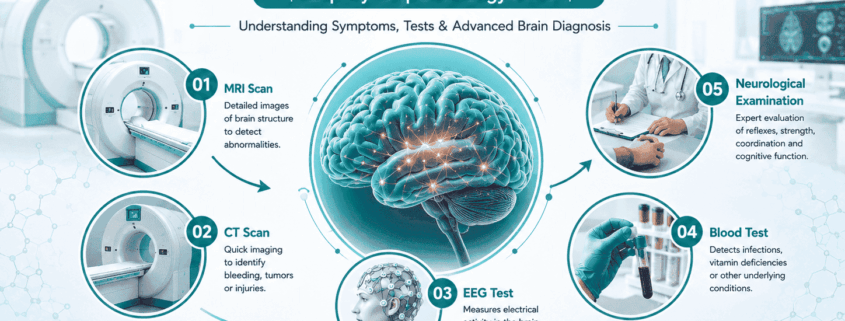
A healthy brain controls every thought, movement, memory, and emotion, making it one of the most important organs in the body. However, symptoms such as persistent headaches, dizziness, memory loss, seizures, weakness, or changes in speech and vision may indicate an underlying neurological condition that should never be ignored. Seeking timely evaluation from the Best Brain Specialist in Safdarjung can help identify the root cause before the condition progresses and affects your quality of life.
Brain Specialist in Safdarjung services focus on identifying neurological disorders through a detailed medical history, clinical examination, and advanced diagnostic tests. Since many brain disorders share similar symptoms, an accurate diagnosis requires expertise, careful assessment, and the right combination of investigations. Early detection not only improves treatment outcomes but also helps reduce the risk of long-term complications in conditions such as stroke, epilepsy, Parkinson’s disease, dementia, brain tumors, and multiple sclerosis.
In this comprehensive guide, you’ll learn how brain disorders are diagnosed, which tests neurologists recommend, the warning signs that require immediate medical attention, and what to expect during a neurological evaluation. If you or a loved one is experiencing concerning neurological symptoms, consulting the Best Brain Specialist in Safdarjung can provide an accurate diagnosis, personalized treatment plan, and expert guidance to protect long-term brain health.
What Is a Brain Disorder?
A brain disorder is any condition that affects the brain, nervous system, or neurological function, interfering with the body’s ability to think, remember, move, speak, or maintain balance. These disorders may develop due to genetic factors, aging, infections, trauma, stroke, tumors, autoimmune diseases, or reduced blood supply to the brain. While some conditions appear suddenly, others progress gradually, making early diagnosis essential for effective treatment. If you experience persistent neurological symptoms, consulting the Best Brain Specialist in Safdarjung can help identify the underlying cause before complications develop.
The brain communicates with every part of the body through an extensive network of nerves and neurons. When this communication is disrupted, it can lead to symptoms such as headaches, seizures, memory loss, numbness, muscle weakness, dizziness, vision changes, speech difficulties, tremors, or loss of coordination. Because these symptoms can overlap across multiple neurological conditions, a comprehensive clinical evaluation is necessary to determine the exact diagnosis rather than relying on symptoms alone.
Modern neurology combines detailed neurological examinations, advanced brain imaging, laboratory investigations, and cognitive assessments to diagnose disorders accurately. Conditions such as stroke, epilepsy, Parkinson’s disease, Alzheimer’s disease, multiple sclerosis, brain tumors, and migraine disorders often respond better when detected in their early stages. Receiving timely care from the Best Brain Specialist in Safdarjung ensures an evidence-based diagnosis, personalized treatment plan, and ongoing support to preserve brain function, independence, and overall quality of life.
Common Symptoms That May Indicate a Brain Disorder
Recognizing the early signs of a brain disorder is essential because many neurological conditions begin with mild or intermittent symptoms that are often overlooked. While occasional headaches or dizziness may not always indicate a serious problem, persistent, worsening, or recurring neurological symptoms should be evaluated by a specialist. Consulting the Best Brain Specialist in Safdarjung at the earliest stage can help determine whether the symptoms are linked to an underlying brain or nervous system disorder and allow treatment to begin before complications arise.
Persistent Headaches
Frequent or severe headaches, especially those that are different from your usual pattern, may be associated with migraine, brain tumors, increased intracranial pressure, or stroke. Headaches accompanied by vomiting, blurred vision, weakness, or confusion require immediate medical evaluation.
Memory Loss or Confusion
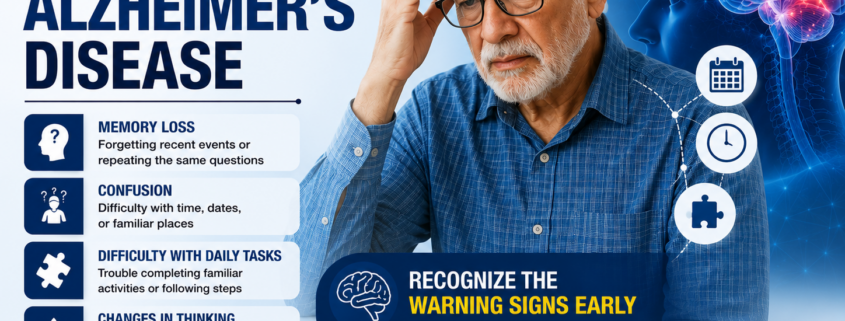
Occasional forgetfulness is common, but progressive memory loss, confusion, difficulty concentrating, or personality changes may indicate conditions such as Alzheimer’s disease, dementia, brain infections, or other neurological disorders. Early assessment can improve long-term management.
Seizures
A seizure is caused by abnormal electrical activity in the brain and may present as uncontrolled movements, staring spells, loss of consciousness, or sudden confusion. Even a single unexplained seizure should be evaluated promptly to identify the underlying cause.
Weakness or Numbness
Sudden weakness, numbness, or tingling, especially on one side of the body, can be an early sign of a stroke or another neurological emergency. Difficulty moving an arm or leg, facial drooping, or reduced sensation should never be ignored.
Dizziness and Balance Problems
Persistent dizziness, vertigo, poor coordination, or difficulty maintaining balance may result from disorders affecting the brain, cerebellum, inner ear, or nervous system. A detailed neurological examination helps determine the exact cause.
Vision or Speech Changes
Symptoms such as blurred vision, double vision, loss of vision, slurred speech, or difficulty understanding language can indicate serious neurological conditions, including stroke, multiple sclerosis, or brain tumors. Immediate medical attention is recommended if these symptoms develop suddenly.
Tremors or Movement Difficulties
Hand tremors, muscle stiffness, slowed movements, involuntary shaking, or difficulty walking may be associated with Parkinson’s disease, essential tremor, or other movement disorders. Early diagnosis allows timely treatment and helps maintain mobility and independence.
Experiencing one or more of these symptoms does not always mean you have a serious brain disorder, but persistent or worsening neurological symptoms should never be ignored. An evaluation by the Best Brain Specialist in Safdarjung can help identify the root cause through advanced neurological assessment and diagnostic testing, ensuring timely treatment and better long-term brain health.
When Should You Visit a Neurologist?
Many neurological conditions develop gradually, while others appear suddenly and require immediate medical attention. Knowing when to consult a neurologist can make a significant difference in the diagnosis, treatment, and recovery of brain-related disorders. If you experience persistent neurological symptoms that interfere with your daily life or continue to worsen, scheduling an evaluation with the Best Brain Specialist in Safdarjung is an important step toward protecting your long-term brain health.
Persistent or Recurring Neurological Symptoms
You should consider visiting a neurologist if you experience any of the following symptoms for an extended period:
- Frequent or severe headaches
- Memory loss or confusion
- Dizziness or loss of balance
- Seizures or unexplained fainting
- Tremors or involuntary movements
- Numbness, tingling, or muscle weakness
- Difficulty speaking, swallowing, or walking
- Vision changes or double vision
- Chronic nerve pain or facial pain
These symptoms may be linked to conditions such as migraine, epilepsy, Parkinson’s disease, multiple sclerosis, stroke, peripheral neuropathy, or brain tumors, making early neurological evaluation essential.
Warning Signs That Need Immediate Medical Attention
Certain symptoms should never be ignored because they may indicate a medical emergency. Seek immediate medical care if you experience:
- Sudden weakness or numbness on one side of the body
- Facial drooping or slurred speech
- Sudden loss of vision
- A severe headache unlike any previous headache
- Loss of consciousness
- Repeated seizures
- Sudden confusion or inability to understand speech
- Difficulty walking or loss of coordination
These symptoms can be associated with stroke, brain hemorrhage, severe infections, or other life-threatening neurological conditions, where early intervention can significantly improve outcomes.
Why Early Neurological Evaluation Matters
Delaying the diagnosis of a neurological condition may allow the disease to progress, increasing the risk of permanent nerve damage, disability, or complications. A neurologist performs a comprehensive neurological examination, reviews your medical history, and recommends appropriate brain imaging, laboratory tests, or neurophysiological studies to identify the underlying cause accurately.
Whether your symptoms are mild or severe, consulting the Best Brain Specialist in Safdarjung at the right time can lead to early diagnosis, personalized treatment, better symptom management, and improved quality of life. Timely medical attention remains one of the most effective ways to preserve brain function and prevent long-term neurological complications.
How Is a Brain Disorder Diagnosed?
Diagnosing a brain disorder involves a systematic and evidence-based approach rather than relying on a single test. Neurologists evaluate your medical history, symptoms, neurological function, cognitive abilities, and diagnostic test results to identify the exact cause of the problem. Since many neurological conditions share similar symptoms, an accurate diagnosis is essential for creating an effective treatment plan. Consulting the Best Brain Specialist in Safdarjung ensures that every stage of the diagnostic process is carefully performed to achieve the most accurate results.
Detailed Medical History
The first step in diagnosing a brain disorder is reviewing your complete medical history. Your neurologist will ask about:
- Current symptoms and when they started
- Severity and frequency of symptoms
- Previous head injuries or neurological conditions
- Family history of neurological diseases
- Existing medical conditions such as diabetes, hypertension, or heart disease
- Current medications and lifestyle habits
This information helps identify potential risk factors and guides the selection of appropriate diagnostic tests.
Neurological Examination
A neurological examination is one of the most important parts of the diagnostic process. During this assessment, the neurologist evaluates your:
- Muscle strength and coordination
- Reflexes
- Balance and posture
- Walking pattern (gait)
- Vision and eye movements
- Speech and language skills
- Sensation to touch, pain, and temperature
These findings help determine which part of the brain or nervous system may be affected.
Physical Examination
In addition to the neurological assessment, a general physical examination is performed to evaluate your overall health. The doctor may check your blood pressure, heart rate, temperature, and other vital signs, as certain medical conditions can contribute to neurological symptoms. This comprehensive evaluation helps rule out non-neurological causes before proceeding with advanced investigations.
Cognitive and Memory Assessment
If symptoms involve memory loss, confusion, difficulty concentrating, or behavioral changes, your neurologist may perform a cognitive assessment. These tests evaluate:
- Memory
- Attention and concentration
- Problem-solving ability
- Language skills
- Decision-making
- Orientation and reasoning
Such assessments are particularly valuable in diagnosing dementia, Alzheimer’s disease, and other cognitive disorders.
Review of Family History
Some neurological conditions have a genetic component. Your neurologist may ask whether close family members have experienced disorders such as:
- Parkinson’s disease
- Epilepsy
- Multiple sclerosis
- Alzheimer’s disease
- Inherited neurological disorders
Understanding your family history helps determine whether genetic testing or additional screening may be beneficial.
Lifestyle and Risk Factors
Your daily habits can significantly influence brain health. During the consultation, the neurologist may discuss:
- Smoking and alcohol consumption
- Diet and nutrition
- Physical activity
- Stress levels
- Sleep quality
- Occupational exposure to toxins
Identifying these modifiable risk factors supports both accurate diagnosis and long-term prevention strategies.
A thorough clinical evaluation forms the foundation of an accurate neurological diagnosis. Once the initial assessment is complete, the Best Brain Specialist in Safdarjung may recommend advanced imaging tests, neurophysiological studies, and laboratory investigations to confirm the diagnosis and develop a personalized treatment plan that addresses your specific neurological condition.
Brain Imaging Tests Used for Diagnosis
Brain imaging tests play a vital role in identifying the cause, location, and severity of neurological disorders. These advanced diagnostic tools allow neurologists to examine the brain’s structure, blood vessels, and functional activity, helping detect conditions that may not be visible during a physical or neurological examination. Depending on your symptoms and medical history, the Best Brain Specialist in Safdarjung may recommend one or more imaging tests to reach an accurate diagnosis and create a personalized treatment plan.
MRI (Magnetic Resonance Imaging)
An MRI scan is one of the most accurate imaging tests for evaluating the brain and spinal cord. It uses strong magnetic fields and radio waves to produce highly detailed images of brain tissues without exposing patients to radiation.
An MRI is commonly used to diagnose:
- Brain tumors
- Stroke
- Multiple sclerosis
- Brain infections
- Epilepsy-related abnormalities
- Degenerative neurological diseases
Because of its excellent image quality, MRI is often the preferred investigation for many neurological conditions.
CT Scan (Computed Tomography)
A CT scan uses X-rays to create detailed cross-sectional images of the brain. It is particularly valuable in emergency situations because it can be performed quickly and helps detect conditions that require immediate treatment.
A CT scan is commonly recommended to identify:
- Brain hemorrhage
- Head injuries
- Skull fractures
- Large brain tumors
- Acute stroke
- Hydrocephalus
In emergency care, rapid CT imaging can significantly improve treatment decisions and patient outcomes.
PET Scan (Positron Emission Tomography)
A PET scan evaluates the metabolic activity of brain cells rather than just their structure. It helps neurologists understand how different areas of the brain are functioning.
This test is useful for assessing:
- Alzheimer’s disease
- Dementia
- Brain tumors
- Epilepsy before surgery
- Certain movement disorders
PET imaging is often combined with other diagnostic tests to improve diagnostic accuracy.
Functional MRI (fMRI)
A Functional MRI (fMRI) measures brain activity by tracking changes in blood flow while different parts of the brain are performing specific tasks.
Doctors may recommend an fMRI for:
- Brain mapping before surgery
- Evaluating speech and language centers
- Assessing memory function
- Research and advanced neurological evaluation
This imaging technique helps preserve critical brain functions during neurosurgical procedures.
Brain Angiography
Brain angiography is a specialized imaging procedure used to examine the blood vessels supplying the brain. It helps detect abnormalities in cerebral circulation that may increase the risk of serious neurological complications.
Brain angiography is commonly performed to diagnose:
- Brain aneurysms
- Arteriovenous malformations (AVMs)
- Blocked or narrowed brain arteries
- Vascular malformations
- Stroke-related blood vessel disorders
This test provides detailed information that is often essential for planning medical or surgical treatment.
Modern brain imaging technology enables neurologists to diagnose neurological disorders with greater precision than ever before. Based on your symptoms, clinical examination, and medical history, the Best Brain Specialist in Safdarjung will recommend the most appropriate imaging test to identify the underlying condition, guide treatment decisions, and support long-term brain health and recovery.
Neurological Tests That Help Diagnose Brain Disorders
While brain imaging tests provide detailed pictures of the brain, additional neurological diagnostic tests help evaluate how the brain, spinal cord, nerves, and muscles are functioning. These tests measure electrical activity, nerve communication, and cerebrospinal fluid to identify disorders that may not be visible on imaging alone. Based on your symptoms and clinical findings, the Best Brain Specialist in Safdarjung may recommend one or more specialized neurological tests to confirm the diagnosis and determine the most effective treatment plan.
EEG (Electroencephalogram)
An Electroencephalogram (EEG) records the electrical activity of the brain using small electrodes placed on the scalp. The test is painless and helps identify abnormal brain wave patterns associated with various neurological conditions.
An EEG is commonly used to diagnose:
- Epilepsy and seizure disorders
- Unexplained loss of consciousness
- Sleep-related neurological disorders
- Brain infections
- Certain types of encephalopathy
The results help neurologists determine whether abnormal electrical activity is contributing to your symptoms.
EMG and Nerve Conduction Study (NCS)
An Electromyography (EMG) and Nerve Conduction Study (NCS) evaluate the health of muscles and peripheral nerves. These tests measure how effectively nerves transmit electrical signals and how muscles respond.
They are commonly recommended for diagnosing:
- Peripheral neuropathy
- Carpal tunnel syndrome
- Muscle disorders
- Motor neuron diseases
- Nerve injuries
- Neuromuscular junction disorders
These investigations help distinguish between problems affecting the muscles, nerves, or spinal cord.
Evoked Potential Tests
Evoked Potential (EP) tests assess how quickly and accurately the brain responds to visual, auditory, or sensory stimuli. Small electrodes record the brain’s electrical responses after specific stimuli are presented.
These tests are useful for evaluating:
- Multiple sclerosis
- Optic nerve disorders
- Spinal cord diseases
- Hearing pathway abnormalities
- Sensory nerve dysfunction
Evoked potential studies can detect neurological damage even before symptoms become severe.
Lumbar Puncture (Spinal Tap)
A Lumbar Puncture, also known as a Spinal Tap, involves collecting a small sample of cerebrospinal fluid (CSF) from the lower back for laboratory analysis. This procedure helps identify conditions affecting the brain and spinal cord that cannot be diagnosed through imaging alone.
A lumbar puncture may be recommended to diagnose:
- Meningitis
- Encephalitis
- Multiple sclerosis
- Autoimmune neurological disorders
- Subarachnoid hemorrhage
- Certain cancers involving the nervous system
The CSF analysis provides valuable information about infection, inflammation, bleeding, and immune system activity within the central nervous system.
Together, these advanced neurological tests provide crucial information that complements clinical examination and brain imaging. After reviewing all findings, the Best Brain Specialist in Safdarjung can establish an accurate diagnosis, identify the underlying neurological condition, and develop a personalized treatment strategy aimed at improving symptoms, preserving brain function, and enhancing long-term quality of life.
Blood Tests and Laboratory Investigations
Although brain imaging and neurological examinations are essential for diagnosing brain disorders, blood tests and laboratory investigations also play a crucial role in identifying underlying medical conditions that may affect the brain and nervous system. These tests help neurologists rule out infections, nutritional deficiencies, autoimmune disorders, hormonal imbalances, and genetic conditions that can produce neurological symptoms. Based on your medical history and clinical findings, the Best Brain Specialist in Safdarjung may recommend specific laboratory tests to support an accurate diagnosis and guide the most appropriate treatment.
Vitamin Deficiency Tests
Deficiencies in essential vitamins can significantly affect brain function and nerve health. Blood tests are commonly performed to evaluate levels of:
- Vitamin B12
- Vitamin D
- Folate (Vitamin B9)
Low levels of these nutrients may contribute to memory problems, numbness, tingling, balance issues, fatigue, and cognitive decline. Correcting nutritional deficiencies can often improve neurological symptoms.
Thyroid Function Tests
The thyroid gland plays an important role in regulating metabolism and brain function. Both hypothyroidism and hyperthyroidism can cause neurological symptoms such as:
- Memory loss
- Difficulty concentrating
- Depression or anxiety
- Muscle weakness
- Tremors
- Fatigue
Thyroid function tests help determine whether hormonal imbalance is contributing to neurological complaints.
Autoimmune Disease Testing
Some neurological disorders occur when the immune system mistakenly attacks healthy nerve tissue. Blood tests may be recommended to detect autoimmune conditions associated with neurological symptoms.
These investigations can help identify disorders such as:
- Multiple sclerosis
- Myasthenia gravis
- Neuromyelitis optica
- Autoimmune encephalitis
- Systemic autoimmune diseases affecting the nervous system
Early detection allows prompt treatment and may help prevent further neurological damage.
Infection Screening
Certain viral, bacterial, fungal, or parasitic infections can directly affect the brain and nervous system. Laboratory tests help identify infections that require urgent medical treatment.
Common conditions evaluated include:
- Meningitis
- Encephalitis
- Lyme disease
- HIV-related neurological disorders
- Tuberculosis affecting the nervous system
Accurate diagnosis ensures timely treatment and reduces the risk of serious complications.
Genetic Testing
Some neurological disorders are inherited and may run in families. When a genetic condition is suspected, your neurologist may recommend genetic testing to confirm the diagnosis and assess future health risks.
Genetic testing may be useful for:
- Huntington’s disease
- Inherited neuropathies
- Muscular dystrophies
- Hereditary ataxias
- Certain forms of epilepsy and dementia
These results also help guide long-term treatment planning and family counseling when appropriate.
Blood tests and laboratory investigations provide valuable information that complements neurological examinations and imaging studies. By combining these findings with your symptoms and diagnostic results, the Best Brain Specialist in Safdarjung can accurately identify the underlying cause of your condition and develop a personalized, evidence-based treatment plan to protect brain health, improve neurological function, and support long-term recovery.
Brain Disorders That Can Be Diagnosed Early
Many neurological disorders can be identified in their early stages through a comprehensive neurological examination, brain imaging, laboratory investigations, and specialized diagnostic tests. Detecting these conditions early allows timely treatment, slows disease progression, and reduces the risk of permanent neurological damage. If you experience persistent symptoms such as headaches, seizures, memory problems, weakness, tremors, or changes in vision or speech, consulting the Best Brain Specialist in Safdarjung can help ensure an accurate diagnosis and improve long-term outcomes.
Stroke
A stroke occurs when the blood supply to the brain is interrupted or a blood vessel ruptures. Early diagnosis using CT scans, MRI, and vascular imaging is critical because treatment during the golden hour can significantly reduce brain damage and improve recovery.
Epilepsy
Epilepsy is a neurological disorder characterized by recurrent seizures caused by abnormal electrical activity in the brain. It is diagnosed through a combination of EEG, MRI, clinical history, and neurological examination, allowing doctors to determine the type of epilepsy and recommend appropriate treatment.
Parkinson’s Disease
Parkinson’s disease is a progressive movement disorder that commonly begins with hand tremors, muscle stiffness, slowed movements, and balance problems. Early neurological assessment helps manage symptoms effectively and maintain independence for a longer period.
Alzheimer’s Disease
Alzheimer’s disease is the most common cause of dementia, leading to gradual memory loss, confusion, and cognitive decline. Early diagnosis through cognitive assessments, brain imaging, and neurological evaluation allows patients and families to begin treatment and supportive care sooner.
Brain Tumors
A brain tumor may be benign or malignant and can cause symptoms such as persistent headaches, seizures, vision problems, weakness, or personality changes. MRI and CT scans help detect tumors early, enabling timely treatment and improving outcomes.
Multiple Sclerosis (MS)
Multiple sclerosis (MS) is an autoimmune disorder that damages the protective covering of nerve fibers. Common symptoms include vision problems, numbness, muscle weakness, balance difficulties, and fatigue. Early diagnosis using MRI, lumbar puncture, and evoked potential tests helps slow disease progression.
Migraine Disorders
Although migraine is often considered a headache disorder, it is a complex neurological condition that can cause severe headaches, nausea, sensitivity to light, and visual disturbances. A thorough neurological evaluation helps distinguish migraines from more serious brain disorders.
Dementia
Dementia refers to a group of conditions that affect memory, reasoning, language, and daily functioning. Identifying dementia in its early stages allows for better symptom management, lifestyle planning, and supportive care.
Peripheral Neuropathy
Peripheral neuropathy affects the nerves outside the brain and spinal cord, causing numbness, tingling, burning pain, and muscle weakness, especially in the hands and feet. EMG, Nerve Conduction Studies (NCS), and blood tests help determine the underlying cause.
Meningitis and Encephalitis
Meningitis and encephalitis are serious infections involving the brain and surrounding tissues. Symptoms such as high fever, severe headache, neck stiffness, seizures, confusion, and altered consciousness require immediate medical attention. Prompt diagnosis through blood tests, lumbar puncture, and brain imaging is essential to prevent life-threatening complications.
Modern neurological medicine makes it possible to diagnose many brain disorders before they cause irreversible damage. Through advanced diagnostic techniques, accurate clinical assessment, and personalized care, the Best Brain Specialist in Safdarjung can identify neurological conditions at an early stage, begin appropriate treatment promptly, and help patients maintain their brain health, independence, and overall quality of life.
How Doctors Differentiate Between Similar Neurological Conditions
Many neurological disorders produce symptoms that appear similar, making an accurate diagnosis challenging without a detailed evaluation. For example, a severe headache may resemble a migraine but could also be caused by a brain tumor or stroke. To avoid misdiagnosis, neurologists rely on a combination of medical history, neurological examination, brain imaging, laboratory tests, and specialized neurological investigations. Consulting the Best Brain Specialist in Safdarjung ensures that overlapping symptoms are carefully analyzed to identify the correct condition and begin the most appropriate treatment.
Migraine vs Brain Tumor
Both conditions can cause headaches, nausea, and visual disturbances. However, a brain tumor is more likely to produce:
- Progressively worsening headaches
- Morning vomiting
- Seizures
- Weakness or numbness
- Personality or cognitive changes
MRI or CT imaging helps neurologists distinguish between a primary headache disorder and a structural brain lesion.
Stroke vs Bell’s Palsy
Both may cause facial weakness, but a stroke often presents with:
- Arm or leg weakness on the same side
- Slurred speech
- Difficulty understanding language
- Sudden balance problems
In Bell’s Palsy, the facial weakness is usually isolated without significant limb weakness. Brain imaging and neurological examination are essential for differentiation.
Parkinson’s Disease vs Essential Tremor
Both conditions can cause shaking of the hands, but:
| Parkinson’s Disease | Essential Tremor |
| Tremor occurs mainly at rest | Tremor occurs mainly during activity |
| Associated with slowed movement and stiffness | Usually no significant stiffness |
| May affect walking and balance | Primarily affects the hands |
A detailed neurological assessment helps determine the correct diagnosis.
Dementia vs Normal Aging
Mild forgetfulness can occur with aging, but dementia involves:
- Progressive memory decline
- Difficulty performing daily tasks
- Problems with language and reasoning
- Disorientation and confusion
- Changes in behavior or personality
Cognitive testing, MRI, and laboratory investigations help differentiate normal age-related changes from a neurodegenerative disorder.
Epilepsy vs Fainting (Syncope)
Both can cause loss of consciousness, but epilepsy is more likely to involve:
- Jerking movements
- Tongue biting
- Loss of bladder control
- Post-seizure confusion
- Abnormal EEG findings
Fainting is often related to a temporary drop in blood flow and usually has a quicker recovery period.
Accurately distinguishing between similar neurological conditions is critical because the treatments can differ significantly. Through comprehensive clinical evaluation, advanced imaging, EEG, cognitive assessments, and laboratory testing, the Best Brain Specialist in Safdarjung can identify the underlying disorder with precision, avoid unnecessary treatments, and develop a personalized plan that supports long-term brain health and neurological recovery.
Preparing for Your Neurology Appointment
Proper preparation before visiting a neurologist can significantly improve the accuracy of diagnosis and help the doctor understand your condition more effectively. Since neurological disorders often require a detailed evaluation, providing complete and organized information allows faster identification of the underlying problem. If you are planning a consultation with the Best Brain Specialist in Safdarjung, being well-prepared ensures a more productive visit and better treatment outcomes.
Medical History and Symptom Details
Before your appointment, make sure you clearly note:
- Onset of symptoms (when they started)
- Frequency and duration of symptoms
- Triggers or worsening factors
- Any history of head injury, seizures, infections, or chronic illness
- Existing conditions such as diabetes, hypertension, or thyroid disorders
This information helps the neurologist identify possible causes of your neurological symptoms.
List of Current Medications
Bring a complete list of all medications, supplements, or herbal products you are currently taking. Some medicines can affect brain function, nerve activity, or cognitive performance, which may be important for diagnosis.
Previous Medical Reports
Carry any relevant reports, including:
- MRI or CT scans
- EEG or nerve conduction studies
- Blood test reports
- Hospital discharge summaries
These documents help the neurologist compare past and current findings for a more accurate evaluation.
Symptom Diary
A symptom diary can be extremely helpful. Record details such as:
- When symptoms occur
- How long they last
- Severity of symptoms
- Any associated issues like headache, dizziness, or weakness
This helps in identifying patterns and triggers that may not be obvious during a single consultation.
Family Medical History
Inform your doctor if any close family members have had neurological conditions such as epilepsy, Parkinson’s disease, dementia, or stroke. Genetic factors can play an important role in diagnosis and risk assessment.
Questions to Ask Your Neurologist
To make the most of your visit, you may consider asking:
- What could be the possible cause of my symptoms?
- What tests are required for diagnosis?
- Are my symptoms temporary or long-term?
- What treatment options are available?
- What lifestyle changes can help improve my condition?
Being proactive during your consultation helps improve understanding and treatment planning.
A well-prepared appointment allows the neurologist to make a more accurate and faster diagnosis. With the right information, the Best Brain Specialist in Safdarjung can efficiently evaluate your symptoms, recommend appropriate diagnostic tests, and create a personalized treatment strategy focused on restoring and protecting your long-term brain health.
Why Early Diagnosis Improves Treatment Outcomes
Early diagnosis of brain disorders plays a crucial role in preventing disease progression and improving long-term neurological health. Many neurological conditions such as stroke, epilepsy, brain tumors, Parkinson’s disease, and dementia show subtle symptoms in the initial stages, which are often ignored. Identifying these signs early allows timely medical intervention, reduces complications, and significantly improves recovery outcomes. Consulting the Best Brain Specialist in Safdarjung at the right time ensures that even minor neurological symptoms are evaluated with advanced diagnostic tools for accurate detection.
Preventing Disease Progression
When a brain disorder is diagnosed early, treatment can begin before permanent nerve or brain damage occurs. This helps in:
- Slowing down the progression of neurodegenerative diseases
- Preventing complications like stroke recurrence or seizure worsening
- Reducing long-term disability risks
- Improving response to treatment
Early medical intervention often leads to better control of symptoms and improved quality of life.
Better Treatment Planning
An early and accurate diagnosis allows neurologists to design a personalized treatment plan based on the patient’s condition. This may include:
- Medication therapy
- Physiotherapy and rehabilitation
- Lifestyle modifications
- Surgical intervention (if required)
- Regular neurological monitoring
The sooner treatment begins, the more effective it becomes in managing symptoms and improving neurological function.
Improved Quality of Life
Early diagnosis not only treats the condition but also helps patients maintain independence, cognitive ability, and physical functioning for a longer period. Patients experience:
- Better symptom control
- Reduced hospitalizations
- Improved mental health and emotional stability
- Increased ability to perform daily activities
Reduced Risk of Complications
Delayed diagnosis can lead to serious complications such as permanent brain damage, paralysis, memory loss, or life-threatening emergencies like stroke or brain hemorrhage. Early evaluation ensures these risks are minimized through timely medical care.
Faster Recovery and Rehabilitation
Patients diagnosed early often respond better to treatment and rehabilitation programs. The brain has a higher ability to adapt and recover in the early stages of disease, making early intervention a key factor in successful neurological recovery.
Overall, timely diagnosis is one of the most important steps in managing brain-related conditions effectively. With expert evaluation from the Best Brain Specialist in Safdarjung, patients can benefit from early detection, precise diagnosis, and advanced treatment strategies that focus on protecting long-term brain health and neurological function.
Treatment After Diagnosis
Once a brain disorder is accurately diagnosed, the next step is to begin an appropriate treatment plan based on the underlying neurological condition, severity of symptoms, and patient health status. Treatment in neurology is often individualized, meaning it is tailored according to each patient’s specific needs. After a detailed evaluation, the Best Brain Specialist in Safdarjung designs a comprehensive management strategy to improve symptoms, slow disease progression, and support long-term brain health and recovery.
Medications
Medications are commonly the first line of treatment for many neurological disorders. They help control symptoms, reduce progression, and improve brain function. Depending on the condition, doctors may prescribe:
- Anti-seizure medications for epilepsy
- Dopaminergic drugs for Parkinson’s disease
- Pain management medications for neuropathy and migraines
- Blood thinners for stroke prevention
- Cognitive enhancers for dementia-related symptoms
Proper medication management helps stabilize neurological function and improves quality of life.
Lifestyle Modifications
Healthy lifestyle changes play a crucial role in supporting brain recovery and preventing further neurological damage. Patients are often advised to:
- Maintain a balanced and nutritious diet
- Engage in regular physical activity
- Get adequate sleep and rest
- Avoid smoking and alcohol consumption
- Manage stress and anxiety levels
These changes support better brain function and overall neurological health.
Physiotherapy
Physiotherapy is essential for patients experiencing weakness, movement disorders, or balance issues. It helps improve:
- Muscle strength
- Coordination and balance
- Mobility and flexibility
- Post-stroke rehabilitation recovery
Regular physiotherapy sessions can significantly enhance independence and physical functioning.
Occupational Therapy
Occupational therapy focuses on helping patients regain the ability to perform daily activities such as eating, dressing, writing, and working. It is especially beneficial for individuals recovering from stroke, brain injury, or neurodegenerative diseases.
Speech Therapy
Patients with speech, language, or swallowing difficulties may require speech therapy. This therapy helps improve:
- Communication skills
- Speech clarity
- Language comprehension
- Swallowing function
It is commonly used in conditions such as stroke, Parkinson’s disease, and brain injuries.
Surgery (When Necessary)
In some cases, surgical intervention may be required, especially for:
- Brain tumors
- Severe brain hemorrhage
- Epilepsy not controlled by medication
- Hydrocephalus
- Structural brain abnormalities
Surgery is usually recommended when other treatment options are not sufficient.
Long-Term Follow-Up
Neurological conditions often require continuous monitoring and long-term care. Regular follow-up visits help:
- Track disease progression
- Adjust medications
- Prevent complications
- Improve overall treatment outcomes
Consistent follow-up ensures better disease control and long-term stability.
Overall, treatment after diagnosis focuses on a holistic approach combining medication, rehabilitation, lifestyle changes, and regular monitoring. With expert care from the Best Brain Specialist in Safdarjung, patients receive personalized treatment plans designed to improve neurological function, reduce symptoms, and enhance overall quality of life.
Why Choose Dr. Aparna Gupta for Brain Disorder Diagnosis?
Choosing the right specialist is one of the most important steps in ensuring an accurate diagnosis and effective treatment of neurological conditions. Brain disorders require expert evaluation, advanced diagnostic understanding, and a patient-centered approach to identify even subtle abnormalities in the brain and nervous system. For patients seeking reliable neurological care, consulting the Best Brain Specialist in Safdarjung can make a significant difference in early detection, treatment outcomes, and long-term brain health management.
Expertise in Neurological Diagnosis
Dr. Aparna Gupta is known for her strong clinical expertise in diagnosing a wide range of neurological disorders, including stroke, epilepsy, migraine, Parkinson’s disease, dementia, neuropathy, and brain tumors. Her approach focuses on identifying the root cause of symptoms rather than just treating the surface-level issues, ensuring precise and effective care.
Comprehensive and Advanced Evaluation
Every patient undergoes a detailed neurological assessment, which includes:
- Thorough medical history evaluation
- Complete neurological examination
- Interpretation of MRI, CT scans, EEG, and laboratory reports
- Cognitive and functional assessment when required
This structured approach helps in achieving a high level of diagnostic accuracy.
Patient-Centered Care Approach
A key strength of Dr. Aparna Gupta is her focus on individualized patient care. Each treatment plan is designed based on the patient’s:
- Symptoms and severity
- Medical history
- Lifestyle factors
- Diagnostic findings
This ensures that every patient receives personalized and effective neurological care.
Focus on Early Diagnosis and Prevention
Early detection is critical in neurology, and Dr. Aparna Gupta emphasizes timely diagnosis and preventive care to avoid long-term complications such as permanent nerve damage, disability, or cognitive decline. Patients are guided on early warning signs and preventive strategies to protect their brain health.
Trusted Neurology Care at Neuro Clinic Plus
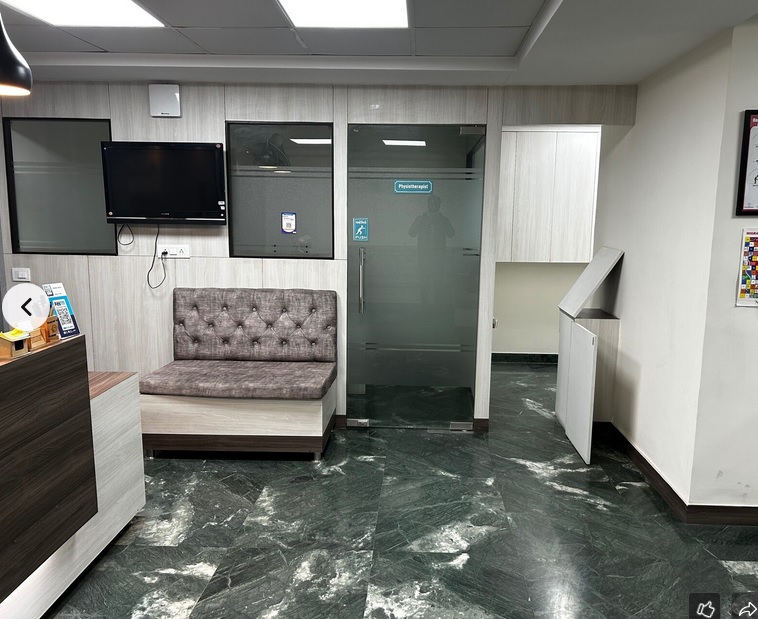
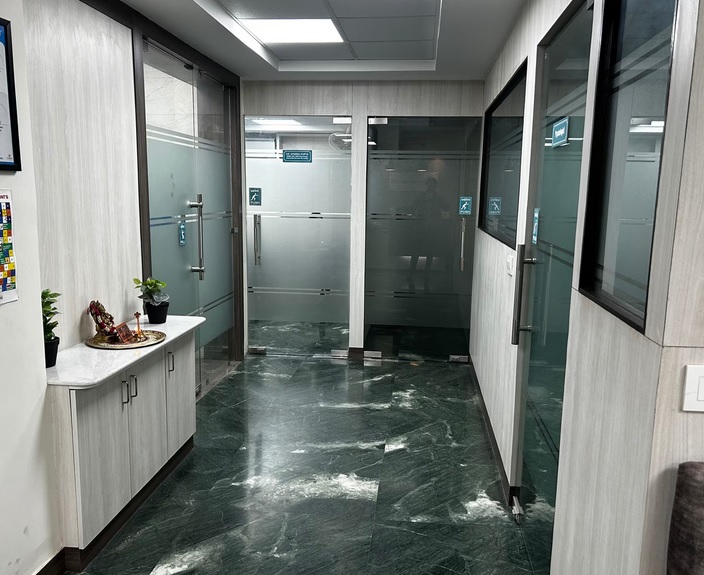
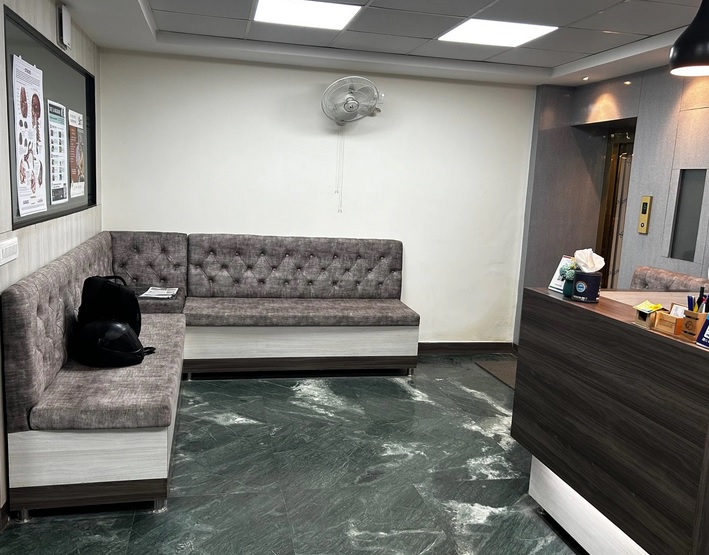
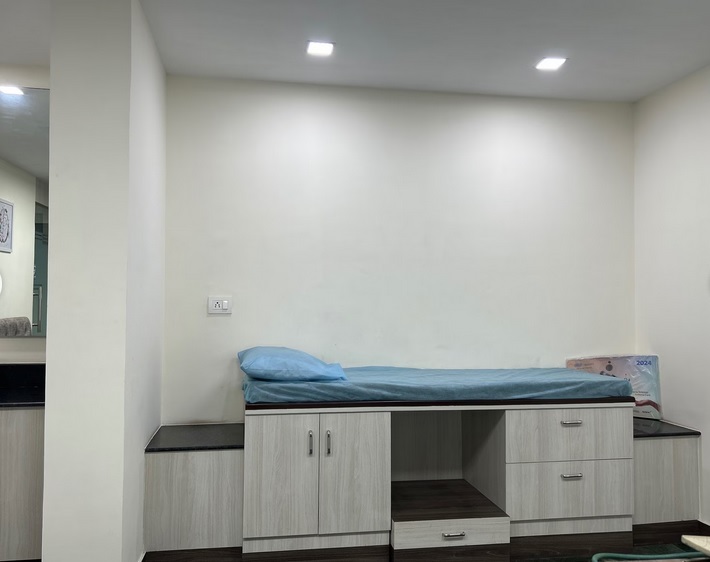
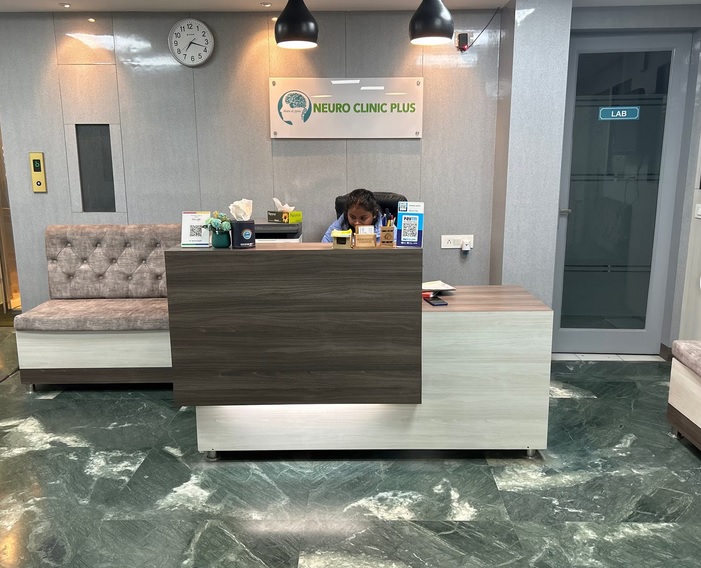
At Neuro Clinic Plus, patients benefit from advanced diagnostic facilities, modern neurological evaluation techniques, and evidence-based treatment protocols. The clinic is designed to provide comprehensive care for patients suffering from complex and chronic neurological conditions, ensuring continuity of care and long-term support.
With a combination of clinical expertise, advanced diagnostic approach, and compassionate care, the Best Brain Specialist in Safdarjung offers patients a reliable pathway toward accurate diagnosis, effective treatment, and improved neurological well-being.
Advanced Neurology Services at Neuro Clinic Plus
Neuro Clinic Plus is a specialized center focused on the diagnosis, treatment, and long-term management of neurological disorders using advanced medical technology and evidence-based practices. The clinic is designed to provide comprehensive care for patients suffering from both acute and chronic brain and nerve conditions, ensuring accurate evaluation and personalized treatment planning. Patients consulting the Best Brain Specialist in Safdarjung receive structured neurological care that prioritizes early diagnosis, precise testing, and effective recovery strategies.
Comprehensive Neurological Consultations
The clinic offers detailed consultations for patients experiencing symptoms such as headaches, dizziness, seizures, memory loss, weakness, and movement disorders. Each consultation includes a thorough neurological examination, symptom analysis, and clinical assessment to identify the underlying cause of the condition.
Headache and Migraine Evaluation
Specialized care is provided for patients suffering from chronic headaches and migraine disorders. Advanced diagnostic methods help distinguish between primary headaches and secondary causes, ensuring accurate treatment and long-term symptom control.
Stroke Diagnosis and Follow-Up Care
Neuro Clinic Plus provides complete evaluation and follow-up for stroke patients, focusing on:
- Early detection of stroke risk factors
- Emergency neurological assessment
- Post-stroke rehabilitation planning
- Prevention of recurrence
Timely intervention plays a crucial role in improving recovery outcomes.
Epilepsy Diagnosis and Management
Patients with suspected seizure disorders undergo detailed evaluation using EEG, MRI, and clinical assessment. Treatment plans are designed to control seizures, improve quality of life, and reduce long-term complications.
Parkinson’s Disease and Movement Disorders
The clinic provides specialized care for patients with Parkinson’s disease, tremors, and other movement disorders, focusing on symptom management, mobility improvement, and long-term neurological support.
Memory and Dementia Assessment
Comprehensive evaluation is available for patients with memory loss, confusion, or cognitive decline. Early diagnosis of dementia and Alzheimer’s disease helps in better management and supportive care planning.
Neuropathy and Nerve Disorder Evaluation
Patients with symptoms like numbness, tingling, burning pain, or weakness are assessed for peripheral neuropathy and nerve-related disorders using advanced diagnostic tools.
Movement Disorder Clinic
The clinic specializes in treating various movement disorders, ensuring accurate diagnosis and personalized treatment for conditions affecting coordination, balance, and muscle control.
Second Opinion Consultations
Patients who have already been diagnosed elsewhere can seek a second opinion to confirm diagnosis, explore alternative treatment options, and ensure optimal neurological care.
Long-Term Neurological Care
Neuro Clinic Plus emphasizes continuous monitoring, follow-up care, and preventive neurology, helping patients manage chronic conditions effectively and maintain stable brain health over time.
Through a combination of advanced diagnostic technology, expert clinical evaluation, and patient-focused care, Neuro Clinic Plus ensures that every patient receives accurate diagnosis and effective treatment under the guidance of the Best Brain Specialist in Safdarjung, supporting long-term neurological wellness and improved quality of life.
Frequently Asked Questions
1. How is a brain disorder diagnosed?
A brain disorder is diagnosed through a combination of medical history, neurological examination, brain imaging (MRI/CT), EEG, and laboratory tests to identify the exact cause of symptoms.
2. Which doctor should I consult for brain-related symptoms?
You should consult a neurologist, especially a highly experienced specialist like the Best Brain Specialist in Safdarjung, for proper evaluation and diagnosis.
3. What are the most common tests for brain disorders?
Common tests include MRI, CT scan, EEG, EMG, nerve conduction studies, and blood tests depending on the symptoms.
4. Is MRI always required for brain diagnosis?
No, an MRI is not always necessary, but it is recommended when structural brain abnormalities are suspected.
5. Can blood tests detect brain disorders?
Blood tests cannot directly detect brain disorders but help identify infections, vitamin deficiencies, thyroid issues, and autoimmune conditions affecting the brain.
6. How long does a neurological diagnosis take?
The duration varies depending on symptoms and tests required, but a basic neurological evaluation can take 30–60 minutes, while full diagnosis may take longer.
7. What symptoms should not be ignored?
Symptoms like sudden weakness, seizures, severe headaches, memory loss, vision changes, or speech difficulty require immediate medical attention.
8. Can brain disorders be treated if diagnosed early?
Yes, early diagnosis significantly improves treatment outcomes, slows disease progression, and reduces complications.
9. Is a CT scan better than an MRI?
Both are important. A CT scan is faster and used in emergencies, while an MRI provides more detailed brain imaging.
10. Are all brain disorders permanent?
No, some conditions are treatable or manageable, especially when diagnosed early and treated properly.
11. How should I prepare for a neurology consultation?
Carry your medical history, current medications, previous test reports, and a symptom diary for better evaluation.
12. Where can I get expert diagnosis for brain disorders?
You can consult the Best Brain Specialist in Safdarjung for advanced neurological evaluation, accurate diagnosis, and personalized treatment planning.
Conclusion
Diagnosing a brain disorder requires a careful and structured approach that includes neurological examination, medical history review, brain imaging, laboratory tests, and specialized neurological investigations. Since many conditions such as stroke, epilepsy, dementia, Parkinson’s disease, and brain tumors share similar symptoms, accurate diagnosis is essential for starting the right treatment at the right time. Early detection not only improves recovery but also helps prevent permanent brain damage and long-term complications.
If you notice persistent symptoms like headaches, memory loss, seizures, dizziness, or weakness, it is important not to ignore them. Timely consultation with the Best Brain Specialist in Safdarjung ensures expert evaluation, precise diagnosis, and a personalized treatment plan designed to protect your brain health.
With advanced diagnostic techniques and a patient-focused approach, Dr. Aparna Gupta at Neuro Clinic Plus provides comprehensive neurological care aimed at early detection, effective treatment, and long-term management of brain disorders. Seeking expert help at the right time can make a significant difference in your quality of life and neurological recovery.