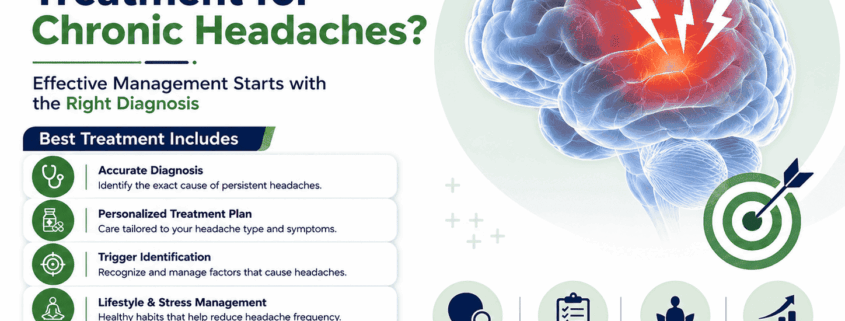
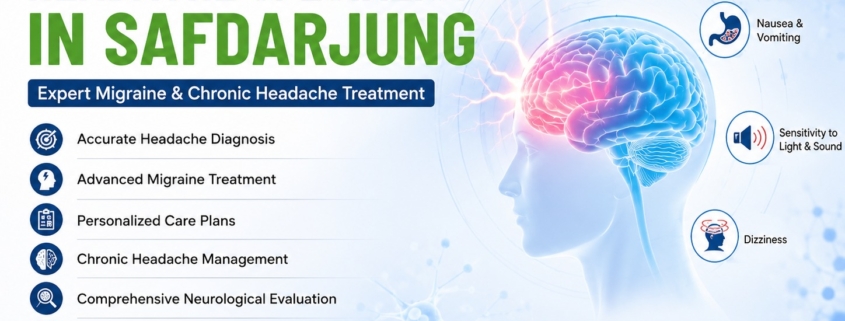
Headaches are one of the most common health problems, but they should never be ignored, especially when they occur frequently or become severe. While occasional headaches may result from stress, dehydration, or lack of sleep, chronic headaches can indicate an underlying neurological condition that requires expert evaluation. Consulting a Headache specialist in Safdarjung can help identify the root cause and provide effective treatment before symptoms worsen. A headache specialist can diagnose different types of headaches, including migraines, tension headaches, and cluster headaches, using advanced neurological assessments. Treatment options may include medications, lifestyle modifications, preventive therapies, and personalized headache management plans. Seeking timely care from a qualified Headache specialist in Safdarjung can improve your quality of life, reduce headache frequency, and help you return to your daily activities with confidence.
What is a Headache?
A headache is a condition that causes pain or discomfort in the head, scalp, face, or neck. While some headaches are mild and temporary, others can be severe and affect daily activities. If headaches occur frequently or become difficult to manage, consulting a Headache specialist in Safdarjung can help identify the underlying cause and provide effective treatment.
Understanding Headaches in Simple Words
Headaches are not a disease themselves but often a symptom of another condition, lifestyle factor, or neurological issue. They can vary in intensity, duration, and location of pain.
What Causes Headaches?
Several factors can trigger headaches, including:
- Stress and anxiety
- Lack of sleep
- Dehydration
- Eye strain
- Sinus infections
- Hormonal changes
- Migraine disorders
- High blood pressure
A qualified Headache specialist in Safdarjung can determine the exact cause through a detailed evaluation.
How Headaches Affect Daily Life
Frequent headaches can make it difficult to concentrate, work efficiently, study, drive, or enjoy social activities. Chronic headaches may also affect sleep quality and emotional well-being.
Common Symptoms People Experience
Common headache symptoms include:
- Dull or throbbing head pain
- Pressure around the forehead or temples
- Sensitivity to light and sound
- Nausea or vomiting
- Neck stiffness
- Fatigue and irritability
When Should You See a Headache Specialist?
Occasional headaches may not require medical attention, but persistent or severe headaches should be evaluated by a Headache specialist in Safdarjung.
Frequent Headaches
If you experience headaches multiple times a week or every month, it may indicate an underlying neurological condition that needs professional assessment.
Severe Pain That Affects Work or Sleep
Headaches that interfere with daily activities, productivity, or restful sleep should not be ignored. Early treatment can prevent the condition from worsening.
Headaches with Nausea, Dizziness, or Vision Problems
Symptoms such as nausea, dizziness, blurred vision, flashing lights, or balance issues may be associated with migraines or other neurological disorders and require expert evaluation.
Sudden or Unusual Headaches
A sudden, intense headache or a headache that feels different from your usual pattern may require immediate medical attention. Prompt consultation with a Headache specialist in Safdarjung can help rule out serious underlying conditions and ensure timely treatment.
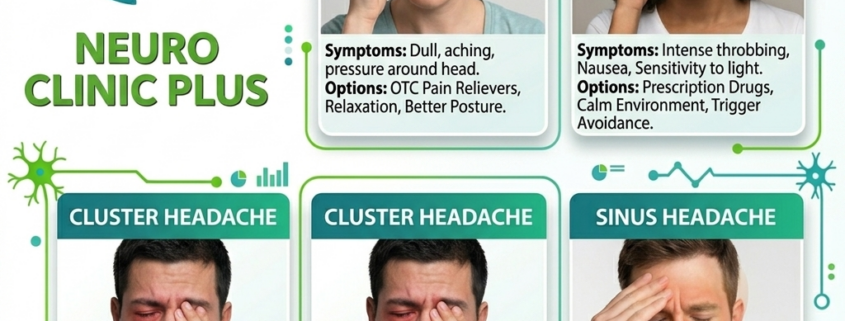
Common Types of Headaches
Headaches can occur for many reasons and may vary in severity, duration, and symptoms. Understanding the different types of headaches can help you seek the right treatment from a Headache specialist in Safdarjung. Early diagnosis and proper management can significantly improve your quality of life.
Migraine Headaches
Migraines are a neurological condition that causes intense, recurring headaches, often affecting one side of the head. Many patients seek Migraine treatment in Safdarjung when migraine attacks become frequent or disabling.
Symptoms of Migraine
Common migraine symptoms include:
- Throbbing or pulsating head pain
- Sensitivity to light and sound
- Nausea and vomiting
- Blurred vision
- Dizziness
- Fatigue
Common Migraine Triggers
Migraine attacks may be triggered by:
- Stress and anxiety
- Lack of sleep
- Hormonal changes
- Certain foods and beverages
- Bright lights
- Strong odors
- Dehydration
A Migraine specialist in Delhi can help identify individual triggers and create a personalized treatment plan.
How Migraine Is Diagnosed
Diagnosis typically involves:
- Detailed medical history
- Symptom evaluation
- Neurological examination
- MRI or CT scan when necessary
A qualified Neurologist in Safdarjung can accurately diagnose migraines and rule out other neurological conditions.
Tension Headaches
Tension headaches are the most common type of headache and are often linked to stress, muscle strain, or fatigue. They usually cause mild to moderate pain and may occur occasionally or frequently.
Causes of Tension Headaches
Common causes include:
- Emotional stress
- Poor posture
- Eye strain
- Lack of sleep
- Anxiety
- Long working hours
Symptoms to Watch For
Typical symptoms include:
- Dull, aching head pain
- Tightness around the forehead
- Pressure on both sides of the head
- Tenderness in neck and shoulder muscles
If symptoms become persistent, consulting a Headache doctor in Delhi can help prevent chronic discomfort.
Cluster Headaches
Cluster headaches are rare but extremely painful headaches that occur in cycles or clusters. They often affect one side of the head, usually around the eye.
Why Cluster Headaches Are Different
Unlike other headaches, cluster headaches:
- Occur suddenly
- Cause severe burning or piercing pain
- Often happen at the same time each day
- Can wake patients from sleep
Signs and Symptoms
Common signs include:
- Severe pain around one eye
- Red or watery eyes
- Nasal congestion
- Facial sweating
- Restlessness during attacks
Prompt evaluation by a Headache specialist in Safdarjung is important for effective treatment and symptom control.
Chronic Daily Headaches
Chronic daily headaches occur on 15 or more days per month for at least three months. They can significantly impact work, relationships, and overall well-being.
What Causes Long-Term Headaches?
Possible causes include:
- Chronic migraines
- Medication overuse
- Sleep disorders
- Stress
- Neurological conditions
- Hormonal imbalances
Patients seeking Chronic headache treatment often require a comprehensive evaluation to identify the underlying cause.
When Long-Term Headaches Become Serious
Medical attention should be sought if headaches:
- Become more frequent or severe
- Interfere with daily activities
- Do not respond to medication
- Occur with vision changes or weakness
- Are accompanied by dizziness or confusion
A Neurologist in Safdarjung can provide advanced diagnosis and treatment options to manage chronic headaches effectively and improve long-term health outcomes.
Causes of Frequent Headaches
Frequent headaches can affect your productivity, mood, sleep quality, and overall well-being. While occasional headaches are common, recurring headaches may indicate an underlying lifestyle factor or medical condition that requires professional evaluation. Consulting a Headache specialist in Safdarjung can help identify the root cause and provide effective treatment to prevent headaches from becoming chronic.
Lifestyle-Related Causes of Frequent Headaches
Many headaches are triggered by daily habits and lifestyle factors. Identifying and managing these triggers can significantly reduce headache frequency and severity.
Stress and Anxiety
Stress is one of the most common headache triggers. Emotional pressure, work-related stress, and anxiety can cause muscle tension and changes in brain chemicals, leading to tension headaches and migraines. Long-term stress may increase the risk of chronic headaches.
Lack of Sleep
Poor sleep quality or insufficient sleep can disrupt normal brain function and trigger headaches. Irregular sleep schedules, insomnia, and sleep disorders are frequently associated with recurring headaches and migraines.
Dehydration
Not drinking enough water can cause dehydration, which reduces blood flow and oxygen supply to the brain. Even mild dehydration can lead to headaches, dizziness, fatigue, and difficulty concentrating.
Poor Eating Habits
Skipping meals, consuming excessive caffeine, eating processed foods, or maintaining an unhealthy diet may trigger headaches in some individuals. Nutritional deficiencies can also contribute to frequent headache episodes.
Medical Causes of Frequent Headaches
In some cases, recurring headaches may be linked to underlying medical conditions that require diagnosis and treatment by a Neurologist in Safdarjung.
Migraine Disorders
Migraines are a neurological condition characterized by recurrent headache attacks that may be accompanied by nausea, vomiting, and sensitivity to light or sound. Individuals experiencing frequent migraines should seek Migraine treatment in Safdarjung for proper diagnosis and long-term management.
High Blood Pressure
Although not always symptomatic, uncontrolled high blood pressure can sometimes contribute to headaches, particularly when blood pressure levels become significantly elevated. Regular monitoring and medical management are important for overall health.
Neurological Conditions
Certain neurological disorders can lead to persistent or recurring headaches. These may include:
- Brain tumors
- Stroke-related conditions
- Epilepsy
- Brain infections
- Intracranial pressure disorders
- Vascular abnormalities
Early evaluation by a Migraine specialist in Delhi or headache expert can help rule out serious neurological causes and ensure timely treatment.
When to Seek Medical Help for Frequent Headaches
You should consult a Headache doctor in Delhi if:
- Headaches occur several times a week
- Pain becomes more severe over time
- Headaches interfere with work or daily activities
- Symptoms include dizziness, nausea, or vision changes
- Over-the-counter medications no longer provide relief
- Headaches are accompanied by neurological symptoms
Seeking expert care for Chronic headache treatment can help prevent complications and improve your quality of life through accurate diagnosis and personalized treatment strategies.
Meet Dr. Aparna Gupta: Expert Headache and Migraine Specialist
When it comes to diagnosing and treating headaches, migraines, and other neurological disorders, Dr. Aparna Gupta is recognized as one of the trusted specialists in Delhi. With extensive clinical experience and a patient-focused approach, she has helped numerous patients manage chronic headaches and improve their quality of life. Patients looking for a Headache specialist in Safdarjung often consult Dr. Aparna Gupta for her expertise in advanced neurological care and personalized treatment plans.
Who Is Dr. Aparna Gupta?
Dr. Aparna Gupta is an experienced neurologist dedicated to diagnosing and treating a wide range of neurological conditions. She specializes in headache disorders, migraines, vertigo, epilepsy, stroke management, neuropathy, and other complex neurological diseases. Her commitment to evidence-based treatment and compassionate patient care makes her a trusted name in neurology.
Qualifications and Medical Expertise
Dr. Aparna Gupta possesses strong academic credentials and advanced training in neurology, enabling her to provide comprehensive care for patients with neurological disorders.
MBBS
She completed her Bachelor of Medicine and Bachelor of Surgery (MBBS), building a strong foundation in medical sciences and patient care.
MD (General Medicine)
After MBBS, she pursued an MD in General Medicine, gaining extensive knowledge in diagnosing and managing various medical conditions.
DNB (Neurology)
Dr. Aparna Gupta further specialized in Neurology through a Diplomate of National Board (DNB) qualification, focusing on disorders affecting the brain, spinal cord, nerves, and muscles.
Experience in Neurology
With years of experience in neurological practice, Dr. Aparna Gupta has successfully treated patients suffering from both common and complex neurological conditions.
With over 22+ years of experience in neurology, Dr. Aparna Gupta specializes in diagnosing and treating migraines, chronic headaches, stroke, epilepsy, and other neurological disorders. As a trusted Headache specialist in Safdarjung and Neurologist in Safdarjung, she provides personalized, evidence-based care focused on long-term relief and improved quality of life.
Extensive Experience in Treating Neurological Disorders
Her expertise covers a wide range of neurological diseases, including:
- Migraine and chronic headaches
- Stroke and cerebrovascular disorders
- Epilepsy and seizure disorders
- Vertigo and balance disorders
- Parkinson’s disease
- Dementia and memory disorders
- Neuropathy and nerve-related conditions
Expertise in Headache and Migraine Management
As a highly regarded Migraine specialist in Delhi, Dr. Aparna Gupta provides advanced diagnosis and treatment for various headache disorders. She focuses on identifying the root cause of headaches and developing effective treatment strategies that provide long-term relief.
Patient-Centered Treatment Approach
One of the key reasons patients choose Dr. Aparna Gupta is her commitment to personalized and patient-focused care.
Personalized Treatment Plans
Every patient experiences headaches differently. Dr. Aparna Gupta develops customized treatment plans based on individual symptoms, medical history, lifestyle factors, and specific neurological needs.
Accurate Diagnosis
A proper diagnosis is essential for effective treatment. Through detailed consultations, neurological examinations, and advanced diagnostic evaluations, she identifies the underlying causes of headaches and migraines.
Long-Term Headache Management Strategies
Rather than simply treating symptoms, Dr. Aparna Gupta focuses on long-term headache control through:
- Preventive therapies
- Lifestyle modifications
- Trigger management
- Medication optimization
- Regular follow-up care
This comprehensive approach helps patients achieve lasting improvements and better daily functioning.
Why Patients Trust Dr. Aparna Gupta
Patients seeking a Headache specialist in Safdarjung often choose Dr. Aparna Gupta because of her expertise, compassionate care, and commitment to achieving the best possible outcomes.
Compassionate Care
She takes the time to understand each patient’s concerns, symptoms, and treatment goals, ensuring a comfortable and supportive healthcare experience.
Modern Treatment Methods
Dr. Aparna Gupta stays updated with the latest advancements in neurology and headache management, allowing her to offer modern, evidence-based treatment options.
Focus on Improving Quality of Life
Her primary goal is not only to reduce headache frequency and severity but also to help patients regain confidence, productivity, and overall well-being.
Expert Neurological Care at Neuro Clinic Plus
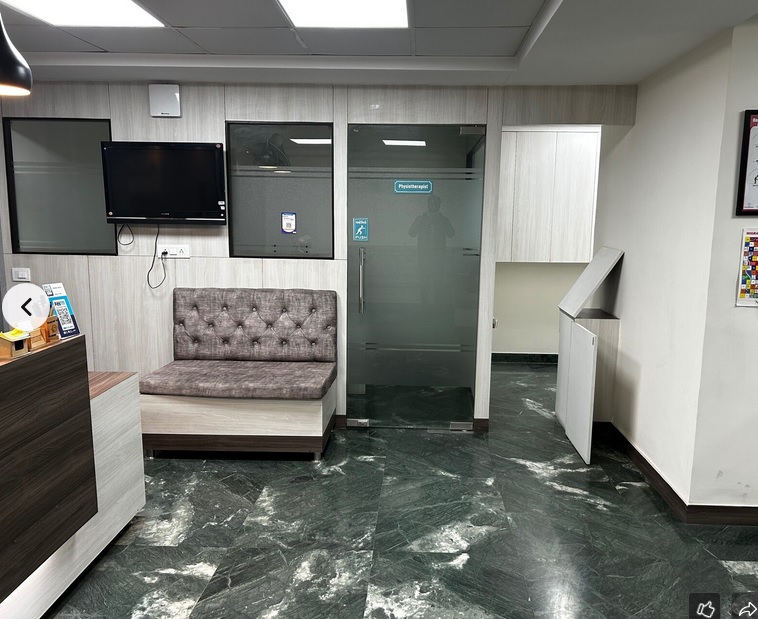
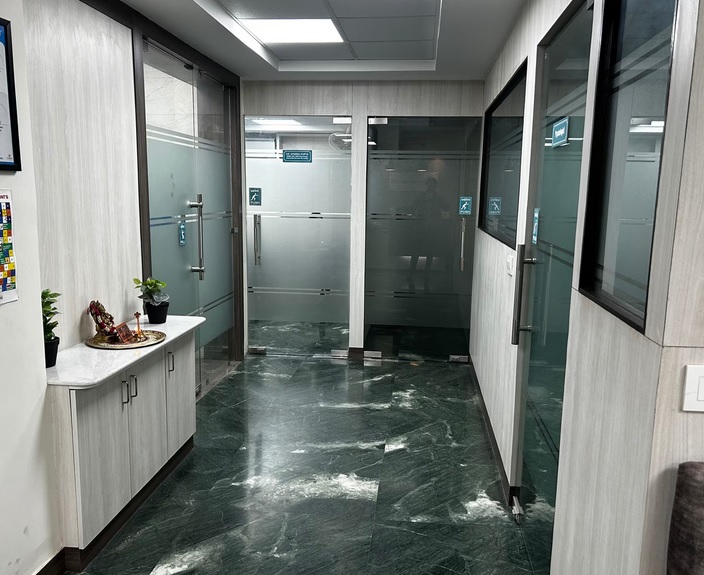
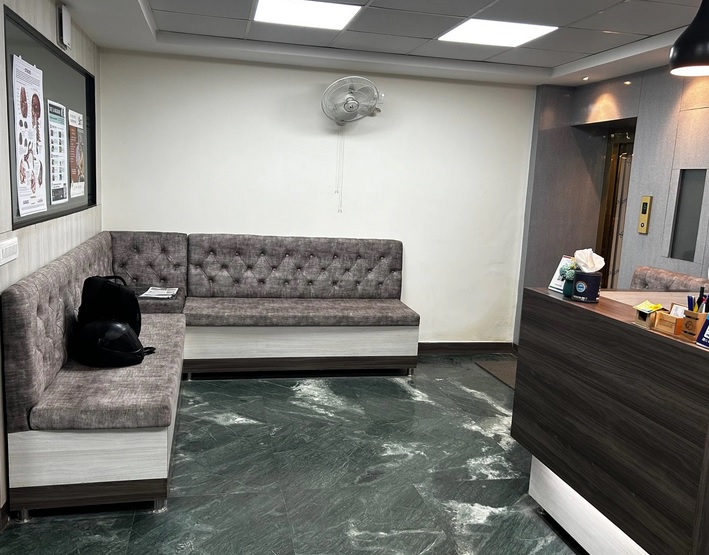
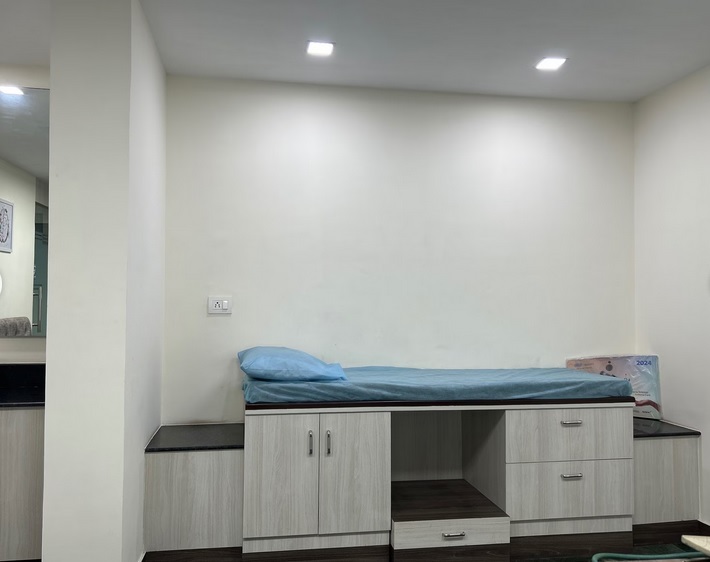
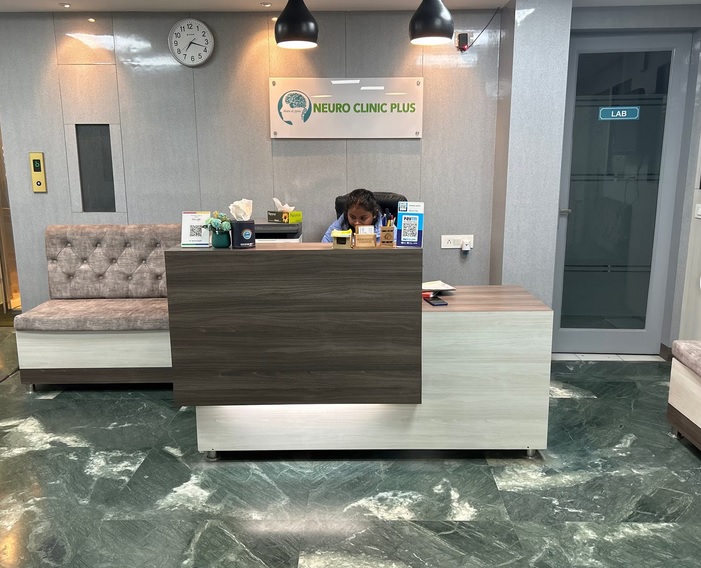
Dr. Aparna Gupta provides comprehensive neurological consultations and headache management services at Neuro Clinic Plus. The clinic is dedicated to delivering advanced neurological care through accurate diagnosis, modern treatment techniques, and personalized patient support. Whether you are experiencing migraines, chronic headaches, dizziness, or other neurological symptoms, Neuro Clinic Plus offers expert care designed to improve long-term health outcomes.
Patients looking for a trusted Neurologist in Safdarjung, Migraine treatment in Safdarjung, or specialized Chronic headache treatment can benefit from the expertise and patient-focused approach offered by Dr. Aparna Gupta at Neuro Clinic Plus.
About Neuro Clinic Plus
Neuro Clinic Plus is a dedicated neurology center committed to providing comprehensive diagnosis, treatment, and management of neurological disorders. Led by experienced specialists, the clinic focuses on delivering advanced neurological care through modern diagnostic technology and personalized treatment plans. Patients seeking a Headache specialist in Safdarjung can benefit from expert consultations and evidence-based care designed to improve long-term neurological health.
Advanced Neurology Care in Delhi
Neurological disorders can affect the brain, spinal cord, nerves, and muscles, significantly impacting daily life. Neuro Clinic Plus offers specialized care for a wide range of neurological conditions, including:
- Migraine and chronic headaches
- Stroke and brain disorders
- Epilepsy and seizure disorders
- Vertigo and balance problems
- Parkinson’s disease
- Dementia and memory disorders
- Neuropathy and nerve-related conditions
The clinic combines advanced diagnostics with individualized treatment plans to ensure accurate diagnosis and effective care.
What Makes Neuro Clinic Plus Different?
Neuro Clinic Plus is dedicated to providing high-quality neurological care through a patient-centered approach.
Comprehensive Neurological Care
The clinic offers complete neurological evaluation, diagnosis, treatment, and follow-up care under one roof. Patients receive comprehensive support for both acute and chronic neurological conditions.
Modern Diagnostic Facilities
Accurate diagnosis is the foundation of effective treatment. Neuro Clinic Plus utilizes advanced diagnostic tools and investigations to identify neurological disorders with precision.
Personalized Consultation
Every patient is unique. Specialists at Neuro Clinic Plus carefully assess symptoms, medical history, and lifestyle factors before creating customized treatment plans that address individual healthcare needs.
Facilities Available at Neuro Clinic Plus
The clinic is equipped with advanced facilities that support accurate diagnosis and effective neurological treatment.
EEG Testing
Electroencephalography (EEG) is used to measure electrical activity in the brain. It helps diagnose conditions such as epilepsy, seizures, and other neurological disorders.
Sleep Studies
Sleep studies help identify sleep-related disorders that may contribute to headaches, fatigue, poor concentration, and other neurological symptoms.
NCV / EMG Testing
Nerve Conduction Velocity (NCV) and Electromyography (EMG) tests evaluate nerve and muscle function. These investigations assist in diagnosing neuropathy, muscle disorders, and nerve injuries.
MRI & CT Imaging Support
Advanced imaging services, including MRI and CT scans, help specialists examine the brain and nervous system in detail, enabling accurate diagnosis of neurological conditions.
Neuro Physiotherapy Services
Neuro physiotherapy supports patients recovering from stroke, neurological injuries, balance disorders, and movement-related conditions. Rehabilitation programs are designed to improve mobility, strength, and independence.
Convenient Location and Appointment Process
Neuro Clinic Plus offers easy appointment scheduling and a patient-friendly consultation process. The clinic is committed to providing timely neurological care in a comfortable and supportive environment. Whether you require Migraine treatment in Safdarjung, evaluation for recurring headaches, or specialized neurological consultation, patients can access expert care with minimal waiting time.
The clinic’s structured appointment system ensures that every patient receives sufficient consultation time, thorough evaluation, and personalized treatment recommendations.
neurological disorders with precision.
Personalized Consultation
Every patient is unique. Specialists at Neuro Clinic Plus carefully assess symptoms, medical history, and lifestyle factors before creating customized treatment plans that address individual healthcare needs.
Why Choose Neuro Clinic Plus?
Patients trust Neuro Clinic Plus because of its commitment to excellence in neurological care.
Experienced Neurology Specialists
The clinic is led by highly qualified neurology experts with extensive experience in treating complex neurological conditions.
Patient-Focused Care
Every treatment plan is tailored to the individual needs of the patient, ensuring better outcomes and improved quality of life.
Advanced Diagnostic Support
Modern testing and imaging facilities enable early diagnosis and effective treatment planning.
Comprehensive Headache and Migraine Management
Patients seeking a Headache specialist in Safdarjung, Neurologist in Safdarjung, or Chronic headache treatment can access comprehensive evaluation, diagnosis, and long-term management solutions at Neuro Clinic Plus.
Symptoms That Need Immediate Medical Attention
Red Flag Signs You Should Not Ignore
Seek urgent medical care if you experience a sudden severe headache, headache after a head injury, vision changes, difficulty speaking, weakness or numbness in the face or limbs, or a headache accompanied by fever or seizures. These symptoms may indicate a serious neurological condition requiring immediate evaluation. Consulting a Headache specialist in Safdarjung or Neurologist in Safdarjung without delay can help ensure timely diagnosis and treatment, reducing the risk of complications and protecting your overall neurological health.
How Dr. Aparna Gupta Diagnoses Headaches
Accurate diagnosis is the first step toward effective headache treatment. At Neuro Clinic Plus, Dr. Aparna Gupta follows a comprehensive evaluation process to identify the underlying cause of headaches and develop a personalized treatment plan. Patients seeking a Headache specialist in Safdarjung can benefit from advanced diagnostic techniques and expert neurological assessment.
Detailed Medical Evaluation
A thorough consultation helps understand the pattern, frequency, severity, and triggers of headaches. This information is essential for determining whether the headache is related to migraines, tension headaches, neurological disorders, or other medical conditions.
Understanding Your Medical History
Dr. Aparna Gupta carefully reviews your medical history, family history, current medications, lifestyle habits, and previous headache episodes. This helps identify potential risk factors and underlying causes.
Physical and Neurological Examination
A detailed neurological examination is performed to assess brain function, nerve health, muscle strength, reflexes, balance, coordination, and sensory responses. This evaluation helps detect any neurological abnormalities that may be contributing to headaches.
Headache Treatment Options Available
At Neuro Clinic Plus, Dr. Aparna Gupta provides comprehensive and personalized treatment for various types of headaches, including migraines, tension headaches, cluster headaches, and chronic daily headaches. As a trusted Headache specialist in Safdarjung, she focuses on identifying the root cause and creating effective long-term treatment strategies.
Personalized Treatment Plans
Every patient experiences headaches differently. Treatment plans are tailored according to the type of headache, symptom severity, medical history, lifestyle factors, and individual health needs.
Medicines for Headache Relief
Medications may be prescribed to provide quick relief from headache pain, reduce inflammation, and manage associated symptoms such as nausea and sensitivity to light or sound.
Migraine Preventive Treatments
For patients with frequent migraine attacks, preventive medications may be recommended to reduce headache frequency, severity, and duration. Effective Migraine treatment in Safdarjung often includes both preventive and symptom-relief therapies.
Lifestyle Modifications
Simple lifestyle changes can play an important role in headache management. Patients are advised on healthy sleep habits, hydration, regular exercise, stress reduction, and dietary improvements to minimize headache triggers.
Advanced Headache Management
For patients with persistent or chronic headaches, advanced treatment options may be considered to improve long-term outcomes.
Botulinum Toxin (Botox) Therapy
Botox therapy may be recommended for chronic migraine sufferers. It helps reduce headache frequency by relaxing specific muscles and blocking pain signals involved in migraine attacks.
Biofeedback Therapy
Biofeedback is a non-invasive technique that helps patients recognize and control physical responses such as muscle tension and stress, which can contribute to headaches.
Stress Management Techniques
Since stress is a common headache trigger, patients are guided on relaxation methods, mindfulness practices, and stress-management strategies to reduce headache episodes.
Trigger Identification and Prevention
Identifying personal headache triggers is a key part of treatment. Dr. Aparna Gupta works with patients to recognize factors such as certain foods, sleep disturbances, dehydration, hormonal changes, and stress that may trigger headaches.
At Neuro Clinic Plus, patients seeking Chronic headache treatment, consultation with a Neurologist in Safdarjung, or expert care from a Migraine specialist in Delhi receive evidence-based treatments designed to provide lasting relief and improve overall quality of life.
Migraine Treatment by a Headache Specialist
Migraines are a neurological condition that causes recurring headaches along with symptoms such as nausea, sensitivity to light, and dizziness. A Headache specialist in Safdarjung can accurately diagnose migraines and create a personalized treatment plan.
How Migraine Is Different From Other Headaches
Migraine pain is often severe and may interfere with daily activities. Unlike regular headaches, migraines can last for hours or even days.
Migraine Prevention and Long-Term Management
Effective Migraine treatment in Safdarjung focuses on:
- Identifying migraine triggers
- Preventive medications
- Lifestyle modifications
- Stress management techniques
- Regular follow-up care
Tips to Prevent Headaches Naturally
Healthy habits can help reduce headache frequency and improve overall well-being.
Healthy Habits That Can Help
- Stay Hydrated: Drink enough water throughout the day.
- Maintain Regular Sleep: Follow a consistent sleep schedule.
- Reduce Stress: Practice relaxation and mindfulness techniques.
- Exercise Regularly: Physical activity improves circulation and reduces stress.
- Avoid Known Triggers: Limit foods, habits, or situations that trigger headaches.
Other Neurological Conditions Treated at Neuro Clinic Plus
At Neuro Clinic Plus, a Neurologist in Safdarjung provides treatment for:
- Vertigo and dizziness
- Stroke management
- Epilepsy
- Parkinson’s disease
- Dementia
- Neuropathy
- Multiple sclerosis
- Brain infections
- Autoimmune neurological disorders
Why Choose Dr. Aparna Gupta for Headache Treatment?
- Accurate diagnosis
- Personalized treatment plans
- Advanced treatment options
- Comprehensive follow-up support
- Expertise as a Migraine specialist in Delhi
Patients seeking Chronic headache treatment and long-term headache relief can benefit from expert neurological care at Neuro Clinic Plus.
Frequently Asked Questions (FAQs)
1. When should I consult a Headache specialist in Safdarjung?
If headaches occur frequently, become severe, affect daily activities, or are accompanied by nausea, dizziness, or vision changes, you should consult a Headache specialist in Safdarjung.
2. What causes frequent headaches?
Frequent headaches may result from stress, lack of sleep, dehydration, migraines, sinus issues, or neurological conditions. A Neurologist in Safdarjung can identify the underlying cause.
3. What is the difference between a migraine and a regular headache?
Migraines usually cause throbbing pain, nausea, and sensitivity to light or sound. A Migraine specialist in Delhi can accurately diagnose and manage migraine attacks.
4. Can migraines be prevented?
Yes. Effective Migraine treatment in Safdarjung may include preventive medications, lifestyle changes, stress management, and avoiding known migraine triggers.
5. What tests are used to diagnose headaches?
Doctors may recommend neurological examinations, MRI scans, CT scans, EEG tests, and other investigations to determine the cause of recurring headaches.
6. Are chronic headaches a serious condition?
Persistent headaches may indicate an underlying health issue. Seeking Chronic headache treatment helps identify causes early and prevent complications.
7. Can stress trigger headaches?
Yes. Stress is one of the most common headache triggers and can contribute to tension headaches and migraine attacks in many individuals.
8. What lifestyle changes help reduce headaches?
Drinking enough water, getting regular sleep, exercising, reducing stress, and avoiding headache triggers can help minimize headache frequency and severity.
9. When should a headache be considered an emergency?
Seek immediate medical care if headaches are sudden, severe, occur after a head injury, or involve vision problems, weakness, or seizures.
10. What treatments are available for migraines?
A Headache doctor in Delhi may recommend medications, preventive therapies, lifestyle modifications, trigger management, and advanced migraine treatment options.
11. Does Neuro Clinic Plus treat neurological disorders other than headaches?
Yes. Neuro Clinic Plus provides treatment for epilepsy, stroke, vertigo, Parkinson’s disease, dementia, neuropathy, and other neurological conditions.
12. Why choose Dr. Aparna Gupta for headache treatment?
Dr. Aparna Gupta offers accurate diagnosis, personalized care, advanced treatment options, and long-term management for patients seeking a Headache specialist in Safdarjung.
Conclusion
Headaches should never be ignored, especially when they become frequent, severe, or begin affecting your daily life. Early diagnosis is essential for identifying the underlying cause and preventing complications. Consulting a Headache specialist in Safdarjung can help ensure accurate diagnosis, effective treatment, and long-term relief from headaches and migraines.
Dr. Aparna Gupta provides personalized care, advanced diagnostic evaluation, and evidence-based treatment plans tailored to each patient’s needs. Whether you require Migraine treatment in Safdarjung, support from a Neurologist in Safdarjung, or specialized Chronic headache treatment, expert neurological care can significantly improve your quality of life.
If you are experiencing recurring headaches, migraines, or other neurological symptoms, schedule a consultation today. Early intervention and specialist care can help you achieve lasting relief and return to your daily activities with confidence.