Migraines are a common neurological condition that can cause intense headaches and affect a person’s daily life. They are more than just regular headaches and are often accompanied by symptoms such as nausea, vomiting, sensitivity to light, and sensitivity to sound.
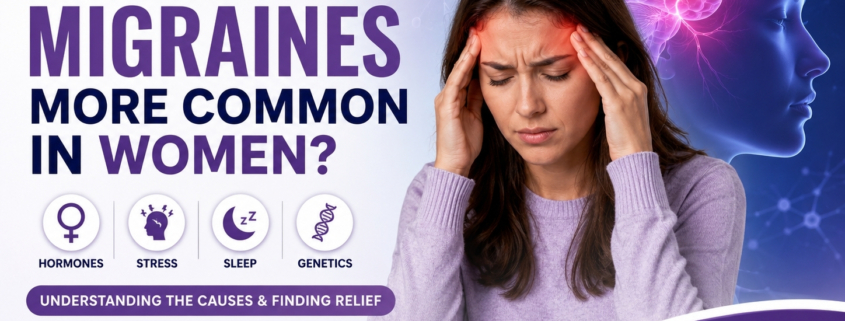
If you are searching for the best headache specialist in Delhi, it is important to understand why migraines occur and why they are more common in women. Studies show that women are nearly three times more likely to experience migraines than men. This is mainly due to hormonal changes, especially fluctuations in estrogen levels during menstruation, pregnancy, and menopause. Other factors such as stress, lack of sleep, family history, and certain lifestyle habits can also increase the risk of migraines.
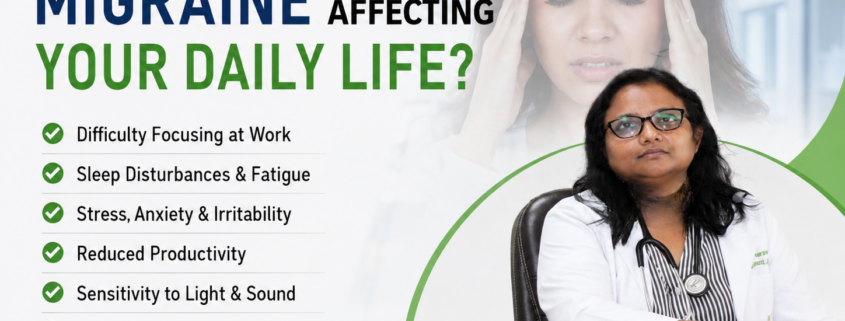
Frequent migraine attacks can make it difficult to work, study, or carry out everyday activities. The good news is that with the right diagnosis and treatment, migraines can often be managed effectively.
Dr. Aparna Gupta, a leading neurologist at Neuro Clinic Plus, helps patients understand the causes of their migraines and develop personalized treatment plans. In this article, we will explain why migraines are more common in women, their common triggers, symptoms, and the treatment options available to help improve quality of life.
What Is a Migraine?
A migraine is a neurological condition that causes recurring headaches and other symptoms that can significantly affect a person’s daily life. Unlike a regular headache, a migraine often causes intense, throbbing pain that may last for several hours or even days. The pain usually occurs on one side of the head, although some people may experience it on both sides.
People searching for the best headache specialist in Delhi often seek help because migraines can be difficult to manage without proper diagnosis and treatment. Understanding what a migraine is can help individuals recognize symptoms early and seek appropriate medical care.
Common Symptoms of a Migraine
Migraine symptoms can vary from person to person but often include:
- Severe or throbbing headache
- Nausea and vomiting
- Sensitivity to light (photophobia)
- Sensitivity to sound (phonophobia)
- Dizziness or vertigo
- Blurred vision or visual disturbances
Migraine vs. Regular Headache
A regular headache typically causes mild to moderate discomfort and usually improves with rest or over-the-counter medication. A migraine, however, is a neurological disorder that can cause severe pain and additional symptoms that interfere with daily activities.
When to Seek Medical Advice
If headaches are frequent, severe, or affecting your quality of life, it is important to consult a neurologist. Dr. Aparna Gupta at Neuro Clinic Plus provides comprehensive evaluation and personalized treatment for migraine and other headache disorders.
How Common Are Migraines in Women?
Migraines are one of the most common neurological disorders worldwide, and women are affected much more often than men. Studies show that women are nearly three times more likely to experience migraines than men. Hormonal changes, genetic factors, and lifestyle triggers are some of the main reasons for this increased risk.
For those looking for the best headache specialist in Delhi, understanding how common migraines are in women can help emphasize the importance of early diagnosis and proper treatment.
Migraine Statistics in Women
Research has found that:
- Approximately 75% of migraine sufferers are women.
- Women are nearly three times more likely to experience migraines than men.
- Migraines are most common between the ages of 18 and 44.
- Many women experience migraine attacks before, during, or after their menstrual periods.
- Hormonal changes during pregnancy and menopause can also affect migraine frequency and severity.
Impact of Migraines on Daily Life
Frequent migraine attacks can affect many aspects of a woman’s life, including:
- Reduced productivity at work or school.
- Difficulty concentrating on daily tasks.
- Disrupted sleep patterns.
- Increased stress and emotional strain.
- Limitations in social and family activities.
- Lower overall quality of life.
Why Early Diagnosis Matters
Seeking medical attention for recurring migraines is important because:
- Early treatment can reduce the frequency of migraine attacks.
- Identifying triggers can help prevent future episodes.
- Proper management can improve daily functioning and well-being.
- Personalized treatment plans can provide long-term relief.
- Severe or unusual headaches may require further neurological evaluation.
Dr. Aparna Gupta at Neuro Clinic Plus specializes in diagnosing and treating migraine disorders. Through a detailed assessment and individualized treatment approach, she helps patients manage migraines effectively and improve their quality of life.
Understanding Why Women Experience More Migraines
Women are significantly more likely to experience migraines than men. While the exact cause varies from person to person, experts believe that hormonal changes play a major role. Factors such as genetics, stress, sleep disturbances, and lifestyle habits can also contribute to the higher prevalence of migraines among women.
If you are searching for the best headache specialist in Delhi, understanding these underlying causes can help you recognize potential triggers and seek timely treatment.
Hormonal Changes and Migraines
Hormones, particularly estrogen, have a strong influence on migraine development. Fluctuations in hormone levels can affect brain chemicals involved in pain regulation, making women more vulnerable to migraine attacks.
Common hormonal triggers include:
- Menstrual periods
- Pregnancy
- Menopause
- Birth control pills
- Hormone replacement therapy (HRT)
Menstrual Migraines
Many women experience migraine attacks around the time of their menstrual cycle due to a drop in estrogen levels.
Common characteristics include:
- Migraines occurring before or during periods
- More intense headache pain
- Increased sensitivity to light and sound
- Nausea and vomiting
- Longer-lasting symptoms
Genetic Factors
Family history can play an important role in migraine development. Women with close relatives who suffer from migraines may have a higher risk of experiencing them as well.
Genetic factors may:
- Increase susceptibility to migraine triggers
- Affect how the brain processes pain signals
- Contribute to recurring migraine episodes
Stress and Emotional Health
Stress is one of the most common migraine triggers. Physical and emotional stress can increase the likelihood of migraine attacks and may also worsen symptoms.
Common stress-related triggers include:
- Work-related pressure
- Family responsibilities
- Anxiety
- Emotional stress
- Major life changes
Sleep Problems
Sleep and migraines are closely connected. Poor sleep habits can trigger migraine attacks and make them more severe.
Common sleep-related triggers include:
- Lack of sleep
- Irregular sleep schedules
- Insomnia
- Excessive sleep
- Frequent interruptions during sleep
Lifestyle and Environmental Factors
Certain daily habits and environmental factors can increase the risk of migraines in women.
These include:
- Skipping meals
- Dehydration
- Excessive caffeine intake
- Bright lights
- Strong odors
- Excessive screen time
- Weather changes
Why Understanding the Cause Matters
Understanding what triggers migraines can help women take preventive steps and seek appropriate treatment. Identifying the underlying causes can reduce the frequency and severity of migraine attacks, leading to a better quality of life.
Dr. Aparna Gupta at Neuro Clinic Plus specializes in diagnosing and treating migraine disorders. Through comprehensive evaluation and personalized treatment plans, she helps patients manage migraines effectively and achieve long-term relief.
Common Migraine Triggers in Women
Migraine triggers can vary from person to person, but certain factors are more commonly associated with migraine attacks in women. Identifying these triggers is an important step in preventing migraines and reducing their frequency.
If you are looking for the best headache specialist in Delhi, keeping track of your migraine triggers can help your doctor create a more effective treatment plan.
Hormonal Changes
Hormonal fluctuations are among the most common migraine triggers in women. Changes in estrogen levels can affect brain chemicals involved in pain regulation.
Common hormonal triggers include:
- Menstrual periods
- Pregnancy
- Menopause
- Birth control pills
- Hormone replacement therapy
Stress and Anxiety
Physical and emotional stress can trigger migraine attacks and may also make existing symptoms worse.
Common stress-related triggers include:
- Work pressure
- Family responsibilities
- Anxiety
- Emotional distress
- Major life events
Sleep Disturbances
A healthy sleep routine is essential for migraine prevention. Changes in sleep patterns can increase the risk of an attack.
Sleep-related triggers include:
- Lack of sleep
- Irregular sleep schedules
- Insomnia
- Oversleeping
- Poor sleep quality
Dietary Triggers
Certain foods and beverages may trigger migraines in some individuals.
Common dietary triggers include:
- Skipping meals
- Dehydration
- Excess caffeine
- Processed foods
- Artificial sweeteners
- Alcoholic beverages
Environmental Triggers
Environmental factors can also contribute to migraine attacks.
Examples include:
- Bright or flashing lights
- Strong smells and perfumes
- Loud noises
- Extreme weather changes
- Excessive screen exposure
Why Identifying Triggers Is Important
Understanding your personal migraine triggers can help you:
- Reduce the frequency of migraine attacks
- Avoid situations that worsen symptoms
- Improve treatment outcomes
- Maintain a better quality of life
- Prevent chronic migraines from developing
Dr. Aparna Gupta at Neuro Clinic Plus helps patients identify migraine triggers and develop personalized strategies to manage and prevent migraine attacks effectively.
Symptoms of Migraines in Women
Migraine symptoms can vary from one person to another. While the most common symptom is a severe headache, many women also experience a range of physical and neurological symptoms before, during, or after a migraine attack. Recognizing these symptoms early can help ensure timely treatment and better migraine management.
If you are searching for the best headache specialist in Delhi, understanding the warning signs of migraines can help you seek medical attention before symptoms become severe.
Common Migraine Symptoms
The most frequently reported symptoms of migraines include:
- Throbbing or pulsating headache
- Pain on one side of the head, although both sides can be affected
- Nausea and vomiting
- Sensitivity to light (photophobia)
- Sensitivity to sound (phonophobia)
- Sensitivity to strong smells
- Dizziness or lightheadedness
- Blurred vision
Migraine Aura Symptoms
Some women experience an aura before a migraine attack. An aura usually develops gradually and may last from a few minutes to an hour.
Common aura symptoms include:
- Flashing lights or bright spots
- Blind spots in vision
- Zigzag lines or visual distortions
- Tingling or numbness in the face, hands, or arms
- Difficulty speaking or finding words
Symptoms During a Migraine Attack
During an active migraine episode, women may experience:
- Moderate to severe head pain
- Increased sensitivity to light and noise
- Difficulty concentrating
- Fatigue and weakness
- Worsening pain with physical activity
Symptoms After a Migraine
Even after the headache improves, some women continue to experience symptoms known as the postdrome phase.
These may include:
- Tiredness and exhaustion
- Difficulty concentrating
- Mood changes
- Mild head discomfort
- General weakness
When Should You Seek Medical Help?
You should consult a neurologist if you experience:
- Frequent migraine attacks
- Severe headaches that interfere with daily activities
- New or unusual headache symptoms
- Vision changes or neurological symptoms
- Headaches that are becoming more frequent or severe
Dr. Aparna Gupta at Neuro Clinic Plus provides comprehensive evaluation and treatment for migraine disorders, helping patients achieve better symptom control and improved quality of life.
When Should You See a Neurologist?
While occasional headaches are common, frequent or severe migraines should not be ignored. Seeking medical attention at the right time can help identify the underlying cause of your headaches and prevent complications. Early diagnosis and treatment can also reduce the frequency and severity of migraine attacks.
If you are looking for the best headache specialist in Delhi, it is important to know the warning signs that indicate the need for a neurological evaluation.
Signs You Should Consult a Neurologist
You should seek medical advice if you experience:
- Frequent migraine attacks that occur several times a month
- Headaches that are becoming more severe over time
- Migraines that interfere with work, studies, or daily activities
- Headaches that do not improve with over-the-counter medications
- Recurrent nausea, vomiting, or dizziness along with headaches
- Sleep disturbances caused by headaches
Warning Symptoms That Need Immediate Medical Attention
Certain headache symptoms may indicate a more serious neurological condition and require urgent evaluation.
Seek immediate medical care if you experience:
- A sudden, severe headache that feels different from previous headaches
- Headache accompanied by weakness in the face, arm, or leg
- Difficulty speaking or understanding speech
- Loss of vision or double vision
- Seizures along with headaches
- Confusion, memory problems, or loss of consciousness
Why Early Diagnosis Is Important
Consulting a neurologist early can help:
- Identify the exact type of headache or migraine
- Detect underlying neurological conditions
- Reduce the frequency and severity of migraine attacks
- Prevent long-term complications
- Improve overall quality of life
Expert Migraine Care at Neuro Clinic Plus
Dr. Aparna Gupta at Neuro Clinic Plus specializes in the diagnosis and treatment of migraine disorders and other neurological conditions. Through detailed evaluation, trigger identification, and personalized treatment plans, she helps patients achieve better migraine control and long-term relief from recurring headaches.
How Are Migraines Diagnosed?
Diagnosing migraines involves a detailed evaluation of your symptoms, medical history, and headache patterns. Since there is no single test that can confirm a migraine, neurologists use a combination of clinical assessment and diagnostic tools to rule out other possible causes of headaches.
If you are searching for the best headache specialist in Delhi, choosing an experienced neurologist is important for obtaining an accurate diagnosis and effective treatment plan.
Medical History and Symptom Review
Your neurologist will begin by asking detailed questions about your headaches, including:
- How often your headaches occur
- The location and intensity of the pain
- How long the symptoms last
- Associated symptoms such as nausea, dizziness, or visual disturbances
- Possible migraine triggers
- Family history of migraines or neurological disorders
Neurological Examination
A neurological examination helps assess the functioning of the brain and nervous system.
The examination may include checking:
- Reflexes
- Muscle strength
- Balance and coordination
- Vision and eye movements
- Sensory responses
Imaging Tests When Needed
In some cases, imaging studies may be recommended to rule out other conditions that can cause headaches.
These tests may include:
- MRI (Magnetic Resonance Imaging)
- CT Scan (Computed Tomography)
Imaging tests are usually advised when headaches are severe, unusual, or accompanied by neurological symptoms.
Identifying Migraine Triggers
Understanding migraine triggers is an important part of diagnosis and treatment.
Your doctor may recommend tracking:
- Menstrual cycles
- Sleep patterns
- Stress levels
- Dietary habits
- Environmental exposures
- Physical activity
Importance of an Accurate Diagnosis
An accurate diagnosis helps:
- Differentiate migraines from other headache disorders
- Identify underlying medical conditions
- Develop a personalized treatment plan
- Reduce the frequency and severity of attacks
- Improve long-term migraine management
At Neuro Clinic Plus, Dr. Aparna Gupta conducts a comprehensive evaluation to accurately diagnose migraine disorders and create individualized treatment strategies that address each patient’s unique needs.
Treatment Options for Migraines in Women
Migraine treatment focuses on relieving symptoms, reducing the frequency of attacks, and improving overall quality of life. The right treatment plan depends on the severity of symptoms, the frequency of migraine episodes, and individual triggers.
If you are looking for the best headache specialist in Delhi, consulting an experienced neurologist can help you receive a personalized treatment plan tailored to your specific needs.
Acute Migraine Treatments
Acute treatments are used to relieve symptoms during a migraine attack and help patients return to their normal activities more quickly.
Common treatment options include:
- Pain-relieving medications
- Anti-inflammatory medications
- Anti-nausea medications
- Prescription migraine medications when required
- Resting in a quiet, dark room
Preventive Migraine Treatments
For women who experience frequent or severe migraines, preventive treatment may be recommended to reduce the number of attacks.
Preventive options may include:
- Daily preventive medications
- Hormonal management for menstrual migraines
- Stress management techniques
- Treatment of underlying sleep disorders
- Regular medical follow-up
Lifestyle Changes for Migraine Prevention
Healthy lifestyle habits can play a major role in preventing migraine attacks.
Helpful strategies include:
- Maintaining a regular sleep schedule
- Staying well hydrated
- Eating meals on time
- Exercising regularly
- Managing stress effectively
- Limiting excessive caffeine intake
- Avoiding known migraine triggers
Keeping a Migraine Diary
A migraine diary can help identify patterns and triggers that contribute to attacks.
You can record:
- Date and time of migraine episodes
- Foods consumed before symptoms began
- Sleep duration
- Stress levels
- Menstrual cycle details
- Medications taken
Personalized Migraine Care at Neuro Clinic Plus
Every migraine patient is different, which is why individualized treatment is essential. Dr. Aparna Gupta at Neuro Clinic Plus provides comprehensive migraine management by identifying triggers, evaluating hormonal and lifestyle factors, and developing customized treatment plans.
With the right diagnosis, treatment, and preventive measures, many women can successfully reduce the frequency and severity of migraines and enjoy a better quality of life.
Why Choose Dr. Aparna Gupta for Migraine Treatment?
Migraines can significantly affect your daily life, making it important to seek care from an experienced neurologist who understands the complexities of headache disorders. Proper diagnosis and personalized treatment can help reduce migraine frequency, manage symptoms effectively, and improve overall quality of life.
If you are searching for the best headache specialist in Delhi, Dr. Aparna Gupta offers comprehensive care for patients suffering from migraines and other neurological conditions.
Expertise in Migraine Management
Dr. Aparna Gupta specializes in the diagnosis and treatment of various headache disorders, including:
- Migraine headaches
- Chronic migraines
- Menstrual migraines
- Tension headaches
- Cluster headaches
- Secondary headache disorders
Personalized Treatment Approach
Every patient experiences migraines differently. Dr. Aparna Gupta focuses on creating individualized treatment plans based on:
- Migraine frequency and severity
- Lifestyle factors
- Hormonal influences
- Medical history
- Identified migraine triggers
Comprehensive Neurological Evaluation
A detailed neurological assessment helps identify the underlying cause of headaches and ensures accurate diagnosis.
The evaluation may include:
- Detailed symptom assessment
- Neurological examination
- Review of migraine triggers
- Diagnostic testing when required
- Long-term treatment planning
Patient-Centered Care
Patients receive guidance and support throughout their treatment journey, including:
- Education about migraine triggers
- Lifestyle modification recommendations
- Preventive treatment strategies
- Regular follow-up consultations
- Ongoing symptom monitoring
Trusted Migraine Care at Neuro Clinic Plus
At Neuro Clinic Plus, Dr. Aparna Gupta combines clinical expertise with a patient-focused approach to help individuals manage migraines effectively. Her goal is not only to relieve symptoms but also to improve long-term neurological health and overall well-being.
Migraine Care at Neuro Clinic Plus
Neuro Clinic Plus is dedicated to providing comprehensive care for patients experiencing migraines and other neurological disorders. The clinic offers a structured approach to diagnosis, treatment, and long-term management to help patients achieve lasting relief.
Services Available for Migraine Patients
Patients can benefit from:
- Comprehensive migraine evaluation
- Headache disorder diagnosis
- Trigger identification and management
- Personalized treatment plans
- Preventive migraine care
- Long-term follow-up and monitoring
Benefits of Early Treatment
Seeking timely medical care can help:
- Reduce the frequency of migraine attacks
- Minimize symptom severity
- Improve daily functioning
- Prevent chronic migraine development
- Enhance overall quality of life
A Holistic Approach to Migraine Management
Neuro Clinic Plus focuses on addressing both the symptoms and underlying causes of migraines through:
- Accurate diagnosis
- Evidence-based treatment
- Lifestyle modification guidance
- Trigger management strategies
- Continuous patient support
With expert care from Dr. Aparna Gupta, patients can receive personalized solutions designed to help them manage migraines more effectively and lead healthier, more productive lives.
Frequently Asked Questions (FAQs)
1. Why do women get migraines more often than men?
Women are more likely to experience migraines because hormonal changes, especially fluctuations in estrogen levels, can trigger migraine attacks.
2. What are the signs of a migraine?
Common signs include throbbing head pain, nausea, vomiting, dizziness, and sensitivity to light, sound, or strong smells.
3. What can trigger a migraine in women?
Migraines can be triggered by stress, hormonal changes, lack of sleep, dehydration, skipped meals, and certain foods or drinks.
4. How can I stop migraines from happening frequently?
Maintaining a healthy sleep schedule, managing stress, staying hydrated, and avoiding known triggers can help reduce migraine attacks.
5. When should I see the best headache specialist in Delhi for migraines?
You should consult a specialist if migraines are frequent, severe, worsening, or interfering with your daily activities and quality of life.
Conclusion
Migraines are much more common in women than in men, largely due to hormonal fluctuations, genetic factors, stress, sleep disturbances, and lifestyle influences. While migraine attacks can be painful and disruptive, understanding their causes and triggers is the first step toward effective management.
Women who experience frequent headaches should not ignore their symptoms, especially if migraines are affecting their daily activities, work performance, or overall well-being. Early diagnosis and appropriate treatment can help reduce the frequency and severity of attacks while improving quality of life.
If you are looking for the best headache specialist in Delhi, Dr. Aparna Gupta at Neuro Clinic Plus provides expert evaluation and personalized migraine treatment plans tailored to each patient’s needs. By combining accurate diagnosis, preventive strategies, lifestyle guidance, and ongoing support, she helps patients achieve better migraine control and long-term relief.
With the right medical care and preventive measures, many women can successfully manage migraines and enjoy a healthier, more active life.