Tag Archive for: chronic headache

best brain specialist in safdarjung

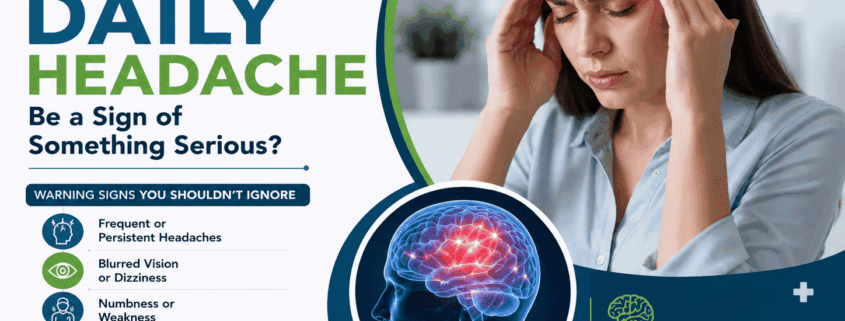
Headaches are common, but experiencing them every day is not something you should ignore. While stress, dehydration, or lack of sleep may trigger headaches, frequent pain can sometimes be linked to an underlying neurological condition that requires expert evaluation. If your headaches are becoming more frequent or severe, consulting the Best Brain Specialist in Safdarjung can help identify the root cause early. At Neuro Clinic Plus, Dr. Aparna Gupta provides comprehensive diagnosis and personalized treatment to help patients manage headaches effectively and protect their long-term brain health.

When Is a Headache More Than Just a Headache?

Most headaches are temporary and improve with rest, hydration, or medication. However, if headaches become frequent, severe, or unusual, they may be a sign of an underlying neurological condition. Knowing the warning signs can help you seek timely medical care and prevent complications.

Headaches That Keep Coming Back

If you experience headaches several times a week or almost every day, it could indicate conditions such as migraine, chronic tension headaches, or other neurological disorders. Persistent headaches should always be evaluated rather than ignored.

Sudden and Severe Pain

A headache that appears suddenly and reaches maximum intensity within minutes is a medical emergency. This type of pain may be associated with serious conditions like brain bleeding, stroke, or other neurological problems that require immediate attention.

Headaches with Other Neurological Symptoms

Pay close attention if your headache is accompanied by blurred vision, dizziness, difficulty speaking, weakness, numbness, confusion, or loss of balance. These symptoms may indicate that the brain or nervous system is affected and should be assessed by a specialist as soon as possible.

Headaches That Disturb Sleep

Waking up with a headache or experiencing pain that repeatedly interrupts your sleep should not be overlooked. These headaches may require further investigation to rule out underlying neurological causes.

When to Seek Expert Care

Ignoring persistent headaches can delay the diagnosis of serious conditions. If you notice any of these warning signs, consult the Best Brain Specialist in Safdarjung for a detailed neurological evaluation. Dr. Aparna Gupta at Neuro Clinic Plus specializes in identifying the cause of chronic headaches and providing personalized treatment plans to help patients achieve lasting relief while protecting their brain health.

Common Causes of Frequent Headaches

Not every headache has the same cause. Understanding what triggers your headaches is the first step toward receiving the right treatment. While some headaches are linked to lifestyle factors, others may be caused by underlying neurological conditions that require expert care.

Migraine

Migraine is one of the most common causes of recurring headaches. It often causes throbbing pain, usually on one side of the head, and may be accompanied by nausea, vomiting, or sensitivity to light and sound. Without proper treatment, migraines can significantly affect daily life.

Tension Headaches

Tension headaches are commonly triggered by stress, poor posture, eye strain, or lack of sleep. They usually feel like a tight band around the head and can last from a few hours to several days.

Cluster Headaches

Although less common, cluster headaches are extremely painful and usually occur around one eye. They often happen in cycles and may be associated with redness of the eye, watering, or nasal congestion.

High Blood Pressure and Other Medical Conditions

Uncontrolled high blood pressure, infections, sinus problems, or certain medications can also contribute to frequent headaches. Identifying the exact cause is essential for effective treatment.

Neurological Disorders

In some cases, persistent headaches may be linked to brain tumors, stroke, brain infections, or other neurological disorders. This is why recurring headaches should never be ignored.

If your headaches are becoming more frequent or severe, consult the Best Brain Specialist in Safdarjung. Dr. Aparna Gupta at Neuro Clinic Plus uses a comprehensive approach to diagnose the underlying cause and create a personalized treatment plan that helps patients find lasting relief while maintaining optimal brain health.

When Should You See a Neurologist?

Occasional headaches are usually not a cause for concern. However, frequent or severe headaches that interfere with your daily life should be evaluated by a neurologist. Early diagnosis can help identify the underlying cause and prevent complications.

You should consult a neurologist if you experience:

  • Headaches that occur several times a week or continue for a long period.
  • Pain that does not improve even after taking prescribed or over-the-counter medications.
  • Sudden, severe headaches that begin without warning.
  • Headaches with blurred vision, dizziness, weakness, numbness, or difficulty speaking.
  • Headaches that wake you up from sleep or are worse in the early morning.
  • Recurring headaches after a head injury.
  • Headaches accompanied by seizures, confusion, or memory problems.
  • A noticeable increase in the frequency or intensity of your headaches over time.

Why Early Evaluation Matters

Ignoring persistent headaches may delay the diagnosis of conditions such as migraine, stroke, brain infections, or other neurological disorders. A timely neurological assessment helps determine the exact cause and allows treatment to begin before the condition worsens.

If you are experiencing any of these warning signs, schedule an evaluation with the Best Brain Specialist in Safdarjung. Dr. Aparna Gupta at Neuro Clinic Plus provides comprehensive neurological assessments, advanced diagnostic evaluations, and personalized treatment plans to help patients manage headaches effectively and protect their long-term brain health.

Expert Headache Care at Neuro Clinic Plus

Persistent headaches should never be treated with self-medication alone. Identifying the exact cause is essential for effective treatment and long-term relief. At Neuro Clinic Plus, patients receive comprehensive neurological care under the guidance of Dr. Aparna Gupta, who specializes in diagnosing and treating a wide range of brain and nervous system disorders.

Why Choose Neuro Clinic Plus?

Feature How It Helps You
Expert Neurological Consultation Detailed evaluation to identify the root cause of recurring headaches.
Advanced Diagnostic Approach Thorough neurological assessment and investigations when required.
Personalized Treatment Plans Treatment tailored according to the patient’s symptoms and medical history.
Comprehensive Brain Care Management of migraine, stroke, epilepsy, vertigo, Parkinson’s disease, dementia, and other neurological conditions.
Patient-Centered Care Focus on long-term relief, symptom management, and improved quality of life.

Trusted Neurological Care

If your headaches are becoming more frequent or affecting your daily routine, don’t ignore the symptoms. Consulting the Best Brain Specialist in Safdarjung can help you receive an accurate diagnosis and timely treatment. Dr. Aparna Gupta at Neuro Clinic Plus is committed to providing evidence-based neurological care with a compassionate approach, helping patients achieve better brain health and long-lasting relief from headaches.

Meet Dr. Aparna Gupta – Expert in Neurological Care

Experienced Neurologist You Can Trust

Dr. Aparna Gupta is a highly experienced neurologist dedicated to diagnosing and treating a wide range of brain and nervous system disorders. With years of clinical expertise, she has helped patients manage conditions such as migraine, stroke, epilepsy, vertigo, Parkinson’s disease, dementia, nerve disorders, and chronic headaches through accurate diagnosis and personalized treatment.

Comprehensive Care for Every Patient

At Neuro Clinic Plus, Dr. Aparna Gupta believes in treating the root cause rather than just the symptoms. Every patient undergoes a detailed neurological evaluation, allowing her to develop a personalized treatment plan based on individual health needs. This patient-focused approach helps improve recovery, reduce recurring symptoms, and enhance overall brain health.

Why Patients Choose Dr. Aparna Gupta

Patients trust Dr. Aparna Gupta for her compassionate care, evidence-based treatment, and commitment to providing long-term neurological support. Whether you are dealing with persistent headaches, dizziness, memory issues, or other neurological concerns, consulting the Best Brain Specialist in Safdarjung can help you receive timely diagnosis and effective treatment. At Neuro Clinic Plus, the goal is to help every patient achieve a healthier life with expert neurological care.

Frequently Asked Questions 

1. When should I worry about frequent headaches?

You should seek medical attention if your headaches are severe, occur frequently, last for several days, or are accompanied by symptoms such as blurred vision, weakness, dizziness, or difficulty speaking.

2. Can daily headaches be a sign of a neurological disorder?

Yes. While many headaches are harmless, persistent headaches can sometimes indicate migraine, nerve disorders, stroke, brain infections, or other neurological conditions that require expert evaluation.

3. What are the common causes of recurring headaches?

Recurring headaches may result from migraine, tension headaches, cluster headaches, stress, dehydration, high blood pressure, poor sleep, or underlying neurological disorders.

4. Should I see a neurologist for migraine?

If your migraines are frequent, severe, or not responding to medication, consulting a neurologist can help identify triggers and provide an effective long-term treatment plan.

5. Can stress cause headaches every day?

Yes. Chronic stress, anxiety, lack of sleep, and poor posture can contribute to frequent tension headaches. However, persistent symptoms should still be evaluated by a specialist.

6. What symptoms along with a headache require immediate medical attention?

Seek emergency care if your headache is accompanied by sudden weakness, confusion, seizures, loss of consciousness, difficulty speaking, or vision changes.

7. How are chronic headaches diagnosed?

A neurologist may perform a detailed medical history, neurological examination, and recommend imaging tests or other investigations to determine the underlying cause.

8. Can lifestyle changes help reduce headaches?

Yes. Staying hydrated, sleeping well, managing stress, exercising regularly, and maintaining a healthy diet can reduce the frequency of many headaches.

9. Who is the Best Brain Specialist in Safdarjung for headache treatment?

If you are experiencing persistent headaches, Dr. Aparna Gupta at Neuro Clinic Plus provides expert evaluation and personalized treatment for a wide range of neurological conditions.

10. What treatments are available for frequent headaches?

Treatment depends on the cause and may include medications, lifestyle modifications, trigger management, preventive therapy, and specialized neurological care.

11. Can headaches be prevented?

Many headaches can be prevented by maintaining a healthy lifestyle, avoiding known triggers, staying hydrated, getting adequate sleep, and seeking timely medical advice when symptoms persist.

12. Why should I choose Neuro Clinic Plus for neurological care?

Neuro Clinic Plus offers comprehensive neurological evaluation under Dr. Aparna Gupta, providing accurate diagnosis, personalized treatment plans, and compassionate care for headaches, migraines, stroke, epilepsy, vertigo, and other neurological disorders.

Conclusion

While an occasional headache is usually harmless, persistent or recurring headaches should never be ignored. They may be an early sign of migraine, neurological disorders, or other serious medical conditions that require timely attention. Recognizing the warning signs and seeking expert evaluation can make a significant difference in preventing complications.

If you are experiencing frequent headaches or associated symptoms such as dizziness, blurred vision, weakness, or memory problems, consult the Best Brain Specialist in Safdarjung for a comprehensive neurological assessment. Dr. Aparna Gupta at Neuro Clinic Plus offers expert diagnosis and personalized treatment to help patients find lasting relief and maintain better brain health through compassionate, evidence-based care.

 

headache specialist in delhi

Headaches are one of the most common health concerns experienced by people of all ages. While many headaches are temporary and harmless, some can be frequent, severe, and disruptive to daily life. From mild discomfort to intense pain, headaches can affect productivity, mood, and overall well-being.

Understanding the type of headache you are experiencing is crucial for choosing the right treatment. Not all headaches are the same—some are caused by stress and lifestyle factors, while others may be linked to underlying medical conditions. Identifying the root cause helps in managing symptoms more effectively and preventing future episodes.

In today’s fast-paced lifestyle, factors such as stress, lack of sleep, dehydration, and excessive screen time have made headaches increasingly common. This article will help you understand the different types of headaches, their causes, symptoms, and the most effective treatment options available.

What is a Headache?

A headache is a pain or discomfort in the head, scalp, or neck region. It can vary in intensity, duration, and frequency, depending on its type and underlying cause. While the brain itself does not feel pain, the surrounding structures—such as blood vessels, nerves, and muscles—send pain signals that result in a headache.

Headaches can be broadly classified into two categories: primary and secondary. Primary headaches are not caused by another medical condition and include types like tension headaches, migraines, and cluster headaches. Secondary headaches, on the other hand, occur as a symptom of an underlying issue such as sinus infections, injuries, or other health problems.

Several factors can trigger headaches. Common causes include stress, dehydration, lack of sleep, eye strain, hormonal changes, and certain foods or beverages. Environmental factors like bright lights, loud noises, and strong smells can also contribute.

Understanding how headaches occur and what triggers them is the first step toward effective management and treatment.

Major Types of Headaches

Headaches can occur in different forms, each with its own set of symptoms, causes, and treatment approaches. Understanding these types helps in identifying the right way to manage them.

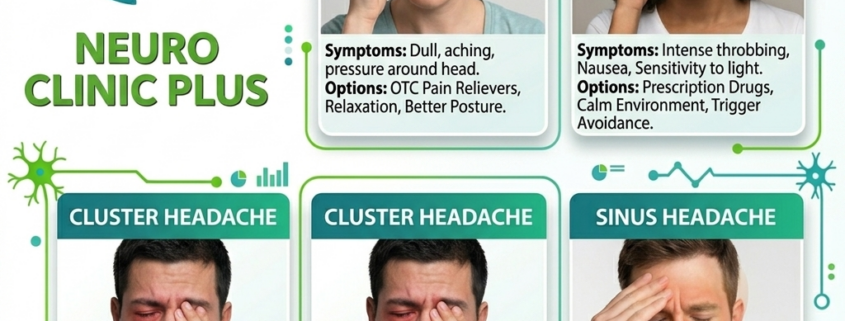
a) Tension Headaches

Tension headaches are the most common type. They usually cause a dull, aching pain with a feeling of tightness or pressure around the forehead or the back of the head and neck. Stress, anxiety, poor posture, and long hours of screen time are common triggers. The pain is typically mild to moderate and can last for hours or even days.

b) Migraine

Migraines are more intense and can significantly affect daily life. They often cause throbbing or pulsating pain, usually on one side of the head. Symptoms may include nausea, vomiting, and sensitivity to light and sound. Migraines can last from a few hours to several days and are often triggered by hormonal changes, certain foods, stress, or lack of sleep.

c) Cluster Headaches

Cluster headaches are severe but less common. They occur in cycles or “clusters,” with frequent attacks over weeks or months, followed by periods of relief. The pain is extremely intense and usually felt around one eye. Other symptoms may include redness in the eye, tearing, and nasal congestion.

d) Sinus Headaches

Sinus headaches are associated with sinus infections. They cause deep, constant pain in the cheekbones, forehead, or bridge of the nose. The pain often worsens with sudden head movement or strain. Other symptoms may include nasal congestion, facial swelling, and fever.

e) Chronic Daily Headaches

These headaches occur frequently, often 15 or more days a month. They can include a combination of tension headaches and migraines. Chronic headaches can significantly impact quality of life and may require long-term management and medical attention.

Common Causes and Triggers

Headaches can be triggered by a variety of factors, and in many cases, they are linked to daily habits and lifestyle choices. Identifying these triggers is essential for preventing recurring headaches and managing symptoms effectively.

One of the most common causes is stress and anxiety. Mental tension can lead to muscle tightness in the head, neck, and shoulders, resulting in headache pain. Emotional factors often play a significant role, especially in tension headaches and migraines.

Dehydration is another major trigger. When the body lacks sufficient fluids, it can lead to reduced blood flow and oxygen to the brain, causing headaches. Similarly, lack of sleep or poor sleep quality can disrupt normal brain function and increase the likelihood of headaches.

Diet also plays an important role. Certain foods and beverages, such as caffeine, processed foods, and sugary items, may trigger headaches in some individuals. Skipping meals or irregular eating patterns can also contribute.

In today’s digital world, excessive screen time and eye strain have become common causes. Prolonged use of computers and mobile devices can lead to discomfort and headaches.

Other triggers may include hormonal changes, strong smells, loud noises, and environmental factors like bright lights or weather changes. Understanding these causes can help in making lifestyle adjustments to reduce the frequency and severity of headaches.

Diagnosis of Headaches

Diagnosing a headache involves a careful evaluation of symptoms, medical history, and possible underlying causes. Since many types of headaches share similar features, a detailed assessment is essential to ensure accurate diagnosis and effective treatment.

The process usually begins with a comprehensive medical history. This includes understanding how often the headaches occur, how long they last, their intensity, and the exact location of pain. Doctors may also ask about associated symptoms such as nausea, vomiting, dizziness, blurred vision, or sensitivity to light and sound. Information about lifestyle habits, stress levels, sleep patterns, and diet also plays an important role in identifying possible triggers.

A physical and neurological examination is often conducted to check reflexes, balance, coordination, muscle strength, and sensory responses. This helps rule out neurological disorders or other serious conditions that may be causing the headache.

In certain cases, especially when headaches are severe, sudden, or different from usual patterns, doctors may suggest advanced diagnostic tests. These can include CT scans or MRI to detect issues such as brain injuries, infections, tumors, or structural abnormalities. Blood tests may also be recommended if an infection or metabolic issue is suspected.

Another important tool is maintaining a headache diary. Tracking details such as the time of onset, duration, severity, possible triggers, and relief methods can help identify patterns over time. This information is extremely useful for both diagnosis and treatment planning.

It is also important to recognize warning signs that require immediate medical attention. These include sudden, severe headaches (often described as the “worst headache ever”), headaches accompanied by fever, confusion, difficulty speaking, vision problems, or weakness in any part of the body.

Accurate diagnosis not only helps in identifying the type of headache but also ensures that any serious underlying condition is detected early. This ultimately leads to better management, targeted treatment, and improved quality of life.

Treatment Options for Headaches

The treatment of headaches depends on their type, severity, and underlying cause. A combination of medications, lifestyle changes, and supportive therapies is often the most effective approach for long-term relief.

a) Medications

Medications are commonly used to relieve headache pain and prevent future episodes. Over-the-counter pain relievers can help manage mild to moderate headaches. For more severe conditions like migraines, doctors may prescribe specific medications to reduce pain and control symptoms such as nausea. In cases of frequent headaches, preventive medicines may be recommended to reduce their occurrence and intensity.

b) Lifestyle Changes

Simple lifestyle modifications can make a significant difference in managing headaches. Maintaining a regular sleep schedule, staying hydrated, and eating balanced meals at proper intervals are essential. Reducing stress through activities like yoga, meditation, or deep breathing exercises can also help prevent headaches. Limiting screen time and maintaining proper posture are especially important for those experiencing frequent tension headaches.

c) Home Remedies

Several home remedies can provide quick relief from headaches. Applying a cold or warm compress to the head or neck can help ease pain. Resting in a quiet, dark room may be beneficial, especially for migraines. Gentle head massages, relaxation techniques, and herbal drinks like ginger or peppermint tea may also help reduce discomfort.

d) Advanced Treatments

For chronic or severe headaches, advanced treatment options may be required. These can include therapies for long-term migraine management, nerve-related treatments, or other medical procedures as advised by a healthcare professional. In some cases, counseling or behavioral therapy may also be recommended to manage stress-related triggers.

The key to effective treatment is identifying the right combination of methods that work best for each individual. Consistency in following treatment plans and lifestyle adjustments can greatly improve overall outcomes.

When to Seek Medical Help

While most headaches are not serious and can be managed with simple remedies, there are certain situations where medical attention becomes necessary. Recognizing these warning signs is important to prevent complications and ensure timely treatment.

You should consider seeking medical help if headaches become frequent, severe, or persistent over time. Headaches that do not improve with usual medications or keep returning regularly may indicate an underlying issue that needs proper evaluation.

Immediate medical attention is required if you experience a sudden, severe headache that feels different from any headache you have had before. This could be a sign of a serious condition and should not be ignored.

Headaches accompanied by other symptoms such as fever, confusion, difficulty speaking, vision problems, dizziness, or weakness in any part of the body also require urgent medical care. These signs may indicate neurological or systemic issues.

If a headache occurs after a head injury, or if it worsens over time, it is important to consult a doctor. Similarly, headaches that interfere with daily activities, sleep, or overall quality of life should be evaluated by a healthcare professional.

People with existing health conditions or those experiencing new types of headaches after the age of 50 should also seek medical advice for proper diagnosis and treatment.

Timely consultation helps in identifying the cause early, avoiding complications, and ensuring the right treatment approach for long-term relief.

Prevention Tips

Maintain a Regular Sleep Routine

Getting enough sleep and following a consistent sleep schedule is essential for preventing headaches. Irregular sleep patterns can disturb brain activity and trigger both tension headaches and migraines. Aim for 7–8 hours of quality sleep each night, and try to go to bed and wake up at the same time daily—even on weekends. Creating a calm bedtime routine, avoiding screens before sleep, and keeping your room dark and quiet can improve sleep quality.

Stay Hydrated

One frequent but frequently disregarded cause of headaches is dehydration. When your body lacks fluids, it can lead to reduced oxygen flow to the brain, resulting in pain and fatigue. Make it a habit to drink water regularly throughout the day, especially in hot weather or after physical activity. Including hydrating foods like fruits and vegetables can also support proper hydration levels.

Follow a Balanced Diet

Eating healthy and timely meals plays a crucial role in headache prevention. Skipping meals can cause a drop in blood sugar levels, leading to headaches.Prioritize eating a diet high in fruits, vegetables, whole grains, and proteins. It is also important to identify and limit foods that may trigger headaches, such as caffeine, chocolate, processed foods, and artificial sweeteners.

Manage Stress Effectively

Stress is one of the leading triggers for headaches, especially tension headaches. Managing stress through relaxation techniques can significantly reduce the frequency of headaches. Activities like meditation, yoga, deep breathing exercises, and even hobbies can help relax the mind. Taking short breaks during work and maintaining a healthy work-life balance are also important.

Limit Screen Time and Avoid Eye Strain

Excessive screen time from computers, phones, or televisions can strain the eyes and lead to headaches. To prevent this, follow the 20-20-20 rule—every 20 minutes, look at something 20 feet away for 20 seconds. Adjust screen brightness, maintain proper distance, and ensure good lighting while working. Wearing anti-glare glasses, if needed, can also help reduce eye strain.

Engage in Regular Physical Activity

Regular exercise helps improve blood circulation, reduce stress, and maintain overall health—all of which contribute to fewer headaches. Activities like walking, jogging, stretching, or light workouts can be very effective. However, it is important to start gradually, as sudden intense exercise may sometimes trigger headaches in certain individuals.

Identify and Avoid Personal Triggers

Every individual may have different headache triggers. Keeping a record of your daily activities, food intake, sleep patterns, and headache occurrences can help identify these triggers. Once identified, avoiding or managing them becomes easier. Common triggers include strong smells, loud noises, weather changes, and hormonal fluctuations.

Frequently Asked Questions (FAQs)

Which kinds of headaches are the most prevalent?

Tension headaches, migraines, cluster headaches, and sinus headaches are the most prevalent kinds. Each type has different symptoms and requires a specific approach to treatment.

What causes frequent headaches?

Frequent headaches are often caused by stress, dehydration, lack of sleep, poor posture, irregular meals, or excessive screen time. Identifying triggers can help in managing them effectively.

How can I relieve a headache quickly?

You can try simple remedies like resting in a quiet room, applying a cold or warm compress, drinking water, and practicing relaxation techniques to ease the pain.

When should I consult a doctor for headaches?

Medical help is needed if headaches are severe, sudden, frequent, or accompanied by symptoms like dizziness, vision problems, or weakness.

Can lifestyle changes help prevent headaches?

Yes, maintaining proper sleep, staying hydrated, eating a balanced diet, managing stress, and limiting screen time can significantly reduce the chances of headaches.

Conclusion

Headaches are a common health concern that can affect daily life, but understanding their types, causes, and triggers makes them easier to manage. From tension headaches to migraines and cluster headaches, each type requires a different approach to treatment and care.

Early identification of symptoms, along with proper diagnosis by a headache specialist, plays a crucial role in choosing the right treatment method. Simple lifestyle changes such as maintaining a healthy sleep routine, staying hydrated, managing stress, and following a balanced diet can significantly reduce the frequency and intensity of headaches.

While most headaches are not serious, it is important to pay attention to warning signs and seek advice from a headache specialist when needed. Timely care not only helps in effective treatment but also prevents complications in the long run.

By combining medical guidance from a headache specialist with healthy habits and awareness of your body’s signals, you can take better control of headaches and improve your overall quality of life.