Tag Archive for: brain wellness

best neurologist in safdarjung

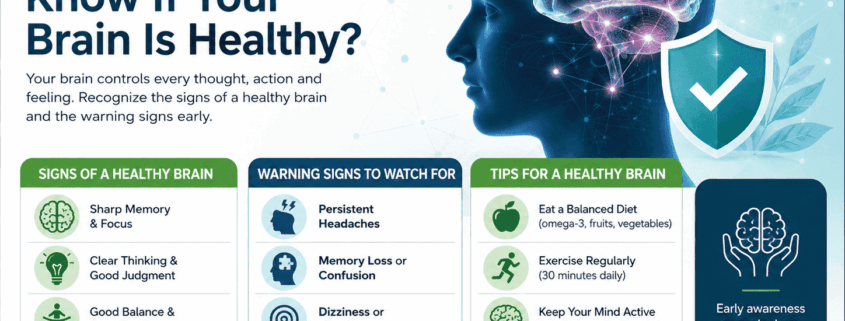
Your brain controls every function of your body—from thinking, memory, movement, emotions, speech, and balance to decision-making. While occasional forgetfulness or headaches can be normal, persistent neurological symptoms should never be ignored. Knowing the signs of a healthy brain can help you take timely action and prevent serious conditions. If you are looking for the Best Neurologist in Safdarjung, seeking expert evaluation at the right time is essential. At Neuro Clinic Plus, Dr. Aparna Gupta provides comprehensive diagnosis and personalized treatment for a wide range of brain, spine, and nerve disorders, helping patients achieve better neurological health.

Signs of a Healthy Brain

A healthy brain allows you to think clearly, remember important information, maintain balance, and perform everyday activities without difficulty. While brain health naturally changes with age, these signs generally indicate that your brain and nervous system are functioning well.

1. Good Memory and Learning Ability

A healthy brain helps you remember names, events, appointments, and daily tasks with ease. It also allows you to learn new skills, process information quickly, and retain knowledge without significant difficulty.

2. Clear Thinking and Decision-Making

Being able to focus, solve problems, make decisions, and think logically is a sign of healthy brain function. Good concentration and mental clarity are essential for work, studies, and everyday life.

3. Normal Balance and Coordination

Your brain works closely with your nerves and muscles to maintain balance, coordination, and smooth body movements. Walking steadily, maintaining posture, and performing routine activities comfortably are positive indicators of neurological health.

4. Healthy Sleep and Emotional Well-Being

A healthy brain supports quality sleep, emotional stability, and stress management. Waking up refreshed, maintaining a positive mood, and handling daily challenges without major emotional disturbances reflect good brain function.

5. Effective Communication and Quick Reflexes

Clear speech, language understanding, fast reflexes, and normal vision and hearing coordination are important signs of a healthy nervous system. These functions allow you to communicate effectively and respond quickly to your surroundings.

If you notice persistent memory problems, dizziness, severe headaches, numbness, weakness, balance issues, or changes in speech, it may indicate an underlying neurological condition. Consulting the Best Neurologist in Safdarjung at Neuro Clinic Plus, led by Dr. Aparna Gupta, can help identify the cause early and ensure timely treatment.

Warning Signs Your Brain May Need Attention

While occasional symptoms may not always indicate a serious problem, persistent or recurring neurological symptoms should never be ignored. Early diagnosis can help prevent complications and improve treatment outcomes. If you experience any of the following signs, consider consulting the Best Neurologist in Safdarjung for a comprehensive neurological evaluation.

Warning Signs to Watch For

  • Frequent or Severe Headaches that are persistent, worsening, or different from your usual headaches.
  • Memory Loss or Confusion that interferes with daily activities or makes it difficult to recall recent events.
  • Dizziness or Vertigo causing a spinning sensation, imbalance, or difficulty walking.
  • Numbness or Weakness in the face, arms, or legs, especially if it occurs suddenly.
  • Difficulty Speaking or Understanding Speech, including slurred speech or trouble finding the right words.
  • Poor Balance and Coordination, leading to frequent falls or difficulty performing routine tasks.
  • Vision Changes, such as blurred vision, double vision, or sudden vision loss.
  • Tremors or Uncontrolled Movements that affect your hands, legs, or other parts of the body.
  • Seizures or Loss of Consciousness, even if they occur only once.
  • Persistent Tingling or Burning Sensations in the hands or feet that may indicate nerve damage.

Don’t Ignore These Symptoms

Ignoring these warning signs can delay the diagnosis of conditions such as stroke, epilepsy, Parkinson’s disease, migraine, neuropathy, multiple sclerosis, or brain infections. If you notice any of these symptoms, seek expert care from the Best Neurologist in Safdarjung. At Neuro Clinic Plus, Dr. Aparna Gupta provides advanced neurological evaluation, accurate diagnosis, and personalized treatment plans to help patients protect their brain and nervous system health.

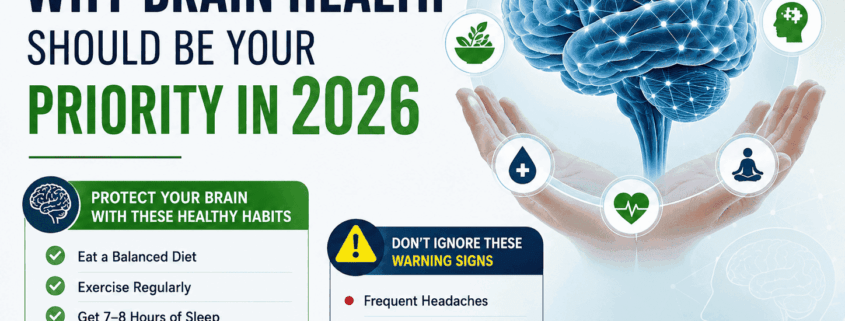
Daily Habits That Keep Your Brain Healthy

Your daily lifestyle plays a major role in maintaining brain function, memory, and overall neurological health. Simple healthy habits can reduce the risk of many neurological disorders and help your brain perform at its best. If you have ongoing neurological symptoms despite following a healthy lifestyle, consult the Best Neurologist in Safdarjung for a detailed evaluation.

Healthy Habits for Better Brain Health

Healthy Habit How It Benefits Your Brain
Eat a Balanced Diet Provides essential vitamins, minerals, and antioxidants that support brain cells and improve memory.
Exercise Regularly Increases blood flow to the brain, improves concentration, and lowers the risk of stroke.
Get 7–9 Hours of Sleep Helps the brain repair, store memories, and remove harmful waste products.
Stay Mentally Active Reading, puzzles, and learning new skills help improve memory and cognitive function.
Manage Stress Reduces the harmful effects of chronic stress on memory, mood, and overall brain health.
Stay Hydrated Proper hydration supports concentration, alertness, and brain performance.
Avoid Smoking & Excessive Alcohol Protects brain cells and reduces the risk of stroke, memory loss, and nerve damage.
Control Blood Pressure & Diabetes Lowers the risk of stroke and other neurological complications.

Small Changes, Big Benefits

Adopting these healthy habits can significantly improve your brain health and lower the risk of neurological disorders. However, if you experience persistent headaches, dizziness, memory loss, numbness, or balance problems, don’t ignore them. Visiting Neuro Clinic Plus allows Dr. Aparna Gupta to identify the underlying cause through a comprehensive neurological evaluation and recommend the most appropriate personalized treatment for long-term neurological well-being.

When Should You See a Neurologist?

Many neurological conditions develop gradually, while others require immediate medical attention. Recognizing the warning signs early can lead to faster diagnosis, timely treatment, and better outcomes. If your symptoms persist or interfere with your daily life, it is advisable to consult an experienced neurologist without delay. Early evaluation can help identify the underlying cause and ensure you receive the most appropriate treatment to protect your brain health and overall well-being.

Persistent or Severe Headaches

Occasional headaches are common, but frequent, severe, or worsening headaches—especially those accompanied by nausea, blurred vision, or sensitivity to light—may indicate an underlying neurological condition that requires expert evaluation.

Memory Problems or Difficulty Concentrating

If you frequently forget important information, struggle to focus, or experience confusion, it could be a sign of cognitive impairment or another neurological disorder. Early assessment can help identify the cause and guide appropriate treatment.

Dizziness, Vertigo, or Balance Issues

Recurring dizziness, spinning sensations, loss of balance, or difficulty walking should not be ignored. These symptoms may be linked to disorders affecting the brain, inner ear, or nervous system.

Numbness, Weakness, or Tingling

Sudden or persistent numbness, weakness, or tingling in the face, arms, or legs can be associated with conditions such as stroke, neuropathy, or multiple sclerosis. Prompt medical attention is essential, especially if symptoms appear suddenly.

Seizures or Changes in Speech and Vision

Experiencing a seizure, slurred speech, difficulty speaking, blurred vision, or sudden vision loss requires immediate neurological evaluation. These symptoms may indicate serious conditions that need urgent diagnosis and treatment.

Get Expert Neurological Care

If you experience any of these symptoms, don’t delay seeking medical advice. At Neuro Clinic Plus, Dr. Aparna Gupta provides comprehensive evaluation and personalized treatment for headaches, migraine, stroke, epilepsy, vertigo, Parkinson’s disease, neuropathy, memory disorders, and other neurological conditions. If you’re searching for the Best Neurologist in Safdarjung, expert care can help protect your brain health and improve your quality of life.

Why Choose Neuro Clinic Plus?

Choosing the right neurology clinic is essential for receiving accurate diagnosis, timely treatment, and long-term neurological care. At Neuro Clinic Plus, patients receive compassionate, evidence-based care for a wide range of brain, spine, and nerve disorders. If you are searching for the Best Neurologist in Safdarjung, the clinic is committed to delivering personalized treatment tailored to each patient’s needs.

Why Patients Trust Neuro Clinic Plus

  • Comprehensive Neurological Care for headaches, migraine, stroke, epilepsy, vertigo, Parkinson’s disease, neuropathy, dementia, and other neurological disorders.
  • Expert Consultation by Dr. Aparna Gupta, an experienced neurologist with expertise in diagnosing and treating complex neurological conditions.
  • Accurate Diagnosis using detailed neurological examinations and advanced diagnostic techniques.
  • Personalized Treatment Plans designed according to each patient’s symptoms, medical history, and health goals.
  • Patient-Centered Approach focused on compassionate care, clear communication, and long-term support.
  • Early Detection & Prevention to identify neurological conditions before they progress and reduce the risk of complications.
  • Holistic Brain Health Management with guidance on lifestyle changes, rehabilitation, and preventive care for better neurological well-being.
  • Trusted Care for All Age Groups, from young adults to senior citizens with neurological concerns.

Expert Care for Better Brain Health

At Neuro Clinic Plus, every patient receives individualized attention with a focus on improving brain health, restoring neurological function, and enhancing quality of life. Whether you are experiencing persistent headaches, dizziness, memory issues, nerve pain, or balance problems, consulting the Best Neurologist in Safdarjung, Dr. Aparna Gupta, can help you receive the right diagnosis and treatment at the right time.

Meet Dr. Aparna Gupta

Dr. Aparna Gupta is a highly experienced neurologist dedicated to providing comprehensive, patient-centered care for individuals with brain, spine, and nerve disorders. With extensive clinical expertise and an evidence-based approach, she focuses on accurate diagnosis, personalized treatment, and long-term neurological wellness. She is committed to delivering compassionate care tailored to each patient’s unique needs, helping them achieve better neurological health and an improved quality of life.

Areas of Expertise

  • Headache & Migraine Management
  • Stroke Prevention and Rehabilitation
  • Epilepsy Diagnosis and Treatment
  • Vertigo and Balance Disorders
  • Parkinson’s Disease Care
  • Peripheral Neuropathy
  • Memory Disorders and Dementia
  • Multiple Sclerosis and Other Neurological Conditions

A Patient-First Approach

At Neuro Clinic Plus, Dr. Aparna Gupta believes in educating patients about their condition and involving them in every step of the treatment process. Her goal is not only to treat symptoms but also to improve overall brain health, enhance quality of life, and prevent future neurological complications. Whether you need a routine neurological evaluation or specialized treatment, she is committed to providing accurate diagnosis, personalized care, and evidence-based treatment to help you achieve better neurological health and long-term well-being.

Frequently Asked Questions 

1. How do I know if my brain is healthy?

A healthy brain supports good memory, clear thinking, normal balance, quality sleep, and emotional stability. If these functions change significantly, a neurological evaluation is recommended.

2. What are the early signs of a neurological disorder?

Common warning signs include persistent headaches, dizziness, memory loss, numbness, weakness, tremors, seizures, balance problems, and changes in speech or vision.

3. When should I see a neurologist?

You should consult a neurologist if your symptoms last for several days, worsen over time, or suddenly appear, especially if they interfere with your daily life.

4. Can stress affect brain health?

Yes. Chronic stress can impact memory, concentration, sleep, and emotional well-being. Managing stress is important for maintaining healthy brain function.

5. Can frequent headaches indicate a neurological problem?

While many headaches are harmless, severe, frequent, or unusual headaches may signal an underlying neurological condition and should be evaluated by a specialist.

6. What causes dizziness or vertigo?

Dizziness and vertigo can result from inner ear disorders, migraines, nerve problems, or neurological conditions. Persistent symptoms require medical assessment.

7. What are the most common neurological disorders?

Common neurological conditions include migraine, stroke, epilepsy, Parkinson’s disease, neuropathy, dementia, multiple sclerosis, and vertigo.

8. How can I keep my brain healthy?

Maintain a healthy lifestyle by eating a balanced diet, exercising regularly, sleeping 7–9 hours, staying mentally active, managing stress, and avoiding smoking and excessive alcohol.

9. What tests does a neurologist perform?

A neurologist may recommend neurological examinations, MRI, CT scan, EEG, EMG, nerve conduction studies, or blood tests, depending on your symptoms.

10. What conditions are treated at Neuro Clinic Plus?

Neuro Clinic Plus provides expert care for headaches, migraine, stroke, epilepsy, vertigo, Parkinson’s disease, neuropathy, dementia, memory disorders, and other neurological conditions.

11. Why should I choose Dr. Aparna Gupta?

Dr. Aparna Gupta is committed to providing accurate diagnosis, evidence-based treatment, personalized care, and long-term neurological management for patients of all ages. If you’re searching for the Best Neurologist in Safdarjung, she offers comprehensive care for a wide range of neurological conditions.

12. How can early diagnosis improve neurological health?

Early diagnosis allows for timely treatment, better symptom management, prevention of complications, and improved long-term outcomes, helping patients maintain a better quality of life.

Conclusion

A healthy brain is the foundation of a healthy and active life. Paying attention to early warning signs, following healthy lifestyle habits, and seeking timely medical care can help prevent serious neurological complications. Symptoms such as persistent headaches, memory loss, dizziness, numbness, seizures, or balance problems should never be ignored. If you are looking for the Best Neurologist in Safdarjung, Neuro Clinic Plus offers comprehensive neurological care under the expert guidance of Dr. Aparna Gupta. Early diagnosis and personalized treatment can make a significant difference in protecting your brain health and improving your overall quality of life.
 

best brain specialist in delhi

Your brain controls everything—from your thoughts, memory, movement, emotions, and decision-making. In today’s fast-paced world, factors like stress, poor sleep, unhealthy eating habits, and excessive screen time are making brain health more important than ever. Giving your brain the care it deserves can help reduce the risk of many neurological conditions and improve your overall quality of life.

Ignoring symptoms such as frequent headaches, dizziness, memory problems, or numbness can lead to delayed diagnosis and treatment. Seeking timely medical advice from the best brain specialist in Delhi can help identify the underlying cause and prevent complications.

At Neuro Clinic Plus, Dr. Aparna Gupta provides comprehensive neurological care for patients with migraine, stroke, vertigo, epilepsy, Parkinson’s disease, memory disorders, and other brain and nerve conditions. With accurate diagnosis and personalized treatment plans, she is committed to helping patients achieve better brain health and long-term well-being.

Why Brain Health Matters More Than Ever

Modern lifestyles have changed the way we live, work, and interact. While technology has made life easier, it has also increased the risk of several neurological problems. Taking care of your brain today can help prevent serious health issues in the future.

Increased Stress Levels

Long-term stress can affect memory, concentration, and emotional well-being. It may also increase the risk of headaches, anxiety, and other neurological conditions if left unmanaged.

Poor Sleep Habits

Your brain needs quality sleep to repair itself and process information. Lack of sleep can lead to poor concentration, mood changes, and memory problems over time.

Excessive Screen Time

Spending long hours on digital devices can contribute to eye strain, headaches, poor sleep quality, and reduced focus. Regular breaks and healthy screen habits are essential for maintaining brain health.

Unhealthy Lifestyle Choices

A diet high in processed foods, lack of physical activity, smoking, and excessive alcohol consumption can negatively affect brain function and increase the risk of stroke and other neurological disorders.

Early Care Makes a Difference

Recognizing neurological symptoms early and consulting the best brain specialist in Delhi can lead to timely diagnosis and effective treatment. At Neuro Clinic Plus, Dr. Aparna Gupta focuses on identifying the root cause of neurological conditions and providing personalized care to help patients maintain optimal brain health.

Common Warning Signs You Should Never Ignore

Your brain often gives early warning signs when something isn’t right. Recognizing these symptoms and seeking medical attention promptly can help prevent complications and improve treatment outcomes.

  • Frequent or Severe Headaches
    Persistent headaches or migraines that become more frequent or intense should be evaluated by a neurologist.
  • Dizziness or Vertigo
    Recurrent dizziness, spinning sensations, or balance problems may indicate an underlying neurological or inner ear disorder.
  • Memory Loss or Confusion
    Difficulty remembering recent events, confusion, or trouble concentrating should not be ignored, especially if symptoms worsen over time.
  • Numbness or Weakness
    Sudden numbness or weakness in the face, arm, or leg—particularly on one side of the body—can be a warning sign of a stroke and requires immediate medical attention.
  • Difficulty Speaking or Understanding
    Slurred speech, trouble finding words, or difficulty understanding conversations may signal a neurological condition.
  • Vision Changes
    Blurred vision, double vision, or sudden loss of vision can sometimes be linked to brain or nerve disorders.
  • Seizures
    A seizure, even if it occurs only once, should always be evaluated by a neurologist to determine the underlying cause.
  • Tremors or Movement Problems
    Uncontrolled shaking, stiffness, or difficulty walking may be early signs of movement disorders such as Parkinson’s disease.

If you experience any of these symptoms, don’t delay seeking medical care. Consulting the best brain specialist in Delhi can help identify the cause and ensure timely treatment. At Neuro Clinic Plus, Dr. Aparna Gupta offers expert diagnosis and comprehensive care for a wide range of neurological conditions.

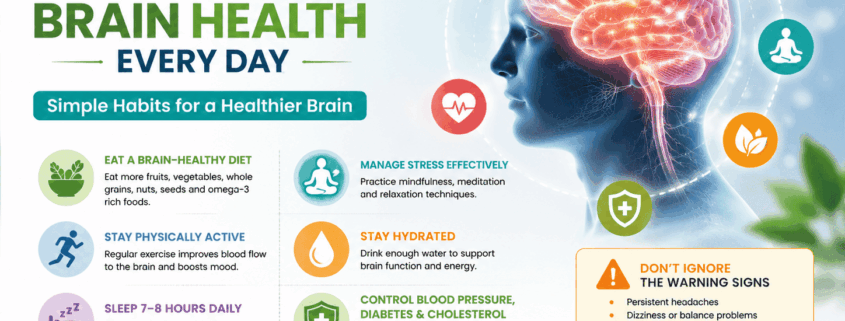
Simple Habits to Keep Your Brain Healthy

Small lifestyle changes can have a significant impact on your brain health. Following healthy daily habits can help improve memory, concentration, and overall neurological well-being while reducing the risk of many brain disorders.

Healthy Habit How It Benefits Your Brain
Eat a Balanced Diet Include fruits, vegetables, whole grains, healthy fats, and lean protein to support brain function.
Exercise Regularly At least 30 minutes of physical activity most days improves blood flow to the brain and supports cognitive health.
Get Quality Sleep Aim for 7–8 hours of sleep each night to help your brain recover, process memories, and stay alert.
Stay Mentally Active Reading, solving puzzles, learning new skills, or playing strategy games keeps your brain engaged.
Manage Stress Practice meditation, deep breathing, yoga, or other relaxation techniques to reduce the effects of chronic stress.
Stay Hydrated Drinking enough water helps maintain focus, concentration, and normal brain function.
Control Blood Pressure & Diabetes Managing these conditions lowers the risk of stroke and other neurological complications.
Avoid Smoking & Excessive Alcohol These habits can damage brain cells and increase the risk of neurological disorders over time.

Adopting these habits can help protect your brain and improve your quality of life. If you notice persistent headaches, dizziness, memory problems, or other neurological symptoms despite following a healthy lifestyle, consult the best brain specialist in Delhi. At Neuro Clinic Plus, Dr. Aparna Gupta provides personalized evaluation, accurate diagnosis, and evidence-based treatment to help patients maintain long-term brain health.

When Should You Visit a Neurologist?

Many people ignore neurological symptoms, hoping they will go away on their own. However, early diagnosis can make a significant difference in managing brain and nervous system disorders. Knowing when to seek expert care is essential for protecting your long-term health.

Persistent Headaches or Migraines

If you experience frequent, severe, or recurring headaches that interfere with your daily activities, it’s time to consult a neurologist. Early evaluation can help identify the underlying cause and provide effective treatment.

Sudden Weakness or Numbness

Weakness, numbness, or tingling in the face, arms, or legs—especially on one side of the body—may be a sign of a stroke or another neurological condition and requires immediate medical attention.

Memory or Concentration Problems

Occasional forgetfulness is common, but persistent memory loss, confusion, or difficulty concentrating should be evaluated to rule out neurological disorders.

Dizziness, Vertigo, or Balance Issues

Frequent dizziness, spinning sensations, or trouble maintaining balance can affect your daily life and may indicate conditions that require specialized neurological care.

Seizures or Unexplained Fainting

A seizure or repeated episodes of fainting should never be ignored. A thorough neurological assessment can help determine the cause and guide appropriate treatment.

Why Early Diagnosis Matters

Seeking timely care from the best brain specialist in Delhi can help detect neurological conditions in their early stages, improving treatment outcomes and reducing the risk of complications. At Neuro Clinic Plus, Dr. Aparna Gupta offers comprehensive neurological evaluation and personalized treatment for conditions such as stroke, migraine, epilepsy, vertigo, Parkinson’s disease, memory disorders, and peripheral neuropathy. Early intervention can help you maintain better brain health and a higher quality of life.

Why Choose Dr. Aparna Gupta at Neuro Clinic Plus?

Choosing the right neurologist is essential for accurate diagnosis and effective treatment. At Neuro Clinic Plus, patients receive compassionate, evidence-based care tailored to their individual neurological needs.

  • 22+ Years of Clinical Experience
    Dr. Aparna Gupta has extensive experience in diagnosing and treating a wide range of neurological disorders.
  • Comprehensive Neurological Care
    Expert management of stroke, migraine, epilepsy, vertigo, Parkinson’s disease, memory disorders, peripheral neuropathy, and other brain and nerve conditions.
  • Accurate Diagnosis
    A detailed clinical evaluation helps identify the root cause of neurological symptoms and ensures the right treatment plan.
  • Personalized Treatment Plans
    Every patient receives a customized treatment approach based on their medical history, symptoms, and health goals.
  • Focus on Early Intervention
    Timely diagnosis and treatment can help reduce complications and improve long-term neurological health.
  • Patient-Centered Approach
    Dr. Aparna Gupta believes in clear communication, patient education, and involving patients in every step of their treatment journey.
  • Modern Diagnostic and Treatment Methods
    Neuro Clinic Plus combines clinical expertise with advanced diagnostic techniques to deliver high-quality neurological care.

If you are experiencing persistent headaches, dizziness, memory loss, numbness, seizures, or other neurological symptoms, don’t delay seeking medical advice. Consulting the best brain specialist in Delhi can help you receive an accurate diagnosis and timely treatment. At Neuro Clinic Plus, Dr. Aparna Gupta is dedicated to helping patients achieve better brain health and an improved quality of life.

Frequently Asked Questions 

1. Why is brain health important?

Brain health affects your memory, thinking, emotions, movement, and overall well-being. Maintaining a healthy brain can reduce the risk of neurological disorders and improve your quality of life.

2. What are the early signs of a neurological disorder?

Common warning signs include persistent headaches, dizziness, memory loss, numbness, weakness, seizures, balance problems, and difficulty speaking. If these symptoms continue, consult the best brain specialist in Delhi.

3. How can I keep my brain healthy?

You can support brain health by eating a balanced diet, exercising regularly, getting enough sleep, managing stress, staying mentally active, and avoiding smoking and excessive alcohol.

4. When should I see a neurologist?

You should consult a neurologist if you experience recurring headaches, dizziness, memory problems, seizures, numbness, weakness, tremors, or any sudden changes in speech or vision.

5. Can stress affect brain health?

Yes. Chronic stress can impact memory, concentration, mood, and sleep. Managing stress through exercise, meditation, and healthy lifestyle habits can help protect your brain.

6. Does poor sleep affect brain function?

Yes. Lack of quality sleep can reduce concentration, impair memory, affect mood, and increase the risk of several neurological conditions over time.

7. Are frequent headaches always a sign of a serious problem?

Not always, but frequent or severe headaches should not be ignored. A neurological evaluation can help identify the underlying cause and determine the appropriate treatment.

8. Can neurological disorders be prevented?

While not all neurological conditions can be prevented, maintaining a healthy lifestyle and controlling conditions like high blood pressure and diabetes can reduce your risk.

9. What conditions does Dr. Aparna Gupta treat?

Dr. Aparna Gupta treats stroke, migraine, epilepsy, vertigo, Parkinson’s disease, memory disorders, peripheral neuropathy, nerve pain, and other neurological conditions at Neuro Clinic Plus.

10. Why should I choose Neuro Clinic Plus?

Neuro Clinic Plus offers comprehensive neurological care, accurate diagnosis, personalized treatment plans, and compassionate patient care under the expertise of Dr. Aparna Gupta.

11. How can early diagnosis improve treatment outcomes?

Early diagnosis allows neurological conditions to be treated before they progress, helping reduce complications, improve recovery, and enhance long-term brain health.

12. Where can I consult the best brain specialist in Delhi?

If you’re experiencing neurological symptoms such as headaches, dizziness, memory loss, or seizures, you can consult the best brain specialist in Delhi, Dr. Aparna Gupta, at Neuro Clinic Plus for expert evaluation and personalized neurological care.

Conclusion

Your brain is the control center of your body, and taking care of it should be a priority at every stage of life. Healthy habits such as regular exercise, quality sleep, a balanced diet, and stress management can help support brain function and reduce the risk of neurological disorders. At the same time, it’s important not to ignore warning signs like persistent headaches, dizziness, memory loss, numbness, or balance problems.

If you experience any of these symptoms, seeking timely medical care from the best brain specialist in Delhi can make a significant difference in diagnosis and treatment outcomes. At Neuro Clinic Plus, Dr. Aparna Gupta provides expert neurological care with a patient-first approach, helping individuals manage a wide range of brain and nerve disorders. Early diagnosis and the right treatment can protect your brain health and improve your overall quality of life.


best neuro doctor in safdarjung

Your brain is the control center of your body, responsible for memory, thinking, emotions, movement, and overall well-being. Adopting healthy daily habits can significantly reduce the risk of many neurological disorders and help maintain cognitive function as you age. Whether it’s eating a balanced diet, exercising regularly, or getting enough sleep, small lifestyle changes can make a big difference. If you experience persistent headaches, dizziness, memory loss, or other neurological symptoms, consulting the best neuro doctor in Safdarjung can help with early diagnosis and treatment. An experienced neuro doctor in Safdarjung, such as Dr. Aparna Gupta at Neuro Clinic Plus, can provide personalized guidance to support your long-term brain health.

Why Brain Health Is Important

Your Brain Controls Every Function of the Body

The brain is the body’s central control system, managing everything from breathing and heartbeat to memory, emotions, movement, speech, and decision-making. It constantly communicates with the rest of the body through an extensive network of nerves, ensuring that every organ functions properly. Maintaining good brain health helps you stay mentally sharp, physically active, and emotionally balanced throughout life.

Healthy Brain, Better Quality of Life

A healthy brain supports better concentration, faster learning, improved memory, and sound judgment. It also plays a vital role in managing stress, regulating emotions, and maintaining coordination and balance. By following healthy lifestyle habits, you can lower the risk of developing neurological conditions such as stroke, dementia, Parkinson’s disease, epilepsy, and chronic migraines. Protecting your brain today can contribute to a healthier and more independent future.

Why Early Attention Matters

Ignoring symptoms like persistent headaches, dizziness, numbness, memory loss, seizures, or difficulty speaking may delay the diagnosis of serious neurological conditions. Early medical evaluation allows for timely treatment, improving recovery and reducing the risk of complications. If you notice any unusual neurological symptoms, consulting the best neuro doctor in Safdarjung is an important step toward protecting your health. An experienced neuro doctor in Safdarjung, such as Dr. Aparna Gupta at Neuro Clinic Plus, can accurately assess your condition, recommend appropriate investigations, and create a personalized treatment plan to help you maintain optimal brain health and prevent future neurological complications through expert care and regular follow-up.

Daily Habits That Keep Your Brain Healthy

Maintaining brain health doesn’t require drastic changes. Simple, consistent lifestyle habits can improve memory, concentration, mood, and overall cognitive function while reducing the risk of neurological disorders. Making these habits part of your daily routine can have long-term benefits for people of all ages.

Eat a Balanced, Brain-Healthy Diet

A nutritious diet provides the brain with essential vitamins, minerals, and healthy fats. Include leafy green vegetables, fresh fruits, whole grains, nuts, seeds, and omega-3-rich fish in your meals. Staying well-hydrated is equally important, as even mild dehydration can affect concentration and mental performance.

Stay Physically Active

Regular exercise improves blood circulation to the brain, supports the growth of new brain cells, and helps reduce stress. Activities such as walking, cycling, yoga, swimming, or strength training for at least 30 minutes most days of the week can support both physical and neurological health.

Prioritize Quality Sleep

Getting 7–8 hours of quality sleep each night allows the brain to repair itself, strengthen memory, and remove waste products that accumulate during the day. A consistent sleep schedule can significantly improve mental clarity and focus.

Keep Your Mind Engaged

Challenge your brain by reading books, solving puzzles, learning a new language, or developing a new skill. Mental stimulation helps maintain cognitive function and may reduce the risk of age-related memory decline. If you have concerns about your cognitive health or notice unusual neurological symptoms, consult the best neuro doctor in Safdarjung. An experienced neuro doctor in Safdarjung, including Dr. Aparna Gupta at Neuro Clinic Plus, can provide expert guidance for maintaining lifelong brain health.

Manage Stress for Better Brain Health

Chronic stress can have a significant impact on your brain health, affecting memory, concentration, sleep, and emotional well-being. When stress continues for a long time, the body releases high levels of stress hormones that may increase the risk of anxiety, depression, and other neurological concerns. Learning to manage stress effectively is an important part of protecting your brain and improving your overall quality of life.
Simple lifestyle changes can help reduce stress and support a healthier mind:

  • Practice meditation for 10–15 minutes daily to improve focus and mental relaxation.
  • Perform deep breathing exercises to lower stress levels and promote a sense of calm.
  • Stay physically active through walking, yoga, cycling, or other enjoyable activities.
  • Spend time in nature, as fresh air and green surroundings can help reduce mental fatigue.
  • Maintain a healthy work-life balance by taking regular breaks and avoiding excessive workload.
  • Connect with family and friends to build emotional support and reduce feelings of loneliness.
  • Limit screen time, especially before bedtime, to improve sleep quality and reduce mental strain.
  • Engage in hobbies such as reading, painting, gardening, or listening to music to refresh your mind.

If stress is accompanied by persistent headaches, dizziness, memory problems, numbness, or difficulty concentrating, it is important not to ignore these symptoms. Consulting the best neuro doctor in Safdarjung can help identify whether stress is contributing to an underlying neurological condition. An experienced neuro doctor in Safdarjung, such as Dr. Aparna Gupta at Neuro Clinic Plus, can provide a thorough evaluation and recommend personalized strategies to support your long-term brain health.

Protect Your Brain from Injury

Preventing brain injuries is one of the most effective ways to maintain long-term brain health. Even a minor head injury can affect memory, balance, concentration, and cognitive function, while severe injuries may lead to permanent neurological complications. Taking simple safety precautions during daily activities, travel, work, and sports can significantly reduce the risk of traumatic brain injuries.

Safety Measure How It Protects Your Brain
Wear a helmet Reduces the risk of serious head injuries while riding a bicycle, scooter, or motorcycle.
Use seat belts Helps protect the head and spine during road accidents by minimizing the impact of sudden collisions.
Prevent falls at home Install handrails, keep floors clutter-free, and ensure proper lighting to reduce fall-related injuries, especially in older adults.
Use protective sports gear Helmets and protective equipment reduce the risk of concussion during sports and recreational activities.
Follow workplace safety rules Wearing safety helmets and following guidelines can prevent head injuries in hazardous work environments.
Exercise regularly Improves balance, coordination, and muscle strength, lowering the chances of falls and accidents.

If you experience a head injury followed by loss of consciousness, severe headache, vomiting, confusion, seizures, weakness, or vision changes, seek immediate medical attention. Early diagnosis and treatment can prevent serious complications and improve recovery. Consulting the best neuro doctor in Safdarjung ensures a comprehensive neurological evaluation after any significant head injury. An experienced neuro doctor in Safdarjung, including Dr. Aparna Gupta at Neuro Clinic Plus, can assess brain function, recommend appropriate investigations, and provide personalized treatment to protect your brain health and support a safe recovery.

Control Medical Conditions That Affect Brain Health

Many medical conditions can silently affect your brain health if they are not properly managed. Regular health checkups, a healthy lifestyle, and timely treatment can reduce the risk of serious neurological disorders and help maintain optimal brain function.

Manage Blood Pressure and Heart Health

High blood pressure is one of the leading risk factors for stroke and other brain-related complications. Similarly, heart disease can reduce blood flow to the brain, increasing the likelihood of cognitive decline. Monitoring your blood pressure, following a heart-healthy diet, exercising regularly, and taking prescribed medications can help protect both your heart and brain.

Control Diabetes and Cholesterol

Poorly controlled diabetes can damage blood vessels and nerves, increasing the risk of stroke and memory problems. High cholesterol may lead to plaque buildup in the arteries, reducing blood supply to the brain. Eating nutritious foods, maintaining a healthy weight, and following your doctor’s treatment plan are essential for preventing these complications.

Regular Checkups for Early Detection

Routine medical examinations help identify health issues before they become serious. If you experience symptoms such as persistent headaches, dizziness, numbness, weakness, memory loss, or balance problems, seek medical advice without delay. Consulting the best neuro doctor in Safdarjung can help detect neurological conditions at an early stage, improving treatment outcomes. An experienced neuro doctor in Safdarjung, such as Dr. Aparna Gupta at Neuro Clinic Plus, provides comprehensive neurological evaluations, personalized treatment plans, and preventive guidance to support long-term brain health and reduce the risk of future neurological complications through timely intervention and continuous care.

Avoid Habits That Harm the Brain

Your daily lifestyle choices have a direct impact on your brain health. While healthy habits support memory and cognitive function, unhealthy behaviors can increase the risk of stroke, dementia, nerve damage, and other neurological disorders. Identifying and avoiding these harmful habits is an important step toward protecting your brain for the long term.

To keep your brain healthy, avoid the following habits:

  • Smoking: Tobacco reduces oxygen supply to the brain, damages blood vessels, and significantly increases the risk of stroke.
  • Excessive alcohol consumption: Heavy drinking can impair memory, concentration, and coordination, while long-term use may lead to permanent brain damage.
  • Poor eating habits: Diets high in processed foods, sugar, and unhealthy fats can negatively affect brain function and increase inflammation.
  • Physical inactivity: A sedentary lifestyle reduces blood circulation and may contribute to obesity, diabetes, and cardiovascular diseases that affect the brain.
  • Chronic sleep deprivation: Regularly getting less than 7–8 hours of sleep can reduce mental performance, weaken memory, and affect emotional well-being.
  • Ignoring stress: Unmanaged stress may lead to anxiety, depression, and difficulty focusing, impacting overall brain function.
  • Excessive screen time: Spending long hours on digital devices without breaks may contribute to eye strain, poor sleep quality, and reduced concentration.

If you notice symptoms such as persistent headaches, memory loss, numbness, dizziness, tremors, or balance problems, do not ignore them. Consulting the best neuro doctor in Safdarjung can help identify the underlying cause. An experienced neuro doctor in Safdarjung, including Dr. Aparna Gupta at Neuro Clinic Plus, can provide expert diagnosis, personalized treatment, and preventive guidance to help you maintain lifelong brain health.

Early Warning Signs You Should Never Ignore

Recognizing the early warning signs of neurological disorders can make a significant difference in treatment outcomes. Many brain and nerve conditions develop gradually, and ignoring symptoms may delay diagnosis and increase the risk of complications. Seeking medical attention at the right time allows for early intervention, helping preserve brain function and improve recovery.

Warning Sign Why It Shouldn’t Be Ignored
Persistent headaches Frequent or severe headaches may indicate migraines, increased pressure in the brain, or other neurological conditions.
Memory loss or confusion Difficulty remembering recent events or frequent confusion may be an early sign of cognitive disorders.
Dizziness or balance problems Ongoing dizziness can be linked to disorders affecting the brain, inner ear, or nervous system.
Numbness or weakness Sudden weakness or numbness, especially on one side of the body, may be a warning sign of a stroke.
Seizures Any unexplained seizure requires immediate neurological evaluation to determine the underlying cause.
Speech or vision changes Difficulty speaking, blurred vision, or double vision may indicate a serious neurological emergency.

If any of these symptoms appear suddenly or worsen over time, do not delay seeking medical care. Early diagnosis often leads to more effective treatment and a better quality of life. Consulting the best neuro doctor in Safdarjung can help identify the cause of these symptoms through a comprehensive neurological evaluation. An experienced neuro doctor in Safdarjung, such as Dr. Aparna Gupta at Neuro Clinic Plus, can recommend appropriate investigations, provide an accurate diagnosis, and create a personalized treatment plan to protect your brain health and reduce the risk of long-term neurological complications.

Brain Health Tips for Different Age Groups

Protecting your brain health is important at every stage of life. While the brain’s needs change with age, adopting healthy habits early and maintaining them consistently can improve memory, concentration, and overall neurological well-being. Here are some practical brain health tips for different age groups.

Children and Teenagers

A developing brain needs proper nutrition, quality sleep, and regular physical activity. Encourage children to eat a balanced diet, stay active, limit screen time, and participate in activities that stimulate learning, such as reading, puzzles, and creative hobbies. These habits support healthy brain development and improve cognitive skills.

Adults

Adults should focus on maintaining a healthy lifestyle to reduce the risk of neurological disorders. Regular exercise, stress management, adequate sleep, and a nutrient-rich diet help preserve brain function. Staying mentally active by learning new skills, reading, or solving brain games can also improve memory and concentration over time.

Older Adults

As people age, the risk of stroke, dementia, and Parkinson’s disease increases. Seniors should prioritize regular health checkups, control blood pressure, diabetes, and cholesterol, and stay socially and mentally engaged. Walking, light exercise, and memory-building activities can help maintain independence and cognitive function.

Regular Neurological Checkups Matter

Regardless of age, never ignore symptoms such as persistent headaches, dizziness, memory loss, tremors, or numbness. Consulting the best neuro doctor in Safdarjung ensures early detection and timely treatment of neurological conditions. An experienced neuro doctor in Safdarjung, including Dr. Aparna Gupta at Neuro Clinic Plus, provides personalized guidance and preventive care to help individuals of all ages maintain long-term brain health and improve their overall quality of life.

When Should You Consult a Neurologist?

Many people ignore neurological symptoms, assuming they will improve on their own. However, early diagnosis is essential for preventing complications and ensuring effective treatment. If you notice persistent or unusual symptoms affecting your brain, nerves, or spinal cord, it is important to seek medical advice without delay.

You should consult a neurologist if you experience:

  • Frequent or severe headaches that do not improve with medication.
  • Sudden dizziness or loss of balance affecting your daily activities.
  • Memory loss, confusion, or difficulty concentrating that persists over time.
  • Numbness, tingling, or weakness in the face, arms, or legs.
  • Seizures or unexplained loss of consciousness, even if they occur only once.
  • Tremors or involuntary movements that interfere with routine tasks.
  • Difficulty speaking, swallowing, or understanding language, especially if symptoms appear suddenly.
  • Persistent neck or back pain associated with nerve pain, weakness, or numbness.
  • Vision changes, such as blurred or double vision, without an obvious eye problem.
  • Sleep disorders or unexplained fatigue accompanied by neurological symptoms.

Seeking medical attention at the right time can improve treatment outcomes and reduce the risk of long-term complications. If you experience any of these warning signs, consulting the best neuro doctor in Safdarjung can help identify the underlying cause through a comprehensive neurological evaluation. An experienced neuro doctor in Safdarjung, such as Dr. Aparna Gupta at Neuro Clinic Plus, provides accurate diagnosis, personalized treatment plans, and ongoing care for conditions affecting the brain, spine, and nervous system, helping patients maintain better brain health and overall well-being.

Why Choose Dr. Aparna Gupta at Neuro Clinic Plus?

Choosing the right neurologist is essential for receiving an accurate diagnosis and effective treatment for conditions affecting the brain, spine, and nervous system. Dr. Aparna Gupta at Neuro Clinic Plus is committed to providing patient-centered neurological care with a focus on early diagnosis, evidence-based treatment, and long-term brain health. Every patient receives a thorough evaluation and a personalized care plan based on their individual symptoms and medical history.

Why Patients Choose Dr. Aparna Gupta Benefits for Patients
Comprehensive Neurological Evaluation Detailed assessment to identify the root cause of neurological symptoms.
Personalized Treatment Plans Customized care based on each patient’s condition, lifestyle, and health goals.
Focus on Early Diagnosis Timely identification of neurological disorders improves treatment outcomes.
Management of Multiple Conditions Care for headaches, migraines, stroke, epilepsy, Parkinson’s disease, nerve disorders, and memory problems.
Patient-Centered Approach Clear communication, compassionate care, and continuous follow-up throughout treatment.
Preventive Brain Health Guidance Advice on lifestyle changes to support long-term neurological wellness and reduce future risks.

If you are experiencing persistent headaches, dizziness, numbness, tremors, memory loss, seizures, or balance problems, seeking timely medical care is important. Consulting the best neuro doctor in Safdarjung can help detect neurological conditions before they become more serious. An experienced neuro doctor in Safdarjung, Dr. Aparna Gupta at Neuro Clinic Plus, combines clinical expertise with a personalized approach to deliver high-quality neurological care, helping patients protect their brain health, improve recovery, and maintain a better quality of life through comprehensive diagnosis, treatment, and regular follow-up.

Frequently Asked Questions (FAQs)

1. How can I keep my brain healthy every day?

Maintain a balanced diet, exercise regularly, sleep for 7–8 hours, manage stress, stay mentally active, and avoid smoking and excessive alcohol.

2. Which foods are good for brain health?

Foods like leafy green vegetables, berries, nuts, seeds, whole grains, and omega-3-rich fish support healthy brain function.

3. Can regular exercise improve brain function?

Yes. Regular physical activity improves blood flow to the brain, supports memory, and reduces the risk of neurological disorders.

4. How much sleep is important for brain health?

Most adults should aim for 7–8 hours of quality sleep every night to support memory, concentration, and overall brain function.

5. Does stress affect the brain?

Yes. Chronic stress can negatively impact memory, focus, mood, and emotional well-being if left unmanaged.

6. What are the early signs of neurological disorders?

Common symptoms include persistent headaches, dizziness, numbness, weakness, seizures, memory loss, tremors, and balance problems.

7. When should I consult a neurologist?

If neurological symptoms persist or worsen, consult the best neuro doctor in Safdarjung for an accurate diagnosis and timely treatment.

8. Can lifestyle changes reduce the risk of stroke?

Yes. Controlling blood pressure, diabetes, cholesterol, exercising regularly, and eating a healthy diet can significantly lower stroke risk.

9. Are memory problems always a sign of aging?

No. Persistent memory loss may indicate an underlying neurological condition and should be evaluated by a neuro doctor in Safdarjung.

10. How often should I have a neurological checkup?

Routine checkups are recommended if you have ongoing neurological symptoms, chronic medical conditions, or a family history of neurological diseases.

11. Why choose Dr. Aparna Gupta at Neuro Clinic Plus?

Dr. Aparna Gupta provides comprehensive neurological evaluations, personalized treatment plans, and compassionate care for brain, spine, and nerve disorders at Neuro Clinic Plus.

12. Who is considered the best neuro doctor in Safdarjung?

If you are experiencing neurological symptoms, Dr. Aparna Gupta at Neuro Clinic Plus is a trusted choice for expert diagnosis, personalized treatment, and preventive care, making her a preferred best neuro doctor in Safdarjung for comprehensive neurological services.

Conclusion 

Your brain is one of the most vital organs in your body, and taking care of it should be a daily priority. Simple habits such as eating a healthy diet, exercising regularly, getting quality sleep, managing stress, and staying mentally active can help protect your long-term brain health. If you experience symptoms like persistent headaches, dizziness, memory loss, numbness, or seizures, don’t delay seeking medical care. Consult the best neuro doctor in Safdarjung, Dr. Aparna Gupta at Neuro Clinic Plus, for expert evaluation, personalized treatment, and comprehensive care to support a healthier brain and better quality of life.


best brain specialist in Delhi

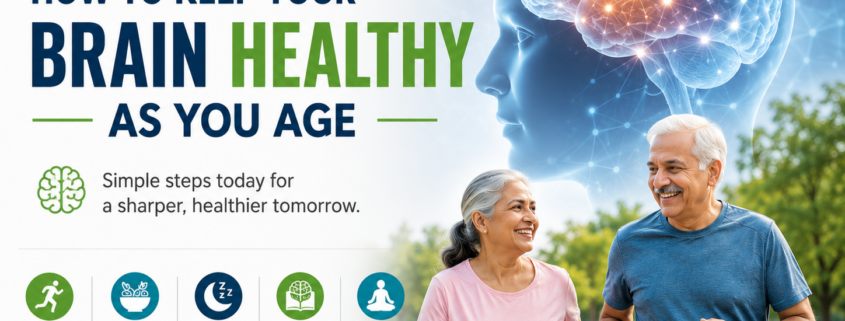
Keeping your brain healthy is one of the most important steps you can take to enjoy a better quality of life as you age. While growing older brings natural changes to the body and mind, there are many ways to support brain function and stay mentally active for years to come. If you have concerns about memory, concentration, or other neurological symptoms, seeking advice from the best brain specialist in Delhi can help you understand your brain health and take preventive measures.

As we age, it is normal to experience minor changes in memory and thinking speed. However, significant memory loss, confusion, or difficulty performing daily activities should not be considered a normal part of aging. Adopting healthy habits can help lower the risk of conditions such as stroke, dementia, and cognitive decline.

Simple lifestyle choices, including regular exercise, a balanced diet, quality sleep, stress management, and staying socially engaged, can have a positive impact on brain health. By understanding how the brain changes with age and taking proactive steps to protect it, you can improve your chances of maintaining mental sharpness and independence throughout your later years.

Understanding Brain Aging

What Happens to the Brain as We Age?

Aging is a natural process, and the brain also undergoes certain changes over time. As people grow older, they may notice that it takes a little longer to recall information, remember names, or learn new skills. These small changes are often a normal part of aging and do not usually affect a person’s ability to live independently.

The brain may gradually shrink in size with age, and communication between brain cells can become less efficient. As a result, memory, attention, and thinking speed may not be as sharp as they were in younger years. However, this does not mean that serious memory loss is inevitable. Healthy lifestyle habits can help support brain function and cognitive health throughout life.

Normal Aging vs. Neurological Disorders

It is important to distinguish between normal age-related changes and symptoms of a neurological disorder. Occasionally forgetting where you placed your keys is usually normal. However, frequently getting lost in familiar places, forgetting important events, or struggling with daily activities may indicate an underlying problem.

If you notice persistent memory issues or cognitive decline, consulting the best brain specialist in Delhi can help determine whether the symptoms are related to normal aging or a neurological condition that requires medical attention.

1. Stay Physically Active

How Exercise Benefits Brain Health

Regular physical activity is one of the most effective ways to keep your brain healthy as you age. Exercise increases blood flow to the brain, which helps deliver oxygen and nutrients that brain cells need to function properly. It also supports the growth of new neural connections and may help reduce the risk of cognitive decline, stroke, and other neurological conditions.

Research has shown that people who stay physically active often have better memory, concentration, and problem-solving abilities compared to those with a sedentary lifestyle. Exercise can also help control important risk factors such as high blood pressure, diabetes, obesity, and high cholesterol, all of which can negatively affect brain health.

Best Exercises for Older Adults

You do not need intense workouts to support brain function. Simple activities such as brisk walking, cycling, swimming, yoga, stretching, and light strength training can provide significant benefits. The key is to stay consistent and choose activities that are safe and enjoyable.

If you have existing neurological concerns or are at risk of stroke, consulting the best brain specialist in Delhi can help you understand which physical activities are most suitable for your overall brain and neurological health.

2. Follow a Brain-Healthy Diet

Foods That Support Brain Function

What you eat can have a significant impact on your brain health. A balanced and nutritious diet provides the vitamins, minerals, and antioxidants needed to support memory, concentration, and overall cognitive function. Eating a variety of fruits, vegetables, whole grains, nuts, seeds, and healthy fats can help protect brain cells from damage and support healthy aging.

Foods rich in omega-3 fatty acids, such as fish, walnuts, and flaxseeds, are particularly beneficial for brain health. Leafy green vegetables, berries, and foods containing vitamins B, C, D, and E may also help support memory and cognitive performance. Staying well-hydrated is equally important, as even mild dehydration can affect concentration and mental alertness.

Foods to Limit

To maintain a healthy brain, it is advisable to limit processed foods, sugary beverages, excessive salt, and foods high in unhealthy fats. These foods may contribute to inflammation, high blood pressure, and other health conditions that can increase the risk of cognitive decline and stroke.

Diet is just one part of maintaining cognitive wellness as you age. If you experience persistent memory problems, difficulty concentrating, or other neurological symptoms, seeking guidance from the best brain specialist in Delhi can help identify potential concerns and provide appropriate recommendations for long-term brain health.

3. Keep Your Mind Active

Mental Activities That Strengthen the Brain

Just as physical exercise helps keep the body fit, mental exercise helps keep the brain active and healthy. Engaging in activities that challenge your mind can improve memory, concentration, and problem-solving skills. It may also help slow down age-related cognitive decline and support overall brain function.

Simple activities such as reading books, solving puzzles, playing chess, learning a new language, or developing a new hobby can stimulate different parts of the brain. These activities encourage the brain to form new connections, which can help maintain cognitive abilities as you age. Even small daily challenges, such as trying a new recipe or taking a different route during a walk, can keep the mind engaged.

Lifelong Learning Matters

Learning should not stop with age. Continuing to gain new knowledge and skills can boost confidence and support mental well-being. Staying curious and mentally engaged can help improve focus and keep the brain working efficiently. Many experts, including the best brain specialist in Delhi, recommend regular mental stimulation as an important part of maintaining long-term cognitive health.

If you notice increasing forgetfulness, difficulty completing familiar tasks, or changes in thinking abilities, it is important to seek medical advice. Early evaluation can help identify potential neurological concerns and support better brain health outcomes.

4. Prioritize Quality Sleep

Why Sleep Is Essential for Brain Health

Getting enough quality sleep is important for maintaining a healthy brain at every stage of life, especially as you age. During sleep, the brain processes information, stores memories, and removes waste products that build up throughout the day. Poor sleep can affect concentration, learning, mood, and overall cognitive function.

Some key benefits of quality sleep include:

  • Supports memory and learning
  • Improves concentration and focus
  • Helps regulate mood and emotions
  • Allows the brain to remove harmful waste products
  • Supports overall cognitive function
  • May reduce the risk of cognitive decline

Studies have shown that long-term sleep deprivation may increase the risk of memory problems, cognitive decline, and certain neurological disorders. Adults should aim for 7 to 9 hours of quality sleep each night to support optimal brain health.

Tips for Better Sleep

Simple lifestyle changes can help improve sleep quality, such as:

  • Maintain a regular sleep schedule
  • Avoid caffeine late in the day
  • Limit screen time before bedtime
  • Keep your bedroom quiet and comfortable
  • Exercise regularly during the day
  • Avoid heavy meals close to bedtime

Sleep problems should not be ignored, especially if they are frequent or affect daily life. According to the best brain specialist in Delhi, addressing sleep issues early can help protect cognitive function and support long-term brain health as you age.

5. Manage Stress Effectively

How Chronic Stress Affects the Brain

Stress is a normal part of life, but when it continues for a long time, it can affect both physical and mental health. Chronic stress causes the body to release stress hormones that may interfere with memory, concentration, and emotional well-being. Over time, high stress levels can make it harder to focus, remember information, and perform everyday tasks efficiently.

Research suggests that long-term stress may also increase the risk of sleep disturbances, anxiety, depression, and cognitive decline. Since the brain and body are closely connected, managing stress is an important part of maintaining overall neurological health. Reducing stress can help improve mental clarity, emotional balance, and quality of life.

Healthy Ways to Manage Stress

There are many simple ways to manage stress and support brain health. Regular physical activity, meditation, deep breathing exercises, spending time with loved ones, and pursuing enjoyable hobbies can all help reduce stress levels. Getting enough sleep and maintaining a healthy daily routine can also improve emotional well-being and cognitive function.

According to the best brain specialist in Delhi, effective stress management plays an important role in protecting brain health as you age. Making time for relaxation and self-care can help keep your mind active, focused, and resilient in the long run.

6. Stay Socially Connected

Why Social Connections Matter for Brain Health

Staying socially connected is an important part of maintaining brain health as you age. Regular interaction with family members, friends, neighbors, and community groups helps keep the mind active and engaged. Meaningful conversations, shared experiences, and social activities stimulate different areas of the brain, supporting memory, communication skills, and emotional well-being. Studies have shown that people who maintain strong social relationships are less likely to experience feelings of loneliness, depression, and cognitive decline. Social engagement also encourages mental stimulation, which can help preserve cognitive function and improve overall quality of life.

Ways to Stay Socially Active

Whether it is spending time with loved ones, participating in community events, joining a hobby group, or volunteering, staying connected can have a positive impact on both mental and emotional health. Maintaining social relationships provides opportunities to learn new things, share experiences, and stay mentally engaged. As recommended by the best brain specialist in Delhi, maintaining an active social life should be considered an important part of a healthy lifestyle. Even small social interactions can help keep the brain engaged, reduce stress, and support healthy aging, allowing individuals to remain mentally sharp and emotionally balanced for longer.

7. Control Medical Conditions

Why Managing Health Conditions Is Important for Brain Health

Several medical conditions can affect brain health if they are not properly managed. High blood pressure, diabetes, high cholesterol, obesity, and heart disease can damage blood vessels and reduce blood flow to the brain. Over time, this may increase the risk of stroke, memory problems, and cognitive decline. Many of these conditions develop gradually and may not cause noticeable symptoms in the early stages, which is why regular health checkups are important.

Taking prescribed medications, following a healthy diet, staying physically active, and monitoring your health regularly can help keep these conditions under control. Managing underlying health issues not only benefits your overall well-being but also helps protect brain function as you age.

The Importance of Regular Health Checkups

Routine medical examinations can help detect potential health concerns before they become serious. Early diagnosis and treatment often reduce the risk of complications that may affect the brain. Healthcare professionals, including the best brain specialist in Delhi, emphasize the importance of preventive care and regular monitoring for maintaining long-term cognitive health. By keeping medical conditions under control and making healthy lifestyle choices, you can significantly reduce the risk of age-related neurological problems and support healthy brain aging.

8. Protect Your Brain From Stroke

Know the Warning Signs of Stroke

Stroke is one of the leading causes of disability and can have a significant impact on brain health. It occurs when the blood supply to a part of the brain is interrupted or when a blood vessel in the brain bursts. Without immediate treatment, brain cells can begin to die within minutes. Recognizing the warning signs of stroke and seeking emergency medical care can make a major difference in recovery and long-term outcomes.

Common warning signs of stroke include:

  • Sudden weakness or numbness in the face, arm, or leg, especially on one side of the body
  • Difficulty speaking or understanding speech
  • Facial drooping
  • Sudden blurred or loss of vision
  • Loss of balance or coordination
  • Severe dizziness
  • Sudden, severe headache with no known cause

The FAST method can help identify a stroke quickly:

  • F – Face drooping
  • A – Arm weakness
  • S – Speech difficulty
  • T – Time to seek emergency medical help

Why Immediate Medical Attention Matters

When a stroke occurs, every minute counts. Early treatment can help reduce brain damage and improve recovery outcomes. Managing risk factors such as high blood pressure, diabetes, high cholesterol, smoking, and obesity can also lower the risk of stroke. According to the best brain specialist in Delhi, understanding stroke symptoms and seeking immediate medical attention can help protect brain function, improve recovery, and save lives.

When Should You Consult a Neurologist?

Many people experience occasional forgetfulness, headaches, or dizziness, but persistent or worsening neurological symptoms should not be ignored. A neurologist specializes in diagnosing and treating conditions that affect the brain, spinal cord, and nervous system. Seeking medical advice at the right time can help identify potential problems early and improve treatment outcomes.

You should consider consulting a neurologist if you experience:

  • Frequent or severe headaches
  • Persistent memory problems or confusion
  • Numbness or tingling in the arms or legs
  • Tremors or involuntary movements
  • Balance and coordination difficulties
  • Recurrent seizures
  • Sudden weakness on one side of the body
  • Changes in speech, vision, or thinking abilities

Early evaluation is especially important for symptoms that interfere with daily activities or continue to worsen over time. Conditions such as stroke, epilepsy, Parkinson’s disease, dementia, migraines, and neuropathy can benefit significantly from timely diagnosis and treatment.

If you are concerned about changes in memory, movement, or overall brain function, consulting the best brain specialist in Delhi can provide clarity and guidance. Dr. Aparna Gupta, Associate Director of Neurology at ISIC Multispeciality Hospital, Vasant Kunj, brings over 22 years of experience in diagnosing and treating a wide range of neurological conditions. Her expertise includes stroke management, epilepsy, migraines, dementia, Parkinson’s disease, and other disorders affecting the brain and nervous system. Through comprehensive neurological evaluations and personalized treatment plans, she helps patients receive accurate diagnoses and effective care. Seeking timely consultation with an experienced neurologist can play a vital role in protecting brain health, improving outcomes, and maintaining a better quality of life.

FAQ

  1. What are the best foods for brain health?
    Foods such as fruits, vegetables, whole grains, nuts, seeds, and omega-3-rich fish can support brain function and overall cognitive health.
  2. Can exercise help improve brain health?
    Yes, regular physical activity improves blood flow to the brain, supports memory, and may reduce the risk of cognitive decline.
  3. How much sleep is needed for good brain health?
    Most adults need 7–9 hours of quality sleep each night to support memory, concentration, and overall brain function.
  4. What are the early signs of cognitive decline?
    Common signs include frequent forgetfulness, difficulty concentrating, confusion, trouble completing familiar tasks, and changes in decision-making.
  5. When should I consult a neurologist?
    You should seek medical advice if you experience persistent memory problems, frequent headaches, seizures, balance issues, tremors, or stroke-like symptoms.

Conclusion

Keeping your brain healthy as you age requires a combination of healthy lifestyle choices and regular attention to your overall well-being. While some changes in memory and thinking are a natural part of aging, there are many steps you can take to support brain function and reduce the risk of neurological disorders. Staying physically active, eating a balanced diet, keeping your mind engaged, getting enough sleep, managing stress, maintaining social connections, and controlling medical conditions can all contribute to better cognitive health.

It is also important to be aware of warning signs such as persistent memory problems, balance issues, severe headaches, or symptoms of stroke. Early recognition and timely medical care can make a significant difference in managing neurological conditions and preserving quality of life.

Healthy aging is not just about living longer—it is about maintaining independence, mental sharpness, and overall well-being. By making brain health a priority today, you can help protect your cognitive abilities for the future. If you have concerns about memory, concentration, or other neurological symptoms, seeking guidance from the best brain specialist in Delhi can help you take the right steps toward maintaining long-term brain health.