Brain infections are medical emergencies that need fast diagnosis and expert care. Whether caused by bacteria, viruses, fungi, or parasites, an infection in or around the brain can turn serious within hours if it’s not treated properly. If you or a loved one are noticing warning signs like fever, severe headache, confusion, or seizures, consulting the best brain specialist in Safdarjung without delay can make all the difference between full recovery and long-term complications.
In this article, we break down everything you need to know about brain infections — their types, causes, symptoms, diagnosis, and treatment — and explain why timely expert consultation matters.
What Is a Brain Infection?
A brain infection occurs when harmful microorganisms invade brain tissue or the membranes surrounding it. The two most common types are:
- Encephalitis – inflammation of the brain tissue itself, usually caused by a viral infection.
- Meningitis – inflammation of the meninges (the protective membranes covering the brain and spinal cord), which can be bacterial, viral, or fungal.
Other, less common forms include brain abscesses (pockets of pus within the brain) and parasitic infections.
Common Causes of Brain Infection
- Viral infections (herpes simplex virus, enteroviruses, mumps, and others)
- Bacterial infections that spread from sinuses, ears, or the bloodstream
- Fungal infections, especially in people with weakened immunity
- Parasitic infections, though rarer, can also affect the brain
- Complications following surgery, head injury, or untreated ear/sinus infections
Warning Signs & Symptoms
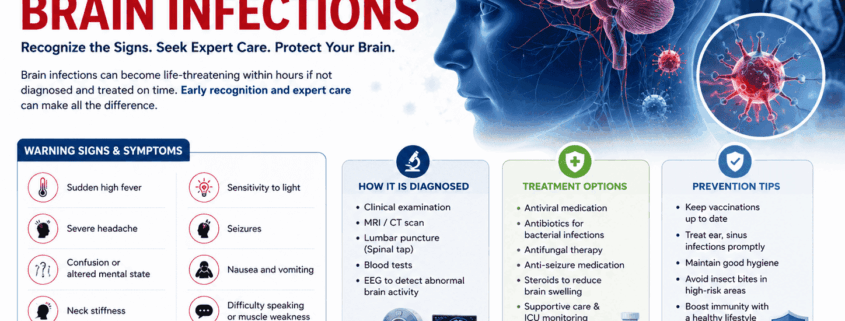
Recognizing the symptoms early is critical. Common signs include:
- Sudden high fever
- Severe, persistent headache
- Neck stiffness
- Confusion or altered mental state
- Sensitivity to light
- Seizures
- Nausea and vomiting
- Muscle weakness or difficulty speaking
If you or someone around you experiences a combination of these symptoms, don’t wait — seek immediate medical attention from a qualified neurologist.
How Is Brain Infection Diagnosed?
Diagnosis typically involves a combination of:
- Clinical examination – checking reflexes, mental alertness, and neurological function
- MRI or CT scan – to detect inflammation, swelling, or abscess formation
- Lumbar puncture (spinal tap) – to analyze cerebrospinal fluid for infection markers
- Blood tests – to identify the responsible organism
- EEG – to detect abnormal brain activity, especially in encephalitis cases
Getting evaluated by an experienced specialist ensures the right tests are ordered quickly, which is essential in time-sensitive brain infections.
Treatment Options
Treatment depends on the type and severity of infection:
- Antiviral medication for viral encephalitis
- Antibiotics (often intravenous) for bacterial meningitis
- Antifungal therapy for fungal infections
- Anti-seizure medication to control seizures
- Steroids to reduce brain swelling
- Supportive hospital care, including ICU monitoring in severe cases
Early treatment significantly improves recovery outcomes and reduces the risk of lasting neurological damage.
Why Choose an Expert Neurologist for Brain Infection Treatment?
Brain infections require precise, rapid decision-making. Delayed or incorrect treatment can lead to complications such as permanent brain damage, hearing loss, or cognitive difficulties. This is why patients across the city search for the best brain specialist in Safdarjung Delhi — someone with the clinical experience to diagnose quickly and manage treatment with precision.
About Dr. Aparna Gupta
Dr. Aparna Gupta is a highly experienced neurologist known for her patient-centered approach to diagnosing and treating complex neurological conditions, including brain infections, epilepsy, stroke, and headache disorders. With years of clinical expertise, she combines advanced diagnostic tools with compassionate care to ensure every patient receives an accurate diagnosis and an effective treatment plan. Her clear communication and attention to detail have made her one of the most trusted names for patients searching for the best brain specialist in Delhi.
About Neuro Clinic Plus
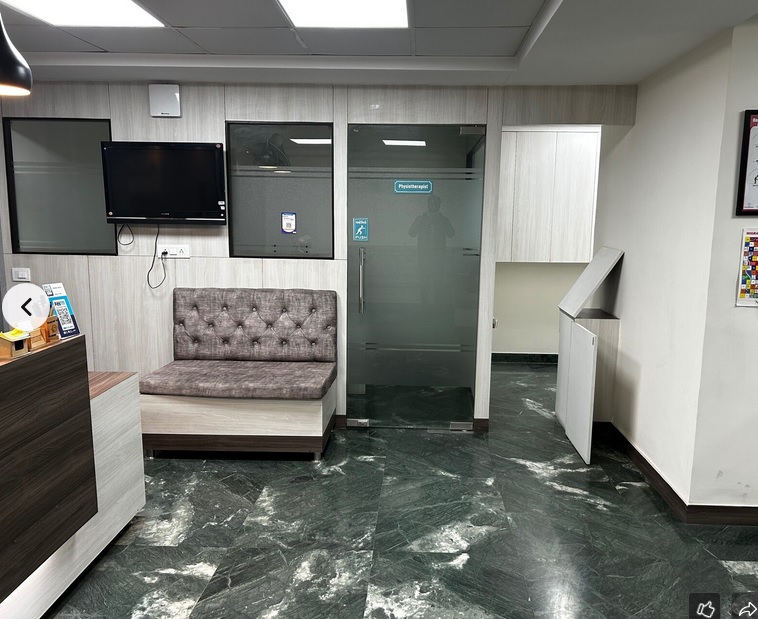
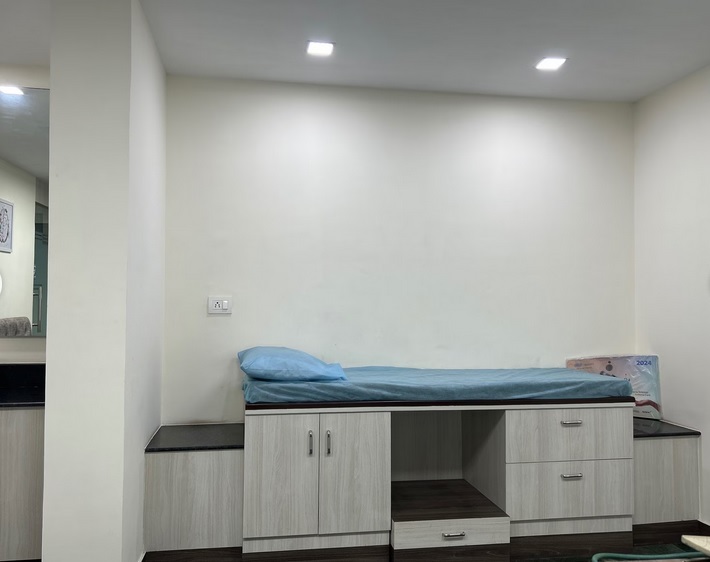
Neuro Clinic Plus is a dedicated neurology center equipped with modern diagnostic facilities to evaluate and treat a wide range of brain and nervous system disorders. From advanced imaging to specialized neurological testing, the clinic focuses on offering timely, evidence-based care in a comfortable environment. Patients looking for reliable, expert neurological treatment consistently choose Neuro Clinic Plus for its combination of technology, experience, and personalized attention.
Tips for Prevention
- Keep vaccinations up to date (measles, mumps, meningococcal, etc.)
- Treat sinus and ear infections promptly
- Practice good hygiene, especially during infectious disease outbreaks
- Avoid insect bites in areas with known viral outbreaks (like encephalitis-carrying mosquitoes)
- Maintain a strong immune system through proper diet, sleep, and regular checkups
Frequently Asked Questions
- What is the first sign of a brain infection? The earliest signs are usually a sudden high fever combined with a severe headache. This may be followed by neck stiffness, nausea, or confusion, all of which need prompt medical evaluation.
- Is brain infection curable? Yes, many brain infections are treatable, especially when diagnosed early. Viral, bacterial, and fungal infections respond well to targeted medication, though recovery time varies based on severity.
- How long does it take to recover from a brain infection? Recovery time ranges from a few weeks to several months, depending on the infection type and how quickly treatment began. Some patients may need rehabilitation support afterward.
- Can brain infections cause permanent damage? If left untreated, brain infections can lead to lasting issues like memory loss, weakness, or seizures. Early diagnosis and treatment greatly reduce this risk.
- Are brain infections contagious? Some causes, like viral meningitis, can spread between people through respiratory droplets. Others, like brain abscesses, are usually not contagious and result from localized infection spread.
- What tests are used to diagnose brain infections? Doctors commonly use MRI or CT scans, blood tests, and a lumbar puncture to check cerebrospinal fluid. An EEG may also be used to assess brain activity.
- Can children get brain infections? Yes, children are susceptible to meningitis and encephalitis, sometimes more severely than adults. Vaccination and prompt treatment of infections greatly reduce risk in children.
- What is the difference between meningitis and encephalitis? Meningitis affects the membranes surrounding the brain, while encephalitis involves inflammation of brain tissue itself. Both are serious and require urgent medical care.
- When should I see a neurologist for a headache? See a specialist if your headache is sudden, severe, accompanied by fever, vomiting, confusion, or vision changes. These symptoms could indicate a more serious underlying issue.
- Can stress cause brain infections? No, stress alone does not cause brain infections. However, chronic stress can weaken immunity, potentially making the body more vulnerable to infections in general.
- Is surgery required for brain infections? Surgery is sometimes needed for brain abscesses to drain the infected area. Most viral and bacterial infections, however, are managed successfully with medication alone.
- How can I book a consultation with Dr. Aparna Gupta? You can schedule a consultation at Neuro Clinic Plus by calling the clinic directly or booking through their website. Early consultation ensures timely diagnosis and treatment.
Conclusion
Brain infections are serious but manageable when identified and treated early. Recognizing symptoms like fever, headache, and confusion, and seeking prompt medical care, can prevent complications and support full recovery. With expert guidance from specialists like Dr. Aparna Gupta at Neuro Clinic Plus, patients receive accurate diagnosis and personalized treatment plans. If you’re searching for the best brain specialist in Safdarjung, don’t wait for symptoms to worsen — timely expert care is the key to protecting your neurological health and overall well-being.