Tag Archive for: brain health

dementia symptoms

Dementia is a condition that affects the brain and slowly makes a person forget things, get confused, and find it hard to do daily activities. It is not a single disease, but a group of symptoms caused by changes in the brain. People with dementia may forget recent events, struggle to recognize familiar faces, or have difficulty speaking and making decisions.

It is important to know that dementia is not a normal part of aging. While some memory changes can happen with age, dementia is a medical condition that needs proper care and attention. In the early stages, the signs may be mild, but they slowly become more noticeable over time.

Dementia is becoming more common, especially among older people, as life expectancy increases. This makes awareness very important so families can understand the early signs and get medical help on time. Early diagnosis and support can make a big difference in managing the condition and improving the quality of life for both patients and their families.

What is Dementia?

Dementia is a condition that affects the brain and slowly reduces a person’s ability to remember, think clearly, and make decisions. It can also change behavior and personality over time. It is not one specific disease; instead, it is a group of symptoms caused by damage to brain cells.

When brain cells are damaged, they cannot communicate properly with each other. This leads to problems with memory, learning, speaking, and understanding things. As dementia progresses, daily tasks like cooking, managing money, or even recognizing family members can become difficult.

Many people confuse dementia with normal aging, but they are not the same. Forgetting small things occasionally is normal with age, but dementia causes serious memory loss that affects daily life.

There are different types of dementia, and each one affects the brain in a slightly different way. The most common type is Alzheimer’s disease. Others include vascular dementia and Lewy body dementia.

Dementia usually develops slowly and gets worse over time. That is why early understanding and medical advice are very important for better care and support.

Types of Dementia

Dementia is not a single disease. It is a group of conditions that affect the brain in different ways. Each type has its own symptoms, causes, and progression. Understanding the types helps in early identification and better care.

1. Alzheimer’s Disease

Alzheimer’s disease is the most common type of dementia. It usually starts with mild memory loss, such as forgetting recent conversations, names, or events. Over time, it becomes more severe and affects thinking, reasoning, and daily activities. People may also face confusion about time and place. In later stages, even recognizing close family members becomes difficult. This condition develops slowly and worsens over the years.

2. Vascular Dementia

Vascular dementia occurs when blood flow to the brain is reduced or blocked, often due to stroke or small brain injuries. Symptoms can appear suddenly or gradually depending on the cause. Common signs include difficulty in planning, slow thinking, poor attention, and confusion. Unlike Alzheimer’s, memory loss may not be the first symptom. Controlling blood pressure and heart health plays an important role in managing this type.

3. Lewy Body Dementia

This type is caused by abnormal protein deposits called Lewy bodies in the brain. It affects memory, movement, and behavior. People may experience confusion that changes throughout the day, sleep disturbances, and vivid visual hallucinations. It can also cause symptoms similar to Parkinson’s disease, such as stiffness or slow movement. Symptoms often fluctuate, making it difficult to diagnose early.

4. Frontotemporal Dementia

Frontotemporal dementia mainly affects the front part of the brain, which controls personality, behavior, and language. People may show sudden personality changes, inappropriate social behavior, or loss of empathy. Some may have difficulty speaking or understanding language. Memory may be less affected in the early stages compared to other types. It often appears at a younger age compared to other dementias.

5. Mixed Dementia

Mixed dementia occurs when a person has more than one type of dementia at the same time, most commonly Alzheimer’s disease and vascular dementia. Symptoms can vary and may include memory loss, confusion, and difficulty in decision-making. Because multiple brain changes are involved, symptoms may progress faster. Proper diagnosis is important for effective management and care planning.

Early Signs and Symptoms of Dementia

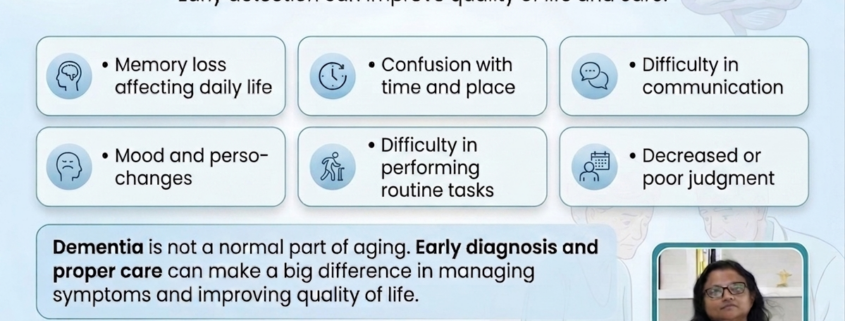
Dementia usually begins slowly, and the early signs can be so mild that they are often mistaken for normal aging. But gradually, these symptoms start interfering with daily life and independence.

1. Memory Loss

Memory loss in dementia is more than just forgetting small things. A person may forget recent conversations, important dates, or where they placed common items like keys or glasses. They may repeatedly ask the same questions without realizing it. Over time, they may also struggle to remember recent events or new information, while older memories may remain clearer in the beginning stages.

2. Difficulty in Daily Tasks

Simple, routine activities may start becoming confusing. A person may find it hard to cook a familiar dish, manage finances, operate household appliances, or follow step-by-step instructions. Tasks that used to take minutes may take much longer, or they may stop halfway because they cannot remember what to do next.

3. Confusion with Time and Place

People with early dementia may lose track of dates, days, or even seasons. They might wake up unsure whether it is morning or evening. In some cases, they may forget where they are or how they reached a certain place. This can sometimes lead to getting lost in familiar surroundings, which can be very distressing.

4. Trouble with Communication

Speaking and understanding conversations becomes difficult. A person may struggle to find the right words, pause frequently while speaking, or repeat themselves often. They may also find it hard to follow long conversations, especially when multiple people are talking, leading to confusion or withdrawal from discussions.

5. Poor Judgment and Decision-Making

Dementia can affect thinking and reasoning skills. A person may make unusual or unsafe decisions, such as giving away money carelessly, ignoring personal hygiene, or trusting strangers too easily. They may also struggle to judge situations correctly, which can put them at risk in daily life.

6. Mood and Behavior Changes

Emotional changes are common in early dementia. A person may become easily irritated, anxious, or unusually sad without a clear reason. They may lose interest in activities they once enjoyed and may become less social, preferring to stay alone. Sudden mood swings are also often noticed by family members.

7. Personality Changes

Family and friends may notice noticeable changes in personality. A calm and friendly person may become suspicious, stubborn, or unusually quiet. They may react differently to situations than before and may show less emotional response or empathy towards others.

8. Loss of Interest and Motivation

A person may gradually lose interest in hobbies, social activities, or daily routines they once enjoyed. They may seem unmotivated, less active, and spend more time sitting idle or sleeping. Even simple activities like talking to friends or going out may no longer interest them.

9. Difficulty in Concentration

Focusing on tasks becomes harder. The person may get easily distracted, forget what they were doing, or struggle to complete tasks that require attention. Even reading or watching something for a short time may become challenging.

Causes and Risk Factors of Dementia

Dementia develops when brain cells get damaged and can no longer communicate properly. This affects memory, thinking, and behavior. There is no single cause; usually, several factors work together over time.

1. Age (Most Common Risk Factor)

Age is the biggest risk factor for dementia. Most cases are seen in people above 65 years. As the brain ages, cells gradually become weaker and less efficient. Blood flow to the brain may also reduce, making it more vulnerable to damage. However, dementia is not a normal part of aging, and not every elderly person develops it.

2. Genetics and Family History

Family history can increase the risk of dementia, especially Alzheimer’s disease. Certain genes may make a person more likely to develop the condition. However, genetics alone are not enough—lifestyle and environment also play a major role. Many people with family history never develop dementia.

3. Brain Injuries and Stroke

Severe head injuries from accidents or repeated trauma can damage brain cells and increase dementia risk later in life. Stroke is another major cause, as it blocks blood flow to the brain. This can lead to vascular dementia, where brain tissues are affected due to lack of oxygen and nutrients.

4. Heart and Blood Vessel Problems

Conditions like high blood pressure, high cholesterol, diabetes, and heart disease reduce proper blood circulation to the brain. When the brain does not get enough oxygen and nutrients over time, it can lead to gradual brain cell damage and memory problems.

5. Lifestyle Factors

Unhealthy lifestyle habits strongly affect brain health. Smoking reduces oxygen supply to the brain, while excessive alcohol damages brain cells. Lack of exercise, poor sleep, and unhealthy diet (high in sugar, fat, and processed food) can also increase the risk of dementia over time.

6. Mental Health and Social Isolation

Long-term stress, anxiety, and depression can negatively affect brain function. People who stay socially isolated or do not engage in conversations and activities may also experience faster memory decline. Mental stimulation is important to keep the brain active and healthy.

7. Other Medical Conditions

Certain medical conditions can increase dementia risk. Parkinson’s disease, repeated infections affecting the brain, untreated thyroid problems, and vitamin deficiencies (especially Vitamin B12) can all impact memory and cognitive function. If not treated properly, they may contribute to long-term brain decline.

Stages of Dementia

Dementia does not happen all at once. It develops slowly and gets worse over time. Understanding the stages helps families and caregivers provide better support and plan care properly.

1. Early Stage (Mild Dementia)

In the early stage, changes are usually very subtle and are often mistaken for normal forgetfulness. A person may forget recent events, misplace things, or struggle to find the right words. They can still manage most daily activities but may need reminders or a bit more time to complete tasks. Mood changes like mild confusion, irritability, or loss of confidence may also begin.

2. Middle Stage (Moderate Dementia)

This stage is more noticeable and starts affecting daily life significantly. Memory loss becomes worse, and the person may forget important personal information like addresses or names of close family members. They may need help with daily activities such as cooking, dressing, or taking medicines. Confusion about time and place becomes common, and behavioral changes like restlessness, anger, or anxiety may increase.

3. Late Stage (Severe Dementia)

In the late stage, the person becomes highly dependent on others for almost all activities. Memory is severely affected, and they may not recognize family members or their surroundings. Communication becomes very limited or may stop completely. Physical abilities also decline, making it difficult to walk, eat, or control basic body functions. Full-time care and support are usually required at this stage.

Diagnosis of Dementia

Diagnosing dementia is not based on a single test. It requires a careful evaluation by a doctor using different methods to understand the patient’s condition. The process usually begins with a detailed discussion of symptoms, where the doctor asks about memory problems, behavior changes, daily difficulties, and how these issues are affecting normal life. Family members are often involved because they can provide important observations about changes in the patient.

After this, a physical and neurological examination is done to check balance, reflexes, coordination, and overall brain function. Doctors also conduct simple memory and thinking tests to assess attention, language skills, problem-solving ability, and recall power. Blood tests may be recommended to rule out other causes such as vitamin deficiencies, thyroid problems, or infections that can also affect memory.

Brain imaging tests like CT scans or MRI are often used to look for structural changes in the brain, such as shrinkage, strokes, or other abnormalities. In some cases, mental health evaluations are also done to rule out conditions like depression or anxiety, which can mimic dementia symptoms. Early and accurate diagnosis is very important for starting proper treatment and improving quality of life.

Treatment and Management of Dementia

There is currently no permanent cure for dementia, but with proper treatment and care, its symptoms can be managed and the progression can be slowed down in many cases. The main aim of treatment is to improve the quality of life of the patient and help them stay as independent as possible for as long as they can.

1. Medications

Doctors may prescribe medicines that help improve memory, thinking ability, and behavior-related symptoms. These medications do not stop dementia completely, but they can help reduce confusion, improve attention, and manage mood changes like anxiety, agitation, or depression. The type of medicine depends on the type and stage of dementia.

2. Cognitive and Brain Therapy

Cognitive therapy includes activities that help keep the brain active. This may involve memory exercises, puzzles, reading, and problem-solving tasks. Such activities can help slow mental decline and improve focus and thinking skills for a longer time.

3. Lifestyle Management

A healthy lifestyle plays a very important role in dementia care. Regular physical activity, a balanced diet, proper sleep, and a structured daily routine can help improve overall brain health. Avoiding stress and maintaining a calm environment also supports better mental well-being.

4. Family and Caregiver Support

Support from family members and caregivers is essential. Patients often need help with daily activities such as eating, dressing, and taking medicines. Emotional support, patience, and understanding can greatly improve their comfort and confidence.

5. Counseling and Emotional Support

Counseling can help both patients and families cope with emotional stress, anxiety, and frustration. Support groups and therapy sessions can also provide guidance on how to manage challenges in daily care.

Prevention and Risk Reduction

Dementia cannot always be completely prevented, especially when age or genetics are involved. However, many studies show that a healthy lifestyle can significantly reduce the risk and help protect brain function for longer.

1. Healthy Diet

A brain-healthy diet plays a key role in prevention. Eating fresh fruits, green vegetables, whole grains, nuts, and foods rich in omega-3 fatty acids helps improve brain function and memory. Foods like fish, flaxseeds, and walnuts are especially beneficial. It is also important to reduce intake of processed foods, excess sugar, salt, and trans fats, as they can negatively affect brain and heart health over time.

2. Regular Physical Activity

Staying physically active improves blood circulation to the brain and supports healthy brain cell function. Activities like walking, yoga, swimming, cycling, or even light stretching can make a big difference. Regular exercise also helps control weight, blood pressure, and diabetes, which are linked to dementia risk.

3. Mental Stimulation

Keeping the brain active helps build stronger cognitive connections. Activities such as reading, solving puzzles, learning a new language, playing board games, or picking up new skills can help delay memory decline. Even simple activities like storytelling, discussions, or hobbies can keep the mind sharp and engaged.

4. Managing Health Conditions

Proper control of chronic diseases like high blood pressure, diabetes, high cholesterol, and heart problems is very important. These conditions can damage blood vessels and reduce oxygen supply to the brain. Regular health check-ups and timely treatment can help lower the risk of dementia-related brain damage.

5. Avoiding Harmful Habits

Smoking reduces oxygen supply to the brain, while excessive alcohol intake can damage brain cells and affect memory. Avoiding or quitting these habits greatly improves long-term brain health. Limiting exposure to harmful substances also supports better overall well-being.

6. Good Sleep and Stress Control

Quality sleep allows the brain to rest, repair, and store memories properly. Lack of sleep over time can affect concentration and thinking abilities. Managing stress through meditation, breathing exercises, yoga, or relaxing hobbies helps protect the brain from long-term damage caused by anxiety and tension.

7. Social Interaction and Active Lifestyle

Staying socially active is very important for brain health. Regular interaction with family, friends, and community helps reduce loneliness and keeps the mind engaged. Participating in group activities, volunteering, or social gatherings can improve mood and cognitive function.

Living with Dementia

Living with dementia can be challenging for both patients and their families, but with the right care and support, it is possible to maintain comfort, dignity, and a better quality of life. As the condition progresses, a person may need increasing assistance with daily activities, but emotional support and understanding play a very important role throughout the journey.

  • Structured routine helps reduce confusion
  • Emotional support improves confidence and calmness
  • Patience from caregivers is very important

A structured and familiar daily routine can help reduce confusion and anxiety. Simple tasks like eating, dressing, and personal hygiene may require help, but encouraging independence whenever possible can boost confidence. A safe home environment is also important—removing sharp objects, improving lighting, and keeping essential items in familiar places can prevent accidents and reduce stress.

  • Fixed meal and sleep timings bring stability
  • Safe home setup prevents injuries
  • Familiar surroundings reduce anxiety

Communication should always be simple, calm, and patient. Speaking slowly, using short sentences, and giving extra time to respond can make interactions easier. Emotional changes are common, so showing patience and empathy is very important, even during difficult moments.

  • Use short and clear sentences
  • Give extra time to respond
  • Stay calm during emotional changes

Family members and caregivers also need support, as caring for someone with dementia can be emotionally and physically demanding. Joining support groups, seeking medical guidance, and taking breaks when needed can help manage caregiver stress.

  • Caregiver support groups are helpful
  • Regular breaks reduce stress
  • Medical guidance improves care quality

With compassion, routine care, and medical support, people with dementia can continue to live meaningful and dignified lives.

When to See a Doctor

Dementia develops slowly, and early signs are often ignored or mistaken for normal aging. However, noticing symptoms early and consulting a doctor on time can make a big difference in managing the condition and improving quality of life. It is important not to delay medical help if memory or behavior changes start affecting daily life.

  • Frequent memory loss: If a person often forgets recent conversations, important dates, or repeatedly asks the same questions, it should not be ignored.
  • Difficulty in daily activities: Struggling with simple tasks like cooking, managing money, or taking medicines regularly is a warning sign.
  • Confusion with time and place: Getting lost in familiar areas or forgetting where they are or what day it is needs medical attention.
  • Behavior and personality changes: Sudden mood swings, irritability, withdrawal from social life, or unusual behavior should be checked.
  • Language and communication issues: Trouble finding words, completing sentences, or understanding conversations may indicate cognitive decline.
  • Safety concerns: Poor judgment leading to unsafe decisions, accidents, or neglect of personal hygiene should be taken seriously.

If any of these symptoms are noticed consistently, it is important to consult a doctor or neurologist for proper evaluation. Early diagnosis helps in better treatment planning, slows progression, and provides timely support for both patients and families.

FAQs 

1. What is dementia in simple words?

Dementia is a brain condition that slowly affects memory, thinking, and daily activities. A person may forget things easily, feel confused, and find it hard to communicate or make decisions as the condition progresses.

2. Is dementia a normal part of aging?

No, dementia is not a normal part of aging. While mild forgetfulness can happen with age, dementia is a medical condition caused by brain cell damage and needs proper diagnosis and care.

3. What are the first signs of dementia?

Early signs include frequent memory loss, confusion about time or place, difficulty in doing daily tasks, trouble finding words, and changes in mood or behavior. These symptoms gradually become more noticeable over time.

4. Can dementia be cured?

Currently, there is no permanent cure for dementia. However, medicines, therapy, lifestyle changes, and proper care can help manage symptoms and slow down its progression.

5. How can dementia risk be reduced?

Risk can be reduced by maintaining a healthy lifestyle such as eating a balanced diet, exercising regularly, staying mentally active, managing health conditions like diabetes and blood pressure, and avoiding smoking and alcohol.

Conclusion

Dementia is a progressive condition that affects memory, thinking ability, behavior, and overall daily functioning. It is not a normal part of aging, but a medical condition that needs timely attention, understanding, and care. While it cannot always be completely cured, early detection and proper management can greatly improve the quality of life of the patient.

Awareness about the early signs, causes, and risk factors plays an important role in identifying the condition at the right time. Simple lifestyle changes such as a healthy diet, regular exercise, mental stimulation, and good control of health conditions can also help reduce the risk of developing dementia.

For patients already diagnosed, a supportive environment, patience from family members, and regular medical care are very important. Emotional support and proper caregiving can help patients live with dignity and comfort.

In the end, understanding dementia is not only about medical knowledge, but also about compassion and care for those affected. Early action, awareness, and support can make a meaningful difference in the journey of both patients and their families.

 

Autoimmune neurological disorders

The immune system plays a crucial role in protecting the body from harmful invaders such as bacteria, viruses, and toxins. However, in autoimmune diseases with neurological involvement, this protective system can become misdirected and begin attacking the body’s own nervous system. When this happens, it can affect the brain, spinal cord, and peripheral nerves, leading to conditions that require expert neurological care.

Imagine your body’s defense system mistakenly targeting the very network that controls movement, sensation, and coordination. This is what can happen in autoimmune neurological disorders. These conditions may affect the brain, nerves, or spinal cord, leading to symptoms such as weakness, numbness, balance issues, memory problems, or chronic fatigue. In many cases, the early signs are subtle and may be overlooked, making timely diagnosis difficult but very important.

With the rising awareness of autoimmune neurological conditions, it has become essential to recognize early warning signs and seek specialist consultation. Understanding how the immune system can affect the nervous system helps in early intervention, better management, and improved long-term outcomes under proper neurological care.

What Are Autoimmune Neurological Disorders?

Autoimmune neurological disorders are conditions in which the body’s immune system mistakenly attacks healthy tissues of the nervous system, including the brain, spinal cord, and peripheral nerves. Normally, the immune system protects the body from infections and harmful substances. However, in these conditions, this defense mechanism becomes misdirected and targets nerve cells and neural pathways, leading to inflammation and neurological damage.

  • The immune system attacks the brain, spinal cord, or nerves instead of protecting them
  • Leads to inflammation that affects neurological function
  • Can interfere with communication between the brain and body

These disorders can present in different ways depending on which part of the nervous system is affected. Some conditions may primarily impact movement and coordination, while others may affect sensation, vision, memory, or cognitive function. Symptoms often develop gradually and may vary in intensity, which can make early diagnosis challenging.

  • Some conditions affect motor function, others affect sensation or cognition
  • Symptoms may fluctuate or progress over time
  • Early neurological signs are often subtle and overlooked

Unlike typical immune responses that resolve after eliminating a threat, autoimmune attacks on the nervous system can become chronic. This ongoing inflammation can disrupt normal neurological function and may require long-term specialist care and management under a neurologist for better outcomes.

Common Types of Autoimmune Neurological Disorders

Autoimmune neurological disorders are conditions in which the immune system mistakenly attacks the nervous system, including the brain, spinal cord, and peripheral nerves. These disorders can affect movement, sensation, cognition, and overall neurological function. Understanding the most common types helps in early recognition and timely neurological consultation.

Multiple Sclerosis & Neuromyelitis Optica

One of the most well-known autoimmune neurological conditions is Multiple Sclerosis (MS), where the immune system attacks the protective covering of nerve fibers in the brain and spinal cord. This leads to problems with vision, balance, coordination, and muscle strength. Neuromyelitis Optica (NMO) is a related condition that primarily affects the optic nerves and spinal cord, often causing vision loss and severe weakness or paralysis in some cases.

Myasthenia Gravis & Guillain-Barré Syndrome

Myasthenia Gravis is an autoimmune disorder that affects the communication between nerves and muscles, leading to muscle weakness that often worsens with activity. Guillain-Barré Syndrome (GBS) is another serious condition where the immune system attacks peripheral nerves, causing sudden weakness, tingling, and in severe cases, paralysis that requires urgent medical care.

Autoimmune Encephalitis and Other Conditions

Autoimmune Encephalitis is a condition in which the immune system attacks the brain, leading to symptoms such as memory loss, seizures, confusion, and behavioral changes. Other neurological autoimmune disorders may affect different parts of the nervous system, resulting in a wide range of symptoms depending on the area involved.

Neurological Signs Your Immune System May Be Attacking You

Autoimmune neurological disorders often develop slowly, and early symptoms can be subtle or mistaken for stress, fatigue, or other common conditions. Because the immune system may attack the brain, spinal cord, or nerves, the signs can vary widely. Recognizing these early neurological warning signals is important for timely diagnosis and treatment by a neurologist.

Persistent Fatigue and Brain Fog

One of the earliest signs can be ongoing fatigue that does not improve with rest. Along with physical tiredness, many individuals also experience brain fog, difficulty concentrating, memory issues, or reduced mental clarity. These symptoms can affect work performance and daily functioning.

Weakness, Numbness, and Tingling

When the immune system affects the nerves, it can lead to unusual sensations such as tingling, numbness, or weakness in different parts of the body. These symptoms may start mildly in the hands or feet and gradually spread, sometimes affecting balance and coordination.

Vision and Balance Problems

Some autoimmune neurological conditions can impact the optic nerves or brain pathways, leading to blurred vision, double vision, or even temporary vision loss. Patients may also experience dizziness, loss of balance, or difficulty walking steadily.

Headaches, Seizures, and Cognitive Changes

In more serious cases, inflammation in the brain can lead to frequent headaches, seizures, confusion, or sudden changes in behavior and cognition. These symptoms should never be ignored, as they may indicate significant neurological involvement requiring urgent medical attention.


What Causes Autoimmune Neurological Disorders?

The exact cause of autoimmune neurological disorders is not always fully understood, but they are believed to result from a combination of genetic, environmental, and immune-related factors. In these conditions, the immune system becomes misdirected and mistakenly attacks the nervous system, including the brain, spinal cord, or peripheral nerves, leading to inflammation and neurological dysfunction.

Genetic Susceptibility

Genetics can play an important role in increasing the risk of autoimmune neurological diseases. Individuals with a family history of autoimmune or neurological conditions may have a higher susceptibility due to inherited immune system variations. However, genetics alone are not enough to cause the disease; they mainly increase vulnerability when combined with other triggers.

Environmental Triggers

Environmental factors can activate abnormal immune responses in genetically predisposed individuals. Exposure to infections, toxins, pollutants, or certain chemicals may disturb immune regulation and trigger attacks on nervous system tissues. In some cases, even previous infections can act as a starting point for neurological autoimmune reactions.

Infections and Immune Misfiring

Certain viral or bacterial infections are strongly linked to autoimmune neurological conditions. During infection, the immune system may mistakenly identify nerve tissues as harmful due to similarities in structure, a process known as molecular mimicry. This can lead to ongoing immune attacks even after the infection has been cleared.

Stress and Lifestyle Influences

Chronic stress, lack of sleep, poor nutrition, and unhealthy lifestyle habits can weaken immune balance and increase inflammation in the body. Over time, these factors may contribute to immune dysregulation, making the nervous system more vulnerable to autoimmune attacks or worsening existing neurological symptoms.

Hormonal and Immune System Imbalance

Hormonal changes, particularly in women, may influence immune activity and contribute to autoimmune neurological disorders. Fluctuations during puberty, pregnancy, or menopause can affect immune regulation and may increase the risk of developing or worsening neurological symptoms in susceptible individuals.

Risk Factors for Autoimmune Neurological Disorders

Autoimmune neurological disorders can affect anyone, but certain factors may increase the risk of developing conditions that impact the brain, spinal cord, or peripheral nerves. Understanding these risk factors is important for early awareness, timely neurological evaluation, and better disease management. While not all risks can be avoided, identifying them can support earlier diagnosis and improved outcomes under a neurologist’s care.

General Risk Awareness

Autoimmune neurological conditions often develop due to a combination of factors rather than a single cause. Being aware of early neurological symptoms and risk factors can help in seeking timely medical attention before significant nerve damage occurs.

  • Risk is usually due to multiple combined factors
  • Early recognition improves treatment outcomes
  • Neurological evaluation is important in suspected cases

Gender Differences

Women are generally more prone to autoimmune neurological disorders compared to men. Hormonal influences, especially estrogen, may affect immune system regulation and increase susceptibility to conditions that impact the nervous system.

  • Higher incidence in females than males
  • Hormonal changes may influence immune activity
  • More common during reproductive years

Family History and Genetic Susceptibility

A family history of autoimmune or neurological disorders can increase the likelihood of developing similar conditions. Genetic factors may influence how the immune system responds, making some individuals more vulnerable to nerve and brain inflammation.

  • Family history increases risk of autoimmune neurological diseases
  • Genetic predisposition affects immune response regulation
  • Not guaranteed but increases susceptibility

Age and Immune System Changes

Autoimmune neurological disorders can occur at any age but are often seen in young to middle-aged adults. In some cases, symptoms may begin subtly and progress slowly, making early detection important for preventing long-term neurological complications.

  • Common in young and middle-aged individuals
  • Can also affect children and older adults
  • Symptoms may progress gradually over time

Lifestyle and Environmental Triggers

Environmental exposures and lifestyle habits can influence immune system balance and potentially trigger neurological autoimmune responses. Infections, stress, poor sleep, smoking, and exposure to toxins may all contribute to disease development or worsening of symptoms.

  • Infections may trigger immune misfiring in nerves
  • Chronic stress can worsen neurological inflammation
  • Poor lifestyle habits may increase disease severity 

Diagnosis: How Are Autoimmune Neurological Disorders Detected?

Diagnosing autoimmune neurological disorders can be complex because their symptoms often overlap with other neurological or general health conditions. These disorders may affect the brain, spinal cord, or peripheral nerves, and symptoms can develop slowly or fluctuate over time. This makes early identification challenging, so a detailed neurological evaluation is essential for accurate diagnosis and timely treatment.

  • Symptoms may mimic other neurological or systemic diseases
  • Early detection helps prevent long-term nerve damage
  • Multiple tests and evaluations are often required

Neurological History and Clinical Evaluation

A neurologist usually begins the diagnosis by taking a detailed medical and neurological history. This includes understanding symptoms such as weakness, numbness, vision changes, memory issues, or balance problems. The doctor may also evaluate symptom patterns, progression, and any family history of autoimmune or neurological disorders.

  • Detailed symptom history helps identify neurological patterns
  • Family history may indicate genetic susceptibility
  • Clinical examination assesses brain and nerve function

Blood Tests and Immune Marker Analysis

Blood tests are commonly used to detect abnormal antibodies that may be attacking the nervous system. These tests also help measure inflammation levels and identify immune system activity that could be affecting neurological tissues.

  • Detects autoimmune antibodies linked to nerve damage
  • Measures inflammation in the body
  • Helps assess overall immune system activity

Brain and Nerve Diagnostic Tests

In many cases, advanced neurological tests are required to confirm the diagnosis. MRI scans, CT scans, nerve conduction studies, and sometimes lumbar puncture (spinal fluid analysis) help identify inflammation, nerve damage, or abnormal brain activity.

  • MRI helps detect brain and spinal cord inflammation
  • Nerve conduction studies assess nerve function
  • Spinal fluid tests can reveal immune activity in the CNS

Why Diagnosis Can Be Challenging

Autoimmune neurological disorders are often difficult to diagnose because symptoms vary widely from person to person and may resemble other conditions. In some cases, it may take multiple consultations and repeated testing before a clear diagnosis is confirmed.

  • Symptoms may fluctuate or progress slowly
  • Similar signs appear in multiple neurological conditions
  • Diagnosis often requires specialist evaluation and time

Treatment Options for Autoimmune Neurological Disorders

While autoimmune neurological disorders cannot usually be completely cured, they can be effectively managed with timely diagnosis and the right treatment approach under a neurologist’s care. The main goals of treatment are to reduce inflammation in the nervous system, control the overactive immune response, prevent further nerve damage, and improve overall neurological function and quality of life.

Immunotherapy and Immune System Control

Treatment often involves medications that regulate or suppress the immune system to prevent it from attacking the brain, spinal cord, or peripheral nerves. Depending on the condition and severity, neurologists may prescribe corticosteroids, immunosuppressants, or disease-modifying therapies to control disease activity and reduce neurological damage.

Managing Neurological Symptoms

Symptom management is an important part of treatment, especially in conditions that affect movement, sensation, or cognition. Medications may be used to control muscle weakness, nerve pain, seizures, stiffness, or coordination problems, helping patients maintain daily functioning and independence.

Rehabilitation and Supportive Therapy

In many cases, rehabilitation therapies such as physiotherapy, occupational therapy, or speech therapy are recommended to improve mobility, strength, balance, and communication skills. These therapies help patients recover lost function and adapt to neurological challenges more effectively.

Lifestyle Support and Long-Term Care

Healthy lifestyle habits also support neurological health and recovery. Adequate rest, balanced nutrition, stress management, and avoiding triggers such as infections or excessive fatigue can help reduce symptom flare-ups and improve overall stability.

Regular Neurological Monitoring

Ongoing follow-up with a neurologist is essential for long-term management. Regular assessments help track disease progression, adjust medications, and identify any new neurological changes early. This ensures better control of symptoms and reduces the risk of long-term complications.

Living with Autoimmune Neurological Disorders

Living with autoimmune neurological disorders can be challenging, as these conditions often require long-term care and continuous management under a neurologist’s guidance. Since the nervous system is involved, symptoms may affect movement, balance, memory, vision, or daily functioning. With proper treatment, lifestyle adjustments, and support, many individuals can still maintain a stable and meaningful quality of life.

Managing Daily Neurological Symptoms

One of the most important aspects of living with these conditions is learning how to manage daily neurological symptoms effectively. Patients may experience fatigue, muscle weakness, numbness, coordination problems, or cognitive difficulties. Creating a structured daily routine, taking prescribed medications regularly, and pacing activities can help reduce symptom impact and improve daily functioning.

Emotional and Mental Well-Being

Chronic neurological conditions can also affect emotional health, leading to stress, anxiety, or mood changes. These emotional challenges are common when dealing with long-term symptoms that affect independence and lifestyle. Stress management techniques, relaxation exercises, and psychological support can play an important role in overall recovery and stability.

Healthy Lifestyle for Neurological Support

Maintaining a healthy lifestyle is essential for supporting brain and nerve health. A balanced diet, proper hydration, regular light physical activity, and adequate sleep can help improve energy levels and reduce symptom flare-ups. Avoiding triggers such as stress, infections, and extreme fatigue is also important in long-term management.

Support System and Long-Term Care

A strong support system involving family, caregivers, and healthcare professionals can significantly improve coping ability. Regular follow-ups with a neurologist ensure proper monitoring of disease progression and timely adjustments in treatment. Being informed about the condition also helps patients make better decisions and actively participate in their care journey.

When Should You See a Neurologist?

Recognizing the right time to seek medical help is very important in autoimmune neurological disorders. Since symptoms often develop slowly and may resemble stress, fatigue, or other common conditions, they are frequently ignored in the early stages. However, delaying neurological evaluation can lead to progression of nerve, brain, or spinal cord involvement and more serious complications over time.

Persistent and Unexplained Neurological Symptoms

If you experience ongoing symptoms such as unexplained weakness, numbness, tingling, balance problems, vision changes, or persistent fatigue that does not improve, it may indicate a neurological autoimmune condition. Symptoms that continue for weeks or repeatedly return should be evaluated by a neurologist without delay.

Symptoms Affecting Daily Functioning

When neurological symptoms begin to interfere with daily life—such as difficulty walking, performing routine tasks, concentrating, or maintaining coordination—it is important to seek medical attention. These signs often suggest that the nervous system may be involved and requires specialist care.

Progressive or Recurring Symptoms

If symptoms gradually worsen over time or keep coming back in episodes, it may point toward an underlying autoimmune process affecting the nervous system. Early neurological consultation can help slow disease progression and prevent long-term damage.

Importance of Early Neurological Diagnosis

Timely consultation with a neurologist is crucial for accurate diagnosis and effective management. Early detection helps control inflammation, protect nerve function, and improve long-term outcomes. Prompt treatment can significantly reduce complications and support better recovery and quality of life.

Frequently Asked Questions (FAQs)

What are autoimmune neurological disorders?

Autoimmune neurological disorders occur when the immune system mistakenly attacks the nervous system, including the brain, spinal cord, or peripheral nerves. This leads to inflammation and disruption of normal nerve function, which can affect movement, sensation, vision, memory, and overall coordination.

What are the common symptoms of autoimmune neurological diseases?

Common symptoms include persistent fatigue, numbness, tingling, muscle weakness, balance problems, vision disturbances, memory issues, and difficulty concentrating. These symptoms may develop gradually and can vary depending on which part of the nervous system is affected, often making early detection challenging.

What causes autoimmune neurological disorders?

These conditions are usually caused by a combination of genetic susceptibility, environmental triggers, infections, and immune system imbalance. In some cases, viral or bacterial infections may confuse the immune system, leading it to attack healthy nerve tissues, brain cells, or spinal cord structures.

Can autoimmune neurological disorders be cured?

Most autoimmune neurological disorders cannot be completely cured, but they can be effectively managed. Treatment focuses on controlling inflammation, regulating the immune response, and preventing further nerve damage. With timely medical care and long-term management, many patients can improve their symptoms and quality of life.

When should I see a neurologist?

You should consult a neurologist if you experience persistent neurological symptoms such as unexplained weakness, numbness, balance issues, vision problems, seizures, or memory changes. Early evaluation is important for accurate diagnosis, timely treatment, and preventing long-term neurological complications.

Conclusion

Autoimmune neurological disorders are complex conditions in which the immune system mistakenly attacks the nervous system, including the brain, spinal cord, or peripheral nerves. This can lead to a wide range of neurological symptoms such as weakness, numbness, balance issues, vision problems, and cognitive changes. These conditions often develop gradually, making early recognition and diagnosis challenging but extremely important.

Understanding the causes, risk factors, symptoms, and treatment options can help patients and caregivers take timely action and seek proper neurological care. While most autoimmune neurological disorders may not have a complete cure, they can be effectively managed with medications, rehabilitation, and long-term monitoring under a neurologist’s supervision.

Most importantly, paying attention to early neurological signs and not ignoring persistent or unusual symptoms can make a significant difference in outcomes. Early diagnosis, consistent treatment, and a strong support system can help protect neurological function, improve quality of life, and support long-term stability.


brain infection

A brain infection is a serious medical condition that affects the brain and its surrounding tissues. It can be caused by bacteria, viruses, fungi, or parasites entering the brain, leading to inflammation and damage. While some infections may start with mild symptoms, they can quickly become severe if not treated on time.

One of the biggest concerns people have is whether a brain infection can be life-threatening. The answer is yes — in many cases, it can be dangerous and even fatal if proper medical care is delayed. Brain infections can interfere with vital functions such as breathing, movement, memory, and consciousness.

However, the good news is that with early diagnosis and the right treatment, many brain infections can be managed effectively. Recognizing the warning signs and seeking immediate medical attention plays a crucial role in recovery.

In this article, we will explain the causes, symptoms, risks, and treatment options for brain infections in simple language, so you can understand when to act and how to protect yourself and your loved ones.

What is a Brain Infection?

A brain infection occurs when harmful microorganisms such as bacteria, viruses, fungi, or parasites enter the brain or its surrounding protective layers, leading to inflammation and damage. This inflammation can disrupt normal brain function, affecting memory, thinking ability, movement, speech, and even basic life functions like breathing and consciousness. Because the brain is such a sensitive and vital organ, even a small infection can become serious if not treated early.

Brain infections can develop either suddenly (acute) or gradually over time, depending on the cause. In some cases, the infection spreads to the brain from other parts of the body, such as the ears, sinuses, throat, or lungs. It can also enter through the bloodstream or after a head injury or surgery. People with weak immune systems are at a higher risk, but brain infections can affect anyone.

There are different types of brain infections, based on the area affected:

  • Meningitis: This infection affects the protective layers (meninges) surrounding the brain and spinal cord. It is often caused by bacteria or viruses and can lead to symptoms like high fever, severe headache, and neck stiffness.
  • Encephalitis: This involves inflammation of the brain tissue itself, most commonly due to viral infections. It may cause confusion, seizures, personality changes, or difficulty speaking.
  • Brain Abscess: This is a pocket of pus formed due to bacterial or fungal infection. It increases pressure inside the skull and can damage nearby brain tissue if not treated quickly.

In simple terms, a brain infection is a serious condition that requires immediate medical attention. Early diagnosis and treatment can help prevent complications and improve recovery outcomes.

Causes of Brain Infection

Brain infections can occur when harmful microorganisms enter the brain or its surrounding tissues. These infections may either start in the brain or spread from other parts of the body through the bloodstream or nearby structures. Below are the major causes explained in more detail:

1. Bacterial Infections

Bacterial infections are one of the most dangerous causes of brain infections and can lead to conditions like meningitis and brain abscess. Common bacteria can enter the body through respiratory infections or untreated infections in the ear, nose, or throat. Once in the bloodstream, they can travel to the brain and cause rapid inflammation.

These infections often progress quickly and may lead to severe complications if not treated immediately. High fever, severe headache, and neck stiffness are common warning signs. Immediate use of antibiotics is usually required to control the infection.

2. Viral Infections

Viral infections are a common cause of brain inflammation, especially encephalitis. Viruses can enter the body through contaminated food, water, insect bites (like mosquitoes), or close contact with an infected person.

Some viral infections may begin with mild flu-like symptoms but can later affect the brain, causing confusion, seizures, or behavioral changes. While some viral infections resolve on their own, others may require antiviral medications and hospital care.

3. Fungal Infections

Fungal infections of the brain are rare but serious. They usually affect people with weakened immune systems, such as those undergoing chemotherapy, organ transplant patients, or individuals with chronic illnesses.

Fungi can enter the body through the lungs or bloodstream and slowly spread to the brain. These infections develop gradually but can become life-threatening if not diagnosed early. Treatment often requires long-term antifungal medications.

4. Parasitic Infections

Parasitic infections can affect the brain when parasites enter the body through contaminated food, water, or poor hygiene. In some cases, parasites can form cysts in the brain, leading to seizures and neurological problems.

These infections are more common in areas with poor sanitation but can affect anyone if proper hygiene is not maintained. Early diagnosis and treatment are important to prevent long-term damage.

5. Spread from Other Infections

In many cases, brain infections do not start in the brain itself. Instead, they spread from nearby or distant infections in the body. Common sources include:

  • Chronic ear infections
  • Untreated sinus infections
  • Lung infections such as pneumonia
  • Dental infections or gum disease

If these infections are ignored, bacteria or other microorganisms can travel to the brain and cause serious complications.

6. Head Injury or Surgery

A head injury, skull fracture, or brain surgery can create a direct pathway for microorganisms to enter the brain. Even minor injuries, if not properly treated, can increase the risk of infection.

Post-surgical infections may also occur if proper care and hygiene are not maintained. That’s why doctors closely monitor patients after brain-related procedures.

7. Weak Immune System

A weak immune system makes it harder for the body to fight infections, increasing the risk of brain infections. People at higher risk include:

  • Infants and elderly individuals
  • Patients with chronic illnesses like diabetes
  • People undergoing chemotherapy or long-term medication
  • Individuals with poor nutrition or weakened immunity

In such cases, even a minor infection can become serious and spread to the brain more easily.

Overall, brain infections can have multiple causes, but most of them are preventable with proper hygiene, timely treatment of infections, and a strong immune system.

Common Symptoms to Watch

The symptoms of a brain infection can vary depending on the type, cause, and severity of the condition. In many cases, early symptoms may seem mild or similar to common illnesses, but they can rapidly worsen as the infection spreads. That’s why understanding each symptom in detail is very important for early detection and treatment.

1. Severe Headache

A severe and persistent headache is one of the earliest and most noticeable symptoms. This type of headache is usually different from regular headaches—it may feel constant, throbbing, and worsen over time. It often does not improve with usual painkillers.

The headache may be caused by inflammation in the brain or increased pressure inside the skull. It can become more intense when lying down, coughing, or moving the head.

2. Fever

Fever is a common sign that the body is fighting an infection. In brain infections, the fever is often high and may come with chills, sweating, and body weakness.

In bacterial infections, fever tends to rise quickly, while in viral infections, it may develop more gradually. Persistent fever along with neurological symptoms should never be ignored.

3. Nausea and Vomiting

Nausea and repeated vomiting are often seen in brain infections due to increased intracranial pressure (pressure inside the skull).

Unlike normal stomach-related vomiting, this may occur suddenly and without any clear digestive cause. It is often associated with headache and dizziness, making the person feel extremely uncomfortable.

4. Seizures (Fits)

Seizures are one of the most serious symptoms and may occur even in individuals with no previous history of epilepsy. These can range from mild episodes (such as brief confusion or staring spells) to severe convulsions with loss of consciousness.

Seizures occur because the infection disrupts normal brain activity. Repeated seizures can increase the risk of brain damage and require immediate medical attention.

5. Confusion and Difficulty Thinking

Brain infections directly affect mental function. A person may feel confused, have trouble concentrating, or struggle to understand simple things.

They may also experience memory problems, mood changes, irritability, or unusual behavior. In severe cases, the person may not recognize familiar people or surroundings, which can be very alarming.

6. Neck Stiffness

Neck stiffness is a classic symptom, especially in meningitis. The person may find it difficult or painful to bend the neck forward.

This happens due to inflammation of the protective layers around the brain and spinal cord. It is often accompanied by headache and fever, forming a key warning sign.

7. Sensitivity to Light (Photophobia)

Many patients experience discomfort or pain in the eyes when exposed to bright light. This is known as photophobia.

It occurs because the infection irritates the brain and its surrounding tissues, making the eyes more sensitive. Patients may prefer to stay in dark rooms and avoid light exposure.

8. Difficulty Speaking or Moving

As the infection affects different parts of the brain, it can interfere with speech and movement. A person may have slurred speech, difficulty forming words, or trouble understanding language.

They may also experience weakness or numbness in the arms or legs, poor coordination, or difficulty walking. These symptoms can sometimes resemble a stroke and should be treated as an emergency.

9. Loss of Consciousness

In advanced stages, the infection can severely affect brain function, leading to drowsiness, extreme fatigue, or complete loss of consciousness.

The person may become unresponsive or slip into a coma. This indicates a critical condition and requires immediate hospitalization and intensive care.

10. Other Possible Symptoms

In addition to the major symptoms, some other signs may include:

  • Sensitivity to noise
  • Blurred or double vision
  • Loss of balance and coordination
  • Difficulty hearing
  • Sudden personality or behavioral changes
  • Sleepiness or difficulty staying awake

These symptoms may vary from person to person, but any unusual neurological change should be taken seriously.

Important Note

Brain infection symptoms can worsen very quickly—sometimes within hours. Ignoring early signs can lead to severe complications. If someone experiences a combination of symptoms like high fever, severe headache, confusion, or seizures, it is important to seek emergency medical care immediately.

Can a Brain Infection Be Life-Threatening?

Yes, a brain infection can be life-threatening, especially if it is not diagnosed and treated at the right time. The brain is one of the most important organs in the body, controlling breathing, heartbeat, movement, and thinking. Any infection that affects the brain can disrupt these vital functions and quickly become dangerous.

1. Why Brain Infections Are Dangerous

Brain infections cause inflammation and swelling inside the skull. Since there is very limited space in the skull, this swelling increases pressure on the brain, which can damage brain cells.

As the infection spreads, it can interfere with essential functions like consciousness, breathing, and blood circulation. In severe cases, this can lead to life-threatening complications.

2. Rapid Progression of the Infection

Some brain infections, especially bacterial meningitis, can worsen very quickly—sometimes within hours. What may start as a simple fever or headache can rapidly turn into confusion, seizures, or unconsciousness.

Delayed medical care increases the risk of serious outcomes, making early diagnosis extremely important.

3. Possible Life-Threatening Complications

If left untreated, brain infections can lead to several serious complications, such as:

  • Brain damage due to prolonged inflammation
  • Seizure disorders (epilepsy)
  • Hearing or vision loss
  • Memory problems and difficulty concentrating
  • Coma (loss of consciousness for a long time)
  • Death in severe cases

The severity depends on the type of infection, overall health of the patient, and how quickly treatment is started.

4. Higher Risk in Certain Individuals

Some people are at greater risk of severe or life-threatening complications, including:

  • Infants and elderly individuals
  • People with weak immune systems
  • Patients with chronic diseases
  • Individuals who delay treatment

In these groups, even a mild infection can become serious very quickly.

5. Importance of Early Treatment

The good news is that many brain infections can be treated successfully if diagnosed early. Timely use of antibiotics, antiviral drugs, or other treatments can control the infection and reduce complications.

Early hospitalization and proper medical care greatly improve the chances of recovery and survival.

6. When Does It Become an Emergency?

A brain infection becomes a medical emergency when symptoms such as high fever, severe headache, confusion, seizures, or loss of consciousness appear.

Ignoring these warning signs can lead to rapid deterioration of the patient’s condition. Immediate medical attention can save lives.

Who is at Higher Risk?

1. Infants and Young Children

Infants and young children are at higher risk because their immune systems are still developing and not strong enough to fight infections effectively. Their protective brain barrier is also not fully mature, making it easier for infections to spread. Symptoms in children may not be very clear, and instead of headache, they may show signs like continuous crying, irritability, poor feeding, or vomiting. Because infections can worsen quickly in this age group, early medical attention is very important.

2. Elderly Individuals

Elderly people are more vulnerable to brain infections due to a naturally weakened immune system with age. They are also more likely to have other health conditions such as diabetes or heart disease, which further increase their risk. In older adults, symptoms may not appear typical—they may experience confusion, drowsiness, or sudden behavioral changes instead of clear signs like fever, which can delay diagnosis and treatment.

3. People with Weak Immune Systems

Individuals with weakened immunity are at a significantly higher risk because their bodies cannot effectively fight infections. This includes patients undergoing chemotherapy, organ transplant recipients, people taking long-term steroids, or those with chronic illnesses. In such cases, infections can develop more easily, spread faster, and become more severe, increasing the chances of complications.

4. Patients with Chronic Diseases

People suffering from chronic conditions like diabetes, kidney disease, liver problems, or lung disorders have a reduced ability to fight infections. For example, uncontrolled diabetes weakens the immune response, making it easier for bacteria or viruses to grow and spread. These patients may also take longer to recover and are at a higher risk of severe complications.

5. People with Untreated or Recurrent Infections

Untreated infections in other parts of the body, such as the ears, sinuses, lungs, or teeth, can spread to the brain over time. Chronic or repeated infections increase this risk significantly, especially if proper treatment is not taken. Bacteria can travel through nearby tissues or the bloodstream and lead to serious conditions like brain abscess.

6. Individuals with Head Injury or Recent Surgery

People who have experienced a head injury, skull fracture, or recent brain surgery are at increased risk because infections can directly enter the brain. Even minor injuries, if not properly treated, can become a source of infection. After surgery, poor hygiene or improper wound care can further increase the risk, making regular medical follow-up essential.

7. People Living in Poor Hygiene Conditions

Poor hygiene, unsafe drinking water, and lack of sanitation increase the risk of infections that may spread to the brain. Consuming contaminated food or water can introduce harmful microorganisms into the body. These conditions are especially risky in areas where parasitic and bacterial infections are more common.

8. Unvaccinated Individuals

People who are not vaccinated are at a higher risk of developing certain brain infections, especially meningitis caused by bacteria or viruses. Vaccines help protect against serious infections and reduce their severity. Lack of vaccination increases both the chances of infection and the risk of complications.

9. Individuals with Poor Nutrition and Lifestyle

Poor nutrition, lack of essential vitamins, inadequate sleep, and unhealthy lifestyle habits can weaken the immune system over time. People who are malnourished or constantly stressed may have lower immunity, making it easier for infections to develop and spread, including those that can affect the brain.

How is a Brain Infection Diagnosed?

Diagnosing a brain infection involves a detailed evaluation of symptoms along with several medical tests to confirm the exact cause and severity. The process usually starts with a thorough discussion of the patient’s medical history, including symptoms like fever, headache, seizures, or confusion, followed by a physical and neurological examination to check reflexes, coordination, speech, and mental status.

Doctors then use advanced imaging techniques such as MRI or CT scans to get a clear view of the brain and identify any swelling, inflammation, or abscess. Blood tests are also performed to detect signs of infection, including an increased white blood cell count, and to identify the type of microorganism involved.

One of the most important tests is a lumbar puncture (spinal tap), where a small sample of cerebrospinal fluid is collected and analyzed to determine whether the infection is bacterial, viral, or fungal. In some cases, an EEG may be used to monitor brain activity, especially if the patient is experiencing seizures or confusion.

The diagnosis process may include:

  • Detailed medical history and neurological examination
  • MRI or CT scan for brain imaging
  • Blood tests and blood cultures
  • Lumbar puncture (spinal fluid test)
  • EEG to check brain activity
  • Biopsy in rare or complex cases

Early and accurate diagnosis is very important because brain infections can worsen rapidly. Identifying the cause at the right time helps doctors begin appropriate treatment and reduces the risk of serious complications.

Treatment Options for Brain Infection

Treatment of a brain infection depends on the type of infection, its severity, and the overall health of the patient. Since brain infections can become serious very quickly, treatment is usually started immediately, often even before the exact cause is confirmed. Most patients require hospitalization so they can be closely monitored and treated properly.

Doctors use different types of medications to control the infection and reduce inflammation in the brain. Antibiotics are given in cases of bacterial infections, while antiviral medicines are used for viral causes. Antifungal drugs may be required for fungal infections, especially in patients with weak immunity. In addition to these, medications may also be given to reduce brain swelling, control fever, and prevent seizures.

In more serious cases, supportive care is also very important. Patients may need fluids, oxygen support, or intensive care if their condition is critical. If there is a brain abscess (collection of pus), a surgical procedure may be required to drain it and reduce pressure on the brain.

The treatment process may include:

  • Antibiotics for bacterial infections
  • Antiviral medications for viral infections
  • Antifungal treatment in rare cases
  • Medicines to reduce brain swelling and inflammation
  • Anti-seizure medications if seizures occur
  • Hospitalization and close monitoring
  • Surgery in case of brain abscess or complications

Early treatment plays a key role in recovery. With timely medical care and proper management, many patients can recover well and avoid serious complications.

Prevention Tips

Importance of Prevention

Preventing a brain infection mainly involves protecting your body from infections and maintaining a strong immune system. While not all brain infections can be avoided, many can be prevented with simple precautions and healthy habits. Taking early action against minor infections and following proper hygiene can significantly reduce the risk.

Role of Vaccination and Hygiene

Vaccination plays an important role in preventing certain serious infections like meningitis. Maintaining good personal hygiene, such as regular handwashing and consuming clean food and safe drinking water, helps prevent the spread of harmful microorganisms. It is also important to treat infections in areas like the ears, sinuses, throat, or teeth without delay, as these can spread to the brain if ignored.

Healthy Lifestyle and Immunity

A healthy lifestyle supports the immune system, making it easier for the body to fight infections. This includes eating a balanced diet, getting enough sleep, and managing stress. People with chronic illnesses should keep their condition under control and follow their doctor’s advice regularly.

Key Prevention Steps

The prevention steps may include:

  • Getting recommended vaccinations on time
  • Maintaining proper hygiene and cleanliness
  • Drinking clean and safe water
  • Treating infections (ear, sinus, dental) early
  • Avoiding close contact with infected individuals
  • Eating a healthy and balanced diet
  • Strengthening immunity through proper sleep and lifestyle
  • Regular medical check-ups, especially for high-risk individuals 

When to See a Doctor

Do Not Ignore Early Warning Signs

It is very important to seek medical help as soon as you notice any unusual symptoms related to a brain infection. Early signs like mild fever, headache, body weakness, or fatigue may seem common, but if they persist for more than a day or worsen gradually, they should not be ignored. A headache that becomes severe, continuous, or different from your usual pattern is especially concerning. Early consultation with a doctor can help identify the problem at an initial stage and prevent complications.

Symptoms That Need Immediate Attention

You should consult a doctor immediately if symptoms start becoming more intense or appear together. Warning signs include high fever, severe headache, repeated vomiting, confusion, difficulty concentrating, sensitivity to light, or neck stiffness. These symptoms may indicate that the infection is affecting the brain or its surrounding tissues. Difficulty in speaking, understanding, or sudden behavioral changes are also important signs that require urgent medical evaluation.

Emergency Situations

A brain infection can quickly become life-threatening in certain situations and requires emergency medical care. If a person experiences seizures (fits), loss of consciousness, extreme drowsiness, inability to wake up, or sudden weakness or numbness in the face, arms, or legs, immediate hospitalization is necessary. In some cases, breathing difficulty or loss of control over body movements may also occur. Delaying treatment in such conditions can lead to permanent brain damage or even death.

Special Care for High-Risk Individuals

People who are at higher risk—such as infants, elderly individuals, and those with weak immune systems—should be extra cautious. Even mild symptoms like low-grade fever, irritability, poor feeding (in children), confusion, or unusual tiredness (in elderly) should not be ignored. In these individuals, brain infections can develop rapidly and may not show typical symptoms, making early medical attention very important.

Follow-Up and Monitoring

After diagnosis and starting treatment, regular follow-up is essential to ensure proper recovery. Doctors may monitor symptoms, repeat tests if needed, and adjust medications based on the patient’s condition. Patients and caregivers should watch for any new symptoms such as worsening headache, seizures, or changes in behavior. Completing the full course of treatment and attending all follow-up visits helps prevent relapse and long-term complications.

Frequently Asked Questions (FAQs)

1. Can a brain infection be cured?

Yes, many brain infections can be cured if diagnosed early and treated properly. The treatment depends on the cause, such as antibiotics for bacterial infections or antiviral medicines for viral infections. Early medical care reduces complications and improves recovery chances, while delayed treatment can make the condition more serious and harder to manage.

2. How long does it take to recover from a brain infection?

Recovery time varies depending on the type and severity of the infection. Mild cases may improve within a few weeks, while severe infections can take several months. Some patients may need rehabilitation if complications occur. Regular follow-up, proper medication, and rest are important for complete and faster recovery.

3. Are brain infections contagious?

Some brain infections, especially those caused by bacteria or viruses like meningitis, can spread from person to person through close contact, coughing, or sneezing. However, not all brain infections are contagious. The risk of spreading depends on the specific cause, and proper hygiene can help reduce transmission.

4. Can a brain infection cause permanent damage?

Yes, a brain infection can cause permanent damage if not treated on time. It may lead to memory problems, difficulty speaking, seizures, or weakness in the body. Early diagnosis and proper treatment significantly reduce the risk of long-term complications and help in better recovery outcomes.

5. Can brain infections be prevented?

Many brain infections can be prevented by maintaining good hygiene, getting vaccinated, and treating infections early. Drinking clean water, eating healthy food, and strengthening the immune system also help reduce risk. Avoiding contact with infected individuals and following medical advice can further protect against serious infections.

Conclusion

A brain infection is a serious medical condition that can become life-threatening if not treated on time. It can affect vital brain functions such as memory, movement, and consciousness, leading to severe complications if ignored. However, with early diagnosis, proper medical care, and timely treatment, many brain infections can be managed effectively.

Understanding the symptoms, causes, and risk factors plays a crucial role in identifying the condition early. Simple steps like maintaining hygiene, treating infections on time, and strengthening immunity can help reduce the risk. Most importantly, never ignore warning signs such as severe headache, fever, confusion, or seizures. Seeking immediate medical attention can make a life-saving difference.

In short, awareness and quick action are the key to preventing serious outcomes and ensuring better recovery.