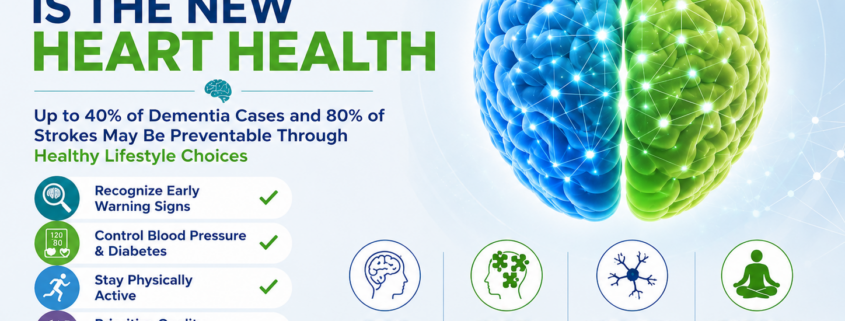
Brain health plays a vital role in every aspect of life, from memory and concentration to movement, communication, and emotional well-being. Consulting a qualified brain specialist in Safdarjung can help individuals understand their neurological health and take preventive steps before serious conditions develop. Yet, many people pay attention to their brain only when symptoms such as headaches, memory loss, dizziness, or weakness begin to appear. Today, healthcare experts are increasingly emphasizing that “Brain Health is the New Heart Health” because many neurological conditions can be prevented or managed effectively through early intervention and healthy lifestyle choices.
Research suggests that up to 40% of dementia cases and nearly 80% of strokes may be preventable by addressing modifiable risk factors such as high blood pressure, diabetes, smoking, physical inactivity, poor diet, and chronic stress. This highlights the importance of taking proactive steps to protect brain function long before serious problems develop.
At Neuro Clinic Plus, Dr. Aparna Gupta is dedicated to helping patients understand the importance of brain health and providing expert care for conditions such as stroke, dementia, epilepsy, migraines, and other neurological disorders. Prioritizing brain health today can lead to better cognitive function, improved quality of life, and greater independence in the years ahead.
Why Brain Health Is the New Heart Health
The Growing Importance of Brain Health
Healthcare experts are increasingly emphasizing that brain health deserves the same attention as heart health. An experienced brain specialist in Safdarjung often sees patients who focus on physical health but overlook early neurological symptoms until they begin affecting daily life. As awareness grows, more people are recognizing the importance of protecting their cognitive and neurological well-being before serious conditions develop.
Almost all bodily functions are controlled by the brain, including:
- Memory and learning
- Thinking and decision-making
- Speech and communication
- Movement and coordination
- Emotions and behavior
- Sensory functions such as vision and hearing
When brain health declines, it can significantly impact a person’s independence and quality of life. Neurological conditions such as stroke, dementia, Parkinson’s disease, and epilepsy can affect both patients and their families, making prevention and early intervention increasingly important.
Many Brain Disorders Are Preventable
One of the most encouraging findings in modern neurology is that many brain disorders may be prevented or delayed through healthy lifestyle choices and proper medical care. According to current research, up to 40% of dementia cases and nearly 80% of strokes may be linked to preventable risk factors.
For individuals concerned about memory decline, consulting the best dementia specialist in Delhi can help identify cognitive changes at an early stage and support effective management strategies. Early evaluation is often crucial because many neurological conditions progress gradually before symptoms become obvious.
Several risk factors that can affect brain health include:
- High blood pressure
- Diabetes
- High cholesterol
- Smoking
- Obesity
- Physical inactivity
- Poor sleep quality
- Chronic stress
Managing these risk factors can significantly reduce the likelihood of developing serious neurological complications later in life.
Prevention Is Better Than Treatment
The concept of “Brain Health Is the New Heart Health” reflects a growing shift toward preventive neurological care. Rather than waiting for symptoms to appear, neurologists encourage individuals to take proactive steps to maintain cognitive function and overall brain wellness.
Simple habits that support long-term brain health include:
- Following a nutritious diet
- Exercising regularly
- Maintaining healthy blood pressure levels
- Getting sufficient sleep
- Staying mentally active
- Managing stress effectively
- Scheduling regular medical checkups
A qualified brain specialist in Safdarjung can help assess neurological risk factors and recommend preventive strategies tailored to individual needs. Similarly, individuals at risk of cerebrovascular disease may benefit from consulting the best stroke specialist in Delhi to understand their risk profile and take steps to prevent future complications.
Why Early Action Matters
Many neurological disorders develop gradually, often showing subtle symptoms before progressing to more serious stages. Seeking timely medical guidance can improve treatment outcomes and help preserve long-term brain function.
Whether it involves stroke prevention, cognitive health monitoring, or managing neurological symptoms, both the best stroke specialist in Delhi and the best dementia specialist in Delhi play an important role in helping patients maintain a healthier and more independent future.
What Are the Early Signs That Your Brain Needs Attention?
Recognizing neurological symptoms early can make a significant difference in treatment outcomes. Many brain-related disorders develop gradually, and their warning signs are often mistaken for normal aging, stress, or fatigue. However, ignoring these symptoms may delay diagnosis and increase the risk of complications.
An experienced brain specialist in Safdarjung can help determine whether these symptoms are temporary concerns or signs of an underlying neurological condition that requires medical attention.
Warning Signs You Should Never Ignore
While occasional symptoms may not always indicate a serious problem, persistent or recurring neurological changes should be evaluated by a healthcare professional.
Common warning signs include:
- Frequent or severe headaches
- Memory loss or increasing forgetfulness
- Difficulty concentrating or making decisions
- Dizziness or balance problems
- Numbness or weakness in the face, arm, or leg
- Sudden changes in vision
- Difficulty speaking or understanding speech
- Unexplained seizures
- Tremors or involuntary movements
- Changes in mood, personality, or behavior
These symptoms can be associated with various neurological conditions, including stroke, dementia, epilepsy, Parkinson’s disease, and other disorders affecting the brain and nervous system.
Early Stroke Symptoms Require Immediate Attention
A stroke is a medical emergency that occurs when blood flow to the brain is interrupted. Quick treatment can help reduce brain damage and improve recovery outcomes.
Key stroke warning signs include:
- One side of the body suddenly becoming weak
- Facial drooping
- Difficulty speaking or understanding words
- Sudden loss of vision
- Severe dizziness or loss of coordination
- Sudden, intense headache with no known cause
If any of these symptoms appear, immediate medical care is essential. Consulting the best stroke specialist in Delhi after emergency treatment can help patients manage recovery and reduce the risk of future strokes.
Early Signs of Dementia
Many people assume that memory loss is a normal part of aging, but persistent cognitive changes should never be ignored. Early diagnosis can help slow progression and improve quality of life.
Common early symptoms of dementia include:
- Frequently forgetting recent conversations or events
- Repeating the same questions
- Difficulty completing familiar tasks
- Misplacing items regularly
- Problems with planning or problem-solving
- Confusion about time or place
- Changes in judgment or decision-making
Seeking evaluation from the best dementia specialist in Delhi can help identify the cause of cognitive symptoms and provide appropriate treatment and support.
When Should You Consult a Neurologist?
You should consider visiting a neurologist if you experience:
- Persistent headaches that do not improve
- Recurrent dizziness or balance issues
- Memory concerns affecting daily life
- Unexplained numbness or weakness
- Seizures or blackouts
- Sudden changes in speech, vision, or movement
An early consultation with a brain specialist in Safdarjung can help detect neurological conditions at a stage when treatment is often more effective. Early diagnosis not only improves outcomes but also helps patients take proactive steps to protect their long-term brain health.
What Factors Increase the Risk of Brain Disorders?
Many neurological conditions do not develop overnight. In most cases, they result from a combination of lifestyle habits, medical conditions, environmental influences, and genetic factors that affect brain health over time. Understanding these risk factors can help individuals take preventive measures and reduce their chances of developing serious neurological disorders.
A brain specialist in Safdarjung often emphasizes that while some risk factors cannot be changed, many can be managed through healthy lifestyle choices and regular medical care.
Lifestyle Factors That Affect Brain Health
Daily habits play a significant role in maintaining cognitive function and reducing the risk of neurological diseases.
Common lifestyle-related risk factors include:
- Smoking and tobacco use
- Excessive alcohol consumption
- Physical inactivity
- Poor dietary habits
- Obesity
- Chronic stress
- Sleep deprivation
- Lack of mental stimulation
These factors can negatively affect blood flow to the brain, increase inflammation, and contribute to cognitive decline over time.
Medical Conditions That Increase Neurological Risks
Several health conditions are closely linked to stroke, dementia, and other neurological disorders.
Key medical risk factors include:
- High blood pressure (hypertension)
- Diabetes
- High cholesterol
- Heart disease
- Obstructive sleep apnea
- Chronic kidney disease
- Previous stroke or transient ischemic attack (TIA)
Among these, high blood pressure is considered one of the most significant risk factors for stroke. Individuals with uncontrolled hypertension are at a much higher risk of experiencing a cerebrovascular event. Seeking guidance from the best stroke specialist in Delhi can help patients manage these risks and develop a personalized prevention strategy.
Risk Factors Associated with Dementia
Although age is the strongest risk factor for dementia, several other factors may contribute to cognitive decline.
These include:
- Family history of dementia
- Cardiovascular disease
- Diabetes
- Smoking
- Social isolation
- Depression
- Hearing loss
- Lack of physical activity
Research suggests that addressing these modifiable factors may help lower the risk of developing dementia later in life. Consultation with the best dementia specialist in Delhi can help identify early cognitive changes and recommend interventions that support long-term brain health.
The Role of Age and Genetics
Certain risk factors cannot be controlled, including:
- Increasing age
- Family history of neurological disorders
- Genetic predisposition
- Certain inherited neurological conditions
While these factors cannot be changed, understanding personal risk can help individuals take preventive steps and undergo regular neurological evaluations.
Why Managing Risk Factors Matters
Preventive brain care is one of the most effective ways to reduce the burden of neurological disease. Many cases of stroke and dementia are linked to risk factors that can be managed through:
- Regular health checkups
- Blood pressure control
- Healthy eating habits
- Routine physical activity
- Adequate sleep
- Stress management
- Early neurological assessment
Regular consultations with a brain specialist in Safdarjung can help identify potential concerns before they become serious health problems. By recognizing and addressing risk factors early, individuals can take meaningful steps toward protecting their brain health and maintaining their quality of life for years to come.
7 Expert Tips to Keep Your Brain Healthy
Protecting your brain does not require drastic changes. Small, consistent lifestyle habits can significantly improve cognitive function and reduce the risk of neurological disorders. According to neurological experts, many cases of stroke and dementia are associated with modifiable risk factors, making prevention an important part of long-term brain health.
A brain specialist in Safdarjung may recommend the following strategies to support optimal brain function and overall well-being.
1. Keep Your Blood Pressure Under Control
High blood pressure is one of the leading risk factors for stroke and cognitive decline. Uncontrolled hypertension can damage blood vessels in the brain, increasing the likelihood of serious neurological complications.
To maintain healthy blood pressure:
- Monitor blood pressure regularly
- Limit excessive salt intake
- Exercise consistently
- Take prescribed medications as directed
- Avoid smoking
Individuals with hypertension should seek guidance from the best stroke specialist in Delhi to better understand their stroke risk and preventive care options.
2. Follow a Brain-Healthy Diet
The foods you eat directly affect brain function. A balanced diet rich in nutrients supports memory, concentration, and long-term cognitive health.
Brain-friendly foods include:
- Green leafy vegetables
- Fresh fruits
- Nuts and seeds
- Whole grains
- Fish rich in omega-3 fatty acids
- Legumes and beans
Limiting processed foods, sugary beverages, and unhealthy fats can also support better brain health.
3. Stay Physically Active
Regular exercise improves blood circulation to the brain and helps reduce the risk of stroke, dementia, and other neurological conditions.
Experts generally recommend:
- At least 150 minutes of moderate physical activity per week
- Walking, cycling, swimming, or yoga
- Strength training exercises when appropriate
Physical activity also helps manage weight, blood pressure, and stress levels.
4. Prioritize Quality Sleep
Sleep plays a critical role in memory consolidation, brain repair, and cognitive performance. Poor sleep quality has been linked to increased risks of dementia, stroke, and other neurological disorders.
To improve sleep quality:
- Maintain a consistent sleep schedule
- Limit screen time before bedtime
- Create a comfortable sleeping environment
- Avoid excessive caffeine late in the day
5. Keep Your Brain Mentally Active
Just as physical exercise strengthens the body, mental stimulation helps keep the brain engaged.
Activities that support cognitive health include:
- Reading books
- Solving puzzles
- Learning new skills
- Playing strategy games
- Engaging in meaningful conversations
Many cognitive specialists believe lifelong learning can contribute to better brain resilience as people age.
6. Manage Stress Effectively
Chronic stress can negatively impact memory, concentration, and emotional well-being. Long-term stress may also contribute to high blood pressure and other conditions that affect brain health.
Healthy stress-management techniques include:
- Meditation
- Deep breathing exercises
- Regular physical activity
- Spending time with family and friends
- Pursuing hobbies and recreational activities
7. Schedule Regular Neurological Checkups
Routine health assessments can help identify neurological concerns before symptoms become severe. Early detection often leads to better treatment outcomes and improved quality of life.
People who may benefit from regular neurological evaluations include:
- Adults over 40
- Individuals with hypertension or diabetes
- People with a family history of neurological disorders
- Anyone experiencing memory changes or recurring neurological symptoms
Consulting a brain specialist in Safdarjung can help assess individual risk factors and provide personalized recommendations for maintaining long-term brain health. For patients experiencing memory-related concerns, the best dementia specialist in Delhi can offer early evaluation and guidance, while those at risk of cerebrovascular disease may benefit from consultation with the best stroke specialist in Delhi.
Taking proactive steps today can help protect brain function, preserve independence, and improve overall quality of life in the future.
Why Choose Dr. Aparna Gupta for Neurological Care?
Finding an experienced brain specialist in Safdarjung is an important step for individuals seeking expert care for neurological disorders. With more than 22 years of experience in neurology, Dr. Aparna Gupta has earned a reputation for providing comprehensive diagnosis, treatment, and preventive care for a wide range of brain, nerve, and spine-related conditions.
Trusted Brain Specialist in Safdarjung
Dr. Aparna Gupta currently serves as the Associate Director of Neurology at ISIC Multispeciality Hospital, Vasant Kunj, New Delhi. She also leads Neuro Clinic Plus in Safdarjung Enclave, where patients receive personalized neurological care focused on long-term brain health and improved quality of life.
As a leading brain specialist in Safdarjung, Dr. Gupta treats a variety of neurological disorders, including:
- Stroke
- Epilepsy
- Headaches and migraines
- Vertigo and balance disorders
- Dementia
- Parkinson’s disease
- Movement disorders
- Peripheral neuropathy
- Spine pain and neurological spine disorders
- Brain infections
- Autoimmune neurological conditions
Expertise in Stroke Diagnosis and Management
Stroke remains one of the leading causes of disability worldwide, making timely diagnosis and treatment critical. Patients looking for the best stroke specialist in Delhi often seek specialists with extensive experience in stroke prevention, emergency neurological care, rehabilitation planning, and long-term recovery management.
Dr. Aparna Gupta has significant experience in evaluating stroke risk factors, managing ischemic and hemorrhagic strokes, and helping patients reduce the likelihood of recurrent cerebrovascular events through evidence-based treatment strategies.
Specialized Care for Dementia and Memory Disorders
Memory loss and cognitive decline can have a significant impact on daily life. Early diagnosis often plays a key role in improving patient outcomes and planning appropriate care.
Patients searching for the best dementia specialist in Delhi value specialists who can accurately assess memory concerns, identify underlying causes, and provide personalized treatment recommendations. Dr. Gupta has extensive experience in diagnosing and managing dementia, mild cognitive impairment, and other memory-related neurological conditions.
Strong Academic and Professional Credentials
Dr. Aparna Gupta’s educational background reflects her commitment to excellence in neurological care:
- MBBS – Netaji Subhash Chandra Bose Medical College, Jabalpur (1998)
- MD (General Medicine) – Gandhi Medical College, Bhopal (2003)
- DNB (Neurology) – Sir Ganga Ram Hospital, New Delhi (2010)
She further enhanced her expertise through:
- Fellowship in Epilepsy and Sleep Disorders from AIIMS, New Delhi
- Fellowship in Botox Treatment for Neurological Disorders from Seoul, South Korea
Extensive Clinical Experience
Over the course of her career, Dr. Gupta has held several important clinical positions, including:
- Associate Director of Neurology, ISIC Multispeciality Hospital
- Consultant, Indian Spinal Injuries Centre
- Senior Resident, Department of Cardiology, Sir Ganga Ram Hospital
This broad clinical experience enables her to provide comprehensive care for patients with both common and complex neurological conditions.
Research, Publications, and Professional Recognition
Dr. Gupta has actively contributed to neurological research and academic advancement through presentations, publications, and participation in national and international conferences.
Her research interests include:
- Ischemic stroke and stroke risk factors
- Neurological infections
- Epilepsy and seizure disorders
- Neurological rehabilitation
- Movement disorders
She has also participated in leading conferences such as:
- Delhi Neurological Association Conference
- International Conference of Nerve and Muscle Disorders
- International Conference of Epilepsy
- Stroke Conference, AIIMS New Delhi
Professional Memberships
Dr. Aparna Gupta is an active member of several respected neurological organizations:
- Indian Academy of Neurology
- Indian Epilepsy Society
- American Academy of Neurology
- Movement Disorder Society of India
Comprehensive Neurological Care at Neuro Clinic Plus
At Neuro Clinic Plus, patients benefit from evidence-based treatment, advanced neurological evaluation, and personalized care plans. Whether someone is seeking a brain specialist in Safdarjung for preventive brain health, consulting the best stroke specialist in Delhi for stroke management, or looking for the best dementia specialist in Delhi for memory-related concerns, Dr. Aparna Gupta focuses on delivering compassionate, patient-centered neurological care tailored to individual needs.
Frequently Asked Questions (FAQs)
1. Why is brain health important?
Brain health supports memory, thinking, movement, and emotional well-being. Maintaining it can help reduce the risk of neurological disorders such as stroke and dementia.
2. When should I consult a brain specialist in Safdarjung?
You should consult a brain specialist in Safdarjung if you experience persistent headaches, memory loss, dizziness, seizures, weakness, or other neurological symptoms.
3. Can stroke be prevented?
Yes, many strokes can be prevented by controlling blood pressure, managing diabetes, staying physically active, eating a healthy diet, and avoiding smoking.
4. What are the early signs of dementia?
Early signs may include memory loss, confusion, difficulty completing familiar tasks, and changes in judgment or behavior.
5. When should I consult the best dementia specialist in Delhi?
You should consult the best dementia specialist in Delhi if memory problems or cognitive changes begin to affect daily activities or quality of life.
Conclusion
Brain health is one of the most important aspects of overall well-being, yet it is often overlooked until symptoms begin to affect daily life. From memory and concentration to movement and emotional health, the brain influences every function of the body. The good news is that many neurological conditions, including stroke and dementia, may be prevented or managed more effectively through early diagnosis, healthy lifestyle choices, and regular medical care.
Understanding the warning signs of neurological disorders and addressing risk factors such as high blood pressure, diabetes, poor sleep, and chronic stress can significantly reduce the likelihood of long-term complications. Taking preventive action today can help protect cognitive function, maintain independence, and improve quality of life in the years ahead.
If you are experiencing symptoms such as persistent headaches, memory problems, dizziness, weakness, or other neurological concerns, consulting a qualified brain specialist in Safdarjung can help ensure timely evaluation and appropriate treatment. Individuals at risk of cerebrovascular disease may also benefit from expert guidance from the best stroke specialist in Delhi, while those facing memory-related challenges should consider seeking care from the best dementia specialist in Delhi.
At Neuro Clinic Plus, Dr. Aparna Gupta combines extensive clinical experience, advanced neurological expertise, and a patient-centered approach to help individuals achieve better brain health. Prioritizing your brain health today is an investment in a healthier, more active, and more independent future.