Your brain is the control center of your entire body, managing everything from movement and memory to speech, emotions, and breathing. While occasional headaches or dizziness may not always be serious, some neurological symptoms can signal a life-threatening condition that requires immediate medical attention. Ignoring these warning signs could delay treatment and increase the risk of permanent brain damage or disability.
Many serious neurological conditions, including stroke, brain hemorrhage, epilepsy, brain infections, and brain tumors, begin with subtle symptoms that are easy to overlook. Consulting a qualified brain specialist in Delhi as soon as unusual symptoms appear can lead to an early diagnosis and significantly improve treatment outcomes. Recognizing the difference between common discomfort and a medical emergency is one of the most important steps in protecting your brain health.
If you experience sudden weakness, slurred speech, confusion, vision changes, loss of balance, or an unusually severe headache, seek emergency medical care without delay. An experienced Stroke specialist in Safdarjung can quickly assess these symptoms, perform the necessary neurological evaluations, and begin timely treatment. Early intervention saves brain cells, improves recovery, and can even save lives.
Understanding Brain Symptoms: What Is Your Brain Trying to Tell You?
Your brain constantly communicates with your body through signals that control movement, speech, memory, balance, vision, emotions, and sensation. When something disrupts normal brain function, these signals change, often appearing as noticeable symptoms. While some symptoms may be temporary or caused by minor issues, others can indicate a serious neurological condition that requires prompt medical evaluation. Understanding these warning signs helps you take the right action before complications develop.
In many cases, symptoms such as persistent headaches, numbness, dizziness, memory problems, or difficulty speaking are the body’s way of indicating that something is affecting the nervous system. Consulting a brain specialist in Delhi at the right time can help identify the underlying cause and prevent the condition from worsening. Early diagnosis often leads to faster treatment, fewer complications, and better long-term outcomes.
How Does the Brain Show That Something Is Wrong?
The brain cannot directly express pain like muscles or joints. Instead, it sends warning signals through changes in the way your body functions. These signals may develop suddenly or gradually, depending on the underlying condition. Paying attention to these changes can make a significant difference in protecting your neurological health.
Some of the most common warning signs include:
- Persistent or severe headaches
- Sudden weakness or numbness
- Difficulty speaking or understanding conversations
- Blurred or double vision
- Loss of balance or coordination
- Frequent dizziness or vertigo
- Memory loss or confusion
- Unexplained seizures
- Tremors or involuntary movements
- Changes in behavior or personality
These symptoms should never be ignored, especially if they appear suddenly or continue to worsen. An experienced Stroke specialist in Safdarjung can determine whether the symptoms are related to a stroke, brain injury, epilepsy, or another neurological disorder and recommend the most appropriate treatment.
Why Early Recognition Matters
Many neurological disorders progress rapidly if left untreated. Conditions such as stroke, brain hemorrhage, meningitis, and seizures require immediate medical attention because every minute without treatment may increase the risk of permanent brain damage. On the other hand, chronic conditions like migraines, Parkinson’s disease, or neuropathy can also benefit greatly from an early diagnosis and personalized care plan.
Seeking expert advice from a brain specialist in Delhi when symptoms first appear can improve recovery, reduce the risk of long-term disability, and help patients maintain a better quality of life. The sooner the cause is identified, the more treatment options are available, making timely neurological evaluation one of the most important steps in protecting your brain health.
Common Brain Disorders That Need Immediate Medical Attention
Some neurological conditions develop gradually, while others appear without warning and require immediate medical care. Recognizing these disorders early can prevent permanent brain damage, disability, or even loss of life. If you notice sudden changes in movement, speech, vision, memory, or consciousness, it is important to seek expert medical evaluation. Consulting a brain specialist in Delhi at the earliest stage can help identify the underlying condition and begin treatment before complications arise.
Stroke
A stroke is one of the most serious neurological emergencies. It occurs when blood flow to the brain is blocked or when a blood vessel ruptures, depriving brain cells of oxygen. Because brain cells begin to die within minutes, rapid diagnosis and treatment are essential. Common signs include sudden weakness on one side of the body, facial drooping, slurred speech, difficulty understanding conversations, loss of balance, vision changes, and a severe headache. Receiving immediate care from an experienced Stroke specialist in Safdarjung can significantly improve recovery and reduce the risk of long-term disability.
Brain Hemorrhage
A brain hemorrhage refers to bleeding within or around the brain, often caused by uncontrolled high blood pressure, aneurysms, head injuries, or vascular abnormalities. The condition can increase pressure inside the skull, affecting normal brain function. Patients may experience a sudden and intense headache, vomiting, confusion, weakness, difficulty speaking, or loss of consciousness. Since symptoms can worsen rapidly, emergency medical treatment is crucial to prevent permanent neurological damage.
Brain Infection
Brain infections such as meningitis and encephalitis are caused by bacteria, viruses, or other microorganisms that inflame the brain or its protective coverings. These infections usually progress quickly and may lead to serious complications if left untreated. High fever, severe headache, neck stiffness, confusion, seizures, excessive sleepiness, and sensitivity to light are common warning signs. Early diagnosis allows doctors to begin appropriate treatment before the infection causes lasting damage.
Brain Tumor
A brain tumor develops when abnormal cells grow inside the brain. Depending on its size and location, symptoms may appear slowly or become noticeable within a short period. Persistent headaches, repeated vomiting, blurred vision, memory problems, personality changes, difficulty speaking, and seizures are some of the symptoms that should never be ignored. Consulting a brain specialist in Delhi can help determine whether advanced imaging and further neurological evaluation are required.
Epilepsy and Seizures
Epilepsy is a chronic neurological disorder characterized by recurrent seizures caused by abnormal electrical activity in the brain. Seizures may involve uncontrolled body movements, temporary loss of awareness, muscle stiffness, confusion, or staring episodes. Although some seizures stop within a few minutes, prolonged or repeated seizures require immediate medical attention to reduce the risk of complications and identify the underlying cause.
Severe Head Injury
A severe head injury can affect brain function by causing swelling, bleeding, or direct damage to brain tissue. Symptoms may not always appear immediately, making careful observation essential after any significant head trauma. Persistent headache, repeated vomiting, drowsiness, slurred speech, weakness, unequal pupil size, confusion, or loss of consciousness are signs that require urgent medical evaluation. Prompt treatment from a qualified Stroke specialist in Safdarjung can help prevent further complications and support better neurological recovery.
Why Early Recognition Matters
Neurological emergencies often progress rapidly, leaving very little time for treatment. Delaying medical care may increase the risk of permanent brain damage and reduce the chances of a full recovery. Recognizing these warning signs and seeking timely neurological evaluation allows doctors to diagnose the condition accurately, begin appropriate treatment, and improve long-term health outcomes.
Warning Signs That Mean You Should Seek Immediate Medical Attention
Many neurological symptoms may seem minor at first, but some can indicate a life-threatening brain condition that requires urgent medical care. Recognizing these warning signs and acting quickly can help prevent permanent brain damage and improve recovery. If any of the following symptoms appear suddenly or become severe, it is important to consult a brain specialist in Delhi without delay.
Sudden Weakness or Numbness
A sudden loss of strength or sensation, especially on one side of the body, is one of the most common signs of a neurological emergency. It may affect the face, arm, or leg and can make everyday movements difficult. This symptom is frequently associated with a stroke and should never be ignored.
Difficulty Speaking or Understanding Speech
If you suddenly struggle to speak clearly, slur your words, or have trouble understanding what others are saying, it may indicate that the brain’s language center has been affected. Even if these symptoms disappear within a few minutes, immediate medical evaluation is essential because they may signal a temporary or major stroke.
Sudden Vision Changes
Blurred vision, double vision, or sudden loss of sight in one or both eyes can occur when the brain or optic nerves are affected. Vision changes that appear without an obvious reason require urgent neurological assessment, particularly when accompanied by dizziness or weakness.
Severe and Unusual Headache
A sudden, intense headache that feels different from your usual headaches may be a warning sign of a serious condition such as a brain hemorrhage or stroke. If the headache is accompanied by vomiting, confusion, neck stiffness, or loss of consciousness, emergency medical care should be sought immediately.
Loss of Balance or Coordination
Difficulty walking, frequent falls, dizziness, or an inability to maintain balance can indicate problems affecting the brain or nervous system. These symptoms often appear suddenly during a stroke or other neurological disorders and should be evaluated as soon as possible by a Stroke specialist in Safdarjung.
Seizures Without a Known Cause
A seizure occurring for the first time, or repeated seizures within a short period, requires immediate medical attention. During a seizure, a person may experience uncontrolled body movements, muscle stiffness, confusion, or temporary loss of consciousness. Identifying the underlying cause is essential for effective treatment.
Sudden Confusion or Memory Loss
Unexpected confusion, disorientation, difficulty recognizing familiar people, or sudden memory problems may indicate reduced brain function. These symptoms can result from stroke, brain infection, or other neurological conditions and should never be ignored.
Loss of Consciousness
Fainting, becoming unresponsive, or losing consciousness without an obvious reason is a medical emergency. It may be caused by reduced blood flow to the brain, severe head injury, seizures, or other critical neurological disorders. Immediate evaluation by a brain specialist in Delhi can help determine the cause and begin appropriate treatment before complications develop.
Why Acting Quickly Is Essential
The brain begins to suffer damage within minutes when its blood supply or normal function is disrupted. Delaying treatment increases the risk of permanent disability, cognitive impairment, and other serious complications. Seeking prompt care from an experienced Stroke specialist in Safdarjung ensures timely diagnosis, appropriate treatment, and the best possible chance of recovery.
Stroke: The Most Time-Critical Brain Emergency
A stroke is one of the most serious medical emergencies because it interrupts the blood supply to the brain. Without enough oxygen and nutrients, brain cells begin to die within minutes, making immediate treatment essential. Recognizing the early signs and reaching the hospital quickly can significantly improve recovery and reduce the risk of permanent disability. Seeking timely care from a brain specialist in Delhi can make a life-saving difference.
What Is a Stroke?
A stroke occurs when the brain does not receive enough blood due to a blocked artery or a ruptured blood vessel. As the affected part of the brain stops functioning properly, the body may lose the ability to move, speak, remember, or maintain balance. The sooner treatment begins, the greater the chance of protecting healthy brain tissue.
Types of Stroke
Ischemic Stroke is the most common type and occurs when a blood clot blocks an artery supplying blood to the brain. Immediate treatment helps restore blood flow and minimizes brain damage.
Hemorrhagic Stroke develops when a weakened blood vessel bursts, causing bleeding inside the brain. This type of stroke requires emergency medical care because the bleeding increases pressure on the brain.
Transient Ischemic Attack (TIA), often called a mini-stroke, causes temporary stroke-like symptoms that usually disappear within a short time. Although the symptoms improve, a TIA is a serious warning sign that a major stroke may occur in the future if left untreated.
Recognize Stroke with the FAST Rule
The FAST method helps identify the most common signs of a stroke:
Face: One side of the face begins to droop or feels numb.
Arms: One arm becomes weak or difficult to lift.
Speech: Speech becomes slurred, unclear, or difficult to understand.
Time: Call emergency medical services immediately. Every minute matters during a stroke.
Why Every Minute Matters
During a stroke, millions of brain cells can be damaged every minute if blood flow is not restored. Early diagnosis allows doctors to begin treatment quickly, reducing the risk of permanent disability and improving recovery. This is why immediate evaluation by a Stroke specialist in Safdarjung is critical when stroke symptoms appear.
Who Is at Higher Risk of Stroke?
Several factors increase the likelihood of experiencing a stroke. High blood pressure, diabetes, high cholesterol, smoking, obesity, heart disease, physical inactivity, and advancing age are among the most common risk factors. However, strokes can also occur in younger adults, making awareness of the warning signs important for everyone.
Can Stroke Be Prevented?
Although not every stroke can be prevented, adopting a healthy lifestyle can significantly reduce the risk. Regular exercise, a balanced diet, controlling blood pressure and blood sugar, avoiding tobacco, limiting alcohol consumption, and attending routine health check-ups all contribute to better brain health. Early medical evaluation of neurological symptoms also plays a key role in preventing severe complications and improving long-term outcomes.
Stroke: The Most Time-Critical Brain Emergency
A stroke is one of the most serious medical emergencies because it interrupts the blood supply to the brain. Without enough oxygen and nutrients, brain cells begin to die within minutes, making immediate treatment essential. Recognizing the early signs and reaching the hospital quickly can significantly improve recovery and reduce the risk of permanent disability. Seeking timely care from a brain specialist in Delhi can make a life-saving difference.
What Is a Stroke?
A stroke occurs when the brain does not receive enough blood due to a blocked artery or a ruptured blood vessel. As the affected part of the brain stops functioning properly, the body may lose the ability to move, speak, remember, or maintain balance. The sooner treatment begins, the greater the chance of protecting healthy brain tissue.
Types of Stroke
Ischemic Stroke is the most common type and occurs when a blood clot blocks an artery supplying blood to the brain. Immediate treatment helps restore blood flow and minimizes brain damage.
Hemorrhagic Stroke develops when a weakened blood vessel bursts, causing bleeding inside the brain. This type of stroke requires emergency medical care because the bleeding increases pressure on the brain.
Transient Ischemic Attack (TIA), often called a mini-stroke, causes temporary stroke-like symptoms that usually disappear within a short time. Although the symptoms improve, a TIA is a serious warning sign that a major stroke may occur in the future if left untreated.
Recognize Stroke with the FAST Rule
The FAST method helps identify the most common signs of a stroke:
Face: One side of the face begins to droop or feels numb.
Arms: One arm becomes weak or difficult to lift.
Speech: Speech becomes slurred, unclear, or difficult to understand.
Time: Call emergency medical services immediately. Every minute matters during a stroke.
Why Every Minute Matters
During a stroke, millions of brain cells can be damaged every minute if blood flow is not restored. Early diagnosis allows doctors to begin treatment quickly, reducing the risk of permanent disability and improving recovery. This is why immediate evaluation by a Stroke specialist in Safdarjung is critical when stroke symptoms appear.
Who Is at Higher Risk of Stroke?
Several factors increase the likelihood of experiencing a stroke. High blood pressure, diabetes, high cholesterol, smoking, obesity, heart disease, physical inactivity, and advancing age are among the most common risk factors. However, strokes can also occur in younger adults, making awareness of the warning signs important for everyone.
Can Stroke Be Prevented?
Although not every stroke can be prevented, adopting a healthy lifestyle can significantly reduce the risk. Regular exercise, a balanced diet, controlling blood pressure and blood sugar, avoiding tobacco, limiting alcohol consumption, and attending routine health check-ups all contribute to better brain health. Early medical evaluation of neurological symptoms also plays a key role in preventing severe complications and improving long-term outcomes.
What Causes Serious Brain Symptoms?
Serious brain symptoms often develop when the brain is not functioning normally due to reduced blood flow, injury, infection, or damage to nerve cells. While some conditions appear suddenly, others progress over time and gradually affect memory, movement, speech, or coordination. Identifying the underlying cause is essential because early diagnosis leads to faster treatment and better recovery. If symptoms persist or worsen, consulting a brain specialist in Delhi is the safest course of action.
Reduced Blood Flow to the Brain
The brain depends on a constant supply of oxygen-rich blood to function properly. When blood flow is blocked or significantly reduced, brain cells begin to die within minutes. This commonly occurs during a stroke and can result in sudden weakness, slurred speech, confusion, vision problems, or difficulty walking. Prompt treatment can restore blood flow and limit brain damage.
Bleeding Inside the Brain
A ruptured blood vessel can cause bleeding within the brain, increasing pressure on surrounding tissues. This condition, known as a brain hemorrhage, may develop because of uncontrolled high blood pressure, head trauma, or a weakened blood vessel. Symptoms often include a sudden severe headache, vomiting, confusion, seizures, or loss of consciousness, all of which require emergency medical care.
Brain Infections
Infections such as meningitis and encephalitis can inflame the brain or its protective coverings. These illnesses may be caused by bacteria, viruses, or other microorganisms and often progress rapidly. High fever, neck stiffness, confusion, sensitivity to light, and seizures are common warning signs that should never be ignored.
Brain Tumors
A brain tumor occurs when abnormal cells grow within the brain. Depending on its location, the tumor may affect speech, vision, balance, memory, or muscle control. Persistent headaches, repeated vomiting, personality changes, or unexplained seizures may indicate increasing pressure inside the brain and require further neurological evaluation.
Nerve Disorders
Neurological disorders affecting the brain and nervous system can interfere with communication between the brain and the rest of the body. Conditions such as epilepsy, Parkinson’s disease, multiple sclerosis, and neuropathy may cause tremors, seizures, muscle weakness, balance problems, or changes in coordination. Early assessment by a Stroke specialist in Safdarjung can help determine the exact cause and guide appropriate treatment.
Head Injuries
A significant head injury can damage brain tissue or cause internal bleeding, even when external injuries appear minor. Symptoms such as persistent headache, dizziness, vomiting, confusion, memory loss, or drowsiness after an accident should always be evaluated promptly to rule out serious complications.
Chronic Health Conditions
Certain medical conditions increase the risk of developing neurological problems over time. High blood pressure, diabetes, high cholesterol, heart disease, obesity, smoking, and chronic stress can damage blood vessels and reduce blood flow to the brain. Managing these risk factors through regular health check-ups and a healthy lifestyle helps protect long-term brain function and lowers the risk of serious neurological disorders.
How Neurologists Diagnose Brain Disorders Early
Early diagnosis is one of the most important steps in treating neurological disorders successfully. Identifying the cause of brain-related symptoms at the right time allows doctors to begin treatment before permanent damage occurs. Whether the symptoms are sudden or gradually worsening, a thorough neurological evaluation helps determine the exact condition and the most effective treatment plan.
Medical History and Symptom Assessment
The diagnostic process begins with a detailed discussion about your symptoms, medical history, family history, and lifestyle. The neurologist will ask when the symptoms started, how often they occur, and whether they have changed over time. This information provides valuable clues about the possible cause of the condition.
Neurological Examination
A neurological examination evaluates how well the brain and nervous system are functioning. The doctor checks muscle strength, reflexes, coordination, balance, sensation, vision, speech, and memory to identify abnormalities that may indicate a neurological disorder.
Brain Imaging Tests
Advanced imaging plays a key role in diagnosing brain conditions. CT scans are commonly used to detect bleeding, stroke, or head injuries, while MRI scans provide detailed images of the brain to identify tumors, infections, inflammation, and other structural abnormalities. These tests help doctors make an accurate diagnosis and plan appropriate treatment.
Electroencephalogram (EEG)
An EEG records the brain’s electrical activity and is commonly recommended for patients experiencing seizures, epilepsy, unexplained blackouts, or episodes of unconsciousness. It helps identify abnormal brain wave patterns that may not be visible on imaging scans.
Blood Tests and Laboratory Investigations
Blood tests help detect infections, vitamin deficiencies, autoimmune disorders, metabolic conditions, and other health issues that may contribute to neurological symptoms. These investigations also help rule out conditions that can mimic brain disorders.
Early Diagnosis Improves Treatment Outcomes
Consulting a brain specialist in Delhi as soon as neurological symptoms appear allows for faster diagnosis and timely treatment. Many conditions, including stroke, epilepsy, brain infections, and tumors, have better outcomes when detected early. Delaying medical evaluation may increase the risk of complications and permanent neurological damage.
Personalized Treatment Planning
After confirming the diagnosis, the neurologist develops a personalized treatment plan based on the patient’s condition, age, medical history, and overall health. Depending on the diagnosis, treatment may include medications, lifestyle modifications, rehabilitation, or advanced neurological procedures. For emergency conditions such as stroke, timely care from a Stroke specialist in Safdarjung can significantly improve recovery and reduce long-term disability.
Why Early Diagnosis Can Save Your Brain
Many neurological disorders begin with mild or temporary symptoms, making them easy to ignore. However, delaying medical attention can allow the condition to progress, increasing the risk of permanent brain damage. Early diagnosis gives doctors the opportunity to identify the problem before it becomes more serious, improving both treatment success and long-term recovery.
Prevents Permanent Brain Damage
Brain cells cannot fully regenerate once they are severely damaged. Conditions such as stroke, brain hemorrhage, and brain infections can permanently affect speech, movement, memory, and vision if treatment is delayed. Identifying these conditions early helps protect healthy brain tissue and limits long-term complications.
Increases Treatment Success
Many neurological disorders respond better when treated in their early stages. Early medical intervention allows doctors to begin the most appropriate treatment before symptoms become severe. Consulting a brain specialist in Delhi at the first sign of neurological symptoms can significantly improve treatment outcomes and reduce the need for more complex procedures later.
Speeds Up Recovery
Patients diagnosed early often experience a faster and smoother recovery because treatment begins before extensive brain damage occurs. Early rehabilitation, medication, and regular follow-up care also help restore normal brain function more effectively.
Reduces the Risk of Disability
Untreated neurological conditions can lead to long-term physical and cognitive disabilities that affect daily life. Prompt diagnosis and treatment reduce the likelihood of complications such as paralysis, speech difficulties, balance problems, memory loss, and reduced independence.
Improves Quality of Life
Receiving timely neurological care allows patients to manage their condition more effectively and continue their daily activities with greater confidence. Appropriate treatment, healthy lifestyle changes, and ongoing monitoring help maintain better brain health and prevent future complications.
Supports Better Long-Term Brain Health
Regular neurological evaluations help detect changes before they become severe, especially in people with risk factors such as high blood pressure, diabetes, heart disease, or a family history of neurological disorders. Seeking guidance from a Stroke specialist in Safdarjung when warning signs appear can reduce the risk of future neurological emergencies and support a healthier, more active life.
When Should You Consult a Brain Specialist?
Many people ignore neurological symptoms because they believe the problem will resolve on its own. However, persistent, recurring, or sudden brain-related symptoms should never be overlooked. Consulting a brain specialist in Delhi at the right time helps identify the underlying cause, prevents complications, and ensures timely treatment before the condition becomes more serious.
Frequent or Severe Headaches
Occasional headaches are common, but frequent, severe, or worsening headaches may indicate an underlying neurological condition. If headaches are accompanied by vomiting, blurred vision, weakness, or confusion, immediate medical evaluation is recommended.
Sudden Weakness or Numbness
Weakness or numbness affecting the face, arm, or leg—especially on one side of the body—can be an early warning sign of a stroke. Prompt medical attention is essential because early treatment greatly improves recovery.
Speech or Communication Problems
Difficulty speaking, slurred speech, or trouble understanding conversations should always be evaluated by a neurologist. These symptoms may develop due to stroke, brain injury, or other neurological disorders and require immediate assessment.
Memory Loss or Confusion
Occasional forgetfulness is normal, but persistent memory problems, confusion, or personality changes should not be ignored. These symptoms may be associated with dementia, brain infections, or other conditions affecting brain function.
Dizziness or Loss of Balance
Repeated dizziness, difficulty walking, poor coordination, or unexplained falls can indicate disorders affecting the brain, inner ear, or nervous system. An experienced Stroke specialist in Safdarjung can determine whether these symptoms are related to a neurological emergency or another medical condition.
Seizures or Loss of Consciousness
A first-time seizure, repeated seizures, or episodes of unexplained unconsciousness always require urgent neurological evaluation. Early diagnosis helps identify the cause and reduces the risk of future complications.
Vision Changes
Sudden blurred vision, double vision, or temporary loss of sight may indicate problems affecting the brain or optic nerves. These symptoms should be evaluated promptly, particularly if they occur with headaches, weakness, or speech difficulties.
Tremors or Uncontrolled Movements
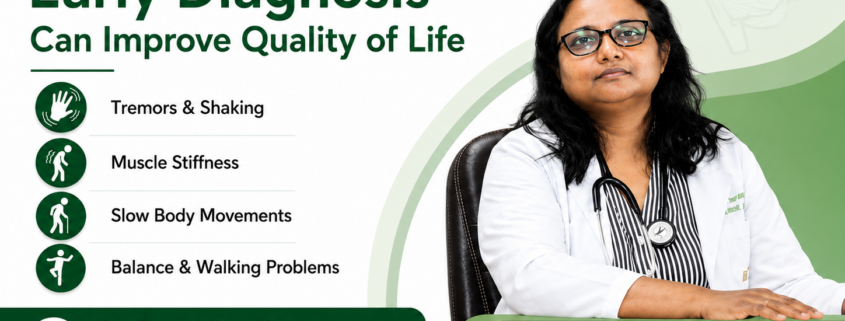
Persistent tremors, muscle stiffness, or involuntary movements may be early signs of neurological disorders such as Parkinson’s disease or other movement disorders. Early treatment can help manage symptoms and improve quality of life.
After a Head Injury
Even if a head injury seems minor, symptoms such as persistent headache, vomiting, drowsiness, confusion, or changes in behavior should never be ignored. A timely neurological examination can help detect hidden brain injuries before they become life-threatening.
About Dr. Aparna Gupta
When it comes to neurological care, choosing an experienced specialist can make a significant difference in diagnosis, treatment, and long-term recovery. Dr. Aparna Gupta is a highly experienced neurologist known for providing evidence-based, patient-centered neurological care for a wide range of brain and nerve disorders. Her focus on accurate diagnosis and personalized treatment has helped many patients achieve better neurological health.
Extensive Clinical Experience
With 22+ years of experience in neurology, Dr. Aparna Gupta has successfully diagnosed and treated patients with both common and complex neurological conditions. Her extensive clinical expertise enables her to manage neurological emergencies as well as chronic disorders with confidence and precision.
Expertise in Neurological Disorders
Dr. Aparna Gupta specializes in the diagnosis and treatment of several neurological conditions, including stroke, epilepsy, migraine, Parkinson’s disease, neuropathy, dementia, multiple sclerosis, vertigo, and other brain and nerve disorders. Patients experiencing persistent neurological symptoms can benefit from her comprehensive evaluation and individualized treatment approach.
Advanced Diagnostic Approach
Accurate diagnosis is the foundation of effective neurological care. Dr. Aparna Gupta carefully evaluates each patient’s symptoms, medical history, and diagnostic reports before recommending a treatment plan. This thorough approach helps identify the root cause of neurological conditions and ensures appropriate management.
Personalized Patient Care
Every patient experiences neurological disorders differently. Dr. Aparna Gupta believes in developing personalized treatment plans based on the patient’s condition, lifestyle, and overall health. Her treatment strategy focuses not only on symptom relief but also on improving long-term neurological function and quality of life.
Trusted Neurological Care
Patients appreciate Dr. Aparna Gupta for her compassionate communication, detailed consultations, and commitment to delivering quality neurological care. Whether treating emergency conditions or long-term neurological disorders, she emphasizes early diagnosis, patient education, and continuous follow-up to achieve the best possible outcomes.
About Neuro Clinic Plus
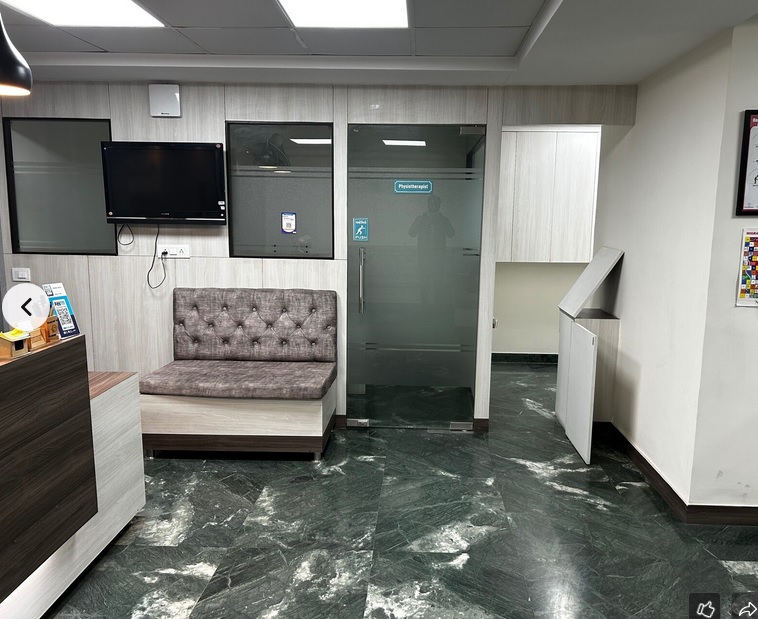
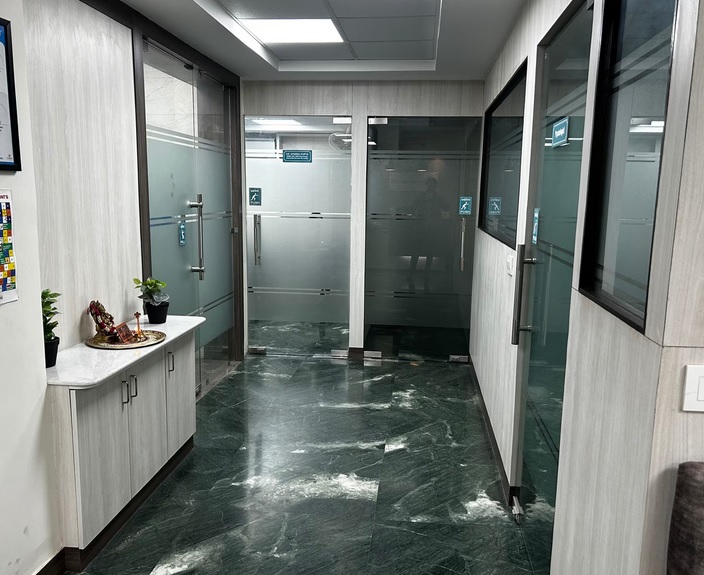
Neuro Clinic Plus is a dedicated neurology center committed to providing comprehensive care for patients with brain, spine, and nervous system disorders. The clinic combines advanced diagnostic support with personalized treatment plans to help patients receive accurate diagnoses and effective care in a comfortable environment.
Comprehensive Neurological Care
The clinic offers evaluation and treatment for a wide range of neurological conditions, including stroke, migraine, epilepsy, Parkinson’s disease, dementia, vertigo, neuropathy, multiple sclerosis, movement disorders, and chronic headaches. Every patient receives an individualized treatment plan based on their symptoms, medical history, and overall health.
Advanced Diagnostic Support
Neuro Clinic Plus uses modern diagnostic techniques to identify neurological disorders accurately. Comprehensive neurological examinations and advanced investigations help determine the root cause of symptoms, allowing timely and effective treatment.
Patient-Centered Treatment
The clinic follows a patient-first approach, ensuring that every individual receives personalized attention throughout their treatment journey. Doctors take time to explain the diagnosis, discuss treatment options, and guide patients through every stage of recovery.
Focus on Early Diagnosis
Early detection plays a crucial role in managing neurological disorders successfully. The clinic emphasizes prompt evaluation of symptoms such as severe headaches, weakness, dizziness, seizures, memory problems, and speech difficulties, helping patients receive treatment before complications develop.
Why Patients Trust Neuro Clinic Plus
Patients choose Neuro Clinic Plus because of its experienced neurology team, evidence-based treatment, compassionate care, modern diagnostic facilities, and commitment to long-term neurological health. Whether managing chronic neurological conditions or medical emergencies, the clinic focuses on delivering safe, reliable, and high-quality neurological care for every patient.
Patient Reviews and Success Stories
The experiences shared by patients reflect the quality of care they receive throughout their neurological treatment. Many patients appreciate the professional approach, accurate diagnosis, and compassionate care provided during their consultations. From the first visit to follow-up appointments, the focus remains on helping patients understand their condition and achieve the best possible recovery.
Positive Treatment Experience
Many patients mention that they felt comfortable discussing their symptoms because every concern was heard with patience and care. Detailed evaluations and clear explanations helped them better understand their neurological condition and the available treatment options.
Trusted Diagnosis and Personalized Care
Patients often appreciate the clinic’s emphasis on accurate diagnosis and personalized treatment plans. Rather than offering a one-size-fits-all solution, each treatment plan is tailored to the patient’s symptoms, medical history, and overall health, leading to greater confidence throughout the recovery process.
Better Recovery Outcomes
Individuals receiving treatment for stroke, migraines, epilepsy, vertigo, neuropathy, and other neurological disorders frequently report noticeable improvement after following their recommended treatment and follow-up care. Early diagnosis and timely medical intervention have helped many patients return to their normal daily activities.
Compassionate Support Throughout the Journey
Beyond medical treatment, patients value the friendly environment, professional guidance, and continuous support they receive during every stage of care. This patient-focused approach helps reduce anxiety, encourages better treatment adherence, and contributes to improved long-term neurological health.
Building Trust Through Quality Care
Positive patient experiences continue to build confidence among individuals seeking neurological treatment. Consistent medical care, transparent communication, and a commitment to patient well-being have made Neuro Clinic Plus a trusted destination for people looking for expert neurological care and lasting treatment outcomes.
Dr. Aparna Gupta’s Experience and Expertise
Choosing an experienced neurologist is essential because neurological disorders often require accurate diagnosis, timely treatment, and long-term follow-up. With 22+ years of clinical experience, Dr. Aparna Gupta has helped patients manage a wide range of brain and nervous system disorders through evidence-based and personalized neurological care.
22+ Years of Clinical Experience
Over the years, Dr. Aparna Gupta has treated thousands of patients with both common and complex neurological conditions. Her extensive experience enables her to recognize early warning signs, make accurate diagnoses, and recommend effective treatment plans tailored to each patient’s needs.
Expertise Across Multiple Neurological Conditions
Dr. Aparna Gupta has extensive experience in managing stroke, migraine, epilepsy, Parkinson’s disease, dementia, neuropathy, vertigo, multiple sclerosis, movement disorders, and chronic headaches. Her comprehensive understanding of neurological diseases allows patients to receive specialized care under one roof.
Focus on Early Diagnosis and Prevention
One of the key strengths of her practice is the emphasis on early diagnosis. Identifying neurological conditions before they progress helps improve treatment outcomes, reduce complications, and support faster recovery. Patients are encouraged to seek medical evaluation as soon as they notice unusual neurological symptoms.
Evidence-Based Treatment Approach
Every treatment plan is developed using the latest medical guidelines and diagnostic findings. Instead of treating only the symptoms, Dr. Aparna Gupta focuses on identifying the root cause of the condition and providing a treatment strategy that supports both short-term relief and long-term neurological health.
Commitment to Long-Term Patient Care
Neurological disorders often require continuous monitoring and follow-up. Dr. Aparna Gupta believes in building lasting relationships with patients by providing regular assessments, treatment adjustments when needed, and ongoing guidance to help them maintain a better quality of life. Her dedication to compassionate care and clinical excellence has earned the trust of patients seeking expert neurological treatment.
Frequently Asked Questions
1. Which brain symptoms require immediate medical attention?
Sudden weakness, slurred speech, severe headache, vision loss, confusion, seizures, loss of balance, or unconsciousness require immediate medical evaluation because they may indicate a serious neurological emergency.
2. When should I consult a brain specialist?
You should consult a brain specialist in Delhi if you experience persistent headaches, memory loss, dizziness, numbness, seizures, tremors, vision changes, or any sudden neurological symptoms.
3. What are the first signs of a stroke?
The most common early signs include facial drooping, arm weakness, speech difficulty, sudden vision changes, loss of balance, and severe headache. Immediate treatment improves recovery.
4. Can a severe headache be a sign of a brain disorder?
Yes. A sudden, intense, or unusual headache may indicate conditions such as stroke, brain hemorrhage, meningitis, or a brain tumor, especially if accompanied by other neurological symptoms.
5. Are seizures always caused by epilepsy?
No. Seizures can also result from stroke, brain infections, head injuries, brain tumors, high fever, or metabolic disorders. Proper neurological evaluation is necessary to determine the cause.
6. How are brain disorders diagnosed?
Neurologists diagnose brain disorders through a combination of medical history, neurological examination, CT scans, MRI scans, EEG tests, and blood investigations based on the patient’s symptoms.
7. Why is early diagnosis important for neurological disorders?
Early diagnosis allows treatment to begin before significant brain damage occurs, improving recovery, reducing complications, and lowering the risk of permanent disability.
8. Who is at higher risk of developing neurological disorders?
People with high blood pressure, diabetes, heart disease, high cholesterol, obesity, smoking habits, or a family history of neurological diseases have a higher risk of developing brain disorders.
9. Can young adults develop neurological disorders?
Yes. Although age increases the risk, young adults can also experience stroke, epilepsy, migraines, brain infections, multiple sclerosis, and brain tumors.
10. How can I reduce my risk of stroke?
Maintaining healthy blood pressure, controlling diabetes, exercising regularly, eating a balanced diet, avoiding smoking, limiting alcohol, and managing stress can significantly lower stroke risk.
11. When should I visit a Stroke specialist in Safdarjung?
You should seek immediate medical care if you experience sudden weakness, difficulty speaking, facial drooping, severe dizziness, vision loss, or loss of consciousness, as these may be signs of a stroke.
12. Can neurological disorders be treated successfully?
Yes. Many neurological conditions can be effectively managed or treated with early diagnosis, appropriate medication, rehabilitation, lifestyle changes, and regular follow-up with an experienced neurologist.
Conclusion
Your brain controls every aspect of your daily life, so even minor neurological symptoms should never be ignored. Warning signs such as sudden weakness, difficulty speaking, severe headaches, seizures, vision changes, confusion, or loss of balance may indicate a serious neurological condition that requires immediate medical attention. Acting quickly can help prevent permanent brain damage and improve the chances of a full recovery.
Seeking timely evaluation from a brain specialist in Delhi allows neurological conditions to be diagnosed accurately and treated before they become more severe. Whether the symptoms are caused by a stroke, brain infection, epilepsy, or another neurological disorder, early diagnosis remains the key to successful treatment.
If you or a loved one experiences sudden brain-related symptoms, do not wait for them to improve on their own. Consulting an experienced Stroke specialist in Safdarjung at the earliest opportunity can make a significant difference in treatment outcomes, recovery, and long-term brain health. Prioritizing prompt medical care today can help protect your brain for the future.